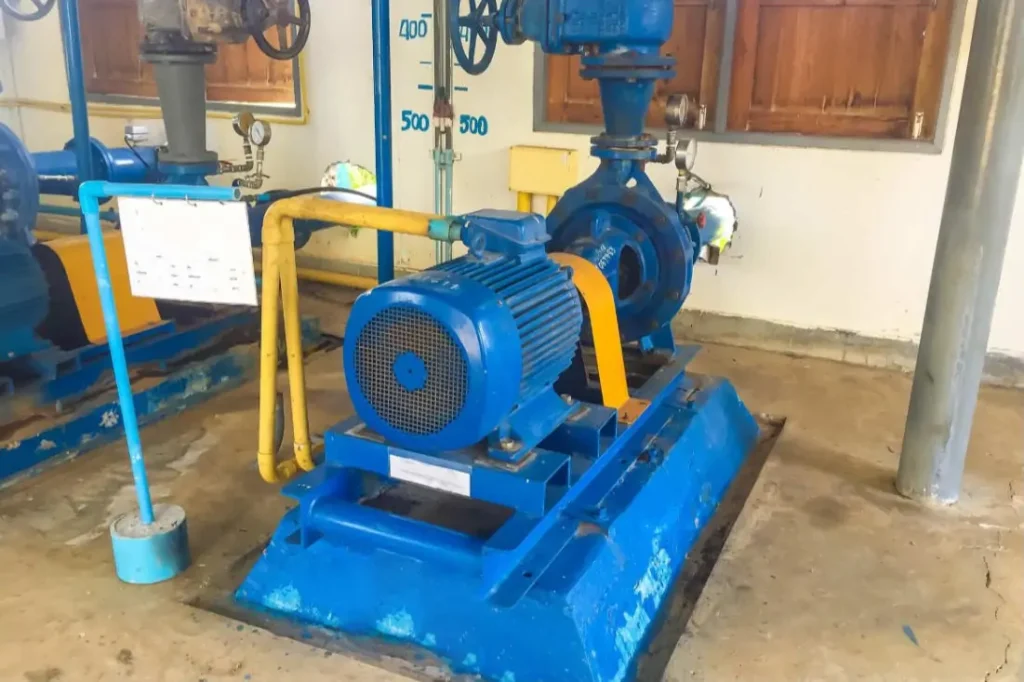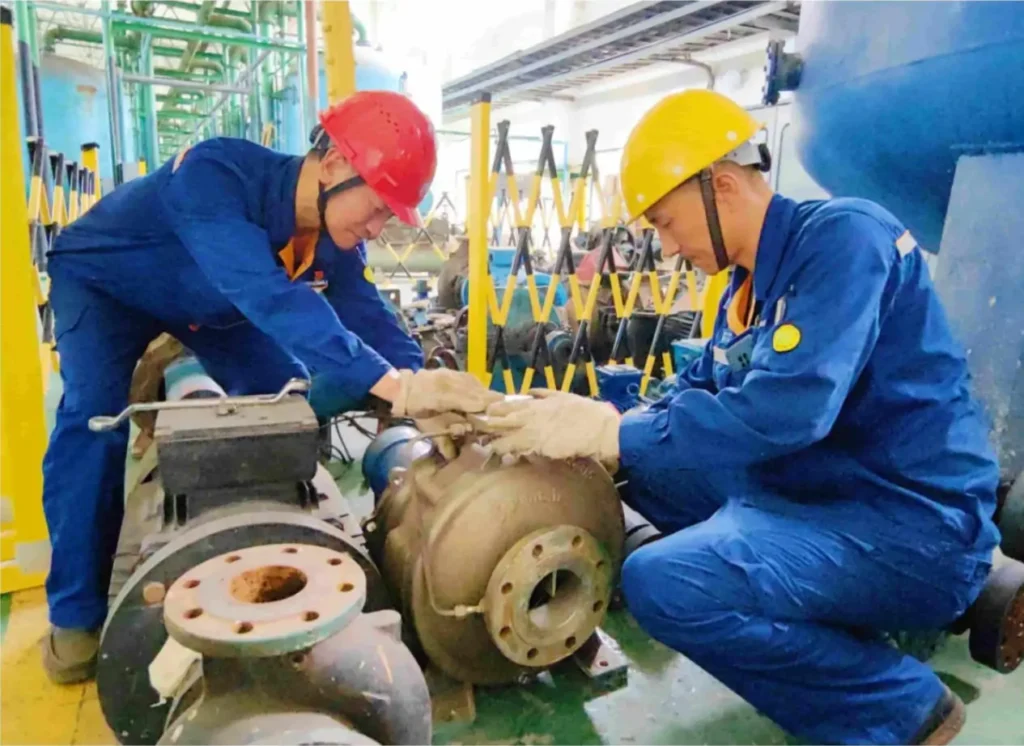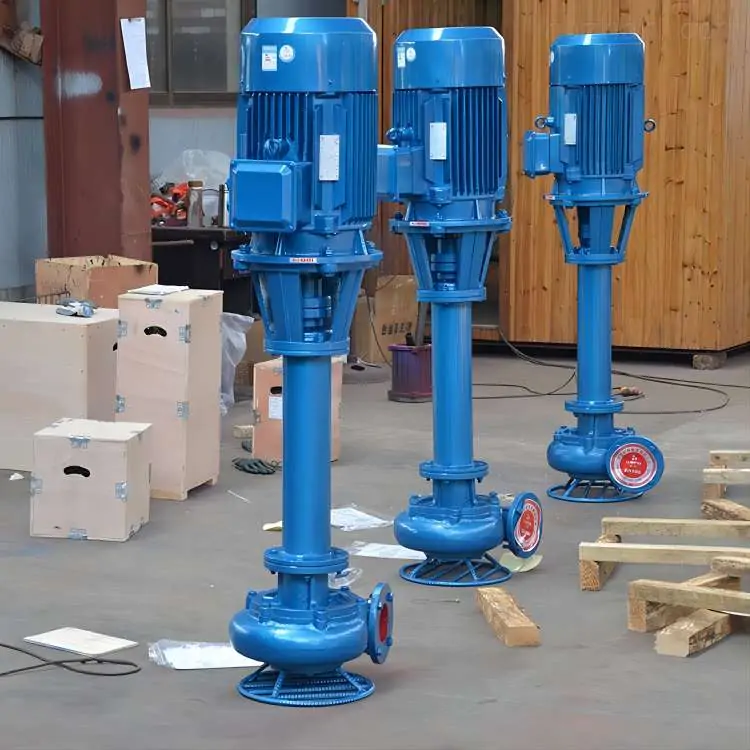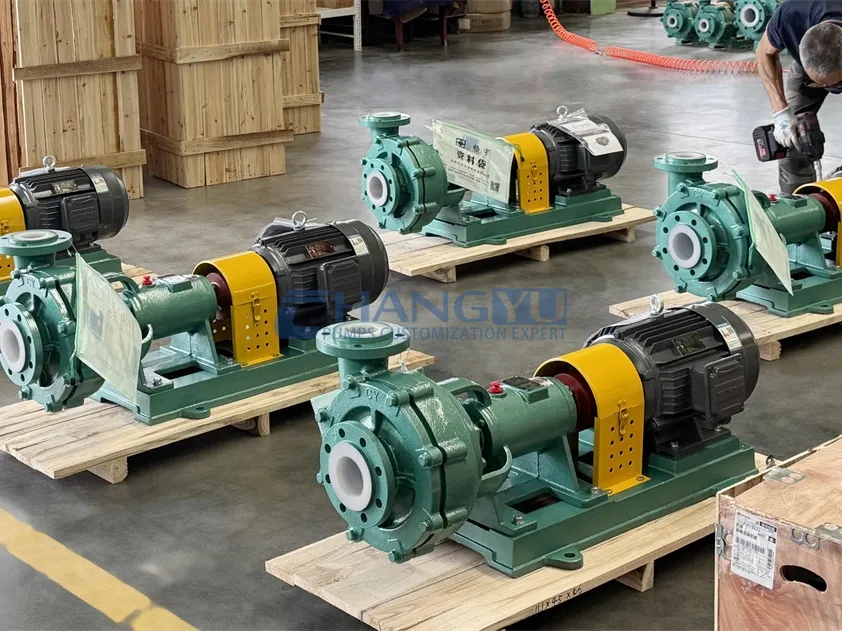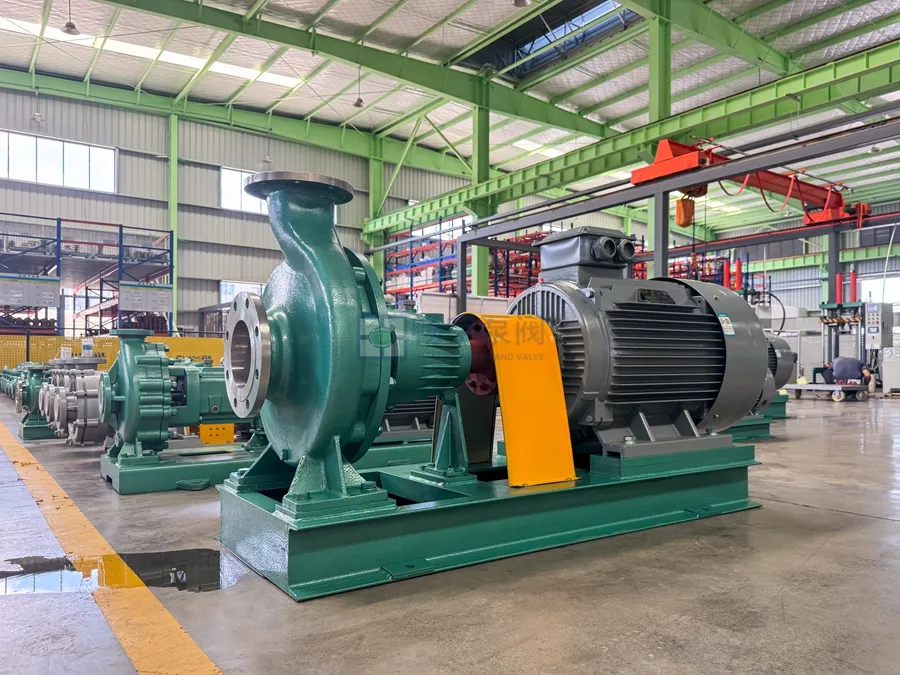
A مضخة الطين هو نوع من مضخة طرد مركزي مصممة لنقل السوائل عالية التركيز والمحملة بالجسيمات الصلبة المسببة للتآكل. وهي تستخدم على نطاق واسع في صناعات مثل المعالجة الكيميائية والمعادن والتعدين. ومع ذلك، أثناء الاستخدام طويل الأجل، غالبًا ما تواجه مضخات الملاط بعض الأعطال الشائعة. يمكن أن يساعد فهم أسباب هذه الأعطال وكيفية حلها في تحسين كفاءة المضخة وتقليل تكاليف الصيانة.
ستوضح هذه المدونة العديد من الأعطال الشائعة لمضخة الطين والحلول المقابلة لها.
عدم كفاية تدفق المضخة
الأسباب:
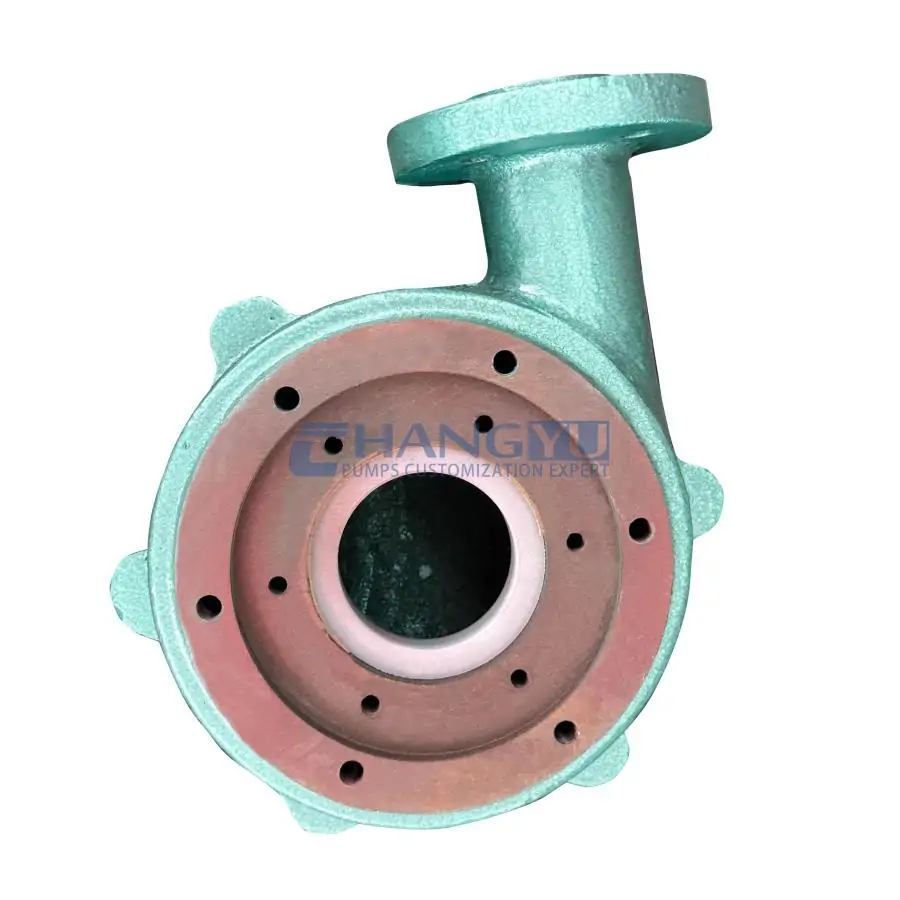
- المكرهة أو انسداد مسار التدفق، مما يؤثر على التدفق الطبيعي للوسط.
- الهواء المحبوس داخل جسم المضخة أو خط الأنابيب، مما يؤدي إلى حدوث تجويف.
- تسرب الهواء في خط الشفط، مما يتسبب في عدم كفاية الضغط السلبي في حجرة المضخة.
- تآكل شديد في المكره أو حلقة منع التسرب، مما يقلل من كفاءة المضخة.
الحلول:
- نظف جسم المضخة وخط الأنابيب بانتظام لضمان عدم وجود انسدادات.
- قم بتنفيس المضخة بالكامل قبل البدء لمنع دخول الهواء إلى جسم المضخة.
- تحقق من وجود تسربات في وصلات خطوط الأنابيب وأصلح أي نقاط تسرب للهواء.
- استبدل الدفاعات البالية أو حلقات منع التسرب لاستعادة الأداء الطبيعي.
تعطل المضخة عن العمل
الأسباب:
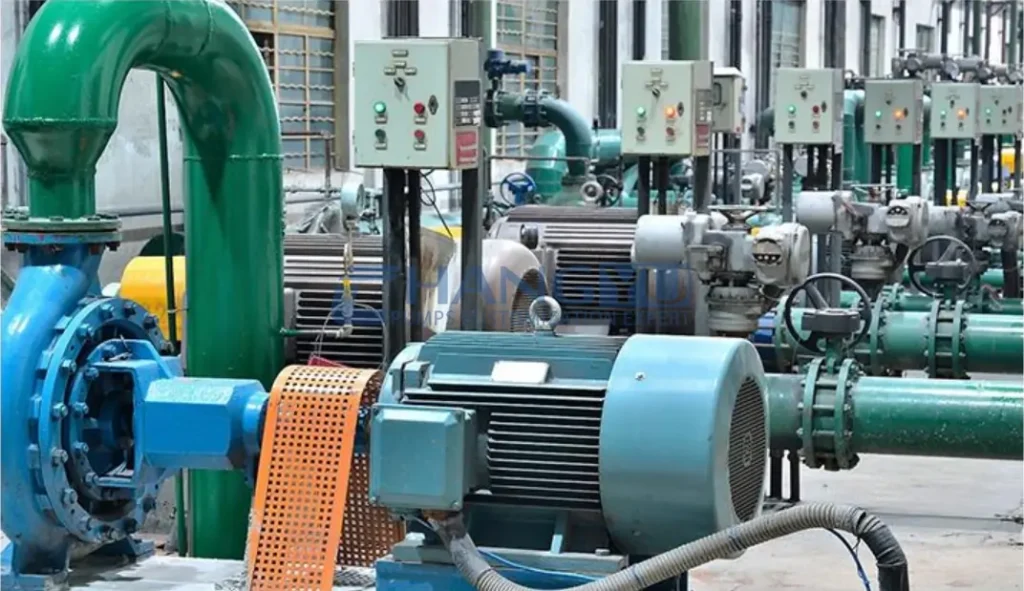
- مشاكل في الطاقة مثل الجهد المنخفض أو سوء توصيلات الدائرة الكهربائية.
- أجسام غريبة عالقة داخل المضخة، مما يمنع عمود المضخة من الدوران.
- تعطل المحرك يمنع المضخة من العمل.
- الأختام الميكانيكية عالقة أو مشدودة، مما يعيق الدوران.
الحلول:
- افحص جهد الطاقة وتوصيلات الدائرة الكهربائية لضمان إمداد كهربائي مناسب.
- افتح المضخة وقم بإزالة أي أجسام غريبة أو تحقق مما إذا كان عمود المضخة محشوراً.
- في حالة تعطل المحرك، اتصل بفني لإصلاحه أو استبداله.
- قم بتشحيم أو استبدال الموانع الميكانيكية التالفة لضمان سلاسة الدوران.
تسرب مانع التسرب الميكانيكي
الأسباب:
- موانع التسرب الميكانيكية مهترئة أو معطلة، مما يؤدي إلى سوء إحكام الغلق.
- التركيب غير السليم لمكونات الختم، مما يخلق فجوات.
- جسيمات صلبة كبيرة في الملاط تتسبب في تآكل طويل الأجل لمكونات الختم.
- درجات حرارة التشغيل المفرطة التي تؤدي إلى تشوه مانع التسرب أو تقادمه.
الحلول:
- استبدل موانع التسرب الميكانيكية البالية أو المعطلة لضمان أداء مانع التسرب المناسب.
- تحقق مما إذا كانت الأختام مثبتة بشكل صحيح وأعد ضبطها إذا لزم الأمر.
- تحسين ترشيح الملاط لتقليل تأثير الجسيمات الكبيرة على موانع التسرب.
- تأكد من أن المضخة تعمل ضمن نطاق درجة الحرارة المناسبة لمنع تلف موانع التسرب.
تركيب مانع التسرب الميكانيكي لمضخة الطرد المركزي
تركيب مضخة الطرد المركزي
الاهتزازات والضوضاء المفرطة
الأسباب:
- المحامل التالفة أو سيئة التشحيم، مما يؤدي إلى زيادة الاحتكاك.
- اختلال المحاذاة بين عمود المضخة وعمود المحرك، مما يتسبب في اختلال التوازن.
- براغي مفكوكة تسبب عدم استقرار أثناء التشغيل.
- الهواء المحبوس في الوسط، مما يسبب التجويف.
الحلول:
- افحص المحامل وقم بتشحيمها بانتظام، واستبدل البالية منها عند الحاجة.
- اضبط محاذاة عمودي المضخة والمحرك لضمان التوازن المناسب.
- افحص جميع البراغي وأحكم ربطها لمنع عدم الاستقرار.
- منع الهواء من دخول المضخة والتسبب في حدوث تجويف.
انخفاض كفاءة المضخة
الأسباب:
- يقلل التآكل الشديد في المكره أو مكونات المضخة الداخلية من الكفاءة.
- المحتوى الصلب العالي في الوسط يزيد من حمل المضخة.
- تصميم هيدروليكي رديء يؤدي إلى ظروف تشغيل غير مستقرة.
- يؤدي عدم الصيانة بمرور الوقت إلى تدهور الأداء.
الحلول:
- افحص المكونات الداخلية بانتظام للتأكد من عدم تآكلها واستبدل الأجزاء التالفة.
- تحسين عملية معالجة الوسيط لتقليل تركيز الجسيمات الصلبة وتقليل حمل المضخة.
- تحليل وضبط ظروف تشغيل المضخة لضمان ملاءمة التصميم الهيدروليكي للتطبيق.
- تنفيذ جدول صيانة منتظم للحفاظ على تشغيل المضخة بأفضل أداء.
الخاتمة
مضخات نقل الطين هي أدوات نقل صناعية قوية، ولكنها قد تتعرض لأعطال شائعة أثناء الاستخدام لفترات طويلة. إن فهم أسباب هذه المشاكل وحلولها لا يمكن أن يؤدي فقط إلى إطالة عمر المعدات ولكن أيضًا تحسين الكفاءة التشغيلية.
توصي شركة Anhui Changyu لتصنيع المضخات والصمامات المحدودة (Anhui Changyu Pump & Valve Manufacturing Co., Ltd.) المستخدمين بإجراء عمليات فحص وصيانة منتظمة بناءً على ظروف العمل الفعلية لضمان بقاء مضخة الطين في حالة عمل مثالية.
إذا واجهت أي مشاكل أخرى أثناء استخدام مضخة الطين الخاصة بك، فلا تتردد في الاتصال بشركة Anhui Changyu Pump & Valve Manufacturing Co., Ltd. للحصول على الدعم الفني والخدمات الاحترافية.
كيفية اختيار الشركات المصنعة لمضخة الطين
اختيار مصنعي مضخات الطين المناسبين أمر بالغ الأهمية للشركات. لا توفر الشركة المصنعة الموثوقة مضخات الطين عالية الجودة فحسب، بل توفر أيضًا دعمًا طويل الأجل في الاختيار وخدمة ما بعد البيع والتخصيص.