
Bomba de ácido fluosilícico La selección requiere algo más que una resistencia básica a la corrosión. En los sistemas de tratamiento de agua y de transporte de productos químicos, el ácido fluosilícico —también conocido como ácido hexafluorosilícico—requiere prestar especial atención a la compatibilidad de los materiales, el diseño de los sellos, las condiciones de funcionamiento y la disposición de la instalación. Elegir una bomba inadecuada puede provocar fugas, una dosificación inestable, un rápido deterioro de los componentes y costos de mantenimiento innecesarios.
El ácido fluosilícico se utiliza habitualmente en la fluoración del agua municipal y en sistemas de procesos químicos en los que es esencial garantizar un bombeo seguro y una dosificación controlada. Dado que el líquido es altamente corrosivo, la selección de la bomba debe basarse no solo en los materiales en contacto con el fluido, sino también en si el servicio consiste en un bombeo continuo, la gestión de tanques subterráneos o la descarga y dosificación intermitentes. Bomba Changyu está bien posicionada para esta aplicación, ya que su gama de productos abarca varios tipos de bombas resistentes a la corrosión con diseños diferentes, en lugar de una única solución universal.
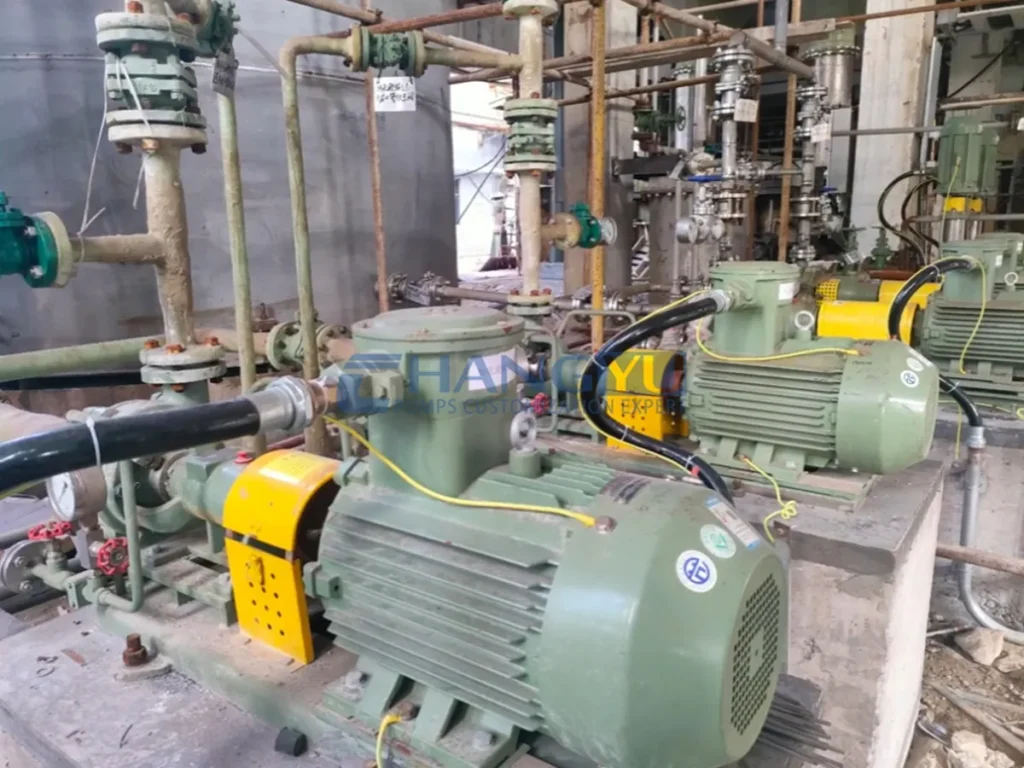
¿Qué es una bomba de ácido fluosilícico para el tratamiento de agua y el trasvase de productos químicos?
A bomba de ácido fluorosilícico es una bomba resistente a la corrosión diseñada específicamente para el bombeo de ácido hidrofluorosilícico tras evaluar las propiedades del líquido, el caudal y la altura de elevación requeridos, la disposición de la instalación y el ciclo de trabajo. En la práctica, esto puede traducirse en una bomba de transferencia sin juntas para servicio continuo, una bomba vertical sumergida para fosas o tanques, o una bomba de descarga flexible para bidones y contenedores IBC.
Esta distinción es importante porque el tratamiento del agua y el transporte de productos químicos no plantean las mismas exigencias a una bomba. Los sistemas de fluoración del agua suelen dar prioridad a un suministro estable y a un manejo limpio, mientras que los sistemas de transporte industrial pueden poner más énfasis en la prevención de fugas, el trazado de las tuberías y la fiabilidad del mantenimiento a largo plazo.
Por qué fallan las bombas estándar en aplicaciones de bombeo de ácido fluosilícico
Las bombas estándar suelen fallar en este tipo de aplicaciones porque los productos químicos afectan tanto a los metales comunes como a los sistemas de sellado habituales. Una bomba convencional con sello mecánico depende de superficies de sellado móviles que se desgastan con el tiempo, mientras que una bomba de accionamiento magnético elimina por completo el sello del eje externo. En el caso de líquidos corrosivos en los que las fugas son inaceptables, una configuración magnética sin sellos suele ser la opción de ingeniería más segura.
Otro problema habitual es la inadecuada adaptación de la instalación. Si es necesario extraer el ácido de un foso, un tanque o un punto de recolección subterráneo, una bomba horizontal externa puede tener dificultades debido a las limitaciones de succión y a la inestabilidad de funcionamiento. En estos casos, un diseño sumergible suele ser más confiable, ya que la bomba funciona directamente dentro del líquido en lugar de depender de condiciones de succión adversas.
Factores clave para la selección de bombas de ácido fluosilícico que garanticen un funcionamiento seguro y confiable
Elegir el adecuado bomba de ácido fluorosilícico Se parte de seis parámetros operativos: concentración, temperatura, caudal requerido, altura de descarga, disposición de la instalación y si el servicio es continuo o intermitente. Estos factores determinan el tipo de bomba adecuado, el material de revestimiento y el sistema de sellado.
Los ingenieros también deben determinar si el líquido está limpio o si el sistema presenta residuos, depósitos o condiciones de succión difíciles. Una línea de transferencia limpia de un tanque a otro puede favorecer el uso de una bomba centrífuga de accionamiento magnético, mientras que la descarga de contenedores de productos químicos o la alimentación de un sistema de dosificación más pequeño pueden requerir una configuración diferente.
Para este servicio, los componentes no metálicos en contacto con el fluido, altamente resistentes a la corrosión, suelen ser más adecuados que las construcciones metálicas de uso general. Los diseños de bombas revestidas de fluoroplástico son especialmente relevantes, ya que el FEP, el PFA, el PTFE y materiales similares se utilizan ampliamente en aplicaciones con ácidos agresivos que requieren tanto resistencia química como fiabilidad en la contención.
Los mejores tipos de bombas para ácido fluosilícico en el tratamiento de agua y el transporte de productos químicos
Las diferentes condiciones de funcionamiento requieren diferentes diseños de bombas. El bombeo continuo de líquidos limpios, el servicio en tanques subterráneos y la descarga intermitente deben evaluarse por separado para que la bomba se adapte al servicio real.
| Escenario de aplicación | Tipo de bomba recomendado | Razón técnica |
|---|---|---|
| Transferencia limpia y continua | Bomba de accionamiento magnético | El diseño sin juntas reduce el riesgo de fugas y permite una construcción revestida resistente a la corrosión. |
| Servicio de fosas, sumideros o tanques | Bomba sumergible de plástico fluorado | La instalación sumergida evita los problemas de succión y mejora la estabilidad en configuraciones bajo rasante. |
| Bidón, IBC o descarga intermitente | Bomba neumática de doble diafragma | El funcionamiento autocebante es ideal para el manejo por lotes, el trasvase móvil y la descarga flexible de productos químicos. |
No existe un tipo de bomba que sea ideal para todas las aplicaciones del ácido fluosilícico. La elección adecuada depende de si la tarea implica un trasvase continuo, el servicio en tanques verticales o la descarga portátil y el apoyo en la alimentación.
Las 3 mejores soluciones de Changyu para sistemas de bombeo de ácido fluosilícico
Bomba Changyu ofrece una ventaja práctica para esta aplicación, ya que su gama de productos abarca varios escenarios de manejo de líquidos corrosivos, en lugar de limitarse a una sola categoría de bombas. Para esta aplicación, hay tres líneas de productos especialmente relevantes: la bomba de accionamiento magnético CYQ, la bomba sumergible de fluoroplástico FYH y la bomba neumática de doble diafragma BFQ.
Bomba de accionamiento magnético CYQ para el trasvase sin fugas de ácido fluosilícico
El Bomba Changyu CYQ con transmisión magnética es la opción más adecuada para el bombeo limpio y continuo de ácido fluosilícico, donde el control de las fugas externas es una prioridad absoluta. Changyu describe la serie CYQ como una bomba centrífuga de accionamiento magnético sin juntas, con tecnología de revestimiento de fluoroplástico, lo que la hace ideal para aplicaciones con ácidos corrosivos.
Su mayor ventaja es su estructura sin sellos. Dado que el par se transmite magnéticamente en lugar de a través de un sello de eje, este diseño elimina el habitual punto de fuga de los sellos mecánicos que suele ser motivo de preocupación en el transporte de productos químicos corrosivos. Para tanques de preparación de alimentación en el tratamiento de aguas, circuitos de transferencia cerrados y el transporte general de ácidos limpios, esta es una de las soluciones más adecuadas de la gama de bombas Changyu.
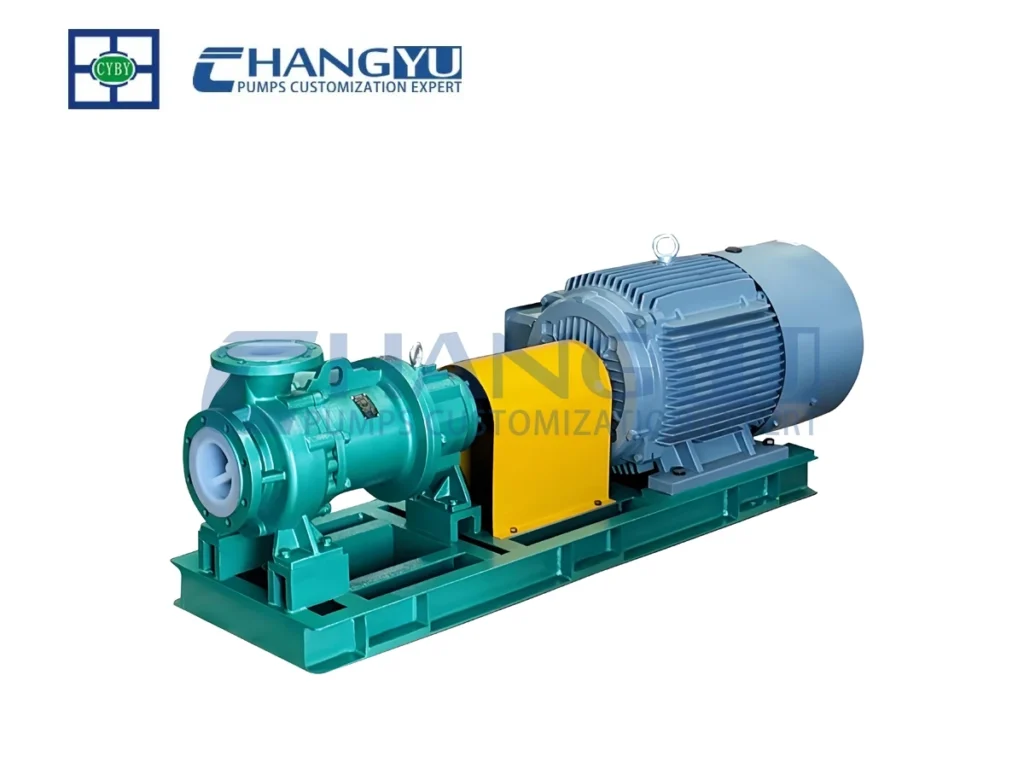
| Artículo | Especificaciones |
|---|---|
| Nombre del producto | Bomba resistente a productos químicos de la serie CYQ |
| Tipo de bomba | Bomba centrífuga de accionamiento magnético |
| Marca | Bomba Changyu |
| Estructura | Horizontal |
| Escenario | De una sola etapa |
| Tipo de impulsor | Impulsor cerrado |
| Cantidad de impulsores | 1 |
| Tipo de unidad | Magnético |
| Solicitud | Bomba para productos químicos |
| Material | Revestido de plástico fluorado (PFA / PVDF / ETFE / FEP opcional) |
| Voltaje | 380 V |
Bomba sumergible de fluoroplástico FYH para tanques, fosas y aplicaciones con ácidos bajo rasante
El Bomba sumergible de fluoroplástico FYH de Changyu Pump es la mejor opción cuando es necesario bombear ácido fluosilícico desde un tanque, un pozo u otra ubicación subterránea. Changyu presenta la FYH, una bomba sumergible vertical resistente a la corrosión para líquidos corrosivos, que resuelve directamente los problemas del lado de succión a los que suelen enfrentarse las bombas horizontales en estas configuraciones.
Esto es importante porque la geometría de la instalación puede determinar si un sistema funciona sin problemas o si sufre problemas recurrentes de succión. Si el líquido se encuentra por debajo de la línea central de la bomba o dentro de un sumidero de difícil acceso, un diseño sumergido puede mejorar la confiabilidad y simplificar el sistema. Para fosas de recolección, tanques de almacenamiento y estaciones de transferencia donde las condiciones de succión no son ideales, la FYH ofrece una solución sumergida más confiable.
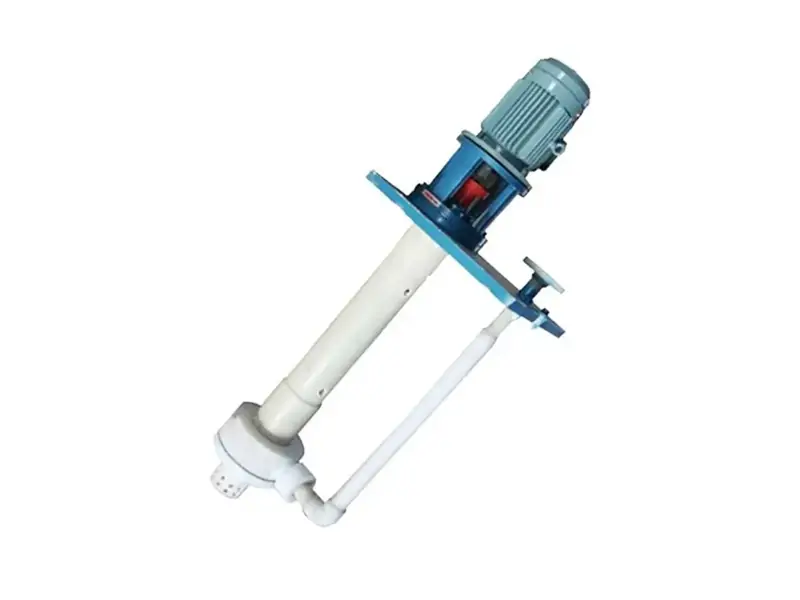
| Parámetro | Especificaciones | Parámetro | Especificaciones |
| Modelo | FYH | Material | Plásticos técnicos / Fluoroplásticos |
| Método de accionamiento | Eléctrico | Posición del eje de la bomba | Vertical (montaje lateral) |
| Estructura del impulsor | Impulsor cerrado | Número de impulsores | De una sola etapa |
| Método de succión | Succión simple | Principio de funcionamiento | Bomba centrífuga |
| Rendimiento | Resistente a la corrosión | Fluido de bombeo | Medios altamente corrosivos |
| Gama de cabezales | 5 m – 50 m | Velocidad | 2900 rpm |
| Potencia de salida | 1,5 kW – 18,5 kW | Caudal | 5 m³/h – 400 m³/h |
| Voltaje | 380 V | Peso estándar | ~80 kg |
| Rango de temperatura | De -20 °C a 90 °C | Solicitud | Bomba para productos químicos |
Bomba neumática de doble diafragma BFQ para descarga flexible y transferencia por lotes
El Bomba de doble diafragma neumática BFQ de Changyu Pump es la opción más flexible para la descarga de bidones, el trasvase de contenedores IBC y la manipulación intermitente de productos químicos. Changyu presenta la serie BFQ, una bomba de diafragma neumática, autocebante y sin fugas, diseñada para el trasvase de productos químicos, lodos y fluidos industriales, lo que la hace ideal cuando el ácido fluosilícico no se transporta a través de una tubería fija y continua.
Su punto fuerte es la flexibilidad operativa. Las bombas de diafragma neumáticas son ideales para aplicaciones de arranque y parada, tareas de transferencia portátiles y situaciones de descarga en las que los operadores necesitan una bomba que se pueda instalar rápidamente y trasladar según sea necesario. En operaciones de apoyo al tratamiento de agua o en almacenes de productos químicos que manejan contenedores más pequeños, la BFQ amplía la gama de soluciones de Changyu Pump más allá de los sistemas centrífugos fijos.

Tabla de selección de bombas de ácido fluosilícico según las necesidades operativas
En la tabla siguiente se indican las necesidades operativas más comunes, junto con el modelo de bomba Changyu más adecuado y los motivos técnicos que justifican dicha selección.
| Necesidad operativa | El mejor modelo de bomba Changyu | Motivo principal |
|---|---|---|
| Trasvase continuo de ácido sin fugas | Bomba de accionamiento magnético CYQ | Diseño sin juntas con revestimiento de fluoroplástico para aplicaciones con sustancias corrosivas en entornos limpios. |
| Bombeo de tanques o fosas subterráneas | Bomba sumergible de fluoroplástico FYH | La instalación vertical sumergida evita la inestabilidad en el lado de succión. |
| Descarga portátil y transferencia intermitente | Bomba neumática de doble diafragma BFQ | El sistema neumático autocebante es adecuado para bidones, contenedores IBC y la manipulación por lotes. |
Errores comunes en la selección de bombas de ácido fluosilícico para el tratamiento de agua y el transporte de productos químicos
Un error común es elegir una bomba basándose únicamente en su “resistencia a los ácidos”, sin tener en cuenta el método de sellado. En muchas aplicaciones corrosivas, el verdadero punto débil no es solo el material de la carcasa, sino el sistema de sellado del eje, especialmente cuando es importante evitar fugas a largo plazo.
Otro error es no diferenciar entre el bombeo continuo y las tareas de descarga o dosificación. Una bomba centrífuga de accionamiento magnético puede ser ideal para un flujo continuo limpio, pero una bomba de diafragma neumática puede resultar más práctica para la descarga de contenedores o para un servicio intermitente. Un tercer error es ignorar la disposición de la instalación, ya que bombear desde un foso o un tanque subterráneo con una bomba externa inadecuada puede generar problemas de succión evitables que un diseño sumergible resolvería de manera más eficaz.
Preguntas frecuentes sobre la selección de bombas para ácido fluosilícico en el tratamiento de agua y el transporte de productos químicos
¿Cuál es el mejor material para una bomba de ácido fluosilícico?
Los componentes en contacto con el fluido revestidos de plástico fluorado son una opción idónea para esta aplicación, ya que los diseños de bombas de plástico fluorado se utilizan habitualmente para ácidos corrosivos agresivos que requieren una alta resistencia química.
¿Es adecuada una bomba de accionamiento magnético para el trasvase de ácido fluosilícico?
Sí, especialmente para el bombeo continuo de fluidos limpios, donde es fundamental evitar fugas, ya que las bombas de accionamiento magnético sin sellos prescinden del sello mecánico externo del eje.
¿Qué bomba es la más adecuada para un tanque o foso que contenga ácido fluosilícico?
Una bomba sumergible vertical suele ser la mejor solución, ya que evita los problemas de altura de succión y funciona directamente en el líquido.
¿Puede una bomba de diafragma neumática bombear ácido fluosilícico?
Puede ser una excelente opción para la descarga de bidones, el trasvase de contenedores IBC y la manipulación intermitente de productos químicos, en las que la autocebado y la flexibilidad operativa son fundamentales.
¿Es suficiente un solo tipo de bomba para todas las aplicaciones de ácido hidrofluorosilícico?
No, porque el trasvase continuo, el servicio de tanques subterráneos y la descarga por lotes plantean requisitos distintos en cuanto a la estructura de la bomba y el método de instalación.
¿Qué información debo proporcionar al solicitar un presupuesto para una bomba de ácido fluosilícico?
Debe indicar la concentración del ácido, la temperatura, el caudal requerido, la altura de descarga, la disposición de la instalación, si el funcionamiento es continuo o intermitente, y si el líquido está limpio o contiene residuos o presenta condiciones de succión difíciles.
Conclusión: Cómo elegir la solución adecuada de Changyu para bombas de ácido fluosilícico
Elegir el adecuado bomba de ácido fluorosilícico implica adaptar la resistencia a la corrosión, la estructura de sellado y la geometría de instalación a las condiciones reales de funcionamiento. En el tratamiento de aguas y el transporte de productos químicos, la mejor opción puede ser una bomba de accionamiento magnético CYQ para servicio continuo en ambiente cerrado, una bomba sumergible de fluoroplástico FYH para uso en fosas o tanques, o una bomba de diafragma neumática BFQ para descarga y manejo intermitente.
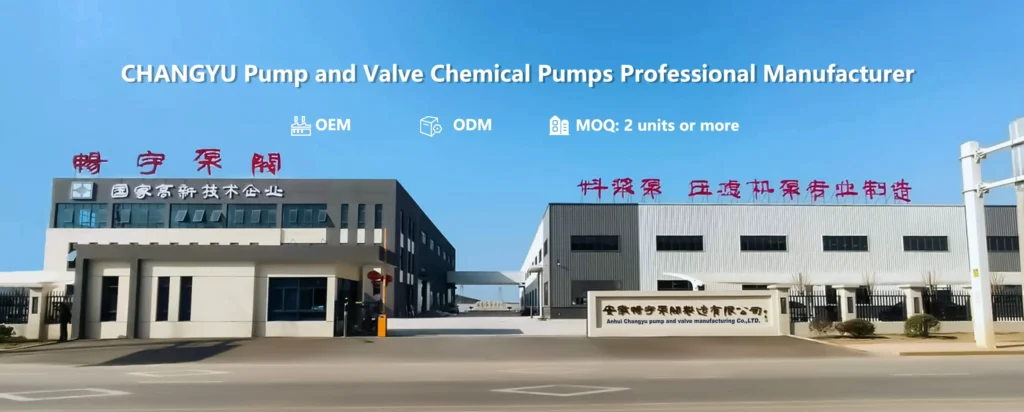
La gama de productos de Changyu Pump permite seleccionar la bomba más adecuada para las distintas condiciones de funcionamiento con ácido fluosilícico. Gracias a la variedad de estructuras de bombas resistentes a la corrosión disponibles, Changyu Pump puede adaptar con mayor precisión los sistemas de tratamiento de agua y de transferencia de productos químicos a su configuración real, modo de funcionamiento y necesidades de contención.