
Respuesta Rápida
A bomba de lodos de carbón químico es una bomba de servicio pesado diseñada para manejar lodos corrosivos, abrasivos y a menudo de alta temperatura generados durante la gasificación de carbón, coquización, licuefacción y tratamiento de aguas residuales. Estos procesos generan fluidos que combinan ácido sulfúrico, sulfuro de hidrógeno, amoníaco, fenoles y partículas abrasivas de carbón, un desafío multifactorial que destruye bombas estándar en semanas. Factores clave de selección:
- El material debe resistir corrosión y abrasión simultáneamente: Los lodos de carbón químico son tanto ácidos (pH 2–6) como altamente abrasivos (hasta 30% de finos de carbón). El acero inoxidable se corroe en el ácido. La aleación de alto cromo se desgasta en el lodo pero no ofrece resistencia al ácido. El UHMWPE (polietileno de ultra alto peso molecular) es químicamente inerte al ambiente ácido mientras proporciona resistencia a la abrasión que supera significativamente al acero inoxidable.
- El manejo de sólidos previene la obstrucción: El lodo de carbón-agua, el lodo de alquitrán de coque y las partículas de catalizador se sedimentan rápidamente cuando el flujo se detiene. Los impulsores semiabiertos previenen la obstrucción que afecta a los diseños de impulsores cerrados, y los pasajes de flujo anchos permiten que partículas grandes pasen sin obstrucción.
- El diseño de sello y seguridad previene fugas peligrosas: Muchos procesos de carbón químico involucran medios inflamables, tóxicos o de alta temperatura. Los sellos mecánicos dobles con sistemas de fluido de barrera, motores a prueba de explosiones y planes de lavado de sello conformes con API son requisitos estándar para una operación segura y confiable.
El procesamiento de carbón químico crea algunas de las condiciones de bombeo más agresivas en el mundo industrial. En una planta de gasificación, una bomba podría manejar lodo de carbón-agua con la consistencia de concreto húmedo, a temperaturas que superan los 200°C, en un ambiente donde el sulfuro de hidrógeno hace que el fluido del proceso sea lo suficientemente ácido como para corroer el acero inoxidable. En una planta de coquización, la bomba mueve lodo espeso de alquitrán que obstruye los impulsores estándar mientras que el ácido sulfúrico en la corriente de desechos ataca los componentes metálicos. Las bombas químicas estándar fallan en semanas porque están diseñadas para resistencia a la corrosión o resistencia a la abrasión, rara vez ambas.
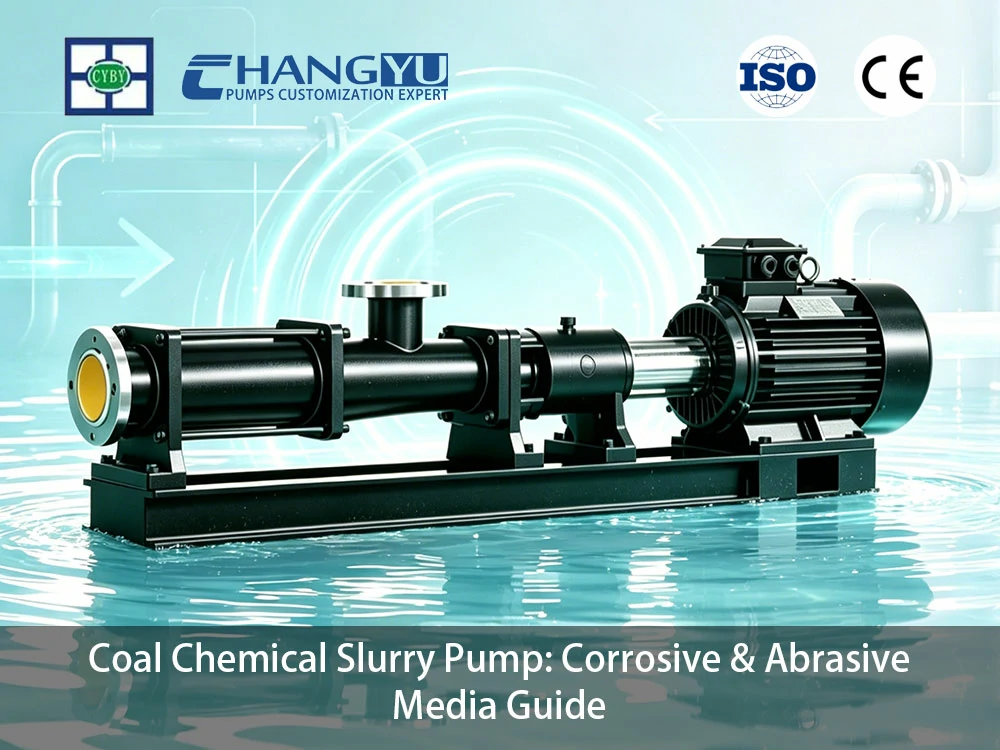
Después de leer esta guía, comprenderá las demandas específicas de bomba de cada proceso de carbón químico, por qué las bombas revestidas de UHMWPE superan tanto al metal como a otros materiales de revestimiento, cómo seleccionar la configuración de bomba adecuada para gasificación, coquización, licuefacción y tratamiento de aguas residuales, y qué características de seguridad y sello se requieren para una operación confiable de bombas de carbón químico. Con más de 20 años de experiencia en fabricación de bombas, Changyu Pump presenta esta guía de selección integral para aplicaciones de lodos de carbón químico.
¿Qué es una Bomba de Lodos de Carbón Químico?
El procesamiento de carbón químico abarca una gama de tecnologías que convierten el carbón en gas natural sintético, combustibles líquidos, metanol, olefinas y otros productos químicos. Los procesos (gasificación, coquización y licuefacción directa) comparten una característica común: generan lodos que son simultáneamente corrosivos, abrasivos y a menudo a temperatura y presión elevadas.
El Desafío Multifactorial de los Lodos de Carbón Químico
| Desafío | Fuente | Efecto en la Bomba |
|---|---|---|
| Corrosión ácida | H₂S (sulfuro de hidrógeno), H₂SO₄, CO₂, NH₃, fenoles en agua de proceso | Ataca el acero inoxidable; corroe el hierro fundido; degrada elastómeros estándar |
| Desgaste abrasivo | Finos de carbón, partículas de coque, sólidos de catalizador, cenizas hasta 30% en peso | Erosiona las superficies del impulsor; acelera la corrosión al eliminar películas protectoras |
| Alta temperatura | Agua negra de gasificación hasta 220°C; aguas residuales de coquización hasta 100°C | Acelera la tasa de corrosión; tensiona la unión revestimiento-carcasa; degrada elastómeros |
| Sedimentación de sólidos | Partículas densas de carbón y coque se sedimentan cuando el flujo se detiene | Obstruye los pasajes del impulsor; bloquea las líneas de succión; causa arranque difícil |
| Formación de cristales | Las sales de amonio, los compuestos fenólicos cristalizan durante períodos de inactividad | Bloquea las caras del sello; bloquea el rotor de la bomba; requiere desmontaje para limpiar |
Una bomba de lodos de carbón químico debe manejar esta combinación de desafíos sin corroerse, obstruirse, tener fugas o requerir paradas frecuentes de mantenimiento. Las bombas industriales estándar, ya sean metálicas o revestidas, fallan rápidamente porque abordan solo uno o dos de estos factores, no todos simultáneamente.
¿Dónde se Utilizan las Bombas de Lodos de Carbón Químico?
El procesamiento de carbón químico se divide en cuatro áreas de aplicación principales, cada una con características de fluido y requisitos de bomba distintos.
Matriz de Aplicación de Bombas para Procesos de Carbón Químico
| Área de Proceso | Fluidos Típicos | Temperatura | Contenido en sólidos | pH / Corrosividad | Requisito Crítico de la Bomba |
|---|---|---|---|---|---|
| Gasificación de carbón | Lodo de carbón-agua, agua negra, agua gris, lodo de escoria | 150–220°C | 15–30% (finos de carbón, cenizas, escoria) | pH 3–6 (H₂S, CO₂, NH₃) | Resistencia a temperatura extrema; capacidad de alta presión |
| Coquización / planta de coque | Lodo de alquitrán de coque, líquido residual de desulfuración, aguas residuales que contienen fenol, licor de amoníaco | 60–100°C | 10–25% (brisa de coque, sólidos de alquitrán) | pH 2–5 (H₂SO₄, fenoles, NH₃) | Resistencia a la adhesión de alquitrán; diseño antiobstrucción |
| Licuefacción de carbón | Lodo de aceite-carbón, lodo de catalizador, residuo hidrogenado, reciclaje de solvente | 100–450°C | 20–40% (carbón, catalizador) | Variable (H₂S, ácidos orgánicos) | Temperatura extrema; alta presión; compatibilidad con hidrógeno |
| Aguas residuales de carbón químico | Aguas residuales que contienen amoníaco, aguas residuales que contienen fenol, líquido residual de desulfuración, agua ácida | 30–100°C | 5–15% (sólidos suspendidos) | pH 2–6 (H₂S, NH₃, fenoles, H₂SO₄) | Resistencia combinada a corrosión ácida y abrasión de sólidos |
Por Qué los Procesos de Carbón Químico Exigen Bombas Especializadas
- El agua negra de gasificación es uno de los servicios más exigentes: el agua que ha lavado el gas de síntesis crudo contiene H₂S, CO₂, NH₃ y cloruros disueltos, además de cenizas finas y partículas de carbón. El fluido es ácido, abrasivo y típicamente a 150–220°C, una combinación que elimina de consideración al acero inoxidable estándar y a la mayoría de las bombas revestidas.
- Las aguas residuales de plantas de coque contienen fenoles, amoníaco, sulfuro de hidrógeno y ácido sulfúrico, un cóctel corrosivo que ataca los metales, además de alquitrán y sólidos de coque que abrasan y obstruyen. Las bombas en este servicio deben resistir tanto el ataque químico como el desgaste mecánico.
- Lodo de carbón-agua (CWS) utilizado como alimentación del gasificador tiene la consistencia de lodo espeso, con un 60–70% de sólidos de carbón en peso. La alta concentración de sólidos genera un desgaste abrasivo extremo en los componentes internos de la bomba, mientras que la fase acuosa suele ser ácida debido a los gases disueltos.
¿Por Qué el UHMWPE es el Mejor Material para Bombas de Lodo de Carbón Químico?
Polietileno de peso molecular ultra alto se ha convertido en el material preferido para la construcción de bombas de lodo de carbón químico porque aborda de manera única los desafíos combinados que superan a otros materiales.
UHMWPE vs Materiales Alternativos en Servicio de Carbón Químico
| Material | Resistencia a Ácidos (H₂S, H₂SO₄, pH 2–6) | Resistencia a la Abrasión (Finos de Carbón, Coque, Ceniza) | Límite de temperatura | Anti-Adherencia (Alquitrán, Cristales) | Costo Relativo | Vida Útil en Servicio de Carbón Químico |
|---|---|---|---|---|---|---|
| Acero inoxidable 316L | Pobre — picaduras y corrosión por grietas en H₂S, falla rápida en agua ácida | Pobre — blando, se desgasta rápidamente por partículas de carbón | Alto | Pobre — el alquitrán y la incrustación se adhieren fuertemente | Medio | 2–6 meses |
| Aleación de Alto Cromo (Cr27) | Muy pobre — sin resistencia a ácidos; se corroe rápidamente por debajo de pH 5 | Excelente | Alto | Pobre — superficie rugosa atrapa depósitos | Medio | 1–4 meses |
| Revestido de caucho natural | Moderada — se degrada en ácido caliente e hidrocarburos; temperatura limitada a 70°C | Excelente | 70 °C | Buena — superficie flexible resiste la adherencia | Medio | 3–9 meses |
| Revestido de PTFE/PFA | Excelente — resistencia universal a ácidos; maneja H₂S, fenoles, NH₃ | Moderada — más blando que UHMWPE; las partículas de carbón se incrustan y desgastan el revestimiento | 120–160°C | Excelente — superficie antiadherente | Alto | 12–24 meses (menor en servicio de alta concentración de sólidos) |
| Revestido de UHMWPE | Excelente — químicamente inerte a H₂S, H₂SO₄, NH₃, fenoles en concentraciones de carbón químico | Excelente — la resistencia a la abrasión supera significativamente al acero inoxidable; maneja hasta un 30% de sólidos de carbón | 90 °C | Excelente — superficie de baja fricción y antiadherente resiste la adherencia de alquitrán y cristales | Medio | 18–36 meses (varía según el proceso — mayor en aguas residuales/coquización, menor en gasificación) |
| Acero Inoxidable Dúplex (2205) | Moderada — mejor que 316L pero aún se corroe en H₂S por encima de 60°C | Moderado | Alto | Pobre | Alto | 6–12 meses |
Cuatro Ventajas Críticas del UHMWPE en Servicio de Carbón Químico
- Resistencia a ácidos sin concesiones: El UHMWPE es químicamente inerte a toda la gama de fluidos de proceso de carbón químico — sulfuro de hidrógeno (H₂S), ácido sulfúrico (H₂SO₄), amoníaco (NH₃), fenoles y cloruros. A diferencia del acero inoxidable, que depende de una frágil capa de óxido pasivo que el H₂S y los cloruros atacan, el UHMWPE proporciona una resistencia química inherente e inmutable durante toda su vida útil.
- Resistencia a la abrasión que supera al metal: Las cadenas moleculares extremadamente largas del UHMWPE crean una superficie sobre la cual las partículas de carbón se deslizan en lugar de incrustarse. La resistencia a la abrasión supera significativamente a la del acero inoxidable. Donde los finos de carbón y las partículas de coque erosionan los álabes del impulsor metálico en cuestión de meses, las superficies de UHMWPE muestran solo un desgaste gradual y uniforme.
- Propiedades antiadherentes que previenen obstrucciones: El alquitrán de carbón, los lodos de coque y las sales de amonio cristalizadas se adhieren fuertemente a las superficies metálicas, acumulándose capa por capa hasta que los pasajes de flujo se restringen. La baja energía superficial natural del UHMWPE evita esta adherencia — el alquitrán y los cristales no pueden unirse a la superficie, reduciendo tanto el riesgo de obstrucción como la frecuencia de limpieza.
- Resistencia al impacto que previene fallas frágiles: A diferencia de los materiales cerámicos y algunos plásticos rígidos, el UHMWPE absorbe impactos de partículas grandes de carbón y material extraño ocasional sin agrietarse. Esto es esencial en servicio de carbón químico donde partículas sobredimensionadas de procesos aguas arriba pueden golpear los componentes internos de la bomba.
Limitaciones de Temperatura y Soluciones
El UHMWPE está clasificado para servicio continuo a temperaturas de hasta 90°C. Esto cubre la mayoría de las aplicaciones de carbón químico:
- Aguas residuales de coquización: 60–100°C — UHMWPE adecuado para la mayoría de aplicaciones; bomba revestida de FEP para servicio continuo por encima de 90°C
- Líquido de desulfuración: 40–80°C — UHMWPE ideal
- Licor de amoníaco: 30–70°C — UHMWPE ideal
- El agua negra de gasificación: 150–220°C — UHMWPE no adecuado; este servicio requiere aleaciones metálicas de alta temperatura o bombas revestidas especializadas de alta temperatura fuera del alcance de esta guía
Los ingenieros de Changyu Pump recomiendan: Para aplicaciones de carbón químico que operan por debajo de 90°C — que incluye aguas residuales de coquización, desulfuración, licor de amoníaco y recuperación de fenoles — las bombas revestidas de UHMWPE proporcionan la combinación óptima de resistencia a la corrosión, resistencia a la abrasión y vida útil. Para agua negra de gasificación y otros servicios de alta temperatura, consulte a nuestro equipo de ingeniería para recomendaciones especializadas de bombas de alta temperatura.
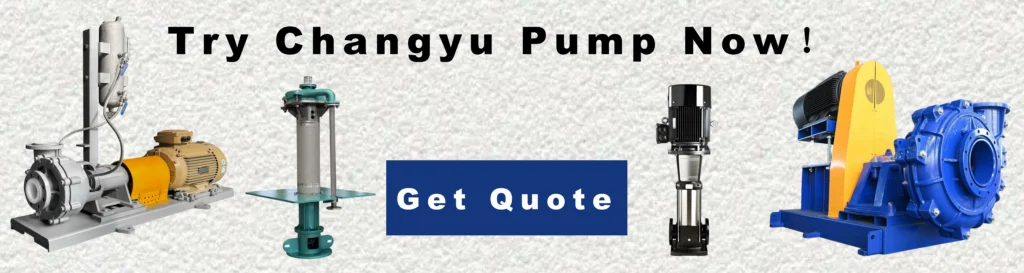
¿Cómo Seleccionar una Bomba de Lodo de Carbón Químico por Proceso?
Cada proceso de carbón químico impone demandas distintas en la configuración de la bomba. Igualar la bomba al proceso específico es esencial para una operación confiable.
Matriz de Selección de Bombas para Procesos de Carbón Químico
| Aplicación del Proceso | Características del Fluido | Temperatura | Contenido en sólidos | Configuración de bomba recomendada |
|---|---|---|---|---|
| Alimentación de lodo agua-carbón | Mezcla agua-carbón, 60–70% de carbón, fase acuosa ácida | 30–100°C | 60–70% | Bomba revestida de UHMWPE con impulsor semiabierto; sello mecánico doble; baja velocidad (750–1,450 rpm) para reducir el desgaste |
| Transferencia de lodo de alquitrán de coque | Alquitrán, brisa de coque, licor de amoníaco, ácido | 60–100°C | 15–25% | Bomba revestida de UHMWPE con impulsor semiabierto; sello mecánico doble; superficie antiadherente previene acumulación de alquitrán |
| Circulación de líquido de desulfuración | Solución de H₂SO₄, sólidos de yeso, sulfitos | 40–80°C | 5–15% | Bomba revestida de UHMWPE con impulsor semiabierto; sello mecánico simple o doble |
| Aguas residuales que contienen fenol | Fenoles, H₂S, NH₃, ácidos orgánicos, sólidos suspendidos | 60–100°C | 5–10% | Bomba revestida de UHMWPE (para ≤90°C); bomba revestida de FEP (para >90°C); impulsor semiabierto; sello mecánico doble |
| Transferencia de licor de amoníaco | Solución de NH₃, H₂S, trazas de orgánicos | 30–70°C | < 5% | Bomba revestida de UHMWPE con impulsor semiabierto; sello mecánico simple (doble para áreas peligrosas) |
| Lodo de catalizador (licuefacción) | Mezcla carbón-aceite-catalizador, alta viscosidad, alta abrasión | 100–450°C | 20–40% | Aleación especializada de alta temperatura o bomba de cavidad progresiva — consulte al fabricante para requisitos específicos de temperatura |
| Residuo de licuefacción de carbón | Aceite pesado, carbón no reaccionado, ceniza, catalizador | 200–450°C | 30–50% | Bomba de aleación de alta temperatura — fuera del rango de temperatura del UHMWPE |
Reglas Clave de Selección por Proceso
- Aguas residuales de coquización y desulfuración — aplicaciones principales del UHMWPE: Estos procesos operan dentro del rango de temperatura y resistencia química del UHMWPE. Las bombas revestidas de UHMWPE con impulsores semiabiertos y sellos mecánicos dobles son la especificación estándar.
- Alimentación de lodo agua-carbón — abrasión extrema: La concentración de sólidos del 60–70% requiere la máxima resistencia a la abrasión disponible. UHMWPE con impulsor semiabierto, operado a baja velocidad, proporciona la vida útil más larga.
- Agua negra de gasificación — UHMWPE no es adecuado: A 150–220°C, este servicio supera el límite de temperatura del UHMWPE. Consulte a Changyu Pump para recomendaciones de aleaciones de alta temperatura o bombas revestidas especializadas.
- Licuefacción de carbón — temperatura extrema: A 100–450°C, este servicio requiere metalurgia especializada. Las bombas revestidas de UHMWPE y FEP no son adecuadas para las etapas de temperatura más alta.
Los ingenieros de Changyu Pump recomiendan: Para la mayoría de las aplicaciones de química del carbón — aguas residuales de coquización, desulfuración, licor de amoníaco, recuperación de fenol y mezcla carbón-agua — las bombas revestidas de UHMWPE proporcionan la vida útil más larga y el menor costo total de propiedad. Estos procesos comparten las características comunes de temperatura moderada (< 90°C), química ácida y sólidos abrasivos que el UHMWPE está específicamente diseñado para manejar.
¿Cómo Prevenir la Obstrucción y Cristalización en Bombas de Química del Carbón?
Las lechadas de química del carbón presentan dos riesgos distintos de obstrucción y ensuciamiento que los diseños de bombas estándar no abordan.
Sedimentación de Sólidos de Carbón y Coque
Los finos de carbón, el polvo de coque y las partículas de ceniza son densos y se sedimentan rápidamente cuando la bomba se detiene. En cuestión de minutos, se forma una capa de sólidos compactados en la carcasa de la bomba, los pasajes del impulsor y la tubería de succión. Al reiniciar, la bomba debe superar este lecho compactado, lo que provoca un arranque difícil, sobrecarga del motor o daños mecánicos.
Medidas de prevención:
- Diseño de impulsor semiabierto: Los impulsores cerrados atrapan los sólidos sedimentados entre el disco frontal y la carcasa, lo que requiere desmontaje para limpiarlos. Los impulsores semiabiertos no tienen disco frontal: los sólidos sedimentados se eliminan cuando se reanuda el flujo.
- Baja velocidad de operación: Operar a 750–1,450 rpm reduce la velocidad de las partículas a través de la bomba, disminuyendo tanto la tasa de desgaste como la tendencia de los sólidos a compactarse en los espacios libres durante la operación.
- Sistema de lavado para protección durante paradas: Para bombas que se detienen durante períodos prolongados, un sistema de lavado externo desplaza la lechada del interior de la bomba antes de que los sólidos puedan sedimentarse. El líquido de lavado debe ser compatible con el fluido del proceso — para servicios que contienen ácido o amoníaco, verifique la compatibilidad química antes de seleccionar un medio de lavado.
Formación de Cristales de Sal de Amonio y Fenol
En las aguas residuales de coquización y química del carbón, las sales de amonio disueltas, los compuestos fenólicos y otros orgánicos pueden cristalizar cuando la bomba se enfría durante los períodos de inactividad. Estos cristales crecen en las caras del sello, en espacios libres pequeños y en las superficies del impulsor, lo que provoca fallas en el sello mecánico, aumento de vibraciones y reducción del flujo.
Medidas de prevención:
- Superficie antiadherente de UHMWPE: La baja energía superficial del UHMWPE evita que los cristales se nucleen y se adhieran. A diferencia de las superficies metálicas que proporcionan abundantes sitios de nucleación, el UHMWPE resiste la acumulación de cristales.
- Control ambiental del sello: Un lavado externo hacia las caras del sello mecánico evita que se formen cristales en el espacio de separación de espacio libre reducido del sello durante los períodos de inactividad. Esto es esencial para el servicio de sales de amonio y fenol.
- Gestión de temperatura: Cuando sea práctico, mantener la carcasa de la bomba por encima de la temperatura de cristalización durante paradas breves evita la formación de cristales. Se puede especificar un trazado térmico eléctrico o una camisa de vapor para este propósito.
¿Qué Características de Seguridad y Sello se Requieren para las Bombas de Química del Carbón?
Los procesos de química del carbón involucran fluidos peligrosos — inflamables, tóxicos, corrosivos y a menudo a temperatura y presión elevadas. La seguridad de la bomba y el diseño del sello deben enfrentar estos peligros de frente.
Selección del Sello para Servicio de Química del Carbón
| Tipo de sello | Ideal para | Limitaciones |
|---|---|---|
| Sello mecánico simple | Fluidos limpios, de baja temperatura y no peligrosos | No es adecuado para lechadas de química del carbón — las partículas abrasivas invaden las caras del sello; la fuga de ácido en caso de falla es un peligro de seguridad |
| Sello mecánico doble (espalda con espalda) | Fluidos de química del carbón peligrosos, inflamables o tóxicos | Mayor costo inicial; requiere suministro de fluido de barrera limpio; recomendado para servicios de H₂S, fenol y ácido |
| Sello mecánico doble con Plan API 53/54 | Gasificación y licuefacción de alta temperatura y alta presión | Requiere diseño y mantenimiento del sistema de fluido de barrera |
Por Qué los Sellos Dobles son Obligatorios para el Servicio Peligroso de Química del Carbón
Una disposición de sello mecánico doble — dos sellos montados espalda con espalda con un fluido de barrera limpio circulando entre ellos a una presión más alta que el fluido bombeado — proporciona una protección esencial en aplicaciones de química del carbón:
- Contención de fugas: Si el sello interior falla, el fluido de barrera — no el fluido del proceso tóxico o inflamable — se fuga. Este es un requisito de seguridad fundamental para servicios que contienen fenol, amoníaco y H₂S.
- Protección contra la abrasión: El fluido de barrera evita que las partículas de carbón entren en contacto con las caras del sello exterior, extendiendo significativamente la vida del sello en comparación con los sellos simples que funcionan directamente en la lechada.
- Prevención de cristalización: El fluido de barrera circulante evita que las sales disueltas y los fenoles cristalicen en las caras del sello durante los períodos de inactividad — una causa principal de falla del sello en el servicio de química del carbón.
Protección contra Explosiones
Muchos procesos de química del carbón generan gases inflamables (H₂, CO, CH₄) o manejan líquidos inflamables (metanol, lechada de carbón-aceite). Las bombas en estos servicios deben estar equipadas con motores a prueba de explosiones certificados según los estándares Directiva ATEX (Europa) o IECEx (internacional) para la clasificación de zona peligrosa específica.
Contención Secundaria
Para servicios altamente tóxicos — aguas residuales que contienen fenol, amoníaco concentrado o corrientes ricas en H₂S — la contención secundaria, como una carcasa de bomba de doble pared, sensores de detección de fugas o un depósito de contención, proporciona una capa adicional de seguridad.
Los ingenieros de Changyu Pump recomiendan: Para cualquier bomba de química del carbón que maneje fluidos peligrosos, inflamables o tóxicos, especifique un sello mecánico doble con un sistema de fluido de barrera compatible y un motor a prueba de explosiones clasificado para la zona peligrosa específica. Estas características de seguridad no son opcionales — son requisitos de ingeniería fundamentales para la operación segura de una planta de química del carbón.
¿Cómo Seleccionar la Bomba de Lechada de Química del Carbón Adecuada?
La selección de bombas para lodos de carbón químico sigue un proceso estructurado basado en el área del proceso, las características del fluido y los requisitos de seguridad.
Paso 1: Identificar el Área del Proceso.
Determine qué proceso químico del carbón servirá la bomba: gasificación, coquización, licuefacción o tratamiento de aguas residuales. Utilice la matriz de selección de procesos en la Sección 4 para identificar las características típicas del fluido y la configuración de bomba recomendada.
Paso 2: Verificar Temperatura, Sólidos y Química.
Confirme la temperatura máxima de operación, la concentración de sólidos, el pH y las especies químicas clave (H₂S, NH₃, fenoles, cloruros). Estos parámetros determinan la compatibilidad de materiales y los requisitos del sello.
Paso 3: Seleccione los Materiales.
Para la mayoría de las aplicaciones químicas del carbón por debajo de 90°C, el UHMWPE es el material de revestimiento recomendado. Para agua negra de gasificación por encima de 150°C, el UHMWPE no es adecuado; contacte a Changyu Pump para alternativas de alta temperatura. Para aguas residuales fenólicas por encima de 90°C, las bombas revestidas de FEP proporcionan el margen de temperatura necesario.
Paso 4: Especificar Características de Sello y Seguridad.
Basándose en el nivel de peligro del fluido del proceso, seleccione el tipo de sello y las características de seguridad adecuados utilizando la Sección 6. Los servicios peligrosos requieren sellos mecánicos dobles y motores a prueba de explosiones como mínimo.
Paso 5: Dimensione la bomba.
Calcule el caudal requerido y la altura dinámica total. Para lodos de carbón-agua y otros servicios con alto contenido de sólidos, aplique un factor de seguridad del 15–20% al caudal y dimensione la línea de succión al menos 1.5 veces el diámetro de entrada de la bomba.
Los ingenieros de Changyu Pump recomiendan: Para cualquier proceso químico del carbón que opere por debajo de 90°C con lodos ácidos y abrasivos — lo que incluye la mayoría de las aplicaciones de coquización, desulfuración, amoníaco y fenol — las bombas revestidas de UHMWPE con impulsores semiabiertos y sellos mecánicos dobles han demostrado ofrecer la vida útil más larga y el menor costo total de propiedad en múltiples plantas químicas de carbón.
Soluciones de Bombas para Lodos de Carbón Químico de Changyu Pump
Changyu Pump fabrica series de bombas diseñadas específicamente para el desafío combinado de corrosión más abrasión del procesamiento químico del carbón. Dos series sirven a la mayoría de las aplicaciones químicas del carbón.
Guía de Selección de Bombas para Lodos de Carbón Químico
| Aplicación del Proceso | Temperatura | Recomendación principal | Alternativa |
|---|---|---|---|
| Lodo de carbón-agua, alquitrán de coque, desulfuración, licor de amoníaco | Hasta 90°C | Serie UHB (revestida de UHMWPE) | — |
| Aguas residuales fenólicas (>90°C) | 60–85°C | Serie CYB (revestida de FEP) | — |
| El agua negra de gasificación | 150–220°C | Contacte a Changyu Pump para soluciones de alta temperatura | — |
| Lodo de alquitrán de alta viscosidad | Hasta 90°C | Bomba de tornillo tipo G | Serie UHB |
Serie UHB — Bomba para Lodos Revestida de UHMWPE para Procesamiento Químico del Carbón
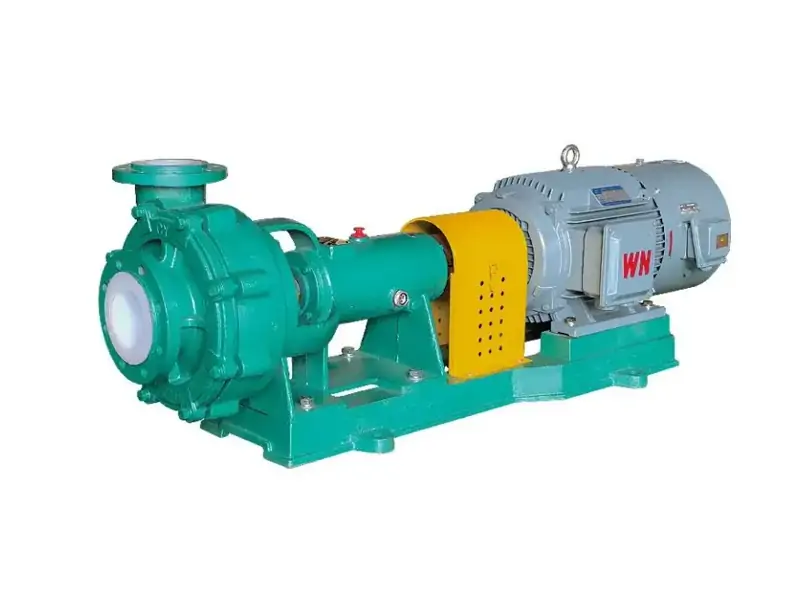
La Serie UHB es la bomba de trabajo pesado para aplicaciones químicas del carbón. Su revestimiento de UHMWPE reforzado con acero proporciona la resistencia química de una bomba de fluoroplástico combinada con la resistencia a la abrasión necesaria para lodos de carbón, coque y cenizas. El impulsor semiabierto maneja hasta un 30% de contenido sólido sin obstrucciones, y la superficie antiadherente evita la adhesión de alquitrán y cristales.
Características clave para servicio químico del carbón:
- Revestimiento de UHMWPE químicamente inerte a H₂S, H₂SO₄, NH₃, fenoles y cloruros en concentraciones químicas del carbón hasta 90°C
- Resistencia a la abrasión que supera significativamente al acero inoxidable: maneja finos de carbón, brisa de coque y partículas de ceniza que erosionan las bombas metálicas
- Impulsor semiabierto que evita obstrucciones por sólidos sedimentados y material fibroso
- Superficie antiadherente que previene la adhesión de alquitrán de carbón y la acumulación de cristales de sal de amonio
- Disponible con configuración de sello mecánico doble y motor a prueba de explosiones para servicio en áreas peligrosas
- Baja velocidad de operación (750–1,450 r/min) que reduce la tasa de desgaste y extiende la vida útil
| Parámetro | Especificaciones |
|---|---|
| Caudal | 3–2 600 m³/h |
| Cabeza | 5–100 m |
| Potencia del motor | 0,75–300 kW |
| Velocidad | 750–2 900 rpm |
| Temperatura | De -20 °C a 90 °C |
| Material del forro | UHMWPE |
Serie CYB — Bomba Revestida de FEP para Etapas Químicas del Carbón de Alta Temperatura
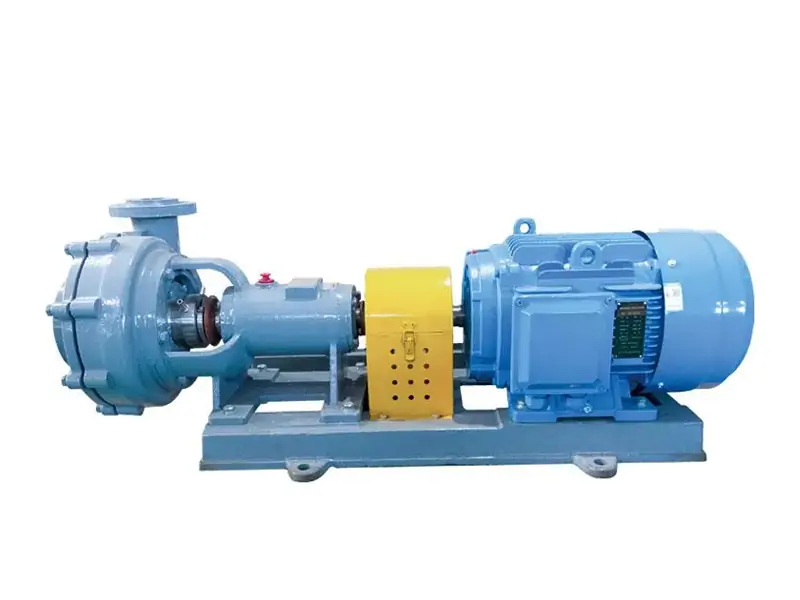
Para etapas de proceso químico del carbón que operan por encima del límite de 90°C del UHMWPE — como aguas residuales fenólicas de alta temperatura y ciertas aplicaciones de desulfuración — la Serie CYB proporciona un revestimiento de fluoroplástico FEP clasificado hasta 120°C. El FEP ofrece resistencia a ácidos casi universal y una superficie antiadherente que resiste la incrustación.
Características clave para servicio químico del carbón de alta temperatura:
- Revestimiento de FEP resistente a H₂S, H₂SO₄, fenoles y ácidos orgánicos a temperaturas de hasta 120°C
- Superficie antiadherente que previene la adhesión de alquitrán y cristales
- Sello mecánico doble con fluido de barrera para la contención de fluidos peligrosos
- Disponible con motor a prueba de explosiones para entornos con gas inflamable
| Parámetro | Especificaciones |
|---|---|
| Caudal | 3–2 600 m³/h |
| Cabeza | 5–100 m |
| Potencia del motor | 0,75–300 kW |
| Velocidad | 968–3 450 r/min |
| Temperatura | de -80 °C a 120 °C |
| Material del forro | FEP |
Bomba de Tornillo Simple Tipo G — Para Alquitrán de Carbón y Lodos de Alta Viscosidad
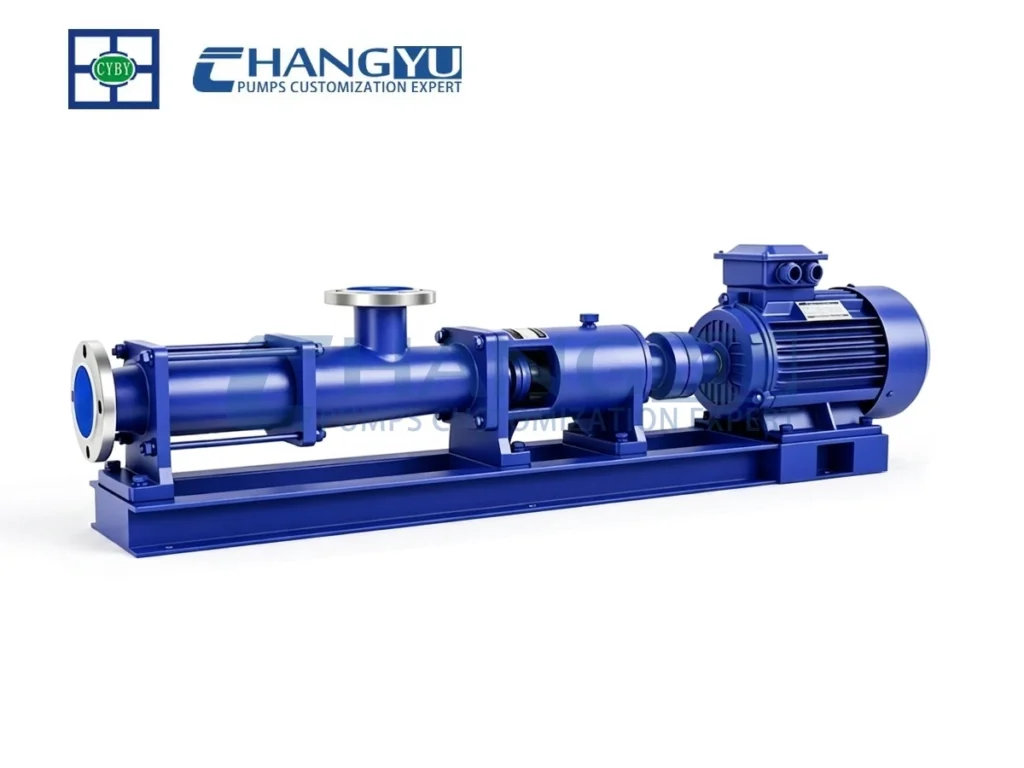
Para los fluidos químicos del carbón más espesos y viscosos — lodo de alquitrán de coque, lodo de catalizador concentrado y residuos de aceite pesado — la bomba de cavidad progresiva Tipo G proporciona el manejo de alta viscosidad y la acción de bombeo suave que las bombas centrífugas no pueden igualar.
| Parámetro | Especificaciones |
|---|---|
| Caudal | 0–200 m³/h |
| Cabeza | 60–120 m |
| Potencia del motor | 55–37 kW |
| Velocidad | 400–960 r/min |
| Temperatura | De -20 °C a 150 °C |
| Materiales | Hierro fundido, acero inoxidable |
Ver Bomba de Tornillo Serie G →
Caso de Estudio de Bomba para Lodos de Carbón Químico: Resolviendo una Falla por Corrosión en una Bomba de Aguas Residuales Químicas del Carbón
Una planta química de carbón en la provincia de Shanxi, China, operaba un sistema de tratamiento de aguas residuales de coquización que procesaba agua con contenido de fenol y amoníaco, con sólidos de coque suspendidos a 70–85°C y pH 3–5. Las bombas originales eran bombas centrífugas de acero inoxidable 316L con impulsores cerrados y sellos mecánicos simples.
Dentro de los cuatro meses posteriores a la puesta en marcha, los registros de mantenimiento mostraron:
- Corrosión de la carcasa: Las cuatro bombas de transferencia de aguas residuales presentaron corrosión por picaduras en las paredes de la carcasa de la voluta. El acero inoxidable 316L, aunque clasificado para servicio ligeramente ácido, estaba siendo atacado por la combinación de H₂S, fenoles y cloruros en las aguas residuales de coquización a temperatura elevada.
- Desgaste del impulsor: Los impulsores cerrados mostraron tanto picaduras por corrosión como desgaste abrasivo por los sólidos de coque. La pérdida de material en los álabes del impulsor redujo el flujo en aproximadamente un 25% antes de que las bombas fueran retiradas de servicio.
- Fallas del sello: Los sellos mecánicos simples fallaban cada 6–10 semanas. Se formaban cristales de sal de amonio en las caras del sello durante los apagados de fin de semana, impidiendo el asentamiento adecuado de las caras al reiniciar. Las partículas abrasivas de coque en la cámara del sello aceleraban el desgaste de las caras.
- Adhesión de alquitrán: El diseño del impulsor cerrado atrapaba sólidos de alquitrán de coque, requiriendo limpieza manual en cada intervalo de mantenimiento.
Los ingenieros de Changyu Pump reemplazaron las cuatro bombas de aguas residuales con bombas de lodos revestidas de UHMWPE de la Serie UHB, configuradas con impulsores semiabiertos y sellos mecánicos dobles con lavado de fluido de barrera externo.
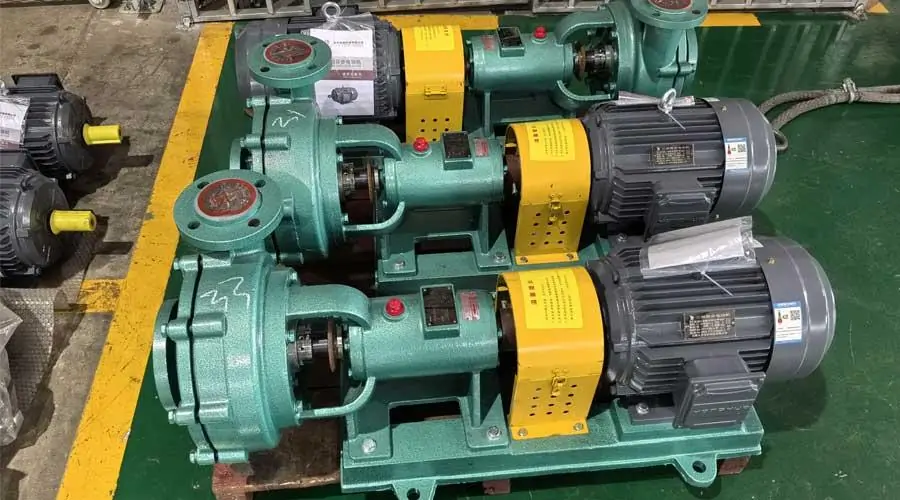
El revestimiento de UHMWPE proporcionó resistencia simultánea a la química del agua residual ácida y a los sólidos abrasivos de coque, eliminando tanto la corrosión como la erosión que habían destruido las bombas de acero inoxidable. El diseño del impulsor semiabierto evitó la adhesión de alquitrán y la acumulación de sólidos que afectaban a los impulsores cerrados. Los sellos mecánicos dobles, con fluido de barrera de agua limpia, evitaron tanto la cristalización de sales de amonio como la entrada de partículas abrasivas en las caras del sello.
Tres años después del reemplazo: cero reemplazos de carcasa, vida útil del sello extendida a 14–18 meses (desde 6–10 semanas) y cero tiempos de inactividad no planificados atribuidos a fallos de las bombas de aguas residuales. La planta extendió la especificación de bombas revestidas de UHMWPE a las bombas de transferencia de licor de amoníaco y desulfuración durante el próximo ciclo de mantenimiento.
Conclusión claveEl acero inoxidable no puede sobrevivir en el servicio de aguas residuales de la industria química del carbón. La combinación de química ácida (H₂S, fenoles, NH₃), sólidos abrasivos y cristalización de sales de amonio crea un mecanismo de fallo multifactorial que las bombas revestidas de UHMWPE con impulsores semiabiertos y sellos mecánicos dobles están específicamente diseñadas para resistir.
Preguntas Frecuentes sobre Bombas de Lodos para la Industria Química del Carbón
P: ¿Por qué el acero inoxidable falla tan rápidamente en el servicio de la industria química del carbón?
R: El acero inoxidable enfrenta un triple ataque: el agua de proceso ácida (H₂S, fenoles, H₂SO₄) corroe la capa de óxido pasiva; las partículas abrasivas de carbón y coque erosionan la superficie debilitada; y las sales de amonio y fenoles cristalizan en las caras del sello durante los períodos de inactividad. Este mecanismo combinado destruye las bombas de acero inoxidable en cuestión de meses.
P: ¿Pueden las bombas revestidas de UHMWPE manejar la lechada de carbón y agua?
R: Sí. La resistencia a la abrasión del UHMWPE supera significativamente a la del acero inoxidable. El diseño del impulsor semiabierto maneja hasta un 30% de sólidos de carbón en peso. Para la alimentación de lechada de carbón y agua con un 60–70% de sólidos, las bombas de UHMWPE operadas a baja velocidad (750–1,450 rpm) proporcionan la vida útil más larga.
P: ¿Cuál es el límite de temperatura aplicable al UHMWPE en el servicio de la industria química del carbón?
R: El UHMWPE está clasificado para servicio continuo hasta 90°C. Esto cubre la mayoría de las aplicaciones de coquización, desulfuración, amoníaco y fenol. Para agua negra de gasificación (150–220°C), el UHMWPE no es adecuado; contacte a Changyu Pump para alternativas de alta temperatura.
P: ¿Por qué son necesarios los sellos mecánicos dobles para las bombas de la industria química del carbón?
R: Los fluidos de la industria química del carbón son a menudo peligrosos: tóxicos (fenol, H₂S), inflamables (metanol, gas de síntesis) y corrosivos (ácidos). Los sellos mecánicos dobles con fluido de barrera previenen fugas peligrosas, protegen las caras del sello de partículas abrasivas y detienen la cristalización de sales de amonio durante los períodos de inactividad.
P: ¿Cómo evito que el alquitrán de hulla se adhiera al interior de mi bomba?
R: Especifique bombas revestidas de UHMWPE. La baja energía superficial natural del UHMWPE evita que el alquitrán de hulla y los lodos de coque se adhieran a las superficies de la bomba, a diferencia de las bombas metálicas donde el alquitrán se acumula capa por capa hasta que los pasajes se restringen.
P: ¿Qué protección contra explosiones se requiere para las bombas de la industria química del carbón?
R: Las bombas que manejan gases inflamables (H₂, CO, CH₄) o líquidos (metanol, lechada de carbón y aceite) deben estar equipadas con motores a prueba de explosiones certificados según los estándares ATEX o IECEx para la clasificación de zona peligrosa específica.
Lista de verificación de prevención del ingeniero de Changyu Pump
- Nunca especifique acero inoxidable para el servicio de lodos de la industria química del carbón. El ataque combinado de ácido más abrasión destruye las bombas metálicas en cuestión de meses.
- Adapte el material de revestimiento a la temperatura del proceso. UHMWPE para ≤90°C; FEP para 90–120°C; consulte al fabricante para >120°C.
- Especifique impulsores semiabiertos para todas las aplicaciones de lodos de la industria química del carbón. Los impulsores cerrados atrapan sólidos sedimentados y alquitrán de coque, requiriendo limpieza manual frecuente.
- Instale sellos mecánicos dobles en todos los servicios peligrosos, inflamables o tóxicos de la industria química del carbón. Los sellos individuales son un riesgo de seguridad.
- Especifique motores a prueba de explosiones para cualquier bomba que maneje o esté ubicada cerca de gases o líquidos inflamables.
- Enjuague las bombas con líquido compatible antes de paradas prolongadas para evitar la sedimentación de sólidos y la formación de cristales. Verifique la compatibilidad química para servicios que contengan ácidos o amoníaco.
- Mantenga una velocidad de flujo mínima de 1.5 m/s en todas las tuberías de lodos. Velocidades más bajas permiten que las partículas de carbón y coque se sedimenten y bloqueen la línea.
- Mantenga en inventario impulsores de repuesto, juegos de sellos mecánicos y revestimientos de carcasa. Las bombas de lodos para la industria química del carbón operan en uno de los servicios más agresivos de las industrias de proceso.
Conclusión
Una bomba de lodos para la industria química del carbón opera en un entorno excepcionalmente agresivo: agua de proceso ácida cargada con sulfuro de hidrógeno, fenoles y amoníaco, combinada con sólidos abrasivos de carbón, coque y cenizas. Este desafío multifactorial expone las limitaciones de los materiales de bomba estándar. El acero inoxidable se corroe. Las aleaciones de alto cromo no ofrecen resistencia a los ácidos. El caucho se degrada en hidrocarburos y agua caliente. Las bombas revestidas de UHMWPE se han convertido en la solución estándar para la mayoría de las aplicaciones de la industria química del carbón porque este material resiste de manera única el ataque químico simultáneo y el desgaste mecánico que definen el servicio de la industria química del carbón.
La clave para una operación confiable de la bomba de la industria química del carbón es adaptar la configuración de la bomba al proceso específico: bombas revestidas de UHMWPE con impulsores semiabiertos y sellos mecánicos dobles para aguas residuales de coquización, desulfuración, licor de amoníaco y lechada de carbón y agua; bombas revestidas de FEP para etapas de fenol y desulfuración de alta temperatura; y soluciones especializadas de alta temperatura para agua negra de gasificación. Esta estrategia de materiales escalonados optimiza tanto la vida útil como el costo total de propiedad en todo el complejo de la industria química del carbón.
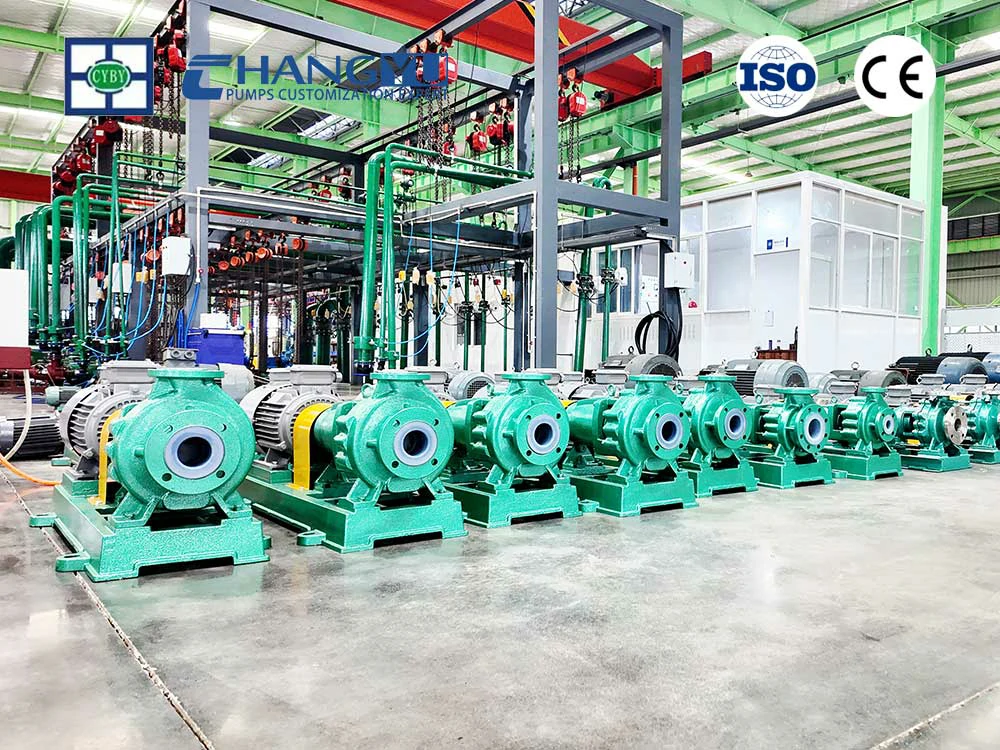
El equipo de ingeniería de Changyu Pump proporciona evaluaciones técnicas personalizadas para aplicaciones de bombas de lodos en la industria química del carbón, que cubren análisis de proceso, selección de materiales, configuración de sellos, cumplimiento de seguridad y dimensionamiento de bombas. Dos décadas de experiencia en fabricación en aplicaciones químicas corrosivas y abrasivas respaldan cada recomendación.
Contacte a Changyu Pump para una evaluación técnica gratuita →