
Pompa hidrometalurgi timbal-seng: UHMWPE & Solusi Logam
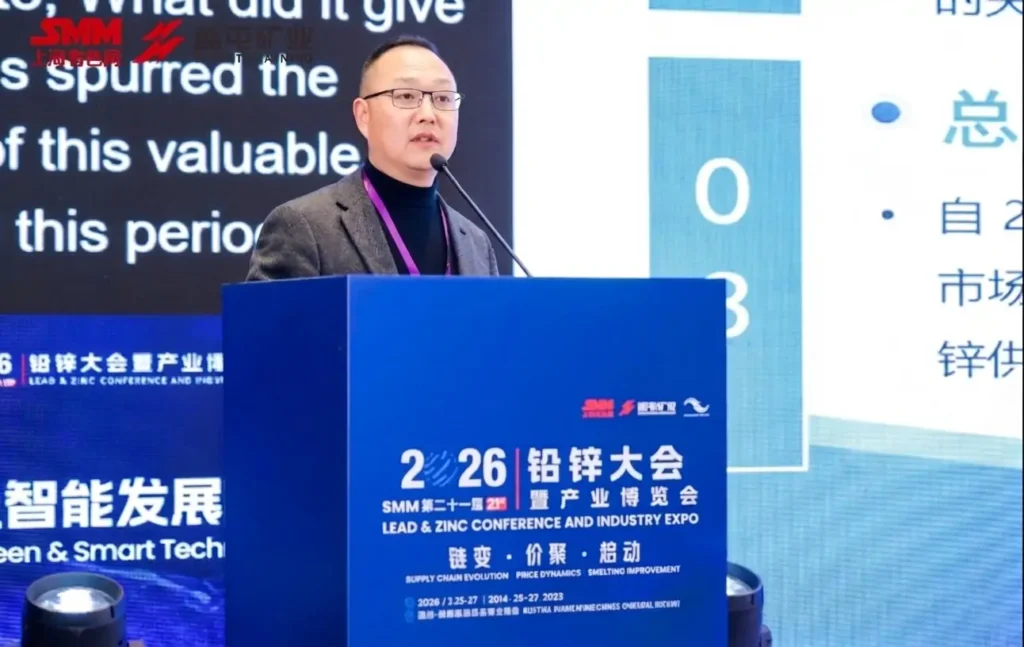
Pada Konferensi Timbal-Seng SMM 2026, para ahli teknis dari Pompa Changyu menekankan peran penting ilmu material dalam memecahkan masalah transportasi kompleks yang melekat pada proses hidrometalurgi modern. Seiring dengan semakin ketatnya skala pasokan global dan peraturan lingkungan, permintaan akan Pompa hidrometalurgi timbal-seng solusi telah mencapai puncak baru.
Konteks Pasar: Dinamika Penawaran-Permintaan (2024-2026)
Menurut data dari International Lead and Zinc Study Group (ILZSG)), industri global bergeser ke arah surplus pasokan.
Pada tahun 2025, produksi seng dan timbal olahan diproyeksikan akan melebihi permintaan sebesar 93.000 ton dan 82.000 ton, masing-masing.
Bagi perusahaan peleburan, surplus ini memberikan tekanan terhadap harga, sehingga menjadikan efisiensi operasional dan “Transformasi Hijau” sebagai pendorong utama untuk mempertahankan profitabilitas. Mengoptimalkan keandalan Pompa hidrometalurgi timbal-seng adalah jalur langsung untuk mengurangi waktu henti yang tidak direncanakan dan konsumsi energi.
Poin Utama dalam Pengangkutan Media Hidrometalurgi
Tekanan Tinggi dan Integritas Penyegelan
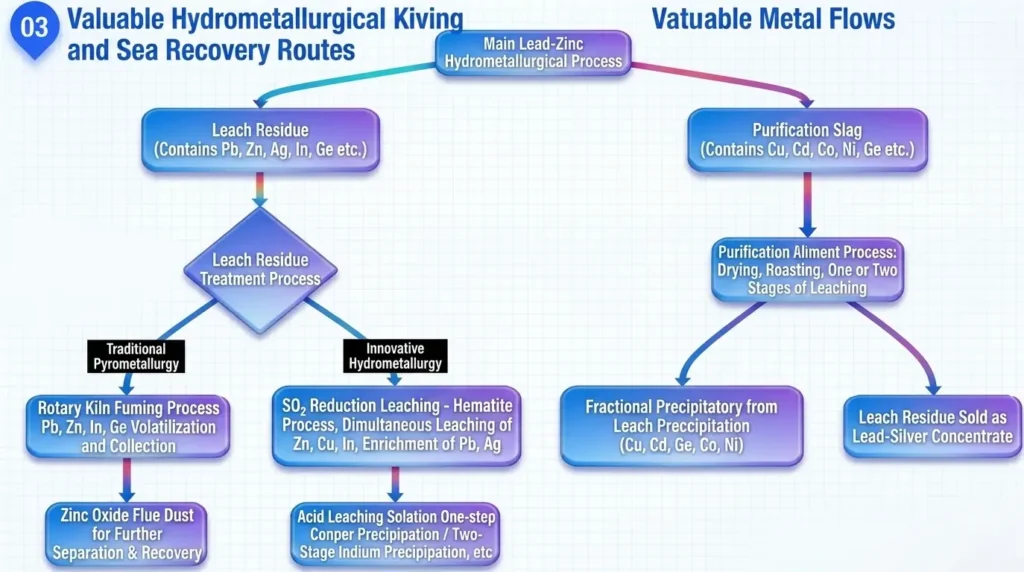
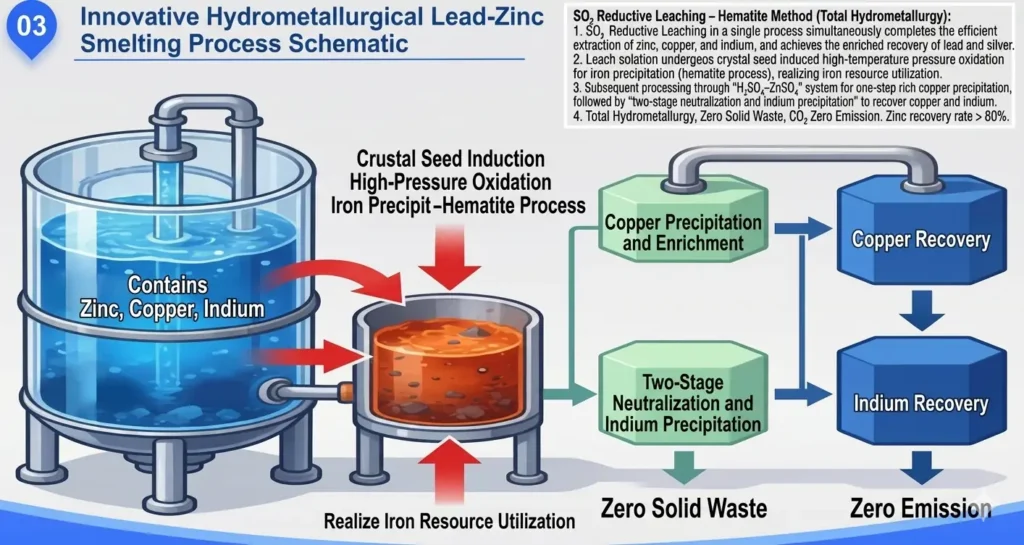
Dalam sistem reaksi metalurgi bertekanan tinggi dan pengangkutan media berbahaya seperti toluena atau sulfur cair, seal konvensional rentan terhadap kebocoran, sehingga menimbulkan risiko keselamatan dan lingkungan yang signifikan.
Bubur Kasar dan Korosif
Skenario yang melibatkan pemanfaatan sumber daya limbah padat (tailing, terak metalurgi) dan pengolahan limbah elektronik menimbulkan konsentrasi partikel padat yang tinggi. Hal ini menyebabkan keausan yang cepat pada bagian dalam pompa, yang merupakan tantangan besar bagi setiap Pompa hidrometalurgi timbal-seng.
Tuntutan Efisiensi Energi
Di bawah sasaran “Dual Carbon”, sistem pemompaan harus menyeimbangkan efisiensi hidraulik yang tinggi dengan konsumsi daya yang rendah untuk mengurangi jejak karbon secara keseluruhan dari proses peleburan.
Transisi ke Pemeliharaan Prediktif
Industri ini beralih dari model “break-fix” yang reaktif ke sistem cerdas dan adaptif yang memanfaatkan pemantauan waktu nyata untuk mencegah kegagalan besar.
Matriks Pemilihan Material untuk Layanan Parah
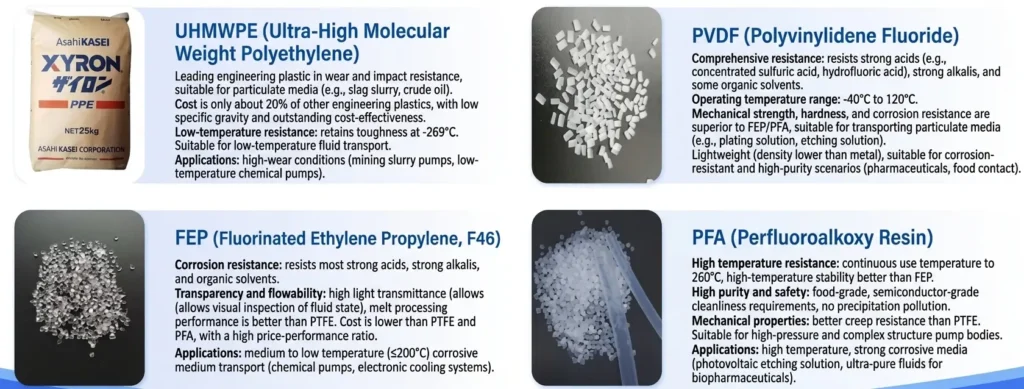
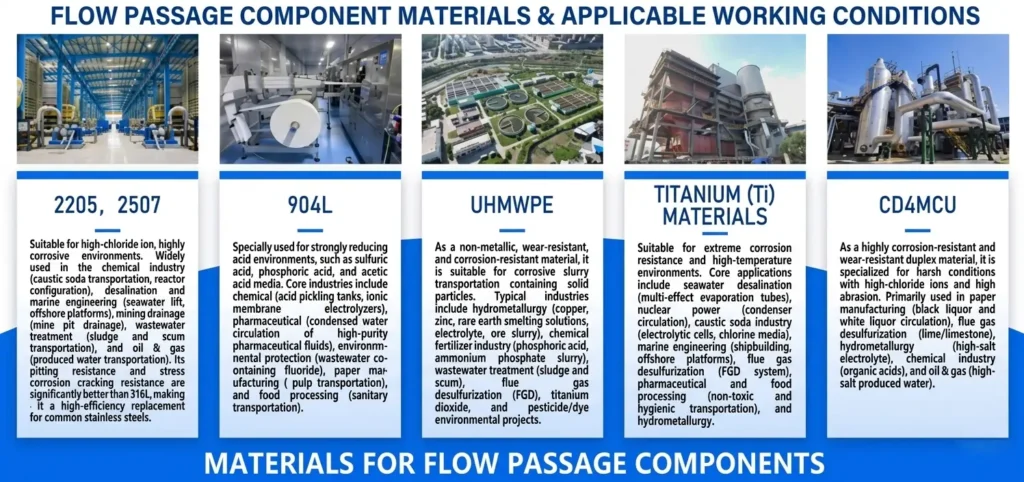
Memilih metalurgi atau polimer yang tepat sangat penting untuk memperpanjang siklus hidup peralatan di Pompa hidrometalurgi timbal-seng aplikasi.
| Jenis Bahan | Karakteristik Teknis | Aplikasi Utama |
|---|---|---|
| UHMWPE yang dimodifikasi (5,5 juta berat molekul) | Komposit yang diperkuat nano; tahan panas ≥ 180 ° C; peningkatan kekuatan mekanik 40% | Media korosif bersuhu tinggi dan bubur abrasif |
| Baja Tahan Karat Dupleks (2205/2507) | Ketahanan yang unggul terhadap retak korosi tegangan (SCC) dan kekuatan luluh yang tinggi | Lingkungan berklorida tinggi dan aplikasi tingkat kelautan |
| Titanium (Kelas 2/5) | Ketahanan dan stabilitas korosi yang luar biasa pada rentang suhu yang luas | Metalurgi penerbangan dan transportasi asam/alkali pekat |
| Keramik Tingkat Lanjut | Kekerasan dan stabilitas termal yang ekstrem; lembam secara kimiawi | Cairan bersuhu sangat abrasif atau sangat tinggi |
| CD4MCU | Kekuatan mekanik yang tinggi dengan ketahanan korosi dan keausan yang seimbang | Bubur asam atau basa di sektor petrokimia dan pertambangan |
Inovasi Teknik oleh Changyu Pump
1. Ilmu Pengetahuan Material: 5,5 Juta Berat Molekul UHMWPE
Tidak seperti polietilen standar atau fluoroplastik satu lapis, Changyu menggunakan UHMWPE yang dimodifikasi dengan berat molekul melebihi 5,5 juta. Dengan menggunakan peningkatan nano dan modifikasi isi tinggi, bahan ini mencapai permeabilitas yang jauh lebih rendah dan ketahanan benturan yang lebih tinggi dibandingkan dengan liner standar industri, menjadikannya ideal untuk Pompa hidrometalurgi timbal-seng aplikasi.
2. Standar Manufaktur Presisi
Komponen penting diproses menggunakan cetakan injeksi presisi berskala besar dan pusat permesinan CNC.
- Akurasi Pemosisian Sumbu X/Z: ≤ 0,022 mm
- Pengulangan: ≤ 0,006 mm
Tingkat presisi ini memastikan toleransi yang konsisten, mengurangi getaran mekanis dan memperpanjang MTBF (Mean Time Between Failure).
3. IoT Terpadu & Pemeliharaan Prediktif
Unit pompa modern dilengkapi dengan modul dan sensor IoT untuk memantau getaran, suhu, dan tekanan secara real-time. Hal ini memungkinkan pabrik peleburan untuk beralih ke model “Pencegahan Aktif”, yang mengidentifikasi potensi kegagalan sebelum mengakibatkan penghentian produksi yang merugikan.
Ini adalah arah evolusi utama untuk sistem pompa hidrometalurgi timbal-seng generasi berikutnya.
Kesimpulan
Ketika industri logam non-besi mengejar dekarbonisasi dan integrasi digital, keandalan infrastruktur pemompaan tetap menjadi hambatan untuk efisiensi. Changyu Pump and Valve berfokus pada inovasi material - khususnya polimer molekul tinggi dan paduan khusus - untuk mendukung solusi pompa hidrometalurgi timbal-seng berkinerja tinggi, membantu perusahaan mencapai tujuan pengurangan energi dan peningkatan hasil operasional.
Untuk informasi lebih lanjut, silakan hubungi tim kami; kami memiliki tim yang berdedikasi untuk memberi Anda layanan gratis dan personal.
Email: [email protected]
Telepon: +86-13651913727