
A boiler feed water pump can meet the specified flow and head yet still struggle in service. Hot water, limited suction pressure and long periods at low boiler load can cause cavitation, seal damage or unstable operation. At Chuangyu Pump, we review those conditions alongside the duty point before recommending a configuration.
This guide sets out the selection questions we work through with plant engineers, boiler OEMs and EPC contractors. It covers the hydraulic duty, deaerator conditions, materials, sealing and controls that need to be resolved before a quotation becomes a purchase specification.
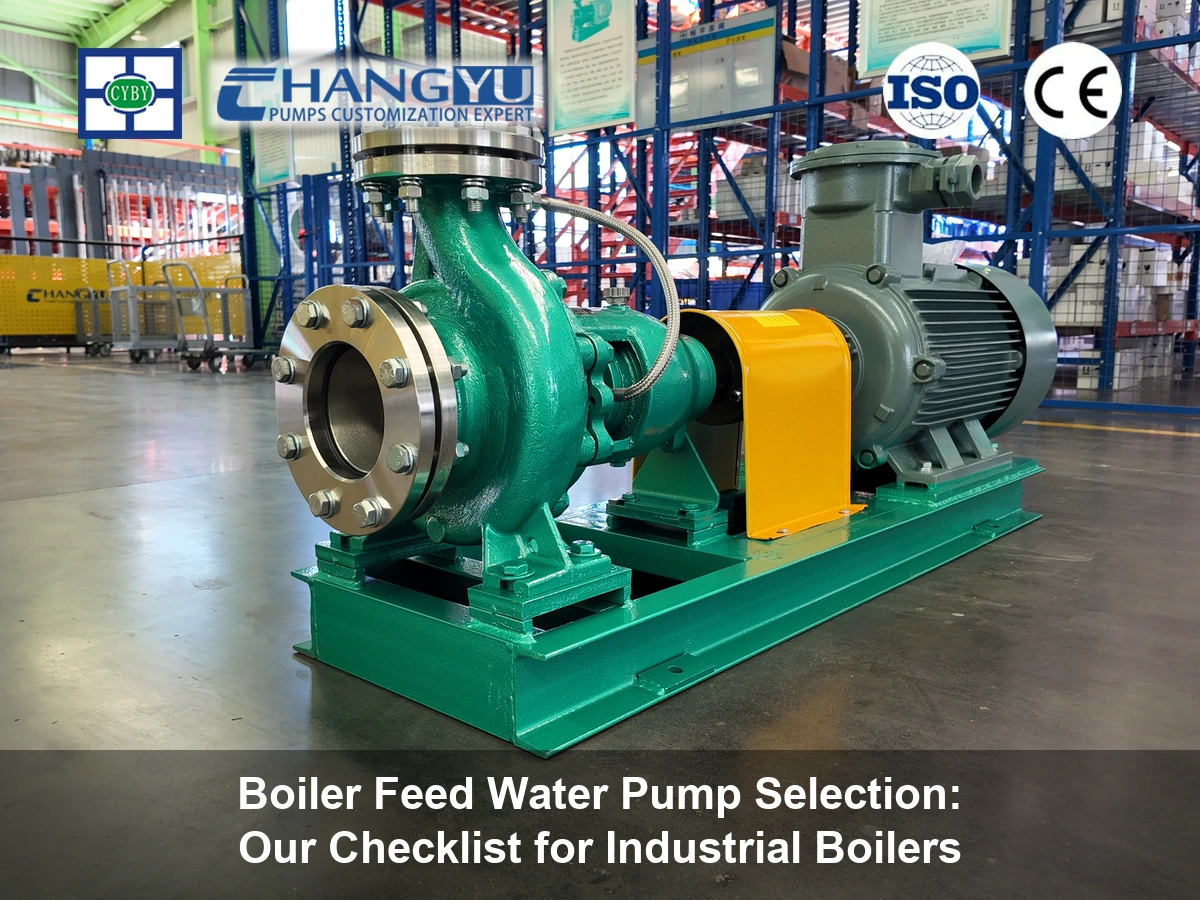
Selection starting point: A multistage centrifugal pump is a common choice when an industrial boiler needs more head than a single-stage unit can provide. We select the configuration against maximum feed demand, the full operating range, hot-water NPSH conditions and minimum-flow requirements. Flow and NPSH margins must follow the boiler specification and the selected pump curve.
What a boiler feed water pump is actually being asked to do
A boiler feed water pump takes condensate and make-up water from the deaerator storage tank and pushes it into the boiler drum against drum pressure plus the pressure drop of the economiser, feed control valve and piping. Three things make it harder than a normal water transfer duty:
It runs hot. Deaerated feed water typically sits at 105 °C, and in higher-pressure plants at 130–160 °C. At those temperatures the water is close to its vapour pressure, so any pressure loss on the suction side starts flashing before it reaches the impeller eye.
It runs continuously and at low flow sometimes. Feed pumps are sized for maximum continuous rating, but a boiler at 20 % load still needs feed water — often through a recirculation line — so the pump spends real hours far left of its best efficiency point.
It serves a pressure system. Loss of feed water can trigger a boiler shutdown, so pump reliability, standby capacity and boiler protection controls need to be reviewed together.
The five sets of data we need before selection
An inquiry that gives only "10 m³/h, 8 bar" leaves several selection questions open. We ask for the following information before confirming a pump:
1. Duty flow and head at the boiler’s maximum continuous rating. Establish the required feed flow from the boiler supplier’s specification, including blowdown and the agreed operating allowance. Calculate differential head from the suction and discharge conditions, including drum pressure, economiser and control-valve losses, piping friction and elevation. Avoid adding the same allowance twice: excessive capacity can leave the pump running below its preferred operating range.
2. Feed water temperature at the pump suction. This drives material choice, seal choice and — critically — the NPSH calculation. 105 °C and 140 °C are different design problems.
3. NPSH available at the pump inlet. Use deaerator absolute pressure, the minimum liquid level above the pump datum, suction losses and water vapour pressure at the maximum operating temperature. Deaerator height is often fixed before the pump is ordered, making suction constraints expensive to correct later.
4. Boiler type and operating profile. Package boiler running two shifts, or a 24/7 process boiler with frequent load swings? Load profile determines whether a fixed-speed pump with a recirculation valve or a variable-speed unit is the better economics.
5. Water chemistry. Provide pH, conductivity, dissolved oxygen, treatment chemicals and any contamination risk. Carbon steel and stainless steels each have a place in feed-water systems; demineralised water alone does not determine the grade. We review chemistry, temperature and corrosion risk together, including the seal and auxiliary piping.
Multistage centrifugal, can-type, or a single-stage?
Horizontal multistage pumps are a common starting point for industrial feed-water duties. Successive impellers build pressure, while the casing design, stage count, speed and rotor arrangement are selected for the duty. Maintenance requirements vary by construction, so we check seal access, bearing arrangement and dismantling space as part of the selection.
Barrel and other high-pressure constructions are considered as pressure, temperature and reliability requirements increase. There is no single pressure threshold at which every installation must change design. Specify the required casing pressure rating, thermal capability, inspection and maintainability before comparing configurations.
A single-stage pump can suit a low-head feed system if its tested curve covers the required flow, pressure and suction conditions. Drum pressure alone does not decide the number of stages. Our overview of centrifugal pump types provides the wider selection context.
Kami CDL vertical multistage pump is one configuration to review for clean feed-water duties. Its hot-water version is listed up to 120°C; a 105°C duty requires that version plus confirmation of the curve, casing pressure, seal and NPSH margin. A CYH single-stage pump is a separate option for lower-head feed or condensate transfer when its selected configuration meets the actual duty.
CDL vertical multistage pump
Pompa sentrifugal baja tahan karat CYH
Materials and the mechanical seal
Feed water may look clean, but its chemistry and temperature still affect component life. We review the wetted materials and seal arrangement as one system.
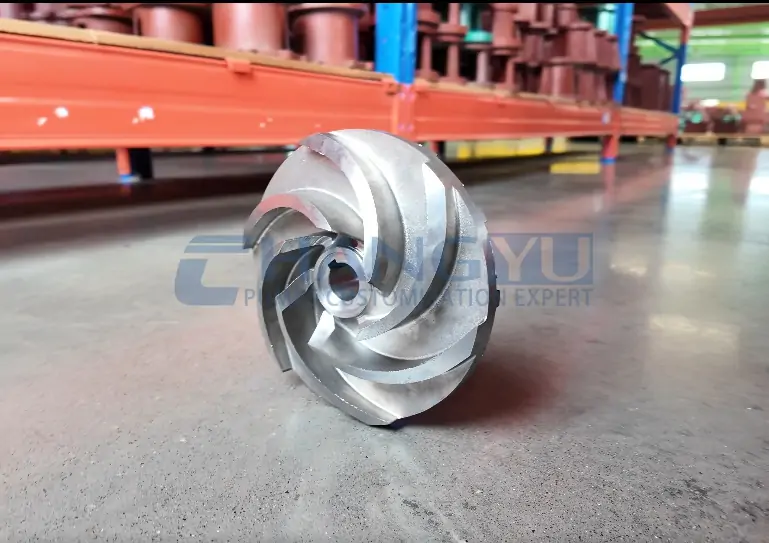
For the casing, impellers, shaft and sleeves, assess corrosion and erosion risks against the actual treatment programme. Our stainless steel centrifugal pump range introduces available material routes; a boiler feed configuration still needs its own temperature, pressure and hydraulic checks.
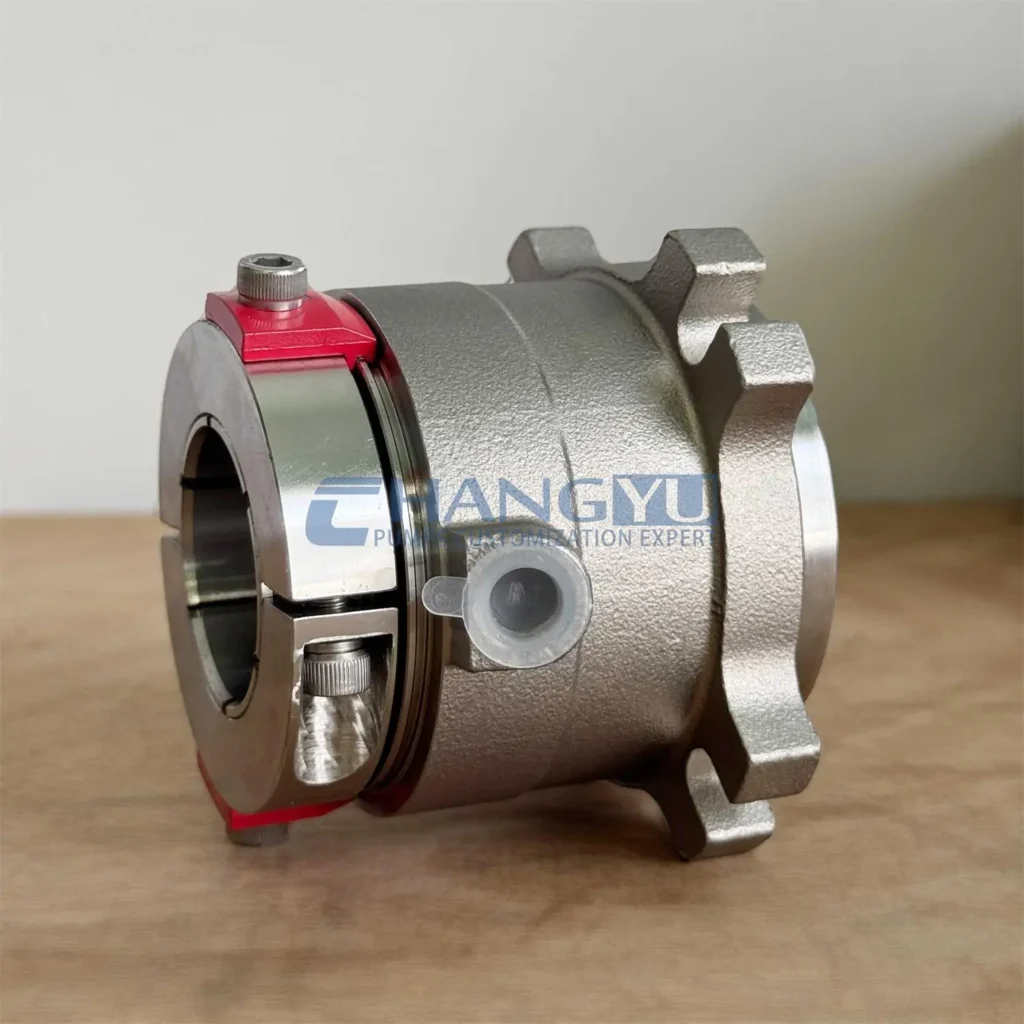
Seal damage can result from dry running, flashing in the seal chamber or operation below the pump’s minimum continuous flow. We specify the seal environment, cooling or flush arrangement and minimum-flow return together. An orifice or automatic recirculation valve must be sized for the selected pump and the receiving system.

NPSH: where most feed pump problems are actually born
The deaerator location and suction piping deserve attention early in the project. At near-saturated conditions, deaerator pressure and water vapour pressure largely offset one another; elevation above the pump and suction losses then become especially important.
Calculate NPSHa at the lowest operating tank level, the highest relevant temperature and the most demanding flow condition. Include strainer losses and expected fouling. Compare it with the manufacturer’s NPSH requirement across the operating range, including variable-speed and transient conditions. Agree an application-specific margin using manufacturer guidance and Hydraulic Institute recommendations. A fixed 1 m allowance is not sufficient for every hot-water duty.
If you are already operating and seeing gauge flutter, a rumbling note at the discharge or seal leakage that keeps returning, cavitation is the first thing to rule out — not the last.
Efficiency and lifecycle cost
For a continuously operating boiler, energy use can become a substantial part of lifetime cost. Variable speed can reduce throttling losses when demand varies, but the pump must still develop the pressure required by the boiler and control system. On a steady-load system, a correctly selected fixed-speed pump may offer a lower total cost. We compare both against the actual load profile.
Ask for the head, efficiency, power and NPSH curves across the intended operating range, together with the minimum continuous stable and thermal flows. Specify the applicable performance-test standard and acceptance tolerances, such as an agreed ISO 9906 grade, in the purchase order.
What we check before dispatch
Before dispatch, the agreed inspection and test plan should confirm material records, pressure integrity and hydraulic performance against the order. Our quality inspection process explains the factory checks, and our industri energi dan kimia page provides application context. Request the test scope and any required certification for the particular pump configuration.
We encourage buyers to ask for the tested curve, the inspection records and a clear service contact. Our service and technical support team can help review selection data and maintenance requirements before the equipment is ordered.


What to send us for a selection review
Send us the five groups of data above and a P&ID, if available. State whether this is a new installation or a replacement. For a replacement, include the existing curve, operating records and reason for replacement; these help us distinguish a capacity change from a recurring system problem. Contact our engineers through the halaman kontak and browse our completed projects for wider application examples.
PERTANYAAN YANG SERING DIAJUKAN
Apa perbedaan antara pompa air umpan ketel dan pompa air biasa?
Pompa air umpan boiler harus mampu mengatasi tekanan boiler dan kehilangan tekanan dalam sistem pada laju aliran umpan yang diperlukan. Suhu air umpan dan tekanan isap bervariasi pada setiap instalasi, sehingga kami memeriksa NPSH, batas nominal tekanan dan suhu, aliran minimum, material, dan perapat sesuai kondisi operasi aktual. Tidak semua sistem air umpan beroperasi pada suhu 100–160 °C.
How much margin should we add to boiler feed pump flow?
Use the allowance required by the boiler supplier and the project specification after accounting for feed demand and blowdown. Check where the pump will operate at normal and minimum load. Extra capacity without an operating-range review can increase recirculation and energy use.
Can a standard multistage pump handle 105 °C feed water?
Only if the specific pump configuration is rated for the temperature and pressure, its materials and seal are suitable, and the suction conditions provide adequate NPSH. Confirm these points on the manufacturer’s datasheet rather than assuming that every multistage pump has the same hot-water capability.
Fixed speed or variable speed for a boiler feed pump?
Variable speed can reduce throttling losses when boiler demand varies, provided the pump can still develop the required pressure. Compare energy use, minimum flow and control costs across the load profile. A fixed-speed unit may be economical on a steady-load boiler.
How long does a boiler feed water pump last?
Service life depends on water chemistry, operating hours, suction conditions, alignment and maintenance. We assess those factors and the manufacturer’s maintenance guidance rather than promising a fixed number of years between overhauls.
Chuangyu Pump options for your feed-water system
We start with the required head and feed-water temperature, then check the selected configuration against the boiler pressure, suction conditions and operating range. These two product families cover different starting points for a technical review.
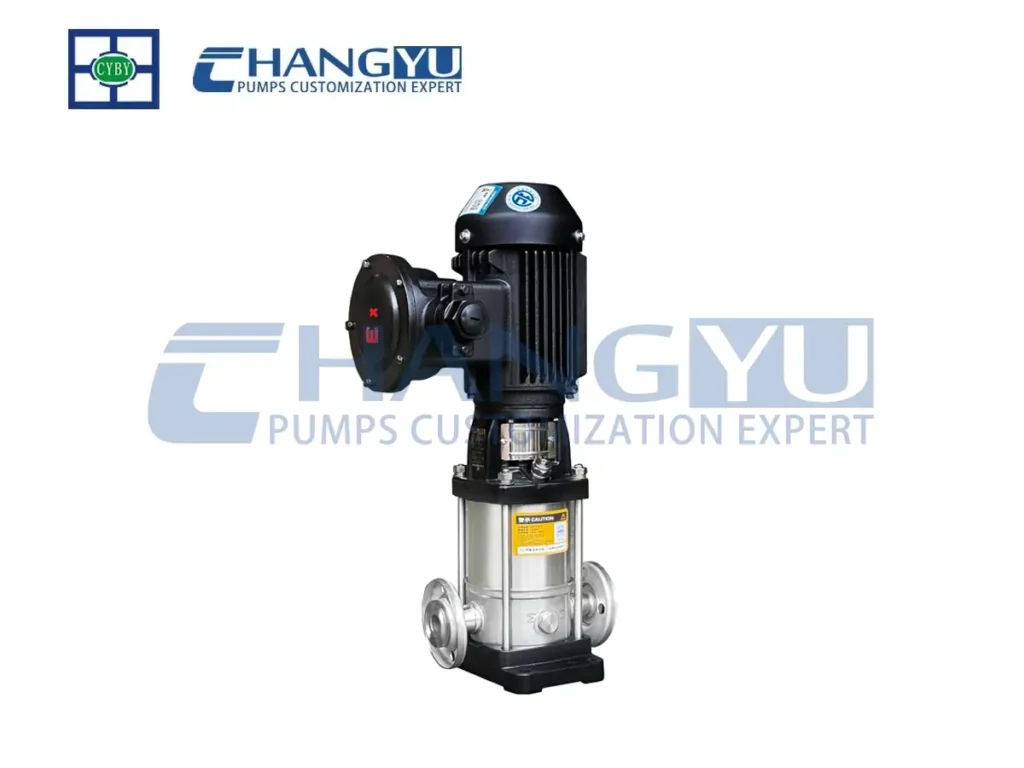
Pompa Sentrifugal Multistage Vertikal Seri CDL
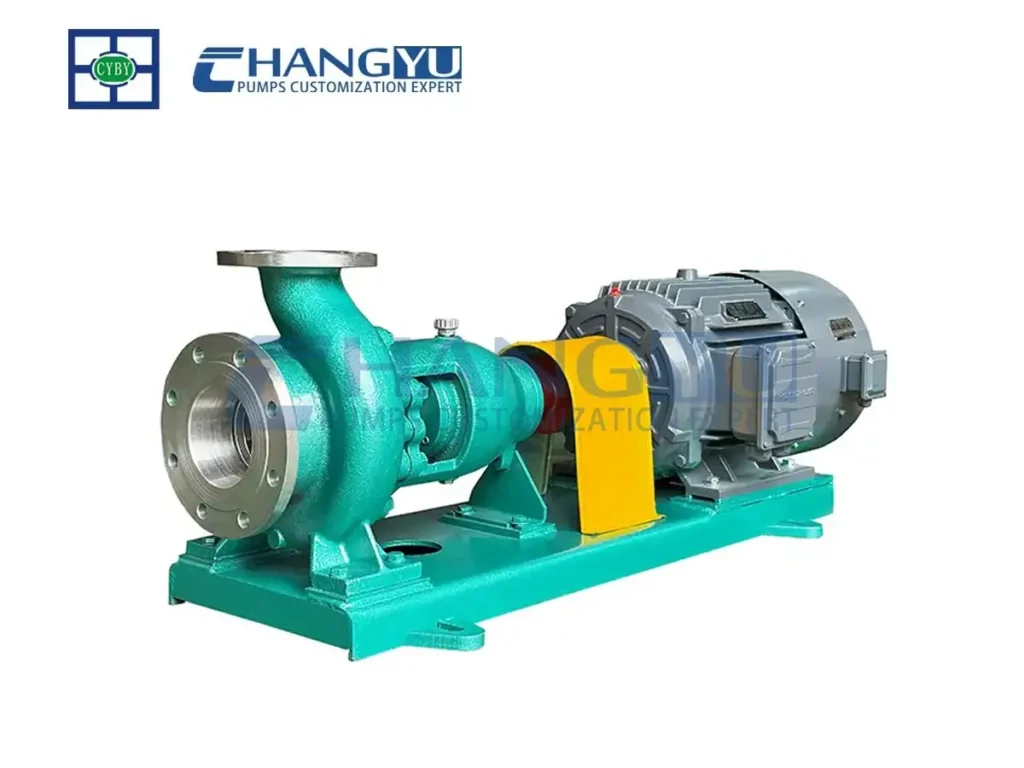
Pompa Kimia Sentrifugal Baja Tahan Karat Seri CYH
Discuss your pump duty with our team
Send us the boiler pressure, required feed flow, water temperature, minimum deaerator level, suction-pipe details and load profile. Include the existing pump curve for a replacement so we can review both the pump and the system.
Email: [email protected]
TEL/WA: +86-13651913727
Inside Anhui Chuangyu Pump’s factory
Watch our official CHANGYU PUMP company introduction for a look inside our manufacturing facility and pump production.