
A food processing plant in Turkey needed a steady sludge feed from its holding tank to the dewatering stage. Changes in solids content and viscosity made it difficult to maintain the feed rate and keep flocculant addition in step with the sludge throughput.
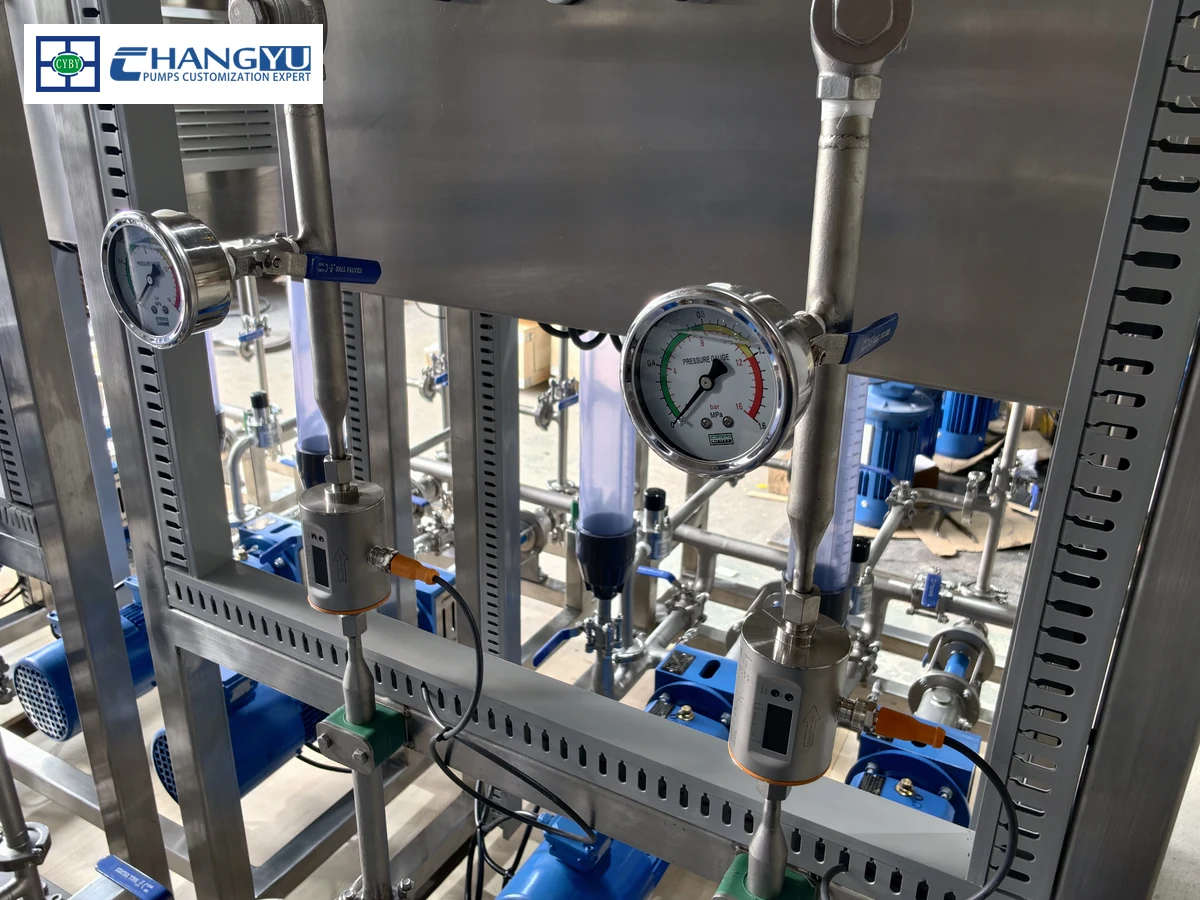
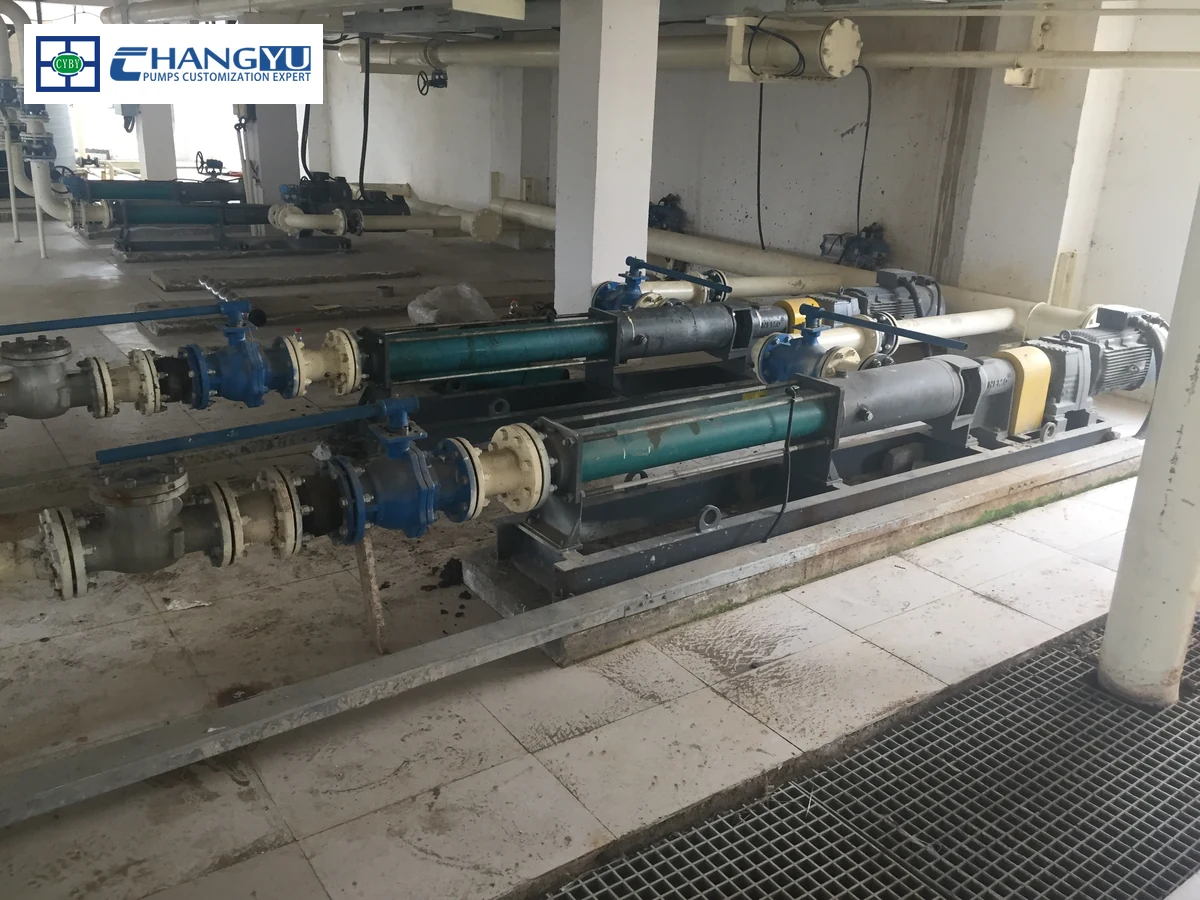
ChangYu Pump supplied a G-series progressive cavity pump and a flocculant dosing system for the line. The sludge transfer pump was specified for 30 m³/h at 0.6 MPa, with an 11 kW motor and variable frequency drive. The selection addressed both the transfer duty and the conditioning process upstream of dewatering.
Gambaran Umum Proyek
| Item | Detail Proyek |
|---|---|
| Lokasi | Turki |
| Industri | Food processing / industrial wastewater treatment |
| Bagian Proses | Sludge transfer from holding tank to dewatering |
| Media yang Dipompa | Wastewater sludge and thickened sludge; flocculant solution in the dosing circuit |
| Peralatan yang Disuplai | G-series progressive cavity pump and flocculant dosing system |
| Rated Flow | 30 m³/h |
| Tekanan Pembuangan | 0.6 MPa (6 bar) |
| Daya Motor | 11 kW |
| Flow Control | Variable frequency drive |
Latar Belakang Proyek
The plant treats wastewater containing organic matter, suspended solids and settled material from food production. After pretreatment and solid-liquid separation, the sludge is thickened, conditioned and dewatered. This is a common duty in wastewater treatment pumping, where reliable transfer is essential to keeping the downstream equipment working consistently.
The medium in this project was an aqueous organic sludge with variable consistency, rather than a mineral slurry. That distinction affects the pump type, operating speed and wear material selection. Our guide to the difference between a sludge pump and a slurry pump explains the main selection considerations.
Sludge Transfer and Dosing Challenges
Changing Solids Content and Viscosity
Production schedules and cleaning cycles affect the sludge entering a food plant’s holding tank. As solids content changes, viscosity and suction behaviour can change with it. Selection therefore needs to cover the expected operating range, including the thickest feed, rather than relying on a single sample or the maximum flow alone.
The dewatering equipment also needs a controlled feed. A fluctuating transfer rate can change the loading on the press and the amount of polymer required. For this duty, maintaining a predictable flow was as relevant as meeting the nominal pressure. The industrial sludge pump selection guide covers how these medium characteristics influence the choice.
Why a Progressive Cavity Pump Was Selected
Centrifugal pumps can be suitable for thin sludge with consistent solids content. In food processing, water-like liquids are a different duty; our process water pump for a corn processing plant is one example. As sludge viscosity rises, however, centrifugal pump performance and efficiency can fall, and changes in system resistance can shift the delivered flow. The extent depends on the pump curve and the actual medium.
A progressive cavity pump moves a defined volume through cavities formed between its rotor and stator. Within its approved operating range, flow is mainly controlled by rotational speed, which makes it suitable for feeding dewatering equipment. Actual delivery still depends on differential pressure, viscosity, suction conditions and internal slip; it should be checked during commissioning.
Coordinating Flocculant Addition
The sludge needs conditioning before dewatering so that fine particles form larger flocs. The polymer dose must be adjustable as the feed changes. Specifying the transfer pump and dosing system together allows their controls and operating ranges to be coordinated from the outset.
ChangYu’s Pump Solution
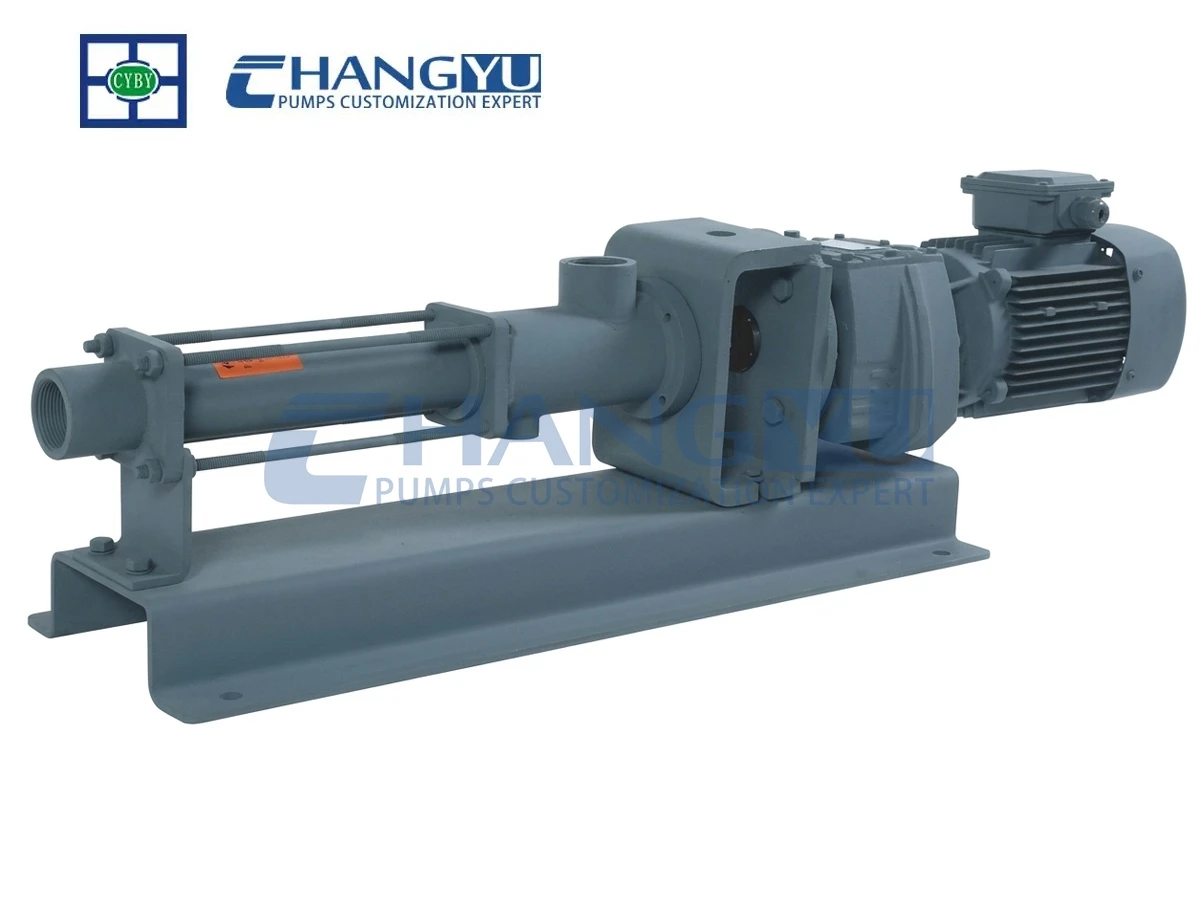
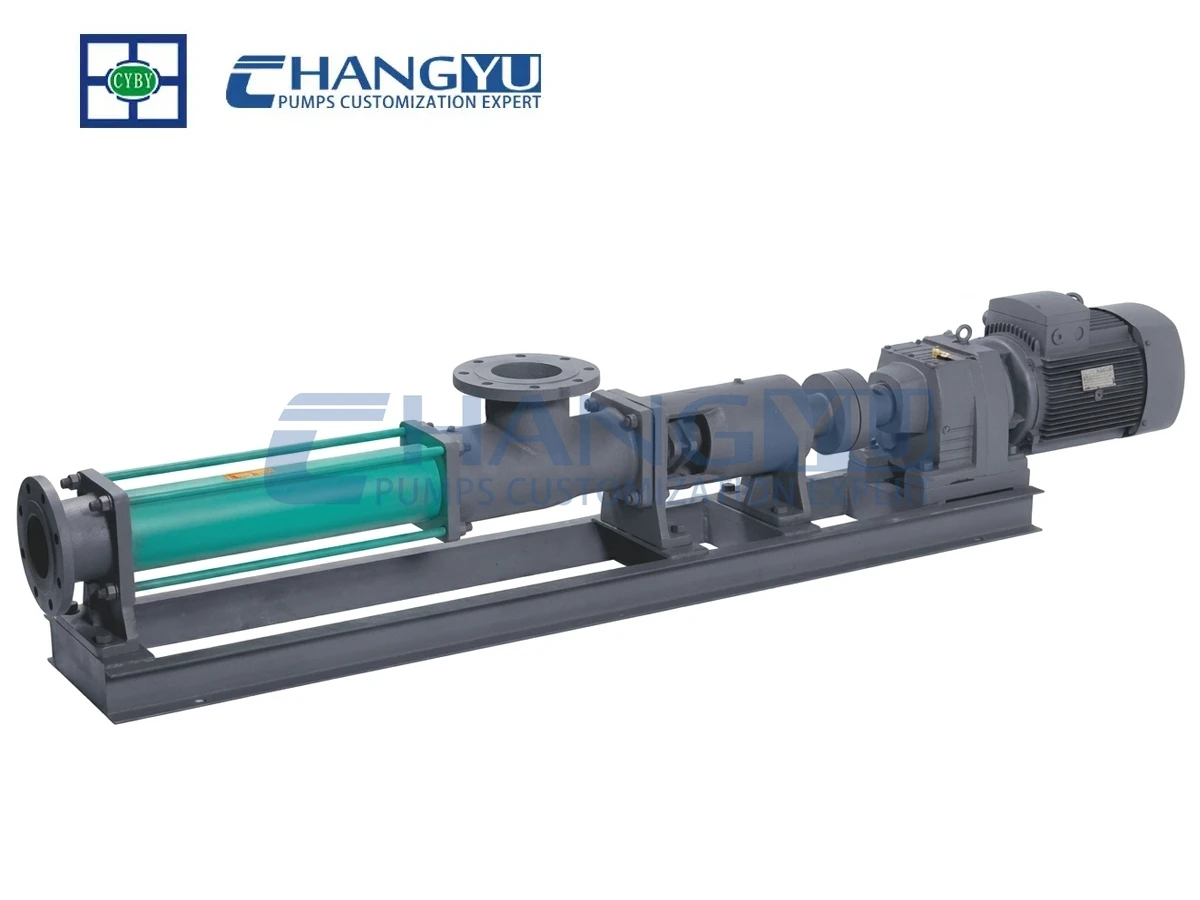
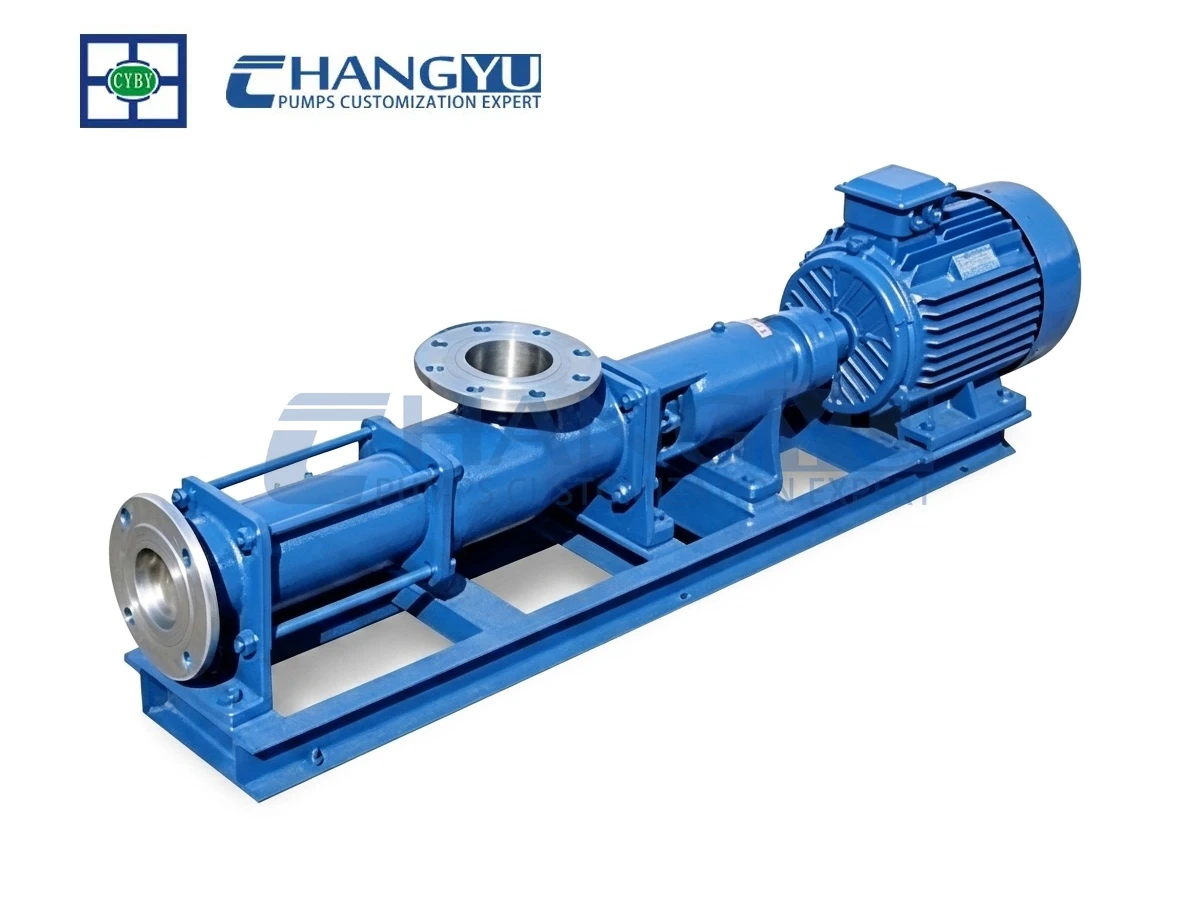
We specified a G-series progressive cavity pump, a rotary positive displacement pump, in a single-stage horizontal arrangement. The reference configuration for this project is shown below.
| Parameter | Spesifikasi |
|---|---|
| Jenis Pompa | G-series progressive cavity (single screw) pump |
| Aliran | 30 m³/h |
| Tekanan | 0.6 MPa |
| Daya Motor | 11 kW |
| Arrangement | Single stage, horizontal |
| Badan Pompa | digunakan untuk poros pompa, impeler, dan komponen internal dalam layanan LPG. Ini memberikan kekuatan mekanis yang diperlukan untuk komponen berputar dan kompatibel dengan propana pada semua suhu dan tekanan dalam rentang operasi pompa. |
| Rotor | Baja tahan karat |
| Stator | Wear-resistant rubber |
| Speed Control | Variable frequency drive |
Parameter note: These figures describe the equipment specified for this project. They are provided for reference and are not a selection recommendation for another site. Flow, pressure, power, speed and materials must be matched to the actual medium, solids content, temperature, suction conditions and piping.
Rotor, Stator and Material Selection
The helical rotor turns inside an elastomer stator to form cavities that move from suction to discharge. The sludge is carried through these cavities with relatively low pulsation and shear. This helps provide a controlled feed and limits disturbance to shear-sensitive material. Permissible particle size and fibre length still need to be checked; a progressive cavity pump is not immune to blockage or damage from oversized solids. See our progressive cavity pump selection guide for more detail.
The stator is a wear part, so its material needs particular attention. Depending on the production line, food processing sludge can contain grit, seeds, skins and cleaning residues. Abrasion resistance must be considered alongside chemical compatibility, temperature and the interference fit needed for the pump to operate correctly.
A wear-resistant rubber stator was specified for this project. For other duties, NBR, EPDM and fluoroelastomers have different compatibility limits, and the elastomer must be checked against the full medium analysis. The carbon steel body also requires confirmation of corrosion compatibility; near-neutral pH alone does not establish that a liquid is non-corrosive. Where equipment handles food directly, separate food-grade pump requirements apply. Wastewater service should not be treated as a hygienic food-contact application.
Flow Control and Pump Protection
The VFD allows the sludge transfer rate to follow the dewatering load. Flow is approximately proportional to speed over the approved operating range. A discharge throttle should not be used as the primary flow control on a positive displacement pump: restricting the outlet raises pressure and can overload the pump, drive or piping.
Speed limits must follow the pump and motor requirements. The suction side must provide enough liquid to keep the stator wetted at every permitted speed; a minimum-speed setting does not provide dry-running protection by itself. Suitable low-level, dry-run or stator-temperature protection should be considered for the installation.
Discharge pressure monitoring and a correctly sized pressure relief arrangement are also essential. The relief setting must remain within the allowable pressure of the lowest-rated component. The pump must not run against a closed discharge valve.
Flocculant Dosing System
The dosing system prepares polymer at the required working concentration, meters it into the sludge line and provides mixing before the dewatering equipment. The metering rate is coordinated with the sludge flow, so polymer addition can decrease when the transfer pump slows down. The dose still needs adjustment for solids concentration, polymer strength and the results of conditioning trials.
The layout should allow sufficient mixing and contact time without excessive shear after injection. If another pump is required between the injection point and the press, assess its effect on floc integrity. Confirm mixing conditions and pump speed during commissioning rather than assuming them from the equipment type alone.
For background on wastewater solids dewatering and its role in reducing residual volume and handling requirements, see the U.S. EPA’s Belt Filter Press fact sheet.
Instalasi dan Komisioning
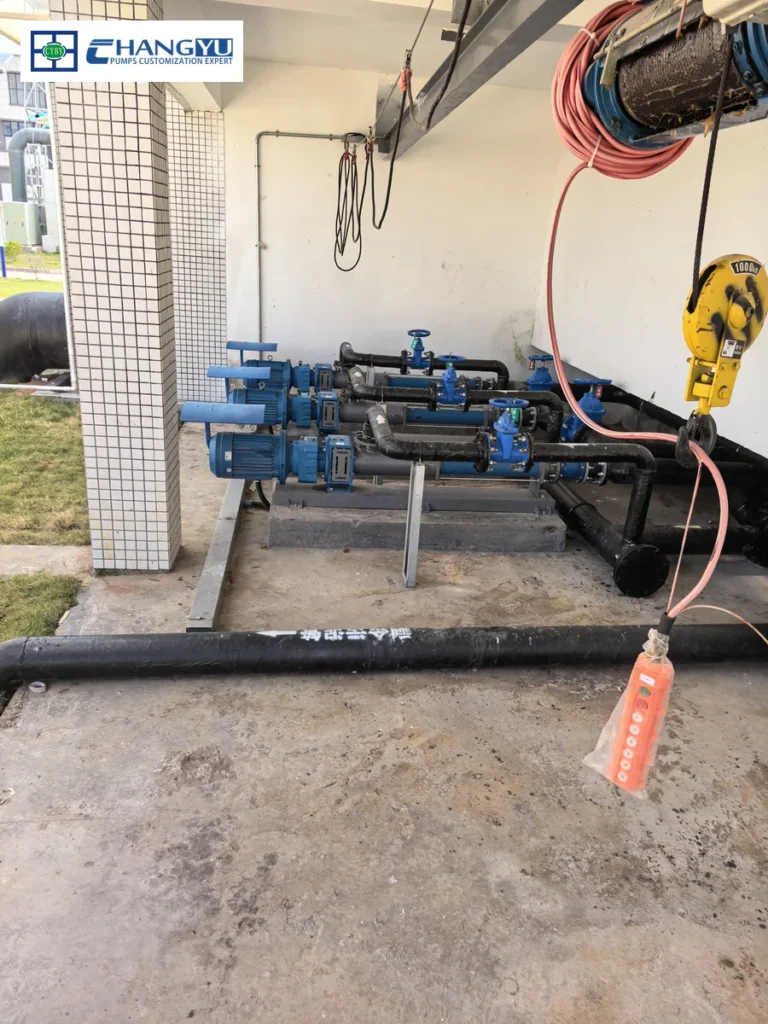
The commissioning sequence covered rotation direction, coupling alignment, a flooded and air-free suction line, pressure instrumentation, relief protection and VFD limits. The stator temperature and discharge pressure were watched during the initial run. A self-priming capability does not permit a progressive cavity pump to start or run dry.
On the dosing circuit, the metering pump was calibrated by drawdown against a graduated vessel. The sludge-flow signal and corresponding dosing response were then checked across the intended operating range. The settings were recorded for the operators. These checks complement the inspections in our quality control process.
Operating Observations and Maintenance
During operation, the dewatering stage received a steadier sludge feed. Operators adjusted throughput from the VFD as the press load changed. Coordinated dosing kept polymer addition aligned with the sludge feed and supported consistent floc formation ahead of dewatering.
The stator remains a consumable component, while seals and drive bearings require periodic inspection. Wear rate depends on grit content, speed, pressure and running hours. Keeping a suitable spare stator and recording flow, pressure and maintenance history makes replacement planning more practical.
Suction conditions also deserve regular attention. Settled sludge can stratify, giving the pump a thin feed at one time and a much thicker feed later. Appropriate tank mixing and suction positioning can improve consistency and reduce avoidable operating problems.
Selecting a Pump for a Similar Duty
For a sludge feed pump for dewatering, provide the operating range as well as the design point. The following information allows the pump, stator and dosing controls to be selected together.
- Design flow and the minimum and maximum operating rates.
- Solids content by weight, its variation, particle size and fibre content.
- Temperature, pH, cleaning residues and other chemical constituents.
- Required discharge pressure, including static lift and piping losses.
- Continuous or batch operation and daily operating hours.
- Tank depth, agitation, suction pipe size and the suction pipe run.
When comparing proposals, include the transfer pump, dosing system, protective devices and control interface in the same scope. This makes the quotations easier to compare and reduces gaps between separately supplied equipment.
Pertanyaan yang Sering Diajukan
Apakah pompa sentrifugal dapat menangani lumpur air limbah pengolahan makanan?
Ya, untuk beberapa aplikasi. Pompa sentrifugal atau pompa vorteks dapat sesuai untuk umpan berviskositas rendah dengan kandungan padatan yang konsisten. Ketika viskositas bervariasi dan tahap dewatering memerlukan umpan yang terkontrol, pompa rongga progresif dapat menghasilkan aliran yang lebih dapat diprediksi. Pemilihan bergantung pada karakteristik aktual lumpur dan rentang operasi.
What stator material should I choose for food processing sludge?
Pilih elastomer berdasarkan karakteristik kimia, suhu, dan kandungan bahan abrasif media. Karet tahan aus dapat sesuai untuk beberapa aplikasi lumpur berbasis air, tetapi bahan kimia pembersih, pelarut, minyak, dan suhu dapat memengaruhi pemilihannya. Berikan analisis media secara menyeluruh, bukan hanya laju aliran.
How do I control the flow rate on a progressive cavity pump?
Use motor speed control within the manufacturer’s permitted range. Flow is approximately proportional to speed, with actual delivery affected by pressure and slip. Maintain adequate suction supply and use pressure and dry-running protection suitable for the installation.
How much maintenance does a sludge transfer pump need?
Inspect seals, bearings and operating pressure, and track delivered flow at a known speed. The stator wears over time; replacement intervals depend on solids, abrasiveness, speed and operating hours. A spare stator helps reduce the interruption when replacement is due.
Talk to Our Engineers
Send ChangYu Pump the operating conditions for your sludge transfer and dewatering line. Our engineers can review the required flow, pressure, stator material and flocculant dosing arrangement, together with the protection and maintenance needs of the installation. Our technical support and spare parts team can also assist after handover.
Email: [email protected]
TEL/WA: +86-13651913727