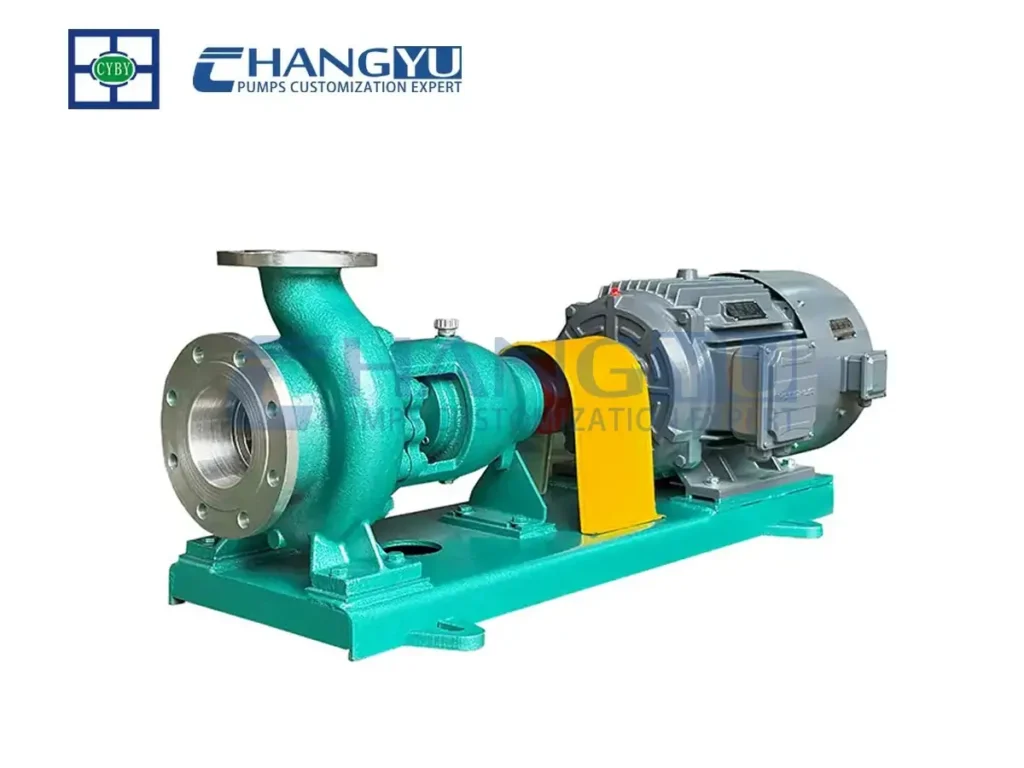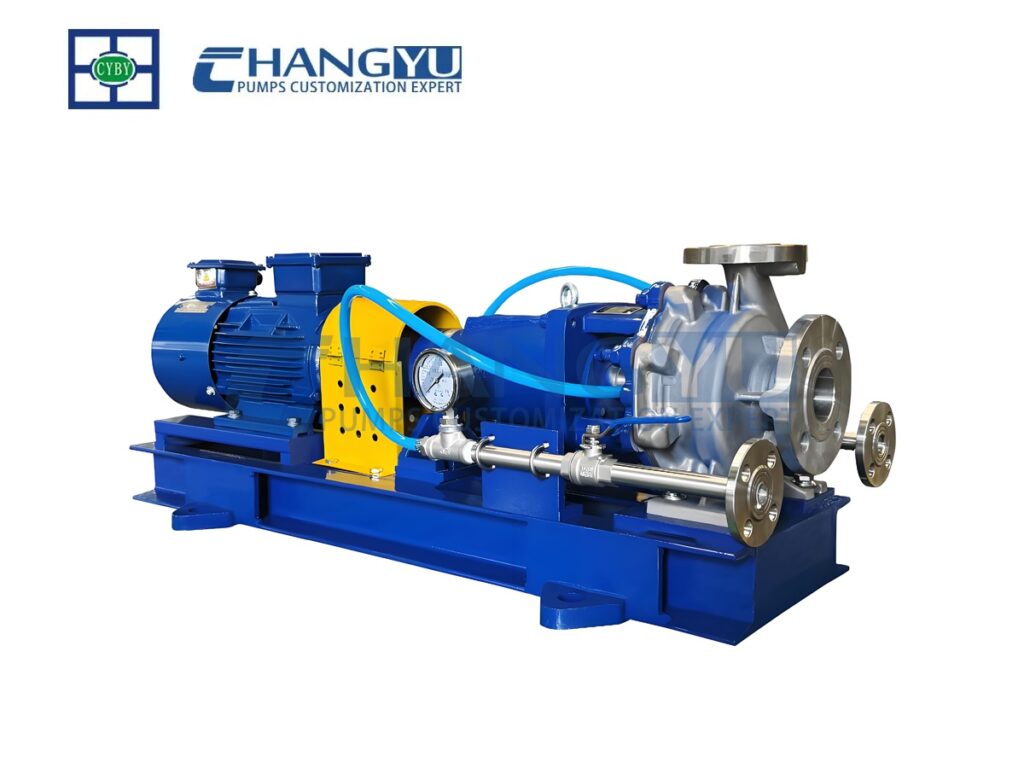
Uma bomba centrífuga é uma bomba de deslocamento positivo? A resposta é NÃO. São dois tipos diferentes de bombas. Abaixo, vamos entender suas principais diferenças e cenários de aplicação. A Bomba Changyu ajuda-o a distinguir o que é uma Bomba Centrífuga e o que é uma Bomba de Deslocamento Positivo.
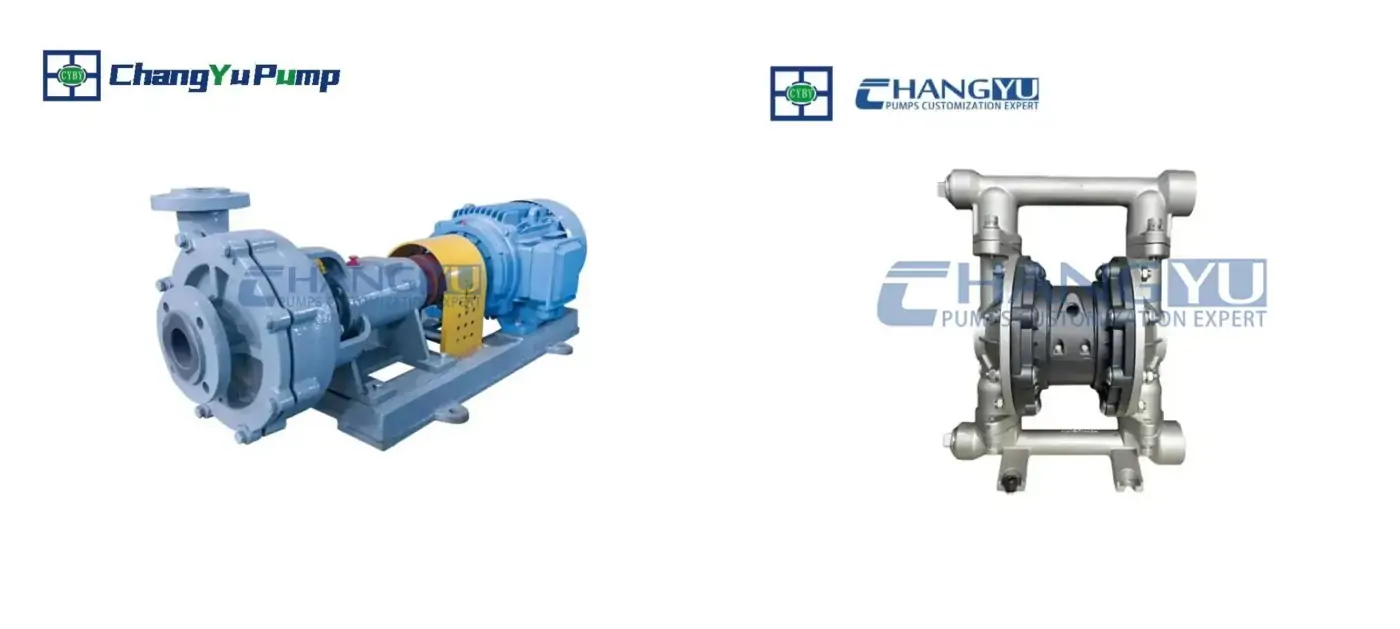
O que é uma bomba centrífuga?
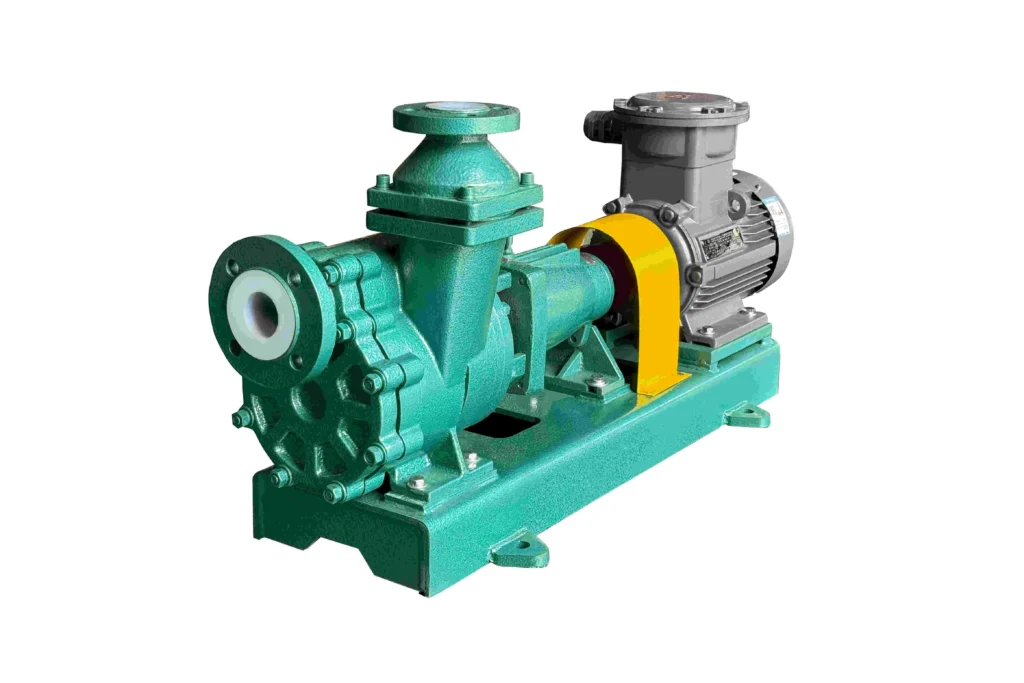
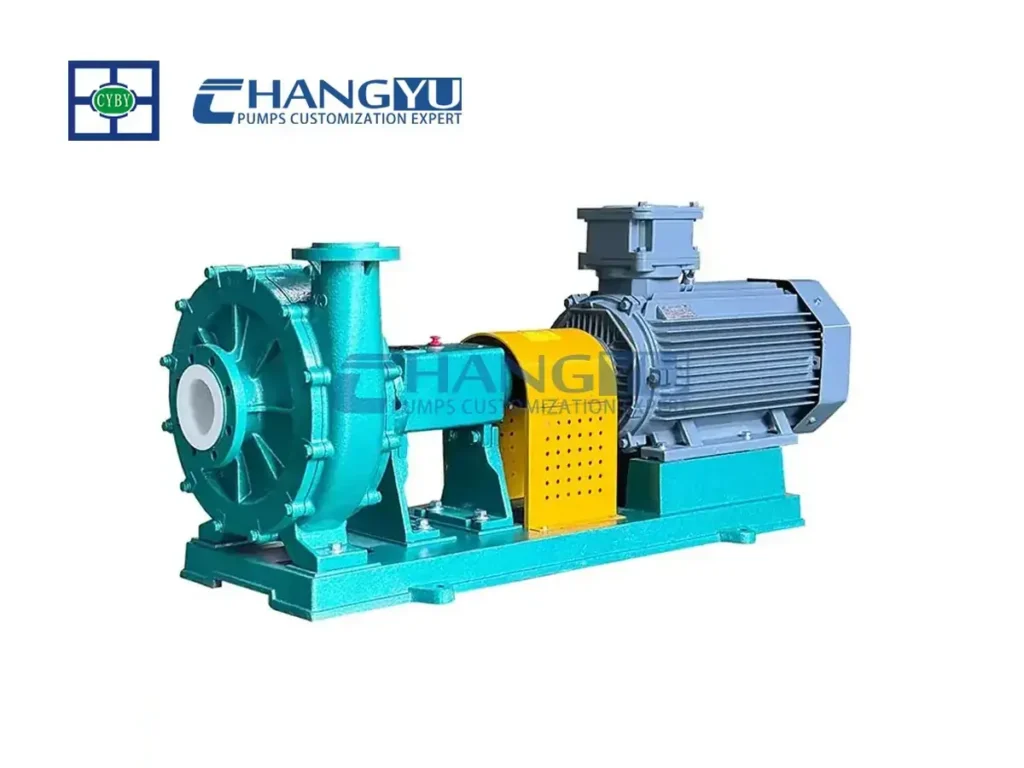
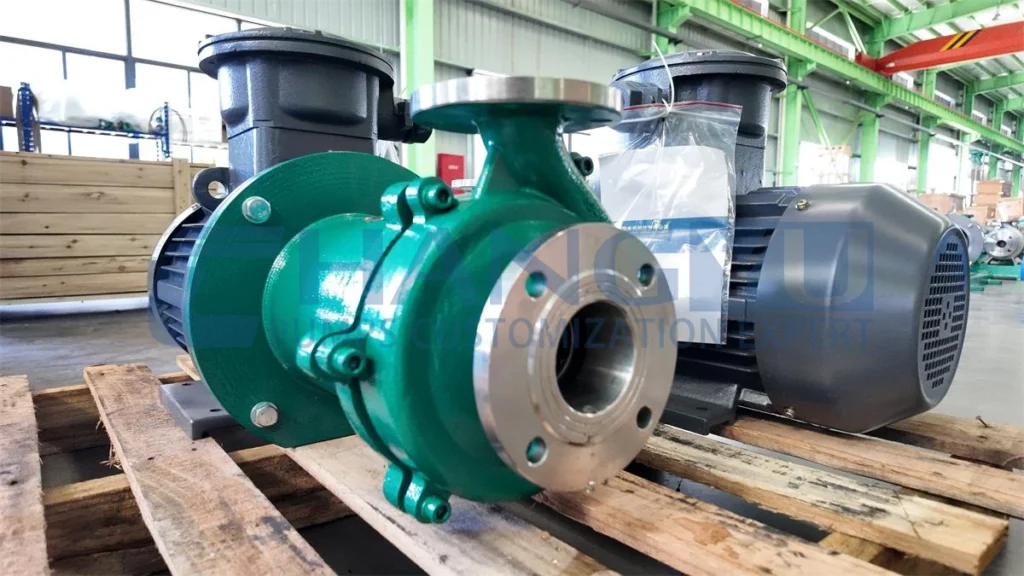
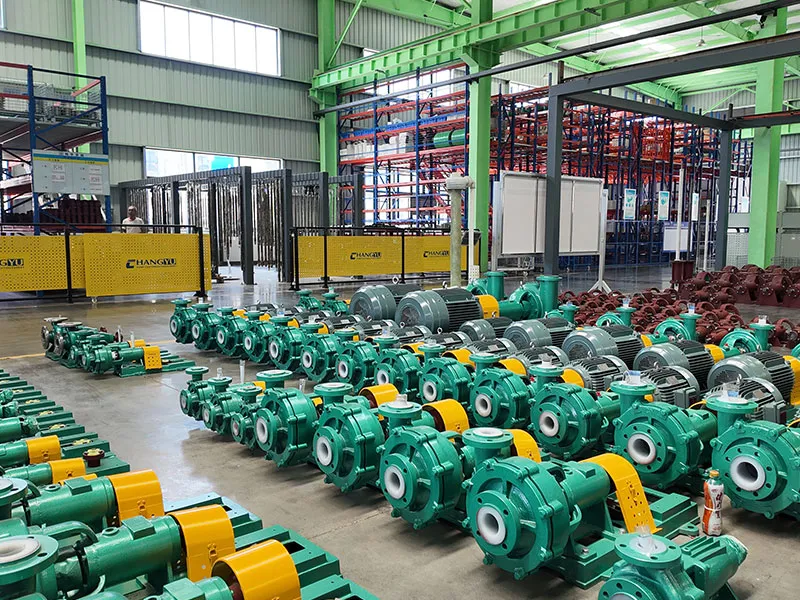
Uma bomba centrífuga é um dispositivo de bombagem que utiliza um motor para acionar o impulsor para rodar, gerando força centrífuga, dando energia cinética ao líquido e convertendo depois a energia cinética em energia de pressão através do corpo da bomba, entregando finalmente o líquido ao local de destino.
Os tipos mais comuns incluem:
- Bomba submersível: Pode trabalhar submerso em líquido, adequado para drenagem de minas, tratamento de águas residuais e outras aplicações em águas profundas.
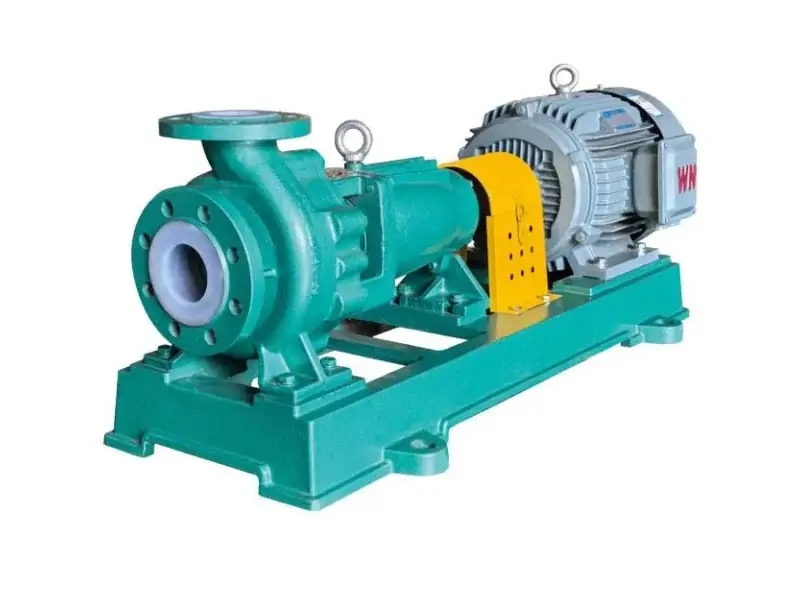
- Bomba de aspiração final: Estrutura compacta, adequada para requisitos convencionais de caudal e altura manométrica.
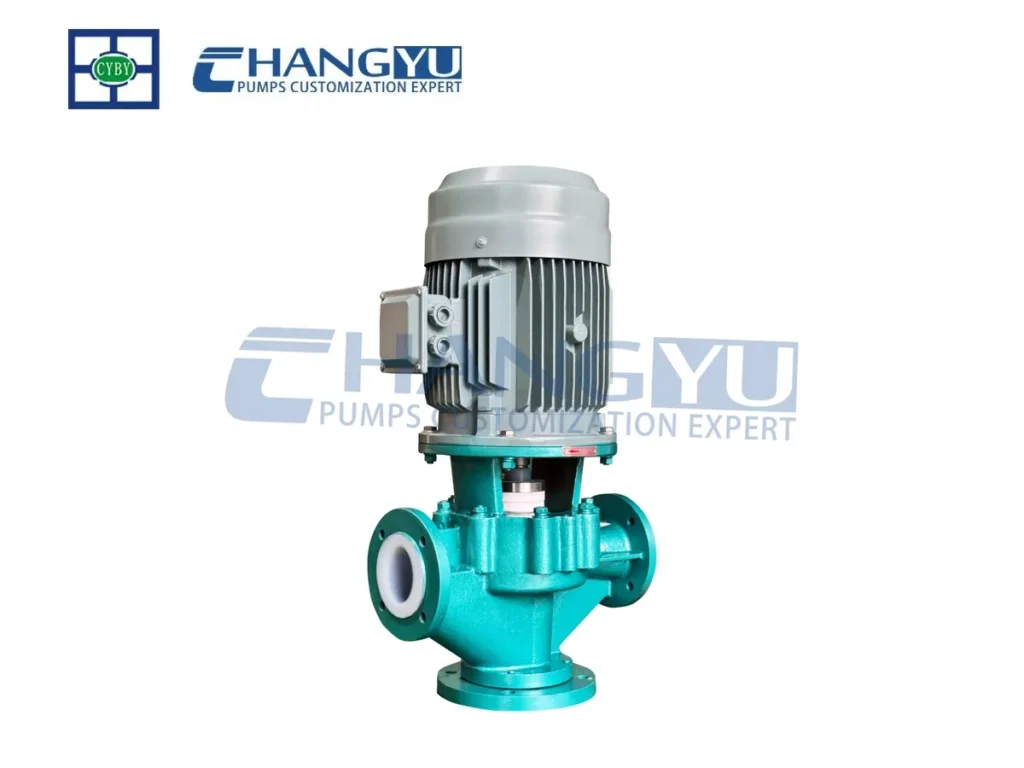
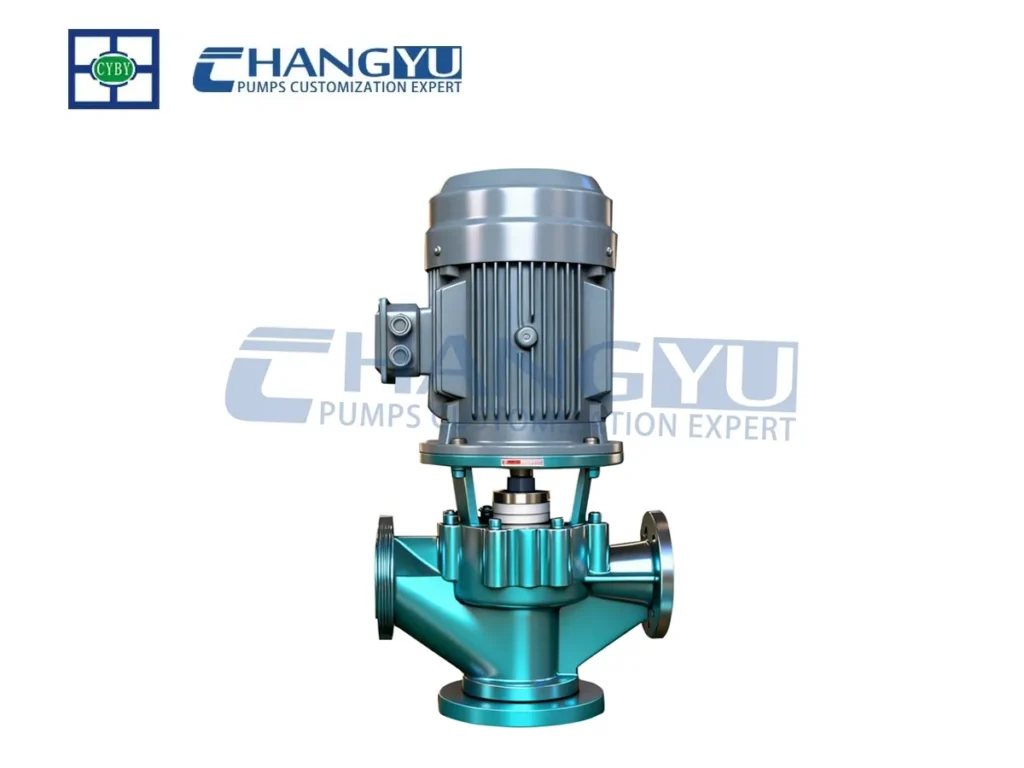
- Bomba de tubagem (Bomba vertical): Estrutura em linha, pode ser diretamente instalada em condutas, utilizada para aquecimento, ar condicionado e outros sistemas de circulação.
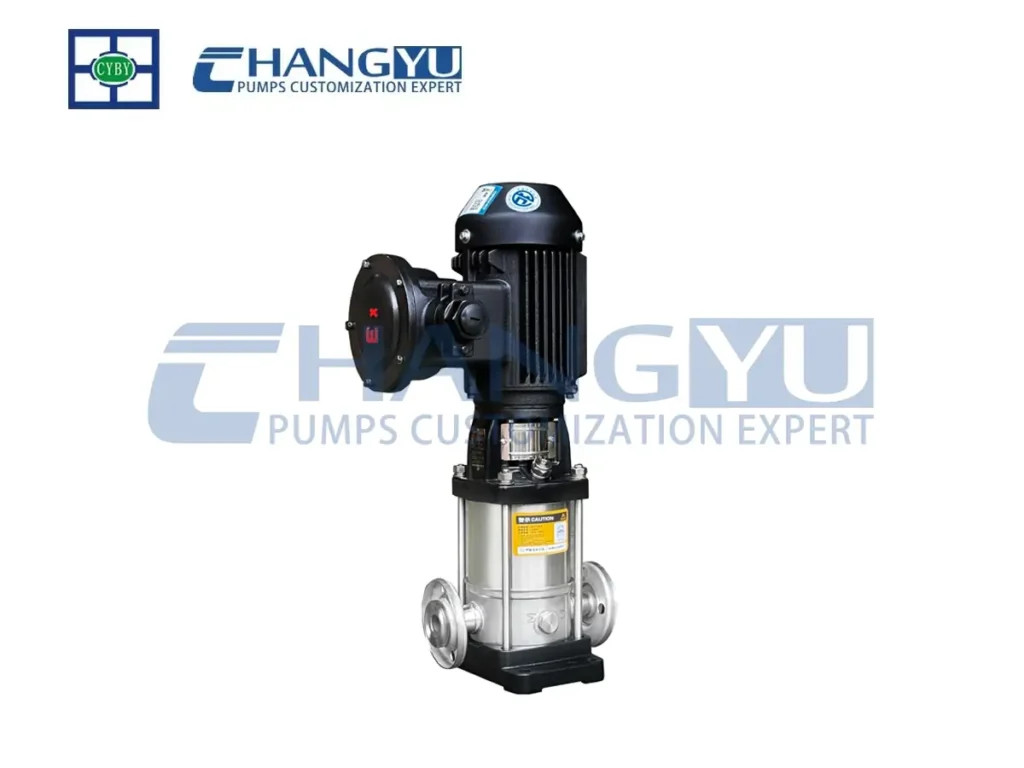
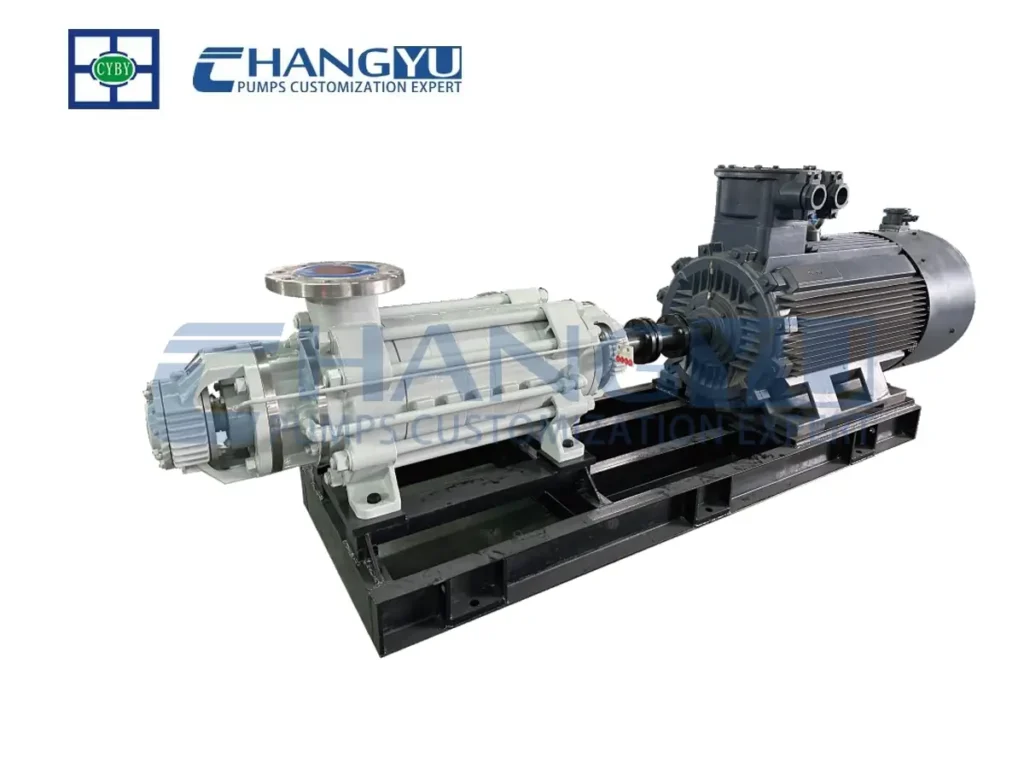
- Bomba multiestágio: Vários impulsores em série, podem aumentar significativamente a pressão de saída, adequados para abastecimento de água a alta pressão, combate a incêndios, etc.
- Bomba auto-ferrante: Pode arrancar sem pré-enchimento, resolvendo a limitação de aspiração das bombas centrífugas normais.
O que é uma bomba de deslocamento positivo?
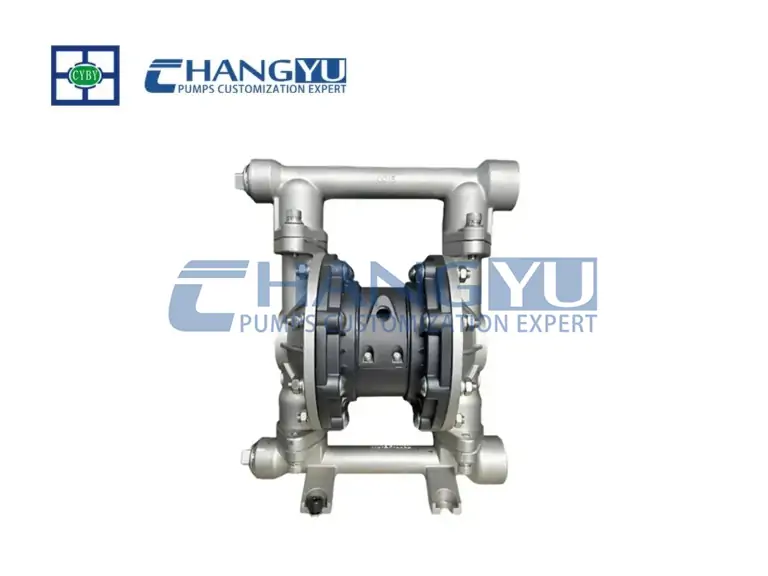
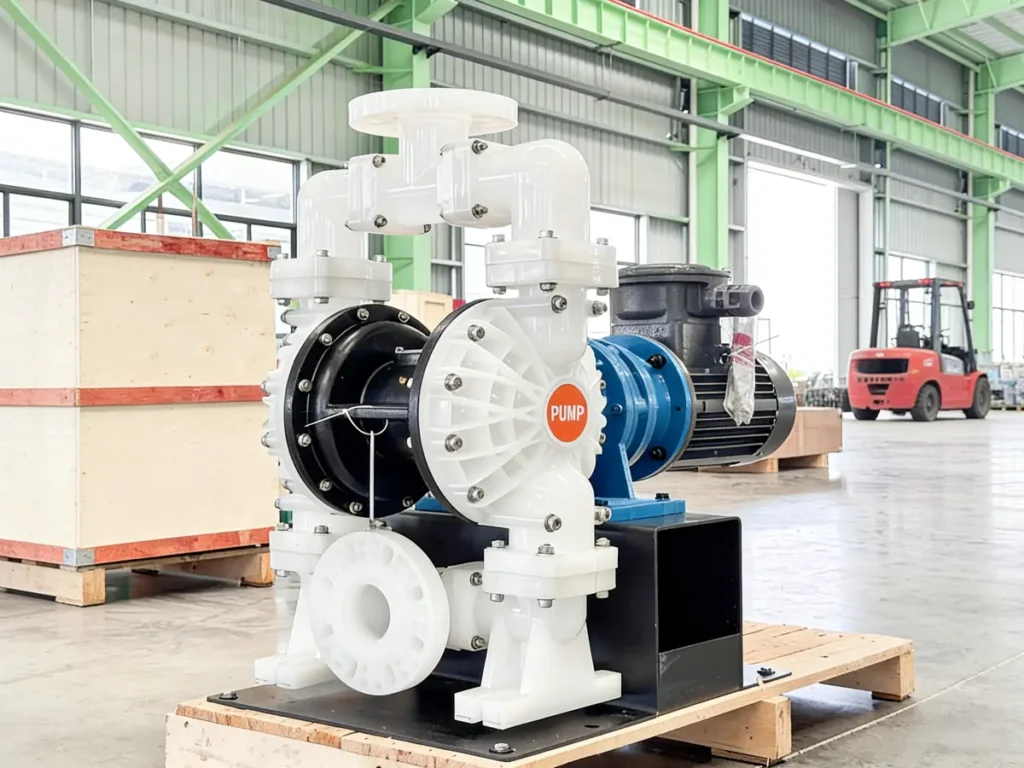
Uma Bomba de Deslocamento Positivo fornece fluido através da alteração periódica do volume da câmara de trabalho, como a reciprocidade do pistão ou a engrenagem da engrenagem, semelhante a “espremer pasta de dentes”, descarregando um volume fixo de fluido de cada vez.
Os tipos mais comuns incluem:
- Bomba de engrenagem: Usa duas engrenagens entrelaçadas para formar mudanças de volume para fornecer líquido, adequado para sistemas hidráulicos, óleo de lubrificação, fornecimento de combustível e também pode lidar com alta temperatura (acima de 400 ℃) ou mídia fundida.
- Bomba de parafuso: Utiliza a malha de parafusos principais e secundários para formar câmaras helicoidais seladas, fornecendo continuamente por rotação, adequadas para meios de alta viscosidade ou contendo sólidos, tais como petróleo bruto e lamas.
- Bomba de êmbolo/pistão: Utiliza a reciprocidade do êmbolo ou do pistão no cilindro da bomba para alterar o volume e fornecer fluido, adequado para limpeza a alta pressão, injeção de água em campos petrolíferos e sistemas hidráulicos.
- Bomba de diafragma: Utiliza a reciprocidade da membrana para alterar o volume da câmara, isolando completamente o meio do mecanismo de acionamento, adequado para líquidos corrosivos e cenários de alta segurança nas indústrias alimentar e farmacêutica.

Bomba Centrífuga VS Bomba de Deslocamento Positivo
De seguida, mostramos as diferenças entre os Bomba centrífuga e a bomba de deslocamento positivo de diferentes perspectivas:
| Caraterística | Bomba centrífuga | Bomba de deslocamento positivo |
|---|---|---|
| Princípio de funcionamento | Gera força centrífuga através da rotação do impulsor a alta velocidade, convertendo a energia mecânica em energia cinética do líquido e energia de pressão | Distribui o líquido através da alteração do volume da câmara da bomba (engrenagem, parafuso, êmbolo, diafragma, etc.) |
| Caraterísticas do fluxo | O caudal está intimamente relacionado com a pressão de saída; quando a pressão aumenta, o caudal diminui significativamente | O caudal é quase independente da pressão de saída, estando apenas relacionado com a velocidade e a deslocação; o caudal é basicamente estável sob alta pressão (pode diminuir ligeiramente devido a fugas) |
| Caraterísticas da pressão | A pressão de saída depende da velocidade do impulsor, da estrutura e do caudal; existe um intervalo de “pressão nominal”, que excede o qual o caudal cai drasticamente e a pressão não pode continuar a aumentar | Teoricamente, a pressão de saída pode aumentar indefinidamente com a resistência do sistema (por exemplo, estrangulamento da válvula ou bloqueio da tubagem), mas a pressão máxima real é limitada pela força, vedação e potência da bomba |
| Meios adequados | Água limpa, líquidos de baixa viscosidade; podem ser selecionados materiais para meios com teor de sólidos inferior a 35% ou meios corrosivos | Líquidos de elevada viscosidade, meios contendo partículas sólidas ou líquidos corrosivos |
| Caraterísticas estruturais | O impulsor roda; a passagem da bomba transmite a pressão; menos peças móveis | As bombas de deslocamento positivo têm peças de malha ou recíprocas; a estrutura é relativamente complexa |
| Requisito de arranque | Necessita de escorvamento | A maioria com escorvamento automático ou sem necessidade de escorvamento (por exemplo, bomba de parafuso, bomba de diafragma) |
| Caraterísticas de eficiência | Elevada eficiência com caudal elevado e baixa viscosidade; a eficiência diminui à medida que a viscosidade aumenta | Eficiência elevada para líquidos de alta viscosidade; eficiência ligeiramente inferior para líquidos de baixa viscosidade |
| Aplicações típicas | Água de circulação industrial, ar condicionado, irrigação agrícola, combate a incêndios, abastecimento de água a alta pressão | Óleo hidráulico, petróleo bruto, lama química, limpeza a alta pressão, fornecimento de líquidos corrosivos |
| Manutenção | Menos peças móveis, manutenção simples | Os vedantes e as peças deslizantes/malhas necessitam de manutenção ou substituição regular |
| Tipos típicos de bombas | Bomba centrífuga monocelular, bomba multicelular, bomba de sucção final, bomba auto-ferrante, bomba submersível | Bomba de engrenagem, bomba de parafuso, bomba de êmbolo, bomba de diafragma |
Através da tabela acima, a Changyu Pump explica as diferenças entre os dois tipos de bombas. Portanto, a resposta para “As bombas centrífugas são de deslocamento positivo?” é claramente não. Trata-se de dois tipos diferentes de bombas.
Aplicação
Bomba centrífuga
As bombas centrífugas são chamadas o “coração da indústria moderna”. Os cenários de aplicação incluem:
- Industrial: Petroquímica, carvão químico, eletricidade (abastecimento de água circulante), etc.
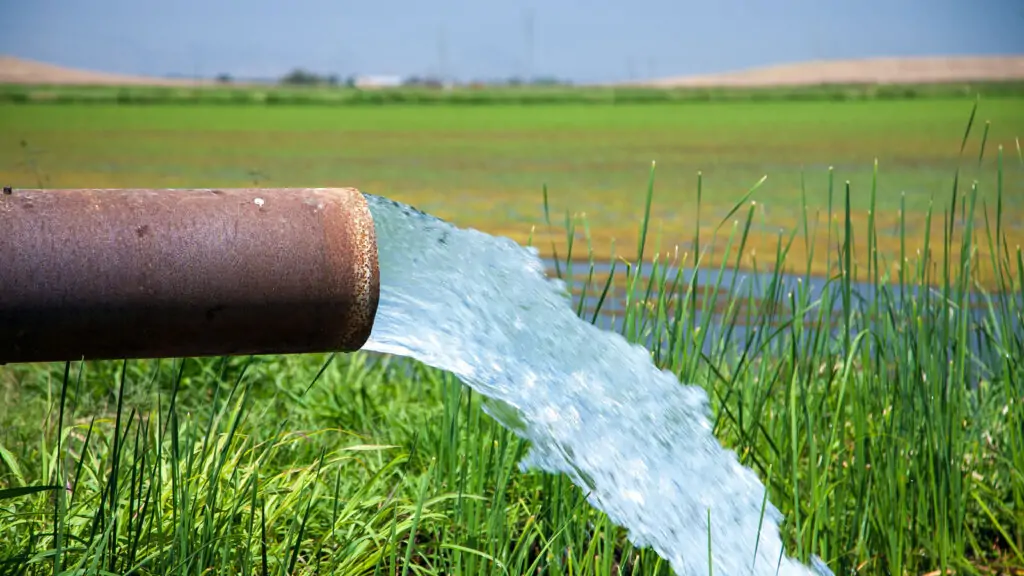
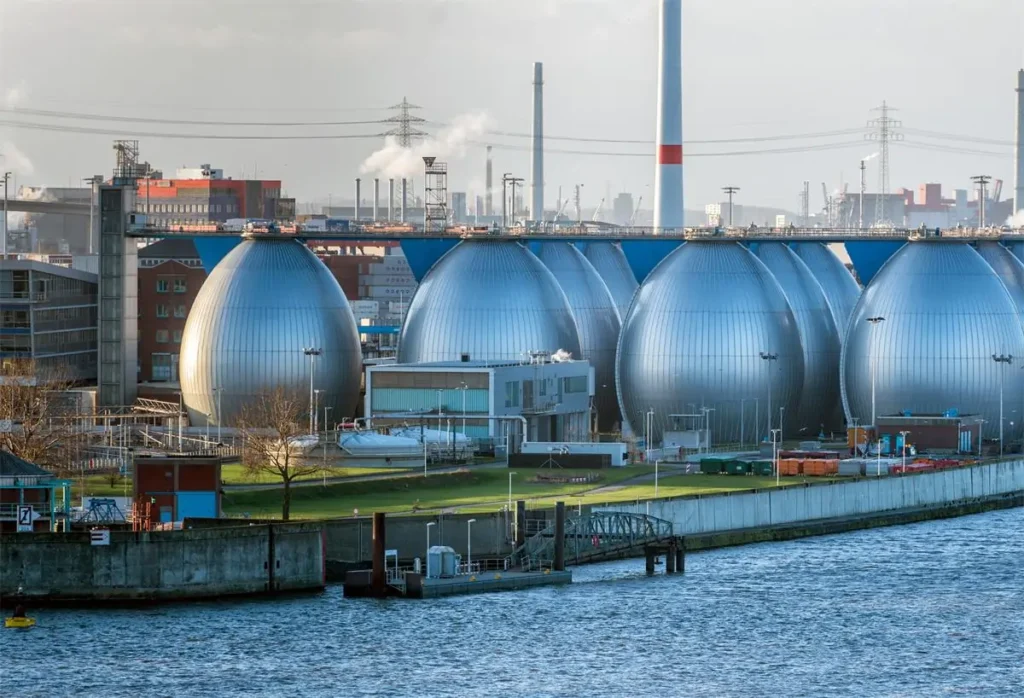
- Municipal e Agricultura: Abastecimento urbano de água, tratamento de águas residuais, irrigação agrícola.
- Aplicações especiais: Entrega de produtos esterilizados na indústria farmacêutica, transferência de bebidas na indústria alimentar, etc.
Bomba de deslocamento positivo
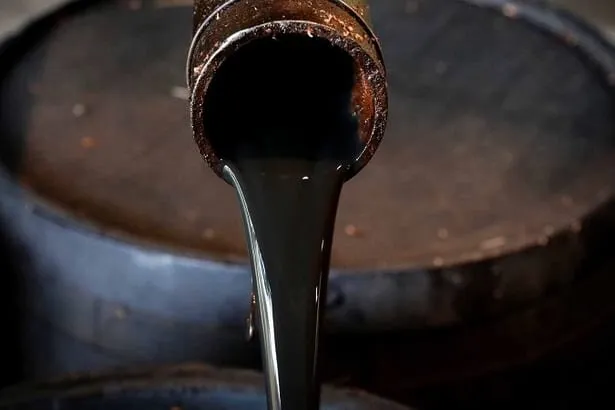
- Fluidos de alta viscosidade: Fornecimento de xarope ou chocolate na indústria alimentar, asfalto ou óleo de lubrificação na indústria petrolífera.
- Fluidos mistos contendo gás / gás-líquido: Vapor de solvente da indústria química, biogás ou manuseamento de líquidos de vaporização fácil (por exemplo, propano).
- Medição e distribuição: Dosagem precisa para a indústria farmacêutica, alimentação quantitativa para a indústria das tintas.
- Cenários de alta pressão: Sistemas hidráulicos (por exemplo, escavadoras, máquinas de moldagem por injeção), equipamento de limpeza a alta pressão.
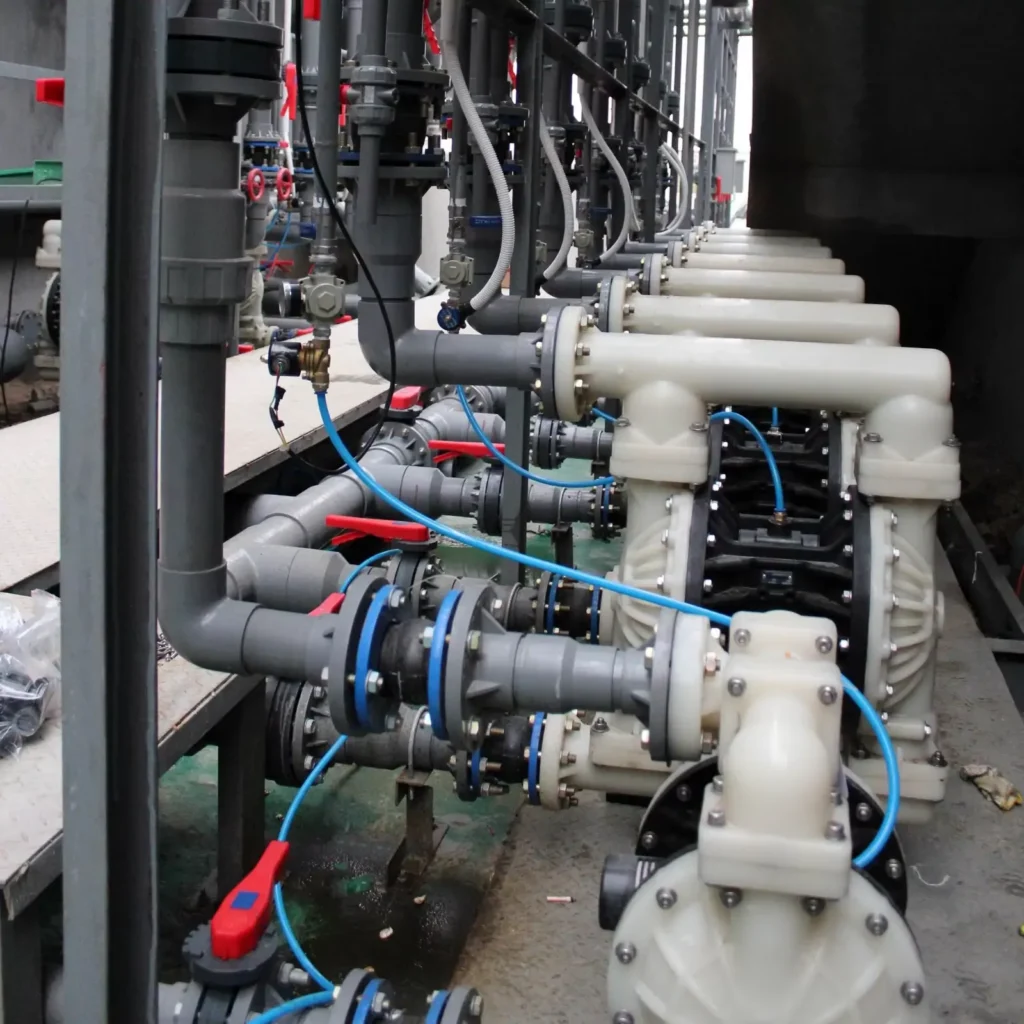

Sugestões de seleção da bomba Changyu
- Preferir bomba centrífuga: Quando é necessário um grande caudal, baixa viscosidade, líquidos limpos e pressão estável do sistema (por exemplo, circulação de refrigeração, irrigação).
- Preferir bomba de deslocamento positivo: Quando é necessária alta pressão, alta viscosidade, fluido contendo gás/sólido ou dosagem precisa (por exemplo, sistemas hidráulicos, distribuição de tinta).





Conclusão
A resposta à pergunta “uma bomba centrífuga é uma bomba de deslocamento positivo?” é NÃO.
São dois princípios de funcionamento diferentes com cenários de aplicação diferentes. Se tiver alguma questão sobre a seleção de bombas ou o manuseamento de fluidos, pode contactar-nos agora. A nossa equipa profissional orientará a sua seleção e fornecerá as mais recentes soluções de bombagem.
Correio eletrónico: [email protected]
Telefone: +86-13651913727