
Introdução
Bomba de produtos químicos tóxicos A seleção é uma decisão de engenharia regida pelo percurso da fuga. Em serviço normal, um selo mecânico é um componente de desgaste substituível. No serviço de produtos químicos tóxicos, o mesmo selo representa o maior risco operacional no conjunto da bomba - uma interface dinâmica entre maquinaria rotativa e fluido de processo perigoso. A resposta de engenharia a este risco deve ser proporcional ao nível de toxicidade, fazendo corresponder o princípio de contenção à gravidade do perigo.
O espetro de soluções abrange três níveis. Para fluidos de baixa toxicidade, pode ser aceitável um selo mecânico simples com monitorização adequada. Para toxicidade moderada, os selos mecânicos duplos com sistemas de fluidos de barreira (API Plano 53 ou 74) fornecem a contenção necessária. Para fluidos agudamente tóxicos ou letais - definidos pela ASME como substâncias em que uma quantidade extremamente pequena inalada ou absorvida através da pele representa um risco de vida - as bombas sem vedante que eliminam totalmente a penetração dinâmica do veio tornam-se a especificação padrão e a contenção dupla pode ser um requisito regulamentar.
A Changyu Pump passou mais de duas décadas a desenvolver equipamento de manuseamento de fluidos para serviços corrosivos, tóxicos e químicos perigosos. Este guia fornece uma referência estruturada que abrange tecnologias de contenção, compatibilidade de materiais, critérios de seleção e práticas de manutenção para engenheiros que especificam bombas em serviço de fluidos tóxicos. Contacte-nos com os parâmetros do seu processo para obter uma recomendação específica.
O que é uma bomba de produtos químicos tóxicos?
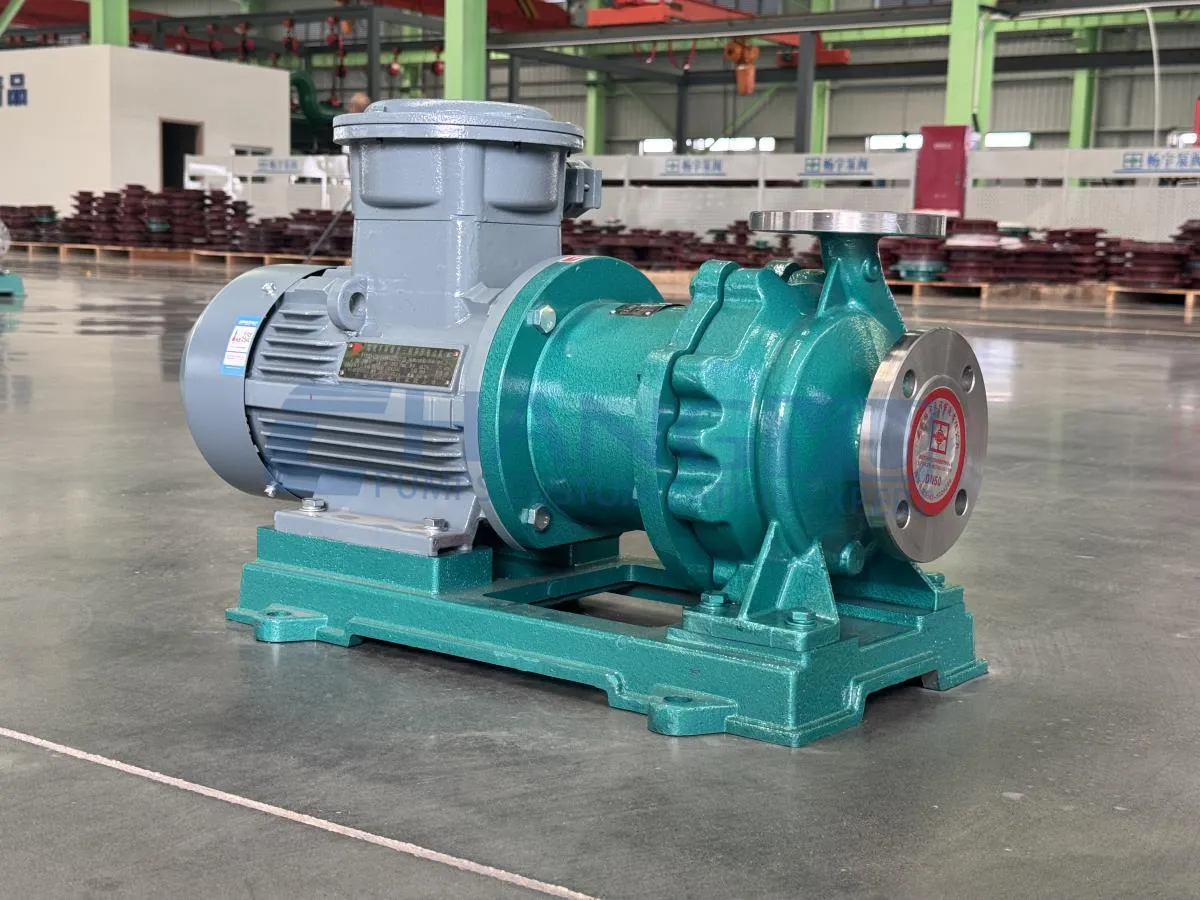
A bomba para produtos químicos tóxicos é uma bomba concebida para garantir que o fluido do processo não tem qualquer passagem para a atmosfera durante o funcionamento normal, com o nível de confinamento necessário correspondente à classificação específica de toxicidade.
A classificação correta começa com o perfil de perigo do fluido. Baixa toxicidade - produtos químicos que exigem controlos normalizados da exposição profissional - podem normalmente ser tratados com um único selo mecânico e uma monitorização de rotina das fugas. Toxicidade moderada - produtos químicos com limites de exposição regulamentados e requisitos de comunicação - exige vedantes mecânicos duplos com um fluido de barreira pressurizado de acordo com o Plano API 53 ou uma barreira de gás de acordo com o Plano API 74. Toxicidade aguda / serviço letal - substâncias definidas pela ASME como letais, em que uma quantidade extremamente pequena pode ser fatal - requer uma bomba sem vedante que elimine totalmente o vedante mecânico e, sempre que os regulamentos ou as normas do local o exijam, uma contenção dupla.
A distinção entre uma bomba para produtos químicos tóxicos e uma bomba para produtos químicos de uso geral não é uma questão de resistência à corrosão. É a escolha deliberada de engenharia para fazer corresponder o princípio de contenção ao nível de perigo, verificado através da conformidade com as normas aplicáveis, tais como API 685 para bombas centrífugas sem vedação. A decisão sobre o confinamento também tem de abordar algo mais do que o próprio vedante: deteção de fugas. Mesmo as bombas sem vedação requerem monitorização para detetar falhas na barreira de contenção - através de sensores de temperatura no invólucro de contenção, monitorização do decaimento da pressão entre barreiras duplas ou sensores de gás na área imediata da bomba. A trajetória da fuga não pode ser considerada controlada, a menos que uma falha da barreira primária seja imediatamente detetável.
Quais são as principais tecnologias sem vedação para fluidos tóxicos?
Para a toxicidade aguda e o serviço letal, duas tecnologias sem vedante proporcionam o desempenho de fuga zero exigido. Ambas foram implementadas globalmente durante décadas e são regidas por API 685, que especifica os requisitos mínimos de conceção, teste, dinâmica e material para bombas centrífugas sem vedação. A API 685 também exige uma avaliação do binário para fluidos densos com gravidade específica elevada, assegurando que o acoplamento magnético ou o motor está classificado para a carga hidráulica.
Bombas de acionamento magnético
Uma bomba de acionamento magnético utiliza um acoplamento magnético para transmitir o binário de um motor padrão para o impulsor através de um invólucro de contenção estacionário. O conjunto do íman exterior no eixo do motor acciona o conjunto do íman interior em rotação síncrona - os dois conjuntos magnéticos rodam a uma velocidade idêntica sem deslizamento, a menos que o limite de binário seja excedido e ocorra o desacoplamento. O impulsor, o veio e o rotor magnético interno estão totalmente fechados dentro da caixa selada. Nenhum veio rotativo penetra no limite de pressão.
O invólucro de contenção é o componente de segurança crítico. Nas bombas mag-drive com revestimento fluoroplástico, a superfície húmida do invólucro é isolada do ataque químico por um revestimento de PFA ou PTFE, enquanto a estrutura metálica suporta o esforço mecânico do diferencial de pressão. A integridade mecânica do revestimento - resistência à fissuração por fadiga e à deformação por fluência - determina a vida útil e a margem de segurança da bomba. Os modelos modernos que utilizam ímanes NdFeB de terras raras (35-45 MGOe) proporcionam a elevada densidade de binário necessária para fluidos com gravidade específica elevada, tais como ácidos concentrados e produtos intermédios orgânicos densos. A pressão máxima de trabalho permitida é determinada pela norma de conceção da caixa da bomba, pela classificação da flange e pela configuração do invólucro de contenção, e não por um limite numérico fixo aplicável a todas as concepções.
Bombas de motor enlatadas
Uma bomba de motor encapsulado integra a bomba e o motor numa única unidade hermeticamente fechada. O rotor do motor e o impulsor partilham um eixo comum, totalmente fechado dentro de um limite de pressão. O estator é isolado do fluido do processo por uma fina lata resistente à corrosão - normalmente Hastelloy C-276. O fluido do processo circula através da secção do motor para lubrificar os rolamentos lubrificados pelo produto e arrefecer o motor.
Esta conceção proporciona um confinamento duplo: o recipiente interno forma a barreira primária e a caixa exterior da bomba proporciona um limite secundário. Se a barreira primária falhar, a carcaça mantém a contenção secundária. Isto faz com que as bombas de motor enlatado sejam a escolha preferida para serviços letais ou quando as autoridades reguladoras exigem limites de pressão redundantes. Tal como acontece com as bombas de acionamento magnético, a capacidade de pressão real é determinada pelo projeto específico e pelo código de construção aplicável, e não por uma classificação numérica universal.
A escolha entre bombas de acionamento magnético e bombas de motor em lata depende da pressão do sistema, da lubrificação do fluido e do facto de a contenção dupla ser um requisito regulamentar ou ao nível do local.
| Caraterística | Bomba de acionamento magnético | Bomba de motor enlatada |
|---|---|---|
| Método de vedação | Concha de contenção estática | Motor hermeticamente selado (limite duplo) |
| Tipo de motor | Motor standard, com possibilidade de manutenção no local | Integrado, com possibilidade de manutenção pelo fabricante |
| Contenção | Barreira estática simples (invólucro) | Barreira dupla (lata + invólucro) |
| Manutenção | Rolamentos substituíveis sem necessidade de regressar ao fabricante | Normalmente, é necessário devolver ao fabricante |
| Melhor para | Produtos químicos tóxicos, inflamáveis e de elevado valor; pressão moderada | Serviço letal, é necessário um confinamento duplo |
Que materiais são utilizados na construção de bombas para produtos químicos tóxicos?
Seleção de materiais para um bomba para produtos químicos tóxicos deve satisfazer dois critérios independentes: compatibilidade química com o fluido do processo à temperatura de funcionamento e integridade mecânica suficiente para manter o confinamento em todas as condições de funcionamento.
Revestimentos de fluoroplástico. PTFE, PFA e FEP são os principais materiais não metálicos para bombas quimicamente resistentes. O PTFE é inerte contra praticamente todos os produtos químicos industriais até cerca de 120°C, enquanto o PFA alarga esta capacidade até cerca de 160°C e oferece uma menor permeabilidade - uma vantagem crítica para meios altamente permeáveis como o HCl, Br₂ e halogéneos de pequenas moléculas a temperaturas elevadas.
Aço inoxidável e ligas de alta qualidade. 316L, duplex 2205 e 2507, Hastelloy C-276 e titânio servem em aplicações onde os caminhos metálicos molhados são compatíveis. Para o serviço com produtos químicos tóxicos, a verificação do material deve estender-se a todos os componentes do percurso molhado - caixa, impulsor, veio, anéis em O e juntas.
Materiais de construção não metálicos. O PP e o PVDF são utilizados em aplicações mais ligeiras, quando as condições do processo o permitem. O PVDF é preferido pela sua resistência superior à corrosão e resistência mecânica.
Elastómeros. Os O-rings e as juntas devem ser verificados em relação ao produto químico específico à sua temperatura de funcionamento. O FFKM (perfluoroelastómero) é a norma para serviços agressivos com solventes e ácidos, o FKM para serviços químicos moderados e as juntas encapsuladas em PTFE para os ambientes mais exigentes.
Não se deve proceder à seleção de materiais sem consultar os dados de resistência química para o fluido específico à sua temperatura máxima de funcionamento, apoiados por registos de compatibilidade documentados.
O papel dos sistemas de apoio às focas. Para bombas com vedação mecânica que manuseiam fluidos moderadamente tóxicos, o plano de descarga do selo é tão crítico quanto o próprio selo. O Plano 53 da API (fluido de barreira pressurizado) garante que qualquer vazamento através do selo interno seja fluido de barreira para o processo, e não fluido de processo para a atmosfera. O Plano 74 utiliza gás seco pressurizado como barreira. O sistema de suporte do selo deve funcionar continuamente sem interrupção - uma falha do sistema de suporte é funcionalmente equivalente a uma falha do selo.
Como selecionar a bomba de produtos químicos tóxicos adequada?
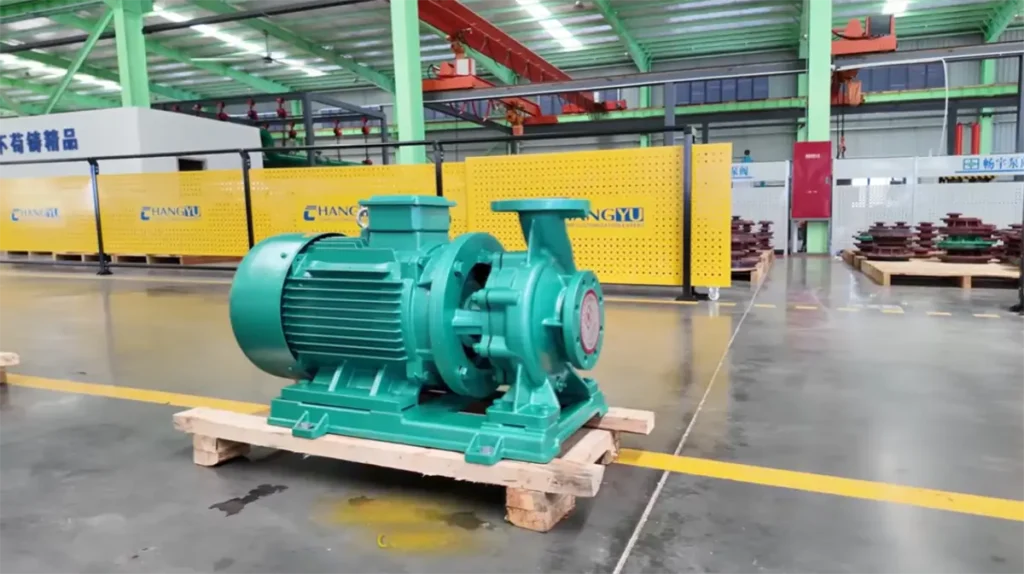
Uma abordagem estruturada faz corresponder a tecnologia de confinamento ao nível de perigo.
Etapa 1: Caracterizar o fluido e classificar a toxicidade. Documentar a composição do fluido, a concentração, a gama de temperaturas (incluindo excursões do processo), a gravidade específica, a viscosidade e o teor de sólidos. Classificar a toxicidade: baixa (aplicam-se os controlos de exposição profissional padrão), moderada (limites de exposição regulamentados, é necessário comunicar) ou aguda/letal (aplica-se a definição de substância letal da ASME).
Etapa 2: Selecionar o princípio de confinamento de acordo com o nível de toxicidade. Em caso de baixa toxicidade, pode ser aceitável um selo mecânico simples com controlo de fugas. Para toxicidade moderada, especifique um selo mecânico duplo de acordo com o Plano 53 da API (barreira pressurizada) ou Plano 74 (barreira de gás). Para toxicidade aguda ou serviço letal, especifique uma bomba sem vedação - acionamento magnético ou motor enlatado - que elimine totalmente a vedação dinâmica do eixo. Os vedantes de embalagem não são aceitáveis para qualquer serviço de produtos químicos tóxicos. A contenção dupla deve ser especificada quando os regulamentos, normas do local ou avaliações de risco exigirem um segundo limite de pressão independente.
Passo 3: Verificar os materiais, o serviço hidráulico e o dimensionamento do motor. Confirme se todos os componentes molhados são compatíveis com o fluido à sua temperatura máxima de funcionamento. Verificar o ponto de funcionamento hidráulico da bomba em relação à curva do sistema. Para bombas de acionamento magnético, confirme que o acoplamento magnético está classificado para a gravidade específica do fluido - um requisito abordado na API 685 para fluidos densos.
Passo 4: Especificar a deteção de fugas. No caso das bombas sem vedante, especificar, no mínimo, a monitorização da temperatura do invólucro de contenção. No caso das bombas de motor enlatado em serviço letal, a monitorização da diminuição da pressão entre as barreiras duplas permite uma verificação contínua da integridade do confinamento. Para bombas com vedação mecânica, a recolha e deteção de fugas no dreno da vedação completa o sistema de contenção.
Quais são as principais aplicações das bombas de produtos químicos tóxicos?
Processamento químico e petroquímico. Transferência de isocianatos, solventes clorados e intermediários orgânicos em que os limites de exposição são medidos em partes por milhão. As bombas com vedação dupla ou sem vedação são selecionadas com base na classificação de toxicidade do composto específico.
Fabrico de produtos farmacêuticos e de química fina. Compostos citotóxicos, APIs hormonais e intermediários essenciais exigem bombas que protejam o operador e o produto. As bombas de acionamento magnético com revestimento de fluoropolímero isolam os componentes metálicos do fluido do processo, evitando fugas e contaminação.
Indústria nuclear e reprocessamento. Os fluidos radioactivos e quimicamente tóxicos requerem bombas concebidas com contenção total, capacidade de monitorização remota e materiais resistentes à degradação induzida pela radiação. As bombas de motor enlatado com contenção dupla e monitorização remota do estado são a especificação padrão.
Síntese de especialidades químicas. Os intermediários altamente reactivos, os reagentes pirofóricos e os compostos sensíveis à humidade exigem bombas sem vedante com percursos molhados revestidos a fluoropolímero. Os modelos sem vedante auto-ferrantes lidam com a descarga de camiões-cisterna e tambores onde é necessária uma elevação de sucção, e a construção sem fugas evita a perda de produto e a exposição do operador.
Como é que se faz a manutenção das bombas de produtos químicos tóxicos?
As bombas sem vedante reduzem a carga de manutenção ao eliminarem o vedante mecânico. Mas não eliminam a necessidade de uma monitorização estruturada do estado.
Monitorizar a temperatura do invólucro de contenção ou da lata. O invólucro de contenção (bomba de acionamento magnético) ou o bidão (bomba de motor enlatado) é a principal barreira de segurança. O aumento da temperatura indica funcionamento a seco, acumulação de sólidos ou perda do fluxo de arrefecimento - todas as condições que precedem a falha da contenção.
Tendência do estado da chumaceira utilizando métodos adequados ao tipo de chumaceira. Os rolamentos de bombas sem vedação são tipicamente rolamentos de manga lubrificados pelo produto, e não rolamentos de elementos rolantes. Os rolamentos de manga nas fases iniciais de desgaste normalmente não produzem as assinaturas de vibração distintas que os rolamentos geram, tornando a análise de vibração menos fiável para a deteção precoce. Em vez disso, faça uma tendência da temperatura do rolamento, monitorize a limpeza do fluido (a contaminação acelera o desgaste do rolamento de casquilho) e considere a monitorização da emissão acústica (AE), que pode detetar os sinais de fricção de alta frequência caraterísticos da deterioração do rolamento de casquilho.
Inspecionar a integridade do revestimento. Para bombas com revestimento de fluoroplástico, os testes de espessura ultra-sónicos programados verificam o estado do revestimento e detectam a permeação ou delaminação precoce. Isto é particularmente importante para meios com elevada permeabilidade a temperaturas elevadas.
Sinais de alerta que exigem uma investigação imediata. O aumento da temperatura do invólucro de contenção, o aumento da vibração ou as alterações de ruído audível e qualquer fuga visível nas juntas ou articulações exigem uma investigação e um possível encerramento. No serviço tóxico, as fugas externas nunca são aceitáveis e devem ser tratadas como um potencial incidente de exposição.
Pré-requisito de segurança para a manutenção. Antes de abrir qualquer bomba em serviço tóxico, isolar, drenar e lavar a bomba até se confirmar a ausência de resíduos químicos - pH neutro para ácidos e álcalis, abaixo do limite de deteção para tóxicos orgânicos. O pessoal deve seguir o procedimento de entrada de materiais perigosos no local, incluindo EPI resistente a produtos químicos e proteção respiratória, quando necessário.
Para bombas com vedação mecânica. O sistema de suporte da vedação (nível do reservatório, pressão da barreira, fluxo) deve ser monitorizado com a mesma frequência que a própria bomba. A degradação do fluido da barreira ou a perda de pressão tornam a contenção secundária ineficaz.
Soluções de bombas Changyu para serviços com produtos químicos tóxicos
A Changyu Pump oferece três plataformas de bombas concebidas para a transferência de produtos químicos tóxicos, cada uma adaptada a requisitos específicos de contenção e de processo.
Bomba de acionamento magnético resistente a produtos químicos da série CYQ
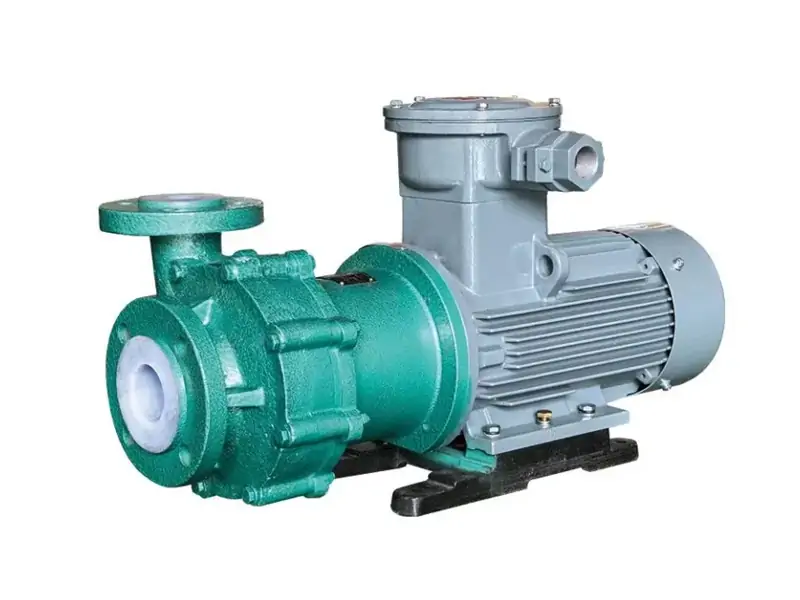
A série CYQ é uma bomba de acionamento magnético sem vedação com componentes húmidos revestidos a FEP, PFA ou PTFE. O binário é transmitido a partir de um motor padrão através de uma manga de contenção estacionária através de um rotor magnético NdFeB com uma capacidade nominal de 35-45 MGOe, eliminando o vedante mecânico e encerrando o fluido do processo numa câmara totalmente selada. O acoplamento magnético síncrono fornece a densidade de binário necessária para fluidos com gravidade específica elevada. A manga de isolamento estacionária é classificada para 1,6 MPa. Os caudais atingem 800 m³/h com cabeças de descarga até 125 m e temperatura de funcionamento contínuo de -20°C a 180°C.
Bomba magnética de aço inoxidável para serviço pesado da série CYC
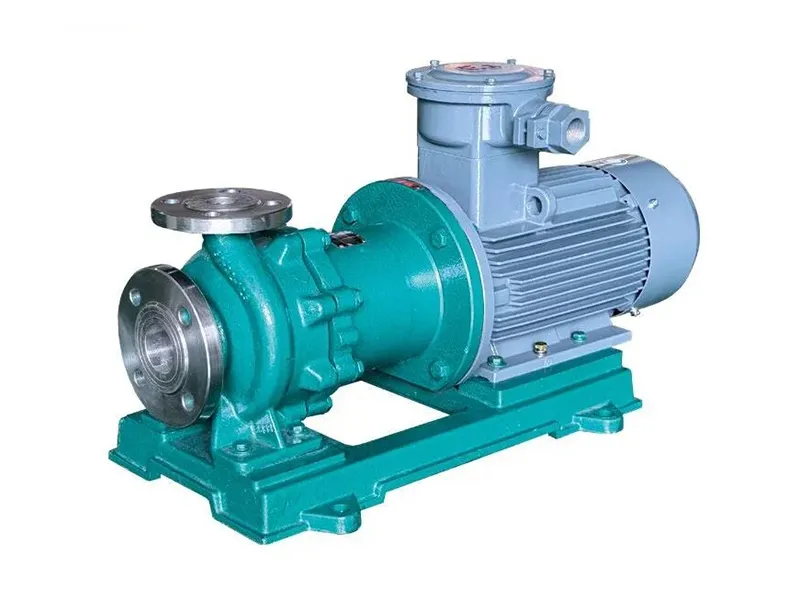
A série CYC é uma bomba de acionamento magnético para trabalhos pesados, concebida de acordo com API 685, com uma pressão nominal da flange de 1,6 MPa. A caixa da bomba e os componentes húmidos são construídos em aço inoxidável - 304, 316, 316L ou titânio - selecionado para o produto químico específico e a sua concentração à temperatura de funcionamento. A estrutura de conceção API 685 fornece uma base de engenharia para a integridade documentada da contenção em indústrias químicas, petroquímicas e de processos relacionados que manuseiam fluidos perigosos.
Bomba autoescorvante magnética com revestimento de flúor da série ZCQ
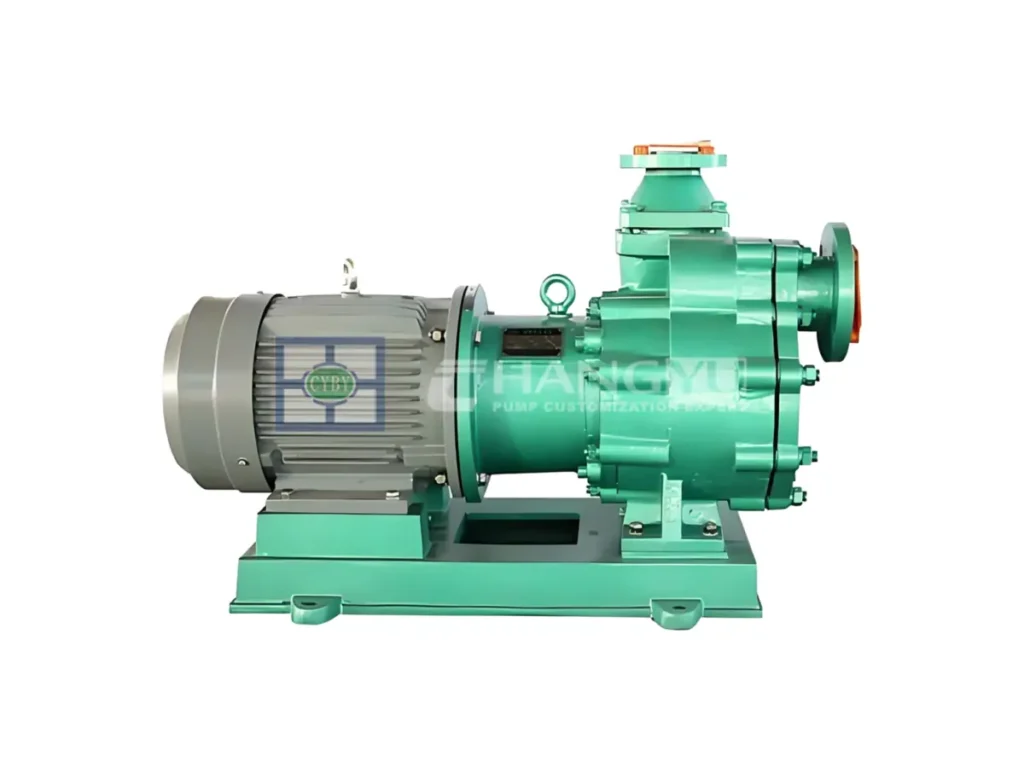
A série ZCQ combina a vedação por acionamento magnético com a capacidade de autoaspiração. A caixa da bomba e o impulsor são revestidos com FEP (F46) ou PFA, A bomba de vácuo da série CYQ é uma bomba de vácuo de alta pressão, fornecendo a mesma contenção de vazamento zero que a série CYQ, com a capacidade adicional de levantar fluido de tanques e poços abaixo do nível. O design auto-ferrante lida com condições de vácuo temporário e funcionamento intermitente a seco, tornando-a adequada para a descarga de matérias-primas de camiões-cisterna e tambores onde a bomba deve auto-ferrar contra a elevação de sucção.
Perguntas frequentes
Q1: O que torna uma bomba adequada para produtos químicos tóxicos?
R: A adequação é determinada pela correspondência entre o princípio de confinamento e o nível de toxicidade. A baixa toxicidade pode ser tratada com um único selo mecânico e monitorização de fugas. A toxicidade moderada requer selos mecânicos duplos de acordo com o Plano API 53 ou 74. A toxicidade aguda ou o serviço letal requerem uma bomba sem vedação - acionamento magnético ou motor enlatado - que elimina totalmente a vedação mecânica. A monitorização para detetar falhas de contenção faz parte da especificação.
Q2: Qual é a bomba mais segura para o serviço letal?
A: Bombas de motor enlatadas fornecem contenção dupla - o recipiente interno e o invólucro externo formam dois limites de pressão independentes. As bombas de acionamento magnético em conformidade com a norma API 685 com invólucros de contenção dupla e revestimento totalmente em fluoroplástico também são utilizadas em serviço letal quando a pressão do sistema está dentro da classificação do invólucro. A seleção entre as duas depende da pressão, da lubrificação do fluido e dos requisitos do local.
Q3: Qual é a diferença entre uma bomba de acionamento magnético e uma bomba de motor enlatado?
R: Uma bomba de acionamento magnético utiliza um motor padrão e transmite o binário através de um invólucro de contenção através de um acoplamento magnético síncrono; o motor pode ser reparado no terreno. Uma bomba de motor enlatado integra o motor e a bomba numa unidade selada, com o rotor a funcionar no fluido do processo dentro de um invólucro hermeticamente selado. As bombas de motor enlatado proporcionam uma contenção dupla; as bombas de acionamento magnético oferecem uma manutenção mais fácil da extremidade do acionamento.
P4: Preciso de uma bomba API 685 para produtos químicos tóxicos?
R: A norma API 685 regula as bombas centrífugas sem vedante, originalmente desenvolvidas para serviços nas indústrias petrolífera, petroquímica e do gás. Se as suas instalações operam fora destas indústrias, a conformidade com a API 685 não é obrigatória — mas a sua estrutura de engenharia (concepção, ensaios, dinâmica, materiais, avaliação do binário em fluidos densos) fornece uma base de referência amplamente aceite para a contenção segura de fluidos perigosos nos setores químico, farmacêutico e de produtos químicos especializados.
P5: Uma bomba AODD pode ser utilizada com fluidos tóxicos?
R: Sim, para transferências intermitentes de pequeno a médio volume. As bombas pneumáticas de diafragma duplo são concebidas sem juntas. Para serviços com substâncias tóxicas, especifique diafragmas duplos com deteção de fugas entre os diafragmas e certifique-se de que o ar de escape é recolhido e encaminhado para um local seguro — o escape da bomba pode transportar vestígios de vapores do fluido bombeado. As bombas AODD não substituem as bombas centrífugas sem vedantes de serviço contínuo em serviços com substâncias tóxicas de grande volume.
P6: Será que uma vedação mecânica é suficientemente segura para produtos químicos tóxicos?
R: Sim, no caso de produtos químicos de baixa toxicidade, uma única vedação mecânica com monitorização de fugas pode ser aceitável. Para toxicidade moderada, uma vedação mecânica dupla com fluido de barreira pressurizado (API Plan 53) ou barreira de gás (API Plan 74) proporciona a contenção necessária. Para toxicidade aguda ou serviço letal, as bombas sem vedação são a escolha padrão de engenharia. A decisão de contenção deve ser proporcional ao risco.
P7: Como se detecta o desgaste dos rolamentos nas bombas sem vedantes?
R: Os rolamentos das bombas sem vedação são, normalmente, rolamentos de deslizamento lubrificados pelo próprio produto. Ao contrário dos rolamentos de elementos rolantes, os rolamentos de deslizamento não produzem sinais de vibração característicos nas fases iniciais de desgaste. Acompanhe a tendência da temperatura dos rolamentos, monitorize a limpeza do fluido (a contaminação acelera o desgaste dos rolamentos de deslizamento) e considere a monitorização por emissão acústica (AE), que deteta os sinais de atrito de alta frequência característicos da degradação dos rolamentos de deslizamento.
P8: Por que razão a deteção de fugas é importante, mesmo no caso das bombas sem vedantes?
R: As bombas sem vedante eliminam o vedante mecânico, mas continuam a ter uma barreira de contenção — o invólucro ou a caixa — que pode falhar devido à corrosão, à erosão ou à fadiga. Sem sensores de temperatura, monitorização da queda de pressão ou deteção de gás na área, uma falha na barreira de contenção pode passar despercebida até que ocorra uma fuga grave. A monitorização transforma uma barreira passiva num sistema de segurança ativamente verificado.
Recomendações de seleção da Changyu Pump Engineers
- Correlacione o princípio de contenção com a classificação de toxicidade. Baixa toxicidade: vedação mecânica simples com monitorização de fugas. Toxicidade moderada: vedação mecânica dupla, em conformidade com o Plano API 53/74. Aguda/letal: bomba sem vedação (acionamento magnético ou motor encapsulado). As vedações por gaxeta não são aceitáveis em nenhum nível de toxicidade.
- Quando for necessária uma contenção dupla, selecione a tecnologia de bomba adequada à pressão do sistema e às propriedades do fluido. As bombas com motor encapsulado oferecem dupla contenção para serviços de alta pressão. As bombas de acionamento magnético com carcaças de dupla contenção destinam-se a aplicações de pressão moderada e possuem motores que podem ser reparados no local.
- Verificar a compatibilidade do material à temperatura máxima de funcionamento e não à temperatura nominal do processo. Um O-ring compatível a 25 °C pode falhar a 85 °C durante uma variação de temperatura no processo. Verifique se todos os componentes em contacto com o fluido estão em conformidade com as condições térmicas e químicas mais adversas.
- Especifique a deteção de fugas e a monitorização do estado desde o primeiro dia de funcionamento. Os sensores de temperatura da estrutura de contenção, a análise de tendências da temperatura dos rolamentos e — em aplicações letais — a monitorização da queda de pressão entre as duas barreiras transformam a contenção passiva num sistema de segurança verificado ativamente.
Conclusão
A bomba para produtos químicos tóxicos é definida pela contenção que proporciona. A resposta de engenharia à toxicidade consiste numa abordagem gradual: vedantes mecânicos simples para baixa toxicidade, vedantes duplos com fluido de barreira para toxicidade moderada e bombas sem vedantes para aplicações de toxicidade aguda ou letal. As bombas de acionamento magnético e de motor encapsulado, reguladas pela norma API 685, têm vindo a garantir, há décadas, uma contenção segura nas indústrias química, petroquímica, farmacêutica, nuclear e de produtos químicos especializados em todo o mundo.
A escolha da bomba adequada requer uma classificação sistemática da toxicidade do fluido, a seleção do princípio de contenção adequado a essa classificação, a verificação dos materiais à temperatura máxima de funcionamento e um programa estruturado de monitorização do estado que detete a degradação da contenção antes que esta se traduza numa fuga. Contactar a Changyu Pump com os parâmetros do seu processo e as propriedades do fluido. A nossa equipa de engenharia fornecerá uma recomendação e um orçamento detalhados da bomba.