
1. O que é uma bomba de polpa para serviço pesado?
Bomba de polpa para serviço pesado - uma bomba centrífuga robusta e de alta durabilidade especificamente concebida para transportar misturas sólido-líquido abrasivas, de alta densidade e frequentemente corrosivas - conhecidas coletivamente como lama-em ambientes industriais exigentes. Em termos industriais, lama é uma mistura semi-líquida de partículas sólidas suspensas num meio líquido - normalmente água, mas também ácidos, álcalis ou soluções de hidrocarbonetos, dependendo do processo. Exemplos comuns incluem concentrado de minério na exploração mineira, lama calcária em sistemas FGD de centrais eléctricas e fluxos de produtos cristalizados no fabrico de produtos químicos.
Ao contrário das bombas de água normais ou das bombas de processo ligeiras, uma bomba de polpa para serviço pesado é construída com secções de invólucro mais espessas, componentes húmidos resistentes ao desgaste e conjuntos de rolamentos reforçados, concebidos para suportar as forças erosivas implacáveis das partículas sólidas em suspensão que se deslocam a altas velocidades através da voluta e do impulsor da bomba. No seu núcleo, uma bomba centrífuga para polpas abrasivas de alta resistência funciona com base no princípio de força centrífuga - um impulsor rotativo converte a energia mecânica do motor de acionamento em energia cinética no fluido, gerando a pressão necessária para mover meios densos e carregados de sólidos através de sistemas de tubagens.
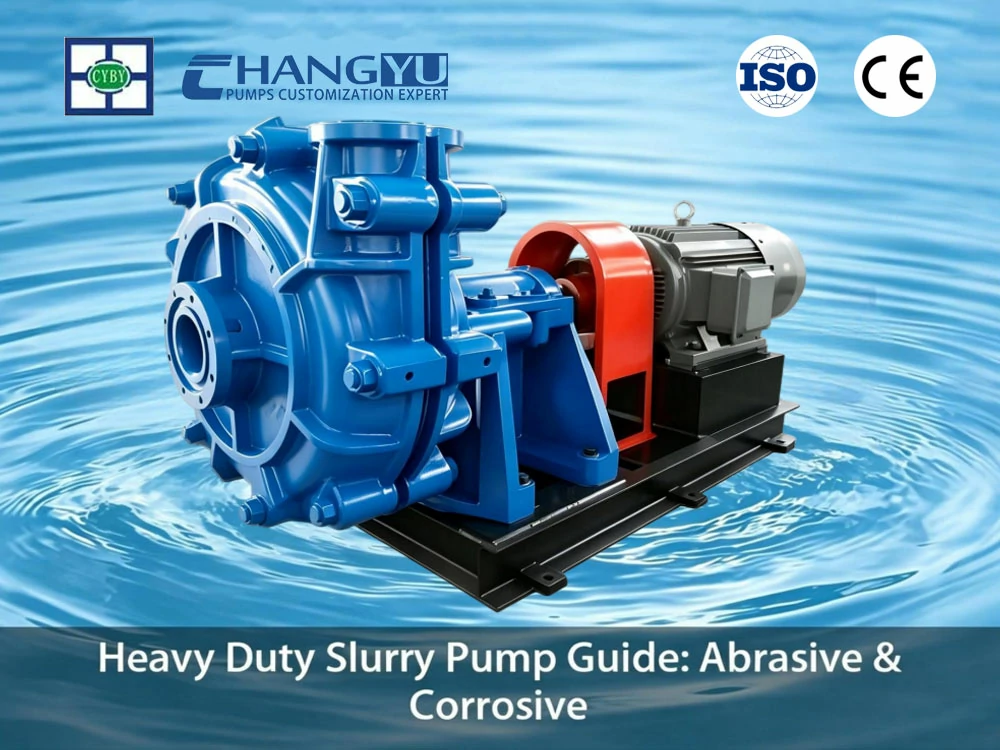
O que distingue um verdadeiro bomba de polpa para serviço pesado de uma bomba centrífuga convencional não é apenas o seu princípio de funcionamento - é a combinação de escolhas deliberadas de materiais, reforço estrutural e otimização hidráulica que permite um desempenho fiável em condições que destruiriam o equipamento de bombagem normal em poucas horas. Os engenheiros da Changyu Pump passaram mais de duas décadas a otimizar bomba de polpa para serviço pesado para resolver exatamente estes desafios - reduzindo a variabilidade da vida útil e o custo total de propriedade em milhares de instalações globais. Os dados de campo mostram consistentemente que as bombas de polpa devidamente especificadas que operam em ambientes abrasivos podem alcançar uma melhoria de 3 a 5 vezes na vida útil, tornando a seleção inicial da bomba a decisão mais crítica em qualquer aplicação da bomba de polpa.
2. Porquê confiar neste guia: Os mais de 20 anos de experiência de campo da Changyu Pump
As recomendações contidas neste guia não são extraídas apenas de manuais ou modelos teóricos - baseiam-se em mais de 20 anos de experiência prática de engenharia na conceção, fabrico e implementação no terreno bomba de polpa para serviço pesado soluções para as indústrias mineira, de processamento químico, de produção de aço, de engenharia ambiental e de produção de energia. A nossa equipa de engenharia testemunhou em primeira mão os modos de falha que encurtam a vida útil da bomba: erosão do impulsor devido a partículas angulares, perfuração da caixa devido à combinação de corrosão e abrasão, falha prematura do rolamento devido à entrada de sólidos e fuga crónica do vedante em tarefas com elevado teor de sólidos.
Cada um destes modos de avaria representa um custo real de tempo de inatividade para os operadores - e cada um deles tem informado as melhorias de conceção incorporadas nas nossas linhas de produtos actuais. Este guia traz-lhe essa experiência acumulada num formato estruturado e acionável.
3. Tipos de bombas de polpa para serviços pesados
Compreender as configurações fundamentais das bombas é essencial antes de avaliar modelos específicos. O tipo de bomba de polpa para serviço pesado que escolher afecta diretamente a flexibilidade da instalação, o acesso à manutenção e o custo de funcionamento a longo prazo. Quer necessite de um bomba de polpa industrial para uma instalação de processo fixa ou uma unidade submersível para um poço profundo, fazer corresponder a configuração à instalação é o primeiro passo para construir um sistema fiável.
3.1 Bombas horizontais para polpas abrasivas de serviço pesado - O cavalo de batalha da indústria
A horizontal bomba de polpa para serviço pesado é a configuração mais utilizada nas fábricas de mineração, processamento de minerais e química em todo o mundo. Estas bombas são normalmente instaladas a seco numa placa de base ou num skid, com o eixo da bomba orientado horizontalmente. A sua conceção em consola permite que o conjunto de rolamentos permaneça isolado da extremidade húmida, reduzindo o risco de contaminação. As bombas horizontais para polpas abrasivas são ideais para aplicações de grande caudal e altura manométrica elevada, em que a bomba funciona como parte de um sistema de processo fixo - alimentação de hidrociclones, circuitos de flotação, transferência de rejeitos e descarga de moinhos de remoagem são todas tarefas clássicas das bombas horizontais.
Principais vantagens das bombas horizontais para polpas abrasivas de alta resistência:
- Acesso mais fácil aos componentes da extremidade húmida para manutenção de rotina
- Maior eficiência nos pontos de serviço de projeto em comparação com as alternativas verticais
- Vasta gama de tamanhos - desde diâmetros de descarga de 25 mm (1″) a 450 mm (18″)
- Compatível com construções em liga de alto cromo e com revestimento de elastómero
O que isto significa para si: Se a sua aplicação envolver uma instalação fixa com espaço adequado no chão e a bomba funcionar com uma altura do sistema moderada a elevada, uma bomba horizontal bomba de polpa para serviço pesado proporcionará quase sempre o custo total de propriedade mais baixo durante o ciclo de vida do equipamento.
3.2 Bombas de polpa verticais e cantilever para serviço pesado - Para aplicações em poços molhados e depósitos
Vertical bomba de polpa para serviço pesado As configurações em cantilever colocam o motor acima do nível do líquido, com um veio longo que se estende para baixo, para dentro do poço ou fossa. As configurações em cantiléver eliminam quaisquer rolamentos submersos, tornando-as ideais para aplicações em que a bomba tem de funcionar parcial ou totalmente submersa em lamas abrasivas. Estas bombas são excelentes em tarefas de drenagem de poços, recolha de águas residuais e recuperação de derrames de moinhos. O mercado global de bombas verticais de polpa para serviços pesados foi avaliado em aproximadamente US$ 1,28 bilhão em 2025, refletindo seu papel crítico na infraestrutura de mineração e processamento.
O que isto significa para si: Se a sua instalação tiver níveis de líquido flutuantes, um espaço de depósito confinado ou necessitar de uma bomba que possa suportar um funcionamento a seco ocasional sem danos imediatos, um design vertical ou em consola deve ser o seu ponto de partida.
3.3 Bombas submersíveis para polpas abrasivas para trabalhos pesados - Para locais profundos e de difícil acesso
Submersível bomba de polpa para serviço pesado integram o motor e a bomba num único conjunto selado que funciona totalmente submerso. Estas bombas estão equipadas com agitadores ou agitadores mecânicos para manter os sólidos em suspensão, permitindo uma aspiração suave mesmo em ambientes profundos e com muitos sedimentos. As modernas bombas submersíveis para polpas abrasivas dos principais fabricantes podem lidar com concentrações de sólidos de até 70% por peso e estão disponíveis com motores de até 1.000 HP.
3.4 Comparação rápida: Bombas de polpa horizontais vs. verticais vs. submersíveis
| Fator de seleção | Bomba de polpa horizontal para serviço pesado | Bomba de polpa vertical cantilever | Bomba submersível para polpas abrasivas |
|---|---|---|---|
| Instalação | Instalação a seco na placa de base/derrapante | Motor acima do líquido; veio submerso | Motor + grupo de bombagem totalmente submersos |
| Melhor ajuste | Sistemas de processo fixos, direitos de cabeça alta, transporte de longa distância | Sumidouros, poços, níveis de líquido flutuantes, derrames de moinhos | Poços profundos inacessíveis, dragagem, espaços confinados |
| Acesso para manutenção | Fácil acesso à zona húmida; serviço de rotina no local | O motor permanece acessível acima do líquido; a inspeção do veio requer elevação | Requer a retirada completa da unidade para manutenção |
| Manuseamento de sólidos | Até 40% por peso padrão; mais elevado com designs especializados | Depende da conceção do impulsor; normalmente até 40% | Até 70% sólidos com modelos assistidos por agitador |
| Tolerância de funcionamento a seco | Limitado; requer água de vedação da glândula em muitas configurações | A conceção do cantilever tolera o funcionamento intermitente a seco | Requer submersão para arrefecimento |
Principais conclusões: Não existe um tipo de bomba universalmente “melhor”. A configuração ideal depende das restrições de instalação, do ponto de funcionamento do sistema, da concentração de sólidos e do acesso para manutenção - e é por isso que uma guia de seleção de bombas de polpa A metodologia é essencial. Ao comparar um bomba para trabalhos pesados vs bomba normal, A construção reforçada da unidade de serviço pesado torna-se indispensável assim que os sólidos abrasivos entram no fluxo. Ainda não tem a certeza de qual o tipo de bomba adequado à sua instalação? Bem-vindo ao contacto Engenheiros da Changyu Pump para uma consulta técnica gratuita.
4. Principais materiais para a construção de bombas de polpa para serviços pesados
A seleção do material é, sem dúvida, a decisão mais importante na especificação de um bomba de polpa para serviço pesado. Os componentes molhados - impulsor, voluta ou caixa, placas de desgaste e manga do veio - estão em contacto constante com um meio abrasivo, frequentemente corrosivo, que se desloca a alta velocidade. A escolha do material errado pode reduzir a vida útil da bomba de anos para semanas. Uma bomba estruturada guia de seleção de bombas de polpa começa sempre com uma análise exaustiva da compatibilidade dos materiais.
4.1 Ferro branco com elevado teor de crómio - A norma de ouro para a resistência à abrasão
O ferro branco com elevado teor de crómio, também conhecido como ferro fundido com elevado teor de crómio, é o material mais utilizado para bomba de polpa para serviço pesado componentes de extremidade húmida. Com um teor de crómio que varia entre 25% e 30%, esta liga atinge valores de dureza Brinell superiores a 600 BHN, o que o torna um dos materiais fundidos mais duros disponíveis para a construção de bombas. A sua excecional resistente à abrasão As suas propriedades fazem dele o material de primeira escolha para aplicações que envolvam partículas grosseiras, angulares e de elevada dureza - típicas em operações de extração mineira, areia e gravilha e processamento de minerais. A bomba de polpa de alto cromo é a recomendação padrão para polpas abrasivas de pH neutro.
O que isto significa para si: Se a sua lama contiver partículas duras e angulares (como areia de sílica, concentrado de minério ou cinzas de carvão) e a corrosão química for secundária, o ferro branco com alto teor de cromo proporcionará a maior vida útil por dólar investido. No entanto, tem uma resistência limitada à corrosão em ambientes ácidos abaixo de aproximadamente pH 4. Para lamas abrasivas de pH neutro em que o ferro branco com elevado teor de crómio é a melhor escolha de material, a bomba Changyu Série de bombas de polpa abrasiva HB proporciona uma vida útil excecional.
4.2 Revestimentos de elastómeros - Borracha natural e poliuretano para lamas de partículas finas
Para lamas dominadas por partículas finas e arredondadas (tais como rejeitos, lama de calcário ou argila de caulino), o revestimento de elastómero bomba de polpa para serviço pesado As carcaças e os impulsores oferecem vantagens distintas. Os revestimentos de borracha natural absorvem a energia de impacto das partículas, reduzindo o desgaste erosivo, enquanto o poliuretano oferece uma excelente resistência ao desgaste por corte de partículas mais afiadas. A bomba de polpa com revestimento de borracha é uma especificação comum em aplicações de rejeitos e FGD. As bombas revestidas a elastómero estão normalmente limitadas a temperaturas inferiores a 70°C (160°F) e são incompatíveis com solventes fortes ou produtos químicos oxidantes que possam degradar o material de revestimento.
4.3 Liga de aço com elevado teor de crómio e aço inoxidável duplex - Equilíbrio entre resistência ao desgaste e à corrosão
Quando o meio bombeado apresenta desgaste abrasivo e corrosão química - comum no processamento hidrometalúrgico, na produção de ácido fosfórico e nos sistemas de dessulfuração de gases de combustão (FGD) - nem o ferro com elevado teor de crómio nem os elastómeros podem ser suficientes. Os aços de liga com elevado teor de crómio 15-30%, como os tipos Cr27 e Cr28, combinam excelente resistente à abrasão desempenho com resistência moderada à corrosão. Para ambientes químicos mais agressivos, aços inoxidáveis duplex (como o CD4MCu) proporcionam uma resistência superior à corrosão por picadas e fendas, mantendo uma dureza razoável para tarefas de abrasão moderada.
4.4 Revestimentos de fluoroplástico - Para polpas abrasivas e agressivamente corrosivas
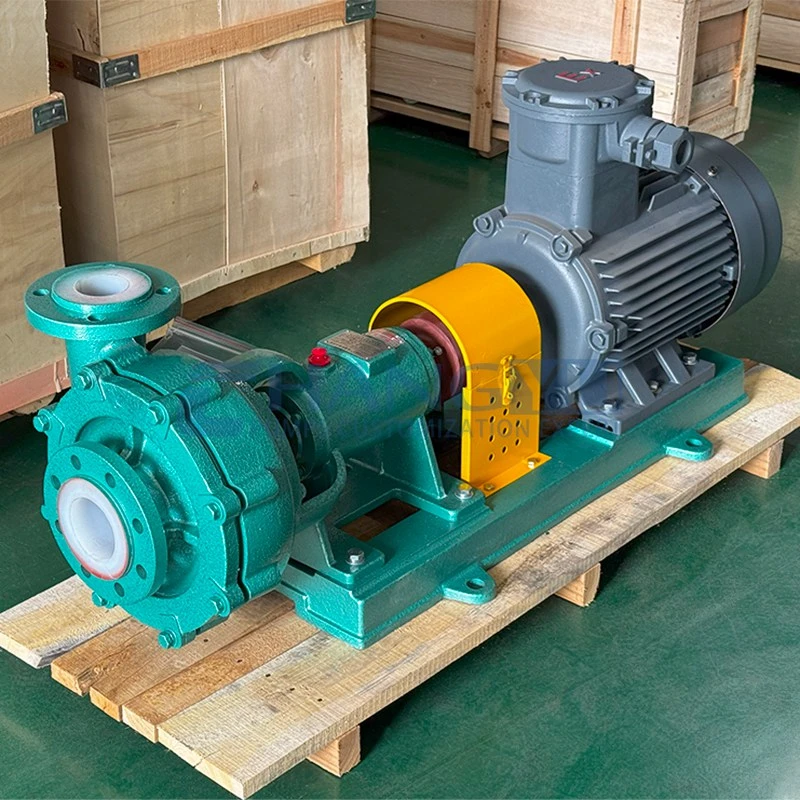
Para as aplicações de serviço combinado mais exigentes - em que a lama contém partículas sólidas abrasivas e produtos químicos altamente corrosivos (ácidos fortes, agentes oxidantes ou fluxos de ácidos mistos) - o revestimento de fluoroplástico bomba de polpa para serviço pesado oferecem uma proteção inigualável. Materiais como PTFE (politetrafluoroetileno), FEP (etileno-propileno fluorado), e UHMW-PE (polietileno de peso molecular ultra-elevado) proporcionam uma resistência química quase universal, absorvendo simultaneamente o impacto moderado das partículas. A Changyu Pump foi pioneira na integração da tecnologia de revestimento fluoroplástico em aplicações de bombas de polpa, com espessuras de revestimento que variam de 8 a 20 mm, permitindo que estas bombas lidem com polpas ácidas que destruiriam componentes metálicos e de elastómero convencionais em poucos dias. Esta tecnologia é padrão nas bombas Changyu Pump's Bomba de polpa horizontal para produtos químicos CYB-ZKJ.
O que isto significa para si: Se a sua operação envolver a bombagem de lamas ácidas ou cáusticas - como as que se encontram no processamento químico, na produção de dióxido de titânio ou na fundição de metais não ferrosos - uma bomba revestida a fluoroplástico reduzirá drasticamente a frequência de substituição e o tempo de inatividade não planeado em comparação com as bombas de metal.
4.5 Tabela de comparação da seleção de materiais
| Material | Dureza | Resistência à abrasão | Resistência à corrosão | Temperatura máxima | Índice de custo típico | Melhor aplicação |
|---|---|---|---|---|---|---|
| Ferro branco com elevado teor de crómio (Cr25-30%) | 600+ BHN | Excelente | Baixo (fraco abaixo de pH 4) | 110°C | $$ | Partículas abrasivas grosseiras, pH neutro, minas e agregados |
| Revestimento de borracha natural | N/A (elastómero) | Bom (partículas finas) | Moderado (ácidos OK, solventes não) | 70°C | $ | Partículas finas e arredondadas, rejeitos, lama de calcário |
| Forro de poliuretano | N/A (elastómero) | Muito bom (desgaste no corte) | Moderado | 70°C | $ | Partículas finas afiadas, abrasão moderada |
| Aço inoxidável duplex (CD4MCu) | 280-350 BHN | Moderado | Bom (intervalo de pH 2-12) | 110°C | $$$ | Combinação de corrosão e abrasão, hidrometalurgia, FGD |
| Revestimento de fluoroplástico (FEP/PTFE/UHMW-PE) | N/A (forro) | Moderado | Excelente (quase universal) | 90-120°C | $$$$ | Ácidos fortes, agentes oxidantes, pastas químicas mistas |
| Aço de liga com alto teor de cromo (Cr27-28) | 450-600 BHN | Muito bom | Moderado | 110°C | $$$ | Elevada abrasão + corrosão moderada, processamento de minerais |
Notas: Precisa de ajuda para selecionar o material certo para a composição da sua pasta? Envie seus dados de análise de polpa para Bomba Changyu para uma recomendação gratuita de material.
5. Como selecionar a bomba de polpa para serviços pesados adequada: Uma estrutura passo-a-passo
Um sistema guia de seleção de bombas de polpa metodologia é a diferença entre um bomba de polpa para serviço pesado que proporciona anos de serviço fiável e uma que se torna um fardo de manutenção recorrente. Os engenheiros da Changyu Pump recomendam a seguinte abordagem estruturada para dimensionamento da bomba de polpa e configuração.
Passo 1: Caracterizar as propriedades da pasta
Antes de selecionar qualquer bomba, é necessário quantificar o meio que esta irá tratar. As principais propriedades da lama incluem:
- Concentração de sólidos (por peso ou volume) - concentrações mais elevadas exigem uma construção de bomba mais robusta
- Distribuição do tamanho das partículas (PSD)-As partículas angulares e grossas provocam um desgaste significativamente maior do que as partículas finas e arredondadas
- Gravidade específica do chorume (SG)-afecta os requisitos de potência e as perdas por fricção da tubagem
- pH e composição química-determina a componente de corrosão do mecanismo de desgaste
- Temperatura-tem impacto na seleção do material, no tipo de vedante e nos requisitos de lubrificação da chumaceira
- Viscosidade-As pastas não-Newtonianas requerem abordagens de conceção hidráulica diferentes
O que isto significa para si: Uma pasta que parece “semelhante” a outra em termos de aparência básica pode comportar-se de forma completamente diferente no interior de uma bomba. Quantificar todas as seis propriedades antes de proceder à seleção da bomba. Mesmo uma única variável não examinada pode reduzir a vida útil prevista da bomba em 50% ou mais.
Passo 2: Definir o ponto de funcionamento do sistema
A bomba deve fornecer o caudal necessário contra a altura manométrica dinâmica total (TDH) do sistema. O cálculo do TDH requer a contabilização de:
- Altura manométrica estática (diferença de elevação entre a aspiração e a descarga)
- Perdas por atrito ao longo de todo o comprimento da tubagem, incluindo curvas, válvulas e acessórios
- Cabeça de velocidade no ponto de descarga
- Eventuais requisitos de pressão no recipiente de destino
Exato dimensionamento da bomba de polpa nesta fase assegura que a bomba funciona perto do seu ponto de melhor eficiência (BEP) no curva de desempenho da bomba de polpa, minimizando o consumo de energia e o desgaste.
Passo 3: Determinar a velocidade do depósito limite
Para lamas de decantação - aquelas em que as partículas sólidas tendem a formar um leito em secções de tubos horizontais - a bomba deve manter a velocidade do fluxo acima da velocidade limite de depósito (LDV) , A velocidade mínima a que os sólidos permanecem em suspensão e não se forma um leito estacionário. Este fenómeno está intimamente relacionado com os princípios de fluido não newtoniano onde a relação entre a tensão de cisalhamento e a taxa de cisalhamento não é linear. O funcionamento abaixo do LDV leva ao bloqueio da tubagem, ao desgaste local acelerado no fundo da tubagem e a danos por cavitação na bomba. Este é um dos parâmetros mais frequentemente negligenciados em seleção de bombas de polpa - e um dos mais dispendiosos quando ignorado.
Passo 4: Selecionar a configuração da bomba e os materiais
Com base nas propriedades da lama, no ponto de funcionamento, nos requisitos de LDV e nas restrições de instalação, identificar:
- Tipo de bomba: horizontal, vertical/cantilever, ou submersível
- Esquema de materiais: ferro com elevado teor de crómio, revestido de elastómeros, inoxidável duplex ou revestido de fluoroplástico
- Tipo de vedação: expulsor/vedante dinâmico, empanque ou vedante mecânico - consoante o teor de sólidos e a tolerância de fugas
Etapa 5: Avaliar o custo total de propriedade (TCO)
A bomba de polpa para serviço pesado A decisão de compra que se concentra apenas no preço de aquisição inicial é uma falsa economia. Verdadeiro custo total de propriedade devem ser tidos em conta:
- Consumo de energia durante a vida útil da bomba (frequentemente 60-70% do custo de vida útil)
- Frequência e custo de substituição de peças de desgaste
- Custo da mão de obra de manutenção e do tempo de inatividade por evento
- Custo contabilístico das existências de peças sobressalentes
O que isto significa para si: Uma bomba barata que requer substituições trimestrais do impulsor, consome mais 15% de energia e causa 48 horas de inatividade não planeada por ano custará muito mais em cinco anos do que uma bomba premium com o dobro do preço inicial mas metade do custo de funcionamento. Contacte os engenheiros da Changyu Pump com os seus parâmetros de funcionamento para uma análise detalhada do TCO.
6. Aplicações de bombas de polpa para serviços pesados em todos os setores
O bomba de polpa para serviço pesado é um bem essencial em vários sectores industriais. Compreender como cada indústria aplica estas bombas revela a amplitude dos requisitos de conceção que uma bomba de qualidade deve satisfazer.
6.1 Exploração mineira e processamento de minerais - o maior mercado
As operações mineiras representam o maior segmento de aplicação para bomba de polpa para serviço pesado equipamento. Desde a moagem de minério e circuitos de classificação até à eliminação de rejeitos e transporte de concentrados, as bombas de polpa tratam de todas as fases do processamento mineral. O mercado global de bombas de polpa é estimado em aproximadamente US $ 2,77 bilhões em 2025, com a mineração respondendo pela participação dominante, e está projetado para crescer a um CAGR de 5,27% até 2031. (Fonte: Industry Market Research, 2025) As principais aplicações mineiras incluem:
- Bombagem de descarga do moinho - manuseamento de lamas grosseiras e de alta densidade de moinhos SAG e de bolas
- Alimentação do hidrociclone - fornecendo pressão consistente para classificação de minerais
- Transporte de rejeitos - transporte de resíduos para instalações de armazenamento, muitas vezes em longas distâncias
- Circuitos de flotação - transferência de lamas entre células de flotação
6.2 Processamento químico - Onde a corrosão encontra a abrasão
No fabrico de produtos químicos, bomba de polpa para serviço pesado As aplicações de processamento de sólidos combinam frequentemente sólidos abrasivos com ambientes químicos agressivos. A produção de ácido fosfórico, o fabrico de dióxido de titânio e o processamento de pigmentos envolvem a bombagem de lamas corrosivas que contêm partículas cristalinas duras. Estas aplicações exigem a proteção dupla de revestimentos fluoroplásticos ou de aços inoxidáveis duplex especializados. A indústria química também está a expandir-se para novos aplicação da bomba de polpa áreas impulsionadas por tecnologias de descarbonização e processos de captura de CO₂.
6.3 Produção de aço e produção de eletricidade
As siderurgias geram grandes volumes de águas residuais com incrustações e lamas de escória que têm de ser bombeadas a partir de estações de descalcificação, operações de fundição contínua e sistemas de limpeza de gases. Em centrais eléctricas alimentadas a carvão, bomba de polpa para serviço pesado As unidades tratam do transporte de lamas de cinzas das caldeiras para os tanques de cinzas, bem como de lamas de calcário em dessulfuração de gases de combustão (FGD). As concentrações de sólidos, combinadas com temperaturas elevadas e pH variável, tornam a seleção do material da bomba especialmente crítica nestas indústrias.
6.4 Engenharia do ambiente e tratamento de águas residuais
As instalações de tratamento de águas residuais municipais e industriais dependem de bomba de polpa para serviço pesado para transferência de lamas primárias, remoção de sedimentos da câmara de areia e manuseamento de lamas digeridas. Estas aplicações testam a fiabilidade da bomba através do funcionamento contínuo, da carga variável de sólidos e da presença de materiais fibrosos ou fibrosos que podem entupir os impulsores normais.
7. Changyu Pump Soluções para bombas de polpa para serviços pesados
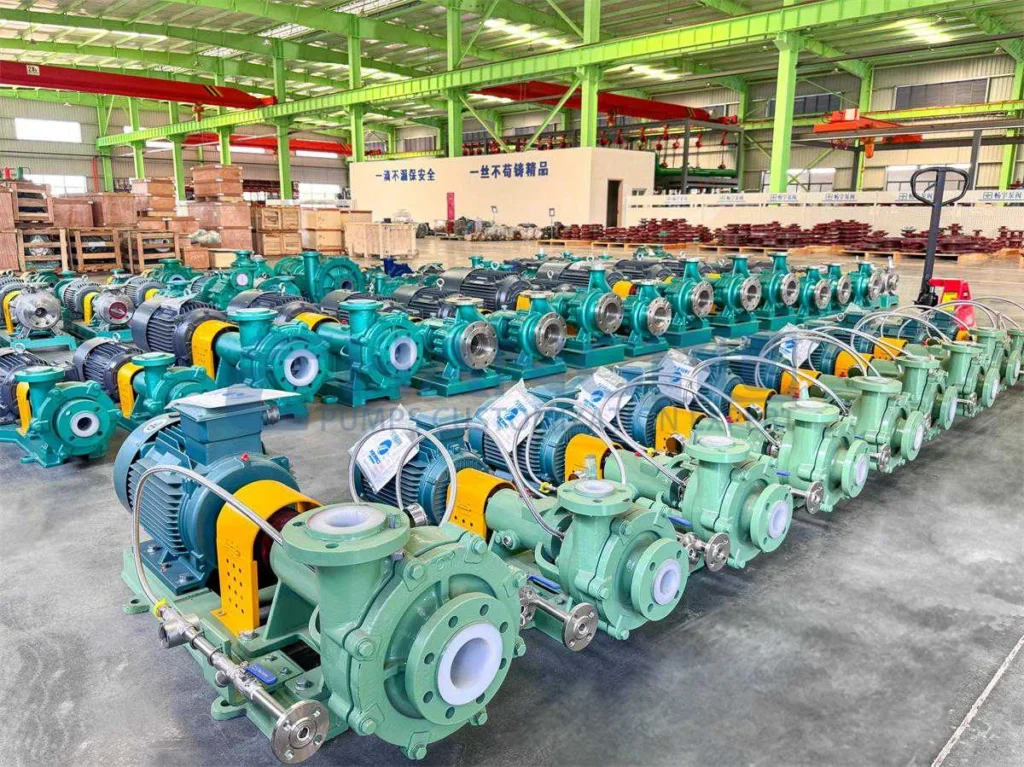
A Changyu Pump oferece uma gama completa de bomba de polpa para serviço pesado soluções concebidas para satisfazer as diversas exigências descritas ao longo deste guia. Cada série de produtos é concebida com optimizações hidráulicas e de materiais específicas para perfis de aplicação específicos.
7.1 Bomba de polpa química horizontal - Série CYB-ZKJ
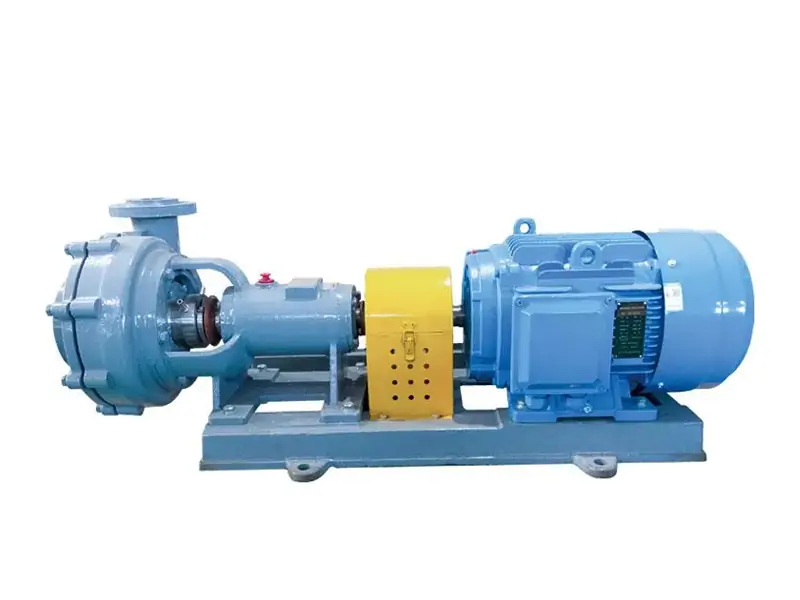
A bomba de polpa horizontal resistente à corrosão da série CYB-ZKJ é uma bomba centrífuga de alto desempenho projetada para o transporte de polpas ácidas ou alcalinas contendo partículas finas. Construída com material de revestimento FEP/PTFE importado com 8-20 mm de espessura, esta bomba utiliza tecnologia patenteada de revestimento de plástico para resistir à deformação térmica, fissuras e delaminação em condições de funcionamento exigentes.
Especificações principais:
| Gama de caudais : | 3m³/h~2600m³/h |
|---|---|
| Gama de cabeças: | 5m~100m |
| Potência do motor : | 0,75kw~300kw |
| Velocidade: | 968-3450 r/min |
| Gama de temperaturas médias: | -80℃~ 120℃ |
| Materiais personalizáveis: | FEP |
O que isto significa para si: A série CYB-ZKJ é a escolha ideal para fábricas de produtos químicos, instalações hidrometalúrgicas e projectos de engenharia ambiental em que a polpa bombeada contém sólidos abrasivos e produtos químicos corrosivos - eliminando a necessidade de escolher entre proteção contra o desgaste e resistência química.
7.2 Bomba de polpa abrasiva HB - Série HB
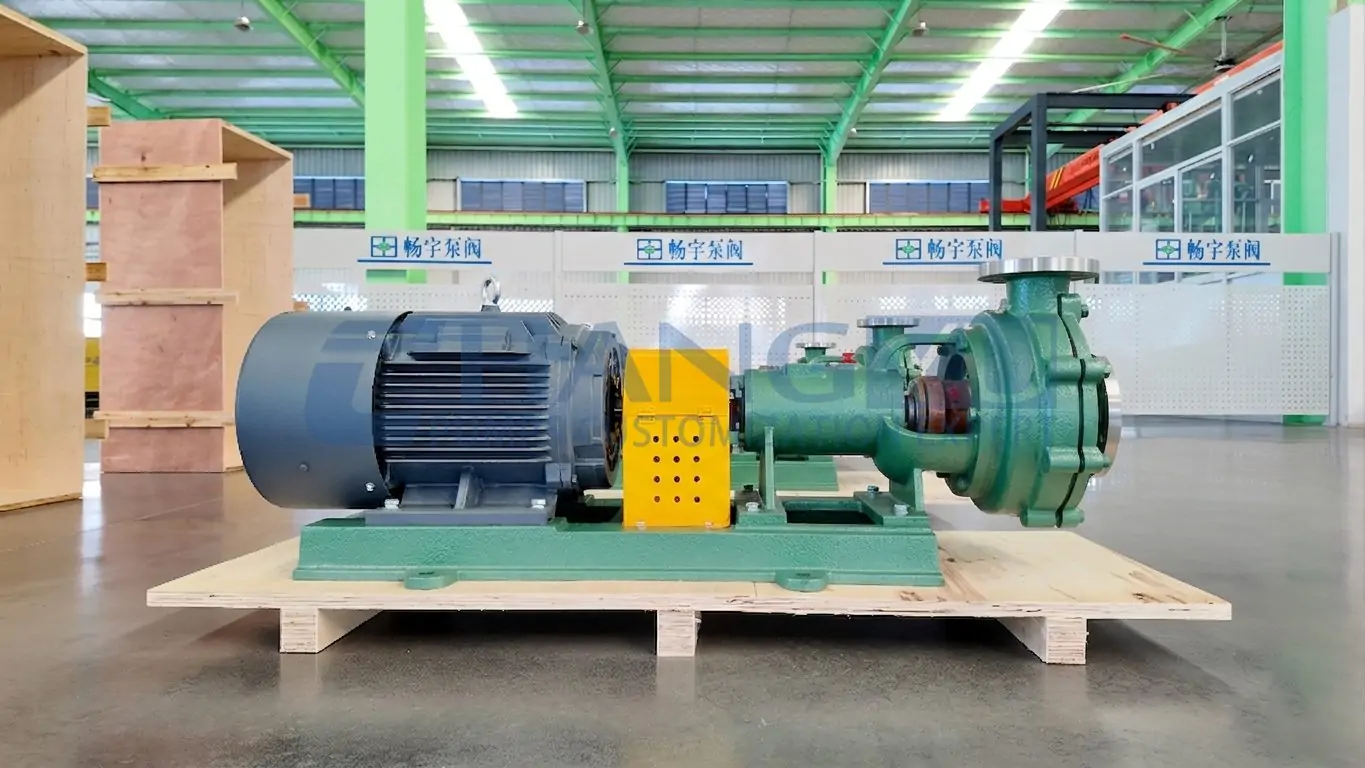
A bomba para polpas abrasivas industriais da Série HB apresenta um design centrífugo de estágio único em balanço com um impulsor semi-aberto e um selo mecânico de cartucho, especificamente concebido para o transporte de meios corrosivos sólidos ou cristalinos. Com uma excecional resistência ao desgaste, ao impacto e à fluência, esta bomba proporciona uma elevada capacidade de caudal com dupla proteção contra a corrosão e a abrasão.
Especificações principais:
| Gama de caudais : | 10 m³/h ~ 60 m³/h |
|---|---|
| Gama de cabeças: | 20 m ~ 120 m |
| Potência do motor : | 3 kw ~ 45 kw |
| Velocidade: | 2900 r/min |
| Gama de temperaturas médias: | -20°C ~ 120°C |
| Materiais personalizáveis: | 304、316、316L、2205、2507 |
O que isto significa para si: A série HB foi concebida especificamente para a fundição de metais não ferrosos, produção de aço, fabrico de dióxido de titânio e operações de processamento químico em que as lamas abrasivas de elevada concentração têm de ser movimentadas de forma fiável com uma intervenção mínima de manutenção.
7.3 Bomba para produtos químicos de alta temperatura - Série CYG
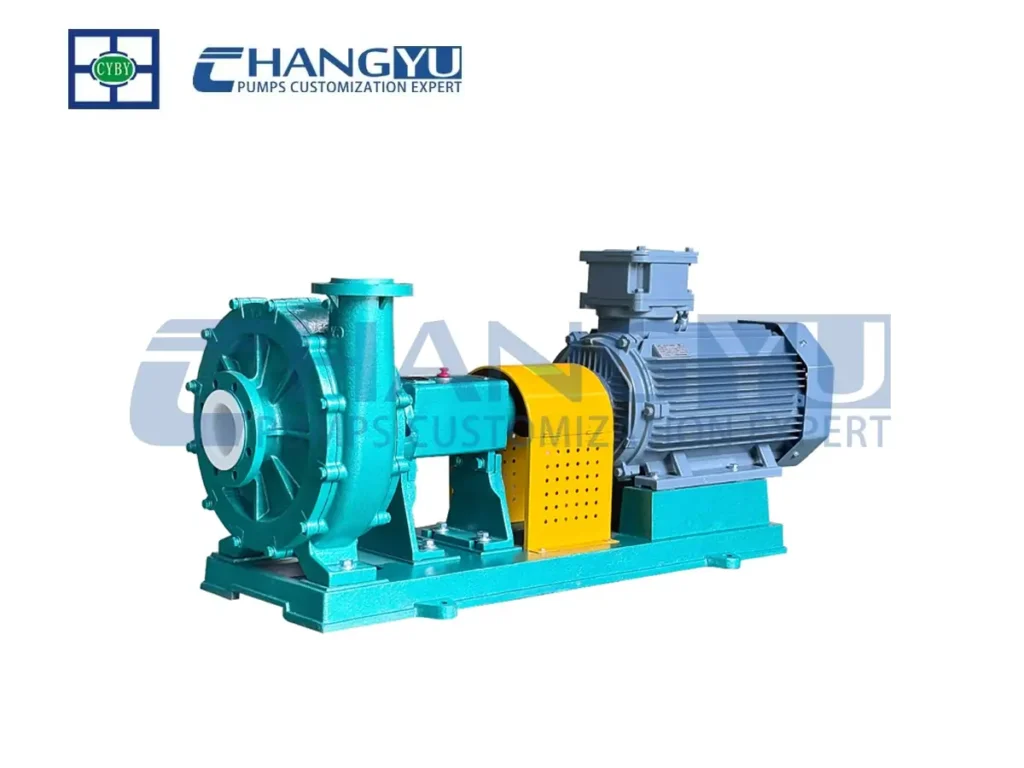
A bomba química de alta temperatura com revestimento PFA da série CYG amplia a tecnologia fluoroplástica da Changyu Pump para o serviço a temperaturas elevadas. Construída com revestimento em perfluoroalcoxi (PFA), esta bomba lida com fluidos corrosivos e lamas a temperaturas que ultrapassam a gama do equipamento normal com revestimento em FEP. É ideal para a descarga de reactores químicos, transferência de ácidos quentes e processos de cristalização a alta temperatura em que a estabilidade térmica do material de revestimento não é negociável.
Especificações principais:
| Gama de caudais : | 3m³/h~2600m³/h |
|---|---|
| Gama de cabeças: | 5 m ~ 100 m |
| Potência do motor : | 0,75 kw~300 kw |
| Velocidade: | 968 ~ 3450 r/min |
| Gama de temperaturas médias: | -80℃~160℃ |
| Materiais personalizáveis: | PFA |
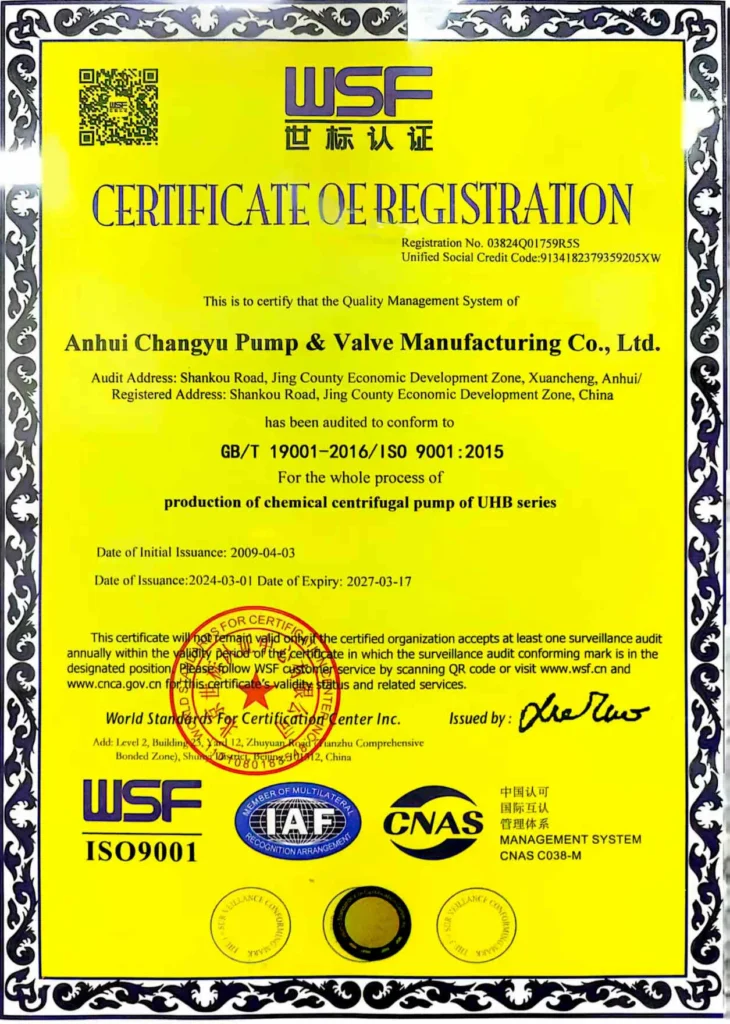
8. Controlo de qualidade: como a Changyu Pump garante a fiabilidade da bomba
Todos bomba de polpa para serviço pesado que deixa as instalações de fabrico da Changyu Pump é submetida a um rigoroso programa de garantia de qualidade em várias fases. Este programa foi concebido não só para detetar defeitos, mas também para evitar que estes ocorram em primeiro lugar - porque na bombagem de lamas, um defeito de material invisível a olho nu pode traduzir-se numa falha de desgaste prematura que custa ao operador milhares de dólares em tempo de inatividade.
Verificação de materiais: Todas as matérias-primas recebidas - incluindo ligas de alto teor de crómio, resinas fluoroplásticas e compostos de elastómeros - são submetidas a uma análise espetral para verificar a composição química em relação às especificações. Cada lote de material recebe uma certificação documentada antes de ser libertado para a produção.
Inspeção durante o processo: Durante o fabrico, as dimensões críticas dos impulsores, carcaças, placas de desgaste e conjuntos de eixos são medidas em relação às tolerâncias do projeto em cada fase de maquinação. A espessura do revestimento é verificada através de testes ultra-sónicos para garantir uma cobertura uniforme e a ausência de vazios.
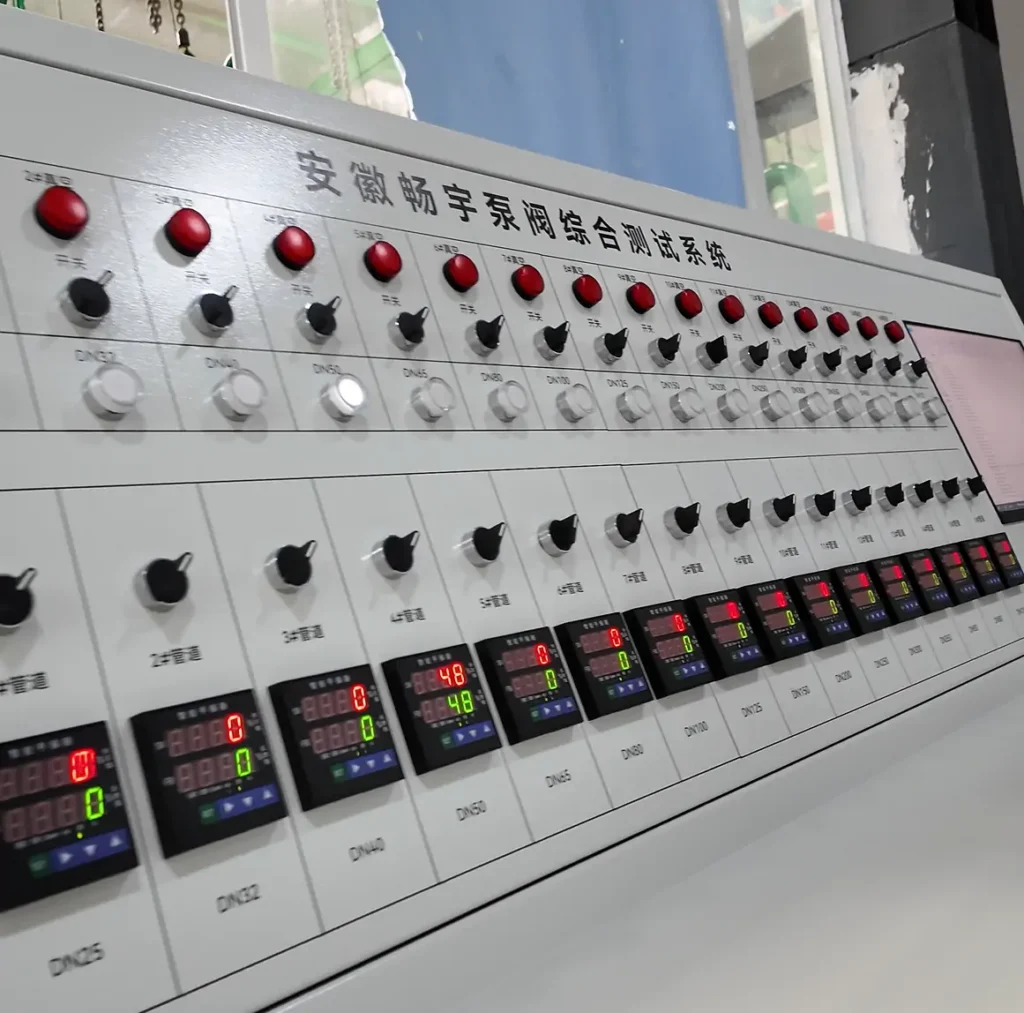
Teste de desempenho hidráulico: Cada bomba montada é submetida a um teste completo de desempenho hidráulico em relação à sua curva publicada. O caudal, a altura manométrica, o consumo de energia e a eficiência são registados em vários pontos de funcionamento e comparados com as especificações do projeto.
Auditoria da montagem final: Antes da embalagem, cada bomba é submetida a uma auditoria de montagem completa, incluindo a verificação do binário dos parafusos, a verificação da integridade dos vedantes, a confirmação da pré-carga dos rolamentos e o teste de rotação livre do conjunto rotativo.
O que isto significa para si: Quando o seu bomba de polpa para serviço pesado chega ao local com documentação de qualidade completa, pode colocá-lo em funcionamento com confiança - reduzindo os atrasos no arranque, os pedidos de garantia e o risco operacional associado a equipamento não verificado.


9. Estudo de caso: Prolongamento da vida útil da bomba numa fábrica de processamento de dióxido de titânio
Desafio do cliente: Um fabricante de dióxido de titânio no Sudeste Asiático estava a sofrer de falhas crónicas de desgaste nas bombas de polpa que lidavam com polpa de dióxido de titânio com teor residual de ácido sulfúrico. As bombas existentes de liga de alto cromo exigiam a substituição do impulsor e da carcaça a cada 4 meses, com cada substituição causando 8-12 horas de inatividade na produção. O custo combinado das peças de substituição, da mão de obra de manutenção e da perda de produção aproximava-se dos 45 000 USD por bomba, anualmente. O que tornou este caso particularmente desafiador foi o duplo mecanismo de desgaste: cristais de TiO₂ duros causavam abrasão mecânica, enquanto o ácido sulfúrico residual (pH 2-3) atacava a matriz da liga de alto cromo, acelerando a perda de material nos limites dos grãos.
Solução da bomba Changyu: Após analisar amostras de polpa e rever os dados operacionais da fábrica, os engenheiros da Changyu Pump recomendaram a substituição das bombas de metal existentes pela bomba de polpa com revestimento fluoroplástico da série UHB. Os principais factores de decisão foram: (1) o revestimento UHMW-PE fornece resistência química completa ao ácido sulfúrico na concentração operacional, eliminando o componente de corrosão do mecanismo de desgaste; (2) a espessura do revestimento de 8-20 mm absorve a energia de impacto das partículas dos cristais de TiO₂, reduzindo o desgaste erosivo; e (3) o projeto do selo mecânico do cartucho elimina a necessidade de água da glândula, reduzindo o consumo de água e eliminando a contaminação da água de descarga do selo do fluxo do produto.
Resultados quantificados: Após 12 meses de funcionamento contínuo com as bombas da série UHB, a fábrica informou:
- Intervalo de substituição do impulsor alargado de 4 meses para mais de 18 meses - uma melhoria do 350%+
- Custo anual de manutenção por bomba reduzido em cerca de 62%
- O tempo de inatividade não planeado da produção relacionado com avarias nas bombas diminuiu em mais de 70%
- Eliminação do consumo de água de selagem, economizando aproximadamente 1.200 m³ de água de processo por bomba e por ano
Desde então, a fábrica padronizou as bombas da série UHB da Changyu Pump em todas as tarefas de manuseio de polpas abrasivas. Pronto para obter resultados semelhantes? Envie as suas especificações à nossa equipa de engenharia para obter uma solução de fabrico garantida.
10. Perguntas mais frequentes (FAQ)
Q1: O que é uma bomba de polpa para serviços pesados?
A: A bomba de polpa para serviço pesado é uma bomba centrífuga robusta concebida para transportar misturas abrasivas de sólidos e líquidos (lamas) em ambientes industriais exigentes. Possui carcaças reforçadas, peças húmidas resistentes ao desgaste e conjuntos de rolamentos para serviços pesados para uma vida útil prolongada em condições severas.
Q2: Qual é a diferença entre uma bomba de polpa e uma bomba de água?
A: A bomba de polpa para serviço pesado é construído com uma estrutura mais espessa e robusta resistente à abrasão componentes para lidar com misturas sólido-líquido abrasivas. Ao contrário de um bomba de água Concebido para fluidos limpos, um bomba de polpa tem um sistema hidráulico especializado para passar sólidos e resistir à corrosão, o que o torna essencial para lamas industriais.
Q3: O que é uma bomba centrífuga para polpas abrasivas?
A: A bomba centrífuga para polpas abrasivas é um tipo de bomba para trabalhos pesados que utiliza a força centrífuga para mover lamas abrasivas. Possui uma carcaça robusta e um impulsor resistente ao desgaste, o que a torna o padrão da indústria para o transporte eficiente de misturas de partículas grandes e de alta densidade em mineração e processamento químico.
Q4: Quanto tempo dura uma bomba de polpa?
R: A vida útil varia consoante as condições de funcionamento. Em aplicações altamente abrasivas, uma bomba de polpa para serviço pesado pode atingir 3.000-6.000 horas entre grandes revisões. A utilização de materiais avançados resistentes ao desgaste pode prolongar o vida útil da bomba a mais de 14.000 horas em instalações optimizadas.
Q5: Uma bomba de polpa para serviço pesado pode lidar com produtos químicos corrosivos?
R: Sim. Revestido a fluoroplástico (FEP, PTFE, UHMW-PE) para serviços pesados proporcionam uma excelente resistência à corrosão para lamas ácidas, cáusticas e oxidantes. As bombas de metal estão limitadas a gamas de pH específicas, dependendo da liga selecionada.
Q6: Como se faz a manutenção de uma bomba de polpa?
R: Eficaz manutenção de bombas de polpa inclui a inspeção regular do impulsor e das placas de desgaste, a lubrificação adequada dos rolamentos e a monitorização do desempenho dos vedantes para evitar fugas. A implementação de um programa de manutenção proactivo prolonga vida útil da bomba e minimiza o tempo de inatividade não planeado.
Q7: Como selecciono o tamanho correto da bomba de polpa para serviço pesado?
R: A seleção requer a quantificação de seis propriedades do chorume (concentração de sólidos, tamanho das partículas, gravidade específica, pH, temperatura, viscosidade), o cálculo da cabeça dinâmica total, a determinação da velocidade de depósito limite, e fazer corresponder estes parâmetros às curvas de desempenho da bomba.
Q8: Quais são os principais sinais de que uma bomba de polpa pesada precisa de manutenção?
R: A diminuição do caudal a uma velocidade constante, o aumento da vibração, o aumento do consumo de energia, a redução da pressão de descarga e fugas visíveis na área do vedante indicam que um bomba de polpa para serviço pesado requer inspeção e possível substituição de componentes.
11. Os 7 critérios de decisão da Changyu Pump Engineers para a seleção de uma bomba de polpa para serviços pesados
Com base em mais de duas décadas de experiência no terreno em aplicações mineiras, químicas e industriais, os engenheiros da Changyu Pump recomendam a avaliação dos seguintes sete critérios antes de finalizar qualquer bomba de polpa para serviço pesado especificação:
- Quantificar as seis propriedades do chorume antes de selecionar um modelo de bomba. A concentração de sólidos, a distribuição do tamanho das partículas, a gravidade específica, o pH, a temperatura e a viscosidade influenciam independentemente o material da bomba e a seleção hidráulica - e um erro de avaliação de um único parâmetro pode reduzir vida útil da bomba em metade ou mais.
- Calcule a velocidade limite de depósito para a sua tubagem e certifique-se de que a bomba a pode manter durante todo o intervalo de funcionamento. O funcionamento abaixo do LDV é uma das causas mais comuns de custo de funcionamento da bomba escalada e bloqueio de condutas em sistemas de lamas.
- Não selecione os materiais da bomba apenas com base na resistência à abrasão se a lama contiver componentes corrosivos. O mecanismo combinado de corrosão-abrasão pode acelerar a perda de material muito para além do que qualquer um dos mecanismos produziria de forma independente. Em caso de dúvida, solicite um análise de compatibilidade de materiais do seu fornecedor de bombas.
- Avalie o custo total de propriedade - não o preço de compra - ao comparar as opções de bombas. Inclua o custo da energia (normalmente 60-70% do custo de vida útil), a frequência de substituição das peças de desgaste, a mão de obra de manutenção e o custo do tempo de inatividade no seu custo de funcionamento da bomba modelo de comparação.
- Adequar o tipo de vedante à lama e às condições do local. Os vedantes do expulsor reduzem o consumo de água de lavagem, mas perdem eficácia a baixas velocidades. Os vedantes mecânicos não apresentam fugas, mas requerem água de lavagem limpa e são sensíveis à entrada de sólidos. Para tarefas combinadas de corrosão-abrasão, selos mecânicos de cartucho com faces fluoroplásticas proporcionam frequentemente o melhor equilíbrio entre fiabilidade e vida útil.
- Planear o inventário de peças sobresselentes a partir do dia da instalação. Os dois componentes de desgaste com maior frequência de substituição - impulsor e placas/camadas de desgaste - devem ser mantidos em stock para minimizar o tempo de inatividade quando a substituição for necessária.
- Considere modelos de bombas modulares que permitam o ajuste da folga no campo sem desmontagem. As placas de desgaste ajustáveis e os designs de fácil desobstrução prolongam os intervalos de manutenção e reduzem as horas de trabalho de manutenção necessárias por cada evento de manutenção. Quando encomendar impulsores sobresselentes, especifique o mesmo lote de aquecimento de material como a bomba original sempre que possível - pequenas variações na composição da liga entre lotes de aquecimento podem produzir diferenças mensuráveis em vida útil da bomba e complicar o planeamento da manutenção.
Conclusão
A bomba de polpa para serviço pesado não é uma mercadoria-é um ativo de produção crítico cuja seleção tem um impacto direto no custo operacional, no tempo de produção e na fiabilidade do processo. A chave para maximizar o desempenho da bomba de polpa não está em uma única caraterística de projeto, mas na combinação sistemática da configuração da bomba, seleção de material e projeto hidráulico com as propriedades específicas da polpa e condições de operação. Este guia fornece o quadro estruturado necessário para fazer essa correspondência com confiança.
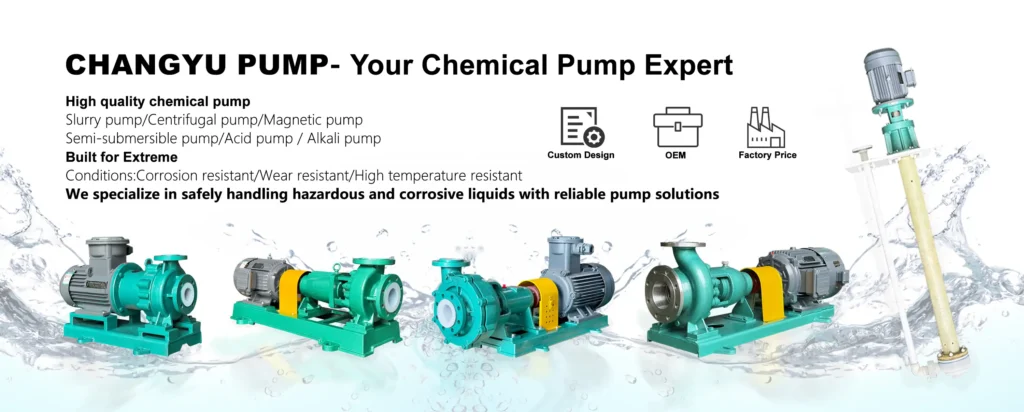
Quer esteja a especificar uma nova bomba para um projeto de raiz ou a procurar resolver falhas crónicas de desgaste numa instalação existente, a equipa de engenharia da Changyu Pump está disponível para apoiar o seu processo de seleção com análises técnicas, recomendações específicas de aplicações e orçamentos abrangentes.
Contactar a Changyu Pump hoje para discutir os seus requisitos de manuseamento de lamas. Envie os seus parâmetros de funcionamento à nossa equipa de engenharia e nós forneceremos uma recomendação detalhada da bomba e um orçamento adaptado à sua aplicação.