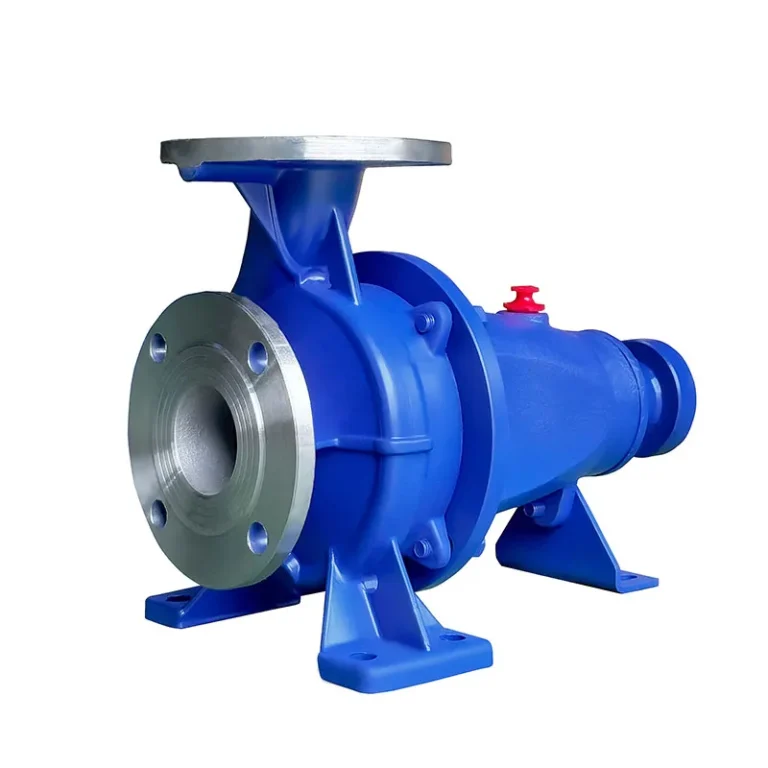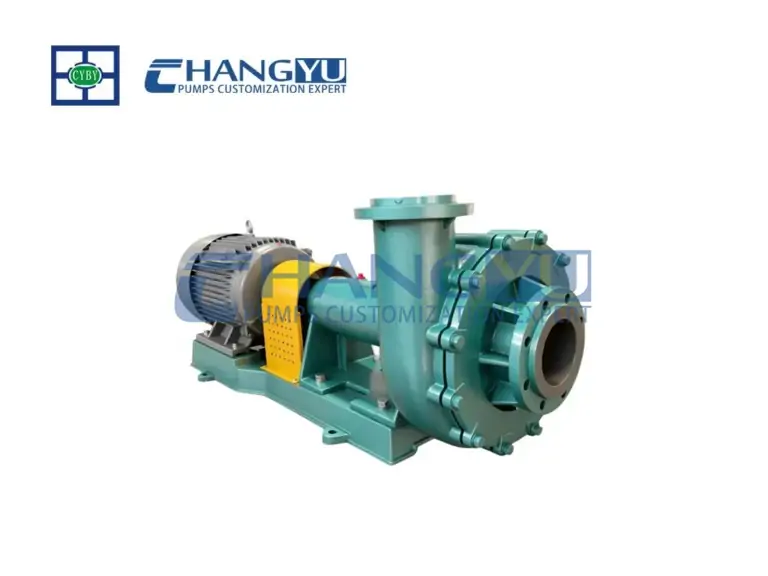
Semi-submersible pumps are purpose-built for industrial pits, tanks, and sumps where the motor needs to stay above the liquid while the hydraulic wet end remains submerged. This structure helps reduce suction-related problems and makes semi-submersible designs a practical choice for corrosive liquids, wastewater pits, and deep collection basins. With 20 years of manufacturing experience, Changyu Pump provides dependable semi-submerged pump solutions for demanding chemical and industrial environments.

What Is a Semi-submersible Pump and How Does It Work?
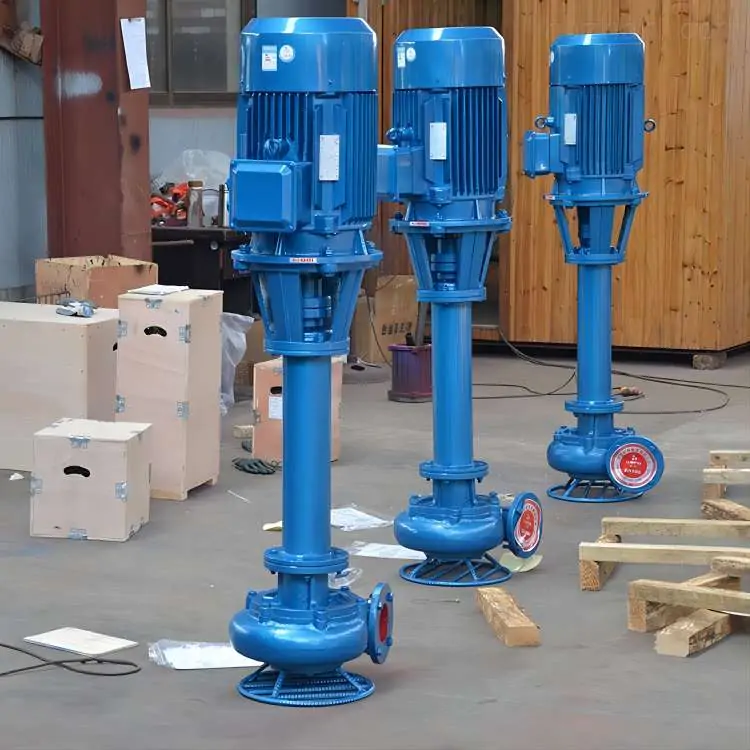
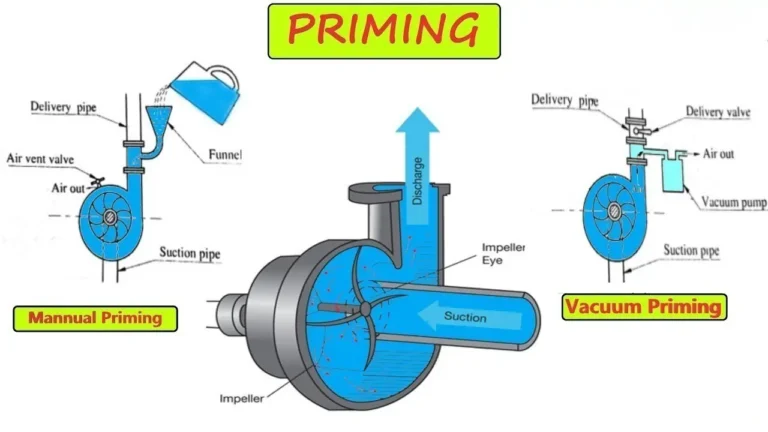
A semi-submersible pump, often described as a vertical column pump, uses an above-surface motor connected by a long shaft to the submerged impeller and pump casing below. When the motor drives the shaft, the impeller creates centrifugal force that lifts liquid upward through the discharge pipe. Because the wet end is already immersed in fluid, the pump operates in a naturally flooded condition and does not rely on complicated priming systems.
Why Do Many Plants Choose Semi-submersible Pumps?
Semi-submersible pumps are often selected because they combine hydraulic efficiency with easier maintenance access. Since the motor is mounted above the liquid surface, technicians can inspect electrical parts, bearings, and surface components without removing the full wet end from the sump. They also avoid many of the sealing and cable complications associated with fully submersible motor designs.
3 Top Semi-submersible Pumps of Changyu Pump
Selecting the right model starts with matching the pump’s wetted materials to the chemistry, temperature, and cleanliness of the liquid. Standard metallic materials can fail quickly in aggressive chemical service, especially where corrosion and contamination are continuous. Changyu Pump offers a full semi-submerged pump collection for different operating conditions. Here are our top three highly recommended models:
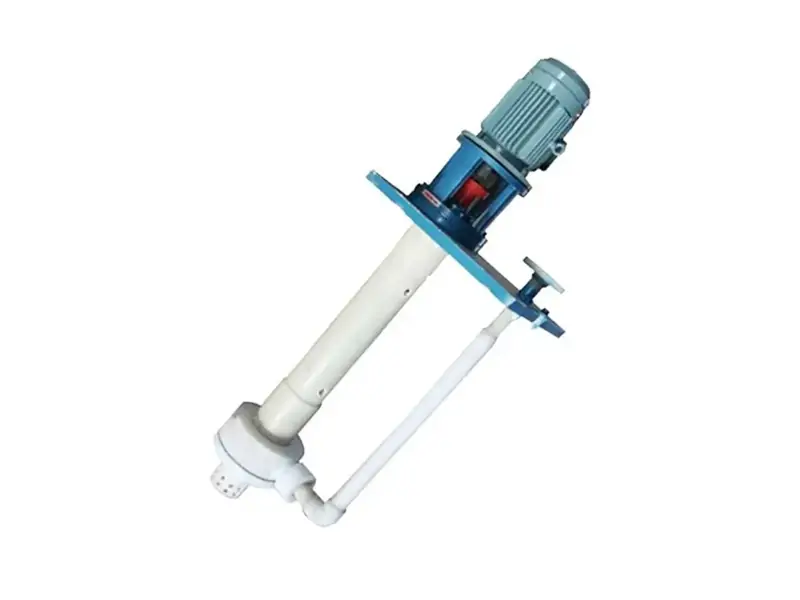
1. Fluoroplastic Submersible Pump for Strong Acids and Alkalis
For highly aggressive chemical media, the Fluoroplastic Submersible Pump is the most suitable option in the range. Its fluoroplastic-lined wetted structure is ideal for strong acids, alkalis, and other corrosive process liquids where conventional metals would face rapid degradation. This type of design is especially valuable in chemical transfer pits, pickling tanks, and corrosive collection sumps.
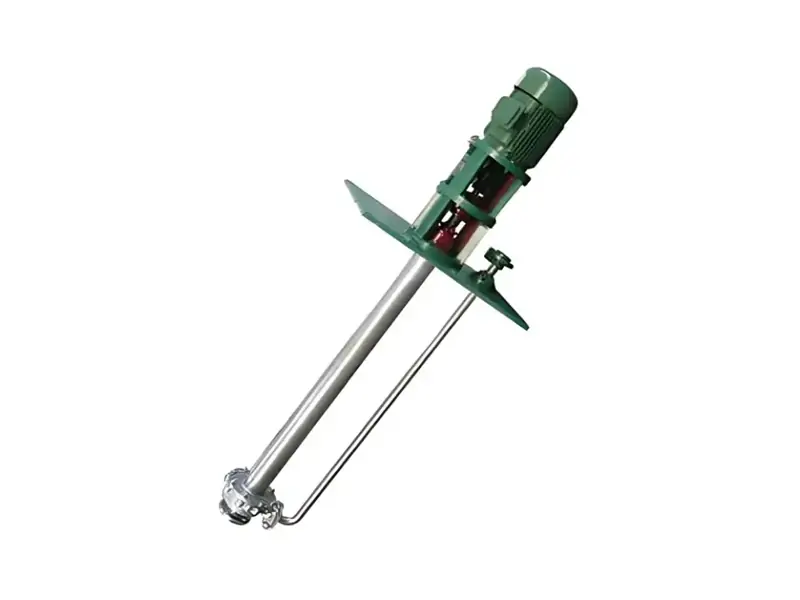
2. Stainless Steel Vertical Submersible Pump for Wastewater and General Industry
For industrial wastewater, mildly corrosive media, and applications that need strong structural stability, the Stainless Steel Vertical Submersible Pump is a reliable choice. Stainless steel construction helps resist rust and scale formation while maintaining mechanical strength in continuous-duty operation. This model is well suited to collection pits, process basins, and general industrial liquid transfer.
Parameters
| Modelo | Flow(m³/H) | Lift(m) | Revolutions(r/min) | Shaft power(W) | Motor power(W) |
|---|---|---|---|---|---|
| 25FY-41 | 3.6 | 41 | 2900 | 2.51 | 4 |
| 25FY-25 | 25 | 1.22 | 1.5 | ||
| 25FY-16 | 16 | 0.713 | 1.1 | ||
| 40FY-40 | 7.2 | 40 | 2.61 | 4 | |
| 40FY-16 | 25.5 | 1.43 | 3 | ||
| 40FY-25 | 15.7 | 0.616 | 1.1 | ||
| 50FY-25 | 14.4 | 25 | 1.92 | 3 | |
| 50FY-16 | 15.7 | 0.993 | 1.5 | ||
| 65FY-40 | 28.8 | 39.5 | 5.41 | 7.5 | |
| 65FY-25 | 25 | 3.27 | 5.5 | ||
| 65FY-16 | 15.7 | 1.81 | 3 | ||
| 80FY-38 | 54 | 38 | 9 | 15 | |
| 80FY-40 | 24 | 5.04 | 7.5 | ||
| 80FY-15 | 15 | 3.15 | 5.5 | ||
| 80FY-57 | 100.8 | 57 | 24.45 | 30 | |
| 100FY-37 | 36.3 | 13.73 | 18.5 | ||
| 100FY-23 | 22.5 | 8.24 | 11 | ||
| 150FY-35 | 190.8 | 34.7 | 1480 | 24 | 30 |
| 150FY-22 | 22 | 2900 | 14.7 | 22 | |
| 200FY-34 | 360 | 33.5 | 1480 | 41.1 | 55 |
| 200FY-21 | 21 | 26.4 | 37 |
Contact our engineers: We will provide you with professional selection services.
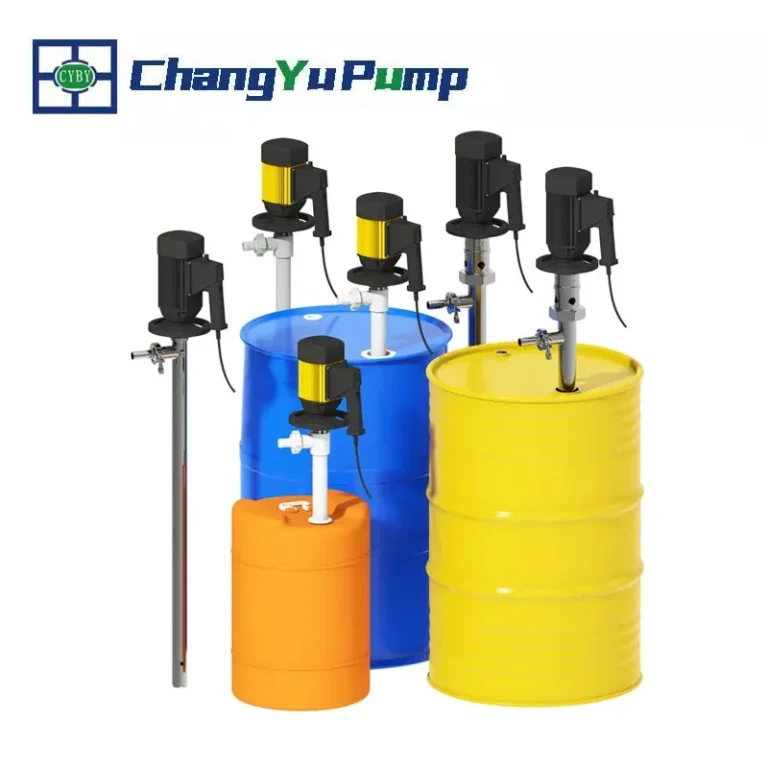
3. Chemical Drum Pump for Portable and Small-Batch
While heavy-duty vertical pumps are designed for deep pits, some applications require highly mobile, semi-submerged fluid transfer from standard industrial barrels or IBC totes. The HD Chemical Drum Pump is a lightweight, easy-to-handle solution specifically engineered for this purpose. Operating on the same semi-submersible principle—with the drive motor safely above the container—this pump allows operators to safely and quickly extract corrosive chemicals, solvents, and viscous liquids from drums without spillage or manual pouring risks.

What Are the Real-World Cases for Our Semi-submersible Pumps?
Below are typical application cases that show how Bomba Changyu semi-submersible solutions can be used in real industrial settings.
Case 1: Acidic Chemical Sump in a Processing Plant
A chemical plant needs to remove spent acidic liquid from a collection sump on a continuous basis. In this environment, motor protection and corrosion resistance are the two biggest concerns. By using the Fluoroplastic Submersible Pump, the plant can keep the motor safely above the liquid level while using corrosion-resistant wetted parts below, which improves long-term operating reliability.
Case 2: Industrial Wastewater Pit with Light Solids
A wastewater treatment area collects process water mixed with light impurities and occasional suspended particles. In this situation, a Stainless Steel Vertical Submersible Pump offers both structural durability and convenient maintenance access. The above-ground motor layout also simplifies regular inspection work for plant maintenance teams.
Case 3: Hot Process Liquid Transfer in a Deep Tank
Some production lines require vertical transfer of warm or hot process liquids from deep tanks or basins. In these cases, users often need a pump that combines dependable shaft support, corrosion resistance, and stable long-term operation. A stainless steel vertical semi-submersible configuration can meet these needs while keeping motor service work outside the tank area.
How Should You Install and Maintain a Semi-submersible Pump?
Correct installation is essential because even a well-built vertical pump can lose reliability if the site arrangement is poor. Troubleshooting references for submersible and vertical pump systems consistently highlight installation accuracy, vibration control, and routine inspection as key to long service life.
- Keep the mounting plate level. A semi-submersible pump depends on proper shaft alignment, and even small deviations at the top can create vibration and uneven wear farther down the column.
- Eliminate piping stress. Discharge piping should be independently supported rather than forcing mechanical load onto the pump flange, because pipe stress can bend the long shaft and accelerate guide bearing and seal wear.
- Check motor insulation regularly. Preventive maintenance guidance recommends periodic insulation testing with a megohmmeter, especially in humid or corrosive plant environments.
- Monitor vibration and noise. Changes in vibration often indicate alignment problems, upper bearing wear, or impeller imbalance caused by debris or wear.
- Use the correct bearing lubricant. Pump bearing lubrication has a direct impact on temperature control and operating life, so lubricant type and viscosity should match the service load and temperature range.
How to Choose the Most Suitable Semi-submersible Pump?
To select the most suitable semi-submersible pump for your facility, you must systematically evaluate your specific fluid dynamics and physical site constraints. Follow these three critical steps before ordering:
- Step 1: Analyze Fluid Chemistry and Temperature: Clearly identify the chemical composition, specific gravity, and maximum operating temperature of your liquid. This ensures you select the correct wet-end metallurgy (such as fluoroplastics for severe acids or stainless steel for hot solvents) to prevent premature degradation.
- Step 2: Measure Exact Installation Depth: Calculate the precise vertical distance from the surface mounting plate to the bottom of the basin floor. Because the long vertical shaft and discharge pipe are custom-built, they must perfectly match your tank’s geometry to function efficiently.
- Step 3: Evaluate Solids Content: Assess whether your fluid contains sludge, abrasive particles, or suspended impurities. If solids are present, specifying an open or semi-open impeller design will drastically reduce the risk of internal clogging and unexpected mechanical failure.
Not sure which configuration matches your specific tank parameters? Welcome to contact our Changyu Pump engineering team. Simply provide your working conditions, and we will offer targeted model selection and a tailored solution.
FAQ About Semi-submersible Pumps.
Q1: What is the main difference between a semi-submersible pump and a fully submersible pump?
A: A semi-submersible pump keeps the motor above the liquid, while a fully submersible pump places both the motor and hydraulic section below the surface.
Q2: Does a semi-submersible pump need priming?
A: In most normal installations, the wet end is already immersed, so the pump operates in a flooded condition and does not require a separate priming system.
Q3: Can semi-submersible pumps handle solids?
A: They can handle limited suspended impurities depending on the impeller design, especially when open or semi-open impellers are used.
Q4: Why choose fluoroplastic over stainless steel?
A: Fluoroplastic materials offer stronger resistance in highly aggressive acid and alkali services where stainless steel may not be sufficient over the long term.
Q5: Why is maintenance easier on this design?
A: The motor and upper components remain above the liquid surface, which makes inspection and service more convenient.
Q6: What usually causes excessive vibration?
A: Common causes include shaft misalignment, worn upper bearings, piping stress, and impeller imbalance.
Q7: How deep can a semi-submersible pump operate?
A: The depth depends on the configured shaft and discharge pipe length for the specific tank or pit.
Q8: Is this design suitable for hazardous environments?
A: It can be advantageous because the motor stays outside the liquid zone, and the upper assembly can be adapted to plant safety requirements.
Q9: How often should the motor be checked?
A: Periodic visual inspection and insulation testing every few months is a common preventive maintenance practice.
Q10: Can Changyu Pump customize shaft length and materials?
A: Yes. Changyu Pump can support customized shaft length, material selection, and matching configuration based on project conditions.
Why Contact Changyu Pump for Semi-submersible Pump Solutions?
When your application involves corrosive liquids, deep pits, chemical sumps, or vertical transfer duties, choosing the right semi-submersible pump directly affects safety, maintenance cost, and long-term operating stability. A properly matched fluoroplastic or stainless steel design can help reduce failure risk, improve service access, and support more reliable plant performance. Contacto Bomba Changyu today for technical selection support, product recommendations, and a factory-direct quotation tailored to your working conditions.