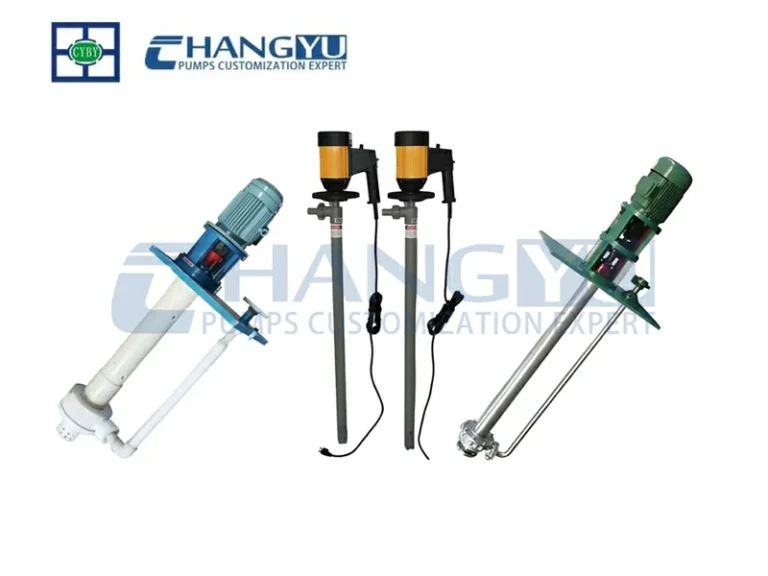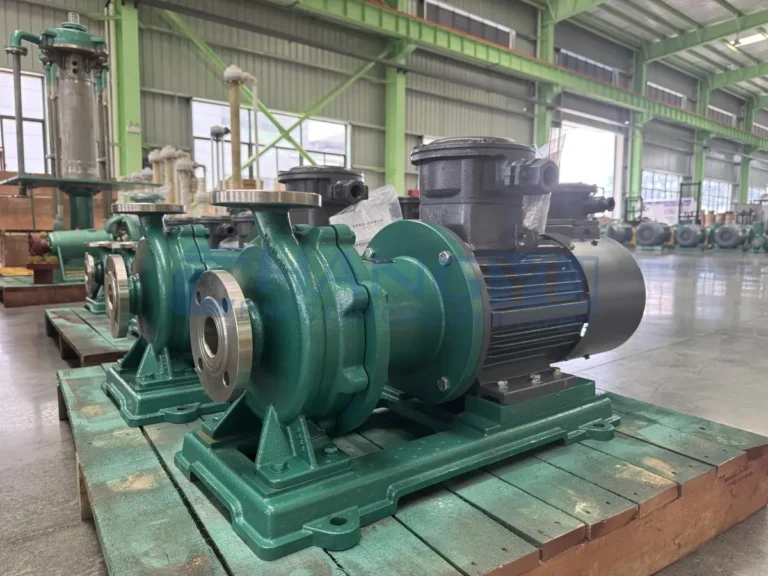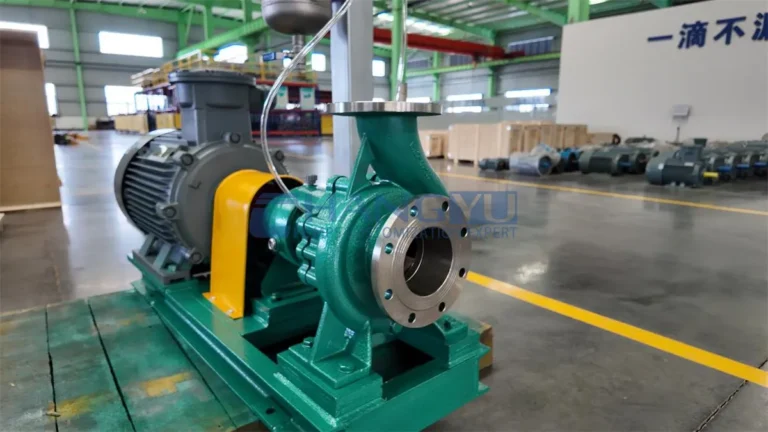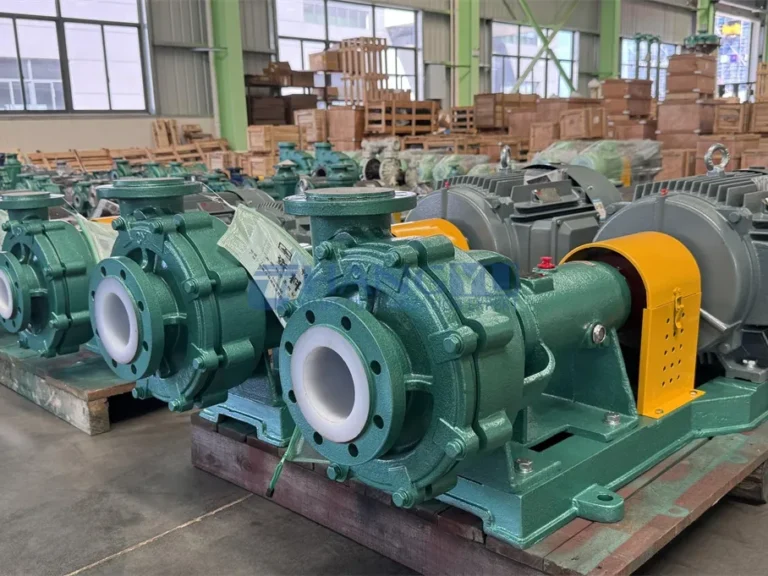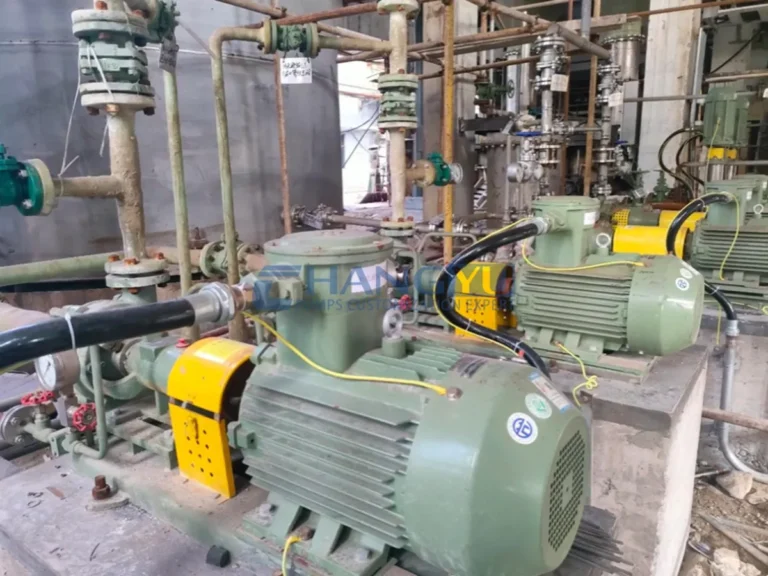
A sulfuric acid transfer pump is a purpose-built chemical pump engineered to safely move one of the most demanding media in industrial processing: sulfuric acid. Unlike standard utility pumps, it must withstand strong corrosion, high liquid density, concentration-dependent material challenges, and, in many plants, strict zero-leakage requirements. With over 20 years of manufacturing experience, Changyu Pump provides reliable sulfuric acid transfer solutions for chemical plants, battery production, fertilizer systems, pickling lines, and wastewater treatment applications.
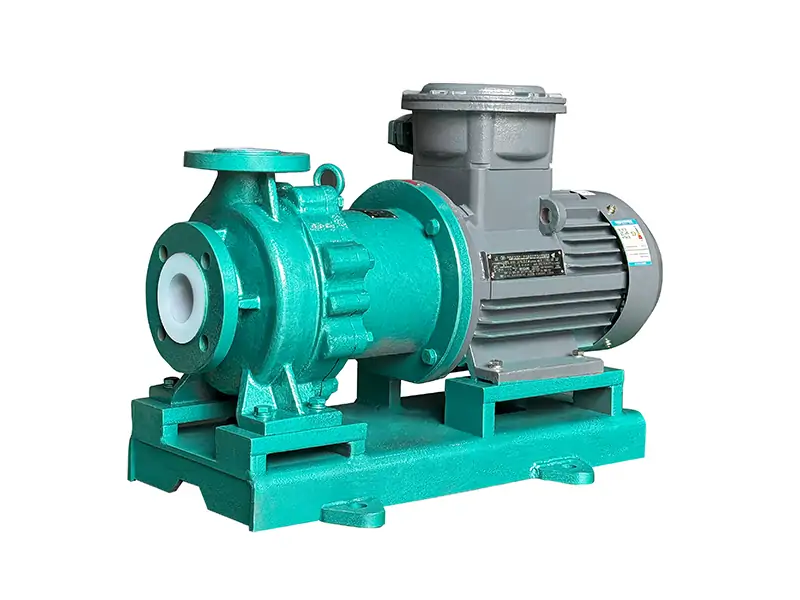
What Is a Sulfuric Acid Transfer Pump?
A sulfuric acid transfer pump is a chemical-duty pump designed specifically for conveying sulfuric acid from tanks, pits, tankers, dosing systems, or process lines to the next stage of production. In principle, it works like other centrifugal pumps: the motor drives the impeller, the impeller creates flow and pressure, and the acid is transported through the piping system.
What makes it different is the pump’s construction. A true sulfuric acid pump must use carefully selected wetted materials, corrosion-resistant linings, and the right sealing arrangement to remain stable in long-term service. In many cases, the best solution is not just about corrosion resistance alone, but also about matching the pump design to sulfuric acid concentration, operating temperature, solids content, and suction conditions.
Why Is Sulfuric Acid Difficult to Pump?
Sulfuric acid is one of the most common industrial chemicals, but it is also one of the most demanding to transfer safely. The main reason is that its behavior changes significantly with concentration and temperature. A material that performs well in one sulfuric acid concentration range may fail quickly in another.
Tips: Know more about sulfuric acid, please refer to Wikipedia: https://en.wikipedia.org/wiki/Sulfuric_acid
There are also several practical challenges in sulfuric acid service:
- Strong corrosivity: Improper material selection leads to rapid attack on wetted parts.
- High specific gravity: Concentrated sulfuric acid is heavy, so the pump and motor must be sized correctly.
- Fume and leakage risks: Even small leaks can create serious safety and maintenance problems.
- Temperature sensitivity: Hot sulfuric acid is typically more aggressive than ambient-temperature sulfuric acid.
- Possible crystallization or solids: Some process streams contain impurities, gypsum, or reaction solids that accelerate wear.
Because of these variables, sulfuric acid pump selection should never rely on a generic “acid pump” assumption. It must be based on actual process data.
5 Top Sulfuric Acid Transfer Pumps of Changyu Pump
Bomba Changyu offers a broad range of chemical pump solutions that can be matched to sulfuric acid concentration, suction layout, and plant safety requirements. You can also browse our full product range here: Changyu Pump Products.
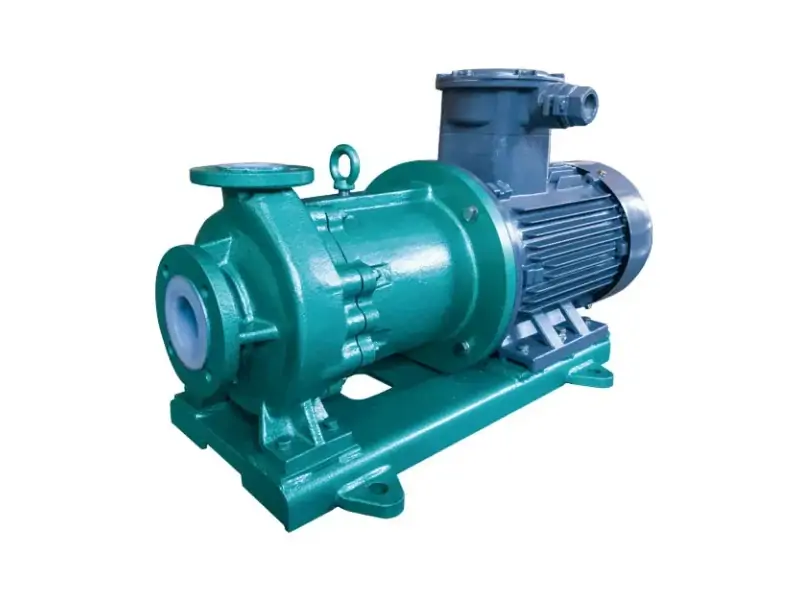
1. CYQ Series Sulfuric Acid Transfer Magnetic Pump
For customers who need a dedicated solution for sulfuric acid, the Bomba magnética de transferência de ácido sulfúrico série CYQ is the first recommendation. This model is specifically designed for sulfuric acid duty and uses a corrosion-resistant lined structure combined with magnetic drive technology.
Its biggest advantage is zero leakage. Because there is no conventional mechanical shaft seal, the pump greatly reduces the risk of acid leakage, external corrosion, and harmful fumes around the installation area. This makes it especially suitable for high-safety chemical plants, tank farm transfer, and continuous sulfuric acid circulation systems.
2. CYF Series Acid Transfer Chemical Centrifugal Pump
For many general industrial sulfuric acid transfer applications, the Bomba centrífuga química de transferência de ácido série CYF is a practical and economical choice. It is well suited for corrosive liquid transfer where users need stable hydraulic performance and robust chemical resistance.
This model is often chosen for process transfer lines, dosing systems, and wastewater treatment units where sulfuric acid is part of a broader chemical system. It offers a good balance between cost, corrosion resistance, and continuous-duty performance.
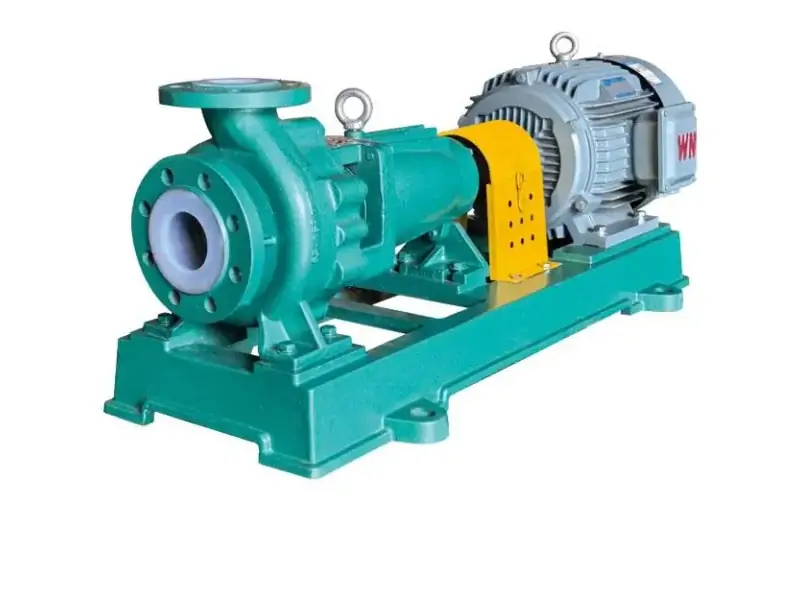
3. Fluoroplastic Centrifugal Self-Priming Pump
When sulfuric acid must be lifted from a lower-level tank, sump, or collection pit, the Fluoroplastic Centrifugal Self-Priming Pump becomes highly valuable. Its self-priming structure allows the pump to evacuate air from the suction line and start transfer without flooded suction.
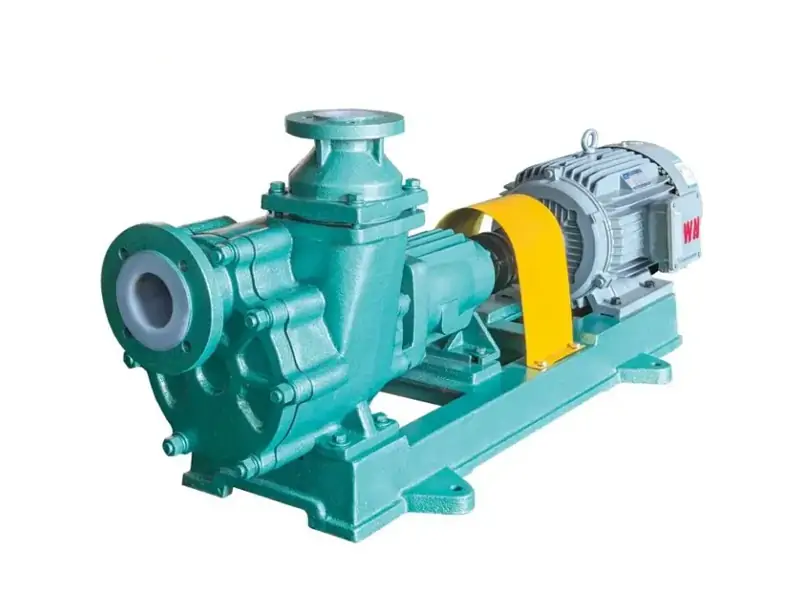
This design is ideal for low-level acid tanks, unloading areas, and collection pits where a standard centrifugal pump would struggle. With fluoroplastic wetted parts, it also provides excellent corrosion resistance for aggressive sulfuric acid service.
Especificações
| Modelo | Flow (m³/h) | Head (m) | Motor Power (KW) | Speed (r/min) | Self-priming Height(m) | Self-priming Time (s) | Efficiency (%) | NPSHr(m) | Inlet | Outlet |
|---|---|---|---|---|---|---|---|---|---|---|
| 25FZB-20LP | 1.5-6 | 16-19 | 2.2 | 2900 | 0.7 | 180 | 10-25 | 3 | 25 | 25 |
| 40FZB-20P | 5-12 | 17-22 | 3 | 2900 | 1 | 180 | 35-46 | 3 | 40 | 50 |
| 40FZB-30L | 5-12 | 28-32 | 4 | 2900 | 3 | 150 | 34-48 | 3.5 | 40 | 50 |
| 50FZB-20P | 8-15 | 17-22 | 3 | 2900 | 1 | 180 | 35-42 | 3 | 50 | 50 |
| 50FZB-30L | 8-15 | 28-32 | 4 | 2900 | 3 | 150 | 24-30 | 3.5 | 50 | 50 |
| 50FZB-45L | 8-15 | 43-47 | 7.5 | 2900 | 3 | 150 | 24-35 | 3.5 | 50 | 40 |
| 50FZB-70L | 8-15 | 68-72 | 15 | 2900 | 3 | 150 | 20-26 | 4 | 50 | 32 |
| 65FZB-30L | 15-35 | 27-32 | 7.5 | 2900 | 3 | 200 | 37-42 | 4 | 65 | 50 |
| 65FZB-45L | 15-35 | 38-47 | 11 | 2900 | 3 | 180 | 30-44 | 4 | 65 | 40 |
| 65FZB-70L | 15-35 | 65-72 | 22 | 2900 | 3 | 180 | 30-42 | 4 | 65 | 40 |
| 80FZB-30L | 35-60 | 28-35 | 11 | 2900 | 3.5 | 180 | 51-63 | 4.5 | 80 | 65 |
| 80FZB-45L | 35-60 | 42-47 | 15 | 2900 | 3.5 | 200 | 45-53 | 4.5 | 80 | 65 |
| 80FZB-70L | 35-60 | 65-72 | 30 | 2900 | 3.5 | 250 | 43-50 | 5 | 80 | 50 |
| 100FZB-30L | 65-110 | 28-32 | 18.5 | 2900 | 3.5 | 200 | 56-80 | 6 | 100 | 80 |
| 100FZB-45L | 65-110 | 40-46 | 30 | 2900 | 4 | 250 | 48-55 | 6 | 100 | 80 |
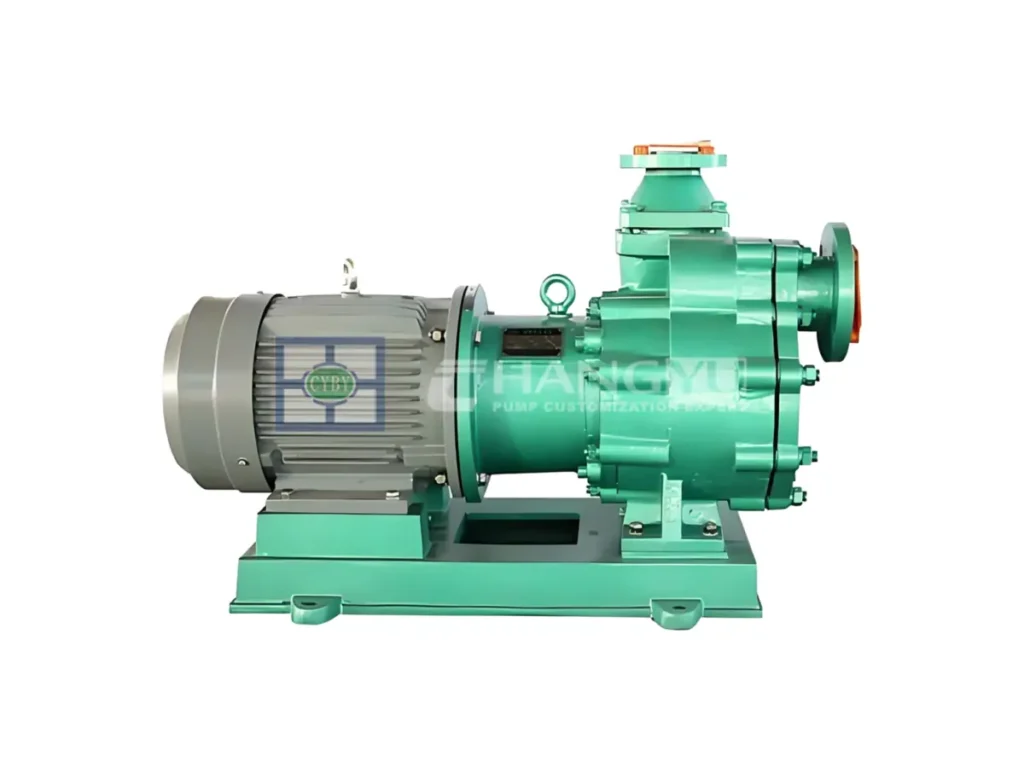
4. ZCQ Series Fluorine-Lined Magnetic Self-Priming Pump
If your sulfuric acid system requires both self-priming capability and zero-leakage performance, the ZCQ Series Fluorine-Lined Magnetic Self-Priming Pump is an advanced solution. It combines a fluorine-lined pump body with a magnetic drive and a self-priming chamber.
This makes it especially suitable for tanker unloading, underground storage transfer, and installations where the pump is located above the liquid level. It is a strong choice for plants that cannot accept leakage and also need flexible suction arrangements.
5. CYG-ZKN High Temperature Chemical Mortar Pump
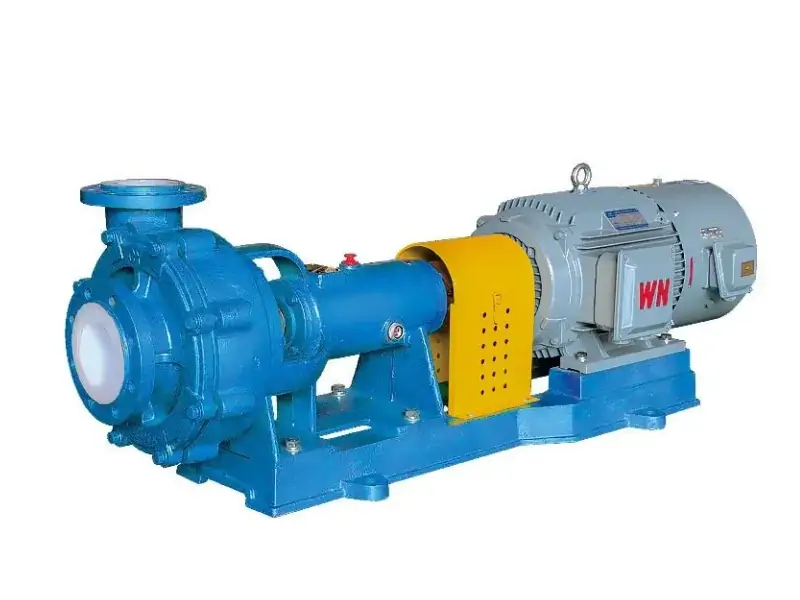
For sulfuric acid applications involving high temperature, reaction residues, or abrasive solids, the Bomba de argamassa química de alta temperatura CYG-ZKN offers a more heavy-duty platform. It is designed for harsh process environments where corrosion and abrasion occur at the same time.
This model is particularly relevant in fertilizer production, reactor discharge systems, and waste-acid slurry handling. When a clean-liquid centrifugal pump is no longer enough, a high-temperature chemical mortar pump can deliver much better long-term stability.
Real-World Cases of Our Sulfuric Acid Transfer Pumps
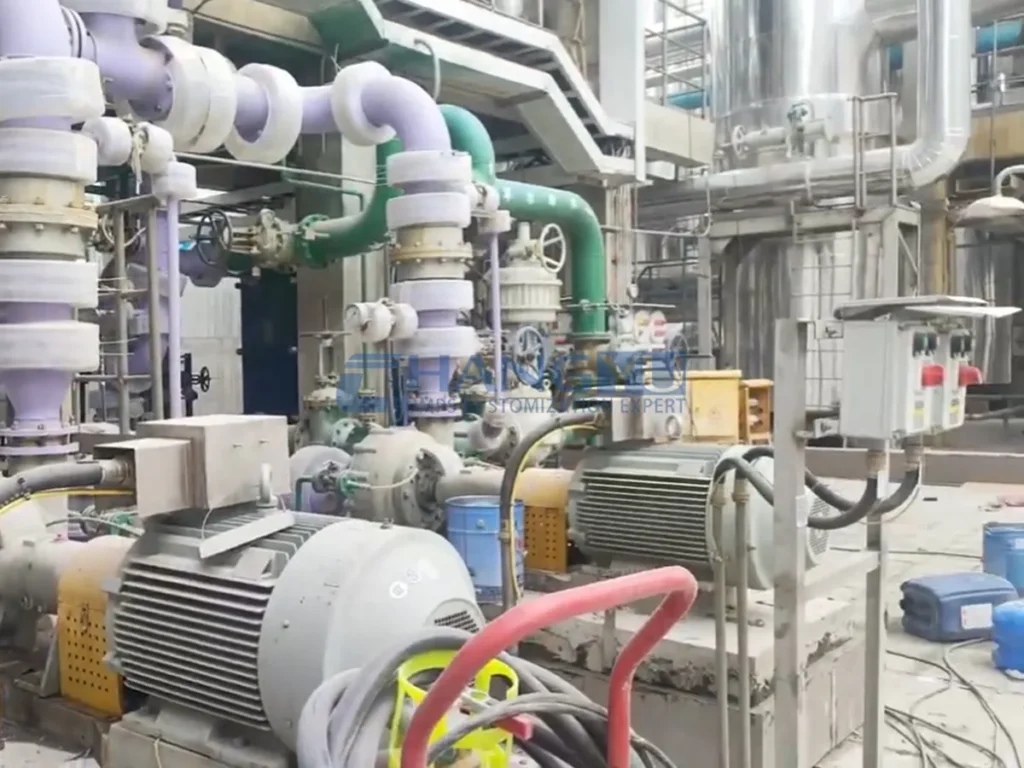
In sulfuric acid service, buyers care less about theory and more about whether the pump can operate safely, continuously, and with predictable maintenance intervals. Below are five typical applications showing how Changyu Pump solutions match different sulfuric acid duties.
Case 1: Bulk Sulfuric Acid Tank Transfer in a Fertilizer Plant
A fertilizer producer needed to transfer sulfuric acid from a large storage tank to multiple process points inside the plant. Because the system ran continuously and leakage control was critical, the customer selected the Bomba magnética de transferência de ácido sulfúrico série CYQ. The magnetic drive structure improved operating safety, while the corrosion-resistant design supported reliable long-term service.
Case 2: Sulfuric Acid Dosing in a Water Treatment System
A water treatment facility used sulfuric acid for pH control and neutralization. The transfer distance was moderate, and the acid feed needed to remain stable over long periods. In this case, the Bomba centrífuga química de transferência de ácido série CYF provided a cost-effective solution with dependable flow performance and good corrosion resistance.
Case 3: Low-Level Sulfuric Acid Pit Transfer
In one chemical workshop, sulfuric acid-containing liquid accumulated in a low-level collection pit. A standard end-suction pump was difficult to use because the installation point sat above the liquid level. By switching to the Fluoroplastic Centrifugal Self-Priming Pump, the customer was able to lift the liquid reliably while maintaining corrosion resistance in the wetted parts.
Case 4: Tanker Unloading with High Safety Requirements
A chemical distribution site needed to unload sulfuric acid from tanker trucks into a fixed storage system. The layout required self-priming performance, and the site also demanded tighter leakage control than a mechanically sealed pump could comfortably provide. The ZCQ Series Fluorine-Lined Magnetic Self-Priming Pump solved both problems in one configuration.
Case 5: Hot Sulfuric Acid Slurry in a Reaction Process
A process unit handled hot sulfuric acid mixed with reaction solids and scale particles. Standard clean-liquid acid pumps wore too quickly and required frequent repairs. After adopting the Bomba de argamassa química de alta temperatura CYG-ZKN, the customer improved runtime stability and reduced maintenance caused by simultaneous corrosion and abrasion.
How to Choose the Most Suitable Sulfuric Acid Transfer Pump?
To select the right sulfuric acid transfer pump, you should evaluate the actual operating conditions step by step rather than selecting by acid name alone. Before ordering, focus on the following four points:
- Step 1: Confirm sulfuric acid concentration. This is the first and most important parameter because material compatibility changes significantly across concentration ranges.
- Step 2: Check operating temperature. Higher temperatures often make sulfuric acid service more aggressive and may require upgraded linings or a different pump structure.
- Step 3: Review suction conditions. If the liquid level is below the pump, a self-priming model may be necessary instead of a standard centrifugal design.
- Step 4: Determine whether zero leakage is required. If plant safety, emissions control, or toxic fume management is critical, a magnetic drive pump is usually the better option.
- Step 5: Assess solids content. If the acid contains suspended solids, scale, or slurry, a standard transfer pump may not be enough and a heavy-duty mortar pump should be considered.
If you are unsure which configuration best fits your process, please contact Changyu Pump engineers directly. Provide your sulfuric acid concentration, temperature, flow rate, head, and installation layout, and we will recommend a targeted pump selection for your project.
Installation and Maintenance Tips for Sulfuric Acid Pumps
Even the right sulfuric acid pump can underperform if the installation is poor. In real plant conditions, reliability depends not only on pump material but also on piping support, suction design, and maintenance discipline.
Here are several important recommendations:
- Support the piping independently. Do not let the pump nozzles carry pipe weight or alignment stress.
- Keep the suction line as short and direct as possible. This helps reduce priming difficulty and suction losses.
- Inspect for small leaks regularly. Minor acid leakage can cause rapid external corrosion and create unsafe operating areas.
- Monitor vibration and noise. Changes often indicate bearing wear, pipe stress, impeller imbalance, or internal wear.
- Review sealing and lining condition during maintenance. For aggressive sulfuric acid service, preventive inspection is always better than emergency repair.
Note: If you have any further questions, don’t worry. Our engineers will provide you with comprehensive support and resolve all your queries. Contacto.
FAQs About Sulfuric Acid Transfer Pumps
Q1: What is the best pump type for sulfuric acid transfer?
The best pump depends on concentration, temperature, suction condition, and leakage tolerance. In many high-safety applications, magnetic drive pumps are preferred.
Q2: Can I use a standard stainless steel pump for sulfuric acid?
Not as a general assumption. Sulfuric acid compatibility with metals changes with concentration and temperature, so material selection must be verified carefully.
Q3: When should I choose a self-priming sulfuric acid pump?
Choose a self-priming design when the liquid source is below pump level or when flooded suction is not available.
Q4: Why is a magnetic drive pump recommended for sulfuric acid?
Because it removes the conventional shaft seal, which helps reduce leakage risk and improves plant safety.
Q5: Can sulfuric acid pumps handle solids?
Some can, but not all. If solids are present, a heavier-duty design such as a chemical mortar pump is usually more appropriate.
Q6: What causes premature failure in sulfuric acid pumps?
The most common reasons are incorrect material selection, poor suction conditions, pipe stress, dry running, and ignoring solids or temperature effects.
Contact Changyu Pump for Sulfuric Acid Transfer Solutions
Sulfuric acid transfer is not a duty where generic pump selection is acceptable. Concentration, temperature, suction layout, and sealing requirements all directly affect safety and service life. A correctly selected pump can reduce leakage risk, extend operating life, and improve process stability across the whole system.
For professional sulfuric acid pump selection, please contact Bomba Changyu. Our engineering team can support you with model recommendations, material matching, and targeted solutions based on your real working conditions.