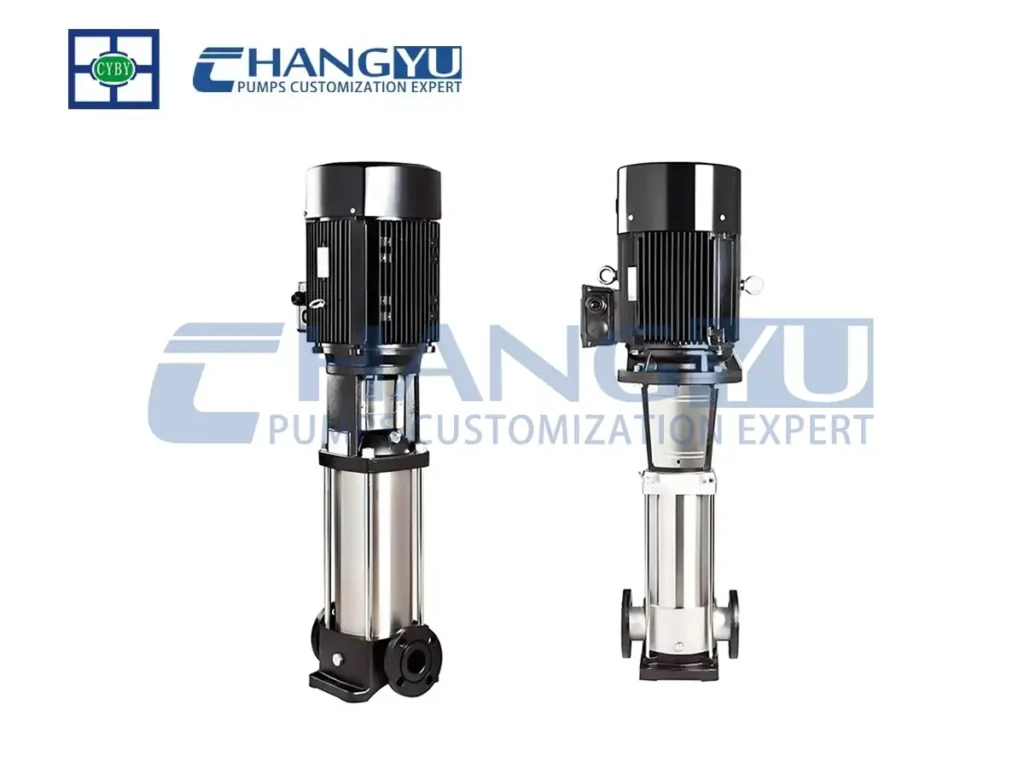
A вертикальный многоступенчатый центробежный насос Это компактный насос высокого давления, в котором используется несколько рабочих колес, расположенных вертикально на одном валу, для создания значительного напора при небольшой занимаемой площади. Для Насос Чанъюй, Имея более чем 20-летний опыт работы, эти насосы разработаны для применения в условиях, где важны компактность, эффективность и надежное повышение давления, например, для питания котлов, обратного осмоса, повышения давления на высотных зданиях и перекачки промышленной воды.
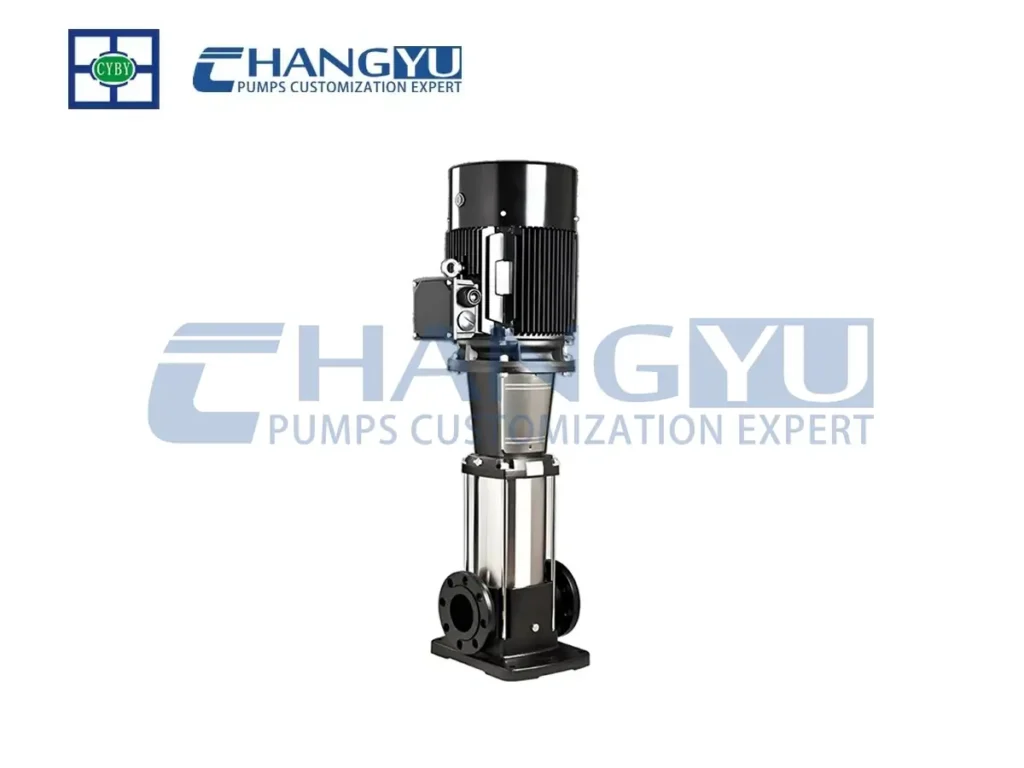
Что такое вертикальный многоступенчатый центробежный насос и почему стоит его выбрать?
Вертикальные многоступенчатые центробежные насосы отличаются от одноступенчатых насосов тем, что в них устанавливаются несколько рабочих колес для увеличения давления без увеличения площади горизонтального расположения насоса. Такая конструкция обеспечивает высокий напор (до сотен метров) при стабильной подаче, что делает их идеальными для применения там, где традиционные горизонтальные насосы потребовали бы слишком много места на полу или нескольких агрегатов.
Инженеры в Насос Чанъюй Подчеркните, что реальным преимуществом является не только высокое давление, но и низкие требования к NPSH и энергоэффективность в широком рабочем диапазоне. Что это значит для вас: Вы получаете надежное повышение давления при меньших затратах на электроэнергию и простоте установки в ограниченном пространстве, например, в механических помещениях или на технологических платформах.
[Image Placement: Схема в разобранном виде, на которой изображены сложенные рабочие колеса в вертикальном многоступенчатом центробежном насосе | Alt Text: Вертикальный многоступенчатый центробежный насос со сложенными рабочими колесами для применения при высоком давлении]
Как работает вертикальный многоступенчатый центробежный насос?
A вертикальный многоступенчатый центробежный насос Жидкость поступает в первое (всасывающее) рабочее колесо, где она набирает скорость и давление. Затем жидкость проходит через диффузор или обратный канал к следующему рабочему колесу, повторяя процесс на всех ступенях. Каждая ступень постепенно увеличивает напор, пока нагнетание не обеспечит общее требуемое давление.
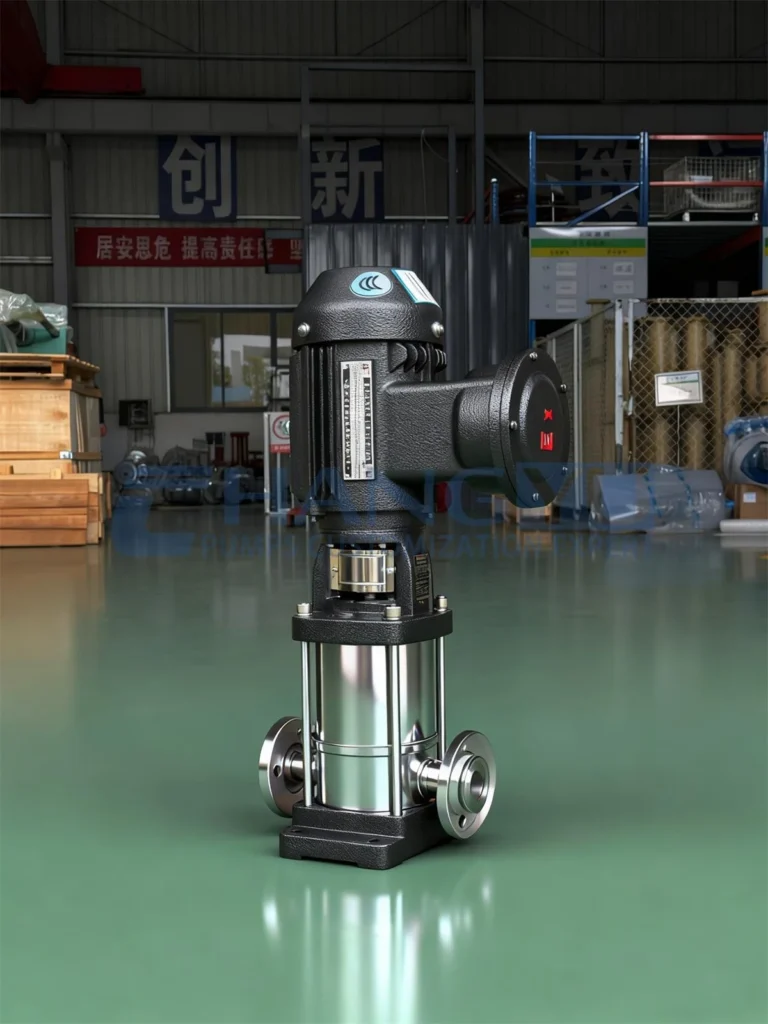
Ключевым инженерным термином является Чистый положительный напор всасывания (NPSH), который измеряет запас всасывания для предотвращения кавитация. Проще говоря, NPSH гарантирует, что жидкость остается жидкой в отверстии рабочего колеса. Что это значит для вас: Хорошая конструкция NPSH означает более тихую работу, более длительный срок службы крыльчатки и меньшее количество проблем с вибрацией, которая может повредить подшипники или уплотнения.
Каковы основные преимущества вертикальных многоступенчатых центробежных насосов?
Вертикальные многоступенчатые центробежные насосы превосходно работают в условиях, требующих высокого давления и умеренного расхода, благодаря пяти основным преимуществам:
- Компактная площадь: Вертикальная ориентация экономит площадь помещения по сравнению с горизонтальными многоступенчатыми конструкциями.
- Высокая производительность: Несколько рабочих колес обеспечивают напор до 500 с лишним метров в одном устройстве.
- Низкие требования к NPSH: Конструкция рабочего колеса первой ступени часто позволяет работать с ограниченным напором всасывания.
- Энергоэффективность: При правильном выборе размера работают в широком диапазоне с наилучшей эффективностью.
- Доступ к обслуживанию: Двигатель с верхним расположением упрощает замену уплотнений и проверку центровки.
По сравнению с одноступенчатыми насосами многоступенчатые конструкции более эффективно справляются с повышением давления, а по сравнению с горизонтальными многоступенчатыми насосами вертикальная компоновка снижает затраты на установку и требования к фундаменту. Что это значит для вас: более низкие капитальные затраты на установку и более легкое соответствие строительным нормам и правилам, ограничивающим пространство.
Как правильно выбрать вертикальный многоступенчатый центробежный насос?
Выбор вертикальный многоступенчатый центробежный насос начинается с трех основных параметров: расхода (GPM или м³/ч), общего динамического напора (TDH) и доступного NPSH. Покупатели часто не обращают внимания на NPSH, но он имеет решающее значение, поскольку недостаточный запас всасывания вызывает кавитацию, вибрацию и быстрое разрушение подшипников.
Практичная таблица выбора:
| Приложение | Типичный расход | Типичная голова | Основные соображения |
|---|---|---|---|
| Питание котла | 10-100 GPM | 100-400m | Низкий NPSH, нержавеющая сталь |
| Повышение давления обратного осмоса | 50-500 GPM | 50-150m | Нержавеющая сталь 316, готовность к работе с VFD |
| Повышение высотности | 20-200 GPM | 50-200m | Бесшумная работа, компактность |
| Промышленный трансфер | 100-1000 GPM | 50-300m | Устойчивость к истиранию, если необходимо |
Инженеры в Насос Чанъюй Рекомендуется проверять, что имеющийся NPSH > требуемого NPSH с запасом в 1-2 метра. Что это значит для вас: предотвращает наиболее часто встречающийся в полевых условиях отказ и значительно продлевает срок службы насоса.
Почему NPSH и кавитация имеют решающее значение для многоступенчатых насосов?
Кавитация возникает, когда местное давление падает ниже давления паров жидкости, образуя пузырьки, которые схлопываются и разрушают рабочее колесо. В многоступенчатых насосах кавитация усиливается, поскольку повреждение первой ступени влияет на производительность последующих.
Что это значит для вас: Кавитация звучит как гравий в насосе, вызывает вибрацию, которая повреждает подшипники и уплотнения, и снижает давление на выходе. Всегда проверяйте кривые NPSH и добавляйте запас прочности при выборе.
Вертикальный многоступенчатый центробежный насос Changyu Pump
Насос Чанъюй‘s вертикальный многоступенчатый центробежный насос разработан для сложных систем повышения давления, где важны надежность и эффективность. https://changyupump.com/product/vertical-multistage-centrifugal-pump/
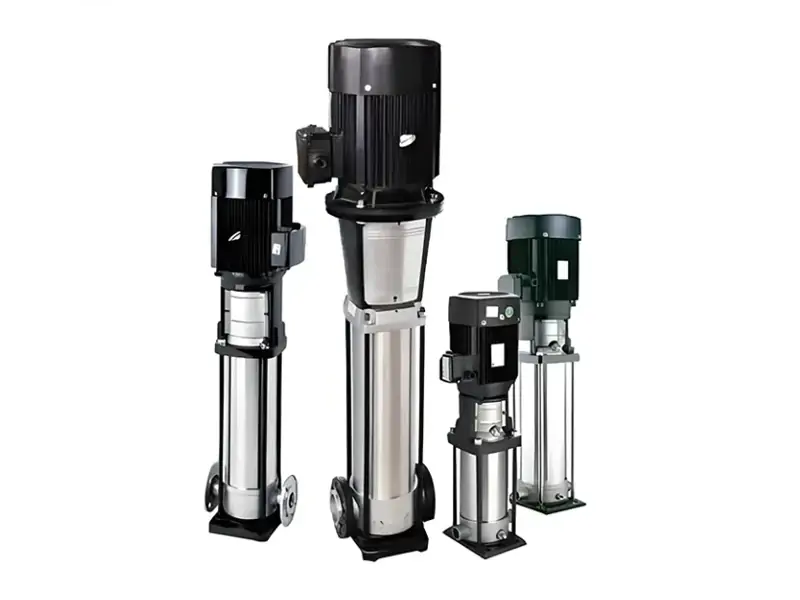
Этот насос имеет следующие характеристики:
- Конструкция из нержавеющей стали (304 или 316) для обеспечения коррозионной стойкости при использовании в воде и легких химических средах.
- Несколько ступеней крыльчатки для создания большого напора при компактном вертикальном расположении.
- Первая ступень с низким NPSH для сложных условий всасывания.
- Механические уплотнения с возможностью выбора твердых поверхностей или картриджей.
- Двигатель с верхним расположением для легкого доступа к обслуживанию.
- Широкий диапазон производительности с производительностью 5-500 ГПМ и напором до 500 метров.
Инженеры в Насос Чанъюй разработали этот насос для таких применений, как питательная вода для котлов, системы обратного осмоса, промывка под высоким давлением и повышение давления. Он изготовлен в соответствии со стандартами ISO с акцентом на гидравлическую эффективность и долговременную надежность.
Что это значит для вас: Меньше поездок в насосную, меньше счетов за электроэнергию и надежная подача давления.
Насос поддерживает работу с частотно-регулируемым приводом (VFD) для экономии энергии и может работать с чистой водой, конденсатом и легкими технологическими жидкостями. Если вам нужна индивидуальная настройка по температуре, допустимому содержанию твердых частиц или специальным материалам, пожалуйста, обращайтесь по адресу связаться с наша команда инженеров.
Технические характеристики вертикального многоступенчатого центробежного насоса серии CDL
Примечание: Не нужно беспокоиться о широком диапазоне параметров насоса - наша команда инженеров поможет вам выбрать идеальный насос для конкретных условий эксплуатации. Свяжитесь с нами прямо сейчас для профессионального, индивидуального решения.
Пример вертикального многоступенчатого центробежного насоса
В коммерческом высотном здании система повышения давления часто выходила из строя. Одноступенчатые горизонтальные насосы не могли обеспечить постоянное давление на верхних этажах, а кавитация повреждала рабочие колеса каждые шесть месяцев.

Насос Чанъюй Инженеры проанализировали систему и рекомендовали вертикальный многоступенчатый центробежный насос. Решение включало в себя правильный расчет NPSH, управление VFD и нержавеющую конструкцию. После установки улучшилась стабильность давления, снизилось энергопотребление на 22% и полностью прекратились вызовы на техническое обслуживание. Что это значит для вас: Правильная многоступенчатая конструкция превращает повторяющуюся проблему в надежную и недорогую работу.
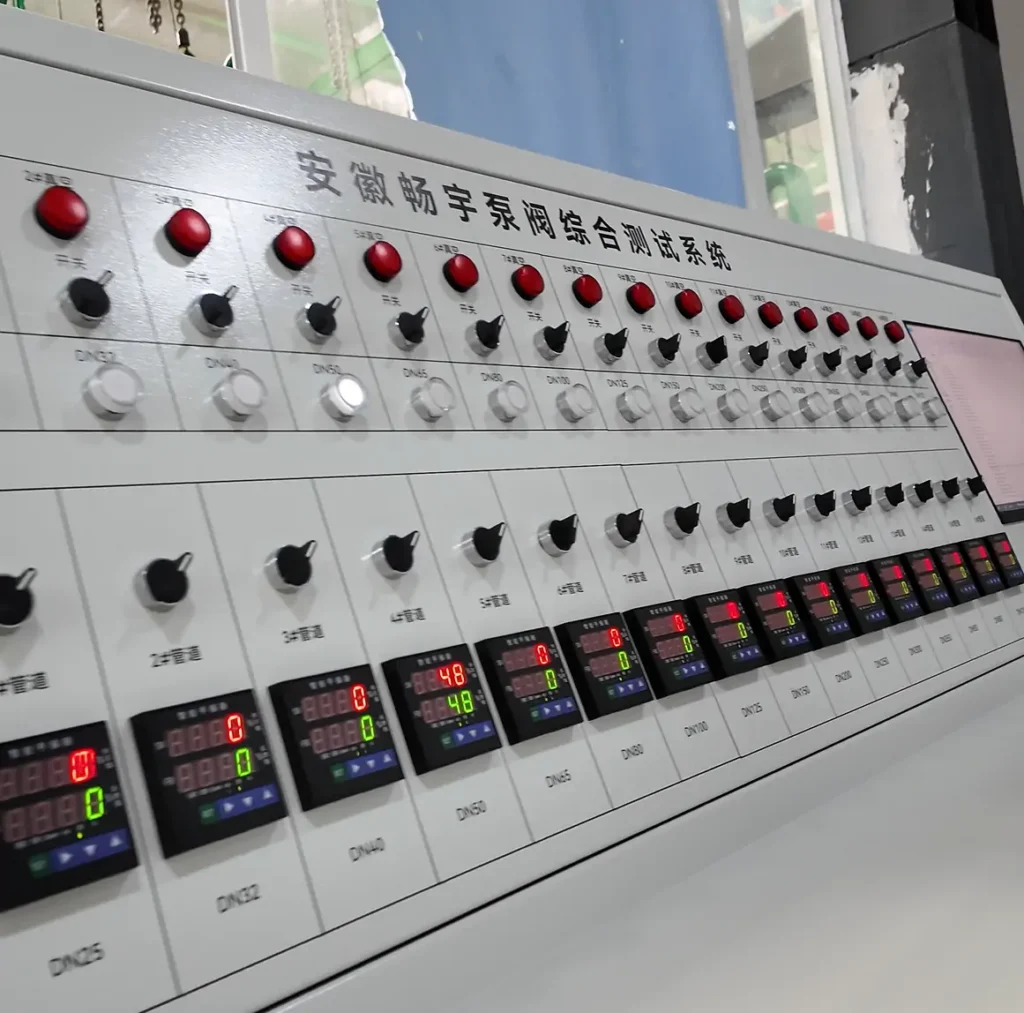
Контроль качества вертикальных многоступенчатых насосов Changyu Pump
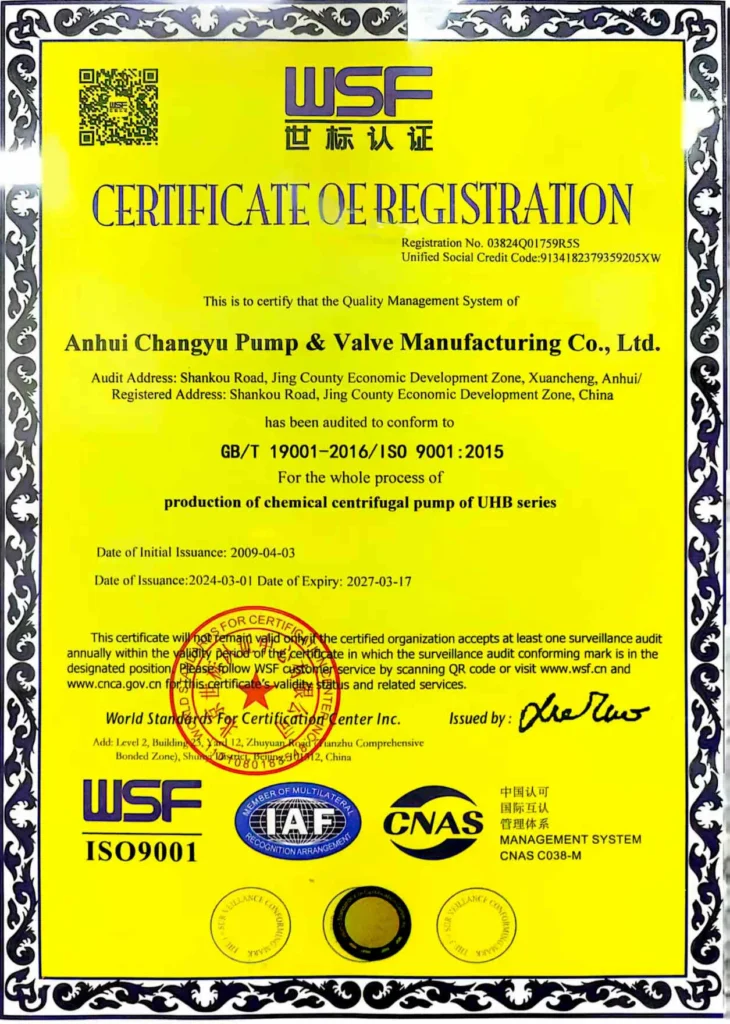
Опыт работы более 20 лет, Насос Чанъюй применяет строгий контроль качества, чтобы гарантировать, что каждый вертикальный многоступенчатый центробежный насос выполняет обещанные функции:
- Балансировка рабочего колеса до ISO 1940 G2.5 для низкого уровня вибрации.
- Гидростатические испытания при 1,5-кратном расчетном давлении.
- Проверка NPSH с помощью заводских кривых производительности.
- Сертификация материалов для нержавеющей стали 304/316.
- Запуск тестирования в рабочей точке для подтверждения эффективности и напора.


Часто задаваемые вопросы (FAQ)
Вопрос: Для чего используется вертикальный многоступенчатый центробежный насос?
A: A вертикальный многоступенчатый центробежный насос в основном используется для промышленных применений высокого давления, таких как питательная вода для котлов, системы обратного осмоса (RO) и водоснабжение высотных зданий. Он эффективно обеспечивает значительный напор, сохраняя при этом компактную вертикальную площадь.
Вопрос: Чем вертикальный многоступенчатый центробежный насос отличается от одноступенчатого?
О: В отличие от одноступенчатого насоса, в котором используется одно рабочее колесо, насос вертикальный многоступенчатый центробежный насос на один вал насаживается несколько рабочих колес. Такая конструкция значительно увеличивает выходное давление, экономя при этом полезную горизонтальную площадь в тесных механических помещениях.
Вопрос: Почему NPSH важен для вертикального многоступенчатого центробежного насоса?
A: NPSH очень важно, так как недостаточный напор всасывания вызывает кавитацию внутри вертикальный многоступенчатый центробежный насос. Кавитация разрушает рабочее колесо первой ступени, вызывает сильную механическую вибрацию и приводит к дорогостоящим, преждевременным поломкам подшипников и уплотнений.
В: Может ли вертикальный многоступенчатый центробежный насос работать с горячей водой?
О: Да, правильно настроенный вертикальный многоступенчатый центробежный насос могут работать с горячей водой, часто до 120°C (250°F). Однако инженеры должны тщательно рассчитать повышенное давление пара жидкости, чтобы обеспечить достаточный запас NPSH и предотвратить высокотемпературную кавитацию.
Вопрос: Как правильно подобрать размер вертикального многоступенчатого центробежного насоса?
О: Чтобы определить размер вертикальный многоступенчатый центробежный насос Для правильного расчета необходимо точно определить требуемый расход, общий динамический напор (TDH), доступный NPSH и температуру жидкости. Правильное определение размеров обеспечивает непрерывную работу системы в точке наилучшего КПД (BEP).
Вопрос: Являются ли вертикальные многоступенчатые центробежные насосы энергоэффективными?
О: Да, а вертикальный многоступенчатый центробежный насос при правильном подборе параметров обладает высокой энергоэффективностью. Сопряжение этих высоконапорных насосов с частотно-регулируемыми приводами (ЧРП) еще больше оптимизирует энергопотребление, особенно в системах повышения давления воды с переменным спросом.
Вопрос: Что вызывает кавитацию в вертикальном многоступенчатом центробежном насосе?
A: Кавитация в вертикальный многоступенчатый центробежный насос вызвано недостаточным NPSH, слишком высокой температурой жидкости или ограничительным всасывающим трубопроводом. Обеспечение надлежащего запаса всасывания на этапе проектирования системы полностью предотвращает эту разрушительную гидравлическую проблему.
В: Какое техническое обслуживание требуется вертикальному многоступенчатому центробежному насосу?
О: Текущее обслуживание для вертикальный многоступенчатый центробежный насос включает в себя осмотр механических уплотнений, смазку подшипников двигателя и контроль уровня вибрации. Вертикальная конструкция мотора с верхним расположением двигателя делает замену механических уплотнений намного проще и быстрее, чем у горизонтальных вариантов.
7 критических ошибок, которых инженеры компании Changyu Pump хотят, чтобы вы избежали
Чтобы избежать дорогостоящих ошибок при закупке и установке, Насос Чанъюй Инженеры рекомендуют тщательно оценить эти 7 критериев принятия решения перед покупкой многоступенчатой системы:
- Не упускайте из виду наличие NPSH: Если вы не рассчитаете NPSH вашей системы перед заказом, это практически гарантирует повреждение от кавитации. Требуемый NPSH насоса всегда должен быть как минимум на 1-2 метра ниже, чем доступный NPSH вашей системы.
- Не превышайте количество этапов: Выбор насоса с большим количеством ступеней, чем необходимо, заставляет работать вдали от точки наилучшего КПД (BEP). Это приводит к потере энергии и ускоряет износ внутренних компонентов.
- Не пропускайте совместимость с VFD: При работе насоса высокого давления на фиксированной скорости в условиях переменного спроса тратится огромное количество электроэнергии. Для оптимальной энергоэффективности всегда убедитесь, что двигатель совместим с VFD.
- Не выбирайте неправильные материалы: Использование стандартного чугуна для слабоагрессивной воды RO приведет к быстрому образованию ржавчины. Чтобы предотвратить преждевременную коррозию, используйте нержавеющую сталь 304 или 316 для очищенной воды.
- Не проектируйте плохой всасывающий трубопровод: Установка колен или клапанов непосредственно перед входом насоса создает турбулентность и нарушает поток. Поддерживайте прямой всасывающий трубопровод на протяжении не менее 5-10 диаметров трубы, чтобы обеспечить плавность всасывания.
- Не пренебрегайте основанием и выравниванием: Многоступенчатые насосы создают значительные вращательные усилия. Без надлежащих виброизоляционных прокладок и точной центровки разрушительный резонанс передается на окружающие трубопроводные системы.
- Не думайте, что больше - значит лучше: Выбор насоса с пропускной способностью, значительно превышающей требуемую, вынуждает работать в крайнем левом положении кривой производительности. Это приводит к кавитации на малом ходу, прогибу вала и ускоренному износу подшипников.
Инвестиции в высококачественный вертикальный многоступенчатый центробежный насос заключается в максимизации выходного давления при строгом контроле энергопотребления, занимаемой площади и времени простоя в обслуживании. Строго рассчитав общий динамический напор, проверив предельные значения NPSH и выбрав правильную металлургию нержавеющей стали, предприятия B2B могут обеспечить десятилетия надежной и маловибрационной работы систем повышения давления.
Если вашему предприятию требуется высокоэффективное, компактное решение для создания давления, которое не подведет в условиях непрерывной работы, наша команда инженеров готова помочь. Свяжитесь с нами сегодня, чтобы получить точное предложение, и позвольте Насос Чанъюй разработать индивидуальный вертикальный многоступенчатый центробежный насос система, точно соответствующая вашим требованиям к эксплуатации в 2026 году.