
Trả lời nhanh
A Bơm bùn đặc Vận chuyển bùn có mật độ cao — thường trên 40% trọng lượng chất rắn — có độ sệt như bột nhão, độ nhớt cao và khả năng chảy kém. Khác với bơm bùn tiêu chuẩn, bơm bùn đặc phải vượt qua ba thách thức: bùn không tự chảy vào cửa hút của bơm dưới trọng lượng của chính nó, tổn thất ma sát đường ống tăng mạnh theo nồng độ chất rắn, và bùn kết khối thành nút rắn khi bơm dừng. Các yếu tố lựa chọn chính:
- Khớp loại bơm với tính lưu biến của bùn: Bơm ly tâm tiêu chuẩn hoạt động được với bùn có hàm lượng chất rắn lên đến khoảng 40–50%. Vượt quá mức đó — đặc biệt khi bùn phát triển ứng suất chảy dẻo — bơm cần cơ chế cấp liệu cưỡng bức hoặc phải là loại bơm thể tích (bơm trục vít lệch tâm hoặc bơm màng piston). Điểm chuyển tiếp chính xác phụ thuộc vào loại bùn cụ thể và cần thử nghiệm lưu biến để xác định.
- Cơ chế cấp liệu là yếu tố làm cho bơm hoạt động: Trục vít tải lắp phía trên cửa vào của bơm ép bùn đặc vào cánh quạt hoặc rotor-stator. Nếu không có nó, bơm bị đói liệu và xâm thực bất kể động cơ mạnh đến đâu. Đối với bùn có ứng suất chảy dẻo đáng kể, trục vít cấp liệu là yêu cầu chức năng — không phải tùy chọn.
- Đường ống và bơm phải được thiết kế như một hệ thống thống nhất: Bùn đặc ngừng chuyển động sẽ kết khối thành nút. Quy trình xả, thoát nước và khởi động có kiểm soát quyết định hệ thống vận hành ổn định hay cần can thiệp thường xuyên.
Ở khoảng 40% trọng lượng chất rắn, bùn không còn hoạt động như chất lỏng mà bắt đầu hoạt động như bột nhão. Nó phát triển ứng suất chảy dẻo — lực tối thiểu cần thiết để bắt đầu dòng chảy. Nó có thể loãng ra dưới tác động cắt và đông đặc lại khi tĩnh. Bơm ly tâm tiêu chuẩn không thể hút vật liệu này vào cửa hút. Cánh quạt quay trong khoảng trống, xâm thực và mài mòn nhanh. Bơm không hỏng do vật liệu kém hoặc bảo trì kém — nó hỏng vì bùn đơn giản không vào được bơm.
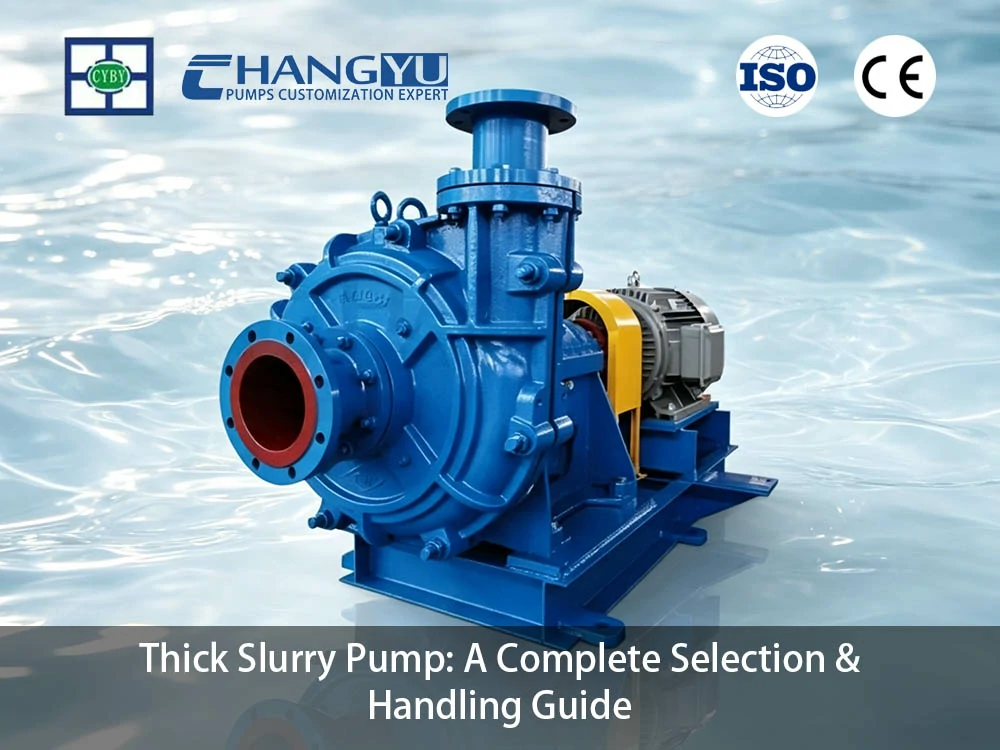
Giải quyết vấn đề này đòi hỏi phải khớp công nghệ bơm với tính lưu biến cụ thể của bùn. Một hỗn hợp bùn bơm cho bùn thải dạng bột nhão ở 65% chất rắn đi đến san lấp ngược cần một loại bơm hoàn toàn khác với bơm cho dòng dưới của thiết bị cô đặc ở 45% chất rắn đi đến lọc — mặc dù cả hai đều được coi là “bùn đặc.”
Changyu Pump đã sản xuất bơm cho các ứng dụng bùn mật độ cao hơn hai thập kỷ. Hướng dẫn này bao gồm các loại bơm, cơ chế cấp liệu và phương pháp quản lý đường ống quyết định liệu hệ thống bơm bùn đặc có vận hành đáng tin cậy hay không.
Điều gì Xác Định Bùn Đặc và Tại Sao Khó Bơm?
Bùn đặc được xác định không chỉ bởi nồng độ chất rắn, mà bởi một tính chất vật lý cụ thể: ứng suất chảy dẻo. Đây là điều làm cho bùn đặc khác biệt cơ bản so với bùn tiêu chuẩn.
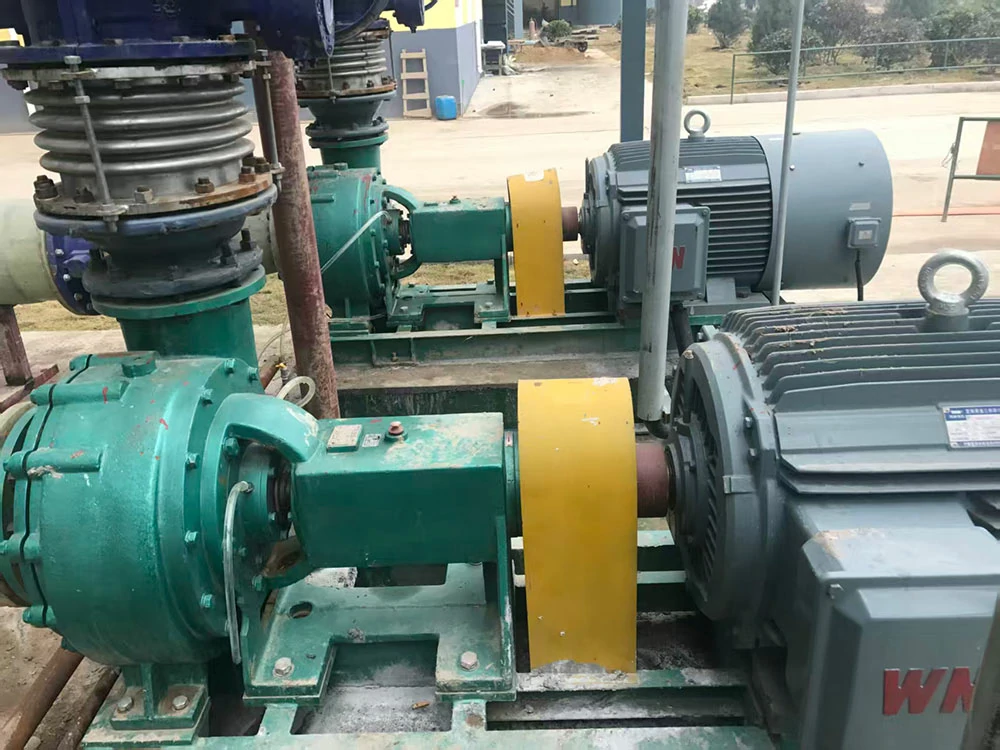
Ứng Suất Chảy Dẻo Thay Đổi Mọi Thứ
Bùn tiêu chuẩn — xả từ máy nghiền ở 30% chất rắn, quặng đuôi tuyển nổi ở 25% chất rắn — chảy dưới tác dụng của trọng lực. Chúng có thể được hút vào bơm bằng áp suất khí quyển. Khi bơm dừng, chất rắn có thể lắng xuống nhưng pha lỏng vẫn chuyển động.
Bùn đặc — quặng đuôi dạng bột nhão ở 65% chất rắn, bùn khử nước, dòng dưới thiết bị cô đặc ở 55% chất rắn — có ứng suất chảy dẻo. Dưới ngưỡng này, vật liệu hoạt động như chất rắn. Trên ngưỡng này, dòng chảy bắt đầu, thường với độ nhớt giảm khi tốc độ cắt tăng (giảm độ nhớt khi cắt).
Ứng suất chảy dẻo này tạo ra ba vấn đề thực tế:
Đói liệu ở cửa hút. Cánh quạt ly tâm tạo áp suất thấp tại tâm cánh để hút chất lỏng vào. Khi chất lỏng có ứng suất chảy dẻo, áp suất thấp này có thể không đủ. Bùn đứng yên trong khi cánh quạt quay trong khoảng trống. Bơm bị đói liệu — không phải vì đường ống bị tắc, mà vì bùn không chuyển động dưới áp suất hút khả dụng.
Ma sát đường ống cao. Khi đã chảy, bùn đặc tạo ra ma sát lớn hơn nhiều so với nước hoặc bùn loãng — cao hơn từ 10 đến 100 lần ở cùng vận tốc. Bơm được chọn kích thước chỉ bằng hiệu chỉnh trọng lượng riêng đơn giản cho ứng dụng nước sẽ bị thiếu công suất nghiêm trọng.
Lắng đọng và tắc nghẽn khi dừng máy. Khi dòng chảy dừng, bùn đặc không chỉ đơn giản lắng xuống. Đối với vật liệu dạng bột nhão, nó kết khối đồng nhất thay vì tách thành các lớp. Đối với bùn có nồng độ thấp hơn, chất rắn có thể lắng xuống và tạo thành nút đặc. Khởi động lại đòi hỏi phải vượt qua không chỉ ứng suất chảy dẻo mà còn cả độ bền cơ học của vật liệu đã kết khối — có thể cao hơn một bậc độ lớn so với bùn ban đầu. Bơm khởi động khi đường ống bị tắc mà không có bảo vệ quá áp có thể làm vỡ thân bơm hoặc cắt trục.
Ly Tâm hay Thể Tích: Chọn Bơm Nào cho Bùn Đặc?
Quyết định đầu tiên là liệu bơm ly tâm — ngay cả với cấp liệu cưỡng bức — có thể tạo ra đủ áp suất hay không, hay cần bơm thể tích.
Bơm Ly Tâm với Cấp Liệu Cưỡng Bức
Bơm ly tâm hoạt động được với bùn đặc khi hai điều kiện được đáp ứng: cơ chế cấp liệu cơ học có thể đưa bùn đến tâm cánh quạt, và tổn thất ma sát đường ống nằm trong khả năng cột áp của bơm — thường lên đến khoảng 100–120 mét.
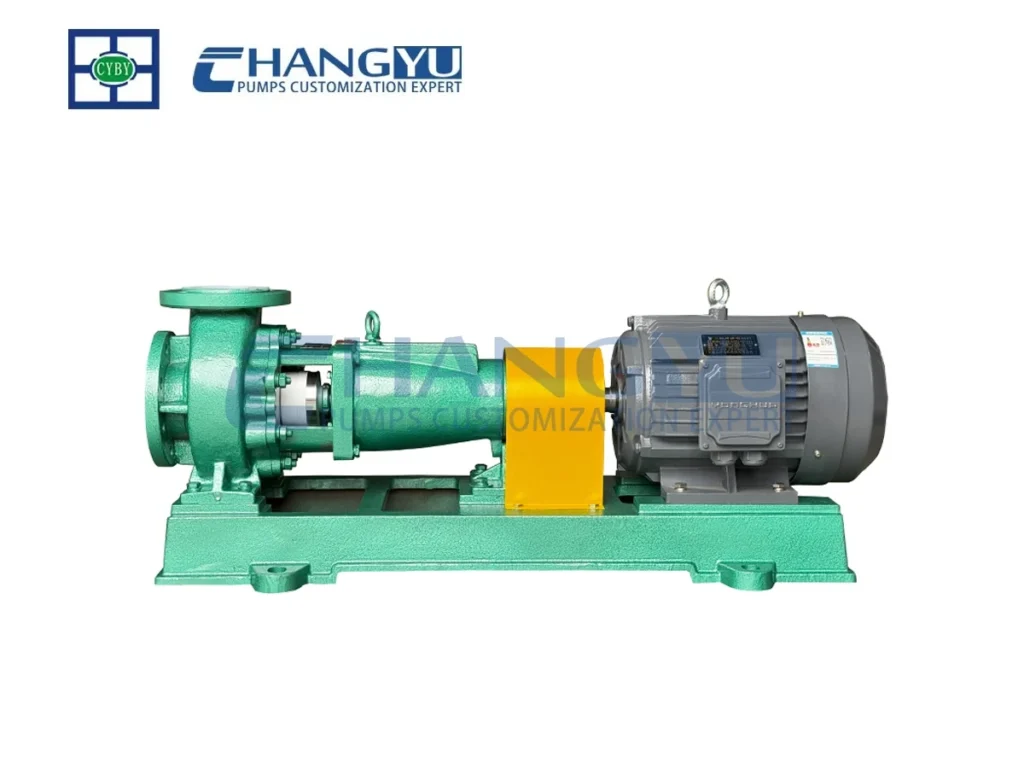
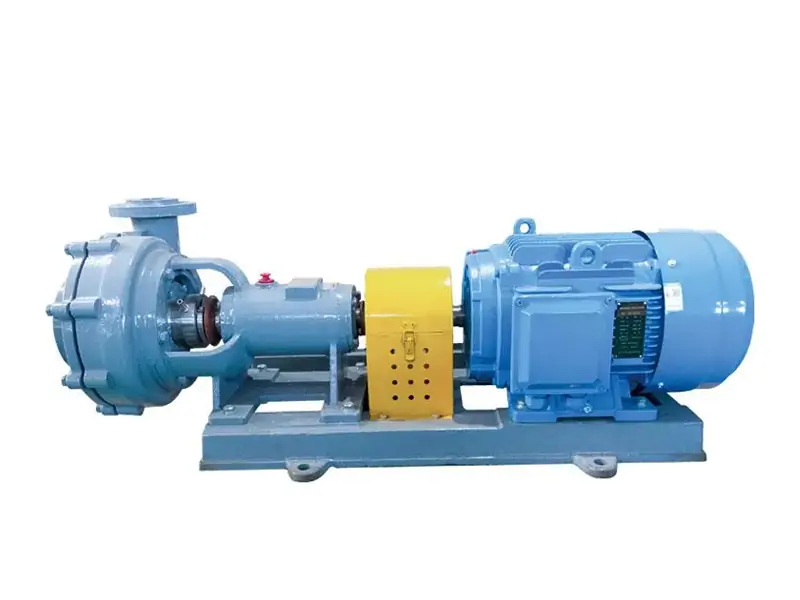
Những bơm này trông khác với bơm bùn tiêu chuẩn. Chúng được lắp bên dưới phễu hở hoặc máng cấp liệu. Trục vít tải ép bùn vào cửa hút của cánh quạt. Trục vít có thể có bước không đổi hoặc bước thay đổi — thiết kế bước thay đổi, với bước giảm dần về phía cánh quạt, nén nhẹ bùn để đảm bảo cánh quạt được nạp đầy. Trục vít được dẫn động bằng trục bơm hoặc bằng động cơ riêng để kiểm soát tốc độ độc lập.
Phù hợp nhất cho: dòng dưới thiết bị cô đặc, bùn khử nước và quặng đuôi dạng bột nhão ở áp suất xả trung bình.
Bơm khoang xoắn
Bơm thể tích dạng trục vít lệch tâm (PC) sử dụng rotor xoắn đơn bên trong stator đàn hồi xoắn kép. Mỗi vòng quay di chuyển một thể tích bùn cố định qua các khoang kín, tạo ra dòng chảy độc lập với áp suất xả. Điều này làm cho bơm PC tự nhiên phù hợp với bùn đặc: bơm tạo ra bất kỳ áp suất nào cần thiết để di chuyển bùn, lên đến giới hạn cơ học của nó.
Bơm PC phễu hở, với trục vít cấp liệu kiểu khoan phía trên cổng vào, là cấu hình tiêu chuẩn cho bùn đặc. Trục vít ép bùn vào bộ phận bơm. Rô-to và stato tạo áp suất. Bơm PC xử lý được bùn có ứng suất chảy dẻo mà bơm ly tâm không thể vận hành, và hoạt động tốc độ thấp, mô-men xoắn cao giúp giảm thiểu lực cắt.
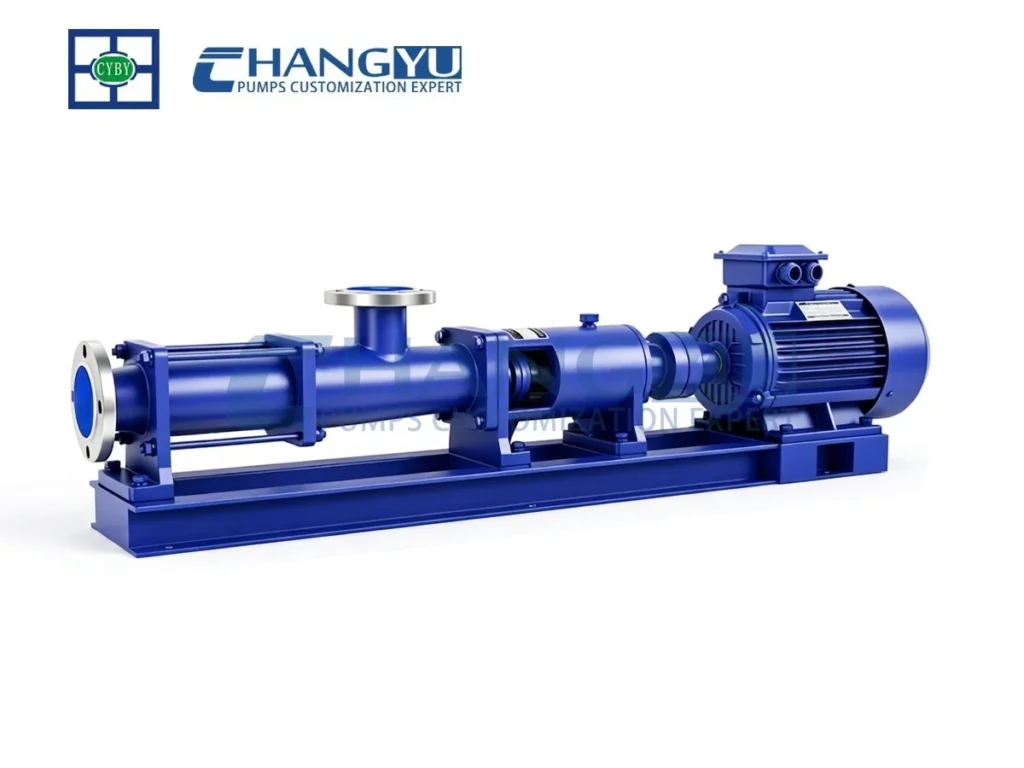
Phù hợp nhất cho: Bùn nhão độ nhớt cao, cấp liệu cho máy ép lọc, và các ứng dụng cần áp suất xả lên đến khoảng 24 bar. Bơm PC có thể xử lý nồng độ lên đến khoảng 80% chất rắn — dải rộng nhất trong tất cả các loại bơm bùn đặc.
Bơm Màng Piston
Bơm màng piston cung cấp tùy chọn áp suất cao nhất. Một piston thủy lực dẫn động màng linh hoạt để đẩy bùn qua van một chiều. Màng ngăn cách piston khỏi bùn mài mòn. Các bơm này tạo ra áp suất xả trên 100 bar — đủ cho các đường ống vận chuyển bùn thải dạng paste dài nhất và bùn có ứng suất chảy dẻo cao nhất.
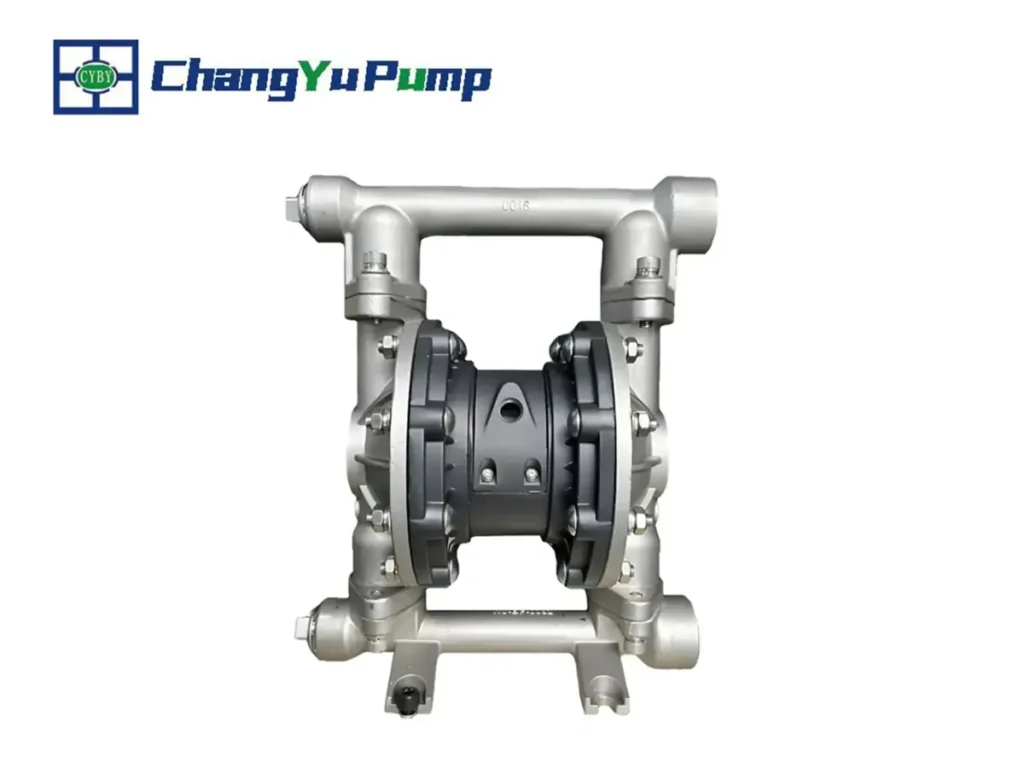
Chúng lớn, đắt tiền và phức tạp về cơ khí. Chúng được chỉ định cho các ứng dụng khắc nghiệt nhất: bơm bùn thải dạng paste hồi lấp mỏ sâu, đường ống áp suất cao khoảng cách dài, và bùn có ứng suất chảy dẻo đo bằng hàng trăm Pascal.
Phù hợp nhất cho: Các ứng dụng yêu cầu áp suất xả trên khoảng 40 bar, nơi cả bơm ly tâm và bơm PC đều không thể đáp ứng yêu cầu.
Ma Trận Lựa Chọn Loại Bơm
Lưu ý: Dải nồng độ chồng lấn nhau. Các thông số quyết định là ứng suất chảy dẻo và áp suất xả yêu cầu — không chỉ riêng nồng độ.
| Đặc tính bùn | Ly Tâm với Cấp Liệu Cưỡng Bức | Ống xoắn tiến bộ | Piston Màng |
|---|---|---|---|
| Nồng độ chất rắn (Cw) | 40–60% | Lên đến khoảng 80% | 55–80%+ |
| Ứng suất chảy dẻo | Thấp đến trung bình (< 200 Pa) | Thấp đến cao (< 500 Pa) | Bất kỳ |
| Lưu lượng | Cao (hàng trăm đến hàng nghìn m³/h) | Thấp đến trung bình (lên đến ~200 m³/h) | Từ trung bình đến cao |
| Áp suất xả | Lên đến ~100 m cột áp | Lên đến ~24 bar | 40–250+ bar |
| Sự dao động | Liên tục | Liên tục (độ xung rất thấp) | Xung — cần bộ giảm xung |
| Chi phí tương đối | $$ | $$$ | $$$$$ |
| Phù hợp nhất cho | Bùn đáy bể cô đặc, bùn khử nước, paste áp suất trung bình | Bùn nhão độ nhớt cao, cấp liệu máy ép lọc, hồi lấp áp suất trung bình | Hồi lấp mỏ sâu, đường ống áp suất cao khoảng cách dài |
Những Đặc Điểm Thiết Kế Nào Giúp Bơm Bùn Đặc Xử Lý Vật Liệu Khó?
Thiết kế bơm bùn đặc giải quyết một vấn đề cơ bản: đưa vật liệu độ nhớt cao, độ linh động thấp vào bộ phận bơm — dù đó là cánh quạt ly tâm hay rô-to stato PC.
Trục Vít Cấp Liệu Kiểu Khoan
Trục vít cấp liệu kiểu khoan là thiết bị tiêu chuẩn để khắc phục ứng suất chảy dẻo tại cổng vào bơm. Được lắp phía trên cánh quạt hoặc rô-to stato, nó thực hiện hai chức năng: vận chuyển bùn từ phễu đến cổng vào bơm, và — khi được thiết kế với bước xoắn giảm dần — nén nhẹ bùn để loại bỏ khoảng trống, đảm bảo bộ phận bơm được nạp đầy hoàn toàn.
Trục vít được dẫn động bằng trục bơm (thiết kế tích hợp, quay với tốc độ bơm) hoặc bằng động cơ riêng (thiết kế độc lập, cho phép điều chỉnh tốc độ cấp liệu độc lập với tốc độ bơm). Trục vít tích hợp trên bơm ly tâm thường quay ở 400–960 vòng/phút; trên bơm PC, chậm hơn nhiều.
Phễu Hở và Buồng Cấp Liệu Có Khuấy Trộn
Đối với bùn có ứng suất chảy dẻo cực cao hoặc bùn dễ bị bắc cầu — tạo thành vòm vật liệu ổn định phía trên cổng vào — phễu hở hình chữ nhật với thành đứng hoạt động tốt hơn phễu hình nón. Hình chữ nhật ngăn ngừa bắc cầu bằng cách cung cấp mặt cắt ngang lớn hơn kích thước vòm của vật liệu.
Bộ khuấy hoặc cánh khuấy trong phễu, dẫn động bằng trục bơm qua hộp giảm tốc, phá vỡ cấu trúc bùn nhẹ nhàng và thúc đẩy dòng chảy về phía trục vít. Việc khuấy phải nhẹ nhàng — trộn cắt cao có thể ảnh hưởng đến các quy trình hạ nguồn như sự phát triển cường độ của paste hồi lấp.
Tận Dụng Tính Chất Giảm Độ Nhớt Khi Cắt
Nhiều loại bùn đặc có tính chất giảm độ nhớt khi cắt: độ nhớt biểu kiến giảm khi tốc độ cắt tăng. Tính chất phi Newton này có thể được khai thác. Trục vít tạo ra lực cắt cục bộ ngay trước khi bùn vào bơm, tạm thời giảm độ nhớt của nó. Sau khi qua trục vít, bùn phục hồi cấu trúc. Điều này giải thích tại sao một bơm gặp khó khăn khi khởi động với bùn đặc tĩnh có thể chạy bình thường sau khi dòng chảy được thiết lập: bản thân bơm đã làm giảm độ nhớt biểu kiến của bùn.
Các kỹ sư tại Changyu Pump lưu ý: Đối với bùn đặc có ứng suất chảy dẻo rõ rệt, trục vít cấp liệu không phải là tùy chọn — nó là yêu cầu chức năng. Kích thước trục vít phải đảm bảo cung cấp lưu lượng thể tích của bùn ở tốc độ vận hành của bơm, có biên độ cho sự biến đổi độ đồng nhất. Trục vít cấp liệu quá nhỏ không giữ được bộ phận bơm nạp đầy là nguyên nhân phổ biến nhất gây ra các vấn đề hiệu suất trong hệ thống bơm bùn đặc.
Làm Thế Nào Để Lựa Chọn Bơm Bùn Đặc?
Việc lựa chọn bắt đầu với dữ liệu lưu biến. Không có ứng suất chảy dẻo đo được, đường cong độ nhớt và hành vi lắng đọng, việc chọn bơm chỉ là phỏng đoán.
Bước 1: Xác Định Đặc Tính Lưu Biến Của Bùn
Đo nồng độ chất rắn (Cw và Cv), phân bố kích thước hạt, ứng suất chảy dẻo (tính bằng Pascal) và độ nhớt biểu kiến ở tốc độ cắt đại diện cho cả dòng chảy đường ống và cổng vào bơm. Đối với bùn có tính chất thuận biến (thixotropic), đo sự phục hồi độ nhớt sau khi cắt — điều này xác định yêu cầu khởi động lại.
Bước 2: Xác Định Áp Suất Xả Yêu Cầu
Tính toán ma sát đường ống bằng mô hình lưu biến phù hợp với bùn — thường là Bingham plastic hoặc Herschel-Bulkley cho bùn đặc, không phải giả định Newton đơn giản. Bao gồm cột áp tĩnh, tổn thất ma sát và áp suất bổ sung cần thiết để khởi động lại dòng chảy sau khi dừng. Áp suất khởi động lại — khắc phục ứng suất chảy dẻo của toàn bộ đường ống — có thể là trường hợp thiết kế quyết định cho đường ống dài.
Bước 3: Lựa Chọn Loại Bơm
Sử dụng ma trận lựa chọn trong Phần 2. Quyết định phụ thuộc vào áp suất xả yêu cầu và ứng suất chảy dẻo. Khi cả bơm ly tâm hoặc bơm PC đều có thể hoạt động, so sánh tổng chi phí sở hữu trong 5 năm — năng lượng, bộ phận mài mòn và nhân công bảo trì.
Bước 4: Xác Định Cơ Chế Cấp Liệu
Chọn cơ cấu cấp liệu — vít tải kiểu khoan, phễu khuấy, hoặc bộ truyền động cấp liệu độc lập — dựa trên ứng suất chảy và đặc tính dòng chảy. Cơ cấu này phải đưa được lưu lượng thể tích của bùn vào cửa hút bơm trong mọi điều kiện dự kiến, bao gồm cả sự biến đổi về độ đồng nhất của bùn.
Các kỹ sư tại Changyu Pump khuyến nghị: Đầu tư vào thử nghiệm lưu biến trước khi chọn loại bơm. Chi phí thử nghiệm chỉ vài nghìn đô la. Chi phí thay thế một chiếc bơm được chọn sai còn cao hơn nhiều. Hai dạng hỏng hóc phổ biến nhất của bơm bùn đặc — thiếu hụt dòng hút ở bơm ly tâm và hư hỏng rotor-stator ở bơm PC — đều bắt nguồn từ dữ liệu lưu biến không đầy đủ được thu thập trước khi chọn bơm.
Làm thế nào để ngăn ngừa tắc nghẽn đường ống và bảo trì bơm bùn đặc?
Tắc nghẽn đường ống là vấn đề vận hành chiếm ưu thế trong hệ thống bùn đặc. Việc bảo trì phải xử lý cả bơm và đường ống như một hệ thống thống nhất.
Xả và xả cạn khi ngừng vận hành
Xả toàn bộ đường ống — thân bơm, tất cả các đoạn ống, mọi nhánh cụt — ngay sau khi ngừng vận hành. Sử dụng nước hoặc dung dịch ít chất rắn tương thích. Tiếp tục cho đến khi dòng xả ra trong. Đối với bùn phản ứng với nước (ví dụ hồ xi măng), chọn môi trường xả tương thích. Việc xả ngăn ngừa sự kết khối của chất rắn mà nếu không sẽ tạo thành nút bịt.
Đối với thời gian ngừng vận hành trên 24 giờ, xả rồi xả cạn hoàn toàn, với van xả tại tất cả các điểm thấp. Bùn đặc ứ đọng trong đường ống đã xả nhưng chưa xả rửa vẫn sẽ kết khối khi nước còn lại bay hơi.
Quy trình khởi động lại
Ngay cả sau khi xả, đường ống vẫn có thể chứa nút bịt còn sót, chất rắn lắng đọng, hoặc các đoạn mà dung dịch xả không thay thế hoàn toàn bùn. Khởi động lại với van xả đóng hoặc đóng một phần và tăng áp suất từ từ. Theo dõi áp suất xả. Nếu vượt quá giới hạn định mức của đường ống, hãy dừng.
Đối với đường ống dài, chia đoạn bằng các van trung gian mở tuần tự, cho phép bơm làm sạch từng đoạn một. Đối với đường ống vận chuyển hồ dạng paste đường dài, hệ thống nén khí dạng pig hoặc xung phun có thể bổ trợ cho việc xả nước để làm sạch bùn còn sót trước khi khởi động lại.
Nghiên cứu điển hình về bơm bùn đặc: Tối ưu hóa lựa chọn bơm hồ dạng paste cho hầm lò tại một mỏ đồng
Một mỏ đồng ở Nam Mỹ vận hành hệ thống bơm hồ dạng paste cho hầm lò. Hồ — quặng đuôi ở khoảng 68% chất rắn với 3–5% chất kết dính xi măng — có ứng suất chảy đo được khoảng 180 Pa. Chiều dài đường ống là 2,5 km từ nhà máy paste trên bề mặt đến các lò khai thác ngầm.
Hệ thống ban đầu sử dụng bơm bùn ly tâm ngang tiêu chuẩn không có cấp liệu cưỡng bức. Các bơm bị thiếu hụt dòng hút: paste không chảy vào mắt cánh quạt dưới cột áp hút có sẵn. Chúng bị xâm thực nghiêm trọng khi khởi động. Sản xuất thường xuyên bị gián đoạn, và các bộ phận phía ướt cần thay thế mỗi 3–4 tháng.
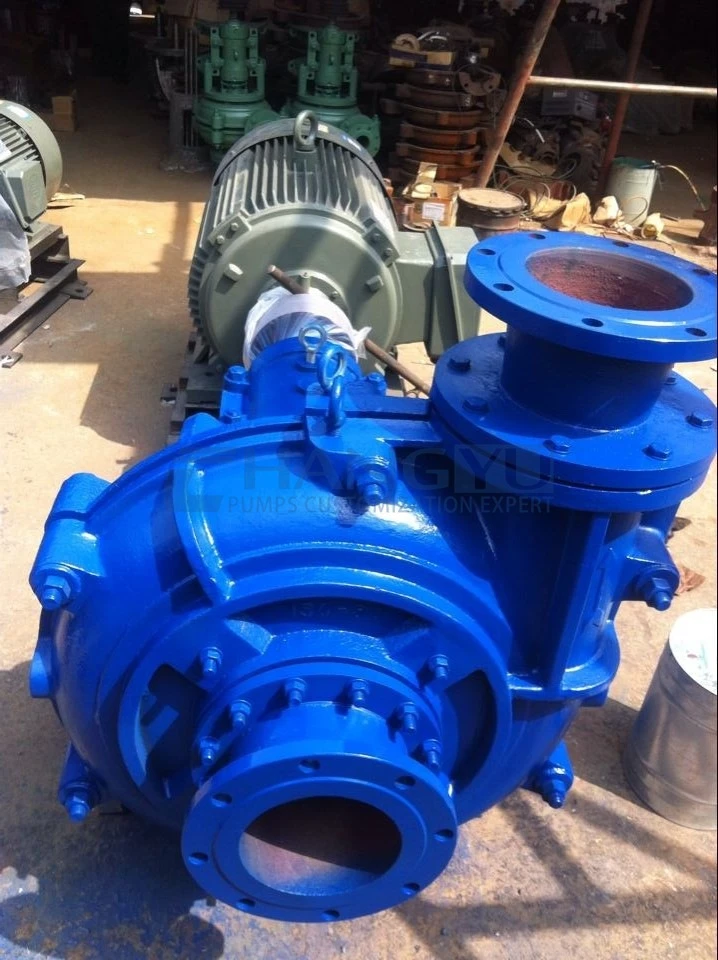
Changyu Pump đã nâng cấp hệ thống lên bơm ly tâm dòng PGY với vít tải cấp liệu tích hợp và phễu cấp liệu hở. Các vít tải, được dẫn động bởi trục bơm ở khoảng 500 vòng/phút, ép paste vào mắt cánh quạt, khắc phục ứng suất chảy đã khiến các bơm ban đầu bị thiếu hụt dòng hút. Các bộ phận phía ướt bằng hợp kim crom cao cung cấp khả năng chống mài mòn cần thiết cho quặng đuôi giàu silica.
Sau khi nâng cấp, các bơm vận hành liên tục không có gián đoạn liên quan đến hút. Chu kỳ thay thế bộ phận phía ướt kéo dài từ 3–4 tháng lên khoảng 14 tháng. Các vít tải cần thay thế mỗi 8–10 tháng — một công việc theo kế hoạch được đưa vào chu kỳ ngừng vận hành định kỳ của mỏ.
Bài học chính: Sự chuyển đổi từ bùn chảy tự do sang paste được đánh dấu bằng ứng suất chảy. Bơm ly tâm tiêu chuẩn không thể khắc phục được nếu không có hỗ trợ cơ khí. Vít tải cấp liệu kiểu khoan là giải pháp kỹ thuật. Vít là bộ phận mài mòn — tính chi phí thay thế vào lịch bảo trì — nhưng chi phí của nó không đáng kể so với thời gian ngừng sản xuất do bơm không thể nạp được liệu.
Giải pháp bơm bùn đặc từ Changyu Pump
Changyu Pump sản xuất các dòng bơm được cấu hình cho ứng dụng bùn đặc. Là một nhà sản xuất bơm bùn đặc chuyên dụng, mỗi dòng bơm giải quyết một tổ hợp cụ thể về nồng độ chất rắn, độ mài mòn và tính tương thích hóa học.
| Đơn đăng ký | Thử thách chính | Các bộ phim được đề xuất | Tính năng chính |
|---|---|---|---|
| Bùn đặc ăn mòn (bùn hóa chất, chất thải FGD) | Ăn mòn + mài mòn vừa phải + hàm lượng chất rắn cao | Dòng UHB | Lớp lót UHMW-PE; có thể cấu hình với vít tải cấp liệu |
| Quặng đuôi dạng paste mài mòn, bơm hầm lò áp suất cao | Mài mòn cực độ + áp suất cao | Dòng PGY | Hợp kim crom cao; vỏ kép; tương thích vít tải cấp liệu |
| Bùn đặc ăn mòn nhiệt độ cao (cặn đáy lò phản ứng, bùn axit) | Nhiệt độ cao + ăn mòn + chất rắn | Dòng CYB-ZKJ | Lớp lót FEP/PFA; có thể cấu hình với phễu khuấy |
Dòng UHB — Bơm chống ăn mòn lót UHMW-PE
Bơm ly tâm UHMW-PE lót thép cho bùn đặc ăn mòn với hàm lượng chất rắn vừa phải. Kênh dẫn dòng mở rộng phù hợp với chất lỏng độ nhớt cao. Có thể cấu hình với vít tải cấp liệu tích hợp. Lưu lượng đến 2.600 m³/h.
| Phạm vi lưu lượng: | 3 m³/h ~ 2.600 m³/h |
|---|---|
| Phạm vi đầu: | 5m–100m |
| Công suất động cơ: | 0,75 kW ~ 300 kW |
| Tốc độ: | 750–2.900 vòng/phút |
| Phạm vi nhiệt độ trung bình: | -20°C đến 90°C |
| Vật liệu có thể tùy chỉnh: | UHMW-PE |
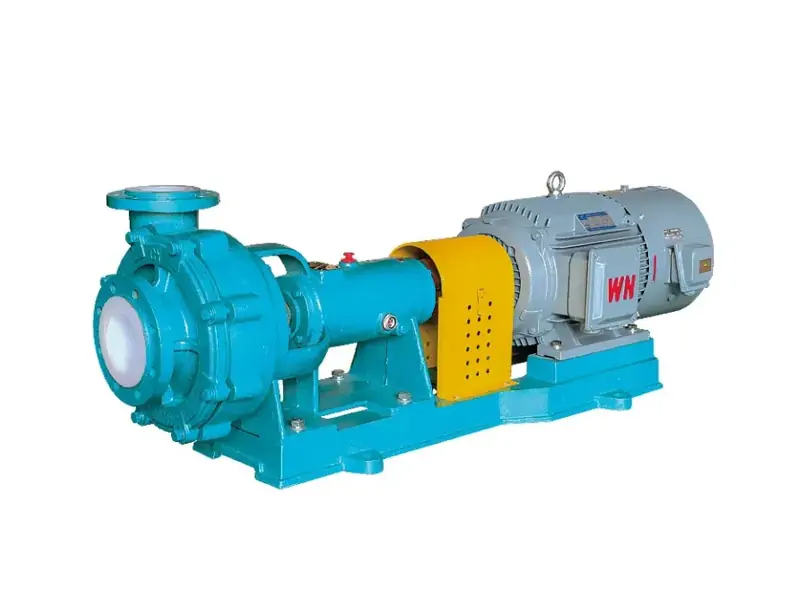
Dòng PGY — Bơm bùn cột áp cao hạng nặng
Bơm ly tâm hợp kim crom cao (BTMCr27/Cr28/Cr33) cho paste mài mòn và quặng đuôi mật độ cao. Vỏ kép với ổ bi bôi trơn dầu hạng nặng. Có thể cấu hình với vít tải cấp liệu và phễu hở. Cột áp đến 101,6 m.
| Phạm vi lưu lượng: | 117 m³/h ~ 976 m³/h |
|---|---|
| Dải đầu: | 21,1 m ~ 101,6 m |
| Công suất động cơ: | 22 kW ~ 560 kW |
| Tốc độ: | 730 / 980 / 1480 vòng/phút |
| Vật liệu có thể tùy chỉnh: | BTMCr27 / BTMCr28 / BTMCr33 / Thép không gỉ austenit / Thép không gỉ hai pha / Các hợp kim chống ăn mòn khác |
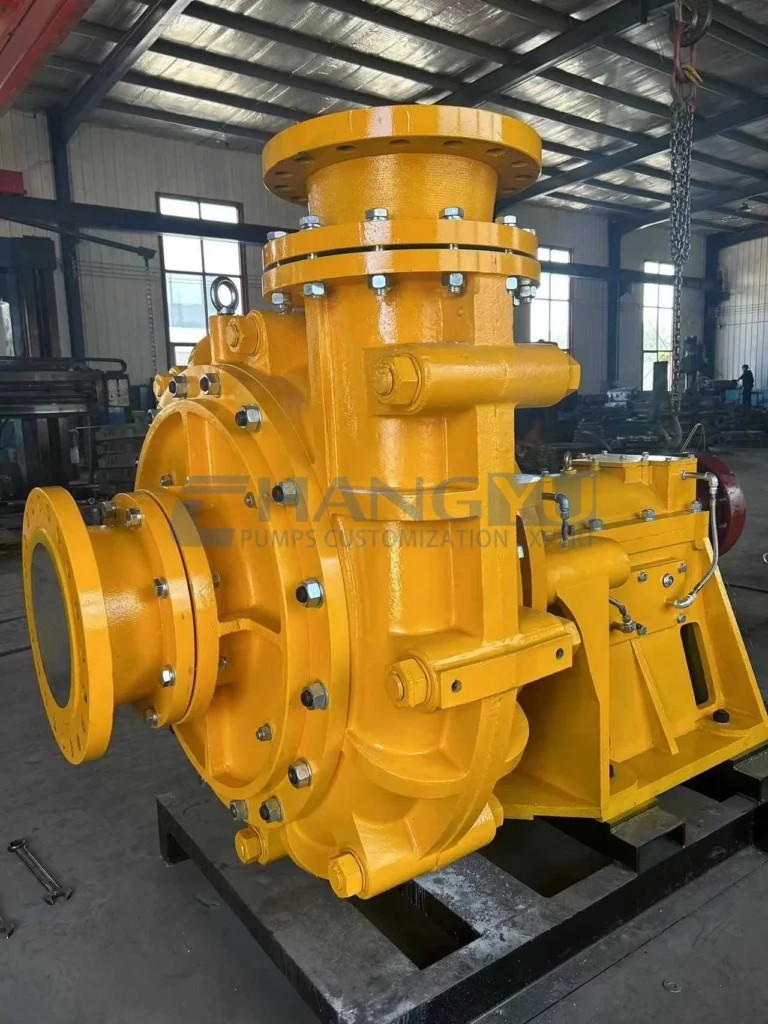
Bơm lót FEP/PFA cho men gốm có chứa phụ gia hữu cơ ăn mòn hoặc dung môi. Lớp lót fluoropolymer cung cấp độ trơ hóa học tối đa, làm cho nó phù hợp với các loại men đặc biệt nơi mà ngay cả tương tác vật liệu dạng vết cũng không thể chấp nhận được.
Bơm lót FEP/PFA cho bùn đặc ăn mòn nhiệt độ cao. Xử lý cặn đáy lò phản ứng hóa học, bùn axit và paste nhiệt độ cao. Có thể cấu hình với phễu cấp liệu khuấy và bộ truyền động vít tải độc lập.
| Phạm vi lưu lượng: | 3 m³/h ~ 2.600 m³/h |
|---|---|
| Phạm vi đầu: | 5m–100m |
| Công suất động cơ: | 0,75 kW ~ 300 kW |
| Tốc độ: | 968-3450 vòng/phút |
| Phạm vi nhiệt độ trung bình: | -80°C đến 120°C |
| Vật liệu có thể tùy chỉnh: | FEP |
Câu hỏi thường gặp về bơm bùn đặc
Hỏi: Nồng độ chất rắn nào xác định bùn “đặc”?
Đáp: Bùn đặc thường vượt quá 40% chất rắn theo trọng lượng và thể hiện ứng suất chảy — lực tối thiểu cần thiết để bắt đầu dòng chảy. Ngưỡng chính xác thay đổi theo vật liệu. Thử nghiệm lưu biến xác định điểm chuyển đổi cho một loại bùn cụ thể.
Hỏi: Bơm bùn ly tâm tiêu chuẩn có thể xử lý bùn đặc không?
Đáp: Chỉ khi có thêm cơ cấu cấp liệu. Bơm ly tâm tiêu chuẩn phụ thuộc vào việc bùn chảy vào cánh quạt dưới áp suất hút. Khi bùn có ứng suất chảy, áp suất này không đủ. Cần có vít tải cấp liệu hoặc bộ cấp liệu cơ khí tương tự.
Hỏi: Khi nào tôi nên chọn bơm khoang tiến triển thay vì bơm ly tâm cho bùn đặc?
A: Chọn bơm PC khi ứng suất chảy của bùn vượt quá khoảng 200 Pa, khi áp suất xả vượt quá khả năng của bơm ly tâm một cấp, hoặc khi bùn nhạy cảm với lực cắt. Bơm PC xử lý được nồng độ lên đến khoảng 80% chất rắn theo trọng lượng.
Q: Làm thế nào để ngăn bùn đặc hóa rắn trong đường ống khi ngừng vận hành?
A: Xả rửa bằng chất lỏng tương thích ngay sau khi ngừng vận hành. Đối với thời gian ngừng kéo dài, xả cạn hoàn toàn. Đối với bùn phản ứng với nước, sử dụng môi trường xả rửa không phản ứng. Đối với đường ống dài, có thể bổ sung xả rửa bằng thiết bị nén khí dạng pig.
Q: Vít cấp liệu dạng khoan là gì và tại sao cần thiết?
A: Đây là trục vít xoắn đặt phía trên cửa hút của bơm, ép bùn đặc vào cánh quạt hoặc rotor-stator. Nó khắc phục ứng suất chảy ngăn bùn chảy vào dưới áp suất hút đơn thuần.
Danh sách kiểm tra phòng ngừa dành cho kỹ sư bơm Changyu
- Đo ứng suất chảy của bùn trước khi chọn loại bơm. Ước tính đặc tính lưu biến dẫn đến lựa chọn sai. Chi phí thử nghiệm thấp hơn nhiều so với việc thay thế bơm bị hỏng.
- Chỉ định vít cấp liệu dạng khoan cho bất kỳ loại bùn nào có ứng suất chảy trên khoảng 100 Pa. Thiếu hụt hút là nguyên nhân phổ biến nhất gây hỏng bơm bùn đặc.
- Kích thước vít cấp liệu cần có biên độ cho sự biến động về độ đồng nhất. Vít quá nhỏ cũng tệ như không có vít.
- Lắp đặt các kết nối xả rửa và van xả dọc theo toàn bộ đường ống. Bùn đặc hóa rắn trong thời gian ngừng vận hành cần làm sạch cơ học trước khi khởi động lại.
- Khởi động lại bằng cách làm sạch đường ống theo từng đoạn, không làm toàn bộ cùng lúc. Áp suất cần thiết để khởi động lại khi đường ống đầy bùn đã kết khối có thể vượt quá định mức của cả bơm và đường ống.
- Đối với bơm PC, chỉ định phễu hở có vít cấp liệu. Kết nối hút mặt bích tiêu chuẩn sẽ không cho phép bùn có độ nhớt cao, ứng suất chảy cao đi qua.
- Dự trữ vít cấp liệu và các bộ phận phía ướt trong kho. Vít cấp liệu là bộ phận mài mòn và cần thay thế theo lịch trình.
- Xả rửa ngay sau mỗi lần ngừng vận hành và kiểm tra tính tương thích của môi trường xả rửa. Xả rửa bằng nước đối với hồ xi măng có thể đẩy nhanh quá trình đông kết và làm trầm trọng thêm tắc nghẽn. Xả rửa chậm trễ cho phép chất rắn kết khối, khiến việc loại bỏ khó khăn hơn.
Kết luận
Bơm bùn đặc bắt đầu bằng việc xác định đặc tính lưu biến, sau đó tiến hành lựa chọn loại bơm, xác định cơ cấu cấp liệu và quản lý đường ống. Ứng suất chảy là đặc tính quyết định — nó xác định liệu bơm ly tâm có cấp liệu cưỡng bức có hoạt động được hay không, hoặc liệu có cần bơm thể tích dương hay không. Vít cấp liệu dạng khoan là giải pháp tiêu chuẩn để khắc phục ứng suất chảy tại cửa hút của bơm. Xả rửa đường ống, xả cạn và quy trình khởi động lại theo từng đoạn là các yêu cầu thiết kế, không phải thực hành tùy chọn.
Đội ngũ kỹ thuật của Changyu Pump cung cấp các khuyến nghị về bơm bùn đặc theo ứng dụng cụ thể, dựa trên hơn 20 năm kinh nghiệm sản xuất bơm trong các lĩnh vực khai thác mỏ, chế biến hóa chất và xử lý chất thải công nghiệp.