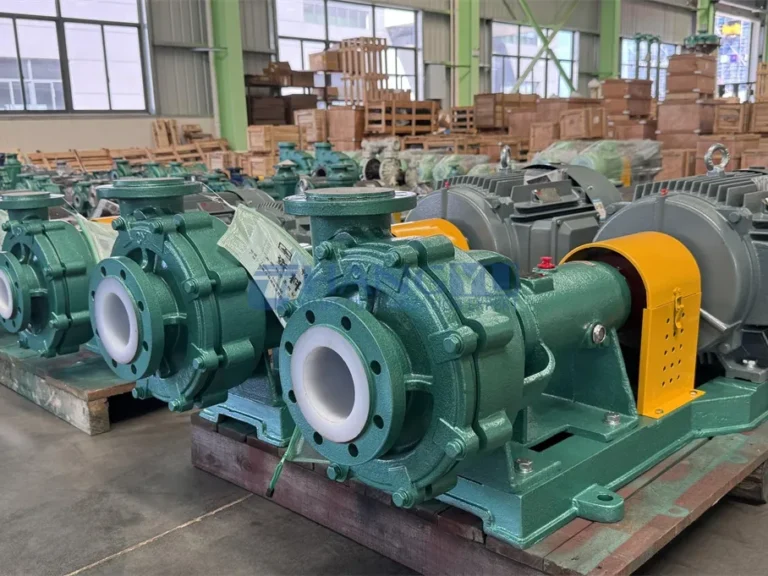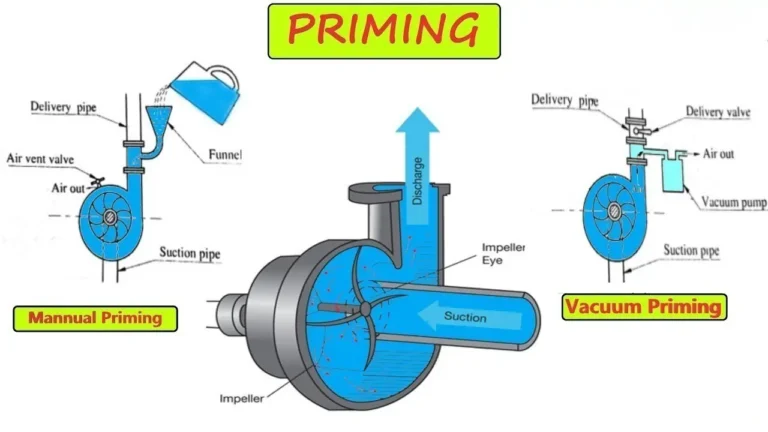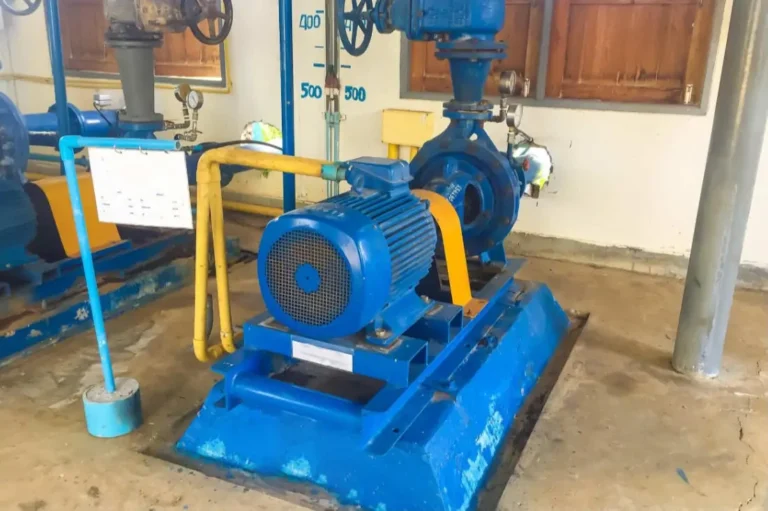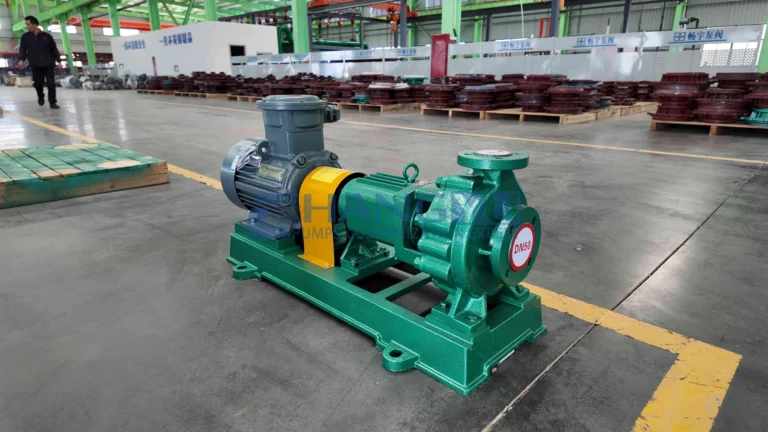
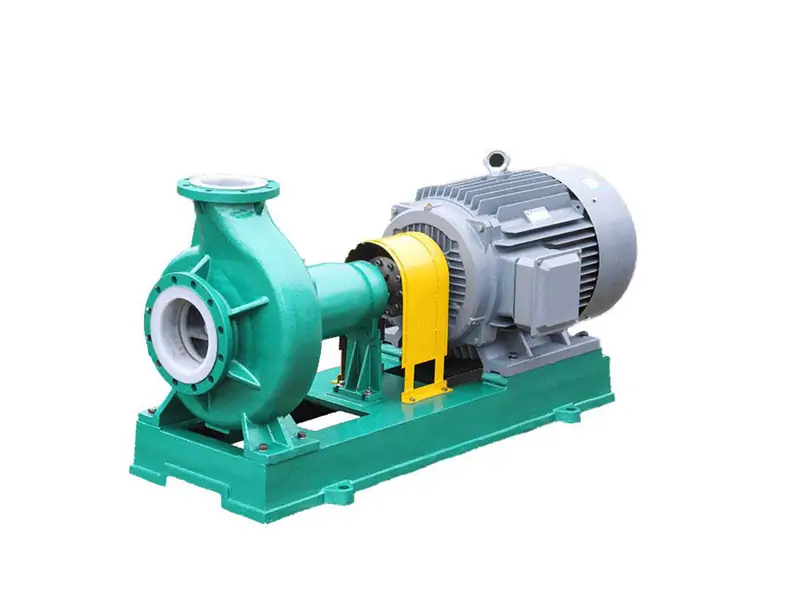
A nitric acid pump is a chemical transfer pump designed to move nitric acid safely without leaking, corroding, or overloading the motor. Because nitric acid is both a strong acid and a powerful oxidizing agent, the pump material, seal style, and suction conditions all matter more than in ordinary chemical service. At Bơm Changyu, with more than 20 years of industry experience, we help buyers match the pump to the real acid concentration and process conditions instead of guessing from a catalog name.
Why does nitric acid need a special pump?
Nitric acid is difficult to handle because its chemical behavior changes with concentration and temperature. In dilute service, some stainless-steel options may be acceptable, but higher concentrations usually require PTFE, PFA, or FEP-lined construction because these fluoroplastics resist corrosion better in aggressive acid duty.
Nitric acid is also relatively heavy, so pump sizing cannot follow water- service rules. Specific gravity affects motor load, impeller performance, and total head, which means the same pump can behave very differently once the acid is hot or more concentrated.
Nitric acid pumps selection at a glance
| Nitric Acid Condition | Recommended Pump Material | Seal Type | Main Risk If Wrong |
|---|---|---|---|
| Dilute nitric acid | 304L stainless steel or PTFE | Mechanical seal or magnetic drive | Corrosion and seal wear |
| Commercial nitric acid | PTFE / PFA lined | Magnetic drive preferred | Leakage and vapor escape |
| Fuming nitric acid | Pure PTFE / PFA | Sealless magnetic drive | Rapid material attack |
Note: if concentration, temperature, and suction conditions are not matched to the pump design, the system can fail long before the pump reaches its expected service life.
How to choose the right nitric acid pump?
Engineers at Bơm Changyu emphasize that nitric acid selection starts with chemistry, then moves to hydraulics. A good pump choice should consider concentration, temperature, specific gravity, total head, suction conditions, and dry-run risk, not just flow rate.
1. Match material to concentration and temperature
The first step is material compatibility. For lower concentrations, selected stainless-steel designs may work if the temperature stays controlled. For higher concentrations or fuming service, fluoroplastic-lined designs are usually the safer choice because they reduce corrosion risk and lower the chance of premature failure.
2. Size for specific gravity
Nitric acid can be significantly heavier than water depending on concentration. That means motor power must be sized for the real liquid density, not for water-based assumptions.
What this means for you: if the motor is undersized, it may trip, overheat, or fail during startup.
3. Check total head and suction conditions
Pump selection should include total dynamic head, suction lift, suction line length, and friction loss in the piping. If suction conditions are poor, cavitation can damage the impeller and shorten pump life.
What this means for you: even a chemically correct pump can still fail if the piping layout is not designed properly.
4. Decide whether you need a seal or a sealless design
Mechanical seals can work in some acid-transfer jobs, but seal wear remains a maintenance risk. Magnetic-drive pumps remove the shaft seal and are often preferred when leak control is the priority.
What this means for you: if your plant is focused on reducing leakage and maintenance, a sealless design may be the better long-term option.
Which nitric acid pumps do we recommend?
Once the acid concentration and operating conditions are clear, the next step is to choose the right pump architecture. Some nitric acid duties need maximum leak prevention, while others need higher flow or stronger structure. Changyu Pump offers several models that fit different transfer conditions, so the best choice depends on your process rather than on one generic pump type.
FZB Fluorine-Lined Self-Priming Centrifugal Pump
The FZB series is a practical choice when the liquid must be lifted from a lower tank or an underground source before transfer begins. Its self-priming design helps remove the need for manual filling of the suction line, while the fluorine-lined wetted parts provide the corrosion resistance needed for aggressive acid service.
What this means for you: if your process involves suction lift, frequent restart, or line emptying, the FZB series can reduce startup trouble and improve operating safety.
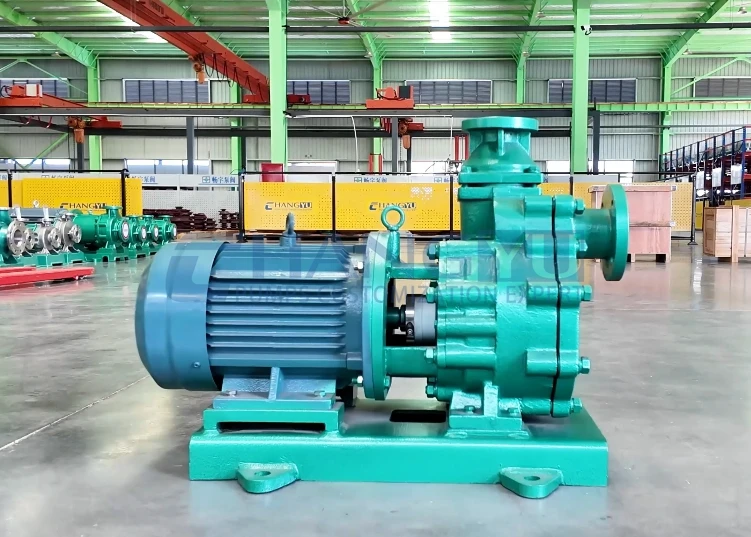
FZB Fluorine-lined Self-Priming Centrifugal Pump Specifications
For more detailed performance parameters or selection support, please contact our technical team.
| Model | Flow (m³/h) | Head (m) | Motor Power (KW) | Speed (r/min) | Self-priming Height(m) | Self-priming Time (s) | Efficiency (%) | NPSHr(m) | Inlet | Outlet |
|---|---|---|---|---|---|---|---|---|---|---|
| 25FZB-20LP | 1.5-6 | 16-19 | 2.2 | 2900 | 0.7 | 180 | 10-25 | 3 | 25 | 25 |
| 40FZB-20P | 5-12 | 17-22 | 3 | 2900 | 1 | 180 | 35-46 | 3 | 40 | 50 |
| 40FZB-30L | 5-12 | 28-32 | 4 | 2900 | 3 | 150 | 34-48 | 3.5 | 40 | 50 |
| 50FZB-20P | 8-15 | 17-22 | 3 | 2900 | 1 | 180 | 35-42 | 3 | 50 | 50 |
| 50FZB-30L | 8-15 | 28-32 | 4 | 2900 | 3 | 150 | 24-30 | 3.5 | 50 | 50 |
| 50FZB-45L | 8-15 | 43-47 | 7.5 | 2900 | 3 | 150 | 24-35 | 3.5 | 50 | 40 |
| 50FZB-70L | 8-15 | 68-72 | 15 | 2900 | 3 | 150 | 20-26 | 4 | 50 | 32 |
| 65FZB-30L | 15-35 | 27-32 | 7.5 | 2900 | 3 | 200 | 37-42 | 4 | 65 | 50 |
| 65FZB-45L | 15-35 | 38-47 | 11 | 2900 | 3 | 180 | 30-44 | 4 | 65 | 40 |
| 65FZB-70L | 15-35 | 65-72 | 22 | 2900 | 3 | 180 | 30-42 | 4 | 65 | 40 |
| 80FZB-30L | 35-60 | 28-35 | 11 | 2900 | 3.5 | 180 | 51-63 | 4.5 | 80 | 65 |
| 80FZB-45L | 35-60 | 42-47 | 15 | 2900 | 3.5 | 200 | 45-53 | 4.5 | 80 | 65 |
| 80FZB-70L | 35-60 | 65-72 | 30 | 2900 | 3.5 | 250 | 43-50 | 5 | 80 | 50 |
| 100FZB-30L | 65-110 | 28-32 | 18.5 | 2900 | 3.5 | 200 | 56-80 | 6 | 100 | 80 |
| 100FZB-45L | 65-110 | 40-46 | 30 | 2900 | 4 | 250 | 48-55 | 6 | 100 | 80 |
CYF Series Acid Centrifugal Transfer Pump
This pump is designed for nitric acid and hydrochloric acid transfer, where corrosion resistance and stable flow are the main concerns. It is a useful reference model for acid handling applications that require chemically resistant wetted parts and dependable transfer performance in industrial environments.
What this means for you: if your line handles hydrochloric acid or similar corrosive fluids, this model gives you a clear acid-transfer option to review for material compatibility and pump selection.
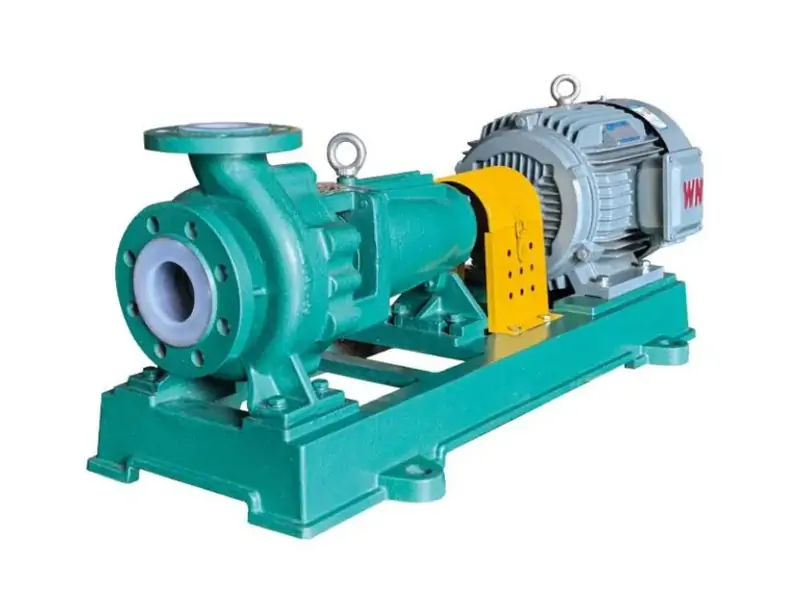
IHF Fluoroplastic Lined Centrifugal Pump
The IHF series fits bulk nitric acid transfer where flow rate matters and chemical resistance is still the priority. Fluoroplastic lining is widely used in nitric-acid service, and this type of pump is often selected for industrial transfer lines and unloading applications.

Note: if you need higher flow with strong acid resistance, the IHF series is worth reviewing.
CYC Series Heavy-Duty Stainless Steel Magnetic Pump
The CYC series is better considered for lower-concentration nitric acid or process conditions where stainless steel remains compatible and piping strength matters. It is also useful when the installation needs higher structural rigidity than a lined plastic pump can provide.
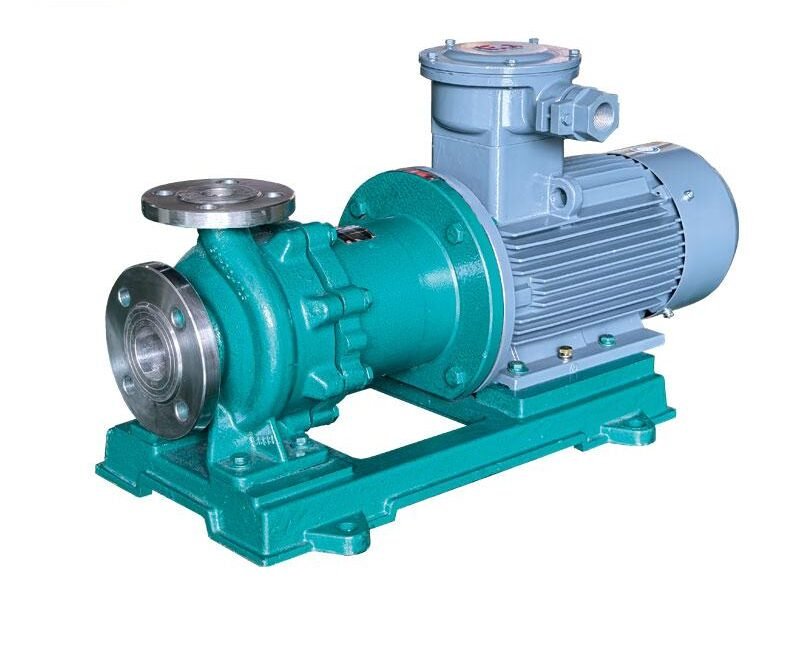
Specifications
Note: it can be a better fit when mechanical strength and process layout are as important as chemical compatibility.
How does Changyu Pump approach quality control of chemical pump for nitric acid?
Bơm Changyu follows a practical inspection process before shipment because nitric acid service leaves little room for error. For this type of pump, key checks include material verification, dimensional inspection, pressure testing, and lining integrity testing.
For fluoroplastic-lined models, lining quality matters as much as casing strength. Industry references for PTFE and PFA chemical resistance show why these materials are widely used in nitric-acid service.


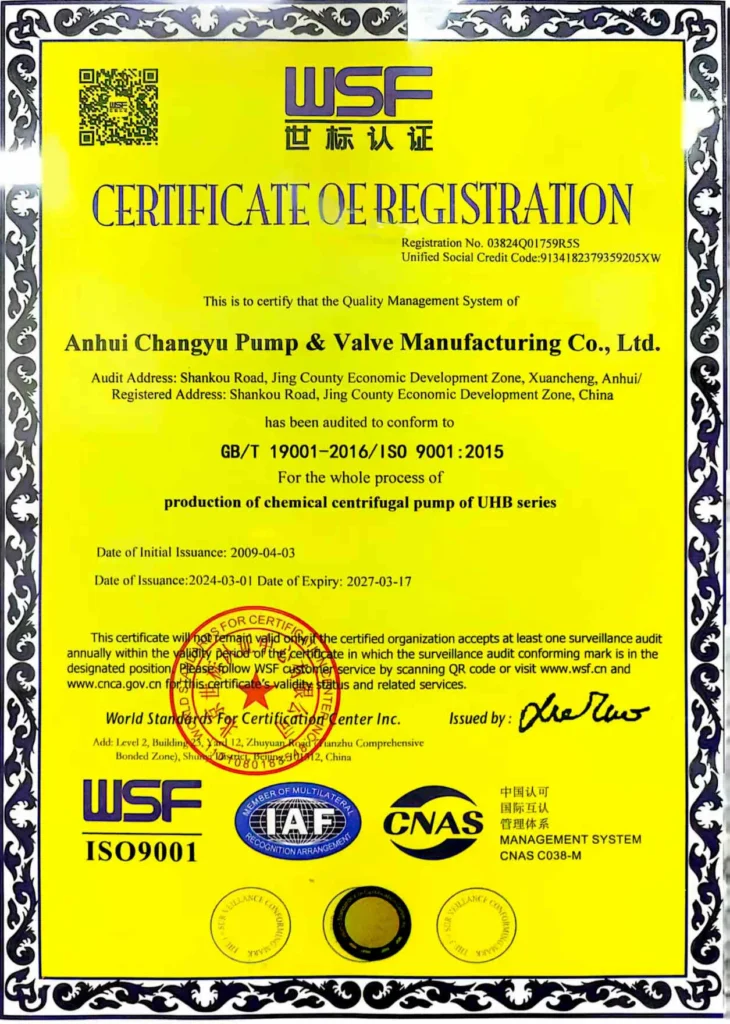
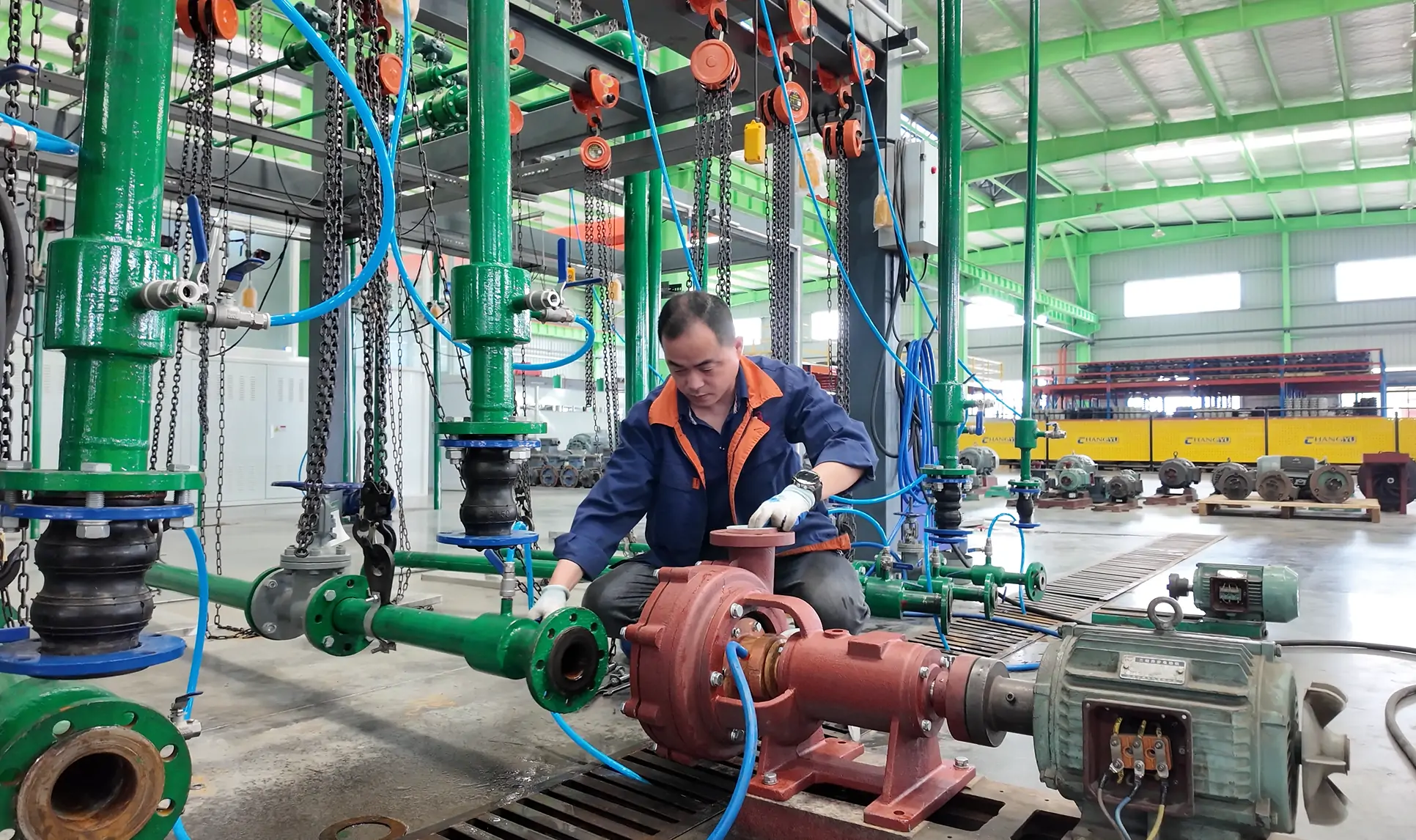

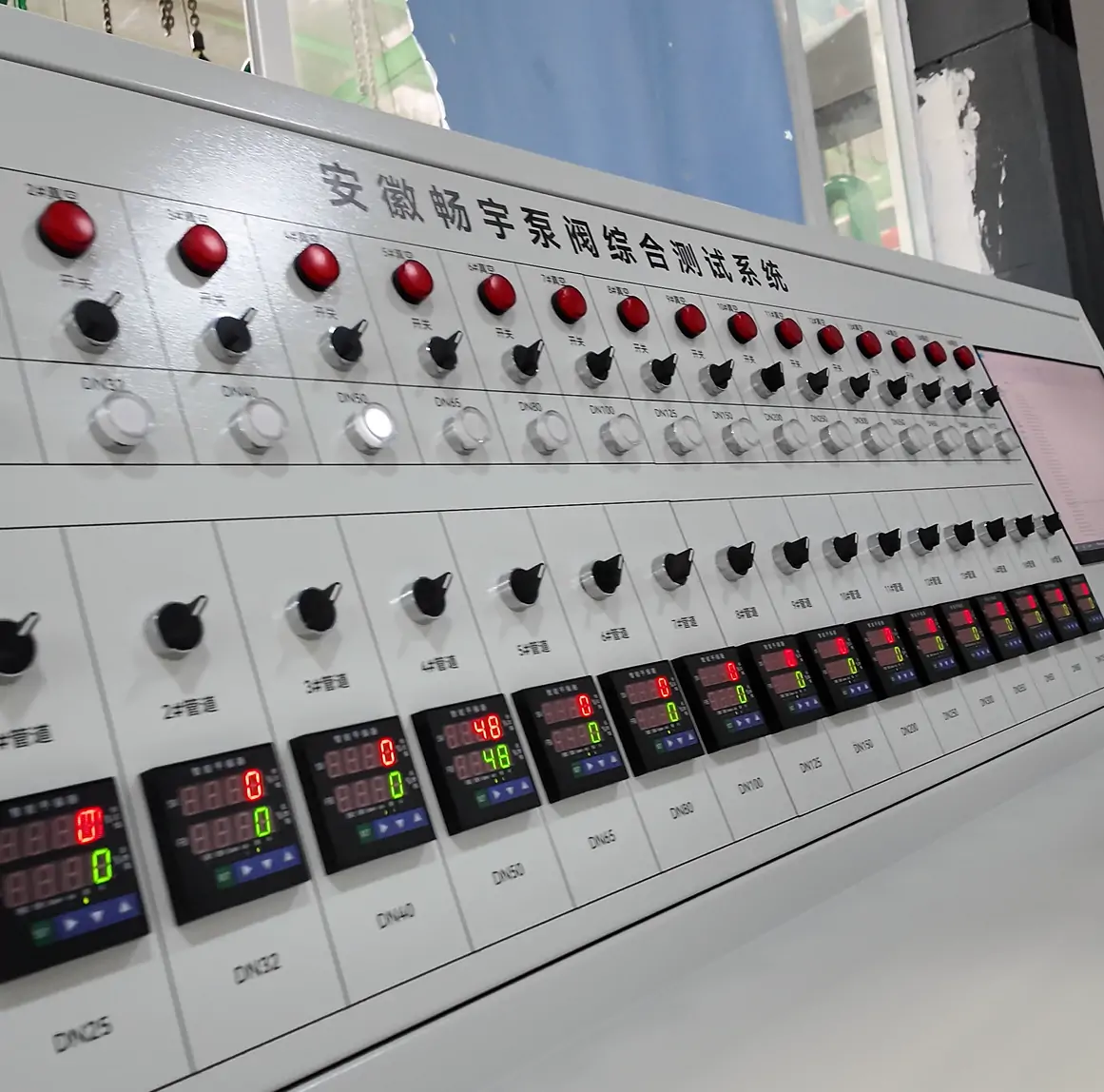
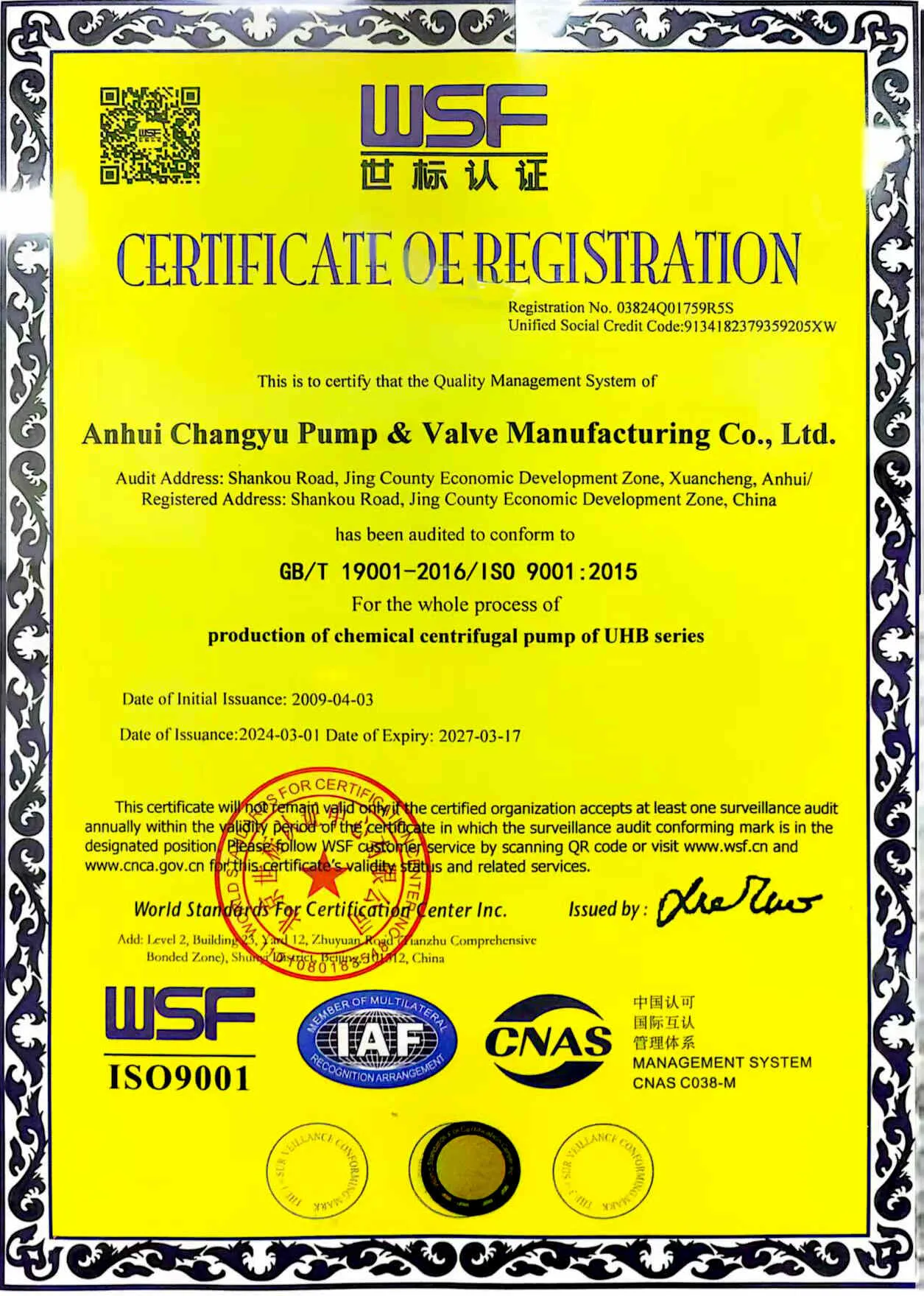
Case study of our nitric acid pumps.
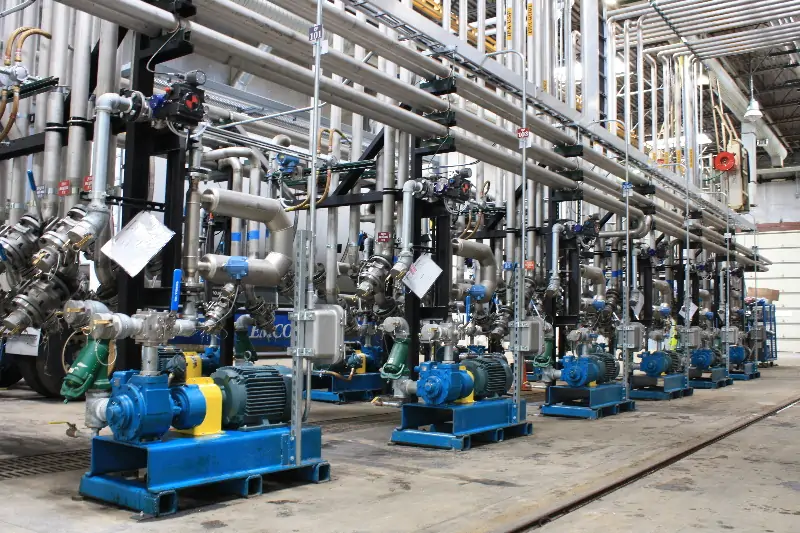
A chemical plant was transferring hot nitric acid through a standard pump with repeated seal failures. The main issue was not only corrosion, but also the combination of temperature, specific gravity, and vapor leakage at the seal face. After reviewing the acid concentration and suction conditions, Bơm Changyu recommended a fluoroplastic-lined sealless solution instead of forcing a general-purpose pump into the same duty.
The engineering challenge was that the acid was heavy enough to increase motor load, while the process temperature also increased seal wear. The final design decision focused on chemical compatibility first, then motor sizing, then suction stability. After the change, the plant reduced leak-related downtime and made the transfer line easier to maintain.
What problems should buyers avoid when choose nitric acid pump?
The most common mistake is choosing a pump by material name alone. For nitric acid, concentration and temperature can change the answer. A material that works in one duty may fail in another.
Another mistake is ignoring specific gravity. It affects power, pressure, and impeller loading, so it must be included in pump selection.
A third mistake is using a seal-based pump where leak control is the real priority. In those cases, a sealless design often makes more sense.
Câu hỏi thường gặp
Q1: What is the best material for a nitric acid pump?
A: PTFE and PFA are commonly used for nitric acid because they provide strong chemical resistance. Some lower-concentration applications may allow selected stainless-steel designs, but the final choice depends on concentration, temperature, and process conditions.
Q2: Can a stainless steel pump handle nitric acid?
A: Sometimes, but not always. Stainless steel may be acceptable in certain lower-concentration or controlled-temperature duties, while higher concentrations usually require fluoroplastic materials. Always confirm the acid concentration before selecting the material.
Q3: Why is specific gravity important for nitric acid pump selection?
A: Specific gravity changes how much power the pump needs. Nitric acid can be much heavier than water, so the motor must be sized for the real fluid weight, not for water-service assumptions.
Q4: Is a magnetic drive pump good for nitric acid?
A: Yes, especially when leak prevention is important. Magnetic-drive pumps remove the shaft seal, which helps reduce leakage risk in corrosive and toxic service. That is one reason they are often chosen for nitric acid transfer.
Q5: What nitric acid concentration needs fluoroplastic lining?
A: Higher concentrations usually push the design toward PTFE, PFA, or FEP lining. These materials are widely used in aggressive acid service and are often preferred when corrosion risk rises with concentration and temperature.
Q6: Can nitric acid pumps run dry?
A: No. Dry running can damage bearings, seals, and internal parts quickly. For nitric acid service, dry-run protection is recommended because the fluid is both chemically aggressive and costly to lose.
Q7: How do I prevent nitric acid pump leakage?
A: Start with the right material, then use the right seal or a sealless design. Also check suction conditions, temperature, and motor sizing. Leakage problems often begin with a mismatch in one of those areas.
Q8: What should I send to Changyu Pump for a quote?
A: Send the acid concentration, temperature, flow rate, head, specific gravity if known, suction lift, flange standard, and whether the service needs a seal or magnetic drive. That information helps us recommend the right configuration.
Changyu Pump engineers’ buying tips
- Start with concentration, not with pump price.
- Verify temperature before choosing stainless steel.
- Include specific gravity in motor sizing.
- Keep suction lines short and stable.
- Use PTFE, PFA, or FEP where nitric acid compatibility requires it.
- Consider magnetic drive if leakage control is a priority.
- Ask for a full compatibility review before ordering.
Nitric acid is one of those services where small selection mistakes become expensive very quickly. The best pump is the one that matches the real acid concentration, temperature, and suction conditions, while giving you the leak control and maintenance life your plant needs.
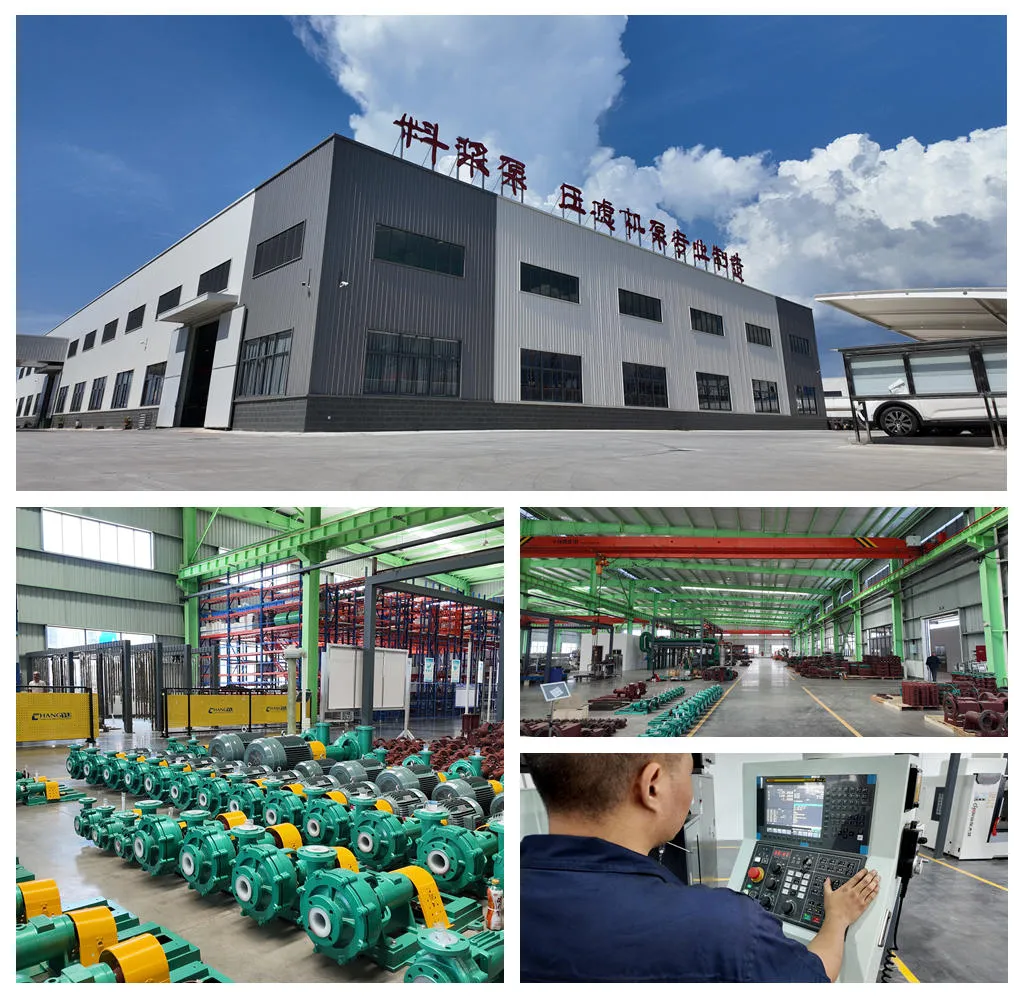
If you need help choosing the right nitric acid pump, contact Changyu Pump for a factory-direct recommendation and quotation. With more than 20 years of industry experience, our team can review your process data and help you match the pump to the application.