
Selecting an acid chemical pump requires more than just matching a pump to an acid name. A pump that reliably handles dilute acid at room temperature may fail catastrophically if the temperature rises, concentration changes, or suspended solids are introduced. In industrial applications, the right pump for acid transfer must balance chemical compatibility, structural strength, and sealing safety.
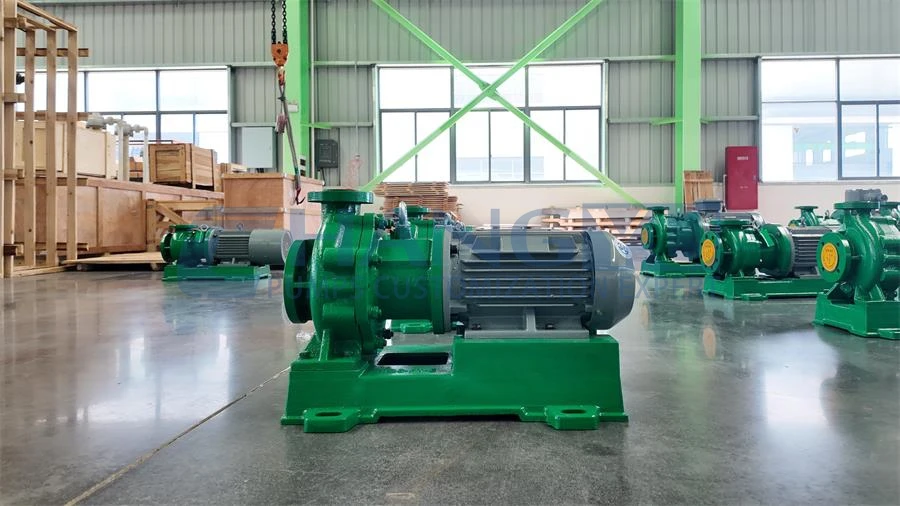
For engineers and procurement teams comparing acid pumps, sulfuric acid pumps, hydrochloric acid pumps, phosphoric acid pumps, and nitric acid pumps, the objective is to evaluate the complete operating envelope. Changyu Pump, with over 20 years of experience manufacturing heavy-duty fluid handling equipment, approaches acid pump selection as a multi-variable engineering decision designed to maximize continuous production and eliminate hazardous leaks.
Why Does Acid Pump Selection Frequently Fail?
The most common cause of premature acid pump failure is specifying equipment based solely on the primary chemical medium while ignoring the actual process conditions. The same acid requires vastly different pump materials and sealing technologies when temperature fluctuates, pressure increases, or the process involves intermittent dry-running.
Engineers at Changyu Pump emphasize that successful acid pump selection must simultaneously address five critical variables: chemical concentration, maximum temperature, specific gravity, solids content, and leakage tolerance. What this means for you: Procuring an acid pump without a complete process profile frequently leads to rapid mechanical seal degradation, internal corrosion, and unscheduled facility downtime.
A Professional Approach to Acid Chemical Pump Selection
A reliable acid chemical pump selection process follows a structured engineering sequence:
- Define the Acid Profile: Identify the specific acid (e.g., sulfuric, hydrochloric, phosphoric, nitric) and any mixed trace chemicals.
- Verify Concentration and Temperature: These two factors dictate whether plastic, fluoroplastic-lined, or metallic construction is required.
- Evaluate Solids and Crystallization: Assess the fluid for suspended particles, which often necessitates an open impeller design.
- Calculate Suction Conditions: Verify the available Net Positive Suction Head (NPSH) to prevent destructive cavitation.
- Determine the Sealing Strategy: Choose between a conventional mechanical seal and a sealless magnetic drive based on leakage risk.
Material Selection Matrix
Material selection must satisfy both chemical resistance and mechanical durability. The table below outlines the primary material strategies for industrial acid pumping:
| Process Condition | Recommended Material Construction | Engineering Rationale |
|---|---|---|
| Strong acid at ambient to moderate temperature | Engineering Plastics / Fluoroplastics | Excellent chemical inertness for aggressive acids where thermal and mechanical loads are strictly controlled. |
| Strong acid with high structural or continuous industrial demand | Fluorine-Lined Metal Casing | Combines the absolute chemical resistance of fluoroplastics with the heavy-duty pressure handling of ductile iron. |
| High-temperature acid-compatible service | Heavy-Duty Stainless Steel | Provides superior structural rigidity, pressure capability, and thermal stability where the specific acid chemistry allows. |
| Toxic or strictly regulated acid transfer | Magnetic Drive Construction | Eliminates the mechanical shaft seal, providing zero-leakage containment for hazardous chemical transfer. |
Selecting a pump for acid transfer is never a simple “plastic vs. metal” decision. Engineers at Changyu Pump recommend pure plastic for pure corrosion resistance, fluorine-lined pumps when both chemical inertness and structural strength are required, and magnetic drive pumps when environmental containment is the highest priority.
Hydraulic Selection and Sizing
Material compatibility is only the foundation. The pump must also meet the hydraulic demands of the system:
- Flow rate and total dynamic head (TDH).
- Specific gravity correction to ensure the motor provides sufficient torque.
- NPSH margin calculation to eliminate cavitation.
- System layout constraints (flooded suction vs. suction lift).
If the NPSH available is lower than the pump requires, the fluid will vaporize and collapse inside the casing. This cavitation will violently erode the impeller, destroying the pump regardless of its chemical resistance. What this means for you: A hydraulically mismatched pump will fail mechanically before it ever fails chemically.
Matching the Pump to the Specific Acid
Different industrial acids present unique engineering challenges. The following framework highlights the primary concerns for common acid applications:
While procurement teams often search for acid pumps by the chemical name alone, the final specification must be driven by the entire operating envelope. Changyu Pump engineers evaluate the specific acid category first, then refine the selection based on temperature limits, system pressure, and containment requirements.
Changyu Pump Acid Chemical Pump Solutions
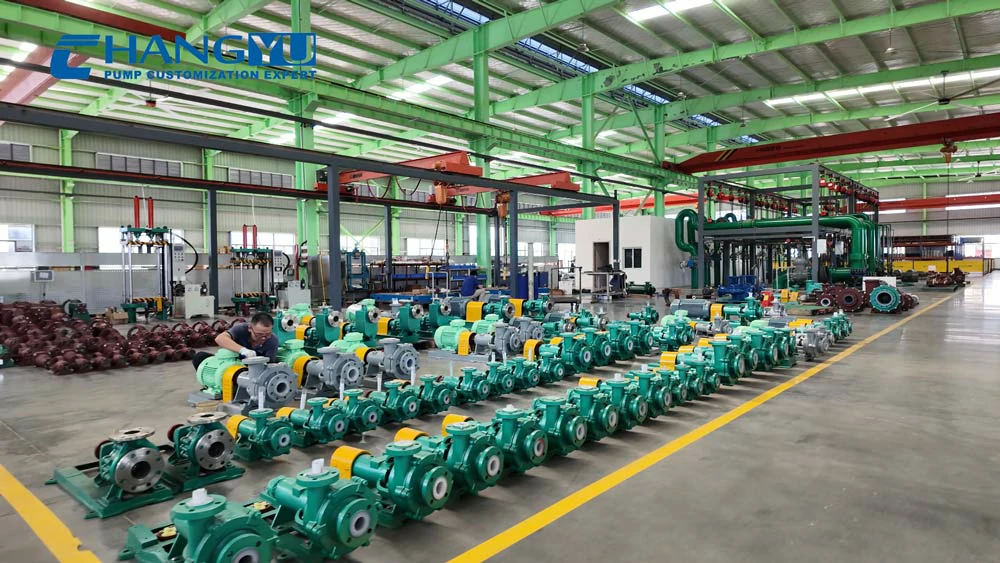
Changyu Pump manufactures a specialized portfolio of corrosion-resistant fluid transfer equipment designed to handle the most aggressive industrial environments.
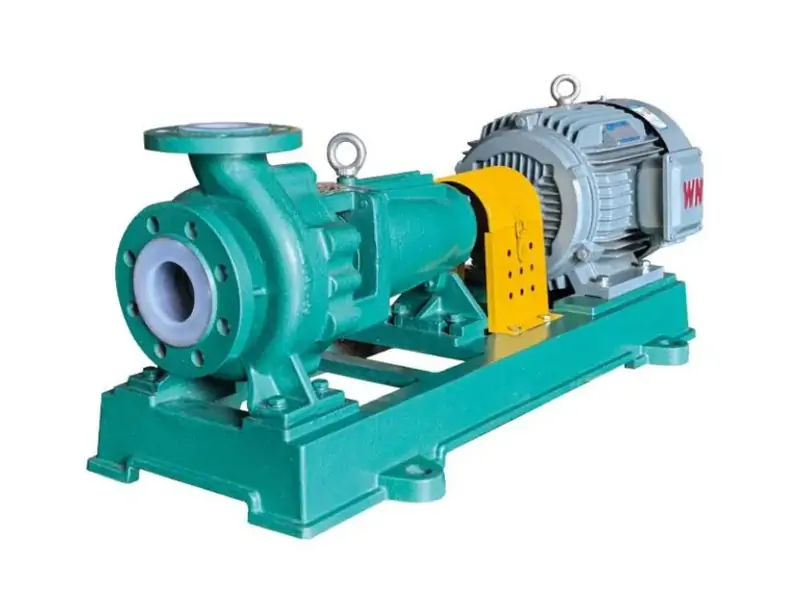
Hydrochloric Acid Centrifugal Transfer Pump
Engineered for the reliable transfer of hydrochloric acid and other highly corrosive fluids, this centrifugal pump features robust fluoroplastic components. It provides stable hydraulic performance for bulk acid unloading, tank-to-tank transfer, and chemical circulation where a conventional mechanical seal arrangement is appropriate. Its heavy-duty construction ensures continuous operation in harsh chemical processing environments.
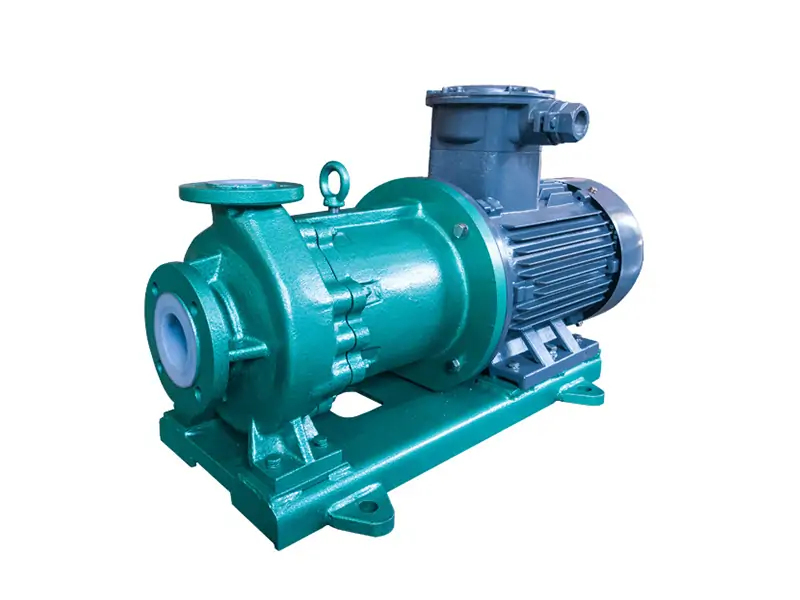
Sulfuric Acid Transfer Magnetic Pump
When transferring dense, hazardous sulfuric acid, preventing fugitive emissions is critical. This magnetic drive sulfuric acid pump eliminates the mechanical shaft seal entirely, utilizing a sealless containment shell to guarantee zero leakage. It is the premier choice for regulated facilities where environmental safety, personnel protection, and reduced seal maintenance are paramount.
IHF Quality Lined Fluorine Centrifugal Pump
The IHF series is a highly versatile acid chemical pump designed for continuous, heavy-duty industrial service. It features a rugged metallic outer casing lined with thick fluorine plastics, delivering universal chemical resistance alongside exceptional structural stability. This pump excels in applications ranging from hydrochloric acid pump duties to phosphoric acid pump transfer, providing reliable performance when both chemical aggressiveness and high system pressures are present.

Fluoroplastic Self-Priming Pump for Sale
This fluoroplastic self-priming pump is designed for corrosive acid transfer applications where chemical resistance and suction flexibility are both critical. By generating an internal vacuum, it effortlessly drafts fluid from underground collection pits and below-grade tanks without requiring complex foot valves. It provides a highly accessible, ground-level solution for sumps and intermittent chemical transfer duties.

How to Choose Between Lined, Plastic, Stainless, and Magnetic Drive Pumps
Selecting the optimal pump architecture requires evaluating the specific demands of your process:
- Specify a Plastic or Fluoroplastic Pump when: Chemical corrosion resistance is the absolute priority, the acid is highly aggressive, and the system operates at moderate temperatures and pressures without extreme mechanical stress on the piping.
- Specify a Fluorine-Lined Pump when: The acid is strongly corrosive, and the application demands continuous operation under higher industrial pressures. The metal casing provides the structural rigidity that pure plastic pumps lack.
- Specify a Stainless Steel Pump when: The acid chemistry is compatible with the alloy, and the process involves high temperatures or requires maximum thermal and mechanical stability.
- Specify a Magnetic Drive Pump when: The fluid is toxic, highly valuable, or strictly regulated. The sealless design eliminates mechanical seal failures, providing absolute containment and significantly reducing maintenance intervals.
Case Study: Optimizing a Multi-Acid Transfer Facility
A major chemical processing plant needed to upgrade its fluid handling equipment across several distinct process areas, including bulk hydrochloric acid unloading and continuous sulfuric acid circulation. Their goal was to standardize their equipment while significantly improving reliability.
Changyu Pump engineers conducted a comprehensive audit and recommended matching the pump architecture directly to the risk profile of each specific transfer point. For the hydrochloric acid unloading station, we specified the Hydrochloric Acid Centrifugal Transfer Pump to handle the high-volume, intermittent transfer efficiently. For the continuous sulfuric acid circulation loop—where leakage posed a severe safety risk—we installed the Sulfuric Acid Transfer Magnetic Pump to ensure zero emissions.
By categorizing the applications by their unique chemical and containment risks rather than forcing a single pump style across the entire plant, the facility achieved a dramatic reduction in seal failures and improved overall operational safety. What this means for you: A successful acid pump strategy assigns the right sealing technology and material to the specific hazard level of the process.
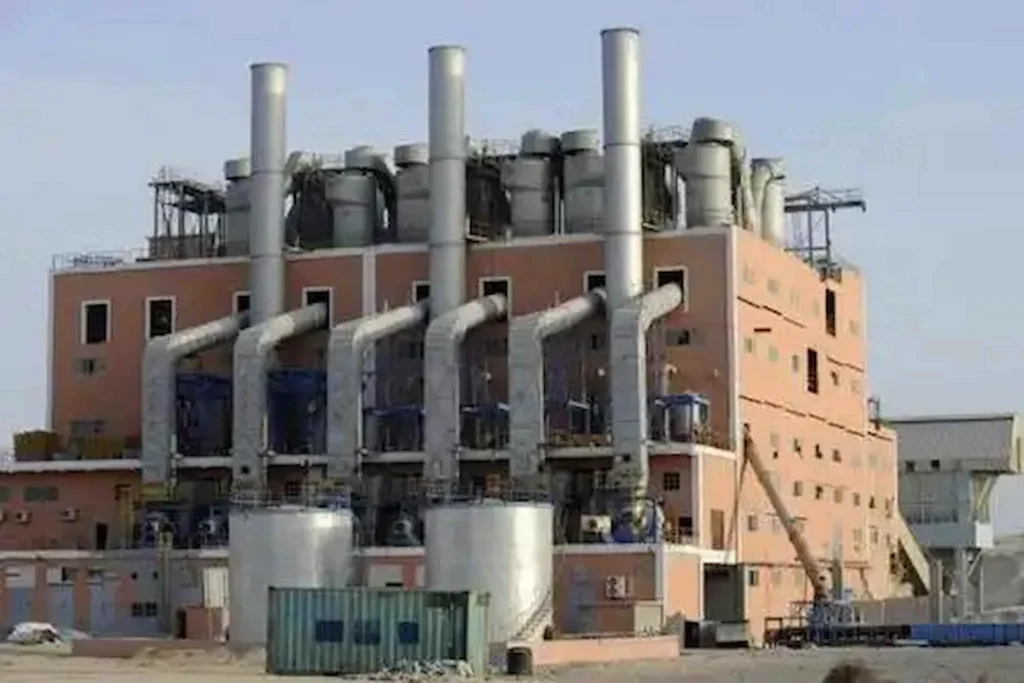
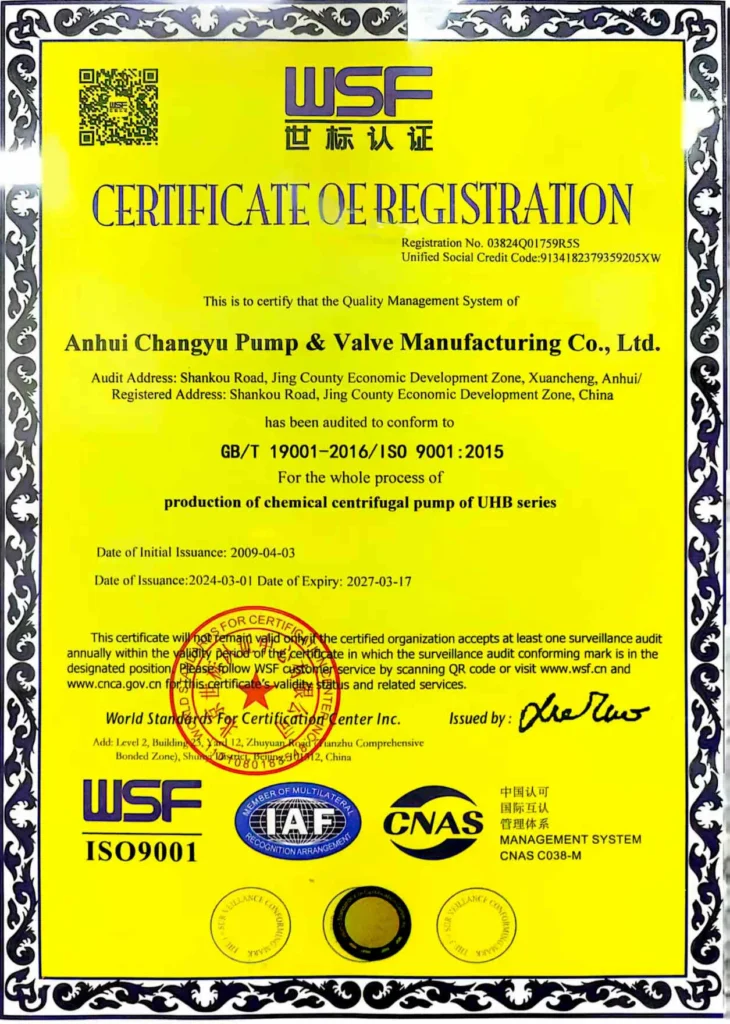
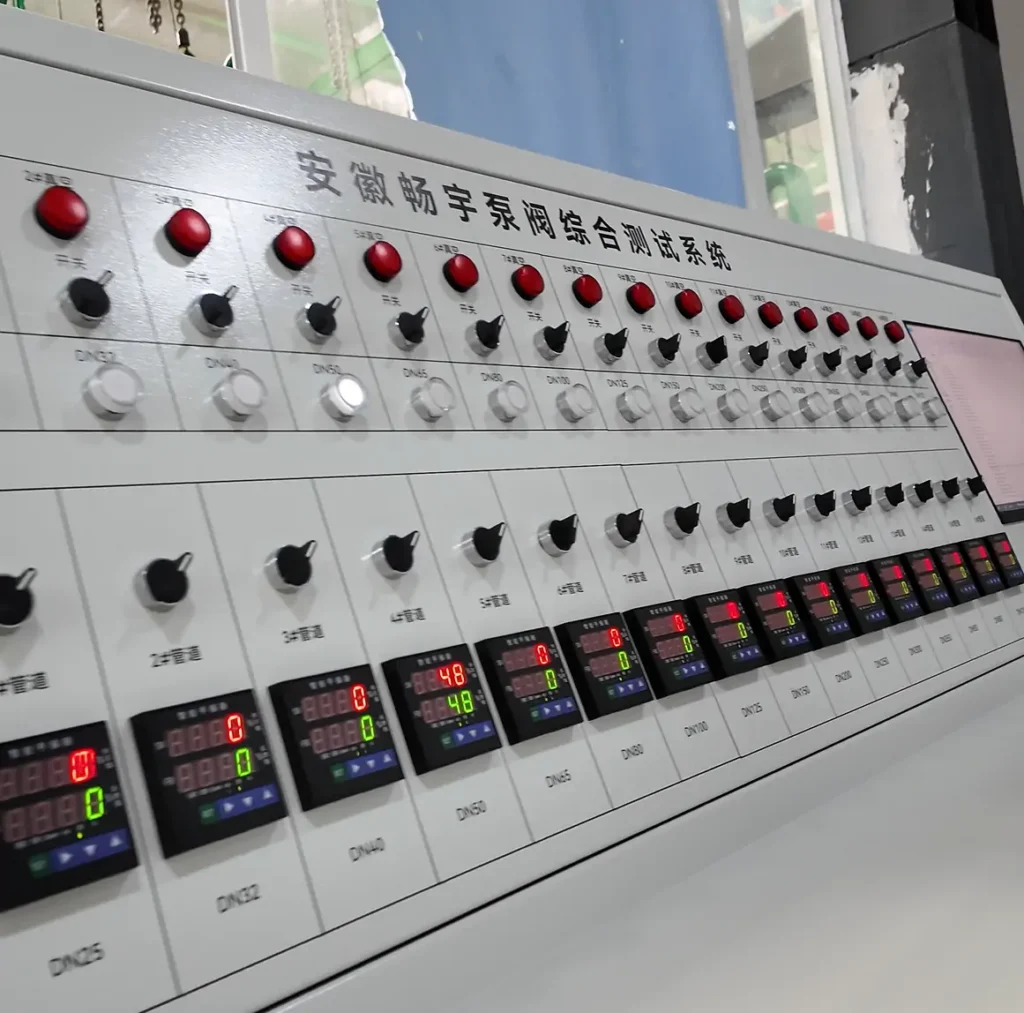
Changyu Pump Quality Assurance for Corrosive Service
In aggressive acid applications, manufacturing precision dictates equipment longevity. At Changyu Pump, our quality control protocols focus entirely on eliminating the common failure points of corrosive pumping systems:
- Lining Integrity Testing: Every fluoroplastic-lined casing undergoes high-voltage spark (holiday) testing to ensure the protective lining is completely free of pinholes or microscopic defects.
- Dimensional Verification: We rigorously inspect impeller clearances and casing dimensions to ensure stable hydraulic performance and prevent internal rubbing.
- Hydrostatic Pressure Testing: Casings are pressurized to 1.5 times their maximum design rating to certify structural strength under industrial surges.
- Dynamic Balancing: All impellers are dynamically balanced to eliminate rotational vibration, protecting bearings and extending mechanical seal life.


6 Engineering Priorities Changyu Pump Engineers Recommend
To maximize the lifespan of your corrosive fluid handling equipment, our senior engineers recommend adhering to these 6 principles:
- Define the Complete Acid Profile: Never specify a pump based on “acid service” alone. Accurately define the exact acid, concentration, temperature range, and the presence of any trace chemicals or solids.
- Evaluate the Entire Operating Envelope: Material compatibility changes drastically with temperature and concentration. A material suitable for 30% acid at 20°C may dissolve rapidly at 80°C.
- Adjust Motor Sizing for Specific Gravity: Dense acids require significantly more shaft power than water. Always size the motor based on the fluid’s maximum specific gravity to prevent electrical overload.
- Verify NPSH Margins Early: Ensure your system provides adequate Net Positive Suction Head to prevent cavitation, which will mechanically destroy even the most chemically resistant impeller.
- Utilize Magnetic Drives for High-Risk Fluids: If a mechanical seal leak would result in an environmental incident or safety hazard, upgrade to a sealless magnetic drive pump.
- Separate Applications by Duty Type: Different acids and different processes (e.g., unloading vs. circulation) require different pump configurations. Do not assume one pump model will perform optimally across all plant applications.
Frequently Asked Questions (FAQ)
Q: What is an acid chemical pump?
A: An acid chemical pump is a specialized industrial pump engineered to safely transfer corrosive acids. It utilizes chemically inert materials—such as fluoroplastics, specialized linings, or high-grade alloys—and is selected based on the specific acid type, concentration, and temperature of the application.
Q: How do I choose the best pump for acid transfer?
A: Start by defining the exact acid chemistry, concentration, maximum temperature, specific gravity, and system suction conditions. Then, select a pump material and sealing configuration (mechanical seal or magnetic drive) that can withstand that specific operating envelope.
Q: When should I use a sulfuric acid pump with a magnetic drive?
A: A magnetic drive sulfuric acid pump should be used when the application demands absolute zero-leakage, personnel safety is paramount, and the facility wants to eliminate the maintenance downtime associated with replacing traditional mechanical shaft seals.
Q: What is the best hydrochloric acid pump for industrial transfer?
A: A hydrochloric acid pump must utilize materials highly resistant to chloride attack. In industrial settings, pumps constructed from pure fluoroplastics or heavy-duty fluorine-lined centrifugal pumps are typically the most reliable and cost-effective solutions.
Q: Can one acid pump handle sulfuric acid, hydrochloric acid, phosphoric acid, and nitric acid?
A: Generally, no. While a high-quality fluoroplastic-lined pump offers broad chemical resistance, the varying concentrations, temperatures, and specific gravities of different acids usually require dedicated pumps optimized for each specific chemical duty.
Q: What is the difference between a lined acid pump and a plastic acid pump?
A: A lined acid pump features a heavy metallic outer casing with a thick inner layer of corrosion-resistant plastic, offering high pressure and structural capabilities. A pure plastic acid pump lacks the metallic armor and is best suited for lower-pressure, less structurally demanding applications.
Q: Why is NPSH important for acid pumps?
A: NPSH (Net Positive Suction Head) is critical because insufficient suction pressure causes the acid to vaporize inside the pump. The resulting cavitation generates intense mechanical shockwaves that will erode the impeller, regardless of how chemically resistant the material is.
Q: When should I choose a phosphoric acid pump with a wider passage design?
A: You should select a phosphoric acid pump with an open impeller or widened internal passages if the acid contains abrasive gypsum solids, crystalline byproducts, or sludge that would quickly clog a standard closed impeller.
Selecting the correct acid chemical pump requires a precise engineering match between the fluid’s chemical aggressiveness and the pump’s material, hydraulic, and sealing capabilities. By rigorously defining your acid concentration, temperature, and containment requirements, you can procure a system that delivers decades of safe, leak-free, and efficient operation.
If your facility requires a reliable pump for acid transfer, whether you are searching for dedicated sulfuric acid pumps, hydrochloric acid pumps, phosphoric acid pumps, or nitric acid pumps, contact Changyu Pump for a detailed technical evaluation. Share your process parameters, and our engineering team will configure the optimal fluid handling solution for your 2026 industrial requirements.