

| Products
Home >> Products >> Slurry Pump
Product Categories
Request a Quote
Industrial Slurry Pumps for Heavy-Duty & Chemical Applications
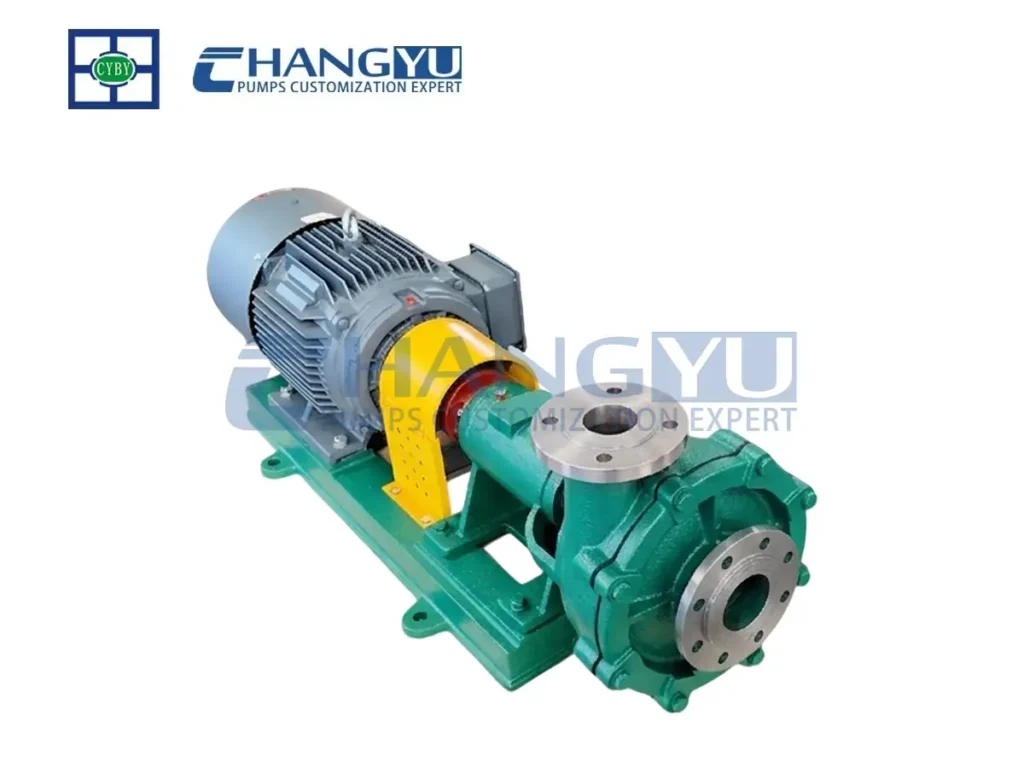
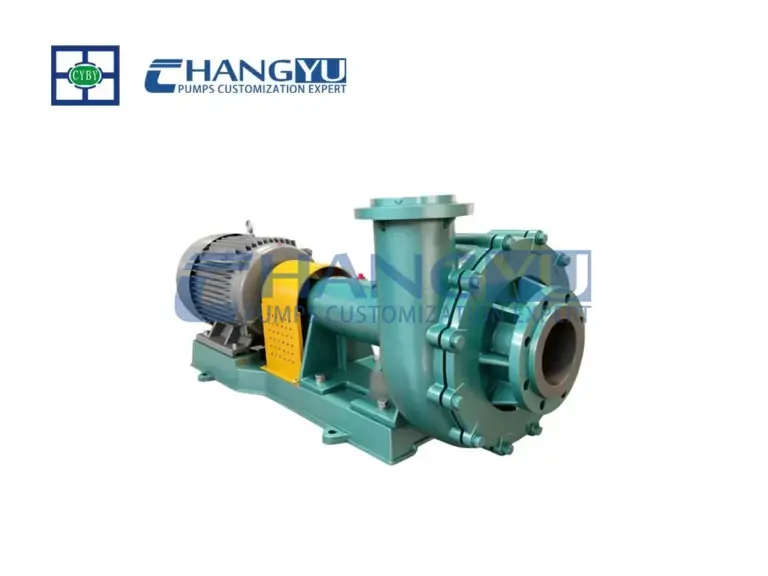
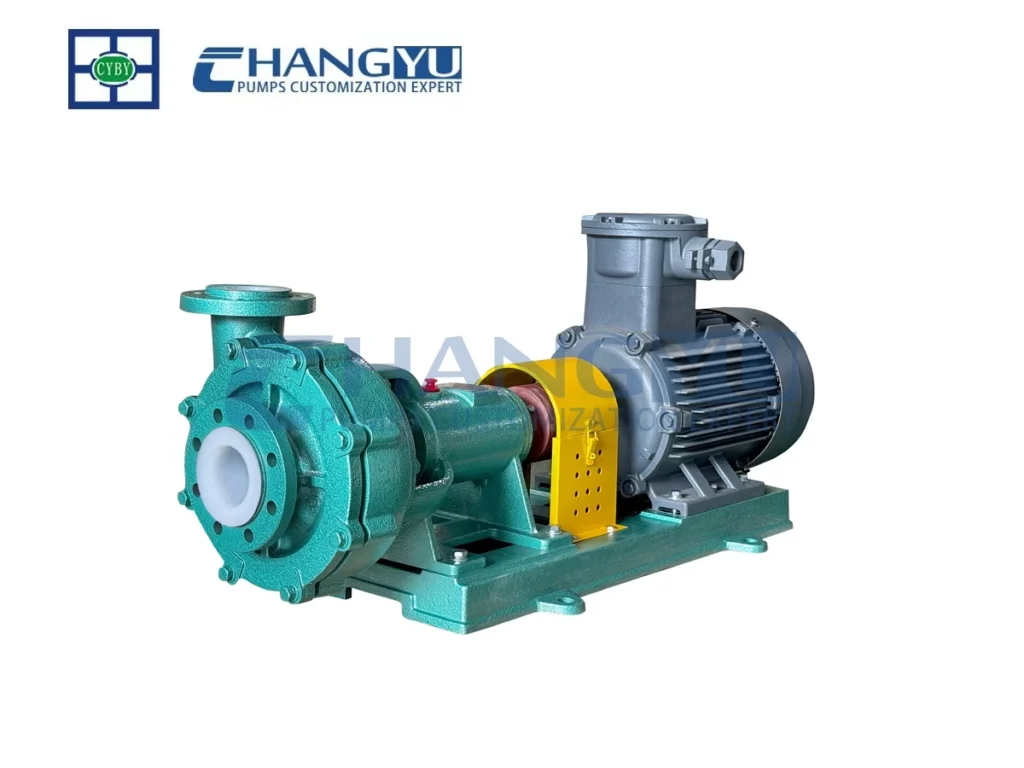
Wear- and corrosion-resistant chemical slurry pumps
Flow Rate Range :3m³/h~2600m³/h
Materials:UHMW-PE
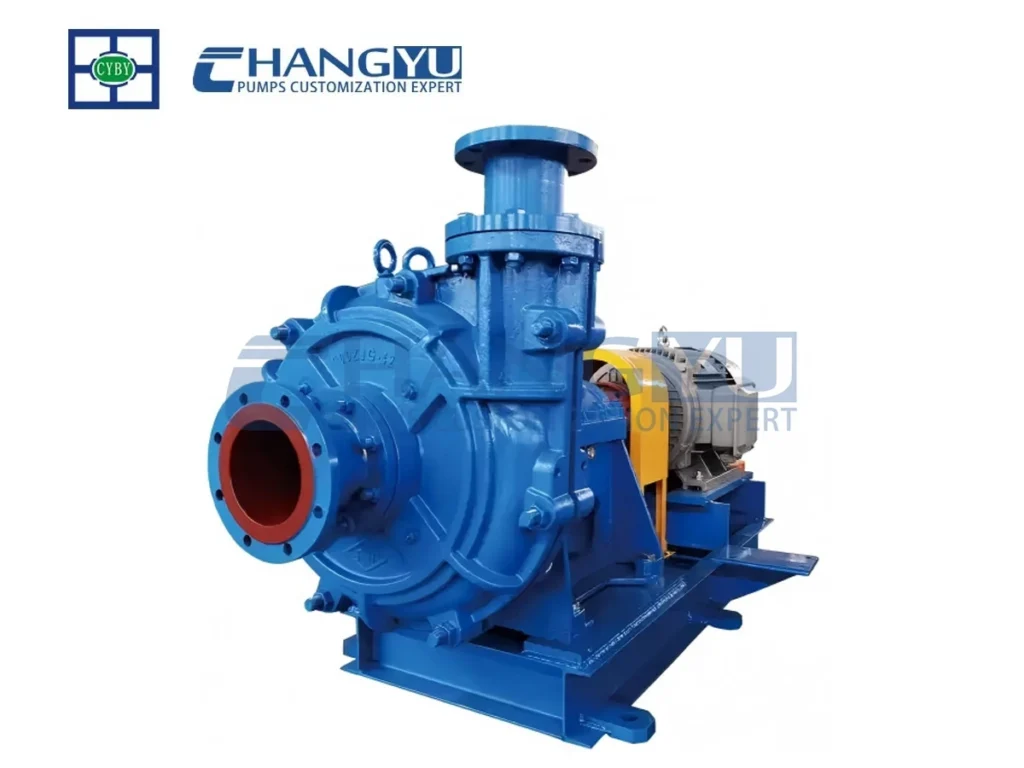
Flow Rate Range:117m³/h ~ 976 m³/h
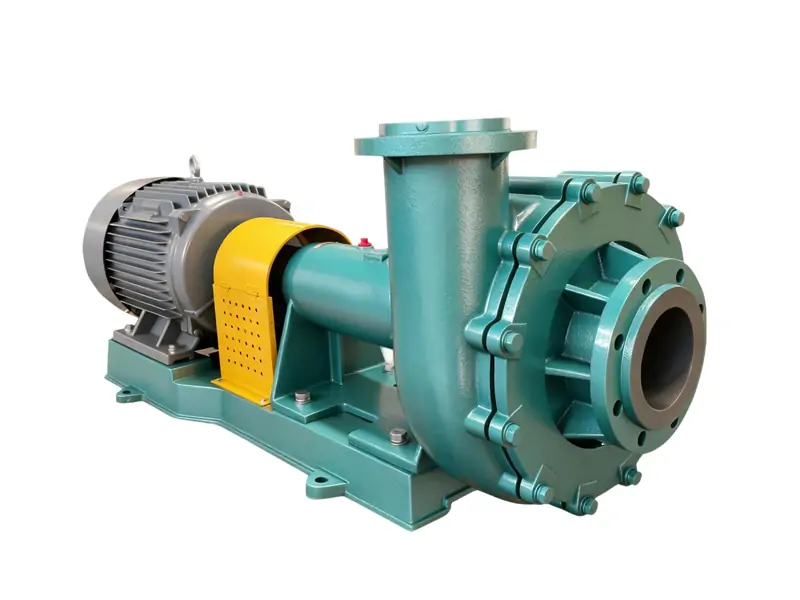
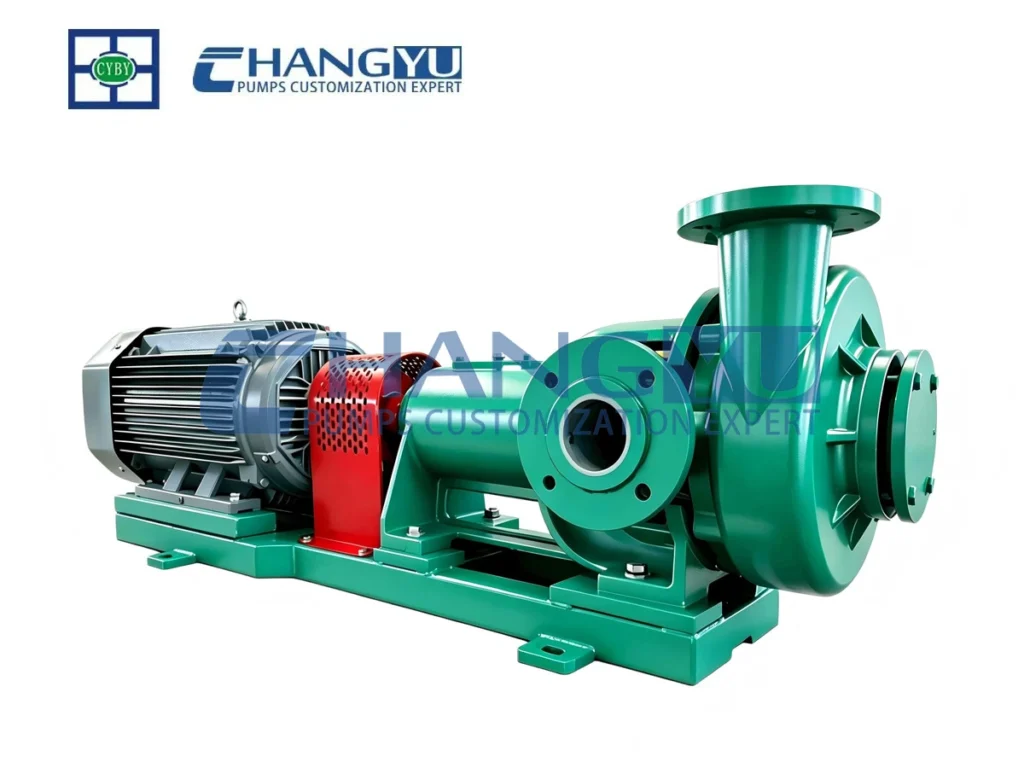
Materials: BTMCr27 / BTMCr28 / BTMCr33 / Austenitic stainless steel / Duplex stainless steel / Other corrosion-resistant alloys
What Is a Slurry Pump?
A slurry pump, also known as a chemical slurry pump, is a device that uses centrifugal force (generated by the rotation of the pump’s impeller) to increase the energy of a solid-liquid mixture, converting electrical energy into the medium’s kinetic and potential energy. In terms of its operating principle, it is a type of centrifugal pump.
The primary purpose of a slurry pump is to transport slurry mixtures containing solid particles (i.e., “slurry”), such as mineral slurry, coal slurry, ash, and mud. In addition to conveying mine tailings and coal ash, there is a specialized category of slurry pumps known as chemical slurry pumps, which are primarily used in the chemical industry to transport corrosive liquids containing particulate impurities. Due to the unique nature of the media they handle, these slurry pumps are further classified based on the specific media, materials used, and operating conditions. These classifications include chemical slurry pumps, corrosion-resistant slurry pumps, wear-resistant slurry pumps, wear- and corrosion-resistant slurry pumps, horizontal slurry pumps, stainless steel slurry pumps, and UHMWPE corrosion-resistant pumps, among others.
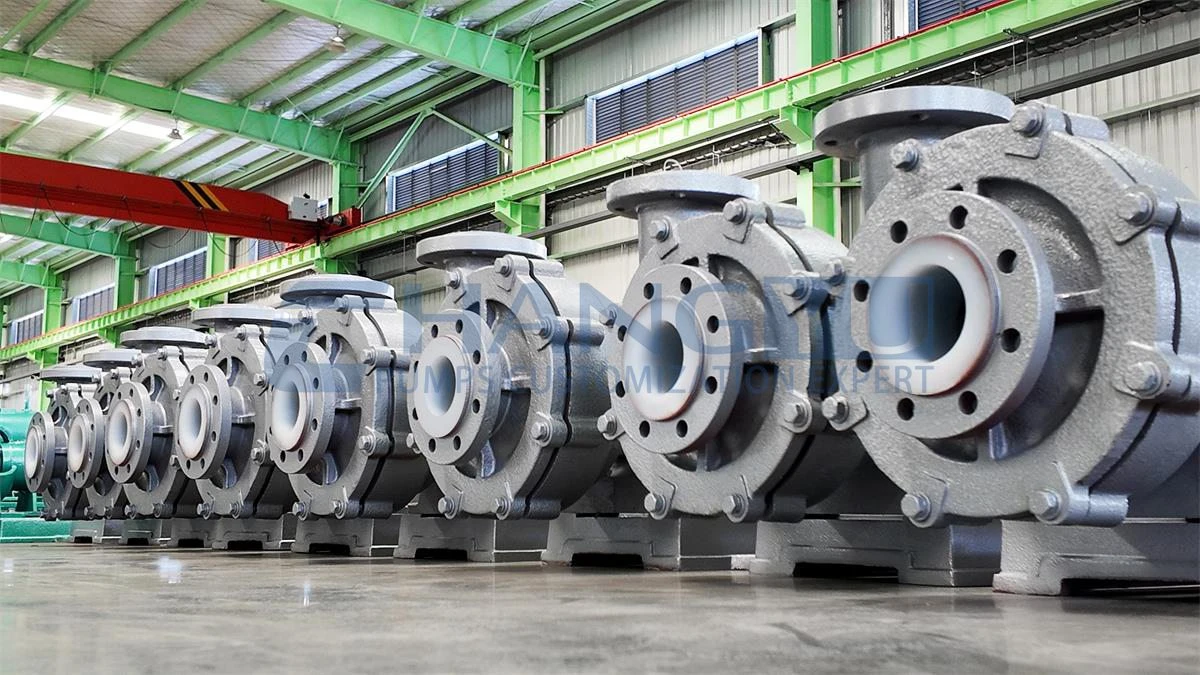
The key flow-passing components of slurry pumps (such as impellers, wear plates, and volutes) are typically made of wear- and corrosion-resistant materials, such as high-chromium alloys, rubber, polyurethane, and UHMWPE, to withstand abrasive or corrosive operating conditions.
Types of Slurry Pump
Browse Slurry Pumps by Material
Choose the most suitable pump material based on the corrosion and abrasion characteristics of your process fluid.
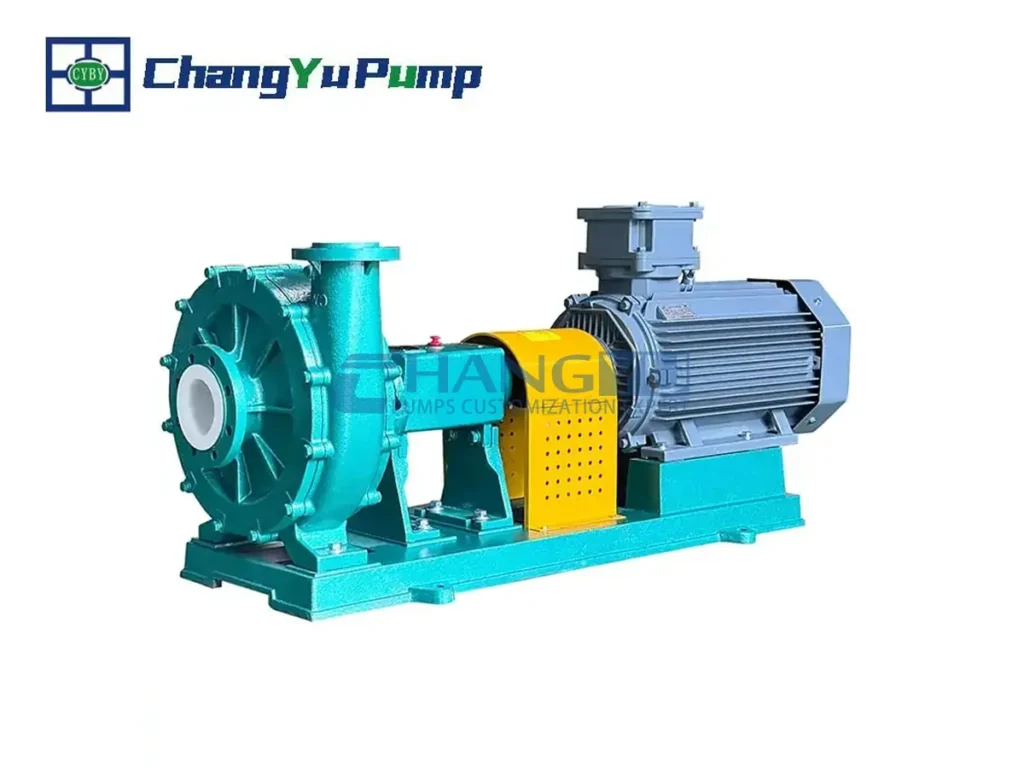
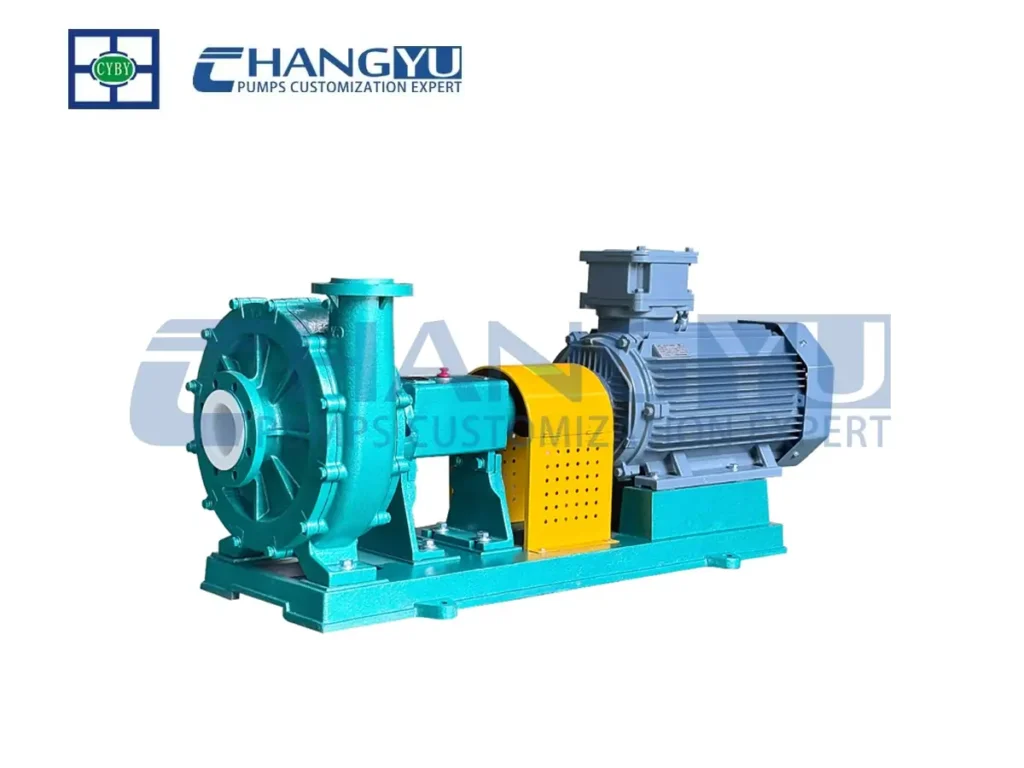
- UHMWPE Slurry Pump – Excellent wear resistance for abrasive chemical slurries
- Fluoroplastic (F46/PVDF) Slurry Pump – Designed for strong acids, alkalis and corrosive chemicals
- Rubber Lined Slurry Pump – Ideal for high-abrasion mineral and tailings slurry
- High-Chrome Alloy Slurry Pump – Heavy-duty mining slurry and ore transportation
- Stainless Steel Slurry Pump – Suitable for mildly corrosive industrial slurries
Browse Slurry Pumps by Pumped Media
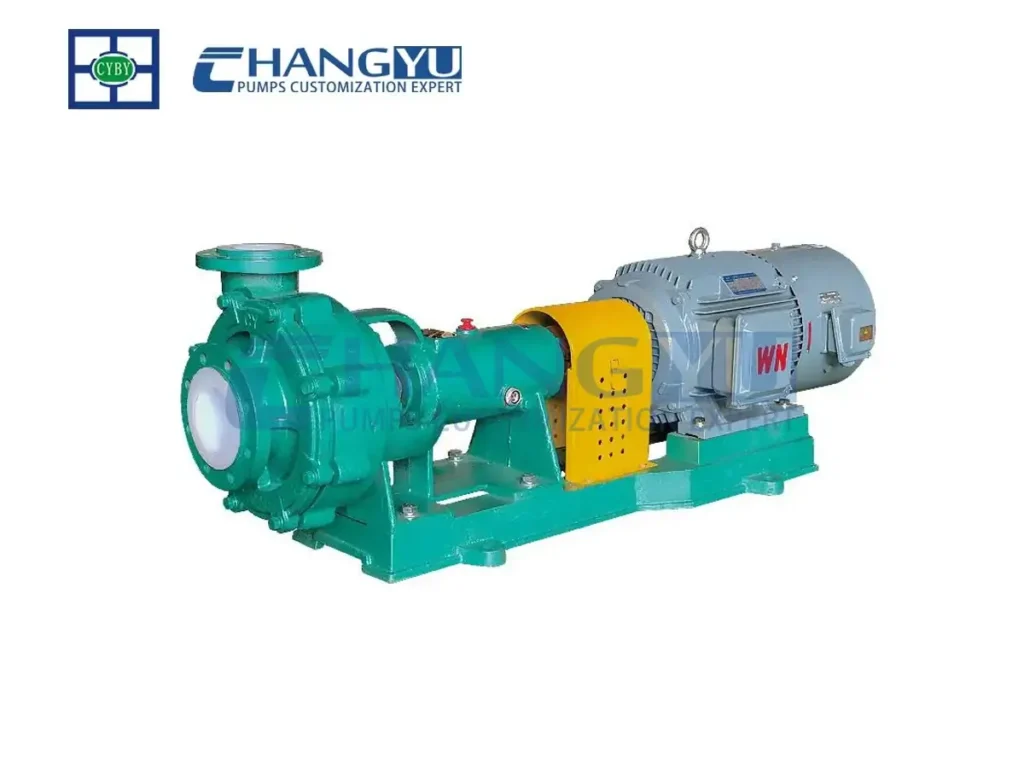
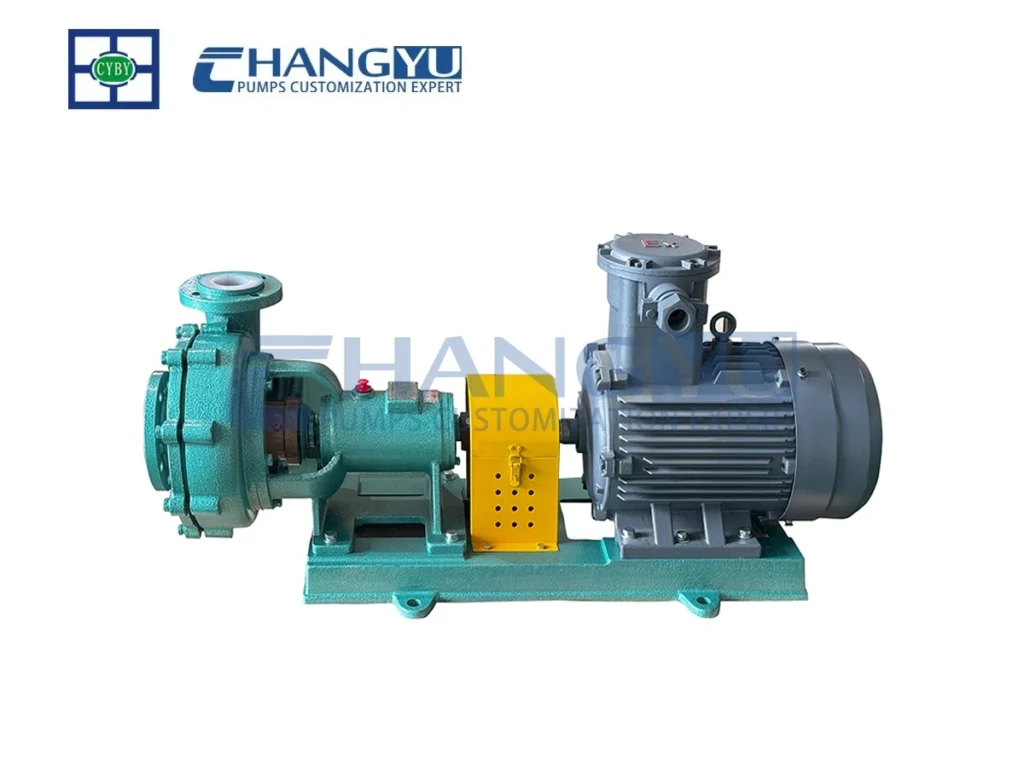
Our slurry pumps are engineered to handle a wide range of abrasive, corrosive, and high-solid-content process fluids across chemical, mining, mineral processing, and environmental industries. Common applications include sulfuric acid slurry, phosphoric acid slurry, gypsum slurry, lime slurry, ore slurry, tailings slurry, coal slurry, kaolin slurry, ceramic slurry, titanium dioxide slurry, fly ash slurry, calcium carbonate slurry, lithium slurry, and other industrial process slurries.
If your pumping medium is not listed above, our engineering team can provide a customized material selection and pump recommendation based on the particle size, solid concentration, temperature, pH value, and operating conditions of your application.

Can’t find your slurry?
Contact our pump specialists for a tailored slurry pump solution
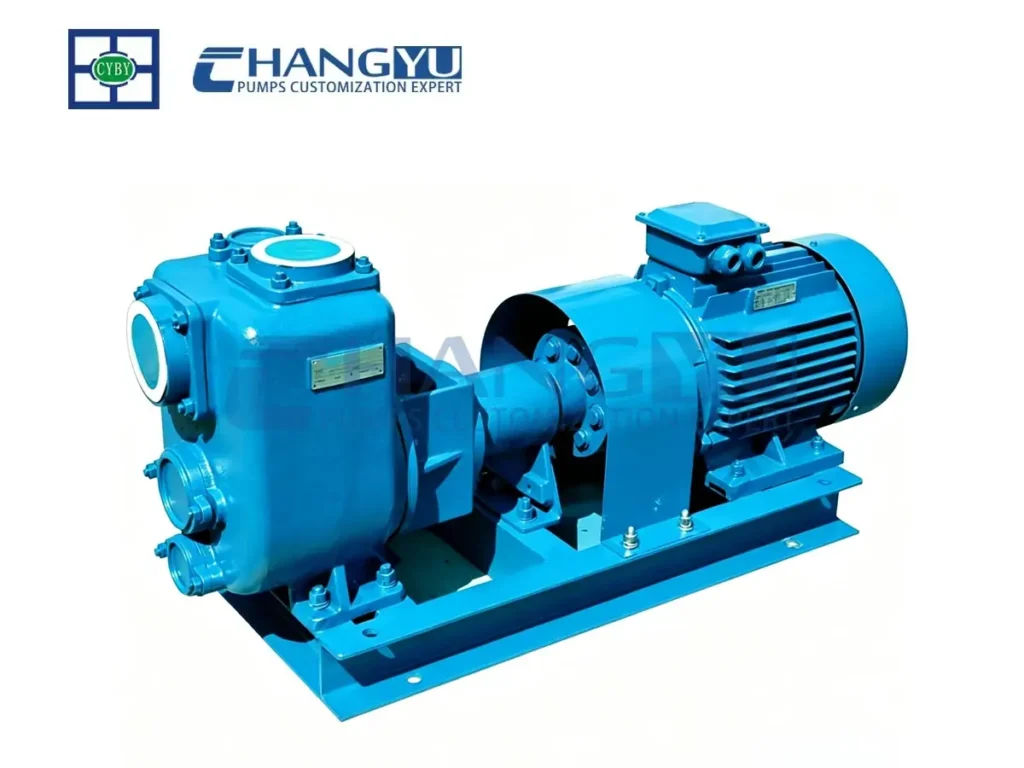
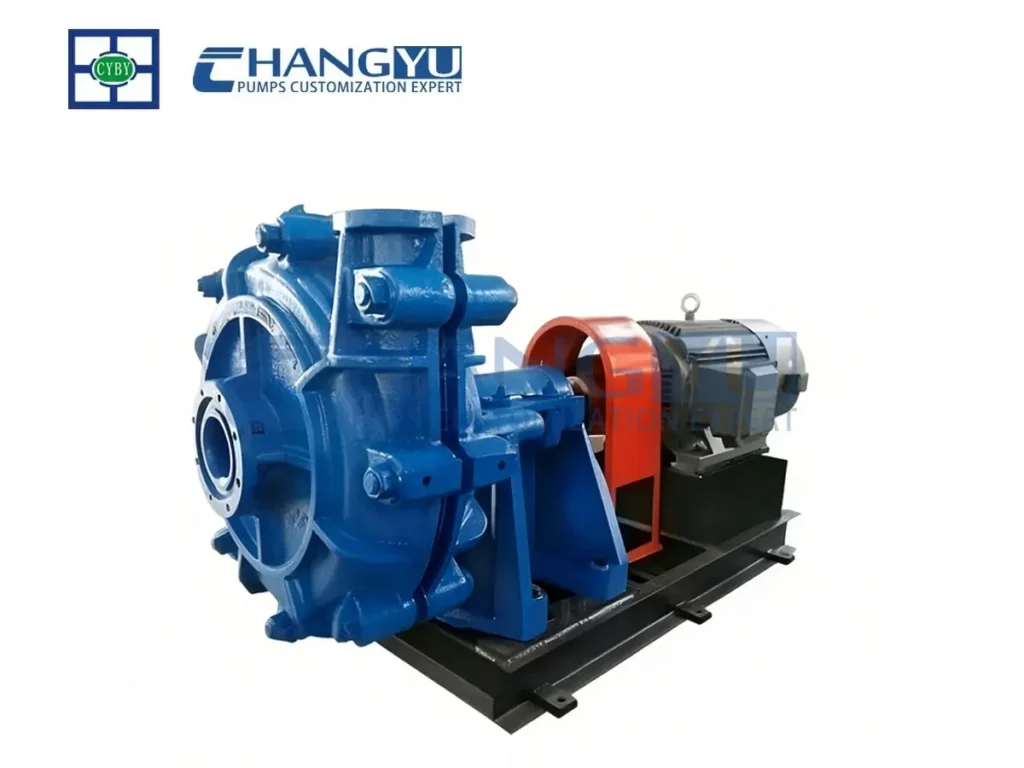
Heavy-duty slurry pump
A heavy-duty slurry pump is specifically designed to transport fluids containing high concentrations of abrasive solids, corrosive chemicals, or viscous slurries. Built with robust materials such as high-chrome alloys, rubber linings, UHMWPE, or fluoroplastics, these pumps can handle mineral ores, tailings, chemical slurries, and industrial process fluids reliably under harsh operating conditions. They are ideal for applications requiring high wear resistance, corrosion resistance, and continuous operation.
How Slurry Pumps Work
A slurry pump is a mechanical device that uses centrifugal force to transport solid-liquid mixtures (i.e., “slurry”). Its core operating principle involves converting electrical energy into the kinetic and potential energy of the medium to achieve efficient transportation.
The specific operating process is as follows:
- Power and Rotation: The electric motor drives the pump shaft via a coupling or belt, causing the impeller mounted on the shaft to rotate at high speed.
- Generation of Centrifugal Force: As the impeller rotates, its blades cause the medium (slurry) inside the pump casing to rotate as well. This high-speed rotation generates a powerful centrifugal force.
- Discharge and Suction of the Medium: Under the action of centrifugal force, the medium is flung from the center of the impeller toward its periphery, increasing its kinetic energy and pressure. It is then forced through the flow passages of the pump casing (volute) and discharged into the discharge pipe. At the same time, the ejection of the medium creates a local vacuum (negative pressure) in the center of the impeller. Under the influence of atmospheric pressure or the pressure at the inlet liquid level, new medium is continuously drawn into the center of the impeller through the inlet pipe, thereby creating a continuous pumping process.
For a more detailed explanation of how it works, please read the article: Changyu Pump In-Depth Analysis: How Does a Slurry Pump Work?
Request a Tailored Slurry Pump Solution for Your Specific Operating Conditions
Slurry handling is never one-size-fits-all. A slight mismatch in material selection can lead to premature impeller wear or catastrophic corrosion failure.
Whether you are dealing with high-acid chemical slurries with fine particles or heavy-duty mining tailings, the Changyu Pump engineering team will calculate the precise pump hydraulics and select the exact material configuration (UHMW-PE, Fluoroplastics, or High-Chrome Alloys) to optimize your system’s lifespan and MTBF (Mean Time Between Failures). With decades of fluid processing expertise, Changyu Pump delivers heavy-duty reliability where standard pumps fail.
Email: [email protected]
TEL/WA: +86-13651913727