Titanium Dioxide Slurry Viscosity: How It Really Affects Pump Selection
Compare pump options for TiO₂ slurry and learn how viscosity, solids, rheology, suction and materials affect selection.

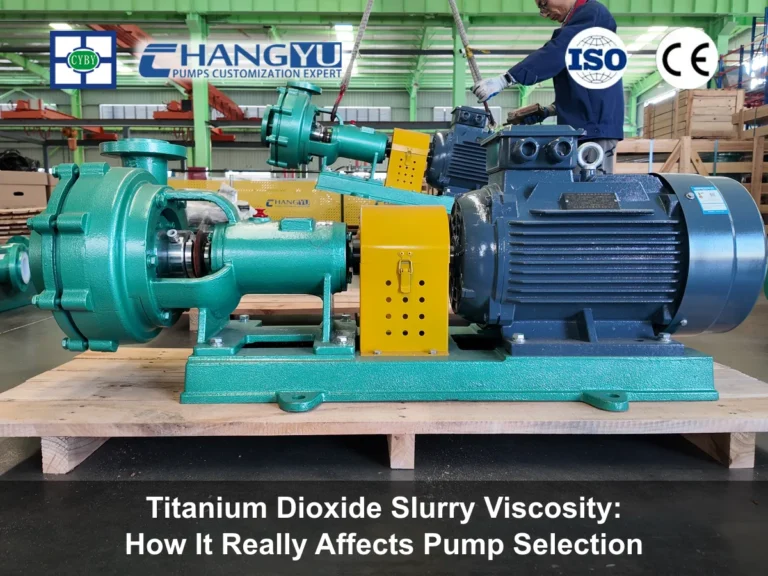
Compare pump options for TiO₂ slurry and learn how viscosity, solids, rheology, suction and materials affect selection.
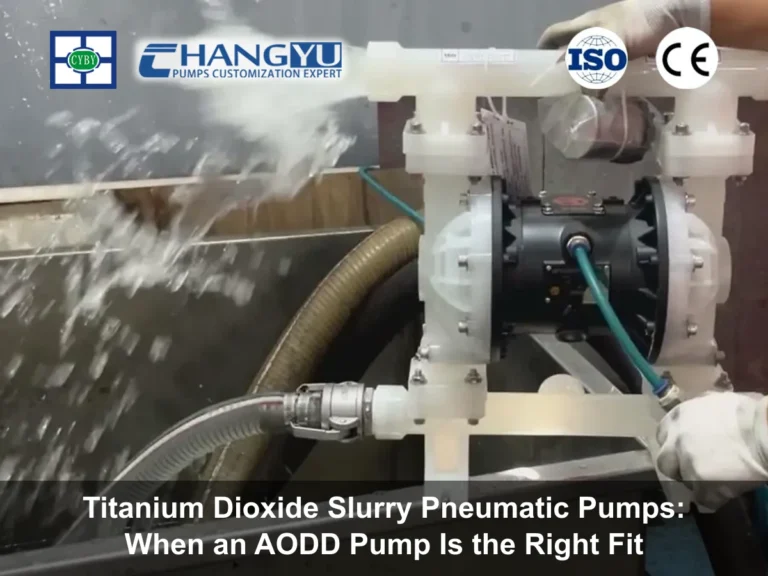
Learn when an air-operated diaphragm pump fits titanium dioxide slurry service, and how to assess wear, materials, suction, air supply and pulsation.
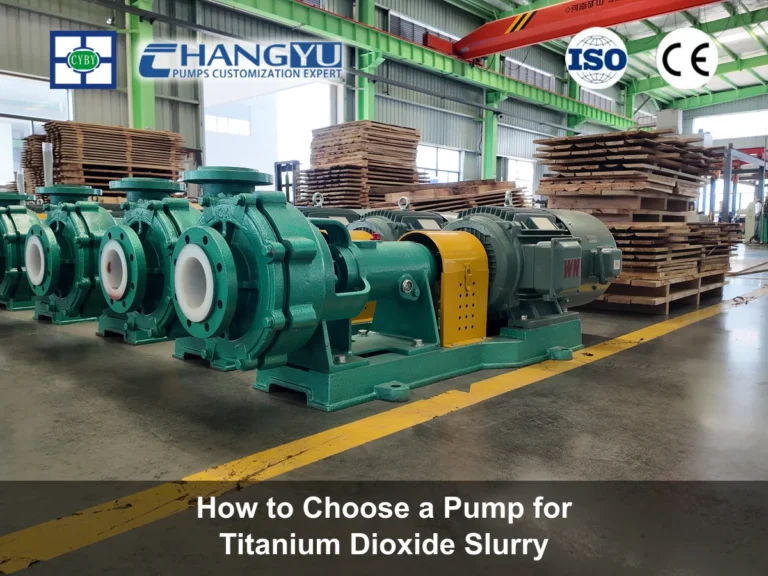
Compare pump types for acidic titanium dioxide process slurry and high-solids pigment slurry, including materials, suction, seals, and sizing data.
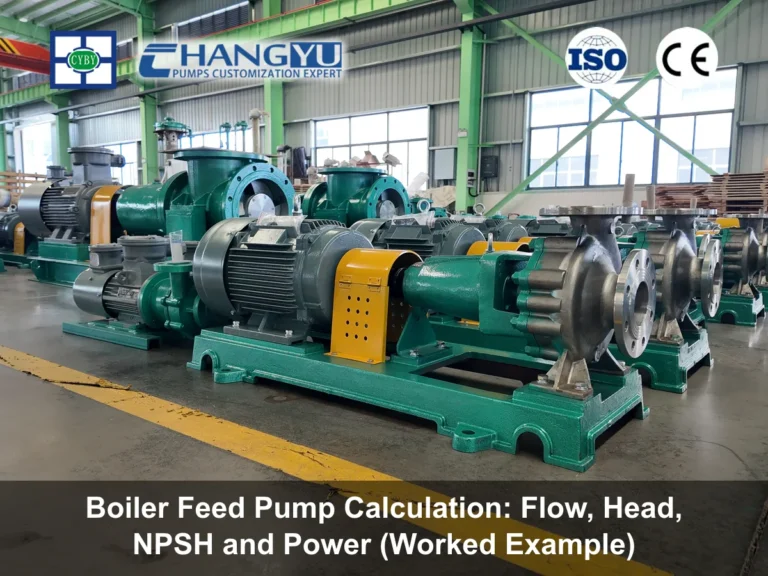
A worked guide to boiler feed pump flow, head, power and NPSH calculations, with pump selection considerations.
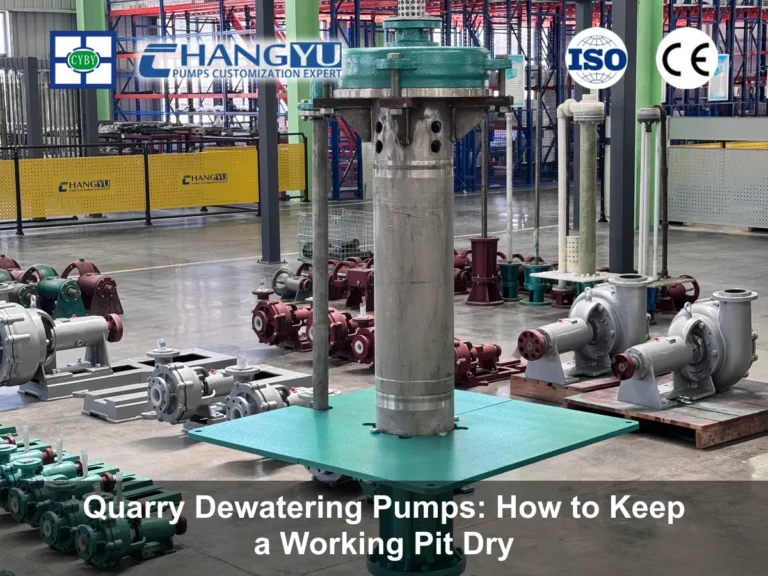
A practical guide to quarry dewatering pumps, covering sump design, flow and head, pump selection, abrasive water and storm response.

A practical guide to selecting metallurgy slurry pumps for smelter slag, scale and metal oxide: materials, temperature limits, sizing and maintenance.

Compare dry-mounted inline, submersible and vertical immersed sump arrangements. Check flow, head, priming, NPSH and materials with Chuangyu Pump.

Our boiler feed water pump selection checklist covers duty flow, head, hot-water NPSH, materials, seals and controls. Review your duty with Chuangyu Pump.

Specify an aqueous ammonia pump using concentration, temperature, compatible materials, seal options and NPSH. Review your transfer duty with Chuangyu Pump.
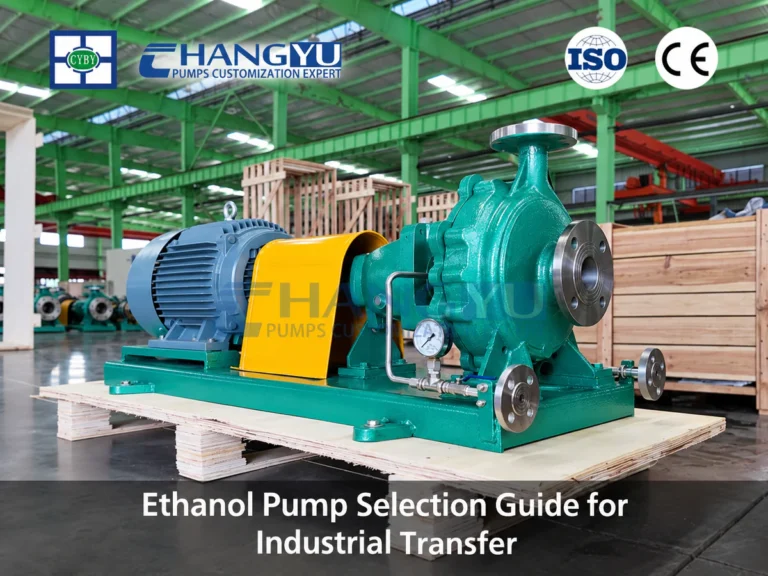
Select an ethanol pump for industrial transfer by checking liquid composition, seal compatibility, suction conditions and hazardous area requirements. Compare pump options and prepare your duty data for Changyu Pump engineers.
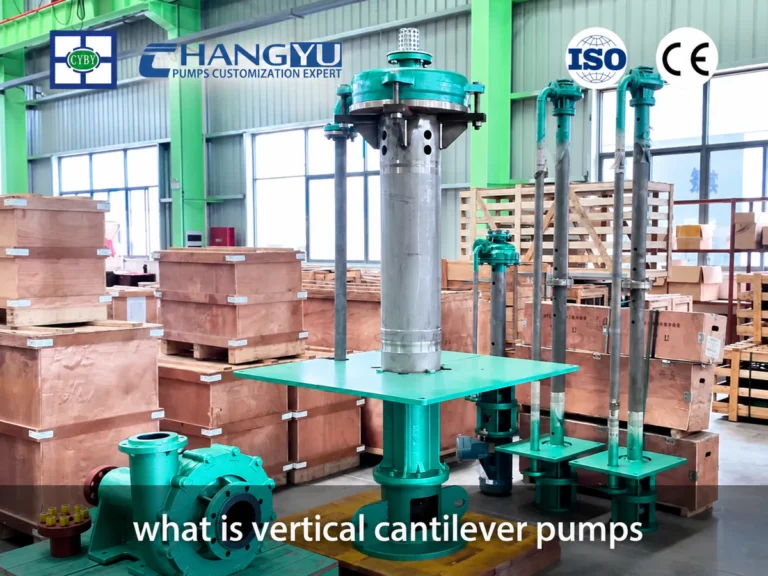
Understand how vertical cantilever pumps work, where they fit and what limits their selection. Compare vertical pump designs, explore Changyupump immersed pump options and review PDF resources before discussing your application.
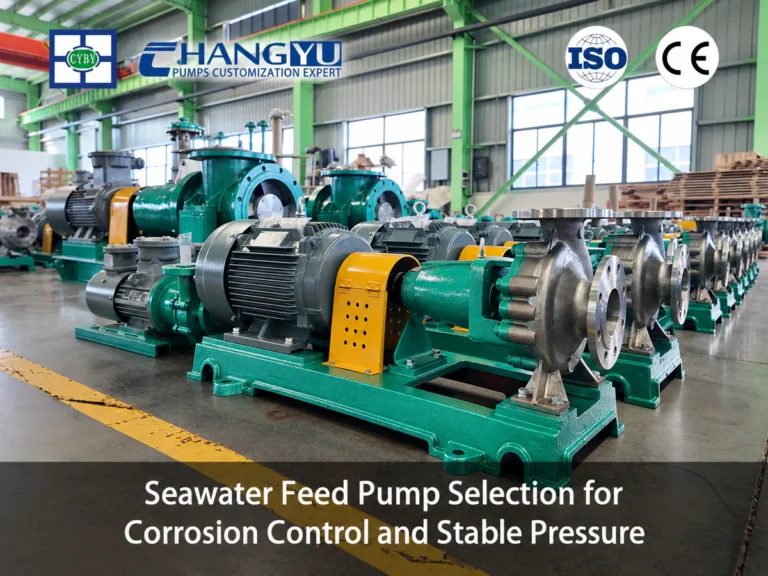
How can you select a seawater feed pump to address corrosion, insufficient supply pressure and inlet cavitation risks? We start with system position, flow and head, and wetted materials to distinguish seawater supply from high-pressure feed upstream of SWRO membranes. We explain the conditions for comparing changyupump CYH, CQZ and CYC, and provide PDF resources and a checklist of quotation parameters.
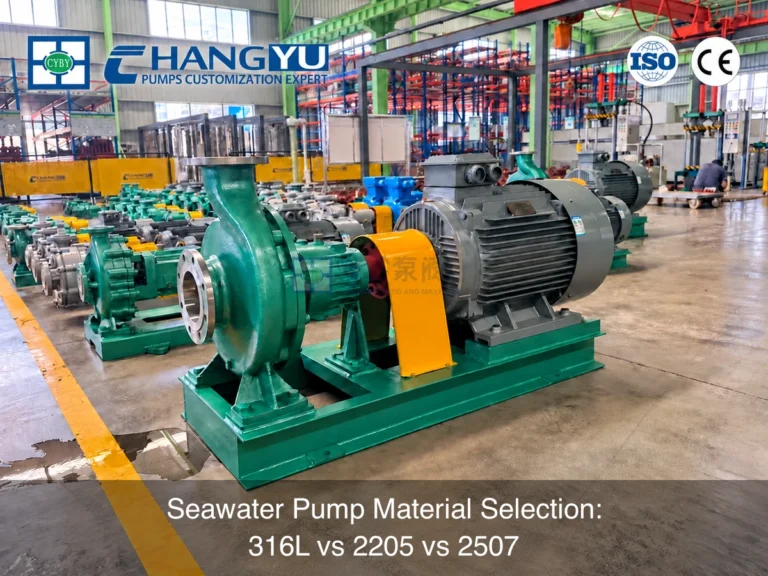
Recurring corrosion or uncertain alloy choices can make seawater pumping costly. We compare 316L, 2205 and 2507, explain the operating conditions that change the decision, and connect material selection to CYH, CQZ and CYC pump configurations.
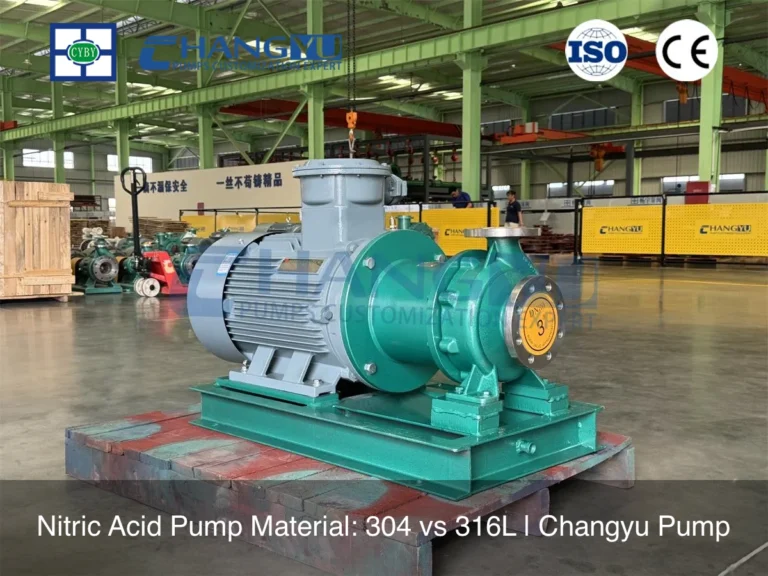
Unsure whether 304 or 316L suits your nitric acid service? The wrong material can lead to corrosion, leaks and unplanned downtime. Explore how concentration, temperature and impurities affect nitric acid pump material selection, and compare Changyu metal pumps for your process.
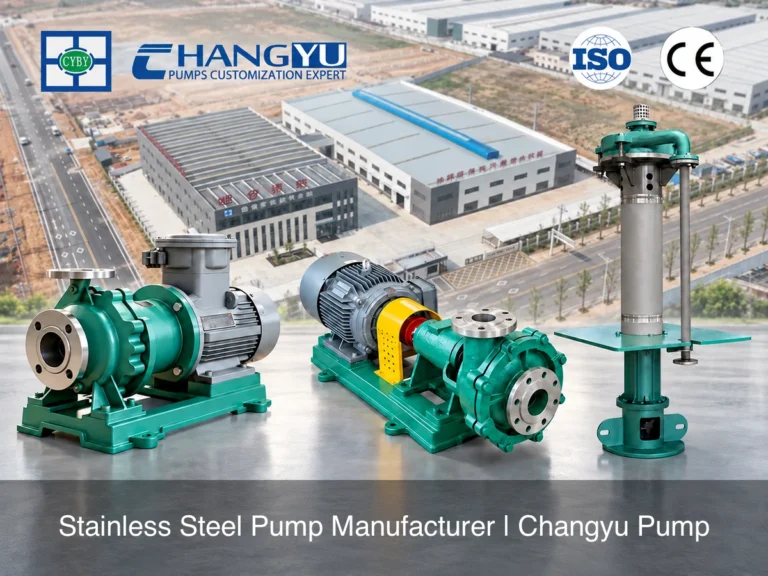
Corrosion, leakage and abrasive solids call for more than a material change. Compare Changyu pump series, key specifications and selection conditions, then review our manufacturing, inspection and global supply support before submitting your duty.
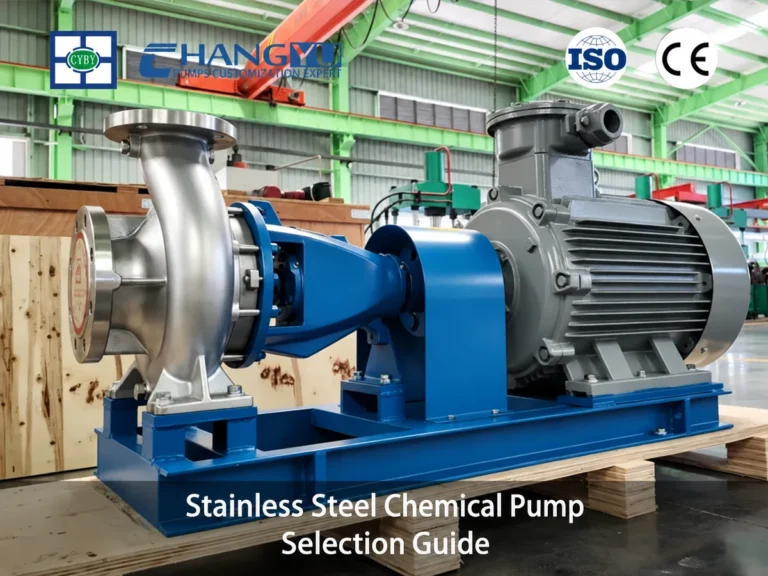
Our stainless steel chemical pump selection guide connects liquid properties, wetted materials, sealing, performance curves and inlet conditions. Use Changyu series comparisons and published projects to prepare a clearer specification for your process.
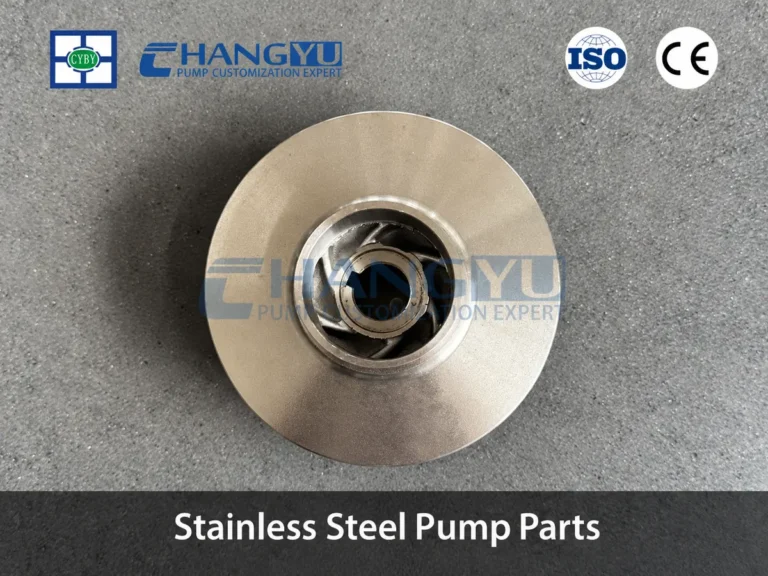
We explain stainless steel pump parts by function and liquid contact, including impellers, shafts, mechanical seals and magnetic-drive components. Learn which drawings, materials and operating details help identify a suitable replacement without assuming universal interchangeability.
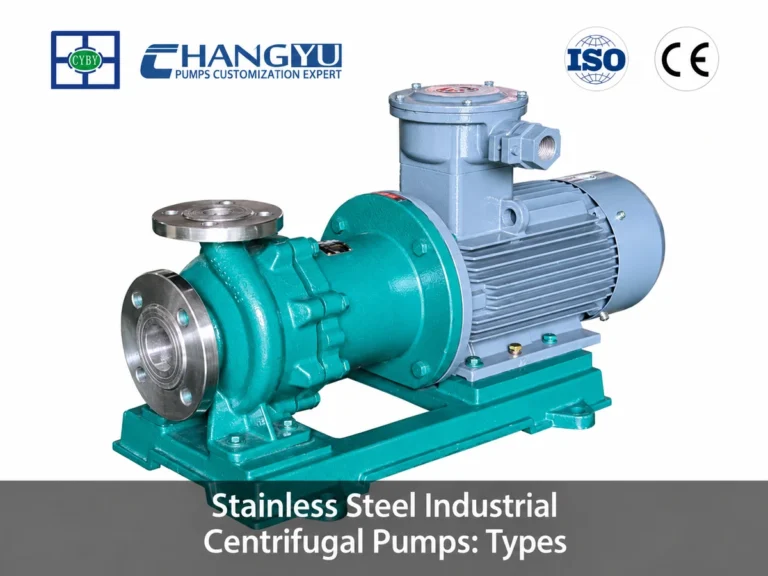
Our guide to stainless steel industrial centrifugal pumps explains how mechanically sealed, magnetic-drive, self-priming, vertical immersed and slurry configurations differ. Compare Changyu series, installation needs and published applications before narrowing your choice.
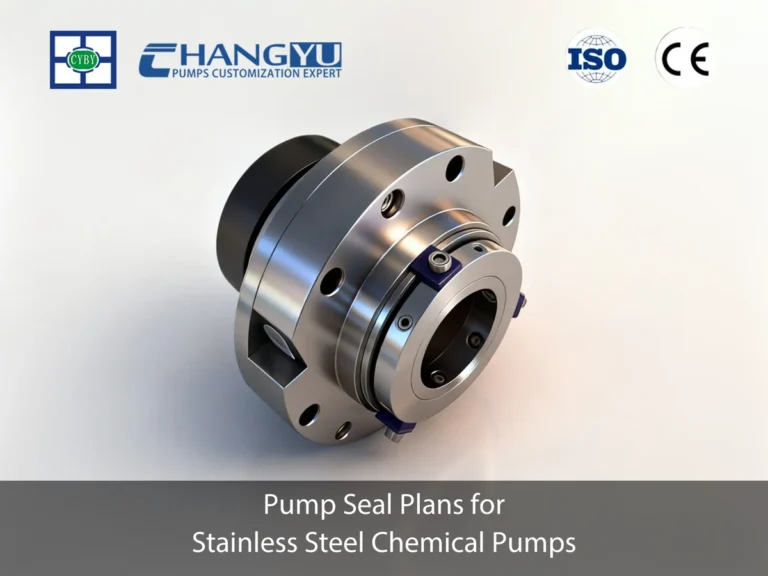
Choose pump seal plans for stainless steel chemical pumps. Compare flow paths, check material compatibility and prepare a clearer supplier enquiry.
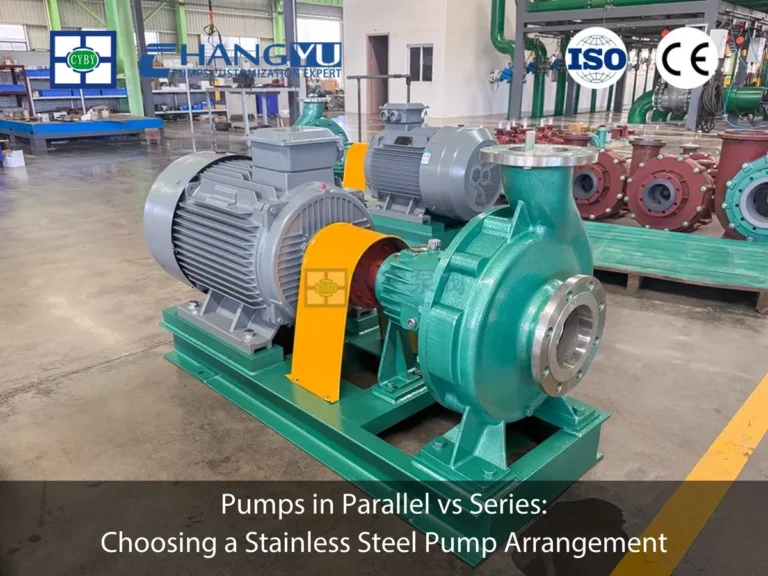
Choosing pumps in parallel vs series? Compare pipe resistance, inlet pressure and one-pump shutdown, with worked examples and a two-pump quotation checklist.
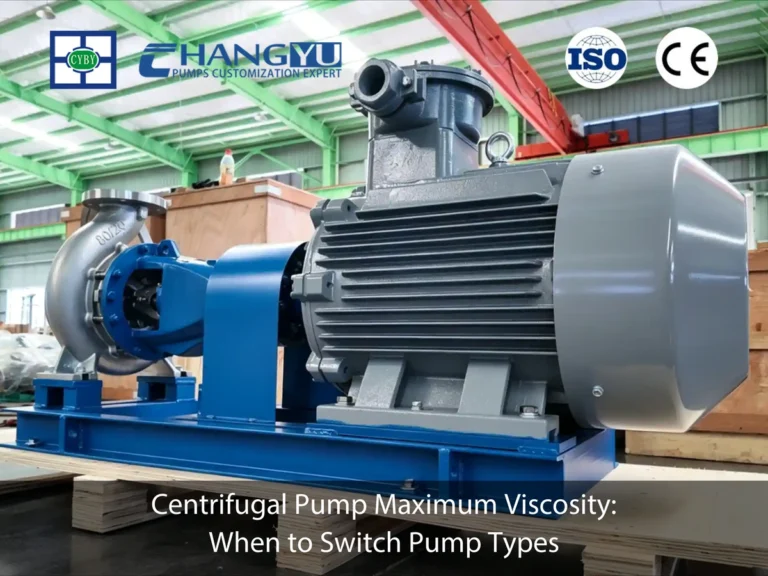
Centrifugal pump maximum viscosity has no fixed limit. Compare corrected performance, startup and suction conditions before keeping or replacing your pump.
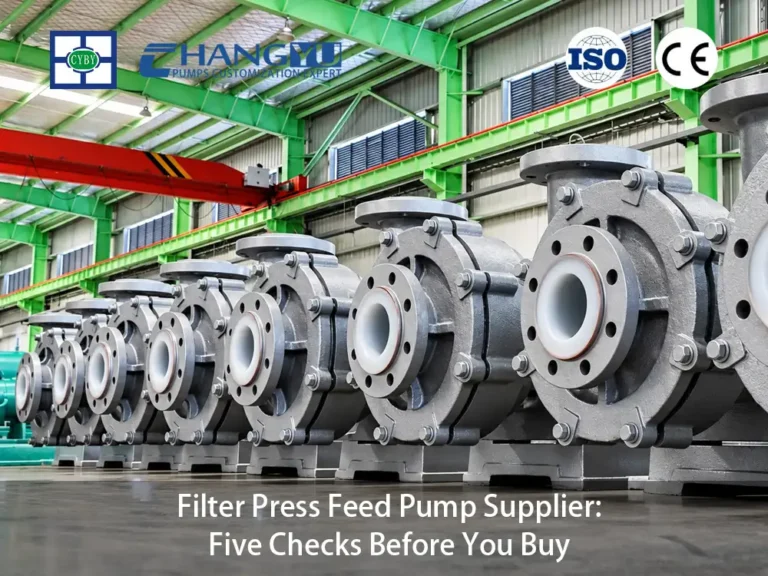
Use five engineering and quotation checks to compare filter press feed pump suppliers. Request full-cycle performance, material and seal details, suction requirements, and verifiable case evidence.
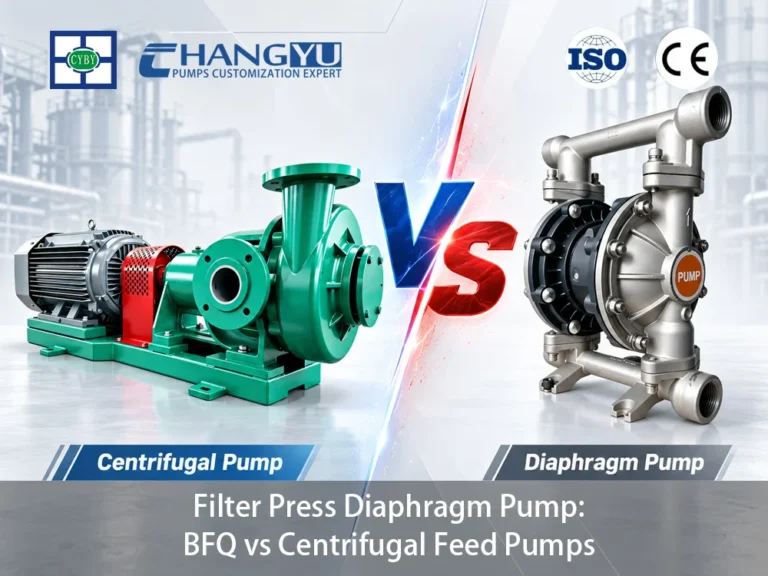
Compare the BFQ air-operated double-diaphragm pump with UHFM-HJ and UHB centrifugal pumps using the same filter press cycle, slurry, pressure, and available air supply.
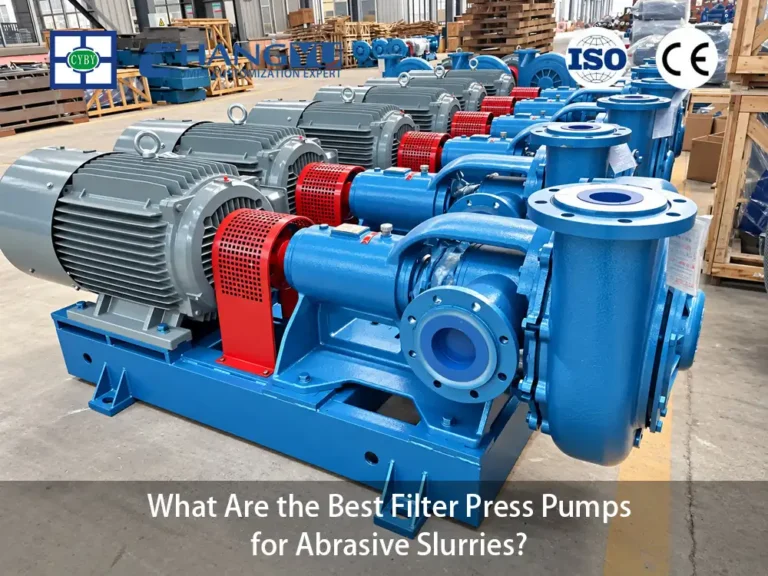
Compare four pump types for abrasive filter press slurry. Learn how particle wear, the filling cycle, final pressure, and suction conditions affect selection of UHB, UHFM-HJ, and alternatives.
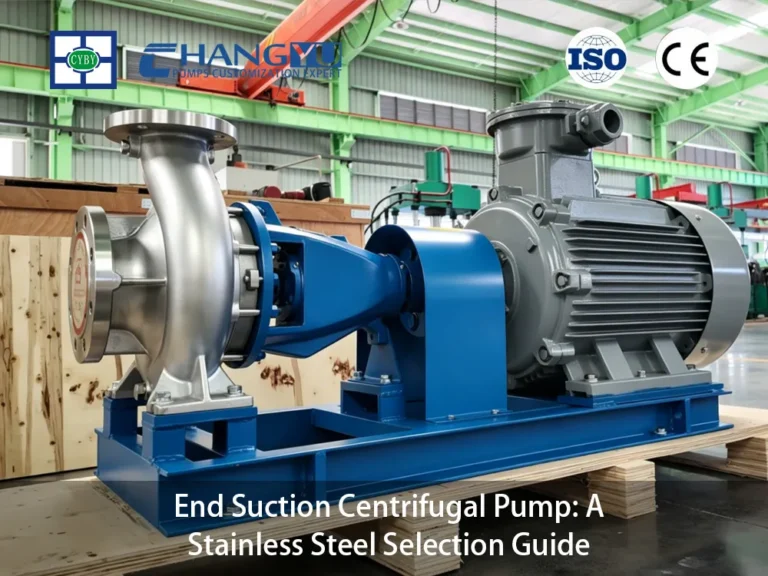
Selecting a stainless steel end suction pump involves more than matching pipe size and motor power. Learn how to compare layouts, define flow and head, check suction conditions, and match materials and seals. Includes a practical quotation checklist and answers to common selection questions.
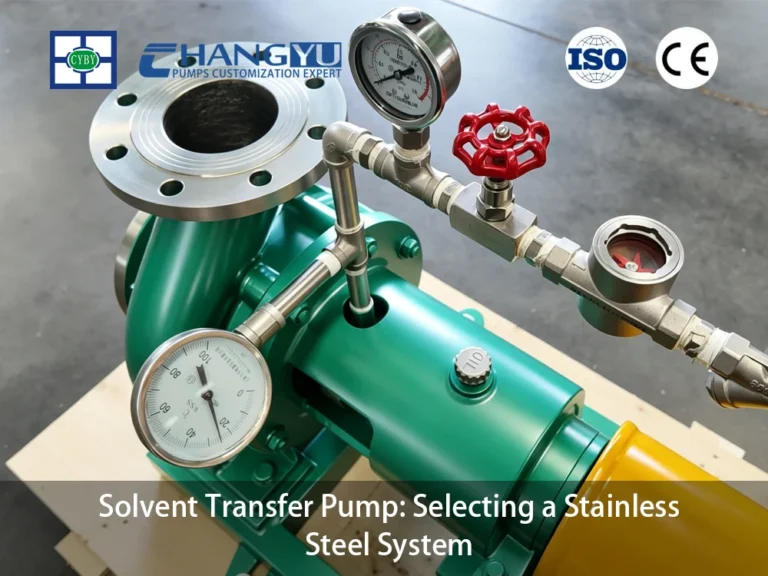
Specify a stainless steel pump for industrial solvent transfer with a clearer view of compatibility, mechanical seals, suction conditions and site requirements. Learn why the complete solvent blend and lowest tank level matter, and what to include in a useful pump enquiry.
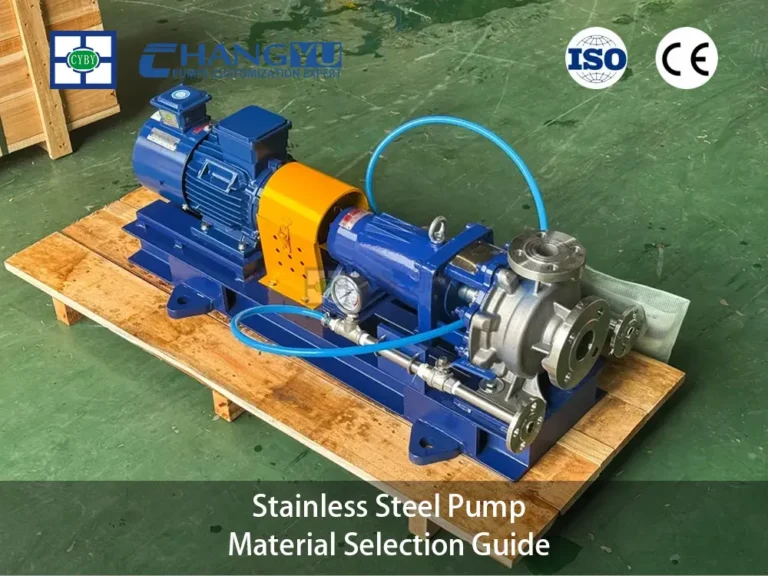
Choose stainless steel pump materials around the actual liquid and operating conditions. This guide compares 304/304L, 316/316L, 317L, 904L, 2205 and 2507, explains what to check across the wetted assembly, and helps turn a material shortlist into a clear pump purchase specification.
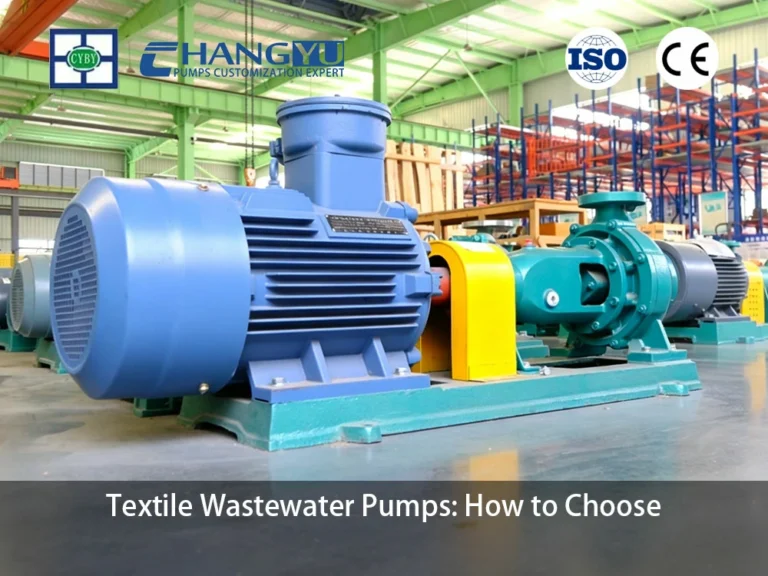
Textile wastewater pumps are a specialized category of corrosion-resistant centrifugal pumps engineered to handle the aggressive, fiber-laden,…
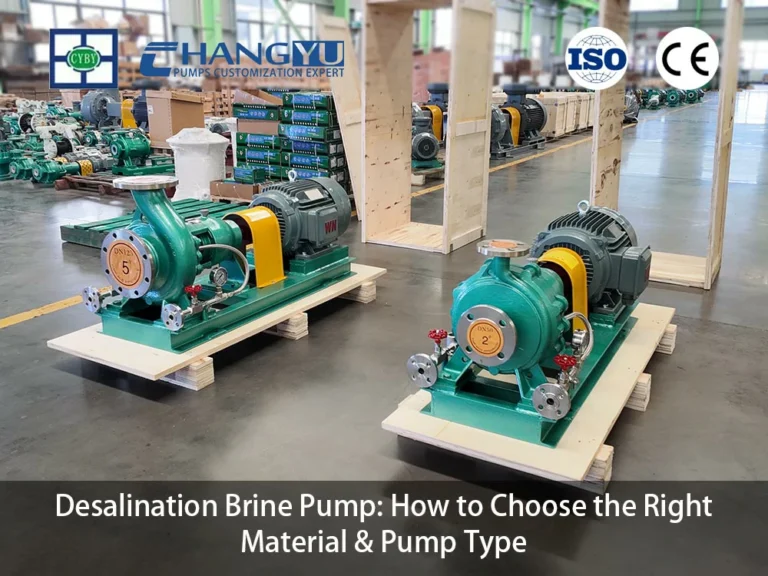
Key Takeaways 1. What Is a Desalination Brine Pump? A desalination brine pump is a specialized fluid…
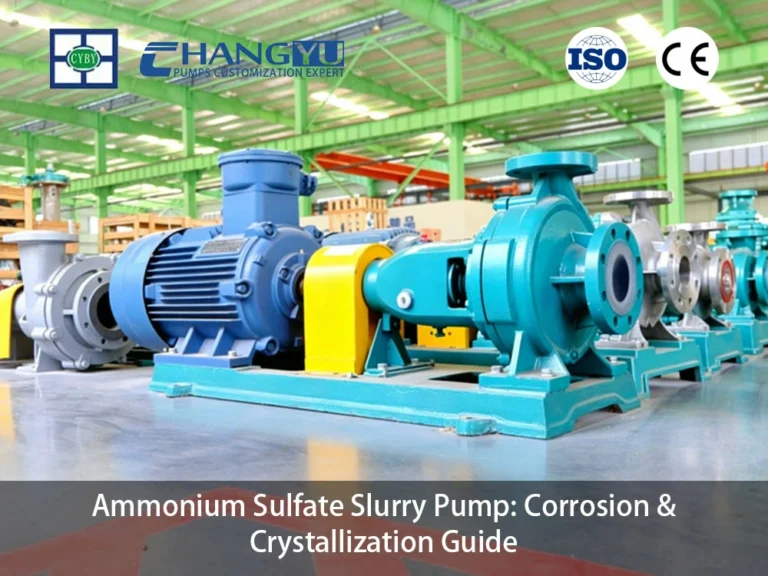
1. Corrosion and Crystallization Challenges in Ammonium Sulfate Slurry Pumps Ammonium sulfate slurry presents two distinct but…
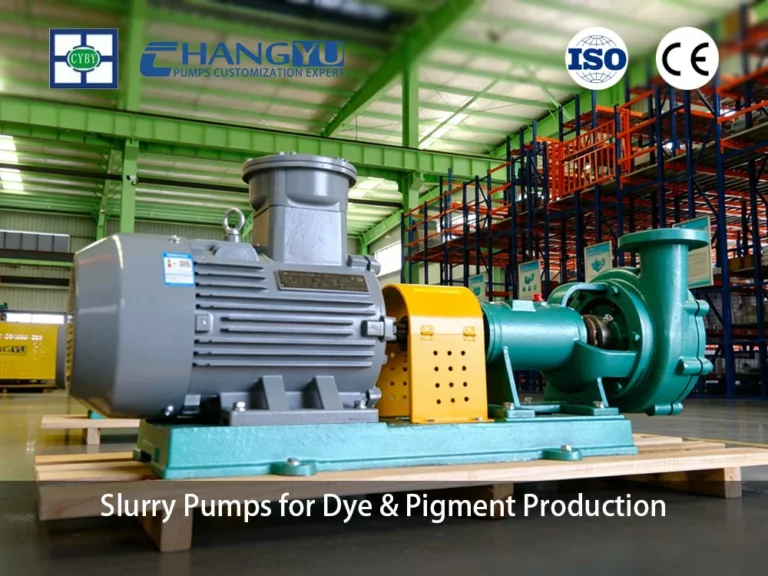
Dye slurry pump and pigment slurry pump selection directly determines the reliability and operating cost of dye and pigment production…
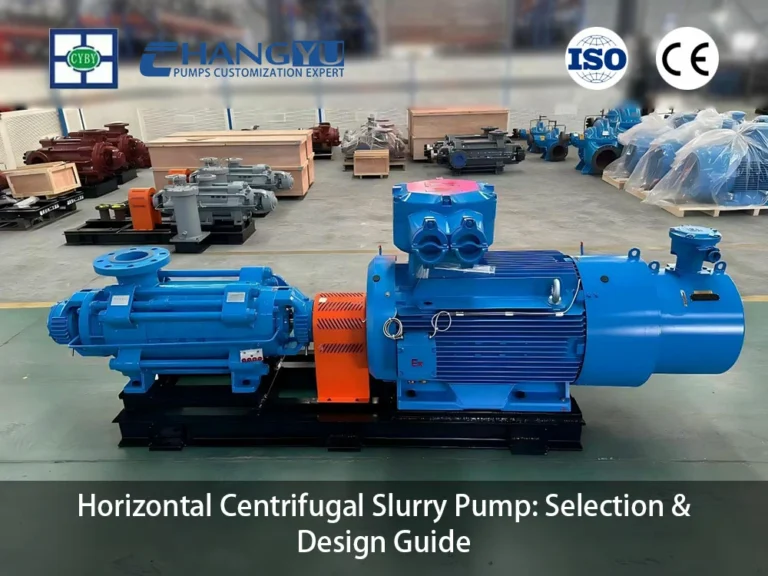
Selecting the right horizontal centrifugal slurry pump is a critical engineering decision in mining, mineral processing, and…
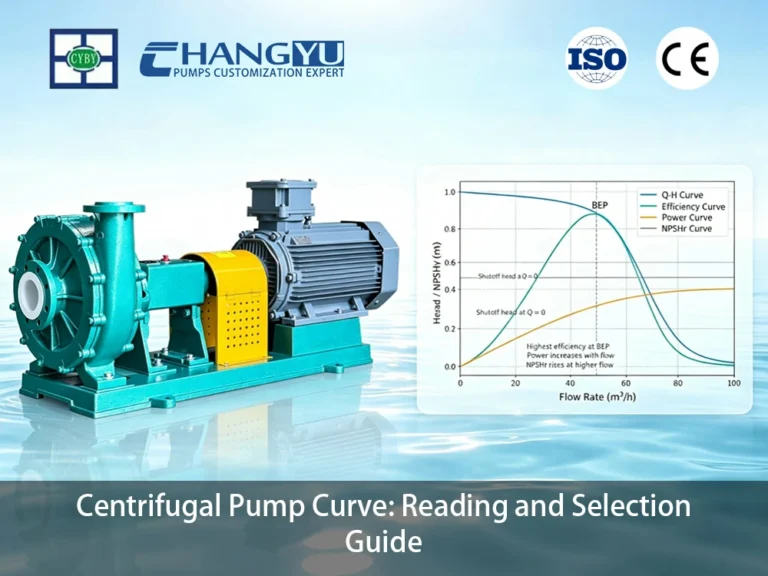
Quick Answer A centrifugal pump curve is a graphical representation of a pump’s performance characteristics, plotting head, efficiency, power…
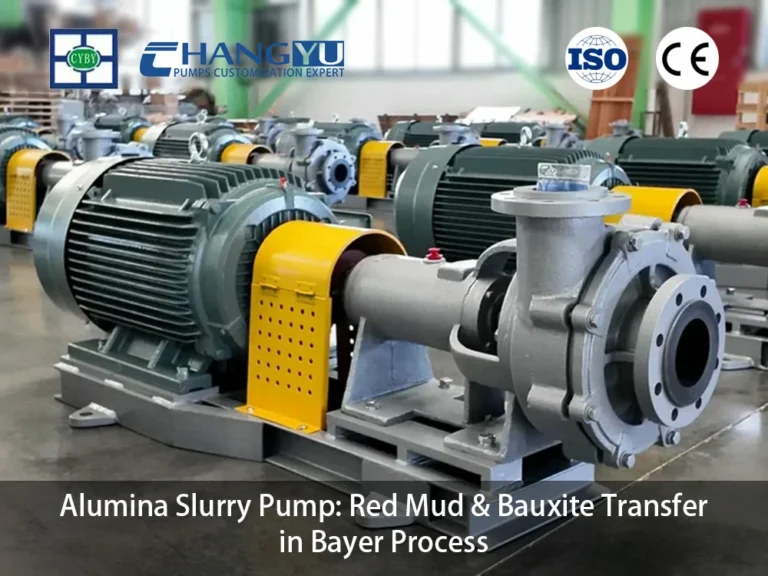
Quick Answer: An alumina slurry pump is a heavy-duty industrial pump engineered to transfer highly alkaline red…
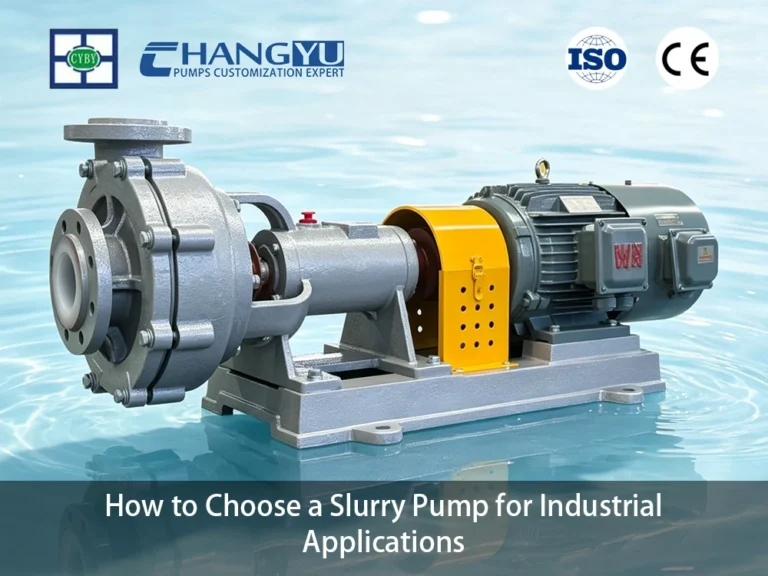
Selecting the right slurry pump for industrial applications directly determines equipment uptime, maintenance cost, and pump service…
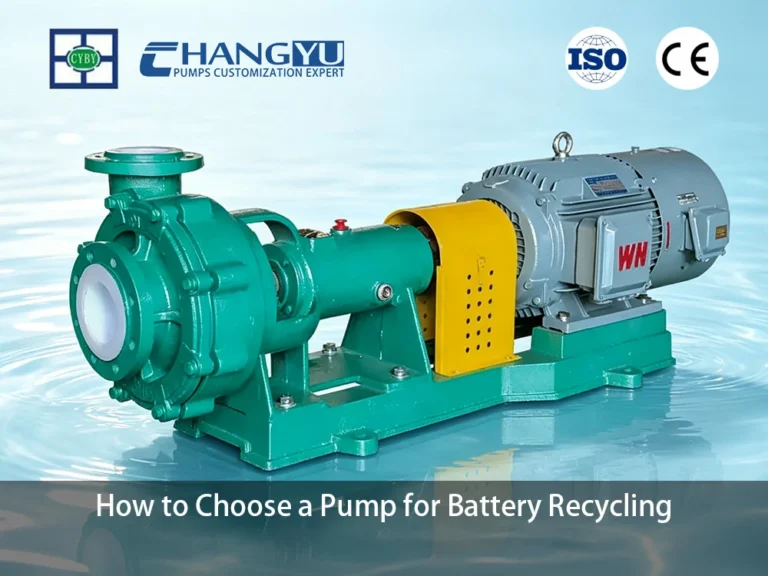
Choosing the right pump for battery recycling comes down to three principles: know your medium, separate dirty…
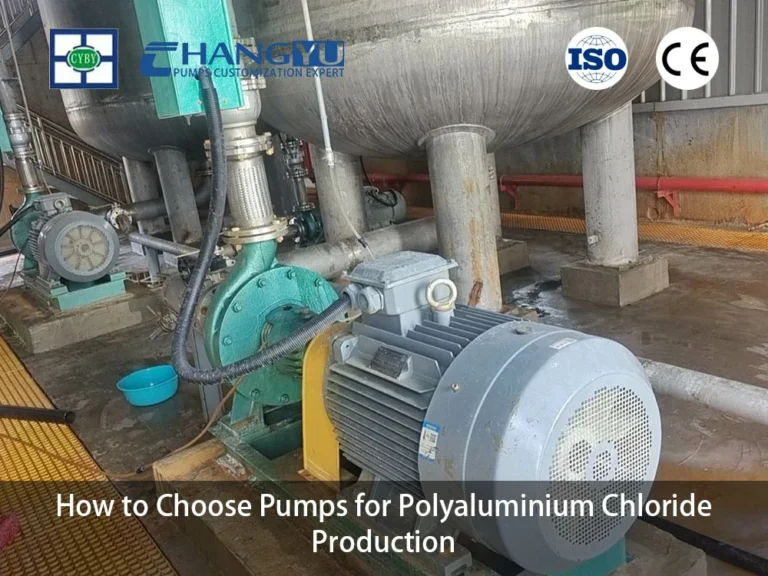
Polyaluminium Chloride production pumps must be selected by process stage, not by a one-size-fits-all approach. The optimal…
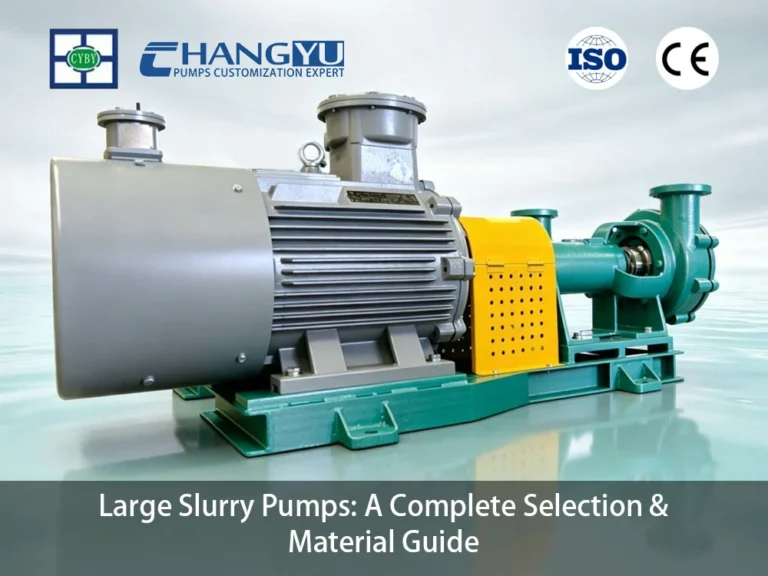
Quick Answer Large slurry pumps are heavy-duty centrifugal pumps engineered to handle high-volume, high-concentration slurries in mining,…
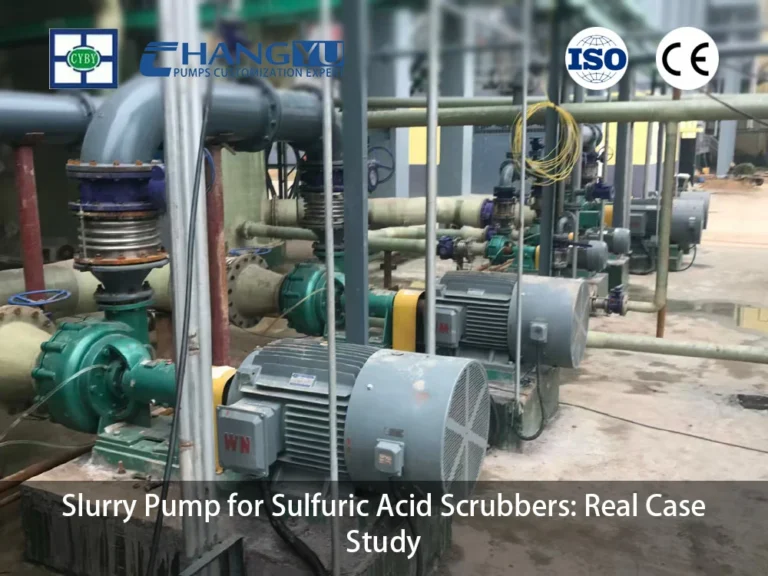
Slurry Pump for Sulfuric Acid Scrubbers is a key driver of production continuity and maintenance expense for…
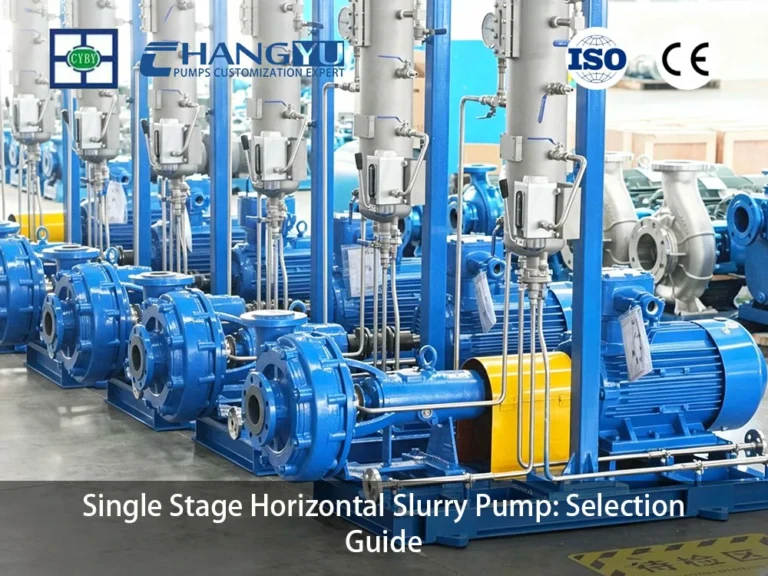
Quick Answer A single stage horizontal slurry pump uses one impeller mounted on a horizontal shaft to transport abrasive,…
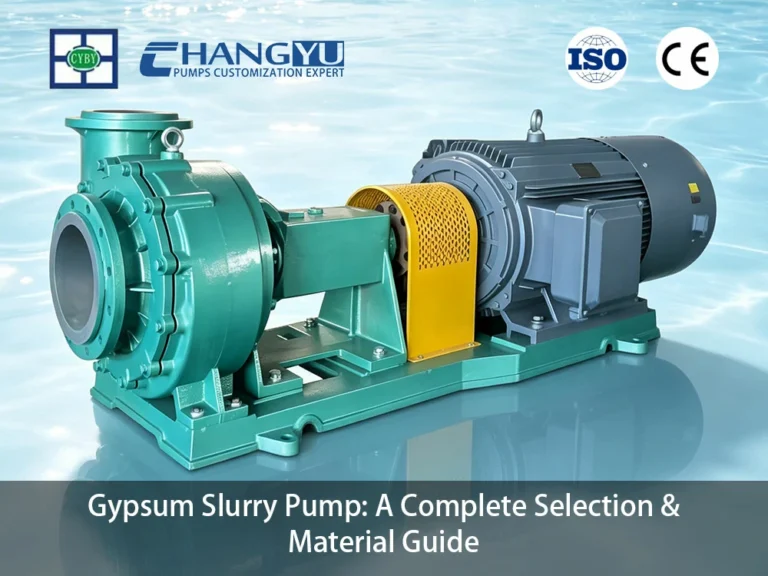
Quick Answer Selecting the right gypsum slurry pump requires managing the crystallization that occurs when dissolved gypsum precipitates during…
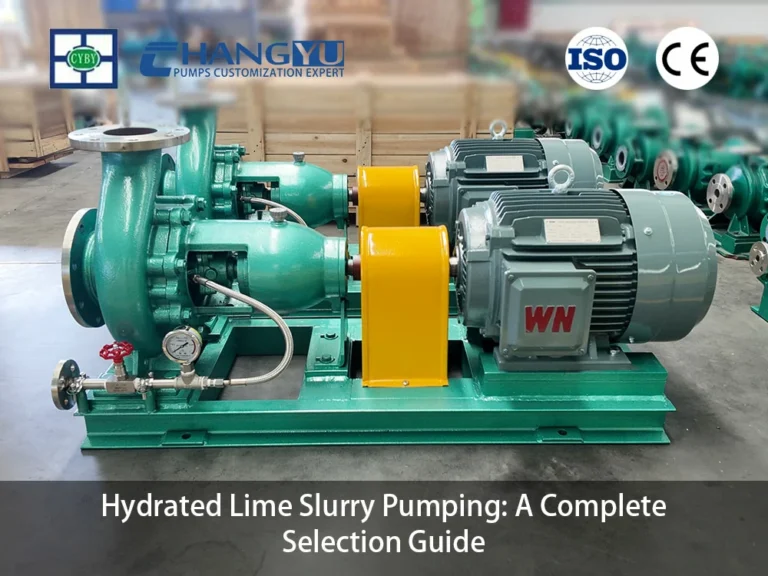
Quick Answer Hydrated lime slurry pumping presents a combination of challenges that few other industrial fluids match: a…
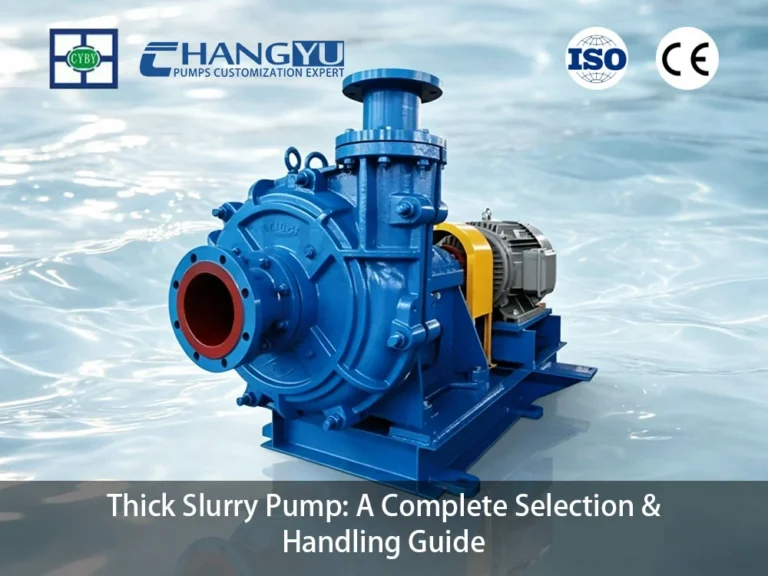
Quick Answer A thick slurry pump transports high-density slurries — typically above 40% solids by weight — that have…
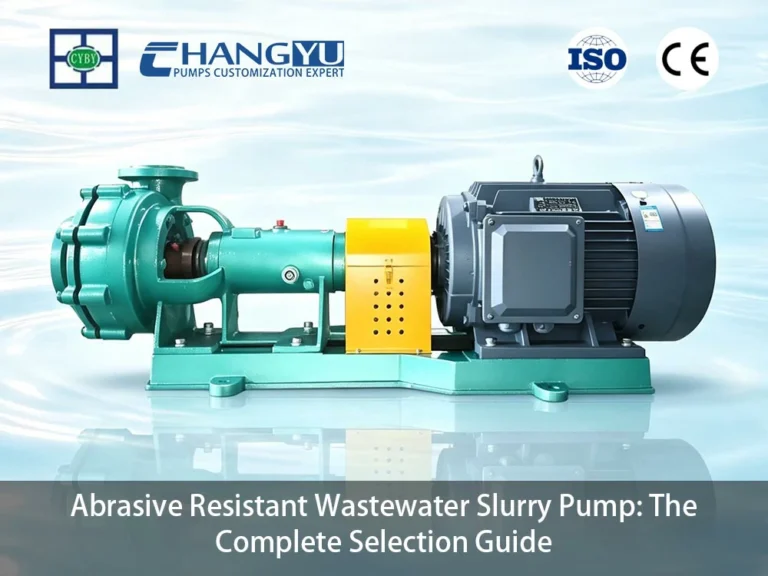
1. Introduction Abrasive resistant wastewater slurry pump selection addresses the most destructive force in fluid handling: wear. In…

Quick Answer A centrifugal pump moves fluid by converting rotational kinetic energy from an impeller into fluid velocity, then…
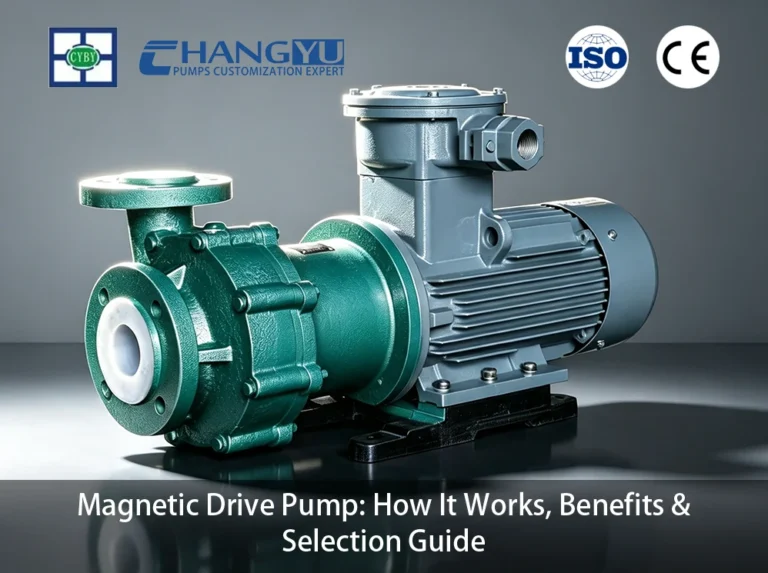
Quick Answer A magnetic drive pump eliminates the dynamic mechanical seal — the single most common leakage pathway in…
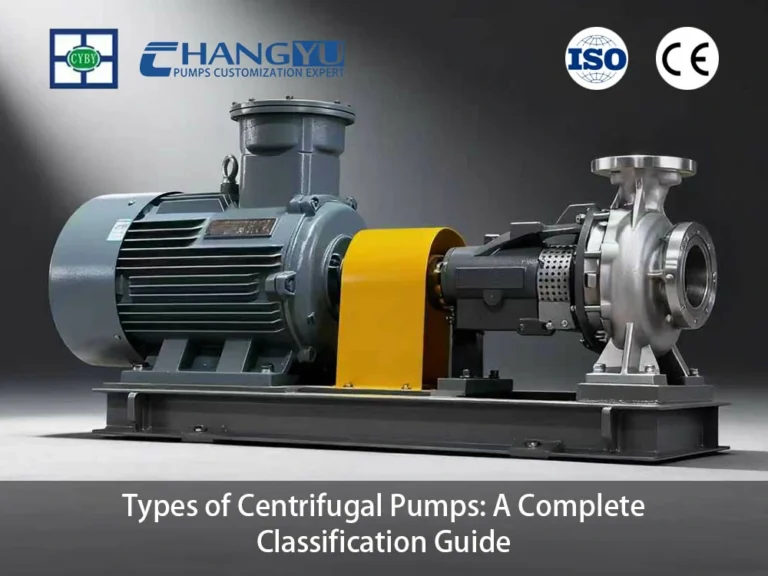
Quick Answer Types of centrifugal pumps can be classified along four primary dimensions: by fluid path through the…
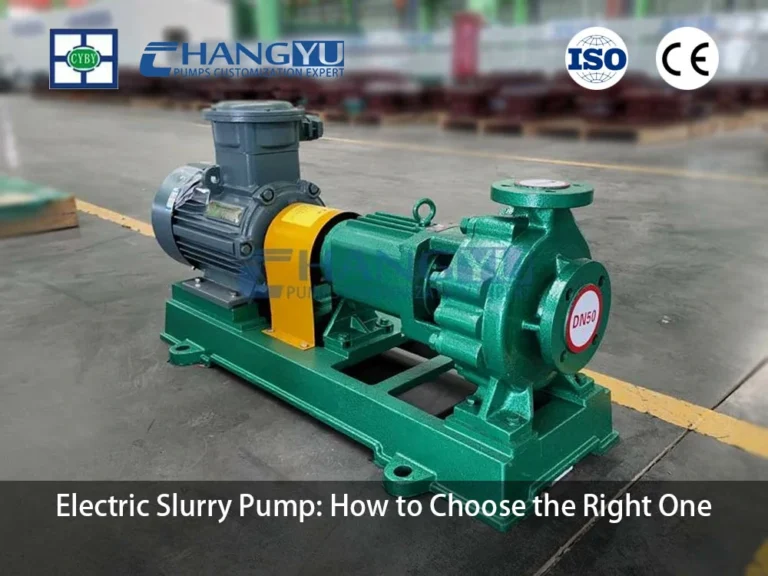
Quick Answer Selecting the right electric slurry pump requires matching the motor drive system to the slurry characteristics and…
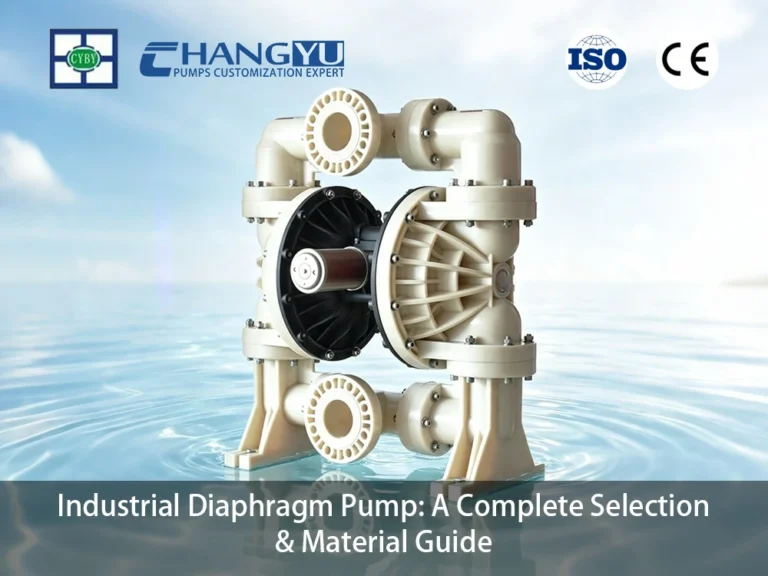
Quick Answer Selecting the right industrial diaphragm pump requires matching wetted materials to the fluid’s chemical composition, choosing the…
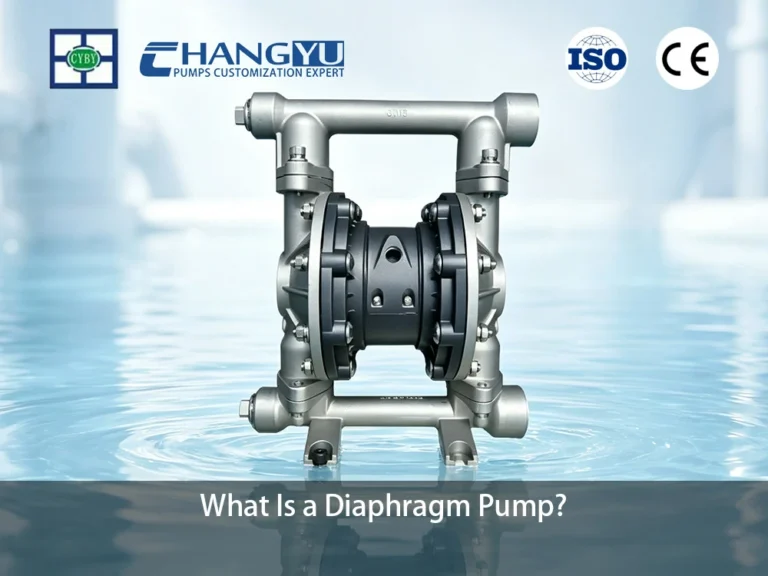
Quick Answer A diaphragm pump is a type of positive displacement pump that uses a flexible membrane (diaphragm) moving…
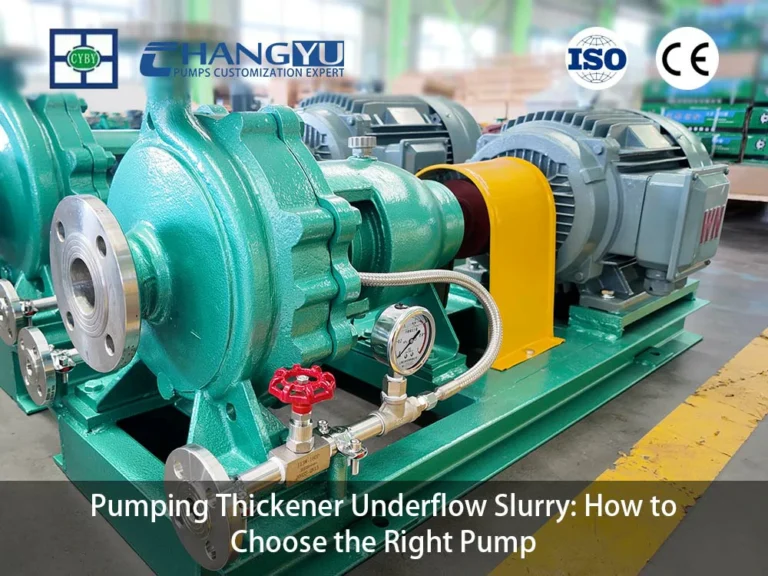
Quick Answer Selecting the right pump for pumping thickener underflow slurry requires matching materials to extreme abrasion from high…
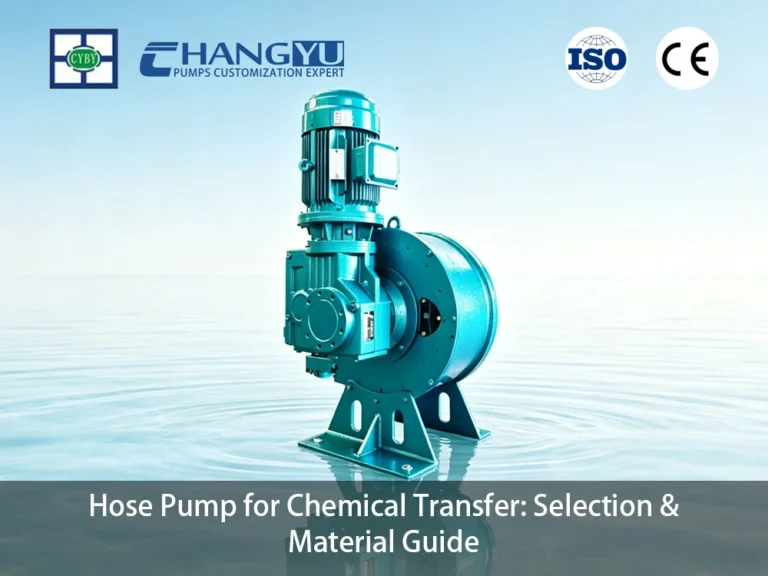
Quick Answer A hose pump for chemical transfer is a sealless positive displacement pump that uses rotating rollers to…
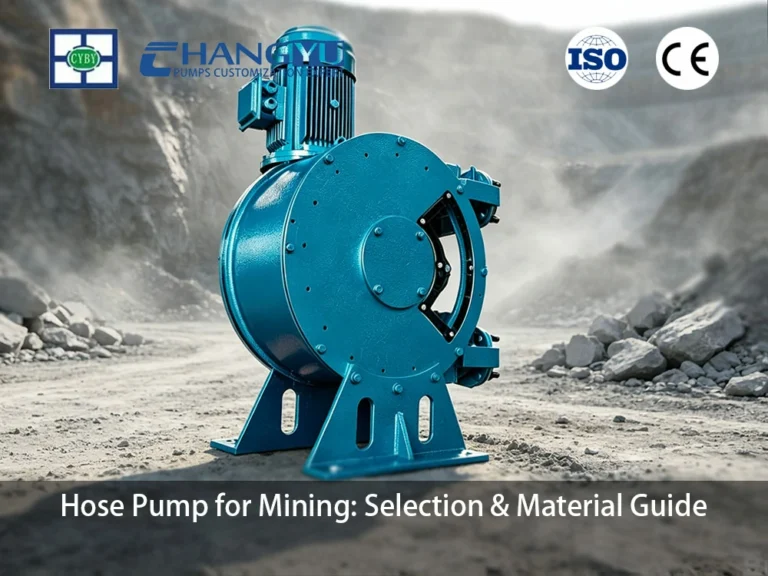
Quick Answer A hose pump for mining is a sealless positive displacement pump that handles abrasive slurries, tailings, and…
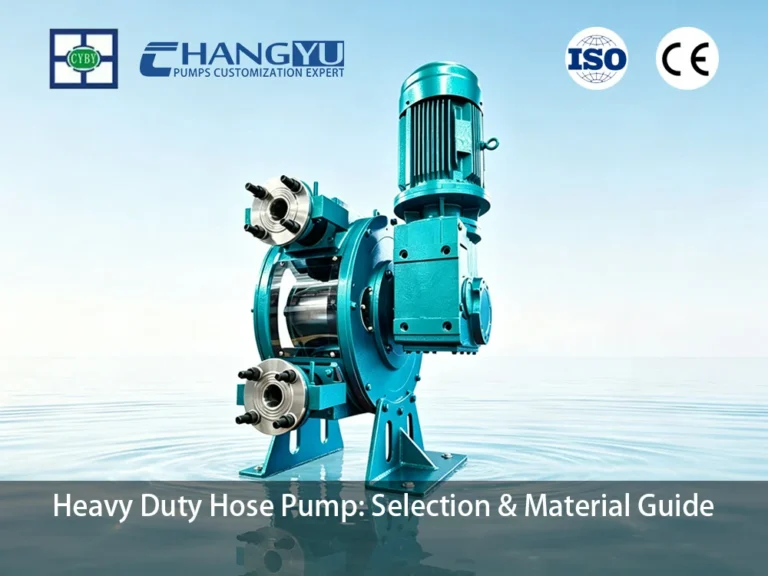
Quick Answer A heavy duty hose pump is an industrial peristaltic pump engineered for continuous operation under high pressure,…
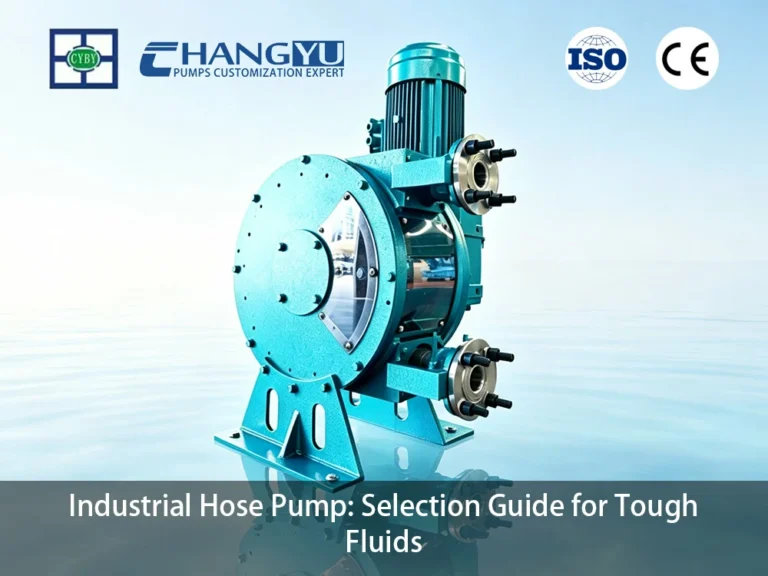
Quick Answer An industrial hose pump is a positive displacement pump that moves fluids by compressing a reinforced rubber…
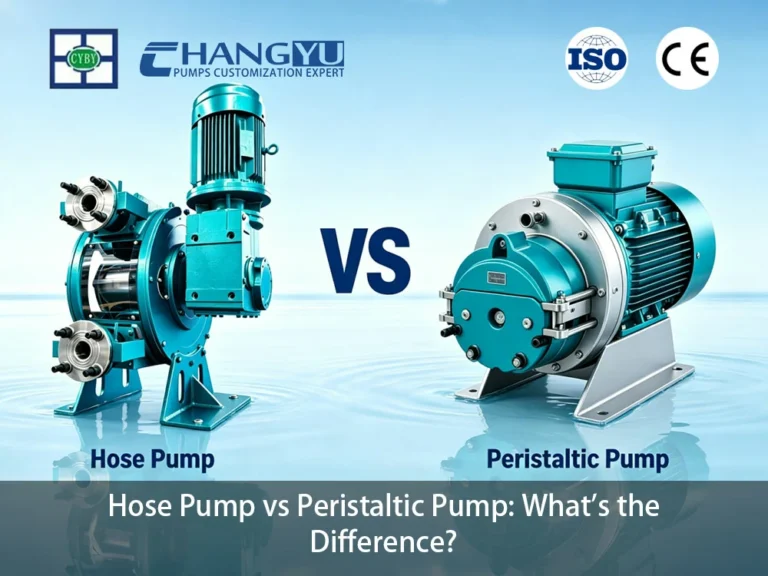
Quick Answer A hose pump vs peristaltic pump comparison is fundamentally a question of engineering scale rather than operating…
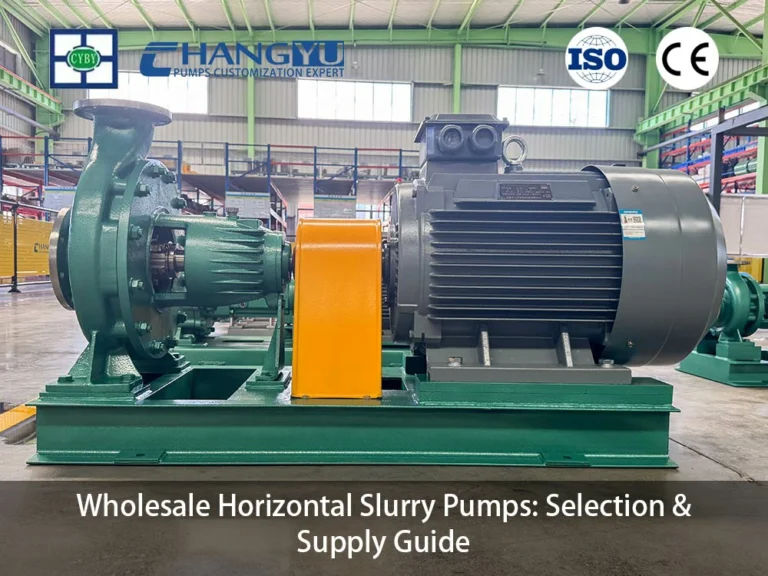
Wholesale Horizontal Slurry Pumps: Product Overview Changyu Pump manufactures a comprehensive range of heavy-duty horizontal slurry pumps…
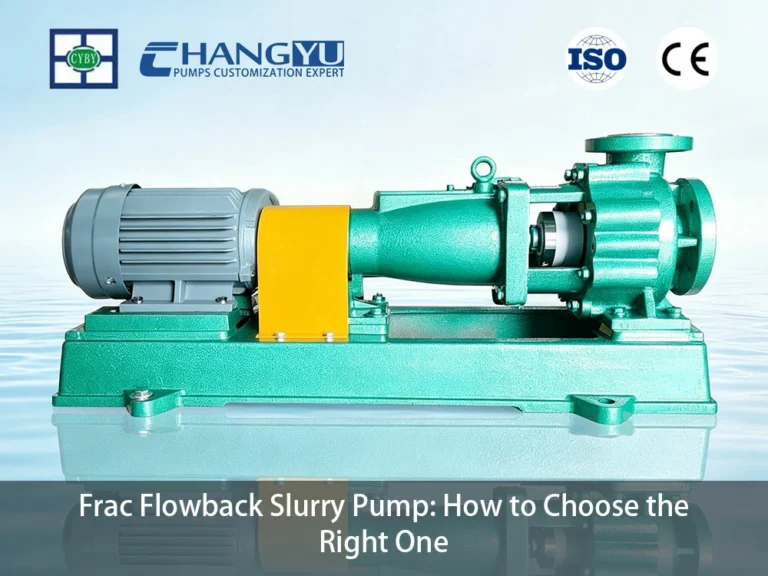
Quick Answer Selecting the right frac flowback slurry pump requires matching materials to extreme abrasion from fracturing sand, choosing…
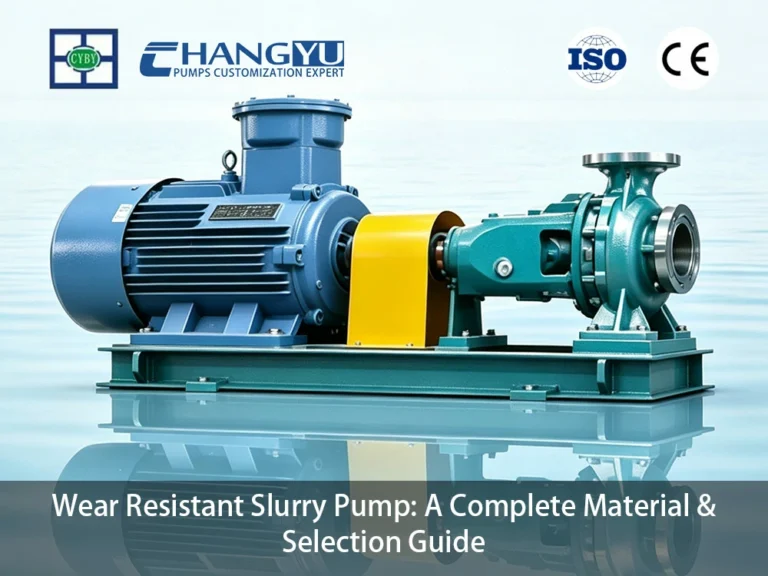
Quick Answer A wear resistant slurry pump is a heavy-duty centrifugal pump engineered with specialized materials and design features…
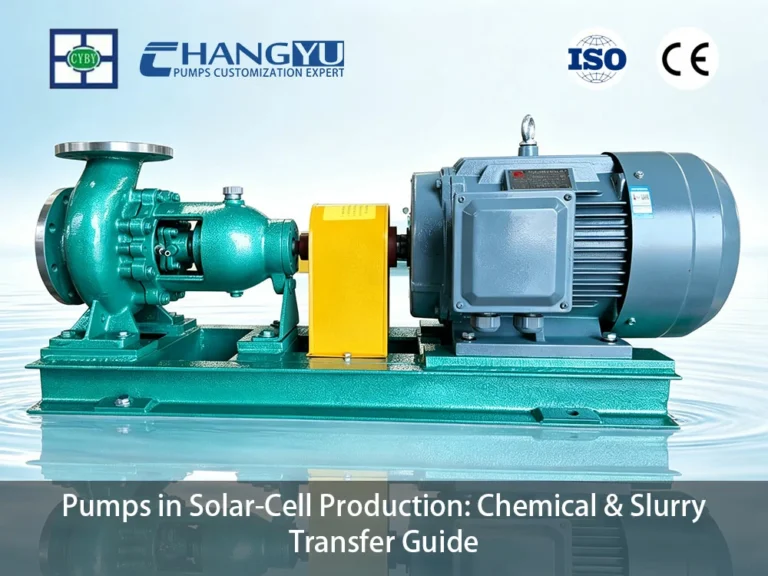
Quick Answer Pumps in solar-cell production must handle three fundamentally different fluid challenges within a single manufacturing plant:…
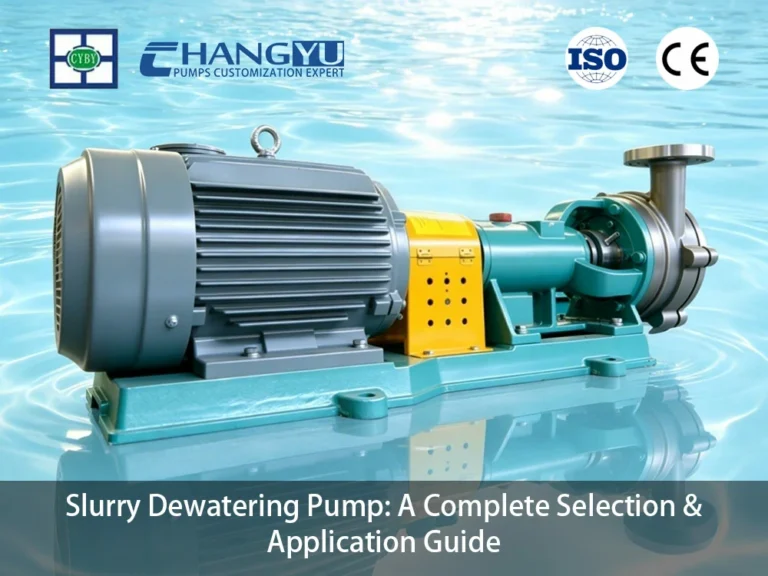
Quick Answer A slurry dewatering pump is a specialized pump engineered to feed thickened sludge, tailings, or mineral slurries…
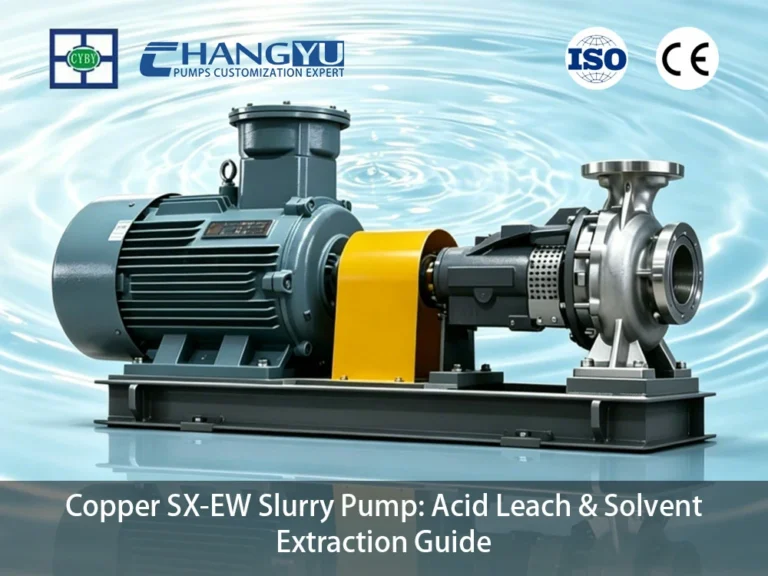
Quick Answer A Copper SX-EW slurry pump serves the hydrometallurgical process that extracts copper from oxide ores through sulfuric…
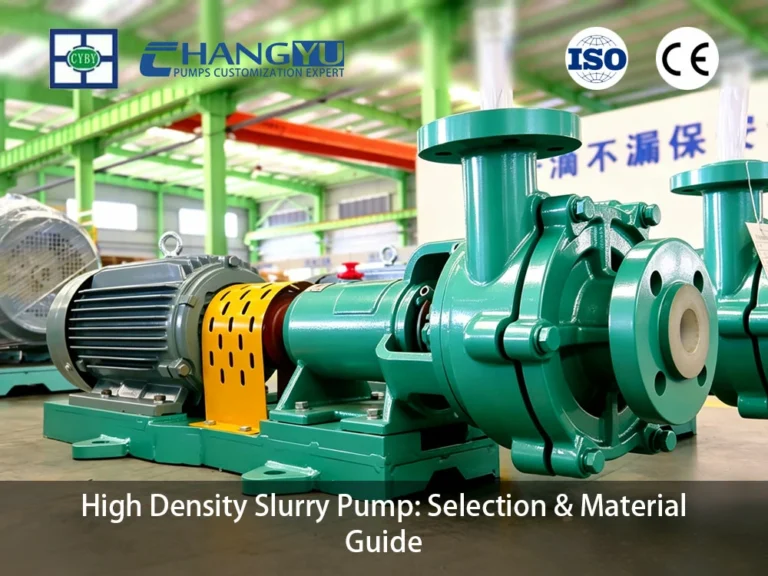
Quick Answer A high density slurry pump is engineered to transport slurries with specific gravities exceeding 1.5 — heavy…
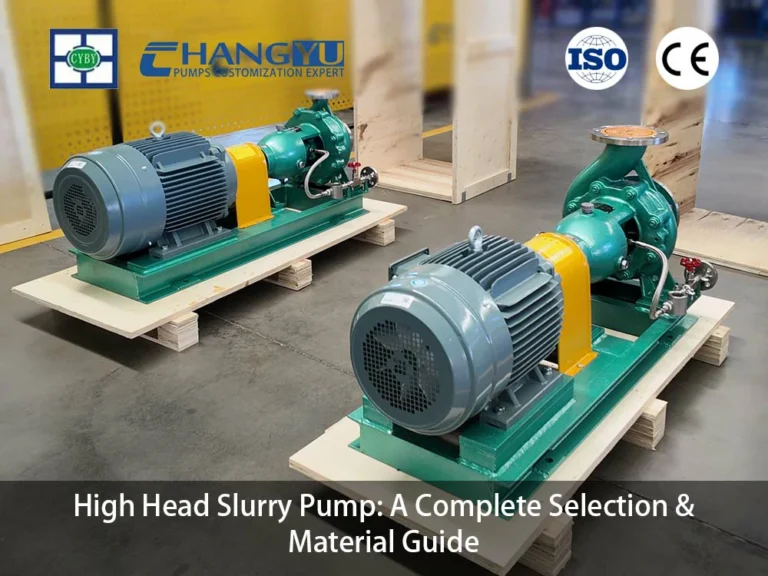
Quick Answer Selecting the right high head slurry pump requires matching materials to the accelerated wear caused by high…
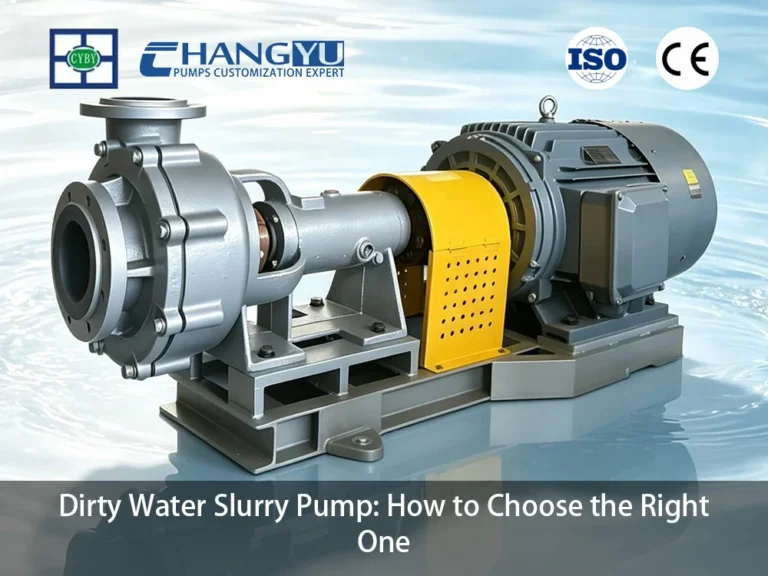
Quick Answer Selecting the right dirty water slurry pump requires matching materials to the abrasive solids in the water,…
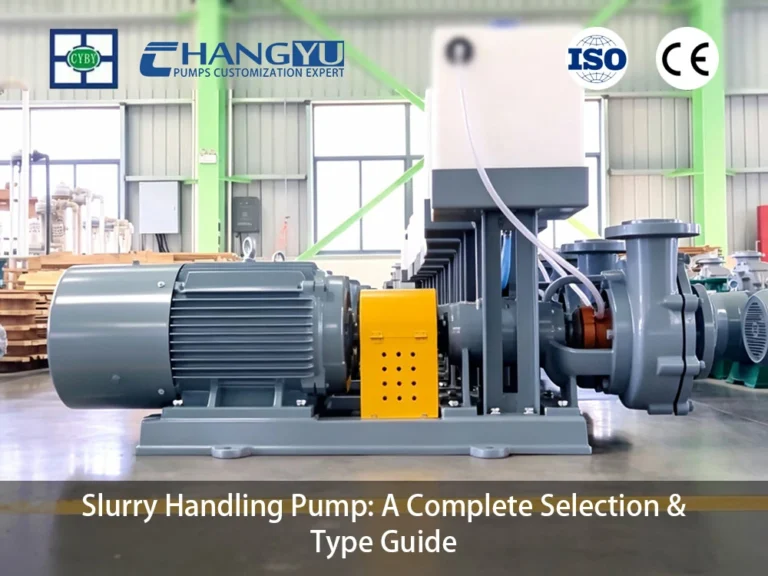
Quick Answer Selecting the right slurry handling pump requires matching the pump type to the slurry’s characteristics and choosing…
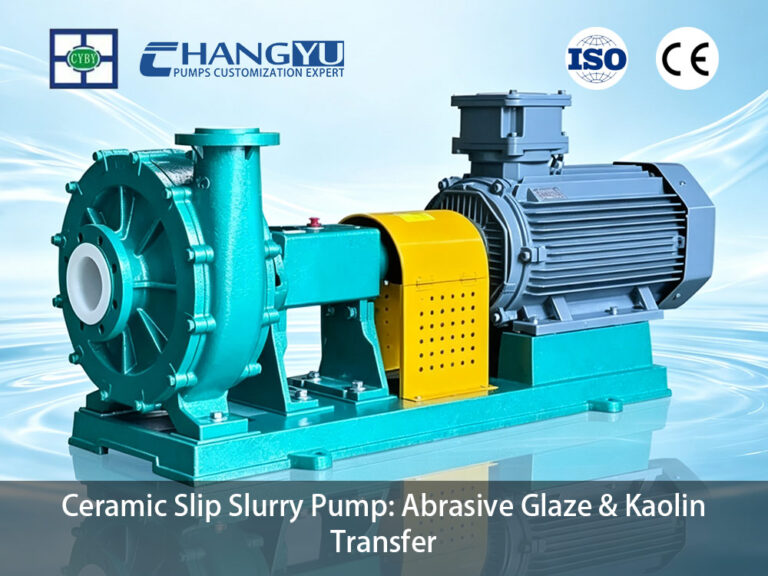
Quick Answer A ceramic slip slurry pump is a specialized pump engineered to handle highly abrasive ceramic slurries —…
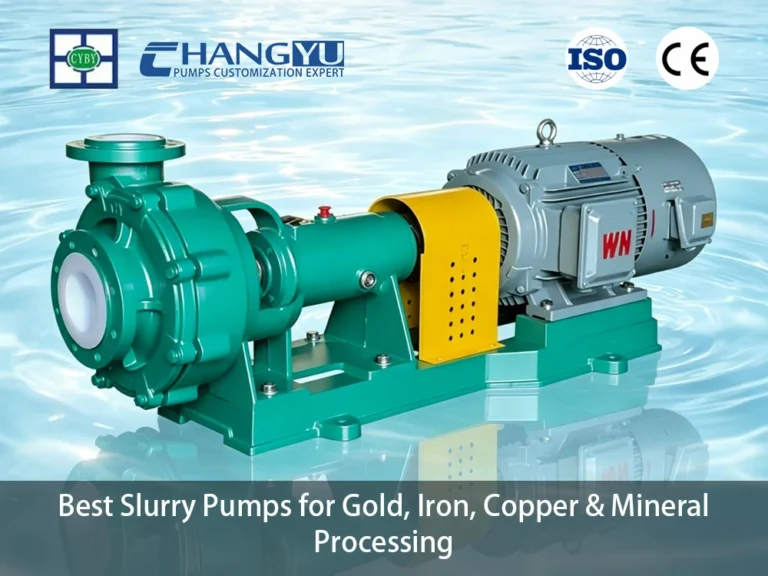
Quick Answer The best slurry pumps for gold, iron, copper and mineral processing share a common foundation:…
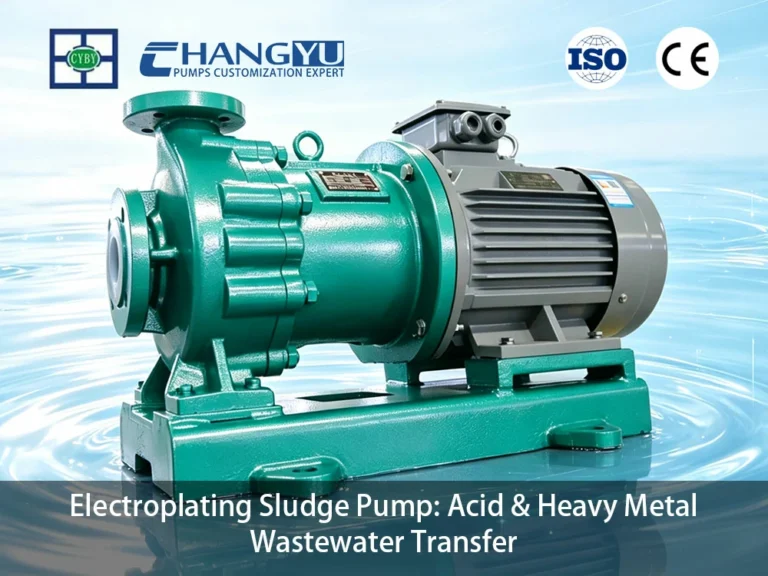
Quick Answer An electroplating sludge pump is a chemical transfer pump engineered to handle the mixed acid, heavy metal,…
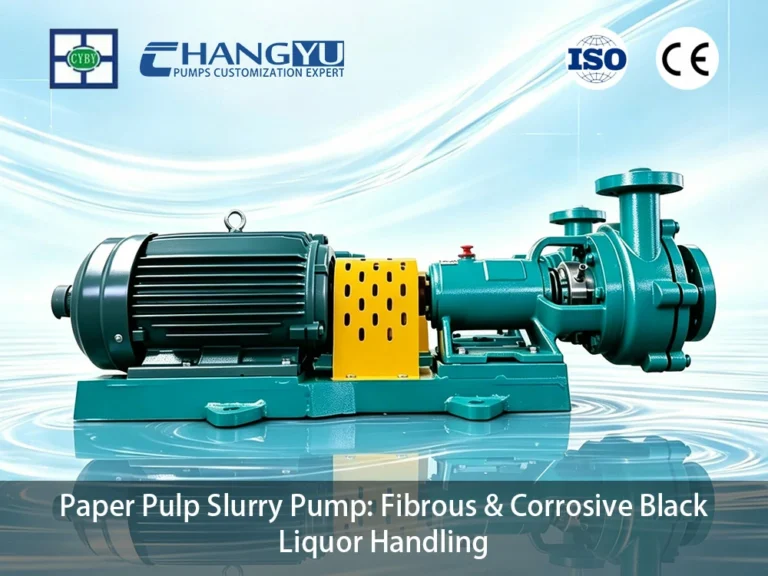
Quick Answer Paper pulp slurry pumps handle the twin challenges of fibrous solids and corrosive chemicals in pulp…
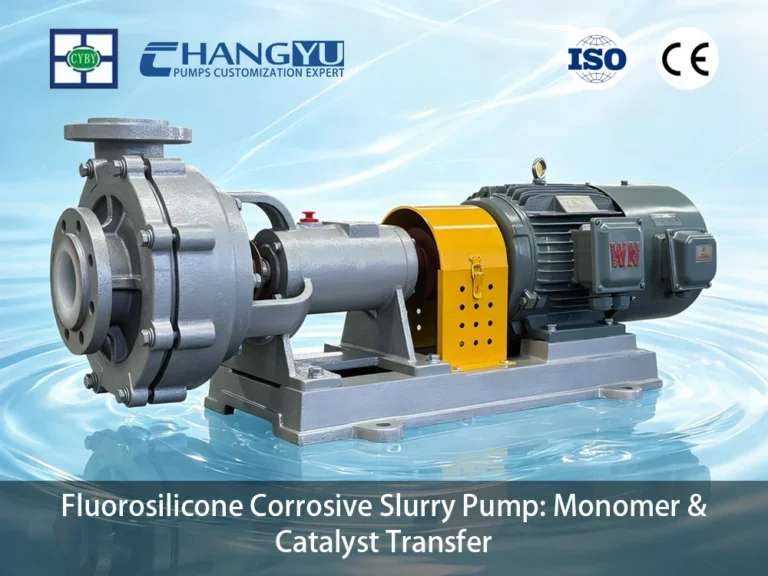
Quick Answer A fluorosilicone corrosive slurry pump is engineered to handle one of the most aggressive fluid combinations in…
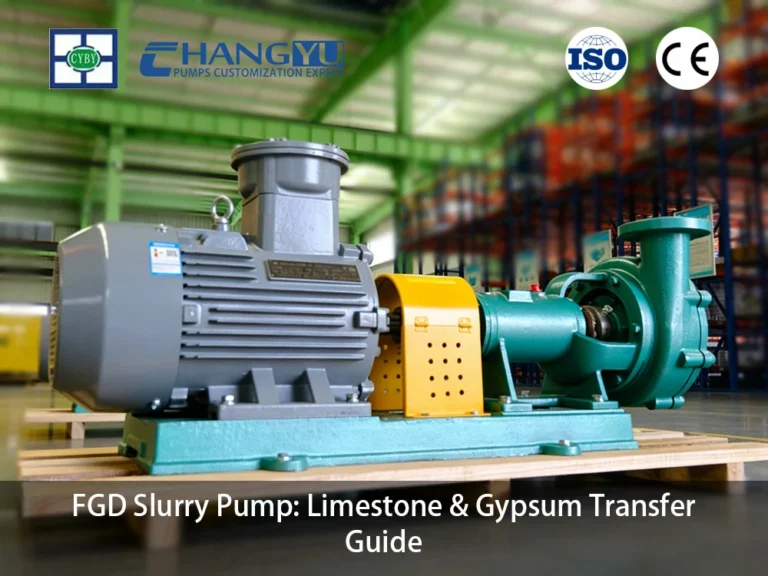
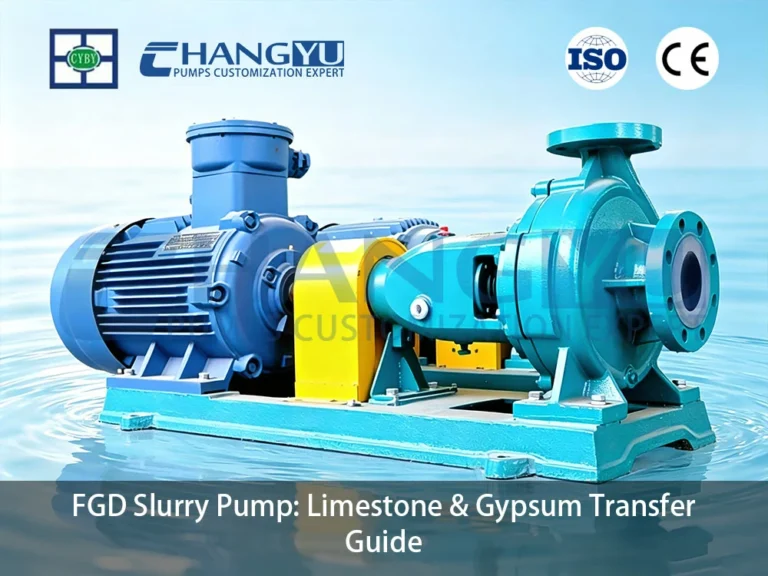
Quick Answer An FGD slurry pump is a heavy-duty pump engineered to handle the abrasive limestone slurry and scaling-prone…
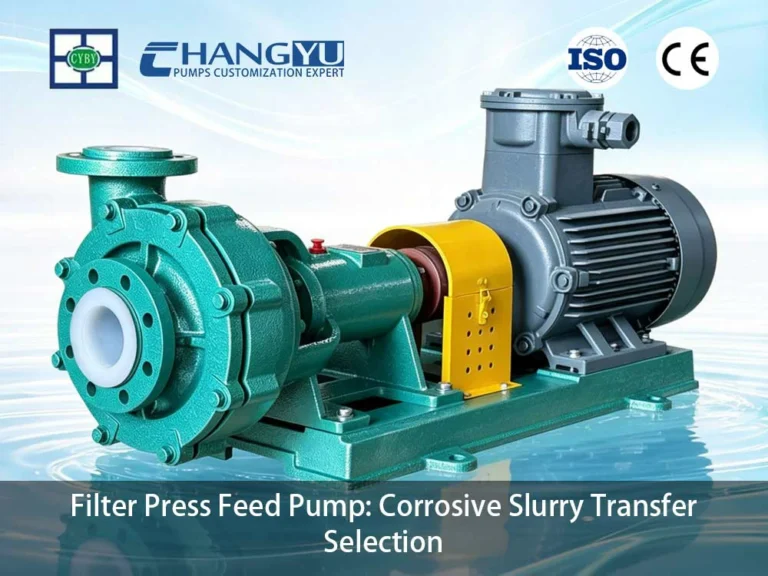
Quick Answer A filter press feed pump is a specialized pump that injects slurry into a filter press under…
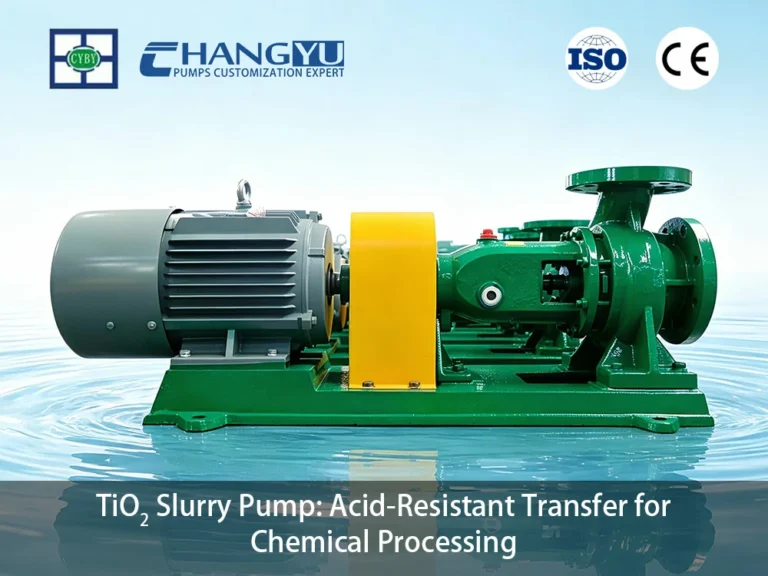
Quick Answer A TiO₂ slurry pump is a heavy-duty pump engineered to handle the corrosive and abrasive slurries produced…
Quick Answer A food-grade corrosive pump transfers acidic, alkaline, or saline food products and additives — from citric acid…
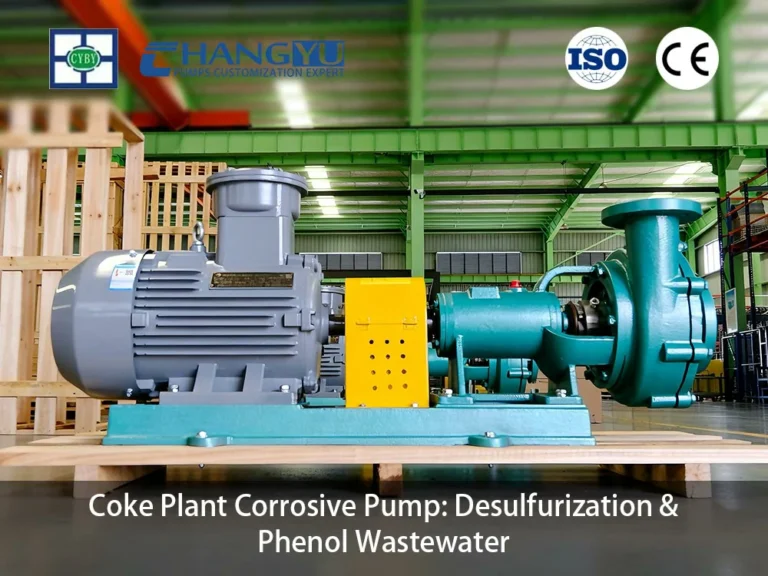
Quick Answer A coke plant corrosive pump handles the aggressive fluids generated during coke production — from acidic desulfurization…
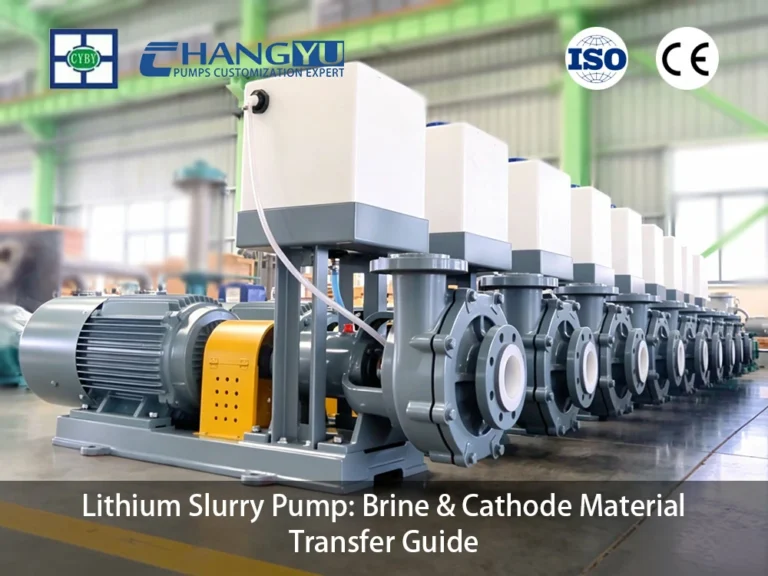
Quick Answer A lithium slurry pump is a heavy-duty pump engineered to handle the corrosive and abrasive fluids found…
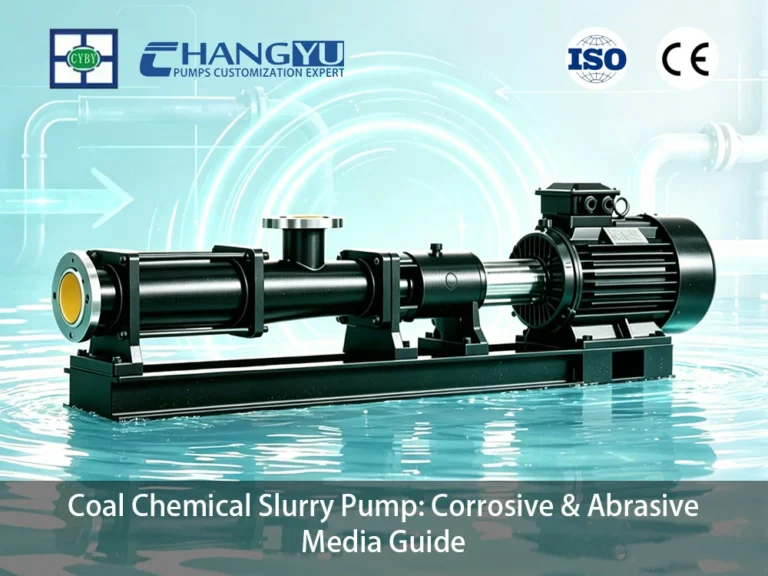
Quick Answer A coal chemical slurry pump is a heavy-duty pump engineered to handle the corrosive, abrasive, and often…
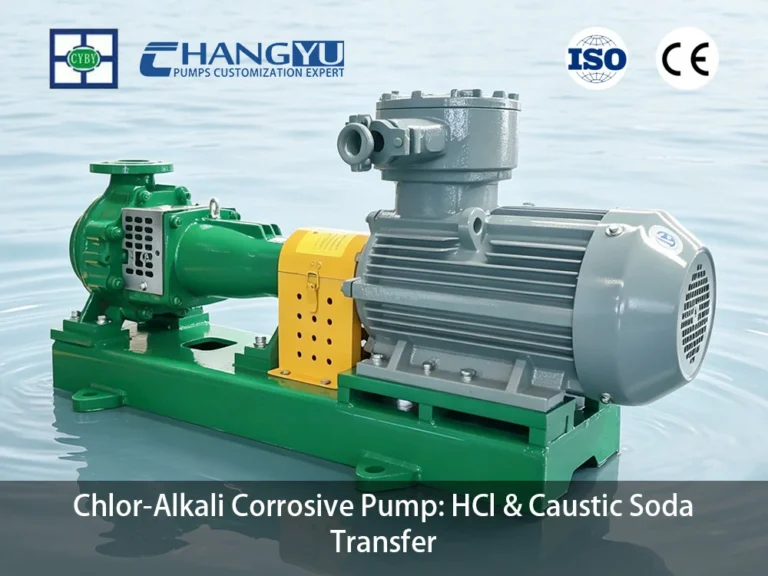
Quick Answer A chlor-alkali corrosive pump handles the two extremes of the chemical spectrum — concentrated hydrochloric acid on…
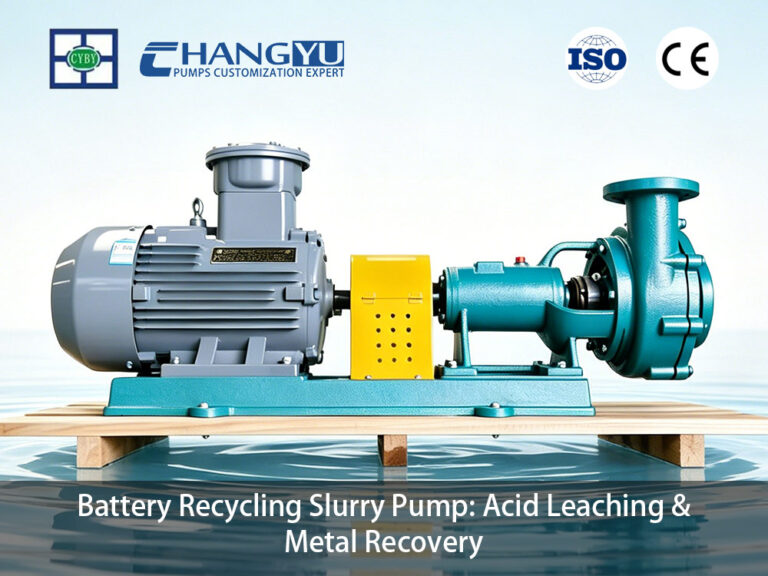
Quick Answer A battery recycling slurry pump transfers the corrosive, abrasive mixtures generated when spent lithium-ion, lead-acid, and other…
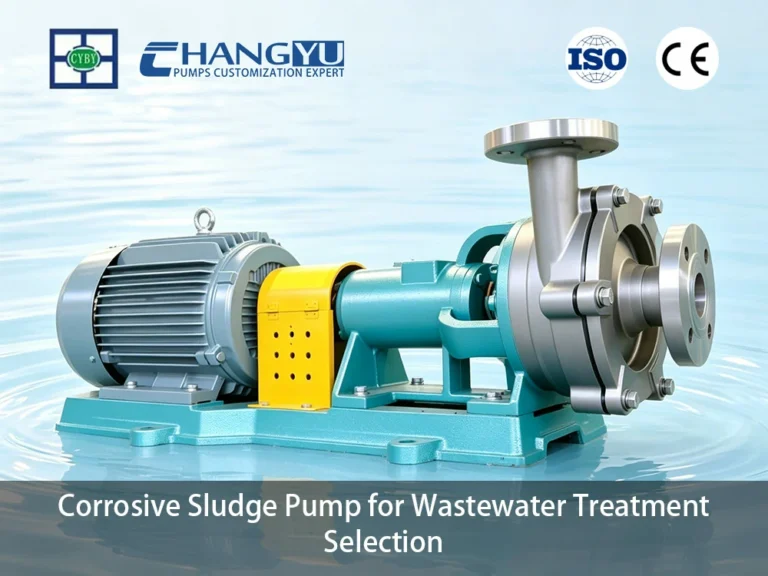
Quick Answer A corrosive sludge pump for wastewater treatment moves sludge that contains both abrasive solids and chemically aggressive liquids —…
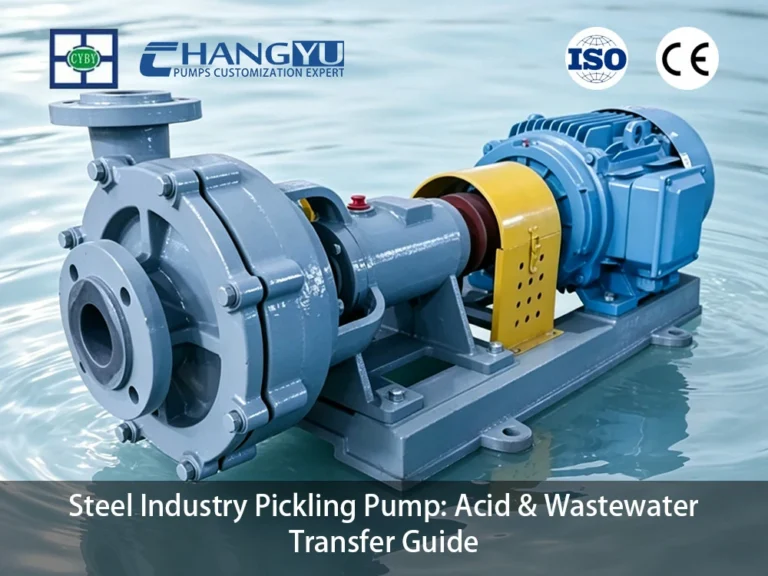
Quick Answer A steel industry pickling pump is a corrosion-resistant pump engineered to handle the aggressive acid solutions and…
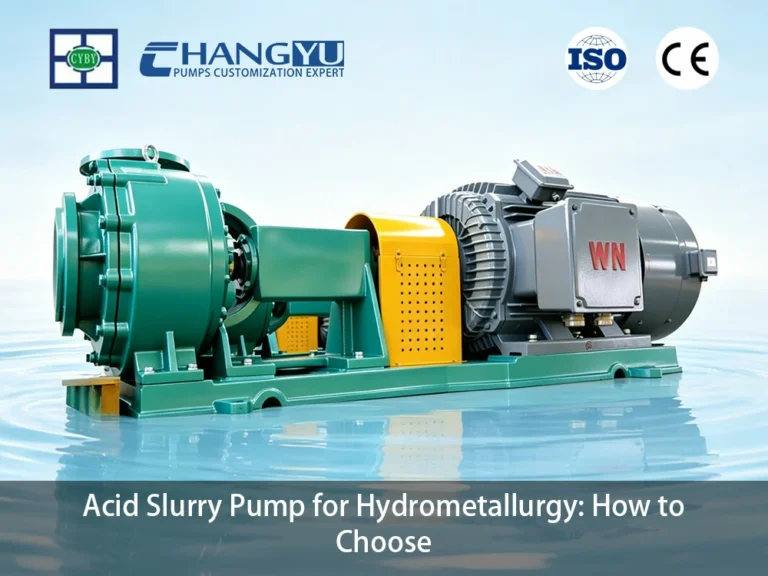
Quick Answer An acid slurry pump for hydrometallurgy is an industrial pump engineered to transfer highly corrosive acidic solutions…
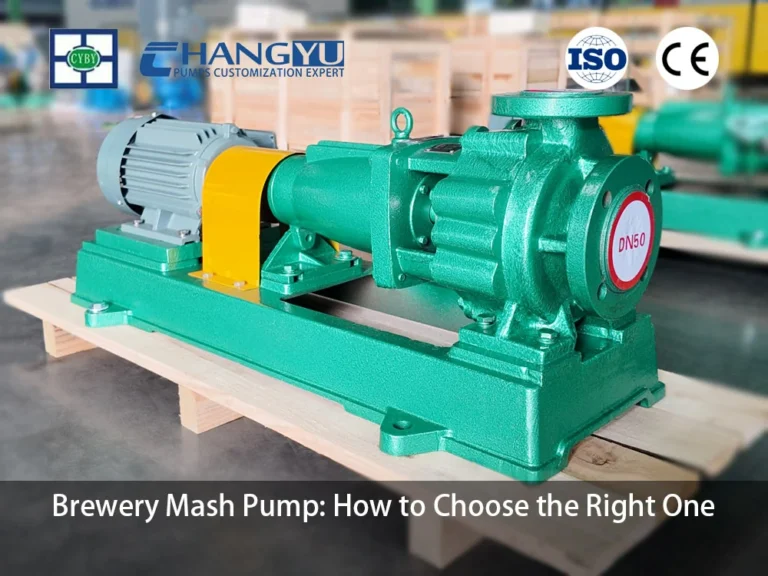
Quick Answer A brewery mash pump is a food-grade pump engineered to transfer the mixture of crushed malted grains…
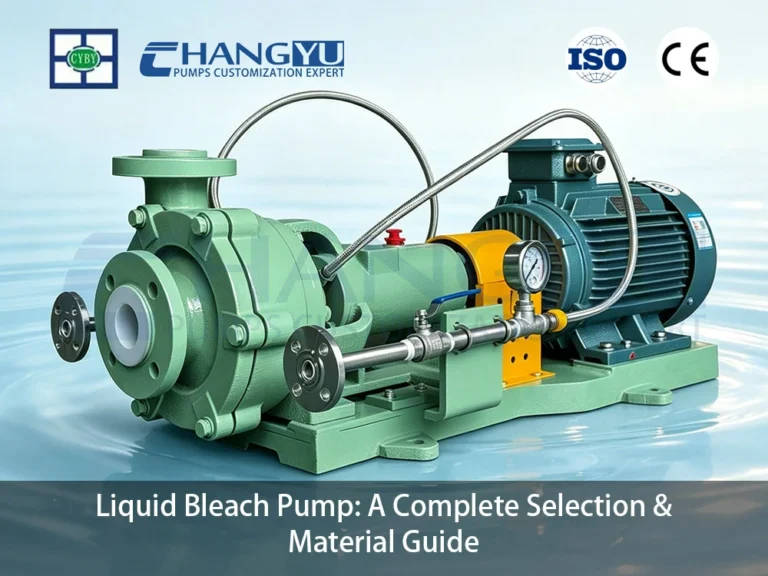
Quick Answer A liquid bleach pump is a chemical transfer or dosing pump engineered to handle sodium hypochlorite (NaOCl)…
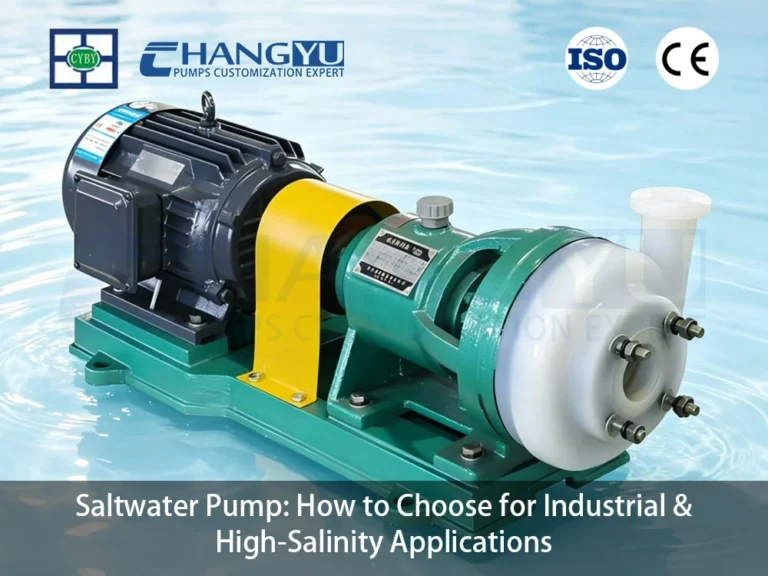
Quick Answer A saltwater pump moves liquids containing dissolved salts — from sodium chloride and calcium chloride brines to…
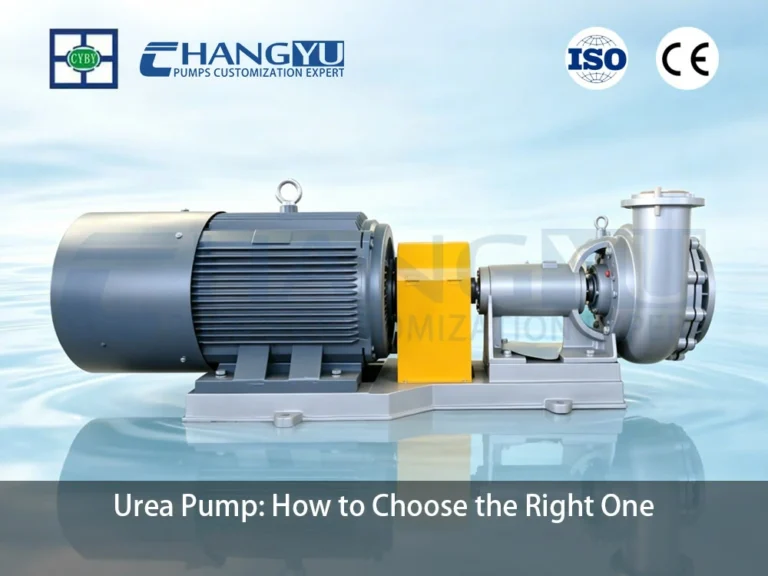
Quick Answer A urea pump is a pump specifically engineered to handle urea solutions — from diesel exhaust fluid…
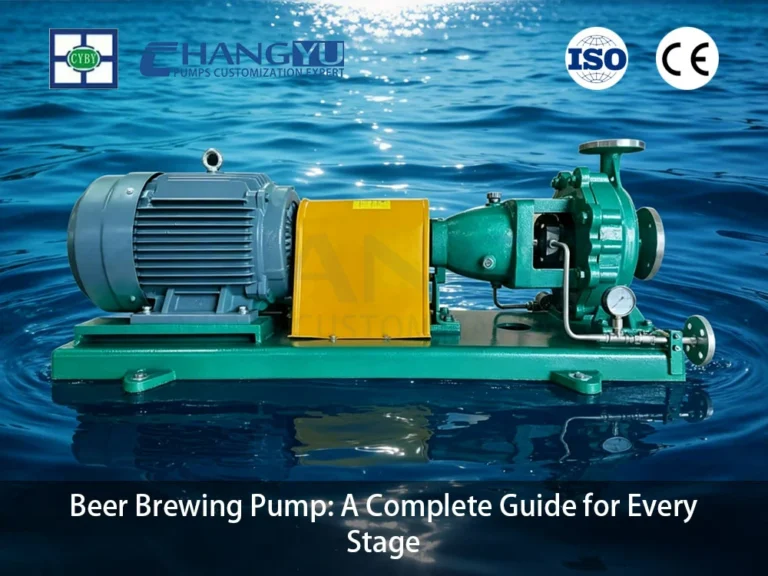
Quick Answer A beer brewing pump moves liquids through the brewing process — from transferring thick, grain-laden mash to…
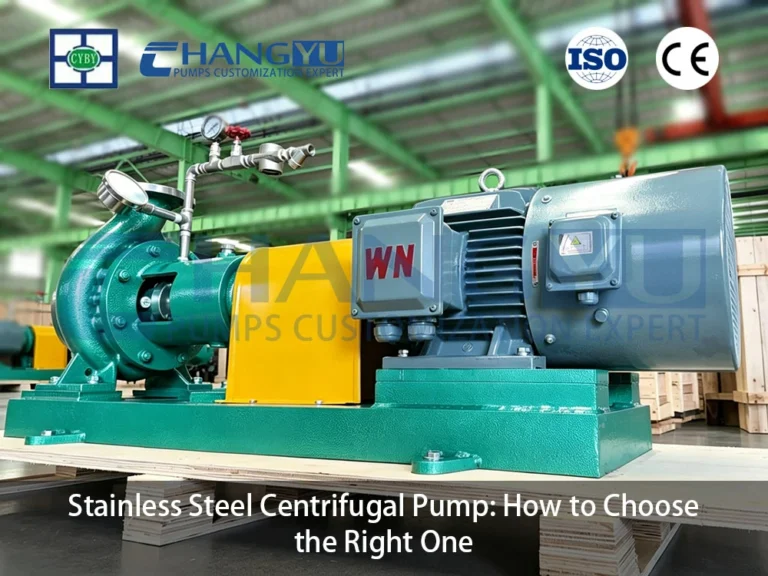
Quick Answer A stainless steel centrifugal pump is a corrosion-resistant pump that uses a rotating impeller to move liquids,…
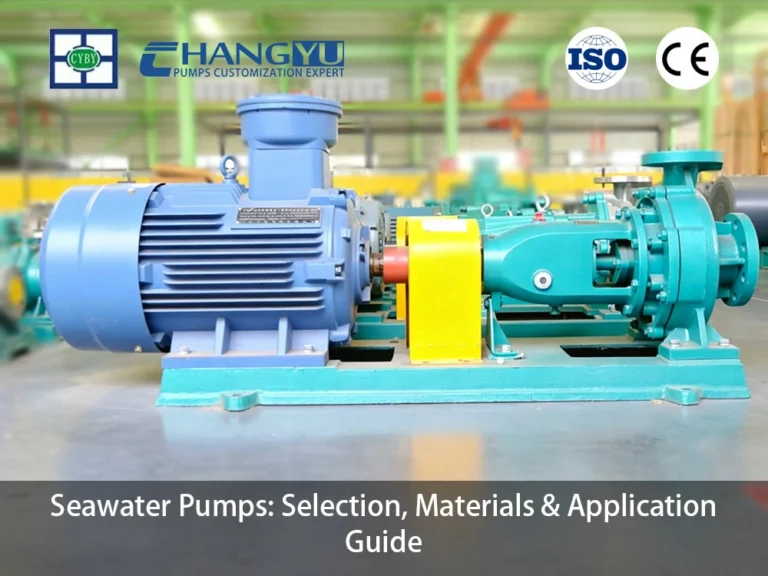
Quick Answer Seawater pumps are industrial pumps engineered to withstand a corrosive environment that attacks through localized, often…
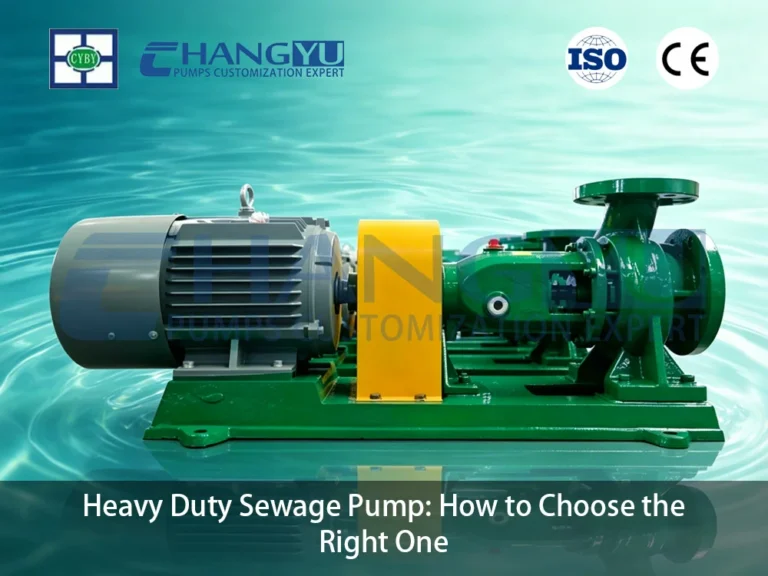
Quick Answer A heavy duty sewage pump is an industrial-grade pump built to handle wastewater with large solids, fibrous…
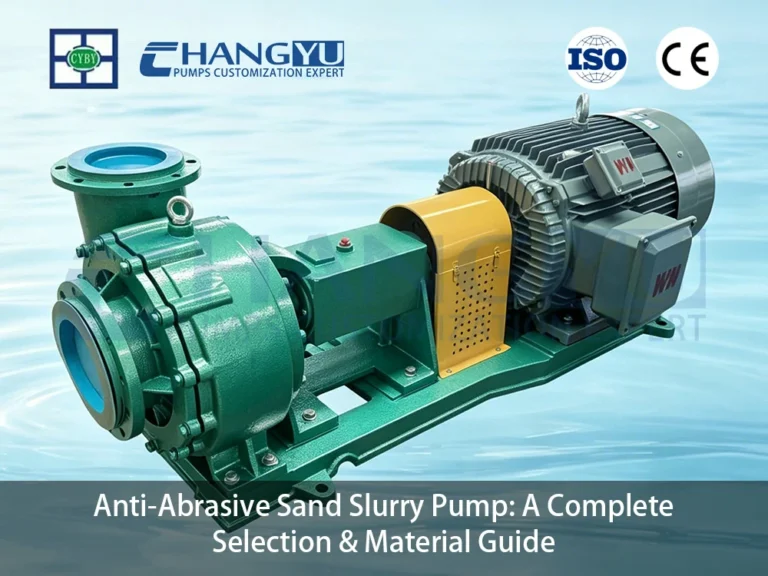
Quick Answer An anti-abrasive sand slurry pump is a centrifugal pump specifically engineered with wear-resistant materials and reinforced hydraulic…
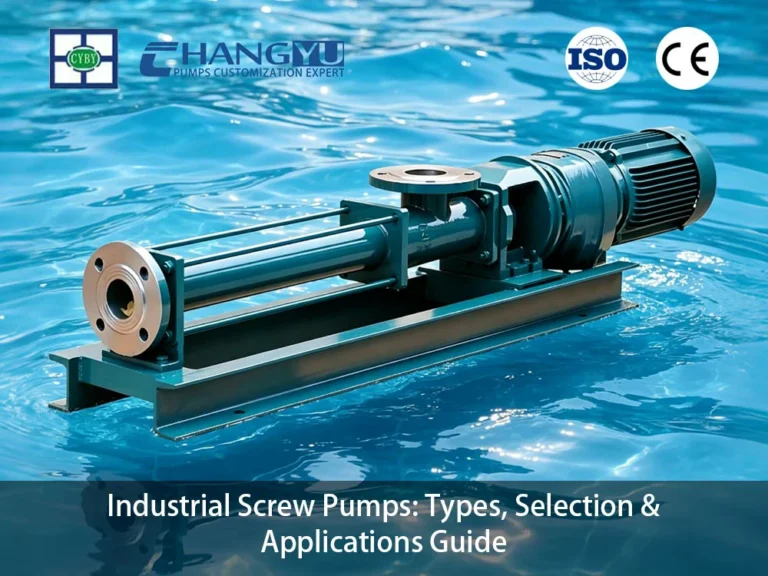
Quick Answer Industrial screw pumps are rotary positive displacement pumps that use one or more intermeshing screws to…
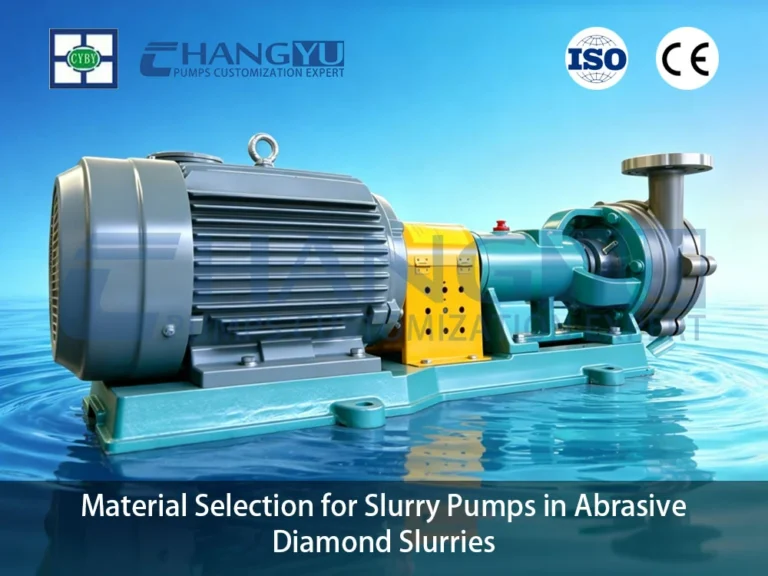
Quick Answer Material selection for slurry pumps in abrasive diamond slurries requires moving beyond conventional high-chrome alloys and…
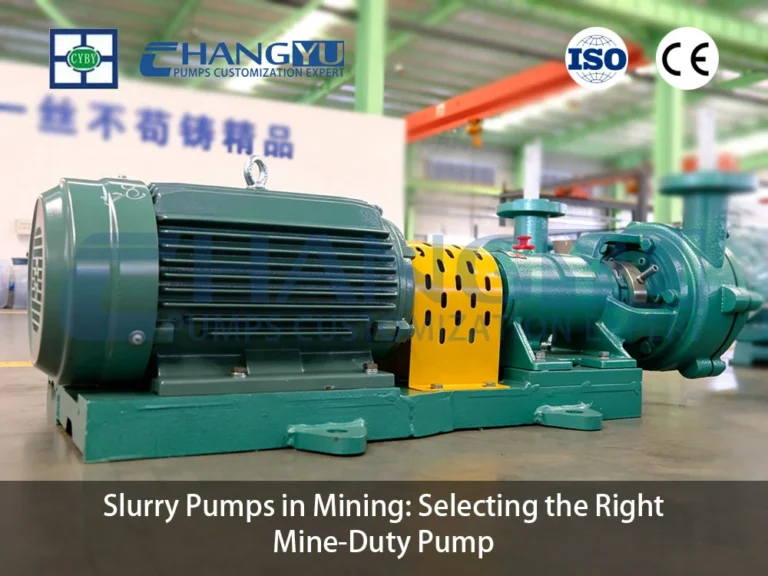
Quick Answer Slurry pumps in mining industry are predominantly heavy-duty centrifugal pumps engineered to transport abrasive, high-density mixtures…
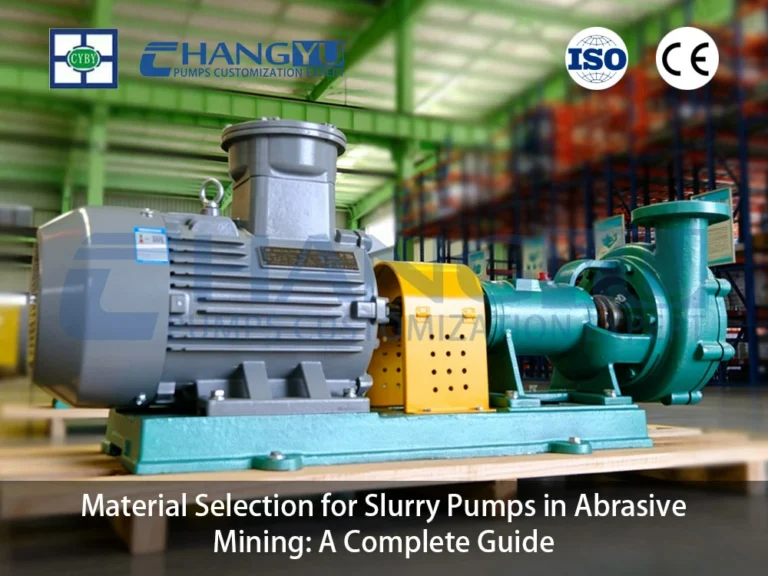
Quick Answer Material selection for slurry pumps in abrasive mining requires a systematic approach that balances material hardness,…
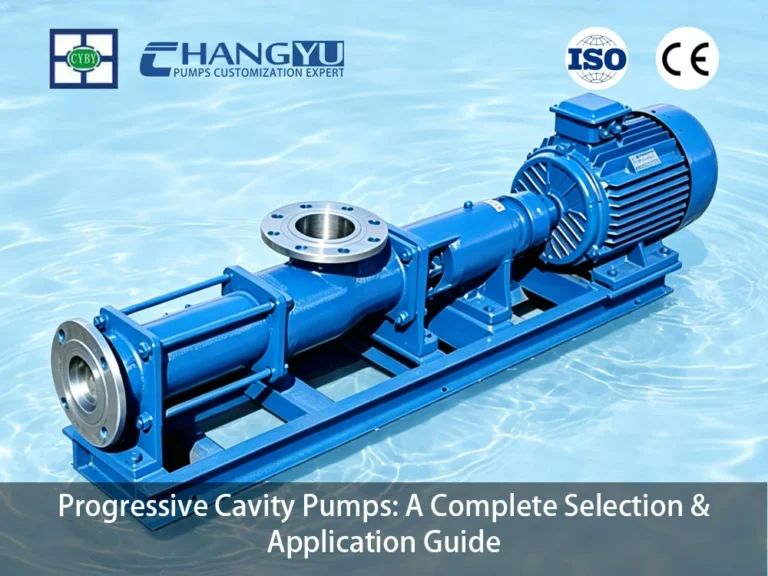
Quick Answer Progressive cavity pumps are rotary positive displacement pumps that use a single-helix metal rotor turning inside…
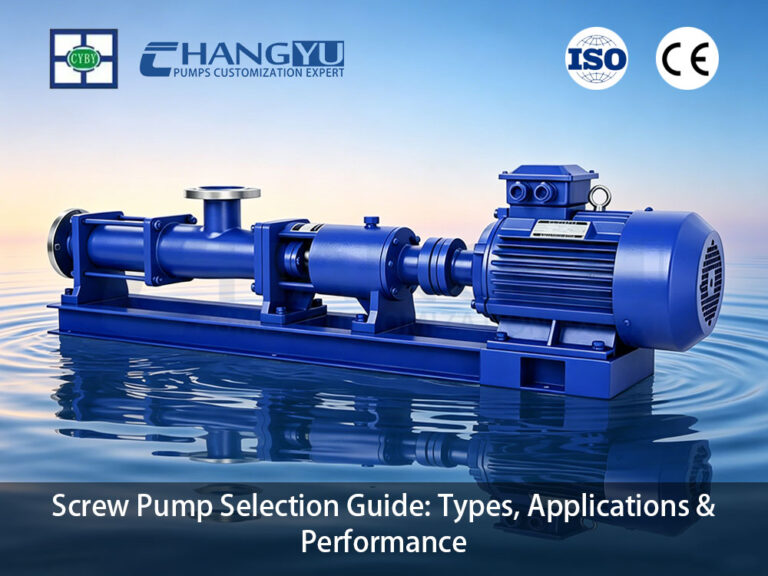
Quick Answer A screw pump is a rotary positive displacement pump that moves fluid by trapping it between…
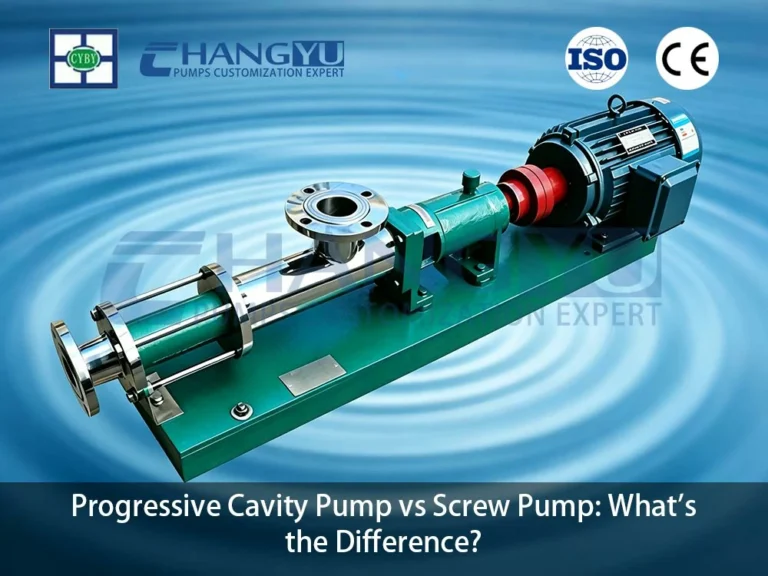
Quick Answer A progressive cavity pump vs screw pump is not a choice between two different pump…
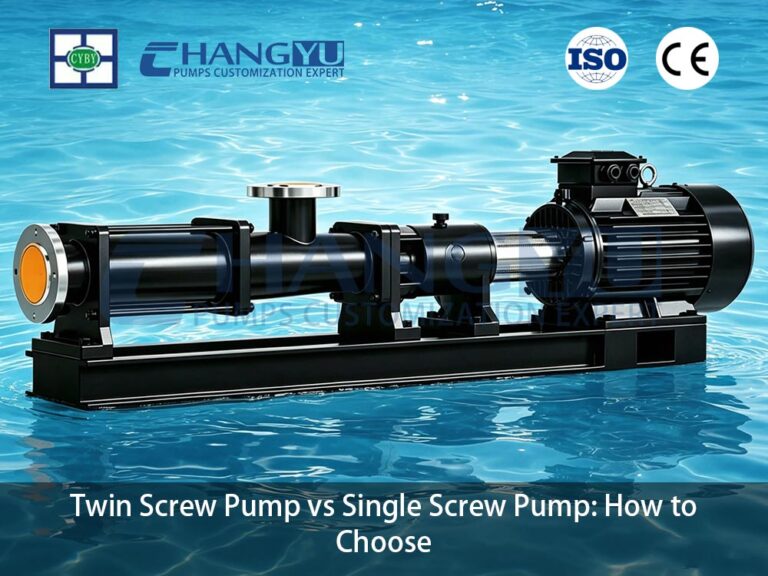
Quick Answer Choosing between a twin screw pump vs single screw pump comes down to three fluid characteristics: gas…