

| Products
Home >> Products >> Water Pump
Product Categories
Request a Quote
What Is a Water Pump?
A water pump is a mechanical device used to transport liquids or increase their pressure. It transfers mechanical energy from a prime mover (such as an electric motor or diesel engine) or other external energy sources to the liquid, thereby increasing the liquid’s energy (kinetic energy, pressure energy, and potential energy) and enabling functions such as lifting, transporting, circulating, and pressurizing the liquid. Simply put, a water pump is the core equipment that makes water “move” or “flow to higher elevations.”
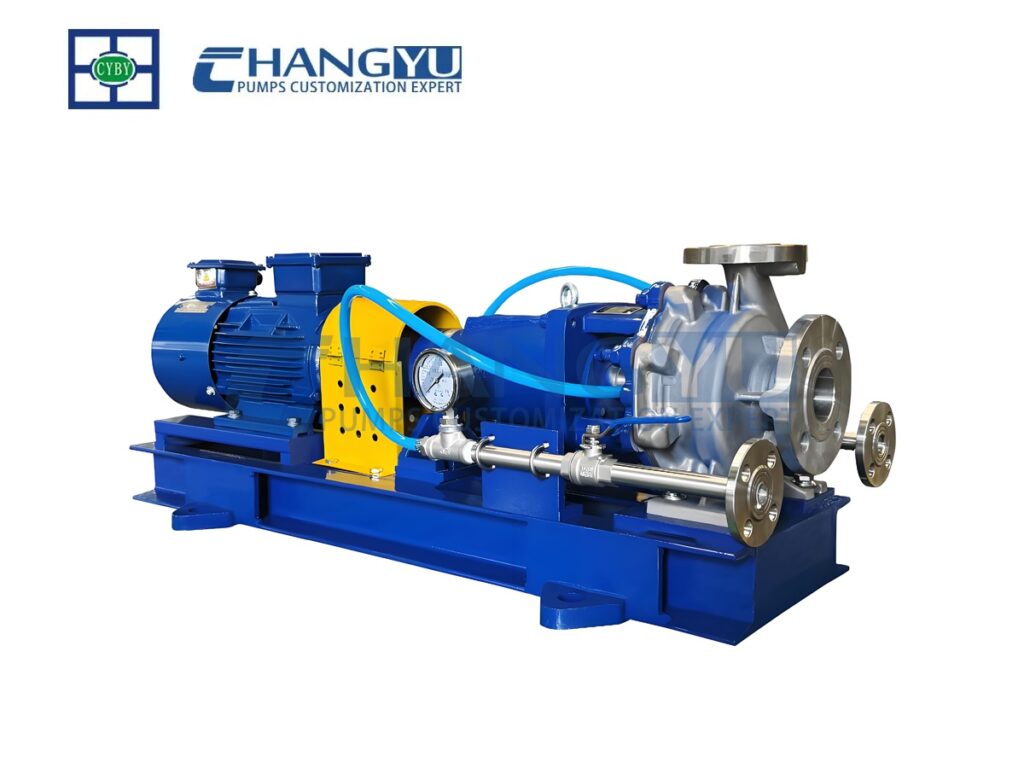
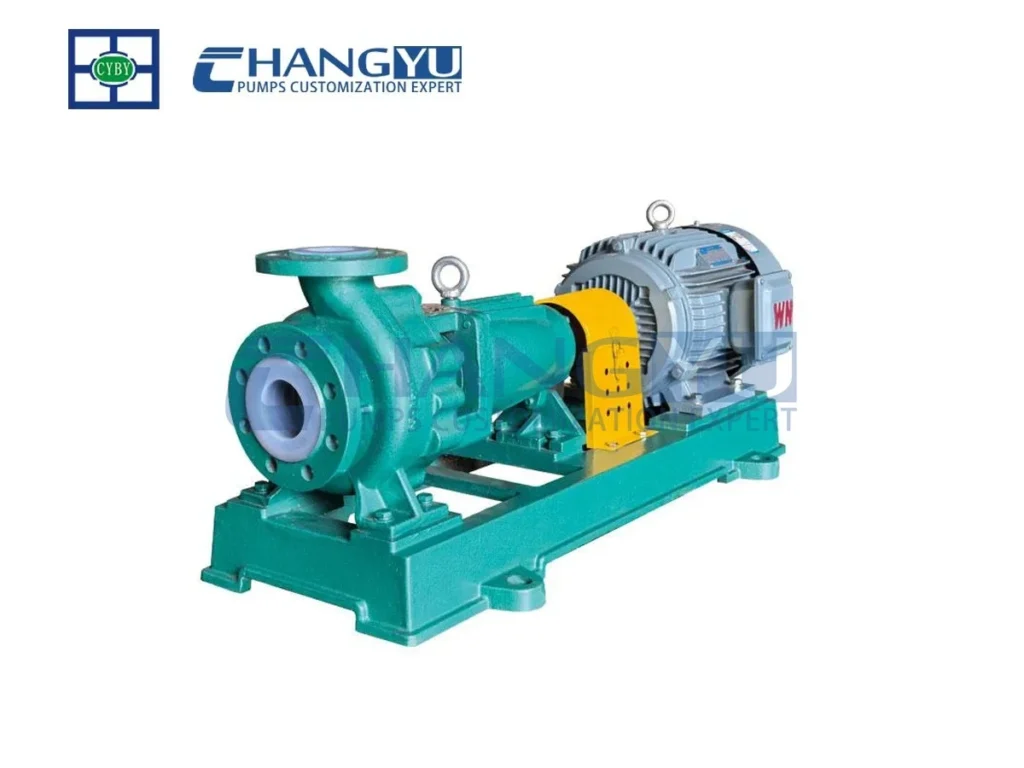
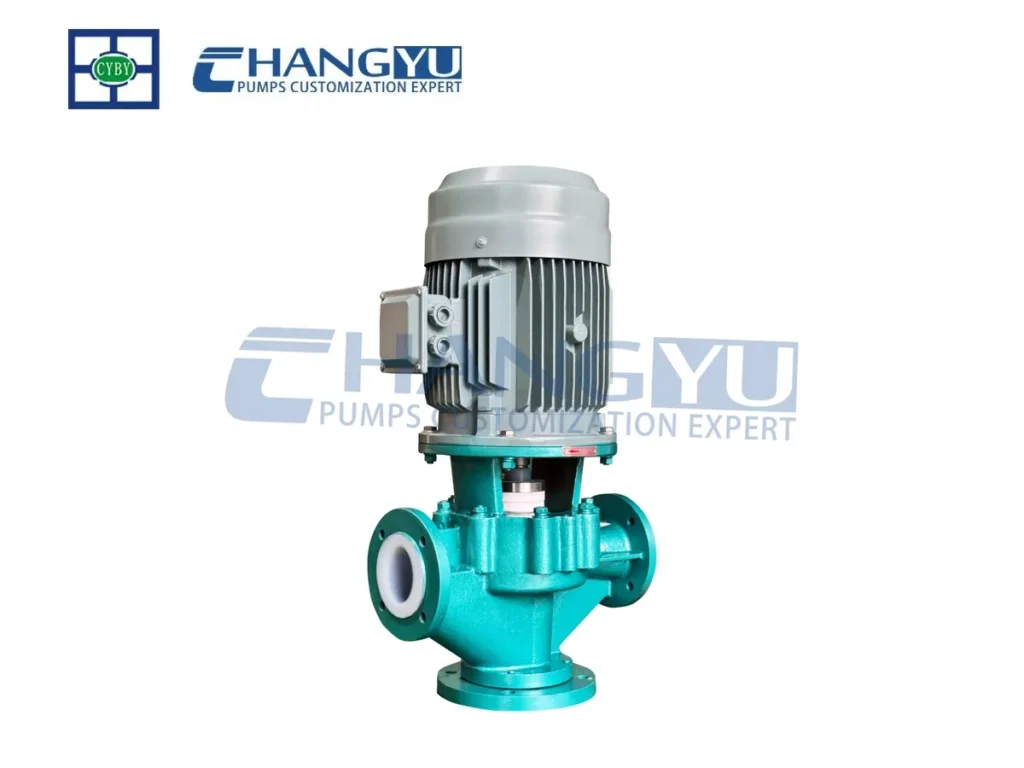
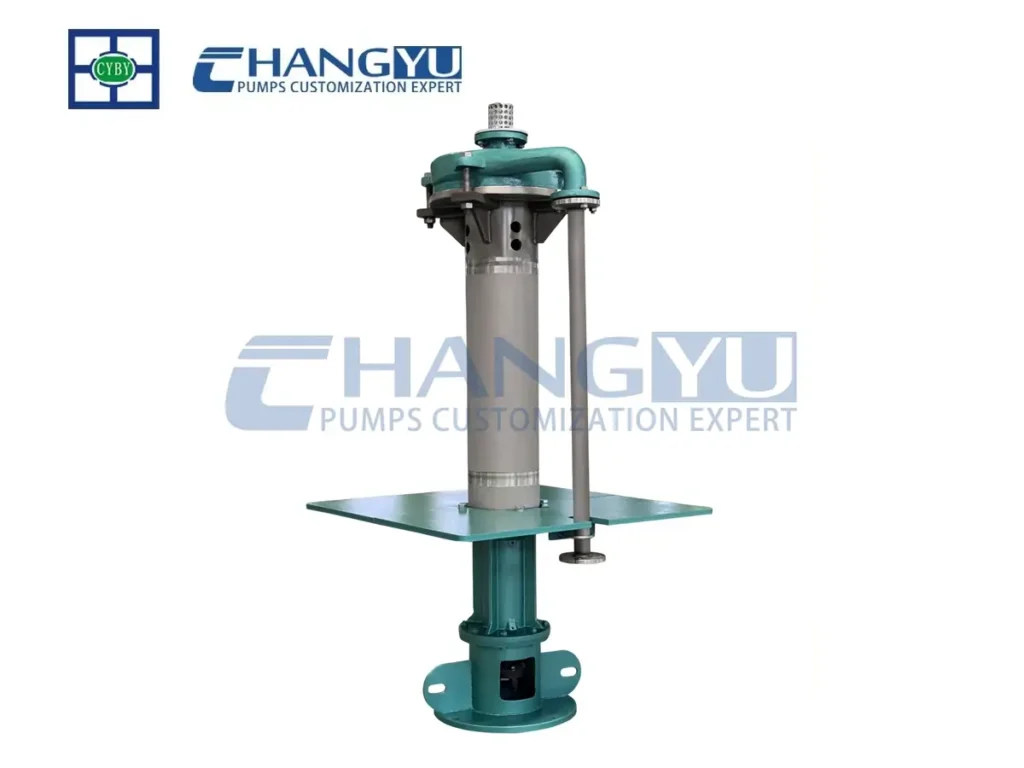
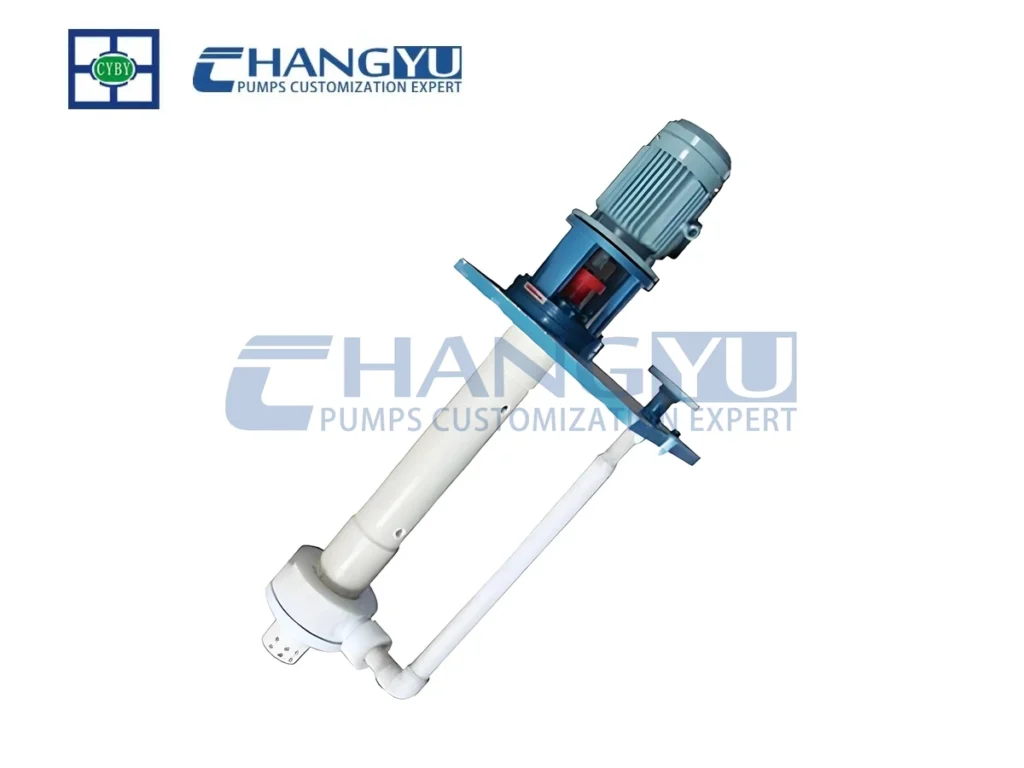
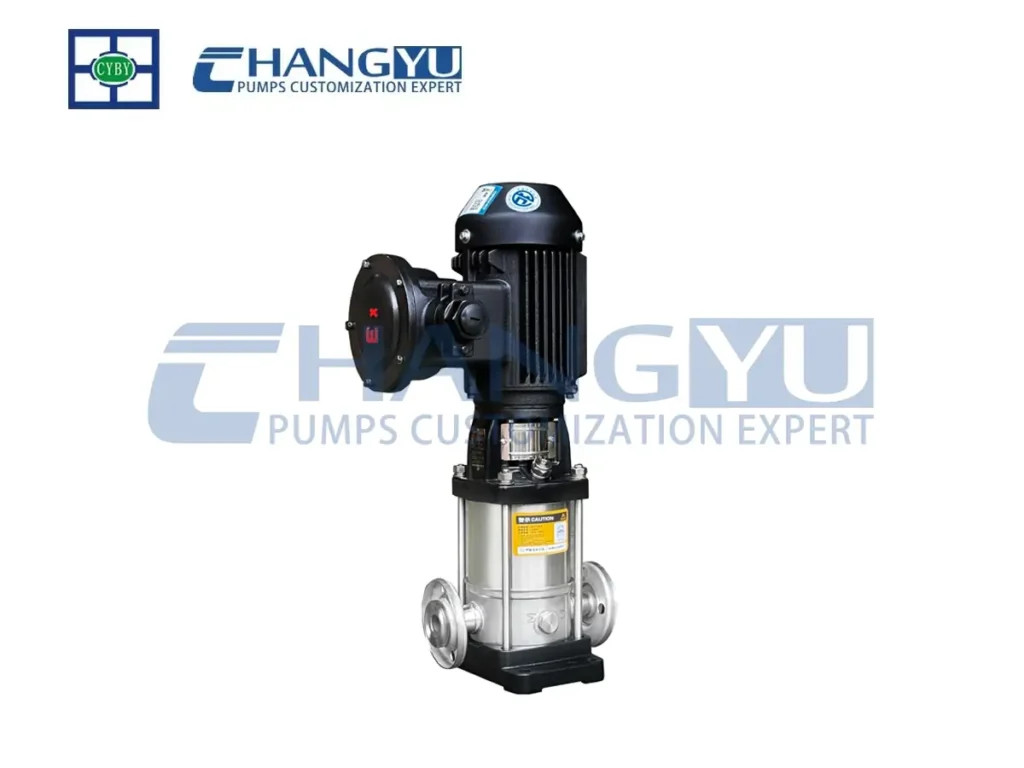
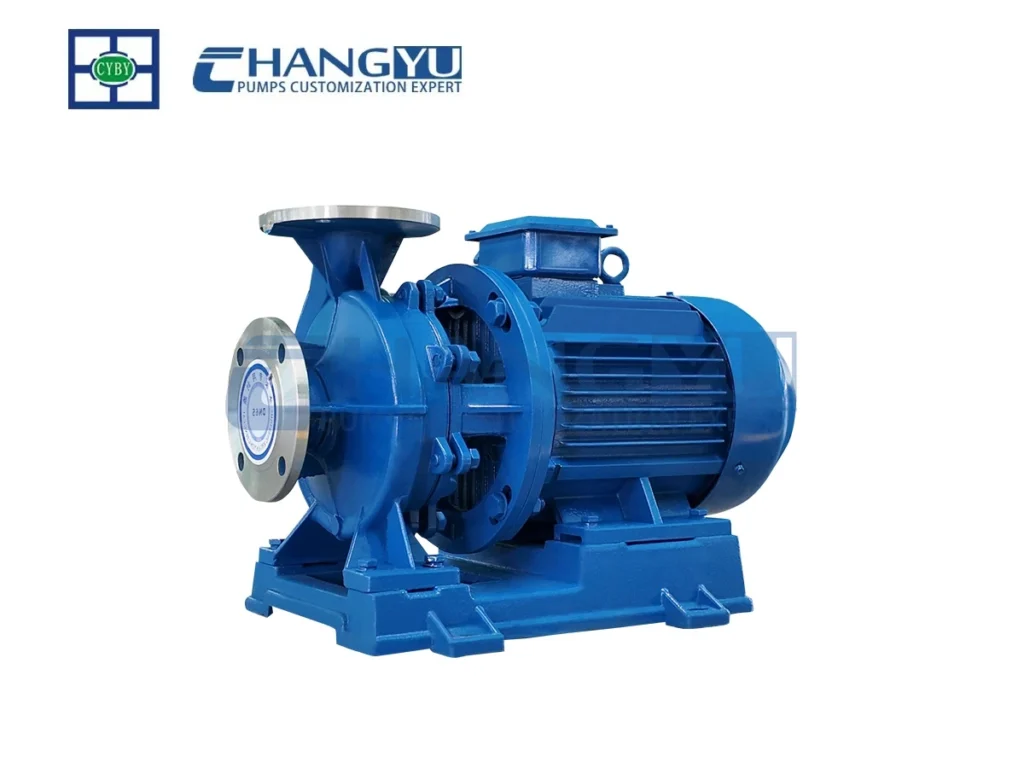
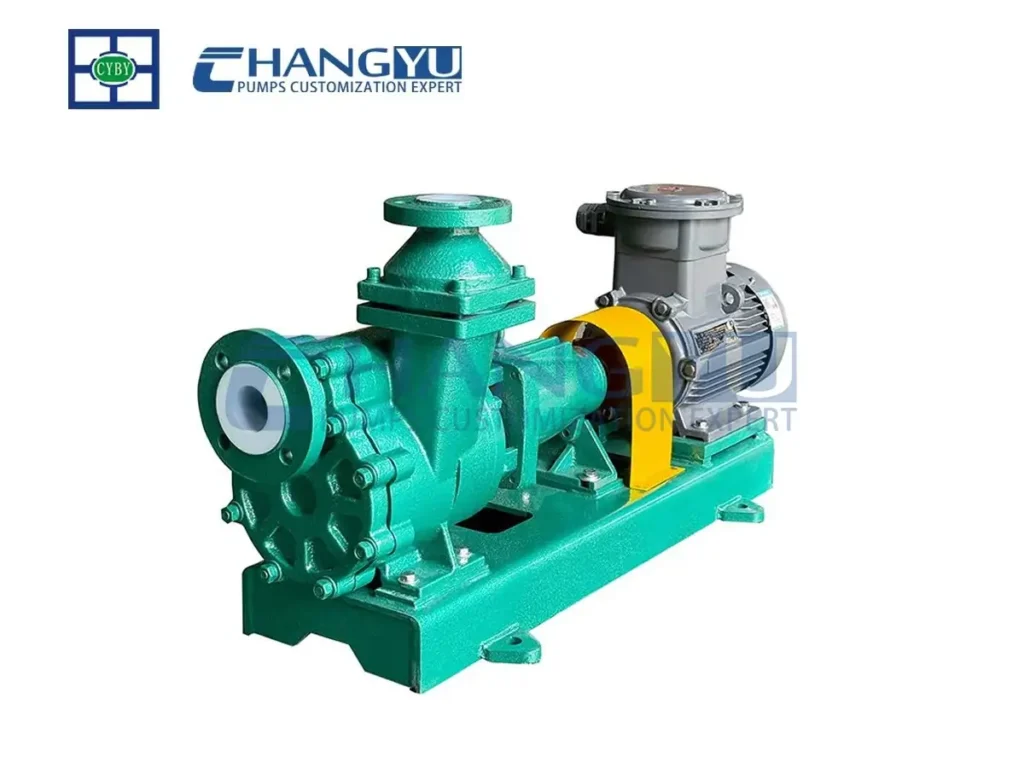
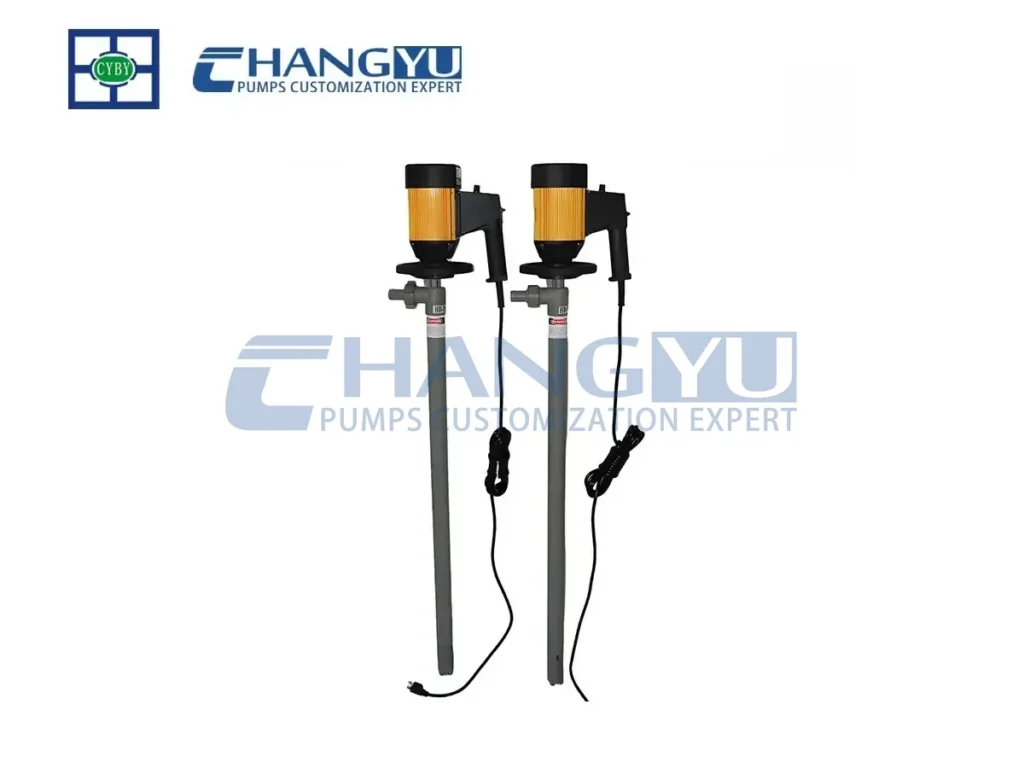
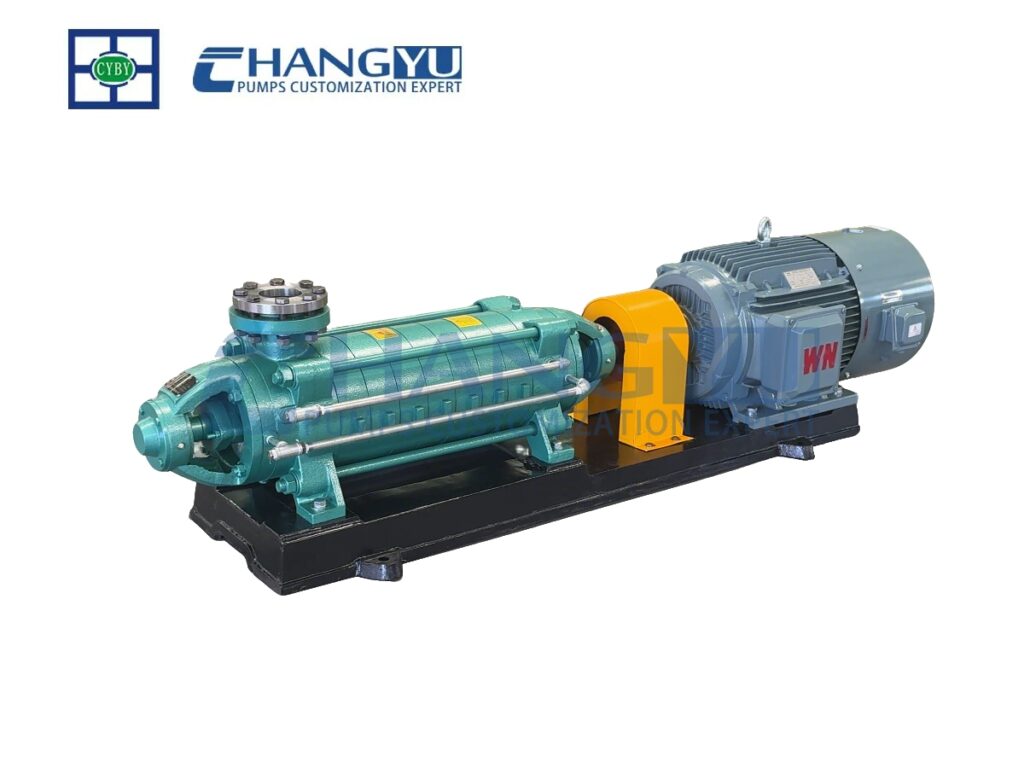
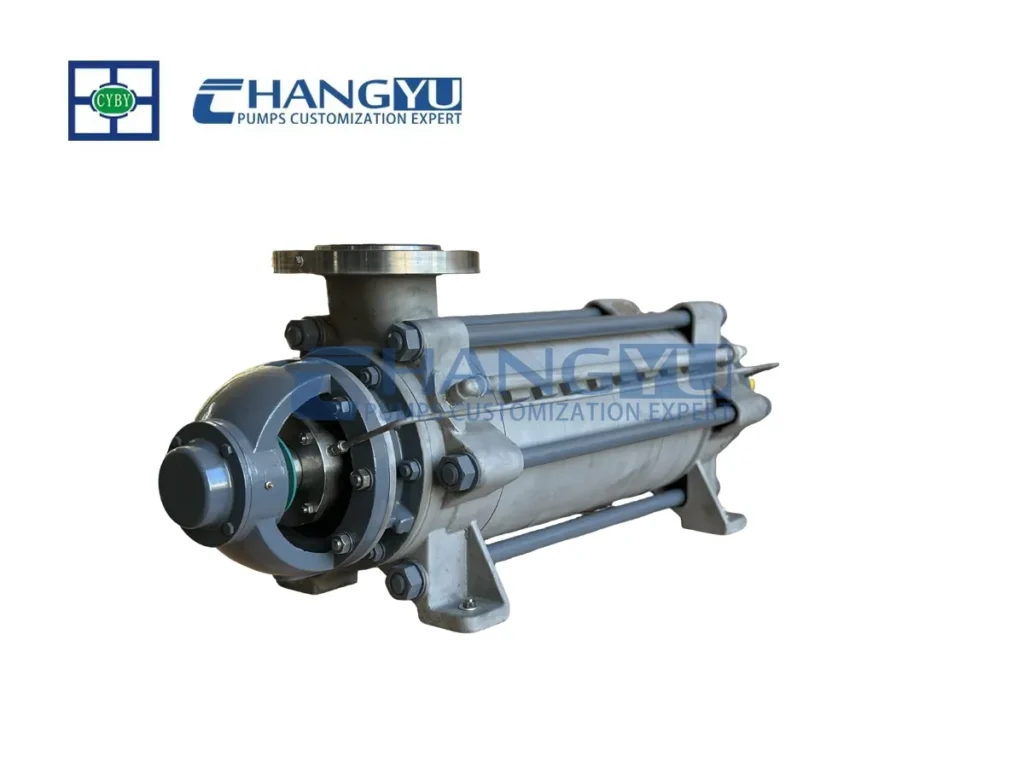

How do water pumps work?
Water pumps are primarily classified into two major categories based on their method of energy transfer:
Impeller Pumps (Dynamic Pumps): These pumps transfer energy to the liquid by means of a high-speed rotating impeller inside the pump. The most common type is the centrifugal pump, which uses the centrifugal force generated by the rotating impeller to fling the liquid toward the outer edge, creating low pressure at the center of the impeller and thereby drawing in and discharging the liquid. This type of pump delivers a continuous and uniform flow rate, features a simple structure, and is the most widely used, accounting for over 80% of the market.
For detailed instructions, please read: What is Centrifugal Pump? Parts, Working Principle and Types
Positive-displacement pumps: These pumps squeeze or draw in liquid through periodic changes in the volume of the working chamber inside the pump, achieving a fixed discharge volume. Examples include reciprocating pumps (such as piston pumps, plunger pumps, and diaphragm pumps) and rotary pumps (such as gear pumps and screw pumps). These pumps are characterized by high head, stable flow, and strong self-priming capability, making them suitable for applications involving high viscosity, high pressure, and low flow rates.
Key Performance Parameters
The performance of a pump is primarily determined by the following parameters:
- Flow Rate (Q): The volume of liquid delivered by the pump per unit of time; common units include m³/h and L/s.
- Head (H): The energy gained by a unit of liquid under gravity after passing through the pump; simply put, it is the height to which the pump can lift water vertically, measured in meters (m).
- Power (P): The pump’s input power (shaft power) and output power (effective power), measured in kilowatts (kW).
- Efficiency (η): The ratio of effective power to shaft power, which reflects the efficiency of the pump’s energy conversion and is an important economic indicator.
For information on how to calculate pump efficiency, please read our technical article: How to Calculate Centrifugal Pump Efficiency
What types of pumps does Changyu sell?
Changyu Pump Industry’s product line covers multiple types of pumps. The following is a classification organized into three major categories—operating principle, conveyed medium, and installation method—along with a brief description of the advantages of each pump type :
I. Classification by Operating Principle
1. Centrifugal Pumps
These pumps use the centrifugal force generated by a rotating impeller to transport liquids. They feature a compact design, uniform flow, and high efficiency. Suitable for medium- to low-pressure transportation of clean water, wastewater, and chemical media, they are the most widely used pump type in both industrial and residential applications.
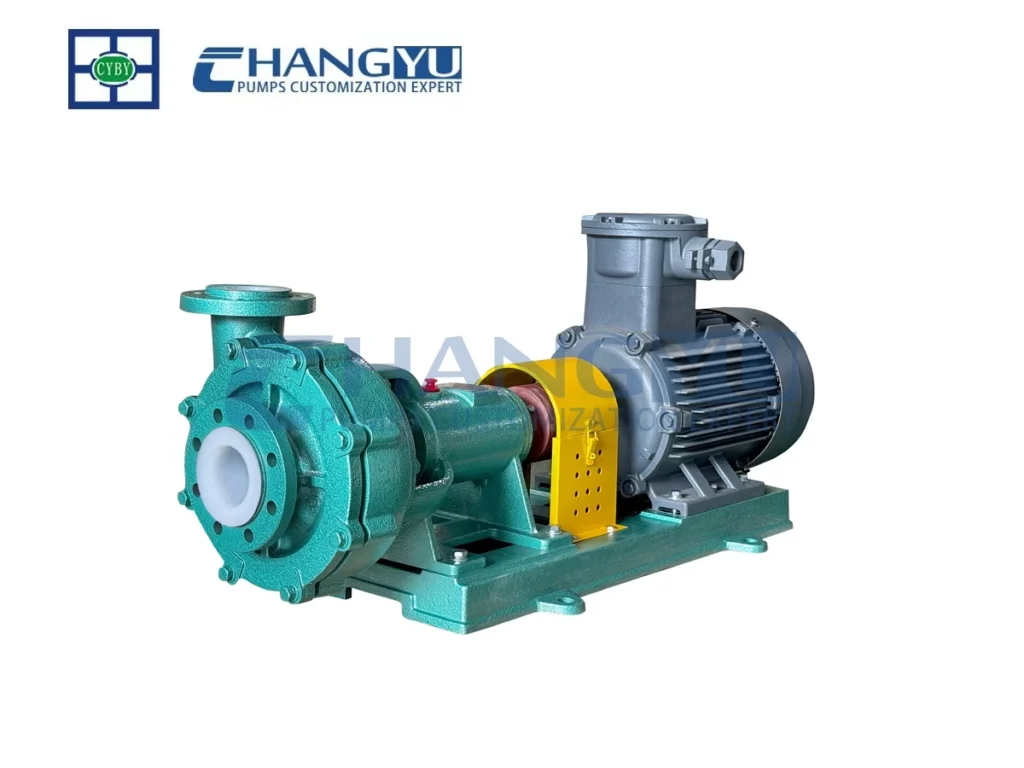
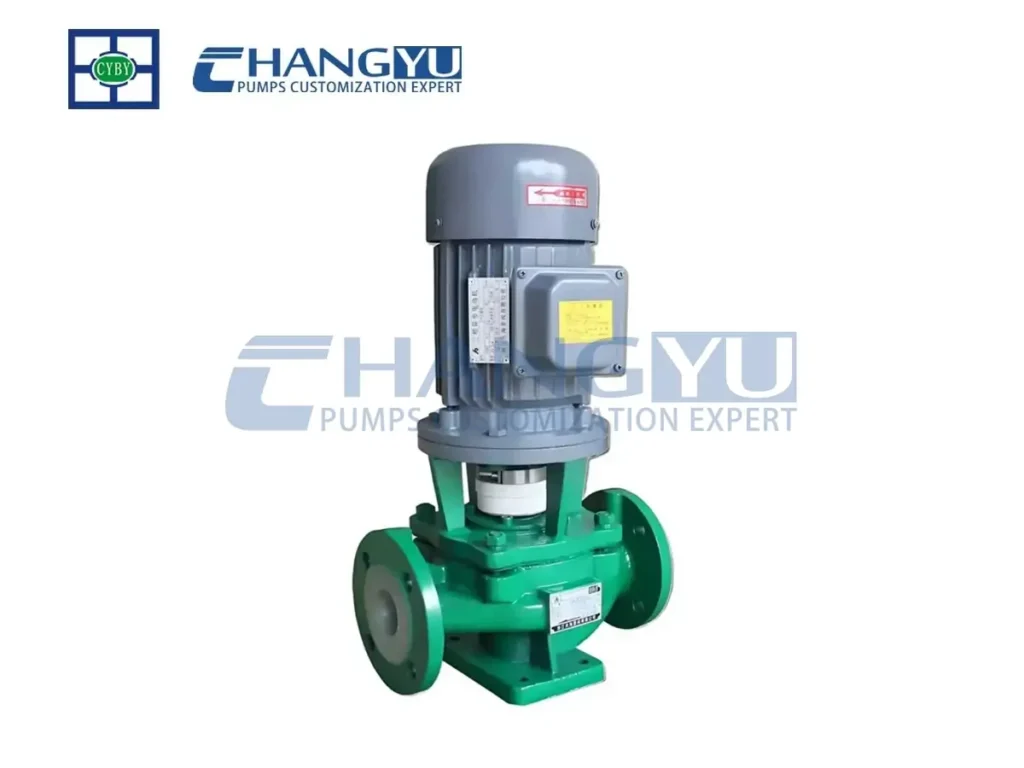
For more centrifugal pumps, please visit our product page: Centrifugal Pumps
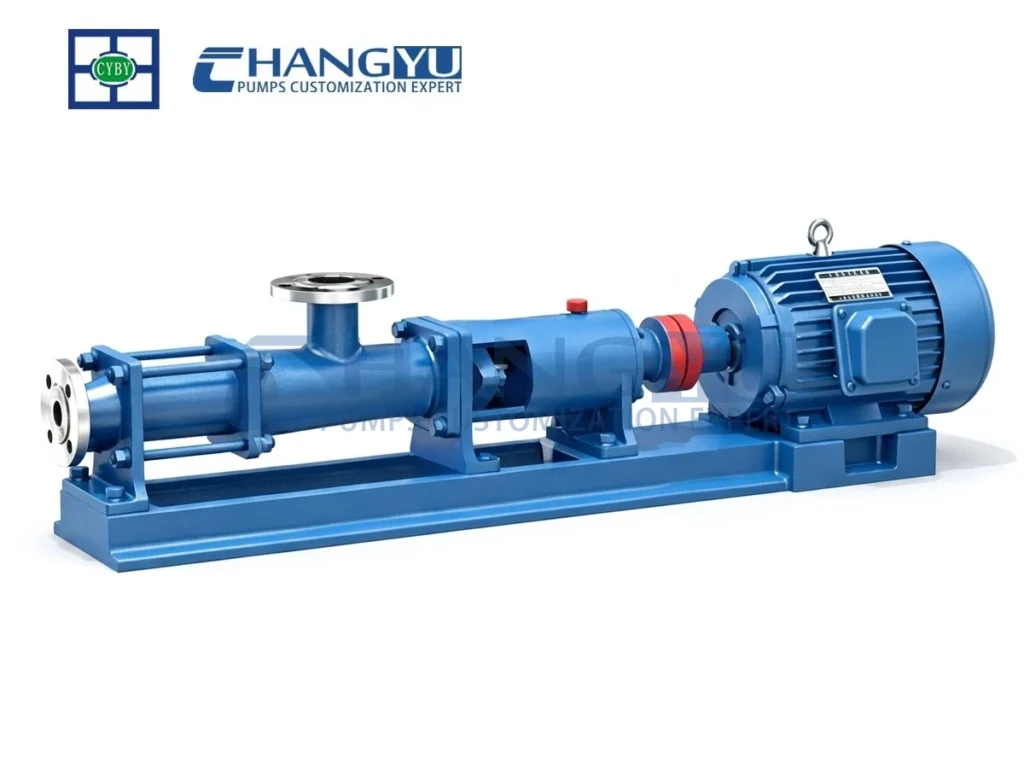
2. Screw Pumps
These pumps convey media through the meshing of screws. They offer strong self-priming capability and minimal flow pulsation, making them suitable for high-viscosity media, media containing particles, or media prone to foaming—such as sludge and grease. They operate smoothly and with low noise levels.
3. Diaphragm Pumps
These pumps convey liquids through the reciprocating motion of an elastic diaphragm. They offer excellent sealing performance with no risk of leakage and can handle corrosive, flammable, explosive, or solid-particle-containing media. They are particularly suitable for applications with high safety requirements, such as in the chemical and pharmaceutical industries.

4. Self-Priming Pumps
Equipped with an automatic air-venting function, these pumps can self-prime immediately after initial priming with water, eliminating the need for a foot valve. They are easy to install and maintain and are commonly used in applications where the liquid level is below the pump body, such as agricultural irrigation, drainage, and fire protection water supply.
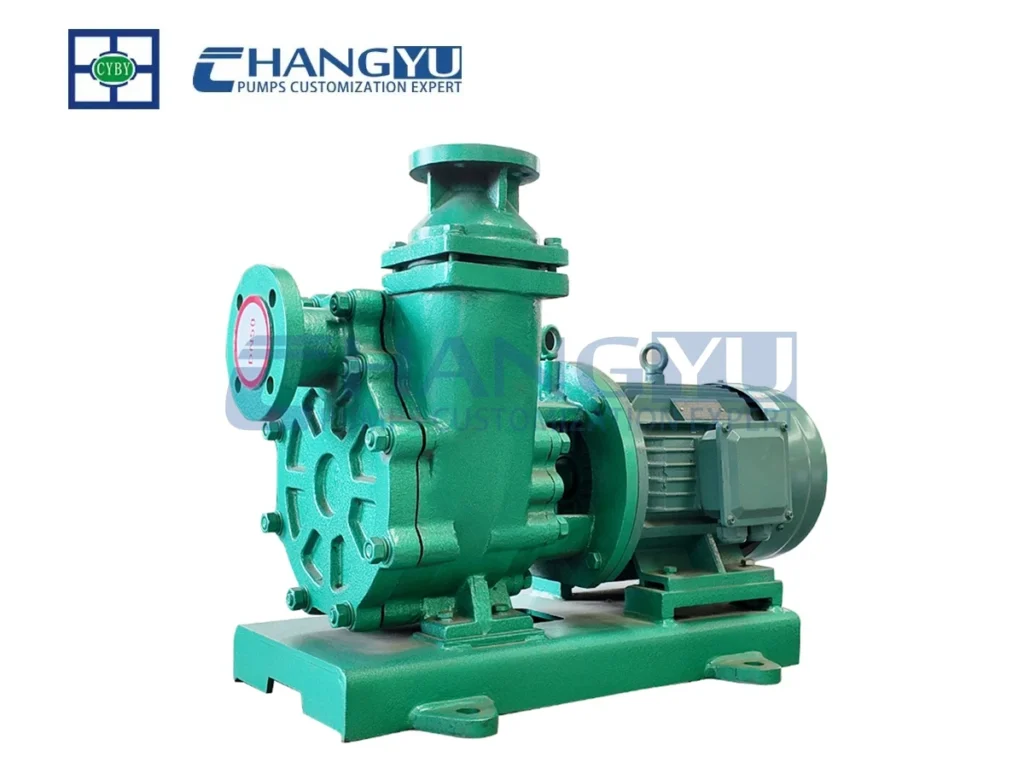
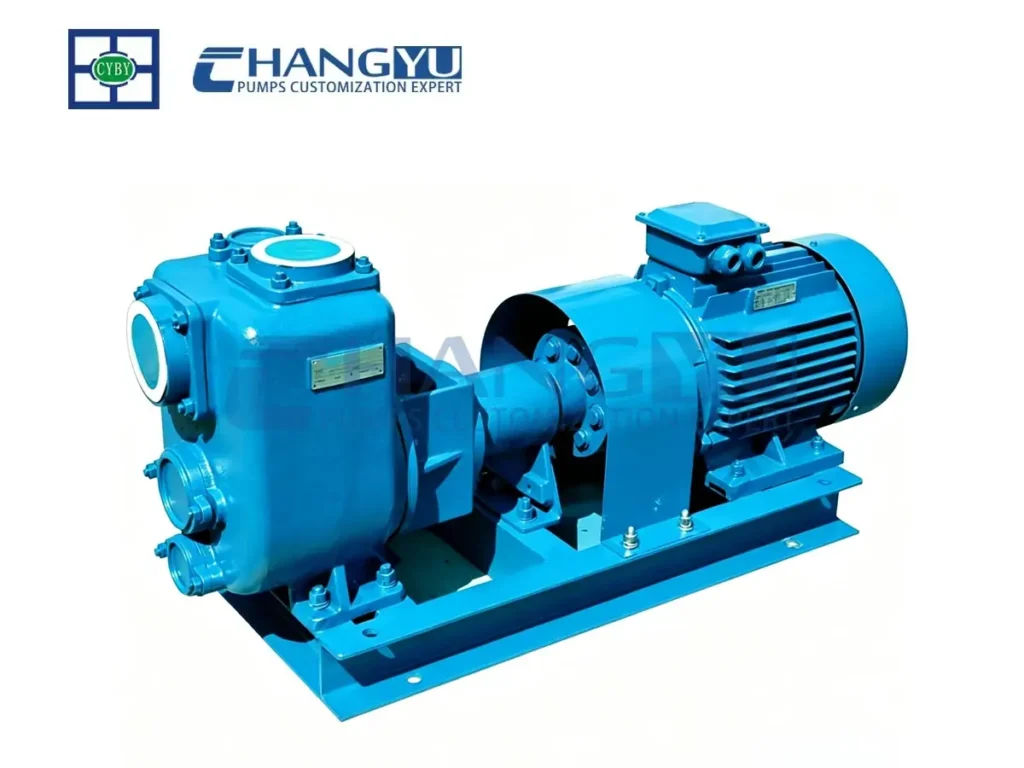
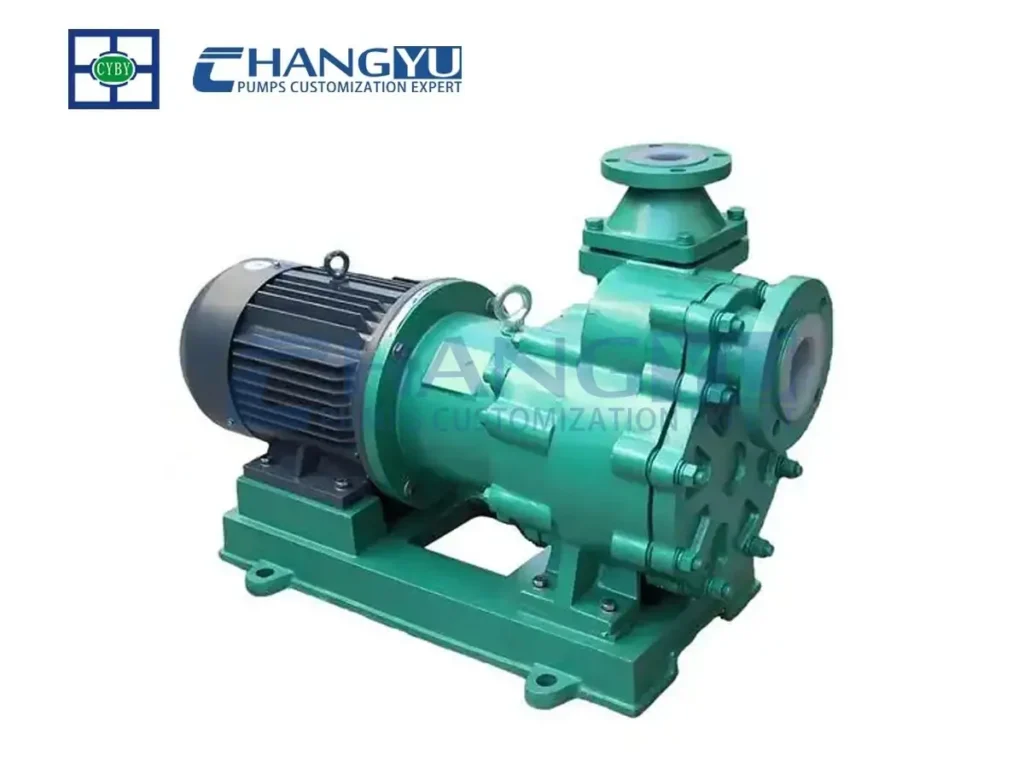
For more self-priming pumps, please visit our product page: Self-Priming Pumps
II. Classification by Pumped Medium
1. Clean Water Pumps
Designed specifically for clean water or low-corrosive liquids, with flow-through components made of rust-resistant materials. These pumps offer high efficiency and low energy consumption, and are widely used in domestic water supply, air conditioning circulation, and industrial cooling systems.
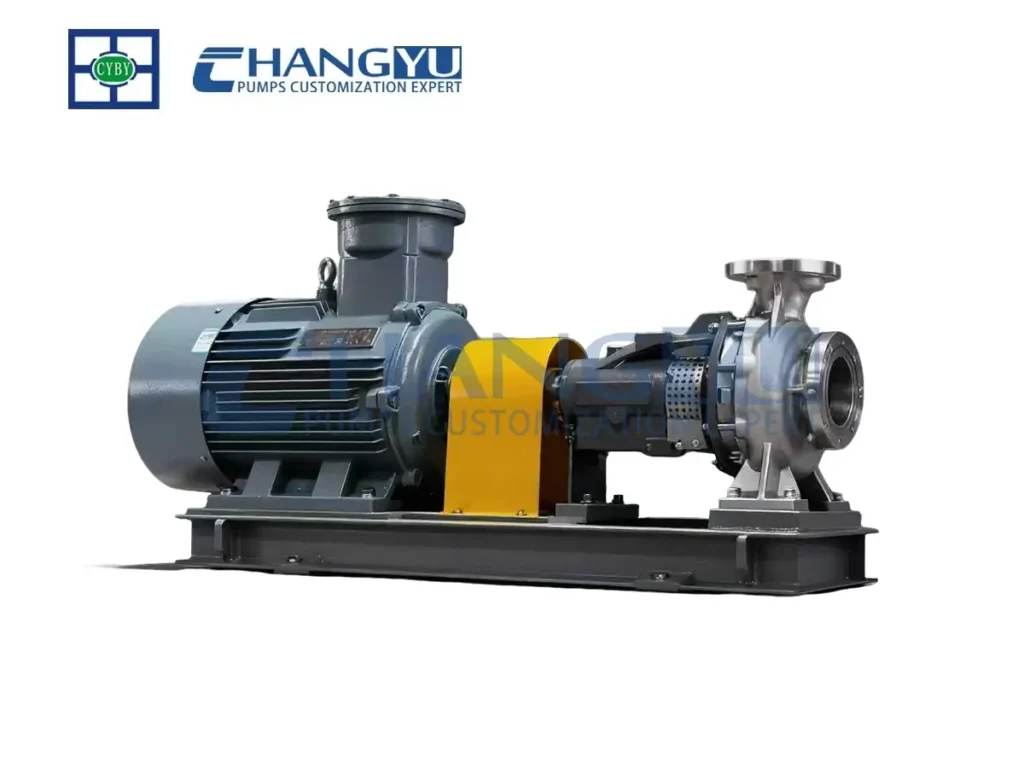
2. Sewage Pumps
Featuring large-channel impellers and wear-resistant materials, these pumps can effectively handle fibers and debris and are highly resistant to clogging. They are suitable for municipal sewage discharge, industrial wastewater treatment, and construction site drainage.
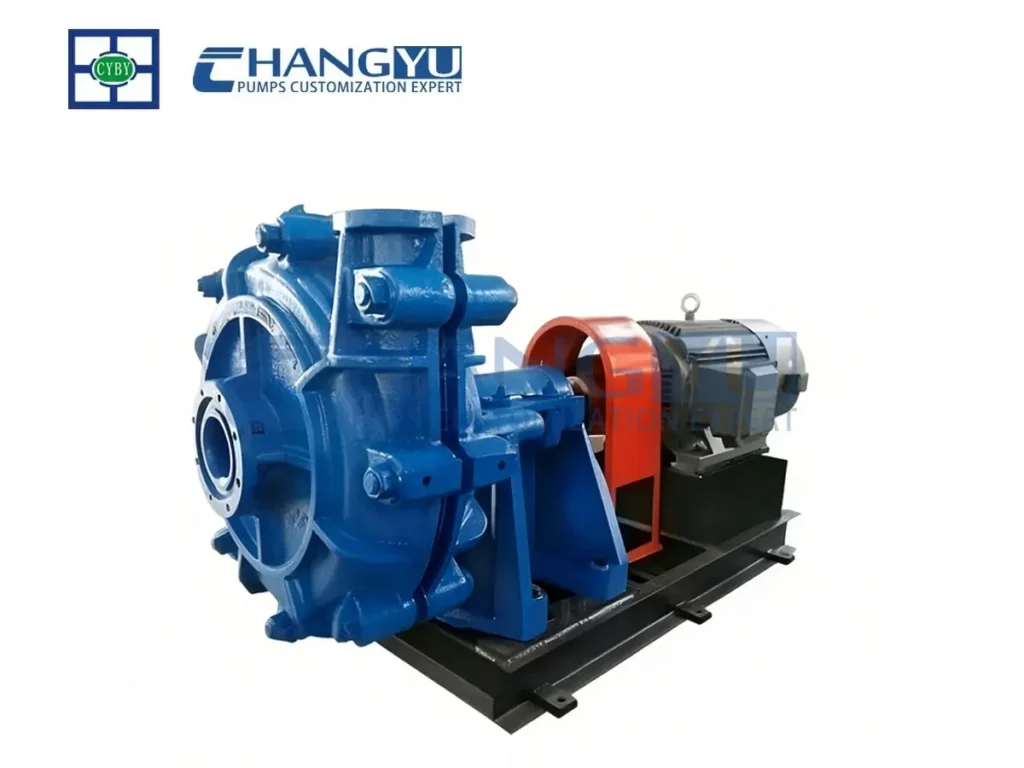
3. Slurry Pumps
Optimized for high-concentration, highly abrasive slurry media, these pumps feature thick, wear-resistant flow-passing components capable of handling mixtures containing sand, gravel, and slag. They are a reliable choice for heavy-duty applications such as mining, metallurgy, and river dredging.
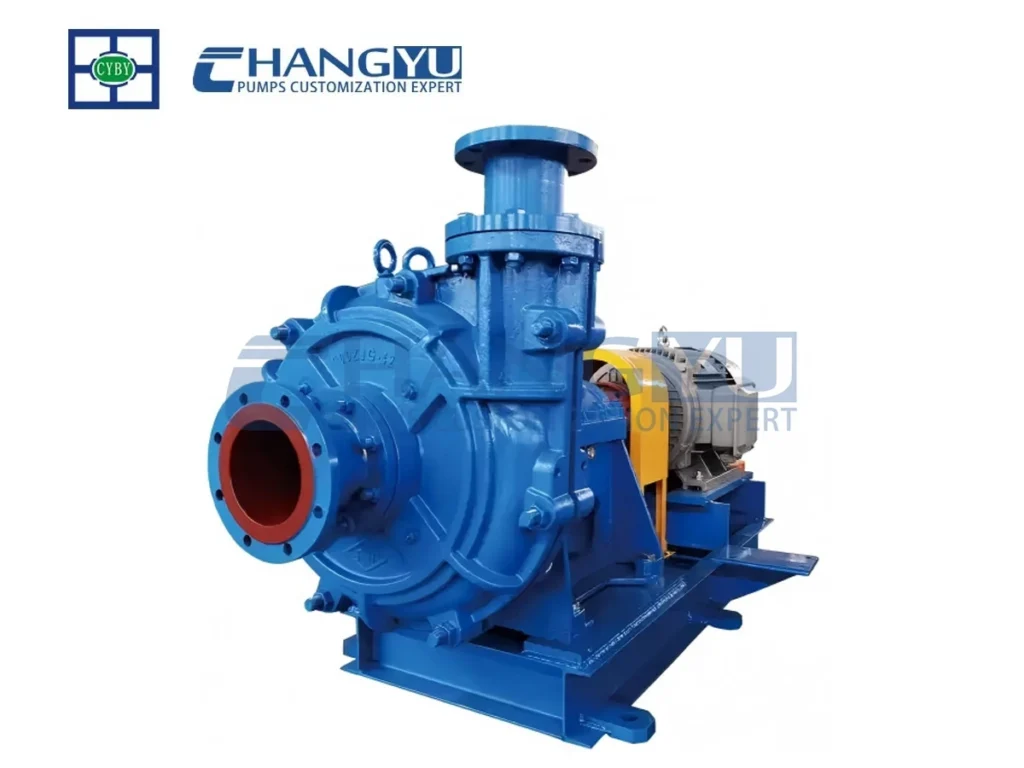
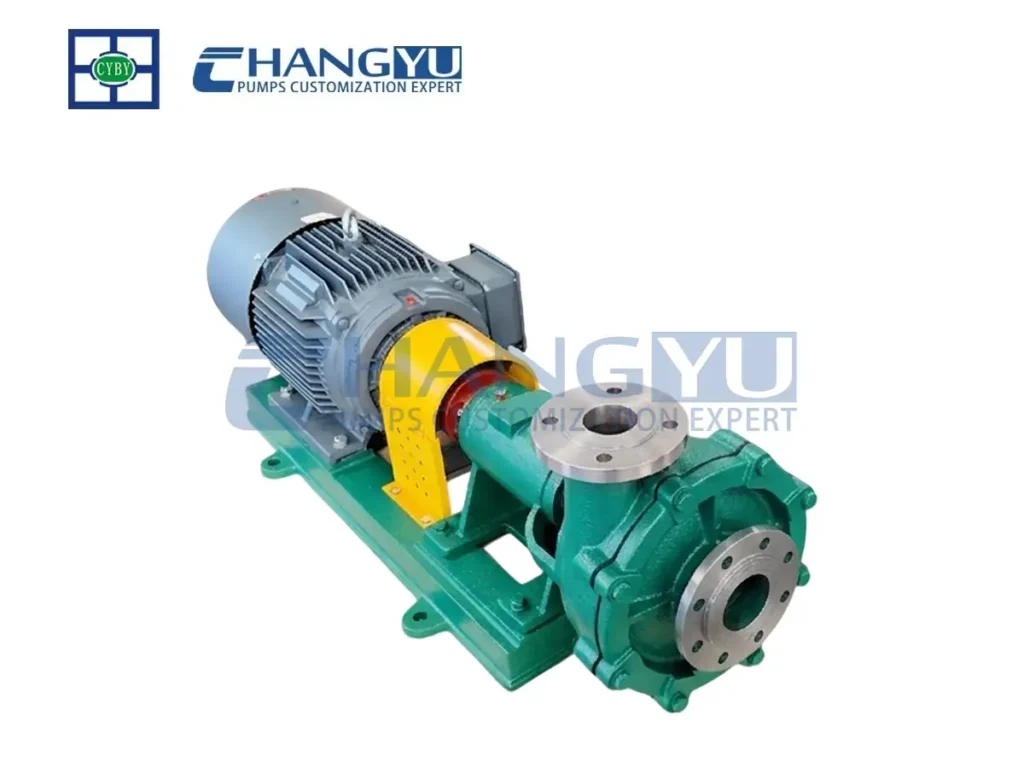
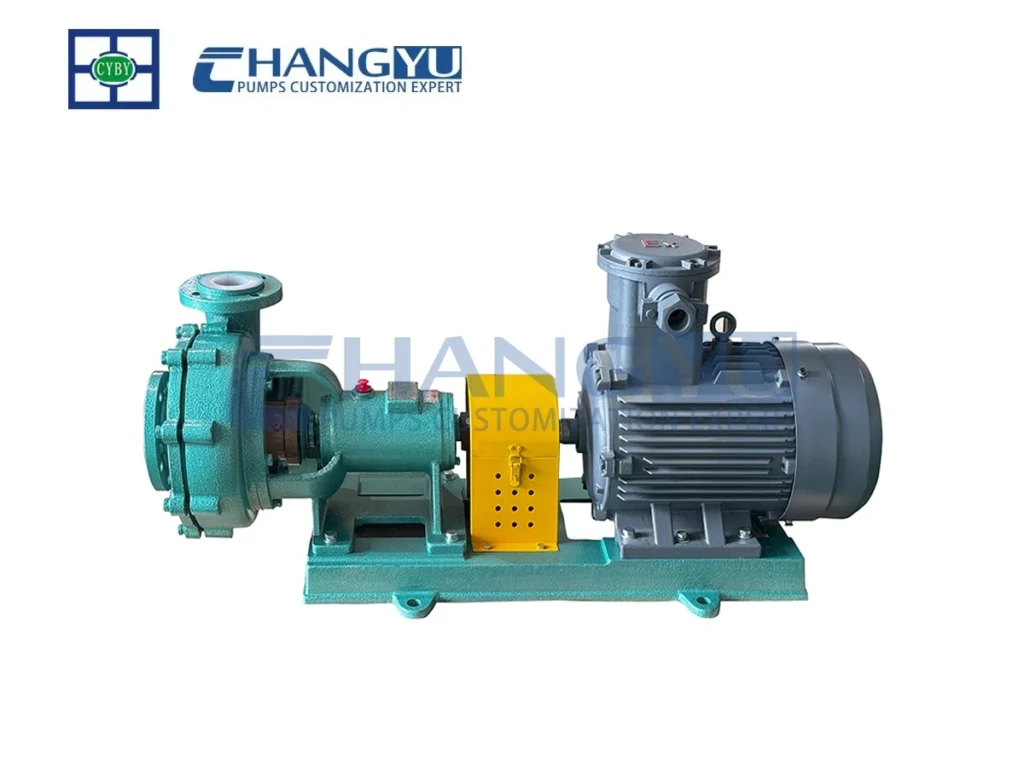
For more slurry pumps, please see our product catalog: Slurry Pumps
4. Chemical Pumps
Constructed from corrosion-resistant alloys or plastics with a tight sealing structure, these pumps can handle corrosive media such as acids, alkalis, and salts, meeting the stringent safety and durability requirements of the chemical, petroleum, and pharmaceutical industries.
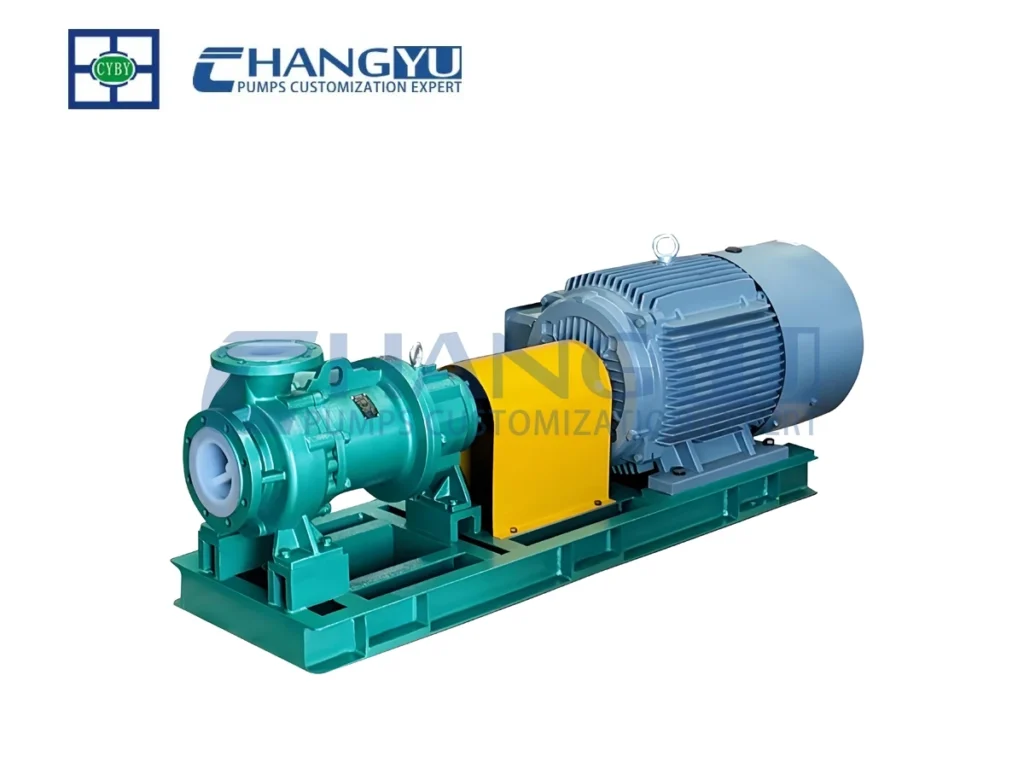
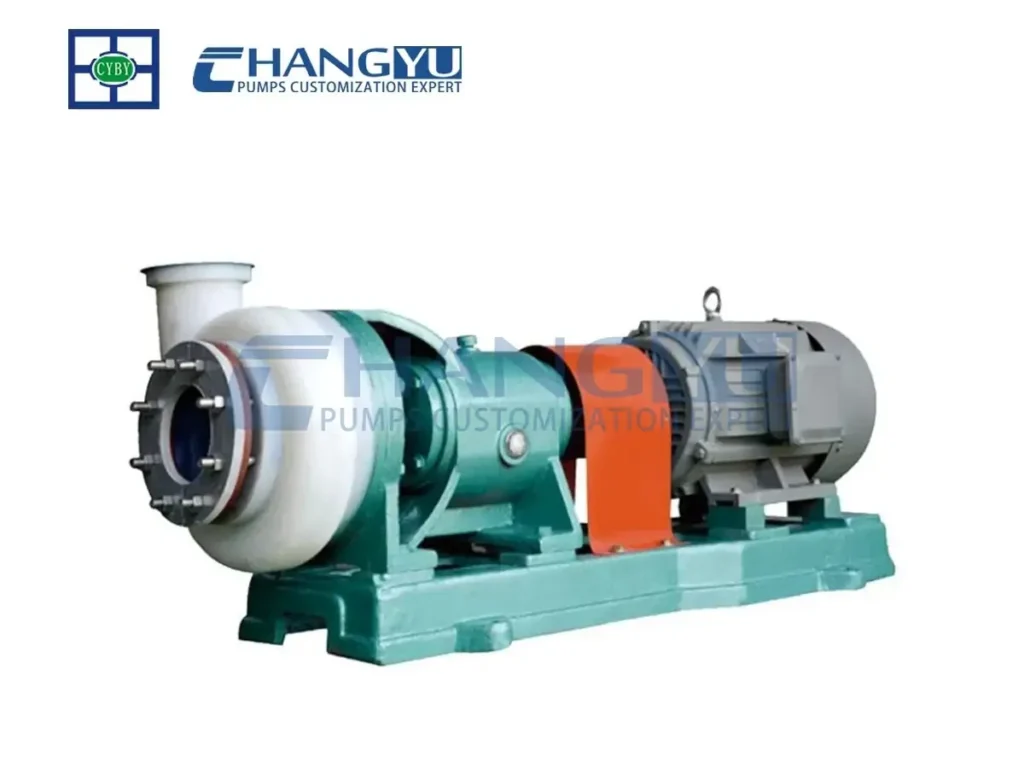
Changyu specializes in wear- and corrosion-resistant chemical pumps. For more models and options, please contact our staff: Changyu Pump
III. Classification by Installation Method
1. Submersible Pumps
The entire unit operates submerged in liquid, eliminating the need for a pump house. They are easy to install, operate quietly, and provide excellent motor cooling. Suitable for deep well water extraction, emergency drainage, and wastewater treatment, they are the primary pump type for underwater operations.
2. Vertical Pumps
The motor is mounted perpendicular to the pump body. These pumps have a small footprint, simple piping connections, a low center of gravity, and stable operation. They are commonly used in pump stations with limited space, as well as for water supply and circulation systems in high-rise buildings.
3. Horizontal Pumps
These pumps are arranged horizontally, making maintenance convenient. They can be paired with high-power motors and offer a wide range of flow rates and head capacities. Suitable for large-scale water conservancy projects, industrial water supply and drainage, and fire protection systems, they represent the classic form of traditional industrial pumps.
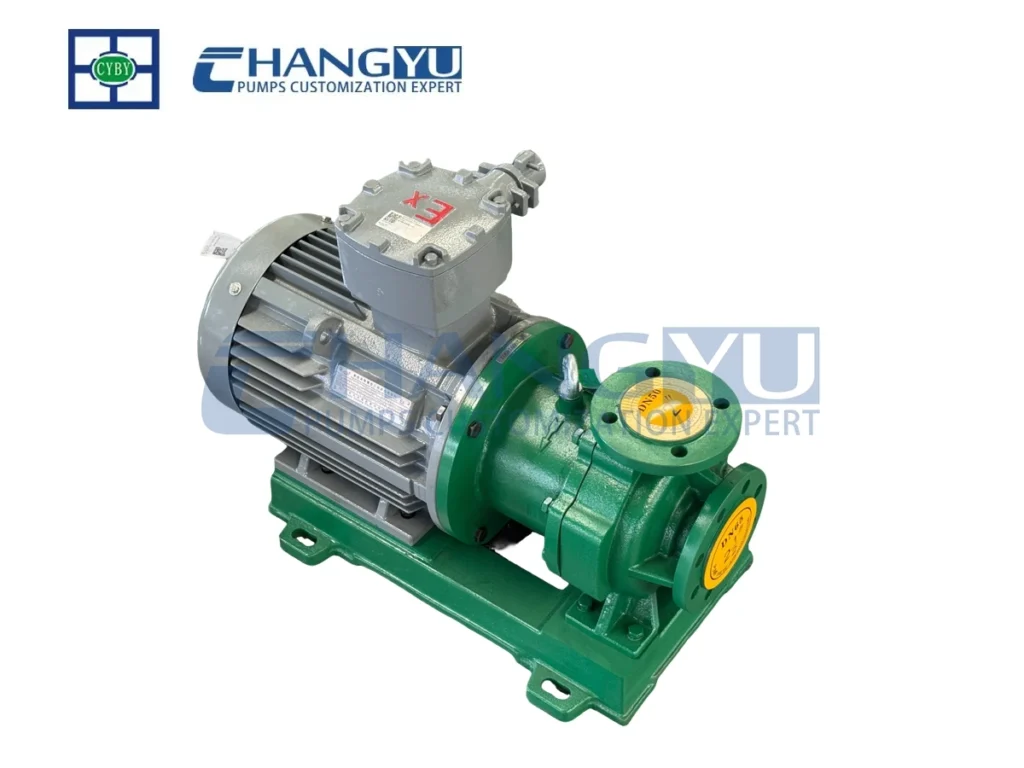
The above classifications cover Changyu Pump Industry’s main product lines. For more specific model specifications or selection recommendations, please contact Changyu; we will respond to your request within 24 hours.
Email: [email protected]
TEL/WA: +86-13651913727
In Which Industries Are Changyu Pumps Used?
Pump products have a wide range of applications, primarily in industrial settings that require the conveyance of highly corrosive, highly abrasive media containing solid particles.
 Chemical processing plants
 Pharmaceutical Industry
 Food Processing
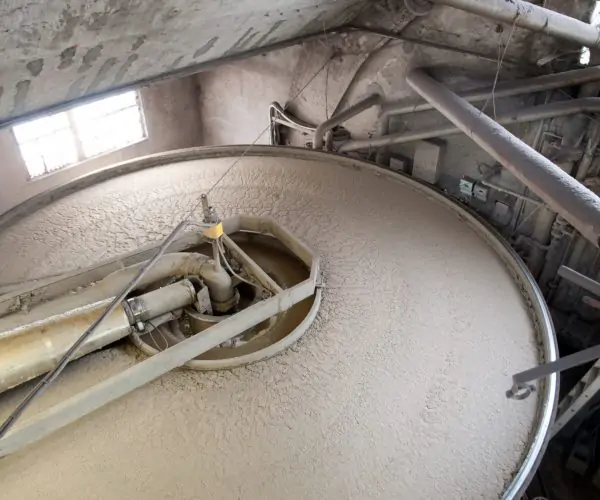 Waste paper pulp
 Textile Wet Processing
 Automotive Manufacturing
Specific application industries include:
- Chemical and Petroleum: Used to convey highly corrosive media such as hydrochloric acid, concentrated acids, and acid-base mixtures, as well as various chemical raw materials and solvents.
- Metallurgy and Mining: In processes such as hydrometallurgy, tailings conveyance at mineral processing plants, and slurry treatment, these pumps are used to transport corrosive slurries, extractants, and leachates.
- Environmental Protection and Desulfurization/Denitrification: In desulfurization towers at power plants and steel mills, used for the recirculation of limestone slurry and gypsum slurry; in wastewater treatment, used for lifting and conveying corrosive wastewater and sludge containing impurities.
- Pharmaceuticals and Food: In the pharmaceutical, fine chemicals, and food industries, used for conveying various liquid materials.
- Power and Energy: In the power industry (e.g., flue gas desulfurization in power plants) and in the production of new energy materials, these pumps are used to transport relevant media.
- Pigments and Phosphate Chemicals: In phosphate chemical processing, titanium dioxide, and pigment production, these pumps are used to transport high-solids phosphate slurries, pigment slurries, and similar materials.
- Other Industries: This also includes the paper, dye, electroplating, textile, automotive manufacturing, pesticide, and steel smelting sectors.
Changyu Pumps & Valves’ client list further attests to its broad industry coverage. Our partners include numerous well-known enterprises such as Jiarong Technology, Shengtun Group, Maanshan Iron & Steel Group, Sinochem Group, China Aerospace, Longbai Group, Dongjiang Environmental Protection, and Yuntianhua Group.
Changyu, a Chinese Pump Manufacturer
Anhui Changyu Pump & Valve Manufacturing Co., Ltd. is a professional pump and valve manufacturer, not merely a supplier. Founded in 2006 with a registered capital of 21 million yuan, the company occupies a site area of 20,000 square meters and has an annual production capacity of 20,000 sets of pump products. It is one of the leading enterprises in China’s small- and medium-sized corrosion-resistant pump industry, renowned for its scale and strength. Furthermore, our products are exported to global markets including the United States, South Africa, Europe, and Southeast Asia.

The following provides detailed information about Changyu pumps:
Company Positioning and Core Advantages
Changyu Pumps & Valves positions itself as a research and development manufacturer and comprehensive service provider specializing in corrosion-resistant and wear-resistant centrifugal pump solutions, focusing on solving media transportation challenges in sectors such as chemicals, environmental protection slurries, and metallurgy and mining.
Its core strengths include:
- Technical Capabilities: Specializing in the R&D and manufacturing of corrosion-resistant and wear-resistant specialty pumps and valves, the company possesses significant technical advantages, particularly in handling highly corrosive and highly abrasive media such as hydrochloric acid, concentrated acids, acid-base mixtures, and desulfurization and denitrification slurries.
- Product Line: Major products include slurry pumps, filter press pumps, desulfurization and denitrification pumps, hydrochloric acid pumps, concentrated acid pumps, submersible pumps, self-priming pumps, magnetic drive pumps, and fluoroplastic pumps.
- Certifications: The company has obtained certifications for the ISO 9001 Quality Management System, ISO 14001 Environmental Management System, ISO 45001 Occupational Health and Safety Management System, and Energy Management System. It has been honored with titles such as “National High-Tech Enterprise” and “Anhui Province Specialized, Refined, Unique, and Innovative SME.”
- International Authorized Certifications: The company has obtained multiple international standard certifications, including ISO 9001 Quality Management System, CE Certification, and ATEX Explosion-Proof Certification. These certifications not only ensure that products meet the quality and safety requirements of major global markets but also provide strong assurance for exports to the European Union and applications in explosion-proof environments.
- Service Commitment: After-sales service responds within 2 hours, supported by well-established sales service procedures and a comprehensive after-sales service system.