Насосы для хлорщелочной промышленности
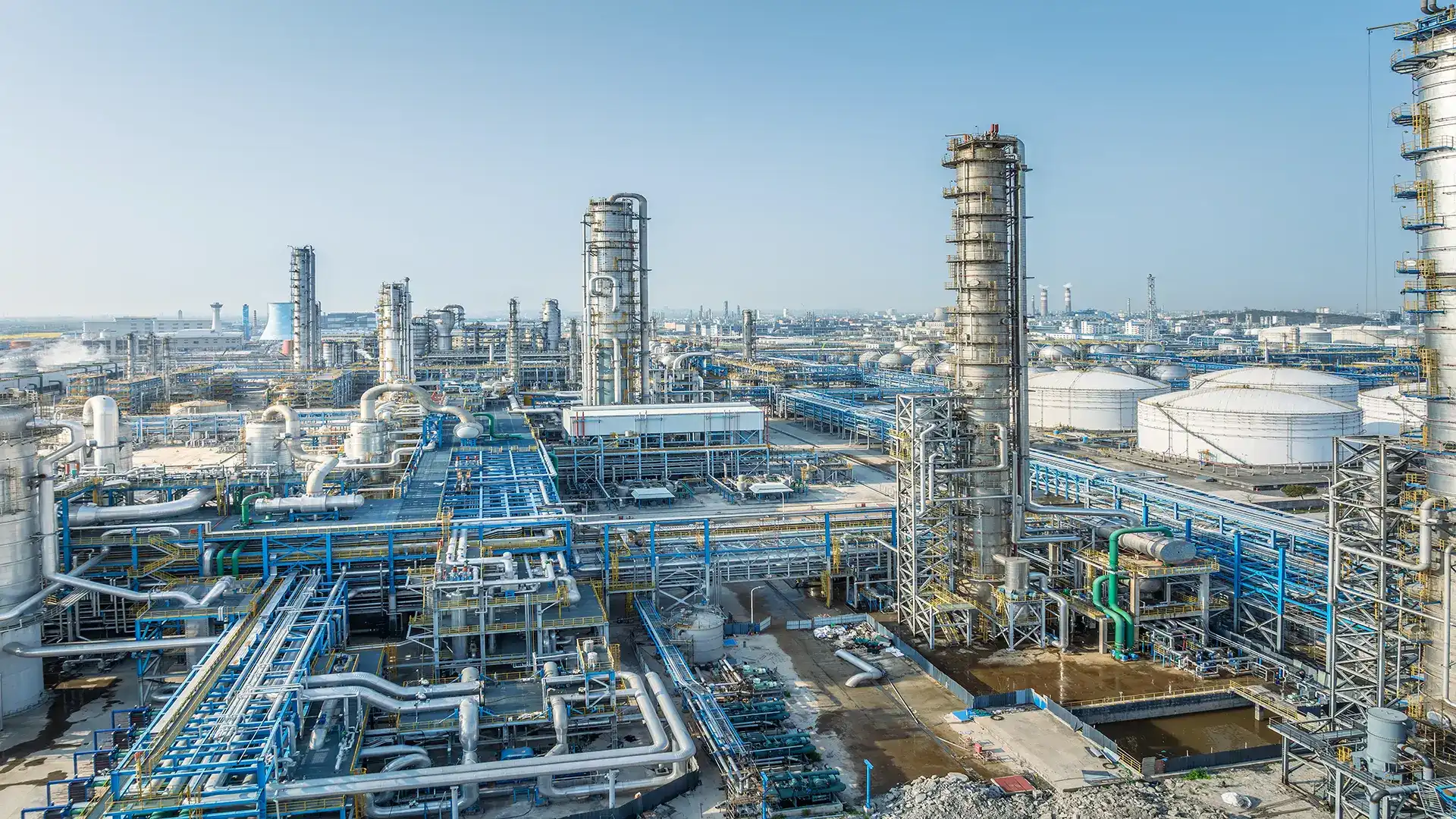
Сайт Хлорно-щелочная промышленность использует электролиз для производства хлора, каустической соды и водорода из очищенного рассола. Насосные системы задействованы на всех этапах: подготовка рассола, химическая обработка, переработка продукции и обработка сточных вод. В зависимости от процесса насосы могут перекачивать хлоридонасыщенный рассол, соляную кислоту, каустическую соду, гипохлорит натрия, хлорированные жидкости и коррозионно-активные сточные воды.
Эти применения требуют тщательного учёта химической совместимости, температуры, концентрации, содержания твёрдых частиц, контроля утечек, расхода и напора. Чанъюй предлагает коррозионностойкие насосные решения для различных задач хлорно-щелочного процесса, при этом конфигурация насоса и материалы проточной части подбираются в соответствии с фактическими условиями эксплуатации.
Насосные применения в хлорно-щелочной промышленности
Различные участки хлорно-щелочного производства работают с совершенно разными жидкостями. Насыщенный рассол с солевым шламом, циркулирующий электролит, высокотемпературная каустическая сода с кристаллами соли, гипохлорит натрия и соляная кислота предъявляют разные требования к насосу.
По этой причине Changyu подбирает насосы в соответствии с фактическими технологическими задачами, а не просто по химическому названию. Содержание твёрдых частиц, температура, концентрация хлоридов, кристаллизация, требования к герметичности и место установки насоса — всё это влияет на окончательный выбор.
Насосные решения Changyu для хлорно-щелочной промышленности охватывают ключевые технологические участки, включая:
Очистка рассола / Электролиз / Выпаривание и концентрирование каустической соды / Обработка газообразного хлора и гипохлорита / Синтез соляной кислоты
Очистка рассола
Применение:
Очистка рассола — один из первых этапов перекачивания в хлорно-щелочном производстве. Насыщенный рассол может содержать определённое количество солевого шлама и других взвешенных примесей до и во время очистки. Поэтому насос должен справляться как с коррозией, так и с абразивным износом частицами, а не рассматривать жидкость как чистый химический раствор.
Для рассола с взвешенным солевым шламом подходящим вариантом является коррозионностойкий шламовый насос серии UHB. Серия UHB может перекачивать коррозионно-активные шламы с содержанием твёрдых частиц менее 45%, что делает его более подходящим для такого смешанного жидкостно-твёрдого применения, чем обычный химический насос для чистых жидкостей.
Рекомендуемые насосы
Основные факторы выбора:
- Износостойкость
- Концентрация насыщенного рассола
- Солевой шлам и взвешенные твёрдые частицы
- Содержание твердых частиц
- Расход и напор
- Хлоридная коррозия
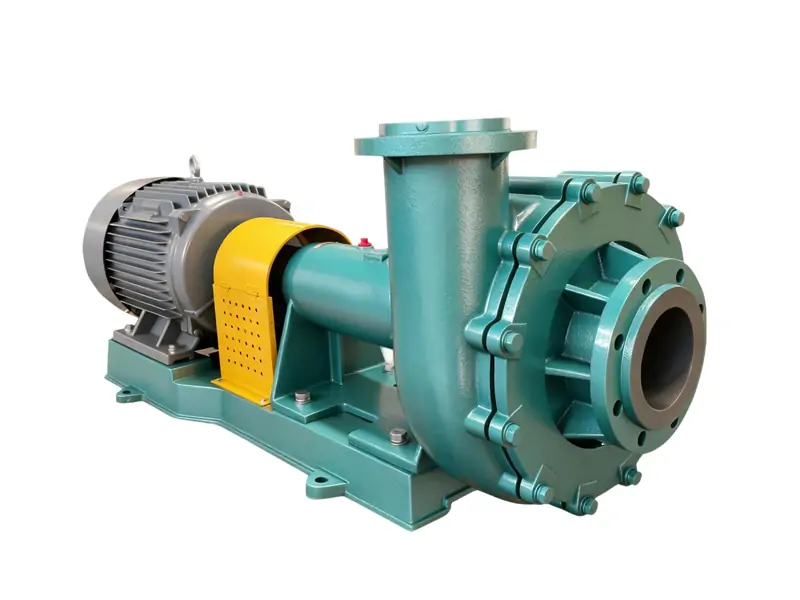
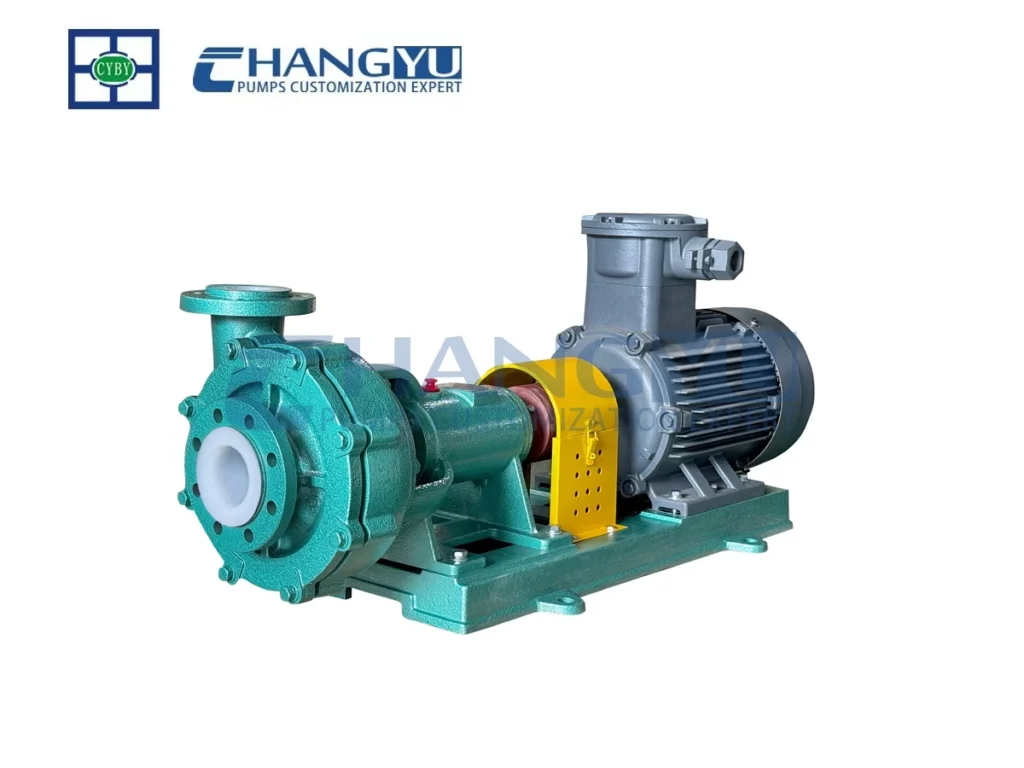
Промышленные шламовые насосы серии UHB
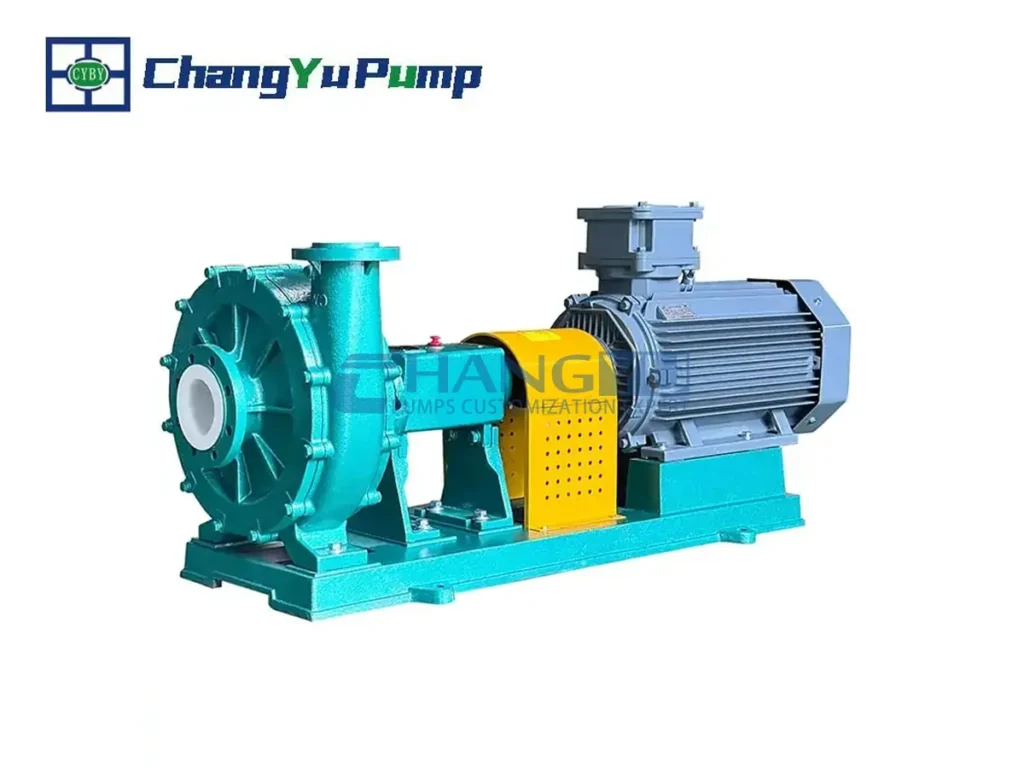
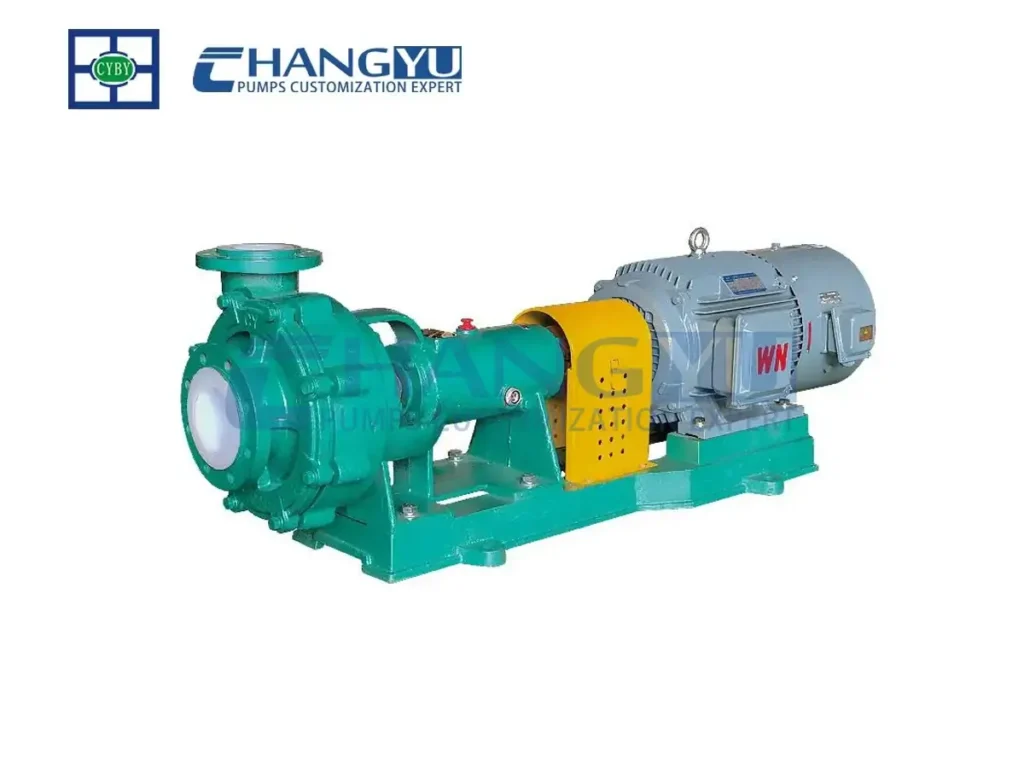
Коррозионностойкий насос из сверхвысокомолекулярного полиэтилена серии UHB
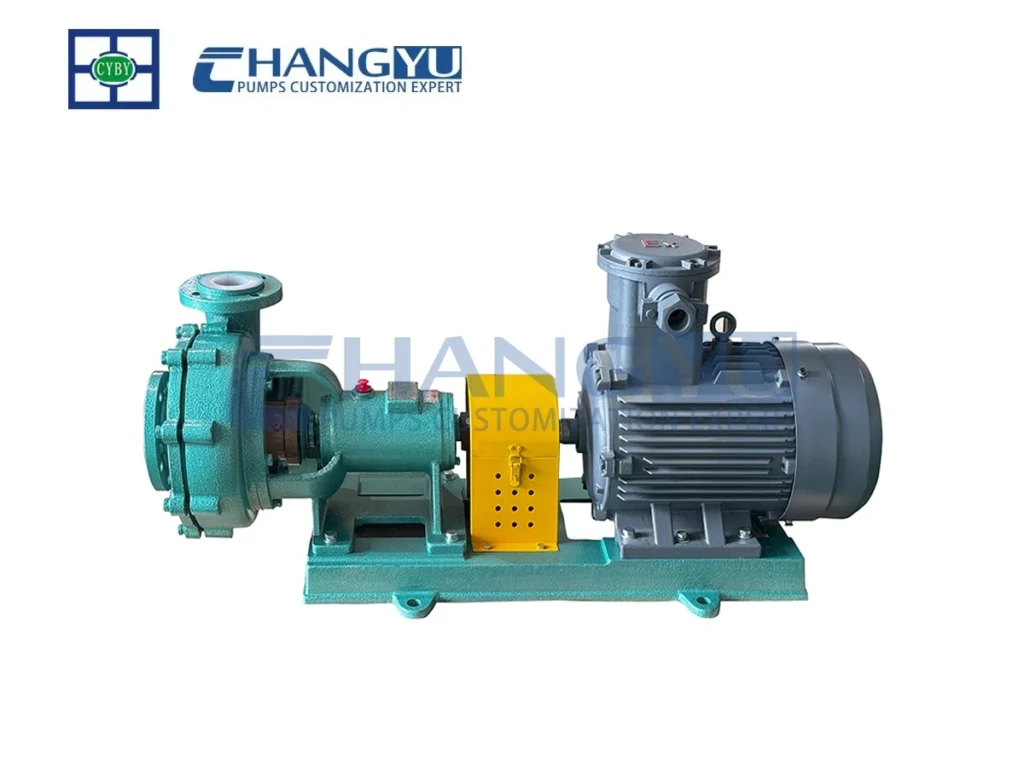
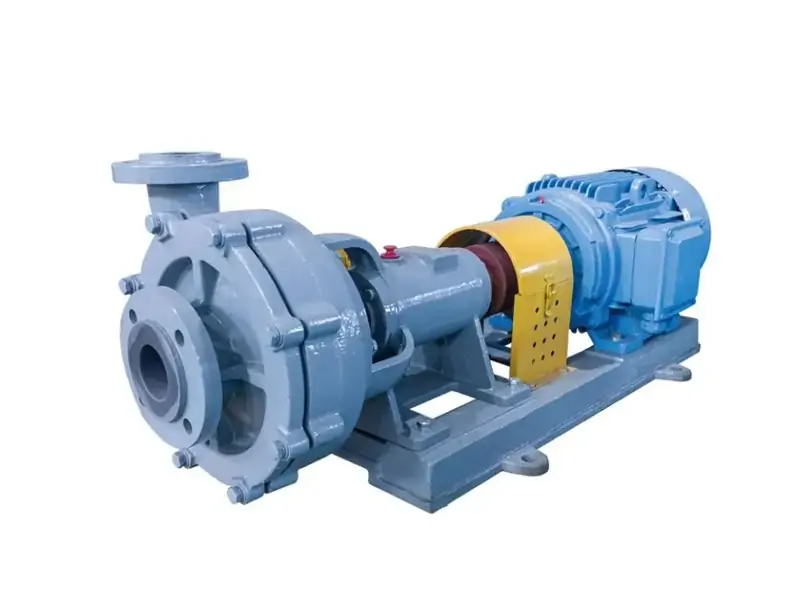
Абразивный шламовый насос серии UHB
Электролиз
Применение:
Участок электролиза работает с анолитом и католитом, содержащими ионы хлорида и, в зависимости от места в процессе, свободный хлор. Контроль утечек становится особенно важным при перекачивании агрессивного электролита.
Для таких задач можно рассмотреть насос с магнитным приводом, когда требуется нулевая или сниженная утечка. Окончательный выбор насоса должен основываться на составе электролита, температуре, расходе, напоре и совместимости материалов.
Рекомендуемые насосы:
Основные факторы выбора:
- Концентрация хлоридов
- Содержание свободного хлора
- Температура
- Требований к герметичности
- Расход и напор
- Совместимость материалов проточной части
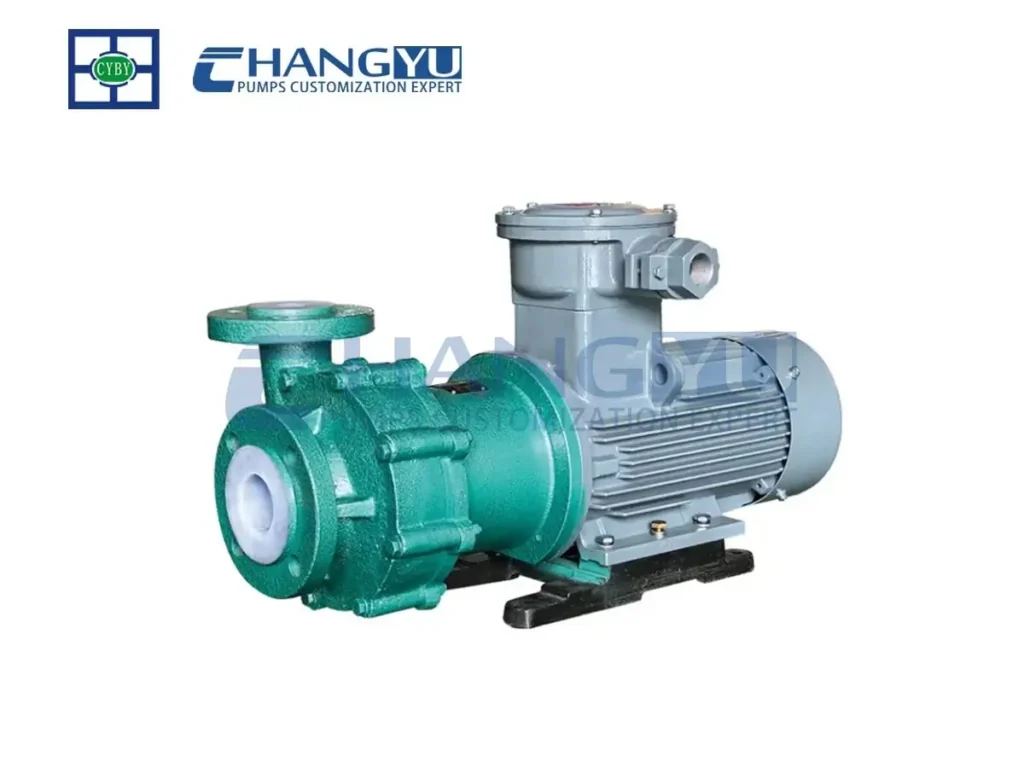
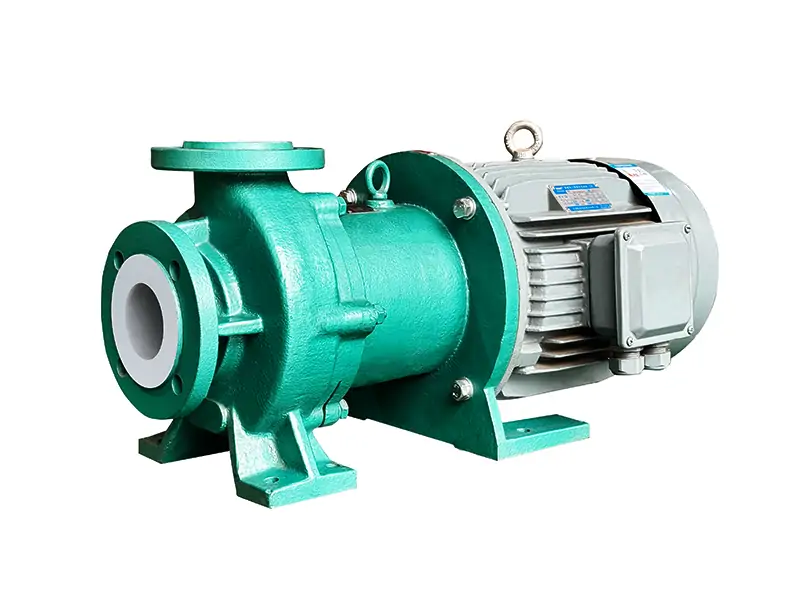
Насос для перекачки серной кислоты серии CYQ
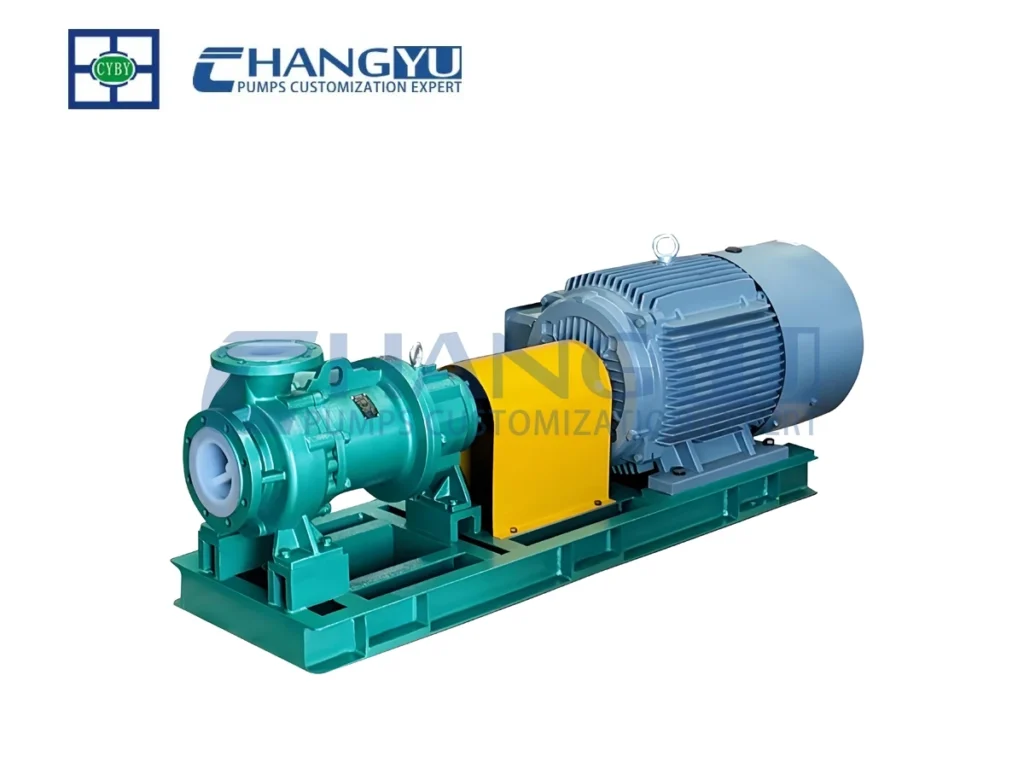
Магнитный привод химического насоса | CYQ PTFE футерованный насос передачи кислоты
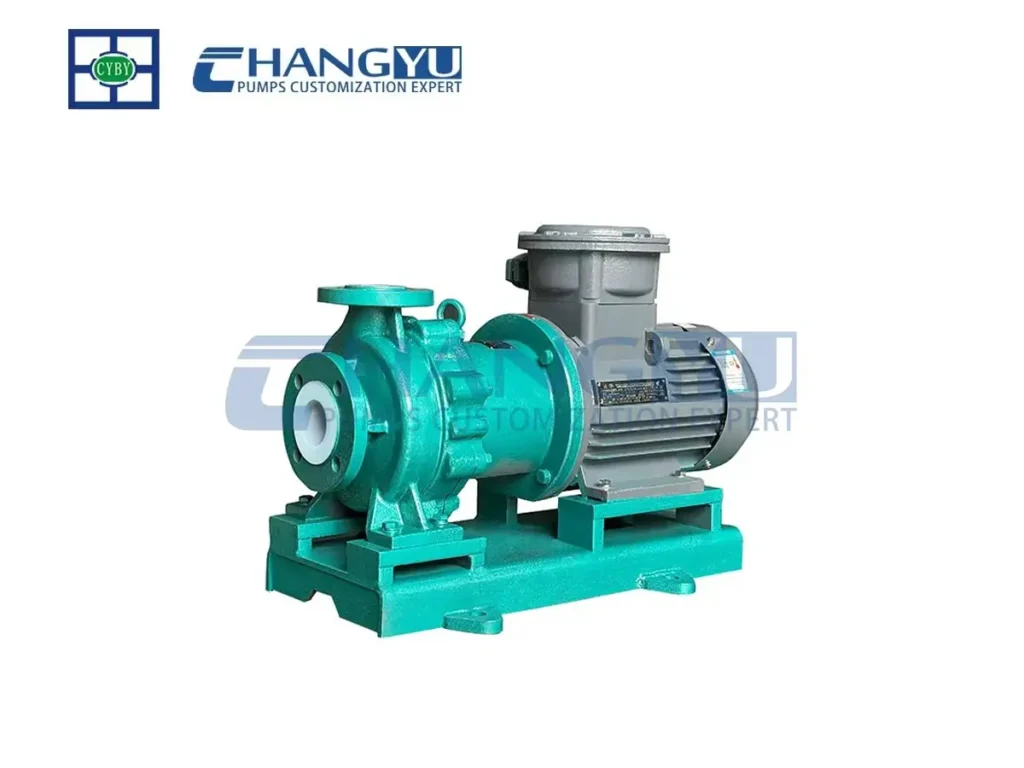
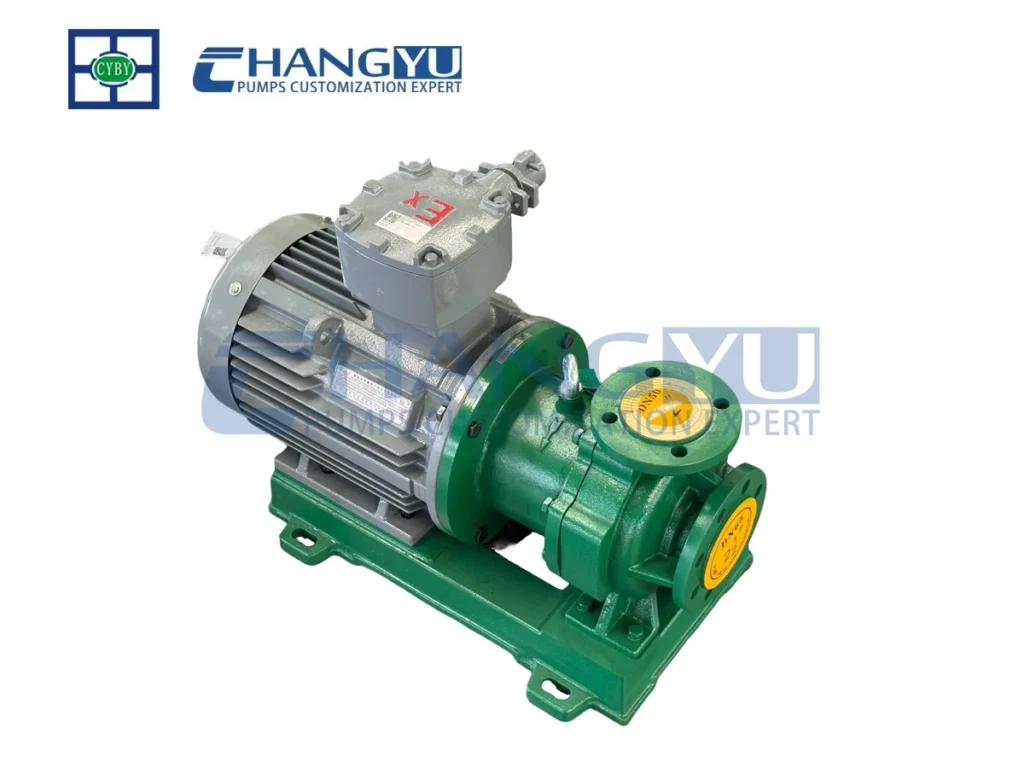
Центробежный насос с магнитным приводом - серия CYQ
Выпаривание и концентрирование каустической соды
Применение:
Участок концентрирования каустической соды представляет собой иную задачу перекачивания. Жидкость может быть горячей и содержать кристаллы NaCl, поэтому насос должен выдерживать как повышенную температуру, так и потенциальную кристаллизацию или износ, связанный с твёрдыми частицами.
Для циркуляции высокотемпературной каустической соды Changyu рекомендует высокотемпературный химический насос серии CYG с рабочей температурой до 150°C в зависимости от конфигурации насоса.
Это применение отличается от обычной перекачки каустической соды. Насос подбирается не только по совместимости с NaOH, но и по температуре и условиям кристаллизации соли в циркуляционной системе.
Рекомендуемые насосы:
Основные факторы выбора:
- Концентрация NaOH
- Рабочая температура
- Содержание кристаллов NaCl
- Расход циркуляции
- Требуемый напор
- Совместимость материалов
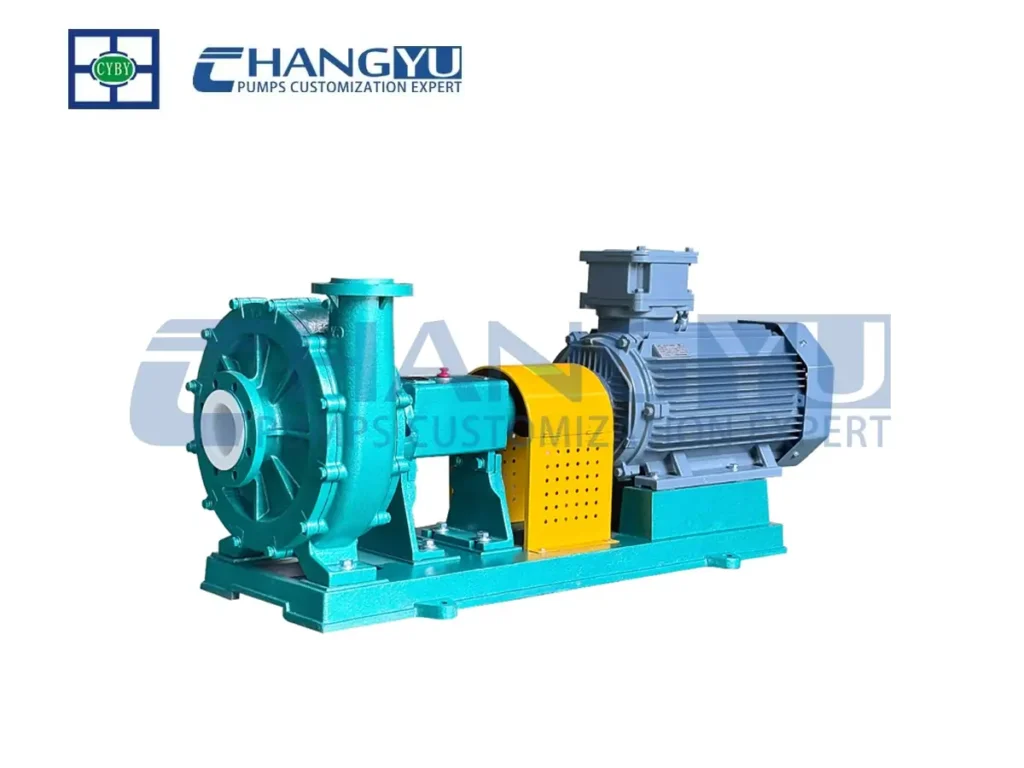
Высокотемпературный химический насос серии CYG
Обработка газообразного хлора и гипохлорита
Применение:
Обработка хлора связана с условиями, отличающимися от обычной перекачки жидких химических веществ. Влажный хлор и гипохлорит натрия требуют материалов с хорошей стойкостью к хлорсодержащим и окисляющим средам.
Для перекачивания жидкого гипохлорита натрия можно рассмотреть погружной насос из фторопласта серии FYH.
Рекомендуемые насосы:
Основные факторы выбора:
- Концентрация влажного хлора или гипохлорита
- Окислительные условия
- Температура
- Глубина установки
- Устойчивость к коррозии
- Газожидкостные условия
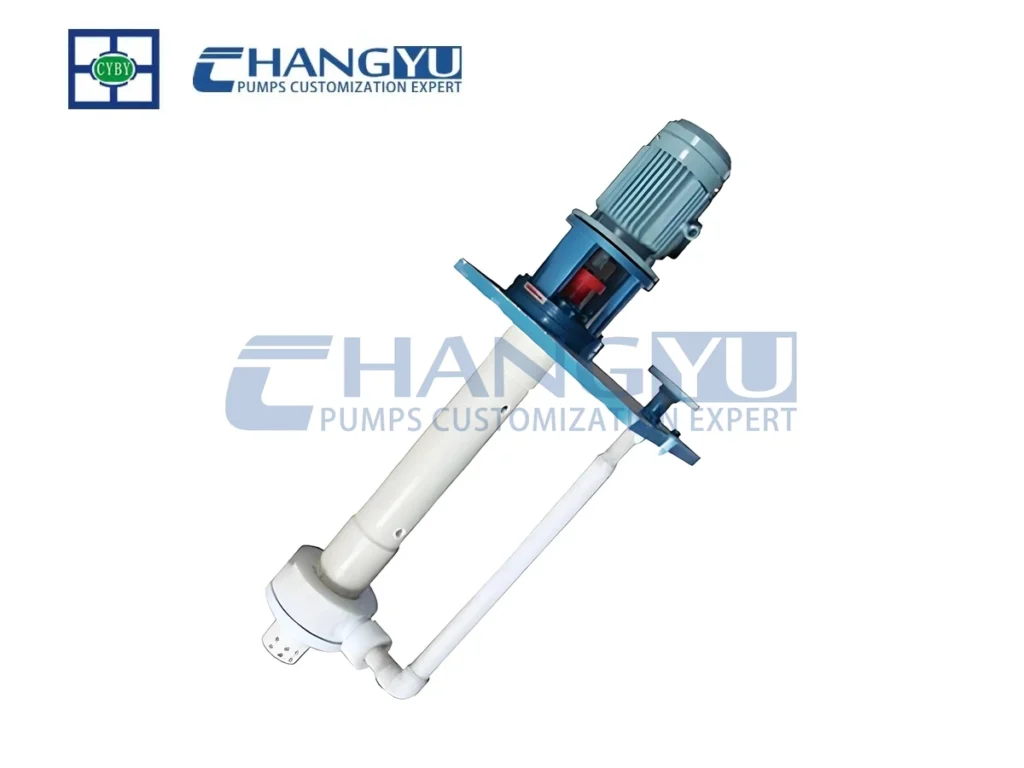
Полупогружной насос из фторопласта серии FYH: Высокоэффективный коррозионно-стойкий химический насос
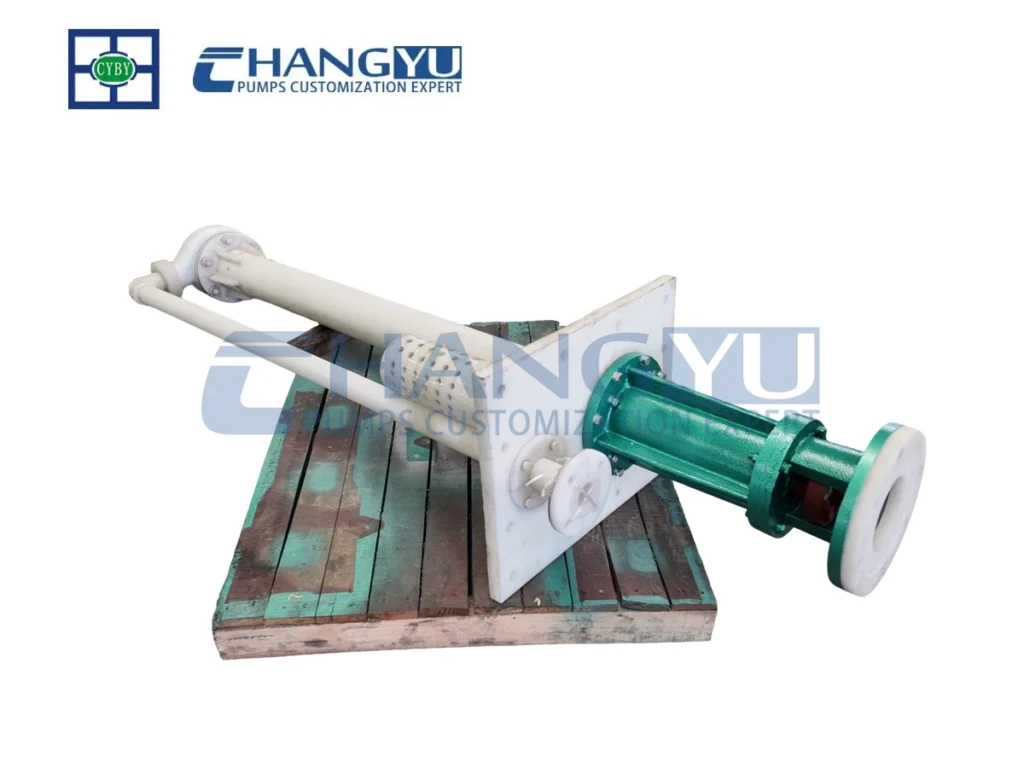
Химически стойкий погружной насос серии FYH
Синтез соляной кислоты
Применение:
Синтез и обработка соляной кислоты требуют насосов, способных выдерживать соляную кислоту и связанные с ней хлоридонасыщенные условия. Обычные металлические материалы насосов могут не обеспечивать достаточную коррозионную стойкость для таких задач.
Для перекачивания соляной кислоты центробежный насос с фторопластовым покрытием является подходящей конфигурацией, когда процесс требует высокой коррозионной стойкости.
Рекомендуемые насосы:
Основные факторы выбора:
- Концентрация соляной кислоты
- Температура
- Скорость потока
- Глава
- Устойчивость к коррозии
- Совместимость покрытия и уплотнения
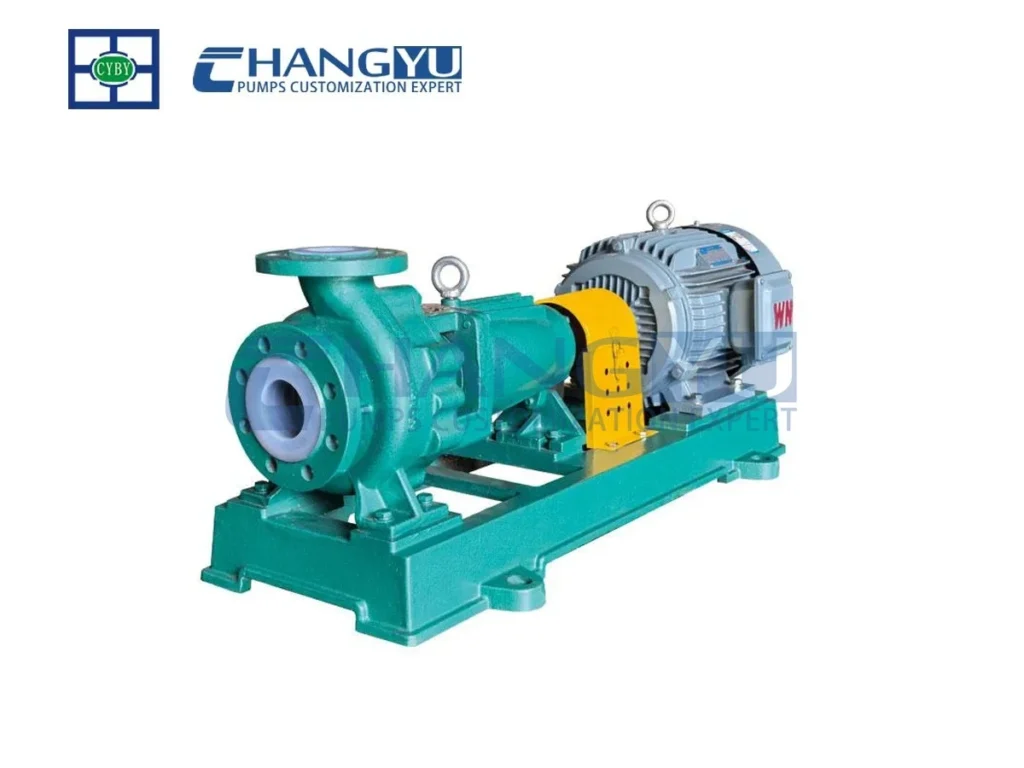
Центробежный насос из фторопласта серии CYF
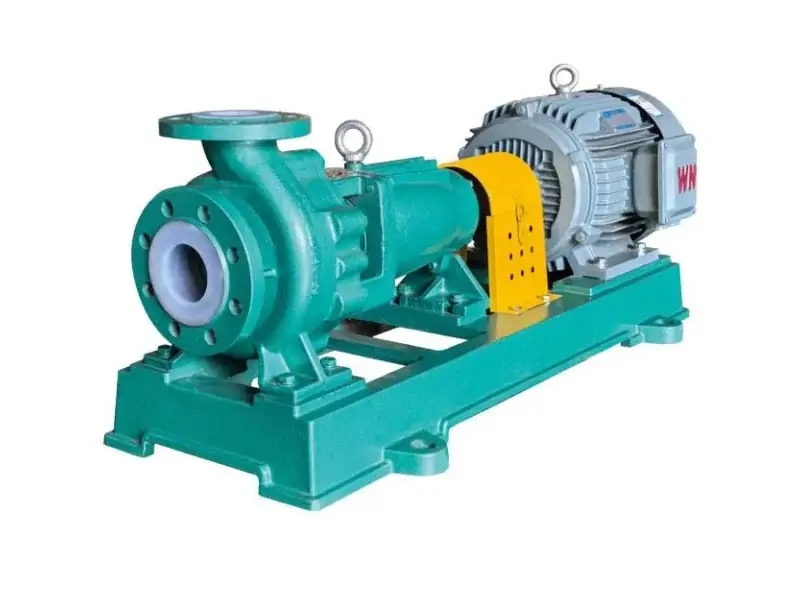
Центробежный перекачивающий насос для соляной кислоты серии CYF

Центробежный насос для перекачки химических веществ серии CYF
Как выбрать насос для хлорно-щелочной промышленности
Одного химического названия недостаточно для определения правильного насоса. Два насоса, перекачивающие одно и то же химическое вещество, могут иметь совершенно разные требования при изменении концентрации, температуры, содержания твёрдых частиц или условий установки.
- Концентрация рассола, NaOH, HCl или гипохлорита натрия влияет на совместимость материалов и должна быть подтверждена перед выбором насоса.
- Температура особенно важна для концентрированной каустической соды и процессов выпаривания. Более высокие рабочие температуры могут изменять характеристики материалов и условия работы насоса.
- Солевой шлам и кристаллы NaCl вносят компонент износа, которого не существует при перекачивании чистых химических жидкостей. Поэтому конструкция насоса и гидравлический расчёт должны рассматриваться вместе с коррозионной стойкостью. Для агрессивного электролита и других опасных химических жидкостей контроль утечек может влиять на конфигурацию насоса. Насосы с магнитным приводом можно рассматривать, когда это требование является значимым.
- Некоторые применения требуют погружного насоса, а не обычной горизонтальной центробежной конфигурации. Обработка гипохлорита натрия — один из примеров, когда условия установки могут влиять на выбор подходящей конструкции насоса.
- Требуемый расход и напор определяют необходимые гидравлические характеристики насоса.
Эти параметры должны быть подтверждены вместе с химическими и температурными условиями перед окончательным выбором.
Подбор насоса по хлорно-щелочному процессу
| Хлорно-щелочной процесс | Перекачиваемая среда | Основная задача перекачивания | Рекомендуемый насос |
|---|---|---|---|
| Очистка рассола | Насыщенный рассол + солевой шлам | Коррозия + взвешенные твёрдые частицы + износ | Серия UHB |
| Электролиз | Анолит/католит | Хлорид + свободный хлор + контроль утечек | Магнитный насос / серия CYQ |
| Выпаривание каустической соды | Горячий концентрированный NaOH + кристаллы NaCl | Высокая температура + кристаллизация | Серия CYG |
| Обращение с хлором и гипохлоритом | Влажный хлор/гипохлорит натрия | Окисление + хлоридная коррозия | Серия FYH |
| Синтез соляной кислоты | Соляная кислота / HCl | Сильная химическая коррозия | Насос с фторопластовой футеровкой / серия CYF |
Примечание: Насос следует подбирать в соответствии с фактическими технологическими условиями, а не назначать один и тот же тип насоса для всех применений в хлорно-щелочной промышленности.
Если вы не уверены в выборе, пожалуйста, свяжитесь с нашей командой, и мы свяжемся с вами в течение 24 часов.
ЧАСТО ЗАДАВАЕМЫЕ ВОПРОСЫ
Свяжитесь с нами
Гибкие, эффективные и полностью индивидуальные решения для перекачки.
Ищете идеальное насосное решение для ваших конкретных нужд? Наша команда экспертов предлагает индивидуальные решения для центробежных насосов с учетом ваших жидкостей, условий эксплуатации и требований проекта. Получите индивидуальную консультацию и предложение уже сегодня!
Отправить запрос сейчас
Рекомендуемые насосы для хлорно-щелочной промышленности
Ниже представлены выбранные модели насосов для производства хлора и щёлочи и связанных задач по перекачиванию химических продуктов. Каждый насос подходит для различных технологических условий, таких как коррозионный рассол, содержащий твёрдые частицы, высокотемпературная каустическая сода, гипохлорит натрия, электролит и соляная кислота. Окончательный выбор насоса зависит от среды, концентрации, температуры, содержания твёрдых частиц, расхода, напора, условий установки и требований к герметичности. Если вы не уверены, какой насос подходит для вашего процесса, свяжитесь с нами сейчас.