Pompes pour l'industrie du chlore-alcali
Le industrie du chlore-alcali utilise l'électrolyse pour produire du chlore, de la soude caustique et de l'hydrogène à partir de saumure purifiée. Les systèmes de pompage interviennent tout au long de la préparation de la saumure, du traitement chimique, du traitement des produits et de la gestion des eaux usées. Selon le procédé, les pompes peuvent traiter de la saumure riche en chlorures, de l'acide chlorhydrique, de la soude caustique, de l'hypochlorite de sodium, des liquides chlorés et des eaux usées corrosives.
Ces applications nécessitent une attention particulière concernant la compatibilité chimique, la température, la concentration, la teneur en solides, le contrôle des fuites, le débit et la hauteur manométrique. Changyu fournit des solutions de pompes résistantes à la corrosion pour différentes tâches du procédé chlore-alcali, la configuration de la pompe et les matériaux en contact avec le fluide étant sélectionnés en fonction des conditions de fonctionnement réelles.
Applications de pompage dans l'industrie du chlore-alcali
Les différentes sections d'une usine de chlore-alcali traitent des fluides très différents. La saumure saturée contenant de la boue saline, l'électrolyte en circulation, la soude caustique à haute température avec cristaux de sel, l'hypochlorite de sodium et l'acide chlorhydrique imposent tous des exigences différentes à la pompe.
Pour cette raison, Changyu sélectionne les pompes en fonction de la tâche réelle du procédé, et non simplement en fonction du nom chimique. La teneur en solides, la température, la concentration en chlorures, la cristallisation, les exigences de fuite et la position d'installation de la pompe affectent tous la sélection finale.
Les solutions de pompes chlore-alcali de Changyu couvrent les principales sections du procédé, notamment :
Purification de la saumure / Électrolyse / Évaporation et concentration de la soude caustique / Traitement du chlore gazeux et de l'hypochlorite / Synthèse de l'acide chlorhydrique
Purification de la saumure
Utilisation :
La purification de la saumure est l'une des premières étapes de pompage dans la production de chlore-alcali. La saumure saturée peut contenir une certaine quantité de boue saline et d'autres impuretés en suspension avant et pendant la purification. La pompe doit donc faire face à la fois à la corrosion et à l'usure par les particules, plutôt que de traiter le liquide comme une solution chimique propre.
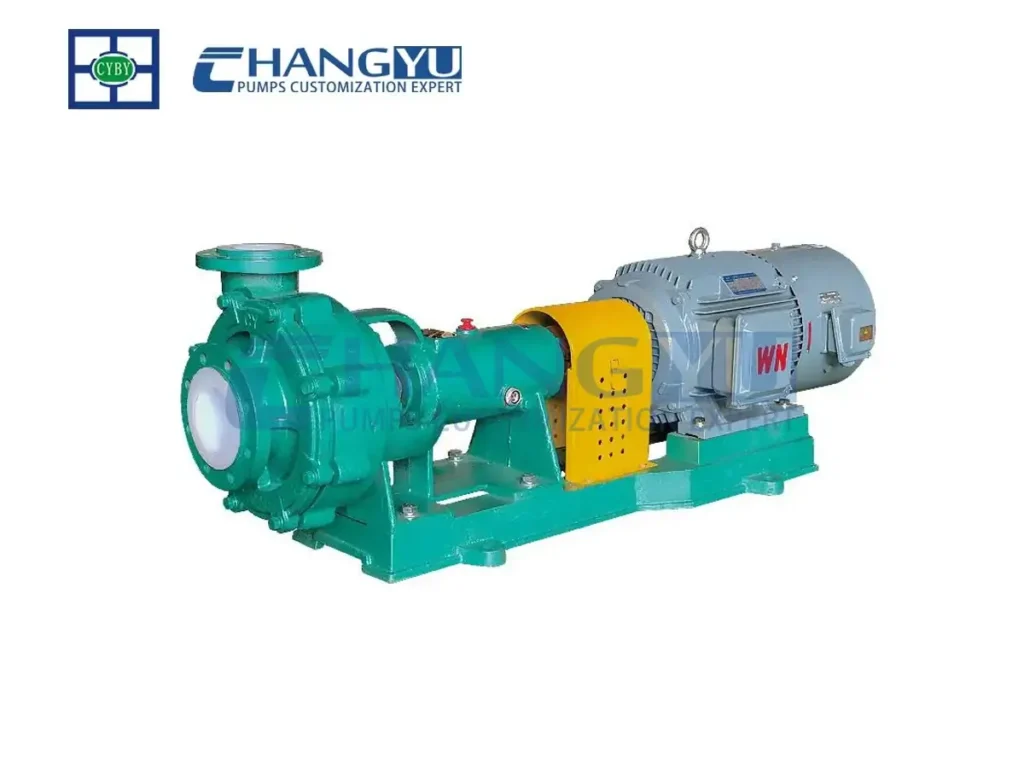
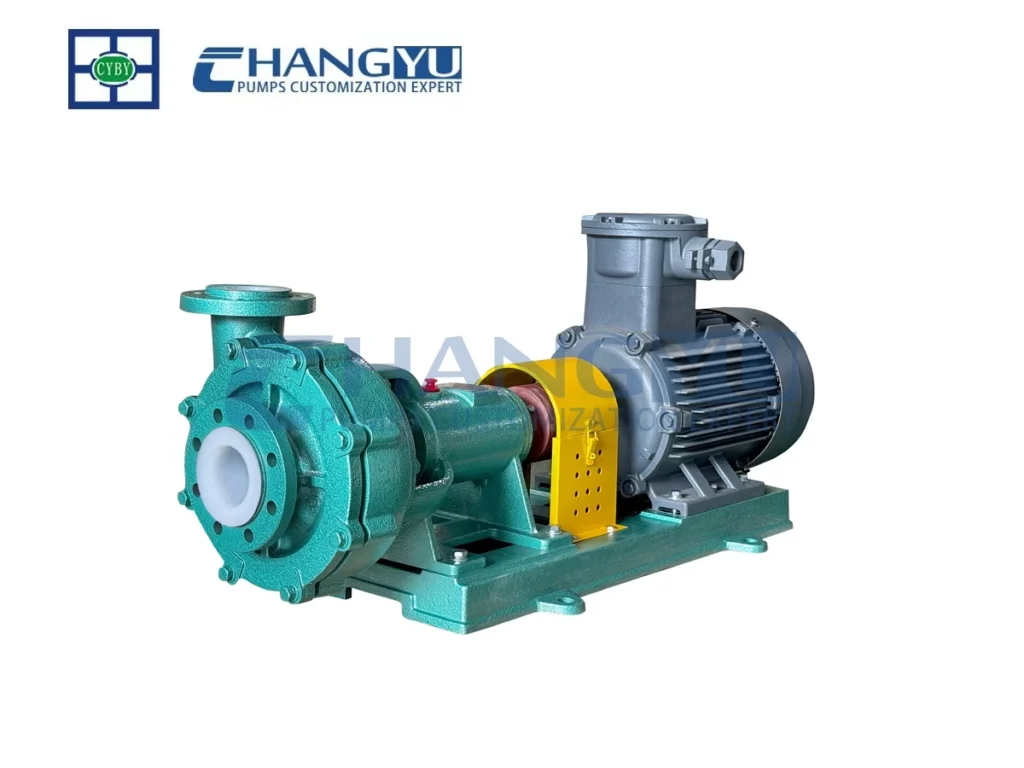
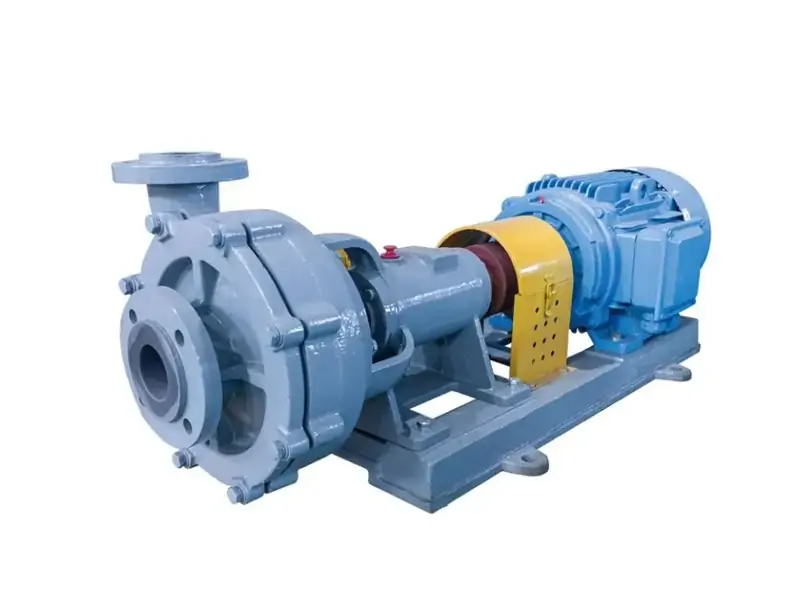
Pour la saumure contenant de la boue saline en suspension, la pompe à boue résistante à la corrosion de la série UHB est une option appropriée. La série UHB peut traiter des boues corrosives avec une teneur en solides inférieure à 45 %, ce qui la rend plus adaptée à ce type de service mixte liquide-solide qu'une pompe chimique conventionnelle pour liquides propres.
Pompes recommandées
Principaux facteurs de sélection :
- Résistance à l'usure
- Concentration de la saumure saturée
- Boue saline et solides en suspension
- Teneur en solides
- Débit et hauteur manométrique
- Corrosion par les chlorures
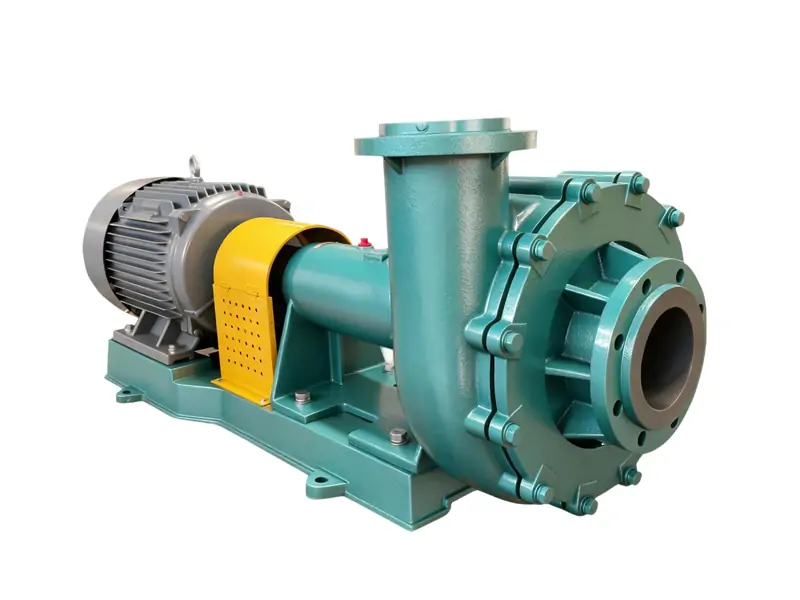
Pompes à boues industrielles de la série UHB
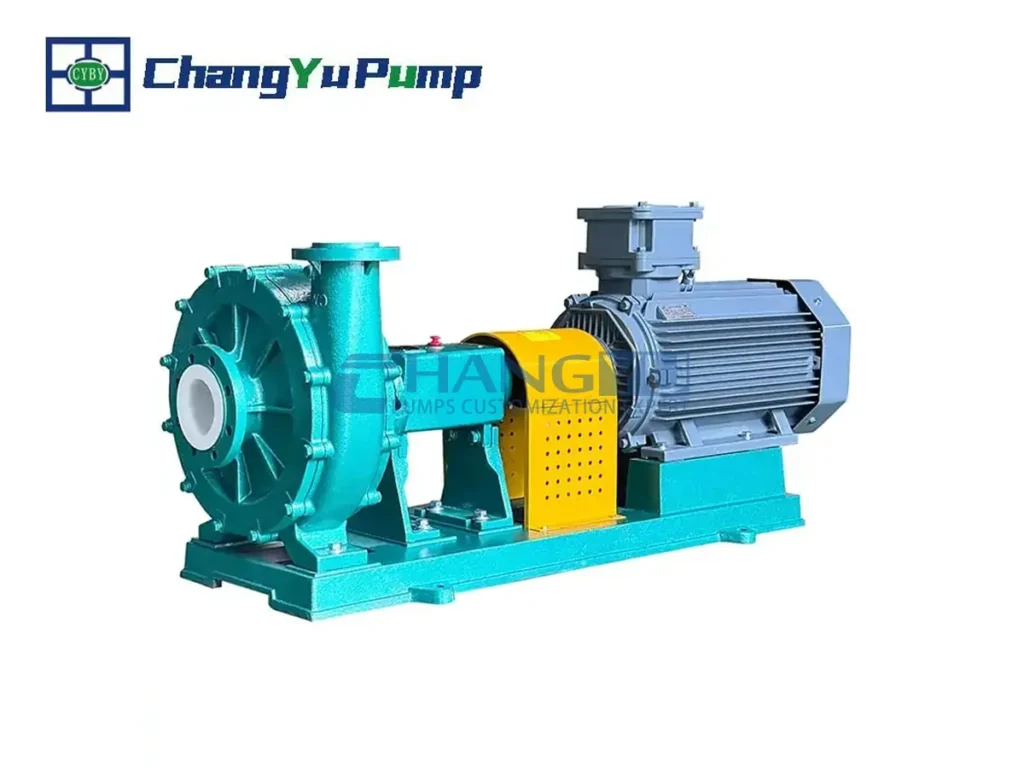
Série UHB Pompe résistante à la corrosion en UHMWPE
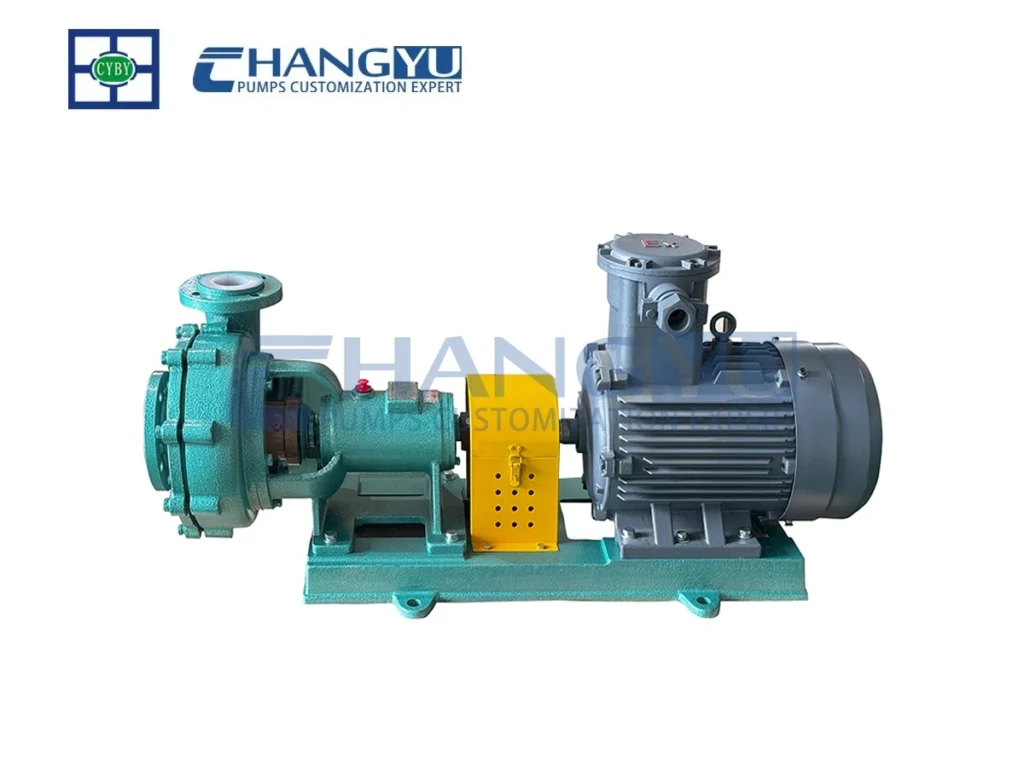
Pompe à boues abrasives série UHB
Électrolyse
Utilisation :
La section d'électrolyse traite l'anolyte et le catholyte contenant des ions chlorure et, selon l'emplacement du procédé, du chlore libre. Le contrôle des fuites devient particulièrement important lors du transfert d'électrolyte agressif.
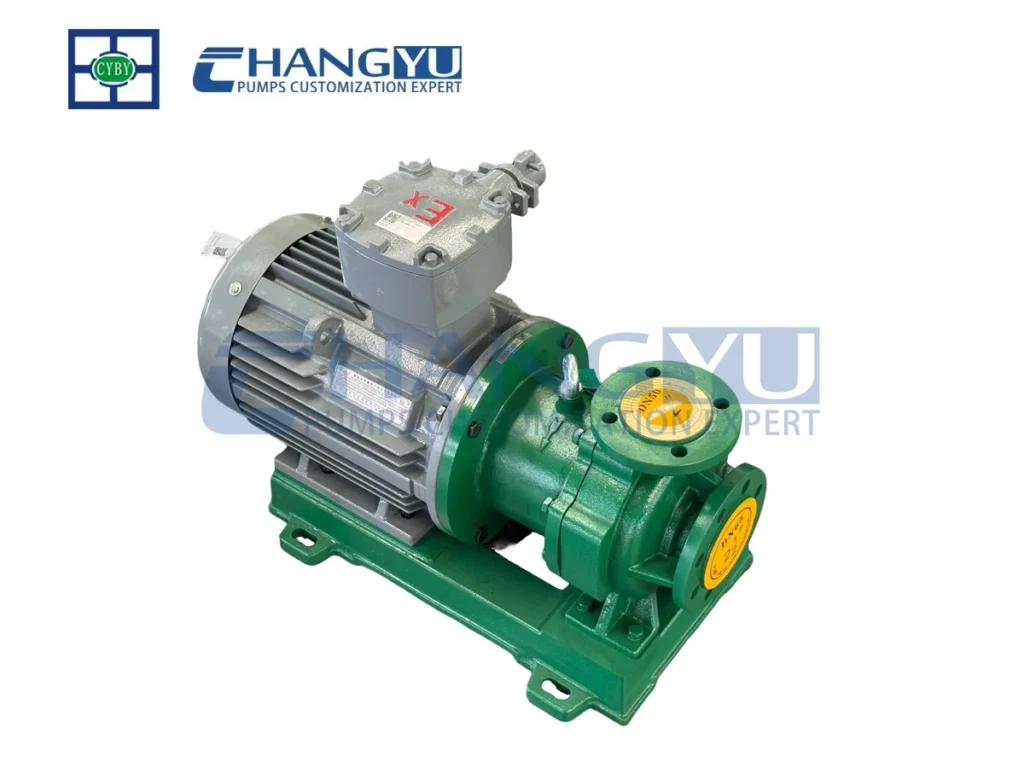
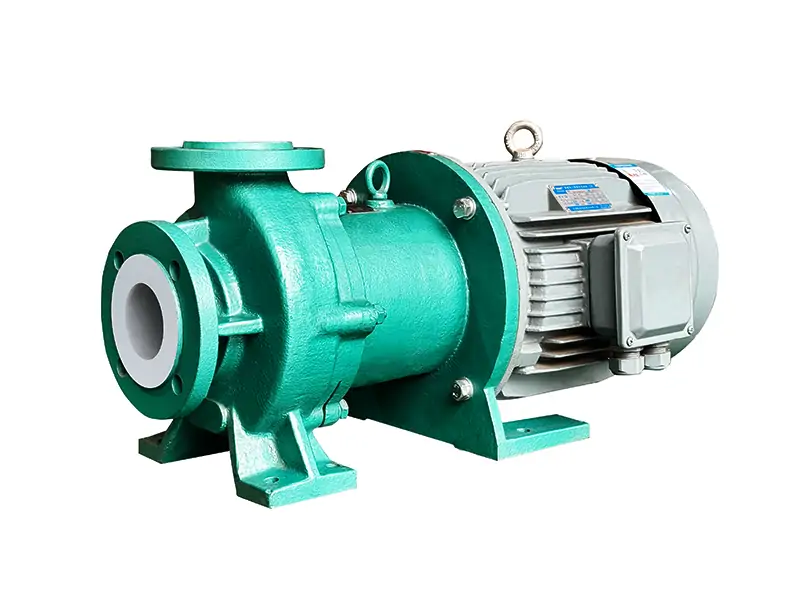
Pour ces tâches, une pompe à entraînement magnétique peut être envisagée lorsque zéro fuite ou une fuite réduite est requise. La sélection finale de la pompe doit être basée sur la composition de l'électrolyte, la température, le débit, la hauteur manométrique et la compatibilité des matériaux.
Pompes recommandées :
Principaux facteurs de sélection :
- Concentration en chlorures
- Teneur en chlore libre
- Température
- Exigences d'étanchéité
- Débit et hauteur manométrique
- Compatibilité des matériaux en contact avec le fluide
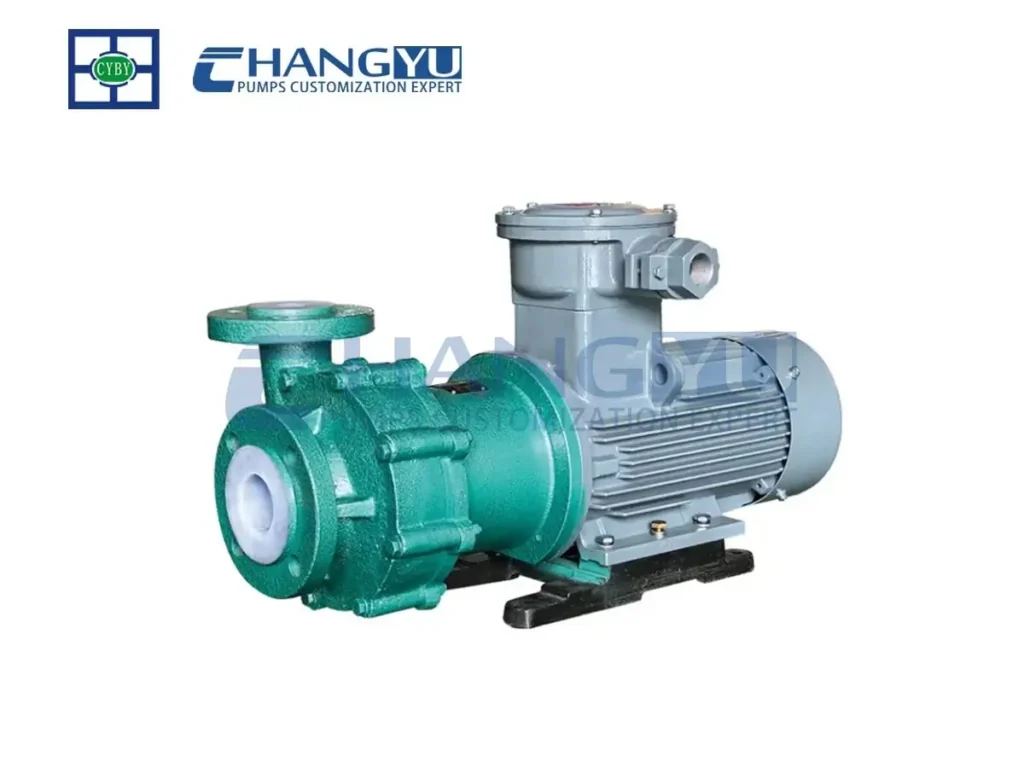
Pompe de transfert d'acide sulfurique série CYQ
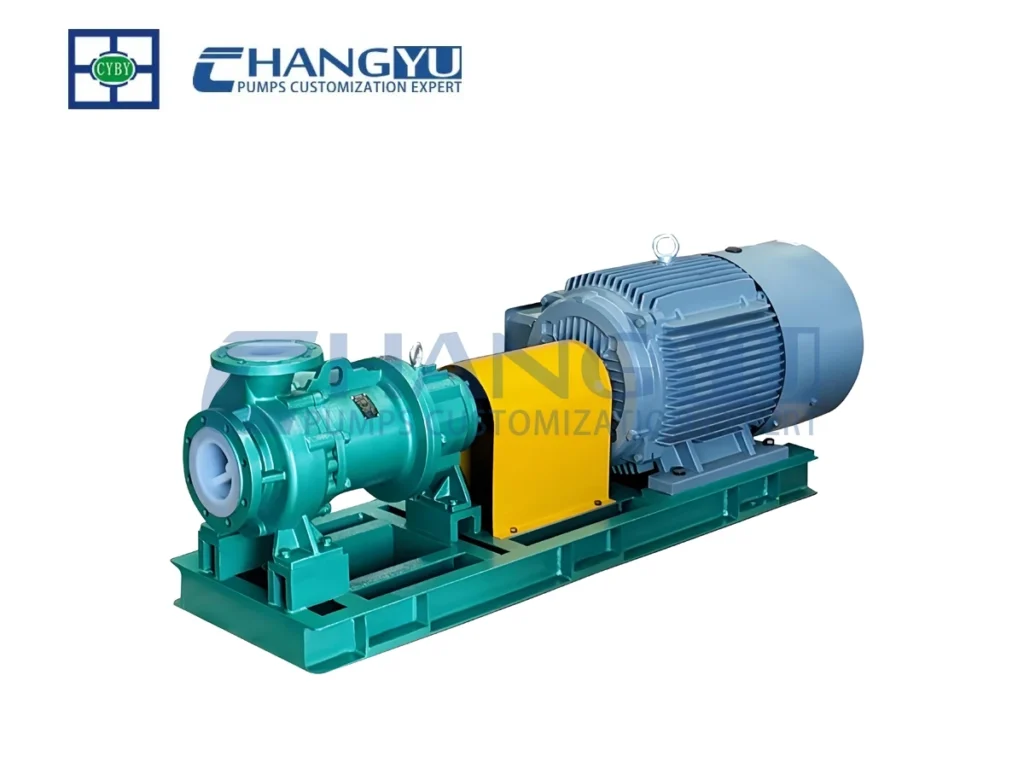
Pompe à entraînement magnétique pour produits chimiques | CYQ PTFE Lined Acid Transfer Pump
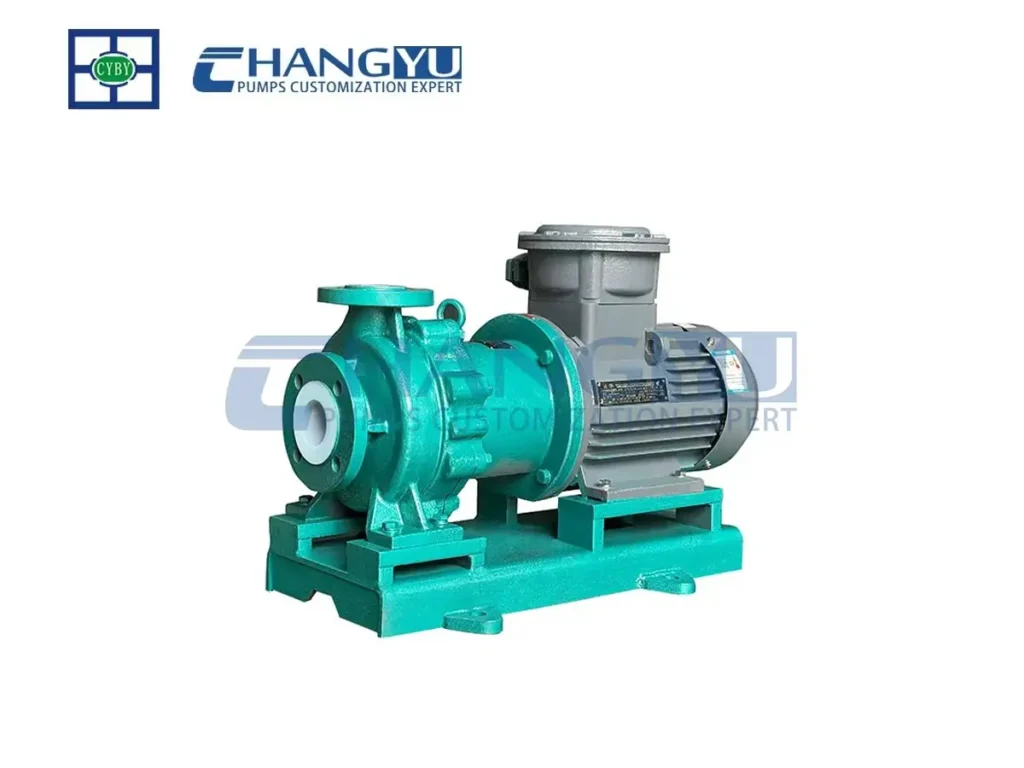
Pompe centrifuge à entraînement magnétique - Série CYQ
Évaporation et concentration de la soude caustique
Utilisation :
La section de concentration de la soude caustique présente un défi de pompage différent. Le liquide peut être chaud et contenir des cristaux de NaCl, la pompe doit donc résister à la fois à une température élevée et à une cristallisation potentielle ou à une usure liée aux solides.
Pour la circulation de soude caustique à haute température, Changyu recommande la pompe chimique haute température de la série CYG, avec une température de fonctionnement allant jusqu'à 150 °C selon la configuration de la pompe.
Cette application diffère du transfert ordinaire de soude caustique. La pompe est sélectionnée non seulement pour la compatibilité avec NaOH, mais aussi pour les conditions de température et de cristaux de sel dans le système de circulation.
Pompes recommandées :
Principaux facteurs de sélection :
- Concentration en NaOH
- Température de fonctionnement
- Teneur en cristaux de NaCl
- Débit de circulation
- Hauteur manométrique requise
- Compatibilité des matériaux
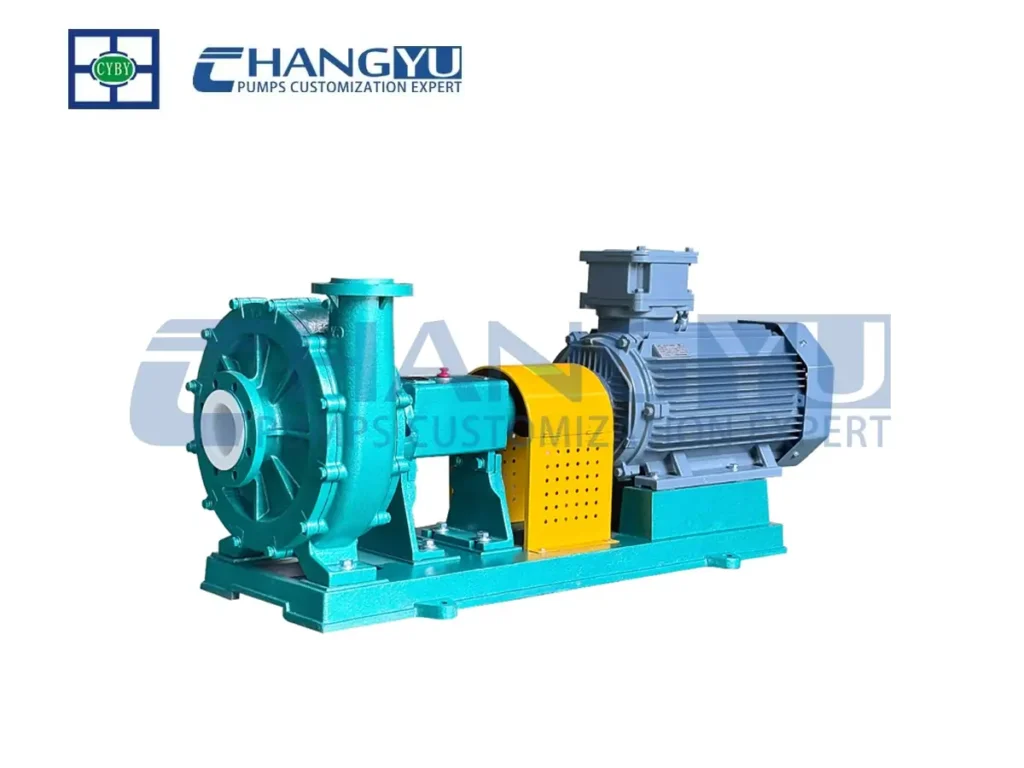
Pompe chimique à haute température de la série CYG
Traitement du chlore gazeux et de l'hypochlorite
Utilisation :
Le traitement du chlore implique des conditions différentes du transfert ordinaire de liquides chimiques. Le chlore humide et l'hypochlorite de sodium nécessitent des matériaux présentant une bonne résistance aux milieux contenant du chlore et aux milieux oxydants.
Pour le traitement de l'hypochlorite de sodium liquide, la pompe immergée en fluoroplastique de la série FYH peut être envisagée.
Pompes recommandées :
Principaux facteurs de sélection :
- Concentration en chlore humide ou en hypochlorite
- Conditions oxydantes
- Température
- Profondeur d'installation
- Résistance à la corrosion
- Conditions gaz-liquide
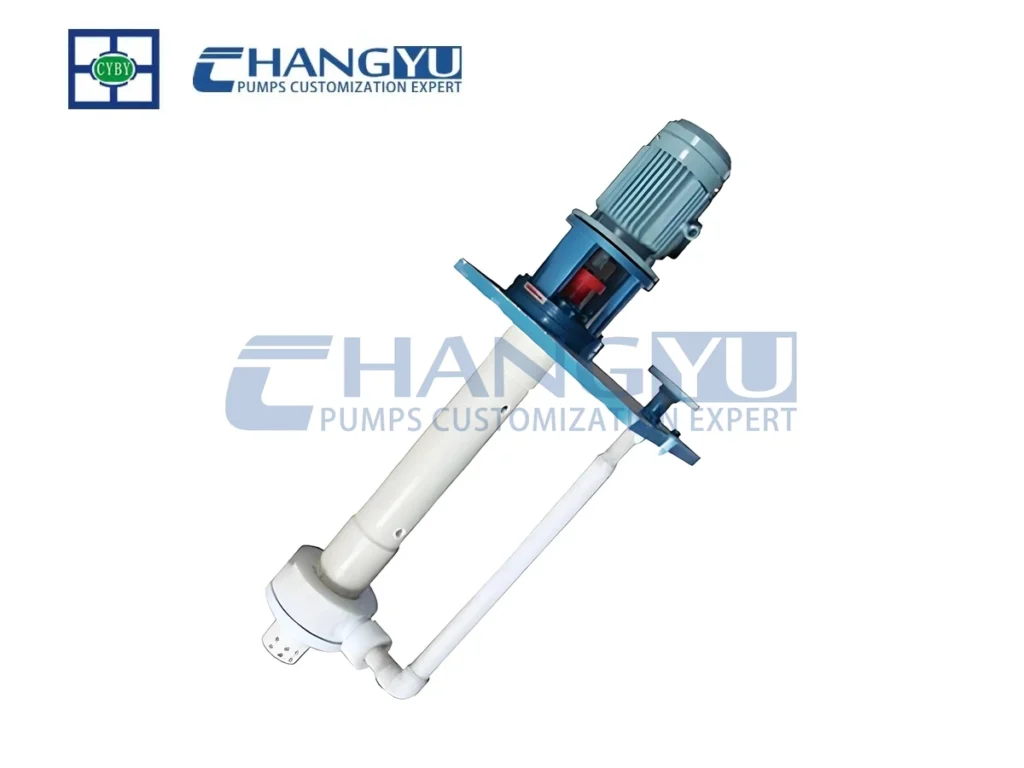
Pompe semi-submersible en plastique fluoré de la série FYH : Pompe chimique à haut rendement et résistante à la corrosion
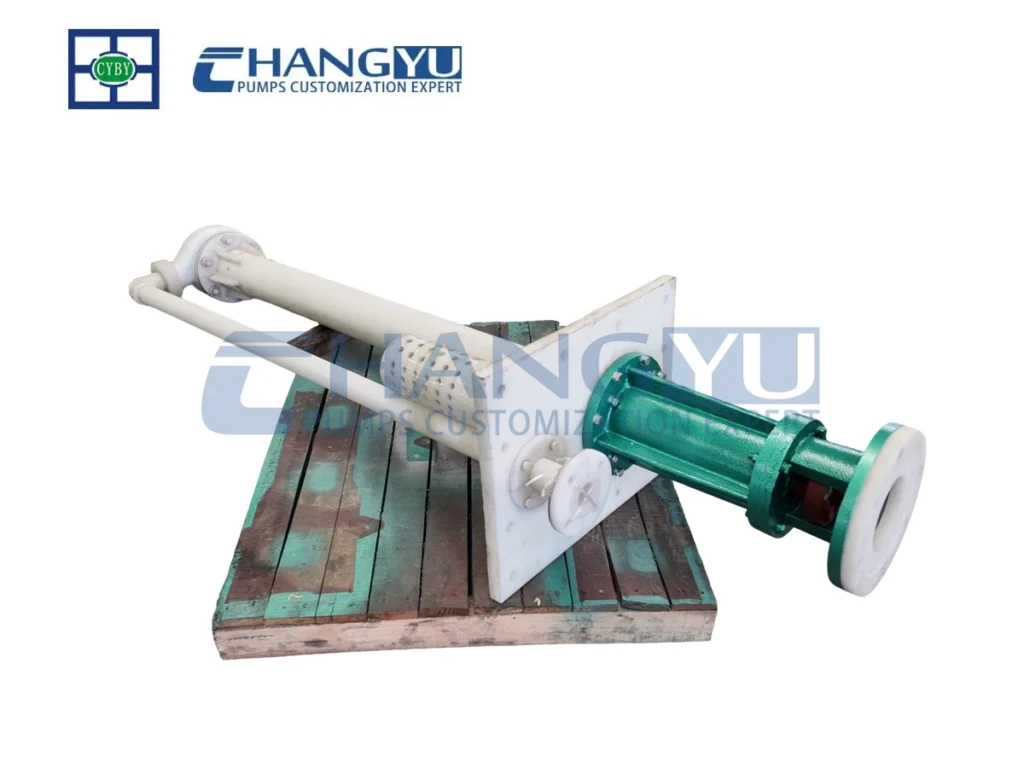
Pompe submersible résistante aux produits chimiques de la série FYH
Synthèse de l'acide chlorhydrique
Utilisation :
La synthèse et le traitement de l'acide chlorhydrique nécessitent des pompes capables de résister à l'acide chlorhydrique et aux conditions associées riches en chlorures. Les matériaux métalliques conventionnels pour pompes peuvent ne pas offrir une résistance à la corrosion suffisante pour ces tâches.
Pour le transfert d'acide chlorhydrique, une pompe centrifuge à revêtement en fluoroplastique est une configuration appropriée lorsque le procédé exige une résistance élevée à la corrosion.
Pompes recommandées :
Principaux facteurs de sélection :
- Concentration d'acide chlorhydrique
- Température
- Débit
- Tête
- Résistance à la corrosion
- Compatibilité du revêtement et de la garniture mécanique
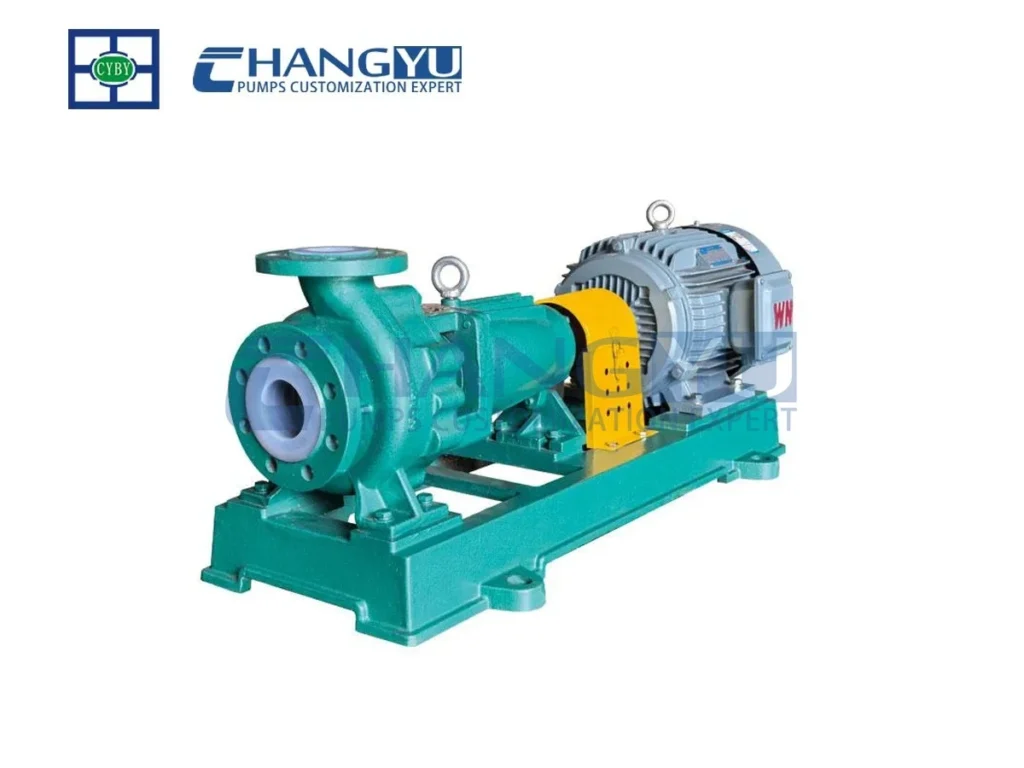
Pompe centrifuge en plastique fluoré de la série CYF
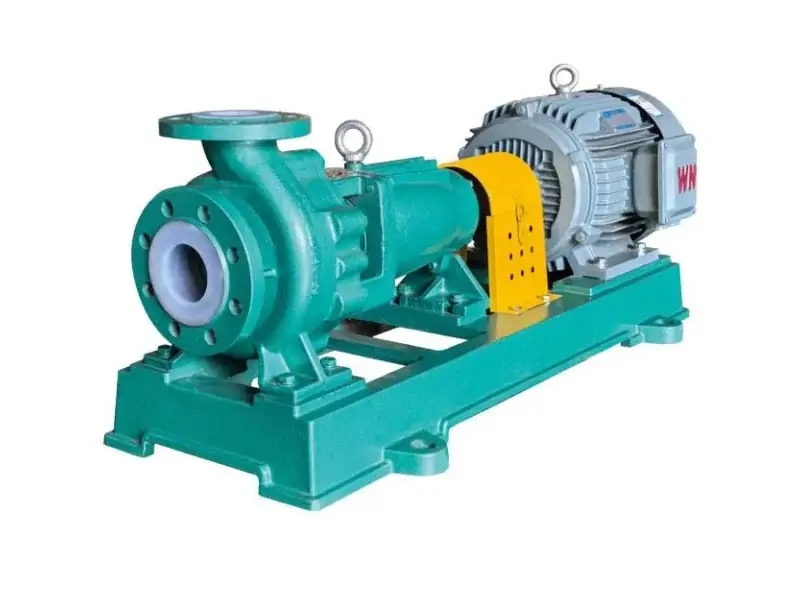
Pompe centrifuge de transfert d'acide chlorhydrique de la série CYF

Pompe centrifuge chimique de transfert d'acide de la série CYF
Comment sélectionner une pompe pour l'industrie du chlore-alcali
Le nom chimique seul ne suffit pas à déterminer la pompe correcte. Deux pompes traitant le même produit chimique peuvent avoir des exigences complètement différentes lorsque la concentration, la température, la teneur en solides ou les conditions d'installation changent.
- La concentration de la saumure, du NaOH, du HCl ou de l'hypochlorite de sodium affecte la compatibilité des matériaux et doit être confirmée avant de sélectionner la pompe.
- La température est particulièrement importante pour la soude caustique concentrée et les procédés d'évaporation. Des températures de fonctionnement plus élevées peuvent modifier les performances des matériaux et les conditions de fonctionnement de la pompe.
- La boue saline et les cristaux de NaCl introduisent un composant d'usure qui n'existe pas dans le transfert de liquides chimiques propres. La construction de la pompe et la conception hydraulique doivent donc être considérées conjointement avec la résistance à la corrosion. Pour les électrolytes agressifs et autres liquides chimiques dangereux, le contrôle des fuites peut influencer la configuration de la pompe. Les pompes à entraînement magnétique peuvent être envisagées lorsque cette exigence est significative.
- Certaines applications nécessitent une pompe immergée plutôt qu'une configuration centrifuge horizontale conventionnelle. Le traitement de l'hypochlorite de sodium est un exemple où les conditions d'installation peuvent affecter la conception appropriée de la pompe.
- Le débit et la hauteur manométrique requis déterminent les performances hydrauliques nécessaires de la pompe.
Ces paramètres doivent être confirmés avec les conditions chimiques et de température avant la sélection finale.
Sélection de pompes par procédé chlor-alcali
| Procédé chlor-alcali | Fluide pompé | Principal défi de pompage | Pompe recommandée |
|---|---|---|---|
| Purification de la saumure | Saumure saturée + boue saline | Corrosion + solides en suspension + usure | Série UHB |
| Électrolyse | Anolyte/catholyte | Chlorure + chlore libre + contrôle des fuites | Pompe à entraînement magnétique / Série CYQ |
| Évaporation de la soude caustique | NaOH concentré chaud + cristaux de NaCl | Haute température + cristallisation | Série CYG |
| Manipulation du chlore et de l'hypochlorite | Chlore humide/hypochlorite de sodium | Oxydation + corrosion par chlorure | Série FYH |
| Synthèse de l'acide chlorhydrique | Acide chlorhydrique / HCl | Pompe UHB-ZKD / à revêtement fluoroplastique | Pompe à revêtement fluoroplastique / Série CYF |
Remarque : La pompe doit être sélectionnée en fonction des conditions réelles du procédé plutôt que d'attribuer le même type de pompe à chaque application chlor-alcali.
Si vous n'êtes pas sûr de la marche à suivre, veuillez contacter notre équipe, et nous vous répondrons sous 24 heures.
FAQ
Nous contacter
Des solutions de pompage flexibles, efficaces et entièrement personnalisées.
Vous recherchez la solution de pompage idéale pour vos besoins spécifiques ? Notre équipe d'experts propose des solutions de pompes centrifuges personnalisées, adaptées à vos fluides, à vos conditions d'exploitation et aux exigences de votre projet. Obtenez une consultation personnalisée et un devis dès aujourd'hui !
Envoyez votre demande maintenant
Pompes recommandées pour l'industrie chlor-alcali
Vous trouverez ci-dessous des modèles de pompes sélectionnés pour la production chlor-alcali et les tâches de transfert de produits chimiques associées. Chaque pompe est adaptée à différentes conditions de procédé, telles que la saumure corrosive contenant des solides, la soude caustique à haute température, l'hypochlorite de sodium, l'électrolyte et l'acide chlorhydrique. La sélection finale de la pompe dépend du fluide, de la concentration, de la température, de la teneur en solides, du débit, de la hauteur manométrique, des conditions d'installation et des exigences d'étanchéité. Si vous n'êtes pas sûr de la pompe adaptée à votre procédé, contactez-nous dès maintenant.