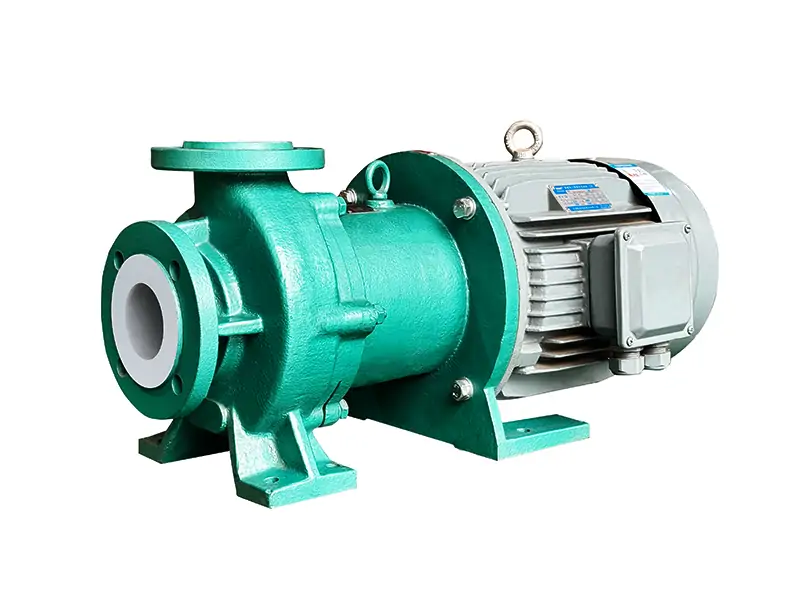
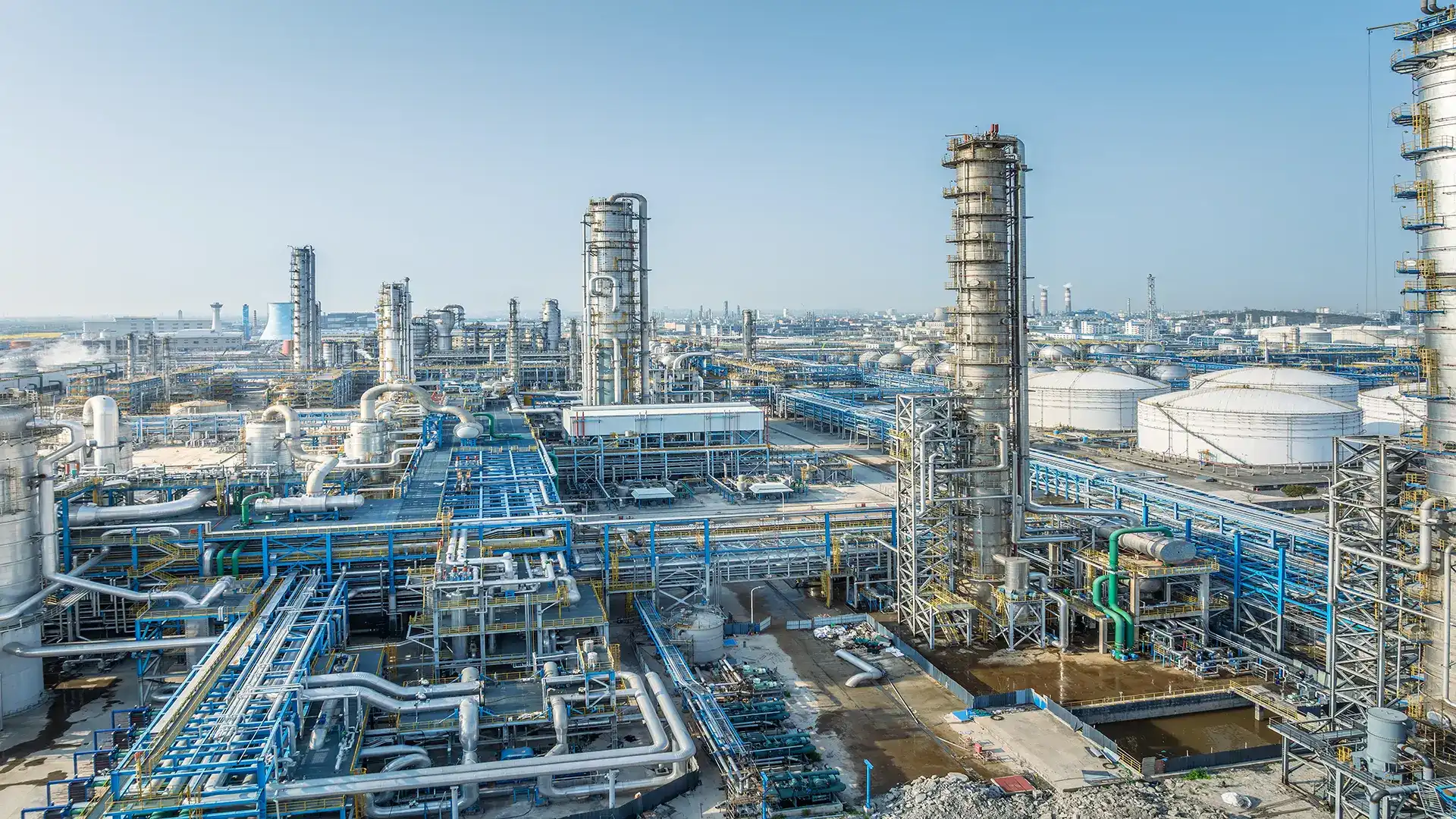
Bombas para a Indústria de Cloro-Álcali
O indústria de cloro-álcali utiliza eletrólise para produzir cloro, soda cáustica e hidrogênio a partir de salmoura purificada. Sistemas de bombeamento estão envolvidos em toda a preparação de salmoura, tratamento químico, processamento de produtos e manuseio de águas residuais. Dependendo do processo, as bombas podem lidar com salmoura rica em cloretos, ácido clorídrico, soda cáustica, hipoclorito de sódio, líquidos clorados e águas residuais corrosivas.
Essas aplicações exigem consideração cuidadosa da compatibilidade química, temperatura, concentração, teor de sólidos, controle de vazamentos, vazão e altura manométrica. Changyu fornece soluções de bombas resistentes à corrosão para diferentes funções do processo de cloro-álcali, com configuração da bomba e materiais molhados selecionados de acordo com as condições reais de operação.
Aplicações de Bombeamento na Indústria de Cloro-Álcali
Diferentes seções de uma planta de cloro-álcali lidam com fluidos muito diferentes. Salmoura saturada contendo lodo salino, eletrólito circulante, soda cáustica de alta temperatura com cristais de sal, hipoclorito de sódio e ácido clorídrico impõem demandas diferentes à bomba.
Por esse motivo, a Changyu seleciona bombas de acordo com a função real do processo, não simplesmente de acordo com o nome químico. Teor de sólidos, temperatura, concentração de cloretos, cristalização, requisitos de vazamento e a posição de instalação da bomba afetam a seleção final.
As soluções de bombas para cloro-álcali da Changyu cobrem seções-chave do processo, incluindo:
Purificação de Salmoura / Eletrólise / Evaporação e Concentração de Soda Cáustica / Manuseio de Cloro Gasoso e Hipoclorito / Síntese de Ácido Clorídrico
Purificação de Salmoura
Aplicação:
A purificação de salmoura é uma das primeiras etapas de bombeamento na produção de cloro-álcali. A salmoura saturada pode conter certa quantidade de lodo salino e outras impurezas suspensas antes e durante a purificação. A bomba, portanto, precisa lidar tanto com corrosão quanto com desgaste por partículas, em vez de tratar o líquido como uma solução química limpa.
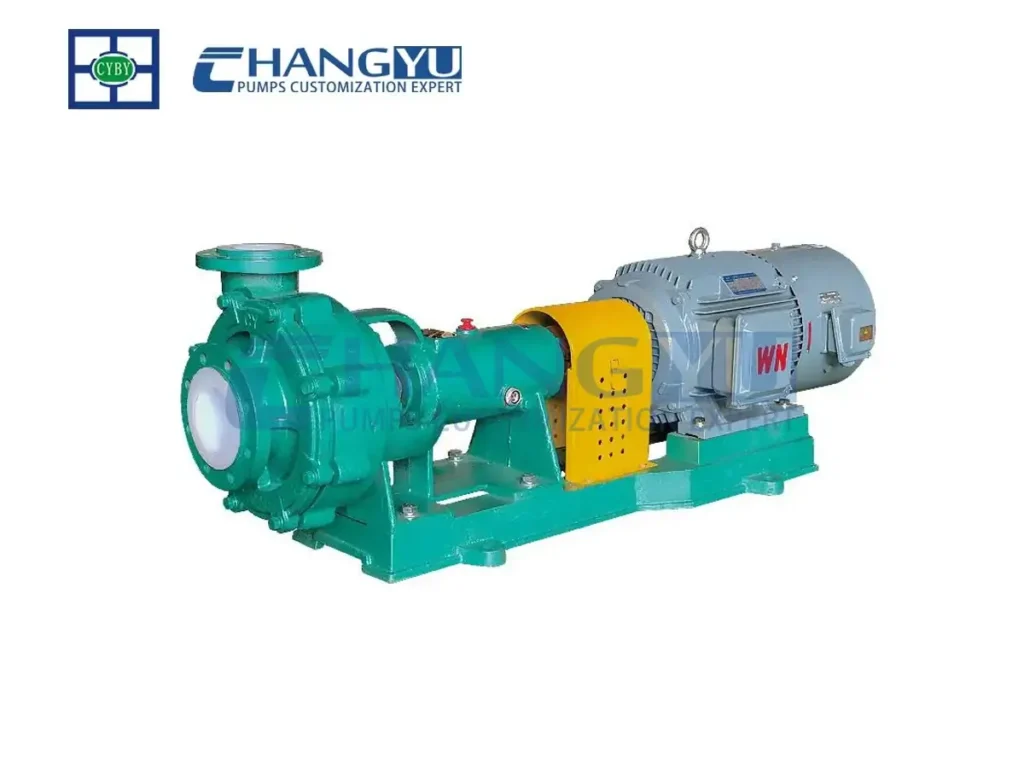
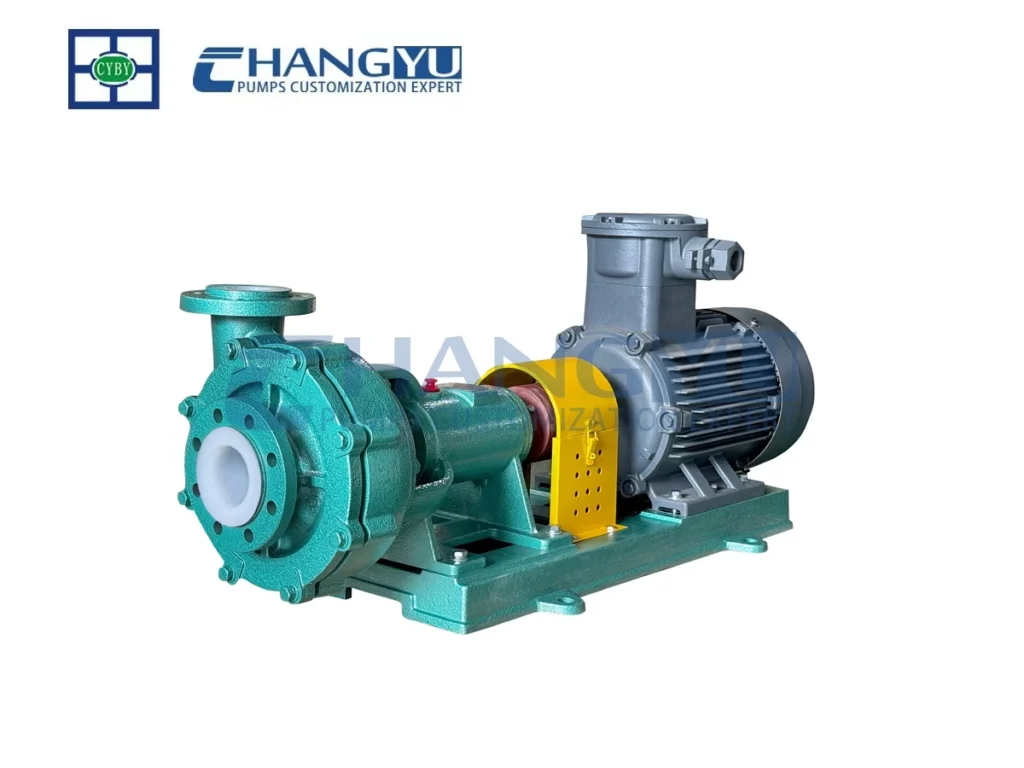
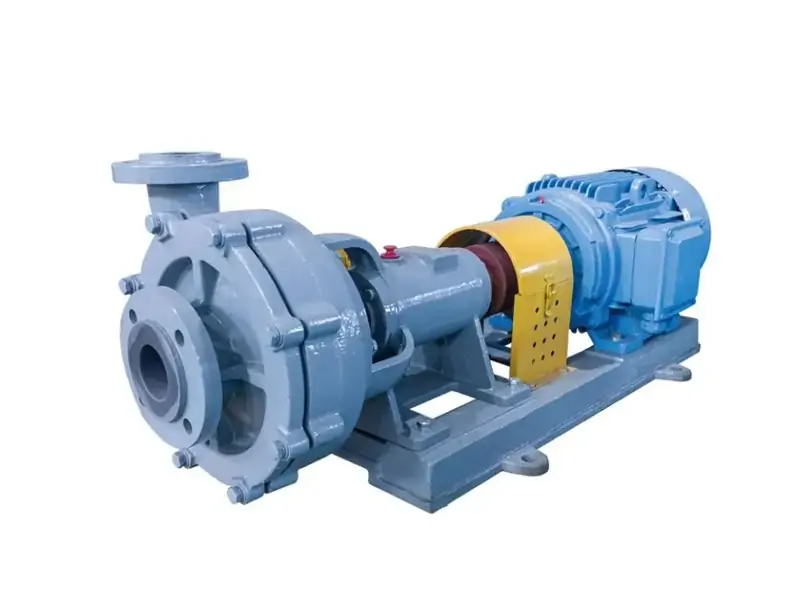
Para salmoura contendo lodo salino suspenso, a bomba de polpa resistente à corrosão da Série UHB é uma opção adequada. A série UHB pode lidar com polpa corrosiva com teor de sólidos inferior a 45%, tornando-a mais apropriada para esse tipo de serviço misto líquido-sólido do que uma bomba química convencional para líquidos limpos.
Bombas Recomendadas
Principais fatores de seleção:
- Resistência ao desgaste
- Concentração de salmoura saturada
- Lodo salino e sólidos suspensos
- Teor de sólidos
- Vazão e altura manométrica
- Corrosão por cloretos
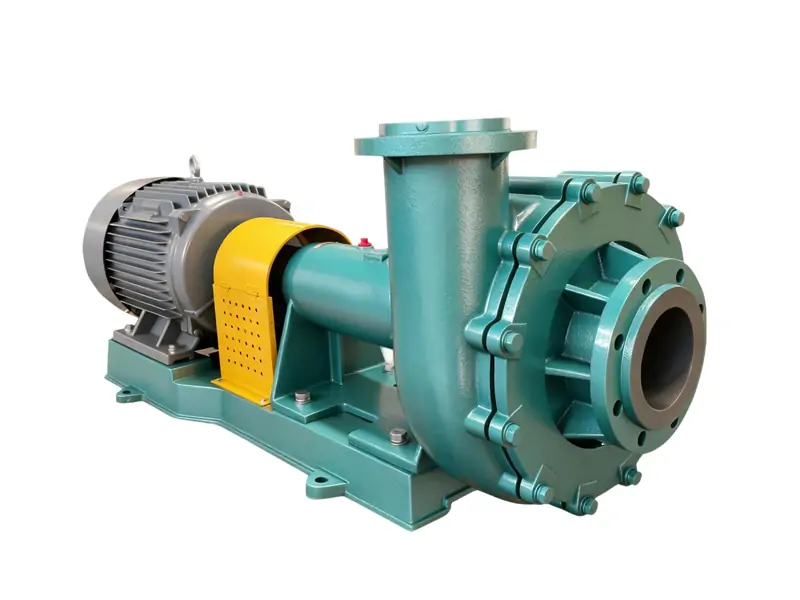
Bombas para polpas abrasivas industriais da série UHB
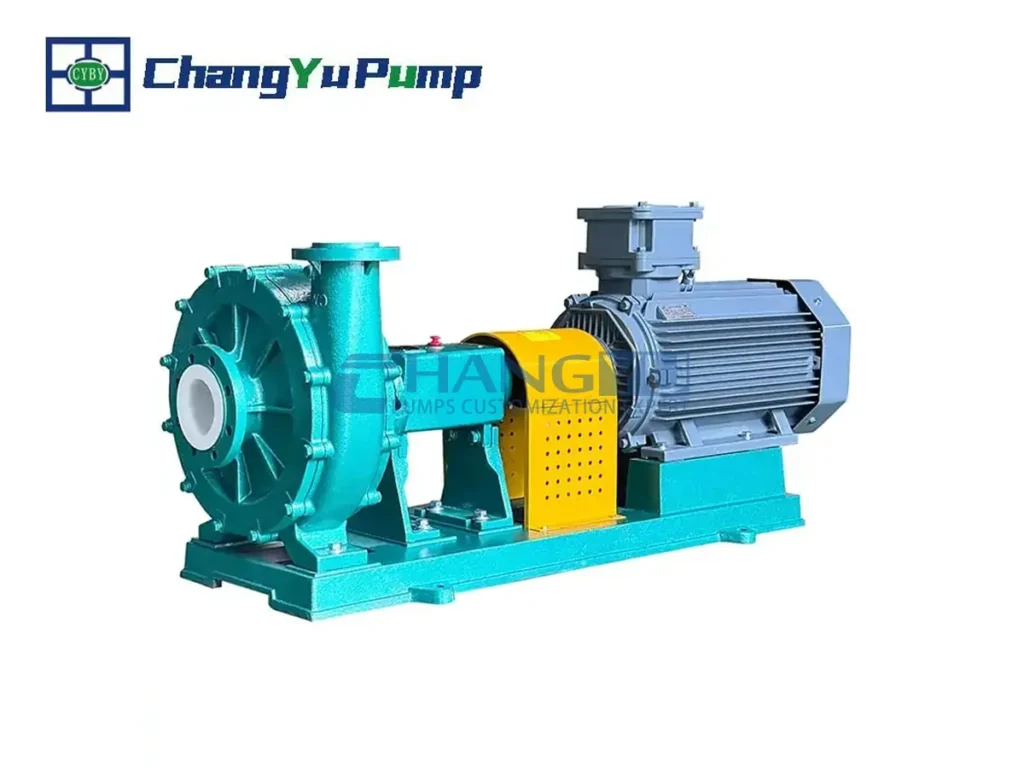
Bomba resistente à corrosão UHMWPE da série UHB
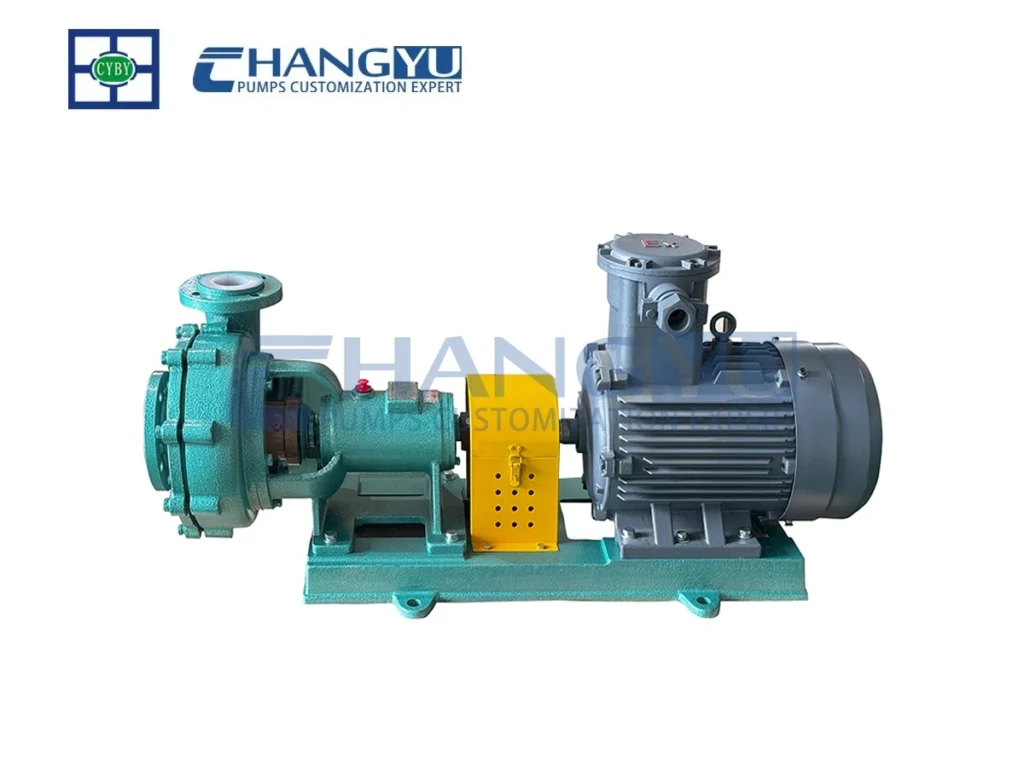
Bomba de polpa abrasiva série UHB
Eletrólise
Aplicação:
A seção de eletrólise lida com anólito e católito contendo íons cloreto e, dependendo da localização no processo, cloro livre. O controle de vazamentos torna-se particularmente importante ao transferir eletrólito agressivo.
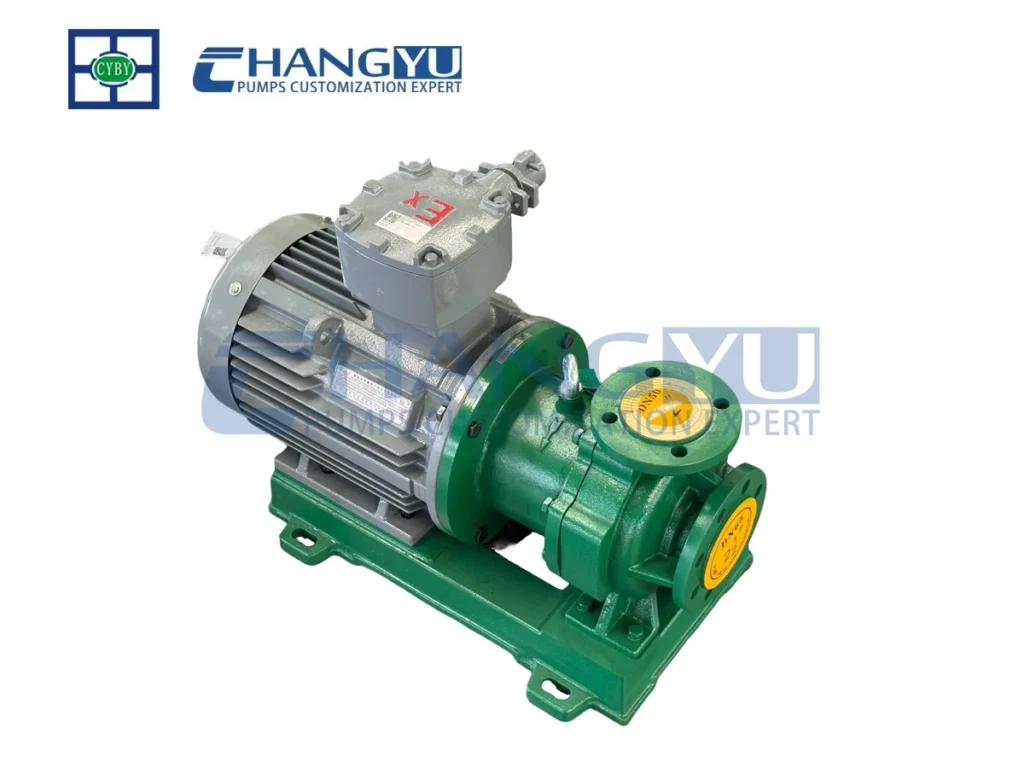
Para essas funções, uma bomba de acionamento magnético pode ser considerada onde vazamento zero ou vazamento reduzido é necessário. A seleção final da bomba deve ser baseada na composição do eletrólito, temperatura, vazão, altura manométrica e compatibilidade de materiais.
Bombas Recomendadas:
Principais fatores de seleção:
- Concentração de cloretos
- Teor de cloro livre
- Temperatura
- Requisitos de vazamento
- Vazão e altura manométrica
- Compatibilidade de materiais molhados
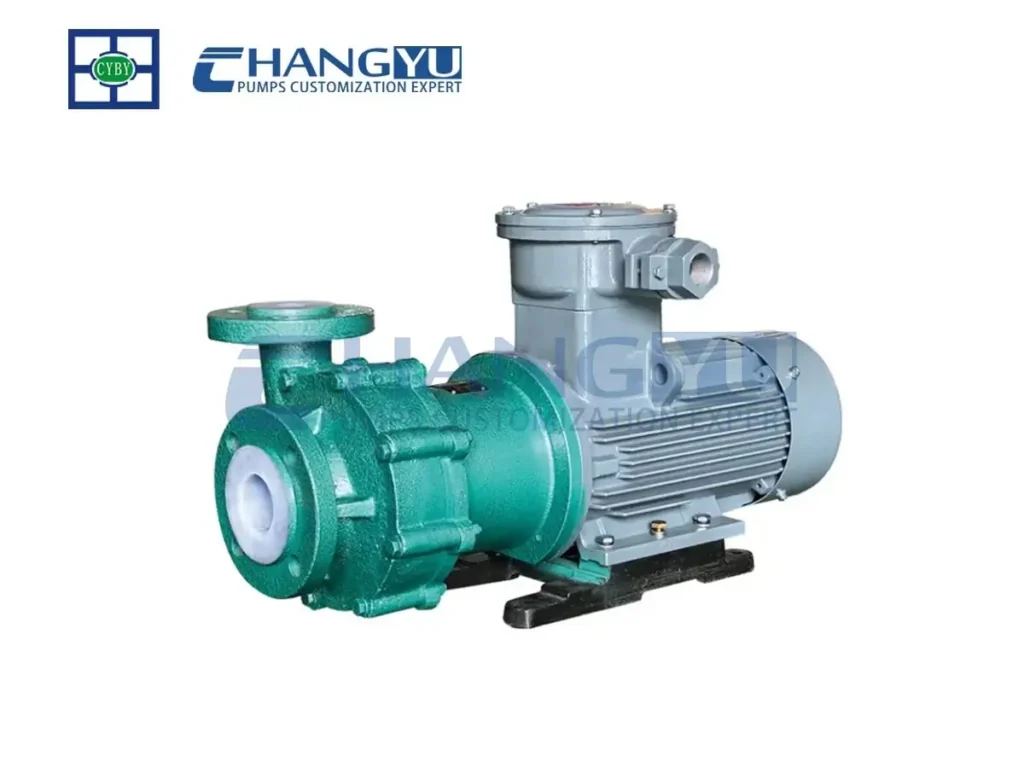
Bomba de transferência de ácido sulfúrico da série CYQ
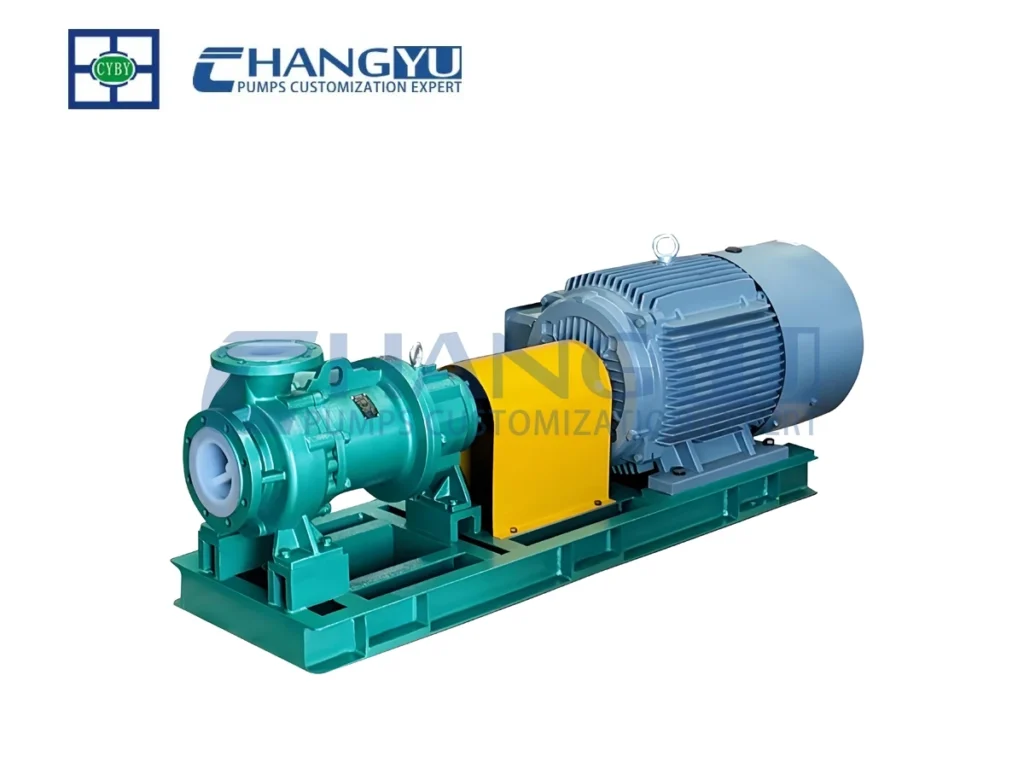
Bomba química de acionamento magnético | Bomba de transferência de ácido revestida de PTFE CYQ
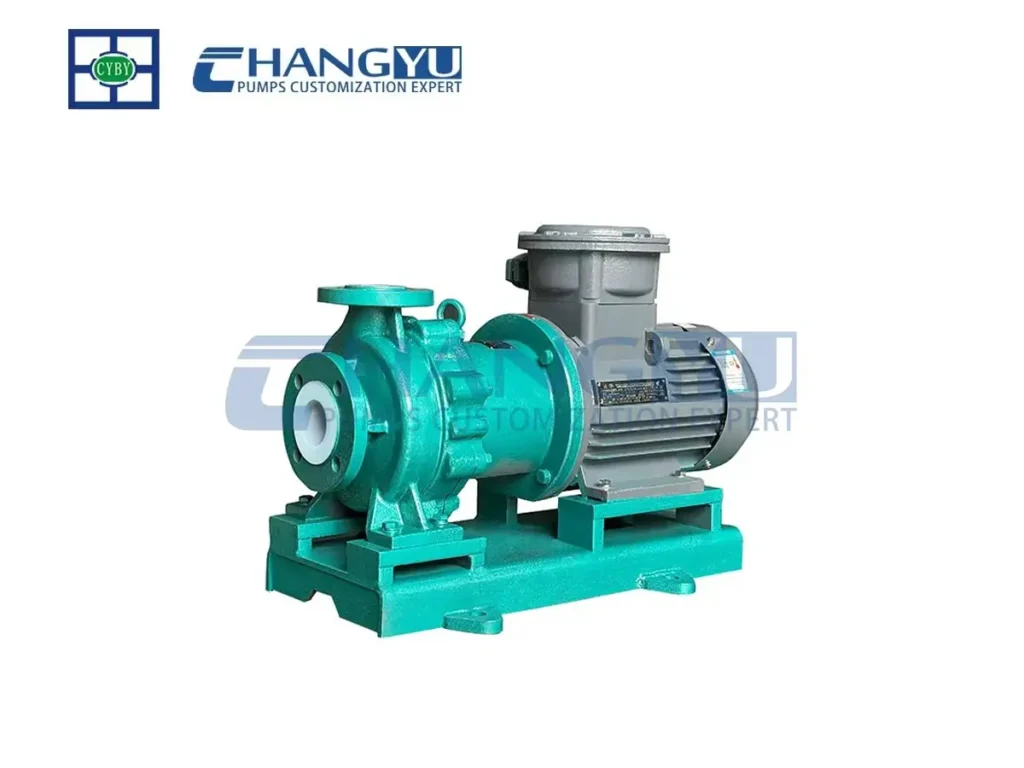
Bomba centrífuga de acionamento magnético - Série CYQ
Evaporação e Concentração de Soda Cáustica
Aplicação:
A seção de concentração de soda cáustica apresenta um desafio de bombeamento diferente. O líquido pode estar quente e pode conter cristais de NaCl, portanto a bomba deve suportar tanto temperatura elevada quanto potencial cristalização ou desgaste relacionado a sólidos.
Para circulação de soda cáustica em alta temperatura, a Changyu recomenda a Bomba Química de Alta Temperatura da Série CYG, com temperatura de trabalho de até 150°C de acordo com a configuração da bomba.
Esta aplicação é diferente da transferência comum de soda cáustica. A bomba é selecionada não apenas pela compatibilidade com NaOH, mas também pelas condições de temperatura e cristais de sal no sistema de circulação.
Bombas Recomendadas:
Principais fatores de seleção:
- Concentração de NaOH
- Temperatura de funcionamento
- Teor de cristais de NaCl
- Vazão de circulação
- Altura manométrica necessária
- Compatibilidade dos materiais
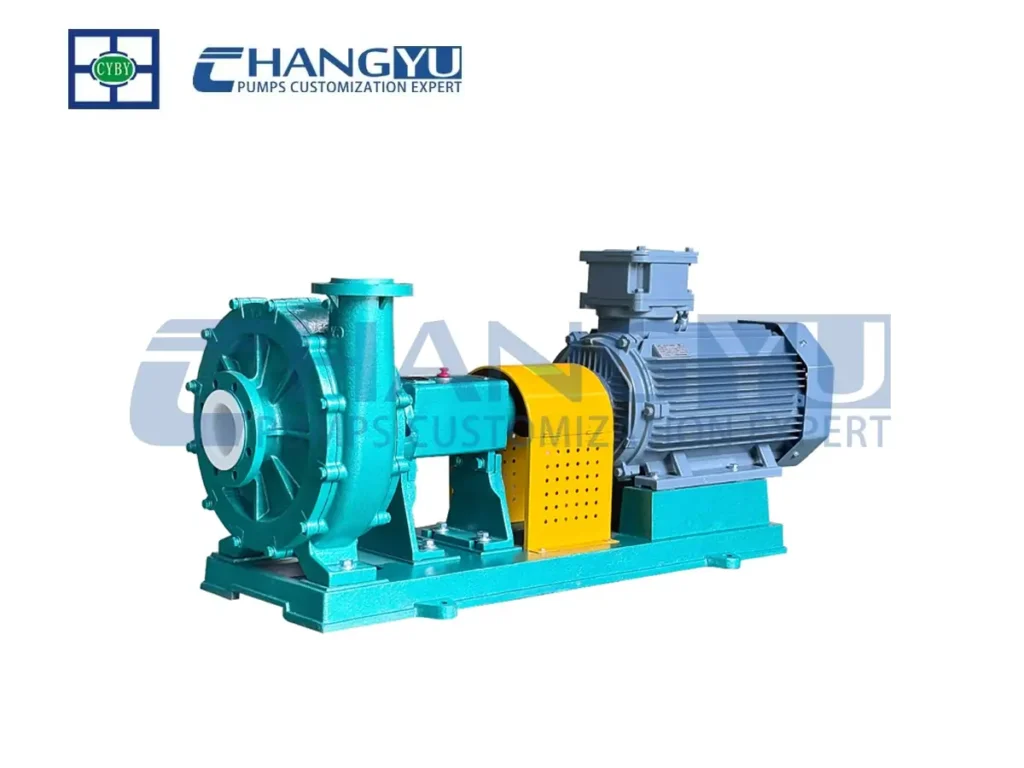
Bomba química de alta temperatura da série CYG
Manuseio de Cloro Gasoso e Hipoclorito
Aplicação:
O manuseio de cloro envolve condições que diferem da transferência comum de produtos químicos líquidos. Cloro úmido e hipoclorito de sódio exigem materiais com boa resistência a meios contendo cloro e oxidantes.
Para o manuseio de líquido de hipoclorito de sódio, a bomba submersa de fluoroplástico da Série FYH pode ser considerada.
Bombas Recomendadas:
Principais fatores de seleção:
- Concentração de cloro úmido ou hipoclorito
- Condições oxidantes
- Temperatura
- Profundidade de instalação
- Resistência à corrosão
- Condições gás-líquido
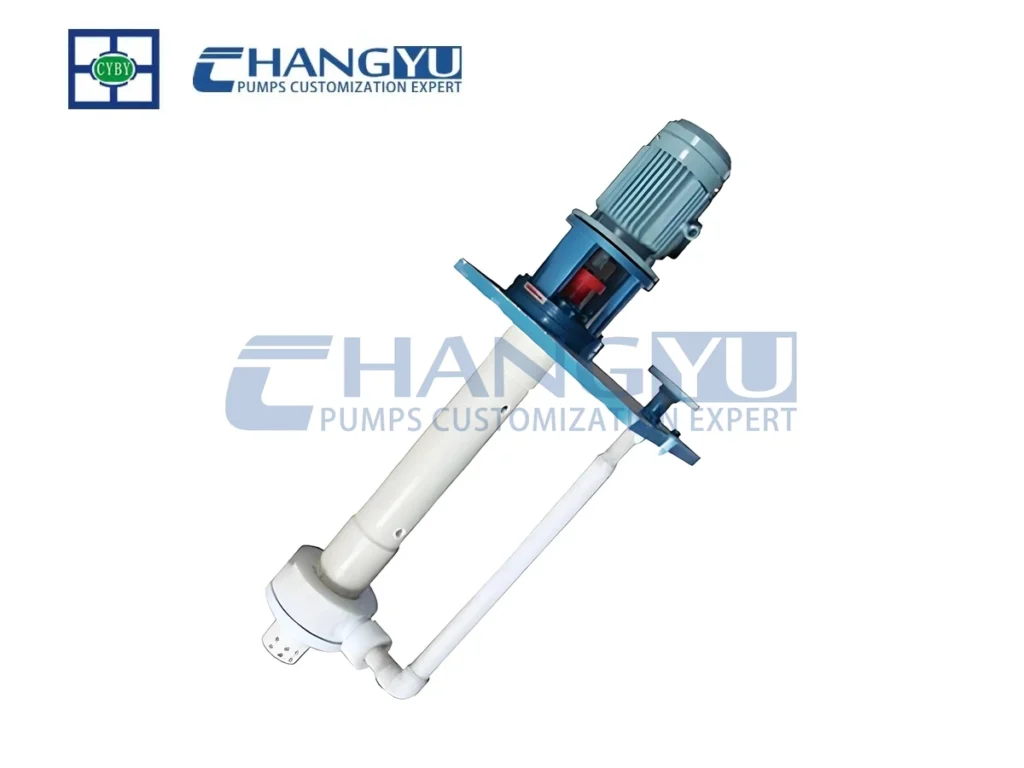
Bomba semi-submersível de fluoroplástico da série FYH: Bomba química resistente à corrosão de alta eficiência
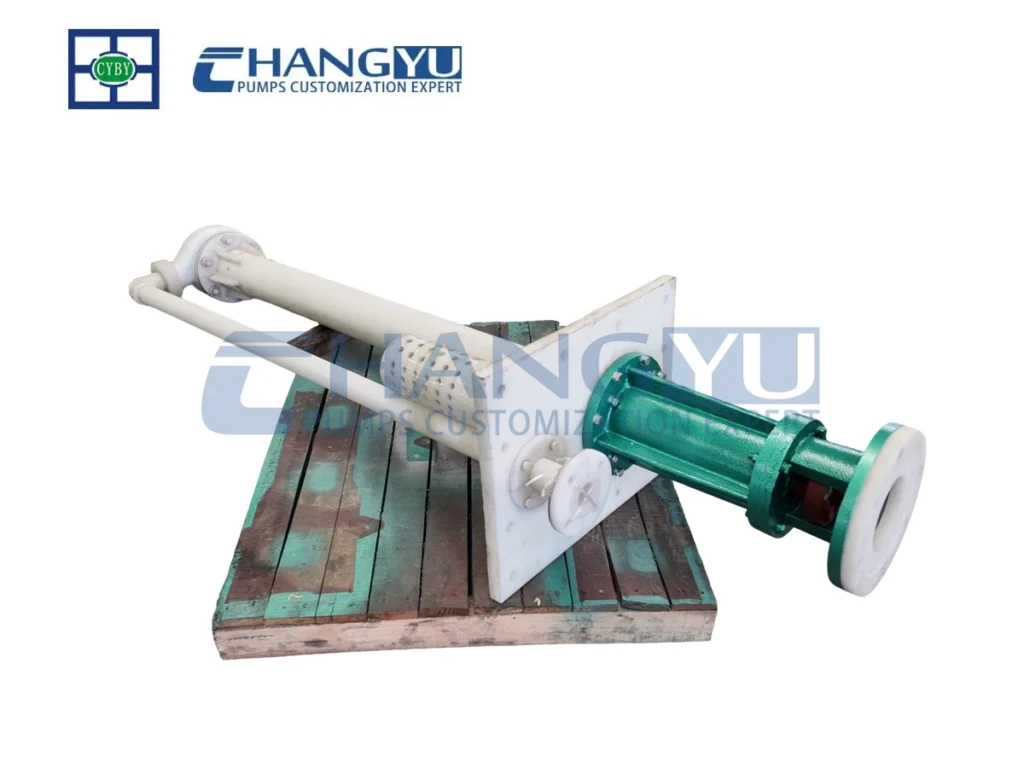
Bomba submersível resistente a produtos químicos da série FYH
Síntese de Ácido Clorídrico
Aplicação:
A síntese e o manuseio de ácido clorídrico exigem bombas que possam suportar ácido clorídrico e condições associadas ricas em cloretos. Materiais convencionais de bombas metálicas podem não fornecer resistência à corrosão suficiente para essas funções.
Para transferência de ácido clorídrico, uma bomba centrífuga revestida com fluoroplástico é uma configuração adequada onde o processo exige alta resistência à corrosão.
Bombas Recomendadas:
Principais fatores de seleção:
- Concentração de ácido clorídrico
- Temperatura
- Caudal
- Cabeça
- Resistência à corrosão
- Compatibilidade de revestimento e vedação
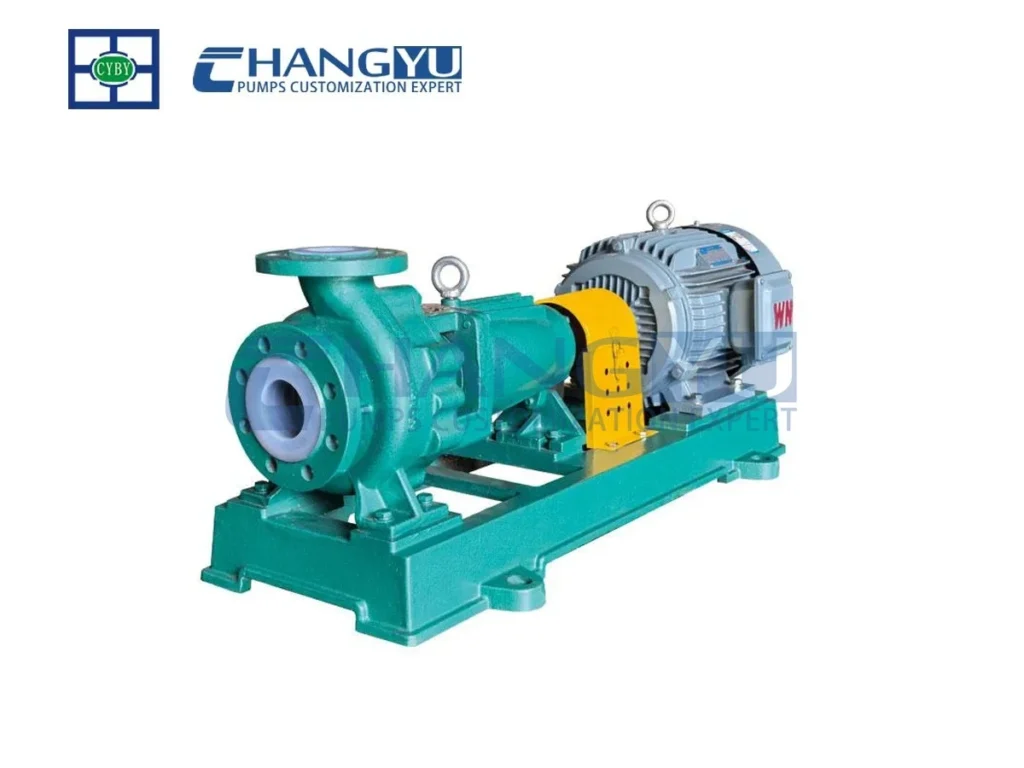
Bomba centrífuga de fluoroplástico da série CYF
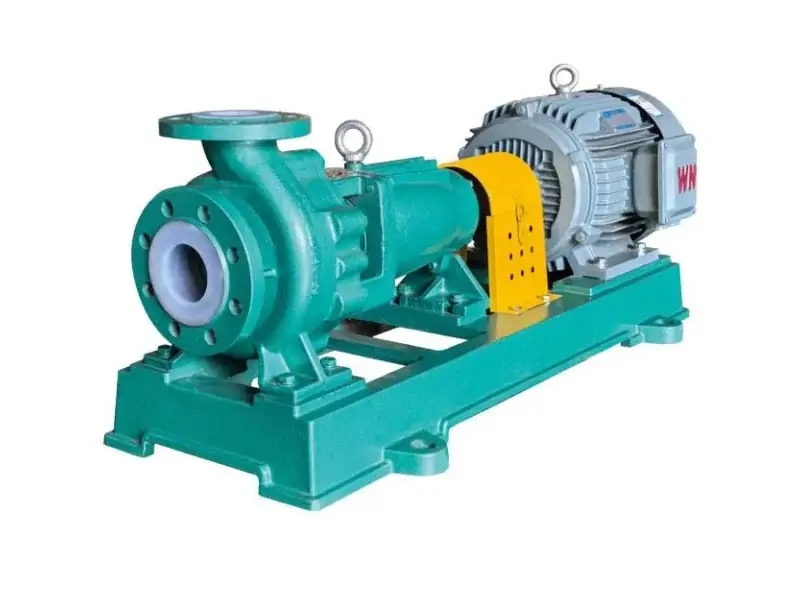
Bomba centrífuga de transferência de ácido clorídrico série CYF

Bomba centrífuga química de transferência de ácido série CYF
Como Selecionar uma Bomba para a Indústria de Cloro-Álcali
Apenas o nome químico não é suficiente para determinar a bomba correta. Duas bombas lidando com o mesmo produto químico podem ter requisitos completamente diferentes quando concentração, temperatura, teor de sólidos ou condições de instalação mudam.
- A concentração de salmoura, NaOH, HCl ou hipoclorito de sódio afeta a compatibilidade de materiais e deve ser confirmada antes de selecionar a bomba.
- A temperatura é particularmente importante para soda cáustica concentrada e processos de evaporação. Temperaturas operacionais mais altas podem alterar o desempenho dos materiais e as condições de operação da bomba.
- Lodo salino e cristais de NaCl introduzem um componente de desgaste que não existe na transferência de líquidos químicos limpos. A construção da bomba e o projeto hidráulico devem, portanto, ser considerados juntamente com a resistência à corrosão. Para eletrólitos agressivos e outros líquidos químicos perigosos, o controle de vazamentos pode influenciar a configuração da bomba. Bombas de acionamento magnético podem ser consideradas onde esse requisito é significativo.
- Algumas aplicações exigem uma bomba submersa em vez de uma configuração centrífuga horizontal convencional. O manuseio de hipoclorito de sódio é um exemplo onde as condições de instalação podem afetar o projeto apropriado da bomba.
- A vazão e a altura manométrica necessárias determinam o desempenho hidráulico exigido da bomba.
Esses parâmetros devem ser confirmados juntamente com as condições químicas e de temperatura antes da seleção final.
Seleção de Bomba por Processo de Cloro-Álcali
| Processo de Cloro-Álcali | Meio Bombeado | Principal Desafio de Bombeamento | Bomba Recomendada |
|---|---|---|---|
| Purificação de Salmoura | Salmoura saturada + lama de sal | Corrosão + sólidos suspensos + desgaste | Série UHB |
| Eletrólise | Anólito/católito | Cloreto + cloro livre + controle de vazamentos | Bomba de Acionamento Magnético / Série CYQ |
| Evaporação de Soda Cáustica | NaOH concentrado quente + cristais de NaCl | Alta temperatura + cristalização | Série CYG |
| Manuseio de Cloro e Hipoclorito | Cloro úmido/hipoclorito de sódio | Oxidação + corrosão por cloreto | Série FYH |
| Síntese de Ácido Clorídrico | Ácido clorídrico / HCl | Forte corrosão química | Bomba Revestida de Fluoroplástico / Série CYF |
Nota: A bomba deve ser selecionada de acordo com as condições reais do processo, em vez de atribuir o mesmo tipo de bomba a todas as aplicações de cloro-álcali.
Se não tiver certeza de como escolher, entre em contato contactar a nossa equipa, e retornaremos dentro de 24 horas.
FAQ
Contactar-nos
Soluções de bombagem flexíveis, eficientes e totalmente personalizadas.
Procura a solução de bombagem perfeita para as suas necessidades específicas? A nossa equipa de especialistas fornece soluções personalizadas de bombas centrífugas adaptadas aos seus fluidos, condições de funcionamento e requisitos do projeto. Obtenha uma consulta personalizada e um orçamento hoje mesmo!
Enviar o seu pedido de informação agora
Bombas Recomendadas para a Indústria de Cloro-Álcali
Abaixo estão modelos de bombas selecionados para a produção de cloro-álcali e serviços relacionados de transferência de produtos químicos. Cada bomba é adequada a diferentes condições de processo, como salmoura corrosiva contendo sólidos, soda cáustica de alta temperatura, hipoclorito de sódio, eletrólito e ácido clorídrico. A seleção final da bomba depende do meio, concentração, temperatura, teor de sólidos, vazão, altura manométrica, condições de instalação e requisitos de vazamento. Se você não tem certeza de qual bomba é adequada para o seu processo, entre em contato conosco agora.