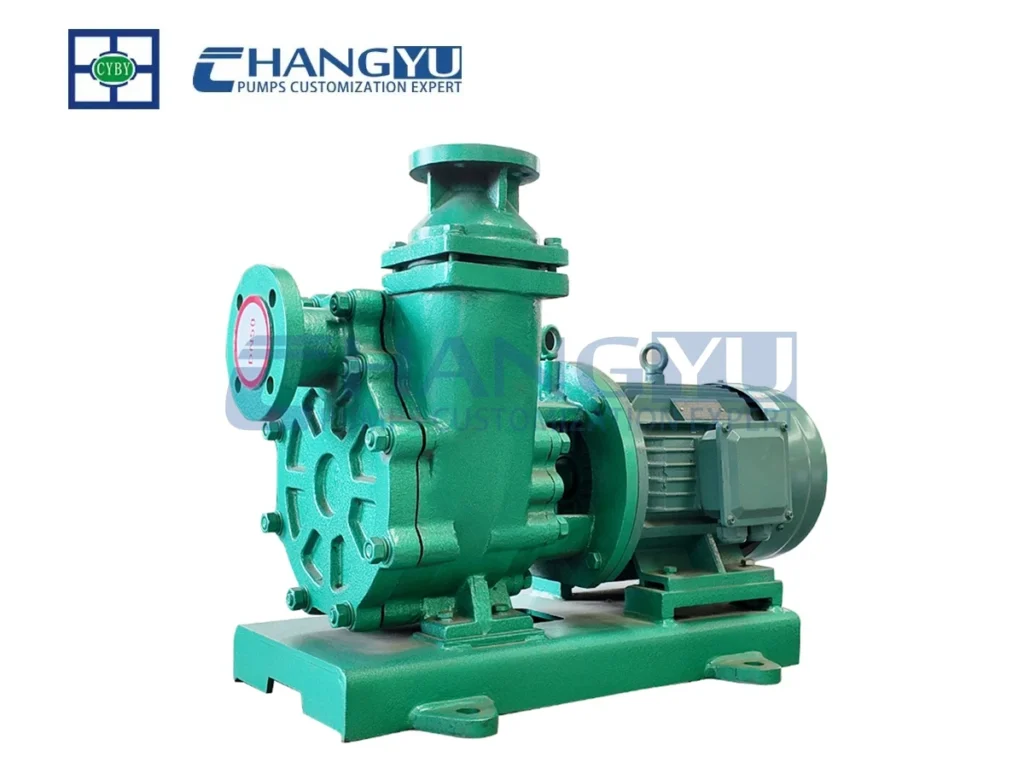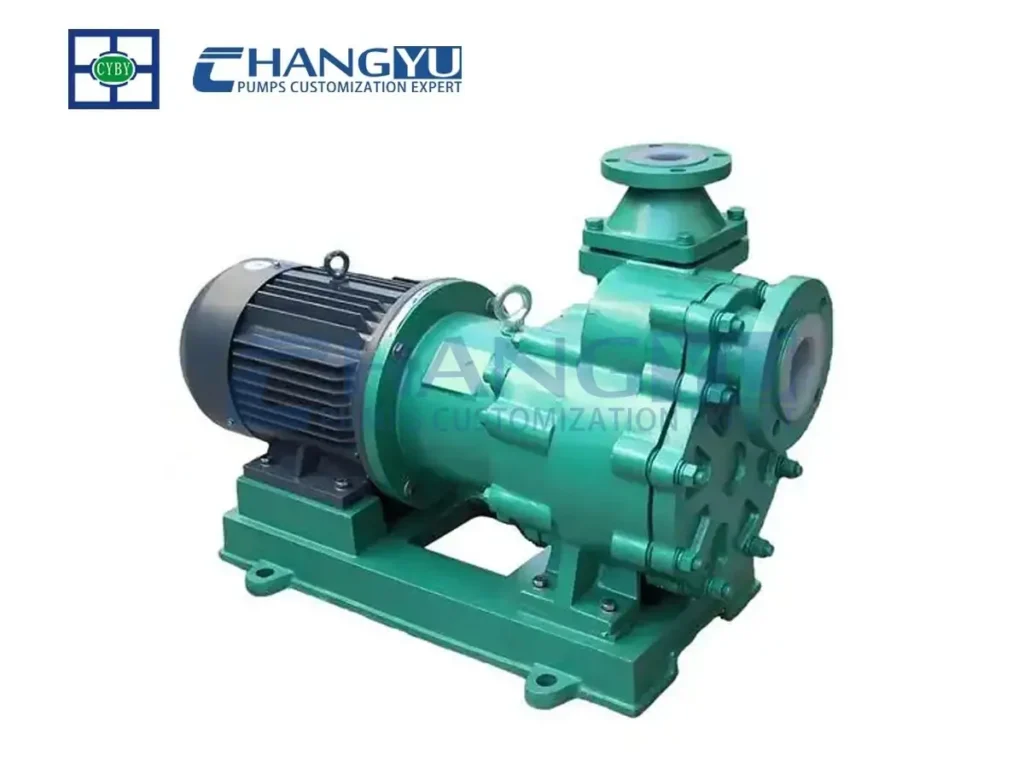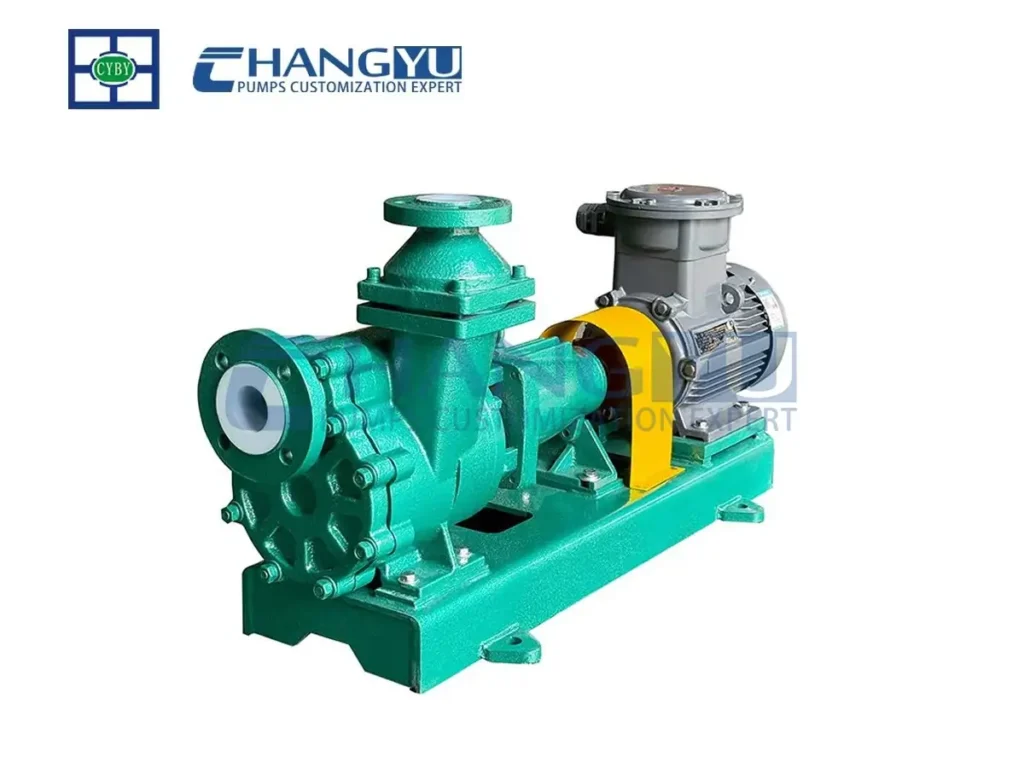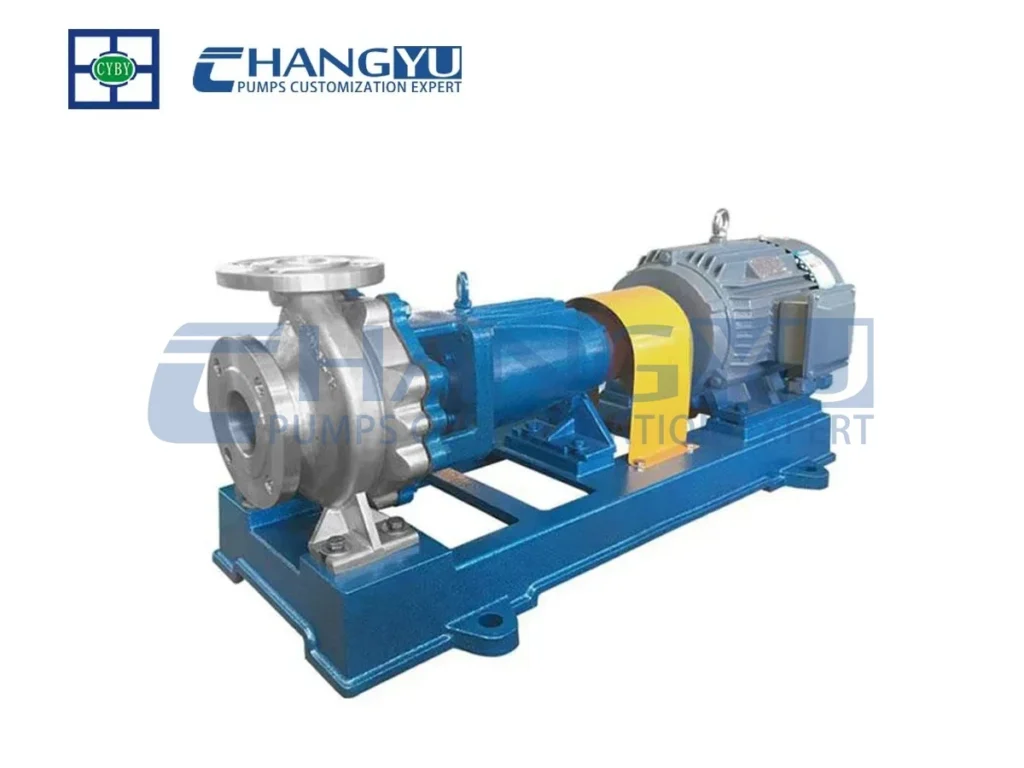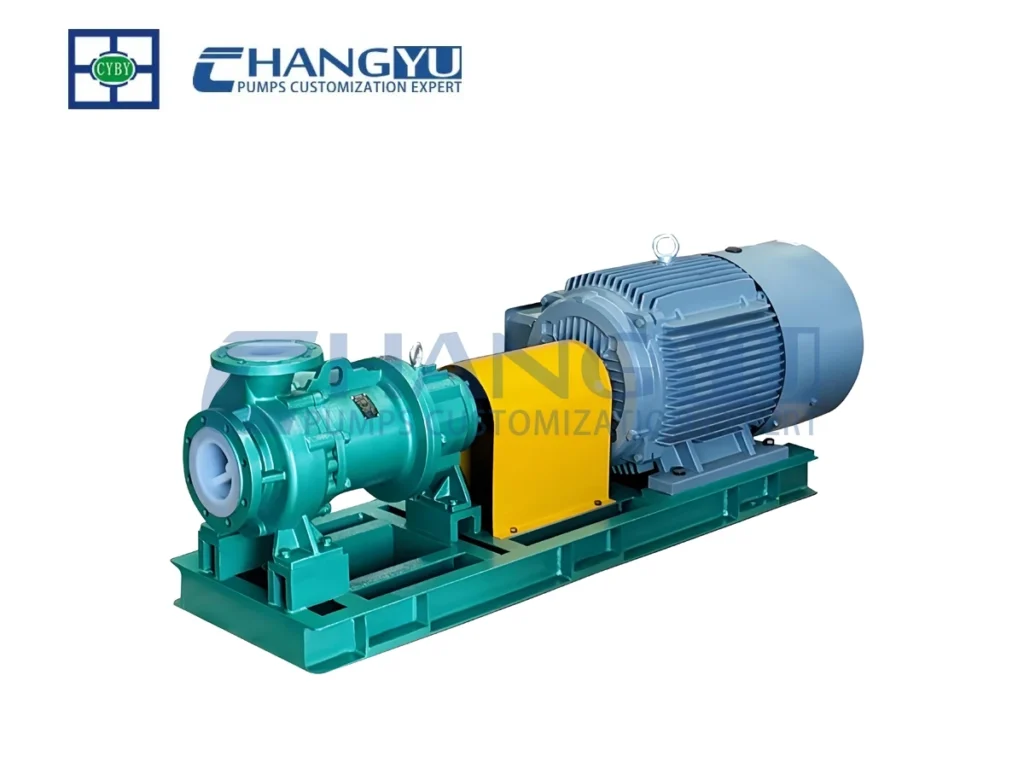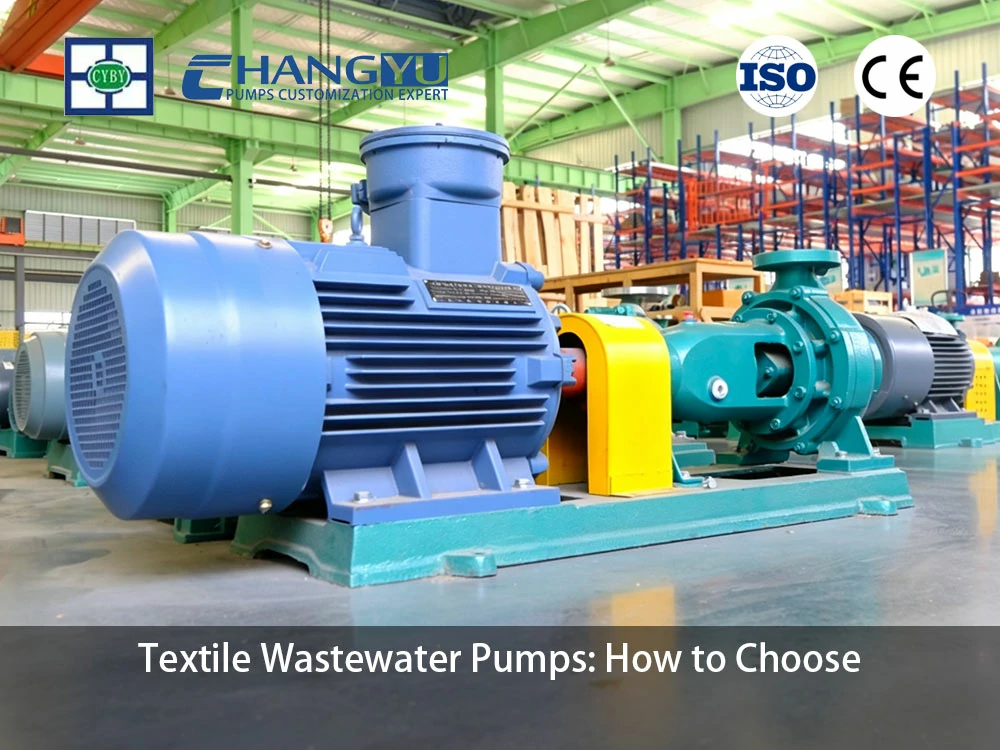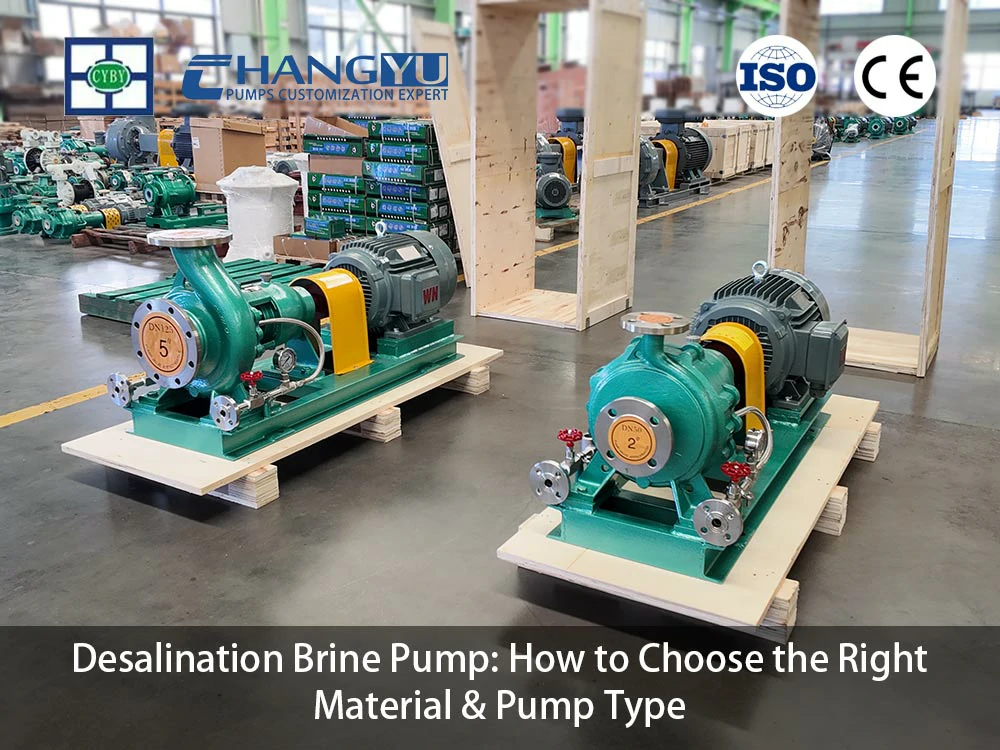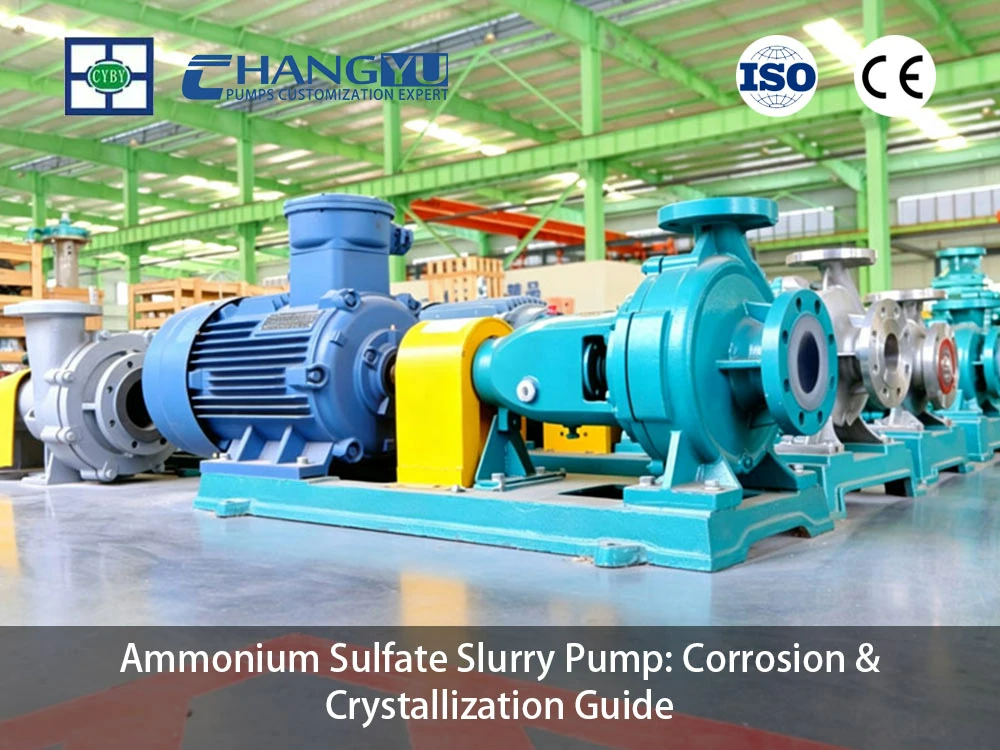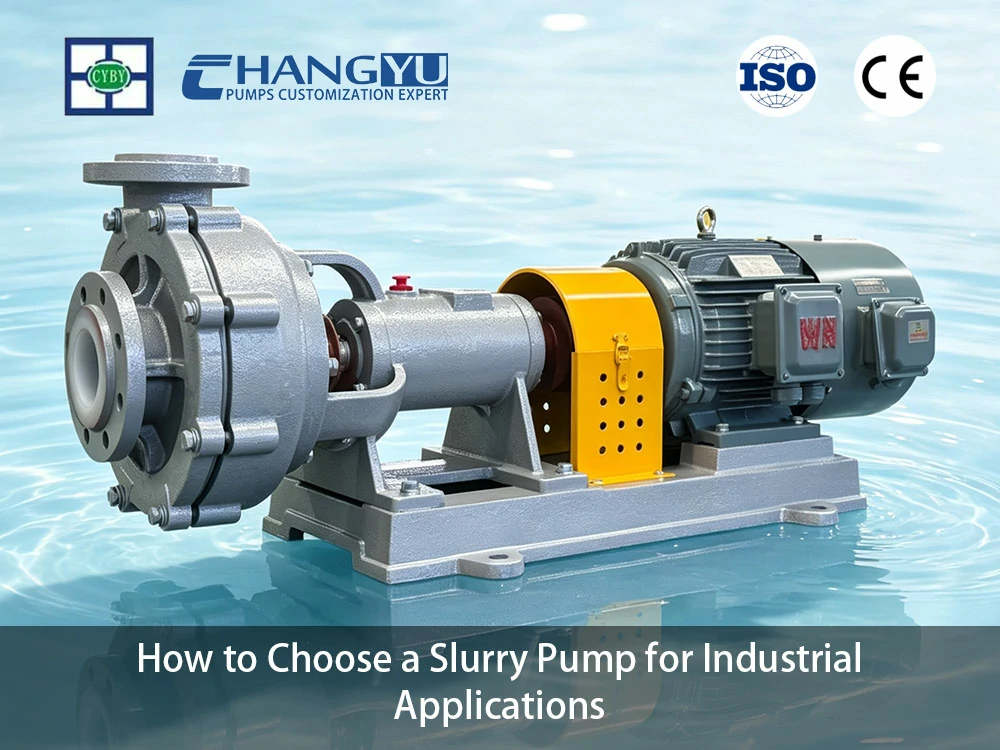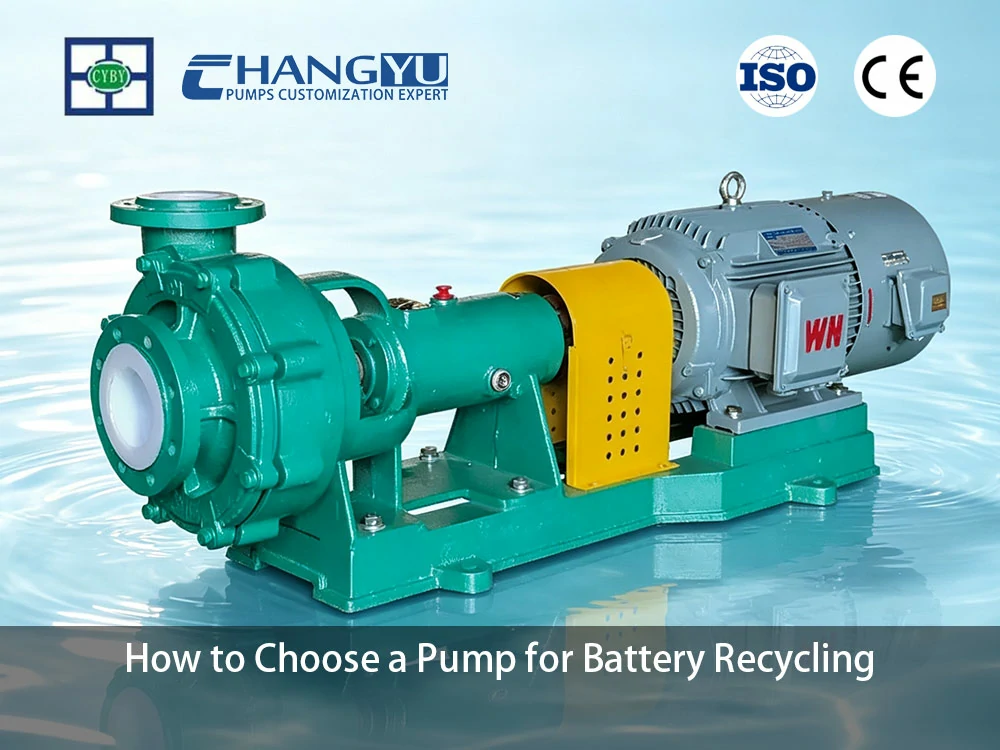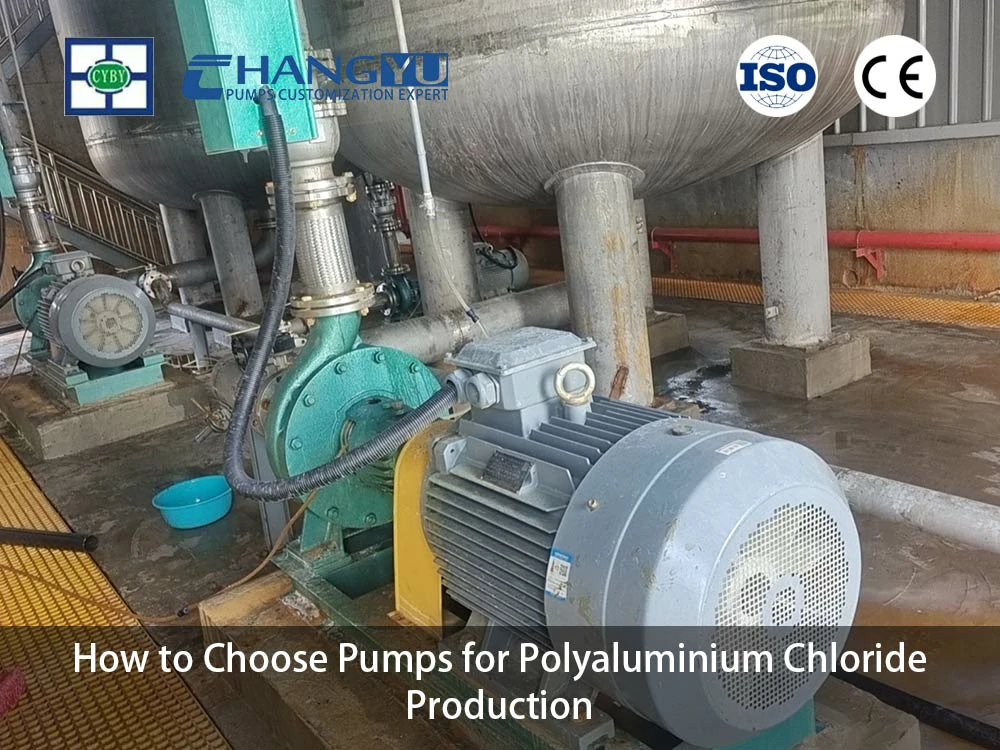
في أنظمة نقل السوائل الصناعية، فإن فهم الفرق بين المضخات المبطنة ب PTFE والمضخات المبطنة ب PTFE مضخات الفولاذ المقاوم للصدأ أمر بالغ الأهمية لاختيار المضخة المناسبة المقاومة للتآكل. بالنسبة لمحترفي ومهندسي المشتريات، لكل نوع مضخة مزايا فريدة من نوعها: توفر بطانة PTFE مقاومة ممتازة للمواد الكيميائية، بينما توفر مضخات الفولاذ المقاوم للصدأ قوة هيكلية قوية وتعدد الاستخدامات. لذلك، يواجه العديد من المستخدمين معضلة عند اختيار المضخة: هل يجب إعطاء الأولوية لمقاومة التآكل أم القوة الميكانيكية؟
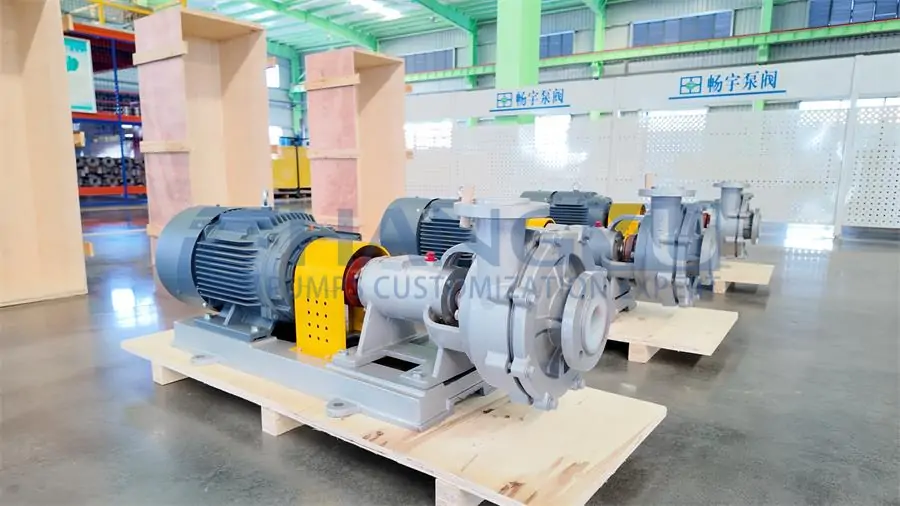

المضخات المبطنة ب PTFE مقابل المضخات المصنوعة من الفولاذ المقاوم للصدأ، أيهما أكثر ملاءمة لتطبيقك؟ يمكن أن تؤثر عوامل مثل خصائص السوائل ودرجة الحرارة والضغط وتكلفة الصيانة على القرار النهائي. تقارن هذه المقالة بين النوعين من المضخات من أربعة جوانب رئيسية: خصائص المواد، وظروف التطبيق، وتكاليف الصيانة، وتوصيات الاختيار. سيساعدك هذا على تحديد الاختلافات بين نوعي المضخات واختيار المضخة الكيميائية الصناعية الأنسب لاستخدامك.
مضخة مبطنة ب PTFE مقابل مضخة الفولاذ المقاوم للصدأ: خصائص المواد
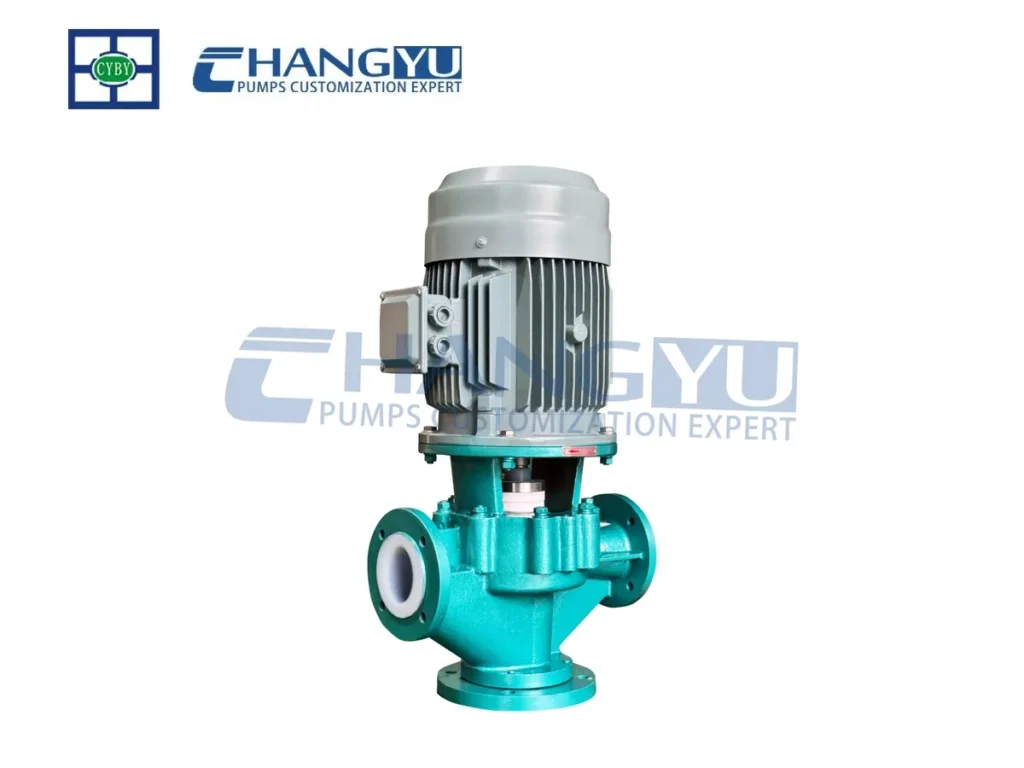
المكونات الأساسية للمضخات الكيميائية المبطنة بمادة PTFE مصنوعة من مادة PTFE النقية PTFE مادة ملبدة، والتي يمكنها تحمل التآكل طويل الأمد من حمض الكبريتيك المركز، وحمض النيتريك المركز، والريجا المائية، ومختلف المذيبات العضوية، بينما تظل مستقرة حتى في درجات الحرارة العالية. كما أنها تتميز بخاصية “عدم التفاعل مع أي مادة تقريبًا”، مما يجعلها الخيار الوحيد للوسائط شديدة التآكل مثل حمض الهيدروفلوريك وحمض الكلوروسولفونيك.
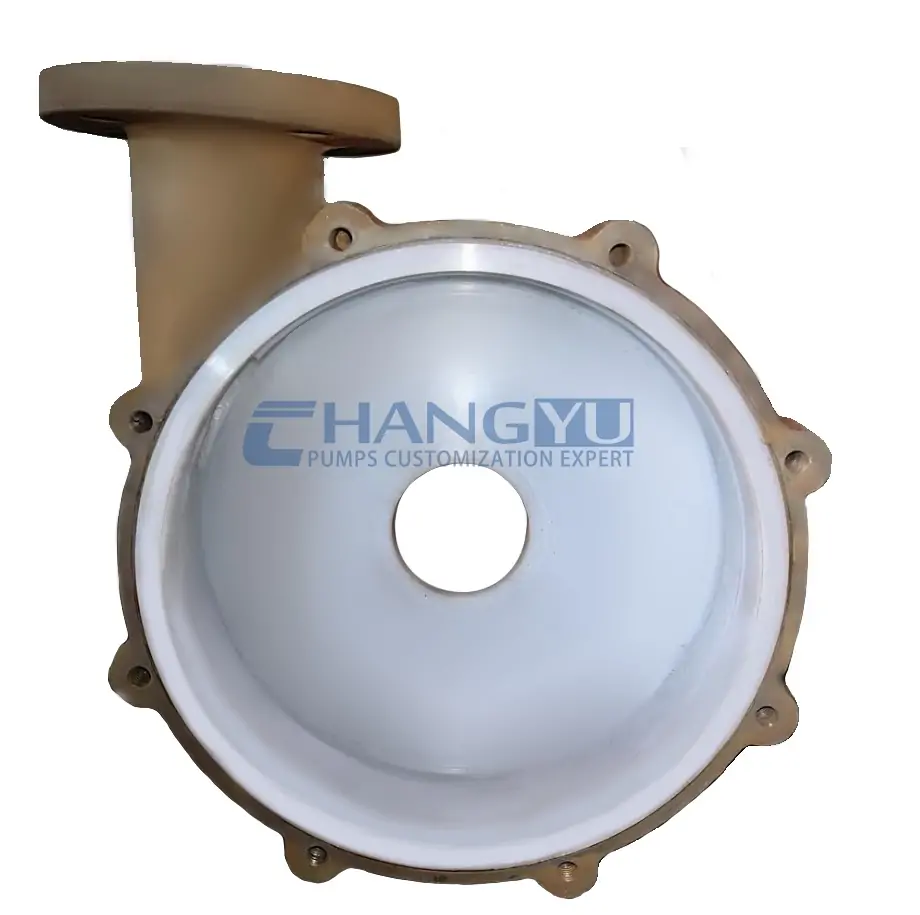

وعلى النقيض من ذلك، فإن مضخات الفولاذ المقاوم للصدأ مناسبة فقط للبيئات المحايدة أو التآكل المعتدل. قد يظل التآكل يحدث عند مناولة حمض الهيدروكلوريك بتركيز أعلى من 20% أو حمض الكبريتيك أعلى من 50%.
اختلافات صلابة المواد: قد تتعرض مادة PTFE للتشوه البلاستيكي عند تعرضها للصدم، بينما يتمتع الفولاذ المقاوم للصدأ بصلابة أعلى ويمكنه تحمل ضغط العمل عالي القوة.
في محلول المضخة الحمضية الذي قدمته شركة Changyu لمصنع مبيدات آفات، عند نقل سائل الغليفوسات الأم الذي يحتوي على جسيمات صلبة من مادة 5%، طورت دفاعات PTFE أخاديد تآكل في غضون ثلاثة أشهر في المتوسط، بينما يمكن أن تعمل دفاعات الفولاذ المقاوم للصدأ بثبات لأكثر من ثمانية أشهر.
سيناريوهات التطبيق ومعلمات المنتج
تتركز المزايا الرئيسية للمضخات الكيميائية المبطنة بـ PTFE في البيئات عالية النقاء وعالية التآكل، بما في ذلك
- الصناعات الكيميائية الدقيقة: نقل إلكتروليت بطاريات الليثيوم
- تصنيع أشباه الموصلات: أنظمة تدوير حمض الهيدروفلوريك الإلكتروني
- التخليق الصيدلاني: نقل فلوريد الهيدروجين اللامائي في إنتاج المكونات الصيدلانية الصيدلانية الصيدلانية
- يمكن للسطح غير اللاصق لـ PTFE التحكم في بقايا الوسائط إلى أقل من 0.01 مجم/سم²، وهو أقل بكثير من 0.5 مجم/سم² المعتاد في الفولاذ المقاوم للصدأ.
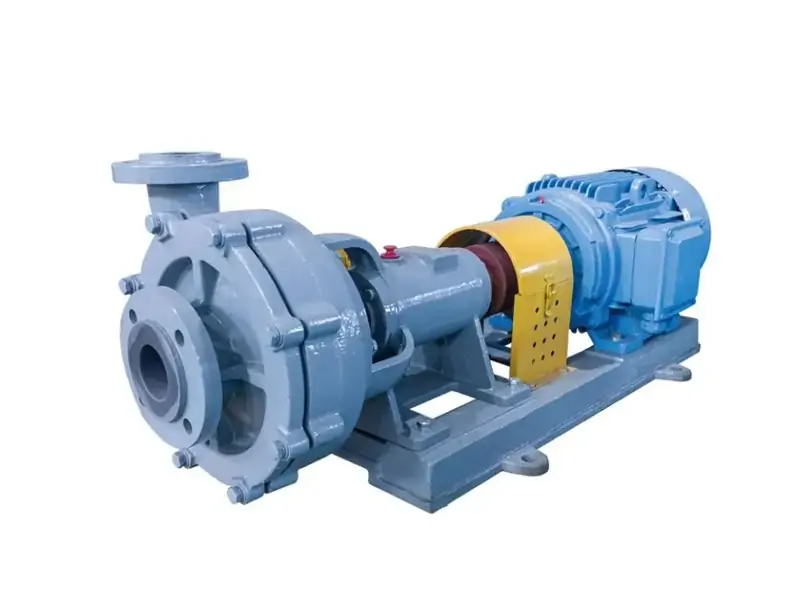
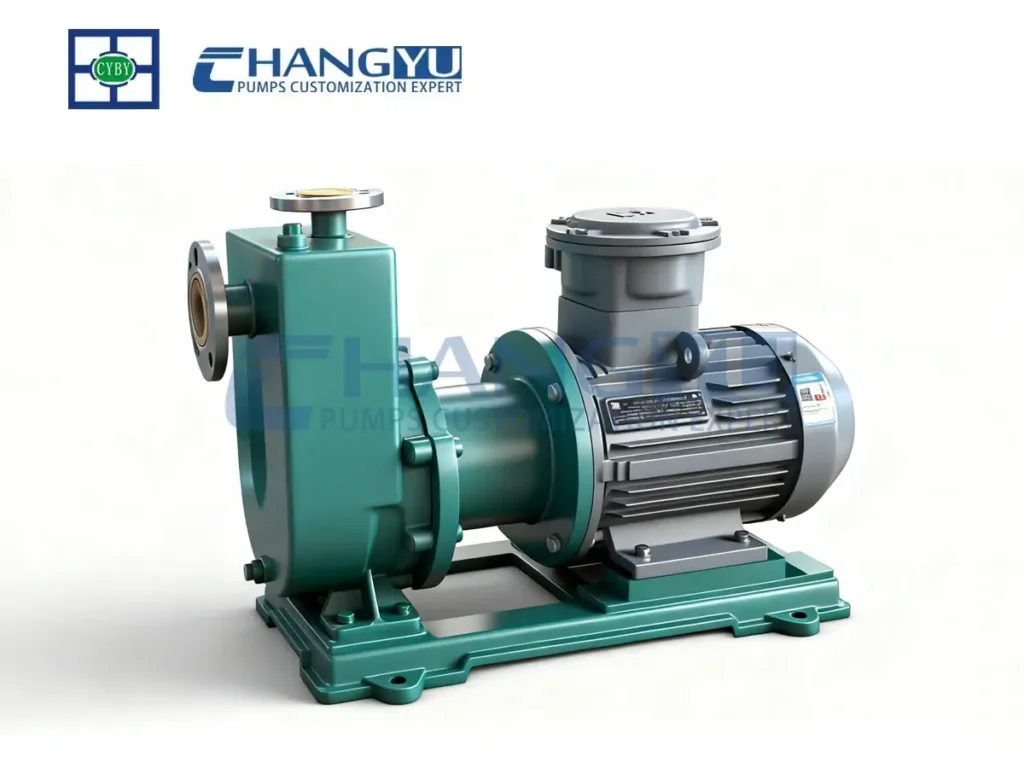
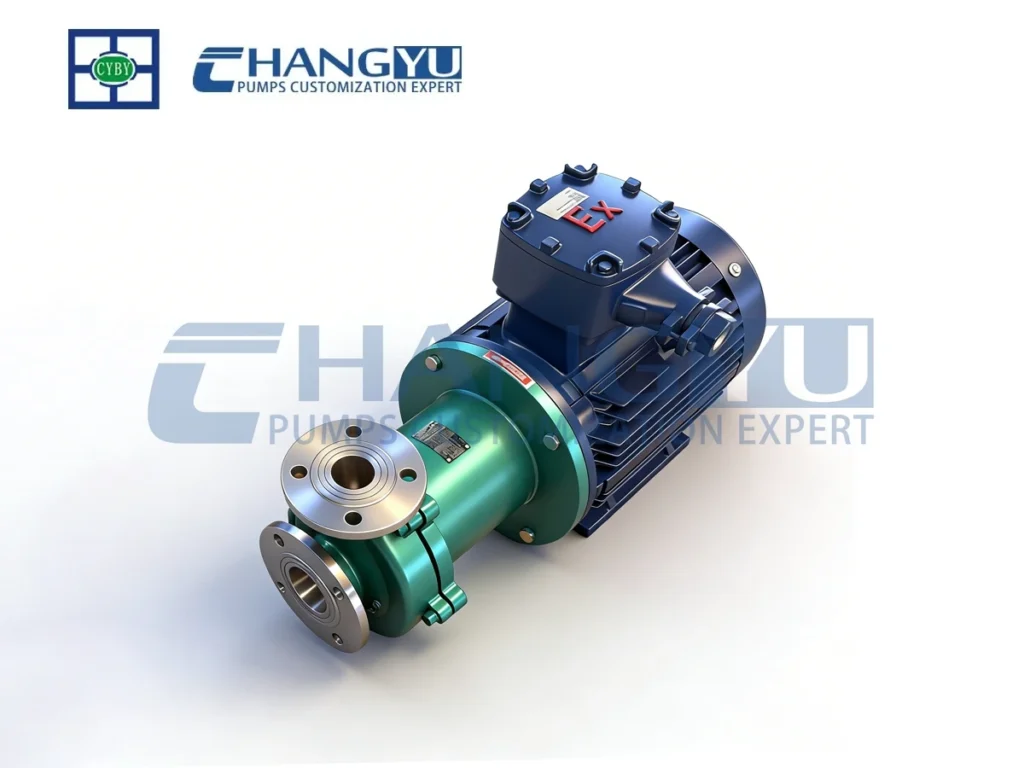
ومن ناحية أخرى، تهيمن المضخات الكيميائية المصنوعة من الفولاذ المقاوم للصدأ على المضخات الكيميائية ذات التآكل المتوسط والحمولة العالية، مثل
صناعة الطلاء بالكهرباء: : تداول محلول طلاء النيكل المحتوي على 5–10% حمض الكبريتيك (درجة الحرارة 60°م، تشغيل مستمر)
معالجة الأغذية: نقل العصير الحمضي ذي الأس الهيدروجيني 3.5
الهندسة البيئية: عودة الحمأة في أنظمة معالجة مياه الصرف الصحي البلدية
في حل المضخة الكيميائية الذي قدمته شركة Changyu لمجمع صناعي كيميائي، عند النقل المستمر لمحلول هيدروكسيد الصوديوم NaOH الذي يحتوي على جزيئات صلبة 3%، كان متوسط الوقت بين أعطال مضخة الفولاذ المقاوم للصدأ 316L 2.3 مرة من مضخة PTFE، مما قلل من تكاليف الصيانة السنوية بمقدار 42%.
تكلفة الصيانة
من حيث تكلفة الشراء الأولية، عادةً ما تكون المضخات المبطنة بـ PTFE أغلى من مضخات الفولاذ المقاوم للصدأ من نفس المواصفات. ومع ذلك، في ظل ظروف التآكل الشديد، قد تكون تكلفة دورة حياتها أقل في الواقع.
الاختلافات في صيانة نظام الختم: غالبًا ما تستخدم مضخات PTFE موانع تسرب ميكانيكية منفاخية (مع منفاخ PTFE)، مع دورة استبدال حوالي 6 أشهر. ويمكن تجهيز المضخات المصنوعة من الفولاذ المقاوم للصدأ بموانع تسرب ميكانيكية خرطوشة، مما يمدد فترة الصيانة إلى 12 شهراً.
ومع ذلك، عند التعامل مع الوسائط التي تحتوي على جزيئات، تكون مقاومة التآكل لواجهات مانع التسرب المصنوعة من الفولاذ المقاوم للصدأ أعلى بخمس مرات من مقاومة PTFE.
مضخة مبطنة بـ PTFE ومضخة من الفولاذ المقاوم للصدأ: قرار الاختيار
تقييم تآكل الوسائط:
- الأحماض القوية أو القلويات القوية → مضخة مبطنة ب PTFE
- سوائل محايدة أو خفيفة التآكل ← مضخة من الفولاذ المقاوم للصدأ
- أيونات الفلورايد الموجودة → الفولاذ المقاوم للصدأ 316L أو PTFE
الحكم على المحتوى الصلب:
- حجم الجسيمات > 0.1 مم أو التركيز > 5% → مضخة من الفولاذ المقاوم للصدأ
- سائل نقي أو وسائط غروانية → مضخة مبطنة ب PTFE
ظروف درجة الحرارة والضغط:
- درجة الحرارة > 120 درجة مئوية أو الضغط > 1.6 ميجا باسكال ← مضخة من الفولاذ المقاوم للصدأ
- درجة الحرارة العادية والضغط المنخفض (أقل من 0.6 ميجا باسكال) → كلاهما مناسب؛ اختر وفقًا لمستوى التآكل
متطلبات النظافة:
- وسائط صيدلانية/وسائط من الدرجة الإلكترونية → مضخة مبطنة ب PTFE
- أنظمة التدوير الصناعية → مضخة الفولاذ المقاوم للصدأ
| بُعد المقارنة | الفولاذ المقاوم للصدأ | اللدائن الفلورية |
| سعر الشراء الأولي | متوسط | متوسطة-منخفضة |
| عمر الخدمة (ظروف العمل المناسبة) | طويل | طويل جداً |
| عواقب ظروف العمل الخاطئة | متآكلة ومتضررة | البلى/التشوه |
| تكلفة الصيانة | منخفضة | متوسط |
| نسبة التكلفة إلى الأداء الشاملة | عالية جدًا عند تطابق ظروف العمل | الأعلى تحت التآكل القوي |
| درجة حرارة التشغيل | يمكن أن تكون عالية جدًا حسب المادة | بشكل عام ≤ 200 درجة مئوية |
| الوسائط التي تحتوي على جسيمات | مقبولة | غير مناسب للجسيمات الكبيرة الحجم والصلبة |
| سرعة دوران عالية | مستقر | مقيّد |


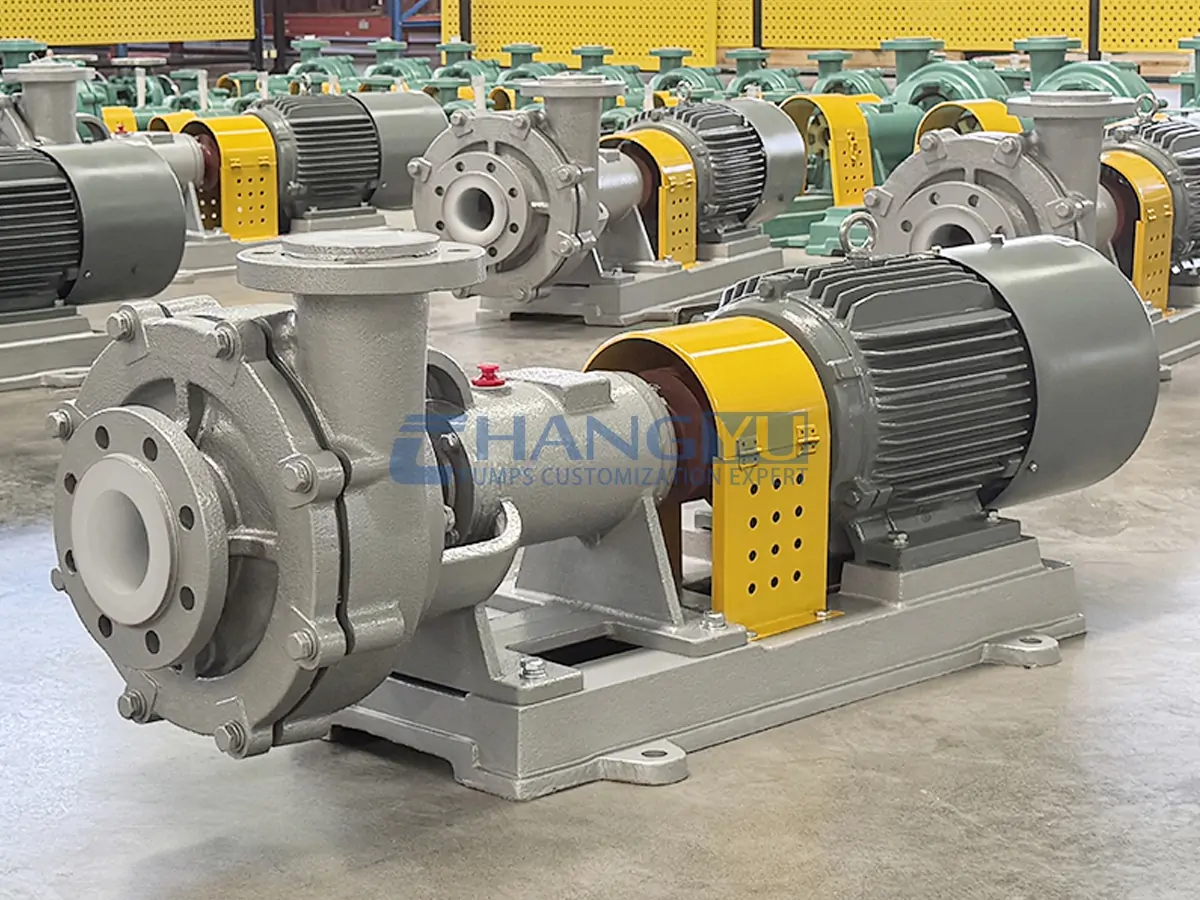
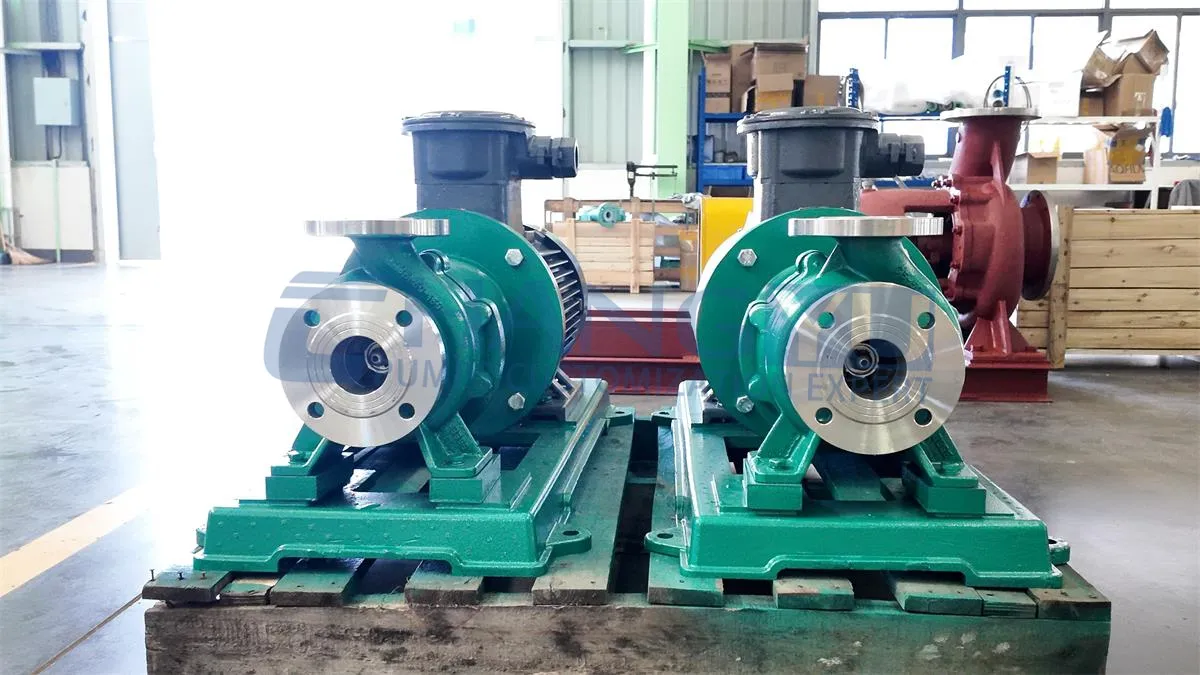


في محلول المضخة الحمضية المقدم من تشانجيو لمؤسسة كيميائية دقيقة، عند نقل محلول ثنائي كلورو الإيثان الذي يحتوي على كلوريد الألومنيوم 30% (الرقم الهيدروجيني 1.2، ودرجة الحرارة 85 درجة مئوية، ويحتوي على جزيئات محفِّزات ضئيلة)، جربت الشركة في البداية مضخة من الفولاذ المقاوم للصدأ 316L (متوسط عمر الخدمة 1.5 شهر) ثم مضخة Hastelloy (عمر الخدمة 4 أشهر ولكن باهظة التكلفة). وأخيرًا، تم اعتماد مضخة PTFE مع بطانة مقاومة للتآكل من كربيد السيليكون، مما حقق تشغيلًا مستقرًا لمدة ستة أشهر وخفض التكاليف الإجمالية بمقدار 58%.
الخاتمة
من خلال فهم الاختلافات بين المضخات المبطنة ب PTFE والمضخات المصنوعة من الفولاذ المقاوم للصدأ، يمكن للصناعات مثل المعالجة الكيميائية والمستحضرات الصيدلانية والإلكترونيات اتخاذ قرارات أكثر استنارة عند اختيار معدات نقل السوائل. اختيار نوع المضخة المناسب يؤثر بشكل مباشر على سلامة الإنتاج والتحكم في التكاليف.

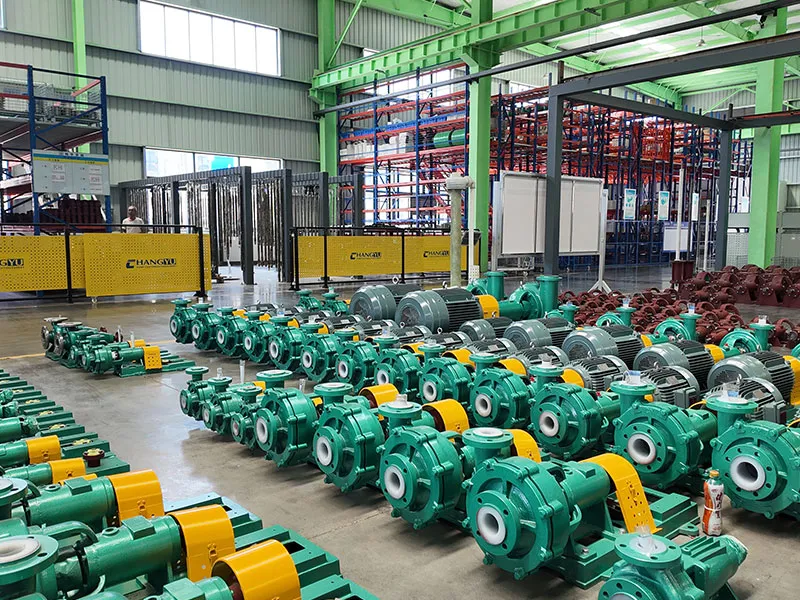


إذا كنت بحاجة إلى دعم فني في اختيار المضخة المبطنة ب PTFE المناسبة أو مضخة الفولاذ المقاوم للصدأ، يرجى اتصل بنا. لدى مضخة Changyu فريق هندسي متمرس يمكنه توفير حلول مضخات احترافية للتطبيقات الصناعية.
البريد الإلكتروني: [email protected]
الهاتف +86-13651913727