
تحديات التآكل والتبلور في مضخات ملاط كبريتات الأمونيوم
يشكل ملاط كبريتات الأمونيوم تحديات متميزة ولكنها مترابطة لمعدات الضخ الصناعية: التآكل من الطور السائل الحمضي، و التبلور من المواد الصلبة الذائبة. غالبًا ما تعمل أوضاع الفشل هذه معًا—فالتآكل الموضعي يمكن أن يخلق مواقع سطحية خشنة تسرّع من تنوي البلورات، بينما يمكن أن يحبس تراكم البلورات الوسائط المسببة للتآكل ضد أسطح المضخة، مما يسرّع من تدهور المواد.
الطور السائل لملاط كبريتات الأمونيوم مسبب للتآكل بسبب عاملين. محلول كبريتات الأمونيوم نفسه له درجة حموضة تتراوح بين 5.0–6.0 عند تركيز 1 مولار، وهو حمضي بشكل معتدل. والأهم من ذلك، أن عملية إنتاج كبريتات الأمونيوم تتضمن عادةً تفاعلًا بين الأمونيا وحمض الكبريتيك، وغالبًا ما يبقى حمض الكبريتيك المتبقي في الملاط. يمكن أن يخفض هذا الحمض المتبقي درجة الحموضة بشكل كبير، خاصة في العمليات التي لا تكون فيها نسبة الحمض إلى الأمونيا مضبوطة بشكل مثالي.
يشكل الطور الصلب خطر التبلور. لكبريتات الأمونيوم منحنى ذوبان يتغير بشكل ملحوظ مع درجة الحرارة. عندما يتعرض محلول قريب من التشبع لانخفاض في درجة الحرارة داخل المضخة، يمكن أن يترسب الملح الذائب بسرعة كبلورات، مما يؤدي إلى:
- فشل الختم: تراكم حول أسطح الختم الميكانيكي، مما يسبب تسرب الختم
- اختلال توازن المروحة: ترسب البلورات على المروحة، مما يخلق اهتزازًا وتسارعًا في تآكل المحامل
- تقييد التدفق: تراكم في غلاف الحلزون، مما يقيد التدفق ويزيد من ضغط التفريغ
- انحشار مجموعة الدوران: في الحالات الشديدة، انسداد كامل لمجموعة الدوران
تُعد أعطال الختم المرتبطة بالتبلور مساهمًا رئيسيًا في الصيانة غير المخطط لها في مصانع معالجة كبريتات الأمونيوم، مما يجعل موثوقية الختم اعتبارًا رئيسيًا في اختيار المضخة لهذا التطبيق.
آليات التآكل في خدمة كبريتات الأمونيوم
1 تآكل حمض الكبريتيك المتبقي
يأتي خطر التآكل الأساسي في مضخات ملاط كبريتات الأمونيوم من حمض الكبريتيك المتبقي (H₂SO₄) الذي يبقى غير متفاعل في تيار العملية. تعتمد قابلية التآكل على تركيز الحمض ودرجة الحرارة:
- حمض الكبريتيك المخفف (أقل من 80%): شديد التآكل لمعظم المعادن. عند درجات الحرارة المرتفعة، يهاجم H₂SO₄ المخفف الفولاذ الكربوني والفولاذ المقاوم للصدأ وحتى بعض سبائك النيكل. هذا هو سيناريو التآكل الأكثر شيوعًا في عمليات كبريتات الأمونيوم.
- حمض الكبريتيك المركز (أعلى من 80%): أقل تآكلًا لبعض المعادن ولكنه أكثر عدوانية للمواد العضوية. يتطلب اختيارًا دقيقًا للمواد.
- التركيزات المتوسطة (20–80%): النطاق الأكثر عدوانية لتآكل حمض الكبريتيك، ويتطلب بناء مضخة مبطنة بالكامل أو غير معدنية.
2 تأثيرات درجة الحموضة ودرجة الحرارة
يزداد معدل التآكل في خدمة كبريتات الأمونيوم مع ارتفاع درجة الحرارة. عند درجات حرارة العملية فوق 60 درجة مئوية، حتى المحاليل الحمضية الخفيفة يمكن أن تسبب تآكلًا measurable للمكونات المعدنية للمضخة. لهذا السبب تعتبر المضخات المبطنة—حيث تكون الأسطح المبللة معزولة عن الهيكل المعدني ببطانة مقاومة للتآكل—الخيار القياسي للتعامل مع ملاط كبريتات الأمونيوم.
3 أداء المواد تحت الظروف المسببة للتآكل
تُستخدم ثلاث مواد بطانة بشكل شائع في مضخات ملاط كبريتات الأمونيوم، ولكل منها ملف مقاومة تآكل مختلف:
| المواد | مقاومة حمض الكبريتيك | نطاق درجة الحرارة | مقاومة التآكل |
|---|---|---|---|
| UHMWPE (سلسلة UHB) | ≤80% H₂SO₄ | -20 درجة مئوية إلى 90 درجة مئوية (قياسي)، حتى 100–120 درجة مئوية (معدل) | >9 أضعاف الفولاذ الكربوني |
| FEP (سلسلة CYB-ZKJ) | ≤80% H₂SO₄ | -20 درجة مئوية إلى 120 درجة مئوية | معتدل |
| PFA/PTFE (سلسلة CYQ) | جميع التركيزات، بما في ذلك 98% H₂SO₄ والأوليوم | -20 درجة مئوية إلى 180 درجة مئوية | معتدل |
UHMWPE يوفر أعلى مقاومة للتآكل—أكثر من تسعة أضعاف مقاومة التآكل للفولاذ الكربوني تحت ظروف الاختبار القياسية—مما يجعله الخيار المفضل عندما يحتوي الملاط على تركيزات عالية من المواد الصلبة البلورية. تتميز سلسلة UHB ببناء مبطّن بالفولاذ مع بطانة UHMW-PE بسماكة 8–20 مم، مما يوفر حاجزًا قويًا ضد كل من الهجوم التآكلي والتآكل الكاشط.
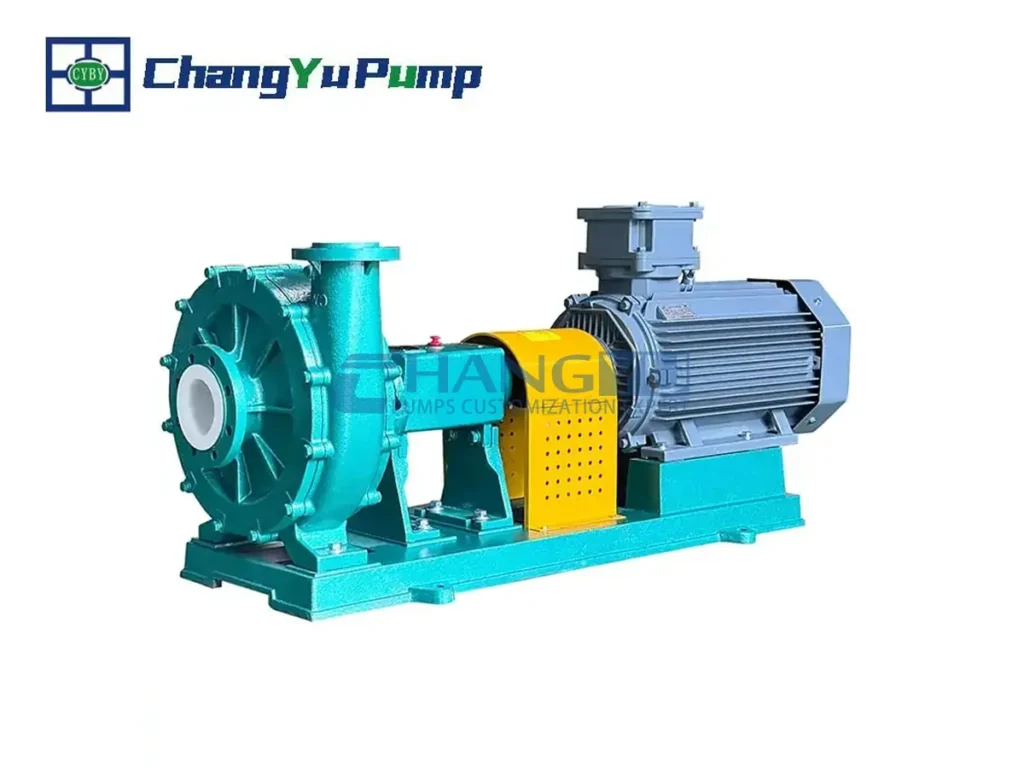
البطانات البلاستيكية الفلورية (FEP، PFA، PTFE) توفر مقاومة كيميائية أوسع وقدرة أعلى على درجات الحرارة. تستخدم سلسلة CYB-ZKJ بطانة FEP مع نطاق درجة حرارة -20 درجة مئوية إلى 120 درجة مئوية وتتعامل مع تركيزات حمض الكبريتيك حتى 80%، بينما تتعامل سلسلة CYQ مع بطانة PFA/PTFE مع نطاق التركيز الكامل بما في ذلك 98% حمض مركز عند درجات حرارة تصل إلى 180 درجة مئوية.
الأسباب الجذرية لتكوين البلورات في أختام المضخة والمراوح
1 خصائص الذوبان لكبريتات الأمونيوم
تُظهر كبريتات الأمونيوم منحنى ذوبان يتغير بشكل كبير مع درجة الحرارة. وفقًا لبيانات الذوبان القياسية (كتيب بيري للمهندسين الكيميائيين)، فإن ذوبان (NH₄)₂SO₄ في الماء يبلغ تقريبًا:
| درجة الحرارة (درجة مئوية) | الذوبان (جم/100 جم H₂O) | التغير من 20 درجة مئوية |
|---|---|---|
| 20 درجة مئوية | 75.4 | — |
| 30°م | 78.0 | +3.4% |
| ✅ (مخفف) | 81.8 | +8.5% |
| 50 درجة مئوية | 84.8 | +12.5% |
| 60°C | 88.0 | +16.7% |
| 70°C | 91.7 | +21.6% |
| 80°C | 95.3 | +26.4% |
| 90°C | 99.2 | +31.6% |
| 100 درجة مئوية | 103.3 | +37.0% |
الفرق في الذوبان بين 30 درجة مئوية و80 درجة مئوية يبلغ تقريبًا 17.3 جم/100 جم H₂O—وهو تغير يبلغ حوالي 22%. عندما يتعرض محلول مشبع أو قريب من التشبع من كبريتات الأمونيوم لانخفاض في درجة الحرارة بمقدار 15–20 درجة مئوية عبر المضخة، يمكن أن يدخل المحلول في حالة فرط تشبع، مما يؤدي إلى تنوي بلورات سريع على الأسطح الداخلية للمضخة.
2 التدرجات الحرارية في غرفة الختم
تتطلب غرفة الختم اهتمامًا خاصًا. يولد الختم الميكانيكي حرارة موضعية عند الأسطح المنزلقة، ولكن منطقة مبيت الختم—خاصة بالقرب من الجانب الجوي—يمكن أن تتعرض لتبريد موضعي بسبب تبديد الحرارة عبر المبيت والأنابيب المحيطة. يخلق هذا التدرج الحراري ظروفًا تفضل تنوي ونمو بلورات كبريتات الأمونيوم حول أسطح الختم، مما يؤدي في النهاية إلى إبعاد الأسطح عن بعضها والتسبب في التسرب.
3 خشونة السطح ومواقع التنوي
يتم تفضيل تنوي البلورات ديناميكيًا حراريًا على الأسطح الخشنة. توفر الأسطح الداخلية للمضخة التي تم تخشينها بسبب التآكل أو التآكل الميكانيكي مواقع تنوي مفضلة لبلورات كبريتات الأمونيوم. يخلق هذا دورة ذاتية التعزيز: التآكل يخلق خشونة، والخشونة تعزز تنوي البلورات، ونمو البلورات يحبس الوسائط المسببة للتآكل ضد السطح، مما يسرّع من المزيد من التآكل.
الحلول الهندسية للتحكم في التآكل والتبلور
1 التحكم في درجة حرارة غرفة الختم لمنع التبلور
الحفاظ على درجة الحرارة فوق نقطة التشبع في جميع أنحاء المضخة هو استراتيجية أساسية لمنع التبلور.
الشطف الخارجي (خطة API 32): يُدخل الشطف الخارجي النظيف تدفقًا صغيرًا من السائل الصافي — عادةً الماء أو محلول كبريتات الأمونيوم المخفف — إلى غرفة الختم. يؤدي ذلك إلى تخفيف التركيز المحلي ورفع درجة الحرارة، مما يقلل من خطر تكوّن النوى البلورية على أسطح الختم. تم تصميم سلسلة CYB-ZKJ لاستيعاب الأختام الميكانيكية وفقًا لبروتوكولات الشطف API 682، مما يوفر واجهة موحدة لتنفيذ خطط الشطف. يعتبر API 682 المعيار الصناعي لأنظمة الأختام الميكانيكية في المضخات الطاردة المركزية والدوارة، وتعد خطة 32 واحدة من التكوينات المعترف بها للتطبيقات المعرضة للتبلور.
التغليف بالبخار أو الماء الساخن: بالنسبة للعمليات التي لا يُقبل فيها التخفيف، يمكن تزويد مبيت الختم بغلاف بخار أو ماء ساخن. يحافظ ذلك على درجة الحرارة الداخلية فوق نقطة التشبع دون تغيير كيمياء العملية. بالنسبة للمضخات المبطنة بـ FEP مثل سلسلة CYB-ZKJ، يوفر نطاق درجة الحرارة من -20 درجة مئوية إلى 120 درجة مئوية هامشًا كافيًا لتشغيل الغلاف.
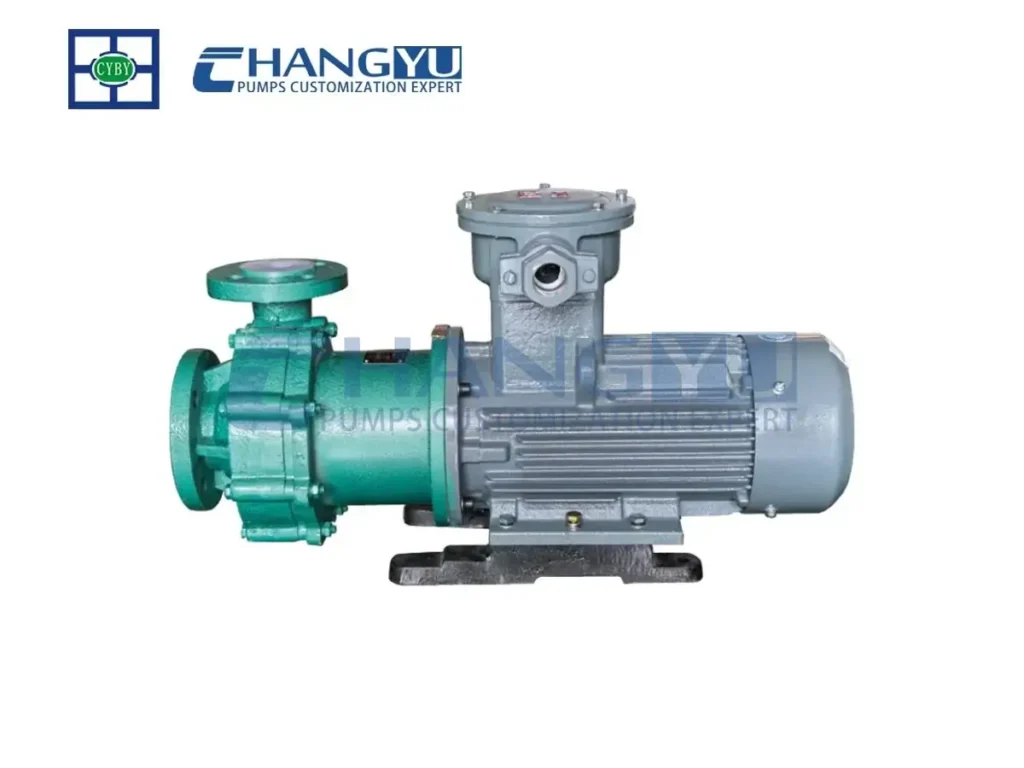
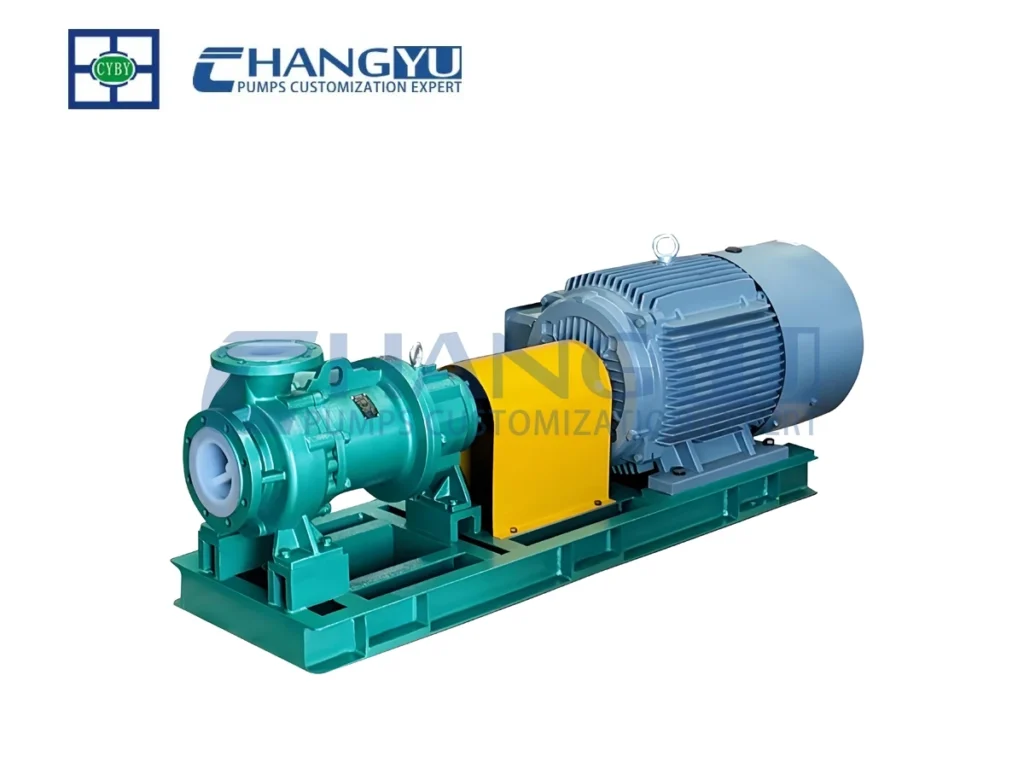
بديل الدفع المغناطيسي: بالنسبة للتطبيقات التي يمثل فيها صيانة الختم الميكانيكي تكلفة متكررة، تلغي مضخة الدفع المغناطيسي غير المختومة الختم الديناميكي تمامًا. تستخدم سلسلة CYQ ذات الدفع المغناطيسي غلافًا احتواءً واقترانًا مغناطيسيًا لنقل العزم دون اختراق العمود، مما يزيل نقطة فشل التبلور الأساسية. تتعامل سلسلة CYQ مع درجات حرارة من -20 درجة مئوية إلى 180 درجة مئوية مع بطانة FEP أو PFA أو PTFE، وهي مصممة لتلبية معايير المضخات غير المختومة ASME B73.3. هذا التكوين مناسب لعمليات كبريتات الأمونيوم حيث تتجاوز درجة حرارة المحلول 100 درجة مئوية أو حيث يوجد حمض الكبريتيك المركز (حتى 98٪).
2 تصميم الدفاعة للملاط المحمل بالبلورات
تؤثر هندسة الدفاعة مباشرة على كيفية تراكم البلورات وما إذا كان يمكن طردها أثناء التشغيل.
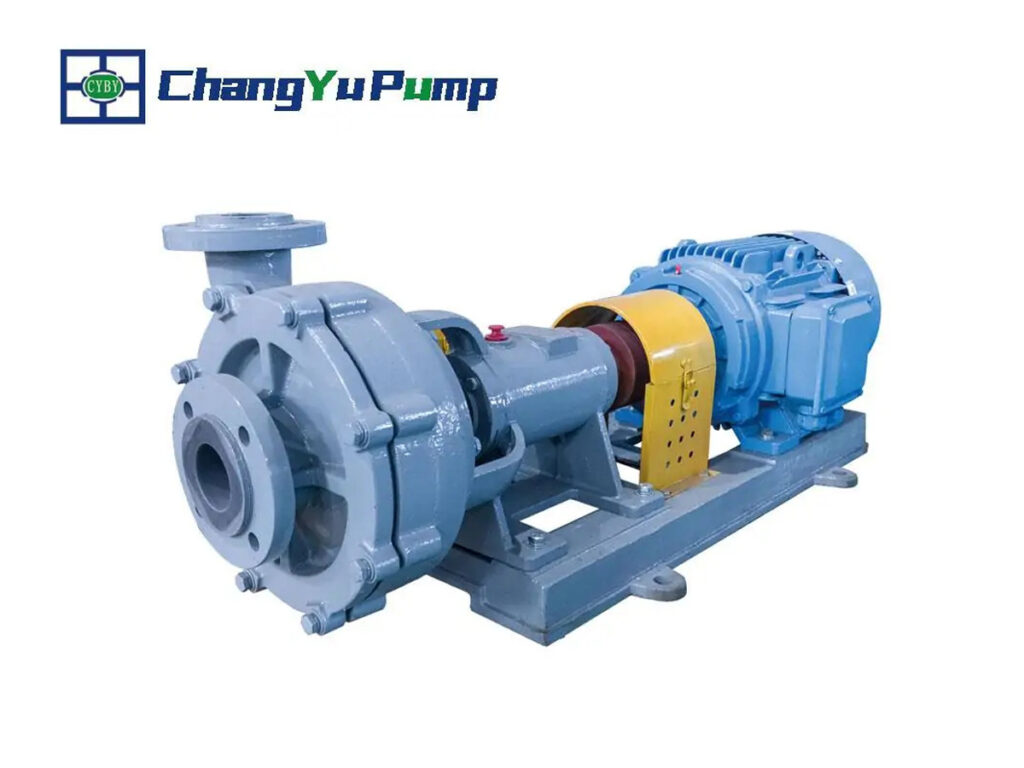
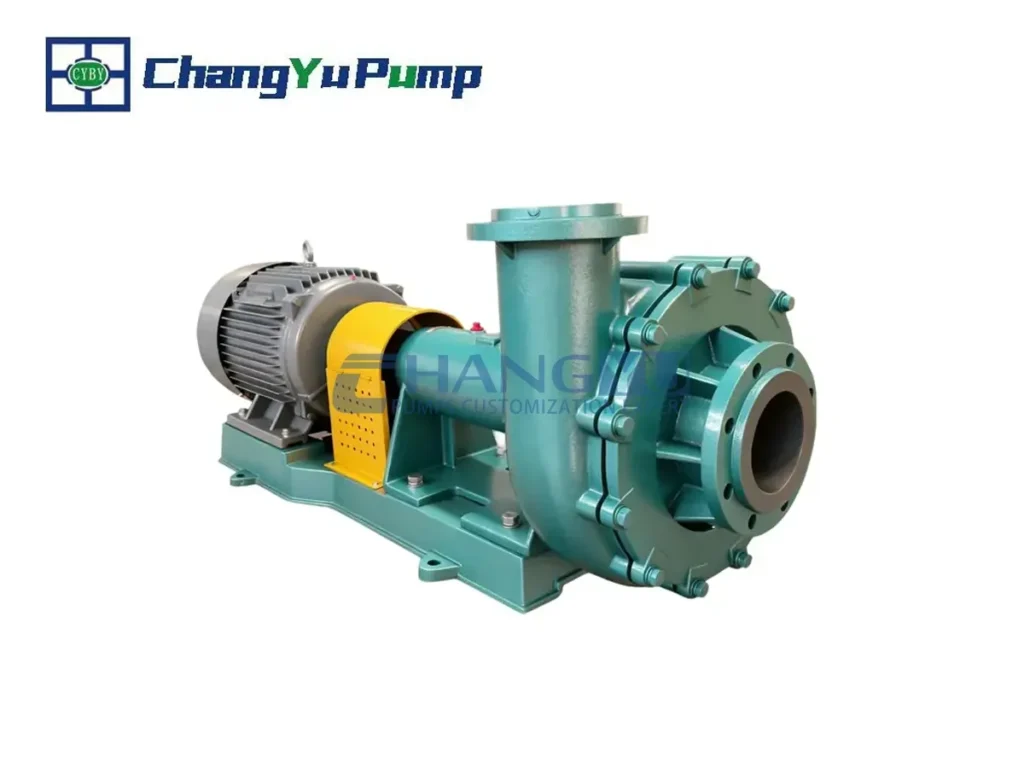
مروحة شبه مفتوحة: تستخدم سلسلة UHB تصميم دفاعة شبه مفتوحة عالية المرور (بدون لوحة غطاء أمامية) تعمل على توسيع مسار التدفق وتعزز قدرة المضخة على التعامل مع الوسائط المحملة بالجسيمات. يتضمن التصميم ريشًا خلفية تقلل الضغط في غرفة الختم، مما يطيل عمر خدمة المضخة. تعمل قنوات التدفق المفتوحة على تقليل مساحة السطح التي يمكن أن تلتصق بها البلورات وتسمح بغسل أي تراكم بسهولة أكبر.
مروحة مغلقة: بالنسبة لمتطلبات الرأس الأعلى، توفر الدفاعة المغلقة كفاءة هيدروليكية أفضل. تستخدم سلسلة CYQ تصميم دفاعة مغلقة مع جميع الأجزاء المبللة المصنوعة من الفلوروبلاستيك، المناسبة للوسائط الكيميائية العدوانية. يمكن تحديد الممرات الداخلية بلمسة نهائية أكثر نعومة لتقليل مواقع التصاق البلورات.
إدارة الخلوص: الحفاظ على خلوص كافٍ بين الدفاعة والمبيت هو اعتبار قياسي في عملية الاختيار الهندسي للمضخات المقاومة للتآكل التي تتعامل مع الوسائط المتبلورة. يسمح الخلوص الأوسع بمرور الرواسب البلورية دون تعشيق مجموعة الدوران. يقوم الفريق الهندسي في مضخة تشانغيو بتقييم توزيع حجم البلورات ومعدل التراكم المتوقع لتحديد الخلوص المناسب لكل تطبيق.
3 اختيار المواد المقاومة للتآكل
مادة بطانة الأجزاء المبللة للمضخة هي خط الدفاع الأساسي ضد التآكل، مع تأثيرها أيضًا على التصاق البلورات.
UHMWPE (سلسلة UHB): يوفر البولي إيثيلين عالي الوزن الجزيئي (UHMW-PE) معامل احتكاك منخفضًا، ومقاومة عالية للتآكل — أكثر من تسعة أضعاف مقاومة التآكل للفولاذ الكربوني في ظل ظروف الاختبار القياسية — ومقاومة لحمض الكبريتيك حتى تركيز 80٪. تتميز سلسلة UHB ببناء مبطّن بالفولاذ مع بطانة UHMW-PE بسماكة 8–20 مم، مما يوفر حاجزًا قويًا ضد الهجوم التآكلي. نطاق درجة الحرارة القياسي هو -20 درجة مئوية إلى 90 درجة مئوية، مع مواد معدلة تمدد النطاق حتى 100–120 درجة مئوية لتطبيقات محددة. تتعامل هذه السلسلة مع معدلات تدفق من 3 إلى 2600 م³/ساعة مع رؤوس حتى 100 متر.
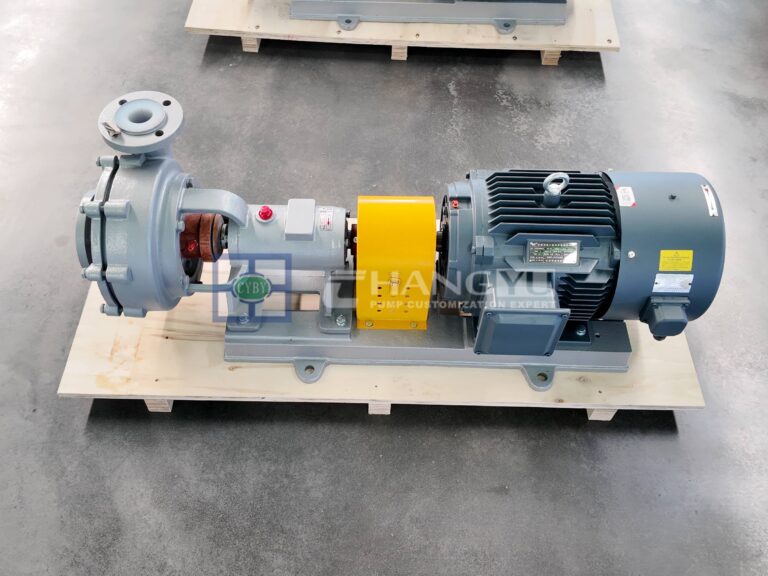
بطانة FEP (سلسلة CYB-ZKJ): يوفر FEP (إيثيلين البروبيلين المفلور) سطحًا أملسًا غير مسامي يقاوم الهجوم الكيميائي والتصاق البلورات. تستخدم سلسلة CYB-ZKJ بطانة FEP ببناء ملبد بسماكة 8–20 مم، ونطاق درجة حرارة من -20 درجة مئوية إلى 120 درجة مئوية، وتتعامل مع تركيزات حمض الكبريتيك حتى 80٪. لمتطلبات درجات الحرارة الأعلى، تتوفر بطانة PFA. يدعم الختم الميكانيكي المزدوج الشطف وفقًا لـ API 682، وتتعامل الدفاعة شبه المفتوحة مع الملاط الذي يحتوي على جسيمات صلبة مرنة حتى 20٪.
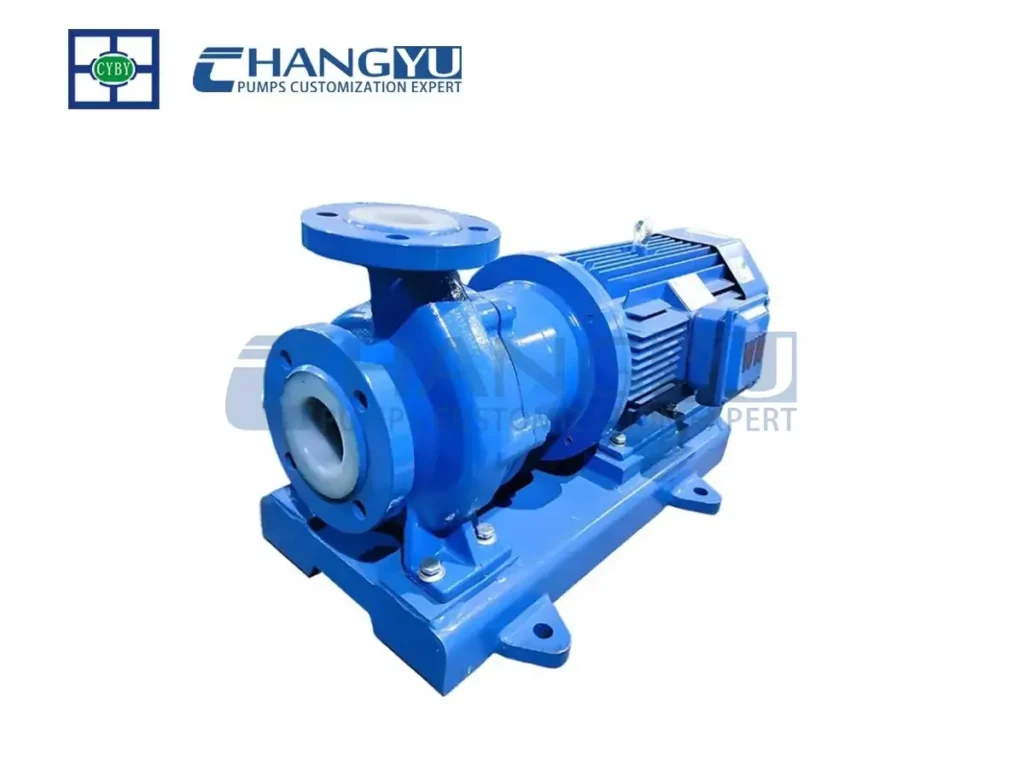
بطانة PFA/PTFE (سلسلة CYQ): للتطبيقات التي تتطلب أوسع مقاومة كيميائية وأعلى قدرة على درجات الحرارة، تستخدم سلسلة CYQ ذات الدفع المغناطيسي بطانة FEP أو PFA أو PTFE (8–15 مم) مع نطاق درجة حرارة من -20 درجة مئوية إلى 180 درجة مئوية. هذه السلسلة متوافقة مع النطاق الكامل لتركيزات حمض الكبريتيك بما في ذلك الحمض المركز بتركيز 98٪ والزيوم، مما يجعلها مناسبة للعمليات التي يكون فيها تركيز الحمض المتبقي مرتفعًا أو متغيرًا.
أفضل ممارسات التركيب لمنع التبلور
1 تخطيط الأنابيب
يعد التخطيط الصحيح للأنابيب أمرًا بالغ الأهمية لمنع تراكم البلورات:
- أنابيب الشفط: اجعل خطوط الشفط قصيرة ومباشرة قدر الإمكان. تخلص من النقاط المرتفعة حيث يمكن أن تتشكل جيوب البخار، حيث تسبب جيوب البخار تبريدًا موضعيًا وتعزز التبلور.
- رفع الشفط الرأسي: تجنب تكوينات رفع الشفط الرأسي. صمم دائمًا بشفط مغمور (رأس شفط موجب) للحفاظ على تدفق ودرجة حرارة ثابتين.
- صمامات التصريف: قم بتركيب صمامات تصريف في النقاط المنخفضة في نظام الأنابيب للسماح بالشطف الكامل بين عمليات الدفعات.
2 إعداد نظام الشطف
إذا تم استخدام الشطف الخارجي وفقًا لخطة API 32:
- درجة حرارة سائل الشطف: يجب أن يكون سائل الشطف على الأقل 10–15 درجة مئوية فوق درجة حرارة التشبع لمحلول كبريتات الأمونيوم عند ضغط غرفة الختم.
- معدل التدفق: تتراوح معدلات تدفق الشطف النموذجية من 2 إلى 5 لتر/دقيقة اعتمادًا على حجم المانع وظروف التشغيل. يُرجى استشارة الشركة المصنعة للمضخة للحصول على توصيات محددة.
- التشغيل المستمر: يجب أن يعمل نظام الشطف بشكل مستمر أثناء تشغيل المضخة. قد يؤدي الشطف المتقطع إلى صدمة حرارية وتسريع تلف أسطح المانع.
3 إجراءات التشغيل والإيقاف
- الشطف قبل التشغيل: قبل تشغيل المضخة، اشطف حجرة المانع بالماء الدافئ أو بمحلول كبريتات الأمونيوم المخفف لمدة 2-3 دقائق لإزالة أي بلورات متراكمة.
- فترة التسخين: بالنسبة للمضخات المزودة بسترة بخارية، قم بتشغيل السترة قبل 15-20 دقيقة من بدء التشغيل لرفع درجة حرارة حجرة المانع فوق نقطة التشبع.
- شطف الإيقاف: بعد إيقاف المضخة، استمر في الشطف لمدة 3-5 دقائق لإزالة بقايا كبريتات الأمونيوم من حجرة المانع.
- مضخات الاحتياط: بالنسبة لمضخات الاحتياط في تطبيقات التبلور، يُنصح بتركيب خط إعادة تدوير صغير للحفاظ على تدفق خفيف ومنع ترسيب البلورات.
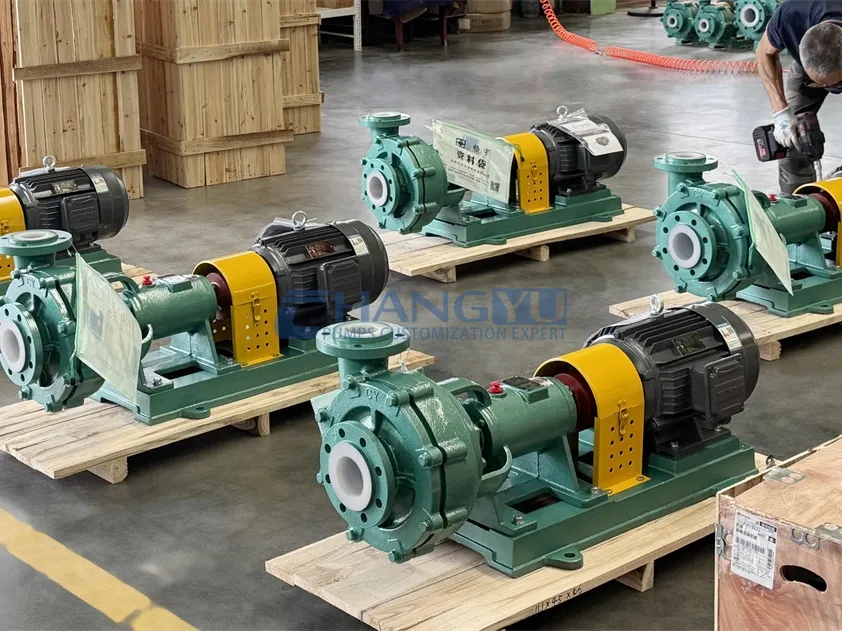
دليل الصيانة واستكشاف الأخطاء وإصلاحها
6.1 أنماط الفشل الشائعة
| العَرَض | السبب المحتمل | الإجراء الموصى به |
|---|---|---|
| زيادة تسرب المانع | تراكم البلورات على أسطح المانع | اشطف حجرة الختم بالماء الدافئ؛ تحقق من معلمات خطة الشطف |
| اهتزاز أثناء التشغيل | ترسبات بلورية على المروحة تسبب عدم توازن | فك وتنظيف المروحة؛ فحص التآكل التآكلي |
| تقلب تيار المحرك | انسداد جزئي في غلاف الحلزون | نظام الشطف؛ فحص تراكم البلورات في الغلاف |
| انحشار مفاجئ للعمود | تبلور سريع في حجرة الختم | استخدم البخار أو الماء الساخن على مبيت الختم؛ فك إذا لزم الأمر |
| تآكل مفرط لأسطح الختم | جزيئات بلورية محشورة في أسطح الختم | ترقية إلى مواد أسطح ختم أكثر صلابة (SiC مقابل الكربون)؛ تحقق من حجم شبكة مرشح الشطف |
2 فترات الفحص الموصى بها
| عنصر الفحص | التردد | نقاط الفحص الرئيسية |
|---|---|---|
| درجة حرارة حجرة الختم | يومياً | قارن مع درجة حرارة التشبع للمحلول |
| معدل تدفق نظام الشطف | يومياً | تحقق من قراءة مقياس التدفق؛ افحص الانسدادات |
| يكتشف فقدان سائل الحاجز الذي يشير إلى فشل الختم قبل أن يصل السائل الذي يتم ضخه إلى الغلاف الجوي. | أسبوعياً | تتبع خط الأساس والاتجاه؛ حقق في التغيرات >20% |
| ملاحظة تسرب الختم | أسبوعياً | سجل معدل التنقيط؛ حقق في أي زيادة |
| فحص بصري للمروحة | ربع سنوي | افحص الترسبات البلورية والتآكل والتآكل الكيميائي |
| قياس سمك البطانة | سنوياً | تحقق من سلامة البطانة؛ استبدلها إذا كان السمك < 50% من الأصل |
3 استكشاف الأخطاء وإصلاحها: قائمة فحص التبلور
عند الاشتباه في التبلور، اتبع قائمة الفحص هذه بالترتيب:
- تحقق من ملف درجة الحرارة: قم بقياس درجة الحرارة عند الشفط والتفريغ وحجرة الختم. قارن مع درجة حرارة التشبع عند الضغط المقابل.
- تحقق من نظام الشطف: تأكد من معدل تدفق سائل الشطف ودرجة حرارته وتركيبه. افحص الانسدادات في خط الشطف.
- افحص سترة التبريد: إذا كانت مجهزة، تحقق من إمداد البخار أو الماء الساخن إلى السترة.
- راجع دورة التشغيل: هل كانت المضخة خاملة لأكثر من 30 دقيقة بدون شطف؟ هل كانت هناك تغييرات حديثة في درجة حرارة العملية أو التركيز؟
- افحص الأنابيب: هل توجد أقسام غير معزولة من الأنابيب بالقرب من المضخة قد تسبب تبريدًا موضعيًا؟
دليل اختيار مضخة الطين لكبريتات الأمونيوم حسب ظروف التشغيل
| حالة التشغيل | : يتآكل CrMo القياسي بسرعة في حمض الكبريتيك تحت درجة حموضة 4. حدد فولاذ مقاوم للصدأ 316 (درجة حرارة منخفضة، أقل من 30 درجة مئوية فقط)؛ أو دوبلكس 2205؛ أو مضخات مبطنة بـ UHMW-PE لمقاومة الأحماض. | خطر التبلور | سلسلة المضخات الموصى بها | المعلمات الرئيسية |
|---|---|---|---|---|
| تشغيل دفعات متقطع، تنخفض درجة الحرارة إلى أقل من 50 درجة مئوية | منخفض إلى متوسط | عالية | CYB-ZKJ | تدفق 3–2600 م³/ساعة، رأس ≤80 م، بطانة FEP، دعم ختم API 682، خطة شطف خارجية |
| تشغيل مستمر، درجة حرارة > 60 درجة مئوية، حمل بلوري عالي | معتدل | عالية | سلسلة UHB | تدفق 3–2600 م³/ساعة، رأس 5–100 م، درجة حرارة -20 درجة مئوية إلى 90 درجة مئوية، بطانة UHMWPE، مقاومة تآكل >9x من الفولاذ الكربوني |
| فشل متكرر للختم، يتطلب صفر تسرب | متوسطة إلى عالية | عالية | سلسلة CYQ | التدفق 3–800 م³/ساعة، الرأس 15–125 متر، درجة الحرارة -20°م إلى 180°م، محرك مغناطيسي بدون مانع تسرب، ASME B73.3 |
| درجة حرارة عالية (>100°م) مع H₂SO₄ متبقية | عالية | معتدل | سلسلة CYQ | بطانة PFA/PTFE، تتعامل مع H₂SO₄ بتركيز 98% وحمض الأوليوم |
| تدفق عالٍ (>800 م³/ساعة) مع جزيئات بلورية | معتدل | عالية | CYB-ZKJ | تدفق يصل إلى 2600 م³/ساعة، بطانة FEP، H₂SO₄ بتركيز ≤80%، دافع نصف مفتوح |
| ملاط كاشط بمحتوى صلب عالٍ | منخفض إلى متوسط | معتدل | سلسلة UHB | بطانة UHMWPE بسماكة 8–20 مم، مانع تسرب ديناميكي من النوع K مع غلاف تبريد |
الأسئلة المتكررة
س1: ما سبب تبلور كبريتات الأمونيوم في مضخات الملاط؟
ج: السبب الرئيسي هو انخفاض درجة الحرارة بمقدار 15–20°م أو أكثر عبر المضخة، مما يدفع محلول كبريتات الأمونيوم شبه المشبع إلى حالة فرط التشبع. حجرة المانع تتأثر بشكل خاص لأنها قد تتعرض لتبريد موضعي بسبب تبديد الحرارة عبر الهيكل.
س2: ما أفضل مادة لمقاومة التآكل في تطبيقات كبريتات الأمونيوم؟
ج: بالنسبة لحمض الكبريتيك المتبقي بتركيز يصل إلى 80%، فإن كلاً من UHMWPE (سلسلة UHB) وFEP (سلسلة CYB-ZKJ) مناسبتان. للعمليات التي تتضمن حمضاً مركزاً أعلى من 80% أو درجات حرارة أعلى من 120°م، يُوصى ببطانة PFA أو PTFE (سلسلة CYQ). يعتمد الاختيار على تركيز الحمض المحدد ودرجة الحرارة ومستوى الكشط.
س3: هل يمكن لمضخة بمحرك مغناطيسي التعامل مع ملاط كبريتات الأمونيوم الذي يحتوي على بلورات؟
ج: نعم. مضخة سلسلة CYQ ذات المحرك المغناطيسي، ببطانة فلوروبلاستيكية وغلاف احتواء بدون مانع تسرب، مناسبة لملاط كبريتات الأمونيوم. غياب المانع الميكانيكي الديناميكي يلغي نقطة الفشل الرئيسية للتسرب الناتج عن التبلور. نطاق درجة الحرارة من -20°م إلى 180°م يغطي معظم ظروف التشغيل.
س4: ما خطة شطف المانع الموصى بها لتطبيقات كبريتات الأمونيوم؟
ج: خطة API رقم 32 (شطف خارجي نظيف) هي خيار شائع. تُدخل تدفقاً صغيراً من السائل النظيف إلى حجرة المانع لتخفيف التركيز الموضعي ورفع درجة الحرارة. تدعم سلسلة CYB-ZKJ بروتوكولات الشطف API 682، التي توفر واجهات موحدة لتنفيذ خطط الشطف.
س5: كيف تقارن بطانة UHMWPE مع بطانة FEP في التعامل مع كبريتات الأمونيوم؟
ج: توفر UHMWPE (سلسلة UHB) مقاومة أعلى للكشط—أكثر من تسعة أضعاف مقاومة الفولاذ الكربوني—ومعامل احتكاك أقل، مما يجعلها خياراً قوياً للملاط ذي المحتوى البلوري العالي. توفر FEP (سلسلة CYB-ZKJ) نطاق درجة حرارة أوسع (-20°م إلى 120°م) ومقاومة لتركيزات أعلى من حمض الكبريتيك (حتى 80%). يعتمد الاختيار على ما إذا كان الاهتمام الأساسي هو الكشط أو درجة الحرارة/تركيز الحمض.
س6: ما المعلومات المطلوبة لاختيار المضخة المناسبة لملاط كبريتات الأمونيوم؟
ج: يتطلب فريق الهندسة المعايير التالية: معدل التدفق، الرأس، الكثافة النوعية، ملف درجة الحرارة (المدخل، المخرج، وحجرة المانع)، حجم البلورات وتركيزها، محتوى الحمض المتبقي وتركيزه، ودورة التشغيل (مستمرة أو دفعات).
س7: كم مرة يجب فحص المضخة بحثاً عن تراكم البلورات؟
ج: يجب فحص درجة حرارة حجرة المانع ومعدل تدفق نظام الشطف يومياً. يجب إجراء مراقبة الاهتزاز وملاحظة تسرب المانع أسبوعياً. يُوصى بالفحص البصري للدافع كل ثلاثة أشهر.
س8: ما الفرق بين مضخات سلسلة UHB وCYB-ZKJ وCYQ؟
ج: تستخدم سلسلة UHB بطانة UHMWPE لأقصى مقاومة للكشط؛ تستخدم سلسلة CYB-ZKJ بطانة FEP لمقاومة درجات حرارة أعلى ومجهزة بمانعات ميكانيكية مزدوجة وفق API 682؛ سلسلة CYQ هي مضخة بمحرك مغناطيسي بدون مانع تسرب لتطبيقات عدم التسرب مع بطانة PFA/PTFE لأعلى مقاومة كيميائية.
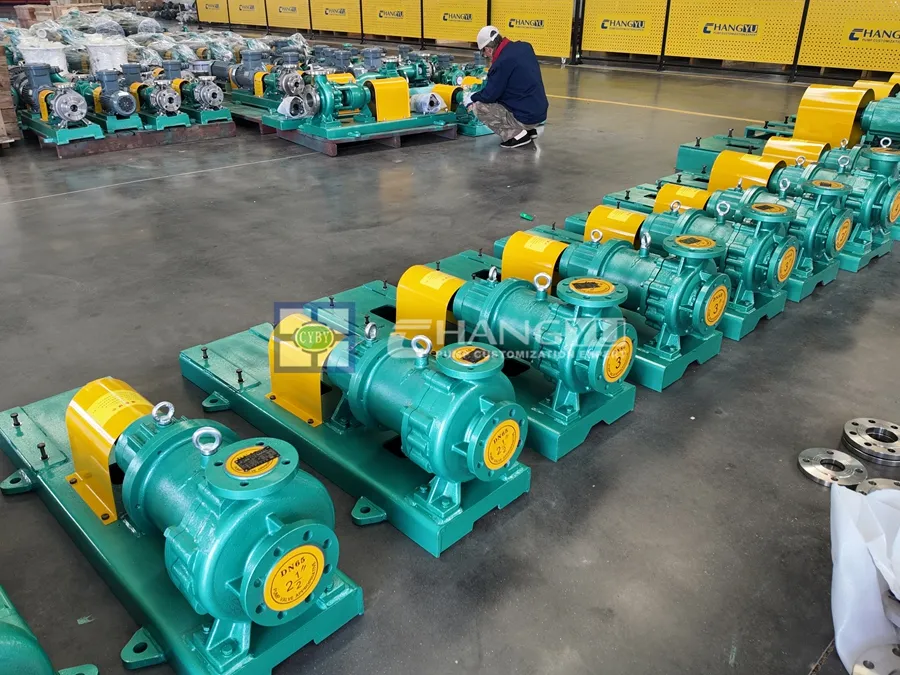
دعم هندسي متخصص لتطبيقات مضخات كبريتات الأمونيوم
يتطلب اختيار التكوين الصحيح للمضخة لملاط كبريتات الأمونيوم تقييم معايير عملية متعددة تتفاعل مع بعضها البعض. المتغيرات الرئيسية تشمل:
- ملف درجة الحرارة عبر المضخة (المدخل، المخرج، وحجرة المانع)
- حجم البلورات وتركيزها في الملاط
- محتوى الحمض المتبقي وتأثيره على توافق المواد
- دورة التشغيل (مستمرة مقابل دفعات، مع أو بدون وحدة احتياطية)
- متطلبات معدل التدفق والرأس للعملية
حول مضخة تشانغيو: شركة آنهوي تشانغيو لتصنيع المضخات والصمامات المحدودة تقوم بتصنيع مضخات مقاومة للتآكل والكشط منذ عام 2006، بمنشأة بمساحة 20,000 م² وإنتاج سنوي يتجاوز 20,000 وحدة يتم تسليمها إلى أسواق تشمل أوروبا وأفريقيا وآسيا الوسطى. تحمل الشركة شهادات ISO 9001 وCE وATEX، مع أكثر من 30 براءة اختراع تقنية في تقنية UHMW-PE المبطنة بالفولاذ.
يوفر فريق الهندسة استشارات فنية فردية ويمكنه تقديم حل مضخة مخصص مع عرض سعر خلال 24 ساعة. لتقييم مفصل لتطبيق ملاط كبريتات الأمونيوم الخاص بك، تواصل مع فريق الهندسة بالمعلومات التالية:
- البريد الإلكتروني: [email protected]
- واتساب / هاتف / وي تشات: +86-13651913727
- المعلومات المطلوبة: معدل التدفق، الرأس، الكثافة النوعية، درجة الحرارة، محتوى البلورات، وتركيز الحمض