
النقاط الرئيسية
- اختيار المواد هو العامل الأول في عمر مضخة المحلول الملحي — الفولاذ المقاوم للصدأ 304 يفشل خلال أسابيع عند تركيز كلوريد >1,000 جزء في المليون؛ بينما يتحمل الفولاذ المزدوج الفائق 2507 (PRE 42–45) تركيز كلوريد >15,000 جزء في المليون عند 60°م.
- تتوفر ست درجات من المواد لخدمة المحلول الملحي; ؛ 904L (PRE 34–36) يسد الفجوة بين 316L و2205، بينما يوفر التيتانيوم مناعة شبه كاملة للكلوريد عند درجات حرارة تصل إلى 120°م (لكنه غير مناسب للفلوريدات أو الأحماض المختزلة).
- يجب أن يتوافق تصميم المضخة مع مرحلة العملية — مضخة أحادية المرحلة CYH لسحب مياه البحر (0.8–750 م³/ساعة، رأس ≤130 م)، ومضخة متعددة المراحل DF لنقل محلول التناضح العكسي عالي الضغط (3.75–850 م³/ساعة، رأس يصل إلى 816 م).
- تصميم نظام الختم أمر بالغ الأهمية لخدمة المحلول الملحي — يُوصى بخطط التنظيف API 682 (الخطط 11/21/32/62) والأختام الميكانيكية المزدوجة بوجوه SiC للمحلول الملحي المتبلور أو عالي الملوحة.
- يُظهر تحليل التكلفة الإجمالية للملكية (TCO) أن الترقية من 316L إلى 2507 يمكن أن تقلل تكلفة دورة الحياة بنسبة 30–40% على الرغم من ارتفاع التكلفة الأولية للمادة، وذلك بسبب إطالة عمر الخدمة وتقليل وقت التوقف.
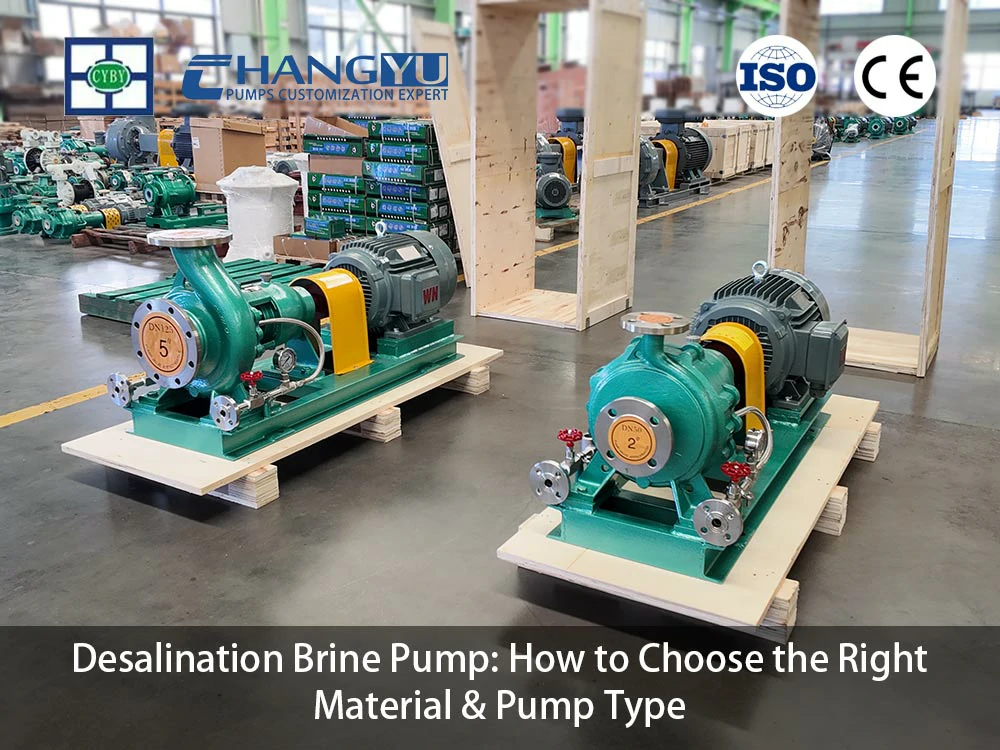
ما هي مضخة محلول التحلية الملحي؟
A مضخة محلول التحلية الملحي هي جهاز متخصص لنقل السوائل مصمم لنقل المحلول الملحي المركز عالي الملوحة — وهو منتج ثانوي لعمليات التناضح العكسي (RO) والتحلية الحرارية. على عكس المضخات الصناعية القياسية، يجب أن تتحمل مضخة محلول التحلية الملحي ما يلي:
- تراكيز المواد الصلبة الذائبة الكلية (TDS) تتراوح من 50,000 جزء في المليون إلى أكثر من 200,000 جزء في المليون، اعتمادًا على ملوحة مياه التغذية ومعدل استرداد النظام (إنتاج التناضح العكسي لمياه البحر النموذجي عند استرداد 50% ينتج محلولًا ملحيًا بتركيز ~70,000 جزء في المليون؛ بينما يمكن أن تتجاوز أنظمة التصريف السائل الصفري (ZLD) 200,000 جزء في المليون).
- مستويات الكلوريد التي تسبب تنقرًا سريعًا في الفولاذ المقاوم للصدأ القياسي.
- دورات التشغيل المستمرة الشائعة في محطات التحلية (أكثر من 8,000 ساعة/سنة).
تُستخدم هذه المضخات في نقاط متعددة من العملية: سحب مياه البحر، تعزيز تغذية التناضح العكسي، تصريف المحلول الملحي، ودوران التصريف السائل الصفري (ZLD).
تحديات التآكل في خدمة المحلول الملحي عالي الملوحة
1 التنقر الناتج عن الكلوريد وقيمة PRE
تهاجم أيونات الكلوريد طبقة الأكسيد السلبية على الفولاذ المقاوم للصدأ، مما يُحدث حفرًا موضعية يمكن أن تخترق الجدار خلال أشهر. قيمة مقاومة التنقر المكافئة (PRE) هي المقياس القياسي لتصنيف مقاومة المادة للتنقر بالكلوريد:
PRE = %Cr + 3.3 × %Mo + 16 × %N
- 304: PRE 18–20 → محدود بحوالي 200 جزء في المليون كلوريد عند 60°م
- 316L: PRE 24–26 → محدود بأقل من 1,000 جزء في المليون كلوريد
- 2507 المزدوج الفائق: PRE 42–45 → يتحمل >15,000 جزء في المليون كلوريد
مرجع: تُحدد قيم PRE وفقًا لطرق الاختبار القياسية ASTM G48 لمقاومة التنقر والتآكل الشقي للفولاذ المقاوم للصدأ.
2 التشقق الناتج عن الإجهاد التآكلي (SCC)
يؤدي الجمع بين الإجهاد الشدي ودرجة الحرارة وأيونات الكلوريد إلى انتشار سريع للشقوق. الدرجات الأوستنيتية (304، 316L) هي الأكثر عرضة؛ بينما توفر الدرجات المزدوجة (2205، 2507) مقاومة أفضل بكثير للتشقق الناتج عن الإجهاد التآكلي بسبب بنيتها المجهرية الحديدية-الأوستنيتية.
3 التآكل الشقي
تخلق الوصلات ذات الحشوات ووجوه الأختام والتوصيلات المثبتة بمسامير مناطق مستنفدة من الأكسجين حيث يتسارع التآكل الموضعي. هذا هو موقع الفشل الأكثر شيوعًا في مضخات المحلول الملحي، ويتم معالجته باختيار مواد ذات PRE أعلى وتحسين تصميم الختم.
دليل اختيار مواد مضخة محلول التحلية الملحي
1 جدول المقارنة الكامل للمواد (6 درجات)
تقدم مضخات Changyu نظامًا متدرجًا لاختيار المواد بناءً على تركيز الكلوريد ودرجة حرارة التشغيل ومحتوى الجسيمات. فيما يلي المقارنة الكاملة بما في ذلك 904L والتيتانيوم، واللذين يُستخدمان بشكل شائع في خدمة المحلول الملحي ولكن تم حذفهما من العديد من الأدلة:
| الدرجة | التصنيف | قيمة PRE | تحمل الكلوريد (60°م) | الصلابة (HB) | الأفضل لـ | القيود |
|---|---|---|---|---|---|---|
| 304 | أوستنيتي (أساسي) | 18-20 | ~200 جزء في المليون | 150-180 | المياه العذبة، منخفض الملوحة | يفشل بسرعة في محلول مياه البحر الملحي |
| 316L | أوستنيتي (محتوٍ على الموليبدينوم) | 24-26 | <1,000 جزء في المليون | 150-190 | مياه بحر معتدلة، منخفض الكلوريد | غير مناسب لمحلول التناضح العكسي الملحي |
| 904L | الأوستنيتي الفائق | 34–36 | ~8,500 جزء في المليون | 170–210 | حمض الكبريتيك/الفوسفوريك + كلوريد | مقاومة أقل للتشقق الناتج عن الإجهاد والتآكل مقارنة بـ 2205 |
| 2205 | الدوبلكس (اقتصادي) | 34-38 | ~8,500 جزء في المليون | 250-280 | مياه البحر، محلول ملحي معتدل، 5–10% مواد صلبة | قيمة PRE أقل من 2507 |
| 2507 | الدوبلكس الفائق | 42-45 | >15,000 جزء في المليون | 280–330 | محلول ملحي عالي الكلوريد، نظام ZLD، 10–15% مواد صلبة | تكلفة أعلى |
| التيتانيوم (CP Ti) | معدن نشط | غير متوفر | شبه محصّن حتى 120°C | 180–210 | كلوريد شديد، درجات حرارة عالية | ❌ غير مناسب للفلوريدات أو الأحماض المختزلة |
ترتيب مقاومة التآكل (من الأقل → إلى الأعلى):
304 < 316L < 904L ≈ 2205 < 2507 < التيتانيوم
ترتيب مقاومة التآكل السطحي (من الأقل → إلى الأعلى):
التيتانيوم < 304 ≈ 316L < 904L < 2205 < 2507
الرؤية الأساسية: يتمتع كل من 904L و2205 بقيم PRE متشابهة (34–38)، لكن 2205 يوفر مقاومة فائقة للتشقق الناتج عن الإجهاد والتآكل، مما يجعله الخيار المفضل لخدمة المحلول الملحي حيث يكون كل من التآكل والإجهاد الميكانيكي عاملين مؤثرين.
2 جدول الاختيار السريع لمضخات المحلول الملحي لتحلية المياه
| حالة التشغيل | المواد الموصى بها | سلسلة المضخات الموصى بها | المعلمات الرئيسية |
|---|---|---|---|
| سحب مياه البحر، ضغط منخفض | 2205 دوبلكس | CYH أحادي المرحلة | 8–750 م³/ساعة، ≤130 م، -20°C إلى 165°C |
| تغذية الضغط العالي للتناضح العكسي | 2507 سوبر دوبلكس 2507 | DF متعدد المراحل | 75–850 م³/ساعة، 19–816 م، ≤80°C |
| تصريف المحلول الملحي (ضغط متوسط) | 2507 / 2205 | CYH أو DF | يعتمد على متطلبات الارتفاع |
| محلول ملحي مع جزيئات (5–10% مواد صلبة) | 2205 / 2507 | DF متعدد المراحل | معدل التدفق متناسب مع محتوى المواد الصلبة |
| نظام ZLD (محلول ملحي فائق التركيز) | 2507 | DF متعدد المراحل | مضخة CYF المبطنة بالفلوروبلاستيك / مضخة CYQ المغناطيسية |
| محلول ملحي عالي الحرارة (≥80°C) | 2507 / التيتانيوم | CYH أحادي المرحلة | CYH يدعم حتى 165°C |
| حمض الفلوريك أو الفلوريدات في المحلول الملحي | ❌ ليس التيتانيوم | 2507 هو الخيار المفضل | التيتانيوم غير متوافق مع الفلوريدات |
3 المفاضلة بين تكلفة المواد ودورة الحياة
بينما تبلغ التكلفة الأولية الأعلى لمادة 2507 الدوبلكس الفائق (حوالي 2–3 أضعاف تكلفة 316L)، فإن التكلفة الإجمالية للملكية (TCO) التحليل يروي قصة مختلفة:
- 316L في محلول ملحي >1,000 جزء في المليون كلوريد: عمر الخدمة النموذجي 6–12 شهرًا، وتكلفة استبدال متكررة
- 2205 في محلول ملحي معتدل: عمر الخدمة النموذجي 3–5 سنوات
- 2507 في محلول ملحي عالي الكلوريد: عمر الخدمة النموذجي 8–10+ سنوات
بالنسبة لمضخة بقدرة 200 كيلوواط تعمل 8,000 ساعة سنويًا (بافتراض متوسط عامل حمل 85%)، فإن تكلفة الطاقة وحدها كبيرة. تحقق سلسلة DF تحسينًا في كفاءة الطاقة بنسبة 15% على مدى دورة حياتها بفضل نظام موازنة القوة المحورية رباعي المراحل، وهو ما يعادل تقريبًا 240,000 كيلوواط/ساعة موفرة سنويًا تحت التشغيل الكامل، أو حوالي 204,000 كيلوواط ساعة عند معامل حمل 85%.
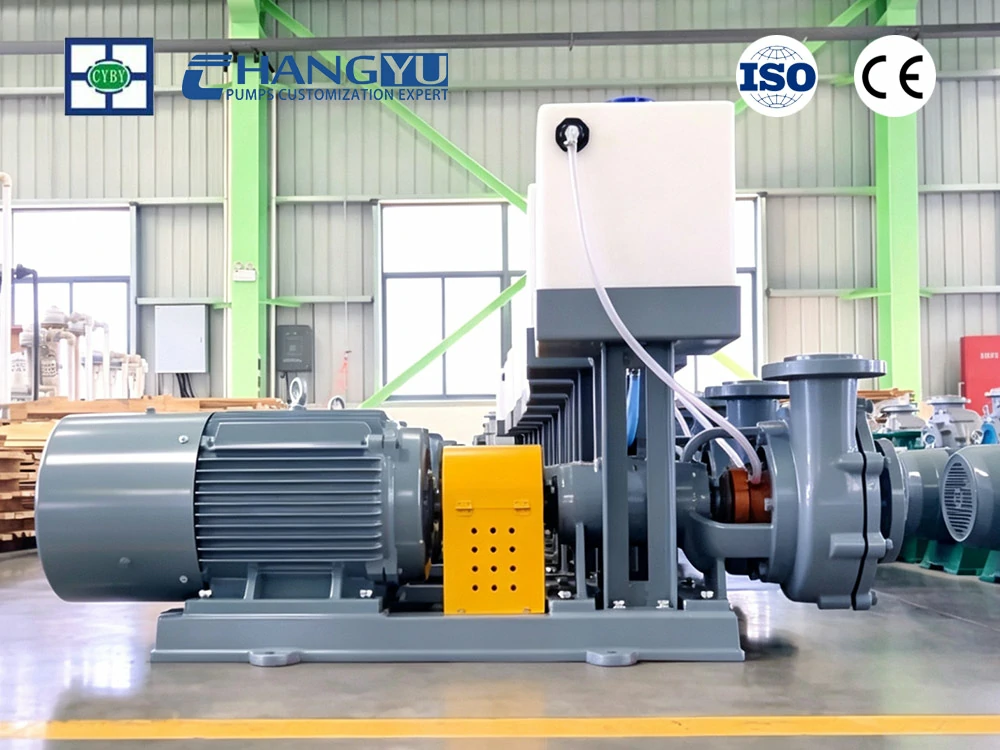
أنواع المضخات لخدمة المحلول الملحي في تحلية المياه
1 سلسلة CYH — مضخة مياه البحر الطاردة المركزية أحادية المرحلة
مصممة لسحب مياه البحر، ونقل المحلول الملحي منخفض الضغط، والخدمات البحرية العامة.
| المعلمة | النطاق |
|---|---|
| معدل التدفق | 8–750 م³/ساعة |
| الرأس | 3–130 م |
| درجة الحرارة | -20 درجة مئوية إلى 165 درجة مئوية |
| قياسي | ISO 2858 |
| المواد | 304, 316L, 2205, 2507 |
| التصميم | أحادية المرحلة، أحادية الشفط، ناتئة، دافعة شبه مفتوحة |
تتميز سلسلة CYH بتصميم دافعة شبه مفتوحة يقلل من مخاطر التجويف ويحسن كفاءة المرور للمحلول الملحي الذي يحتوي على جسيمات صلبة ضئيلة. يعمل التصميم الهيدروليكي المحسّن على تقليل متطلبات NPSH، مما يجعله مناسبًا لظروف التركيب منخفضة NPSH.
← صفحة منتج مضخة المياه البحرية الطاردة المركزية من سلسلة CYH
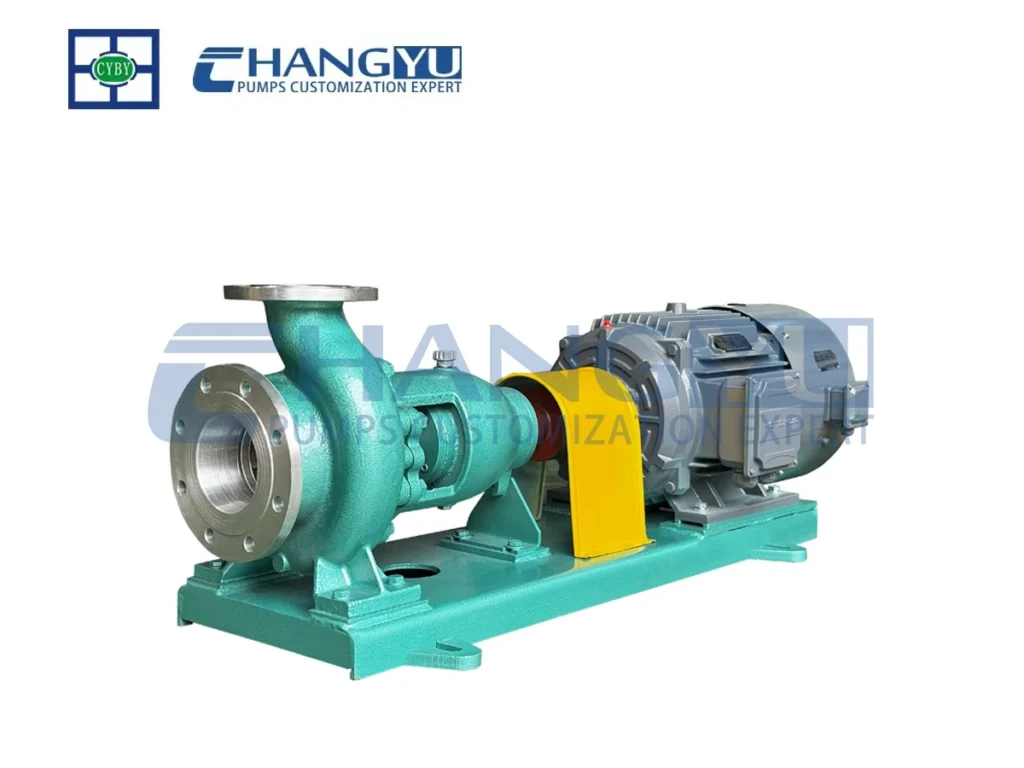
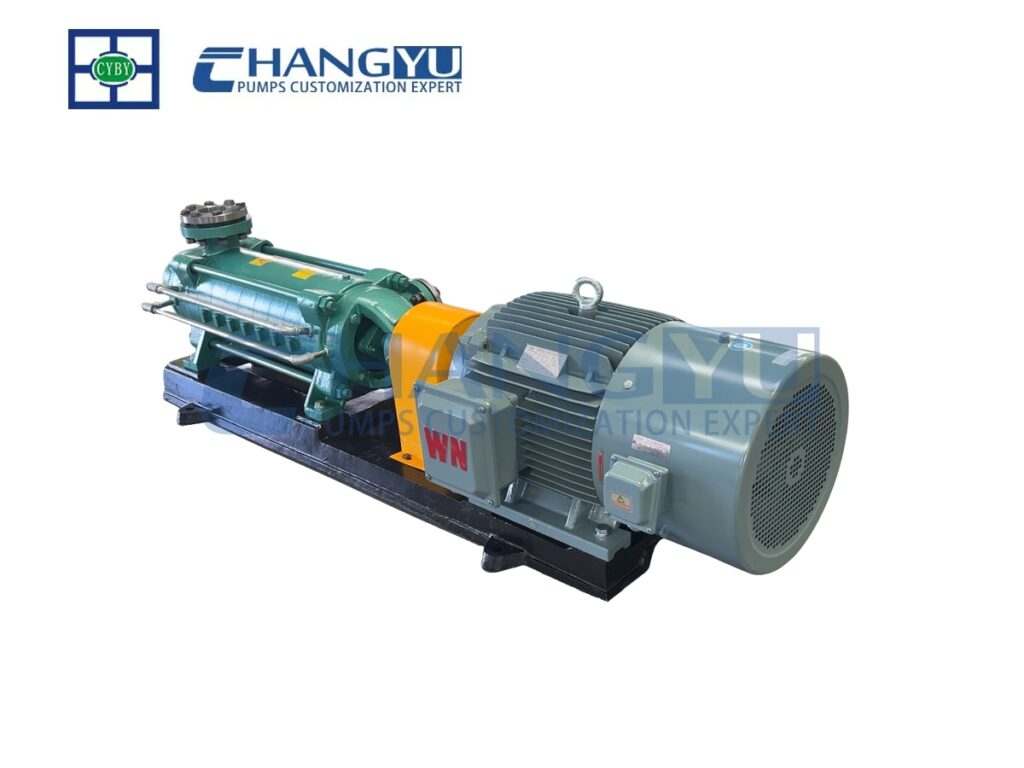
2 سلسلة DF — مضخة متعددة المراحل لنقل محلول التناضح العكسي الملحي
مصممة خصيصًا لتطبيقات المحلول الملحي عالي الضغط بما في ذلك تغذية التناضح العكسي، وتصريف المحلول الملحي المركز، وأنظمة ZLD.
| المعلمة | النطاق |
|---|---|
| معدل التدفق | 75–850 م³/ساعة |
| الرأس | 19–816 م |
| درجة الحرارة | ≤80°C |
| المواد | 316L، 2205، 2507، سبيكة عالية الكروم |
| التصميم | غلاف مجزأ (نوع أسطواني)، موازنة قوة محورية رباعية المراحل |
| الكفاءة | كفاءة تصل إلى 85%؛ توفير طاقة 15% على مدى دورة الحياة |
نظام موازنة القوة المحورية رباعي المراحل:
- المرحلة 1: أسطوانة الموازنة تعوض حوالي 70% من الدفع المحوري
- المرحلة 2: حلقة ضبط الضغط تحيد حوالي 20% إضافية
- المرحلة 3: لوحة الخنق تتعامل مع حوالي 10% المتبقية
- المرحلة 4: تحديد المواقع الدقيق يحافظ على التمركز أثناء التشغيل بتردد متغير
إن تصميم زوج احتكاك بصلابة تفاضلية (الدوار والثابت بدرجات صلابة مختلفة) يقلل من الخلوص التشغيلي ويعزز الكفاءة الإجمالية بأكثر من 3% مقارنة بالتصاميم التقليدية.
← صفحة منتج مضخة الطرد المركزي متعددة المراحل الأفقية من سلسلة DF
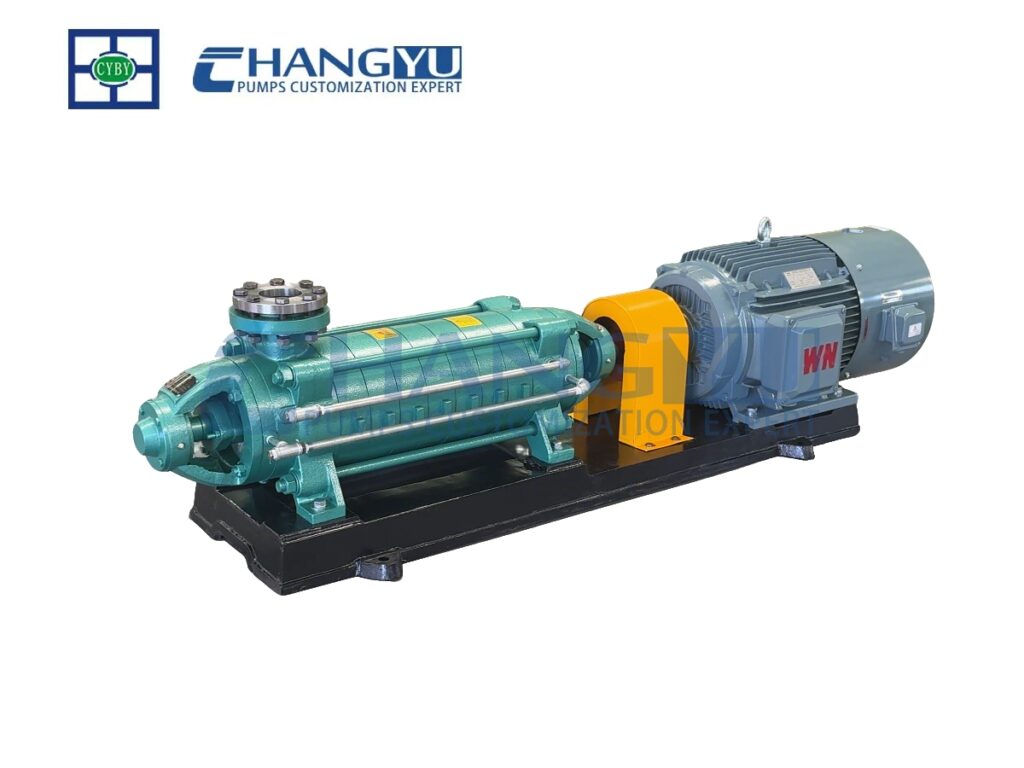
3 أنواع المضخات البديلة لخدمة المحلول الملحي
للمهندسين ذوي الخبرة الذين يقيّمون جميع الخيارات، تُستخدم أيضًا أنواع المضخات التالية في تطبيقات المحلول الملحي:
| نوع المضخة | المزايا | القيود | تطبيق المحلول الملحي النموذجي |
|---|---|---|---|
| مضخة التوربينات العمودية | تدفق عالٍ، رفع عالٍ في وحدة واحدة؛ بصمة صغيرة | صيانة صعبة؛ متطلبات NPSH أعلى | سحب مياه البحر، استخراج المحلول الملحي من الآبار العميقة |
| مضخة الدفع المغناطيسي (مثل سلسلة CYQ) | تسرب صفري؛ بدون مانع تسرب ميكانيكي؛ مثالي للمحلول الملحي السام/المسبب للتآكل | محدود بالقدرة المنخفضة؛ درجة الحرارة مقيدة بمادة البطانة | المحلول الملحي الكيميائي، المحلول الملحي الخطير مع متطلبات بيئية صارمة |
| مضخة مبطنة بـ PTFE (مثل سلسلة IHF) | مقاومة تآكل ممتازة ضد الأحماض والقلويات؛ اقتصادية | درجة الحرارة محدودة بـ 120 درجة مئوية (PFA: 180 درجة مئوية)؛ تصنيف ضغط محدود | المحلول الملحي الحمضي من العمليات الكيميائية |
| مضخة المكبس الإزاحية الموجبة | قدرة ضغط عالية؛ كفاءة عند التدفق المنخفض | صيانة عالية؛ تدفق نابض؛ غير مناسبة للمواد الصلبة | أنظمة SWRO الصغيرة، الجرعات عالية الضغط |
لكل نوع مضخة مكانته المناسبة. يجب أن يعتمد الاختيار على معدل التدفق، الرفع، درجة الحرارة، محتوى الجسيمات، واللوائح البيئية الخاصة بمشروعك.
تصميم نظام الختم لمضخات المحلول الملحي في تحلية المياه
فشل الختم هو السبب الأكثر شيوعًا لتوقف مضخات المحلول الملحي. نظام الختم المصمم بشكل صحيح لا يقل أهمية عن مادة المضخة نفسها.
1 أنواع الختم الميكانيكي
| نوع الختم | موصى به لخدمة المحلول الملحي | الملاحظات |
|---|---|---|
| مانع تسرب ميكانيكي واحد | محلول ملحي نظيف منخفض الضغط | أسطح SiC مقابل SiC؛ يتطلب شطفًا نظيفًا |
| مانع تسرب ميكانيكي مزدوج (ظهرًا لظهر) | محلول ملحي متبلور، عالي الكلوريد | خطة API 52/53؛ سائل الحاجز يحمي أسطح المانع |
| خرطوشة مانع تسرب ميكانيكي للخرطوشة | جميع تطبيقات المحلول الملحي | مُجمّع مسبقًا، سهل الاستبدال، يقلل من أخطاء التركيب |
| تعبئة الغدة | المضخات القديمة، الخدمة الطارئة | تسرب أعلى؛ غير موصى به لمصانع المحلول الملحي الحديثة |
2 خطط شطف API 682 لخدمة المحلول الملحي
إن معيار API 682 يحدد خطط شطف المانع التي تعتبر حاسمة لموثوقية مضخات المحلول الملحي:
- الخطة 11: إعادة تدوير من مخرج المضخة إلى المانع — مناسبة للمحلول الملحي النظيف دون ميل للتبلور
- الخطة 21: إعادة تدوير مع فتحة ومبرد — للمحلول الملحي فوق 80 درجة مئوية الذي يتطلب تبريدًا قبل سطح المانع
- الخطة 32: شطف خارجي نظيف بالماء يُحقن في حجرة المانع — موصى به للمحلول الملحي المتبلور لمنع ترسب الأملاح على أسطح المانع
- الخطة 62: تبريد بالبخار أو الماء — للمحلول الملحي الذي يتبلور على الجانب الجوي للمانع
بالنسبة للمحلول الملحي الناتج عن التحلية ذي القدرة العالية على الترسيب (نسبة عالية من Ca²⁺ و Mg²⁺ أو السيليكا)، فإن خطة API 32 مع الشطف الخارجي النظيف هي النهج الأكثر موثوقية.
3 اختيار مواد أسطح المانع
| مادة السطح | الصلابة | موصى به ل | تجنب |
|---|---|---|---|
| كربيد السيليكون (SiC) | 2,500 HV | معظم تطبيقات المحلول الملحي؛ مقاومة كيميائية ممتازة | صدمة حرارية عالية الحرارة |
| كربيد التنجستن (WC) | 1,500 HV | محلول ملحي كاشط مع جسيمات | عوامل مؤكسدة قوية |
| الكربون الشبيه بالألماس (DLC) | 3,000+ HV | محلول ملحي كاشط للغاية؛ متطلب احتكاك منخفض | تكلفة عالية |
اعتبارات NPSH لمضخات المحلول الملحي الناتج عن التحلية
المحلول الملحي له كثافة أعلى (1,020–1,150 كجم/م³ لمحلول مياه البحر) مقارنة بالمياه العذبة، مما يؤثر على رأس الشفط الموجب الصافي (NPSH) الحساب:
- NPSHa (المتاح) = الضغط الجوي + ارتفاع الشفط الساكن − خسائر الاحتكاك − ضغط بخار المحلول الملحي
- NPSHr (المطلوب) يُوفَّر من قبل مصنع المضخة لكل نقطة تشغيل
بالنسبة للمحلول الملحي عند 60 درجة مئوية مع TDS يبلغ 70,000 جزء في المليون، يكون ضغط البخار أقل بحوالي 5% من المياه العذبة عند نفس درجة الحرارة، مما يحسن NPSHa بشكل طفيف. ومع ذلك، فإن الكثافة الأعلى تزيد من خسائر الاحتكاك في أنبوب الشفط.
إرشادات عملية لتركيب مضخات المحلول الملحي:
- الحفاظ على هامش NPSH لا يقل عن 0.5 متر فوق NPSHr
- إبقاء أنبوب الشفط قصيرًا ومستقيمًا قدر الإمكان
- بالنسبة لسلسلة CYH، يوفر تصميم المروحة شبه المفتوحة مقاومة أفضل للتجويف عند ظروف NPSH المنخفضة
- بالنسبة لسلسلة DF، تتراوح قيم NPSHr من 2.0 إلى 6.7 متر حسب الطراز وعدد المراحل
تحليل التكلفة الإجمالية للملكية (TCO)
1 تكلفة المواد مقابل عمر الخدمة
| درجة المادة | التكلفة النسبية للمادة | عمر الخدمة النموذجي في المحلول الملحي (>10,000 جزء في المليون Cl⁻) | التكلفة الإجمالية للملكية لمدة 10 سنوات (لكل مضخة) |
|---|---|---|---|
| 316L | 0× (خط الأساس) | 6–12 شهرًا | استبدالات متعددة + وقت توقف |
| 2205 | 1.5–1.8× | 3–5 سنوات | 2–3 قطع غيار |
| 2507 | 2.5–3.0× | 8–10+ سنوات | استبدال واحد أو أقل |
2 تأثير كفاءة الطاقة
تحسين كفاءة الطاقة لسلسلة DF بنسبة 15% يترجم إلى وفورات تشغيلية كبيرة:
- مثال: مضخة 200 كيلوواط، 8,000 ساعة/سنة، عامل حمل متوسط 85%
- استهلاك الطاقة السنوي: 200 × 8,000 × 0.85 = 1,360,000 كيلوواط ساعة
- مع تحسين كفاءة بنسبة 15%: وفورات تبلغ ~204,000 كيلوواط ساعة/سنة
- بسعر 0.10 دولار/كيلوواط ساعة: 20,400 دولار/سنة في وفورات الطاقة — وهو ما يكفي لتعويض تكلفة ترقية المادة خلال 2–3 سنوات
دراسة حالة لمضخة محلول ملحي للتحلية في محطة تناضح عكسي للمياه البحرية في الشرق الأوسط
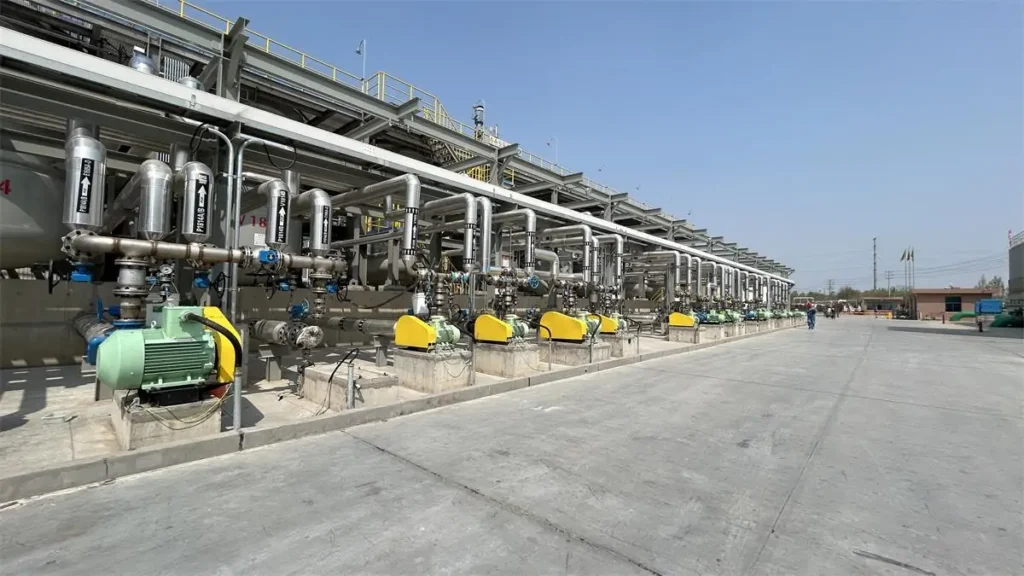
خلفية المشروع:
محطة تناضح عكسي للمياه البحرية بسعة 100,000 م³/يوم في الخليج العربي كانت تعاني من أعطال متكررة في المضخات كل 6–9 أشهر مع مضخات 316L في خدمة تصريف المحلول الملحي. تراوح إجمالي المواد الصلبة الذائبة (TDS) في المحلول الملحي بين 68,000–72,000 جزء في المليون مع درجة حرارة 32–38°م.
التحدّي:
- تآكل تنقري شديد على المروحة والغلاف
- أعطال في الختم الميكانيكي بسبب تبلور الملح على أسطح الختم
- وقت توقف غير مخطط له بمتوسط 12 يومًا سنويًا
الحل:
- تمت الترقية إلى مضخة متعددة المراحل من سلسلة DF مع 2507 سوبر دوبلكس الأجزاء الملامسة للسائل
- تم تركيب ختم ميكانيكي مزدوج مع خطة API 32 لشطف المياه النظيفة
- تمت إضافة نظام موازنة القوة المحورية رباعي المراحل للتشغيل بتردد متغير
النتائج بعد 3 سنوات:
| متري | قبل (316L) | بعد (2507 DF) |
|---|---|---|
| العمر التشغيلي للمضخة | CD4MCu (دوبلكس) | 3+ سنوات (لا تزال في الخدمة) |
| فترة استبدال الختم | 3–4 أشهر | 18+ شهرًا |
| وقت التوقف غير المخطط له سنويًا | 12 يومًا | <1 يوم |
| استهلاك الطاقة | خط الأساس | أقل بنسبة 15% |
| تكلفة الصيانة/السنة | $18,500 | $3,200 |
الأسئلة الشائعة
س1: ما هي المادة الموصى بها لمضخة المحلول الملحي في تحلية المياه؟
للمحلول الملحي المركز (TDS >65,000 جزء في المليون)،, 2507 من الفولاذ المقاوم للصدأ المزدوج الفائق الازدواجية هي المادة الموصى بها. لظروف مياه البحر المعتدلة،, 2205 دوبلكس توفر توازناً مثالياً بين التكلفة ومقاومة التآكل. للتطبيقات التي تتضمن الفلوريدات أو الأحماض المختزلة، استخدم 2507 أو سبائك عالية الكروم بدلاً من التيتانيوم.
س2: ما هو الحد الأقصى لتركيز الكلوريد لـ 316L في خدمة المحلول الملحي؟
يقتصر 316L عموماً على البيئات التي تقل فيها نسبة 1,000 جزء في المليون من الكلوريد عند درجة الحرارة المحيطة. فوق هذه العتبة، يتسارع التآكل النقري بشكل كبير. معظم تطبيقات المحلول الملحي لمياه البحر (15,000–20,000 جزء في المليون Cl⁻) تتطلب 2205 دوبلكس على الأقل.
س3: كيف تختار بين المضخة أحادية المرحلة ومتعددة المراحل للمحلول الملحي؟
استخدم متطلب الارتفاع كمعيار القرار الأساسي:
- الارتفاع ≤130 م: CYH أحادية المرحلة عادةً أكثر اقتصادية
- الارتفاع >130 م أو حتى 816 م: DF متعددة المراحل مطلوبة
- ضع في الاعتبار أيضاً درجة الحرارة: يدعم CYH حتى 165°م، بينما يقتصر DF على 80°م
س4: ما هو نوع الختم الموصى به للمحلول الملحي عالي الملوحة؟
ختم ميكانيكي مزدوج مع غسل بمياه نظيفة وفق API Plan 32 يُوصى به للمحلول الملحي المتبلور. للمحلول الملحي النظيف بدون خطر التبلور، يكفي ختم ميكانيكي أحادي SiC/SiC مع إعادة تدوير وفق API Plan 11.
س5: ما هي درجة الحرارة القصوى لتشغيل مضخة المحلول الملحي؟
بالنسبة لـ سلسلة CYH: -20°م إلى 165°م حسب تكوين المادة. بالنسبة لـ سلسلة DF: ≤80°م. بالنسبة لمضخات التيتانيوم، الحد العملي هو حوالي 120°م لمناعة الكلوريد.
س6: كيف تؤثر قيمة PRE على اختيار المادة؟
قيمة PRE هي المؤشر الأساسي لمقاومة التآكل النقري بالكلوريد. الصيغة هي PRE = %Cr + 3.3×%Mo + 16×%N. تشير قيمة PRE الأعلى إلى مقاومة أفضل للتآكل النقري الناجم عن الكلوريد. لخدمة المحلول الملحي، PRE ≥ 34 (2205 أو 904L) هو الحد الأدنى الموصى به.
س7: هل يمكن استخدام التيتانيوم لجميع مضخات المحلول الملحي في تحلية المياه؟
لا يوجد. يوفر التيتانيوم مقاومة ممتازة للكلوريد (شبه محصّن حتى 120°م) لكن له قيود حرجة: فهو غير مناسب للفلوريدات (مثل حمض الهيدروفلوريك)،, غير موصى به للأحماض المختزلة (مثل حمض الكبريتيك المخفف)، وله مقاومة تآكل منخفضة (HB 180–210، الأدنى بين الدرجات الست). يجب استخدام التيتانيوم فقط للمحلول الملحي “النظيف لكن المسبب للتآكل”.
س8: ما الذي يسبب فشل المضخة في محطات تحلية المياه؟
أنماط الفشل الأكثر شيوعاً بترتيب التكرار:
- التآكل (التآكل النقري، تشقق الإجهاد التآكلي، التآكل الشقي) — 45% من حالات الفشل
- تعطل الختم الميكانيكي — 30% من حالات الفشل
- فشل المحمل بسبب عدم توازن الدفع المحوري — 15% من حالات الفشل
- تلف التجويف — 10% من حالات الفشل
الامتثال البيئي والاعتبارات التنظيمية
يخضع تصريف المحلول الملحي من محطات تحلية المياه للوائح البيئية التي قد تؤثر على اختيار المضخة:
- وكالة حماية البيئة الأمريكية 316(b): تتطلب من هياكل سحب مياه التبريد تقليل التأثير البيئي
- توجيه إطار العمل الأوروبي للمياه: ينظم تصريف المحلول الملحي في المياه الساحلية
- اللوائح المحلية في الشرق الأوسط وأستراليا: حدود تركيز متزايدة الصرامة لتصريف المحلول الملحي
أصبحت أنظمة ZLD (التصريف السائل الصفري) إلزامية في العديد من المناطق، مما يتطلب مضخات قادرة على التعامل مع تركيزات محلول ملحي تتجاوز 200,000 جزء في المليون من المواد الصلبة الذائبة الكلية — وهي مهمة تتطلب مواد 2507 سوبر دوبلكس أو التيتانيوم و بنية متعددة المراحل من سلسلة DF.
الخاتمة والدعم الفني
يتطلب اختيار مضخة المحلول الملحي لتحلية المياه المناسبة تقييم أربعة عوامل مترابطة:
- درجة المادة — مطابقة لتركيز الكلوريد ودرجة الحرارة ومحتوى الجسيمات
- بنية المضخة — CYH أحادية المرحلة للسحب/الضغط المنخفض؛ DF متعددة المراحل لنقل المحلول الملحي عالي الضغط
- نظام الختم — اختيار خطة الغسل API 682 أمر بالغ الأهمية لموثوقية خدمة المحلول الملحي
- التكلفة الإجمالية للملكية — يتم تعويض التكلفة الأولية الأعلى للمواد من خلال إطالة عمر الخدمة وتوفير الطاقة
حول شركة Changyu Pump
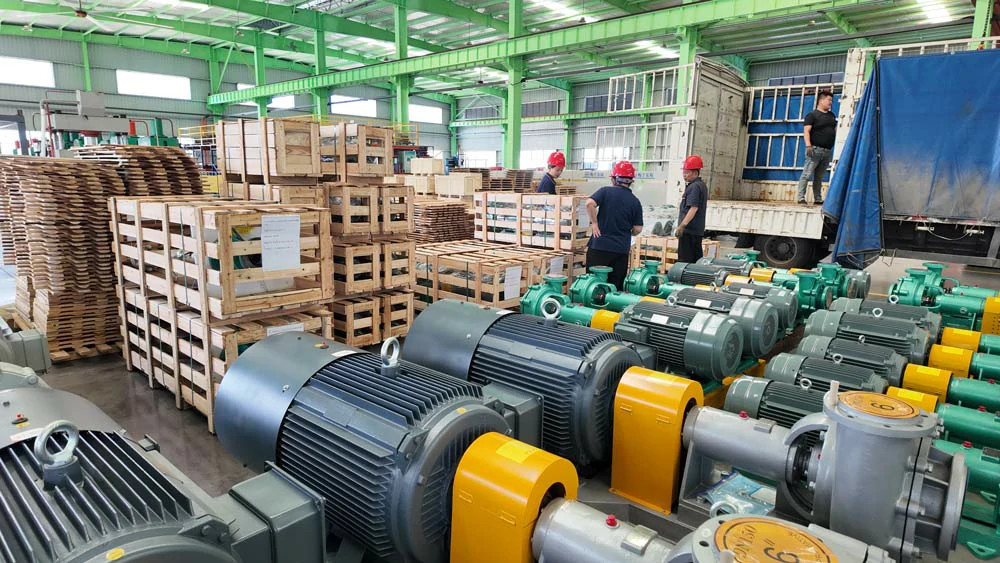
مع أكثر من 20 عامًا من الخبرة في OEM/ODM, شهادات ISO 9001 وCE وATEX, و أكثر من 50 تقنية حاصلة على براءة اختراع, ، تتخصص Changyu Pump في حلول المضخات المقاومة للتآكل لتطبيقات مناولة السوائل الأكثر تطلبًا. ينتج مصنعنا الذي تبلغ مساحته 20,000 م² أكثر من 20,000 مضخة سنويًا لعملاء في أكثر من 30 دولة.
أرسل لنا معايير التشغيل الخاصة بك للحصول على توصية مضخة مخصصة خلال 24 ساعة:
- معدل التدفق والضغط المطلوب
- تكوين الوسط (تركيز الكلوريد، درجة الحرارة، الأس الهيدروجيني)
- محتوى الجسيمات (إن وجد)
- دورة العمل وظروف التركيب
📧 البريد الإلكتروني: [email protected]
📞 الهاتف/WhatsApp/WeChat: +86-13651913727
🏭 المصنع: تقاطع طريق شوانزهي وطريق فوكسينغ، قاعدة دلتا نهر يانغتسي للتصنيع الذكي المتكامل، منطقة جينغشيان للتنمية، مدينة شوانشنغ، مقاطعة آنهوي، الصين