
إجابة سريعة
مضخات الملاط الكبيرة هي مضخات طرد مركزي ثقيلة الخدمة مصممة للتعامل مع الملاط عالي الحجم وعالي التركيز في التعدين والتجريف ومعالجة المعادن. على عكس المضخات القياسية، تتضمن أغلفة مقواة ومحامل مفرطة الحجم وتصاميم دافعة متخصصة لتحمل تدفقات تُقاس بآلاف الأمتار المكعبة في الساعة وجسيمات تتجاوز 100 مم. عوامل الاختيار الرئيسية:
- التصميم الهيكلي: بناء مزدوج الغلاف مع بطانات تآكل قابلة للاستبدال، ومحامل ثقيلة الخدمة مشحمة بحمام زيت، وخلوص دافع قابل للضبط — ليست ترقيات اختيارية بل متطلبات تصميمية لخدمة الملاط واسعة النطاق.
- اختيار المواد: حديد أبيض عالي الكروم (CrMo، 600–700 HB) للجسيمات الزاويّة الخشنة؛ مطاط طبيعي للجسيمات الدقيقة المستديرة في الأس الهيدروجيني المتعادل؛ سيراميك للمناطق عالية التآكل الموضعية.
- الحجم يضخم العواقب: عمر تآكل يتراوح بين 6 أشهر مقابل 18 شهرًا على مضخة مخلفات كبيرة يمثل مئات الآلاف من الدولارات في قطع الغيار، وأيامًا من التوقف لكل حدث، وتكاليف طاقة متصاعدة مع تدهور الكفاءة.
مضخة الملاط الكبيرة ليست مجرد مضخة قياسية مكبّرة. تتناسب القدرة تقريبًا مع القوة الخامسة لقطر الدافع (قوانين التشابه). يمكن أن يتجاوز وزن الدافع الواحد أو بطانة الحلزون عدة أطنان، مما يتطلب قدرات صب وتشغيل تختلف جوهريًا عن تلك الخاصة بالمضخات الأصغر. عندما تتعطل مضخة تفريغ مطحنة كبيرة أو مضخة مخلفات، قد يُجبر المصنع بأكمله على تقليل الإنتاج.
مضخة تشانغيو قامت بتصنيع مضخات ملاط ثقيلة الخدمة للتعدين واسع النطاق لأكثر من عقدين. يقدم هذا الدليل إطارًا منظمًا — من ميزات تصميم المضخات الكبيرة، إلى اختيار مواد التآكل لخصائص خام محددة، إلى تقييم مواصفات المضخات لخدمة الملاط عالي الحجم وعالي الرأس.
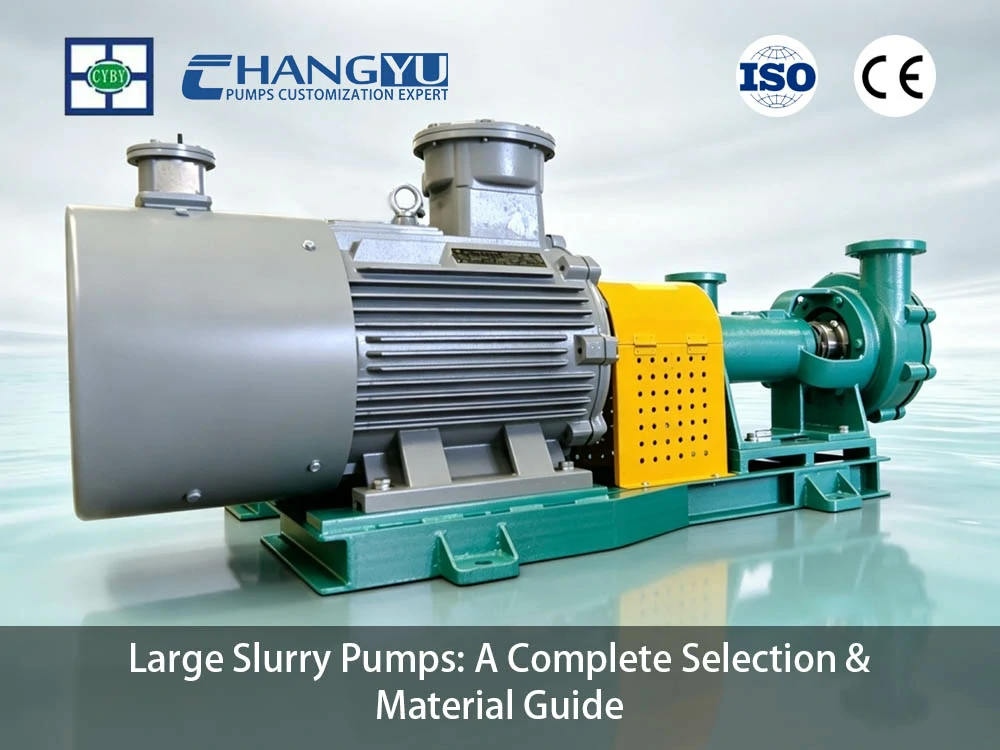
ما الذي يجعل تصميم مضخة الملاط الكبيرة مختلفًا؟
تختلف مضخة الملاط الطاردة المركزية الكبيرة عن مضخة الملاط الصناعية القياسية في متانة بنائها وهندسة أنظمة إدارة التآكل فيها. هذه الاختلافات مدفوعة بالفيزياء الأساسية للمقياس: مع زيادة حجم المضخة، تزداد الأحمال الهيدروليكية وأوزان المكونات وعواقب التآكل جميعها بشكل غير خطي.
البناء ذو الغلاف المزدوج مع البطانات القابلة للاستبدال
تستخدم مضخات الملاط الكبيرة عالميًا تصميم الغلاف المزدوج. الغلاف الخارجي — عادةً من حديد الدكتايل أو الفولاذ المصبوب — يوفر السلامة الهيكلية واحتواء الضغط. يتكون الغلاف الداخلي من بطانات تآكل قابلة للاستبدال — بطانات حلزونية، وحلقة الحلق، وبطانات لوحة الإطار — التي تمتص التأثير الكاشط للملاط. عند حدوث التآكل، تُستبدل البطانات فقط، وليس غلاف المضخة بالكامل. على مضخة كبيرة، يتطلب استبدال غلاف واحد إزالة المضخة من أساسها، وفصل خطوط الأنابيب كبيرة القطر، وربما أسابيع من التوقف. البطانات القابلة للاستبدال تقلل هذا إلى حدث صيانة مخطط له يُنجز ضمن نافذة إيقاف مجدولة.
مجموعة المحامل شديدة التحمل
تتعامل مضخات الملاط الكبيرة مع ملاط بثقل نوعي يتجاوز عادةً 1.5، مما يفرض أحمالًا شعاعية ومحورية تتجاوز بكثير تلك التي تواجهها خدمة المياه أو السوائل النظيفة. يجب أن تمتص مجموعة المحامل هذه الأحمال بشكل مستمر مع الحفاظ على محاذاة دقيقة للعمود. تستخدم المضخات الكبيرة محامل أسطوانية شديدة التحمل كبيرة الحجم مزيتة بحمام زيت أو بالزيت القسري مع أعمار تصنيفية L10 محسوبة لكثافة الملاط المحددة وظروف التشغيل. تسمح علب المحامل المنقسمة بفحص المحامل واستبدالها دون إزالة المضخة من أساسها — وهو اعتبار صيانة يصبح حرجًا عندما تزن المضخة عدة أطنان.
صندوق الحشو المنقسم والوصول إلى الختم
صندوق الحشو على مضخة الملاط الكبيرة مصمم لاستبدال الختم دون تفكيك كامل للمضخة. يسمح تصميم الجلبة المنقسمة بصيانة الحشو أو الختم الميكانيكي بينما تبقى المضخة في مكانها. على أكبر المضخات، قد يكون صندوق الحشو نفسه مكوّن تآكل قابل للاستبدال — الملاط عالي السرعة عند عين الدفاعة يخلق تآكلًا موضعيًا عند نقطة دخول العمود قد يعرض للخطر تصميم صندوق الحشو الثابت في النهاية.
خلوص الدفاعة القابل للتعديل
مع تآكل المروحة والغلاف، تزداد الفجوة بين الواجهة الأمامية للمروحة والبطانة الجانبية لجهة الشفط. تسمح هذه الفجوة بإعادة التدوير الداخلي — تسرب السائل من الجانب عالي الضغط للمروحة عائدًا إلى جانب الشفط — مما يقلل من كفاءة المضخة ويسرّع التآكل الموضعي. تتضمن مضخات الملاط الكبيرة آليات ضبط خارجية للمروحة تسمح بإعادة ضبط هذه الفجوة وفقًا لمواصفات الشركة المصنعة دون فتح غلاف المضخة. في مضخة مخلفات كبيرة، يمكن أن تؤدي استعادة فجوة المروحة من حالة التآكل إلى استرداد عدة نقاط مئوية من الكفاءة المفقودة — مما يمثل توفيرًا سنويًا في الطاقة يصل إلى عشرات الآلاف من الدولارات.
أنظمة الختم عالية الضغط
تعمل المضخات الكبيرة في خدمات الرأس العالي — خطوط أنابيب المخلفات طويلة المسافة، تركيبات المضخات المتسلسلة — عند ضغوط تفريغ تتطلب ختمًا قويًا للعمود. تُعد مجموعات الختم الطارد، حيث يقلل الطارد الطرد المركزي الضغط عند صندوق الحشو أثناء التشغيل ويوفر الحشو أو الختم الميكانيكي الختم الثابت أثناء الإيقاف، معيارًا في مضخات الملاط الكبيرة. بالنسبة للتطبيقات الأعلى ضغطًا، توفر الأختام الميكانيكية المزدوجة مع أنظمة سائل الحاجز المضغوط وفق خطة API 54 احتواءً إيجابيًا بغض النظر عن ضغط التفريغ.
اعتبارات خطوط الأنابيب طويلة المسافة
A مضخة خط أنابيب الملاط لمسافات طويلة خدمة نقل المخلفات — التي غالبًا ما يتراوح طولها بين 50 وأكثر من 100 كيلومتر — تواجه متطلبات تصميم إضافية. تعمل هذه المضخات عند الطرف الأعلى من قدرتها الضغطية، غالبًا في تكوينات متسلسلة حيث تفرغ مضخات متعددة في خط أنابيب مشترك. يجب أن يتحمل غلاف المضخة وأنابيب التفريغ ضغوط المطرقة المائية الناتجة عن بدء وإيقاف المضخات. تتطلب تركيبات المضخات المتسلسلة منحنيات أداء متطابقة وأنظمة تحكم منسقة لمنع تشغيل المضخات الفردية خارج نطاق التشغيل المسموح به.
Engineers at Changyu Pump noteعند تقييم موردي مضخات الملاط الكبيرة، قم بتقييم قدرات المسبك والتصنيع لدى الشركة المصنعة مباشرة. القدرة على صب سبائك الحديد الأبيض عالية الكروم التي تزن عدة أطنان، وتشغيلها بتفاوتات دقيقة، وإجراء اختبارات أداء بالسرعة الكاملة والضغط الكامل على المضخة المجمعة قبل الشحن، تميز المصنعين ذوي القدرة الحقيقية على المضخات الكبيرة عن أولئك الذين يوردون تصاميم قياسية موسعة. اطلب صورًا لمسبك الشركة المصنعة وورشة التصنيع ومنطقة الاختبار — وليس مجرد كتيبات المنتجات.
ما هي أفضل مواد التآكل لمضخات الملاط الكبيرة؟
يجب أن يأخذ اختيار مواد التآكل لمضخات الملاط الكبيرة في الاعتبار خصائص الجسيمات وكيمياء الملاط والأحمال الميكانيكية الفريدة للتشغيل واسع النطاق. الفئات الثلاث الرئيسية للمواد — الحديد الأبيض عالي الكروم، والمطاط الطبيعي، والسيراميك — تشغل كل منها نافذة تطبيق متميزة.
مواد التآكل الثلاث الرئيسية
حديد زهر أبيض عالي الكروم (CrMo):
مادة التآكل القياسية لمضخات الملاط الكبيرة في التعدين الصخري الصلب. بصلابة تتراوح بين 600–700 HB (حوالي HV 600–700) ومتانة كسر تبلغ KIC 25–35 MPa√m، يجمع الحديد الأبيض عالي الكروم بين الصلابة لمقاومة القطع بواسطة الجسيمات الزاويّة والمتانة لتحمل الصدمات العرضية من المواد الزائدة الدخيلة. يتكون البنية المجهرية من كربيدات الكروم الصلبة (نوع M7C3، HV 1200–1600) في مصفوفة مارتنزيتية — توفر الكربيدات مقاومة القطع، بينما توفر المصفوفة المتانة.
بالنسبة للمضخات الكبيرة، يتضمن اختيار سبائك الكروم العالية عادةً الاختيار بين درجات 26% Cr و28% Cr. ينتج المحتوى الأعلى من الكروم جزءًا حجميًا أكبر من الكربيدات الصلبة، مما يحسن مقاومة التآكل بتكلفة إضافية معتدلة (حوالي 10–15%). تُحدد درجة 28% Cr للدوائر الأكثر كشطًا — مخلفات خام الحديد، وخام الذهب ذي المحتوى العالي من الكوارتز، وتفريغ المطاحن الخشن.
المطاط الطبيعي:
تحمي البطانات المطاطية من التآكل من خلال المرونة — يمتص التشوه المرن طاقة تأثير الجسيمات، ويتعافى المطاط دون فقدان المادة. تعمل هذه الآلية فقط مع الجسيمات المستديرة في درجة حموضة محايدة عند درجات حرارة أقل من 70 درجة مئوية. في المضخات الكبيرة، تكون البطانات المطاطية أسمك بشكل كبير من البطانة المعدنية المكافئة لتوفير المرونة المطلوبة للجسيمات الأكبر والسرعات الأعلى المميزة لخدمة الملاط واسعة النطاق. ومع ذلك، تقلل البطانات الأسمك من مساحة ممر التدفق الداخلي — يجب التحقق من الكفاءة الهيدروليكية عند تحديد المطاط للمضخات الكبيرة.
تخدم المضخات الكبيرة المبطنة بالمطاط تطبيقات محددة: مخلفات تعويم النحاس ذات الجسيمات الدقيقة المستديرة، وملاط محطات تحضير الفحم، ومعالجة الرمال المعدنية. المطاط غير مناسب للجسيمات الزاوية — فخام المسحوق الطازج، والكوارتز أو الماجنتيت حاد الحواف يقطع المطاط عند التلامس، مما يقلل من عمر الخدمة من أشهر إلى أسابيع.
السيراميك (SiC / Al₂O₃):
توفر المواد الخزفية صلابة (HV 1500–2800) تتجاوز بكثير أي جسيم معدني طبيعي، مما يوفر أقصى مقاومة لتآكل القطع. ومع ذلك، فإن صلابتها المنخفضة للكسر (KIC 3–5 MPa√m) تجعلها عرضة للصدمات من الجسيمات التي يتجاوز حجمها 1–2 مم. اعتبار إضافي هو الاستقرار الكيميائي: يتدهور SiC في البيئات القلوية القوية (درجة الحموضة > 10) عند درجات حرارة أعلى من حوالي 80 درجة مئوية، بينما يحافظ Al₂O₃ على الاستقرار عبر نطاق أوسع من درجات الحموضة. في تطبيقات المضخات الكبيرة، ينطبق قيد إضافي: التعقيد التصنيعي لإنتاج مكونات خزفية كبيرة الحجم. نتيجة لذلك، يُطبق السيراميك في المضخات الكبيرة عادةً كحماية موضعية من التآكل — بلاطات أو إدخالات خزفية ملتصقة بدعامة معدنية أو مطاطية في مناطق التآكل العالي مثل قواطع الحلزون والحواف الأمامية لريش المروحة — بدلاً من استخدامها كبطانات متجانسة كاملة.
مقارنة مواد التآكل لمضخات الملاط الكبيرة
| المواد | الصلابة | أفضل نوع جسيمات | تحمل الصدمات | قابلية التطبيق على المضخات الكبيرة | التكلفة النسبية |
|---|---|---|---|---|---|
| حديد الكروم العالي CrMo (26–28% Cr) | 600–700 هب | متانة الكسر | جيد — KIC 25–35 | شامل — قياسي لتفريغ المطاحن والمخلفات | 1× (الخط الأساسي) |
| المطاط الطبيعي | < 50 HB (مرن) | زاوي، صلب (موس > 5) | ممتاز | محدود — جسيمات دقيقة مستديرة فقط؛ البطانات الأسمك تقلل مساحة التدفق | 0.8–1.2× |
| السيراميك (SiC) | HV 2200–2800 | السيراميك (SiC/Al₂O₃) | ضعيف — KIC 3–5 | مقيد — حماية موضعية من التآكل؛ غير مناسب للوسط القلوي pH > 10 عند درجات حرارة أعلى من 80°م | 5–8× |
| سيراميك (Al₂O₃) | 1500–2000 فولت | السيراميك (SiC/Al₂O₃) | ضعيف — KIC 3–4 | مقيد — حماية موضعية من التآكل؛ ثبات واسع النطاق لدرجة الحموضة | 2–4 مرات |
يوصي مهندسو شركة Changyu Pump: بالنسبة للمضخات الكبيرة لنقل الملاط في تطبيقات التعدين الصخري الصلب — خام الحديد، خام الذهب، مخلفات النحاس المحتوية على الكوارتز — فإن الحديد الأبيض عالي الكروم (CrMo، 26–28% Cr) هو المواصفة المادية المناسبة لغالبية مكونات الجانب الرطب. إن الجمع بين الصلادة والمتانة والممارسات المسبكة الراسخة للمسبوكات الكبيرة يجعله الخيار الأكثر موثوقية للظروف عالية التدفق وعالية الرأس والجسيمات الكبيرة المميزة لخدمة تفريغ المطاحن والمخلفات.
يجب تحديد المطاط الطبيعي فقط عند تحقق ثلاثة شروط في وقت واحد: أن تكون الجسيمات مستديرة (وليست مكسورة حديثًا)، وأن يكون حجم الجسيمات أقل من حوالي 6 مم، وأن تكون درجة حموضة الملاط متعادلة. بالنسبة للمضخات الكبيرة، يجب مراعاة السماكة الإضافية للبطانة المطلوبة للمطاط — وما يقابلها من انخفاض في مساحة ممر التدفق الداخلي — في التصميم الهيدروليكي.
تُستخدم المواد السيراميكية في المضخات الكبيرة على النحو الأمثل كحماية موضعية من التآكل — إدخالات سيراميكية عند حافة قطع الحلزون وحواف ريش الدفاعة الأمامية، حيث تكون السرعات الموضعية ومعدلات التآكل في أعلى مستوياتها. البطانات السيراميكية الكاملة للمضخات الكبيرة، رغم إمكانية تحقيقها تقنيًا للأحجام الأصغر، تصبح غير عملية عند الأقطار المطلوبة لمعدلات التدفق التي تتجاوز حوالي 500 م³/ساعة.
لمقارنة أوسع لمواد التآكل عبر النطاق الكامل لتطبيقات مضخات الملاط، راجع دليلنا حول مضخة الطين المقاومة للتآكل: دليل شامل للمواد والاختيار.
كيف تختار مضخة ملاط كبيرة مناسبة لتطبيقك؟
يتبع اختيار مضخة الملاط الكبيرة عملية منهجية تبدأ بتوصيف الملاط وتستمر عبر التصميم الهيدروليكي، وتحديد المواصفات المادية، والتكوين الميكانيكي. كل خطوة مترابطة — القرار المتخذ في مرحلة واحدة يحدد الخيارات المتاحة في المراحل اللاحقة.
الخطوة 1: توصيف الطين
حدد تركيز المواد الصلبة (بالوزن وبالحجم)، وتوزيع أحجام الجسيمات (d50 وd100)، وشكل الجسيمات (الزاوي مقابل المستدير)، وصلادة الخام (مقياس موس)، ودرجة حموضة الملاط ودرجة حرارته. بالنسبة للمضخات الكبيرة، فإن d100 — أكبر جسيم يجب أن تمرره المضخة — بالغ الأهمية بشكل خاص. قد تحتاج مضخة تفريغ مطحنة كبيرة إلى تمرير حجم زائد عائم يصل إلى 150 مم، بينما قد تشهد مضخة مخلفات تتعامل مع ملاط مصنف d100 أقل من 1 مم. يحدد d100 مباشرة الحد الأدنى لحجم ممر الدفاعة ويؤثر على اختيار المواد لمقاومة الصدمات.
الخطوة 2: حساب المتطلبات الهيدروليكية
حدد معدل التدفق المطلوب والرأس الديناميكي الكلي. بالنسبة للمضخات الكبيرة، تُقاس معدلات التدفق عادةً بآلاف الأمتار المكعبة في الساعة، ويمكن أن تتراوح الرؤوس من 20 مترًا لمضخة تغذية إعصارية منخفضة الرأس إلى أكثر من 100 متر لمضخة مخلفات بعيدة المدى. طبق عوامل تخفيض الملاط لمراعاة تأثيرات المواد الصلبة على أداء المضخة — المضخة المختارة على منحنى أداء الماء ستكون أصغر من اللازم لخدمة الملاط.
الخطوة 3: اختيار مواد التآكل
طابق مادة التآكل مع خصائص الخام باستخدام الإطار في القسم 2. مصفوفة القرار واضحة: الجسيمات الزاوية الصلبة تتطلب كروم عالي CrMo؛ الجسيمات الناعمة المستديرة ذات درجة الحموضة المتعادلة تسمح بالمطاط؛ السيراميك يخدم مناطق التآكل الموضعية عالية الكثافة. بالنسبة للمضخات الكبيرة، يجب التحقق من قدرة المسبك على إنتاج مسبوكات عالية الكروم بالحجم والجودة المطلوبين كجزء من عملية اختيار المواد.
الخطوة 4: اختيار التكوين الميكانيكي
حدد ما إذا كان تكوين المضخة الأفقي أو الرأسي مناسبًا. المضخات الأفقية هي التكوين الأكثر شيوعًا لتفريغ المطاحن والمخلفات ومعظم تطبيقات المعالجة — فهي توفر سهولة أكبر في الوصول للصيانة وترتيبات أنابيب أبسط. تُحدد المضخات الرأسية لتطبيقات الأحواض والآبار العميقة حيث يكون مستوى السائل أسفل مدخل المضخة. بالنسبة للمضخات الكبيرة، قد يحدد وزن وحجم مجموعة المضخة متطلبات سعة الرافعة وتصميم الأساس — عوامل يجب معالجتها خلال مرحلة اختيار التكوين.
الخطوة 5: تحديد حجم المحرك ونظام القيادة
تتراوح محركات مضخات الملاط الكبيرة من مئات إلى عدة آلاف من الكيلووات. يجب أن يراعي تحديد حجم المحرك أقصى كثافة نوعية للملاط — وليس حالة التصميم — لمنع التحميل الزائد أثناء اضطرابات العملية. قد يكون محرك التردد المتغير مبررًا للمضخات الكبيرة لتحسين السرعة لظروف العملية المتغيرة، وتقليل التآكل خلال فترات التدفق المنخفض، وتوفير قدرة بدء تشغيل ناعم تقلل الإجهاد الميكانيكي على المضخة والأنابيب.
لتوصيات المضخات الخاصة بالخامات عبر النطاق الكامل لدوائر معالجة المعادن، راجع دليلنا حول أفضل مضخات الطين لمعالجة الذهب والحديد والنحاس والمعادن.
دراسة حالة لمضخات الملاط الكبيرة: إطالة عمر التآكل في مضخة مخلفات خام حديد كبيرة
أن خام الحديد قام مصنع تركيز في غرب أستراليا بتشغيل مضخة مخلفات كبيرة — بقدرة 800 م³/ساعة عند رأس 65 مترًا، مدفوعة بمحرك 560 كيلووات — بمكونات جانب رطب من الحديد الأبيض عالي الكروم 26% Cr القياسي. احتوى ملاط المخلفات على جسيمات مغنيتيت وكوارتز زاوية (موس 5.5–7.0) بتركيز مواد صلبة 35% بالوزن. كان استبدال الجانب الرطب مطلوبًا كل 6 أشهر تقريبًا، مع تسبب كل استبدال في 48 ساعة من التوقف المخطط.
كشف فحص المكونات المتآكلة أن سبيكة 26% Cr كانت تُقطع بواسطة جسيمات الكوارتز الأصلب (موس 7، HV 800–1000) التي تشكل حوالي 20% من المواد الصلبة للمخلفات. كربيدات الكروم في السبيكة، رغم أنها أصلب من المغنيتيت، لم تكن صلبة بما يكفي لمقاومة القطع بواسطة الكوارتز. تركز فقدان المواد عند حافة قطع الحلزون وحواف ريش الدفاعة الأمامية — مناطق أعلى سرعة تدفق.
قامت مضخات تشانغيو بترقية مكونات الطرف الرطب إلى سبيكة كروم 28% مع طلاء كروم صلب (صلادة HV 850–1050) على الحواف الأمامية لريش الدفاعة وقاطع الحلزون. أدى المحتوى المتزايد من الكروم إلى إنتاج نسبة حجمية أعلى من الكربيدات الصلبة في جميع أنحاء المكون، بينما وفر طلاء الكروم صلادة إضافية على الأسطح الأكثر تعرضًا لاصطدام الجسيمات الشديد. تم ضبط خلوص الدفاعة إلى الحد الأدنى وفقًا لمواصفات الشركة المصنعة لتقليل إعادة التدوير الداخلي والتآكل الموضعي المرتبط به عند عين الدفاعة.
تم تمديد فترة استبدال الطرف الرطب من 6 أشهر إلى 18 شهرًا — أي تحسن بمقدار ثلاثة أضعاف. تم استرداد تكلفة ترقية المادة (حوالي 15% فوق مواصفات الكروم 26% القياسية) خلال أول عملية استبدال تم تجنبها. طبّق المنجم نفس مواصفات المادة على ثلاث مضخات نواتج تعدين كبيرة إضافية خلال العام التالي.
النقطة الرئيسية: في مضخات الملاط الكبيرة، تؤدي الاختلافات الصغيرة في درجة المادة إلى اختلافات كبيرة في تكلفة التشغيل. الترقية من سبيكة كروم 26% إلى سبيكة كروم 28% — بعلاوة تكلفة مادة تبلغ 15% — أدت إلى تمديد العمر التشغيلي بنسبة 300%. تصبح الجدوى الاقتصادية للمواد الممتازة أكثر ملاءمة مع زيادة حجم المضخة، لأن تكلفة كل عملية استبدال — القطع، والعمالة، وتوقف الإنتاج — تنمو مع حجم المضخة وحرجيتها.

حلول مضخات الملاط الكبيرة من مضخات تشانغيو
بصفتها شركة متخصصة في تصنيع مضخات الملاط الكبيرة, ، تنتج مضخات تشانغيو سلاسل مضخات مصممة لتغطية الطيف الكامل لتطبيقات الملاط واسعة النطاق، من تفريغ المطاحن إلى التخلص من نواتج التعدين لمسافات طويلة. تعالج كل سلسلة مجموعة محددة من متطلبات التدفق والرأس ومقاومة التآكل.
| التطبيق | التحدي الأساسي | السلسلة الموصى بها | الميزة الرئيسية | عمر الأجزاء الرطبة النموذجي |
|---|---|---|---|---|
| تصريف الطاحونة، المخلفات الخشنة | تآكل شديد + رأس عالٍ | سلسلة PGY | سبيكة كروم عالية (BTMCr27/Cr28/Cr33)؛ غلاف مزدوج؛ محامل ثقيلة مشحمة بحمام زيت | 12–18 شهرًا |
| نواتج تعدين عالية التدفق، ملاط معالجة | تآكل ميكانيكي + تآكل كيميائي | سلسلة UHB | مبطنة بـ UHMW-PE؛ معدلات تدفق تصل إلى 2,600 م³/ساعة | 2–3 سنوات |
| تعويم النحاس، تآكل معتدل | مقاومة مشتركة للتآكل والمواد الكيميائية (تدفق متوسط، دوائر حرجة للتآكل) | سلسلة HB | ستانلس ستيل بالكامل (304/316L/2205/2507) | 12–24 شهرًا |
سلسلة PGY — مضخات ملاط كبيرة ثقيلة عالية الرأس
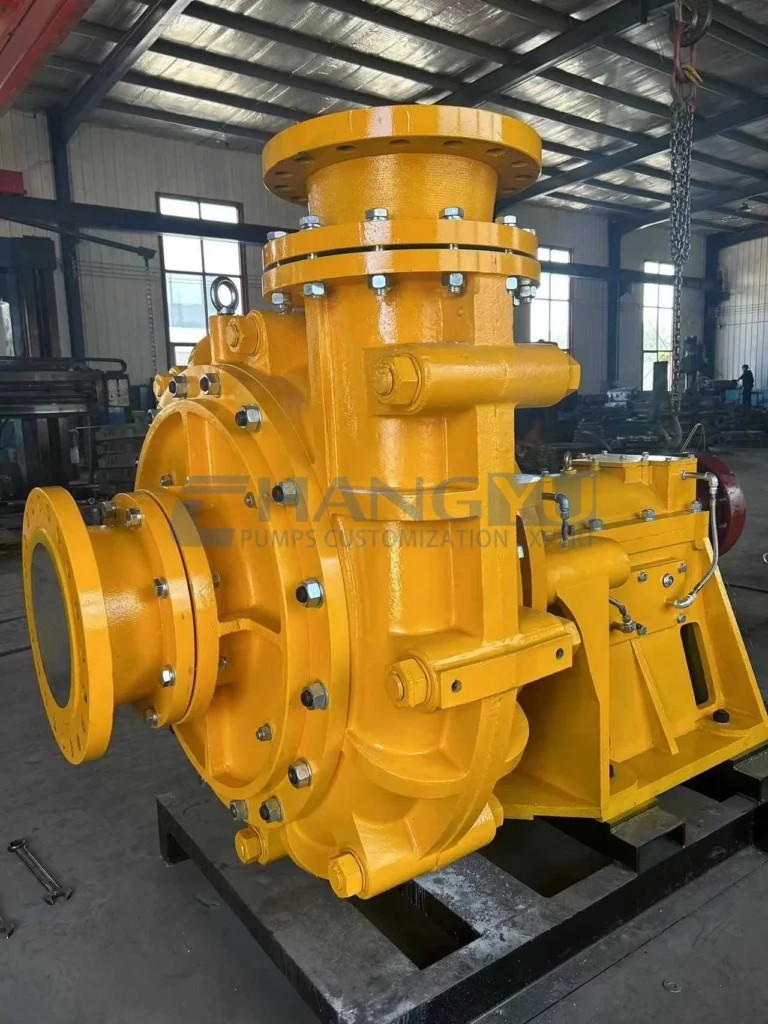
مصممة لظروف الرأس العالي والتآكل الشديد في تطبيقات التعدين واسعة النطاق. توفر الأجزاء الملامسة للملاط من سبيكة الكروم العالية (BTMCr27، Cr28، Cr33) الصلادة المطلوبة للجسيمات الزاويّة الكاشطة. يتيح تصميم الغلاف المزدوج استبدال الأجزاء الملامسة دون تفكيك الأنابيب — وهي ميزة كبيرة عندما يزن المضخة عدة أطنان. تضمن مجموعة المحامل الثقيلة المشحمة بحمام زيت موثوقية طويلة الأمد تحت التشغيل المستمر.
| المعلمة | المواصفات |
|---|---|
| معدل التدفق | 117–976 متر مكعب/ساعة |
| الرأس | 1–101.6 متر |
| قوة المحرك | 22–560 كيلوواط |
| السرعة | 730 / 980 / 1,480 دورة/دقيقة |
| المواد | BTMCr27 / BTMCr28 / BTMCr33 / فولاذ مقاوم للصدأ مزدوج |
سلسلة UHB — مضخات ملاط كبيرة مبطنة بـ UHMW-PE
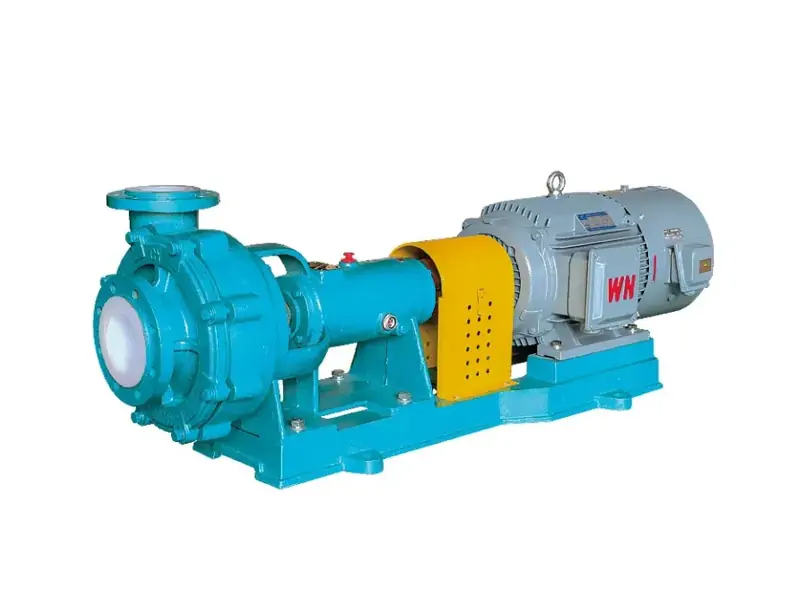
مضخة طرد مركزي مبطنة بـ UHMW-PE بغلاف فولاذي لتطبيقات الملاط عالية التدفق حيث تكون مقاومة التآكل والتآكل الكيميائي مطلوبة معًا. تلغي البطانة غير المعدنية مخاوف التآكل المرتبطة بنواتج التعدين الحمضية وملاط المعالجة الكيميائية. تخدم معدلات التدفق التي تصل إلى 2,600 م³/ساعة أكبر مهام نقل الملاط من حيث الحجم.
| المعلمة | المواصفات |
|---|---|
| معدل التدفق | 3-2,600 متر مكعب/ساعة |
| الرأس | 5-100 m |
| قوة المحرك | 0.75-300 كيلوواط |
| السرعة | 750-2,900 دورة/دقيقة |
| درجة الحرارة | -20 درجة مئوية إلى 90 درجة مئوية |
| مادة التبطين | UHMW-PE |
سلسلة HB — مضخات ملاط كبيرة من الستانلس ستيل
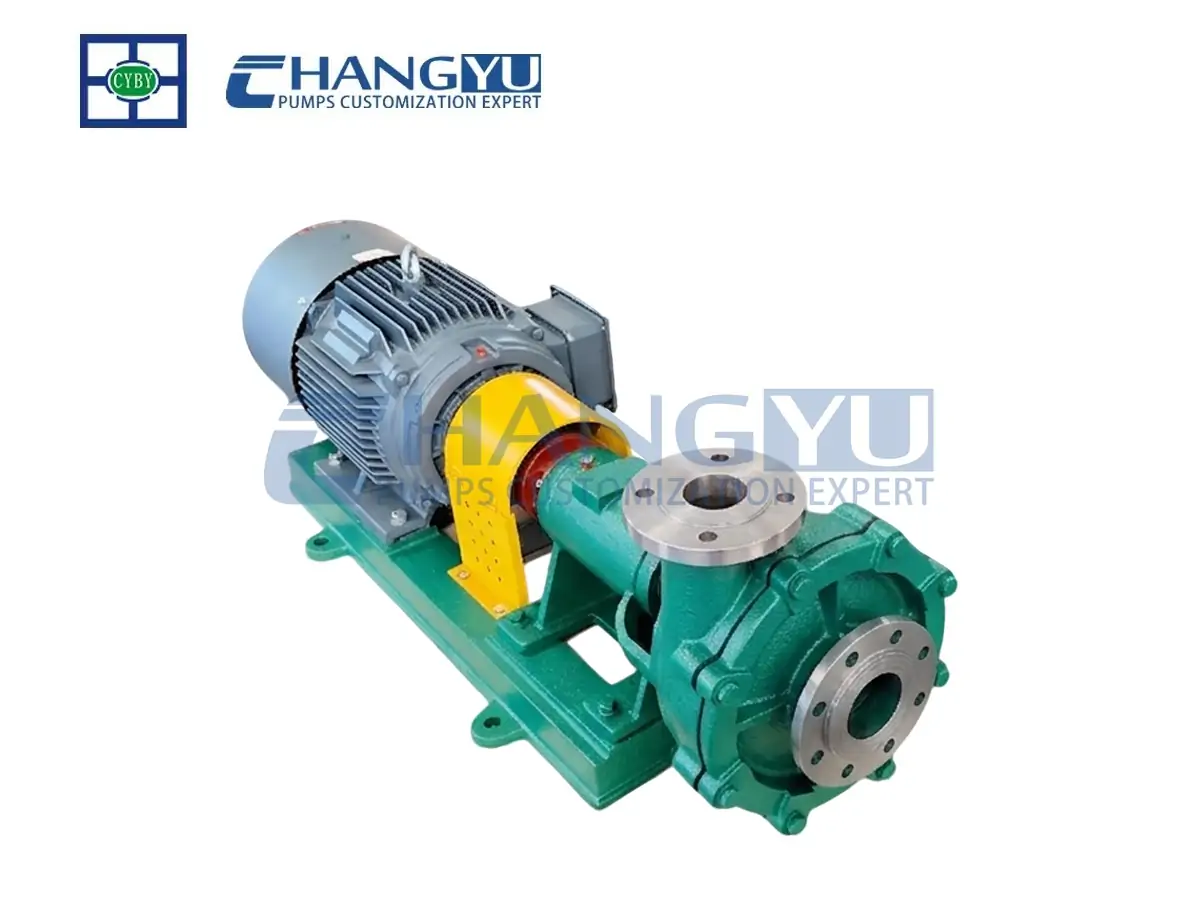
مضخة طرد مركزي أفقية متوافقة مع ISO 2858 ببناء ملامس للملاط من الستانلس ستيل بالكامل. مناسبة للدوائر الحرجة للتآكل ذات التدفق المتوسط ضمن العمليات واسعة النطاق — مثل أنظمة تعويم النحاس وملاط المعالجة الكيميائية — حيث تكون مقاومة التآكل هي المتطلب الأساسي وتقع معدلات التدفق ضمن نطاق 10–60 م³/ساعة. متوفرة بدرجات 304، 316L، 2205، و2507.
| المعلمة | المواصفات |
|---|---|
| معدل التدفق | 10-60 م³/ساعة |
| الرأس | 20-120 m |
| قوة المحرك | 3-45 كيلوواط |
| السرعة | 2,900 دورة/دقيقة |
| درجة الحرارة | -20 درجة مئوية إلى 120 درجة مئوية |
| المواد | 304 / 316L / 2205 / 2507 |
للحصول على دليل شامل لاختيار مضخات الملاط عبر جميع دوائر التعدين وأحجام المضخات، راجع دليلنا حول مضخات الملاط في التعدين: كيفية اختيار المضخة المناسبة لواجبات المناجم.
الأسئلة الشائعة حول مضخات الملاط الكبيرة
الخطوة 3: اختيار مواد التآكل
طابق مادة التآكل مع خصائص الخام باستخدام الإطار في القسم 2. مصفوفة القرار واضحة: الجسيمات الزاوية الصلبة تتطلب كروم عالي CrMo؛ الجسيمات الناعمة المستديرة ذات درجة الحموضة المتعادلة تسمح بالمطاط؛ السيراميك يخدم مناطق التآكل الموضعية عالية الكثافة. بالنسبة للمضخات الكبيرة، يجب التحقق من قدرة المسبك على إنتاج مسبوكات عالية الكروم بالحجم والجودة المطلوبين كجزء من عملية اختيار المواد.
الخطوة 4: اختيار التكوين الميكانيكي
حدد ما إذا كان تكوين المضخة الأفقي أو الرأسي مناسبًا. المضخات الأفقية هي التكوين الأكثر شيوعًا لتفريغ المطاحن والمخلفات ومعظم تطبيقات المعالجة — فهي توفر سهولة أكبر في الوصول للصيانة وترتيبات أنابيب أبسط. تُحدد المضخات الرأسية لتطبيقات الأحواض والآبار العميقة حيث يكون مستوى السائل أسفل مدخل المضخة. بالنسبة للمضخات الكبيرة، قد يحدد وزن وحجم مجموعة المضخة متطلبات سعة الرافعة وتصميم الأساس — عوامل يجب معالجتها خلال مرحلة اختيار التكوين.
الخطوة 5: تحديد حجم المحرك ونظام القيادة
تتراوح محركات مضخات الملاط الكبيرة من مئات إلى عدة آلاف من الكيلووات. يجب أن يراعي تحديد حجم المحرك أقصى كثافة نوعية للملاط — وليس حالة التصميم — لمنع التحميل الزائد أثناء اضطرابات العملية. قد يكون محرك التردد المتغير مبررًا للمضخات الكبيرة لتحسين السرعة لظروف العملية المتغيرة، وتقليل التآكل خلال فترات التدفق المنخفض، وتوفير قدرة بدء تشغيل ناعم تقلل الإجهاد الميكانيكي على المضخة والأنابيب.
لتوصيات المضخات الخاصة بالخامات عبر النطاق الكامل لدوائر معالجة المعادن، راجع دليلنا حول أفضل مضخات الطين لمعالجة الذهب والحديد والنحاس والمعادن.
دراسة حالة لمضخات الملاط الكبيرة: إطالة عمر التآكل في مضخة مخلفات خام حديد كبيرة
مشغل تركيز خام حديد في غرب أستراليا قام بتشغيل مضخة مخلفات كبيرة — بقدرة 800 م³/ساعة عند رأس 65 مترًا، مدفوعة بمحرك 560 كيلوواط — بمكونات مبللة من حديد أبيض عالي الكروم قياسي 26% Cr. احتوى ملاط المخلفات على جسيمات مغنيتيت وكوارتز زاويّة (موس 5.5–7.0) بتركيز صلب 35% بالوزن. كان استبدال المكونات المبللة مطلوبًا تقريبًا كل 6 أشهر، مع تسبب كل استبدال في 48 ساعة من التوقف المخطط.
كشف فحص المكونات المتآكلة أن سبيكة 26% Cr كانت تُقطع بواسطة جسيمات الكوارتز الأصلب (موس 7، HV 800–1000) التي تشكل حوالي 20% من المواد الصلبة للمخلفات. كربيدات الكروم في السبيكة، رغم أنها أصلب من المغنيتيت، لم تكن صلبة بما يكفي لمقاومة القطع بواسطة الكوارتز. تركز فقدان المواد عند حافة قطع الحلزون وحواف ريش الدفاعة الأمامية — مناطق أعلى سرعة تدفق.
قامت مضخات تشانغيو بترقية مكونات الطرف الرطب إلى سبيكة كروم 28% مع طلاء كروم صلب (صلادة HV 850–1050) على الحواف الأمامية لريش الدفاعة وقاطع الحلزون. أدى المحتوى المتزايد من الكروم إلى إنتاج نسبة حجمية أعلى من الكربيدات الصلبة في جميع أنحاء المكون، بينما وفر طلاء الكروم صلادة إضافية على الأسطح الأكثر تعرضًا لاصطدام الجسيمات الشديد. تم ضبط خلوص الدفاعة إلى الحد الأدنى وفقًا لمواصفات الشركة المصنعة لتقليل إعادة التدوير الداخلي والتآكل الموضعي المرتبط به عند عين الدفاعة.
تم تمديد فترة استبدال المكونات المبللة من 6 أشهر إلى 18 شهرًا — تحسين ثلاثي في عمر الخدمة. تم استرداد تكلفة ترقية المادة (حوالي 15% فوق مواصفات 26% Cr القياسية) خلال أول حدث استبدال تم تجنبه. طبّق المنجم نفس مواصفات المادة على ثلاث مضخات مخلفات كبيرة إضافية خلال العام التالي.
الخلاصة الرئيسية: في مضخات الملاط الكبيرة، تنتج الاختلافات الصغيرة في درجة المادة اختلافات كبيرة في تكلفة التشغيل. الترقية من سبيكة 26% Cr إلى 28% Cr — بعلاوة تكلفة مادة تبلغ 15% — أطالت عمر الخدمة بنسبة 200% (3 أضعاف العمر الأصلي). تصبح اقتصادات المواد الممتازة أكثر ملاءمة مع زيادة حجم المضخة، لأن تكلفة كل حدث استبدال — القطع والعمالة وتوقف الإنتاج — تنمو مع حجم المضخة وحرجيتها.
حلول مضخات الملاط الكبيرة من مضخات تشانغيو
بصفتها شركة مصنعة متخصصة في مضخات الملاط الثقيلة الخدمة، تنتج مضخات تشانغيو سلاسل مضخات مهيأة للطيف الكامل من تطبيقات الملاط واسعة النطاق، من تفريغ المطاحن إلى التخلص من المخلفات لمسافات طويلة. تعالج كل سلسلة مجموعة محددة من متطلبات التدفق والرأس ومقاومة التآكل.
| التطبيق | التحدي الأساسي | السلسلة الموصى بها | الميزة الرئيسية | عمر الأجزاء الرطبة النموذجي |
|---|---|---|---|---|
| تصريف الطاحونة، المخلفات الخشنة | تآكل شديد + رأس عالٍ | سلسلة PGY | سبيكة كروم عالية (BTMCr27/Cr28/Cr33)؛ غلاف مزدوج؛ محامل ثقيلة مشحمة بحمام زيت | 12–18 شهرًا |
| نواتج تعدين عالية التدفق، ملاط معالجة | تآكل ميكانيكي + تآكل كيميائي | سلسلة UHB | مبطنة بـ UHMW-PE؛ دافع شبه مفتوح؛ مانع تسرب ديناميكي من النوع K | 6–12 شهرًا |
| مخلفات عالية اللزوجة، حمأة | لزوجة عالية | قص منخفض، مقاومة الانسداد | تجويف تقدمي؛ عضو ثابت NBR/EPDM/FKM | 12–24 شهرًا |
| ملاط معالجة تآكلي | تآكل قوي | سلسلة CYB-ZKJ | مبطنة بـ FEP/PTFE؛ مانع تسرب مزدوج ميكانيكي | 12–24 شهرًا |
| ملاط عام، خدمة معتدلة | تآكل معتدل | سلسلة HB | فولاذ مقاوم للصدأ دوبلكس 316L / 2205 | 6–12 شهرًا |
جميع سلاسل المضخات متاحة مع تكوينات مانع تسرب مخصصة، وترقيات مواد، وأنظمة قيادة جاهزة لـ VFD. عرض مواصفات سلسلة PGY ←
الأسئلة الشائعة حول مضخات الملاط الكبيرة
س: ما الفرق بين مضخة الملاط الكبيرة ومضخة الملاط القياسية؟
تختلف مضخة الملاط الكبيرة عن مضخة الملاط القياسية بشكل أساسي في تصميمها الهيكلي. تستخدم المضخات الكبيرة بناء مزدوج الغلاف مع بطانات تآكل قابلة للاستبدال، ومحامل مشحمة بحمام زيت مفرطة الحجم، وآليات خلوص دافع قابلة للضبط. هذه الميزات ضرورية لأن القوى الهيدروليكية ومتطلبات القدرة تزداد بشكل غير خطي مع قطر الدافع — تتناسب القدرة تقريبًا مع القوة الخامسة للقطر.
س: ما أفضل مادة تآكل لمضخات الملاط الكبيرة التي تتعامل مع مخلفات الصخور الصلبة؟
لمخلفات التعدين الصخري الصلب (خام الحديد، خام الذهب، مخلفات النحاس مع الكوارتز)، يُوصى بالحديد الأبيض عالي الكروم (CrMo، 26–28% Cr، 600–700 HB). يوفر أفضل توازن بين مقاومة تآكل القطع، وتحمل الصدمات، والتكلفة. للدوائر الأكثر كشطًا مع محتوى كوارتز أعلى من 10–15%، يُفضل درجة 28% Cr.
س: كم مرة يجب صيانة مضخة الملاط الكبيرة؟
تعتمد فترات الخدمة على خصائص الملاط وظروف التشغيل. في خدمة تفريغ المطاحن أو المخلفات النموذجية مع مكونات مبللة من سبائك عالية الكروم، تتراوح فترات الاستبدال من 6 إلى 18 شهرًا. تسمح آلية خلوص الدافع القابلة للضبط بالصيانة الوسيطة لاستعادة الكفاءة دون استبدال المكونات.
س: هل يمكنني استخدام مضخة مبطنة بالمطاط لتطبيقات الملاط الكبيرة؟
يمكن استخدام المضخات المبطنة بالمطاط في تطبيقات الملاط الكبيرة فقط عند توفر ثلاثة شروط في وقت واحد: أن تكون الجسيمات مستديرة (وليست زاويّة)، وأن يكون حجم الجسيمات أقل من حوالي 6 مم، وأن يكون الرقم الهيدروجيني للملاط متعادلاً. في المضخات الكبيرة، فإن السماكة الإضافية للبطانة المطلوبة للمطاط تقلل من مساحة ممر التدفق الداخلي، لذلك يجب التحقق من الكفاءة الهيدروليكية.
س: ما هو معدل التدفق الأقصى الذي يمكن لمضخة الملاط الكبيرة التعامل معه؟
يمكن لمضخات الملاط الكبيرة من تشانغيو بامب التعامل مع معدلات تدفق تصل إلى 2,600 م³/ساعة (لسلسلة UHB) ورؤوس ضخ تصل إلى 101.6 متر (لسلسلة PGY). لمتطلبات التدفق والرأس المحددة، يرجى التواصل مع فريق الهندسة لدينا لإجراء تقييم فني.
قائمة مراجعة إجراءات الوقاية لمهندسي مضخات تشانغيو
- تحقق من قدرة المسبك على إنتاج المسبوكات الكبيرة من الحديد الزهر عالي الكروم قبل تحديد درجة المادة. أفضل مواصفات للمواد لا معنى لها إذا كان المصنع غير قادر على الصب والتشغيل والاختبار للمسبوكات بالحجم والجودة المطلوبين.
- حدد خلوص الدفاعة القابل للضبط في كل مضخة طين كبيرة. القدرة على استعادة الخلوص مع حدوث التآكل تطيل العمر الفعلي للمكونات المبللة بين فترات الاستبدال وتحافظ على كفاءة المضخة. في المضخات الكبيرة، تكفي وفورات الطاقة وحدها لتبرير تكلفة هذه الميزة.
- طابق مادة مقاومة التآكل مع أصلب جسيم في الطين — وليس المعدن المستهدف. منجم نحاس يحتوي على صخر مضيف من الكوارتز يتطلب مواد مختارة للكوارتز (صلادة موس 7)، وليس للكالكوبيريت (صلادة موس 3.5–4). هذا هو السبب الجذري الأكثر شيوعًا للفشل المبكر للمكونات المبللة في المضخات الكبيرة.
- لا تحدد بطانات مطاطية للجسيمات الزاوية الحادة. الماجنتيت والهيماتيت والكوارتز المكسور حديثًا يقطعون المطاط عند التلامس. في المضخة الكبيرة، تكلفة فشل البطانة المطاطية المبكر — في القطع والعمالة ووقت التوقف — تتجاوز بكثير أي ميزة في التكلفة الأولية.
- ضع في الاعتبار الكثافة النوعية للطين عند تحديد حجم المحركات للمضخات الكبيرة. محرك محدد بناءً على أداء الماء سيتعرض للحمل الزائد ويتعطل عند ضخ طين عالي الكثافة. حدد الحجم بناءً على أقصى كثافة نوعية متوقعة للطين، وليس حالة التصميم.
- لمضخات خطوط الأنابيب الطويلة، تحقق من تصنيفات ضغط الغلاف لظروف المطرقة المائية. بدء التشغيل والإيقاف وانقطاع الطاقة تولد ضغوطًا عابرة يمكن أن تتجاوز ضغط التشغيل العادي بنسبة 50% أو أكثر.
- احتفظ بتجميعة كاملة احتياطية للمكونات المبللة في المخزون لكل موضع مضخة كبيرة حرج. المهلة الزمنية للمسبوكات الكبيرة من الحديد الزهر عالي الكروم قد تمتد لأشهر. التجميعة الاحتياطية تحول التوقف الممتد المحتمل إلى استبدال مجدول.
- اضبط خلوص الدفاعة على فترات مجدولة — وليس فقط عند تدهور الأداء. الضبط المنتظم للخلوص يحافظ على الكفاءة ويمنع التآكل المتسارع الذي يحدث عندما يسمح الخلوص المتآكل بزيادة إعادة التدوير الداخلي.
الخاتمة
اختيار مضخات الطين الكبيرة هو تخصص هندسي متميز عن مواصفات مضخات الطين القياسية. حجم المضخة — معدلات التدفق المقاسة بآلاف الأمتار المكعبة في الساعة، وقدرات المحركات بمئات الكيلووات، وأوزان المكونات بالأطنان — يضخم عواقب كل قرار يتعلق بالمواد والتصميم. البناء مزدوج الغلاف، والمحامل الثقيلة، وخلوص الدفاعة القابل للضبط، وأنظمة الختم عالية الضغط ليست ميزات اختيارية في المضخات الكبيرة؛ بل هي متطلبات تصميم للتشغيل الموثوق تحت الأحمال الهيدروليكية والميكانيكية القصوى لخدمة الطين واسعة النطاق. يظل الحديد الزهر الأبيض عالي الكروم (CrMo، 26–28% Cr) هو المادة القياسية لمقاومة التآكل في غالبية تطبيقات المضخات الكبيرة في التعدين الصخري الصلب، مع استخدام المواد الخزفية كحماية موجهة ضد التآكل في مناطق التآكل العالية الموضعية بدلاً من كونها حلول بطانات كاملة.
تواصل مع فريق الهندسة لدينا اليوم للحصول على تقييم فني احترافي مصمم خصيصًا لمتطلبات مضخة الملاط الكبيرة لديك.
📧 البريد الإلكتروني: [email protected]
📞 الهاتف / واتساب: +86-13651913727