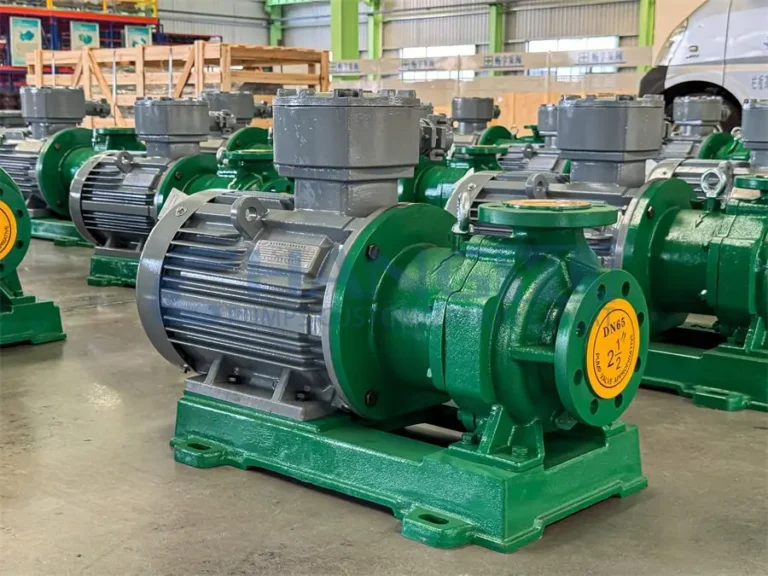
Specifying an industrial sump pump requires matching the exact fluid chemistry, specific gravity, solids content, and pit layout to a reliable fluid transfer configuration. In demanding B2B manufacturing environments, relying on a generic wastewater pump leads to rapid seal failure, severe corrosion, and unacceptable maintenance downtime. For engineers and procurement managers, the goal is to evaluate the true thermal and chemical load of the process fluid and select a system—whether vertical, submersible, or above-ground—that guarantees continuous operation. With over 20 years of specialized fluid handling experience, Changyu Pump engineers highly tailored pumping systems designed to safely evacuate everything from clean utility condensate to aggressive, boiling chemical effluents.
How to Select the Right Industrial Sump Pump (An Engineer’s Approach)
In real-world projects, industrial sump pump selection is a multi-variable engineering decision. A pump that performs flawlessly in a mild rainwater pit may fail within days if exposed to mixed acids, hot process solvents, or suspended abrasive crystals.
Engineers at Changyu Pump evaluate sump applications along three technical axes:
- Corrosion Risk: What is the specific chemical composition, and does the pH fluctuate during operation?
- Thermal and Mechanical Load: What is the maximum upset temperature, and what are the system pressure demands?
- Containment and Maintenance: Is zero-leakage mandatory, and how accessible is the pit for routine service?
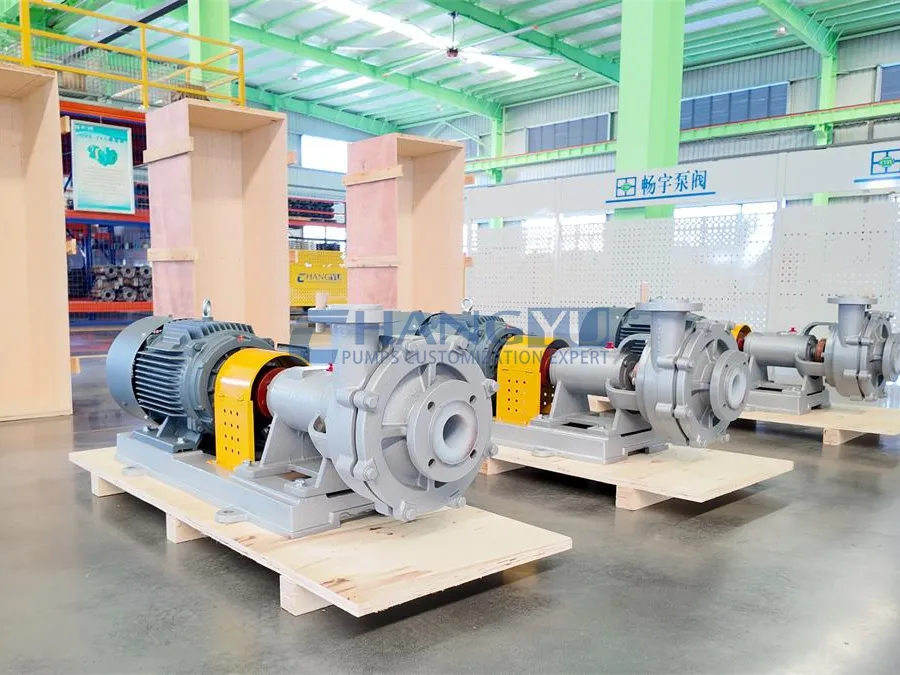
Material Selection Matrix for Sump Applications
Choosing the right wetted material requires balancing temperature limits with chemical aggressiveness. What this means for you: The most chemically inert material is not always the best choice if the system also experiences high mechanical stress or elevated temperatures.
| Operating Condition | Recommended Wetted Construction | Engineering Rationale | Typical Configuration |
|---|---|---|---|
| Clean Water & Mild Runoff | Cast Iron or 304 Stainless Steel | Highly economical with adequate corrosion resistance for non-aggressive utility service. | Standard Centrifugal |
| Moderate Chemical Wastewater | 316 Stainless Steel | Superior chloride resistance and higher structural strength for continuous industrial duty. | Stainless Centrifugal |
| Strong Acids (Moderate Temp) | Engineering Plastics (PP/PTFE) | Excellent chemical resistance for highly corrosive liquids where pressures and temperatures are strictly controlled. | Plastic Chemical Pump |
| Strong Acids (High Temp/Pressure) | Fluorine-Lined (PTFE/FEP) | Combines the absolute chemical inertness of fluoroplastics with the heavy-duty mechanical armor of a metal casing. | Lined Centrifugal |
| Hot Organic Solvents | Heavy-Duty Stainless Steel | Delivers superior thermal stability, pressure handling, and rigidity at elevated processing temperatures. | Stainless Magnetic Drive |
4 Critical Engineering Variables
Beyond basic metallurgy, professional selection must account for the actual physics of the fluid:
- Temperature Restrictions: Temperature changes everything. A strong acid at 25°C may be perfectly handled by a solid plastic pump. However, if that same acid reaches 90°C, material strength degrades, and permeation rates increase. High-temperature corrosive service almost always mandates a heavy-duty fluorine-lined metal pump.
- Specific Gravity Calculations: Dense industrial wastewater requires significantly more shaft torque than clean water. If your specific gravity is 1.3, your motor must be upsized accordingly. Failing to adjust for specific gravity guarantees immediate electrical overload upon startup.
- Solids and Crystallization: If the sump collects sludge, metallic fines, or chemical salts, a closed high-efficiency impeller will clog instantly. You must specify an open or semi-open impeller with widened internal passages.
- Leakage Tolerance: For general utility transfer, a mechanical seal is sufficient. However, if the sump contains toxic, volatile, or highly regulated chemical runoff, a sealless magnetic drive architecture is the safest engineering choice.
Vertical, Submersible, Horizontal, or Magnetic Drive?
Matching the industrial sump pump configuration to the physical layout and environmental requirements of your facility dictates your long-term maintenance costs and safety compliance.
- Vertical Cantilever Pumps: This design suspends the pump volute in the liquid while keeping the motor safely mounted above the pit. It is highly effective for deep sumps or high-temperature liquids where submerging an electrical motor is unsafe.
- Submersible Pumps: The entire pump and motor unit is sealed and dropped into the fluid. While installation is straightforward and saves surface space, inspecting or repairing the unit requires hoisting it entirely out of a potentially hazardous pit.
- Horizontal Mechanical Seal Centrifugal Pumps: Installed outside the pit with a standard flooded suction or lift arrangement, these pumps utilize a traditional mechanical shaft seal. What this means for you: They offer robust, high-volume transfer for conventional industrial wastewater and allow your maintenance team to perform seal inspections and repairs on dry ground without interacting directly with the hazardous pit.
- Magnetic Drive Pumps: For applications involving highly toxic, strictly regulated, or volatile chemical sumps, a sealless magnetic drive configuration is the ultimate engineering solution. By completely eliminating the mechanical shaft seal, it guarantees zero fugitive emissions and prevents hazardous leaks into the surrounding environment.
Top Industrial Sump Pump Solutions from Changyu Pump
Because no two industrial sumps are identical, Changyu Pump engineers a highly specialized portfolio of fluid transfer equipment.
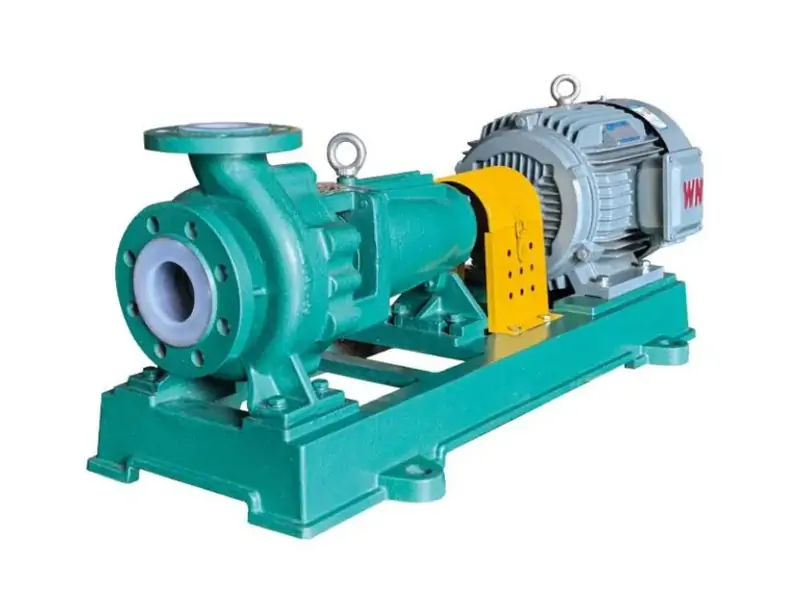
FZB Fluorine Lined Self-Priming Centrifugal Pump

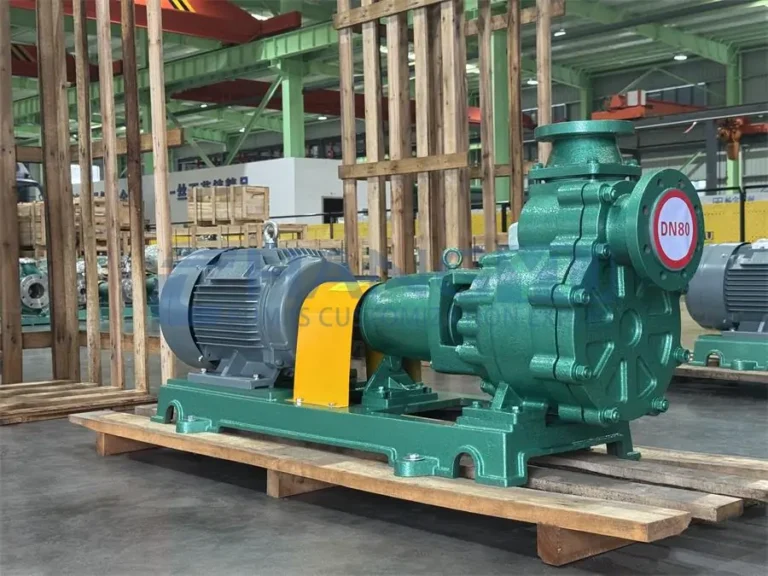
For facilities prioritizing maintenance accessibility, this self-priming industrial sump pump is the optimal choice. Installed safely at ground level, it drafts corrosive wastewater up from underground pits without the need for complex foot valves. The thick fluoroplastic lining provides universal chemical resistance, making it an exceptional solution for acid collection sumps and intermittent chemical spill recovery where above-ground serviceability is required.
| Model | Flow (m³/h) | Head (m) | Motor Power (KW) | Speed (r/min) | Self-priming Height(m) | Self-priming Time (s) | Efficiency (%) | NPSHr(m) | Inlet | Outlet |
|---|---|---|---|---|---|---|---|---|---|---|
| 25FZB-20LP | 1.5-6 | 16-19 | 2.2 | 2900 | 0.7 | 180 | 10-25 | 3 | 25 | 25 |
| 40FZB-20P | 5-12 | 17-22 | 3 | 2900 | 1 | 180 | 35-46 | 3 | 40 | 50 |
| 40FZB-30L | 5-12 | 28-32 | 4 | 2900 | 3 | 150 | 34-48 | 3.5 | 40 | 50 |
| 50FZB-20P | 8-15 | 17-22 | 3 | 2900 | 1 | 180 | 35-42 | 3 | 50 | 50 |
| 50FZB-30L | 8-15 | 28-32 | 4 | 2900 | 3 | 150 | 24-30 | 3.5 | 50 | 50 |
| 50FZB-45L | 8-15 | 43-47 | 7.5 | 2900 | 3 | 150 | 24-35 | 3.5 | 50 | 40 |
| 50FZB-70L | 8-15 | 68-72 | 15 | 2900 | 3 | 150 | 20-26 | 4 | 50 | 32 |
| 65FZB-30L | 15-35 | 27-32 | 7.5 | 2900 | 3 | 200 | 37-42 | 4 | 65 | 50 |
| 65FZB-45L | 15-35 | 38-47 | 11 | 2900 | 3 | 180 | 30-44 | 4 | 65 | 40 |
| 65FZB-70L | 15-35 | 65-72 | 22 | 2900 | 3 | 180 | 30-42 | 4 | 65 | 40 |
| 80FZB-30L | 35-60 | 28-35 | 11 | 2900 | 3.5 | 180 | 51-63 | 4.5 | 80 | 65 |
| 80FZB-45L | 35-60 | 42-47 | 15 | 2900 | 3.5 | 200 | 45-53 | 4.5 | 80 | 65 |
| 80FZB-70L | 35-60 | 65-72 | 30 | 2900 | 3.5 | 250 | 43-50 | 5 | 80 | 50 |
| 100FZB-30L | 65-110 | 28-32 | 18.5 | 2900 | 3.5 | 200 | 56-80 | 6 | 100 | 80 |
| 100FZB-45L | 65-110 | 40-46 | 30 | 2900 | 4 | 250 | 48-55 | 6 | 100 | 80 |
IHF Quality Lined Fluorine Centrifugal Pump

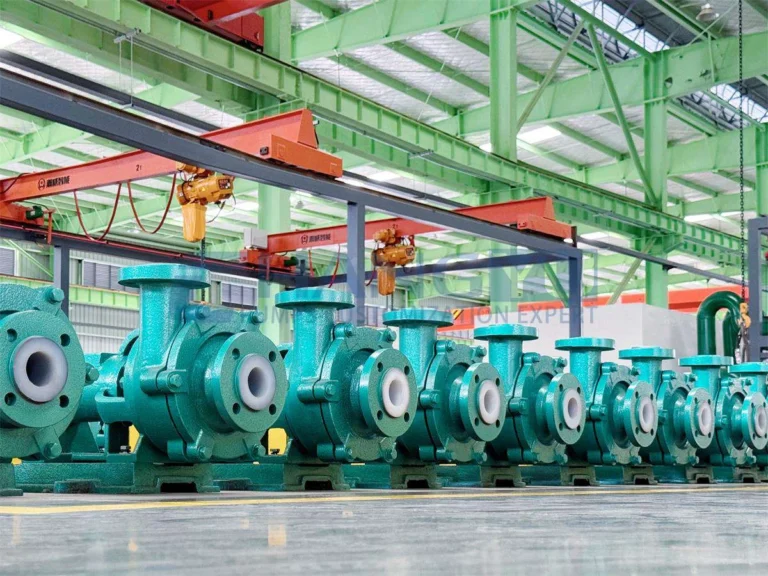
When the application demands continuous, steady-state transfer of aggressive chemical wastewater, the IHF series is a proven workhorse. It features a rugged ductile iron exterior lined with premium fluorine plastics, delivering outstanding corrosion resistance under continuous industrial loads. Its heavy-duty bearing housing prevents shaft deflection, making it highly reliable for bulk acidic or alkaline effluent handling.
Lined Centrifugal Pump (IHF Series) Performance Table
| No. | Model | Flow (m³/h) | Head (m) | Speed (r/min) | Power (kW) | Inlet/Outlet (mm) |
|---|---|---|---|---|---|---|
| 1 | IHF40-25-125 | 4–10 | 18–21 | 2900 | 1.5 | 40×25 |
| 2 | IHF40-25-160 | 4–10 | 28–33 | 2900 | 2.2 | 40×25 |
| 3 | IHF40-25-200 | 4–10 | 47–51 | 2900 | 4 | 40×25 |
| 4 | IHF40-25-250 | 4–10 | 78–81 | 2900 | 11 | 40×25 |
| 5 | IHF50-32-125 | 7–15 | 16–22 | 2900 | 2.2 | 50×32 |
| 6 | IHF50-32-160 | 7–15 | 30–33 | 2900 | 4 | 50×32 |
| 7 | IHF50-32-200 | 7–15 | 47–51 | 2900 | 7.5 | 50×32 |
| 8 | IHF50-32-250 | 7–15 | 78–82 | 2900 | 11 | 50×32 |
| 9 | IHF65-50-125 | 15–35 | 18–22 | 2900 | 3 | 65×50 |
| 10 | IHF65-50-160 | 15–35 | 28–33 | 2900 | 5.5 | 65×50 |
| 11 | IHF65-40-200 | 15–35 | 40–51 | 2900 | 11 | 65×40 |
| 12 | IHF65-40-250 | 15–35 | 72–82 | 2900 | 18.5 | 65×40 |
| 13 | IHF80-65-125 | 35–60 | 18–22 | 2900 | 5.5 | 80×65 |
| 14 | IHF80-65-160 | 35–60 | 27–33 | 2900 | 11 | 80×65 |
| 15 | IHF80-50-200 | 35–60 | 45–52 | 2900 | 15 | 80×50 |
| 16 | IHF80-50-250 | 35–60 | 75–82 | 2900 | 30 | 80×50 |
| 17 | IHF80-50-315 | 40–60 | 120–127 | 2900 | 45 | 80×50 |
| 18 | IHF100-80-125 | 65–120 | 18–22 | 2900 | 11 | 100×80 |
| 19 | IHF100-80-160 | 65–120 | 26–35 | 2900 | 15 | 100×80 |
| 20 | IHF100-65-200 | 65–120 | 43–51 | 2900 | 30 | 100×65 |
| 21 | IHF100-65-250 | 65–120 | 65–82 | 2900 | 55 | 100×65 |
| 22 | IHF100-65-315 | 70–120 | 123–127 | 2900 | 75 | 100×65 |
| 23 | IHF125-100-160 | 130–180 | 26–34 | 2900 | 30 | 125×100 |
| 24 | IHF125-100-200 | 120–170 | 45–55 | 2900 | 55 | 125×100 |
| 25 | IHF125-100-250 | 150–240 | 78–82 | 2900 | 75 | 125×100 |
| 26 | IHF125-100-315 | 150–240 | 123–127 | 2900 | 110 | 125×100 |
| 27 | IHF150-125-250 | 150–240 | 18–21 | 1450 | 22 | 150×125 |
| 28 | IHF150-125-400 | 150–240 | 48–52 | 1450 | 55 | 150×125 |
| 29 | IHF200-150-250 | 250–480 | 18–21 | 1450 | 45 | 200×150 |
| 30 | IHF200-150-400 | 250–480 | 48–52 | 1450 | 90 | 200×150 |
| 31 | IHF250-200-315 | 400–700 | 28–34 | 1450 | 90 | 250×200 |
| 32 | IHF250-200-400 | 400–700 | 47–53 | 1450 | 132 | 250×200 |
| 33 | IHF300-250-315 | 800–1100 | 30–34 | 1450 | 160 | 300×250 |
| 34 | IHF300-250-400 | 800–1100 | 47–53 | 1450 | 185 | 300×250 |
| 35 | IHF400-350-600 | 2000 | 32 | 980 | 355 | 400×350 |
| 36 | IHF550-500-800 | 3600 | 36 | 750 | 710 | 550×500 |
Horizontal Heavy Duty Teflon Lined Magnetic Pump
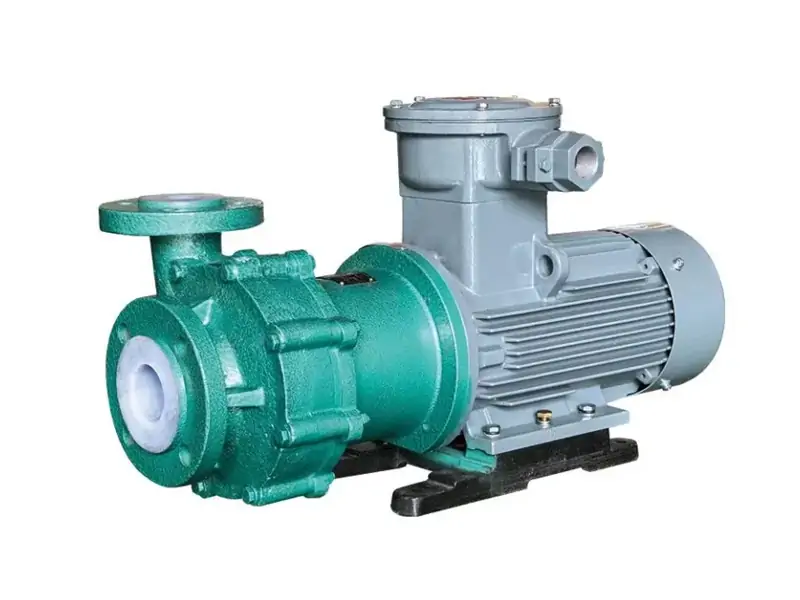
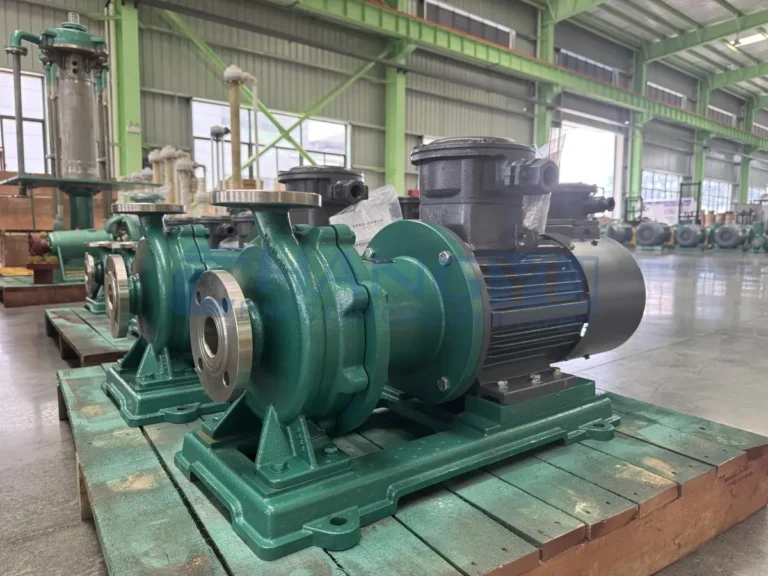
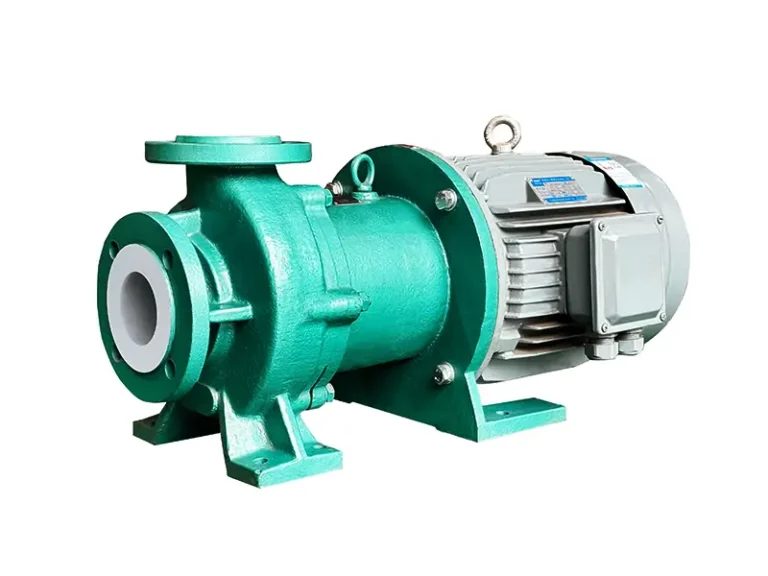
When an industrial sump contains highly toxic, strictly regulated, or volatile chemicals, this sealless magnetic drive pump is the ultimate engineering solution. By completely eliminating the mechanical shaft seal, it guarantees zero fugitive emissions. The robust Teflon (PTFE) lining ensures the wetted path remains impervious to the harshest chemical mixtures, ensuring total environmental compliance during transfer.
CYC Series Heavy Duty Stainless Steel Magnetic Pump
Engineered specifically for high-temperature organic solvents and hot petrochemical runoff, this metallic sealless pump provides exceptional structural strength. While plastic pumps may deform under extreme thermal loads, this stainless steel magnetic drive unit maintains absolute rigidity and zero-leakage containment, making it the premier choice for demanding, high-temperature industrial sumps.
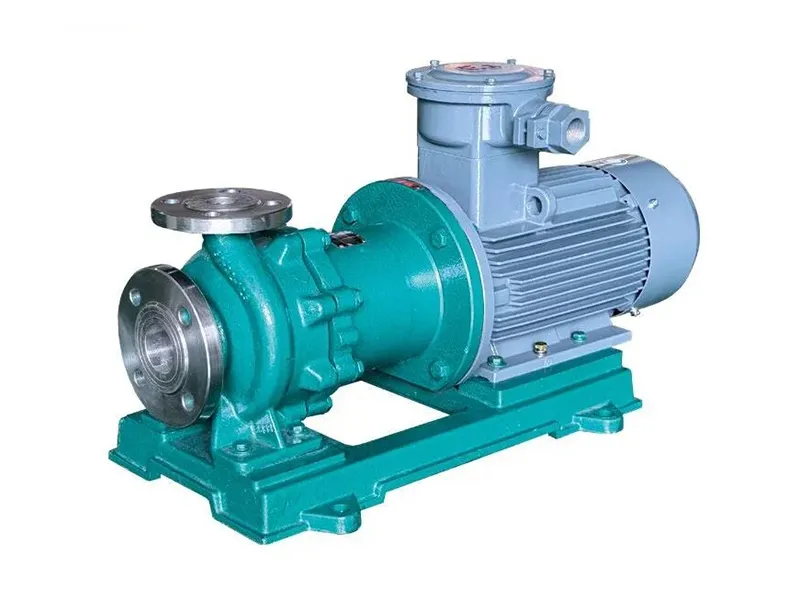
Acid Transfer Chemical Centrifugal Pump
Designed for the high-volume transfer of general acidic wastewater, this ISO-standard centrifugal pump prioritizes massive flow rates and excellent energy efficiency. It is a highly practical, cost-effective option for processing plant drainage and bulk industrial water treatment facilities that require reliable, conventional acid pumping architecture.
Quick Comparison of Changyu Pump Options
| Product Series | Core Engineering Strength | Best Application Fit |
|---|---|---|
| FZB Self-Priming | Ground-level access + Extreme chemical resistance | Deep chemical pits requiring easy maintenance |
| IHF Fluorine Lined | Continuous heavy-duty structural stability | Steady-state industrial wastewater transfer |
| Horizontal Teflon Mag-Drive | Zero leakage + Universal acid resistance | Hazardous, toxic, or regulated chemical sumps |
| CYC Stainless Mag-Drive | High thermal stability + Zero leakage | Hot organic solvents and petrochemical runoff |
| Acid Transfer Centrifugal | High flow capacity + Conventional reliability | General bulk acid wastewater clearance |
Case Study: Optimizing Corrosive Sump Maintenance
The Opportunity: In early 2025, a semiconductor manufacturing facility was seeking to optimize the wastewater management of an underground mixed-acid collection pit. Their existing setup utilized standard submerged pumps. Because the units were fully immersed in corrosive fluids, routine maintenance was highly labor-intensive, requiring specialized lifting equipment and extensive safety protocols for the maintenance crew.
The Changyu Pump Solution: Our engineering team evaluated the sump layout and the chemical profile. We recommended transitioning from a submerged layout to an above-ground FZB Fluorine Lined Self-Priming Centrifugal Pump. This configuration seamlessly drafted the acidic wastewater from the 4-meter deep pit while keeping the motor, bearings, and casing safely at ground level.
The Result: The facility achieved immediate operational improvements. Maintenance inspections that previously took six hours and a specialized hoist were reduced to a simple 30-minute ground-level check. The above-ground installation extended the mean time between maintenance significantly, delivering a safer, highly efficient, and easily accessible wastewater transfer system.

Uncompromising Quality Control at Changyu Pump
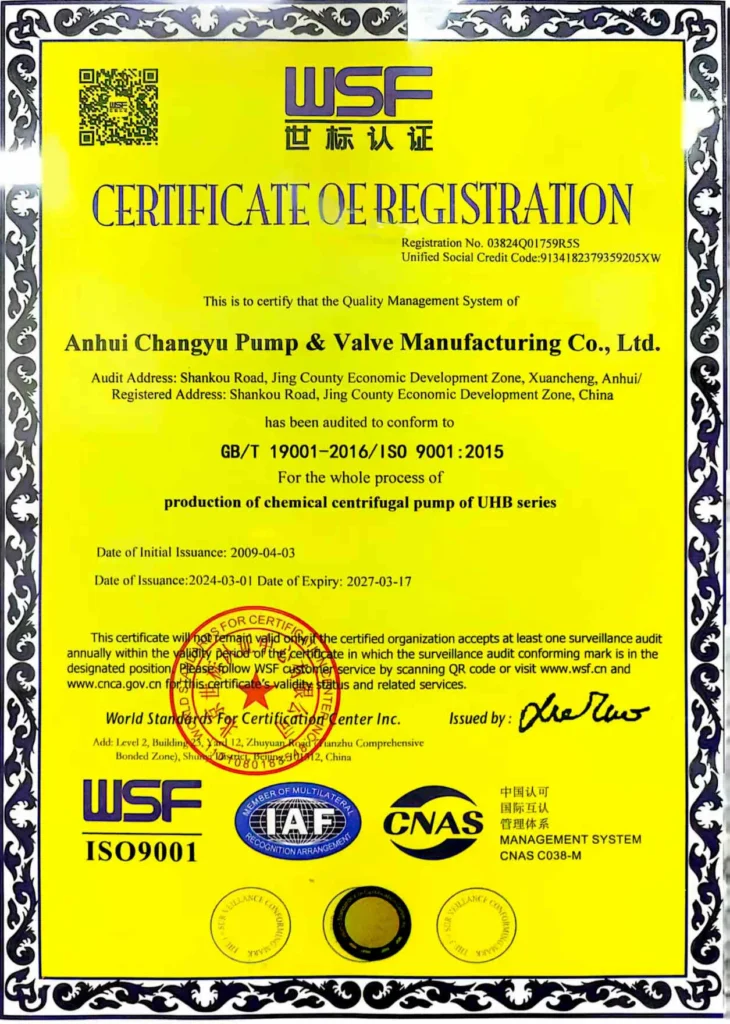
In severe industrial environments, a pump failure can halt an entire production line. At Changyu Pump, our quality assurance protocols are designed to eliminate field failures before the equipment leaves our facility:
- Positive Material Identification (PMI): We verify the exact alloy composition of every stainless steel casing to ensure absolute metallurgical compliance.
- Spark Testing (Holiday Testing): Every fluoroplastic-lined casing is subjected to high-voltage spark testing to guarantee the lining is 100% free of pinholes or microscopic defects.
- Hydrostatic Pressure Validation: Casings are pressurized to 1.5 times their maximum design limit to certify structural integrity under industrial surges.
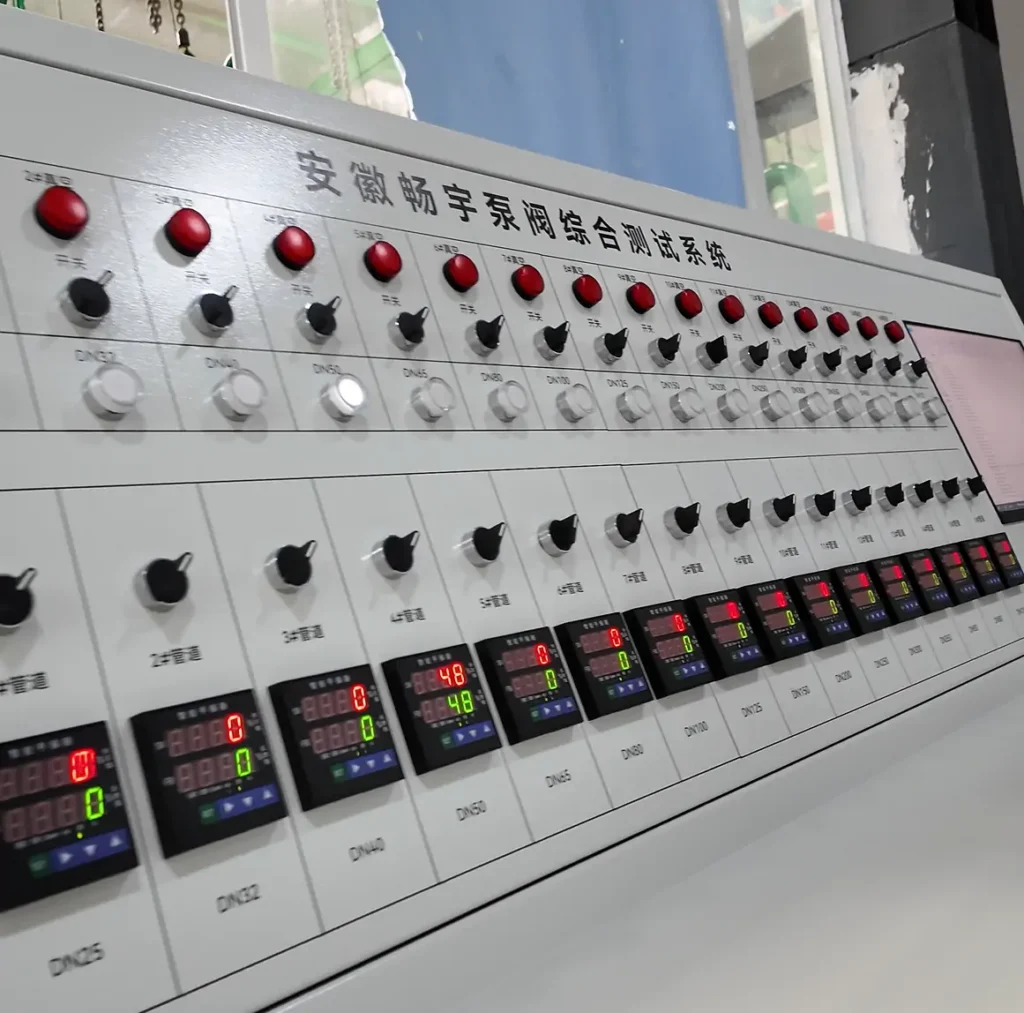
- Live Performance Testing: Every pump is run-tested to confirm that flow, head, and power consumption perfectly match the published engineering curves. Explore our pump testing protocols


6 Engineering Priorities Changyu Pump Engineers Recommend
To ensure optimal performance and maximum lifecycle value, our senior application engineers recommend evaluating these 6 critical factors before procuring an industrial sump pump:
- Define the Complete Fluid Profile: Never select a material based solely on the primary chemical. Verify pH, concentration variations, trace solvents, and maximum temperatures to ensure full compatibility.
- Account for Specific Gravity in Motor Sizing: Industrial effluents are frequently denser than water. Sizing the motor based on actual specific gravity prevents immediate electrical overloads and motor burnouts.
- Select Configuration Based on Maintenance Reality: A pump that is difficult to access will be neglected. If pit access is hazardous, an above-ground self-priming configuration is heavily preferred.
- Treat Solids as a Hydraulic Design Issue: Even minor amounts of crystallized salts or debris dictate the need for open impellers. Standard closed impellers will clog rapidly in dirty wastewater.
- Utilize Magnetic Drives for High-Risk Fluids: When transferring toxic or strictly regulated chemicals from a sump, upgrading to a sealless magnetic drive eliminates mechanical seal vulnerabilities and prevents costly environmental fines.
- Implement Premium Level Controls: A pump is only as reliable as its sensors. Standard mechanical floats degrade quickly in chemical pits; specify non-contact ultrasonic or chemical-resistant sensors to prevent dry-running.
FAQs about Industrial Sump Pump
Q: What exactly is an industrial sump pump used for?
A: An industrial sump pump is utilized to reliably evacuate accumulated wastewater, aggressive chemical runoff, and process effluents from low-lying industrial collection pits, basins, and underground storage tanks.
Q: How do I choose between a submersible and self-priming industrial sump pump?
A: Choose a self-priming industrial sump pump when above-ground maintenance access is a priority or the fluid is extremely hot. Choose a submersible design when the pit is exceptionally deep or ground-level footprint space is heavily restricted.
Q: Why is specific gravity critical when sizing a wastewater pump?
A: Specific gravity indicates the density of the industrial fluid. Pumping a heavy, dense chemical wastewater requires significantly more motor horsepower than pumping clean water. Failing to account for this leads to rapid motor failure.
Q: Can an industrial sump pump handle boiling chemical liquids?
A: Yes, if configured correctly. For high-temperature corrosive liquids, a heavy-duty stainless steel magnetic drive pump or a vertically suspended cantilever pump is ideal, as they protect the motor from extreme thermal exposure.
Q: What is the best material for a highly corrosive industrial sump pump?
A: For highly aggressive, mixed-acid wastewater, an industrial sump pump lined with a thick layer of fluoroplastic (PTFE/FEP) provides the ultimate combination of universal chemical resistance and external structural strength.
Q: How do I prevent my industrial sump pump from clogging?
A: To prevent clogging from debris or chemical crystallization, ensure the pump is specified with an open or semi-open impeller design. Additionally, installing a proper suction strainer in the pit filters out oversized solids.
Q: What causes an industrial sump pump to short-cycle?
A: Short-cycling occurs when the collection pit is too small for the incoming flow, or the level sensor set-points are placed too close together. This forces the pump to turn on and off rapidly, drastically increasing motor wear.
Q: Are magnetic drive pumps suitable for industrial wastewater sumps?
A: Absolutely. A magnetic drive industrial sump pump is the safest option for handling toxic or regulated chemical wastewater, as it completely eliminates the mechanical shaft seal, ensuring zero leakage and full environmental compliance.
Choosing the right industrial sump pump is ultimately an exercise in precise engineering fit. By rigorously evaluating the fluid’s specific gravity, maximum temperature, and chemical aggressiveness, and pairing that data with the most accessible installation configuration, facilities can secure decades of reliable, low-maintenance wastewater transfer.
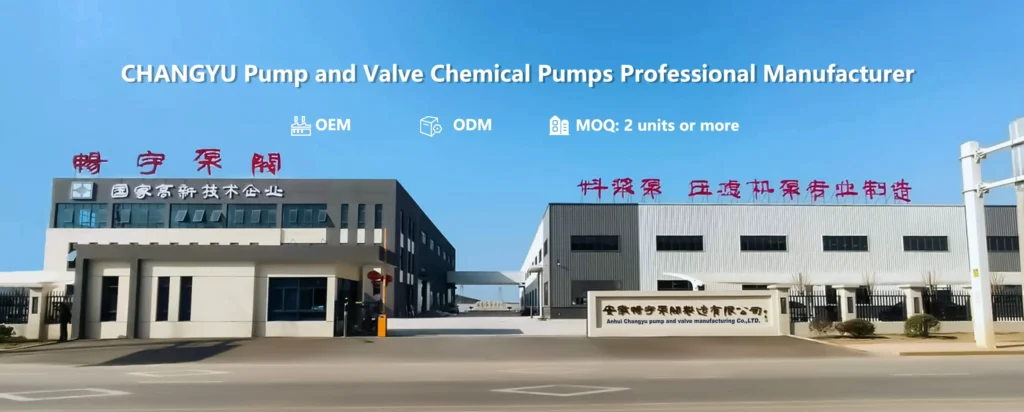
If your facility is managing complex chemical effluents, aggressive high-temperature sumps, or requires an upgrade to a safer, more accessible pumping system, our engineering team is ready to assist. Contact us today to receive a detailed technical evaluation, and let Changyu Pump design a custom fluid management solution engineered precisely for your 2026 operational demands.