

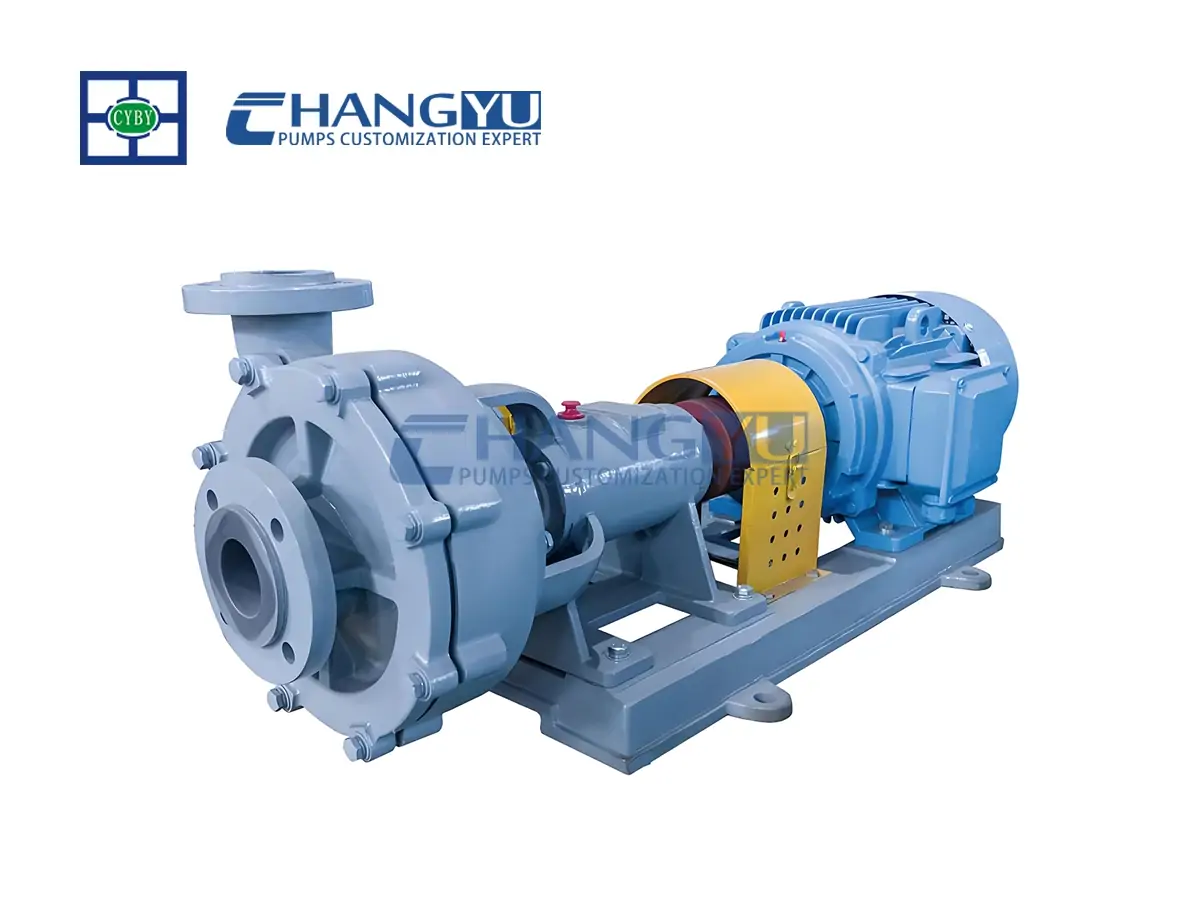
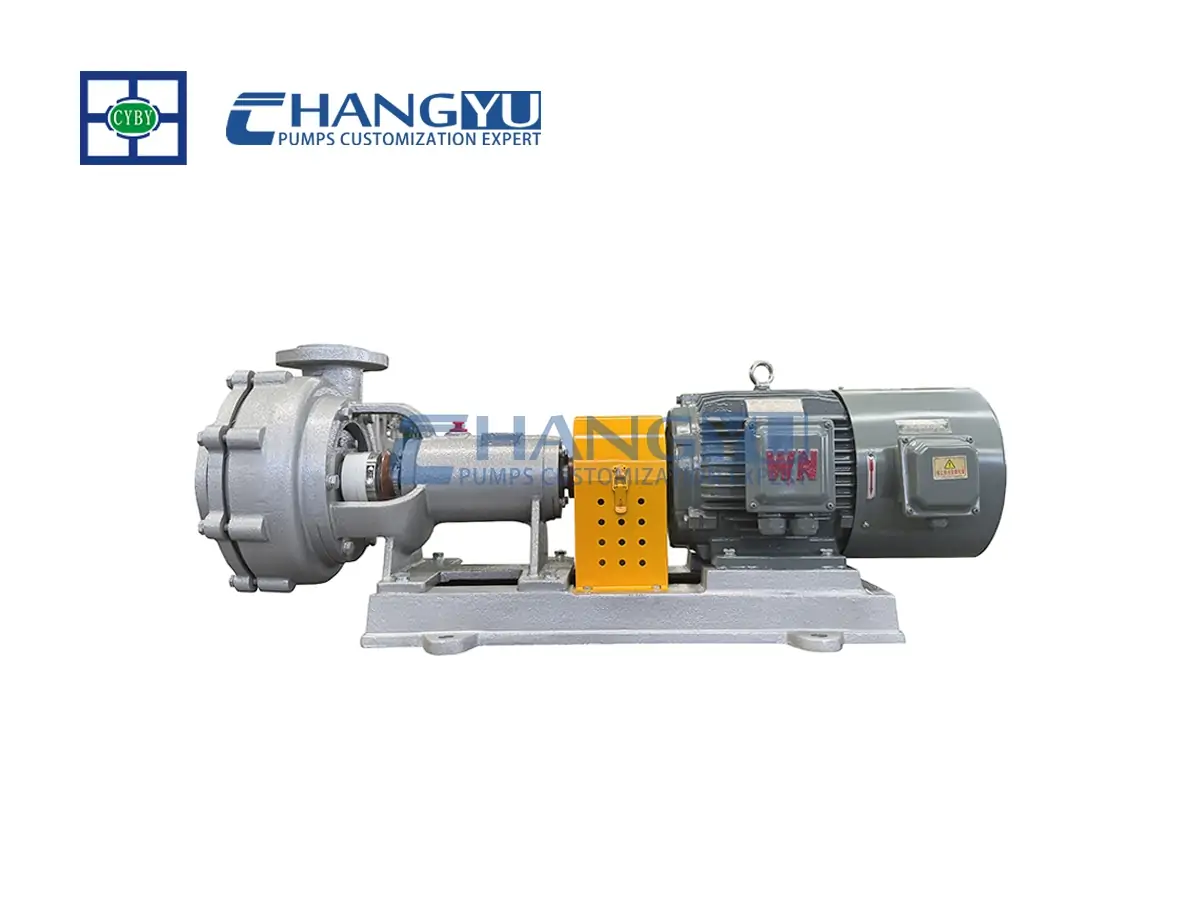
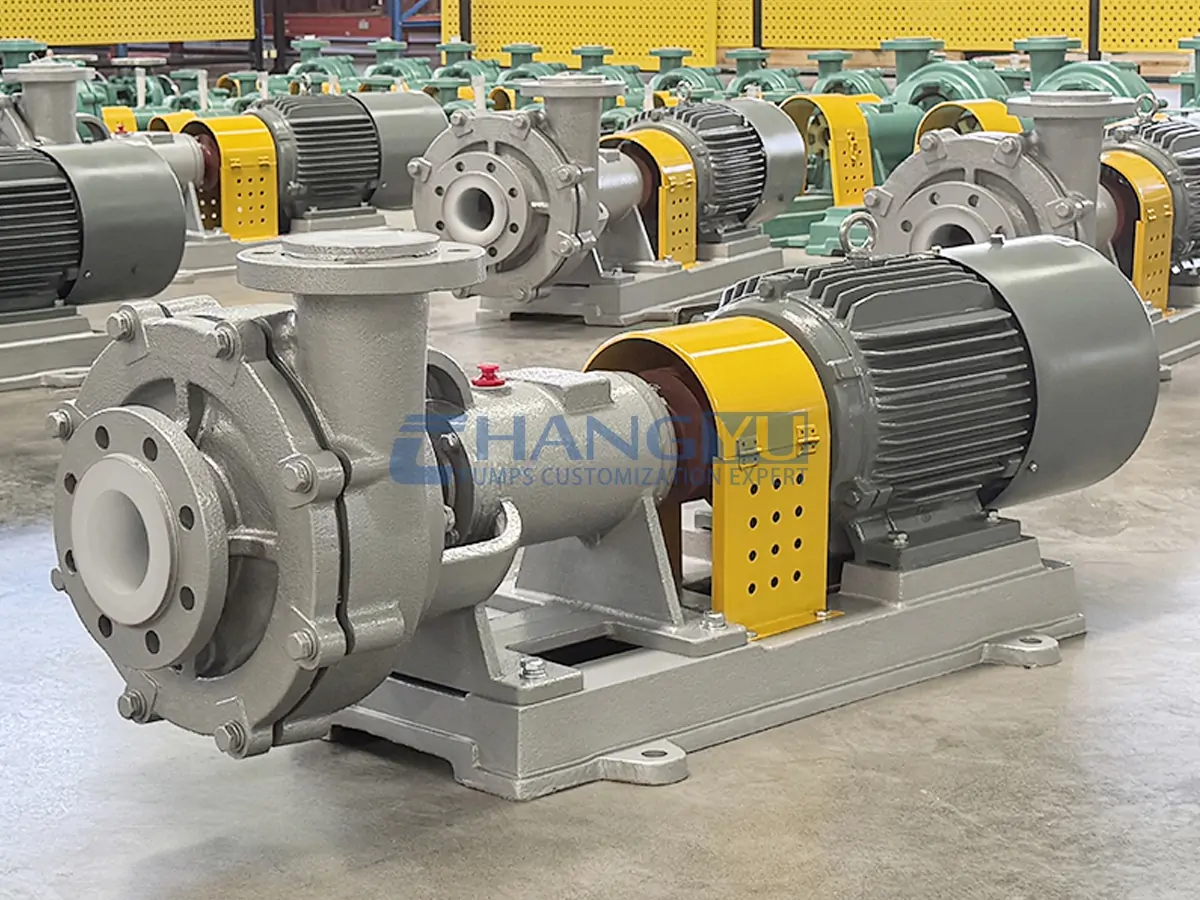
Bombas horizontales para lodos resistentes a la corrosión de la serie CYB-ZKJ
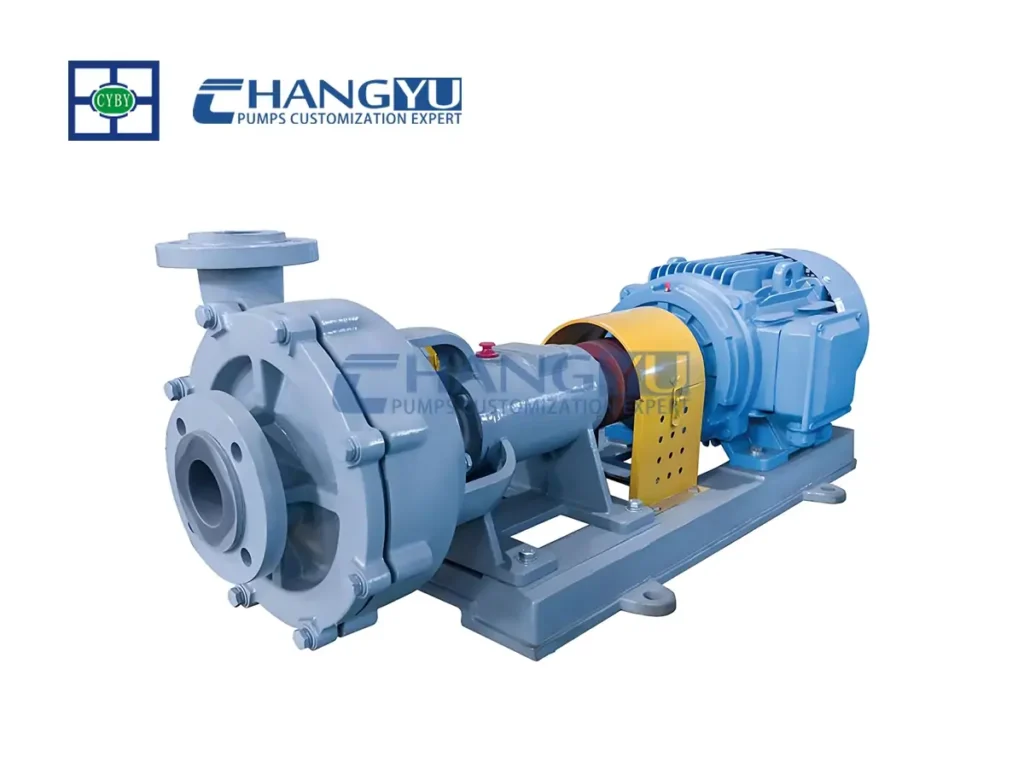
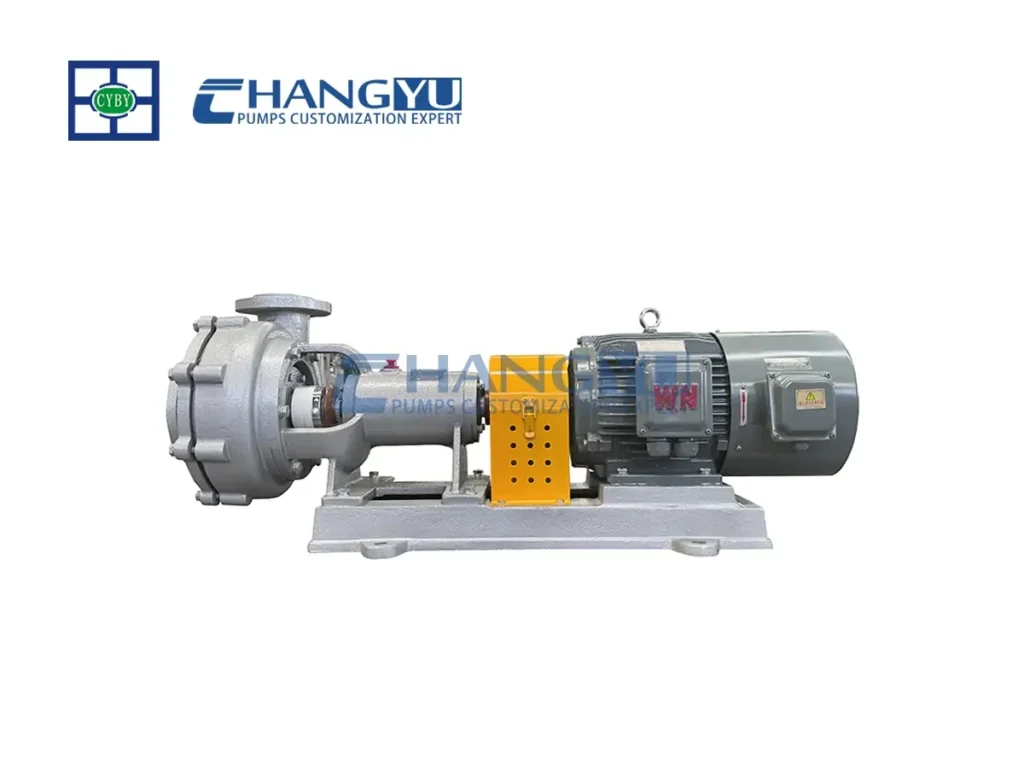
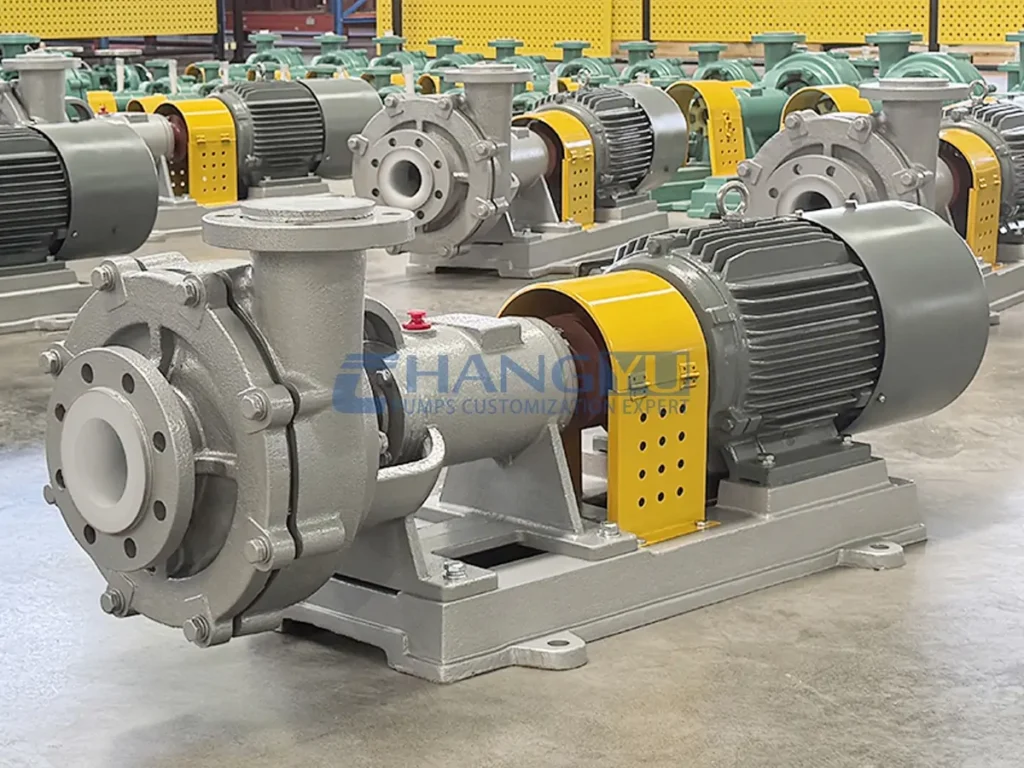
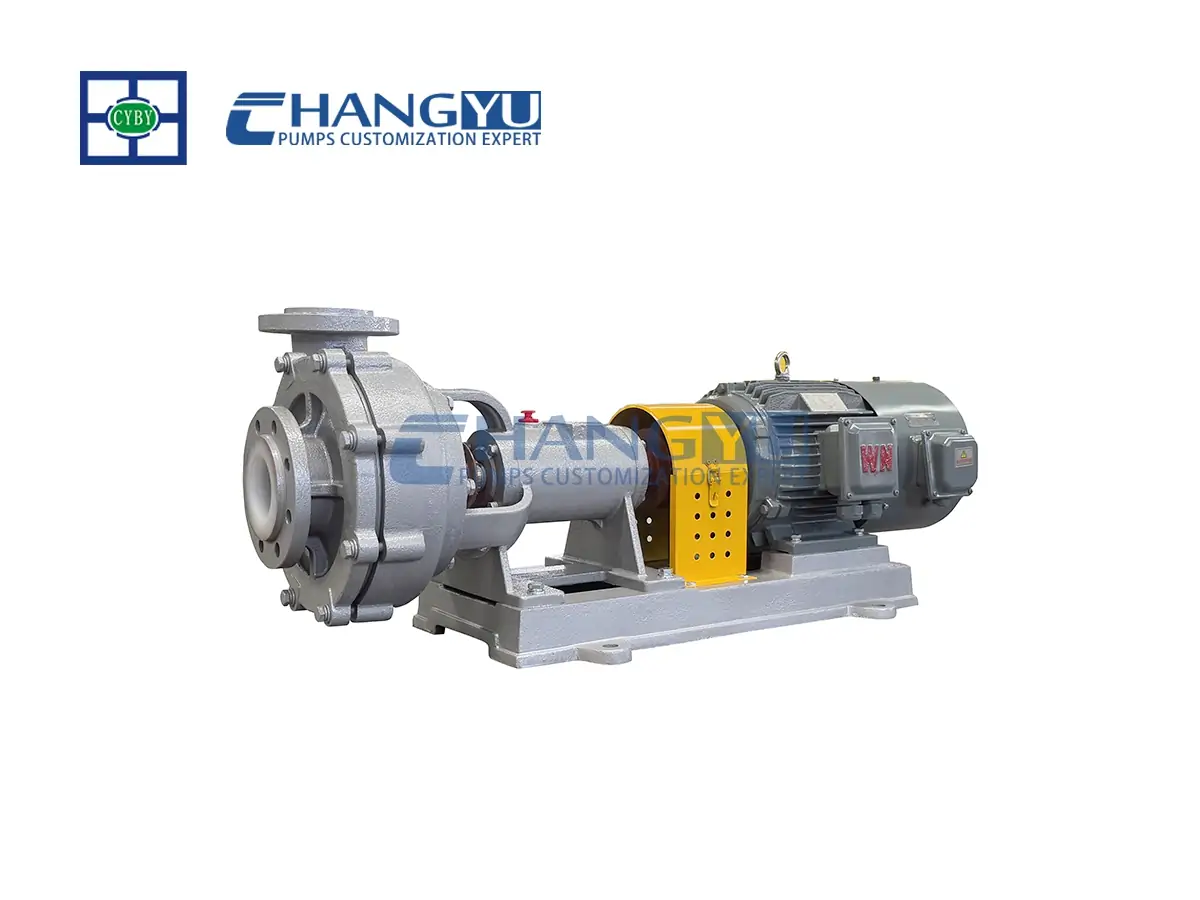
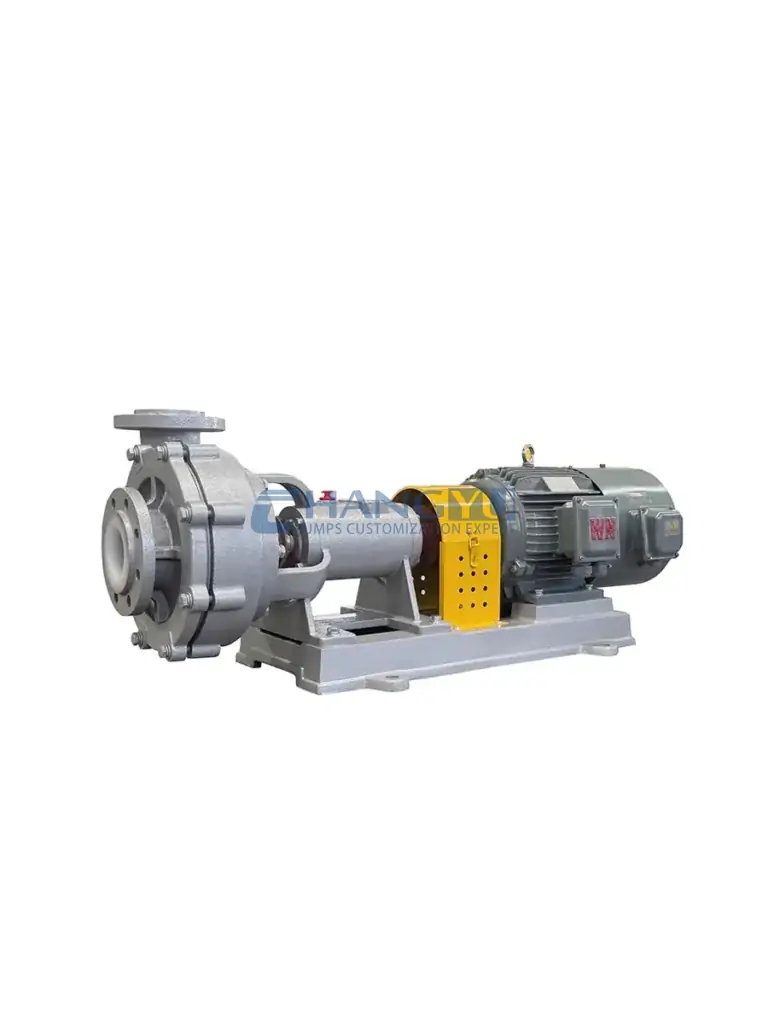
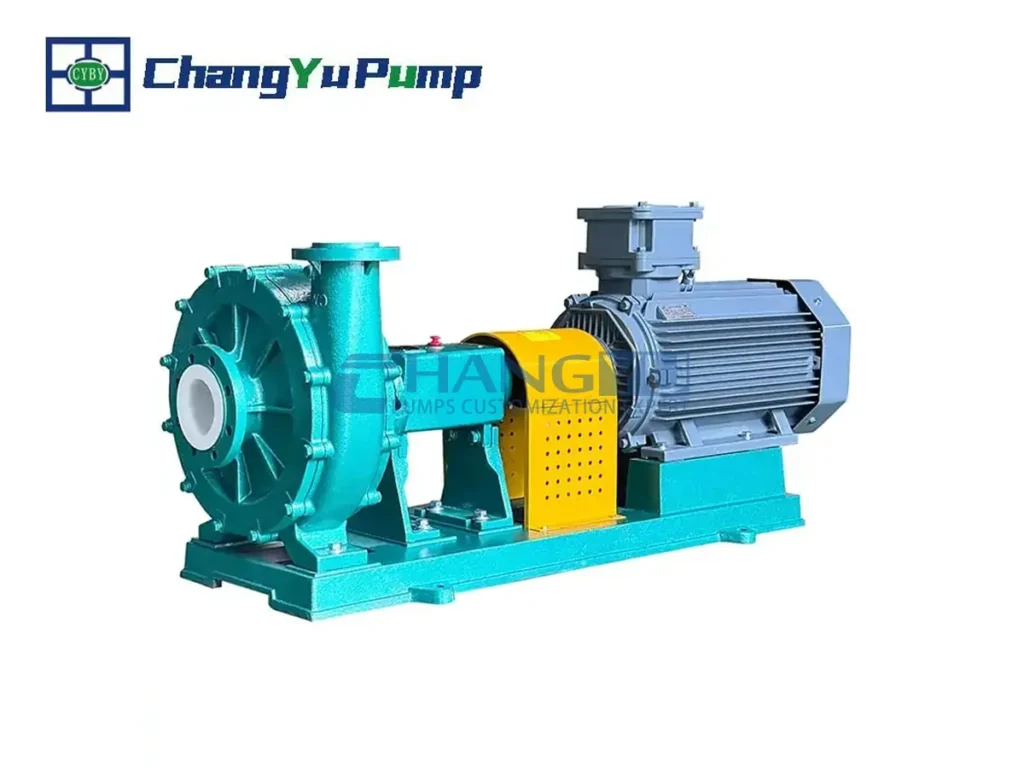
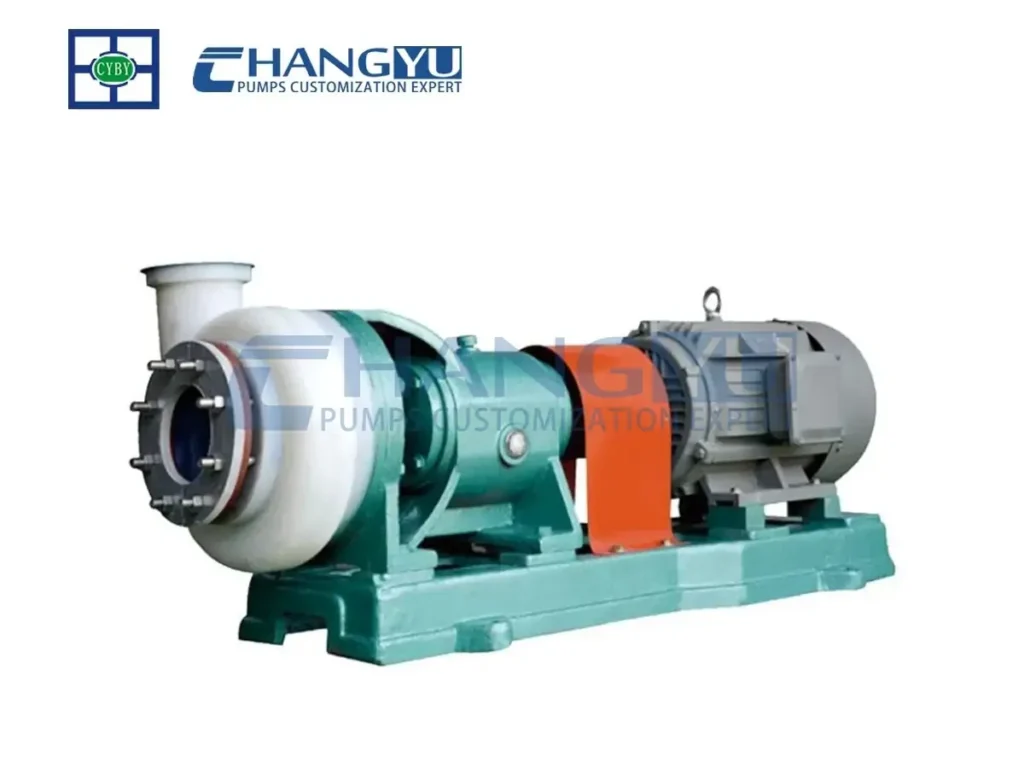
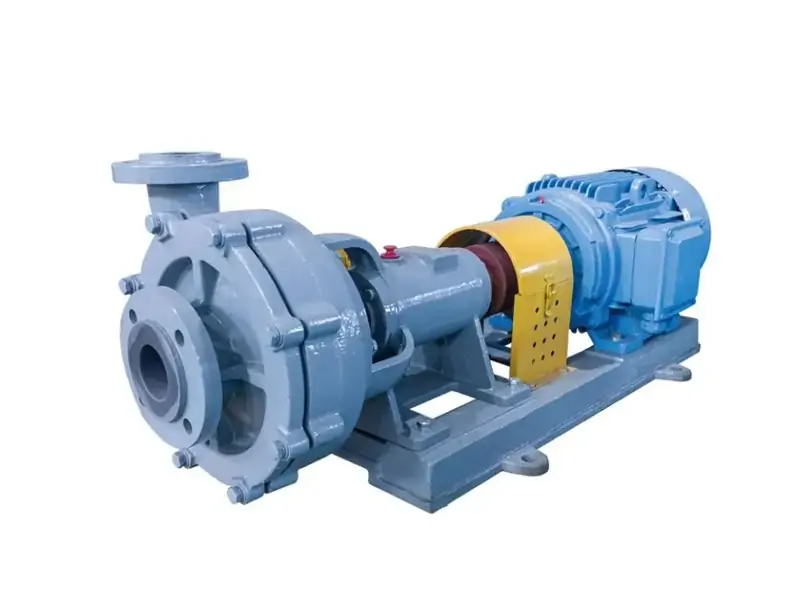
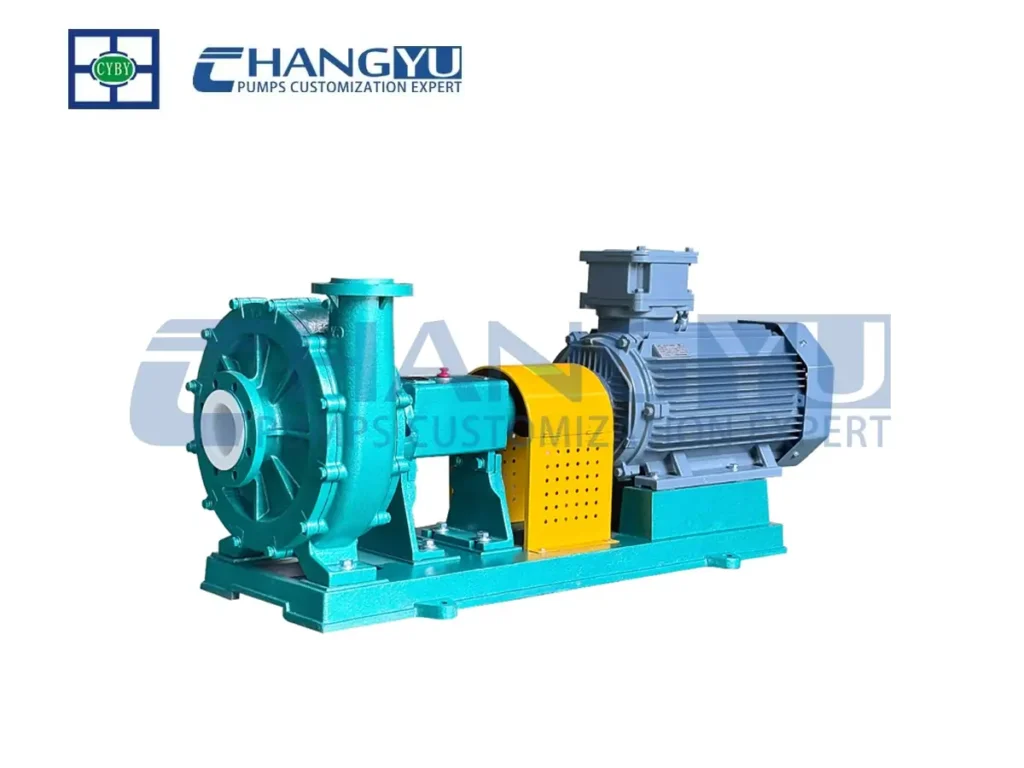
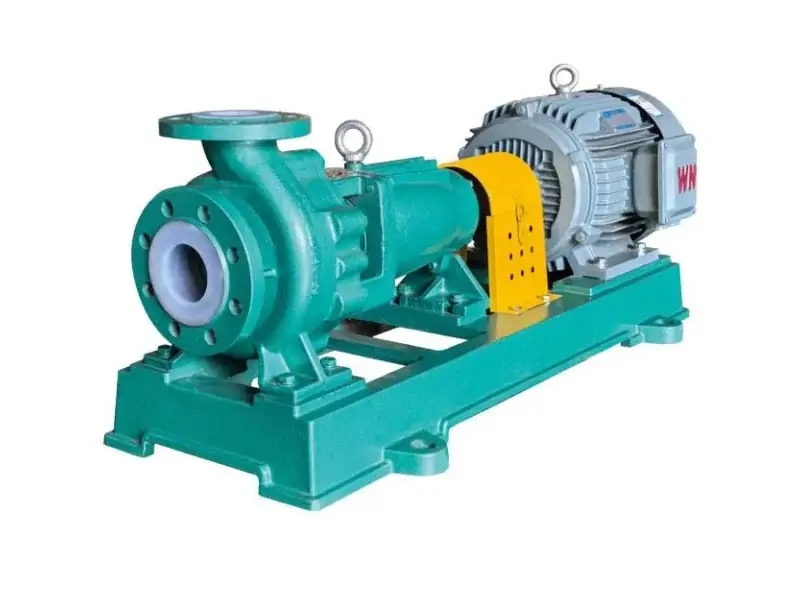
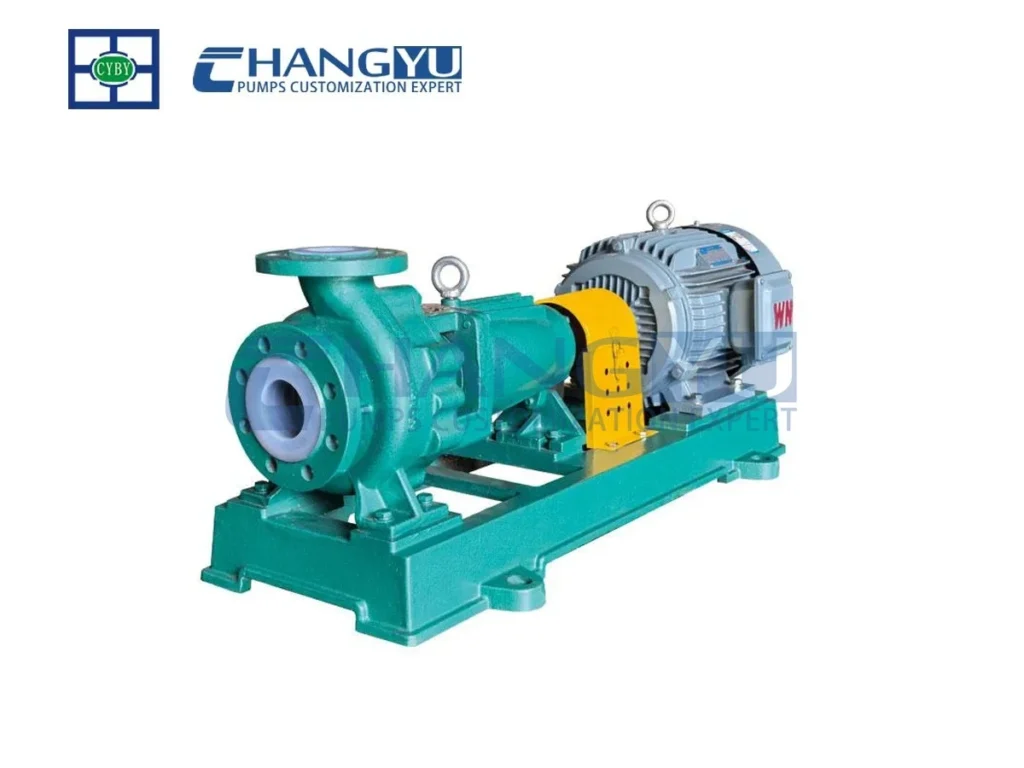
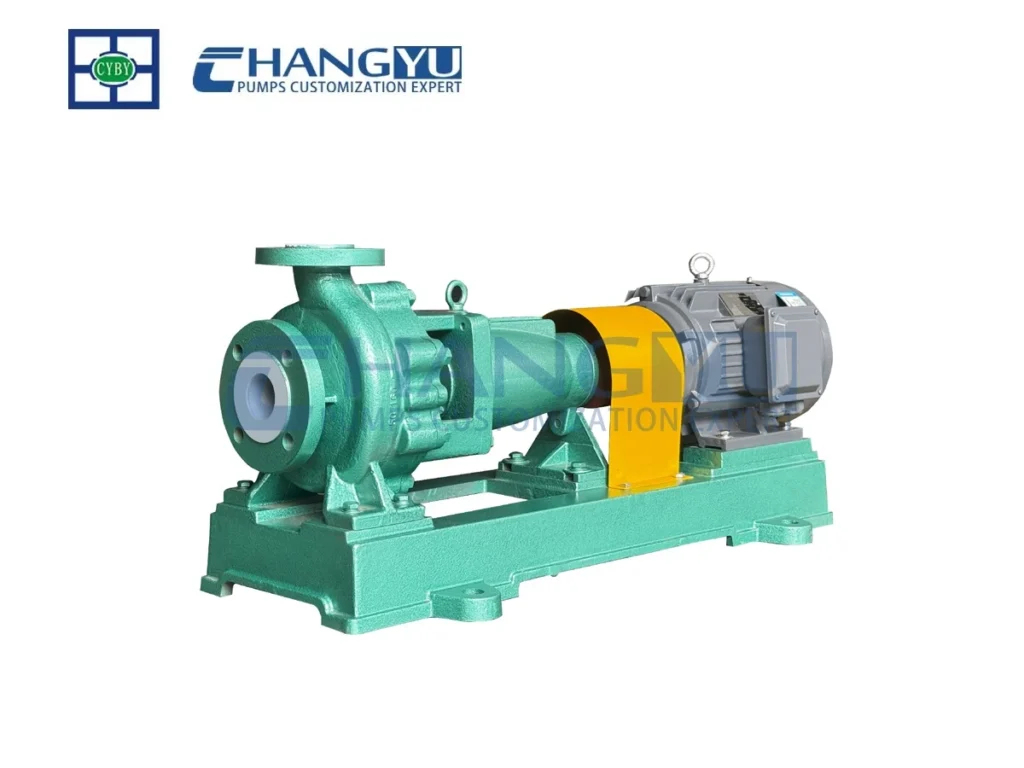
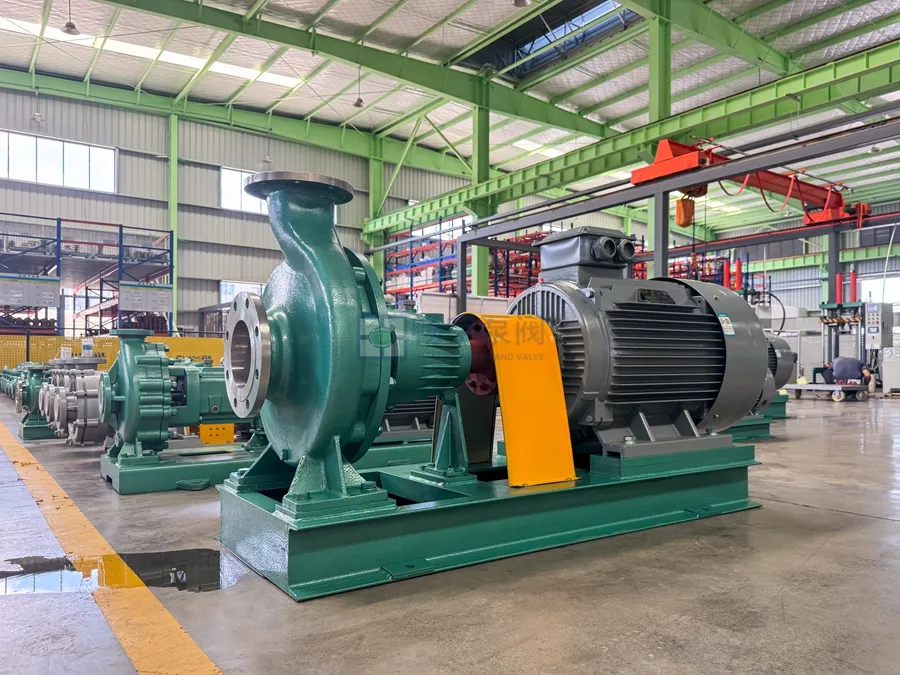
Las bombas horizontales para lodos de la serie CYB-ZKJ, resistentes al desgaste y a la corrosión, son bombas centrífugas capaz de adaptarse a diversas condiciones de funcionamiento. Es adecuado para el transporte de líquidos transparentes ácidos o alcalinos, lodos, pulpas minerales corrosivas, aguas residuales y fluidos similares.
Esta bomba industrial utiliza material FEP/PTFE importado. La carcasa de la bomba y los componentes de paso del fluido presentan un diseño optimizado para fluidos altamente corrosivos. La junta puede configurarse con un sello dinámico tipo K, lo que garantiza un funcionamiento estable y sin fugas durante el transporte de fluidos corrosivos.
|
Rango de caudal: |
3 m³/h ~ 2600 m³/h |
|---|---|
|
Rango de cabezas: |
5 m ~ 100 m |
|
Potencia del motor: |
0,75 kW ~ 300 kW |
|
Velocidad: |
968-3450 r/min |
|
Rango de temperatura medio: |
-80 °C a 120 °C |
|
Materiales personalizables: |
FEP |
Descripción general del producto
La bomba centrífuga horizontal para lodos de la serie CYB-ZKJ, resistente a la corrosión y al desgaste, es una bomba centrífuga de alto rendimiento fabricada por Válvula de bomba Changyu. Fabricada con material FEP/PTFE importado y con un revestimiento de 8 a 20 mm de espesor, esta bomba emplea una tecnología patentada de revestimiento plástico para resistir la deformación térmica, el agrietamiento y el desprendimiento. Diseñada específicamente para el transporte de ácidos corrosivos, álcalis, aguas residuales y lodos que contienen partículas finas, tiene una amplia aplicación en las industrias química, de protección ambiental, metalúrgica, minera y energética. Changyu Pump Industry ofrece soluciones personalizadas adaptadas a los requisitos operativos, que abarcan el caudal, la altura de elevación, la selección de materiales, el tipo de sello y los motores a prueba de explosiones, lo que garantiza un funcionamiento estable en diversos escenarios de aplicación.


Componentes de las bombas horizontales para lodos
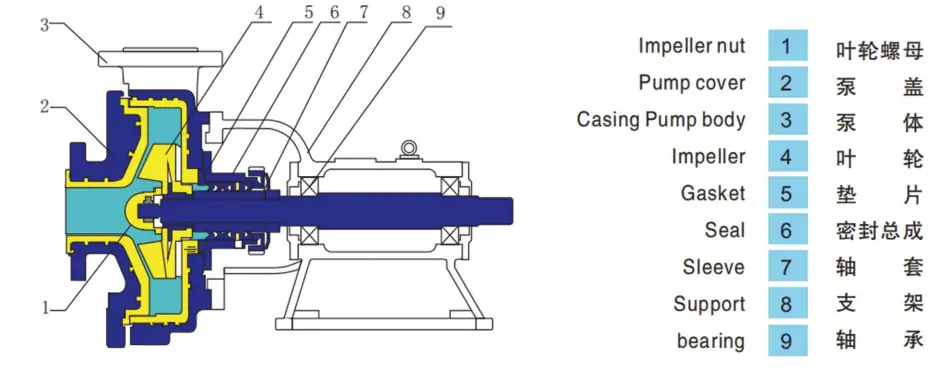
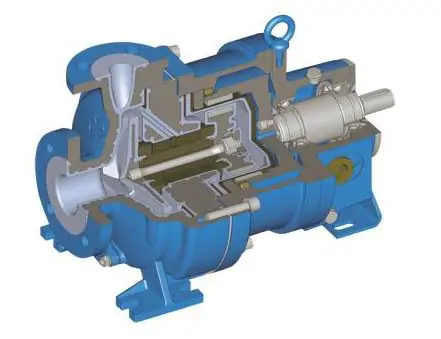
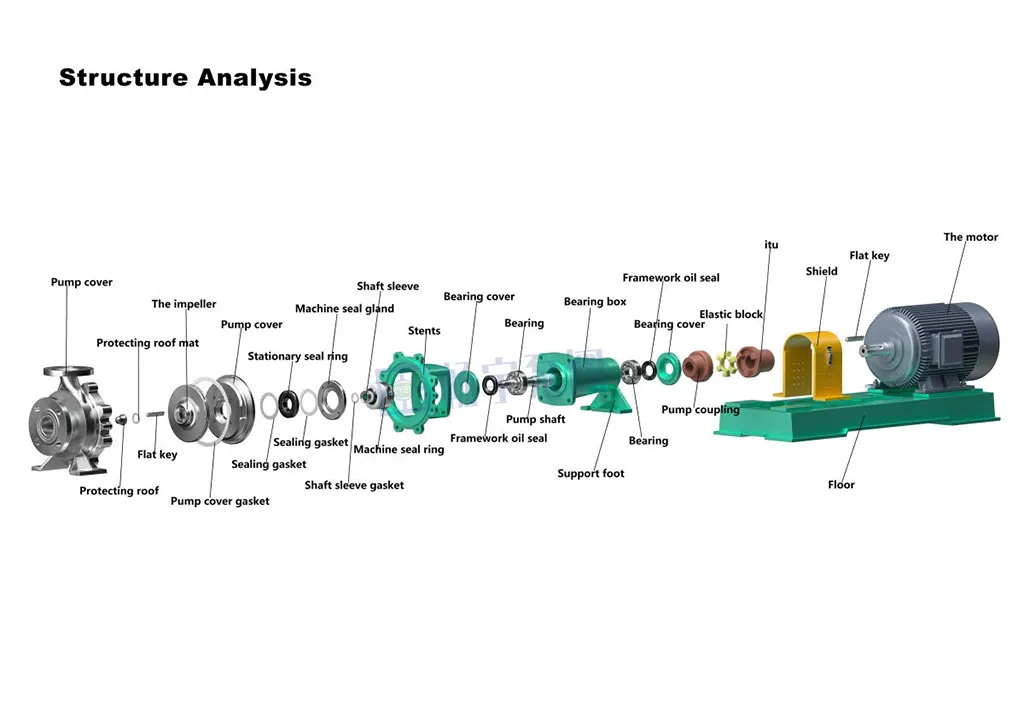
Los componentes principales de esta bomba horizontal para lodos incluyen el cuerpo de la bomba, el manguito del eje, la cámara de sellado, el conjunto de cojinetes, el eje de la bomba y el impulsor. El cuerpo de la bomba utiliza una tecnología de revestimiento patentada con un revestimiento de 8 a 20 mm de espesor fabricado con material FEP/PTFE importado, lo que garantiza resistencia al calor y durabilidad. Las múltiples soluciones de sellado, que incluyen sellos dinámicos y sellos mecánicos, garantizan un funcionamiento sin fugas al transportar ácidos fuertes, álcalis fuertes y lodos corrosivos.
Exposición de piezas


- Disponibles sellos mecánicos de doble extremo refrigerados por agua.
- Capaz de transportar fluidos que contienen partículas.
- Apto para el transporte de fluidos corrosivos a altas temperaturas
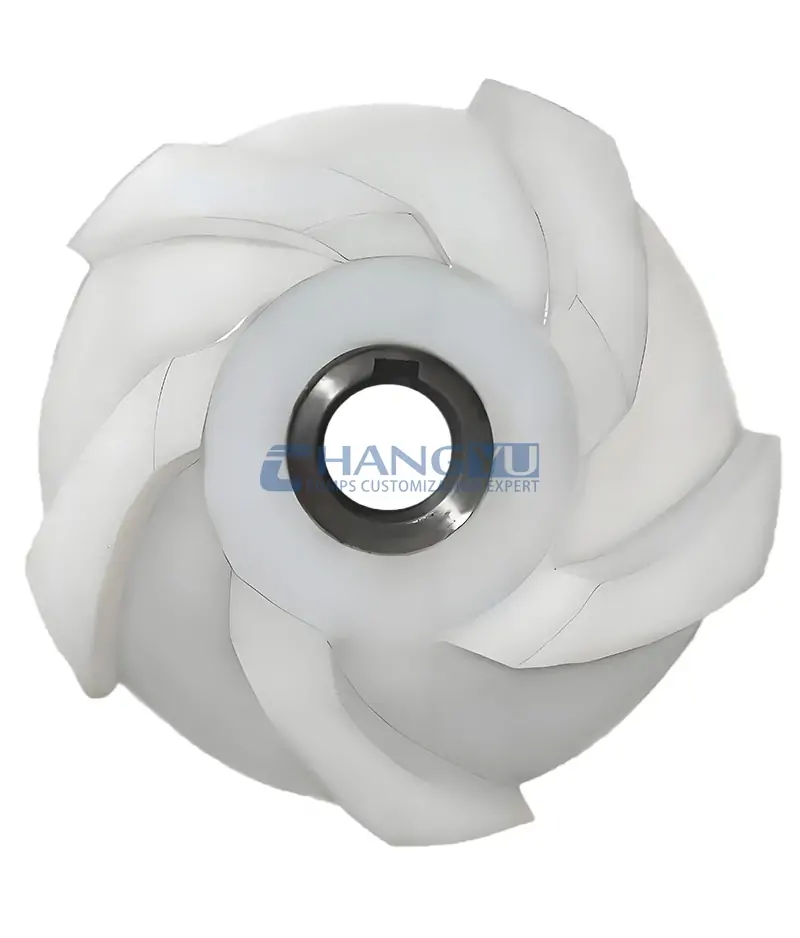
El material del revestimiento de la bomba puede ser de polietileno de peso molecular ultraalto (UHMW-PE), etileno-propileno fluorado (FEP) o politetrafluoroetileno (PFA).
Análisis estructural

Mostrar detalles
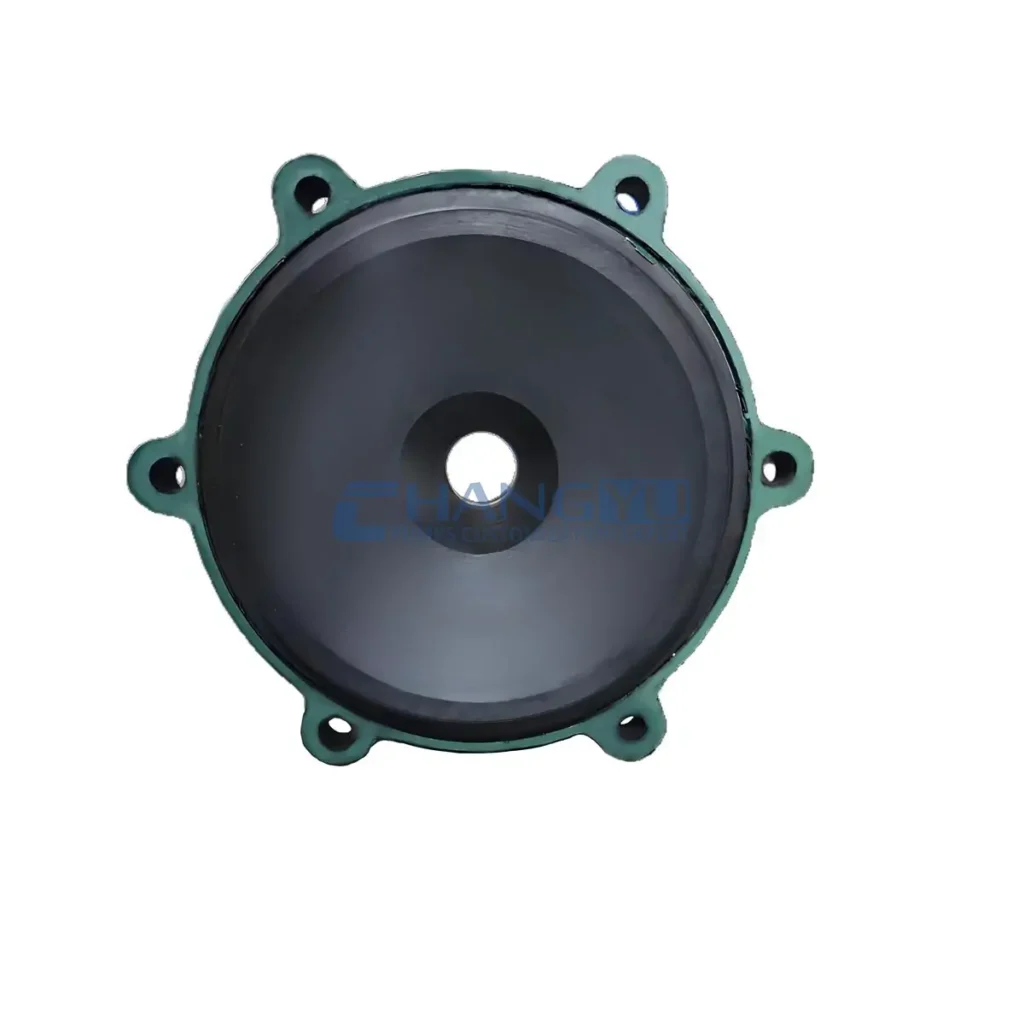 Tapa de la bomba
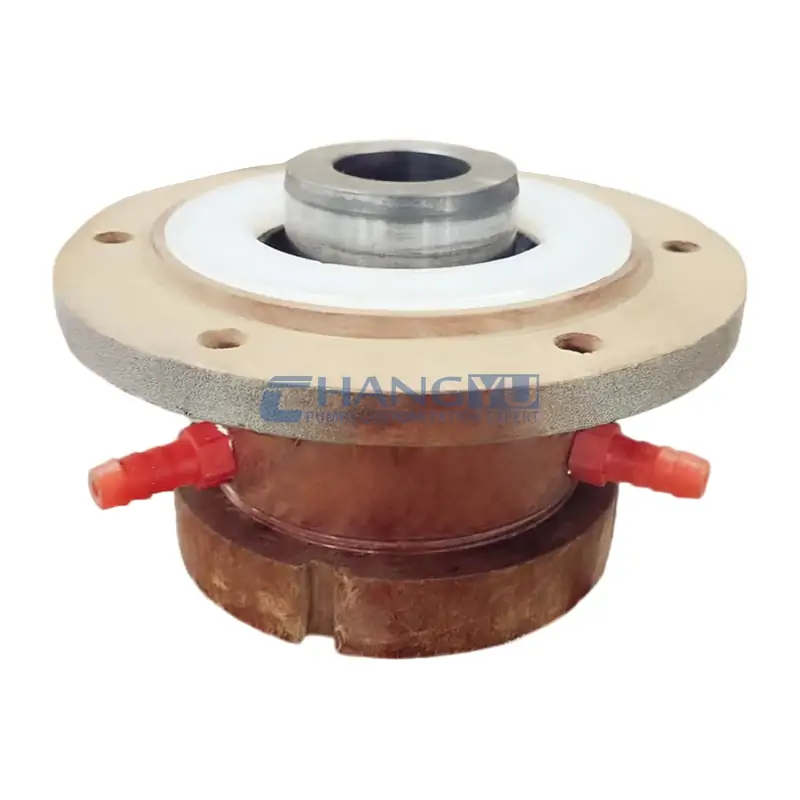 Sello de potencia
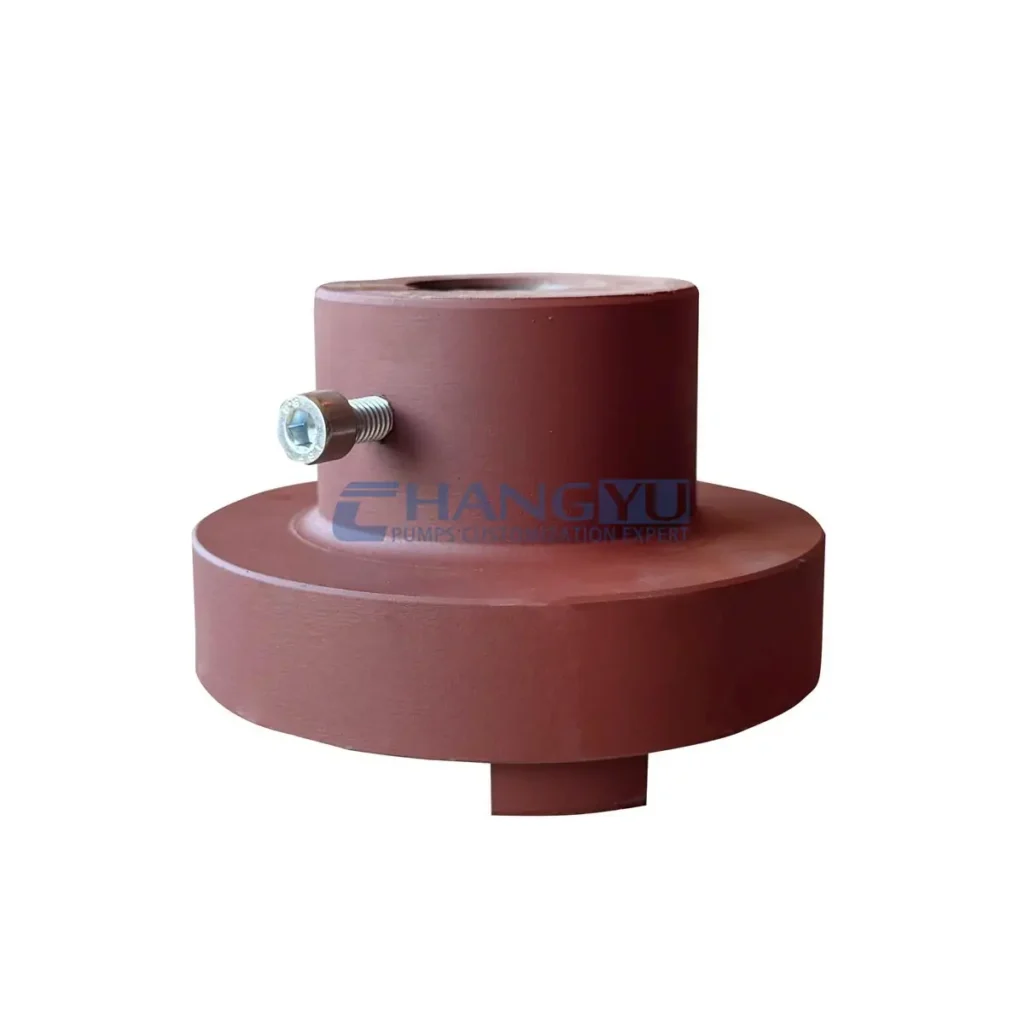 Acoplamiento de bomba
- Impulsor
Todos nuestros productos se adaptan a sus necesidades operativas específicas. Si no está seguro de qué opción elegir, póngase en contacto con nuestro equipo de inmediato. Nuestros profesionales le ofrecerán la solución perfecta.
Especificaciones
A continuación se detallan las especificaciones estándar de nuestros productos. También ofrecemos fabricación a medida para crear bombas de transferencia de productos químicos personalizadas que se adapten a sus necesidades.
Contáctenos hoy mismo para personalizar su solución de bombas químicas industriales.
Significado de nuestros números de modelo

| Modelo | Flujo m³ | Cabeza m | Velocidad r/min | Eficiencia | Potencia cuando la densidad es igual a 1 | Diámetro del impulsor mm |
| 32CYB | 5~10 | 10~30 | 2900 | 17~28% | 1,1~3 kW | 100~165 |
| 40CYB | 10~15 | 10~30 | 2900 | 25~35% | 2,2~4 kW | 140~165 |
| 50CYB | 10~20 | 15~40 | 2900 | 20~35% | 4~7,5 kW | 140~190 |
| 65CYB | 10~30 | 10~60 | 1450~2900 | 20~35% | 1,5~15 kW | 155~220 |
| 80CYB | 40~60 | 10~80 | 1450~2900 | 22~50% | 5,5~30 kW | 145~400 |
| 100CYB | 50~110 | 10~80 | 1450~2900 | 20~50% | 15~55 kW | 160~400 |
| 125CYB | 100~140 | 6~80 | 1450~2900 | 20~48% | 11~75 kW | 180~268 |
| 150CYB | 150~280 | 20~80 | 1450 | 40~52% | 22~90 kW | 260~380 |
| 200CYB | 200~450 | 6~50 | 980~1450 | 25~58% | 22~90 kW | 325~380 |
| 250CYB | 300~650 | 6~60 | 750~1450 | 28~65% | 11~160 kW | 280~420 |
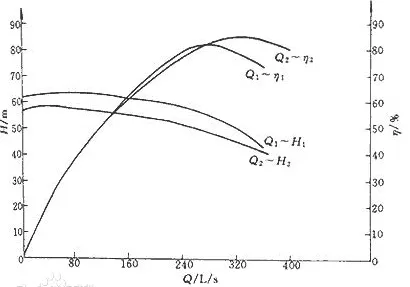
Curva de rendimiento


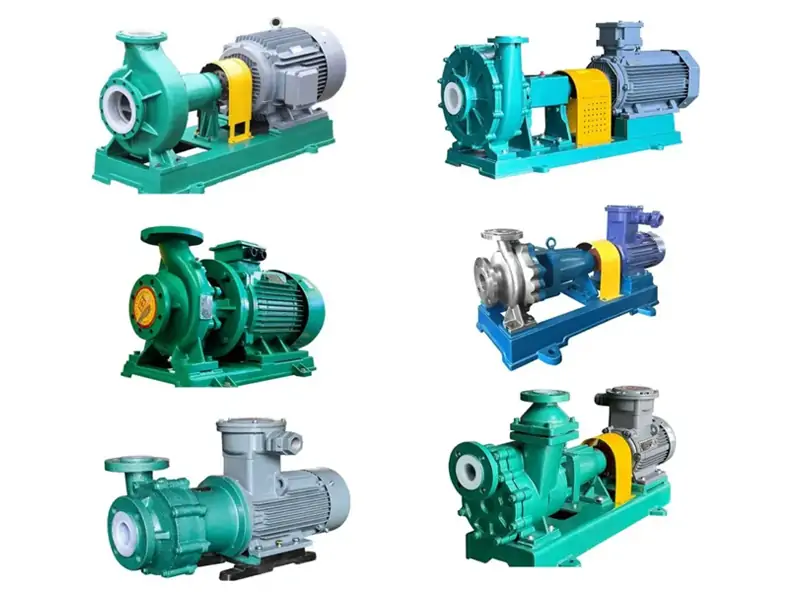
A continuación le presentamos nuestros modelos para que elija
Vídeos
Mira el video para conocer las bombas horizontales para lodos y ver ejemplos de sus aplicaciones.
Ventajas de la bomba de lodos horizontal
Alta resistencia a la corrosión
El cuerpo de la bomba cuenta con un revestimiento de fluoroplástico (FEP/PTFE) resistente a la corrosión, lo que permite el transporte a largo plazo de fluidos altamente corrosivos, tales como ácido sulfúrico (concentración ≤80 % p/p), ácido nítrico (concentración ≤50 % p/p), ácido clorhídrico (cualquier concentración) y sosa cáustica líquida
Resistencia a altas temperaturas
Los modelos estándar funcionan de manera confiable en un rango de temperaturas de entre -20 °C y 120 °C
Sellado fiable
Equipado con el nuevo sello mecánico de doble extremo desarrollado de forma independiente por Changyu, o con sellos mecánicos que cumplen con los protocolos de lavado de la norma API 682 para garantizar una estanqueidad total
Excelente resistencia al desgaste:
El diseño de impulsor semiabierto permite el paso de lodos que contienen partículas finas, al tiempo que mantiene los canales de flujo sin obstrucciones
Mayor duración del revestimiento
El revestimiento de FEP/PTFE, con un espesor de 8 a 20 mm, utiliza tecnología de conformado sinterizado para garantizar la resistencia a las grietas y una vida útil prolongada
Aplicación versátil
Apto para soluciones ácidas y alcalinas transparentes, lodos corrosivos industriales, ácidos diluidos y aguas residuales en las industrias del ácido sulfúrico, los fertilizantes fosfatados y otras industrias relacionadas
Condiciones laborales
Para conocer el caudal, la potencia u otros parámetros específicos de determinados modelos, póngase en contacto con el fabricante para obtener una solución personalizada que se adapte a sus condiciones de funcionamiento.
| Artículo | Rango estándar / Requisitos | Personalización especial / Notas |
|---|---|---|
| Temperatura | -20 °C ~ 120 °C | — |
| Concentración media | ≤80% Ácido sulfúrico, ≤50% Ácido nítrico, cualquier tipo de ácido clorhídrico o álcali | Ciertos disolventes orgánicos y agentes reductores |
| Tolerancia a las partículas | Suspensiones con partículas blandas (impulsor semiabierto) | La dureza de las partículas requiere una validación personalizada |
| Caudal / Altura manométrica | Caudal: 5~2600 m³/h, Altura manométrica: ≤80 m | Los parámetros de mayor tamaño requieren un diseño no estándar |
| Requisitos operativos | 1. No utilice la válvula de entrada para regular el caudal (a fin de evitar la cavitación) 2. Secuencia de apagado: Cerrar la válvula de salida → Cortar la alimentación eléctrica → Cerrar el suministro de agua de refrigeración → Cerrar la válvula de entrada | — |
Consideraciones para la selección de bombas horizontales para lodos corrosivos
- Detalles del medio: Indique el contenido de partículas, la dureza y la composición química para elegir el tipo de sello y la estructura del impulsor (abierto/cerrado) adecuados.
- Requisitos de protección contra explosiones: Hay disponibles motores a prueba de explosiones YA o motores a prueba de llamas YB opcionales.
- Requisitos de mantenimiento: Limpie a fondo los conductos de flujo durante las paradas prolongadas. Vacíe todo el líquido en entornos con bajas temperaturas para evitar daños por congelación.
Precauciones para el montaje de bombas horizontales para lodos
| Precauciones para el montaje de bombas horizontales para lodos | ||
| No | procedimientos | Advertencias |
| Paso 01 | Instala el eje de la bomba en el soporte | |
| Paso 02 | Presione el sello mecánico o el sello dinámico contra el cuerpo de la bomba y presione el manguito sobre él para formar un conjunto. | El anillo de sellado estático no debe recibir golpes y debe colocarse con cuidado, de manera equilibrada. Si está dañado, provocará una fuga en la junta. El anillo de sellado dinámico no debe apretarse demasiado. Una fricción excesiva reducirá la vida útil de la junta. |
| Paso 03 | Instala el conjunto en el soporte | |
| Paso 04 | Coloca el impulsor y aprieta la tuerca | Instalación de equilibrado de impulsores |
| Paso 05 | Instala la cubierta delantera de la bomba y aprieta los tornillos | Coloca los tornillos en diagonal, siguiendo el orden indicado |
| Paso 06 | Ajuste de la junta | |
Solicitud
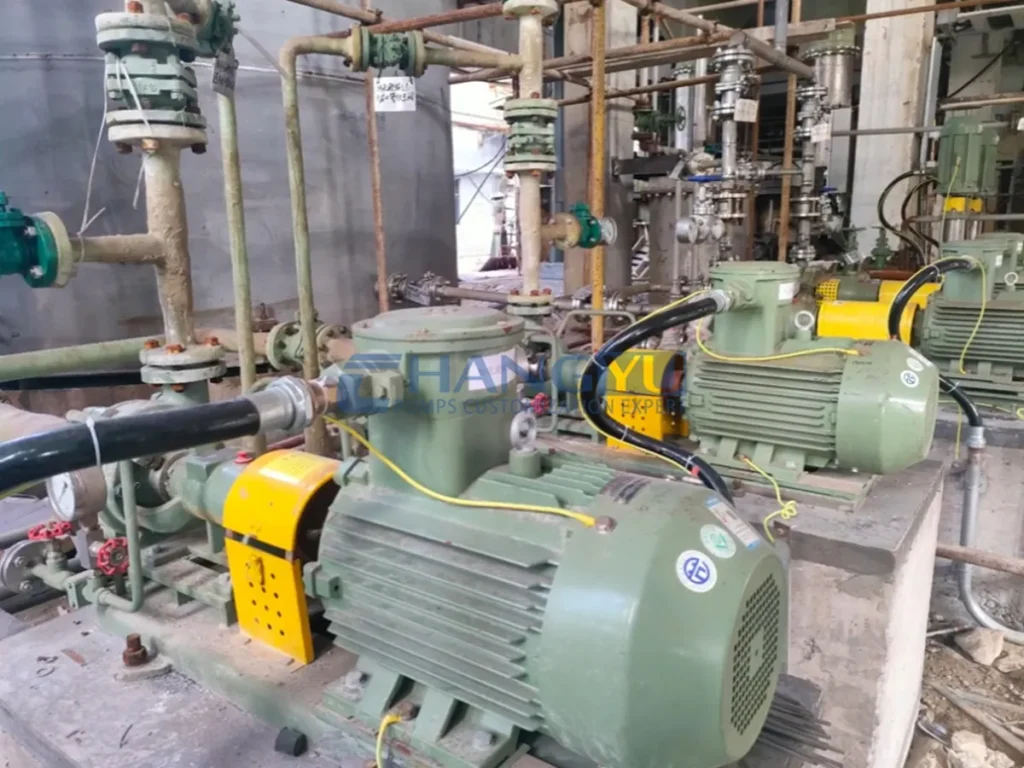
Esta bomba horizontal para lodos se utiliza ampliamente en: ácidos, álcalis, sales, aceites, alimentos y bebidas, alcohol, disolventes orgánicos y otros líquidos,
especialmente indicado para el transporte de líquidos altamente corrosivos que contienen partículas finas.

Industria química
Transferencia de ácidos/álcalis: ácido sulfúrico, ácido clorhídrico, ácido nítrico, agua regia, sosa cáustica.
Disolventes orgánicos corrosivos: benceno, alcoholes, ésteres y lodos líquidos.

Medio ambiente y energía
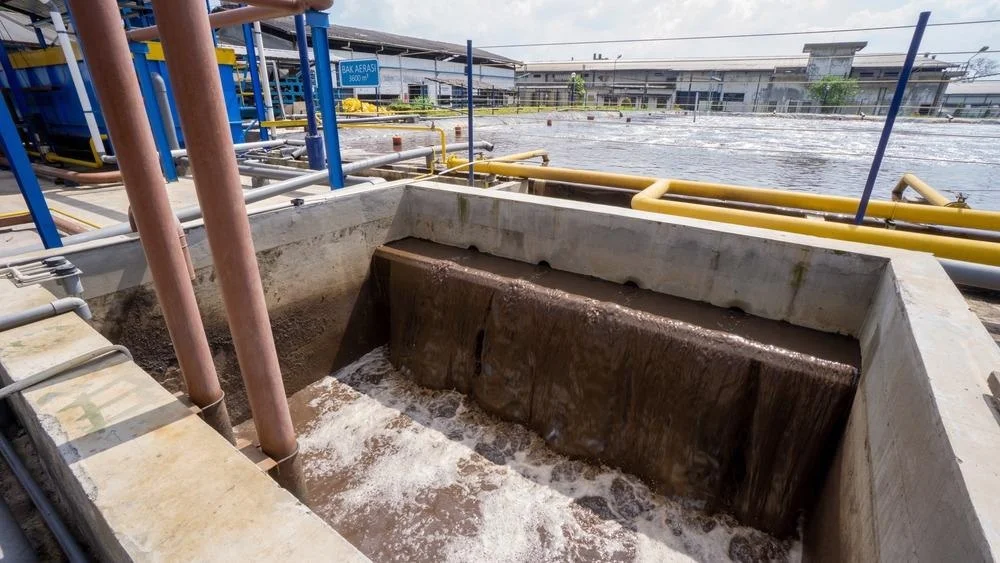
Desulfuración y desnitrificación de gases de combustión: lodos húmedos de desulfuración de gases de combustión, aguas residuales que contienen azufre.
Tratamiento de aguas residuales industriales: aguas residuales de la industria de la galvanoplastia, del cuero, farmacéutica y otras industrias con alto índice de corrosión.

Metalurgia y minería
Fundición en húmedo: suspensiones de plomo, zinc y cobre, y electrolitos.
Sector del carbón: líquidos corrosivos y lodos de carbón en procesos químicos del carbón.
Otros sectores
Adecuado para el transporte higiénico o químico de lodos en las industrias alimentaria, farmacéutica, papelera y textil.
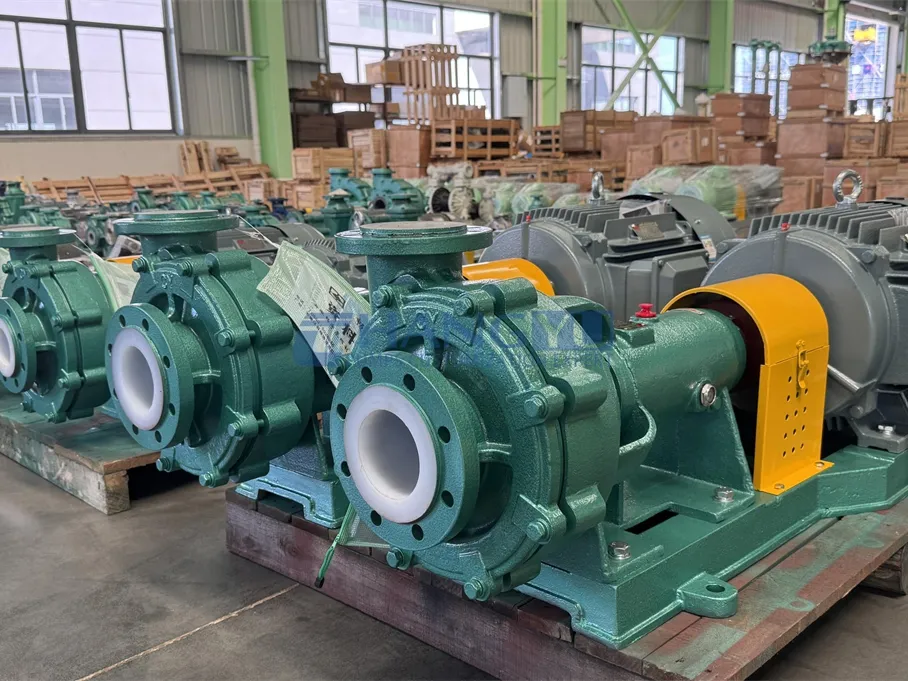
Fabricante y fábrica de bombas horizontales para lodos en China
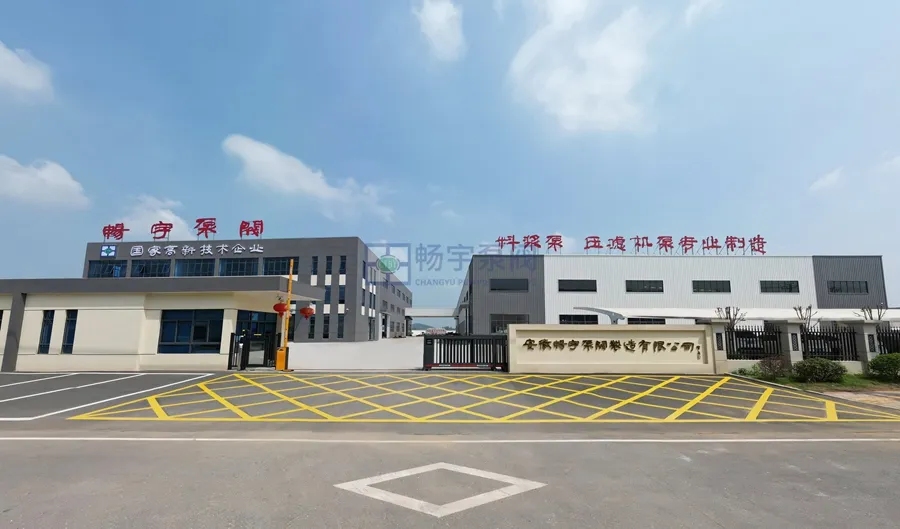
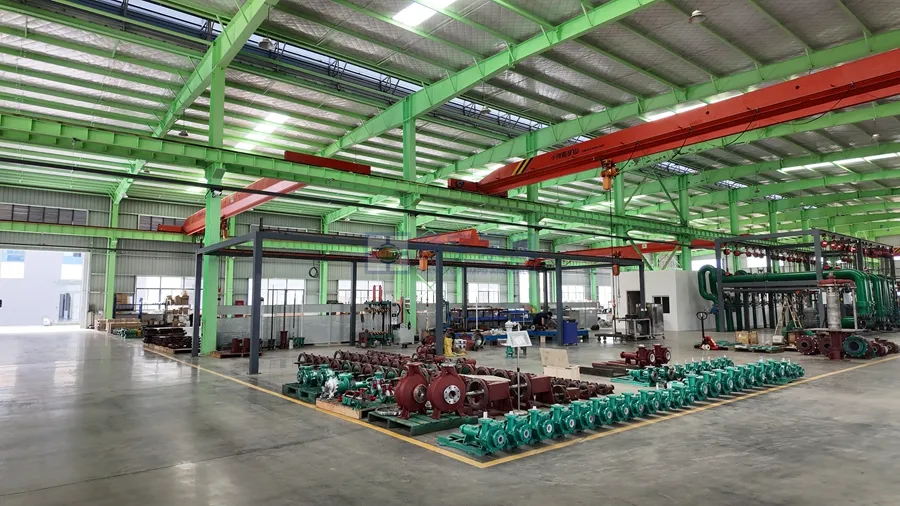
Changyu es un fabricante y una fábrica profesional especializada en bombas horizontales para lodos de alta calidad y resistentes a la corrosión, que cuenta con instalaciones de producción avanzadas y un equipo técnico especializado. Nuestra empresa cuenta con la certificación internacional del sistema de gestión de calidad ISO 9001, y nuestros productos cumplen con las normas CE, ATEX, EAC y API; además, hemos obtenido 25 patentes de invención.
Contamos con existencias suficientes para garantizar una entrega rápida y ofrecemos servicios de diseño a medida, que incluyen parámetros como la altura de elevación, el caudal, la composición de los materiales, las especificaciones del motor, los métodos de sellado y las configuraciones de instalación, con el fin de adaptarnos a las distintas condiciones de funcionamiento. Ponte en contacto con nuestro equipo para obtener soluciones personalizadas y cotizaciones muy competitivas.




Preguntas frecuentes
Productos relacionados

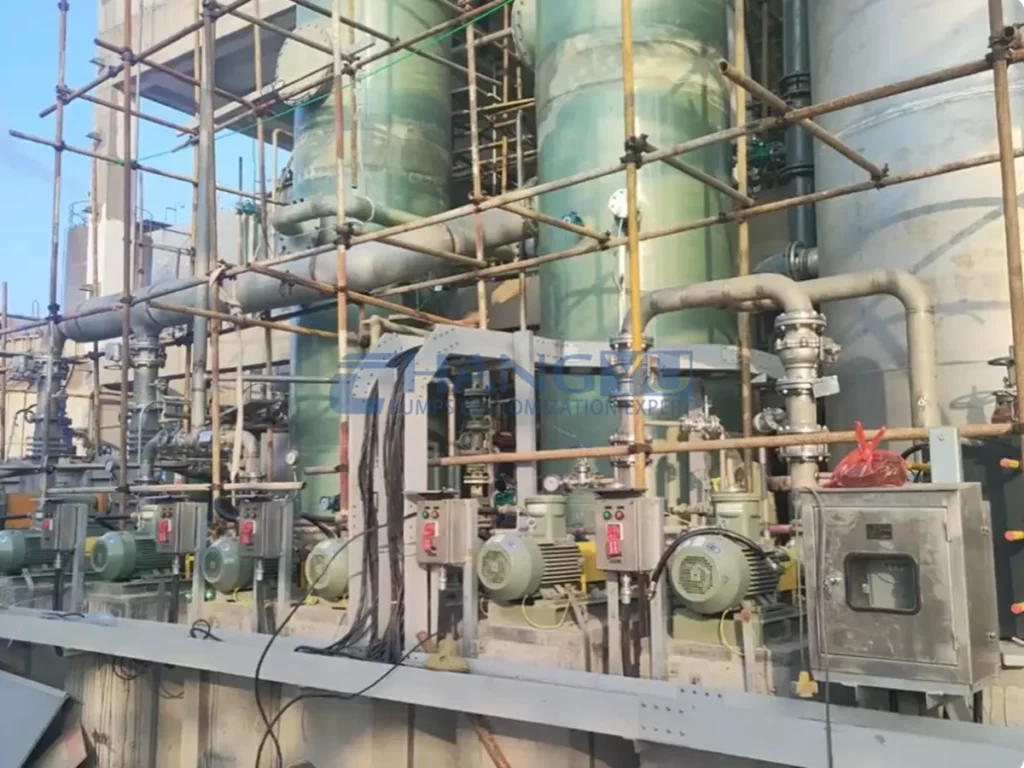
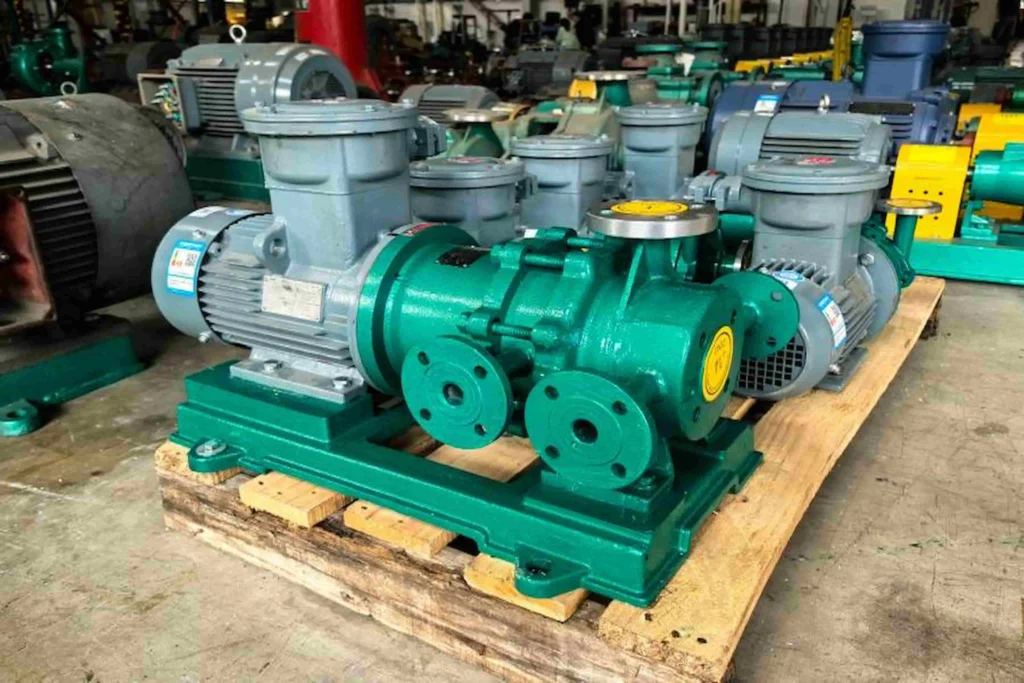
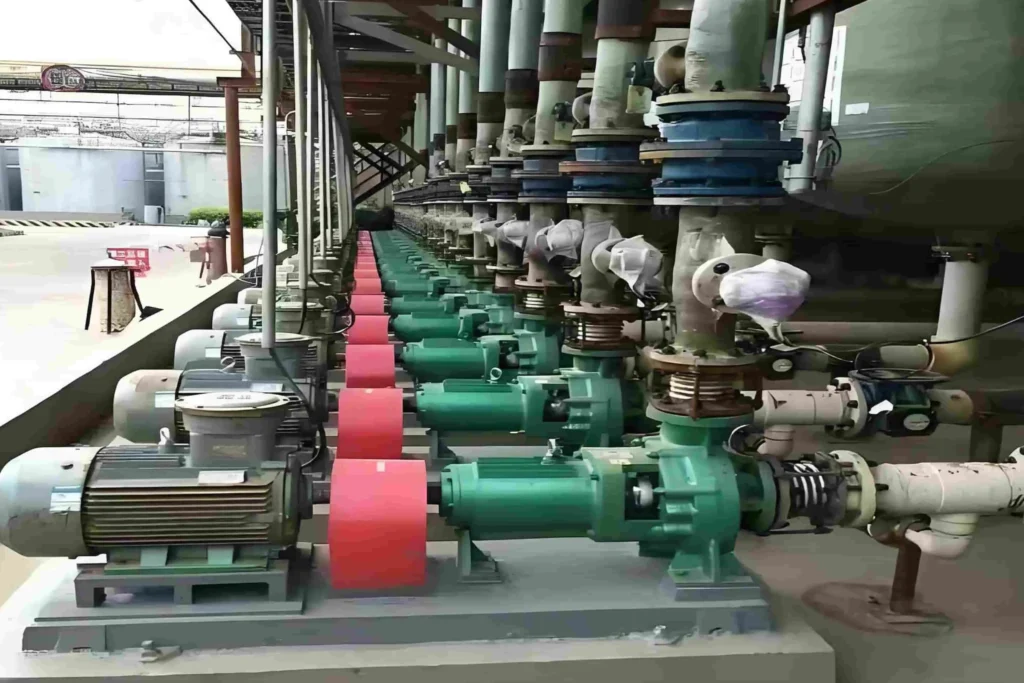
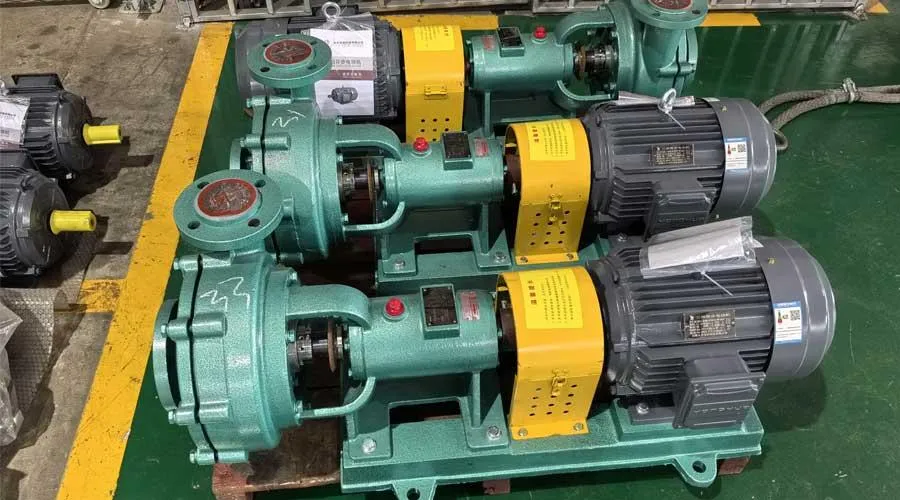
Proyectos

Blogs relacionados
Solicite un presupuesto gratuito
Por favor, rellene los datos del líquido que va a bombear, incluyendo el caudal, la altura, la gravedad específica y la temperatura, para que podamos recomendarle la bomba más adecuada y ofrecerle un presupuesto preciso.