
A quotation for a stainless steel chemical pump is much more useful when it describes the process, not just the required flow and head. The liquid’s composition and temperature determine the required wetted materials. Its viscosity and density affect hydraulic performance and power. The tank and suction piping determine the inlet conditions. Seal selection and site safety requirements also need to be considered. Without these details, a pump may meet the specified flow and head on paper but still be a poor fit for the installation.
Our goal is to recommend a pump and clearly explain why it fits the application. For a stainless steel chemical pump, that means checking the actual duty against the pump curve, confirming the complete wetted-material specification, and understanding the installation and auxiliary requirements. We apply this process across Changyu’s mechanically sealed, magnetic-drive, self-priming magnetic, vertical immersed, and slurry pump configurations, using our published projects and technical articles where they help explain the selection.
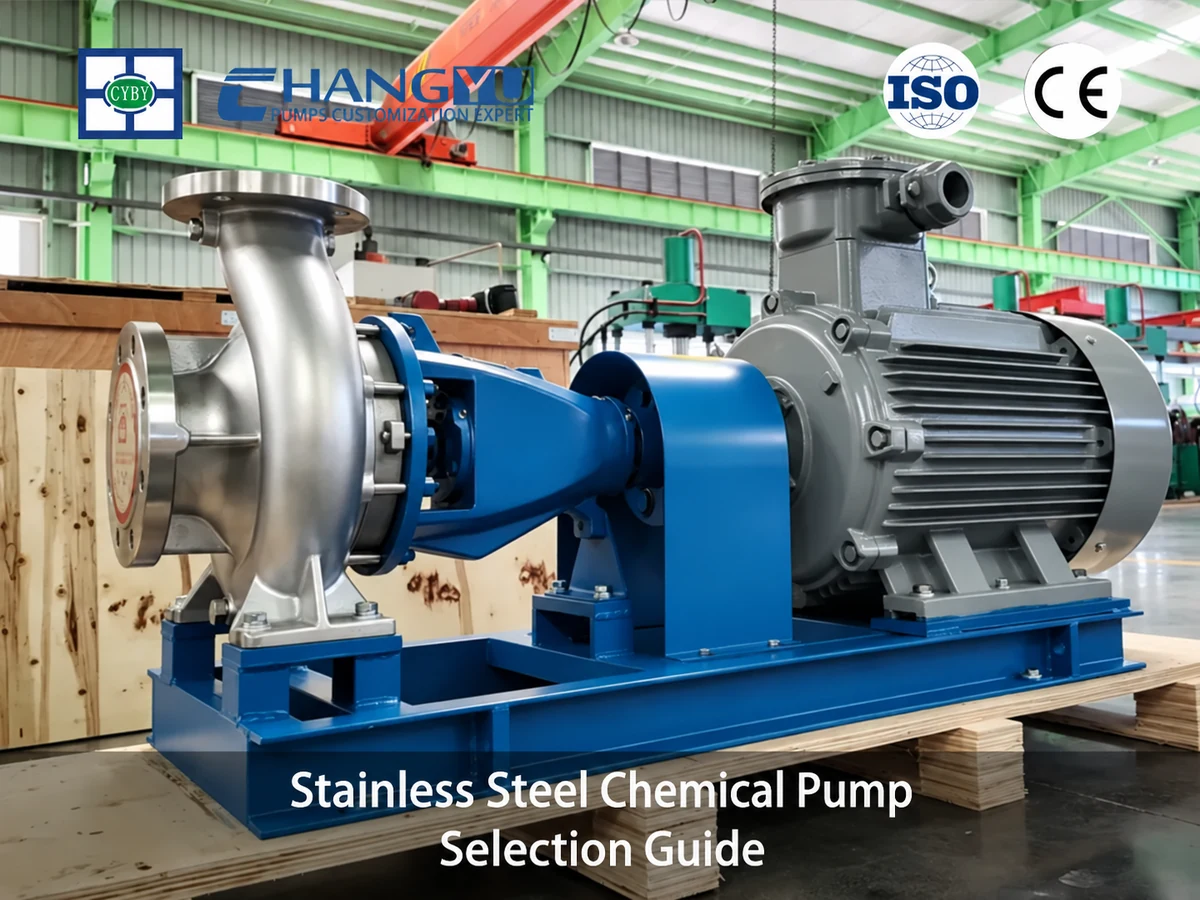
Start Stainless Steel Chemical Pump Selection with the Liquid
Check Composition and Temperature Together
“Acid,” “solvent,” and “wastewater” are useful starting descriptions, but they are not enough to select an alloy. Recovered solvents may contain contaminants that are absent from fresh material. Recycled process water may have a different chloride content. Cleaning may also expose the pump to temperatures or chemicals outside normal production conditions. Specify the actual liquid mixture and the conditions during operation, startup, shutdown, and cleaning.
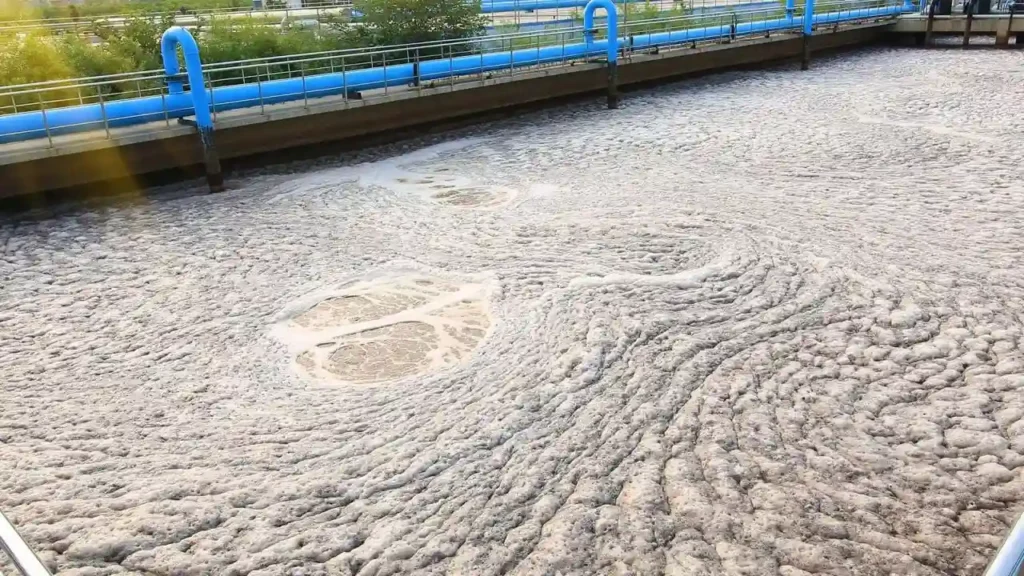
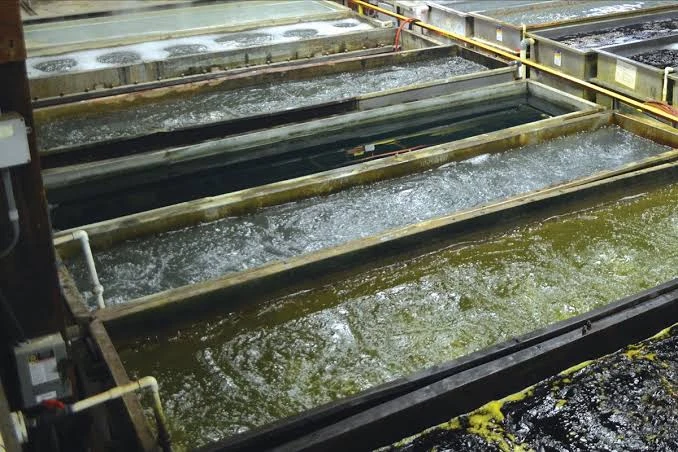
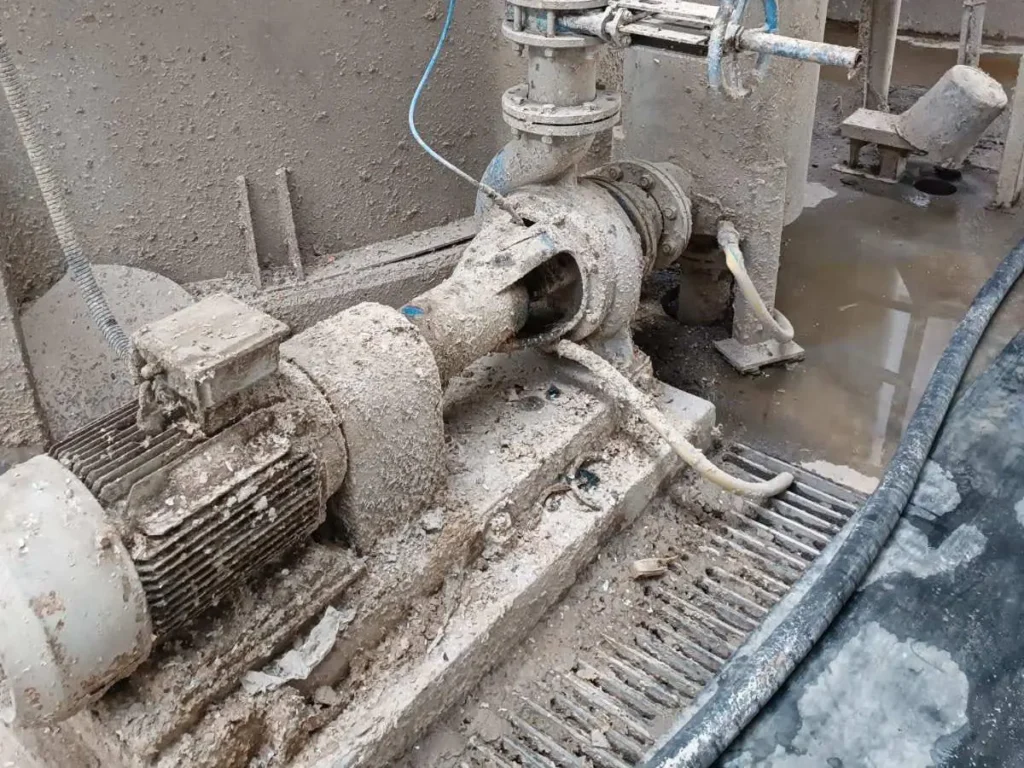
De Changyu material selection article starts with chemical names, concentrations, temperature, impurities, solids, and periods when liquid remains stagnant in the pump. These details are needed before comparing stainless steel grades. A safety data sheet (SDS) helps identify ingredients and hazards, but it may not fully describe a recovered liquid or a mixture whose composition changes. Where needed, provide a representative liquid analysis and distinguish measured values from estimates. This gives the materials review a documented basis.
Check Viscosity, Density, and Solids at Pumping Temperature
Record viscosity, density, and solids content at the relevant pumping temperature. Viscosity may be much higher during a cold restart than during warm production. Density affects the power requirement at a given duty. Solids require a separate check for blockage, wear, and damage to seals or internal bearings. Rather than simply stating “contains solids,” provide particle size distribution, concentration, hardness, and settling behavior.
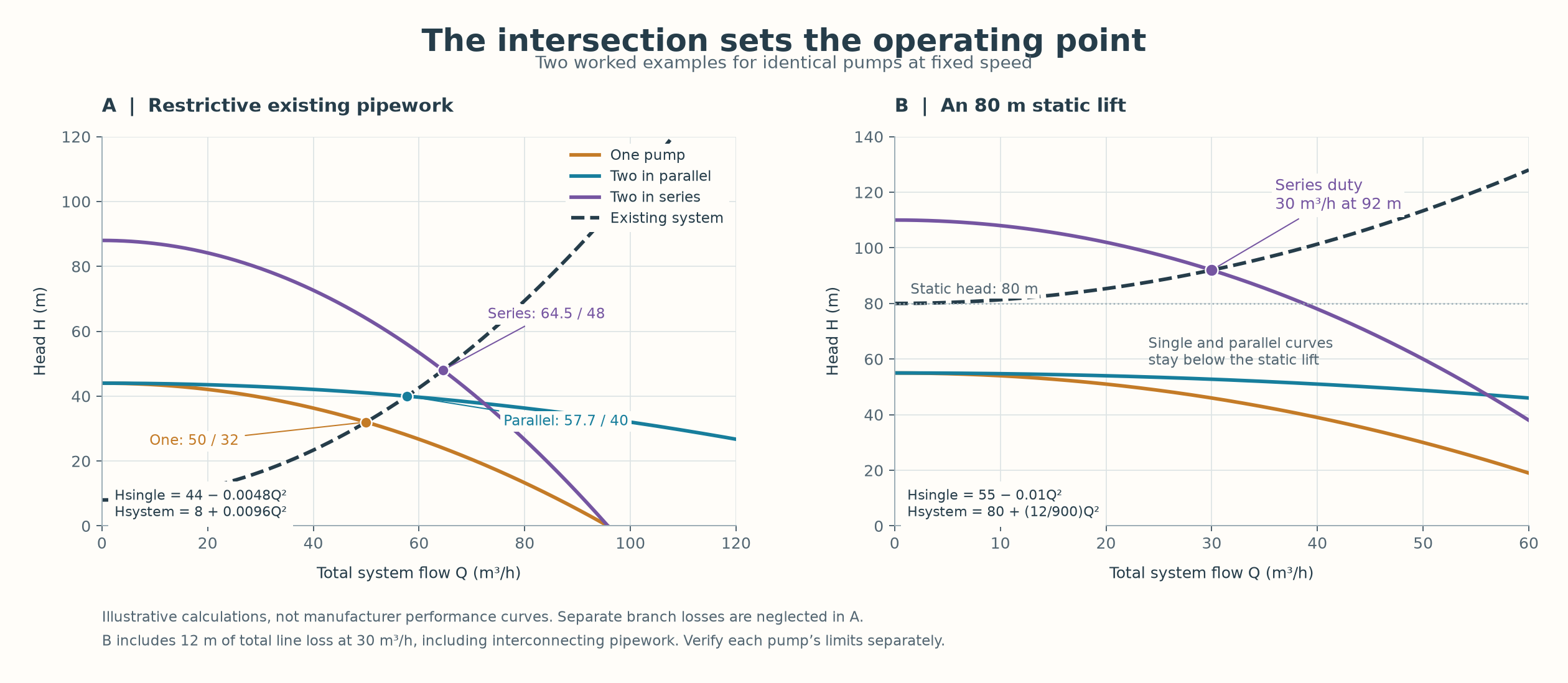
De Changyu centrifugal pump viscosity guide explains how viscosity affects both hydraulic performance and pipe friction losses. Correcting a water-based pump curve without adjusting the system calculation can still give the wrong operating point. Non-Newtonian behavior, gel formation, entrained gas, or sensitivity to shear may require a different pump type. Keep a stainless steel centrifugal pump on the shortlist only if its corrected performance suits the liquid. Stainless steel construction does not compensate for unsuitable hydraulics.
Match Wetted Materials and Sealing to the Duty
A 316 or Duplex Label Is Not a Complete Specification
A 316 stainless steel pump may be suitable where the alloy’s corrosion resistance matches the liquid and operating conditions. Its molybdenum content does not make it suitable for every acid, salt solution, or seawater application. Duplex stainless steel may be an alternative, but the exact grade, manufacturing condition, operating temperature, and availability of the required components still matter. A more expensive alloy is not automatically the right choice.
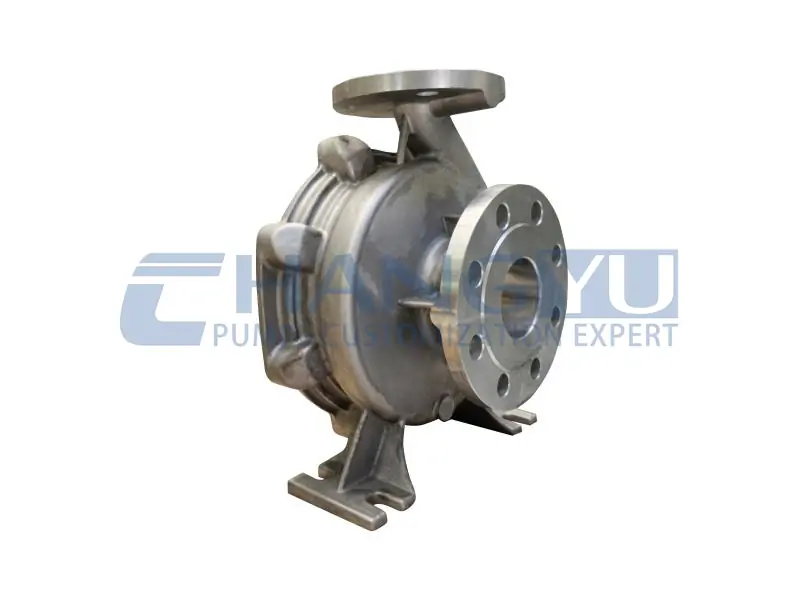
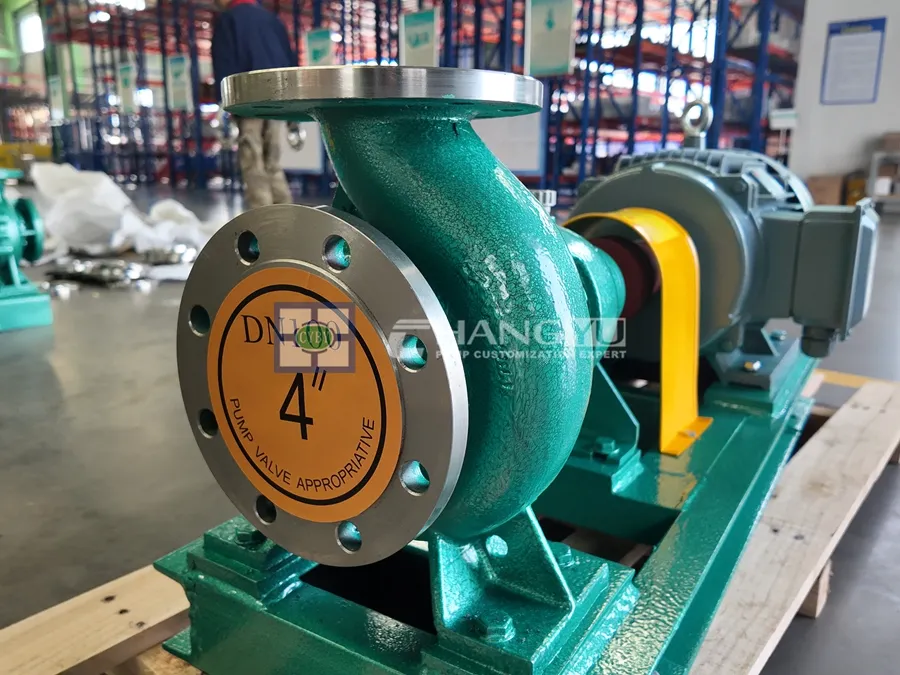
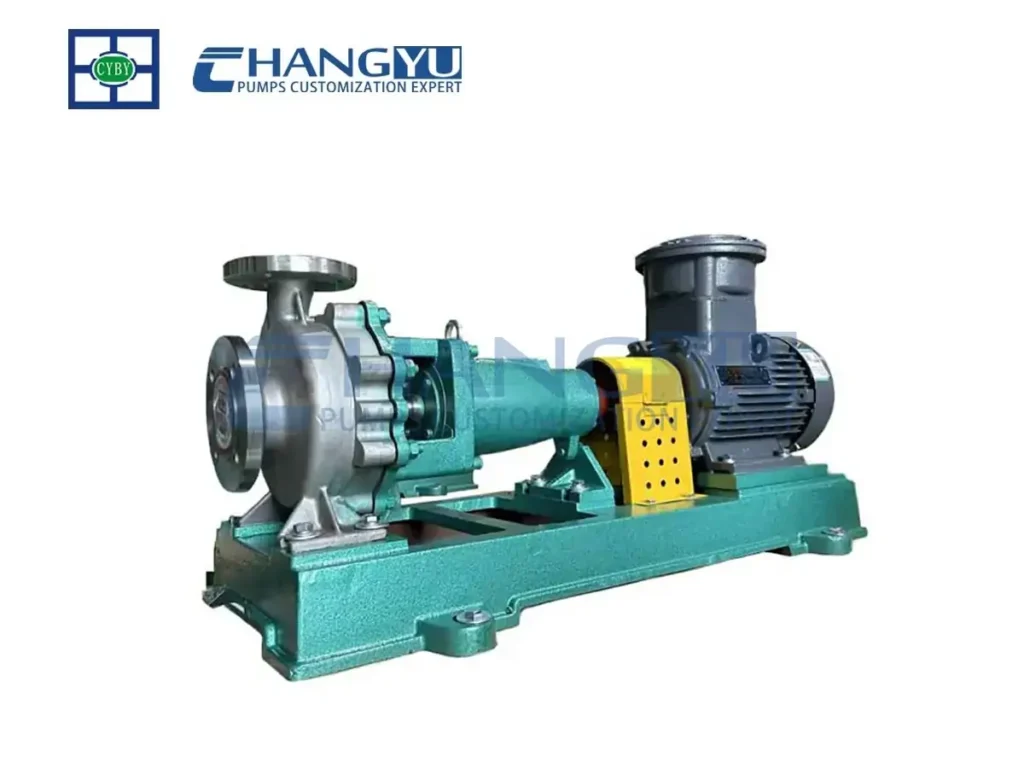
Check all wetted materials, not just the casing and impeller. Seal faces, elastomers, gaskets, exposed shaft surfaces, and liquid-lubricated bearings must also be compatible with the liquid. Low-carbon grades address specific metallurgical concerns; they do not make an otherwise unsuitable alloy chemically compatible. Ask for the complete wetted-material specification and applicable material standards. If compatibility is uncertain, send Changyu the composition, concentration, and temperature for review. An “all stainless” description is not enough.
Mechanical Seal or Magnetic Drive?
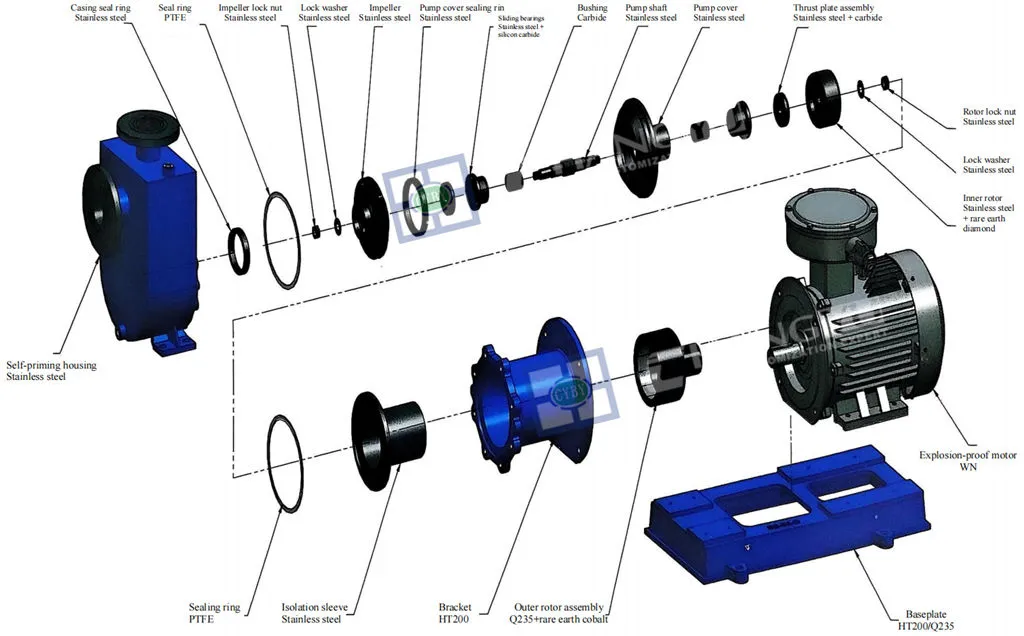
Choose the sealing arrangement based on the liquid and acceptable leakage. A mechanical seal seals the rotating shaft where it passes through the casing. Its face materials, secondary seals, and support system must suit the duty. A stainless steel magnetic drive pump transfers torque through a stationary containment shell, eliminating the conventional dynamic shaft seal. This removes a potential leakage path when handling volatile or hazardous liquids. The containment shell and static joints must still contain the liquid under the actual operating conditions.

Magnetic-drive pumps also have internal lubrication and cooling requirements. Many designs use the pumped liquid to lubricate bearings and carry away heat. Particles, vapor, interrupted internal circulation, or loss of liquid can damage these components. Review these conditions alongside the leakage requirements before selecting a magnetic-drive pump. Eliminating the shaft seal does not eliminate the need to check how the liquid affects the pump’s internal components.
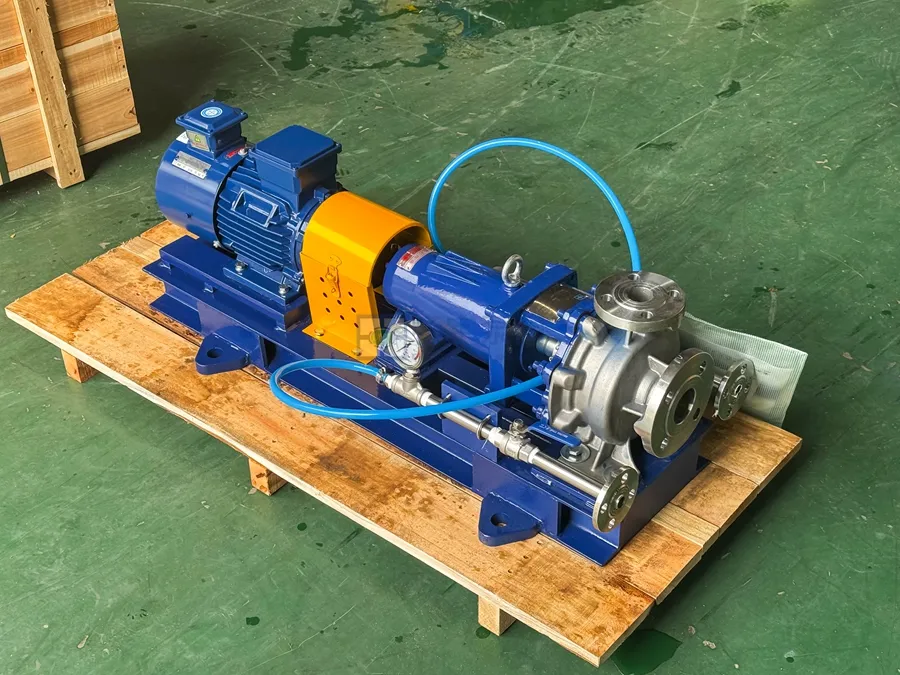
For mechanically sealed pumps, Changyu’s seal plans article explains the use of product circulation, cooling, external flushing, and dual-seal support systems. Each changes the conditions at the seal. A clean external flush may protect the seal faces, but it can also enter the product. Cooling may be unsuitable if it causes crystallization. Match the seal support arrangement to both the seal requirements and the process limits on contamination. A seal plan number alone does not explain the required arrangement or utilities.
When Stainless Steel Is Not Suitable
Some duties cannot be addressed by changing from 304 to 316 stainless steel. Many hydrochloric acid applications, for example, require materials beyond these grades. Changyu’s PTFE-lined versus stainless steel pump article discusses this comparison. Lined pumps also have pressure, temperature, and mechanical limits. If stainless steel is unsuitable for the chemistry, consider a different construction rather than trying to keep it in the specification.
The same approach applies to pump type. In Changyu’s published synthetic rubber project in Japan, CYH pumps were used for styrene and caustic soda, while BFQ diaphragm pumps were used for latex and additives. The project illustrates selection by liquid rather than using one model throughout the production area. It reports a 316L configuration for caustic soda, but does not give enough concentration and temperature data to confirm suitability for another application. Review the conditions of the actual line before using the same material.
If you’re still unsure how to choose, contact our team of experts today, and we’ll make recommendations based on your specific operating conditions.
Correo electrónico: [email protected]
TEL/WA: +86-13651913727
Define the Required Flow and Head
Account for the Tanks and the Pipework
Specify the normal, minimum, and maximum required flow, together with the control method. Required head includes elevation difference, pressure difference between the source and destination, and losses through piping and equipment. A pressurized receiving vessel or a source vessel under vacuum can be as important as the elevation change. Calculate the head at the required flow, accounting for valve positions, filters, and other equipment in the line.
Use the actual liquid density when converting pressure difference to head. Pipe friction losses change with flow, and viscosity affects those losses as well. A documented duty calculation is more useful than a large, unexplained safety allowance. Oversizing can leave the pump operating outside a suitable range during normal production.
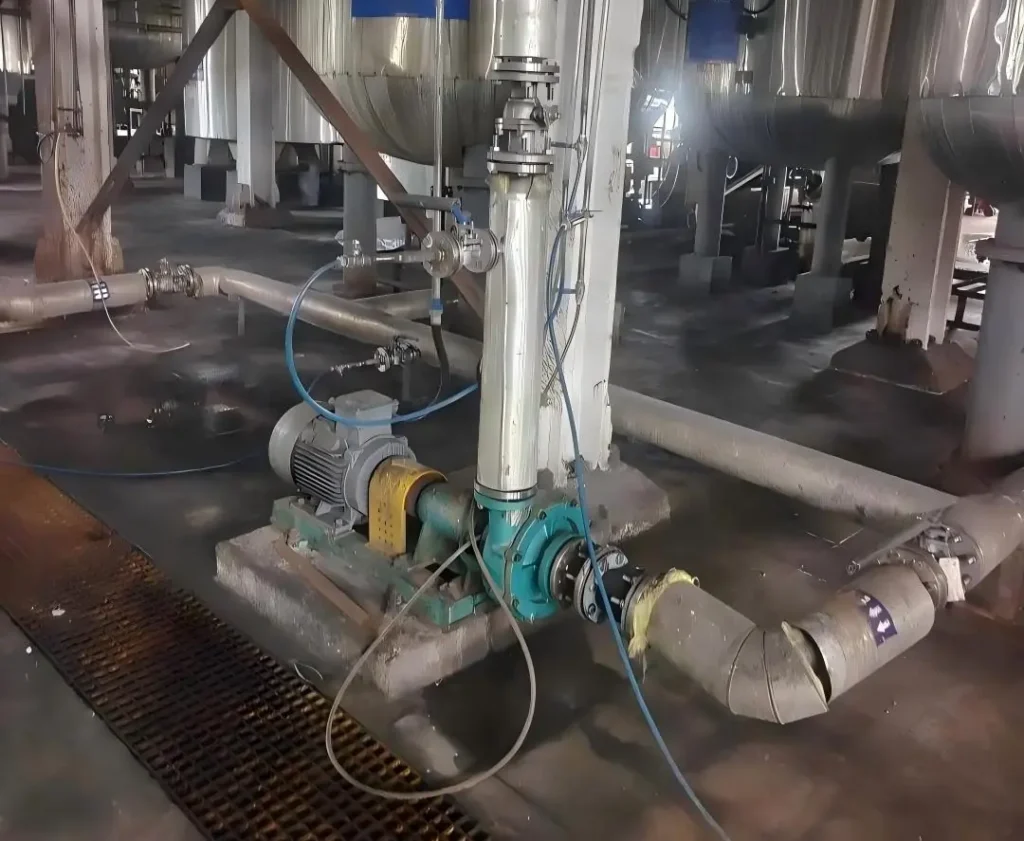
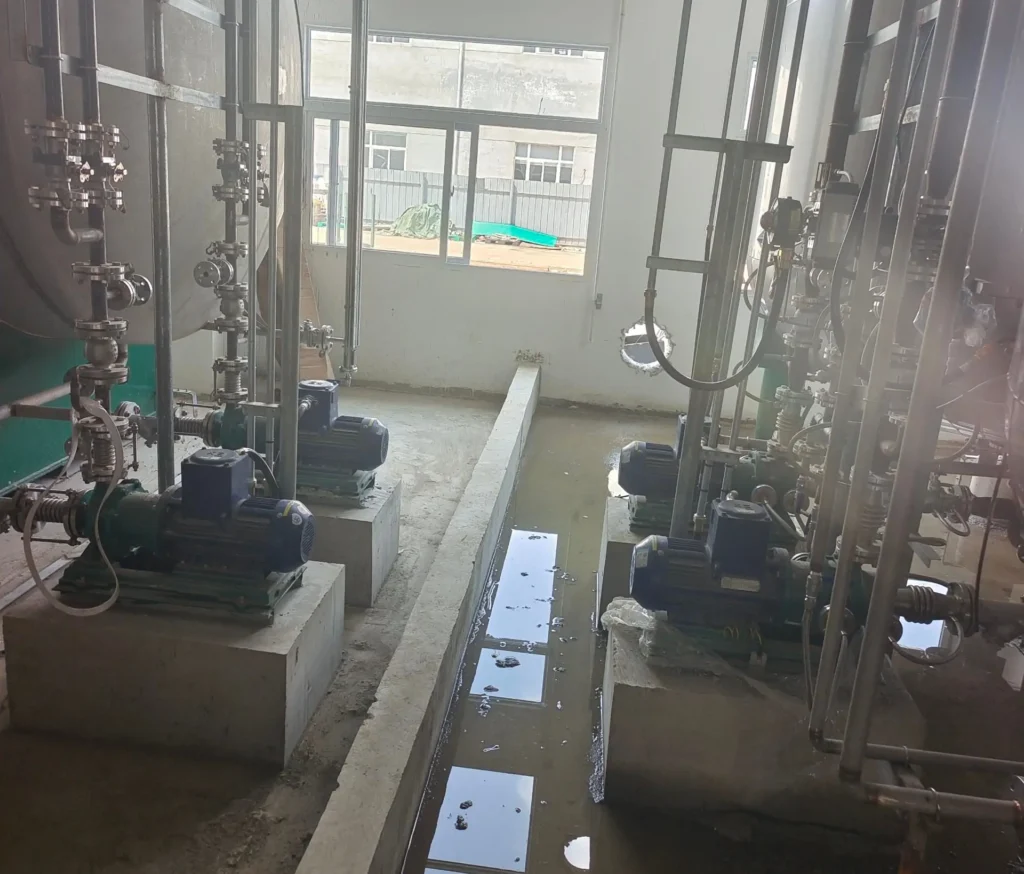
Check the Pump Curve and Power Requirement
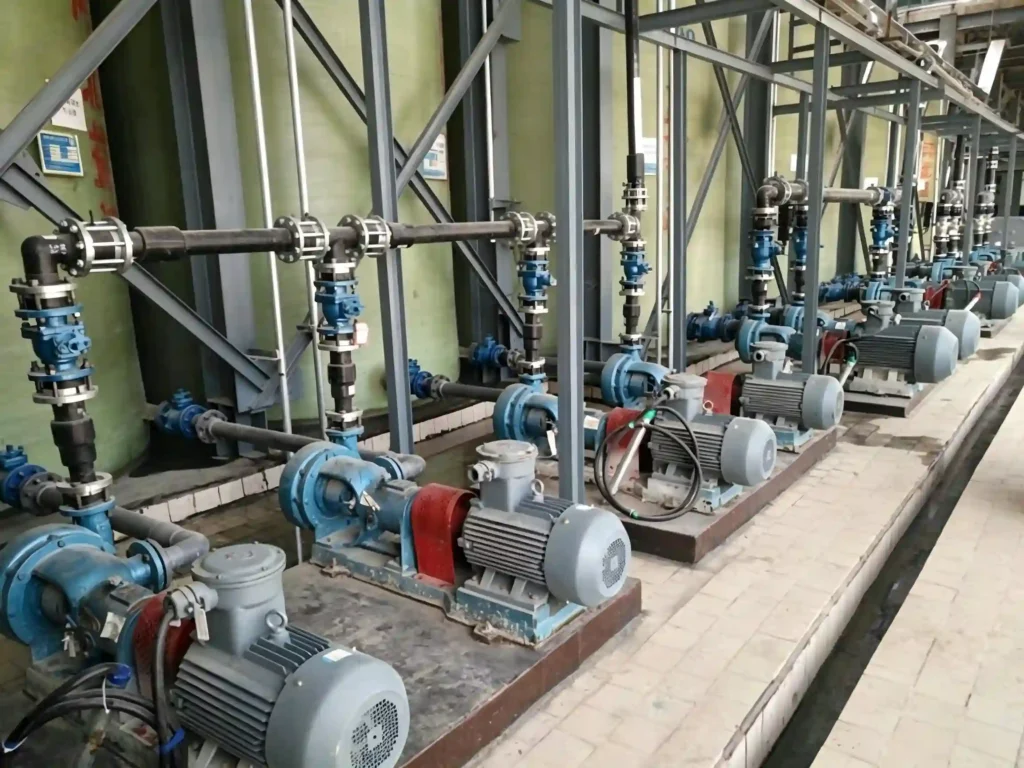
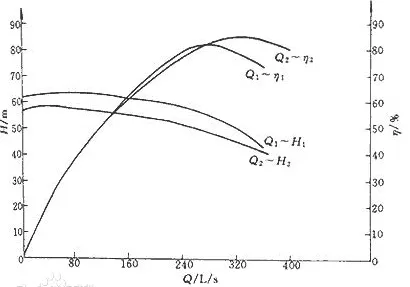
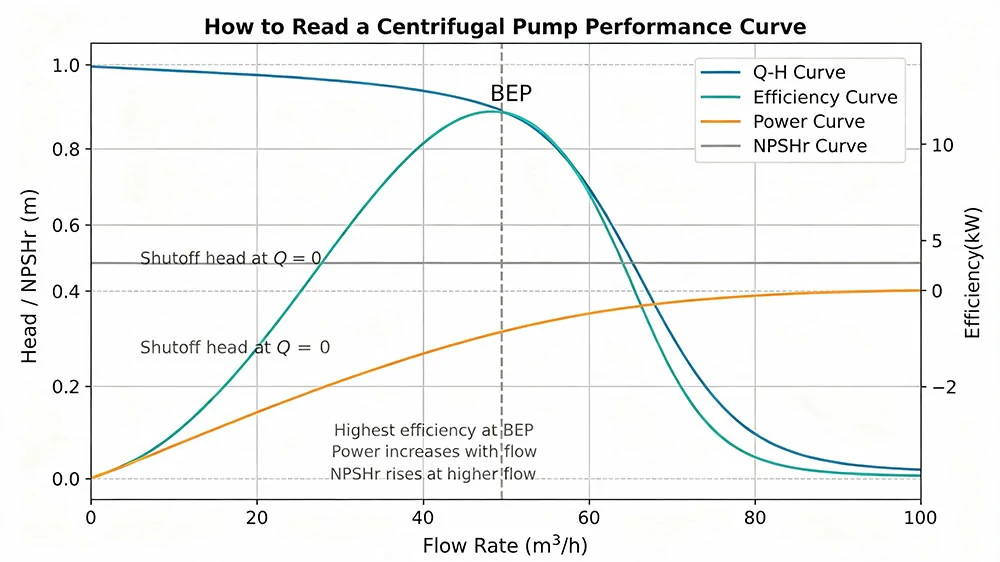
Maximum catalog flow and maximum head normally occur at different points on the pump curve. They are not a guaranteed operating combination. Request the curve for the proposed speed and impeller diameter, then check it against the system requirements over the expected operating range. Include minimum flow, throttled operation, and changes in tank level. A stainless steel centrifugal pump should meet the normal duty and expected variations within its allowable operating range, not simply have one duty point somewhere on the curve.
Review power on the same operating basis. Shaft power depends on liquid density, flow, head, and pump efficiency, with viscosity corrections where applicable. Multiplying an existing motor’s rated power by a density ratio is not a complete power assessment. The selected motor must cover the expected operating range and startup requirements. For a magnetic-drive pump, also check the coupling’s torque capacity. Assess the pump curve, power requirement, and drive together rather than applying a fixed percentage allowance to a nominal motor rating.
Check the Suction Conditions
Liquid Level, Vapor Pressure and NPSH
Net positive suction head available (NPSHA) depends on the liquid and suction conditions in the installation. Net positive suction head required (NPSHR) is a pump characteristic provided by the manufacturer. Lower liquid level, lower source-vessel pressure, and higher suction-line losses reduce NPSHA. Higher liquid temperature can also reduce it by increasing vapor pressure. A volatile liquid may have adequate suction conditions at normal temperature and tank level, but insufficient margin near the end of a transfer or during hotter operation.
The required NPSH margin depends on the pump and service. A small difference between NPSHA and the catalog NPSHR does not, by itself, establish acceptable cavitation performance. If the margin is insufficient, review the pump elevation, suction piping, liquid conditions, or pump selection. More motor power does not resolve insufficient NPSHA, and restricting the suction line is not a remedy. Check suction conditions before finalizing the selection, rather than waiting for noise or unstable flow after installation.
Self-Priming and Vertical Immersed Installations
A stainless steel self-priming pump may suit a suction-lift installation, provided the arrangement meets the design’s requirements for initial filling, retained liquid, suction-line airtightness, and suction lift. Self-priming allows the pump to establish liquid flow, but it does not remove vapor-pressure or NPSH constraints during operation. For Changyu’s CQZ self-priming magnetic-drive series, check both the priming requirements and the internal lubrication requirements.
El FY vertical immersed series is another option for tanks and sumps. The hydraulic section is immersed in the liquid, while the motor remains above the surface. Standard motor power is 1.5–22 kW; other power ratings require a custom configuration. Check minimum submergence, gas entrainment, shaft support, immersion length, and the space needed to lift out the assembly. An immersed inlet can simplify the suction arrangement, but tank geometry and the operating liquid-level range still need to suit the pump.
CYC Project Reference: Duty, Materials, and Drive
De Changyu South Korean fine chemical transfer case describes a February 2024 project using CYC magnetic-drive pumps. The published specification lists a design flow of 12 m³/h, a design head of 32 m, a 4 kW motor, an operating temperature of 40°C, and 316L for the main metallic wetted parts. It shows how a stainless steel chemical pump specification brings together hydraulic duty, materials, and drive arrangement. The material grade alone does not define the selection.
The project describes leakage-control requirements in fine chemical production, but does not publish the complete liquid composition or a full pump curve. Treat the configuration as a project reference, not an independent test result or a performance guarantee for every CYC model. For another application, collect the same types of information for the actual process. Copying the stated flow, head, and material grade without checking the liquid and suction conditions is not a sufficient basis for selection.
Compare Pump Series and Define the Purchase Specification
Once the liquid properties, duty, and suction arrangement are defined, compare the relevant pump series. CYH uses a mechanical seal for chemical transfer. CQ and CYC use magnetic drive. CQZ is intended for suitable suction-lift applications, while FY has an immersed wet end. HB is an option for particle-containing liquids. Use these differences to narrow the choices before evaluating individual models.
| Process requirement | Changyu starting point | Selection checks |
|---|---|---|
| Chemical transfer with a mechanical seal | CYH | Liquid profile, seal environment, curve and pressure requirements |
| Eliminating the conventional dynamic shaft seal | CQ o CYC | Internal circulation, bearing compatibility, minimum flow and coupling torque |
| Suction lift with magnetic drive | CQZ | Priming procedure, liquid levels, suction arrangement and NPSH |
| Transfer from a tank or sump | FY | Immersion length, minimum level, shaft support and removal space |
| Particle-containing chemical liquid | HB | Particle properties, concentration, wear and chemical compatibility |
HB can handle low-, medium-, and high-concentration media where the selected configuration suits the duty. For a stainless steel slurry pump, specify the concentration and its measurement basis, particle properties, and liquid chemistry. A broad concentration description does not establish suitability for large, hard particles. Changyu’s HB introduction video gives an overview of the series, but model-specific data is still needed for selection and quotation.
Include installation conditions and auxiliary requirements in the purchase specification. State the supply voltage and frequency, control method, hazardous-area classification where applicable, available cooling or flushing utilities, and maintenance space. Metal construction alone does not establish suitability for a hazardous area. A seal support system also needs its specified utilities to be available when required. Check that the component specifications and certification documents apply to the equipment being offered, not just to the manufacturer’s general product range.
Request a Duty-Based Recommendation from Changyu Pump
Changyu Pump manufactures and supplies the chemical pump configurations discussed here. For a duty-based recommendation, send us the liquid properties, required flow and head, tank and piping arrangement, electrical supply, and any limits on leakage or product contamination. Identify missing information as unknown. We can then review the gaps with you before purchase, rather than select a model on unstated assumptions.
Correo electrónico: [email protected]
TEL/WA: +86-13651913727
FAQ: Stainless Steel Chemical Pump Selection
¿Qué debo enviarle antes de solicitar una cotización?
Para una bomba química de acero inoxidable, envíe la composición y concentración del líquido, temperaturas, viscosidad y densidad, información de sólidos, caudal y altura requeridos, y la disposición del tanque y las tuberías. Incluya el nivel mínimo de líquido, el suministro eléctrico y los límites de fuga o contaminación. Marque los valores faltantes como desconocidos en lugar de estimarlos sin una base; entonces podremos identificar qué vacíos impiden una recomendación confiable de modelo.
¿Es el 316L adecuado para todo líquido que contenga ácido o cloruro?
No. Una bomba química de acero inoxidable debe verificarse frente a la mezcla real y la temperatura, incluida la limpieza y la exposición en reposo. La British Stainless Steel Association advierte que el 316 no es resistente a la corrosión en todas las condiciones de agua de mar y que los grados ordinarios 304/316 no son adecuados para el ácido clorhídrico. Comparamos otros materiales cuando es necesario en lugar de tratar el 316L como una mejora universal.
¿Debería elegir accionamiento magnético cuando la fuga es una preocupación?
Vale la pena considerarlo, pero el requisito de fuga es solo parte de la decisión. Una bomba química de acero inoxidable con accionamiento magnético elimina el sello dinámico de eje convencional, aunque sigue dependiendo de una carcasa de contención intacta y juntas estáticas. También verificamos la compatibilidad de los rodamientos internos, la refrigeración, la formación de vapor, las partículas y la protección contra pérdida de líquido. Compare esos requisitos con un sello mecánico adecuadamente soportado antes de elegir.
¿Puedo seleccionar una bomba utilizando su caudal máximo y su altura máxima?
No. Esos límites de catálogo suelen describir diferentes puntos de operación. Para una bomba química de acero inoxidable, solicite la curva para la velocidad y el diámetro del impulsor propuestos, y compárela con los requisitos del sistema en el rango de caudal esperado. La potencia del motor, el caudal mínimo y la región de operación permitida deben verificarse sobre esa misma base, incluyendo los efectos de la viscosidad cuando sea relevante.
¿La autoaspiración resolverá la presión de succión insuficiente?
No. El autocebado ayuda a que una instalación adecuada establezca la entrega, pero no elimina el requisito de NPSH en funcionamiento. Para una bomba química autocebante de acero inoxidable, seguimos revisando la temperatura del líquido y la presión de vapor, el nivel más bajo del tanque, las pérdidas de succión y la estanqueidad, así como los requisitos de llenado inicial y de líquido retenido. Un motor más grande no puede compensar un margen de NPSH inadecuado.
¿Puedo copiar la especificación de su proyecto CYC publicado?
Use it as a reference for the information to collect, not as a finished selection for another process. The case lists 12 m3/h, 32 m design head, 4 kW, 40 degrees C and 316L main metallic wetted parts, but not the complete liquid analysis or performance curve. We need your operating conditions to confirm whether a similar stainless steel chemical pump configuration is appropriate.
References and Further Reading
The industry sources below provide technical background. Our project pages document specific applications; they do not replace the drawings, performance data and material review for your own equipment.
Hydraulic Institute Data Tool – References. Official directory identifying ANSI/HI 9.6.1 for NPSH margin, 9.6.3 for operating regions and 9.6.7 for viscosity effects; use the edition applicable to the project.
British Stainless Steel Association – Selection of 316, 304 and 303 Types for Seawater Applications. Technical background on localized corrosion and the effect of flow, temperature and exposure conditions.
British Stainless Steel Association – Selection of Stainless Steels for Handling Hydrochloric Acid. Technical background supporting the need to consider alternatives to ordinary 304/316 grades for hydrochloric acid.
Changyu Pump – Fine Chemical Transfer Project in South Korea. Our published CYC duty and materials reference; not an independent performance test or approval for an undisclosed liquid mixture.