
Respuesta Rápida
A coke plant corrosive pump → bomba corrosiva de planta de coque maneja los fluidos agresivos generados durante la producción de coque, desde soluciones ácidas de desulfuración y lodos de sulfato de amonio hasta aguas residuales con fenol y alquitrán de hulla. Las bombas metálicas estándar fallan rápidamente en estos servicios porque los medios combinan corrosión ácida, sólidos abrasivos y disolventes orgánicos que atacan los materiales de la bomba simultáneamente. Factores clave de selección:
- El material debe resistir todo el espectro químico: Los fluidos de la planta de coque abarcan desde ácidos (ácido sulfúrico, ácido clorhídrico en desulfuración) hasta alcalinos (licor de amoníaco) y orgánicos (fenol, alquitrán, benceno). El material de la bomba debe ser químicamente inerte en todo este rango. El revestimiento de UHMWPE (polietileno de peso molecular ultraalto) es efectivamente inerte en todo el rango de pH encontrado en el servicio de plantas de coque (pH 1–14), además de ser inmune al fenol y al alquitrán.
- La resistencia a la abrasión no es negociable: Las soluciones de desulfuración transportan partículas abrasivas de catalizador. El lodo de sulfato de amonio contiene cristales afilados. Las aguas residuales transportan finos de carbón y polvo de coque. Una bomba que resiste la corrosión pero se desgasta en tres meses no es una solución.
- El diseño del sello debe manejar fenol y alquitrán: El fenol ataca las juntas tóricas y empaquetaduras estándar de caucho, causando hinchazón y fallo del sello. El alquitrán se adhiere a las caras del sello y bloquea el lavado del sello. Los sellos mecánicos dobles con sellos secundarios de PTFE son la especificación requerida para medios que contienen fenol.
El bombeo en plantas de coque no es una sola aplicación: abarca desulfuración, recuperación de amoníaco, producción de ácido y tratamiento de aguas residuales, cada una con una química de fluidos distinta. Una bomba que sobrevive en el circuito de desulfuración puede fallar en la unidad de recuperación de fenol si los elastómeros del sello no están especificados para exposición orgánica.
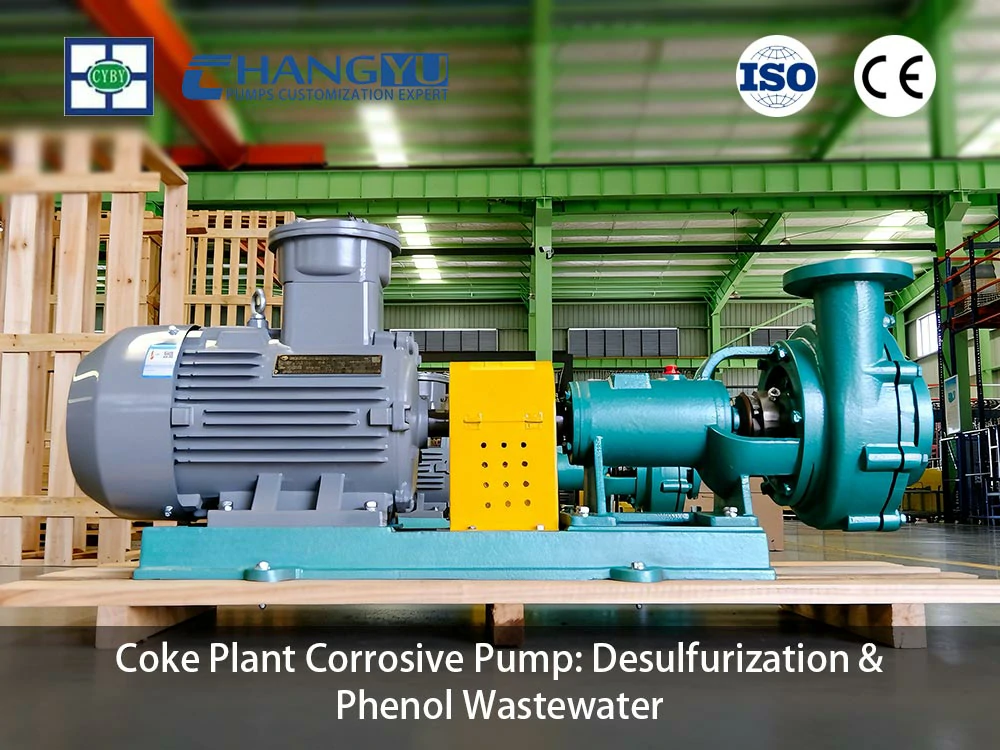
Después de leer esta guía, comprenderá las cuatro aplicaciones críticas de bombeo en una planta de coque, por qué las bombas revestidas de UHMWPE son especialmente adecuadas para el servicio en plantas de coque, cómo especificar materiales y sellos para cada fluido de proceso, y cuál es la verdadera diferencia de costo entre una bomba estándar de acero inoxidable y una bomba revestida de UHMWPE diseñada. Con más de 20 años de experiencia en fabricación de bombas, Changyu Pump presenta esta guía de selección enfocada para aplicaciones de bombas corrosivas en plantas de coque.
¿Dónde se utilizan bombas corrosivas en plantas de coque?
La producción de coque genera una mezcla compleja de fluidos corrosivos, abrasivos y orgánicos. Cada área de proceso impone demandas distintas a los materiales y diseño de la bomba.
Aplicaciones de bombeo en plantas de coque
Desulfuración de gas de horno de coque:
El gas que sale de los hornos de coque contiene sulfuro de hidrógeno (H₂S) y otros gases ácidos. Los sistemas de desulfuración lavan estos gases utilizando procesos alcalinos u oxidativos, produciendo una solución circulante que es ácida, abrasiva y a menudo caliente. El fluido contiene partículas de catalizador, azufre elemental y gases ácidos disueltos. Las bombas en este servicio deben resistir la corrosión ácida de la solución de lavado, la abrasión de las partículas de catalizador y azufre, y la tendencia a la incrustación de depósitos de azufre.
Recuperación de sulfato de amonio:
El amoníaco recuperado del gas de horno de coque se hace reaccionar con ácido sulfúrico para producir cristales de sulfato de amonio. El lodo resultante contiene cristales afilados y abrasivos en un licor madre ácido y caliente. Las bombas deben manejar altas concentraciones de sólidos sin obstruirse y resistir los efectos combinados de la corrosión ácida y la abrasión de los cristales. Las bombas estándar de acero inoxidable experimentan un desgaste rápido en el impulsor y la voluta debido al impacto de los cristales.
Producción de ácido (ácido sulfúrico / ácido clorhídrico):
La desulfuración del gas de horno de coque y las operaciones de decapado generan ácidos residuales que se recuperan y concentran. Los ácidos sulfúrico y clorhídrico diluidos se bombean a columnas de recuperación, rehervidores y tanques de almacenamiento. Los materiales deben resistir el ataque ácido en un rango de concentraciones y temperaturas.
Aguas residuales de fenol y alquitrán de hulla:
Las aguas residuales de plantas de coque contienen fenoles, amoníaco, alquitrán de hulla y sólidos suspendidos. El fenol es un disolvente orgánico que ataca los elastómeros de caucho estándar en los sellos y empaquetaduras de la bomba. El alquitrán de hulla es pegajoso y se adhiere a los internos de la bomba, acumulándose con el tiempo y reduciendo el flujo. La bomba debe manejar estos desafíos orgánicos mientras resiste la química subyacente del agua, que a menudo es ácida o alcalina dependiendo del proceso aguas arriba.
Resumen de características de medios en plantas de coque
| Área de Proceso | Medio principal | Tipo de corrosión | Contenido abrasivo | Temperatura | Requisito Clave de la Bomba |
|---|---|---|---|---|---|
| Desulfuración | Solución de lavado ácida, partículas de catalizador | Ácido (H₂SO₄, HCl) | Moderado — partículas de catalizador y azufre | 35–65°C → 35–65°C | Resistencia a ácidos + resistencia a la abrasión |
| Sulfato de amonio | Cristales de (NH₄)₂SO₄ en licor madre ácido | Ácido | Alto — cristales afilados | 50–80 °C | Resistencia a la abrasión + antiobstrucción |
| Producción de ácido | H₂SO₄ diluido, HCl | Ácido | Bajo | 30–60°C | Resistencia a ácido puro |
| Aguas residuales de fenol | Fenol, alquitrán, amoníaco, finos de carbón | Orgánico + alcalino/ácido | Moderado — finos de carbón | 30–70°C | Resistencia orgánica + compatibilidad del sello |
| Transferencia de alquitrán / benceno | Alquitrán de hulla, benceno crudo | Disolvente orgánico | Bajo | 20–60 °C | Diseño sin sello para cero fugas |
¿Por qué es ideal el revestimiento de UHMWPE para bombas de plantas de coque?
El UHMWPE (polietileno de peso molecular ultraalto) es un polímero de ingeniería que combina inercia química con una resistencia excepcional a la abrasión. En aplicaciones de plantas de coque, aborda los tres desafíos simultáneos que destruyen los materiales de bomba estándar.
La protección tridimensional del UHMWPE
Inercia química completa (pH 1–14):
El UHMWPE es químicamente inerte en todo el rango de pH encontrado en el servicio de plantas de coque. Resiste ácido sulfúrico, ácido clorhídrico, licor de amoníaco, fenol, alquitrán y benceno — el espectro completo de químicos de plantas de coque. A diferencia del acero inoxidable, que se corroe en ácido y puede sufrir corrosión bajo tensión por cloruros, el UHMWPE no se ve afectado por el entorno químico. A diferencia de los revestimientos de caucho, que se hinchan y degradan en fenol y alquitrán, el UHMWPE mantiene sus propiedades mecánicas indefinidamente.
Resistencia a la abrasión superior al acero:
El peso molecular del UHMWPE — típicamente de 3 a 6 millones de g/mol — le otorga una resistencia a la abrasión que supera significativamente al acero al carbono, brindando típicamente una vida útil 3–5 veces mayor en aplicaciones de lodos en plantas de coque. En el circuito de sulfato de amonio, donde cristales afilados impactan las superficies de la bomba a alta velocidad, los revestimientos de UHMWPE superan a los impulsores y volutas de acero inoxidable por un factor de tres a cinco. El material absorbe la energía de impacto de las partículas sólidas sin el microcorte y la erosión que experimentan las superficies metálicas.
Superficie Antiadherente:
El UHMWPE tiene una energía superficial extremadamente baja, lo que significa que materiales pegajosos como el alquitrán de hulla y el azufre no se adhieren a él. En el circuito de desulfuración, donde los depósitos de azufre pueden acumularse en las superficies metálicas de la bomba y eventualmente bloquear el flujo, los revestimientos de UHMWPE permanecen limpios. Esta propiedad antiadherente reduce la frecuencia de limpieza de mantenimiento y previene la reducción progresiva del flujo que afecta a las bombas metálicas en servicio de alquitrán y azufre.
UHMWPE vs Materiales Alternativos para Servicio en Plantas de Coque
| Material | Resistencia a Ácidos | Resistencia a Álcalis | Resistencia a Fenol/Alquitrán | Resistencia a la abrasión | Límite de temperatura | Costo Relativo |
|---|---|---|---|---|---|---|
| Revestido de UHMWPE | Excelente (pH 1–14) | Excelente | Excelente — sin hinchazón | Excelente — 3–5× vida del acero | 90 °C | Medio |
| Acero inoxidable 316L | Moderada (picaduras en cloruros) | Bien | Bien | Pobre — desgaste rápido por cristales | 165°C+ | Medio |
| Revestido de FEP/PFA | Excelente | Excelente | Excelente | Moderada — más blando que UHMWPE | 120–160°C | Medio-Alto |
| Revestido de caucho natural | Buena (rango de ácido limitado) | Bien | Pobre — se hincha en fenol y alquitrán | Buena — pero cortada por cristales afilados | 70 °C | Baja-Media |
El UHMWPE ocupa la intersección óptima para servicio en plantas de coque: resistencia química equivalente a costosos revestimientos de fluoropolímero, resistencia a la abrasión superior al acero y antiadherencia que ninguna superficie metálica puede igualar, todo a un costo moderado.
Los ingenieros de Changyu Pump han observado: En los circuitos de desulfuración y sulfato de amonio de plantas de coque, las bombas de acero inoxidable 316L típicamente requieren reemplazo del impulsor cada 6–12 meses debido a la corrosión combinada y la abrasión por cristales. Las bombas revestidas con UHMWPE en el mismo servicio operan rutinariamente durante 3–5 años antes de que se requiera la primera inspección del revestimiento. La eliminación del tiempo de inactividad no programado por mantenimiento, combinada con una vida útil extendida de los componentes, hace del UHMWPE la opción de material más rentable para la mayoría de las aplicaciones de bombeo en plantas de coque. Para servicio de sulfato de amonio por encima de 75°C de operación continua, considere bombas revestidas con FEP para una vida útil extendida.
¿Cómo Seleccionar Materiales para Bombas Corrosivas en Plantas de Coque?
La selección de materiales para bombas en plantas de coque requiere igualar el material de la bomba a las características químicas y abrasivas específicas de cada fluido de proceso. Una estrategia de material universal falla porque los medios difieren fundamentalmente entre las áreas de proceso.
Matriz de Selección de Materiales para Plantas de Coque
| Fluido del Proceso | Rango de pH | Desafío Químico Clave | Contenido abrasivo | Material recomendado para la bomba | Material del Sello |
|---|---|---|---|---|---|
| Solución circulante de desulfuración | Aplicación Alimentaria | Ácido sulfúrico, HCl, partículas de catalizador | Moderado | Revestido de UHMWPE | Sello mecánico doble, sellos secundarios de PTFE |
| Lodo de sulfato de amonio | 3–5 | Licor madre ácido caliente + cristales afilados | Alto | Revestido de UHMWPE | Sello mecánico doble, sellos secundarios de PTFE |
| Ácido sulfúrico diluido (fabricación de ácido) | 0–2 | Ácido fuerte | Bajo | Revestido de UHMWPE | Sello mecánico doble, sellos secundarios de PTFE |
| Aguas residuales de fenol | 5–9 (variable) | Fenol, alquitrán, amoníaco, finos de carbón | Moderado | Revestido de UHMWPE | Sello mecánico doble, sellos secundarios de PTFE (esenciales para resistencia al fenol) |
| Benceno crudo / alquitrán | Neutro | Disolventes orgánicos | Bajo | Revestido con UHMWPE o accionamiento magnético CQZ | Accionamiento magnético sin sello para cero fugas |
| Licor de amoníaco | 9–11 | Alcalino | Bajo | Revestido de UHMWPE | Sello mecánico estándar, juntas tóricas de EPDM |
El Problema del Fenol: Por Qué Importa el Material del Sello
El fenol y el alquitrán de hulla presentan un desafío específico para los sellos de las bombas que a menudo se pasa por alto. El fenol es un disolvente orgánico que penetra e hincha los elastómeros de caucho estándar — NBR, EPDM e incluso grados estándar de FKM. Un sello mecánico con juntas tóricas de EPDM estándar instalado en servicio de aguas residuales con fenol puede fallar en semanas a medida que la junta tórica se hincha, pierde su fuerza de sellado y permite fugas más allá del asiento estacionario.
La solución es especificar sellos mecánicos con sellos secundarios de PTFE o perfluoroelastómero (FFKM) para cualquier servicio en plantas de coque que involucre fenol, alquitrán o benceno. El PTFE es completamente inerte al fenol y a todos los demás disolventes orgánicos presentes en las corrientes de las plantas de coque. El costo incremental de los componentes de sello de PTFE — típicamente unos pocos cientos de dólares — se recupera muchas veces a través de una vida útil extendida del sello y la eliminación del mantenimiento no programado.
Los ingenieros de Changyu Pump recomiendan: Para todas las bombas de plantas de coque que manejan medios que contienen fenol, especifique sellos mecánicos dobles con juntas tóricas encapsuladas en PTFE o sellos secundarios de cuña de PTFE como estándar mínimo. Para aplicaciones de benceno crudo y alquitrán donde incluso una fuga menor es inaceptable, especifique una bomba de accionamiento magnético sin sello que elimine por completo el sello mecánico.
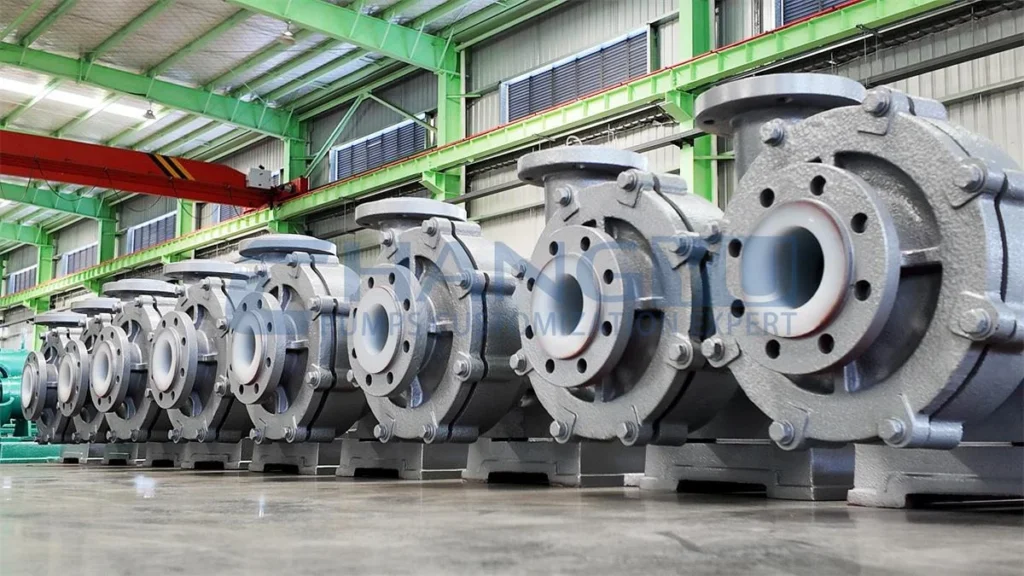
¿Por Qué Elegir Sellos Mecánicos Dobles para Bombas de Fenol en Plantas de Coque?
El sello mecánico es el componente más vulnerable en cualquier bomba de planta de coque. La falla del sello es la causa principal del mantenimiento no programado de la bomba, y la causa principal de falla del sello en servicio en plantas de coque es el ataque químico a los elastómeros del sello por fenol, alquitrán y disolventes orgánicos.
Cómo el Fenol Daña los Sellos Estándar
Un sello mecánico estándar depende de juntas tóricas o fuelles elastoméricos para proporcionar el sello secundario entre el asiento estacionario y la carcasa de la bomba, y entre la cara rotativa y el eje. Cuando el fluido que contiene fenol entra en contacto con estos elastómeros:
- Hinchazón: El fenol penetra en la matriz del elastómero, causando que la junta tórica aumente de volumen. Una junta tórica hinchada ya no encaja correctamente en su ranura y pierde su capacidad de sellado.
- Ablandamiento: La exposición prolongada al fenol reduce la dureza y la resistencia mecánica del elastómero. El material ablandado se deforma bajo presión y no puede mantener un sello confiable.
- Degradación química: A temperaturas elevadas, el fenol reacciona con los compuestos de caucho estándar, rompiendo las cadenas de polímero y haciendo que el elastómero se vuelva quebradizo y se agriete.
La Solución del Sello Mecánico Doble
Un sello mecánico doble utiliza dos conjuntos de caras de sello dispuestas espalda con espalda con un fluido de barrera circulando entre ellas. Esta configuración proporciona tres capas de protección para servicio que contiene fenol:
- Aislamiento del fluido de barrera: Las caras del sello exterior entran en contacto con fluido de barrera limpio, no con el medio bombeado. Solo las caras del sello interior están expuestas al fluido de proceso.
- Sellos secundarios de PTFE: Las juntas tóricas y empaquetaduras en un sello doble diseñado para servicio químico están hechas de PTFE o materiales encapsulados en PTFE que son completamente inertes al fenol, alquitrán y benceno.
- Detección de fugas: Si el sello interno comienza a fugarse, la presión del fluido de barrera disminuye o su conductividad cambia, proporcionando una advertencia temprana antes de que el sello externo se vea comprometido. Esto permite un mantenimiento planificado en lugar de una reparación de emergencia.
Los ingenieros de Changyu Pump recomiendan: Para todas las bombas de planta de coque que manejen medios peligrosos, olorosos o que contengan fenol, especifique sellos mecánicos dobles como mínimo. El costo incremental en comparación con un sello simple estándar es típicamente de $500–$1,500 por bomba, una fracción del costo de una sola falla no planificada del sello, que puede ascender a $5,000–$15,000 cuando se incluyen mano de obra, tiempo de inactividad y pérdida de producción. Para aplicaciones de benceno crudo y alquitrán, actualice a una bomba de accionamiento magnético sin sello para una operación de fuga cero absoluta. Para servicios de agua limpia no peligrosos, es aceptable un sello mecánico simple estándar con enjuague adecuado.
¿Cuánto Cuesta una Bomba Corrosiva para Planta de Coque Durante su Vida Útil?
El precio de compra de una bomba para planta de coque es una pequeña fracción de su costo de vida útil. Costo total de propiedad captura el consumo de energía, piezas de repuesto, mano de obra de mantenimiento y tiempo de inactividad de producción: el costo real de poseer una bomba. En servicios corrosivos y abrasivos de plantas de coque, la diferencia de costo entre una bomba estándar de acero inoxidable y una bomba revestida de UHMWPE diseñada es dramática.
Comparación de TCO a 5 Años: Acero Inoxidable 316L vs Revestido de UHMWPE
Suposiciones: Bomba de circulación de desulfuración de planta de coque, 100 m³/h a 30 m de altura, solución ácida de proceso HPF (pH 2–4) con partículas de catalizador, 7,200 horas de operación por año.
| Componente de Costo | Centrífuga de Acero Inoxidable 316L | Revestido de UHMWPE (Serie UHB) | Notas |
|---|---|---|---|
| Costo inicial de la bomba | $5,000–$8,000 | $6.000–$10.000 | La bomba de UHMWPE tiene un costo inicial moderadamente más alto |
| Reemplazo de impulsor/carcasa | Cada 8–12 meses (4–6 reemplazos en 5 años) | Primera inspección a los 3–5 años; típicamente no se necesita reemplazo | El acero inoxidable se desgasta rápidamente por la corrosión ácida combinada y la abrasión del catalizador |
| Costo de piezas de repuesto (5 años) | $12.000–$24.000 | $0–$3.000 | El UHMWPE elimina el ciclo de reemplazo repetido |
| Reemplazo de sello mecánico | Cada 6–12 meses | Cada 2–3 años (con sellos secundarios de PTFE) | El fenol y el alquitrán aceleran la falla del sello en sellos estándar |
| Tiempo de inactividad no planificado (5 años) | 8–15 eventos | 0–2 eventos | Cada evento de tiempo de inactividad no planificado cuesta $3,000–$8,000 en producción perdida |
| TCO Estimado a 5 Años | $48.000–$112.000 | $9.000–$28.000 | La bomba de UHMWPE ahorra un 70–80% en 5 años |
Nota: Basado en el proceso de desulfuración HPF con solución ácida (pH 2–4) y partículas de catalizador. Los intervalos de reemplazo reales y los costos varían según la química específica del proceso, el contenido de sólidos y las prácticas de mantenimiento. La ventaja fundamental de TCO de las bombas revestidas de UHMWPE — vida útil extendida y tiempo de inactividad no programado eliminado — es consistente en todas las aplicaciones de plantas de coque.
La Perspectiva del TCO
Para servicios corrosivos y abrasivos de plantas de coque, la bomba de acero inoxidable 316L que parece más barata en la orden de compra es en realidad de tres a cinco veces más costosa durante un período operativo de cinco años. Cada parada no planificada de bomba en una planta de coque — ya sea por reemplazo de impulsor, reparación de sello o corrosión de la carcasa — cuesta miles de dólares en producción perdida, mano de obra y daños colaterales a equipos posteriores.
La bomba revestida de UHMWPE elimina el ciclo repetido de corrosión, desgaste y reemplazo que hace que las bombas de acero inoxidable sean tan costosas de poseer en estos servicios. La prima de costo inicial moderada generalmente se recupera dentro de los primeros 12–18 meses de operación a través de una sola falla evitada.
Soluciones de Bombas Corrosivas para Planta de Coque de Changyu Pump
Changyu Pump fabrica dos series de bombas adecuadas para aplicaciones corrosivas y abrasivas en plantas de coque, cada una diseñada para fluidos de proceso y condiciones operativas específicas.
Guía de Selección de Productos de Bombas para Planta de Coque
| Solicitud | Desafío principal | Series recomendadas | Característica clave |
|---|---|---|---|
| Fluido de circulación de desulfuración | Ácido + lechada abrasiva | Serie UHB | Revestido de UHMWPE; pH 1–14; 30% sólidos |
| Lodo de sulfato de amonio | Cristales corrosivos + abrasión | Serie UHB | Resistente al desgaste; impulsor semiabierto |
| Aguas residuales de fenol | Corrosión orgánica + ácida | Serie UHB | Antiadherente; resistente al fenol |
| Fabricación de ácido (ácido diluido) | Corrosión ácida | Serie UHB | Químicamente inerte a HCl, H₂SO₄ |
| Licor de amoníaco | Alcalino | Serie UHB | Capacidad de pH 1–14 |
| Transferencia de benceno crudo/alquitrán | Inflamable, tóxico, requiere fuga cero | Serie CQZ | Accionamiento magnético sin sello; cebado automático |
| Drenaje de sumidero subterráneo | Líquidos peligrosos, altura de succión | Serie CQZ | Cebado automático; no necesita válvula de pie |
Serie UHB — Bomba de Lechada Corrosiva Revestida de UHMWPE (Caballo de Batalla de Planta de Coque)
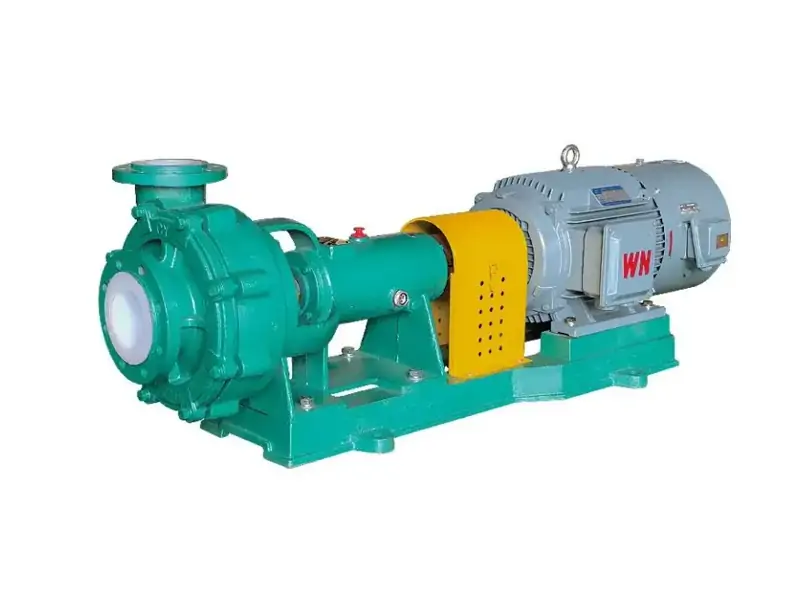
Bomba centrífuga revestida de UHMWPE con camisa de acero diseñada para lechadas corrosivas y abrasivas. El revestimiento de UHMWPE proporciona resistencia química universal de pH 1 a 14, resistencia a la abrasión que supera al acero en 3–5 veces, y una superficie antiadherente que evita la acumulación de alquitrán y azufre. El impulsor semiabierto maneja sólidos hasta una concentración de 30% sin obstrucciones. Ampliamente utilizado en aplicaciones de desulfuración de plantas de coque, sulfato de amonio, aguas residuales de fenol y producción de ácido.
| Parámetro | Especificaciones |
|---|---|
| Caudal | 3–2 600 m³/h |
| Cabeza | 5–100 m |
| Potencia del motor | 0,75–300 kW |
| Velocidad | 750–2 900 rpm |
| Temperatura | De -20 °C a 90 °C |
| Material del forro | UHMWPE |
Serie CQZ — Bomba de cebado automático con accionamiento magnético (medios peligrosos con fuga cero)
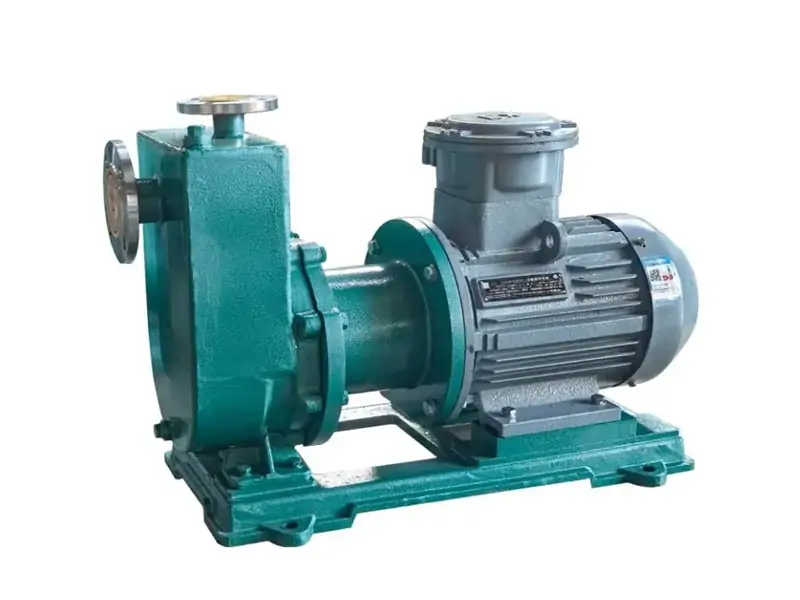
Bomba de accionamiento magnético sin sello para fluidos peligrosos, inflamables o tóxicos de plantas de coque donde la fuga es inaceptable. El diseño de sello estático elimina por completo el sello mecánico, la ruta de fuga principal en bombas convencionales. La capacidad de cebado automático maneja el drenaje de sumideros subterráneos y la descarga de vagones tanque sin válvulas de pie o sistemas de cebado. Adecuado para la transferencia de benceno crudo, alquitrán de hulla y licor de amoníaco.
| Parámetro | Especificaciones |
|---|---|
| Caudal | 3–800 m³/h |
| Cabeza | 5–130 m |
| Potencia del motor | 5–160 kW |
| Velocidad | 968–3 450 r/min |
| Temperatura | -120°C a 320°C |
| Materiales | 304, 304L, 316L, 2205/904L, TA2, HC276 |
Estudio de Caso de Bomba Corrosiva para Planta de Coque: Resolviendo una Falla por Corrosión en Bomba de Desulfuración
Una planta de coque en el norte de China operaba un sistema de desulfuración de gas de horno de coque utilizando un proceso catalítico HPF (hidroquinona, sulfonato de cobalto ftalocianina, sulfato ferroso) a base de amoníaco. La bomba de circulación de desulfuración manejaba una solución ácida (pH 2–4) que contenía catalizador de hierro disuelto y partículas de azufre elemental suspendidas. Bomba original: bomba centrífuga de acero inoxidable 316L, 100 m³/h a 30 m de altura, operando a 60–65°C.
En seis meses desde la puesta en marcha, el impulsor de 316L mostró corrosión por picaduras severa y erosión en los bordes debido al impacto de partículas de azufre. La bomba fue retirada del servicio después de ocho meses cuando el caudal cayó por debajo del 80% del diseño debido a la recirculación interna por el aumento de las holguras de los anillos de desgaste. El sello mecánico falló aproximadamente cada seis meses; la inspección posterior a la falla reveló que la solución ácida atacaba los componentes de acero inoxidable del sello, mientras que las partículas de azufre se incrustaban en la cara de carbono del sello, causando desgaste abrasivo.
El análisis de causa raíz confirmó que el acero inoxidable 316L, aunque está clasificado para la concentración de ácido a esta temperatura, estaba siendo atacado por el mecanismo combinado de corrosión ácida y erosión por partículas sólidas. Las partículas de azufre, aunque blandas, impactaban continuamente la capa de óxido pasiva, impidiendo su regeneración. El sello mecánico fallaba porque los componentes estándar de acero inoxidable del sello y las caras de carbono no estaban diseñados para el ataque simultáneo de ácido y la abrasión por partículas sólidas.
La planta reemplazó la bomba por una bomba revestida de UHMWPE de la Serie UHB de Changyu, con un doble sello mecánico que presenta caras de carburo de silicio y sellos secundarios de PTFE. El revestimiento de UHMWPE eliminó por completo el mecanismo de corrosión-erosión; la superficie polimérica inerte era inmune a la química ácida, y su alta resistencia a la abrasión absorbió el impacto de las partículas de azufre sin pérdida de material. Las caras del sello de carburo de silicio, mucho más duras que las partículas de azufre, resistieron la incrustación y mantuvieron una superficie de sellado plana.
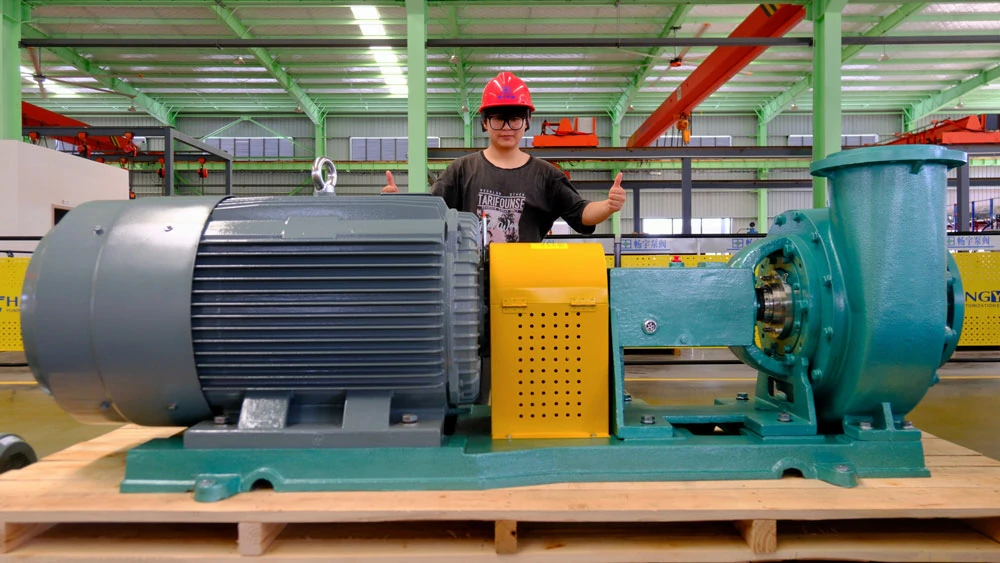
Cuatro años después del reemplazo, el revestimiento de UHMWPE mostró solo un pulido superficial sin desgaste medible. El doble sello mecánico se reemplazó una vez como mantenimiento planificado a los 30 meses, no porque hubiera fallado, sino como medida preventiva durante una parada programada de la planta. La planta no había experimentado ningún tiempo de inactividad no planificado relacionado con la bomba de desulfuración desde que se instaló la bomba UHB.
Conclusión clave: El acero inoxidable 316L no es adecuado para el servicio de bombas circulantes de desulfuración en plantas de coque. La combinación de corrosión ácida y erosión por partículas de azufre crea un mecanismo de desgaste sinérgico que destruye impulsores y sellos en cuestión de meses. Las bombas revestidas de UHMWPE con dobles sellos mecánicos eliminan tanto los mecanismos de corrosión como de abrasión, ofreciendo años de operación libre de mantenimiento en una aplicación donde las bombas estándar fallan repetidamente.
Preguntas Frecuentes sobre Bombas Corrosivas para Plantas de Coque
P: ¿Cuál es el mejor material para las bombas de desulfuración en plantas de coque?
R: El revestimiento de UHMWPE (polietileno de peso molecular ultraalto) es el material óptimo para las bombas circulantes de desulfuración. Es químicamente inerte al ácido sulfúrico, ácido clorhídrico y soluciones de catalizador a pH 1–14, y su resistencia a la abrasión ofrece una vida útil de 3 a 5 veces mayor que la del acero inoxidable 316L en esta aplicación.
P: ¿Pueden las bombas de acero inoxidable manejar las aguas residuales de fenol en plantas de coque?
R: Las bombas de acero inoxidable pueden manejar la química del agua de las aguas residuales de fenol, pero los sellos fallarán rápidamente si se utilizan elastómeros estándar. El fenol ataca los O-rings de EPDM, NBR y FKM estándar, causando hinchazón y fugas en el sello. Las bombas para medios que contienen fenol deben especificar sellos secundarios de PTFE o FFKM.
P: ¿Por qué las bombas para plantas de coque necesitan dobles sellos mecánicos?
R: Para medios peligrosos, olorosos o que contienen fenol, los dobles sellos mecánicos proporcionan un fluido de barrera entre el fluido de proceso y la atmósfera, evitando emisiones. También permiten el uso de sellos secundarios de PTFE que resisten el ataque del fenol y el alquitrán. Para aplicaciones de benceno crudo y alquitrán, las bombas de accionamiento magnético sin sello eliminan por completo el sello mecánico.
P: ¿Cuánto dura una bomba revestida de UHMWPE en servicio en una planta de coque?
R: En servicios de desulfuración y sulfato de amonio, las bombas revestidas de UHMWPE suelen operar de 3 a 5 años antes de que se requiera la primera inspección del revestimiento. Esto se compara con 6 a 12 meses para los impulsores de acero inoxidable 316L en el mismo servicio. El revestimiento de UHMWPE es un componente de desgaste consumible; el reemplazo predecible es mantenimiento planificado, no una falla.
P: ¿Cuál es la diferencia entre las bombas revestidas de UHMWPE y las de fluoroplástico (FEP/PFA)?
R: El UHMWPE proporciona una resistencia a la abrasión superior (3–5 veces la vida del acero) a un costo más bajo, lo que lo hace ideal para lodos y fluidos con sólidos. Los revestimientos de fluoroplástico (FEP/PFA) ofrecen una mayor capacidad de temperatura (120–160°C frente a 90°C para UHMWPE) pero una menor resistencia a la abrasión. Para la mayoría de las aplicaciones en plantas de coque que operan por debajo de 90°C, el UHMWPE proporciona la mejor combinación de resistencia química, vida útil de desgaste y costo.
Lista de Verificación del Ingeniero de Bombas Changyu para Evitar Problemas en Bombas de Plantas de Coque
- Nunca especifique acero inoxidable estándar (316L) para bombas circulantes de desulfuración. La combinación de corrosión ácida y abrasión por catalizador/azufre destruye los impulsores en cuestión de meses.
- Nunca use O-rings estándar de EPDM o NBR en servicios de fenol o alquitrán. Estos elastómeros se hinchan y fallan en semanas. Los sellos secundarios de PTFE son obligatorios.
- Especifique dobles sellos mecánicos para todos los servicios de bombas en plantas de coque que contengan medios peligrosos, olorosos o con fenol. El fluido de barrera aísla el fluido de proceso y previene emisiones.
- Para benceno crudo y alquitrán, especifique bombas de accionamiento magnético sin sello. No se puede confiar en los sellos mecánicos para un servicio de cero fugas con fluidos orgánicos inflamables y tóxicos.
- Inspeccione el espesor del revestimiento de UHMWPE a intervalos anuales. El revestimiento es un componente de desgaste; el reemplazo programado basado en el desgaste medido es mucho más económico que la reparación de emergencia después de una falla del revestimiento.
- Instale filtros de succión en las bombas de desulfuración y sulfato de amonio. Los grandes aglomerados de catalizador o residuos extraños pueden dañar incluso el impulsor más resistente a la abrasión.
- Enjuague las bombas con un líquido limpio compatible antes de paradas prolongadas. Para la mayoría de los servicios en plantas de coque, el agua limpia es adecuada. Para servicios de ácido concentrado, verifique que el enjuague con agua no genere calor excesivo; en caso de duda, use una solución de ácido diluido compatible.
- Mantenga en inventario un impulsor de repuesto de UHMWPE y un conjunto de sello mecánico. Si bien las bombas de UHMWPE son altamente confiables, el tiempo de entrega para componentes con revestimiento personalizado puede extenderse a semanas; la disponibilidad de inventario convierte una posible parada en una reparación el mismo día..
Conclusión
El bombeo en plantas de coque es un desafío multifluido y multimecanismo que las bombas estándar no pueden satisfacer. Las corrientes de proceso combinan corrosión ácida, abrasión por partículas sólidas y ataque químico orgánico de maneras que exponen las limitaciones de las bombas de acero inoxidable, con revestimiento de caucho y con revestimiento de fluoroplástico de forma individual..
Las bombas con revestimiento de UHMWPE se han convertido en el estándar para los servicios de desulfuración, sulfato de amonio y aguas residuales de fenol en plantas de coque, ya que abordan los tres mecanismos de degradación simultáneamente: inercia química completa desde pH 1 hasta 14, resistencia a la abrasión que ofrece una vida útil 3 a 5 veces mayor que la del acero, y una superficie antiadherente que previene la incrustación de alquitrán y azufre. La prima de costo inicial moderada sobre una bomba de acero inoxidable se recupera en un plazo de 12 a 18 meses mediante la eliminación del mantenimiento no programado y la vida útil extendida de los componentes..
Para aplicaciones de benceno crudo y alquitrán donde la operación con cero fugas es un requisito de seguridad, las bombas de accionamiento magnético sin sello eliminan por completo el sello mecánico, al tiempo que brindan la capacidad de cebado automático necesaria para sumideros subterráneos y descarga de vagones cisterna..
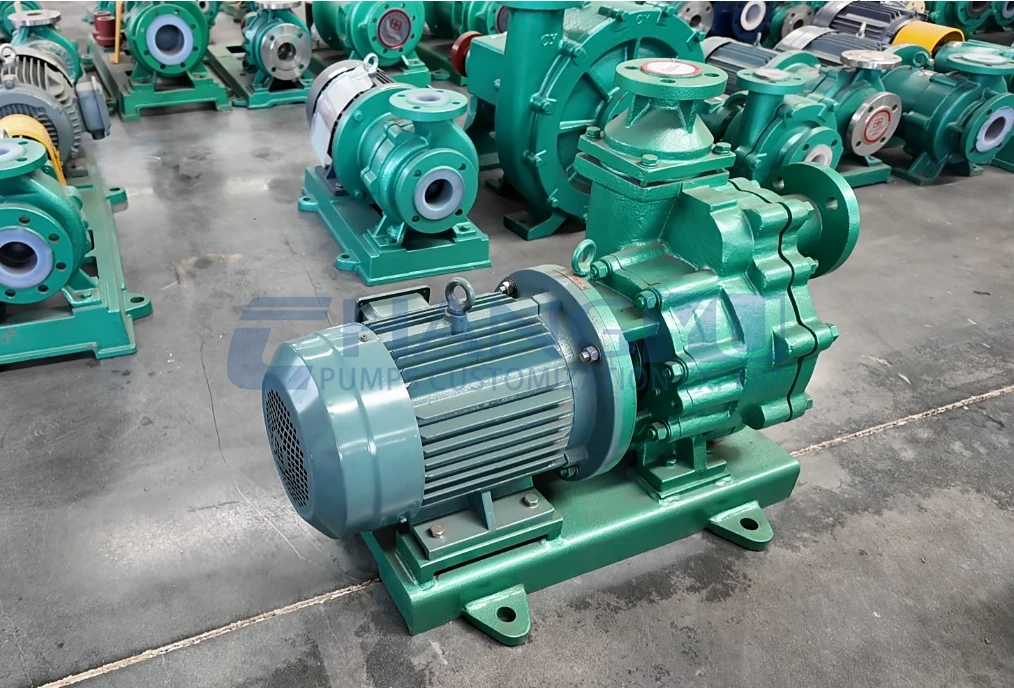
El equipo de ingeniería de Changyu Pump proporciona evaluaciones técnicas personalizadas para aplicaciones de bombas en plantas de coque, que abarcan análisis de fluidos de proceso, verificación de compatibilidad de materiales, especificación de sellos y selección de bombas adaptadas a sus condiciones operativas específicas. Dos décadas de experiencia en fabricación en los sectores químico, metalúrgico e industrial respaldan cada recomendación..
Contacte a Changyu Pump para una evaluación técnica gratuita →