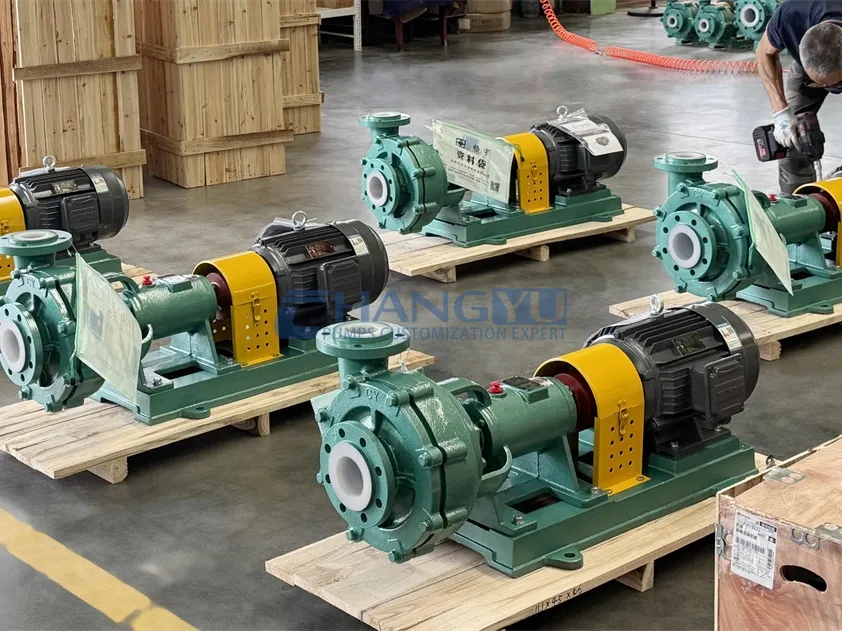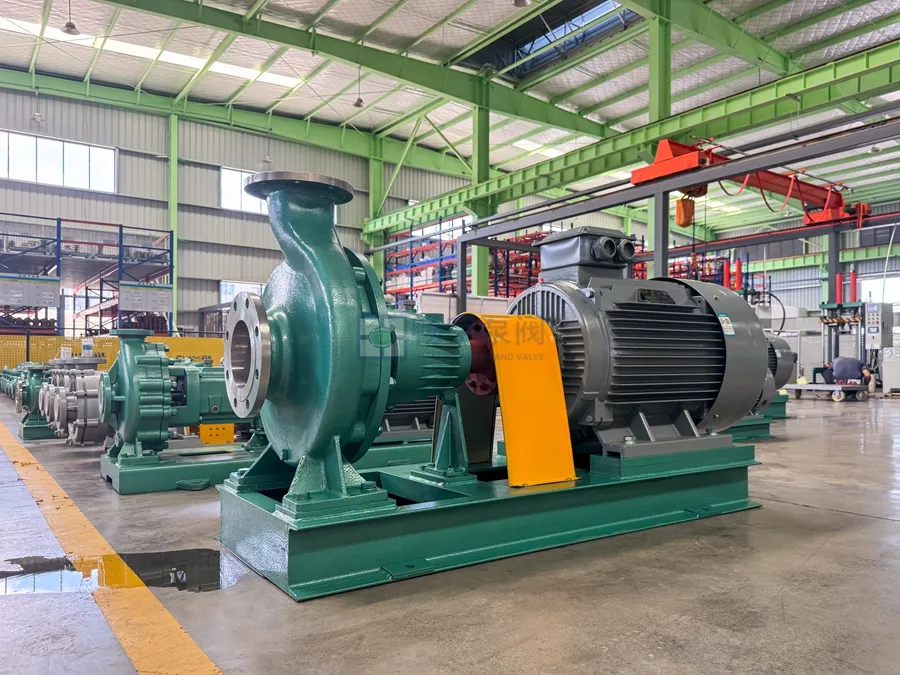
Dans l'industrie, le transport de boues et de fluides visqueux n'est jamais une tâche facile. La pompe à boues est spécialement conçue pour ces conditions d'usure et de concentration élevées. Elle refoule les mélanges liquides-solides en continu, de manière fiable et sans colmatage vers les endroits désignés, servant d'équipement principal de transfert des fluides dans les mines, le lavage de sable, la production d'énergie, la métallurgie et d'autres industries.


Aujourd'hui, nous allons voir comment pompes centrifuges à boues maintenir un fonctionnement efficace. Cet article explique leur structure, leurs principes et leurs mécanismes de fonctionnement, afin de faciliter la compréhension du fonctionnement d'une pompe à boues.
Qu'est-ce qu'une pompe à boues ?
A pompe à boues est une pompe industrielle spécialement conçue pour transporter des fluides contenant des particules solides. Contrairement aux pompes à eau ordinaires, les pompes à boues sont conçues pour transporter de manière fiable des fluides dans des conditions de forte abrasion, de forte corrosion et de fortes concentrations de mélanges solide-liquide. Par conséquent, leur construction présente une résistance accrue à l'usure et fait appel à des spécifications de matériaux plus rigoureuses. Elles sont couramment utilisées dans l'exploitation minière, la préparation du charbon, la production d'électricité, la métallurgie, le lavage du sable et du gravier, le transport des résidus et d'autres industries similaires.
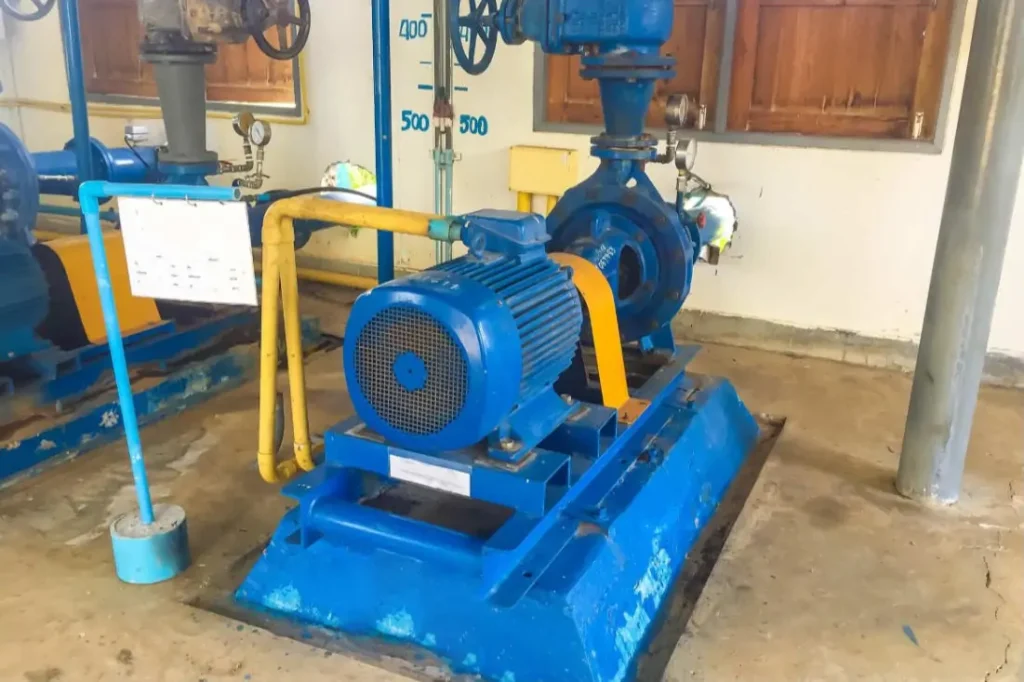
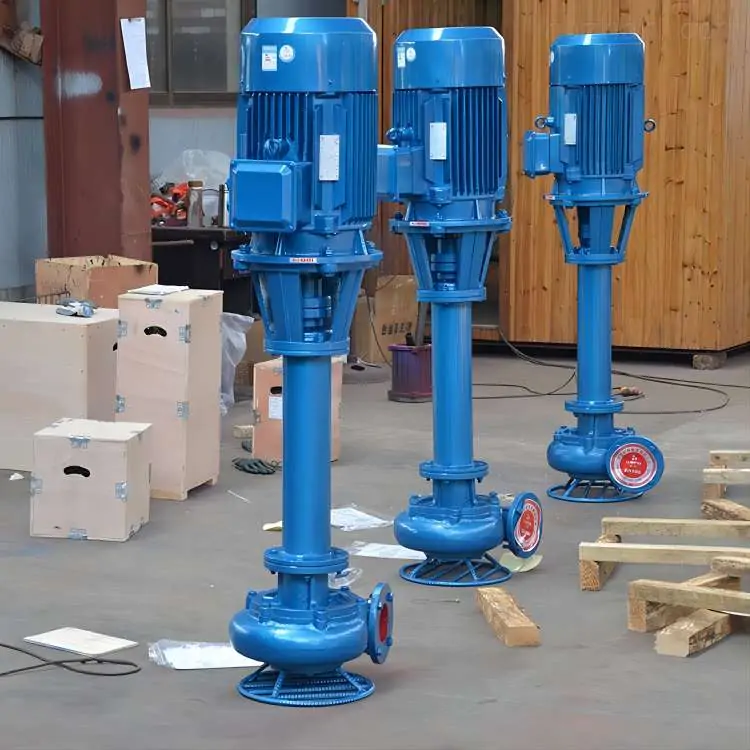
En fonction de l'orientation de l'installation, les types les plus courants sont les suivants pompes à boues horizontales et les pompes à boues verticales. Ces pompes traitent efficacement les matériaux de haute densité et de haute viscosité, servant d'équipement principal pour le transport sur table des boues et des produits abrasifs dans la production industrielle. Ce sont également les types de produits les plus fréquemment pris en compte par les entreprises lorsqu'elles achètent des pompes à boues à vendre.
Pièces maîtresses d'une pompe à boues
Les principaux composants des pompes à boues sont les suivants :
- Roue : Le composant clé qui génère la force centrifuge, accélère le débit de la boue et détermine l'efficacité de la pompe.
- Boîtier : Résiste à la pression et protège les structures internes, en guidant le flux de boue de la roue vers la sortie.
- Arbre : Connecte le moteur à la roue, transmettant la puissance de manière stable pour assurer un fonctionnement continu et efficace de la pompe.
- Assemblage des roulements : Favorise le fonctionnement de l'arbre, réduit les frottements et les vibrations et améliore la stabilité globale du système.
- Système d'étanchéité : Empêche les fuites de boues, résiste aux conditions d'usure élevées et protège l'arbre et les composants internes.
- Liner : Agit comme une couche protectrice résistante à l'abrasion, minimise les dommages causés par l'érosion de la boue et prolonge la durée de vie globale de la pompe.

Comment fonctionne une pompe à boues?
Le principe de fonctionnement d'une pompe à boues est similaire à celui d'une pompe conventionnelle. pompe centrifuge. Toutefois, pour résister à des conditions très abrasives, sa conception structurelle, la sélection des matériaux et les caractéristiques de la dynamique des fluides ont été considérablement améliorées et optimisées. Cet article analyse le mécanisme de fonctionnement, les forces principales en jeu, le parcours du matériau, la conception résistante à l'usure et les caractéristiques de fonctionnement de différents types de pompes à boues. Le contenu suivant a pour but de vous aider à comprendre rapidement le fonctionnement d'une pompe à boue.
Source d'énergie des pompes à boues
Les pompes à boues fonctionnent selon le principe de la pompe centrifuge, où la rotation à grande vitesse de la roue génère une force centrifuge. Cette force propulse la boue du centre de la pompe vers la périphérie du corps de pompe, permettant un transport continu à travers les différences de pression.

- La roue rotative crée une zone d'aspiration : Lorsque la roue tourne, une zone de basse pression se forme en son centre (l'entrée de la roue). Sous l'influence de la pression atmosphérique externe ou de la pression du système, la boue contenue dans la canalisation pénètre dans le corps de la pompe.
- La force centrifuge propulse le mélange solide-liquide vers l'extérieur : La roue continuant à tourner, le mélange gagne en énergie cinétique et est rapidement projeté vers le corps de la pompe.
- L'énergie cinétique est convertie en énergie de pression : La structure en spirale de la volute de la pompe convertit l'énergie cinétique à grande vitesse de la boue en énergie de pression stable, ce qui permet un débit continu.
- La boue est évacuée par la sortie : Lorsque la pression dépasse la pression de la canalisation de sortie, le lisier est régulièrement déchargé à l'endroit désigné.
Ce processus se déroule en continu, ce qui permet d'obtenir un transport continu.
Le processus complet de la boue à travers la pompe, de l'entrée à la sortie
Après avoir pénétré dans le corps de la pompe, la boue subit principalement trois étapes :
- Phase d'aspiration : Entrée dans le centre de la roue
- La boue entre dans la roue par l'entrée d'aspiration, où la zone de basse pression assure une réalimentation continue en fluide.
- Phase d'accélération : Amélioration de l'énergie cinétique
- La roue rotative applique une force au mélange solide-liquide, conférant ainsi une énergie cinétique importante aux particules.
- Phase de décharge : Conversion de l'énergie cinétique en énergie de pression
- La boue sort de la roue dans la zone de la volute/extracteur du corps de la pompe. La vitesse diminue alors que la pression augmente, ce qui permet une décharge stable.
Différences entre les pompes à boues et les pompes à eau ordinaires : Pourquoi peuvent-elles traiter des matériaux très abrasifs ?
Pour comprendre le fonctionnement d'une pompe à boues, il faut comprendre pourquoi elle peut résister à des matériaux abrasifs. La clé réside dans les caractéristiques de conception suivantes :
(1) Conception de la roue résistante à l'usure
Nos roues sont généralement fabriquées à partir de matériaux composites importés à haute teneur en molécules et résistants à la corrosion.
Nos canaux de roue sont plus larges pour réduire les risques de colmatage.
Les lames sont épaissies pour une meilleure résistance à l'usure et une durée de vie prolongée.

(2) Enveloppe renforcée avec revêtements remplaçables
L'intérieur du corps de pompe utilise souvent des matériaux importés résistants à l'usure, adaptés à différents types de boues.

(3) Conception améliorée de l'étanchéité
Les boues contenant des particules solides peuvent user les joints, c'est pourquoi les pompes à boues utilisent généralement des joints d'étanchéité :
- joint de l'expulseur
- garniture mécanique
- joint d'étanchéité
afin d'éviter toute fuite dans le cas de produits à forte concentration.

Comment améliorer l'efficacité d'une pompe à boues ?
Pour améliorer l'efficacité de pompage d'une pompe à boues, nous nous concentrons généralement sur les aspects suivants :
- Choix du type et du matériau de la roue
- Adaptation correcte du débit, de la hauteur de chute et de la vitesse de rotation
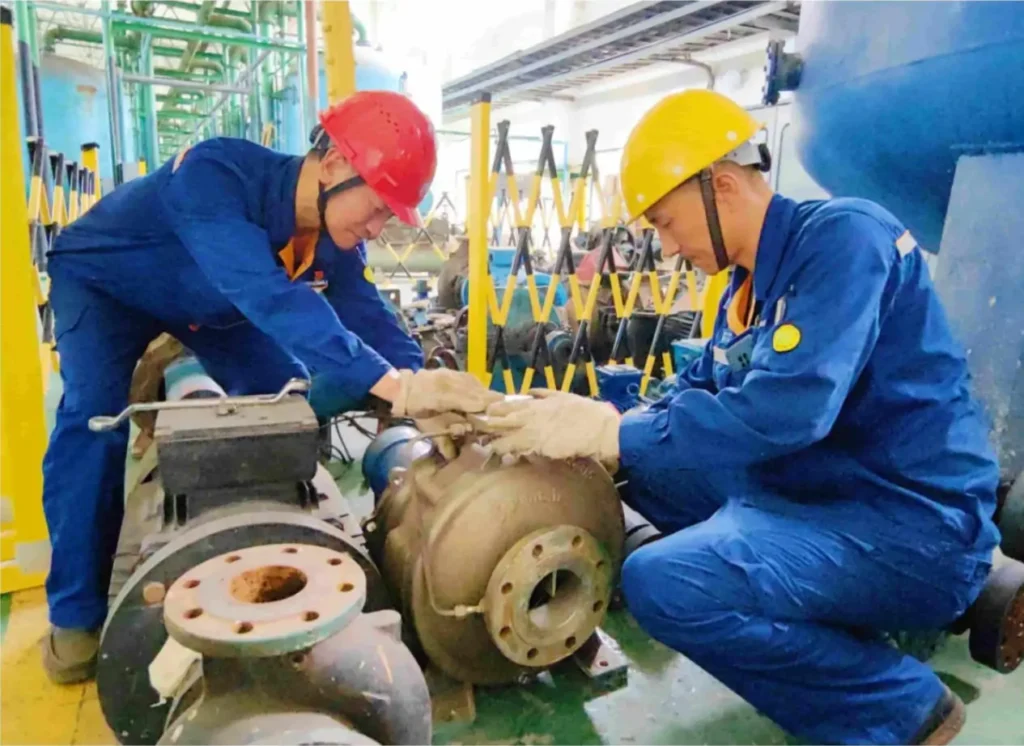
- Remplacement en temps utile des pièces d'usure (revêtements, roues)
- Maintenir les conduites propres et minimiser les coudes
- Choix du type de pompe approprié en fonction des caractéristiques du matériau (par exemple, pompe à boue horizontale)
Comprendre le fonctionnement d'une pompe à boues permet une sélection et une maintenance plus scientifiques, prolongeant ainsi la durée de vie de l'équipement et réduisant les coûts d'exploitation.
Si vous n'êtes pas sûr de votre choix ou si vous avez des questions techniques, contactez-nous dès maintenant. En tant que fabricant de pompes ayant plus de 20 ans d'expérience dans la production et l'approvisionnement, nous pouvons fournir une assistance technique et des produits. Contactez-nous dès aujourd'hui
Comment sélectionner les fabricants de pompes à boues
Le choix du bon fabricant de pompes à boues est crucial pour les entreprises. Un fabricant fiable ne se contente pas de fournir des pompes à boues de haute qualité, il offre également une assistance à long terme en matière de sélection, de service après-vente et de personnalisation.
Lors de la sélection des fabricants de pompes à boues, il convient de se concentrer sur les aspects suivants :
- Gamme complète de produits
- Le fabricant propose-t-il plusieurs séries, telles que des pompes à boues horizontales, des pompes centrifuges et des pompes submersibles, pour s'adapter à diverses conditions d'utilisation ?
- Expérience de la fabrication et capacités techniques
- Les entreprises ayant une grande expérience de la fabrication et une expertise technique peuvent proposer à la vente des pompes à boues plus perfectionnées, garanties par un savoir-faire supérieur et l'assurance de la qualité des matériaux.
- Support de personnalisation OEM/ODM
- Pour les applications complexes, les fabricants spécialisés doivent fournir des conceptions sur mesure et des solutions optimisées.
- Certifications et normes internationales
- Les certifications ISO, CE, ATEX et autres certifications internationales témoignent d'une qualité constante.
Pourquoi choisir Anhui Changyu Pump & Valve ?
- 22 ans d'expérience dans la fabrication de pompes industrielles avec de fortes capacités OEM/ODM
- Plus de 25 brevets techniques, des capacités de R&D de premier plan dans l'industrie
- Certifications internationales ISO 9001 | CE | ATEX
- Expérience des services sur les marchés mondiaux (États-Unis, Afrique du Sud, Europe, Asie du Sud-Est, etc.)
- Des gammes complètes de pompes sont disponibles, y compris des pompes à boues, des pompes centrifuges, des pompes magnétiques, etc.
Pour la sélection des pompes à boues, les devis ou les solutions d'application, contactez-nous à tout moment :
- Courriel : [email protected]
- Téléphone : +86- +86-13651913727

Conclusion :
Si vous recherchez des pompes à boues de haute qualité, des conseils professionnels ou des fabricants de pompes à boues fiables offrant des solutions personnalisées, n'hésitez pas à nous contacter. Anhui Changyu Pump à tout moment. Nous vous fournirons les solutions les plus adaptées à vos conditions d'exploitation spécifiques, afin de réduire l'usure et d'améliorer l'efficacité, et nous répondrons à toutes vos demandes dans les 24 heures.