
Hidróxido de potássio (KOH), também conhecido como potassa cáustica, é um alcalino forte amplamente utilizado no processamento químico, tratamento de água, sistemas electrolíticos e transferência de líquidos industriais.
Escolher o melhor bomba de hidróxido de potássio requer mais do que a resistência básica à corrosão. A concentração, a temperatura, a disposição da instalação, o teor de sólidos e os requisitos de controlo de fugas devem ser avaliados para garantir um funcionamento seguro e fiável.
Uma bomba configurada para KOH limpo e à temperatura ambiente pode não funcionar com segurança em circulação aquecida, serviço de tanque abaixo do nível do solo, descarga intermitente ou aplicações com sólidos.
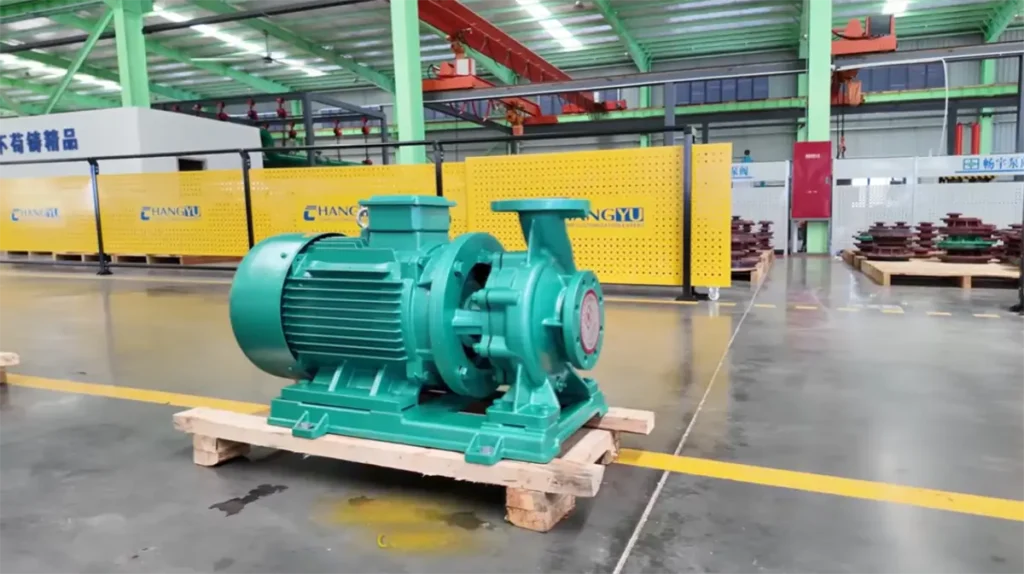
O que é uma bomba de hidróxido de potássio e porque é que uma seleção adequada é importante?
A bomba de hidróxido de potássio é uma bomba industrial especificada para KOH após confirmação da compatibilidade química, dos requisitos hidráulicos, da metodologia de vedação e das condições de instalação.
Esta categoria inclui bombas centrífugas de acionamento magnético, bombas submersíveis de fluoroplástico, bombas de diafragma duplo operadas a ar (AODD), bombas magnéticas de processo para trabalhos pesados e bombas com revestimento para polpas abrasivas.
A seleção correta da bomba é crítica porque os sistemas de hidróxido de potássio operam sob uma ampla variedade de condições. Alguns processos movimentam KOH limpo à temperatura ambiente, enquanto outros funcionam a temperaturas elevadas, operam sob alta pressão ou transportam sólidos em suspensão e resíduos do processo.
Se o tipo de bomba, o material molhado ou o conceito de vedação não corresponderem ao serviço real, o sistema fica exposto a fugas, fluxo instável, bloqueio, cavitação, danos por funcionamento a seco e falha mecânica prematura.
Como selecionar a bomba de hidróxido de potássio adequada para a concentração, temperatura e processo
A seleção de um bomba de hidróxido de potássio começa com a definição do verdadeiro intervalo de funcionamento: Concentração de KOH, temperatura de funcionamento, caudal necessário, altura de descarga, disposição da instalação e limpeza do fluido.
Estes parâmetros determinam tanto a estrutura adequada da bomba como os materiais que proporcionarão fiabilidade a longo prazo.
Como a concentração e a temperatura afectam o design da bomba de hidróxido de potássio
A concentração e a temperatura são os principais factores que afectam a conceção da bomba de KOH.
Com o aumento da concentração, o líquido torna-se mais agressivo. À medida que a temperatura aumenta, o stress térmico impõe maiores exigências às peças molhadas, aos rolamentos internos e aos vedantes estáticos.
As aplicações industriais, tais como a eletrólise alcalina, lidam frequentemente com concentrações de KOH de cerca de 30% a temperaturas de 70-90°C e pressões elevadas. Estas condições requerem configurações de bombas robustas e de alta temperatura em vez de bombas de transferência normais.
Como o dever do processo define os requisitos da bomba de hidróxido de potássio
Nem todos bomba de hidróxido de potássio tem a mesma função hidráulica.
A transferência contínua por tubagem, a circulação em circuito fechado, a dosagem de controlo de pH de precisão e a descarga intermitente de bidões exigem uma tecnologia de bomba diferente.
As aplicações de transferência e circulação dependem fortemente de bombas centrífugas ou de acionamento magnético. A dosagem e o fornecimento controlado requerem soluções de dosagem especializadas. A transferência intermitente de lotes depende da flexibilidade das bombas AODD.
Como a disposição da instalação influencia a seleção da bomba de hidróxido de potássio
A geometria da instalação é a principal restrição na seleção da bomba.
Se o KOH for armazenado em um tanque, poço ou fossa abaixo do nível do solo, uma bomba submersível vertical é geralmente mais prática do que uma bomba horizontal externa. Ela evita limitações de elevação de sucção e reduz o risco de cavitação.
Se o líquido estiver limpo e a prevenção de fugas externas for a principal preocupação de segurança, uma bomba de acionamento magnético oferece a melhor solução, eliminando o vedante mecânico do veio.
Lista de verificação da seleção da bomba de hidróxido de potássio
| Parâmetro de funcionamento | Impacto da engenharia |
|---|---|
| Concentração de KOH | Determina a compatibilidade química básica e a gravidade da corrosão. |
| Temperatura de funcionamento | Define os limites de tensão térmica e os requisitos de redução de material. |
| Caudal e altura de descarga | Determina o dimensionamento hidráulico, a seleção do impulsor e a potência do motor. |
| Esquema de instalação | Determina a escolha entre uma instalação submersível externa horizontal ou vertical. |
| Teor de sólidos ou de resíduos | Determina se é necessário um modelo de líquido limpo ou uma bomba com capacidade para polpas abrasivas. |
| Requisitos de controlo de fugas | Determina se é obrigatória uma configuração de unidade magnética sem vedação. |
| Ciclo de trabalho | Distingue entre transferência contínua, dosagem precisa e manuseamento intermitente de lotes. |
Materiais e tipos de bombas para aplicações de hidróxido de potássio
Seleção de materiais para um bomba de hidróxido de potássio deve basear-se no ambiente operacional específico.
Os materiais fluoroplásticos oferecem um desempenho consistente no serviço alcalino agressivo, enquanto a adequação do aço inoxidável depende muito da concentração, temperatura e pureza do fluido.
Materiais comuns utilizados na construção de bombas de hidróxido de potássio
PTFE (Politetrafluoroetileno) oferece uma excelente resistência ao hidróxido de potássio numa vasta gama de concentrações e temperaturas. É a escolha preferida para peças molhadas em aplicações de bombas químicas severas.
PVDF (fluoreto de polivinilideno) oferece uma forte resistência química em serviço de baixa concentração de KOH. A sua estabilidade mecânica é vantajosa, embora a sua resistência química diminua em concentrações elevadas e a temperaturas elevadas.
Polipropileno (PP) é adequado para tarefas alcalinas mais suaves a temperaturas geralmente inferiores a 60°C. Não é recomendado para aplicações de KOH a alta temperatura ou de concentração elevada.
Aço inoxidável 316 pode ser utilizado em algumas condições de KOH diluído e a baixa temperatura. No entanto, não é uma solução universal para hidróxido de potássio concentrado ou aquecido, e a sua taxa de corrosão deve ser avaliada cuidadosamente.
Comparação dos tipos de bombas de hidróxido de potássio
Soluções de Bomba Changyu para Serviço de Hidróxido de Potássio
A gama de produtos Changyu Pump inclui arquitecturas específicas para várias condições de serviço do hidróxido de potássio. Isto assegura a bomba de hidróxido de potássio corresponde aos requisitos exactos do processo.
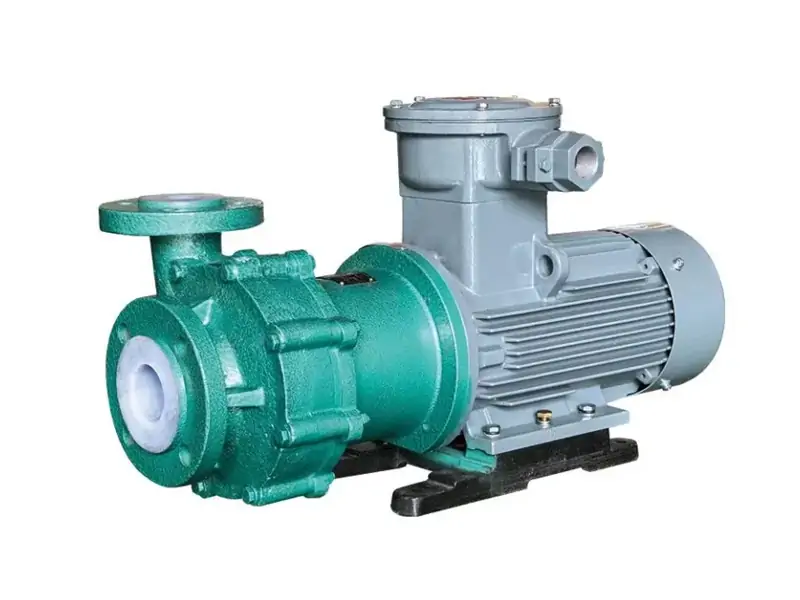
Bomba de acionamento magnético de alta temperatura CYQ para transferência de KOH limpa e selada
O Bomba Changyu CYQ Bomba de acionamento magnético para alta temperatura foi concebido para a transferência de KOH limpo que requer uma contenção sem fugas e tolerância a temperaturas elevadas.
Utiliza um acionamento magnético sem vedação para eliminar pontos de fuga e é construído para suportar o stress térmico em circulação alcalina aquecida e linhas de transferência fechadas.
Bomba submersível de fluoroplástico FYH para serviço em tanques e depósitos de KOH
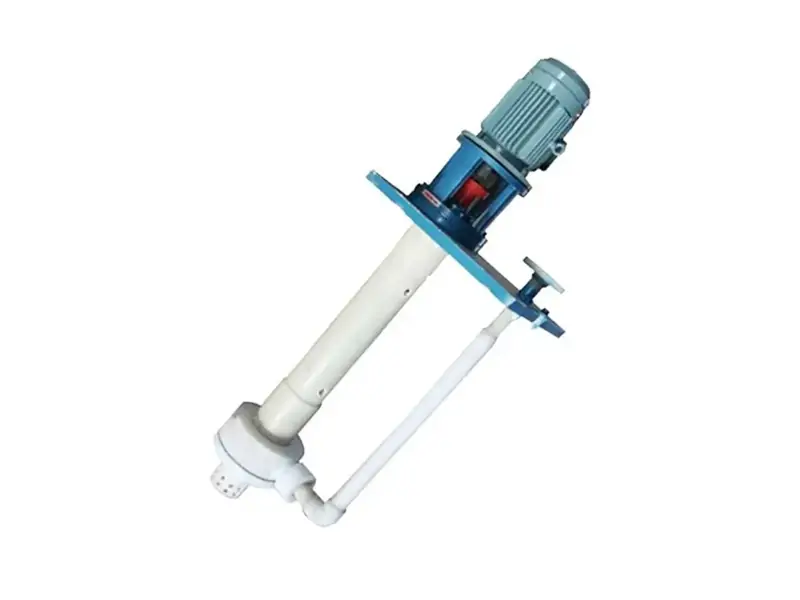
O Bomba Changyu Bomba submersível de fluoroplástico série FYH foi concebido para instalação vertical em tanques, fossas e reservatórios.
A sua construção em fluoroplástico proporciona uma ampla resistência química. Operando diretamente dentro do fluido, a série FYH contorna as dificuldades de elevação de sucção associadas à extração de KOH do armazenamento subterrâneo utilizando bombas externas.
| NÃO | Modelo | Fluxo (m³/h) | Cabeça (m) | Rev (r/min) | Potência | Calibre (mm) | |
| Axial potência | Motor potência | ||||||
| 1 | 32FYH-5-20 | 5 | 20 | 2900 | 0.8 | 2.2 | 32×25 |
| 2 | 32FYH-10-15 | 10 | 15 | 2900 | 1.17 | 2.2 | |
| 3 | 40FYH-10-20 | 10 | 20 | 2900 | 1.5 | 3 | 40×32 |
| 4 | 40FYH-15-20 | 15 | 20 | 2900 | 2.34 | 3 | |
| 5 | 50FYH-10-25 | 10 | 25 | 2900 | 3.4 | 4 | 50×40 |
| 6 | 50FYH-10-30 | 10 | 30 | 2900 | 4.1 | 5.5 | |
| 7 | 50FYH-15-30 | 15 | 30 | 2900 | 5.3 | 5.5 | |
| 8 | 50FYH-20-20 | 20 | 20 | 2900 | 4.6 | 5.5 | |
| 9 | 50FYH-20-25 | 20 | 25 | 2900 | 5.45 | 5.5 | |
| 10 | 50FYH-10-40 | 10 | 40 | 2900 | 6.1 | 7.5 | |
| 11 | 50FYH-20-30 | 20 | 30 | 2900 | 6.54 | 7.5 | |
| 12 | 65FYH-25-25 | 25 | 25 | 2900 | 5.68 | 7.5 | 65×50 |
| 13 | 65FYH-25-30 | 25 | 30 | 2900 | 6.8 | 7.5 | |
| 14 | 65FYH-30-20 | 30 | 20 | 2900 | 5.8 | 7.5 | |
| 15 | 65FYH-40-20 | 40 | 20 | 2900 | 6.82 | 7.5 | |
| 16 | 65FYH-30-25 | 30 | 25 | 2900 | 5.84 | 7.5 | 65×50 |
| 17 | 65FYH-30-30 | 30 | 30 | 2900 | 6.5 | 7.5 | |
| 18 | 65FYH-25-40 | 25 | 40 | 2900 | 7.79 | 11 | |
| 19 | 65FYH-30-40 | 30 | 40 | 2900 | 9.35 | 11 | |
| 20 | 65FYH-35-30 | 35 | 30 | 2900 | 8.2 | 11 | |
| 21 | 65FYH-30-50 | 30 | 50 | 2900 | 11.7 | 15 | |
| 22 | 80FYH-60-15 | 60 | 15 | 2900 | 6.2 | 7.5 | 80×65 |
| 23 | 80FYH-60-20 | 60 | 20 | 2900 | 9.3 | 11 | |
| 24 | 80FYH-50-25 | 50 | 25 | 2900 | 9.7 | 11 | |
| 25 | 80FYH-50-30 | 50 | 30 | 2900 | 10.6 | 11 | |
| 26 | 80FYH-40-30 | 40 | 30 | 2900 | 10.4 | 11 | |
| 27 | 80FYH-60-25 | 60 | 25 | 2900 | 11.5 | 15 | |
| 28 | 100FYH-60-30 | 60 | 30 | 2900 | 14 | 15 | 100×80 |
| 29 | 100FYH-80-15 | 80 | 15 | 2900 | 12.8 | 15 | |
| 30 | 100FYH-100-10 | 100 | 10 | 2900 | 13.6 | 18.5 | |
Bomba de polpa UHB para meios sólidos com KOH
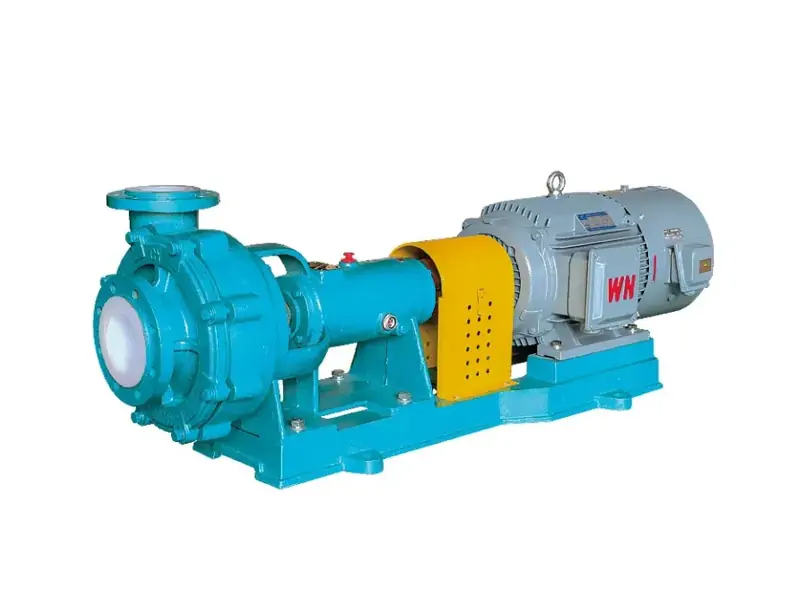
O Bomba de ácido fosfórico horizontal da série UHB da Changyu Pump trata os fluxos de hidróxido de potássio que contêm sólidos em suspensão, resíduos do processo ou contaminantes abrasivos.
Possui um revestimento em UHMWPE e um impulsor semi-aberto e anti-entupimento. Esta configuração de manuseamento de sólidos mantém o desempenho em meios sujos ou instáveis onde as bombas normais de transferência limpa falhariam.
| Modelo | Gama de caudais (m³/h) | Alcance da cabeça (m) | Velocidade (r/min) | Gama de eficiência (%) | Gama de potência | Gama de diâmetros do impulsor (mm) |
|---|---|---|---|---|---|---|
| 32UHB | 5 - 10 | 10 - 30 | 2900 | 17% - 28% | 1.1KW-2 - 3KW-2 | 100 - 165 |
| 40UHB | 10 - 15 | 10 - 30 | 2900 | 25% - 35% | 2.2KW-2 - 4KW-2 | 140 - 165 |
| 50UHB | 10 - 20 | 15 - 40 | 2900 | 20% - 35% | 4KW-2 - 7,5KW-2 | 140 - 190 |
| 65UHB | 25 - 30 | 20 - 60 | 2900 | 25% - 35% | 5,5KW-2 - 18,5KW-2 | 155 - 235 |
| 80UHB | 20 - 60 | 10 - 80 | 2900 | 22% - 50% | 5,5kw-4 - 30KW-2 | 145 - 260 |
| 100UHB | 50 - 110 | 10 - 80 | 2900 | 20% - 45% | 15KW-2 - 55KW-2 | 160 - 250 |
| 125UHB | 100 - 140 | 18 - 80 | 2900 | 34% - 48% | 22KW-2 - 75KW-2 | 180 - 268 |
| 150UHB | 150 - 280 | 20 - 50 | 1450 | 40% - 52% | 22KW-4 - 75KW-4 | 260 - 380 |
| 200UHB | 200 - 450 | 6 - 50 | 1450 / 980 | 25% - 58% | 22KW-6 - 90KW-4 | 325 - 380 |
| 250UHB | 300 - 650 | 6 - 60 | 1450 / 980 / 750 | 28% - 65% | 11KW-8 - 160KW-4 | 280 - 420 |
Bomba magnética para serviço pesado CYC para serviço KOH de alta especificação
O Bomba Changyu Bomba magnética de aço inoxidável para serviço pesado da série CYC foi concebido para a transferência de líquidos corrosivos e perigosos.
Concebida em conformidade com as normas API685, a série CYC proporciona um desempenho de fuga zero com capacidades de caudal até 100 m³/h, tornando-a a escolha adequada para linhas de processo de KOH de grande capacidade e orientadas para as especificações.
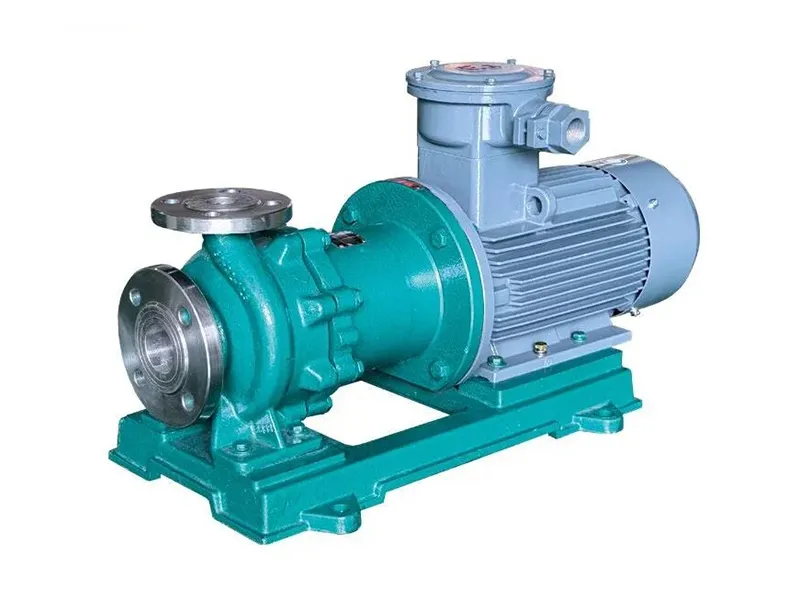
| Nome do componente | Nome do material | Nome do componente | Nome do material | Nome do componente | Nome do material |
|---|---|---|---|---|---|
| ① Corpo da bomba | 304/316/316L | ⑥ Anel de pressão | Liga dura | ⑪ Porca traseira | 304/316/316L |
| ② Porca do impulsor | 304/316/316L | ⑦ Tampa da bomba | 304/316/316L | ⑫ Íman exterior | Íman forte de terras raras/HT200 |
| ③ Impulsor | 304/316/316L | ⑧ Anel de vedação | PTFE | ⑬ Estrutura de ligação | HT200 |
| ④ Eixo principal | 304/316/316L | ⑨ Isolamento Pode | 304/316/316L | ⑭ Motor | De acordo com os requisitos do cliente |
| ⑤ Manga | Grafite impregnado/Liga dura | ⑩ Íman interior | Íman forte de terras raras/304/316/316L | ⑮ Placa de base | HT200 |
Bomba de diafragma duplo operada a ar BFQ para manuseamento intermitente de KOH
O Bomba Changyu Bomba de diafragma duplo operada a ar da série BFQ gere a transferência intermitente de KOH, a descarga de bidões, o esvaziamento de IBC e as operações de instalações portáteis.
Acionada por ar comprimido, a bomba alterna a sucção e a descarga entre duas câmaras de membrana. Este design com escorvamento automático e sem vedação proporciona a flexibilidade necessária para o manuseamento de lotes e para o serviço utilitário de paragem e arranque.

| Não. | Nome | Não. | Nome | Não. | Nome | Não. | Nome |
|---|---|---|---|---|---|---|---|
| 01 | Anel de vedação da cabeça de porco | 02 | Cabeça de porco | 03 | Grande cursor | 04 | Pequeno cursor |
| 05 | Manga da haste de assistência | 06 | Manga do pistão | 07 | Vara de assistência | 08 | Anel de vedação da haste de assistência |
| 09 | Anel em V do pistão | 10 | Pistão | 11 | Anel de vedação deslizante grande | 12 | Assento deslizante grande |
| 13 | Bloco guia | 14 | Junta do bloco guia | 15 | Tampa superior (saída) | 16 | Válvula de esfera |
| 17 | Sede de bola | 18 | Anel de vedação da sede da esfera | 19 | Tampa da válvula de ar | 20 | Junta da tampa da válvula de ar |
| 21 | Coluna | 22 | Parafuso da placa de fixação | 23 | Anel de vedação da placa de fixação | 24 | Placa de fixação exterior |
| 25 | Diafragma de teflon | 26 | Diafragma triplo | 27 | Placa de fixação interior | 28 | Prato do diafragma |
| 29 | Silenciador | 30 | Tampa inferior (entrada) | 31 | Tampa da válvula de ar | 32 | Eixo da biela |
| 33 | Anel em V | 34 | Casquilho da biela | 35 | Junta da tampa da válvula de ar |
Correspondência de aplicações da bomba de hidróxido de potássio
| Requisito de candidatura | Modelo de bomba Changyu recomendado | Base de engenharia |
|---|---|---|
| Transferência de KOH limpo que requer um confinamento rigoroso | Bomba de acionamento magnético para alta temperatura CYQ | Acionamento magnético sem vedação; resistente à corrosão e a temperaturas elevadas. |
| Instalação de tanques, fossas ou poços | Bomba submersível de fluoroplástico FYH | Conceção vertical imersa; elimina os constrangimentos de elevação por sucção. |
| Transferência de processos perigosos de alta capacidade | Bomba magnética em aço inoxidável para serviço pesado CYC | Plataforma de vazamento zero orientada para API685, para serviço pesado. |
| Descarga de bidões ou transferência de lotes | Bomba de diafragma duplo operada a ar BFQ | Flexibilidade de auto-aspiração, acionada por ar, para operações start-stop. |
| KOH com sólidos ou contaminado | Bomba de polpa horizontal UHB | Construção com revestimento anti-entupimento optimizada para meios difíceis. |
Aplicações comuns, riscos e erros de seleção na bombagem de hidróxido de potássio
O hidróxido de potássio é utilizado na transferência de produtos químicos, no tratamento de água, na dosagem de controlo do pH e na eletrólise alcalina.
Cada aplicação impõe exigências distintas ao sistema hidráulico, aos materiais e à tecnologia de vedação da bomba.
Aplicações industriais primárias
- Fabrico de produtos químicos: Transferência e circulação contínuas entre tanques de armazenamento, reactores e depuradores.
- Tratamento da água: Dosagem precisa para controlo do pH e neutralização do fluxo.
- Logística e manuseamento: Descarga de bidões, esvaziamento de IBC e transferência de contentores.
- Energia verde: Circulação do eletrólito em sistemas de eletrólise alcalina a alta temperatura.
Riscos de fiabilidade no funcionamento da bomba de KOH
O funcionamento a seco é um risco grave para as bombas de acionamento magnético. As superfícies internas dos rolamentos necessitam do líquido bombeado para arrefecimento e lubrificação; o funcionamento sem fluido provoca uma rápida falha interna.
A aplicação de uma bomba de líquido limpo a fluxos de KOH com sólidos resultará em bloqueio, desgaste prematuro e fluxo instável. Os modelos com capacidade para lamas devem ser utilizados para meios sujos.
Erros comuns de seleção a evitar
- Especificar uma bomba apenas com base no nome do produto químico, sem confirmar a concentração e a temperatura máxima.
- Instalação de bombas normais de transferência limpa em processos que contêm sólidos em suspensão.
- Não ter em conta as más condições de aspiração quando se extrai de reservatórios situados abaixo do nível do solo.
- Utilização de bombas centrífugas de serviço contínuo para descarga intermitente ou doseamento de precisão.
- Ignorar a proteção contra o funcionamento em seco e a necessidade de um confinamento sem fugas.
Exemplo de seleção da bomba de hidróxido de potássio da bomba Changyu
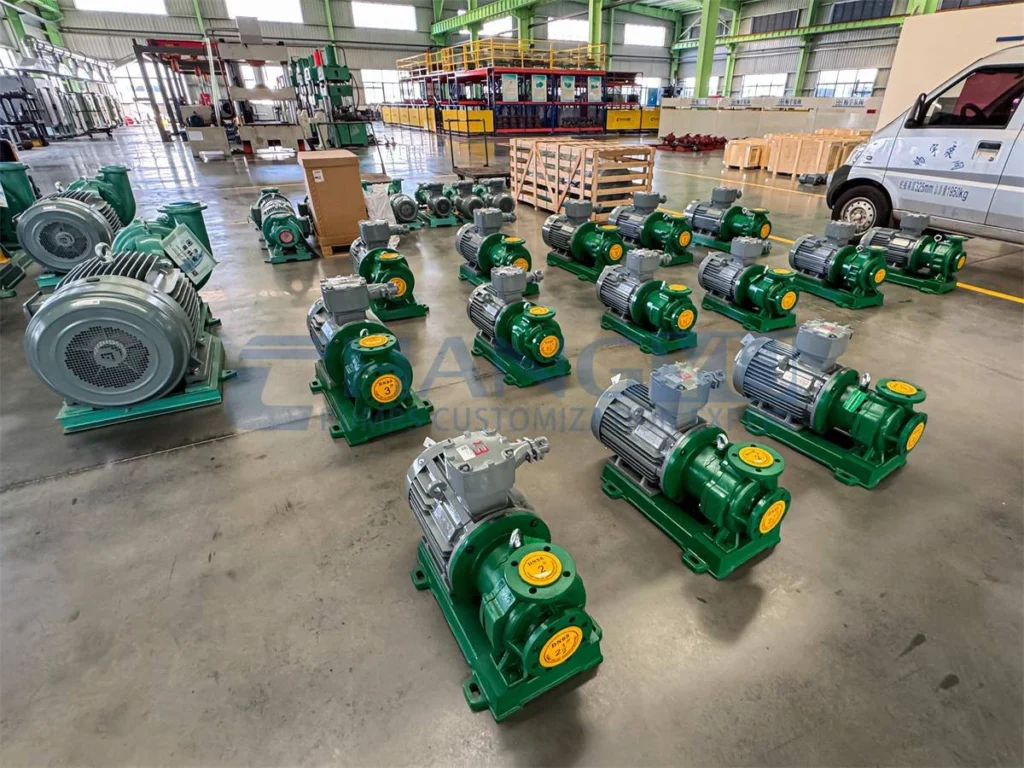
Uma instalação industrial requer a transferência diária de hidróxido de potássio limpo de um tanque de armazenamento abaixo do nível do solo para uma linha de processo em condições de espaço restritas.
Se a instalação externa for viável e a contenção for primordial, os modelos de acionamento magnético CYQ ou CYC da Changyu Pump proporcionam o desempenho necessário de fuga zero.
Se a geometria do tanque criar condições de sucção inadequadas para uma bomba externa, o modelo submersível FYH da Changyu Pump é a escolha de engenharia correta para o funcionamento direto no tanque.
Se o fluxo de KOH contiver resíduos de processo ou partículas abrasivas, a bomba de polpa UHB da Changyu Pump é necessária para lidar com o fluido sem entupimento.
Para uma tarefa separada que envolve a descarga intermitente de lotes a partir de tambores, a bomba de diafragma BFQ da Changyu Pump oferece a portabilidade necessária e a capacidade de autoaspiração.
Bomba de hidróxido de potássio FAQ
Qual é o melhor material para uma bomba de hidróxido de potássio?
O PTFE oferece a maior resistência química em amplas gamas de concentração de KOH e de temperatura. O PVDF é eficaz em aplicações de menor gravidade. O aço inoxidável requer uma avaliação cuidadosa em relação a parâmetros de processo específicos. A seleção final deve basear-se em dados operacionais reais.
Uma bomba de acionamento magnético é sempre a escolha correta para KOH?
Para transferências limpas de KOH que exigem um controlo rigoroso de fugas, as bombas de acionamento magnético são ideais. No entanto, elas não são adequadas para fluidos com sólidos, meios viscosos ou tarefas de descarga intermitente, onde outros projetos de bomba se sobressaem.
Quando deve ser instalada uma bomba submersível de hidróxido de potássio?
As bombas submersíveis são necessárias quando o KOH é armazenado em tanques, poços ou reservatórios onde a extração de fluido de cima é ineficiente ou hidraulicamente instável. A série FYH da Changyu Pump foi concebida especificamente para esta situação.
Uma bomba de diafragma duplo operada a ar pode manusear hidróxido de potássio?
Sim. As bombas AODD, como a série BFQ da Changyu Pump, são equipamento padrão para transferência intermitente, descarga de tambores e operações flexíveis em lote.
É necessária uma bomba de polpa para todos os sistemas de hidróxido de potássio?
Não. As bombas de polpa só são necessárias quando o fluxo de KOH contém sólidos em suspensão, lodo ou resíduos abrasivos. As aplicações de transferência limpa são melhor atendidas por bombas submersíveis ou de acionamento magnético.
Conclusão: Encontre a bomba de hidróxido de potássio certa para o seu processo
Selecionar o correto bomba de hidróxido de potássio vai além da resistência química básica. Requer uma avaliação de engenharia cuidadosa da concentração de KOH, da temperatura de funcionamento, da disposição da instalação, da limpeza do fluido e das tarefas específicas do processo. Quer necessite da garantia de fuga zero das bombas de acionamento magnético CYQ e CYC, da fiabilidade no tanque da bomba submersível FYH, da capacidade de manuseamento de sólidos da bomba de polpa UHB ou da flexibilidade operacional da bomba BFQ AODD, a Changyu Pump fornece uma solução industrial comprovada.
Não deixe a segurança e a fiabilidade do seu sistema ao acaso. Contactar a Changyu Pump hoje com os seus parâmetros operacionais específicos - incluindo caudal, altura de descarga, temperatura e concentração. A nossa experiente equipa de engenharia ajudá-lo-á a selecionar a bomba mais eficiente, segura e económica para a sua aplicação. Entre em contacto agora para obter apoio técnico especializado e um orçamento personalizado!