
Bomba para hidrometalurgia de chumbo-zinco: Soluções em UHMWPE & Metal
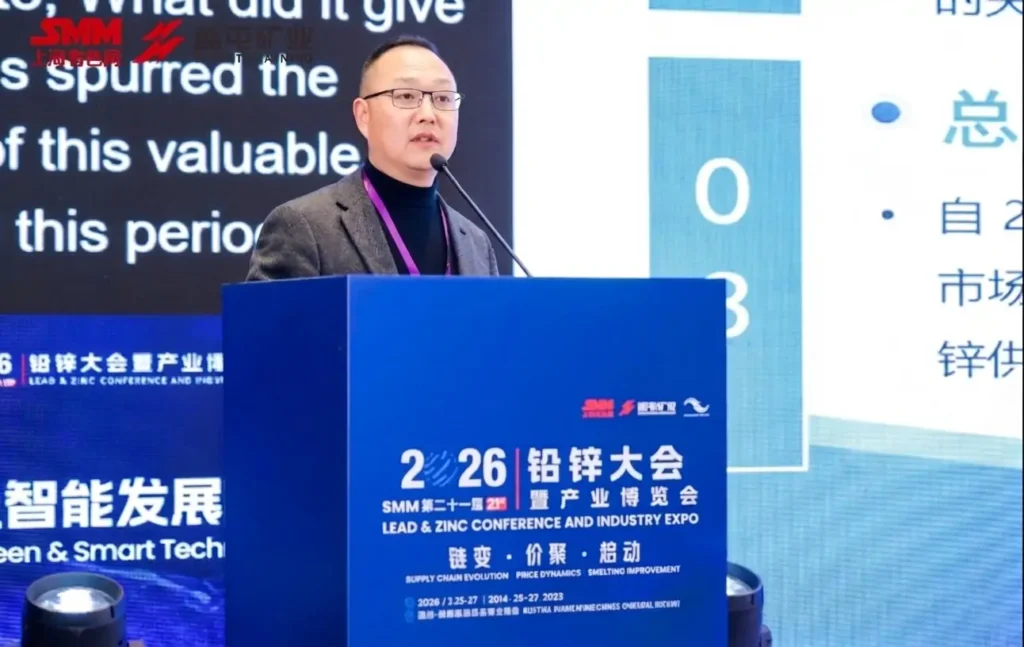
Na Conferência SMM Chumbo-Zinco 2026, os peritos técnicos da Bomba Changyu O relatório da Comissão Europeia sobre os processos hidrometalúrgicos modernos, de 2006, sublinhou o papel fundamental da ciência dos materiais na resolução dos complexos problemas de transporte inerentes aos processos hidrometalúrgicos modernos. À medida que a oferta global aumenta e as regulamentações ambientais se tornam mais rigorosas, a procura de produtos altamente especializados Bomba para hidrometalurgia de chumbo-zinco as soluções atingiram um novo pico.
Contexto do mercado: Dinâmica da oferta e da procura (2024-2026)
De acordo com os dados do Grupo Internacional de Estudo do Chumbo e do Zinco (ILZSG), a indústria mundial está a evoluir para um excedente de oferta.
Em 2025, prevê-se que a produção de zinco e chumbo refinado exceda a procura em 93.000 toneladas e 82.000 toneladas, respetivamente.
Para as empresas de fundição, este excedente exerce uma pressão descendente sobre os preços, tornando a eficiência operacional e a “transformação verde” os principais factores de manutenção da rentabilidade. Otimizar a fiabilidade da Bomba para hidrometalurgia de chumbo-zinco é um caminho direto para reduzir o tempo de inatividade não planeado e o consumo de energia.
Principais pontos problemáticos no transporte hidrometalúrgico de meios
Alta pressão e integridade da vedação
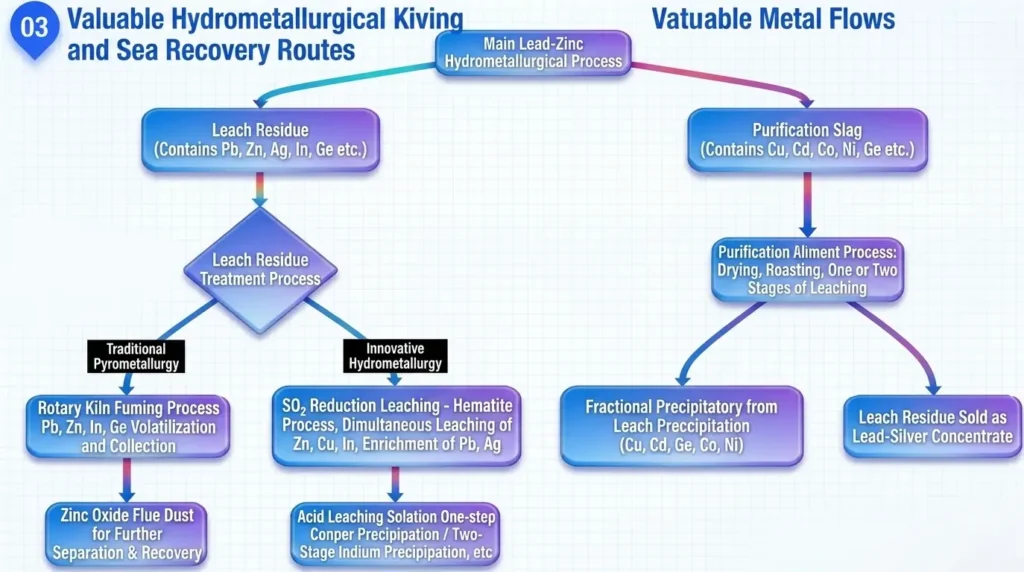
Nos sistemas de reação de metalurgia de alta pressão e no transporte de meios perigosos, como o tolueno ou o enxofre líquido, os vedantes convencionais são propensos a fugas, o que representa riscos significativos para a segurança e o ambiente.
Polpas Abrasivas e Corrosivas
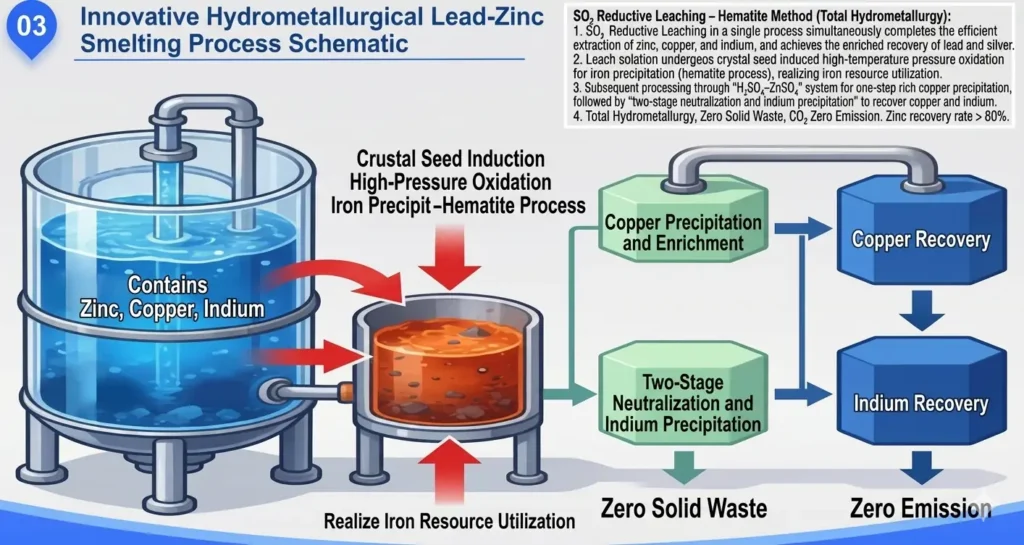
Os cenários que envolvem a utilização de recursos de resíduos sólidos (rejeitos, escórias metalúrgicas) e o processamento de resíduos electrónicos introduzem elevadas concentrações de partículas sólidas. Isto leva a um rápido desgaste erosivo nos componentes internos da bomba, o que constitui um grande desafio para qualquer Bomba para hidrometalurgia de chumbo-zinco.
Exigências de eficiência energética
No âmbito dos objectivos “Dual Carbon”, os sistemas de bombagem devem equilibrar uma elevada eficiência hidráulica com um baixo consumo de energia para reduzir a pegada de carbono global do processo de fundição.
Transição para a manutenção preditiva
A indústria está a passar de modelos reactivos de “reparação de avarias” para sistemas inteligentes e auto-adaptativos que utilizam a monitorização em tempo real para evitar falhas catastróficas.
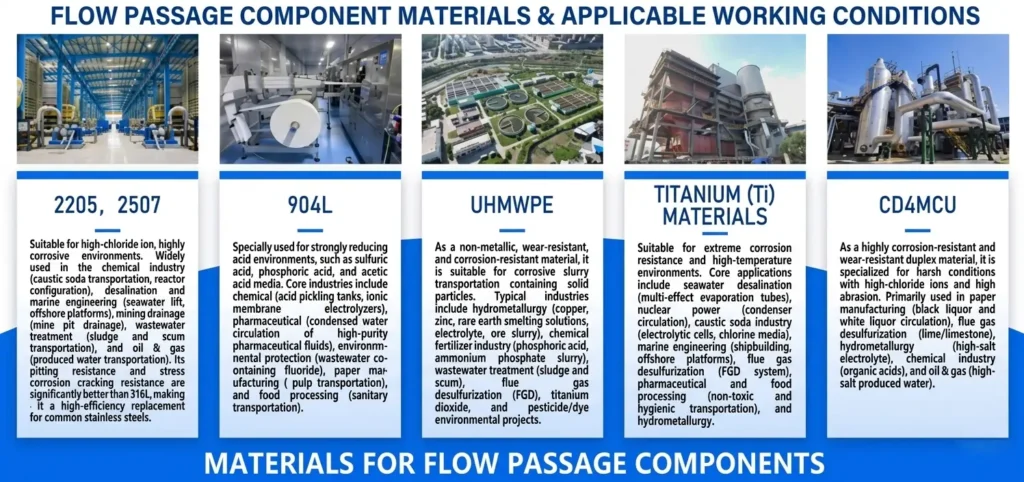
Matriz de seleção de materiais para serviços severos
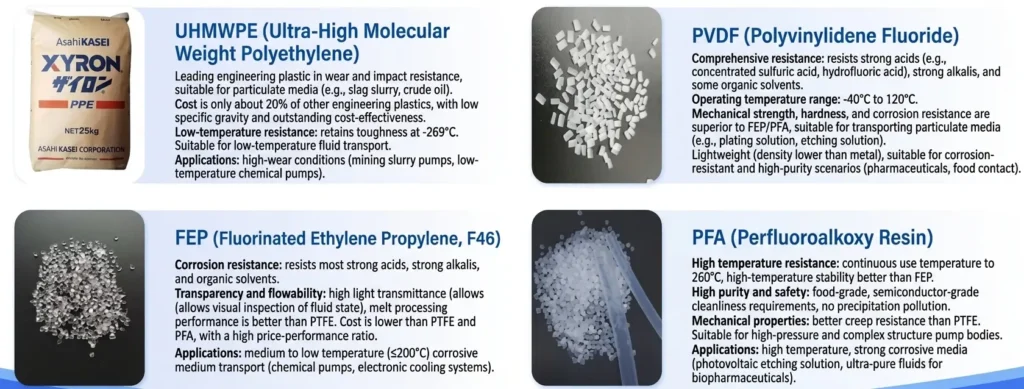
A seleção da metalurgia ou do polímero correto é essencial para prolongar os ciclos de vida do equipamento em Bomba para hidrometalurgia de chumbo-zinco aplicações.
| Tipo de material | Caraterísticas técnicas | Aplicação primária |
|---|---|---|
| UHMWPE modificado (Peso Mol. 5,5M) | Compósito nano-reforçado; resistência ao calor ≥ 180°C; aumento da resistência mecânica 40% | Meios corrosivos a alta temperatura e lamas abrasivas |
| Aço inoxidável duplex (2205/2507) | Resistência superior à fissuração por corrosão sob tensão (SCC) e elevado limite de elasticidade | Ambientes com elevado teor de cloretos e aplicações marítimas |
| Titânio (Classes 2/5) | Excecional resistência à corrosão e estabilidade em amplas gamas de temperatura | Metalurgia da aviação e transporte de ácidos/álcalis concentrados |
| Cerâmica avançada | Extrema dureza e estabilidade térmica; quimicamente inerte | Fluidos altamente abrasivos ou de temperatura ultra-alta |
| CD4MCU | Elevada resistência mecânica com resistência equilibrada à corrosão e ao desgaste | Lamas ácidas ou alcalinas nos sectores petroquímico e mineiro |
Inovações de engenharia da Changyu Pump
1. Ciência dos materiais: UHMWPE de 5,5 milhões de pesos moleculares
Ao contrário do polietileno padrão ou dos fluoroplásticos de camada única, o Changyu utiliza UHMWPE modificado com um peso molecular superior a 5,5 milhões. Ao empregar nano-aperfeiçoamento e modificação de alto enchimento, o material alcança uma permeabilidade significativamente menor e maior resistência ao impacto em comparação com os revestimentos padrão da indústria, tornando-o ideal para Bomba para hidrometalurgia de chumbo-zinco aplicações.
2. Normas de fabrico de precisão
Os componentes críticos são processados utilizando moldes de injeção de precisão em grande escala e centros de maquinação CNC.
- Precisão de posicionamento do eixo X/Z: ≤ 0,022 mm
- Repetibilidade: ≤ 0,006 mm
Este nível de precisão assegura tolerâncias consistentes, reduzindo a vibração mecânica e prolongando o MTBF (tempo médio entre falhas).
3. IoT integrada e manutenção preditiva
As unidades de bomba modernas estão equipadas com módulos e sensores IoT para monitorizar a vibração, a temperatura e a pressão em tempo real. Isto permite que as instalações de fundição mudem para um modelo de “Prevenção ativa”, identificando potenciais falhas antes que estas resultem em paragens de produção dispendiosas.
Esta é uma direção de evolução fundamental para a próxima geração de sistemas de bombas para a hidrometalurgia do chumbo-zinco.
Conclusão
À medida que a indústria de metais não ferrosos busca a descarbonização e a integração digital, a confiabilidade da infraestrutura de bombeamento continua sendo um gargalo para a eficiência. A Changyu Pump and Valve concentra-se na inovação de materiais - especificamente polímeros de alto peso molecular e ligas especializadas - para apoiar soluções de bombas de hidrometalurgia de chumbo-zinco de alto desempenho, ajudando as empresas a atingir seus objetivos de redução de energia e maior rendimento operacional.
Para mais informações, contacte a nossa equipa; temos uma equipa dedicada à disposição para lhe prestar um serviço gratuito e personalizado.
Correio eletrónico: [email protected]
Telefone: +86-13651913727