
Краткий ответ
Выбор правильного насос для перекачивания грязной воды с абразивными частицами требует подбора материалов, соответствующих абразивным твердым частицам в воде, выбора конструкций рабочего колеса, предотвращающих засорение волокнистыми отходами, и настройки насоса с учетом мобильности и условий эксплуатации на объекте. Ключевые количественные факторы выбора:
- Стойкость материала к абразивному износу песком и гравием: Вода на строительных площадках содержит кварцевый песок с твердостью по шкале Мооса 7 — достаточно твердый, чтобы за несколько месяцев износить стандартное чугунное рабочее колесо. Высокохромистый сплав (Cr27/Cr33, 650–750 HB) обеспечивает износостойкость, необходимую для грязной воды с песком. Для кислой шахтной воды или химически загрязненных стоков футеровка из СВМПЭ добавляет коррозионную стойкость к защите от абразивного износа.
- Конструкция рабочего колеса для смешанных твердых частиц: Вихревые рабочие колеса пропускают твердые частицы размером до 100 мм в насосах больших типоразмеров без засорения, что делает их предпочтительным выбором для грязной воды, содержащей ветошь, пластик, листья и другие волокнистые отходы. Полуоткрытые рабочие колеса сочетают прохождение твердых частиц с более высоким КПД для применений, где твердые частицы в основном представлены песком и гравием.
- Мобильность и адаптивность к условиям площадки: Полевые применения — водоотлив на строительных площадках, аварийное реагирование при наводнениях, сельскохозяйственный дренаж — требуют насосов, которые можно быстро перемещать, устанавливать и запускать. Самовсасывающие конструкции исключают необходимость ручной заливки. Рамы на полозьях или прицепах обеспечивают быструю передислокацию между объектами.
- Защита двигателя для наружных условий эксплуатации: Насосы для грязной воды работают в самых тяжелых условиях — дождь, грязь, пыль и периодическое затопление. Двигатели с полностью закрытым обдуваемым исполнением (TEFC) со степенью защиты IP55 являются минимальным требованием для наружной эксплуатации. Для водоотлива в сезон муссонов или реагирования на наводнения двигатели с IP65 предотвращают проникновение воды во время сильного дождя.
Грязная вода атакует насосы одновременно с двух сторон. Взвешенные песок и гравий — часто кварц с твердостью по шкале Мооса 7 — разрушают рабочие колеса, корпуса и уплотнения при каждом проходе через насос. В то же время волокнистые отходы — пластиковые пакеты, листья, веревки, растительность — наматываются на лопасти рабочего колеса, постепенно снижая подачу до полного засорения насоса. Насос, подобранный для чистой воды, выходит из строя в течение нескольких дней при работе с грязной водой. Насос, подобранный только для шлама, может выдерживать абразивный износ, но засоряется волокнистыми материалами, для обработки которых шламовые насосы не предназначены.
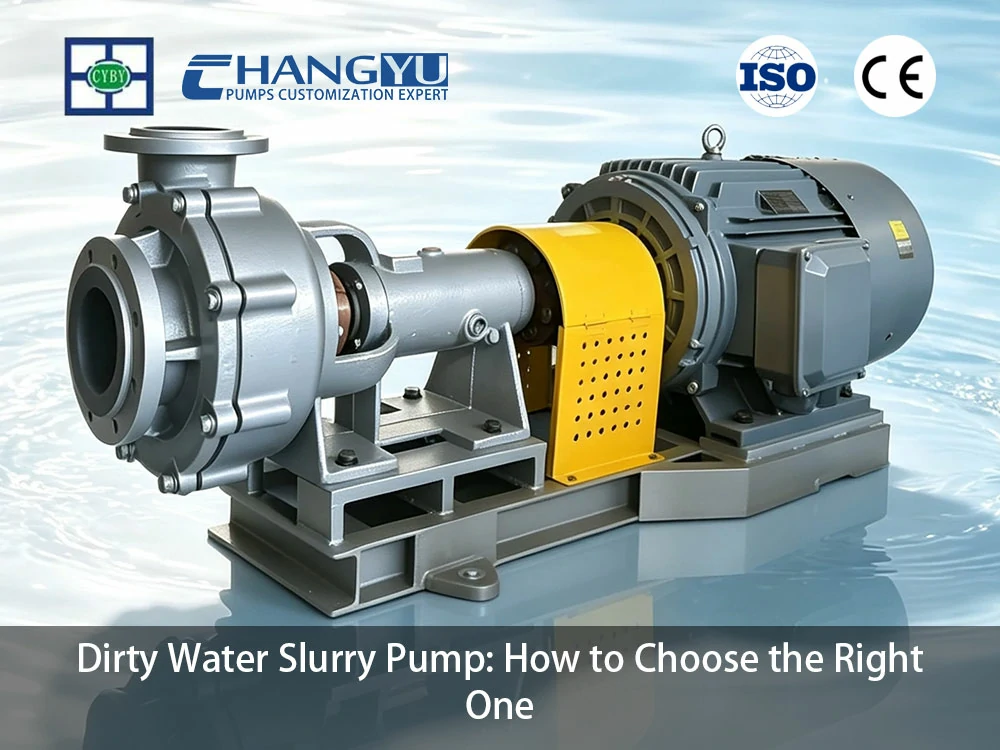
Компания Changyu Pump более двух десятилетий производит износостойкие насосы для строительных, муниципальных, горнодобывающих и сельскохозяйственных применений. В этом руководстве рассматриваются выбор материалов, конструкция рабочего колеса, возможности мобильности и конфигурации под конкретные условия площадки, которые определяют, будет ли насос для грязной воды со шламом обеспечивать надежную работу или станет еще одним простаивающим оборудованием на объекте.
Почему грязная вода так разрушительна для шламовых насосов?
Грязная вода из разных источников содержит различные комбинации абразивных частиц и волокнистых отходов. Понимание того, что содержится в воде, является отправной точкой для правильного подбора насоса.
Комплексная проблема смешанных твердых частиц
В отличие от шлама горнодобывающей промышленности, где твердые частицы относительно однородны и предсказуемы, грязная вода содержит смесь материалов, которые воздействуют на насос по-разному. Твердые угловатые кварцевые песчинки врезаются в поверхности насоса, удаляя материал за счет абразивного износа. Волокнистые отходы не изнашивают насос — они накапливаются на лопастях рабочего колеса, в каналах улитки и вокруг вала уплотнений, в конечном итоге полностью блокируя поток.
Относительное соотношение абразивных твердых частиц к волокнистым отходам определяет, какие характеристики насоса наиболее критичны для надежной работы. Приямок на строительной площадке, заполненный песчаной водой, требует максимальной износостойкости. Муниципальная ливневая насосная станция, обрабатывающая паводковую воду с уличным мусором, требует максимальной устойчивости к засорению. Многие применения требуют и того, и другого.
Состав грязной воды по источникам
Таблица: Состав грязной воды по источникам
| Источник | Основные твердые частицы | Твёрдость частиц | Волокнистые отходы | Ключевая задача |
|---|---|---|---|---|
| Строительное водопонижение | Кварцевый песок, гравий, ил | Моос 7 (песок) | Редкие пластик, фрагменты древесины | Сильный абразивный износ |
| Муниципальные ливневые стоки | Ил, уличный песок, органические вещества | Моос 3–6 | Пластиковые пакеты, листья, ветки | Засорение смешанными отходами |
| Стоки карьеров и шахт | Мелкие фракции породы, минеральные частицы | Моос 5–7 (зависит от породы) | Минимум | Абразивный износ; возможна кислая вода |
| Сельскохозяйственный дренаж | Ил, глина, остатки сельскохозяйственных культур | Моос 3–5 | Стебли растений, корни, пластиковая мульча | Засорение растительностью |
| Реагирование на наводнения | Смешанные ил, песок и городской мусор | Переменная | Высокое — все, что несет паводковая вода | Комбинированный абразивный износ и засорение |
Какие материалы устойчивы к абразивному износу в насосах для грязной воды со шламом?
Выбор материалов для насосов грязной воды зависит от твердости и концентрации абразивных твердых частиц в воде, а также от химического состава воды.
Варианты материалов для работы с грязной водой
Таблица: Выбор материалов для насосов для грязной воды со шламом
| Материал | Устойчивость к истиранию | Диапазон pH | Типичный срок службы | Лучшее для |
|---|---|---|---|---|
| Чугун (стандартный) | Низкий | 6-8 | 3–6 месяцев с песком | Только для чистой или слабозаиленной воды |
| Высокохромистый Cr27 (650–700 HB) | Высокий | 5–9 | 12–24 месяцев | Вода с песком при нейтральном pH; водопонижение на строительных площадках |
| Высокохромистый Cr33 (700–750 HB) | Осевой поток | 5–9 | 18–30 месяцев | Применения с высоким содержанием песка и высокой скоростью потока |
| Натуральный каучук | Умеренная (мелкие частицы) | 5–9 | 12–18 месяцев | Мелкий ил; отсутствие острых или угловатых частиц |
| Подкладка из UHMW-PE | Высокий | Окружающая среда–50°C | 18–24 месяца | Кислая шахтная вода; химически загрязнённые стоки |
| Дуплексная нержавеющая сталь 2205 | Умеренный | 1–10 | 24–36 месяцев | Коррозионная загрязнённая вода с умеренной абразивностью |
Примечание: Высокохромистые сплавы непригодны для кислой воды с pH ниже 5. При кислотном дренаже шахт или промышленных стоках с низким pH требуются футеровки из UHMW-PE или дуплексная нержавеющая сталь.
Подбор материала по применению
Таблица: Подбор материалов для шламовых насосов для загрязнённой воды
| Приложение | Химический состав воды | Содержание абразива | Рекомендуемый материал |
|---|---|---|---|
| Водопонижение на стройплощадке (песок, гравий) | Нейтральный pH 6–8 | Высокая (кварцевый песок) | Высокохромистый Cr33 |
| Водопонижение на стройплощадке (ил, глина) | Нейтральный pH 6–8 | Умеренная (мелкие частицы) | Высокохромистый Cr27 или натуральный каучук |
| Муниципальные ливневые стоки | Нейтральный pH 6–7 | Умеренная (дорожный мусор) | Высокохромистый Cr27 или футеровка из СВМПЭ |
| Кислые шахтные воды | pH 3–5 | От умеренного до высокого | Гипсовый шлам ОДС |
| Сельскохозяйственный дренаж | pH 6–8 | От низкого до умеренного | Чугун или натуральный каучук |
| Реагирование на наводнения | Переменная | Переменная | Высокохромистый Cr27 с вихревым рабочим колесом |
Инженеры Changyu Pump отметили на объектах с насосами для загрязнённой воды: При водопонижении на стройплощадках с кварцевым песком стандартные чугунные рабочие колёса могут изнашиваться за 3–6 месяцев. Высокохромистый Cr27 увеличивает этот срок до 12–24 месяцев. Дополнительные затраты на материал окупаются за счёт исключения замен рабочих колёс и сокращения простоев на объекте.
Как предотвратить засорение волокнистыми отходами шламовых насосов для загрязнённой воды?
Волокнистые отходы — пластиковые пакеты, листья, растительность, верёвки, текстиль — накапливаются на рабочее колесо лопастях и в каналах улитки. В отличие от абразивного износа, который развивается постепенно и предсказуемо, засорение может полностью остановить насос в течение нескольких минут.
Типы рабочих колёс для загрязнённой воды
Vortex (Recessed) Impeller:
Рабочее колесо расположено в углублении задней стенки улитки, создавая вихрь, который протягивает жидкость и твёрдые частицы через насос. Лишь небольшая часть жидкости напрямую контактирует с рабочим колесом. Такая конструкция обеспечивает наибольший свободный проход для твёрдых частиц — до 100 мм на крупных типоразмерах насосов — и практически полную невосприимчивость к наматыванию волокнистых материалов. КПД ниже (35–55%), чем у закрытых конструкций, но для загрязнённой воды с непредсказуемыми включениями преимущество надёжности перевешивает энергетические потери.
Полуоткрытое рабочее колесо:
Лопасти рабочего колеса крепятся к заднему диску без переднего диска. Открытая поверхность позволяет твёрдым частицам проходить без сужений, характерных для закрытых конструкций. КПД выше, чем у вихревых типов (50–60%). Полуоткрытые рабочие колёса обеспечивают хорошую пропускную способность для песчаной воды с редкими включениями, но могут засоряться при высокой концентрации волокнистых материалов.
Полуоткрытое рабочее колесо:
Один или два широких канала в рабочем колесе обеспечивают проход твёрдых частиц. Более высокий КПД (55–70%), чем у вихревых или полуоткрытых конструкций. Подходит для загрязнённой воды, где твёрдые частицы представлены преимущественно песком и гравием, а волокнистые включения минимальны.
Выбор рабочего колеса по типу включений
Таблица: Выбор рабочего колеса по типу включений
| Тип включений | Recommended Impeller | Обоснование |
|---|---|---|
| Только песок и гравий | Полуоткрытое или канальное | Более высокий КПД; достаточный проход для твёрдых частиц |
| Смесь песка и редких включений | Рекомендуемый тип рабочего колеса | Проход для твёрдых частиц плюс некоторая устойчивость к засорению |
| Высокое содержание волокон (пластик, листья, ветошь) | Vortex | Максимальная устойчивость к засорению; большой свободный проход |
| Паводковая вода с непредсказуемыми включениями | Vortex | Обрабатывает всё, что попадает во всасывающий патрубок |
Защита корпуса насоса
При перекачивании крупных твёрдых частиц вихревым рабочим колесом корпус насоса также должен быть защищён от ударного износа. Сменные износные плиты или закалённые футеровки улитки продлевают срок службы корпуса в таких применениях. Всасывающая сетка, установленная на входе насоса, предотвращает попадание в насос крупных включений, превышающих номинальный проход для твёрдых частиц. Для загрязнённой воды с непредсказуемыми включениями самоочищающаяся сетка или мусорозадерживающий экран снижают частоту ручной очистки.
Инженеры Changyu Pump рекомендуют: Для водопонижения на стройплощадках и ликвидации последствий паводков — где вода содержит всё, что обнажили паводок или выемка грунта — вихревое рабочее колесо является самым безопасным выбором. Один засорившийся насос в критический момент водопонижения может затопить выемку, задержать проект или привести к нарушениям нормативных требований. Энергетические потери вихревого рабочего колеса ничтожны по сравнению со стоимостью одного отказа, вызванного засорением.
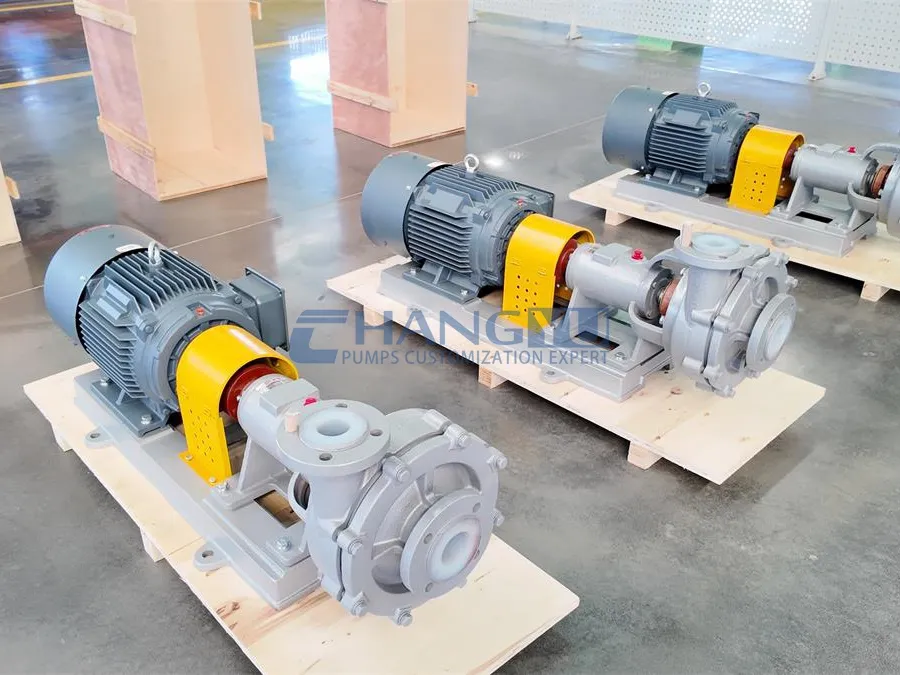
Как выбрать мобильный шламовый насос для загрязнённой воды для полевых условий?
Многие применения насосов для загрязнённой воды носят временный характер. Строительные площадки перемещаются по мере выполнения проекта. Аварийное реагирование на паводки требует быстрого развёртывания. Сельскохозяйственные насосы перемещаются между полями по сезонам. Во всех этих случаях насос должен быть рассчитан на мобильность, а также на производительность.
Способность к самоочистке
Самовсасывающие насосы исключают необходимость ручного заполнения корпуса насоса и всасывающей линии перед каждым запуском. Насос сохраняет достаточное количество жидкости в корпусе после остановки для создания всасывания при повторном запуске. Это критически важная функция для мобильных применений, где насос часто запускается, останавливается и перемещается. При аварийном реагировании возможность начать перекачку в течение секунд после прибытия может определить, будет ли паводок локализован или распространится.
Монтаж и транспортировка
Насосы на раме-салазках: Стальная рама-основание позволяет поднимать насос и двигатель как единый блок краном или вилочным погрузчиком. Подходит для полустационарных установок на строительных площадках, где насос остаётся на одном месте в течение нескольких дней или недель.
Насосы на прицепе: Полный насосный агрегат, смонтированный на прицепе, допущенном к эксплуатации на дорогах общего пользования. В состав прицепа входят насос, электродвигатель или двигатель внутреннего сгорания, топливный бак, всасывающие и напорные соединения, а часто и панель управления. Насосы на прицепе можно буксировать между объектами с помощью стандартного пикапа, и они готовы к работе в течение нескольких минут после прибытия.
Погружные переносные насосы: Насос и двигатель объединены в погружной блок, который опускается в воду. Ни всасывающего трубопровода, ни заливки, ни монтажной рамы — только напорный рукав и силовой кабель. Переносные погружные насосы разворачиваются быстрее всего, но ограничены по напору.
Варианты привода для полевых условий
Электродвигатель с питанием от сети объекта: При наличии надежного сетевого электропитания или генератора на объекте электродвигатель обеспечивает самый простой, тихий и энергоэффективный привод. Для наружного применения указывайте двигатели TEFC с классом защиты IP55. Для водоотлива в сезон муссонов или при ликвидации наводнений двигатели с классом защиты IP65 предотвращают попадание воды во время сильного дождя.
Привод от дизельного двигателя: Для удаленных объектов без сетевого электропитания — обычное дело в строительстве, водоотливе на карьерах и при ликвидации наводнений — дизельный двигатель обеспечивает автономное питание. При выборе насоса с дизельным приводом указывайте режим непрерывной работы с запасом мощности не менее 15–20% сверх максимальной потребляемой мощности насоса. На высоте более 1000 метров учитывайте снижение мощности двигателя из-за пониженной плотности воздуха.
Где применяются шламовые насосы для грязной воды?
Насосы для грязной воды применяются в отраслях, где вода содержит достаточное количество твердых частиц, способных повредить или засорить стандартные насосы.
Водоотлив в строительстве
Наиболее распространенное применение насосов для грязной воды. Котлованы под фундаменты зданий, тоннели и инфраструктурные объекты заполняются грунтовыми водами с примесью песка, гравия и строительного мусора. Насосы должны выдерживать высокие нагрузки по твердым частицам на начальном этапе водоотлива и переменные расходы по мере стабилизации уровня грунтовых вод. Мобильность имеет решающее значение — насосы перемещаются между котлованами по мере выполнения работ.
Муниципальные ливневые стоки и борьба с наводнениями
Ливневые насосные станции обрабатывают стоки во время сильных дождей, когда вода несет уличный песок, листья, пластиковый мусор и все прочее, что дождь смывает в дренажную систему. Насосы могут простаивать месяцами, а затем работать непрерывно во время наводнения. Основное требование — надежность по первому требованию.
Водоотлив на карьерах и в шахтах
Карьеры открытого типа и подземные шахты накапливают воду из-за инфильтрации грунтовых вод и технологических стоков. Эта вода содержит мелкие фракции породы и минеральные частицы. В рудниках с сульфидными рудами вода может быть кислой (pH 3–5) и требовать коррозионностойких материалов насоса наряду с износостойкостью.
Сельскохозяйственный дренаж и орошение
Сельскохозяйственные насосы работают с водой из рек, каналов и дренажных канав, содержащей ил, глину, растительные остатки и иногда пластиковый мусор от мульчирования и упаковочных материалов. Насосы могут перемещаться по сезонам между полями и источниками воды.
Сравнение применений насосов для грязной воды
Таблица: Сравнение применений насосов для грязной воды
| Приложение | Диапазон расхода | Ключевая задача | Рекомендуемый тип насоса |
|---|---|---|---|
| Строительное водопонижение | 10–500 м³/ч | Абразивный износ кварцевым песком | На раме или прицепе с высокохромистой проточной частью |
| Муниципальные ливневые стоки | 50–5 000+ м³/ч | Засорение смешанным мусором | Стационарная установка с вихревым рабочим колесом |
| Водоотлив на карьере | 20–300 м³/ч | Мелкие фракции породы + возможная кислая вода | Футеровка UHMW-PE или высокохромистая с контролем pH |
| Сельскохозяйственный дренаж | 10–200 м³/ч | Ил + растительные остатки | Переносной с полуоткрытым рабочим колесом |
| Реагирование на наводнения | 100–1 000+ м³/ч | Непредсказуемый мусор | Дизельный на прицепе с вихревым рабочим колесом |
Как выбрать правильный шламовый насос для грязной воды?
Выбор насоса для грязной воды требует согласования материалов, конструкции рабочего колеса и характеристик мобильности с конкретным содержанием твердых частиц, типом мусора и условиями на объекте.
Распространенные проблемы шламовых насосов для грязной воды и их решения
Таблица: Распространенные проблемы шламовых насосов для грязной воды и их решения
| Проблема | Основная причина | Решение |
|---|---|---|
| Рабочее колесо изнашивается за считанные месяцы | Абразивный износ кварцевым песком чугуна | Переход на высокохромистый Cr27/Cr33 |
| Насос засоряется повторно | Волокнистый мусор на лопастях рабочего колеса | Переключение на вихревое рабочее колесо |
| Двигатель выходит из строя после дождя | Попадание воды; недостаточный класс защиты IP | Переход на двигатель IP65; установка защитного навеса |
| Насос теряет заливку после остановки | Опорожнение всасывающей линии; отсутствие способности к самозаливке | Установка самозаливного насоса или приемного клапана |
| Дизельный двигатель теряет мощность на высоте | Снижение плотности воздуха; отсутствие компенсации высоты | Укажите двигатель с турбонаддувом; учтите снижение мощности на высоте |
| Всасывающий фильтр постоянно засоряется | Нагрузка мусором превышает пропускную способность фильтра | Установите фильтр большего размера или самоочищающийся фильтр |
Пятиэтапный процесс выбора насоса для грязной воды и шлама
Этап 1: Охарактеризуйте воду.
Определите тип, размер и концентрацию абразивных твердых частиц. Определите наличие волокнистого мусора (пластик, растительность, ветошь) и его количество. Проверьте pH, если источник воды — промышленный или горнодобывающий.
Этап 2: Определите гидравлические требования.
Рассчитайте требуемый расход и полный динамический напор. Для водоотливных применений учтите снижение уровня воды по мере ее падения — насос должен создавать достаточный напор при самом низком ожидаемом уровне воды.
Этап 3: Выберите материалы.
Согласуйте смачиваемые материалы с абразивными твердыми частицами и химическим составом воды в соответствии с матрицей в разделе 2. Для строительного водоотлива с песком базовым материалом является высокохромистый Cr27. Для кислой шахтной воды требуются футеровки из UHMW-PE или дуплексная нержавеющая сталь.
Шаг 4: Выберите тип рабочего колеса.
Согласуйте конструкцию рабочего колеса с типом мусора в соответствии с матрицей в разделе 3. Для воды со смешанным или непредсказуемым мусором вихревые рабочие колеса обеспечивают наименьший риск засорения.
Этап 5: Укажите мобильность и привод.
Выберите тип монтажа (салазки, прицеп, погружной) и привод (электрический, дизельный) на основе требований к мобильности применения и доступности электроэнергии на объекте.
Инженеры Changyu Pump рекомендуют: Когда вода содержит смесь абразивного песка и волокнистого мусора — что часто встречается в строительстве и при ликвидации последствий наводнений — отдавайте приоритет устойчивости к засорению над износостойкостью. Насос, который засоряется, немедленно прекращает работу. Насос, который изнашивается, делает это постепенно, со снижением производительности, которое дает предупреждение до отказа. Укажите вихревое рабочее колесо со сменными износостойкими пластинами для устранения обоих режимов отказа и учитывайте совокупную стоимость владения при принятии решений по материалам — более высокая первоначальная стоимость износостойких материалов окупается за счет увеличенных интервалов технического обслуживания и сокращения простоев на объекте.
Пример применения насоса для грязной воды и шлама: решение кризиса водоотлива на строительной площадке
Строительный проект в Юго-Восточной Азии использовал три центробежных насоса для водоотлива котлована глубиной 12 метров. Насосы перекачивали грунтовые воды, смешанные с мелким и крупным кварцевым песком (твердость по Моосу 7) и случайным строительным мусором — пластиковой упаковкой, фрагментами древесины и растительностью. Первоначальная спецификация: чугунные проточные компоненты с закрытыми рабочими колесами.
Насосы требовали замены рабочего колеса каждые 3–4 месяца из-за абразивного износа песком. Более критично, закрытые рабочие колеса засорялись два-три раза в неделю строительным мусором. Каждое засорение требовало участия двух рабочих для извлечения насоса, разборки корпуса, удаления мусора и повторной установки — что приводило к потере 2–3 часов времени водоотлива на каждый инцидент. В сезон муссонов увеличенный приток воды в сочетании с простоем насосов вызывал повышение уровня воды в котловане, угрожая фундаментным работам.
Подрядчик заменил насосы на насосы серии PGY компании Changyu с высокохромистыми проточными компонентами Cr33 и вихревыми рабочими колесами. Вихревая конструкция устранила поверхности рабочего колеса, на которых ранее накапливался мусор. Высокохромистый Cr33 обеспечил износостойкость, которую чугун не мог обеспечить против кварцевого песка. Привод от дизельного двигателя на прицепе обеспечил независимое питание и мобильность между зонами раскопок.
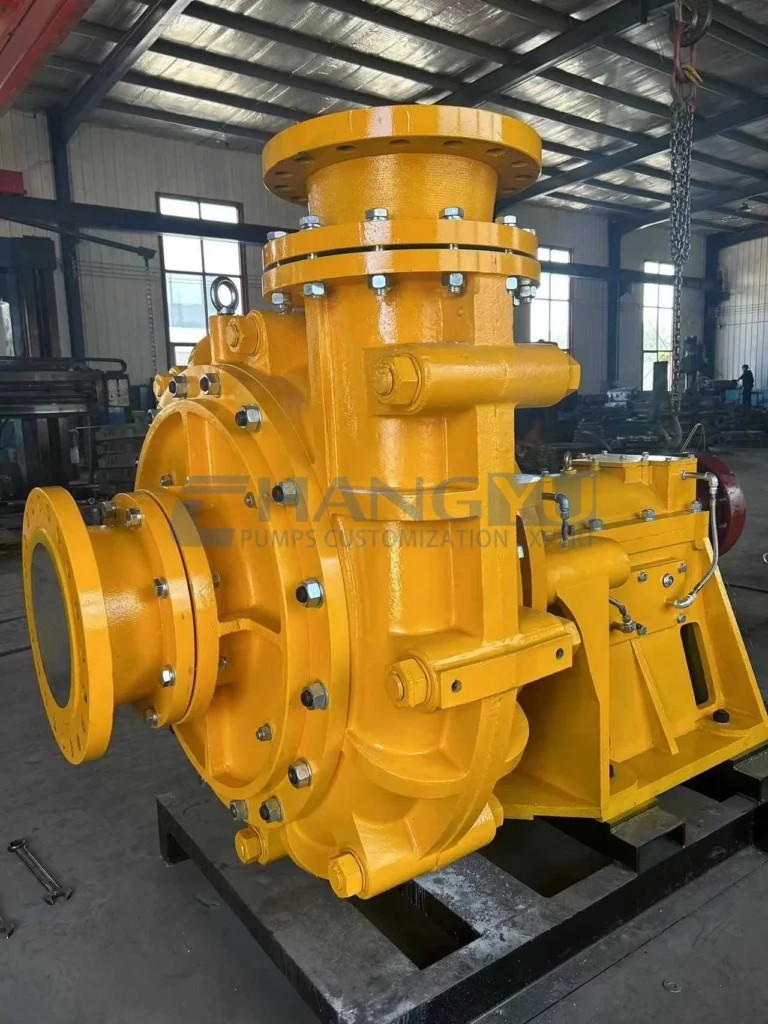
За шестимесячный этап фундаментных работ: ноль простоев, связанных с засорением. Износ рабочего колеса на конец проекта был в пределах допустимых значений, замена не потребовалась. Проект завершен в срок без единой задержки, связанной с водоотливом.
Ключевой выводВ строительном водоотливе засорение является более непосредственной и затратной проблемой, чем абразивный износ. Насос, который засоряется, останавливает работу. Насос, который изнашивается, можно контролировать. Вихревые рабочие колеса устраняют риск засорения, с которым закрытые рабочие колеса не могут справиться, когда строительный мусор попадает в воду. Сочетание вихревых рабочих колес с высокохромистыми износостойкими материалами одновременно устраняет оба режима отказа.
Решения Changyu Pump для насосов грязной воды и шлама
Changyu Pump предлагает три серии насосов, подходящих для применений с грязной водой в строительной, муниципальной, горнодобывающей и сельскохозяйственной отраслях.
Руководство по выбору насоса для грязной воды и шлама
Таблица: Руководство по выбору насоса для грязной воды и шлама
| Приложение | Ключевая задача | Рекомендуемая серия | Ключевая особенность |
|---|---|---|---|
| Строительный водоотлив (с содержанием песка) | Абразивный износ кварцевым песком | Серия PGY | Расход 117–976 м³/ч; высокохромистый Cr33; напор до 101,6 м |
| Грязная вода с мусором / осадком | Волокнистый мусор + твердые частицы | Серия BFD (электрический диафрагменный) | Расход 480 л/мин; твердые частицы до 9,4 мм через клапанные камеры; электрический привод |
| Кислая или химически загрязненная грязная вода | Corrosion + abrasion | Серия UHB | Расход 3–2600 м³/ч; футеровка UHMW-PE; pH 1–14 |
Серия PGY — тяжелый высоконапорный насос для шлама для воды с содержанием песка
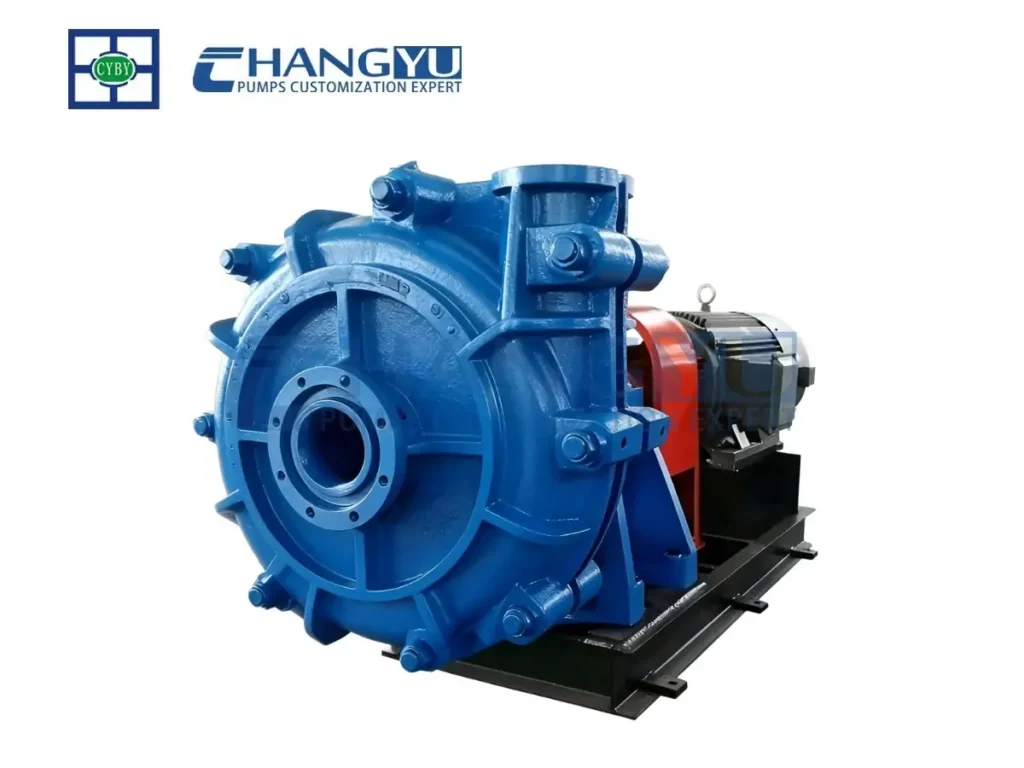
Разработан для условий высокого напора и сильного износа. Двухкорпусная конструкция позволяет заменять проточные компоненты без демонтажа трубопроводов. Масляная смазка подшипникового узла обеспечивает долгосрочную надежность. Высокохромистый Cr33 обеспечивает наивысшую абразивную стойкость среди распространенных материалов для насосов грязной воды против кварцевого песка в строительном водоотливе и карьерных применениях.
| Параметр | Технические характеристики |
|---|---|
| Скорость потока | 117–976 м³/ч |
| Глава | 21,1–101,6 м |
| Мощность двигателя | 22–560 кВт |
| Скорость | 730 / 980 / 1 480 об/мин |
| Материалы | BTMCr27 / BTMCr28 / BTMCr33 / дуплексная нержавеющая сталь |
Серия BFD — электрический диафрагменный насос для грязной воды с мусором

Электрический диафрагменный насос, предназначенный для грязной воды, содержащей крупные твердые частицы, волокнистый мусор и осадок. Как насос объемного типа, серия BFD пропускает твердые частицы через свои клапанные камеры — подходит для воды с мусором, где засорение является основной проблемой. Самовсасывающая работа — не требуется ручная заливка. Подходит для строительных площадок, обводных линий муниципальных сточных вод и ликвидации последствий наводнений.
| Параметр | Технические характеристики |
|---|---|
| Скорость потока | 480 л/мин |
| Глава | 84 м |
| Мощность двигателя | 0,75–45 кВт |
| Скорость | 968-3,450 об/мин |
| Температура | от -20°C до 120°C |
| Настраиваемые материалы | Литая сталь, ковкий чугун, алюминиевый сплав, полипропилен, нержавеющая сталь, PVDF |
Посмотреть электрический диафрагменный насос серии BFD →
Серия UHB — насос с футеровкой UHMW-PE для коррозионной грязной воды
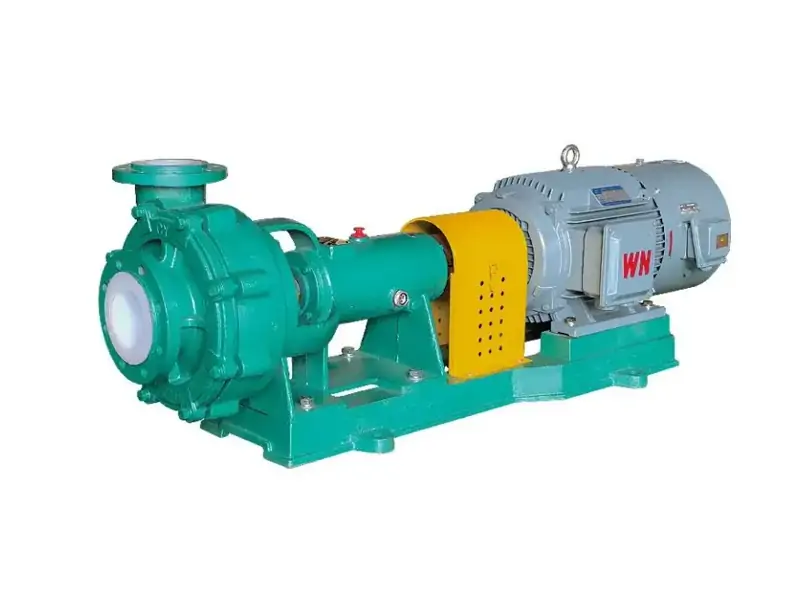
Центробежный насос со стальным корпусом и футеровкой UHMW-PE для грязной воды в горнодобывающих, промышленных и химических применениях. UHMW-PE обеспечивает комбинированную коррозионную стойкость (pH 1–14) и абразивную стойкость. Подходит для кислых шахтных вод, промышленных стоков и химически загрязненной воды.
| Параметр | Технические характеристики |
|---|---|
| Скорость потока | 3-2,600 м³/ч |
| Глава | 5-100 m |
| Мощность двигателя | 0,75-300 кВт |
| Скорость | 750-2 900 об/мин |
| Температура | -20°C до 90°C |
| Материал подкладки | UHMW-PE |
Часто задаваемые вопросы о насосах для грязной воды и шлама
Вопрос: В чем разница между насосом для грязной воды и насосом для чистой воды?
A: Насосы для грязной воды оснащены износостойкими материалами (высокохромистые сплавы, резина или футеровка из UHMW-PE) и рабочими колесами, рассчитанными на пропуск твердых частиц (вихревые, полуоткрытые или канальные конструкции). Насосы для чистой воды используют стандартный чугун и закрытые рабочие колеса, которые быстро изнашиваются и засоряются при наличии твердых частиц.
Q: Какой материал лучше всего подходит для воды с высоким содержанием песка?
A: Высокохромистые сплавы Cr27/Cr33 (650–750 HB) обеспечивают максимальную абразивную стойкость для воды с песком при нейтральном pH. Для кислой воды (pH ниже 5) требуется футеровка из UHMW-PE или дуплексная нержавеющая сталь.
Q: Как предотвратить засорение насосов для грязной воды?
A: Используйте вихревые рабочие колеса для воды, содержащей волокнистые включения (пластик, листья, ветошь). Вихревые колеса пропускают твердые частицы размером до 100 мм на крупных типоразмерах насосов без засорения. Установите всасывающую сетку для предотвращения попадания крупных включений в насос. Для воды только с песком и абразивными частицами полуоткрытые рабочие колеса обеспечивают достаточный пропуск твердых частиц при более высоком КПД.
Q: Можно ли использовать погружной насос для грязной воды?
A: Да, при условии, что насос рассчитан на размер и концентрацию твердых частиц в воде. Погружные насосы для грязной воды с вихревыми рабочими колесами широко применяются в строительном водопонижении и коммунальном хозяйстве. Убедитесь, что двигатель герметично защищен (класс IP68 для непрерывного погружения).
Q: Какой тип привода лучше всего подходит для мобильных насосов для грязной воды?
A: Привод от дизельного двигателя для объектов без электроснабжения — распространен в строительстве, карьерах и при ликвидации паводков. Электропривод при наличии надежного источника питания — тише, ниже эксплуатационные расходы. Модули на прицепе или раме обеспечивают быстрое развертывание.
Q: Как долго служат рабочие колеса насосов для грязной воды?
A: В строительной воде с песком стандартные чугунные рабочие колеса служат 3–6 месяцев. Высокохромистые рабочие колеса из Cr27 продлевают этот срок до 12–24 месяцев. Срок службы рабочего колеса зависит от концентрации песка, размера частиц и частоты вращения насоса.
Контрольный список мер по предотвращению неисправностей для инженеров компании Changyu Pump
- Не используйте стандартные чугунные насосы для загрязненной песком воды. Скорость абразивного износа недопустима. Высокохромистый Cr27 — минимальное требование для строительного водоотлива с кварцевым песком.
- Для воды с волокнистыми включениями используйте вихревые рабочие колеса. Один засоренный насос во время критического водоотлива может затопить выемку или привести к нарушениям нормативных требований.
- Проверяйте pH воды перед выбором высокохромистых сплавов. При pH ниже 5 переходите на футеровку из UHMW-PE или дуплексную нержавеющую сталь.
- Для мобильных применений указывайте самовсасывающие насосы или автоматические системы заливки. Ручная заливка тратит время и задерживает начало водоотлива.
- Наружные электродвигатели требуют защиты IP55 как минимум. Для применения в сезон муссонов или при реагировании на наводнения указывайте IP65.
- Устанавливайте всасывающий фильтр, рассчитанный на максимальный проход твердых частиц насоса. Для воды с мусором самоочищающийся фильтр снижает объем ручного обслуживания.
- Для насосов с дизельным приводом указывайте номинальную мощность непрерывного режима с запасом 15–20%. Учитывайте снижение мощности на высоте более 1 000 метров.
- Держите на площадке запасные рабочие колеса, изнашиваемые пластины и механические уплотнения. В строительстве и при аварийном реагировании простои из-за доставки запчастей могут стоить гораздо дороже самих запчастей.
Заключение
Насос для грязной воды должен противостоять двойному воздействию абразивных твердых частиц и волокнистых включений — двум задачам, для которых стандартные насосы не предназначены. Три решения определяют надежность насоса: выбор материала, соответствующего твердости и химическому составу твердых частиц в воде, конструкция рабочего колеса, обеспечивающая надежный проход твердых частиц без засорения, и мобильность, соответствующая условиям площадки и требованиям развертывания.
Высокохромистые сплавы обеспечивают износостойкость, которой стандартный чугун не может достичь в строительной воде с песком. Вихревые рабочие колеса устраняют засорение, которое испытывают закрытые рабочие колеса при попадании мусора в насос. Для мобильных применений самовсасывающие насосы на прицепе или раме с дизельным или электрическим приводом обеспечивают быстрое развертывание, необходимое для строительства, реагирования на наводнения и сельскохозяйственных операций.
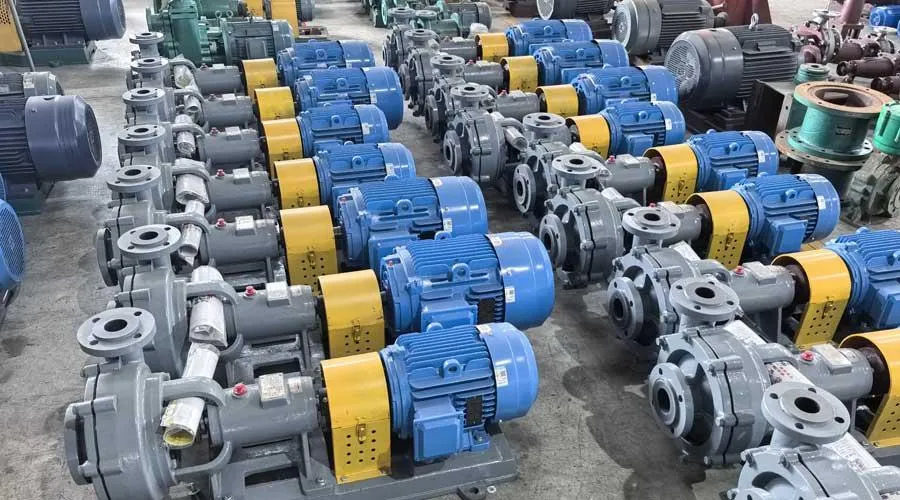
Когда вы готовы выбрать насос для грязной воды для вашего применения, инженерная команда Changyu Pump может предоставить техническую оценку, включающую анализ воды, рекомендацию по материалам и конфигурацию насоса с учетом конкретных условий вашей площадки. Два десятилетия производства насосов для строительства, муниципального хозяйства, горнодобывающей и сельскохозяйственной отраслей лежат в основе каждой рекомендации.
Свяжитесь с Changyu Pump для бесплатной технической оценки →