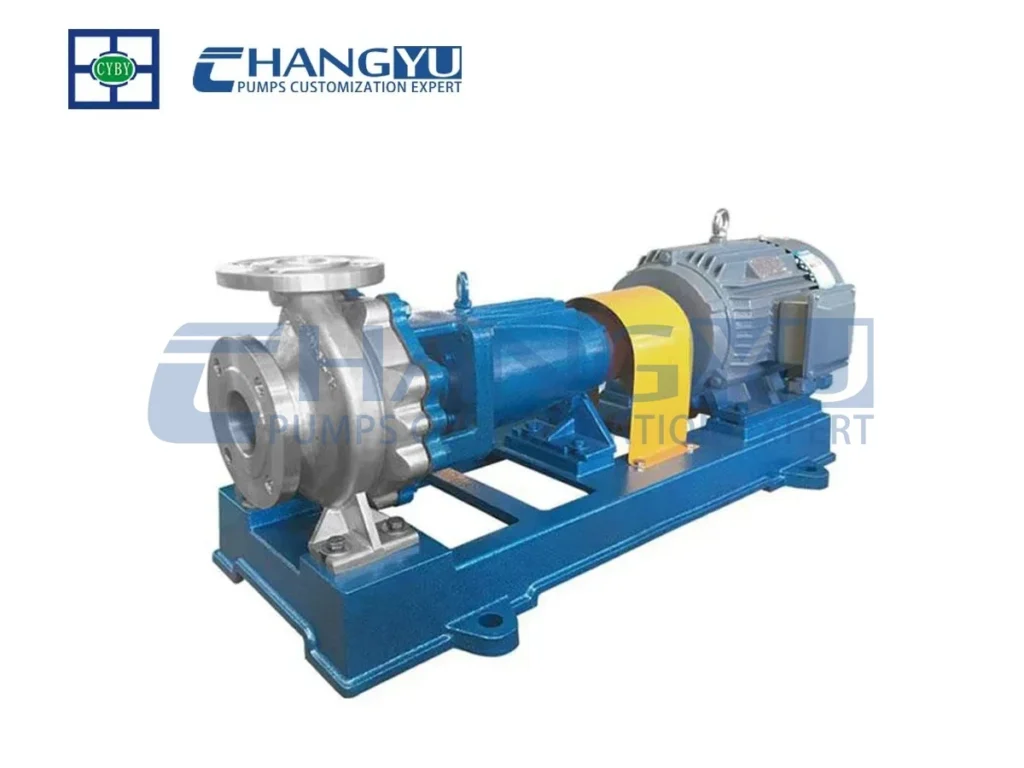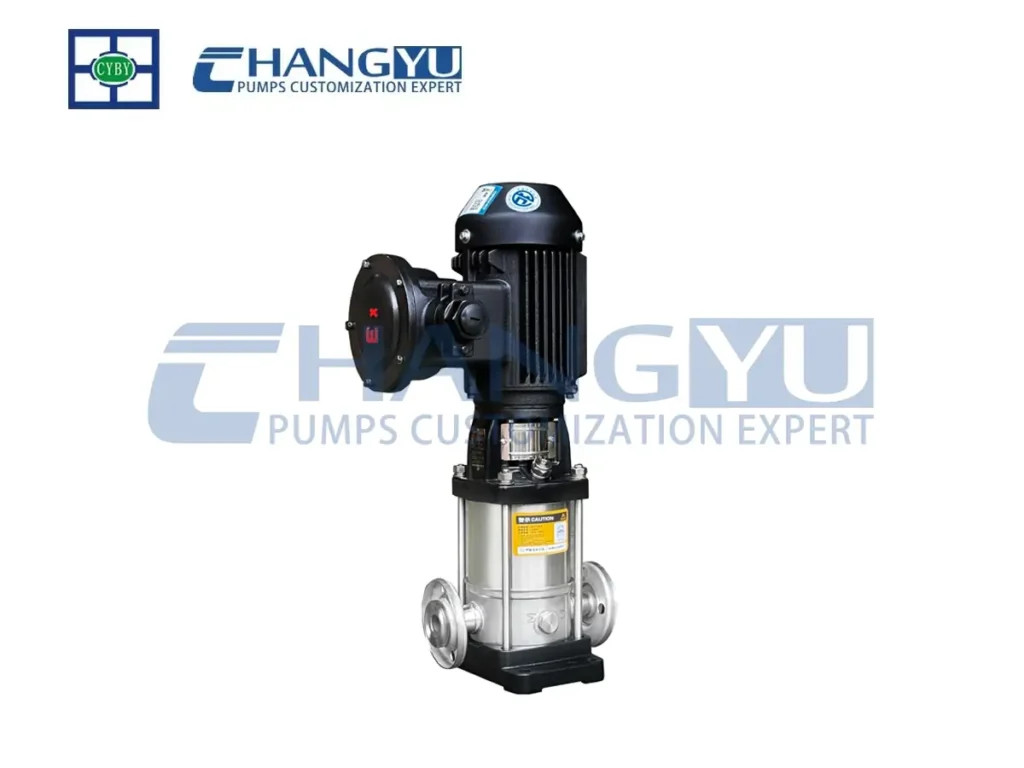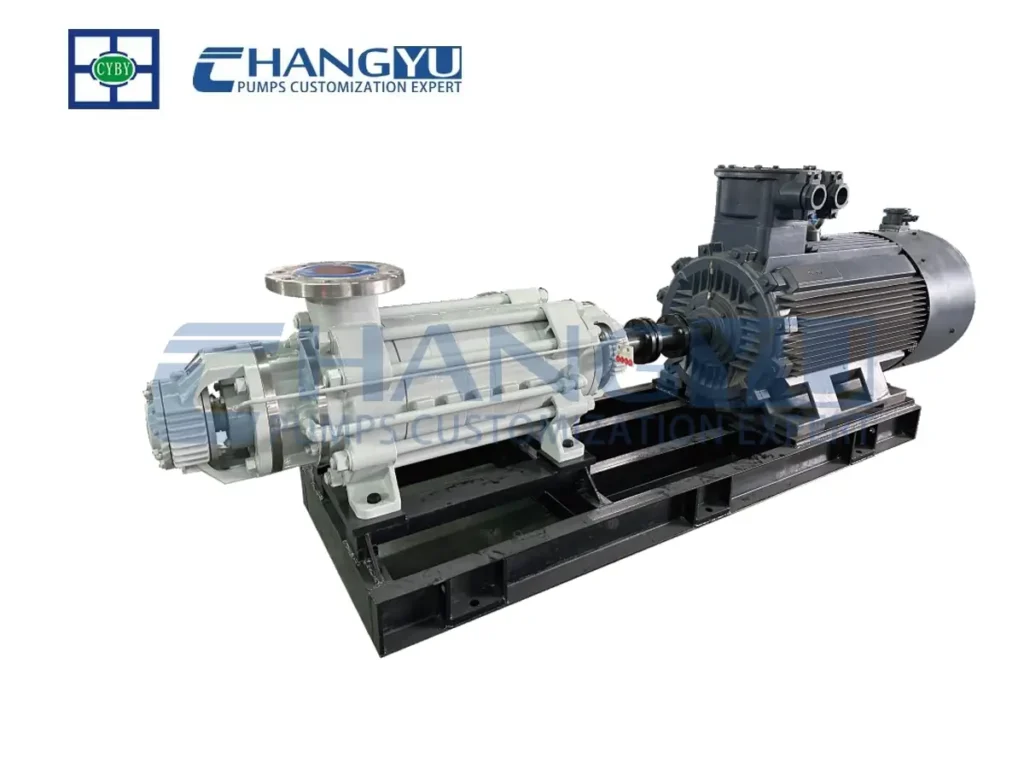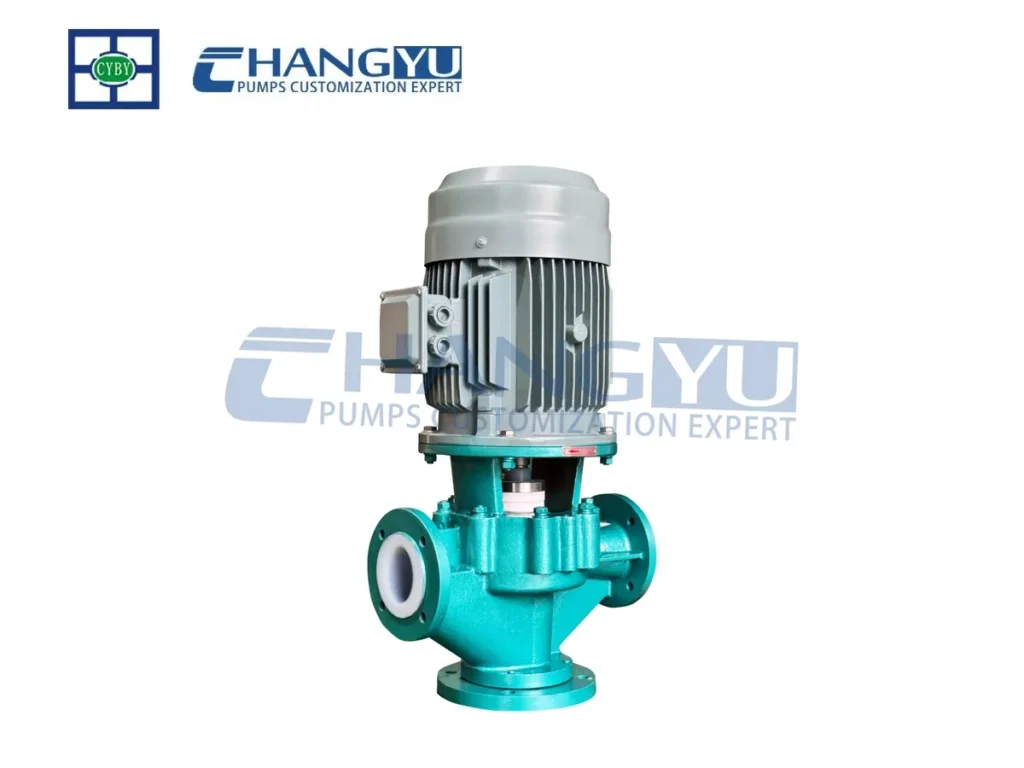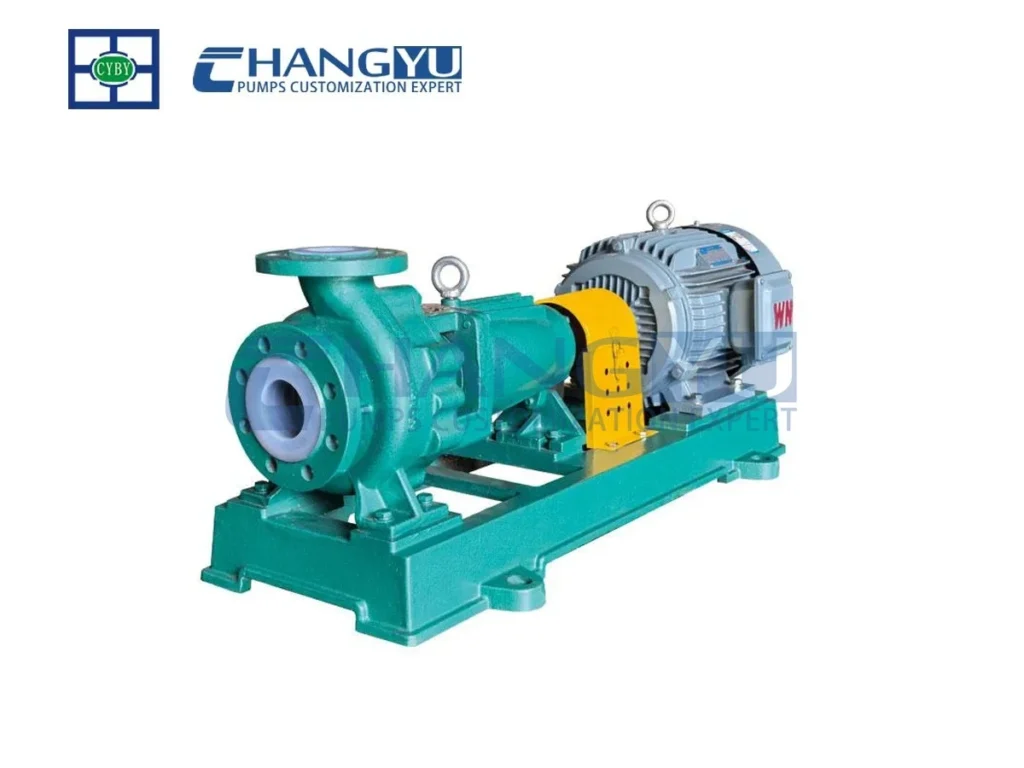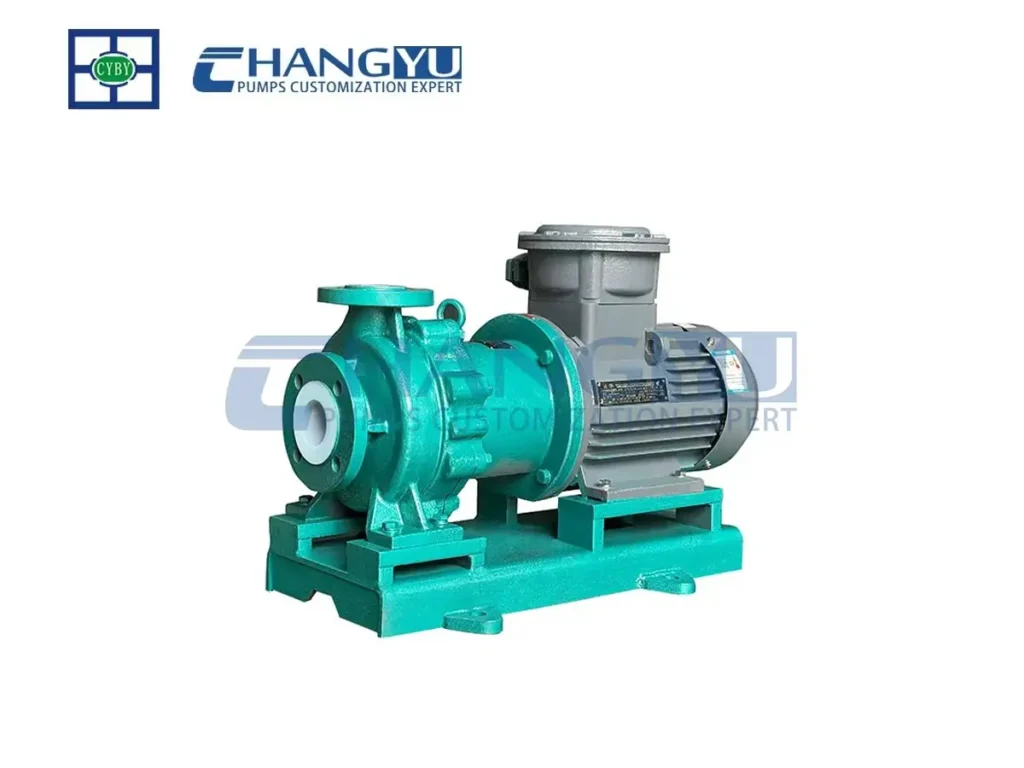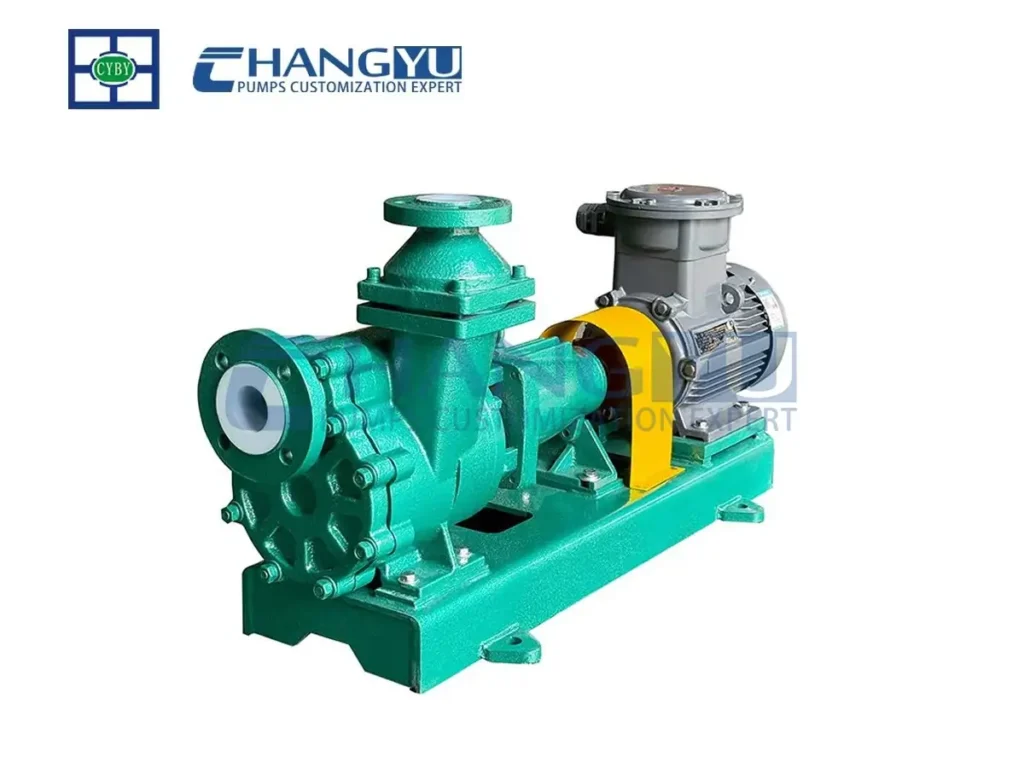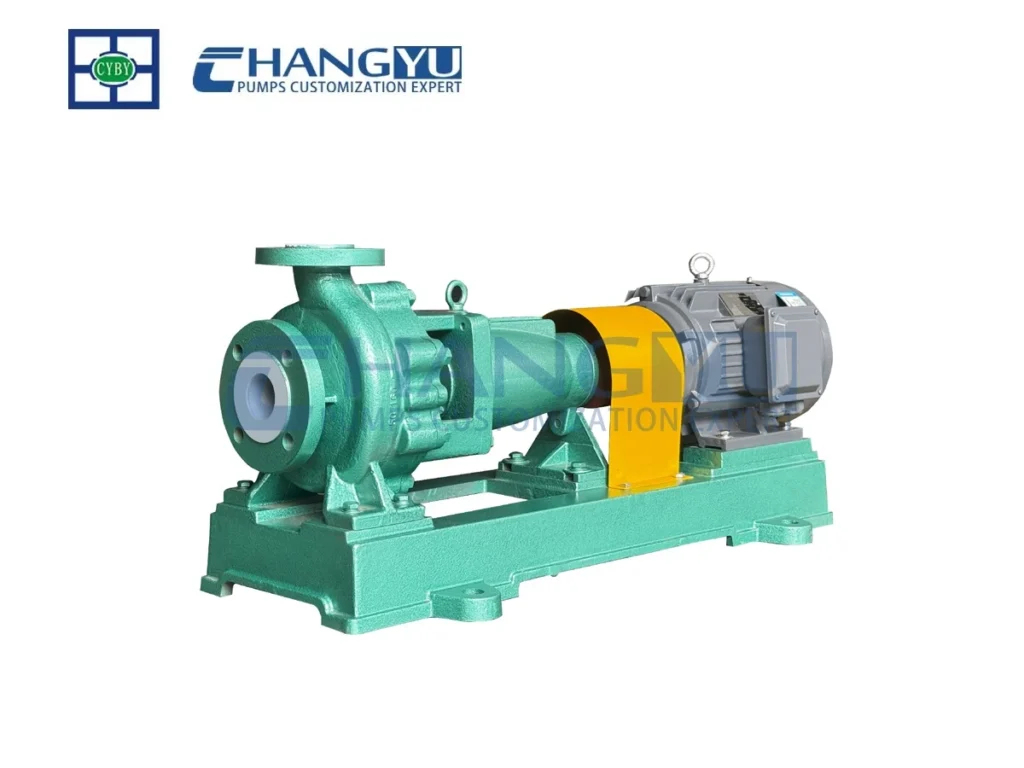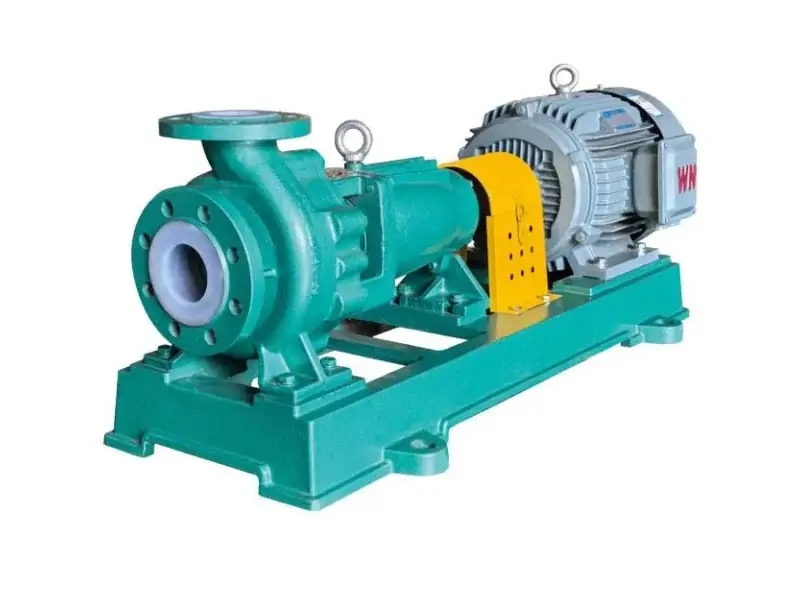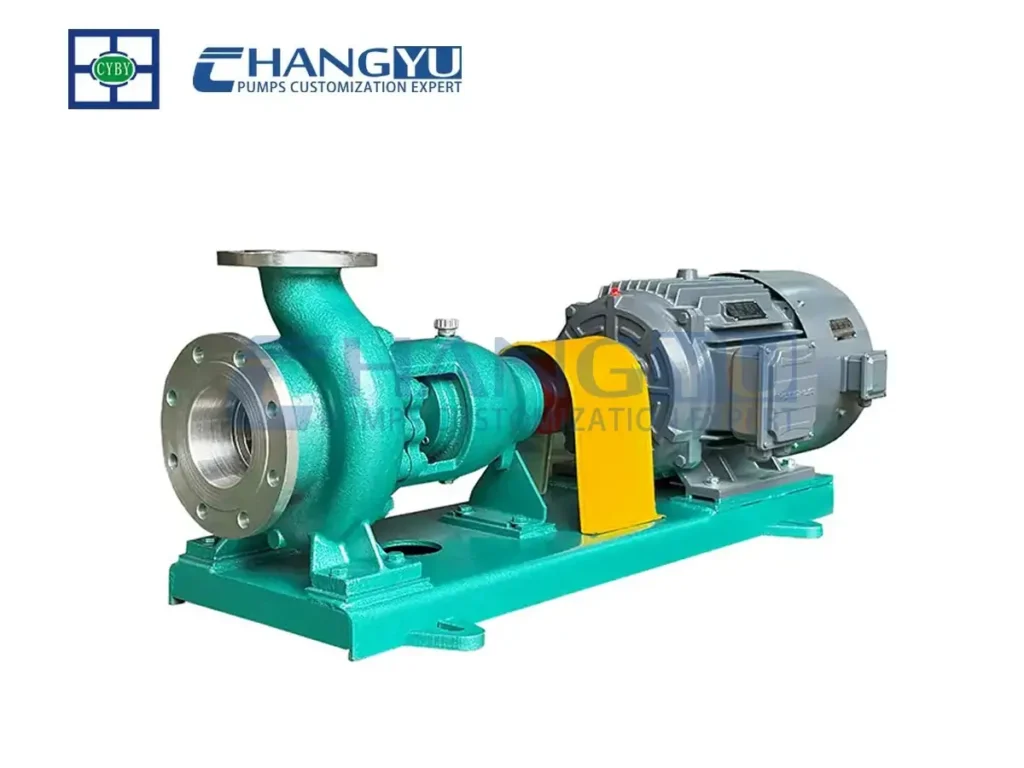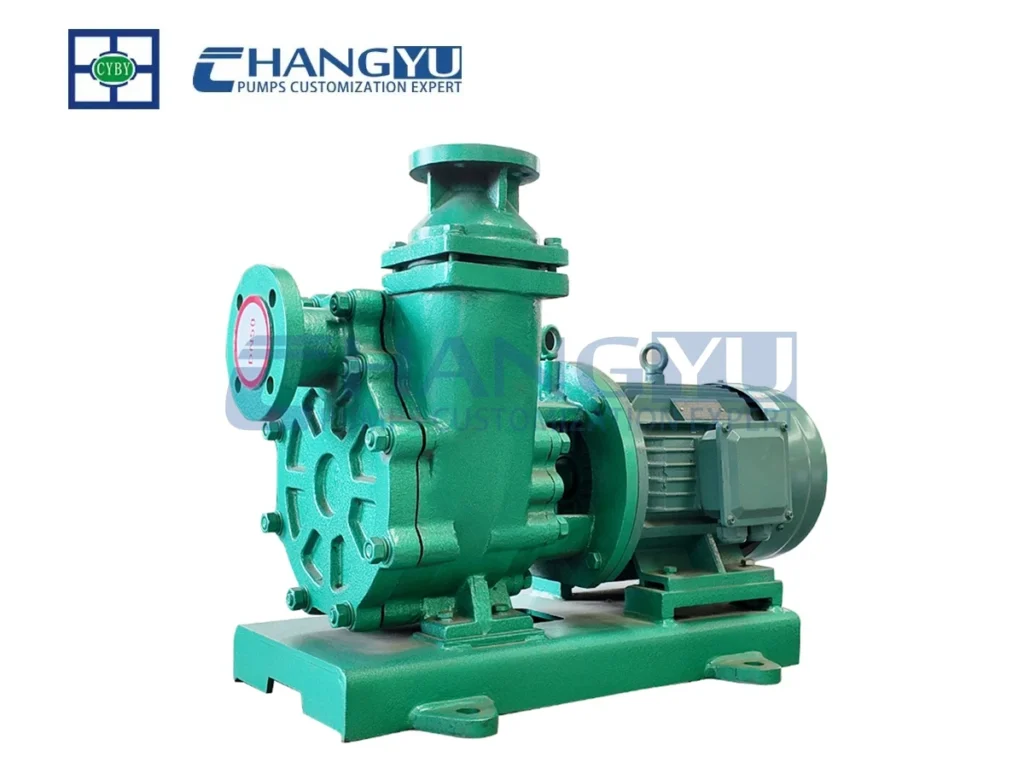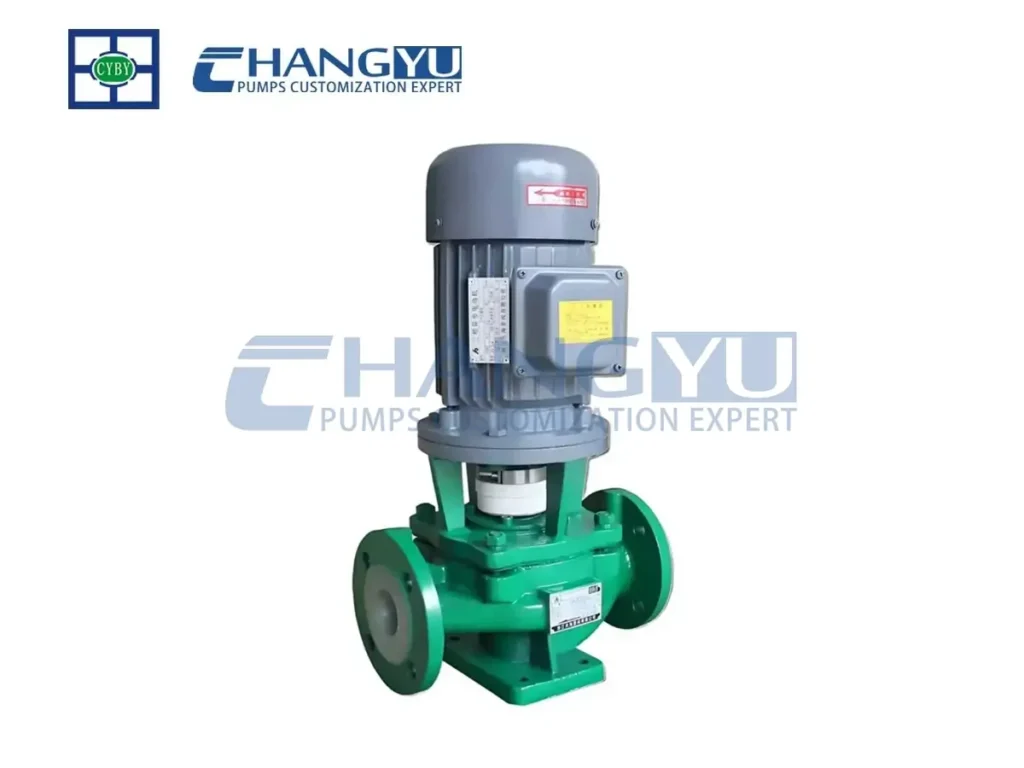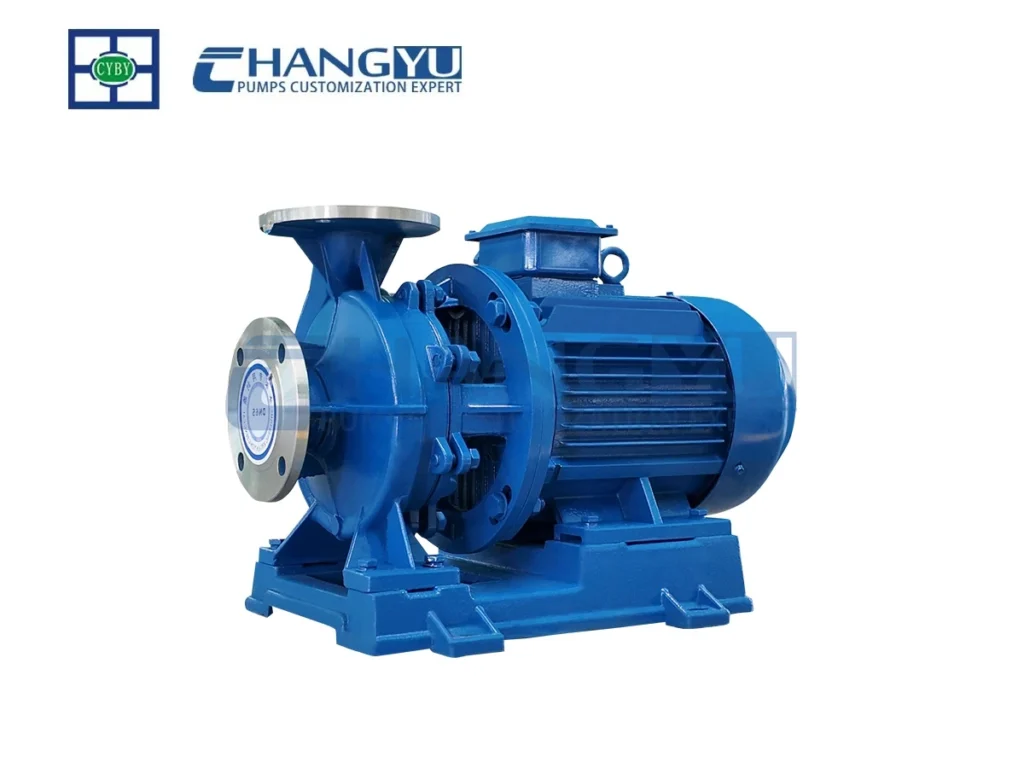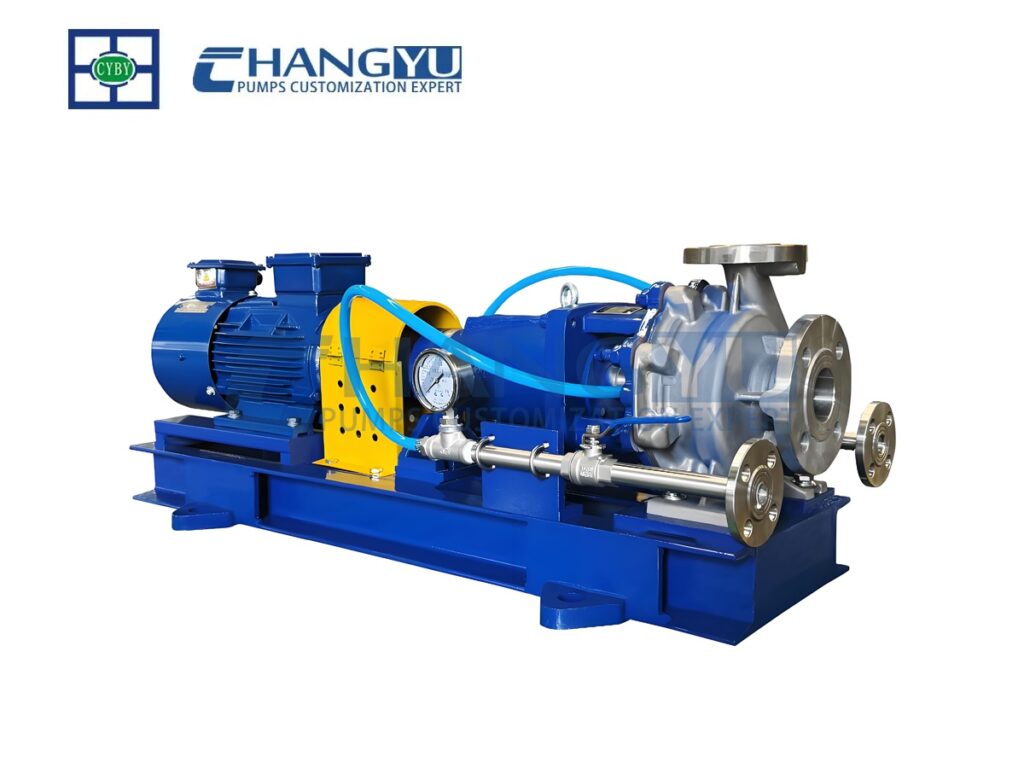
Под заливкой центробежного насоса понимается закачивание жидкости в центробежный насос и всасывающий трубопровод перед запуском. Это делается для того, чтобы выпустить воздух из центробежного насоса и предотвратить связывание воздуха, которое может привести к тому, что насос не сможет нормально всасывать жидкость.
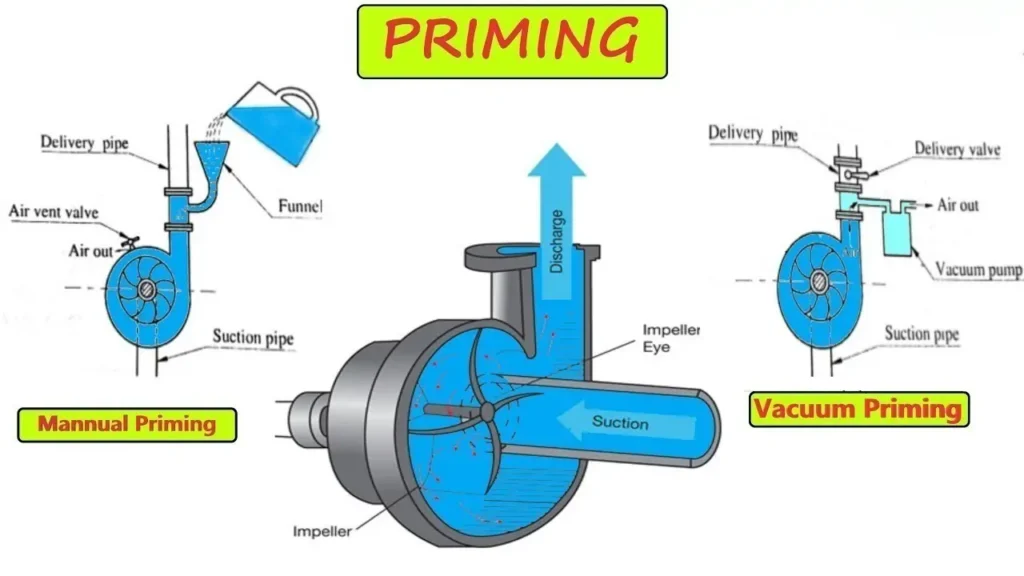
Почему необходимо заправлять центробежный насос?
Благодаря структурным особенностям центробежный насос, Только когда корпус насоса полностью заполнен жидкостью, жидкость может течь от центра рабочего колеса к внешнему краю. Таким образом, в центре крыльчатки может быть создано низкое давление для всасывания жидкости.
Поэтому перед вводом в эксплуатацию обычно требуется процедура заливки центробежного насоса. Корпус насоса должен быть заполнен жидкостью для заливки, а воздух должен быть полностью удален, прежде чем насос начнет работать.
Если насос не заправлен, плотность воздуха внутри насоса намного ниже плотности жидкости. Центробежная сила, создаваемая вращающимся рабочим колесом, недостаточна для создания вакуума, достаточного для всасывания жидкости (явление связывания воздуха). В результате центробежный насос не может работать должным образом и даже может вызвать вибрацию насоса, чрезмерный шум и повреждение механического уплотнения.
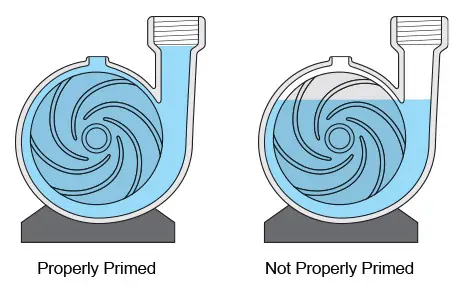
Как заправить центробежный насос?
Насос Чанъюй предлагает три способа заливки центробежного насоса: ручная заливка, автоматическая заливка и заливка без ножного клапана. Все они позволяют заполнить корпус насоса и впускной трубопровод водой перед запуском.
Ниже приведены конкретные методы работы по заправке центробежного насоса:
Ручное грунтование
Этапы работы:
Закройте выпускной клапан:
Предотвратите вытекание жидкости из выпускного отверстия во время заливки.
Откройте вентиляционный клапан:
Обычно располагается в верхней части корпуса насоса или в самой высокой точке всасывающей трубы.
Впрысните воду из загрузочного отверстия:
Откройте пробку для заливки или специальное отверстие для закачки воды в верхней части корпуса насоса.
Медленно впрыскивайте жидкость, совместимую с транспортируемой средой (например, чистую воду), пока вода не начнет непрерывно вытекать из выпускного клапана (без пузырьков).
Закройте выпускной клапан и загрузочное отверстие:
Убедитесь, что корпус насоса полностью заполнен жидкостью.
Проверьте эффективность уплотнения:
Проверьте, нет ли утечки в корпусе насоса и трубопроводе.
Примечание:
Если положение установки насоса ниже уровня жидкости (состояние затопленного всасывания), вы можете напрямую открыть всасывающий клапан и использовать разницу в уровне жидкости для достижения автоматической заливки.
Автоматическая заливка
Самовсасывающий насос:
Самовсасывающий центробежный насос оснащен устройством самовсасывания. При запуске вакуумный насос или эжектор удаляет воздух из насоса, поэтому ручная заправка не требуется.
Метод резервуара для воды с отрицательным давлением (высокая эффективность и экономия энергии):
Принцип:
Установите перед насосом герметичный резервуар для хранения воды. После первой заливки, когда насос останавливается, бак автоматически накапливает воду. При следующем запуске отрицательное давление в баке способствует всасыванию воды.
Операция:
Для первого использования заполните резервуар водой. После запуска насоса в резервуаре образуется отрицательное давление, и он автоматически забирает воду из источника.
После отключения обратная вода в трубопроводе автоматически заполняет резервуар, и повторная заливка не требуется.
Преимущества:
Конструкция без ножного клапана снижает потери напора и позволяет экономить 10%-15% потребление энергии.
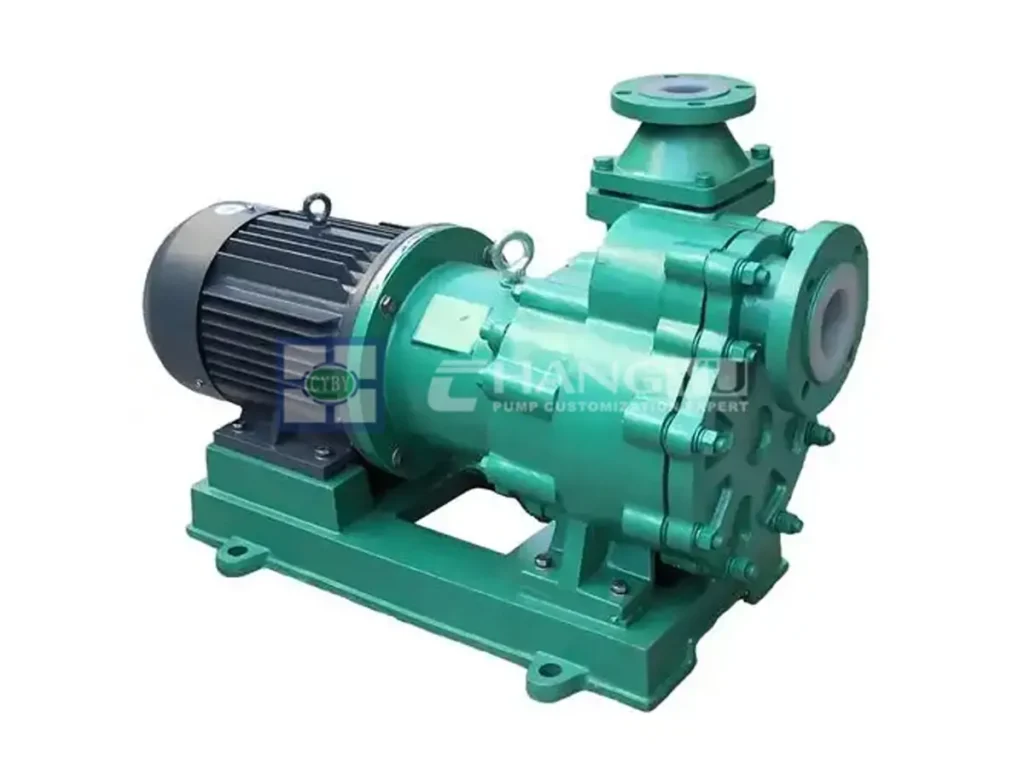
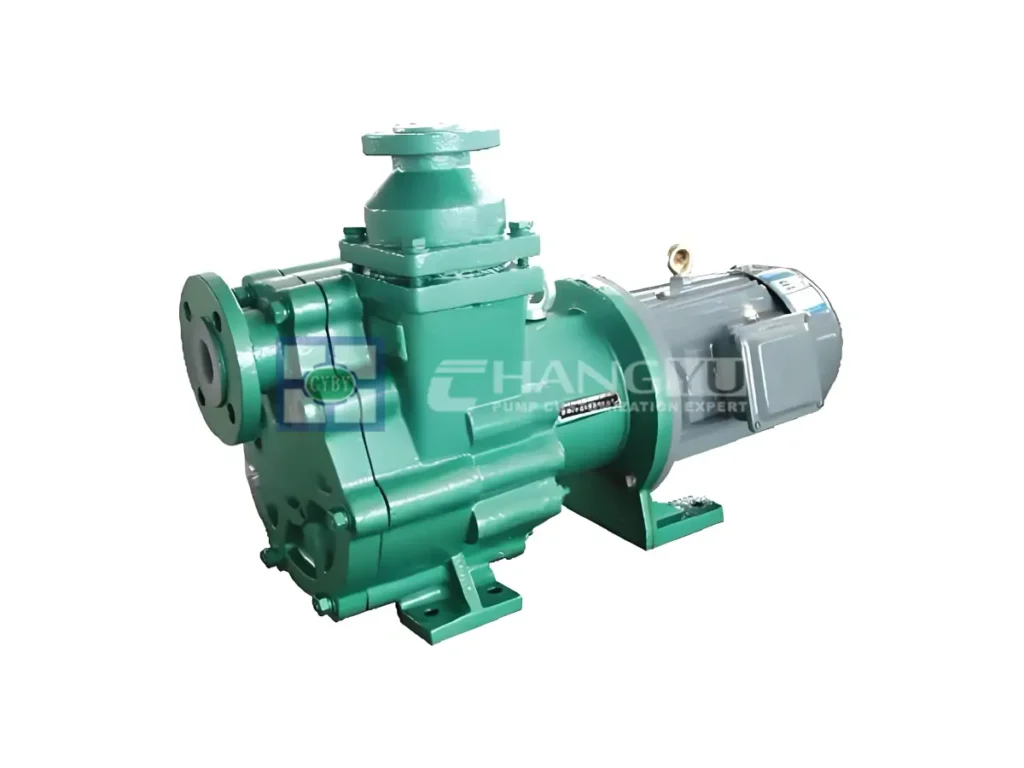
Грунтование без ножного клапана
Традиционные донные клапаны склонны к засорению и имеют высокое сопротивление. Заливка центробежного насоса без донного клапана более эффективна.
Метод вакуумного резервуара:
Установите перед насосом вакуумный резервуар для воды (объемом, по крайней мере, в три раза превышающим объем всасывающей трубы). Вакуум внутри резервуара используется для автоматического всасывания воды.
Помощь вакуумного насоса:
Используйте вакуумный насос для удаления воздуха из насоса. После создания вакуума откройте всасывающий клапан, и жидкость автоматически перетечет в корпус насоса.
Распространенные проблемы и их решение при грунтовании
Насос по-прежнему не запускается после заливки:
- Проверьте, нет ли утечки воздуха во всасывающей трубе (например, поврежденных прокладок фланца).
- Убедитесь, что воздух внутри насоса полностью удален (для проверки снова откройте выпускной клапан).
Жидкость продолжает течь во время заливки:
- Проверьте, не устарели ли уплотнительные детали насоса (например, уплотнительные кольца и прокладки).
- Убедитесь, что трубопроводная арматура плотно закрыта.
Частая потребность в грунтовке:
Если жидкость внутри насоса пропадает после остановки, это может привести к повреждению донного клапана или нарушению герметичности всасывающей трубы. Рекомендуется использовать метод заливки без ножного клапана.
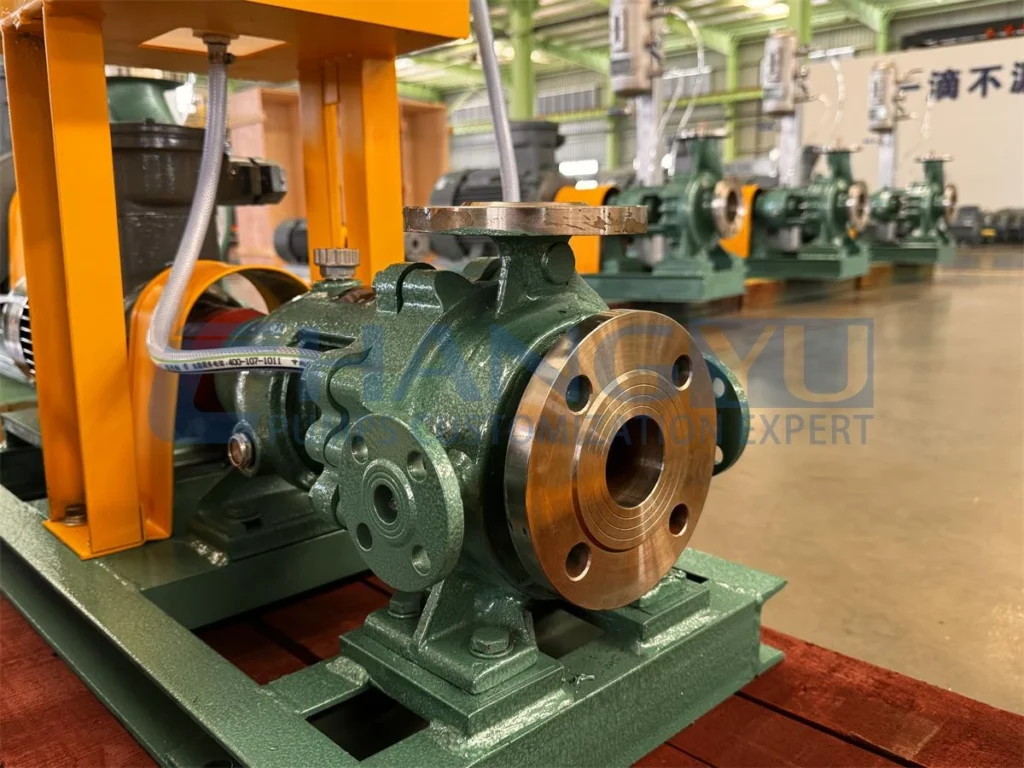
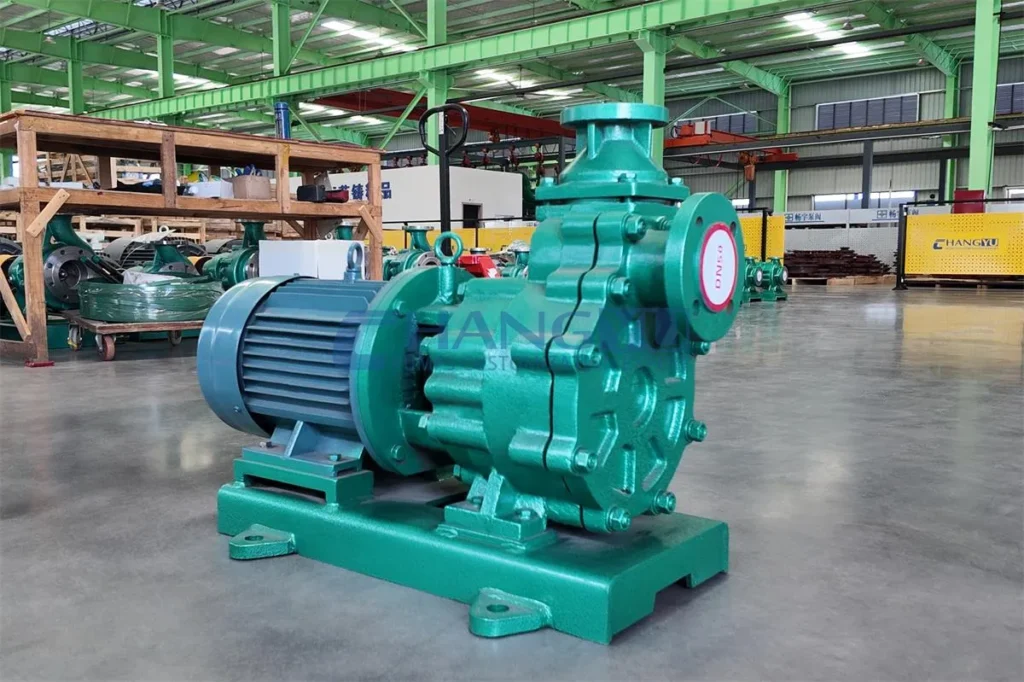
Меры предосторожности при заливке центробежного насоса
Средняя совместимость:
Жидкость для заливки должна быть совместима с материалом насоса и перекачиваемой средой. Например, для химических насосов следует избегать использования чистой воды для заливки, если она несовместима с материалом.
Полный сброс воздуха:
После заливки убедитесь, что не осталось пузырьков. В противном случае после ввода в эксплуатацию может произойти связывание воздуха.
Безопасная эксплуатация:
При заливке насоса, работающего при высоких температурах, используйте защитные средства, чтобы избежать ожогов.
Заключение
Как заправить центробежный насос? Суть процесса заливки центробежного насоса, предлагаемого компанией Changyu Pump, заключается в полном удалении воздуха и заполнении насоса жидкостью. Способ заливки следует выбирать в зависимости от типа насоса, условий установки и характеристик среды.
Для больших насосов рекомендуется использовать автоматическую заливку или метод резервуара отрицательного давления. Малые насосы могут использовать ручную заливку. Правильная заливка может значительно продлить срок службы насоса и повысить эффективность работы.



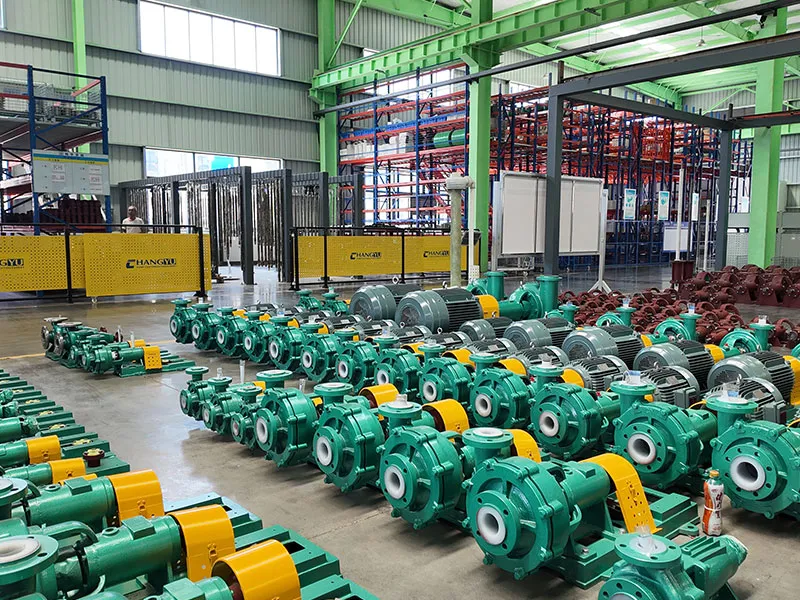


Если у вас есть вопросы о том, как заправить центробежный насос, не стесняйтесь обращаться к нам. Наша профессиональная команда может оказать техническую поддержку в соответствии с вашими реальными условиями работы.
Компания Changyu Pump уже более 20 лет занимается производством центробежных насосов и исследованиями и разработками. Благодаря сильной команде инженеров и производственным возможностям мы можем предложить профессиональные решения для вашей насосной системы. Если у вас есть какие-либо вопросы о центробежных насосах или требованиях к закупкам, свяжитесь с нашей командой прямо сейчас, и мы поможем вам эффективно решить ваши проблемы с насосами.
Электронная почта: [email protected]
Телефон: +86-13651913727