
Trả lời nhanh
A bơm nấu bia di chuyển chất lỏng qua quá trình nấu bia — từ việc chuyển hỗn hợp nghiền đặc, nhiều hạt đến tuần hoàn wort nóng, định lượng men, và làm sạch thiết bị giữa các mẻ. Không có một máy bơm đơn lẻ nào phục vụ hiệu quả cho mọi giai đoạn. Các yếu tố lựa chọn chính:
- Ghép bơm phù hợp với giai đoạn: Chuyển hỗn hợp nghiền yêu cầu một máy bơm chống tắc nghẽn và bảo vệ tính toàn vẹn của hạt. Chuyển wort nóng cần một máy bơm được định mức cho nhiệt độ cao. Vệ sinh CIP đòi hỏi một máy bơm chống lại hóa chất mạnh và thoát nước hoàn toàn.
- Thiết kế vệ sinh là điều không thể thương lượng: Mọi bề mặt tiếp xúc với wort hoặc bia phải là thép không gỉ cấp thực phẩm với bề mặt đánh bóng. Kết cấu không có khe hở và chất đàn hồi tuân thủ FDA ngăn ngừa nhiễm khuẩn.
- Lực cắt ảnh hưởng đến chất lượng sản phẩm: Máy bơm ly tâm tốc độ cao có thể xé nát vỏ trấu trong thùng nghiền, giải phóng tannin đắng. Máy bơm khoang tiến hoặc màng có lực cắt thấp bảo toàn hương vị bia.
- Quy mô quyết định tự động hóa: Một nhà máy bia nano có thể vận hành với một máy bơm linh hoạt duy nhất. Một nhà máy bia khu vực sản xuất hàng nghìn thùng cần các máy bơm chuyên dụng cho mỗi giai đoạn với điều khiển tự động.
Nấu bia di chuyển qua các giai đoạn riêng biệt: nghiền, lọc, đun sôi, lên men và đóng gói. Mỗi giai đoạn xử lý một chất lỏng khác nhau — từ hỗn hợp nghiền đặc, nhiều hạt đến bia trong vắt — ở nhiệt độ khác nhau và với các yêu cầu vệ sinh khác nhau. Kỳ vọng một máy bơm hoạt động qua tất cả các giai đoạn dẫn đến tắc nghẽn, hương vị lạ hoặc hỏng hóc trong làm sạch.
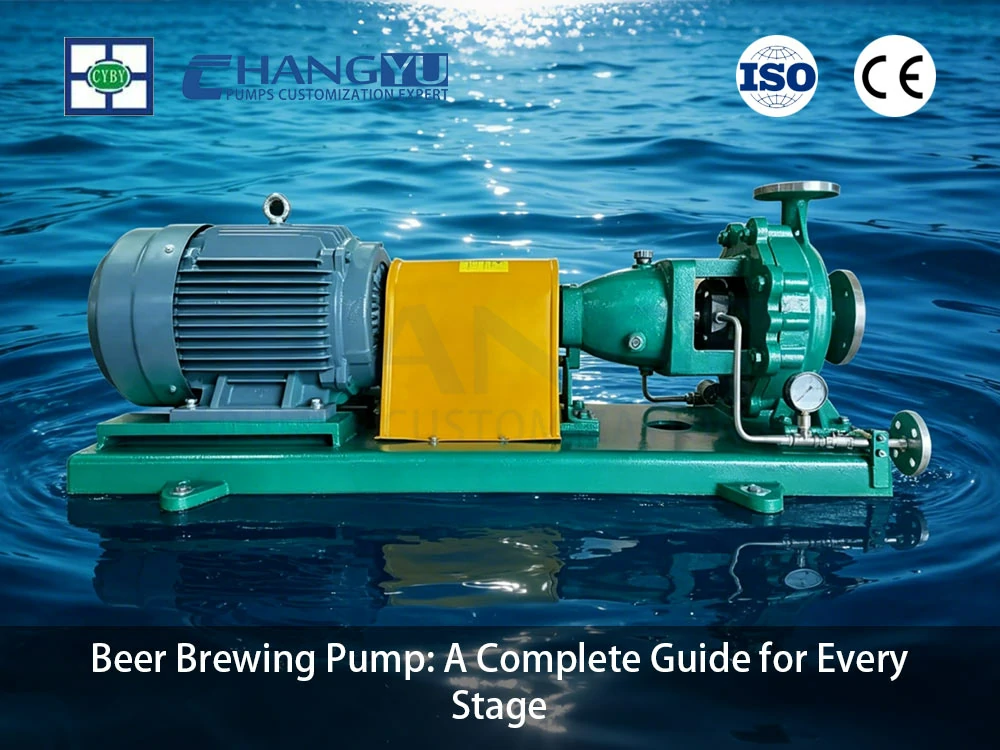
Sau khi đọc hướng dẫn này, bạn sẽ hiểu loại bơm nào phục vụ từng giai đoạn nấu bia, các tiêu chuẩn vệ sinh nào áp dụng cho thiết bị nhà máy bia, cách chọn bơm phù hợp với quy mô sản xuất của bạn, và tổng chi phí sở hữu trông như thế nào giữa các loại bơm. Với hơn 20 năm kinh nghiệm sản xuất bơm, Changyu Pump trình bày hướng dẫn toàn diện này về lựa chọn bơm nấu bia.
Bơm Nấu Bia Là Gì?
Nấu bia là một quá trình nhiều giai đoạn chuyển đổi hạt mạch nha, hoa bia, nước và men thành bia. Một máy bơm nấu bia di chuyển chất lỏng và hỗn hợp sệt giữa các giai đoạn này — từ thùng nghiền đến thùng lọc, qua bộ trao đổi nhiệt, vào thùng lên men, và cuối cùng đến thùng chứa bia trong hoặc dây chuyền đóng gói.
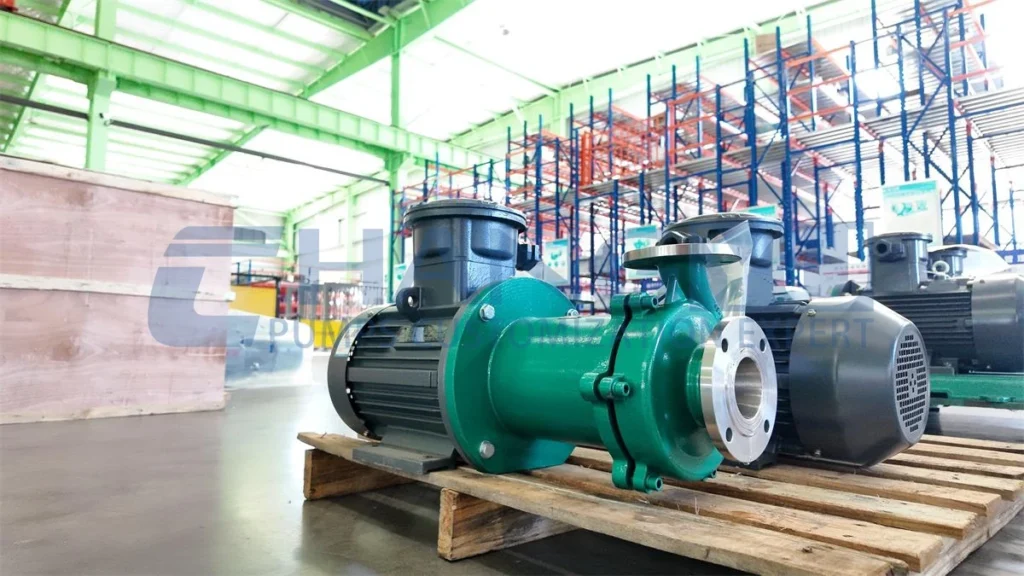
Vai Trò Của Bơm Nấu Bia Qua Các Giai Đoạn
| Giai đoạn nấu bia | Chất Lỏng Được Bơm | Nhiệt độ | Yêu cầu Chính của Bơm |
|---|---|---|---|
| Chuyển hỗn hợp nghiền | Hỗn hợp nghiền nguyên hạt (15–30% chất rắn) | 65–78°C | Chống tắc, lực cắt thấp |
| Chuyển wort | Wort ngọt đã lọc | 65–78°C | Vệ sinh, lực cắt thấp |
| Đun sôi wort | Wort đang sôi | 98–100°C | Chịu nhiệt độ cao |
| Xoáy / trao đổi nhiệt | Wort nóng với cặn trub | 80–98°C | Xử lý chất rắn (mảnh hoa bia, cặn protein trub) |
| Lên men / xử lý men | Hỗn hợp men, bia xanh | 10–25°C | Xử lý nhẹ nhàng, vệ sinh |
| Vệ sinh CIP | Kiềm, axit, chất khử trùng | Nhiệt độ môi trường–85°C | Chống hóa chất, tự thoát nước |
Một máy bơm nấu bia khác biệt với máy bơm công nghiệp tiêu chuẩn vì mọi bề mặt tiếp xúc ướt phải đáp ứng tiêu chuẩn cấp thực phẩm và chịu được các hóa chất làm sạch mạnh được sử dụng giữa các mẻ.
Làm Thế Nào Để Ghép Bơm Nấu Bia Phù Hợp Với Mỗi Giai Đoạn Nấu Bia?
Mỗi giai đoạn nấu bia đưa ra một sự kết hợp độc đáo về đặc tính chất lỏng, nhiệt độ và yêu cầu vệ sinh. Máy bơm xử lý hỗn hợp nghiền đặc hiệu quả sẽ không phục vụ như một máy bơm hồi lưu CIP, và ngược lại.
Ma Trận Lựa Chọn Bơm Theo Giai Đoạn Nấu Bia
| Giai đoạn nấu bia | Đặc Tính Chất Lỏng | Loại bơm được khuyến nghị | Lý do chính |
|---|---|---|---|
| Chuyển hỗn hợp nghiền | Hỗn hợp sệt đặc, 15–30% chất rắn hạt, vỏ trấu dạng sợi | Khoang tiến (trục vít) hoặc màng điện | Không tắc, lực cắt thấp — bảo vệ tính toàn vẹn của hạt |
| Tuần hoàn wort (vorlauf) | Wort loãng với các hạt mịn | Khoang tiến hoặc ly tâm một kênh | Dòng chảy nhẹ nhàng, không xung để có wort trong |
| Chuyển wort vào nồi đun | Wort nóng sạch | Máy ly tâm bằng thép không gỉ | Lưu lượng cao, thiết kế vệ sinh, chịu nhiệt độ |
| Chuyển nồi đun / xoáy | Wort nóng với mảnh hoa bia và cặn protein trub | Ly tâm thép không gỉ với cánh quạt hở | Xử lý chất rắn mềm ở nhiệt độ cao |
| Làm mát wort (bộ trao đổi nhiệt) | Wort nóng sau đun sôi | Ly tâm thép không gỉ với VFD để kiểm soát lưu lượng chính xác | Dòng chảy ổn định để kiểm soát nhiệt độ chính xác |
| Cấy / thu hoạch men | Hỗn hợp men, 5–15% chất rắn | Màng điện hoặc khoang tiến | Xử lý nhẹ nhàng tế bào men sống; khoang tiến được ưa chuộng để phân phối men đồng đều, màng cho định lượng gián đoạn nhỏ hơn |
| Chuyển / lọc bia | Bia xanh hoặc bia trong | Máy ly tâm bằng thép không gỉ | Vệ sinh, lực cắt thấp, bề mặt đánh bóng |
| Cấp và hồi lưu CIP | Kiềm (NaOH), axit, chất khử trùng | Ly tâm thép không gỉ hoặc bơm bùn | Vật liệu chống hóa chất, lưu lượng cao để làm sạch hiệu quả |
Tại Sao Bơm Khoang Tiến Vượt Trội Trong Nhà Máy Bia
Bơm khoang tiến (PC) đã trở thành tiêu chuẩn cho chuyển hỗn hợp nghiền và tuần hoàn wort trong các nhà máy bia thủ công và khu vực vì chúng giải quyết một cách độc đáo ba thách thức của việc bơm có hạt:
- Chống tắc: Thiết kế khoang kín liên tục mang chất rắn qua mà không có điểm thắt nơi vỏ trấu có thể tích tụ.
- Lực cắt thấp: Hoạt động ở 200–400 vòng/phút — chậm hơn một bậc so với máy bơm ly tâm 2.900 vòng/phút — giảm thiểu hư hỏng cơ học đối với vỏ trấu và ngăn ngừa chiết xuất tannin.
- Dòng chảy không xung: Không giống như bơm màng, bơm PC cung cấp dòng chảy liên tục, mượt mà hỗ trợ quá trình lọc ổn định và sản xuất wort trong.
Khớp công suất động cơ với công suất tiêu thụ của bơm tại điểm vận hành cộng với biên độ an toàn. Đối với nhiệm vụ liên tục, chỉ định hệ số dịch vụ tối thiểu 1,15. Đối với dịch vụ chất lỏng dễ cháy, chỉ định động cơ chống nổ với chứng nhận ATEX hoặc IECEx phù hợp với phân loại khu vực nguy hiểm. Đối với bất kỳ nhà máy bia nào sản xuất hỗn hợp nghiền nguyên hạt, hãy dành một máy bơm khoang tiến cho chuyển hỗn hợp nghiền và tuần hoàn wort. Đối với wort sạch, bia và dịch vụ CIP, máy bơm ly tâm thép không gỉ cung cấp sự kết hợp hiệu quả nhất về chi phí giữa lưu lượng, hiệu suất và khả năng làm sạch. Đối với dịch vụ hồi lưu CIP nơi chất lỏng được bơm có thể chứa mảnh vụn, hãy chỉ định máy bơm ly tâm xoáy hoặc cánh quạt hở để ngăn tắc nghẽn.
Các Yêu Cầu Thiết Kế Vệ Sinh Cho Bơm Nấu Bia Là Gì?
Công nghệ vệ sinh tại chỗ cho phép các nhà máy bia làm sạch bơm mà không cần tháo rời. Một máy bơm không được thiết kế cho CIP sẽ chứa vi khuẩn trong các khe hở, kết nối ren và các vùng tù đọng — làm nhiễm bẩn mọi mẻ tiếp theo.
Tiêu Chuẩn Vệ Sinh Cho Thiết Bị Nhà Máy Bia
| Tiêu chuẩn | Phạm vi | Yêu Cầu Chính Của Bơm |
|---|---|---|
| Quy định 21 CFR của Cục Quản lý Thực phẩm và Dược phẩm Hoa Kỳ (FDA) | Vật liệu tiếp xúc thực phẩm | Tất cả các bộ phận tiếp xúc với sản phẩm phải tuân thủ FDA; chất đàn hồi phải là loại thực phẩm |
| Tiêu chuẩn Vệ sinh 3-A | Thiết kế thiết bị vệ sinh | Kết cấu không có khe hở; bề mặt đánh bóng đến Ra ≤ 0,8 μm; tự thoát nước |
| EHEDG | Thiết kế hợp vệ sinh châu Âu | Khả năng làm sạch đã được kiểm chứng; thiết kế vô trùng cho các ứng dụng quan trọng |
Đặc điểm thiết kế bơm tương thích CIP
Một bơm nấu bia tương thích CIP phải đáp ứng các tiêu chí thiết kế sau:
- Tự thoát nước: Vỏ bơm phải thoát nước hoàn toàn khi dừng. Không có nước đọng đồng nghĩa với không có vi khuẩn phát triển giữa các mẻ.
- Bề mặt đánh bóng: Các bề mặt ướt bên trong được đánh bóng đến Ra ≤ 0,8 μm chống lại sự bám dính của vi khuẩn. Đánh bóng điện hóa giúp tăng cường thêm tính chất này.
- Kết cấu không có khe hở: Phụ kiện kẹp hợp vệ sinh thay thế các kết nối ống ren. Các bệ đệm kín bên trong và bề mặt phớt phải phẳng và không có khe hở.
- Tính tương thích hóa học: Tất cả vật liệu tiếp xúc phải chịu được kiềm nóng (1–2% NaOH ở 70–85°C), dung dịch axit photphoric hoặc nitric, và chất khử trùng như axit peracetic.
- Chứng nhận vật liệu: Tài liệu truy xuất nguồn gốc đầy đủ cho tất cả vật liệu tiếp xúc với sản phẩm là bắt buộc cho các cuộc kiểm toán an toàn thực phẩm.
Vật liệu khuyến nghị cho cấu tạo bơm nấu bia
| Thành phần | Tài liệu tham khảo | Lý do |
|---|---|---|
| Vỏ bơm, cánh bơm | Thép không gỉ 316L, đánh bóng | Khả năng chống ăn mòn với axit từ dịch nha và hóa chất CIP |
| Chất đàn hồi (gioăng, vòng chữ O) | EPDM hoặc PTFE lưu hóa bằng peroxide | Tuân thủ FDA; chịu được nước nóng và hóa chất |
| Bề mặt phớt cơ khí | Silicon carbide với silicon carbide để kéo dài tuổi thọ phớt trong môi trường kiềm nóng; silicon carbide với carbon cho ứng dụng dịch nha sạch | Chống mài mòn; tương thích với nhiệt độ CIP |
| Stator (bơm khoang tiến triển) | EPDM cấp thực phẩm | Nhẹ nhàng với ngũ cốc; tương thích CIP |
| Màng (bơm màng) | PTFE | Khả năng kháng hóa chất phổ quát; CIP nhiệt độ cao |
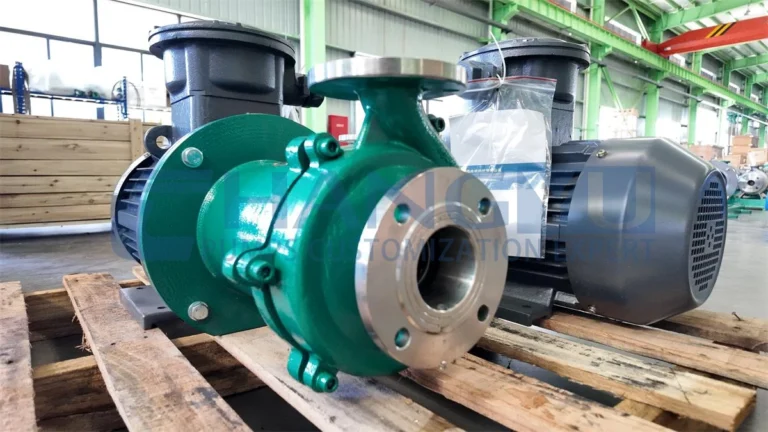
Khớp công suất động cơ với công suất tiêu thụ của bơm tại điểm vận hành cộng với biên độ an toàn. Đối với nhiệm vụ liên tục, chỉ định hệ số dịch vụ tối thiểu 1,15. Đối với dịch vụ chất lỏng dễ cháy, chỉ định động cơ chống nổ với chứng nhận ATEX hoặc IECEx phù hợp với phân loại khu vực nguy hiểm. Đối với bất kỳ bơm nấu bia nào, hãy yêu cầu chứng chỉ độ nhám bề mặt và tài liệu tuân thủ vật liệu FDA từ nhà sản xuất. Một chiếc bơm không thể cung cấp các tài liệu này không phù hợp cho các ứng dụng nấu bia cấp thực phẩm, bất kể hiệu suất thủy lực của nó như thế nào.
Làm thế nào để chọn bơm nấu bia cho các quy mô nhà máy bia khác nhau?
Quy mô nhà máy bia quyết định chiến lược lựa chọn bơm. Một nhà máy bia nano sản xuất hai thùng mỗi mẻ có nhu cầu cơ bản khác với một nhà máy bia khu vực sản xuất một trăm thùng mỗi mẻ.
Hướng dẫn lựa chọn bơm theo quy mô nhà máy bia
| Brewery Type | Kích thước mẻ | Số lượng bơm điển hình | Cấu hình bơm khuyến nghị |
|---|---|---|---|
| Nhà máy bia nano | 1–5 BBL | 1–2 bơm | Một bơm khoang tiến triển hoặc bơm màng linh hoạt cho nghiền và dịch nha; vệ sinh thủ công |
| Nhà máy bia siêu nhỏ | 5–15 BBL | 2–4 bơm | Bơm nghiền chuyên dụng (PC) + bơm dịch nha (ly tâm) + bơm CIP (ly tâm) |
| Craft brewery | 15–30 BBL | 4–6 bơm | Bơm chuyên dụng cho từng giai đoạn: nghiền, dịch nha, CIP, định lượng men |
| Regional brewery | 30–100+ BBL | 6–10+ bơm | Nhiều bơm chuyên dụng cho mỗi giai đoạn với điều khiển VFD; CIP tự động |
| Large-scale industrial | > 100 BBL | 10+ bơm có dự phòng | Điều khiển bơm hoàn toàn tự động; bơm dự phòng cho các giai đoạn quan trọng |
Lưu ý: Số lượng bơm không bao gồm các bộ dự phòng. Các giai đoạn quan trọng như chuyển nghiền và cấp CIP có thể yêu cầu bơm dự phòng để đảm bảo độ tin cậy sản xuất.
Tại sao quy mô thay đổi phương trình
Một nhà máy bia nano có thể hoạt động với một bơm duy nhất vì khối lượng mẻ đủ nhỏ để bơm có thể được vệ sinh thủ công giữa các lần sử dụng, và chi phí cho một bơm chuyên dụng cho mỗi giai đoạn khó có thể biện minh. Một nhà máy bia khu vực yêu cầu bơm chuyên dụng vì khối lượng sản xuất đòi hỏi vận hành liên tục, vệ sinh tự động và độ tin cậy đến từ các bơm được tối ưu hóa cho nhiệm vụ cụ thể của chúng.
Sự chuyển đổi từ bơm đa năng linh hoạt sang bơm chuyên dụng cho từng giai đoạn thường xảy ra ở quy mô 10–15 BBL, nơi khối lượng sản xuất biện minh cho khoản đầu tư vốn vào các bơm bổ sung và tiết kiệm nhân công từ vệ sinh tự động trở nên đáng kể.
Tổng chi phí sở hữu cho bơm nấu bia là bao nhiêu?
Giá mua của một bơm nấu bia chỉ chiếm một phần nhỏ trong chi phí vòng đời của nó. Tổng chi phí sở hữu bao gồm tiêu thụ năng lượng, phụ tùng thay thế, nhân công bảo trì và thời gian ngừng sản xuất — chi phí thực sự của việc sở hữu bơm.
So sánh TCO 5 năm: Bơm ly tâm vs Bơm khoang tiến triển vs Bơm màng
Giả định: Nhà máy bia thủ công sản xuất mẻ 15 BBL, 250 ngày nấu mỗi năm. Bơm chuyển nghiền hoạt động 2 giờ mỗi ngày nấu ở cột áp 15 m.
| Thành phần chi phí | Bơm ly tâm thép không gỉ | Thể tích xoắn ốc (trục vít) | Màng điện |
|---|---|---|---|
| Chi phí bơm ban đầu | $2.000–$5.000 | $4.000–$10.000 | $3.000–$7.000 |
| Chi phí năng lượng hàng năm | $300–$600 | $200–$400 (tốc độ vận hành thấp hơn) | $400–$800 (cơ cấu dẫn động chuyển động qua lại kém hiệu quả hơn dẫn động ly tâm trực tiếp) |
| Thay thế stator / màng / phớt | Phớt cơ khí mỗi 2–3 năm ($200–$500) | Stator mỗi 2–4 năm ($500–$1.500) | Màng mỗi 1–2 năm ($300–$800) |
| Rủi ro ngừng hoạt động ngoài kế hoạch | Cao (nếu áp dụng sai cho chuyển có ngũ cốc); Thấp cho dịch nha sạch và dịch vụ CIP | Thấp | Thấp |
| Tổng chi phí sở hữu (TCO) ước tính trong 5 năm | $4.000–$10.000 | $5.500–$15.000 | $5.500–$14.000 |
Lưu ý: Ước tính TCO không bao gồm tổn thất sản xuất do ngừng hoạt động ngoài kế hoạch. Một lần tắc bơm ly tâm trong quá trình chuyển nghiền có thể làm chậm một ngày nấu từ 1–2 giờ, tốn kém $500–$2.000 tiền nhân công và chi phí chung mỗi sự cố. Khi bao gồm chi phí ngừng hoạt động, bơm khoang tiến triển và bơm màng thường mang lại TCO thực tế thấp hơn cho chuyển có ngũ cốc.
Thông tin chi tiết về TCO
Đối với dịch nha sạch, bia và dịch vụ CIP — nơi không có rủi ro tắc nghẽn — bơm ly tâm mang lại TCO thấp nhất do chi phí ban đầu thấp hơn và hiệu suất cạnh tranh. Đối với chuyển nghiền — nơi có chất rắn ngũ cốc — bơm khoang tiến triển mang lại TCO thấp hơn mặc dù chi phí ban đầu cao hơn vì thời gian ngừng hoạt động do tắc nghẽn được loại bỏ lớn hơn mức chênh lệch giá mua, thường trong năm đầu tiên vận hành.
Giải pháp bơm nấu bia của Changyu Pump
Changyu Pump sản xuất bốn dòng bơm phù hợp cho các ứng dụng nấu bia, từ chuyển nghiền có ngũ cốc đến bia sạch và dịch vụ CIP.
Hướng dẫn lựa chọn sản phẩm bơm nấu bia
| Giai đoạn nấu bia | Yêu cầu Chính | Các bộ phim được đề xuất | Tính năng chính |
|---|---|---|---|
| Chuyển nghiền, tuần hoàn dịch nha | Cắt thấp, chống tắc | Bơm Trục vít Loại G | Khoang tiến triển; không xung; stator EPDM cấp thực phẩm |
| Chuyển dịch nha nóng, cấp CIP | Nhiệt độ cao, hợp vệ sinh | Bơm ly tâm dòng CYH | ISO 2858; 316L đánh bóng; lên đến 165°C |
| CIP lưu lượng cao, tuần hoàn dịch nha | Thể tích lớn, chống ăn mòn | Bơm bùn dòng HB | Toàn bộ thép không gỉ; ISO 2858; tương thích CIP |
| Định lượng men, định lượng hóa chất | Chính xác, lưu lượng thấp, an toàn khi chạy khô | Bơm màng dòng BFD | Tự mồi; định lượng chính xác; không có phớt cơ khí |
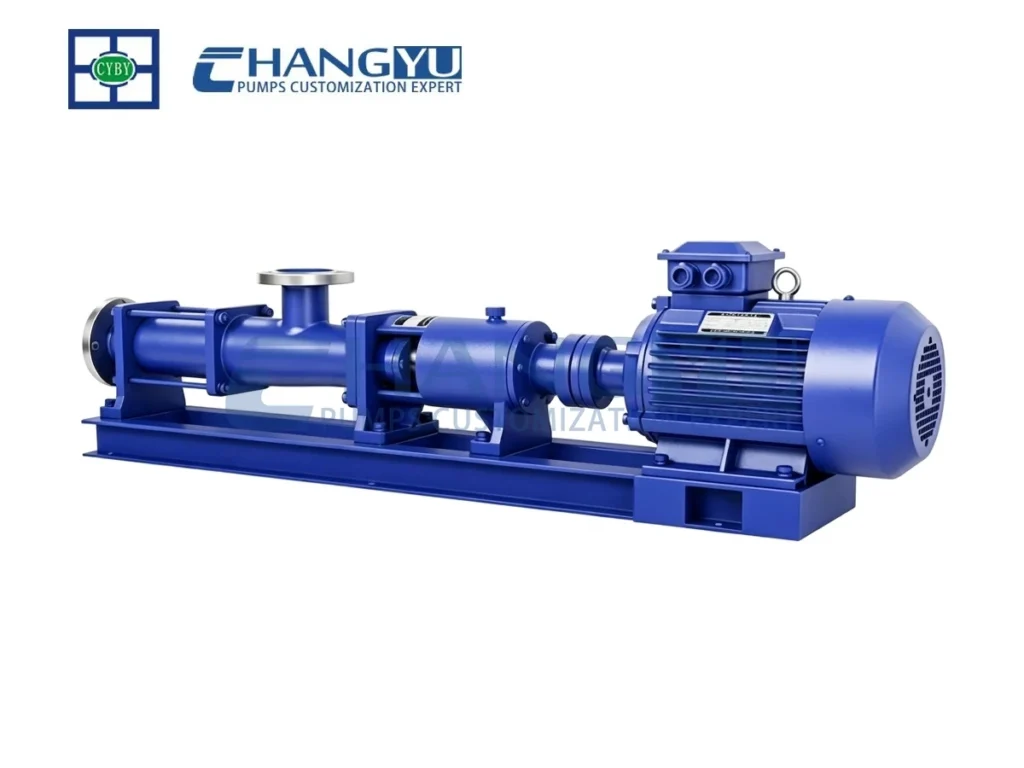
Bơm Trục Vít Đơn Loại G — Vận Chuyển Hỗn Hợp Nghiền và Ngũ Cốc
Bơm khoang tiến cho việc chuyển bã malt nguyên hạt và tuần hoàn dịch nha. Tốc độ vận hành thấp (200–400 vòng/phút) bảo toàn tính nguyên vẹn của vỏ hạt. Stator EPDM cấp thực phẩm tương thích với vệ sinh CIP. Cung cấp dòng chảy không xung để lọc bã ổn định.
| Tham số | Thông số kỹ thuật |
|---|---|
| Lưu lượng | 0–200 m³/h |
| Trưởng phòng | 60–120 m |
| Công suất động cơ | 0,55–37 kW |
| Tốc độ | 400–960 vòng/phút (200–400 vòng/phút khuyến nghị cho bột nghiền) |
| Nhiệt độ | -20°C đến 150°C |
| Vật liệu | Gang, thép không gỉ; stato EPDM cấp thực phẩm |
Dòng CYH Bơm ly tâm thép không gỉ — Dịch nha nóng và Dịch vụ CIP
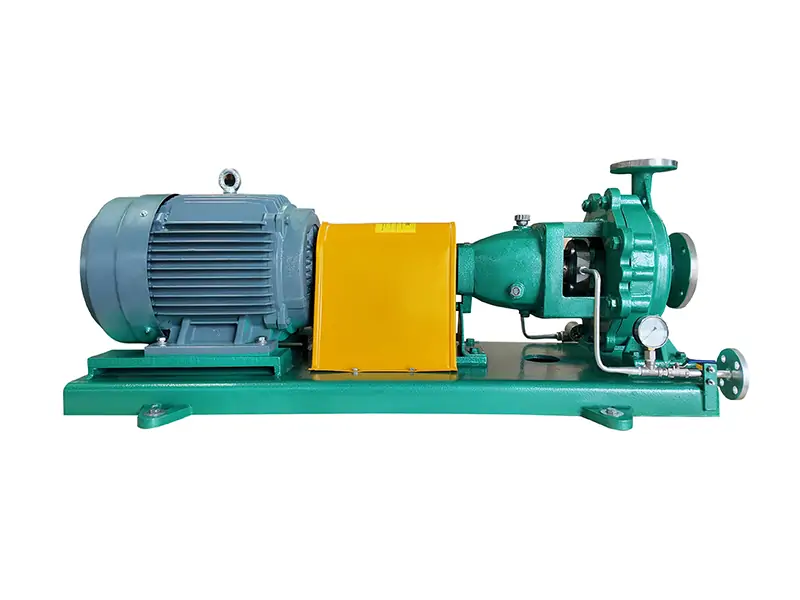
Bơm ly tâm một tầng theo tiêu chuẩn ISO 2858 với các bộ phận tiếp xúc chất lỏng bằng thép không gỉ 316L được đánh bóng. Xử lý dịch nha nóng ở nhiệt độ lên đến 165°C. Phù hợp cho chuyển nồi nấu, cấp liệu cho bộ trao đổi nhiệt và tuần hoàn dung dịch vệ sinh CIP. Chất đàn hồi cấp thực phẩm và thiết kế không khe hở đáp ứng tiêu chuẩn vệ sinh 3-A.
| Tham số | Thông số kỹ thuật |
|---|---|
| Lưu lượng | 0,8–750 m³/h |
| Trưởng phòng | 3–130 m |
| Công suất động cơ | 2,2–110 kW |
| Tốc độ | 968–3.450 vòng/phút |
| Nhiệt độ | -20°C đến 165°C |
| Vật liệu | Thép 304, 316L, duplex |
Dòng HB Bơm bùn thép không gỉ — Tuần hoàn CIP khối lượng lớn

Bơm ly tâm ngang theo tiêu chuẩn ISO 2858 với kết cấu tất cả các bộ phận tiếp xúc chất lỏng bằng thép không gỉ. Cung cấp tốc độ dòng chảy cao cần thiết cho vệ sinh CIP hiệu quả. Có sẵn các cấp 304, 316L, 2205 và 2507 để tương thích với dung dịch vệ sinh kiềm và axit. Bề mặt bên trong được đánh bóng hỗ trợ vận hành hợp vệ sinh.
| Tham số | Thông số kỹ thuật |
|---|---|
| Lưu lượng | 10–60 m³/giờ |
| Trưởng phòng | 20–120 m |
| Công suất động cơ | 3–45 kW |
| Tốc độ | 2.900 vòng/phút |
| Nhiệt độ | -20°C đến 120°C |
| Vật liệu | 304, 316L, 2205, 2507 |
Dòng BFD Bơm màng điện — Xử lý men và Định lượng hóa chất
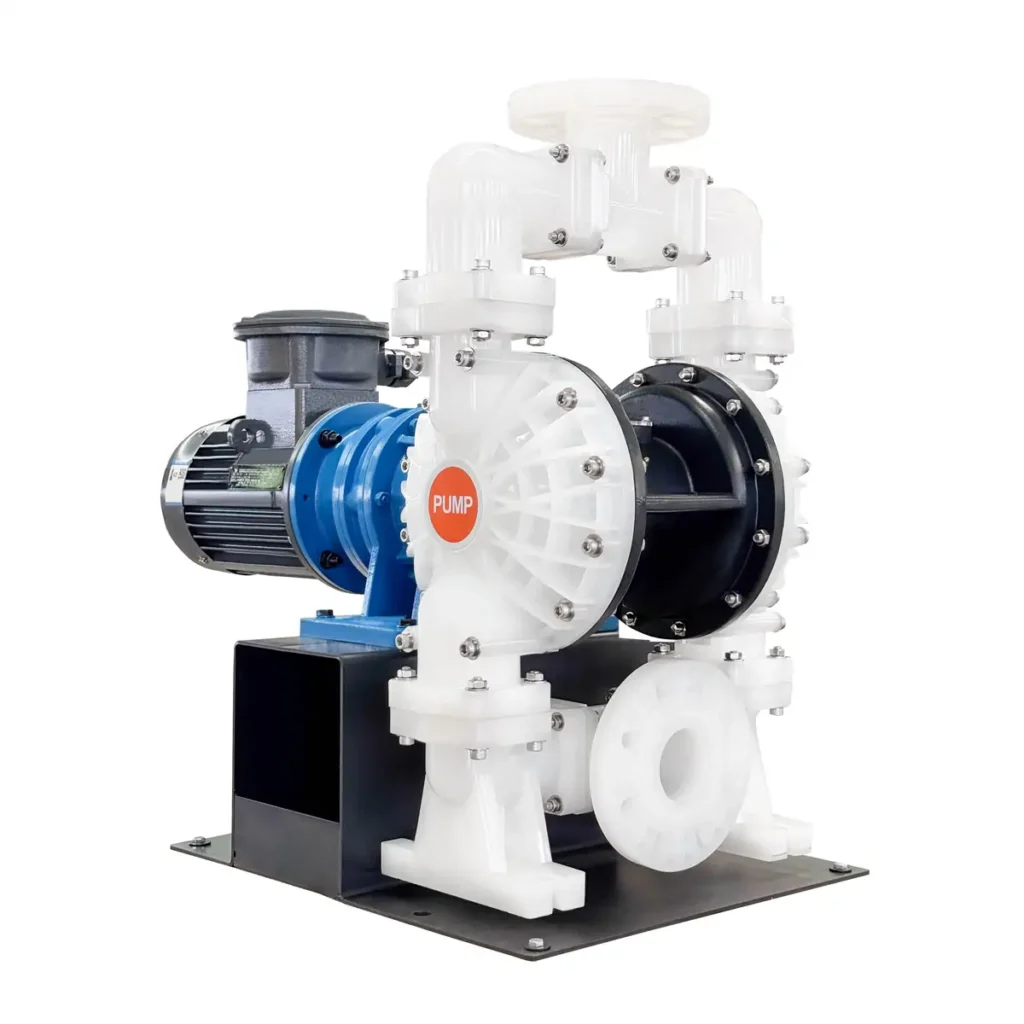
Bơm màng vận hành bằng điện cho các ứng dụng chính xác, lưu lượng thấp. Tự mồi và an toàn khi chạy khô — lý tưởng cho việc cấy và thu hoạch men khi bơm có thể chạy trong thời gian ngắn mà không có chất lỏng. Cung cấp định lượng chính xác, lặp lại cho hóa chất vệ sinh và chất khử trùng. Có sẵn bằng PP, thép không gỉ và PVDF để tương thích hóa chất CIP đầy đủ.
| Tham số | Thông số kỹ thuật |
|---|---|
| Lưu lượng | Lên đến 480 lít/phút |
| Trưởng phòng | Lên đến 84 m |
| Công suất động cơ | 0,75–45 kW |
| Tốc độ | 968–3.450 vòng/phút |
| Nhiệt độ | -20°C đến 120°C |
| Vật liệu | Thép đúc, gang dẻo, hợp kim nhôm, PP, thép không gỉ, PVDF |
Nghiên cứu điển hình: Lựa chọn bơm cho quy trình nhà máy bia đầy đủ
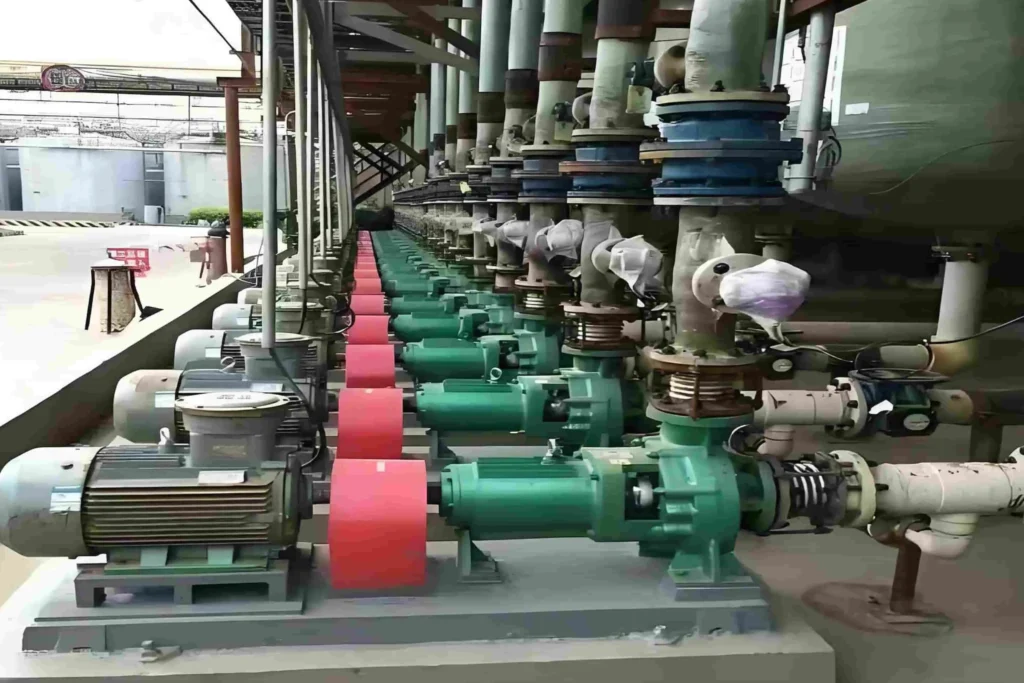
Một nhà máy bia thủ công tại Hoa Kỳ sản xuất 20 BBL mỗi mẻ đã mở rộng từ hệ thống thí điểm 7 BBL. Nhà máy bia ban đầu sử dụng một bơm linh hoạt duy nhất cho tất cả các lần chuyển, được di chuyển thủ công giữa các trạm. Việc mở rộng yêu cầu các bơm chuyên dụng cho từng giai đoạn để tăng thông lượng và đáp ứng nhu cầu sản xuất.
Các kỹ sư của Changyu Pump đã làm việc với nhà máy bia để xác định cấu hình bơm sau:
- Chuyển bã malt và tuần hoàn dịch nha: Bơm khoang tiến loại G vận hành ở tốc độ 300 vòng/phút. Loại bỏ các vấn đề tắc nghẽn gặp phải với bơm ly tâm trước đây khi chuyển có liên quan đến hạt. Hoạt động cắt thấp cải thiện độ trong của dịch nha và giảm các vị lạ chát trong bia thành phẩm.
- Chuyển dịch nha nóng (nồi nấu đến bể lên men): Bơm ly tâm thép không gỉ dòng CYH với kết cấu 316L được đánh bóng. Xử lý dịch nha ở 98°C sau khi đun sôi và chịu được chu kỳ nhiệt của vệ sinh CIP giữa các mẻ.
- Cấp CIP: Bơm bùn thép không gỉ dòng HB cung cấp lưu lượng cao ở áp suất cho các bi phun CIP trong thùng nghiền, nồi nấu và bể lên men. Kết cấu toàn thép không gỉ chịu được các chu kỳ vệ sinh kiềm và axit xen kẽ mà không bị suy giảm.
- Cấy men và định lượng hóa chất: Bơm màng điện dòng BFD để định lượng bùn men chính xác vào bể lên men và đo lường chính xác hóa chất vệ sinh vào hệ thống CIP.
Sáu tháng sau khi đưa vào vận hành, nhà máy bia báo cáo: không có sự chậm trễ trong ngày nấu do tắc bơm, giảm 30% lượng sử dụng hóa chất CIP nhờ định lượng chính xác, và cải thiện độ trong của bia cũng như tính nhất quán về hương vị nhờ xử lý bã malt nhẹ nhàng của bơm khoang tiến.
Bài học chính: Việc ghép đúng bơm với từng giai đoạn nấu bia — thay vì sử dụng một bơm cho mọi thứ — loại bỏ các thỏa hiệp gây ra tắc nghẽn, vị lạ và kém hiệu quả vệ sinh.
Câu hỏi thường gặp về Bơm nấu bia
Hỏi: Tôi có cần các bơm khác nhau cho các giai đoạn nấu bia khác nhau không?
Đáp: Có. Chuyển bã malt yêu cầu bơm chống tắc, cắt thấp. Dịch nha nóng cần bơm ly tâm nhiệt độ cao. Vệ sinh CIP đòi hỏi bơm chống hóa chất với lưu lượng cao. Sử dụng một bơm cho tất cả các giai đoạn làm giảm hiệu suất, chất lượng sản phẩm và khả năng vệ sinh.
Hỏi: Loại bơm nào tốt nhất cho chuyển bã malt?
Đáp: Bơm khoang tiến (một vít) là tiêu chuẩn ngành cho chuyển bã malt nguyên hạt. Nó cung cấp hoạt động không tắc, cắt rất thấp bảo vệ tính nguyên vẹn của hạt, và dòng chảy không xung để sản xuất dịch nha trong.
Hỏi: Vật liệu nào an toàn cho bơm nấu bia?
Đáp: Thép không gỉ 316L với bề mặt được đánh bóng (Ra ≤ 0,8 μm) cho tất cả các bộ phận tiếp xúc sản phẩm. Chất đàn hồi phải là EPDM hoặc PTFE được lưu hóa bằng peroxide, tuân thủ FDA. Tránh đồng, đồng thau, đồng đỏ và gang — những vật liệu này ăn mòn và làm nhiễm bẩn bia.
Hỏi: Tôi có thể vệ sinh CIP các bơm nấu bia của mình không?
Đáp: Có, nếu các bơm tương thích CIP. Chúng phải tự thoát nước, không khe hở và được chế tạo từ vật liệu chịu được dung dịch kiềm và axit nóng. Xác minh tính tương thích CIP với nhà sản xuất bơm trước khi mua.
Hỏi: Một nhà máy bia thủ công cần bao nhiêu bơm?
Đáp: Một nhà máy bia thủ công 15–30 BBL điển hình vận hành 4–6 bơm chuyên dụng: chuyển bã malt, chuyển dịch nha, cấp CIP, định lượng men, và thường là các bơm bổ sung cho lọc và đóng gói. Các nhà máy bia nhỏ hơn có thể vận hành với ít bơm hơn bằng cách chia sẻ thiết bị giữa các giai đoạn.
Hỏi: Làm thế nào để ngăn tắc bơm trong quá trình chuyển bã malt?
Đáp: Sử dụng bơm khoang tiến hoặc bơm màng được thiết kế để xử lý chất rắn. Tránh bơm ly tâm cánh kín trên bã malt nguyên hạt. Nếu sử dụng bơm ly tâm, hãy chỉ định cánh xoáy cho phép chất rắn đi qua mà không tiếp xúc với các cánh bơm.
Danh sách kiểm tra phòng ngừa dành cho kỹ sư bơm Changyu
- Không bao giờ sử dụng bơm ly tâm cánh kín để chuyển bã malt nguyên hạt. Các kênh cánh hẹp sẽ bị tắc trong vòng vài giây.
- Dành riêng bơm cho chức năng của chúng. Một bơm luân phiên giữa dịch vụ bã malt và CIP không thể được khử trùng hiệu quả giữa các lần sử dụng nếu không có quy trình vệ sinh đã được xác nhận.
- Chỉ định thép không gỉ 316L với bề mặt được đánh bóng cho tất cả các bộ phận tiếp xúc sản phẩm. Độ nhám bề mặt phải đáp ứng Ra ≤ 0,8 μm.
- Xác minh tài liệu tuân thủ FDA cho mọi chất đàn hồi trong bơm. Một miếng đệm không tuân thủ duy nhất có thể làm nhiễm bẩn toàn bộ mẻ.
- Thiết kế tất cả các lắp đặt bơm để tự thoát nước. Chất lỏng đọng lại sau CIP là nguồn ô nhiễm chắc chắn.
- Vận hành bơm khoang tiến ở tốc độ 200–400 vòng/phút cho dịch vụ bã malt. Tốc độ cao hơn làm tăng cắt và giảm tuổi thọ stator.
- Lắp đặt VFD (bộ điều khiển tần số) trên bơm mash và bơm wort. Kiểm soát lưu lượng mà không cần van tiết lưu giúp cải thiện kiểm soát quy trình và giảm tiêu thụ năng lượng.
- Dự trữ phớt cơ khí, stator và gioăng phụ tùng trong kho. Các bộ phận của bơm nấu bia chịu mài mòn tăng tốc do tác động kết hợp của hạt mài mòn, nhiệt độ cao và hóa chất CIP mạnh.
Kết luận
Bơm nấu bia không phải là một loại bơm duy nhất — mà là một họ bơm, mỗi loại phù hợp với yêu cầu cụ thể của từng giai đoạn nấu bia. Mash đặc, nhiều hạt cần một bơm khoang tiến (progressive cavity pump) có khả năng chống tắc nghẽn và bảo vệ hương vị bia. Wort nóng, sạch sau nồi nấu cần một bơm ly tâm bằng thép không gỉ có thể xử lý nhiệt độ cao và làm sạch kỹ lưỡng giữa các mẻ. Vệ sinh CIP yêu cầu một bơm chịu được hóa chất mạnh và cung cấp lưu lượng cần thiết cho việc làm sạch hiệu quả.
Đối với các nhà máy bia thủ công nơi chất lượng bia định nghĩa thương hiệu, bơm phù hợp ở mỗi giai đoạn trực tiếp góp phần tạo hương vị tốt hơn, độ trong cao hơn, vệ sinh hiệu quả hơn và ít gián đoạn ngày nấu hơn. Một bơm không phù hợp với giai đoạn của nó — thường là bơm ly tâm cố gắng xử lý mash nguyên hạt — là nguyên nhân gốc rễ của các lỗi bơm nấu bia phổ biến nhất.
Đội ngũ kỹ thuật của Changyu Pump cung cấp các đánh giá kỹ thuật phù hợp cho các ứng dụng bơm nhà máy bia — bao gồm phân tích quy trình, lựa chọn bơm theo giai đoạn nấu bia, tương thích vật liệu và tích hợp CIP. Hai thập kỷ kinh nghiệm sản xuất trong các lĩnh vực thực phẩm, đồ uống và công nghiệp làm nền tảng cho mọi khuyến nghị.