
Những điểm chính
- Lựa chọn vật liệu là yếu tố #1 quyết định tuổi thọ bơm nước muối — Thép không gỉ 304 hỏng trong vài tuần ở nồng độ clorua >1.000 ppm; thép siêu song pha 2507 (PRE 42–45) chịu được >15.000 ppm clorua ở 60°C.
- Sáu cấp vật liệu có sẵn cho ứng dụng nước muối; 904L (PRE 34–36) lấp đầy khoảng trống giữa 316L và 2205, trong khi Titanium gần như miễn nhiễm với clorua ở nhiệt độ lên đến 120°C (nhưng không phù hợp với florua hoặc axit khử).
- Kiến trúc bơm phải phù hợp với giai đoạn quy trình — CYH một cấp cho đầu vào nước biển (0,8–750 m³/h, cột áp ≤130 m), DF đa cấp cho vận chuyển nước muối RO áp suất cao (3,75–850 m³/h, cột áp lên đến 816 m).
- Thiết kế hệ thống làm kín là yếu tố quan trọng cho ứng dụng nước muối — Các phương án xả API 682 (Plan 11/21/32/62) và cơ cấu làm kín cơ khí kép với bề mặt SiC được khuyến nghị cho nước muối kết tinh hoặc độ mặn cao.
- Phân tích TCO cho thấy nâng cấp từ 316L lên 2507 có thể giảm chi phí vòng đời từ 30–40% mặc dù chi phí vật liệu ban đầu cao hơn, nhờ tuổi thọ kéo dài và giảm thời gian ngừng hoạt động.
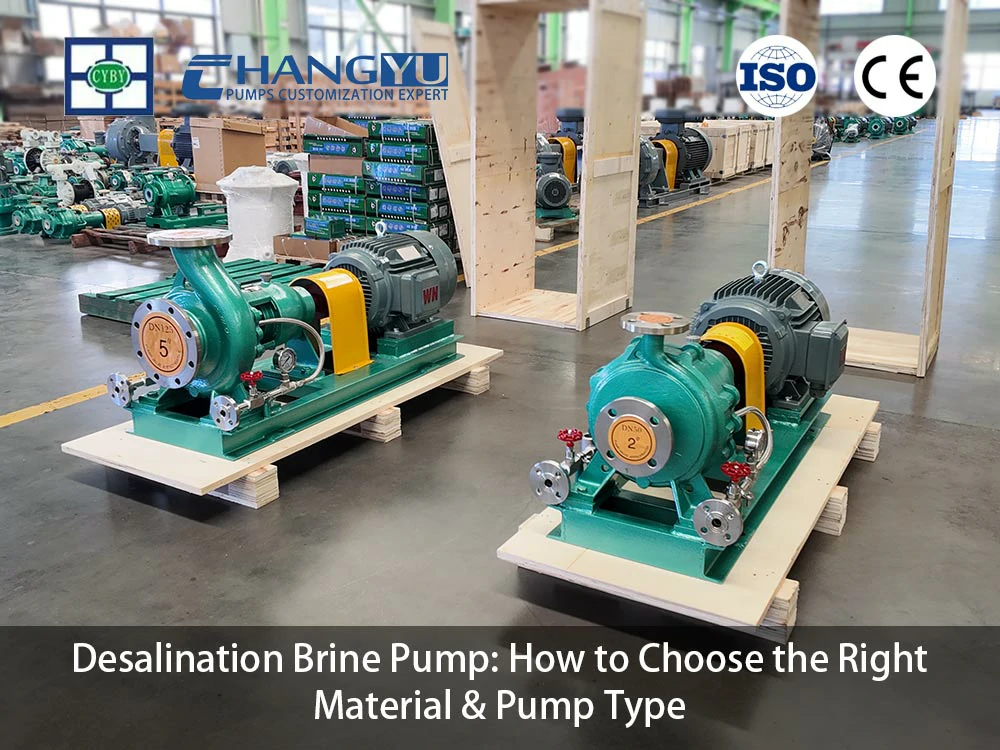
Bơm Nước Muối Khử Mặn Là Gì?
A bơm nước muối khử mặn là thiết bị xử lý chất lỏng chuyên dụng được thiết kế để vận chuyển nước muối cô đặc có độ mặn cao — sản phẩm phụ của quá trình thẩm thấu ngược (RO) và khử mặn nhiệt. Khác với bơm công nghiệp tiêu chuẩn, bơm nước muối khử mặn phải chịu được:
- Nồng độ TDS dao động từ 50.000 ppm đến hơn 200.000 ppm, tùy thuộc vào độ mặn của nước cấp và tỷ lệ thu hồi của hệ thống (RO nước biển điển hình ở tỷ lệ thu hồi 50% tạo ra nước muối ở ~70.000 ppm; hệ thống ZLD có thể vượt quá 200.000 ppm).
- Mức clorua gây ăn mòn rỗ nhanh chóng ở thép không gỉ tiêu chuẩn.
- Chu kỳ vận hành liên tục phổ biến trong các nhà máy khử mặn (8.000+ giờ/năm).
Các bơm này được triển khai tại nhiều điểm quy trình: đầu vào nước biển, tăng áp cấp RO, xả nước muối và tuần hoàn xả thải lỏng bằng không (ZLD).
Thách Thức Ăn Mòn Trong Ứng Dụng Nước Muối Độ Mặn Cao
1 Ăn Mòn Rỗ Do Clorua và Giá Trị PRE
Ion clorua tấn công màng oxit thụ động trên thép không gỉ, tạo ra các vết rỗ cục bộ có thể xuyên qua thành ống trong vòng vài tháng. Giá trị tương đương chống ăn mòn rỗ (PRE) là chỉ số tiêu chuẩn để xếp hạng khả năng chống ăn mòn rỗ do clorua của vật liệu:
PRE = %Cr + 3,3 × %Mo + 16 × %N
- 304: PRE 18–20 → giới hạn ở ~200 ppm clorua tại 60°C
- 316L: PRE 24–26 → giới hạn ở <1.000 ppm clorua
- 2507 siêu song pha: PRE 42–45 → chịu được >15.000 ppm clorua
Tham khảo: Giá trị PRE được xác định theo phương pháp thử nghiệm tiêu chuẩn ASTM G48 về khả năng chống ăn mòn rỗ và ăn mòn khe hở của thép không gỉ.
2 Nứt Do Ăn Mòn Ứng Suất (SCC)
Sự kết hợp giữa ứng suất kéo, nhiệt độ và ion clorua gây ra sự lan truyền vết nứt nhanh chóng. Các cấp austenit (304, 316L) dễ bị tổn thương nhất; các cấp song pha (2205, 2507) có khả năng chống SCC tốt hơn đáng kể nhờ cấu trúc vi mô ferit-austenit.
3 Ăn Mòn Khe Hở
Các mối nối có gioăng, bề mặt làm kín và kết nối bu lông tạo ra các vùng thiếu oxy nơi ăn mòn cục bộ tăng tốc. Đây là vị trí hư hỏng phổ biến nhất ở bơm nước muối và được xử lý bằng cách chọn vật liệu có PRE cao hơn và tối ưu hóa thiết kế làm kín.
Hướng Dẫn Lựa Chọn Vật Liệu Bơm Nước Muối Khử Mặn
1 Bảng So Sánh Vật Liệu Đầy Đủ (6 Cấp)
Bơm Changyu cung cấp hệ thống lựa chọn vật liệu phân cấp dựa trên nồng độ clorua, nhiệt độ vận hành và hàm lượng hạt. Dưới đây là bảng so sánh đầy đủ bao gồm 904L và Titanium, thường được sử dụng trong ứng dụng nước muối nhưng bị bỏ sót trong nhiều hướng dẫn:
| Cấp vật liệu | Phân loại | Giá trị PRE | Khả năng chịu clorua (60°C) | Độ cứng (HB) | Phù hợp nhất cho | Hạn chế |
|---|---|---|---|---|---|---|
| 304 | Austenit (Cơ bản) | 18–20 | ~200 ppm | 150–180 | Nước ngọt, độ mặn thấp | Hỏng nhanh trong nước muối biển |
| 316L | Austenit (có Mo) | 24–26 | <1.000 ppm | 150–190 | Nước biển nhẹ, clorua thấp | Không phù hợp cho nước muối RO |
| 904L | Siêu Austenit | 34–36 | ~8.500 ppm | 170–210 | Axit sulfuric/phosphoric + clorua | Khả năng chống SCC thấp hơn 2205 |
| 2205 | Song pha (Tiết kiệm) | 34–38 | ~8.500 ppm | 250–280 | Nước biển, nước muối vừa, 5–10% chất rắn | PRE thấp hơn 2507 |
| 2507 | Siêu Song pha | 42–45 | >15.000 ppm | 280–330 | Nước muối clorua cao, ZLD, 10–15% chất rắn | Chi phí cao hơn |
| Titan (CP Ti) | Kim loại hoạt động | Không áp dụng | Gần như miễn nhiễm đến 120°C | 180–210 | Clorua cực cao, nhiệt độ cao | ❌ Không dùng cho florua hoặc axit khử |
Xếp hạng khả năng chống ăn mòn (thấp nhất → cao nhất):
304 < 316L < 904L ≈ 2205 < 2507 < Titan
Xếp hạng khả năng chống mài mòn (thấp nhất → cao nhất):
Titan < 304 ≈ 316L < 904L < 2205 < 2507
Hiểu biết chính: 904L và 2205 có giá trị PRE tương tự (34–38), nhưng 2205 có khả năng chống SCC vượt trội, khiến nó trở thành lựa chọn ưu tiên cho ứng dụng nước muối nơi cả ăn mòn và ứng suất cơ học đều là yếu tố quan trọng.
2 Bảng chọn nhanh cho bơm nước muối khử muối
| Điều kiện hoạt động | Tài liệu tham khảo | Dòng bơm khuyến nghị | Thông số chính |
|---|---|---|---|
| Hút nước biển, áp suất thấp | 2205 Căn hộ song lập | CYH một tầng | 0,8–750 m³/h, ≤130 m, -20°C đến 165°C |
| Cấp cao áp RO | 2507 Siêu Duplex | DF đa tầng | 3,75–850 m³/h, 19–816 m, ≤80°C |
| Xả nước muối (áp suất trung bình) | 2507 / 2205 | CYH hoặc DF | Phụ thuộc vào yêu cầu cột áp |
| Nước muối có hạt (5–10% chất rắn) | 2205 / 2507 | DF đa tầng | Lưu lượng khớp với hàm lượng chất rắn |
| Hệ thống ZLD (nước muối siêu cô đặc) | 2507 | DF đa tầng | Bơm lót Fluoroplastic CYF / Bơm từ CYQ |
| Nước muối nhiệt độ cao (≥80°C) | 2507 / Titan | CYH một tầng | CYH hỗ trợ đến 165°C |
| Axit fluoric hoặc florua trong nước muối | ❌ Không dùng Titan | Ưu tiên 2507 | Titan không tương thích với florua |
3 Đánh đổi chi phí vật liệu so với vòng đời
Mặc dù 2507 siêu song pha có chi phí vật liệu ban đầu cao hơn (khoảng 2–3 lần so với 316L), nhưng Tổng chi phí sở hữu (TCO) phân tích cho thấy một câu chuyện khác:
- 316L trong nước muối >1.000 ppm clorua: tuổi thọ điển hình 6–12 tháng, chi phí thay thế thường xuyên
- 2205 trong nước muối vừa: tuổi thọ điển hình 3–5 năm
- 2507 trong nước muối clorua cao: tuổi thọ điển hình 8–10+ năm
Đối với bơm 200 kW chạy 8.000 giờ mỗi năm (giả sử hệ số tải trung bình 85%), riêng chi phí năng lượng đã đáng kể. Dòng DF đạt được cải thiện hiệu suất năng lượng 15% trong suốt vòng đời nhờ hệ thống cân bằng lực dọc trục bốn tầng, tương đương với khoảng Tiết kiệm 240.000 kWh mỗi năm khi vận hành đầy tải, hoặc ~204.000 kWh ở hệ số tải 85%.
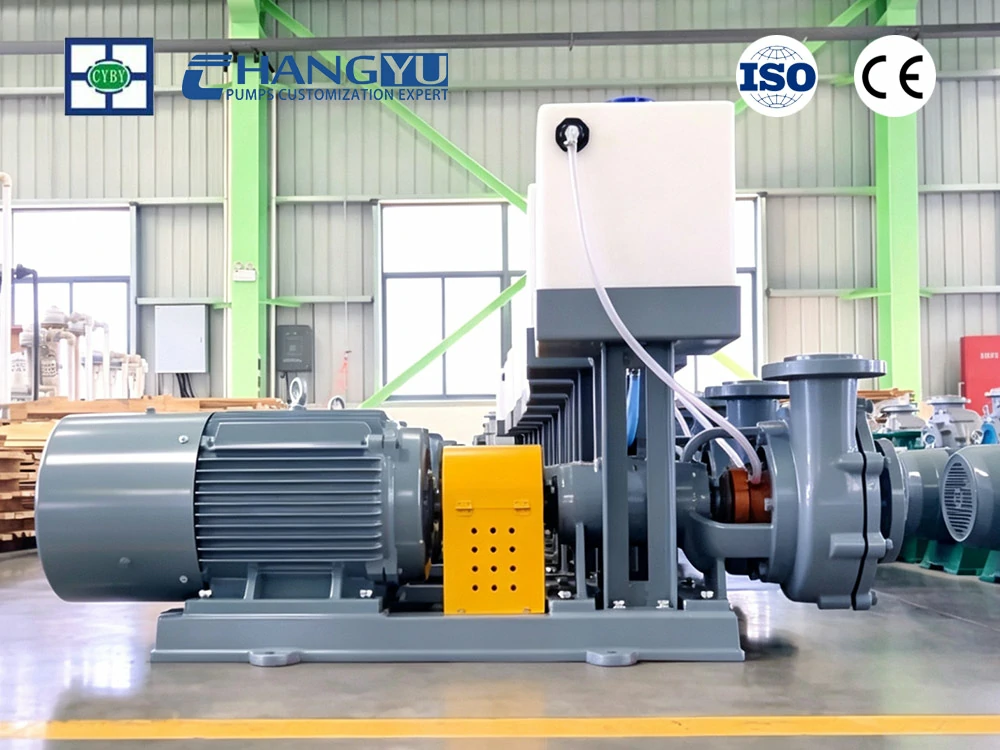
Các Loại Bơm cho Ứng Dụng Nước Muối Khử Mặn
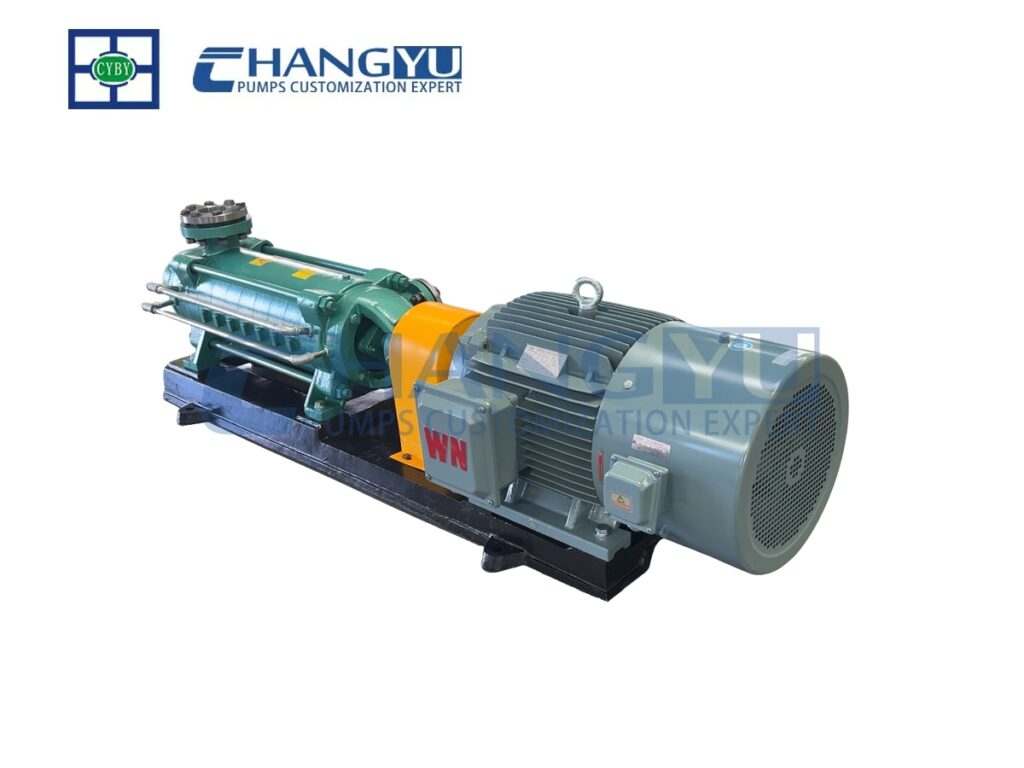
1 Dòng CYH — Bơm Ly Tâm Một Cấp Cho Nước Biển
Được thiết kế cho việc lấy nước biển, vận chuyển nước muối áp suất thấp và các ứng dụng hàng hải thông thường.
| Tham số | Phạm vi |
|---|---|
| Lưu lượng | 0,8–750 m³/h |
| Trưởng phòng | 3–130 m |
| Nhiệt độ | -20°C đến 165°C |
| Tiêu chuẩn | ISO 2858 |
| Vật liệu | 304, 316L, 2205, 2507 |
| Thiết kế | Một cấp, một đầu hút, công xôn, bánh công tác nửa hở |
Dòng CYH có thiết kế bánh công tác nửa hở giúp giảm nguy cơ xâm thực và cải thiện hiệu suất dẫn dòng cho nước muối chứa tạp chất rắn. Biên dạng thủy lực tối ưu giảm thiểu yêu cầu NPSH, phù hợp cho các điều kiện lắp đặt NPSH thấp.
→ Trang Sản Phẩm Bơm Ly Tâm Nước Biển Dòng CYH
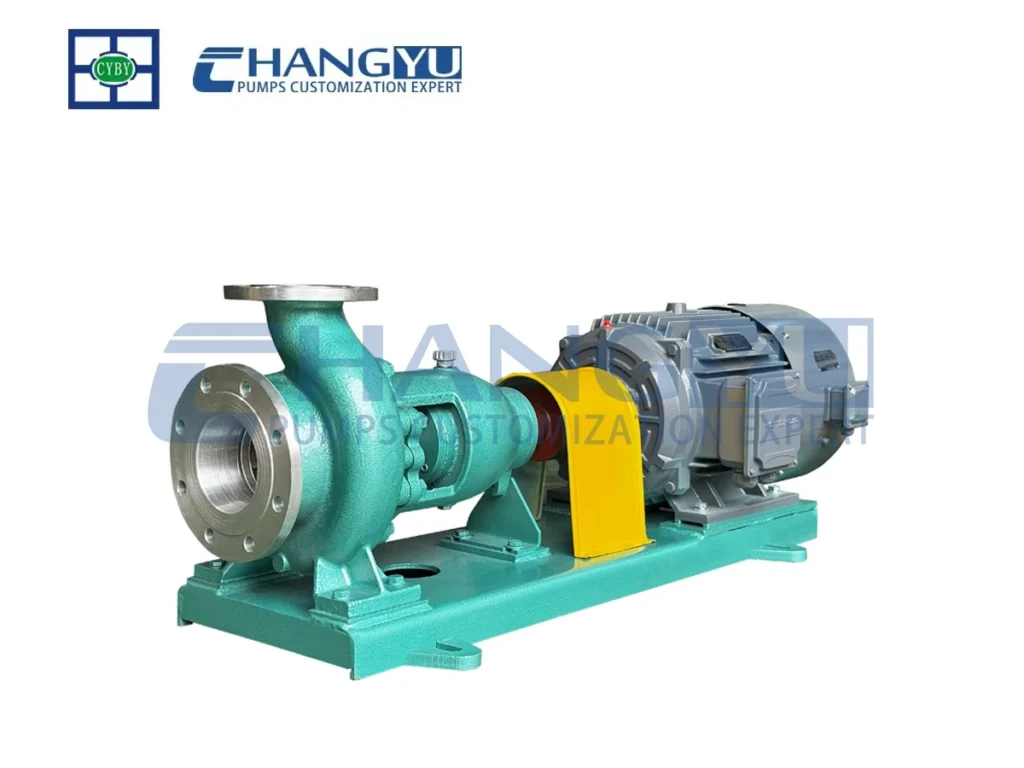
2 Dòng DF — Bơm Nhiều Cấp cho Vận Chuyển Nước Muối RO
Được thiết kế chuyên dụng cho các ứng dụng nước muối áp suất cao bao gồm cấp nước RO, xả nước muối cô đặc và hệ thống ZLD.
| Tham số | Phạm vi |
|---|---|
| Lưu lượng | 3,75–850 m³/h |
| Trưởng phòng | 19–816 m |
| Nhiệt độ | ≤80°C |
| Vật liệu | 316L, 2205, 2507, hợp kim crom cao |
| Thiết kế | Thân bơm phân đoạn (dạng tang trống), hệ thống cân bằng lực dọc trục bốn cấp |
| Hiệu quả | Lên đến 82%; tiết kiệm năng lượng 15% trong vòng đời |
Hệ thống cân bằng lực dọc trục bốn cấp:
- Cấp 1: Vòng cân bằng bù đắp ~70% lực đẩy dọc trục
- Cấp 2: Vòng điều chỉnh áp suất trung hòa thêm ~20%
- Cấp 3: Tấm tiết lưu xử lý phần còn lại ~10%
- Cấp 4: Định vị chính xác duy trì độ đồng tâm khi vận hành tần số biến thiên
The Thiết kế cặp ma sát độ cứng khác nhau (rô-to và stato có độ cứng khác nhau) giảm khe hở vận hành và nâng cao hiệu suất tổng thể hơn 3% so với thiết kế thông thường.
→ Trang Sản Phẩm Bơm Ly Tâm Nhiều Cấp Nằm Ngang Dòng DF
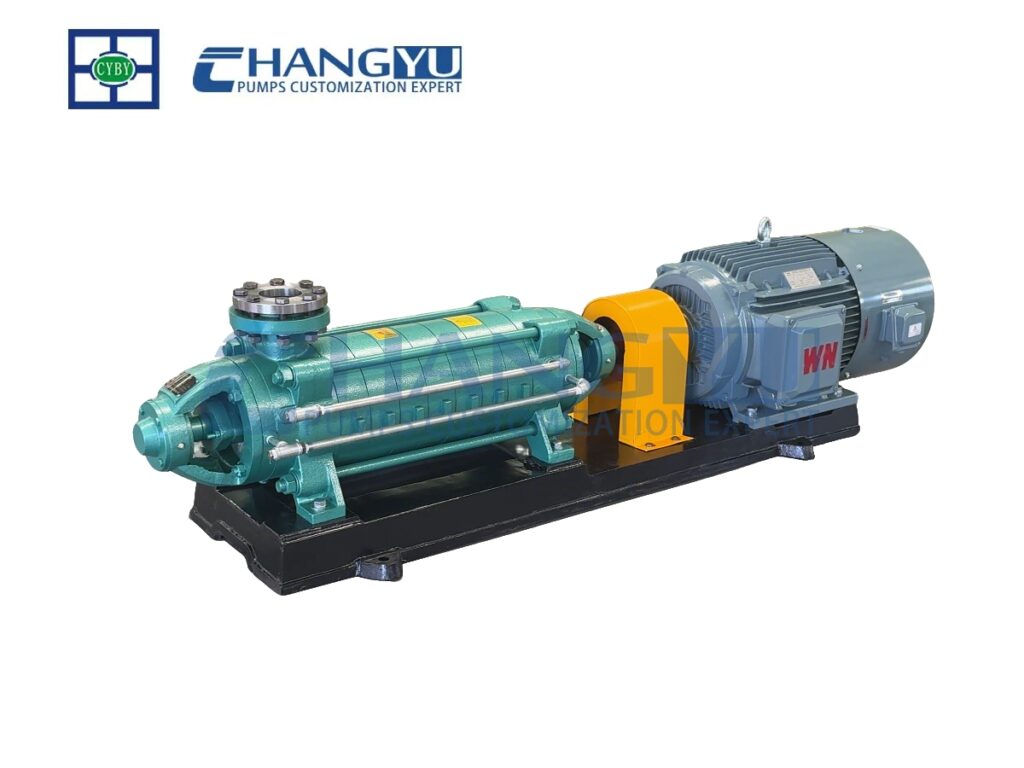
3 Các Loại Bơm Thay Thế cho Ứng Dụng Nước Muối
Đối với các kỹ sư giàu kinh nghiệm đang đánh giá mọi phương án, các loại bơm sau cũng được sử dụng trong các ứng dụng nước muối:
| Loại bơm | Ưu điểm | Hạn chế | Ứng Dụng Nước Muối Điển Hình |
|---|---|---|---|
| Bơm tuabin đứng | Lưu lượng lớn, cột áp cao trong một đơn vị; chiếm ít diện tích | Bảo trì khó khăn; yêu cầu NPSH cao hơn | Lấy nước biển, khai thác nước muối giếng sâu |
| Bơm truyền động từ tính (ví dụ: Dòng CYQ) | Không rò rỉ; không có phớt cơ khí; lý tưởng cho nước muối độc hại/ăn mòn | Giới hạn công suất thấp; nhiệt độ bị giới hạn bởi vật liệu lót | Nước muối hóa chất, nước muối nguy hiểm có yêu cầu môi trường nghiêm ngặt |
| Bơm lót PTFE (ví dụ: Dòng IHF) | Khả năng chống ăn mòn tuyệt vời với axit và kiềm; kinh tế | Nhiệt độ giới hạn 120°C (PFA: 180°C); áp suất định mức hạn chế | Nước muối axit từ các quy trình hóa học |
| Bơm Pít-tông Thể Tích Dương | Khả năng áp suất cao; hiệu quả ở lưu lượng thấp | Bảo trì cao; lưu lượng xung động; không phù hợp chất rắn | Hệ thống SWRO nhỏ, định lượng áp suất cao |
Mỗi loại bơm có ứng dụng riêng. Việc lựa chọn nên dựa trên lưu lượng, cột áp, nhiệt độ, hàm lượng hạt và các quy định về môi trường cụ thể cho dự án của bạn.
Thiết Kế Hệ Thống Phớt cho Bơm Nước Muối Khử Mặn
Sự cố phớt là nguyên nhân phổ biến nhất gây gián đoạn vận hành bơm nước muối. Một hệ thống phớt được thiết kế đúng cách cũng quan trọng như chính vật liệu bơm.
1 Các Loại Cơ Khí Làm Kín
| Loại con dấu | Khuyến nghị cho Ứng Dụng Nước Muối | Ghi chú |
|---|---|---|
| Phốt cơ khí đơn | Nước muối sạch, áp suất thấp | Bề mặt SiC vs SiC; yêu cầu rửa sạch |
| Cơ khí làm kín kép (back-to-back) | Nước muối kết tinh, hàm lượng clorua cao | API Plan 52/53; chất lỏng chắn bảo vệ bề mặt làm kín |
| Phốt cơ khí dạng ống | Tất cả các ứng dụng nước muối | Lắp ráp sẵn, dễ dàng thay thế, giảm sai sót khi lắp đặt |
| Vòng đệm | Bơm cũ, ứng dụng khẩn cấp | Rò rỉ cao; không khuyến nghị cho các nhà máy nước muối hiện đại |
2 Các Phương Án Rửa API 682 cho Ứng Dụng Nước Muối
The Tiêu chuẩn API 682 xác định các phương án rửa làm kín rất quan trọng cho độ tin cậy của bơm nước muối:
- Kế hoạch 11: Tuần hoàn từ đầu xả bơm đến cơ khí làm kín — phù hợp cho nước muối sạch không có xu hướng kết tinh
- Kế hoạch 21: Tuần hoàn có lỗ tiết lưu và bộ làm mát — dành cho nước muối trên 80°C cần làm mát trước bề mặt làm kín
- Kế hoạch 32: Xả nước ngoài sạch vào buồng làm kín — khuyến nghị cho nước muối kết tinh để ngăn lắng đọng muối trên bề mặt làm kín
- Kế hoạch 62: Làm nguội bằng hơi nước hoặc nước — dành cho nước muối kết tinh ở phía khí quyển của cơ khí làm kín
Đối với nước muối khử muối có nguy cơ đóng cặn cao (hàm lượng Ca²⁺, Mg²⁺ hoặc silica cao), API Plan 32 với xả ngoài sạch là phương pháp đáng tin cậy nhất.
3 Lựa Chọn Vật Liệu Bề Mặt Làm Kín
| Vật Liệu Bề Mặt | Độ cứng | Được khuyến nghị cho | Avoid |
|---|---|---|---|
| Cacbua silic (SiC) | 500 HV | Hầu hết các ứng dụng nước muối; khả năng chống ăn mòn tuyệt vời | Sốc nhiệt ở nhiệt độ cao |
| Carbide Vonfram (WC) | 500 HV | Nước muối mài mòn có chứa hạt rắn | Chất oxy hóa mạnh |
| Carbon Giống Kim Cương (DLC) | 000+ HV | Nước muối cực kỳ mài mòn; yêu cầu ma sát thấp | Chi phí cao |
Các Lưu Ý về NPSH cho Bơm Nước Muối Khử Muối
Nước muối có mật độ cao hơn (1.020–1.150 kg/m³ đối với nước muối từ nước biển) so với nước ngọt, điều này ảnh hưởng đến Độ cao hút dương ròng (NPSH) cách tính:
- NPSHa (Khả dụng) = Áp suất khí quyển + Cột áp tĩnh hút − Tổn thất ma sát − Áp suất hơi của nước muối
- NPSHr (Yêu cầu) do nhà sản xuất bơm cung cấp cho từng điểm vận hành
Đối với nước muối ở 60°C với TDS 70.000 ppm, áp suất hơi thấp hơn khoảng 5% so với nước ngọt ở cùng nhiệt độ, giúp cải thiện nhẹ NPSHa. Tuy nhiên, mật độ cao hơn làm tăng tổn thất ma sát trong đường ống hút.
Hướng dẫn thực tế khi lắp đặt bơm nước muối:
- Duy trì biên độ NPSH tối thiểu 0,5 m trên NPSHr
- Giữ đường ống hút càng ngắn và thẳng càng tốt
- Đối với dòng CYH, thiết kế bánh công tác nửa hở mang lại khả năng chống xâm thực tốt hơn ở điều kiện NPSH thấp
- Đối với dòng DF, giá trị NPSHr dao động từ 2,0 đến 6,7 m tùy thuộc vào model và số tầng
Phân tích Tổng Chi phí Sở hữu (TCO)
1 Chi phí Vật liệu so với Tuổi thọ Sử dụng
| Cấp vật liệu | Chi phí vật liệu tương đối | Tuổi thọ sử dụng điển hình trong nước muối (>10.000 ppm Cl⁻) | TCO 10 năm (mỗi bơm) |
|---|---|---|---|
| 316L | 1,0× (đường cơ sở) | 6–12 tháng | Nhiều lần thay thế + thời gian ngừng hoạt động |
| 2205 | 1.5–1.8× | 3–5 năm | 2–3 lần thay thế |
| 2507 | 2.5–3.0× | 8–10+ năm | 1 lần thay thế hoặc ít hơn |
2 Tác động của Hiệu suất Năng lượng
Cải thiện hiệu suất năng lượng 15% của dòng DF mang lại khoản tiết kiệm vận hành đáng kể:
- Ví dụ: Bơm 200 kW, 8.000 giờ/năm, hệ số tải trung bình 85%
- Mức tiêu thụ năng lượng hàng năm: 200 × 8.000 × 0,85 = 360.000 kWh
- Với cải thiện hiệu suất 15%: tiết kiệm ~204.000 kWh/năm
- Với giá 0,10 USD/kWh: 400 USD/năm tiết kiệm năng lượng — đủ để bù đắp chi phí nâng cấp vật liệu trong vòng 2–3 năm
Nghiên cứu Điển hình về Bơm Nước muối Khử mặn tại Nhà máy SWRO Trung Đông
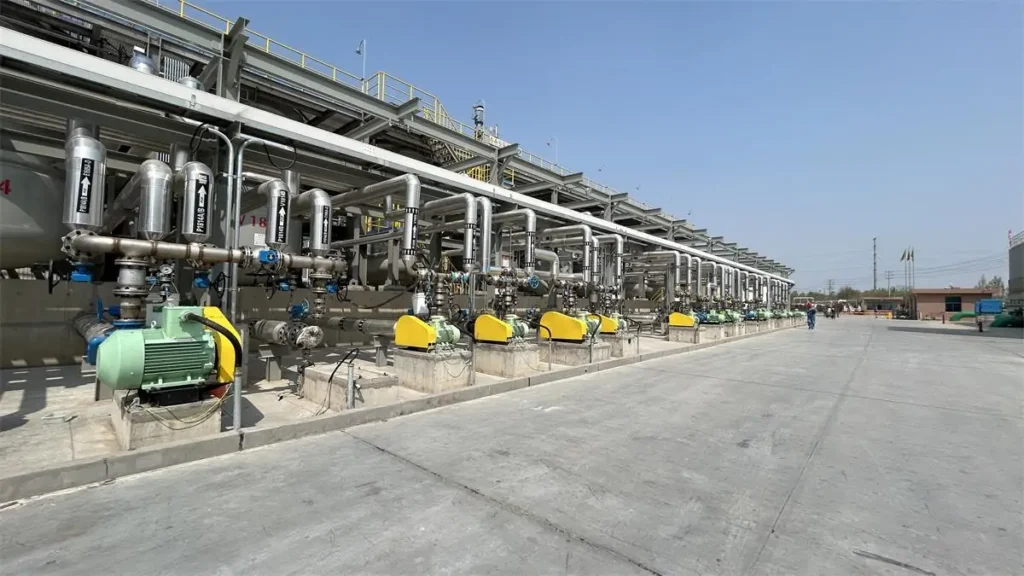
Bối cảnh Dự án:
Nhà máy RO nước biển công suất 100.000 m³/ngày tại Vịnh Ả Rập đã gặp sự cố bơm hỏng mỗi 6–9 tháng với bơm 316L trong dịch vụ xả nước muối. TDS của nước muối dao động từ 68.000–72.000 ppm với nhiệt độ 32–38°C.
Thách thức:
- Ăn mòn rỗ nghiêm trọng trên bánh công tác và thân bơm
- Sự cố phớt cơ khí do tinh thể muối kết tinh trên bề mặt phớt
- Thời gian ngừng hoạt động ngoài kế hoạch trung bình 12 ngày mỗi năm
Giải pháp:
- Nâng cấp lên Bơm đa tầng dòng DF cùng với 2507 siêu duplex các bộ phận tiếp xúc chất lỏng
- Lắp đặt phớt cơ khí kép với hệ thống xả nước sạch API Plan 32
- Bổ sung hệ thống cân bằng lực dọc trục bốn tầng cho hoạt động tần số biến thiên
Kết quả Sau 3 Năm:
| Hệ mét | Trước (316L) | Sau (2507 DF) |
|---|---|---|
| Tuổi thọ của bơm | CD4MCu (Duplex) | 3+ năm (vẫn đang vận hành) |
| Khoảng thời gian thay phớt | 3–4 tháng | 18+ tháng |
| Thời gian ngừng hoạt động ngoài kế hoạch hàng năm | 12 ngày | <1 ngày |
| Tiêu thụ năng lượng | Mức cơ sở | Thấp hơn 15% |
| Chi phí bảo trì/năm | $18,500 | $3,200 |
Các Câu hỏi Thường gặp
Q1: Vật liệu khuyến nghị cho bơm nước muối khử mặn là gì?
Đối với nước muối cô đặc (TDS >65.000 ppm), Thép không gỉ siêu kép 2507 là vật liệu được khuyến nghị. Đối với điều kiện nước biển vừa phải, 2205 duplex mang lại sự cân bằng tối ưu giữa chi phí và khả năng chống ăn mòn. Đối với các ứng dụng liên quan đến fluoride hoặc axit khử, hãy sử dụng 2507 hoặc hợp kim crom cao thay vì titan.
Q2: Nồng độ clorua tối đa cho 316L trong dịch vụ nước muối là bao nhiêu?
316L thường bị giới hạn trong môi trường có ít hơn 000 ppm clorua ở nhiệt độ môi trường. Trên ngưỡng này, ăn mòn rỗ tăng tốc đáng kể. Hầu hết các ứng dụng nước muối biển (15.000–20.000 ppm Cl⁻) yêu cầu ít nhất 2205 duplex.
Q3: Làm thế nào để chọn giữa bơm một cấp và bơm nhiều cấp cho nước muối?
Sử dụng yêu cầu cột áp làm tiêu chí quyết định chính:
- Cột áp ≤130 m: CYH một cấp thường kinh tế hơn
- Cột áp >130 m hoặc lên đến 816 m: DF nhiều cấp là bắt buộc
- Cũng xem xét nhiệt độ: CYH hỗ trợ lên đến 165°C, DF giới hạn ở 80°C
Q4: Loại phớt nào được khuyến nghị cho nước muối độ mặn cao?
Phớt cơ khí kép với hệ thống xả nước sạch API Plan 32 được khuyến nghị cho nước muối kết tinh. Đối với nước muối sạch không có nguy cơ kết tinh, phớt cơ khí SiC/SiC đơn với hệ thống tuần hoàn API Plan 11 là đủ.
Q5: Nhiệt độ tối đa cho vận hành bơm nước muối là bao nhiêu?
Đối với Dòng CYH: -20°C đến 165°C tùy thuộc vào cấu hình vật liệu. Đối với dòng DF: ≤80°C. Đối với bơm titan, giới hạn thực tế khoảng 120°C để đảm bảo khả năng miễn nhiễm với clorua.
Q6: Giá trị PRE ảnh hưởng đến việc lựa chọn vật liệu như thế nào?
Giá trị PRE là chỉ số chính về khả năng chống ăn mòn rỗ do clorua. Công thức là PRE = %Cr + 3,3×%Mo + 16×%N. Giá trị PRE cao hơn cho thấy khả năng chống ăn mòn rỗ do clorua tốt hơn. Đối với dịch vụ nước muối, PRE ≥ 34 (2205 hoặc 904L) là ngưỡng tối thiểu được khuyến nghị.
Q7: Có thể sử dụng titan cho tất cả các bơm nước muối khử muối không?
Không. Titan mang lại khả năng chống clorua tuyệt vời (gần như miễn nhiễm lên đến 120°C) nhưng có những hạn chế quan trọng: nó không phù hợp với fluoride (ví dụ: axit hydrofluoric), không được khuyến nghị cho axit khử (ví dụ: axit sulfuric loãng), và có khả năng chống mài mòn thấp (HB 180–210, thấp nhất trong sáu cấp độ). Titan chỉ nên được sử dụng cho nước muối “sạch nhưng ăn mòn”.
Q8: Nguyên nhân nào gây ra sự cố bơm trong các nhà máy khử muối?
Các chế độ sự cố phổ biến nhất theo thứ tự tần suất:
- Sự ăn mòn (ăn mòn rỗ, SCC, ăn mòn khe hở) — 45% sự cố
- Sự cố phớt cơ khí — 30% sự cố
- Sự cố ổ trục do mất cân bằng lực dọc trục — 15% sự cố
- Hư hỏng do xâm thực — 10% sự cố
Tuân thủ Môi trường và Cân nhắc Quy định
Xả nước muối từ các nhà máy khử muối phải tuân thủ các quy định về môi trường có thể ảnh hưởng đến việc lựa chọn bơm:
- U.S. EPA 316(b): Yêu cầu các cấu trúc lấy nước làm mát phải giảm thiểu tác động đến môi trường
- Chỉ thị Khung Nước EU: Kiểm soát việc xả nước muối vào vùng nước ven biển
- Quy định địa phương tại Trung Đông và Úc: Giới hạn nồng độ nước muối xả ngày càng nghiêm ngặt
Hệ thống ZLD (Xả chất lỏng bằng không) đang trở thành bắt buộc ở nhiều khu vực, đòi hỏi máy bơm có khả năng xử lý nồng độ nước muối vượt quá 200.000 ppm TDS — một nhiệm vụ đòi hỏi Vật liệu siêu duplex 2507 hoặc titan và Kiến trúc đa tầng dòng DF.
Kết luận và Hỗ trợ Chuyên gia
Việc lựa chọn máy bơm nước muối khử muối phù hợp đòi hỏi đánh giá bốn yếu tố liên kết với nhau:
- Cấp vật liệu — phù hợp với nồng độ clorua, nhiệt độ và hàm lượng hạt
- Kiến trúc máy bơm — CYH một tầng cho đầu vào/áp suất thấp; DF đa tầng cho vận chuyển nước muối áp suất cao
- Hệ thống làm kín — Lựa chọn kế hoạch xả API 682 là rất quan trọng đối với độ tin cậy của dịch vụ nước muối
- TCO — chi phí vật liệu ban đầu cao hơn được bù đắp bằng tuổi thọ kéo dài và tiết kiệm năng lượng
Về Changyu Pump
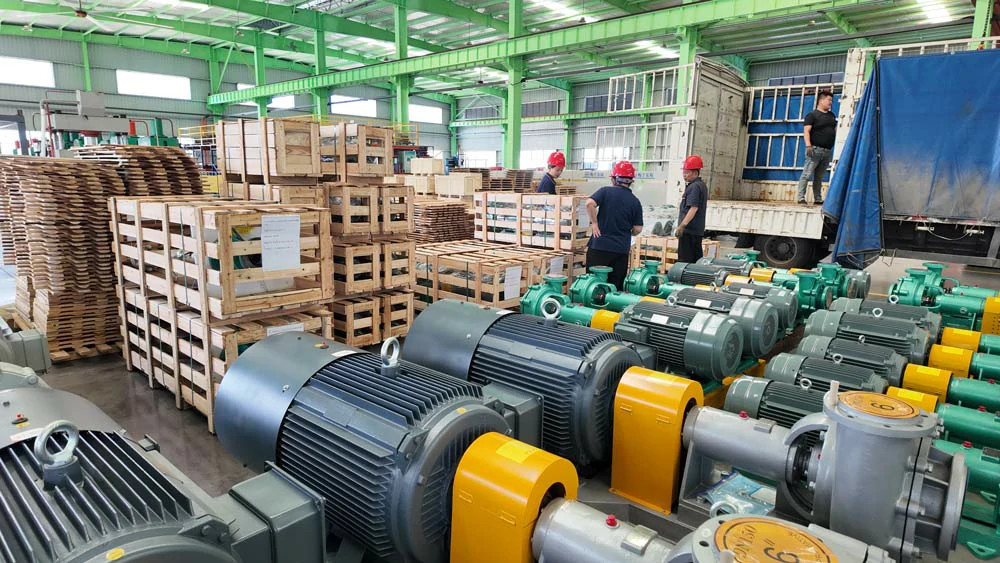
Với Hơn 20 năm kinh nghiệm OEM/ODM, Chứng nhận ISO 9001, CE và ATEX, và hơn 50 công nghệ được cấp bằng sáng chế, Changyu Pump chuyên về các giải pháp máy bơm chống ăn mòn cho các ứng dụng xử lý chất lỏng khắt khe nhất. Nhà máy 20.000 m² của chúng tôi sản xuất hơn 20.000 máy bơm mỗi năm cho khách hàng tại hơn 30 quốc gia.
Gửi cho chúng tôi các thông số vận hành của bạn để được đề xuất máy bơm tùy chỉnh trong vòng 24 giờ:
- Lưu lượng và cột áp yêu cầu
- Thành phần môi trường (nồng độ clorua, nhiệt độ, pH)
- Hàm lượng hạt (nếu có)
- Chu kỳ làm việc và điều kiện lắp đặt
📧 Email: [email protected]
📞 Điện thoại/WhatsApp/WeChat: +86-13651913727
🏭 Nhà máy: Giao lộ giữa đường Xuanzhi và đường Fuxing, Khu Công nghiệp Sản xuất Thông minh Tích hợp Đồng bằng Sông Dương Tử, Khu Phát triển Jingxian, Thành phố Xuancheng, Tỉnh Anhui, Trung Quốc