
إجابة سريعة
أفضل مضخات الطين لمعالجة الذهب والحديد والنحاس والمعادن تشترك في أساس مشترك: بناء طرد مركزي ثقيل مع بطانات تآكل قابلة للاستبدال. ومع ذلك، يفرض كل نوع من الخام متطلبات مميزة على المواد وتصميم المروحة وتكوين المضخة. عوامل الاختيار الرئيسية حسب نوع الخام:
- خام الذهب: الحديد الزهر الأبيض عالي الكروم (CrMo، 600–700 HB / حوالي HV 600–700) هو المعيار لطين الذهب الكاشط الغني بالسيليكا. تعمل البطانات المطاطية بشكل جيد مع مخلفات الذهب المطحونة ناعماً والمتعادلة الأس الهيدروجيني.
- خام الحديد: الحديد الزهر الأبيض عالي الكروم CrMo مطلوب — جزيئات الماجنتيت والهيماتيت عالية الكثافة والزاوية تقطع البطانات المطاطية بسرعة. غالباً ما تكون تكوينات المضخات عالية الضغط مطلوبة لنقل المخلفات لمسافات طويلة.
- خام النحاس: يعتمد اختيار المواد على دائرة المعالجة. تسمح دوائر التعويم القلوية باستخدام البطانات المطاطية؛ بينما يتطلب الترشيح الحمضي بالكومة سبائك مقاومة للتآكل أو مضخات مبطنة.
- معالجة المعادن: عبر جميع أنواع الخام، تهيمن تكلفة استبدال الأجزاء المبللة ووقت التوقف غير المخطط له على التكلفة الإجمالية للملكية — وليس سعر الشراء الأولي.
تتعامل مضخات معالجة المعادن مع الطين الذي يدمر المضخات الصناعية القياسية في غضون أسابيع. يؤدي مزيج الجزيئات الصلبة والزاوية وكثافات الطين العالية ومياه المعالجة المسببة للتآكل غالباً إلى خلق بيئة تآكل يحدد فيها اختيار المواد وتصميم المضخة ما إذا كانت المضخة تعمل بشكل موثوق لمدة 18 شهراً أو تفشل في 8 أسابيع. منجم ذهب بخام غني بالكوارتز، ومصنع تركيز خام حديد بطين ماجنتيت كثيف، و منجم نحاس مع ترشيح حمضي بالكومة، يتطلب كل منها مواصفات مضخة مختلفة — على الرغم من أن الثلاثة مصنفة على أنها “مضخات الطين.”
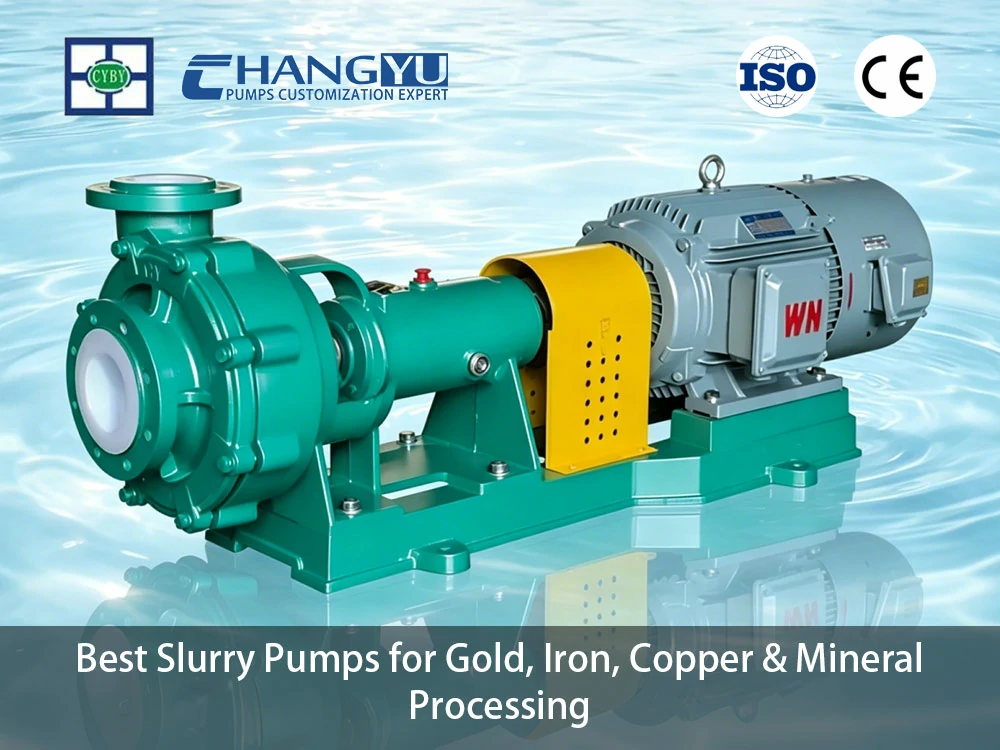
مضخة تشانغيو قامت بتصنيع مضخات الطين لتطبيقات التعدين ومعالجة المعادن عبر كامل نطاق أنواع الخام. يقدم هذا الدليل توصيات خاصة بالمضخات لكل خام، وإرشادات لاختيار المواد، وإطار التكلفة الإجمالية للملكية لتقييم استثمارات مضخات الطين في دوائر معالجة, و الذهب والحديد والنحاس.
ما الذي يجعل طين معالجة المعادن كاشطاً جداً لمضخات الطين؟
يخضع طين معالجة المعادن مكونات المضخة لأربع آليات تآكل متزامنة. يختلف المساهم النسبي لكل آلية حسب نوع الخام، وهذا الاختلاف يدفع عملية اختيار المواد.
- التآكل القطعي: تنزلق الجزيئات الحادة والزاوية عبر أسطح المضخة بزوايا ضحلة، وتزيل المواد من خلال القطع الدقيق. سائد في طين الذهب وخام الحديد ذي المحتوى العالي من السيليكا.
- التآكل التآكلي: تصطدم الجزيئات الدقيقة المحمولة في التدفق عالي السرعة بالأسطح بشكل متكرر، مما يسبب فقداناً تدريجياً للمواد. موجود في جميع طين المعادن؛ الأكثر شدة في دوائر تغذية الإعصار ونقل المخلفات.
- التآكل الصدمي: تصطدم الجزيئات الكبيرة بأسطح المضخة بزوايا حادة، مما يسبب تشوهاً لدناً أو كسراً هشاً. الأكثر أهمية في تطبيقات تفريغ المطحنة ومجمع الكسارة.
- تآكل التآكل المشترك: تهاجم مياه المعالجة الحمضية أو عوامل الترشيح سطح مادة المضخة، مكونة طبقة ضعيفة تزيلها الجزيئات الكاشطة لاحقاً. الأكثر أهمية في الترشيح الحمضي بالكومة للنحاس وبعض دوائر CIL/CIP للذهب.
ملاحظات: تحدد آلية التآكل السائدة المادة المثلى للتآكل.
ما هي أفضل مضخات الطين لتطبيقات تعدين الذهب؟
تمثل معالجة خام الذهب مزيجاً فريداً من التحديات: يحتوي الخام عادةً على الكوارتز (موس 7)، وهو أصلب من مواد المضخة القياسية. غالباً ما تتم معالجة الذهب من خلال الترشيح بالسيانيد، مما يقدم متطلبات توافق كيميائي. وغالباً ما يتم طحن خام الذهب ناعماً لتعظيم الاستخلاص، مما ينتج طيناً كاشطاً بتركيزات صلبة عالية.
نوع المضخة الموصى به: مضخة طرد مركزي أفقية للطين بمكونات مبللة من CrMo عالي الكروم.
مادة التآكل الأولية: حديد زهر أبيض عالي الكروم (26–28% Cr، 600–700 HB). تقاوم كربيدات الكروم الصلبة القطع بواسطة جزيئات الكوارتز الزاوية. بالنسبة للمخلفات المطحونة ناعماً والمتعادلة الأس الهيدروجيني، توفر البطانات المطاطية الطبيعية بديلاً اقتصادياً — حيث تمتص مرونة المطاط تأثير الجزيئات الدقيقة دون قطع.
دوائر تعدين الذهب ومتطلبات المضخة:
| الدائرة | المواد الصلبة | حجم الجسيمات | شدة التآكل | المواد |
|---|---|---|---|---|
| تصريف الطاحونة | 40–70% | حتى 25 مم | متطرف | كروم عالي المحتوى (CrMo) |
| تغذية الدوامة | 40–60% | حتى 25 مم | متطرف | كروم عالي المحتوى (CrMo) |
| تغذية الترشيح (CIL/CIP) | 40–50% | < 150 ميكرومتر | معتدل | مطاط (مطحون ناعماً، أس هيدروجيني متعادل)؛ CrMo عالي الكروم (جزيئات خشنة أو زاوية) |
| المخلفات | 30–45% | < 1 مم | متوسط إلى مرتفع | CrMo أو مطاط |
Engineers at Changyu Pump note: غالباً ما تحتوي مخلفات الذهب على سيانيد متبقي، والذي لا يهاجم مواد المضخة مباشرة ولكنه يتطلب اعتبارات لاختيار الموانع وإجراءات سلامة الصيانة. توفر الموانع الميكانيكية المزدوجة مع سائل حاجز ومواد مانعة متوافقة مع السيانيد احتواءً موثوقاً للطين المحتوي على السيانيد.
ما هي أفضل مضخات الطين لمعالجة خام الحديد؟
يمثل خام الحديد (الهيماتيت، الماجنتيت) البيئة الكاشطة الأكثر تطلباً في معالجة المعادن. تمتلك جزيئات الماجنتيت صلادة موس 5.5–6.5 بشكل زاوي وحواف حادة. كثافات الطين هي من بين الأعلى في التعدين — عادة 1.5–1.8 جاذبية نوعية — مما يفرض أحمالاً شديدة على محامل وأعمدة المضخة. تتطلب مصانع تركيز خام الحديد أيضاً نقل المخلفات لمسافات طويلة، مما يستدعي قدرة مضخة عالية الضغط.
نوع المضخة الموصى به: مضخة طرد مركزي أفقية للطين ثقيلة الخدمة مع أجزاء مبللة من CrMo عالي الكروم، ومحامل كبيرة الحجم، وخلوص مروحة قابل للتعديل.
مادة التآكل الأولية: الحديد الزهر الأبيض عالي الكروم مطلوب. المطاط الطبيعي والبولي يوريثين غير مناسبين — جزيئات الماجنتيت والهيماتيت الزاوية تقطع الإيلاستومرات عند التلامس. قرار المواد الوحيد هو درجة CrMo المحددة (عادة 26–28% Cr، 600–700 HB) وما إذا كان سيتم تحديد طلاء كروم صلب على المروحة لعمر تآكل إضافي.
دوائر خام الحديد ومتطلبات المضخة:
| الدائرة | المواد الصلبة | متطلبات الرأس | شدة التآكل | التكوين |
|---|---|---|---|---|
| تصريف الطاحونة | 40–70% | 30–60 م | متطرف | CrMo أحادي المرحلة |
| تغذية الفاصل المغناطيسي | 30–50% | 15–25 م | عالية | CrMo أحادي المرحلة |
| نقل المركز | 40–60% | 20–40 م | عالية | CrMo أحادي المرحلة |
| المخلفات (مسافة قصيرة) | 30–50% | 20–40 م | عالية | CrMo أحادي المرحلة |
| المخلفات (مسافة طويلة) | 30–50% | 50–150+ م | عالية | تكوين متسلسل (مضخات متعددة أحادية المرحلة) |
ما هي أفضل مضخات الطين لتعدين النحاس؟
50–150+ متر.
التكوين المتسلسل (مضخات أحادية المرحلة متعددة):
- نوع المضخة الموصى بهما هي أفضل مضخات الطين لتعدين النحاس؟
- مادة التآكلتعالج معالجة خام النحاس بيئتين كيميائيتين مختلفتين جوهريًا. في دائرة التعويم، يكون الطين قلويًا (درجة الحموضة 9–11) ومعادن النحاس (الكالكوبيريت، صلابة موس 3.5–4) لينة نسبيًا. في دائرة الترشيح بالكومة، يخلق محلول حمض الكبريتيك (درجة الحموضة 1.5–3) بيئة تآكلية لا تستطيع سبائك الكروم العالية القياسية تحملها. يجب أن يميز اختيار المضخة بين هاتين الدائرتين.
- دائرة التعويم القلوية: مضخة طين طاردة مركزية أفقية.
: تعمل البطانات المطاطية بشكل جيد مع مركزات النحاس الناعمة غير الكاشطة في درجة حموضة قلوية. يعتبر CrMo عالي الكروم بديلاً لتغذية التعويم الخشنة.:
- نوع المضخة الموصى بهالاعتبار الرئيسي
- مادة التآكل: قد تحبس رغوة التعويم الهواء في الطين — يجب أن تتعامل المضخة مع محتوى غازي معتدل دون فقدان الشفط.
- دائرة التعويم القلويةدائرة الترشيح بالكومة الحمضية.
: مضخة طرد مركزي من الفولاذ المقاوم للصدأ أو مبطنة:
| الدائرة | درجة الحموضة | شدة التآكل | : يتآكل CrMo القياسي بسرعة في حمض الكبريتيك تحت درجة حموضة 4. حدد فولاذ مقاوم للصدأ 316 (درجة حرارة منخفضة، أقل من 30 درجة مئوية فقط)؛ أو دوبلكس 2205؛ أو مضخات مبطنة بـ UHMW-PE لمقاومة الأحماض. | المواد |
|---|---|---|---|---|
| تغذية عملية التعويم | 9–11 | معتدل | منخفضة | مطاط أو CrMo |
| نقل المركز | 9–11 | عالية | منخفضة | كروم عالي المحتوى (CrMo) |
| : عادةً ما تكون محاليل الترشيح منخفضة في المواد الصلبة (محلول الترشيح الحامل) أو تحتوي على مواد صلبة دقيقة مترسبة. التآكل ثانوي بالنسبة لمقاومة التآكل. | 1.5–3 | منخفضة إلى متوسطة | عالية | دوائر النحاس ومتطلبات المضخة |
| المخلفات | متغير | متوسط إلى مرتفع | معتدل | CrMo أو مطاط |
خطر التآكل
تغذية الترشيح بالكومة (حمضية) ستانلس 316 (أقل من 30 درجة مئوية) / دوبلكس 2205 / مبطنة بـ UHMW-PE.
كيفية اختيار مادة التآكل المناسبة لمضخات الطين في التعدين؟:
- مواد التآكل الثلاثة الأساسية — الحديد الزهر الأبيض عالي الكروم، والمطاط الطبيعي، والسيراميك — تخدم كل منها نافذة تشغيلية مميزة. قرار الاختيار مدفوع بصلابة الخام، وشكل الجسيمات، ودرجة حموضة الطين، ووجود الصدمات من الجسيمات الكبيرة. هذا هو أساس.
- اختيار مادة تآكل مضخة الطين الفعال.
- الحديد الزهر الأبيض عالي الكروم (CrMo).
المطاط الطبيعي:
- الصلابة: 600–700 HB / حوالي HV 600–700. آلية التآكل: تقاوم الصلابة القطع.
- الأفضل لـ: الجسيمات الصلبة الزاوية (صلابة موس > 5) — خامات الذهب والحديد والنحاس الخشنة.
- القيود: يتآكل في الطين الحمضي تحت درجة حموضة 4. غير مناسب للترشيح بالكومة للنحاس.
الصلابة: أقل من 50 HB (يعتمد على المرونة، وليس الصلابة).:
- الأفضل لـ: الجسيمات الناعمة المستديرة (صلابة موس < 4) في درجة حموضة متعادلة — مخلفات تعويم النحاس الناعمة، ومخلفات الذهب الناعمة.
- القيود: يُقطع بواسطة الجسيمات الحادة الزاوية. حد درجة الحرارة 70 درجة مئوية.
- السيراميك (SiC / Al₂O₃).
الصلابة: HV 1500–2800. آلية التآكل: تقاوم الصلابة الشديدة القطع.:
| نوع الخام | الأفضل لـ: الطين الناعم جدًا غير الصدمي — رمال المعادن، والمخلفات الناعمة. | شكل الجسيمات | درجة الحموضة | المواد الموصى بها |
|---|---|---|---|---|
| القيود: هش — يتكسر تحت الصدمات من الجسيمات الأكبر من 1–2 مم. تكلفة أعلى. | 7.0 | أنجولار | 5–9 | كروم عالي المحتوى (CrMo) |
| مصفوفة اختيار المواد للطين التعديني | 7.0 | صلابة الجسيمات (موس) | 5–9 | الذهب (الغني بالكوارتز) |
| الذهب (المخلفات الناعمة) | 5.5–6.5 | أنجولار | 6-8 | كروم عالي المحتوى (CrMo) |
| ناعمة، مستديرة | 3.5–4.0 | مختلط | 9–11 | مطاط أو CrMo |
| مطاط (إذا كانت درجة الحموضة متعادلة) | 3.5–4.0 | خام الحديد (الماجنتيت) | 1.5–3 | دوائر النحاس ومتطلبات المضخة |
| الرمال المعدنية | 6.0–6.5 | مدور | 6-8 | النحاس (التعويم) |
يوصي مهندسو شركة Changyu Pumpالنحاس (الترشيح بالكومة) ناعمة, CrMo عالي الكروم (مفضل)؛ مطاط (مقبول للناعم، أقل من 100 ميكرومتر مع عمر خدمة مخفض).
: طابق مادة التآكل مع أصعب وأشد الجسيمات حدة في الطين — وليس المتوسط. منجم نحاس يحتوي على مخلفات غنية بالكوارتز يتطلب مواد مختارة للكوارتز (صلابة موس 7)، وليس لخام النحاس (صلابة موس 3.5–4). هذا المبدأ الواحد يمنع السبب الأكثر شيوعًا لفشل الطرف الرطب المبكر في مضخات معالجة المعادن. عند اختيار
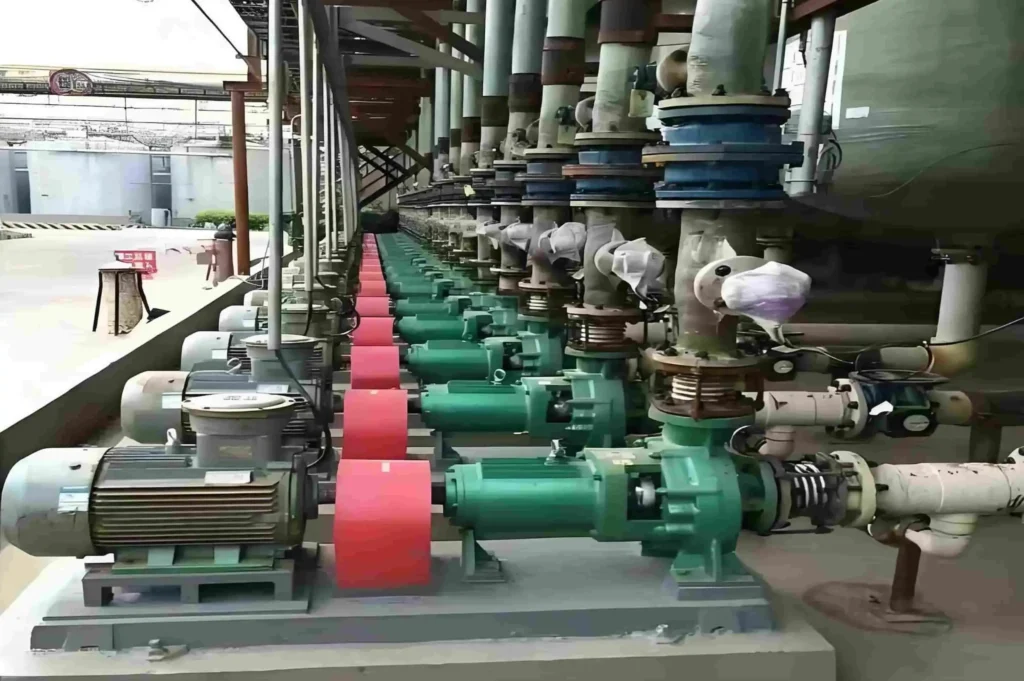
مادة دافعة مضخة الطين.
، ضع في اعتبارك أن الحواف الأمامية لريش الدافعة تتعرض لأعلى تآكل قطع — حدد أصعب مادة متوافقة لهذه المناطق عالية التآكل.
دراسة حالة: إطالة عمر مضخة الطين في تطبيق مخلفات النحاس.
قام منجم نحاس في تشيلي بتشغيل مضخات مخلفات بمكونات طرف رطب من CrMo عالي الكروم. احتوت مخلفات الطين على جسيمات غنية بالكوارتز (صلابة موس 7) من الصخر المضيف — أصعب بكثير من معادن النحاس التي تم تحديد المضخات للتعامل معها. كان استبدال الطرف الرطب مطلوبًا كل 3–4 أشهر، مع تسبب كل استبدال في 36 ساعة من التوقف غير المخطط له وخسائر إنتاجية تقارب $85,000 لكل حدث.
النقطة الرئيسيةأكد الفحص أن سبيكة CrMo (650 HB) كانت تُقطع بواسطة جسيمات الكوارتز الأكثر صلابة (HV 800–1000) مع كل تلامس جسيمي. اختيار المادة — المناسب لخام النحاس — لم يأخذ في الاعتبار محتوى الكوارتز في المخلفات.
قامت مضخة Changyu بترقية مكونات الطرف الرطب إلى سبيكة CrMo من درجة أعلى مع طلاء كروم صلب على الدافعة (HV 850–1050). وفر السطح المطلي بالكروم ميزة صلابة على جسيمات الكوارتز لم تستطع السبيكة الأصلية تحقيقها.
تمدد الفاصل الزمني لاستبدال الطرف الرطب من 3–4 أشهر إلى أكثر من 16 شهرًا — تحسن بمقدار 4–5 أضعاف. تم استرداد علاوة تكلفة المادة في غضون 5 أشهر من خلال التوقف غير المخطط له الذي تم تجنبه.
: يجب أن يأخذ اختيار المادة في الاعتبار أصعب الجسيمات في الطين — وليس المعدن المستهدف الذي يتم استخراجه. منجم نحاس يحتوي على صخر مضيف من الكوارتز يتطلب مواد تآكل مختارة للكوارتز، وليس للكالكوبيريت.
| التطبيق | نوع الخام | التحدي | السلسلة الموصى بها | المواد |
|---|---|---|---|---|
| تصريف الطاحونة | حلول مضخات الطين التعدينية من مضخة Changyu | تصنع مضخة Changyu سلاسل مضخات مهيأة لمجموعة كاملة من تطبيقات الطين التعديني، من تفريغ المطحنة إلى التخلص من المخلفات. | سلسلة PGY | كروم عالي المحتوى (CrMo) |
| اختيار المنتج لتطبيقات التعدين | حلول مضخات الطين التعدينية من مضخة Changyu | الذهب، الحديد | سلسلة PGY | كروم عالي المحتوى (CrMo) |
| تآكل شديد | النحاس | المخلفات (كاشطة) | سلسلة HB | مطاط أو CrMo |
| تآكل عالٍ + رأس عالٍ | النحاس | التآكل | سلسلة UHB | بطانة UHMW-PE |
| الرمال المعدنية | الرمال المعدنية | التآكل | سلسلة HB | CrMo أو مطاط |
سلسلة PGY — مضخة ملاط ثقيلة عالية الرفع
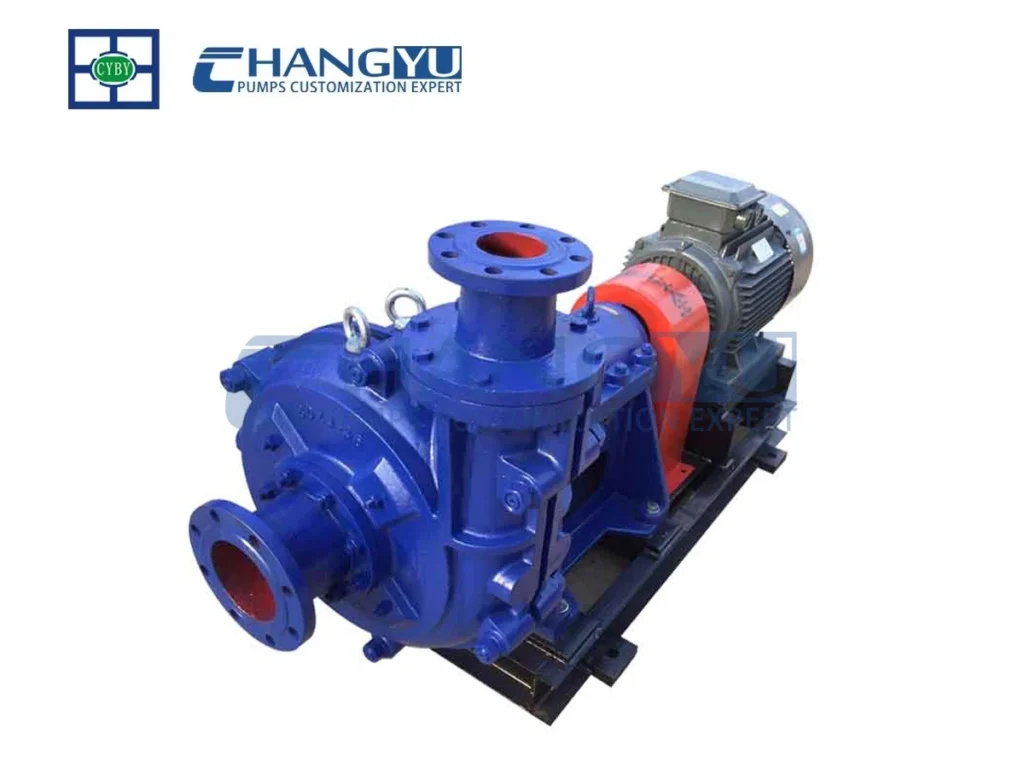
تغذية تعويم النحاس.
| المعلمة | المواصفات |
|---|---|
| معدل التدفق | 117–976 متر مكعب/ساعة |
| الرأس | 1–101.6 متر |
| قوة المحرك | 22–560 كيلوواط |
| المواد | BTMCr27 / BTMCr28 / BTMCr33 / فولاذ مقاوم للصدأ مزدوج |
تآكل معتدل
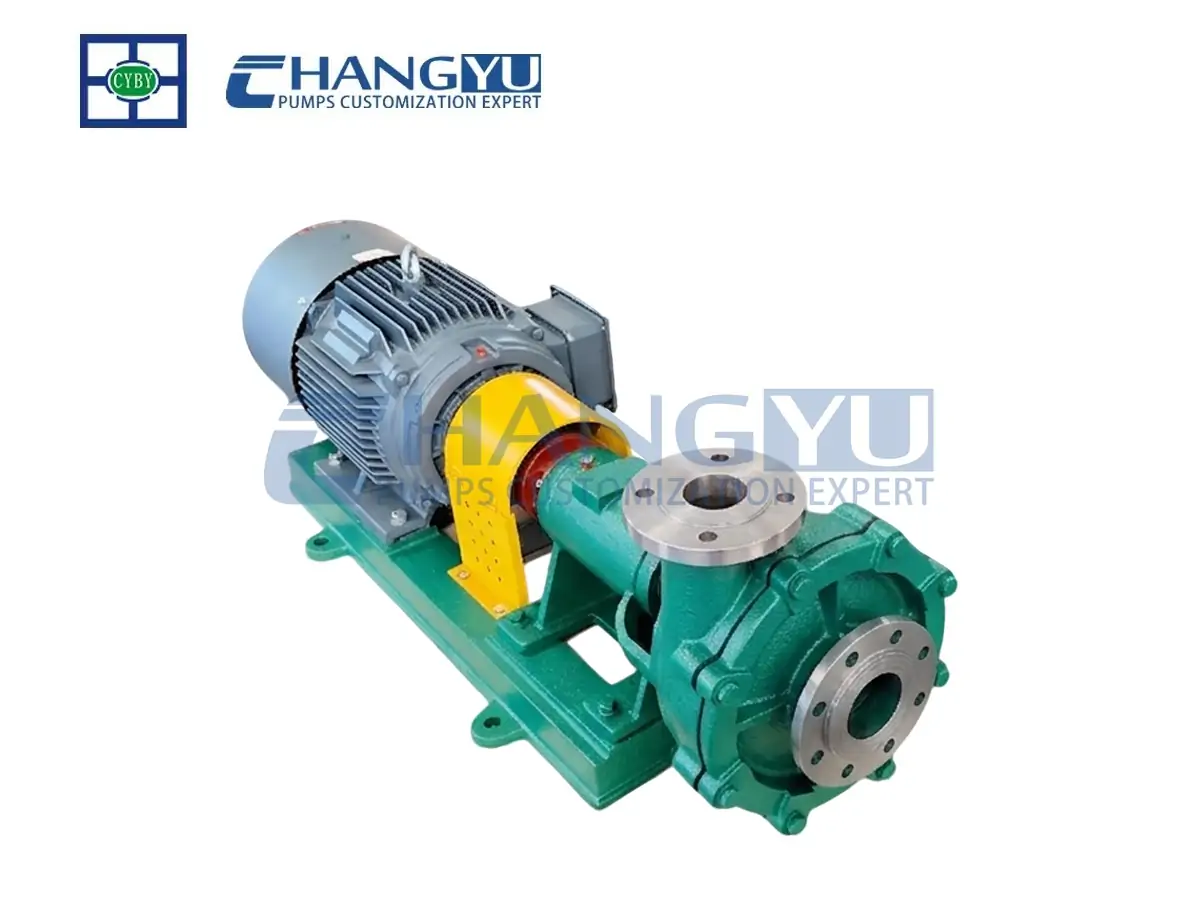
الترشيح بالكومة للنحاس.
| المعلمة | المواصفات |
|---|---|
| معدل التدفق | 10-60 م³/ساعة |
| الرأس | 20-120 m |
| قوة المحرك | 3-45 كيلوواط |
| المواد | 304 / 316L / 2205 / 2507 |
مصممة لظروف الرأس العالي والتآكل الشديد. يسمح التصميم مزدوج الغلاف باستبدال الأجزاء المبتلة دون تفكيك الأنابيب. متوفرة بسبائك عالية الكروم (BTMCr27, Cr28, Cr33) لمخلفات الذهب والحديد والنحاس الكاشطة. أقصى رأس حوالي 100 متر — مناسبة لنقل المخلفات لمسافات طويلة.
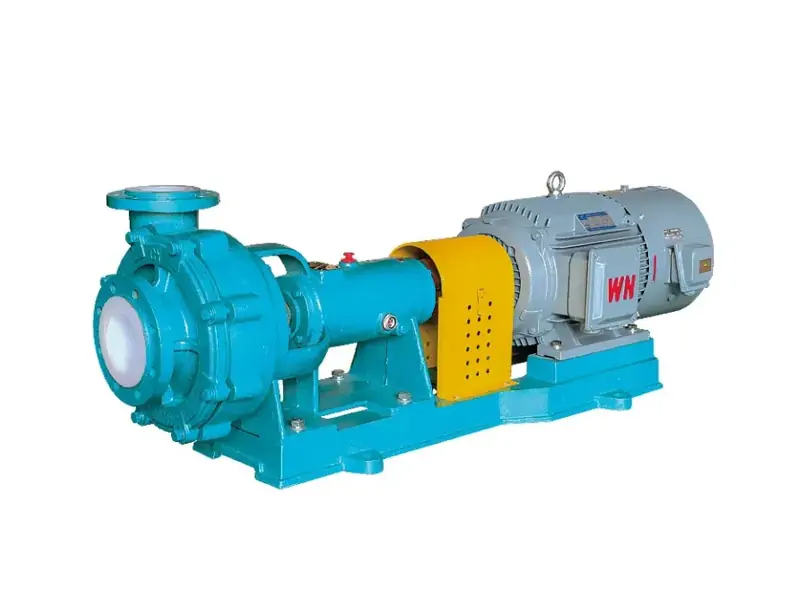
سلسلة HB — مضخة طين من الفولاذ المقاوم للصدأ.
| المعلمة | المواصفات |
|---|---|
| معدل التدفق | 3-2,600 متر مكعب/ساعة |
| الرأس | 5-100 m |
| قوة المحرك | 0.75-300 كيلوواط |
| درجة الحرارة | -20 درجة مئوية إلى 90 درجة مئوية |
| مادة التبطين | UHMW-PE |
الأسئلة الشائعة حول أفضل مضخات الطين لمعالجة الذهب والحديد والنحاس والمعادن
س: ما هي أفضل مضخة طين لتعدين الذهب؟
ج: مضخات الطين الطاردة المركزية المصنوعة من الحديد الأبيض عالي الكروم هي المعيار القياسي لطين الذهب الكاشط الغني بالكوارتز. بالنسبة لمخلفات الذهب المطحونة ناعماً ذات الرقم الهيدروجيني المتعادل، توفر البطانات المطاطية الطبيعية بديلاً فعالاً من حيث التكلفة مع عمر خدمة جيد.
س: هل يمكنني استخدام نفس مضخة الطين لخام الحديد وخام النحاس؟
ج: ليس بدون تعديل. يتطلب خام الحديد سبائك CrMo عالية الكروم لطين الماجنتيت عالي الكثافة والزاوي. قد تستخدم خامات النحاس في دوائر التعويم القلوية بطانات مطاطية؛ بينما تتطلب خامات النحاس في الترشيح الحمضي مواد مقاومة للتآكل مثل الفولاذ المقاوم للصدأ أو المضخات المبطنة.
س: ما هو عمر مكونات الجزء المبلل لمضخة الطين التعدينية؟
ج: يتراوح عمر الجزء المبلل من 3 أشهر إلى أكثر من سنتين اعتماداً على كشط الخام وخصائص الجسيمات واختيار المواد. تحقق سبائك CrMo عالية الكروم في مخلفات خام الحديد عادةً 12–18 شهراً. قد تفشل البطانات المطاطية مع الجسيمات الحادة والزاوية في غضون أسابيع.
س: ما هي مادة التآكل الأفضل لمضخات معالجة المعادن؟
ج: الحديد الأبيض عالي الكروم (CrMo، 600–700 HB) هو الخيار الافتراضي للجسيمات الصلبة والزاوية (الذهب، خام الحديد). يخدم المطاط الطبيعي الجسيمات الدائرية الناعمة في الرقم الهيدروجيني المتعادل (تعويم النحاس، مخلفات الذهب الناعمة). توفر السيراميك أقصى عمر في دوائر الجسيمات الناعمة دون خطر الصدمات.
س: ما هي المعايير المطبقة على مضخات الطين التعدينية؟
A: معايير مضخات الطين التعدينية تشمل ANSI/HI 12.1-12.6، التي تحكم اختيار مضخات الطين واختبار الأداء. يحدد ASTM A532 الحديد الأبيض عالي الكروم للمكونات المبللة. يوفر ISO 9001 شهادة إدارة الجودة الأساسية.
قائمة مراجعة إجراءات الوقاية لمهندسي مضخات تشانغيو
- طابق مادة التآكل مع أصعب جسيم في الطين — وليس المعدن المستهدف. يتطلب صخر الكوارتز المضيف في منجم نحاس مواد مختارة للكوارتز، وليس للكالكوبيريت.
- لا تحدد بطانات مطاطية للجسيمات الزاوية. تقطع جسيمات الماجنتيت والهيماتيت والكوارتز المطاط عند التلامس. احتفظ بالمطاط للجسيمات الدائرية الناعمة في الرقم الهيدروجيني المتعادل.
- حدد خلوص دافع قابل للتعديل في جميع مضخات الطين التعدينية. مع تآكل المكونات المبللة، يعيد ضبط الخلوص الخارجي الكفاءة دون تفكيك المضخة.
- حافظ على سرعة خط الأنابيب فوق سرعة الترسيب الحرجة — عادةً 2.5–4.0 م/ث لطين التعدين. تؤدي السرعات المنخفضة إلى ترسب المواد الصلبة وانسداد خط الأنابيب.
- بالنسبة لدوائر ترشيح النحاس الحمضية، حدد الفولاذ المقاوم للصدأ (316 فقط تحت 30 درجة مئوية)، أو دوبلكس 2205، أو مضخات مبطنة. تتآكل سبائك CrMo عالية الكروم القياسية بسرعة تحت الرقم الهيدروجيني 4.
- احتفظ بمجموعة كاملة من قطع غيار الجزء المبلل في المخزون لكل موضع مضخة حرج. تكلفة الاحتفاظ بها تافهة مقارنة بفقدان الإنتاج أثناء التوقف غير المخطط له.
- اطلب مراجع عمر التآكل من المناجم العاملة ذات خصائص الخام المماثلة. بيانات التآكل المخبرية ليست بديلاً عن الأداء الميداني الموثق.
- قم بإجراء تحليل التكلفة الإجمالية للملكية لمضخة الطين التعدينية لمدة 5 سنوات قبل رفض المواد الممتازة بناءً على التكلفة الأولية. في خدمة التعدين الكاشطة، نادراً ما تكون المضخة الأقل سعراً هي الأقل تكلفة في الملكية.
الخاتمة
أفضل مضخة طين لمعالجة المعادن ليست نموذجاً واحداً — بل هي المضخة المحددة بشكل صحيح للخام والدائرة وظروف التشغيل المحددة. يتطلب معالجة الذهب سبائك CrMo عالية الكروم لمقاومة القطع بواسطة جسيمات الكوارتز الزاوية. يتطلب خام الحديد نفس سبائك الكروم العالية ولكن غالباً في تكوينات مضخات متسلسلة عالية الضغط لنقل المخلفات لمسافات طويلة. ينقسم معالجة النحاس إلى استراتيجيتين ماديتين متميزتين: المطاط أو CrMo للتعويم القلوي، والسبائك المقاومة للتآكل أو المضخات المبطنة للترشيح الحمضي. عبر جميع أنواع الخام، يظهر تحليل التكلفة الإجمالية للملكية باستمرار أن مواد التآكل الممتازة — المختارة لخصائص الخام المحددة — تحقق تكاليف دورة حياة أقل من البدائل العامة.
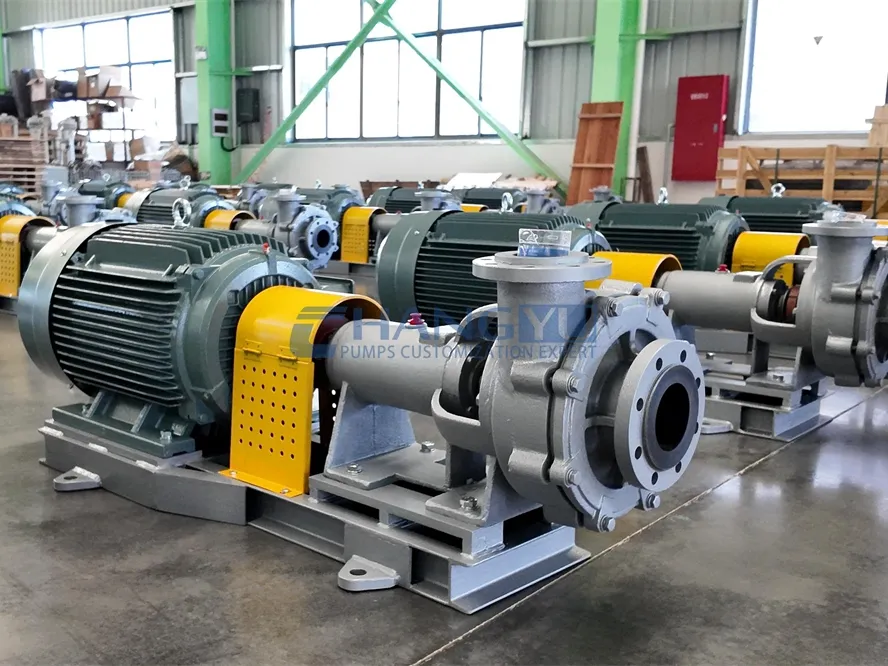
يوفر فريق الهندسة في Changyu Pump تقييمات فنية خاصة بالخام لتطبيقات مضخات الطين التعدينية، مدعوماً بـ 20 عاماً من الخبرة التصنيعية عبر كامل طيف دوائر معالجة المعادن.