
Respuesta Rápida
Las mejores bombas de lodo para procesamiento de oro, hierro, cobre y minerales comparten una base común: construcción centrífuga de servicio pesado con revestimientos desgastables reemplazables. Sin embargo, cada tipo de mineral impone demandas distintas en materiales, diseño del impulsor y configuración de la bomba. Factores clave de selección por tipo de mineral:
- Mineral de oro: La fundición blanca de alto cromo (CrMo, 600–700 HB / aproximadamente HV 600–700) es el estándar para lodos de oro abrasivos ricos en sílice. Los revestimientos de caucho funcionan bien con relaves de oro finamente molidos y de pH neutro.
- Mineral de hierro: Se requiere CrMo de alto cromo — las partículas angulares y de alta densidad de magnetita y hematita cortan rápidamente los revestimientos de caucho. A menudo se necesitan configuraciones de bombas de alta presión para el transporte de relaves a larga distancia.
- Mineral de cobre: La selección del material depende del circuito del proceso. Los circuitos de flotación alcalinos permiten revestimientos de caucho; la lixiviación ácida en pilas exige aleaciones resistentes a la corrosión o bombas revestidas.
- Procesamiento de minerales: En todos los tipos de mineral, el costo total de propiedad está dominado por la frecuencia de reemplazo de las partes húmedas y el tiempo de inactividad no planificado — no por el precio de compra inicial.
Las bombas para procesamiento de minerales manejan lodos que destruyen bombas industriales estándar en semanas. La combinación de partículas duras y angulares, altas densidades de lodo y, a menudo, agua de proceso corrosiva crea un entorno de desgaste donde la selección de materiales y el diseño de la bomba determinan si una bomba opera de manera confiable durante 18 meses o falla en 8 semanas. Una mina de oro con mineral rico en cuarzo, un concentrador de mineral de hierro con lodo denso de magnetita y una mina de cobre con lixiviación ácida en pilas requieren cada una especificaciones de bomba diferentes — aunque las tres estén clasificadas como “bombas para lodos.”
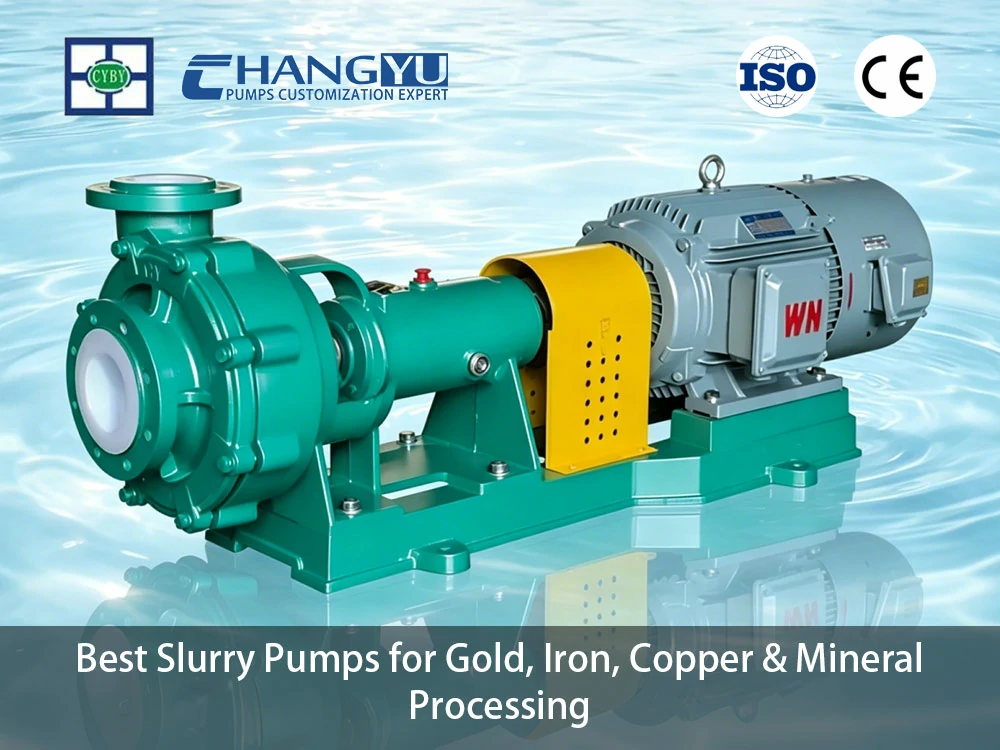
Bomba Changyu ha fabricado bombas de lodo para aplicaciones de minería y procesamiento de minerales en todo el espectro de tipos de mineral. Esta guía proporciona recomendaciones de bombas específicas para cada mineral, orientación sobre selección de materiales y el marco de TCO para evaluar inversiones en bombas de lodo en circuitos de procesamiento de minerales de, y oro, hierro y cobre.
¿Qué Hace que los Lodos de Procesamiento de Minerales Sean Tan Abrasivos para las Bombas de Lodo?
Los lodos de procesamiento de minerales someten los componentes de la bomba a cuatro mecanismos de desgaste simultáneos. La contribución relativa de cada mecanismo varía según el tipo de mineral, y esta variación impulsa la selección del material.
- Desgaste por corte: Las partículas afiladas y angulares se deslizan sobre las superficies de la bomba en ángulos poco profundos, eliminando material mediante microcorte. Dominante en lodos de oro y mineral de hierro con alto contenido de sílice.
- Desgaste por erosión: Las partículas finas arrastradas en el flujo de alta velocidad impactan las superficies repetidamente, causando una pérdida gradual de material. Presente en todos los lodos minerales; más severo en circuitos de alimentación de ciclones y relaves.
- Desgaste por impacto: Las partículas grandes golpean las superficies de la bomba en ángulos pronunciados, causando deformación plástica o fractura frágil. Más significativo en aplicaciones de descarga de molinos y sumideros de chancadoras.
- Sinergia corrosión-erosión: El agua de proceso ácida o los agentes de lixiviación atacan la superficie del material de la bomba, formando una capa debilitada que luego las partículas abrasivas eliminan. Más significativo en la lixiviación ácida en pilas de cobre y algunos circuitos CIL/CIP de oro.
Notas: El mecanismo de desgaste dominante determina el material de desgaste óptimo.
¿Qué Bombas de Lodo Son las Mejores para Aplicaciones de Minería de Oro?
El procesamiento de mineral de oro presenta una combinación única de desafíos: el mineral típicamente contiene cuarzo (Mohs 7), que es más duro que los materiales de bomba estándar. El oro a menudo se procesa mediante lixiviación con cianuro, lo que introduce requisitos de compatibilidad química. Y el mineral de oro se muele con frecuencia finamente para maximizar la recuperación, produciendo lodos abrasivos con altas concentraciones de sólidos.
Tipo de bomba recomendado: Bomba centrífuga de lodo horizontal con componentes de la parte húmeda de CrMo de alto cromo.
Material de desgaste primario: Fundición blanca de alto cromo (26–28% Cr, 600–700 HB). Los carburos de cromo duros resisten el corte por partículas angulares de cuarzo. Para relaves finamente molidos y de pH neutro, los revestimientos de caucho natural proporcionan una alternativa económica — la resiliencia del caucho absorbe el impacto de las partículas finas sin cortarse.
Circuitos de minería de oro y requisitos de la bomba:
| Circuito | Sólidos | Tamaño de las partículas | Severidad del Desgaste | Material |
|---|---|---|---|---|
| Descarga del molino | 40–70% | Hasta 25 mm | Extremo | CrMo de alto cromo |
| Alimentación por ciclón | 40–60% | Hasta 25 mm | Extremo | CrMo de alto cromo |
| Alimentación de lixiviación (CIL/CIP) | 40–50% | < 150 μm | Moderado | Caucho (finamente molido, pH neutro); CrMo de alto cromo (partículas gruesas o angulares) |
| Relaves | 30–45% | < 1 mm | De moderado a alto | CrMo o caucho |
Ingenieros de Changyu Pump señalan: Los relaves de oro a menudo contienen cianuro residual, que no ataca directamente los materiales de la bomba, pero requiere consideración para la selección del sello y los procedimientos de seguridad de mantenimiento. Los sellos mecánicos dobles con fluido de barrera y materiales de sello compatibles con cianuro proporcionan una contención confiable para lodos que contienen cianuro.
¿Qué Bombas de Lodo Son las Mejores para el Procesamiento de Mineral de Hierro?
El mineral de hierro (hematita, magnetita) presenta el entorno abrasivo más exigente en el procesamiento de minerales. Las partículas de magnetita tienen una dureza Mohs de 5.5–6.5 con una morfología angular de bordes afilados. Las densidades de lodo se encuentran entre las más altas en la minería — típicamente 1.5–1.8 SG — imponiendo cargas extremas en los cojinetes y ejes de la bomba. Los concentradores de mineral de hierro también requieren transporte de relaves a larga distancia, lo que exige capacidad de bomba de alta presión.
Tipo de bomba recomendado: Bomba centrífuga de lodo horizontal de servicio pesado con parte húmeda de CrMo de alto cromo, cojinetes sobredimensionados y espacio libre del impulsor ajustable.
Material de desgaste primario: Se requiere fundición blanca de alto cromo. El caucho natural y el poliuretano no son adecuados — las partículas angulares de magnetita y hematita cortan los elastómeros al contacto. La única decisión de material es el grado específico de CrMo (típicamente 26–28% Cr, 600–700 HB) y si se debe especificar cromado duro en el impulsor para una vida útil adicional del desgaste.
Circuitos de mineral de hierro y requisitos de la bomba:
| Circuito | Sólidos | Requisito de Altura | Severidad del Desgaste | Configuración |
|---|---|---|---|---|
| Descarga del molino | 40–70% | 30–60 m | Extremo | CrMo de una sola etapa |
| Alimentación del separador magnético | 30–50% | 15–25 m | Alto | CrMo de una sola etapa |
| Transferencia de concentrado | 40–60% | 20–40 m | Alto | CrMo de una sola etapa |
| Relaves (corta distancia) | 30–50% | 20–40 m | Alto | CrMo de una sola etapa |
| Relaves (larga distancia) | 30–50% | 50–150+ m | Alto | Configuración en serie (múltiples bombas de una sola etapa) |
¿Qué Bombas de Lodo Son las Mejores para la Minería de Cobre?
El procesamiento de mineral de cobre abarca dos entornos químicos fundamentalmente diferentes. En el circuito de flotación, la pulpa es alcalina (pH 9–11) y los minerales de cobre (calcopirita, Mohs 3.5–4) son relativamente blandos. En el circuito de lixiviación en pilas, la solución de ácido sulfúrico (pH 1.5–3) crea un entorno corrosivo que las aleaciones estándar de alto cromo no pueden soportar. La selección de la bomba debe distinguir entre estos dos circuitos.
Circuito de flotación alcalina:
- Tipo de bomba recomendado: Bomba centrífuga horizontal para pulpa
- Material de desgaste: Los revestimientos de caucho funcionan bien con concentrado de cobre fino y no abrasivo en pH alcalino. El CrMo de alto cromo es una alternativa para la alimentación de flotación más gruesa.
- Consideración clave: La espuma de flotación puede arrastrar aire en la pulpa; la bomba debe manejar un contenido moderado de gas sin perder el cebado.
Circuito de lixiviación ácida en pilas:
- Tipo de bomba recomendado: Bomba centrífuga de acero inoxidable o revestida
- Material de desgaste: El CrMo estándar se corroe rápidamente en ácido sulfúrico por debajo de pH 4. Especifique acero inoxidable 316 (baja temperatura, solo < 30°C); dúplex 2205; o bombas revestidas de UHMW-PE para resistencia a ácidos.
- Consideración clave: Las soluciones de lixiviación suelen tener bajo contenido de sólidos (solución rica en lixiviación) o contienen sólidos finos precipitados. El desgaste es secundario a la resistencia a la corrosión.
Circuitos de cobre y requisitos de la bomba:
| Circuito | pH | Severidad del Desgaste | Riesgo de corrosión | Material |
|---|---|---|---|---|
| Alimentación de flotación | 9–11 | Moderado | Bajo | Caucho o CrMo |
| Transferencia de concentrado | 9–11 | Alto | Bajo | CrMo de alto cromo |
| Alimentación de lixiviación en pilas (ácida) | 5–3 | De bajo a moderado | Alto | Acero inoxidable 316 (< 30°C) / Dúplex 2205 / Revestido de UHMW-PE |
| Relaves | Variable | De moderado a alto | Moderado | CrMo o caucho |
¿Cómo seleccionar el material de desgaste adecuado para bombas de pulpa mineras?
Los tres materiales de desgaste principales — hierro blanco de alto cromo, caucho natural y cerámica — cada uno sirve para una ventana operativa distinta. La decisión de selección está impulsada por la dureza del mineral, la forma de las partículas, el pH de la pulpa y la presencia de impacto de partículas grandes. Esta es la base de una selección efectiva del material de desgaste de la bomba de pulpa.
Hierro blanco de alto cromo (CrMo):
- Dureza: 600–700 HB / aproximadamente HV 600–700. Mecanismo de desgaste: La dureza resiste el corte.
- Mejor para: Partículas angulares y duras (Mohs > 5) — oro, hierro y minerales de cobre gruesos.
- Limitaciones: Se corroe en pulpas ácidas por debajo de pH 4. No es adecuado para la lixiviación en pilas de cobre.
Caucho natural:
- Dureza: < 50 HB (depende de la resiliencia, no de la dureza).
- Mejor para: Partículas finas y redondeadas (Mohs < 4) en pH neutro — colas finas de flotación de cobre, colas finas de oro.
- Limitaciones: Se corta con partículas afiladas y angulares. Límite de temperatura 70°C.
Cerámica (SiC / Al₂O₃):
- Dureza: HV 1500–2800. Mecanismo de desgaste: La dureza extrema resiste el corte.
- Mejor para: Pulpas muy finas y sin impacto — arenas minerales, colas finas.
- Limitaciones: Frágil — se fractura bajo el impacto de partículas > 1–2 mm. Costo más alto.
Matriz de selección de materiales para pulpas mineras:
| Tipo de Mineral | Dureza de la partícula (Mohs) | Forma de Partícula | pH | Material recomendado |
|---|---|---|---|---|
| Oro (rico en cuarzo) | 7.0 | Angular | 5–9 | CrMo de alto cromo |
| Oro (colas finas) | 7.0 | Fino, redondeado | 5–9 | Caucho (si pH neutro) |
| Mineral de hierro (magnetita) | 5–6.5 | Angular | 6–8 | CrMo de alto cromo |
| Cobre (flotación) | 5–4.0 | Mixto | 9–11 | Caucho o CrMo |
| Cobre (lixiviación en pilas) | 5–4.0 | Fino | 5–3 | Acero inoxidable 316 (< 30°C) / Dúplex 2205 / Revestido de UHMW-PE |
| Arenas minerales | 0–6.5 | Redondeada | 6–8 | CrMo de alto cromo (preferido); Caucho (aceptable para fino, < 100 μm con vida útil reducida) |
Los ingenieros de Changyu Pump recomiendan: Haga coincidir el material de desgaste con las partículas más duras y afiladas en la pulpa — no el promedio. Una mina de cobre con colas ricas en cuarzo requiere materiales seleccionados para cuarzo (Mohs 7), no para mineral de cobre (Mohs 3.5–4). Este único principio previene la causa más común de falla prematura del extremo húmedo en bombas de procesamiento de minerales. Al seleccionar material del impulsor de la bomba de pulpa, considere que los bordes de ataque de los álabes del impulsor experimentan el mayor desgaste por corte — especifique el material compatible más duro para estas zonas de alto desgaste.
Estudio de caso: Extensión de la vida útil de la bomba de pulpa en una aplicación de colas de cobre
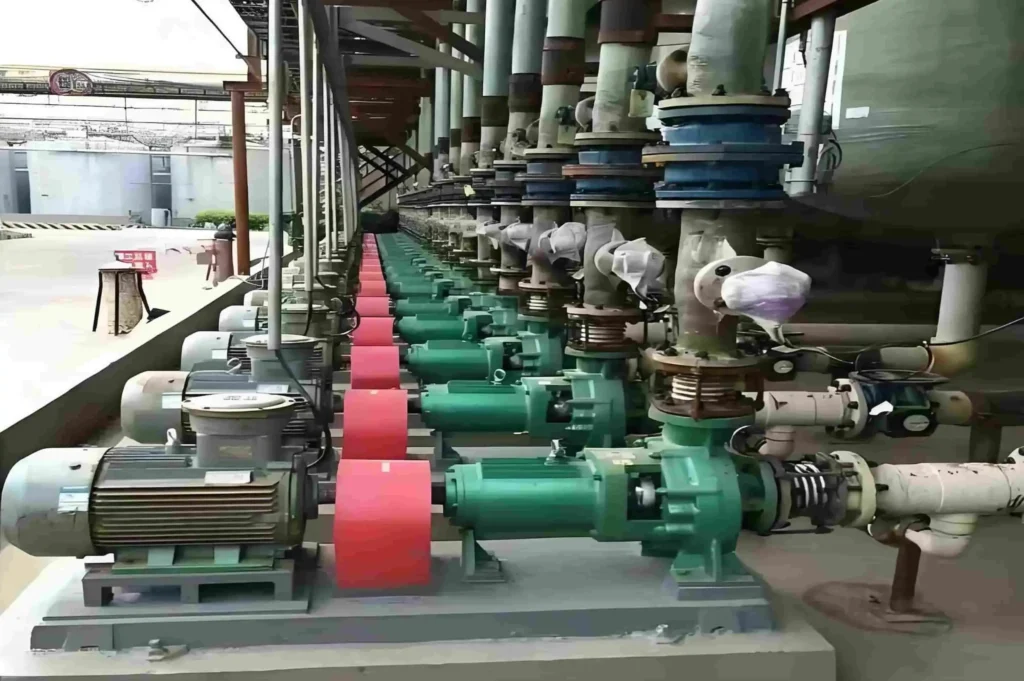
Una mina de cobre en Chile operaba bombas de colas con componentes de extremo húmedo de CrMo de alto cromo. La pulpa de colas contenía partículas ricas en cuarzo (Mohs 7) de la roca huésped — significativamente más duras que los minerales de cobre para los que se habían especificado las bombas. Se requería reemplazo del extremo húmedo cada 3–4 meses, causando cada reemplazo 36 horas de tiempo de inactividad no planificado y pérdidas de producción de aproximadamente $85,000 por evento.
La inspección confirmó que la aleación CrMo (650 HB) estaba siendo cortada por las partículas de cuarzo más duras (HV 800–1000) con cada contacto de partícula. La selección del material — apropiada para mineral de cobre — no había tenido en cuenta el contenido de cuarzo en las colas.
Changyu Pump actualizó los componentes del extremo húmedo a una aleación CrMo de grado superior con cromado duro en el impulsor (HV 850–1050). La superficie cromada proporcionó una ventaja de dureza sobre las partículas de cuarzo que la aleación original no podía lograr.
El intervalo de reemplazo del extremo húmedo se extendió de 3–4 meses a más de 16 meses — una mejora de 4–5×. La prima de costo del material se recuperó en 5 meses a través del tiempo de inactividad no planificado eliminado.
Conclusión clave: La selección del material debe tener en cuenta las partículas más duras en la pulpa — no el mineral objetivo que se está recuperando. Una mina de cobre con roca huésped de cuarzo requiere materiales de desgaste seleccionados para cuarzo, no para calcopirita.
Soluciones de bombas de pulpa mineras de Changyu Pump
Changyu Pump fabrica series de bombas configuradas para todo el espectro de aplicaciones de pulpa minera, desde la descarga del molino hasta la disposición de colas.
Selección de productos para aplicaciones mineras
| Solicitud | Tipo de Mineral | Desafío | Series recomendadas | Material |
|---|---|---|---|---|
| Descarga del molino | Oro, hierro | Desgaste extremo | Serie PGY | CrMo de alto cromo |
| Colas (abrasivas) | Oro, hierro | Alto desgaste + alta altura | Serie PGY | CrMo de alto cromo |
| Alimentación de flotación de cobre | Cobre | Desgaste moderado | Serie HB | Caucho o CrMo |
| Lixiviación en pilas de cobre | Cobre | Corrosión | Serie UHB | Revestido de UHMW-PE |
| Arenas minerales | Arenas minerales | Abrasión | Serie HB | CrMo o caucho |
Serie PGY — Bomba de pulpa de alta altura y servicio pesado
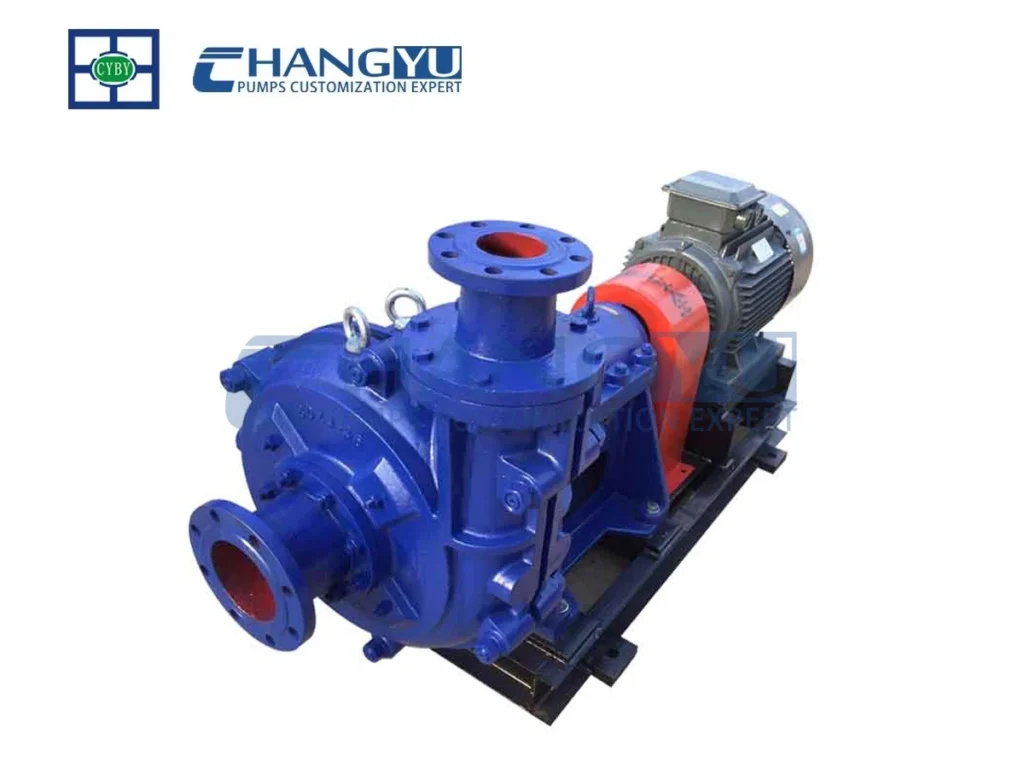
Diseñada para condiciones de alta altura y desgaste severo. El diseño de doble carcasa permite el reemplazo de las piezas mojadas sin desmontar la tubería. Disponible en aleaciones de alto cromo (BTMCr27, Cr28, Cr33) para colas abrasivas de oro, hierro y cobre. Altura máxima de aproximadamente 100 metros — adecuada para el transporte de colas a larga distancia.
| Parámetro | Especificaciones |
|---|---|
| Caudal | 117–976 m³/h |
| Cabeza | 1–101.6 m |
| Potencia del motor | 22–560 kW |
| Materiales | BTMCr27 / BTMCr28 / BTMCr33 / acero inoxidable dúplex |
Serie HB — Bomba de pulpa de acero inoxidable
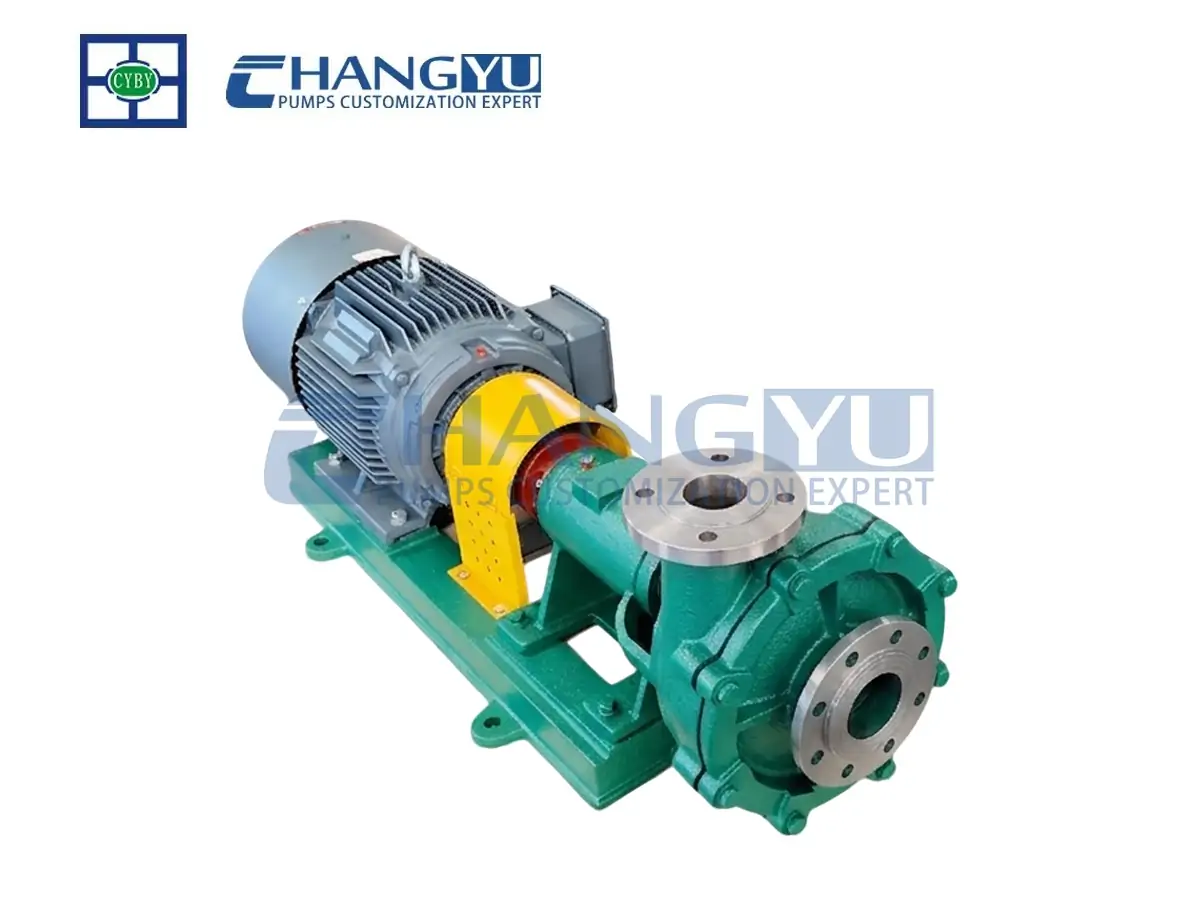
Bomba centrífuga horizontal conforme a ISO 2858 con construcción mojada totalmente de acero inoxidable. Adecuada para circuitos de flotación de cobre, pulpas de abrasión moderada y aplicaciones donde se requiere resistencia a la corrosión junto con resistencia al desgaste. Disponible en grados 304, 316L, 2205 y 2507.
| Parámetro | Especificaciones |
|---|---|
| Caudal | 10–60 m³/h |
| Cabeza | 20–120 m |
| Potencia del motor | 3–45 kW |
| Materiales | 304 / 316L / 2205 / 2507 |
Serie UHB — Bomba de pulpa química revestida de UHMW-PE
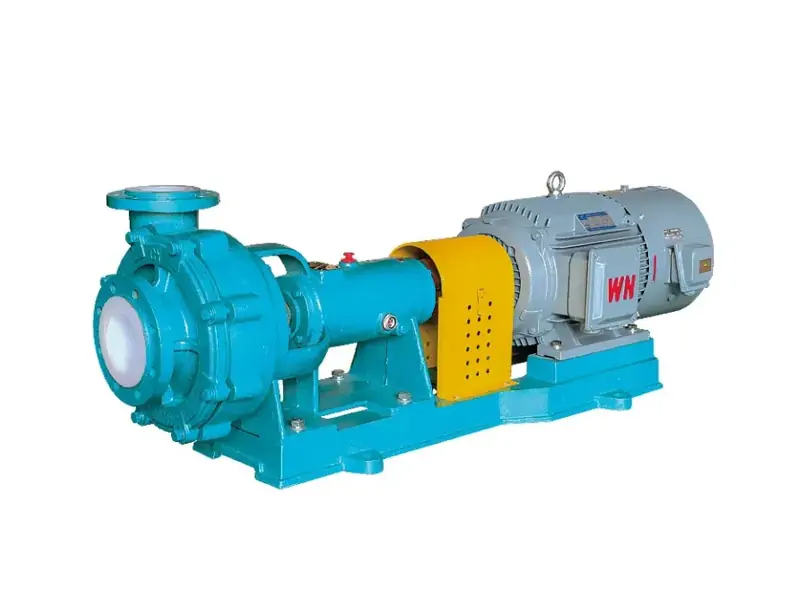
Bomba centrífuga de acero revestido con PE-UHMW para soluciones ácidas de lixiviación de cobre y lodos minerales corrosivos. El PE-UHMW proporciona una excelente resistencia al ácido sulfúrico en concentraciones y temperaturas típicas de la lixiviación en pilas de cobre, combinada con resistencia a la abrasión para sólidos finos.
| Parámetro | Especificaciones |
|---|---|
| Caudal | 3–2 600 m³/h |
| Cabeza | 5–100 m |
| Potencia del motor | 0,75–300 kW |
| Temperatura | De -20 °C a 90 °C |
| Material del forro | UHMW-PE |
Preguntas frecuentes sobre las mejores bombas de lodos para procesamiento de oro, hierro, cobre y minerales
P: ¿Cuál es la mejor bomba de lodos para la minería de oro?
R: Las bombas de lodos centrífugas de hierro blanco con alto cromo son el estándar para lodos de mineral de oro abrasivos y ricos en cuarzo. Para relaves de oro molidos finamente y con pH neutro, los revestimientos de caucho natural ofrecen una alternativa rentable con buena vida útil frente al desgaste.
P: ¿Puedo usar la misma bomba de lodos para mineral de hierro y mineral de cobre?
R: No sin modificaciones. El mineral de hierro requiere CrMo de alto cromo para lodos de magnetita angulares y de alta densidad. El mineral de cobre en circuitos de flotación alcalinos puede usar revestimientos de caucho; el mineral de cobre en lixiviación ácida en pilas requiere materiales resistentes a la corrosión, como acero inoxidable o bombas revestidas.
P: ¿Cuánto duran los componentes del lado húmedo de las bombas de lodos mineras?
R: La vida útil del lado húmedo varía de 3 meses a más de 2 años, dependiendo de la abrasividad del mineral, las características de las partículas y la selección del material. El CrMo de alto cromo en relaves de mineral de hierro suele alcanzar de 12 a 18 meses. Los revestimientos de caucho con partículas angulares y afiladas pueden fallar en semanas.
P: ¿Qué material de desgaste es mejor para las bombas de procesamiento de minerales?
R: El hierro blanco con alto cromo (CrMo, 600–700 HB) es la opción predeterminada para partículas duras y angulares (oro, mineral de hierro). El caucho natural sirve para partículas finas y redondeadas en pH neutro (flotación de cobre, relaves finos de oro). Las cerámicas proporcionan la máxima vida útil en circuitos de partículas finas sin riesgo de impacto.
P: ¿Qué normas se aplican a las bombas de lodos mineras?
R: Las normas para bombas de lodos mineras incluyen ANSI/HI 12.1-12.6, que rige la selección y las pruebas de rendimiento de bombas de lodos. ASTM A532 define el hierro blanco con alto cromo para componentes del lado húmedo. ISO 9001 proporciona la certificación de gestión de calidad de referencia.
Lista de verificación de prevención del ingeniero de Changyu Pump
- Haga coincidir el material de desgaste con la partícula más dura del lodo, no con el mineral objetivo. La roca huésped de cuarzo en una mina de cobre requiere materiales seleccionados para el cuarzo, no para la calcopirita.
- No especifique revestimientos de caucho para partículas angulares. Las partículas de magnetita, hematita y cuarzo cortan el caucho al contacto. Reserve el caucho para partículas finas y redondeadas en pH neutro.
- Especifique un ajuste de separación del impulsor en todas las bombas de lodos mineras. A medida que los componentes del lado húmedo se desgastan, el ajuste externo de la separación restaura la eficiencia sin desmontar la bomba.
- Mantenga la velocidad de la tubería por encima de la velocidad de sedimentación crítica, típicamente de 2.5 a 4.0 m/s para lodos mineros. Las velocidades más bajas causan sedimentación de sólidos y obstrucción de la tubería.
- Para circuitos de lixiviación ácida de cobre, especifique acero inoxidable (solo 316 por debajo de 30 °C), dúplex 2205 o bombas revestidas. El CrMo de alto cromo estándar se corroe rápidamente por debajo de pH 4.
- Mantenga un conjunto completo de repuesto del lado húmedo en inventario para cada posición crítica de la bomba. El costo de mantenimiento es insignificante en comparación con la pérdida de producción durante un tiempo de inactividad no planificado.
- Solicite referencias de vida útil por desgaste de minas en operación con características de mineral similares. Los datos de desgaste de laboratorio no sustituyen el rendimiento documentado en campo.
- Realice un análisis de TCO (costo total de propiedad) a 5 años de la bomba de lodos minera antes de rechazar materiales premium basándose en el costo inicial. En servicio minero abrasivo, la bomba de menor precio rara vez es la menos costosa de poseer.
Conclusión
La mejor bomba de lodos para el procesamiento de minerales no es un solo modelo: es la bomba correctamente especificada para el mineral, el circuito y las condiciones operativas específicas. El procesamiento de oro exige CrMo de alto cromo para resistir el corte de partículas angulares de cuarzo. El mineral de hierro requiere las mismas aleaciones de alto cromo, pero a menudo en configuraciones de bombas en serie de alta presión para el transporte de relaves a larga distancia. El procesamiento de cobre se divide en dos estrategias de material distintas: caucho o CrMo para flotación alcalina, y aleaciones resistentes a la corrosión o bombas revestidas para lixiviación ácida en pilas. En todos los tipos de mineral, el análisis de TCO demuestra consistentemente que los materiales de desgaste premium, seleccionados para las características específicas del mineral, ofrecen costos de ciclo de vida más bajos que las alternativas genéricas.
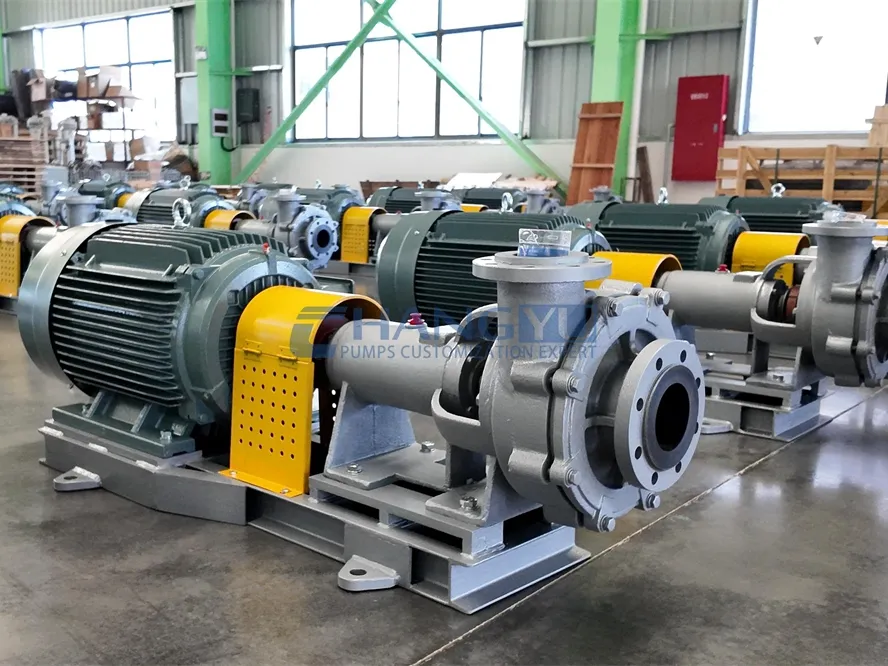
El equipo de ingeniería de Changyu Pump proporciona evaluaciones técnicas específicas para cada mineral en aplicaciones de bombas de lodos mineras, respaldado por 20 años de experiencia en fabricación en todo el espectro de circuitos de procesamiento de minerales.
Contacte a Changyu Pump para una evaluación técnica gratuita →