

| Products
Product Categories
Request a Quote
Sulfuric Acid Pump Manufacturer in China
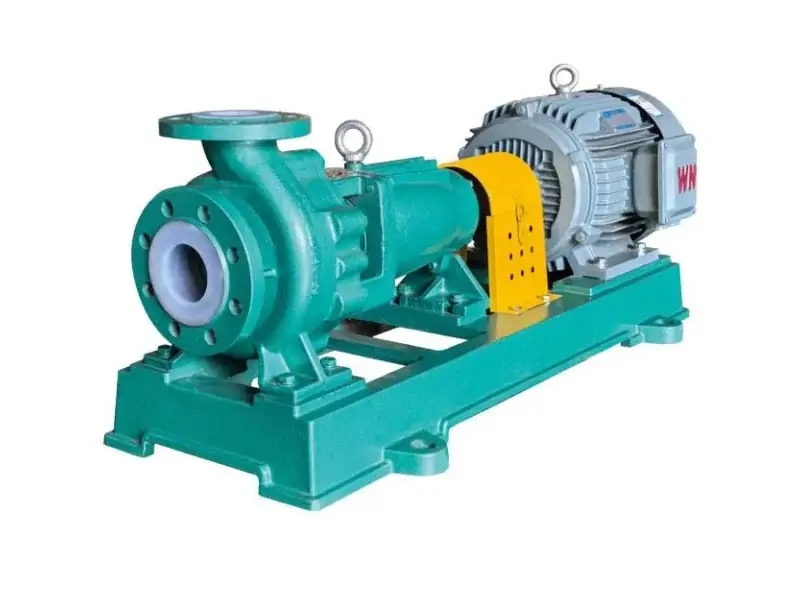
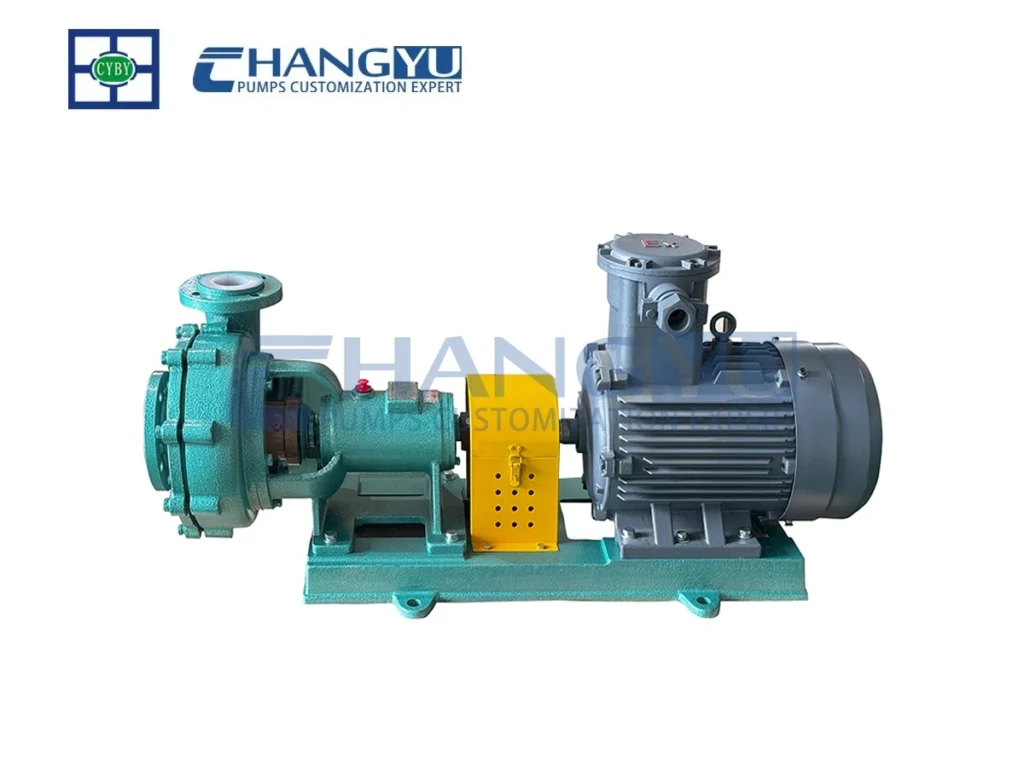
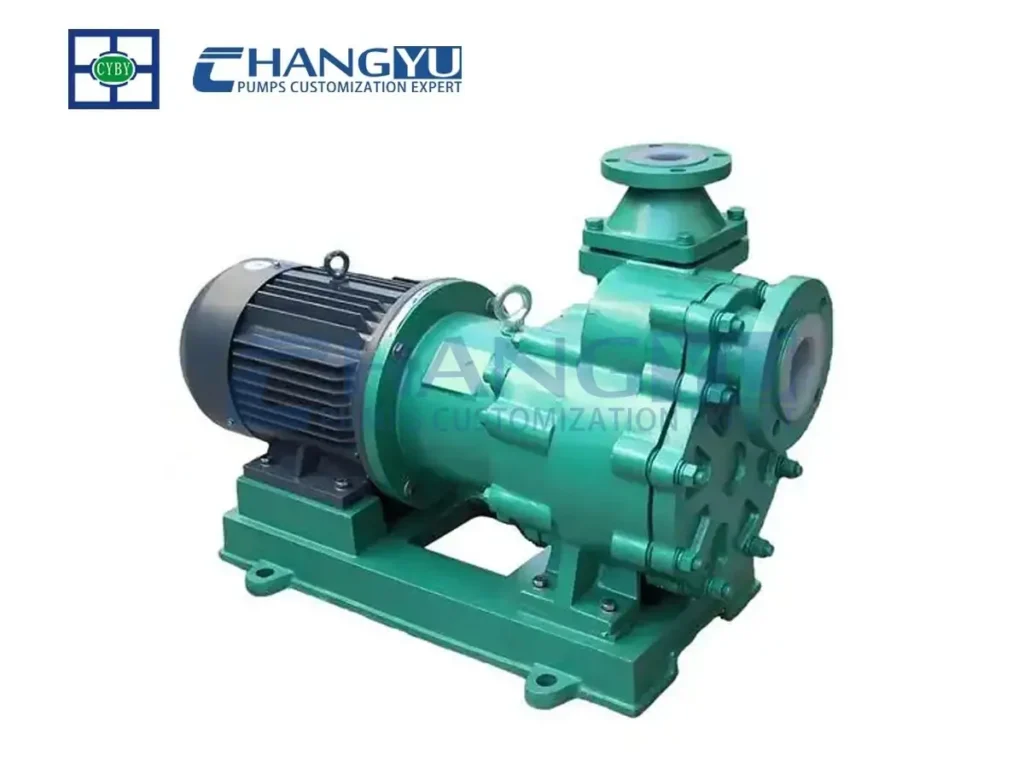
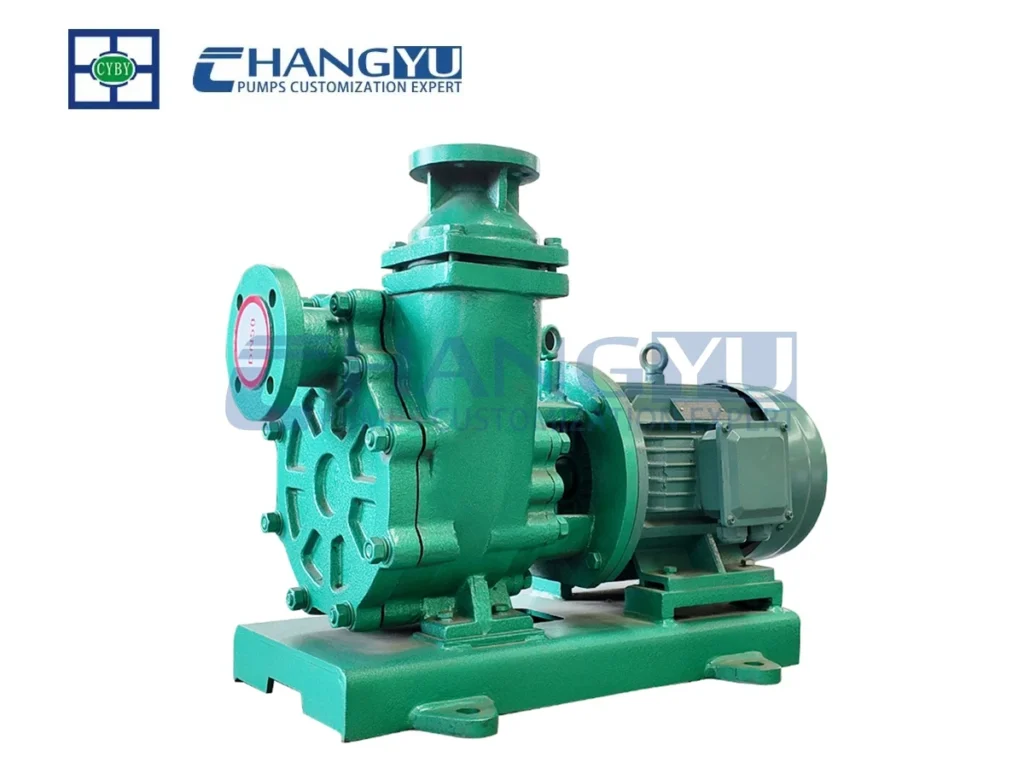
Changyu Pump provides high-performance sulfuric acid pumps designed for the safe and reliable transfer of sulfuric acid, concentrated sulfuric acid, and corrosive chemical liquids. Our sulfuric acid pump solutions use advanced corrosion-resistant materials including fluoroplastics (PTFE, FEP, PFA), UHMWPE, and stainless steel to withstand aggressive chemical environments, high temperatures, and demanding industrial applications.
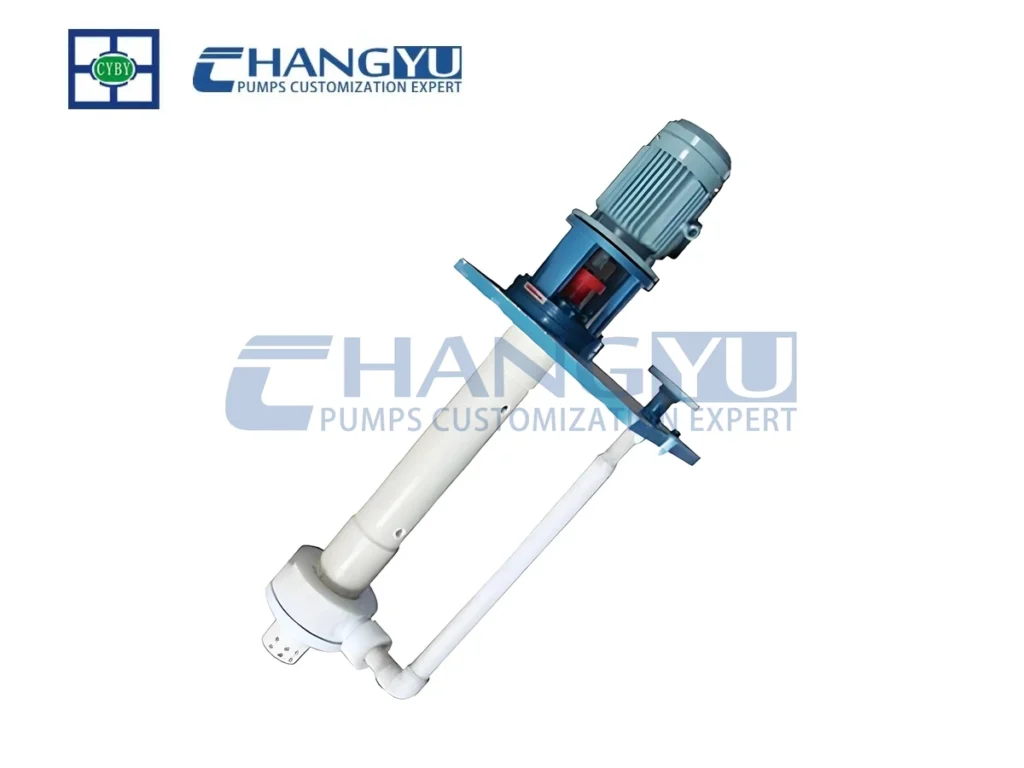
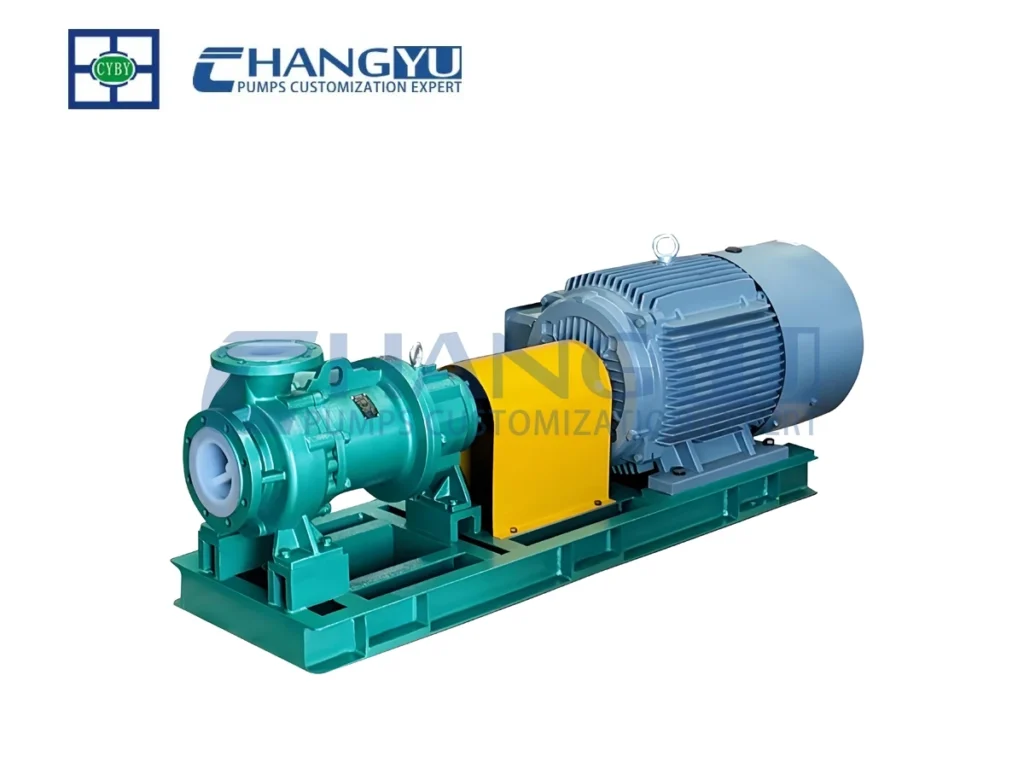
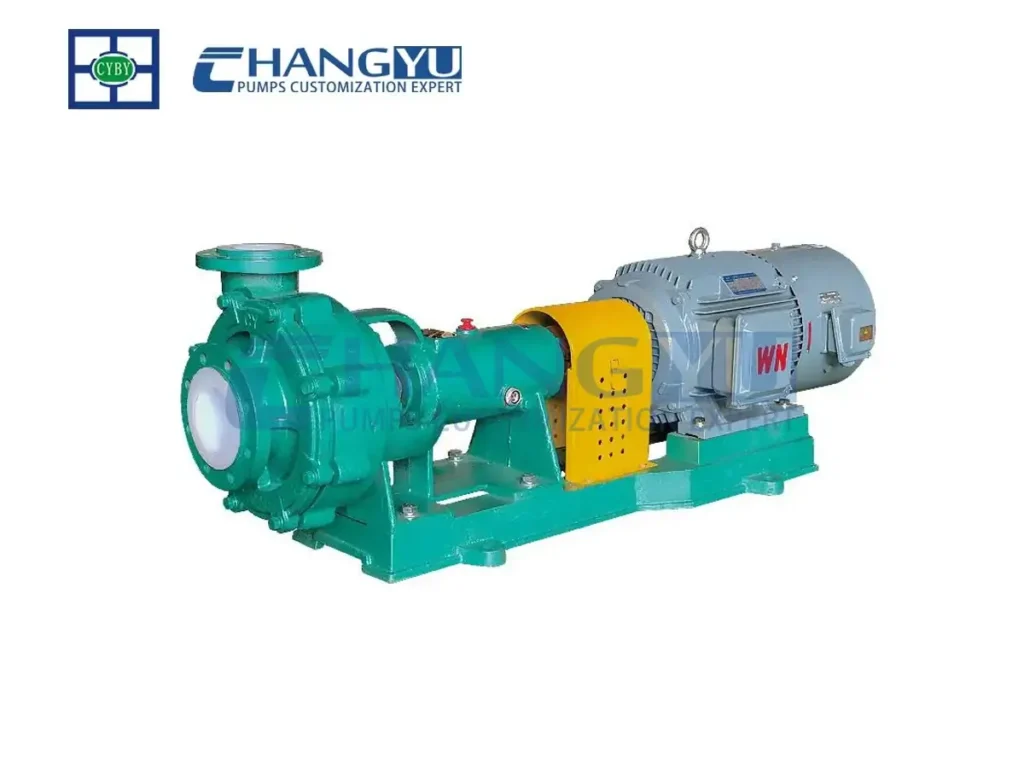
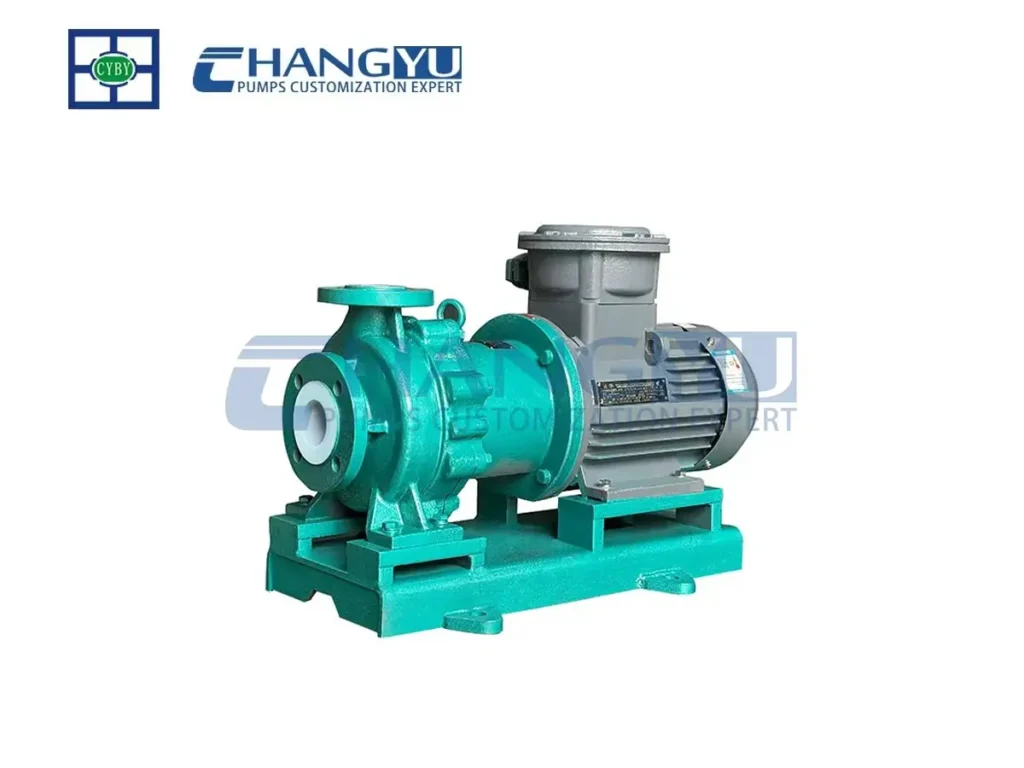
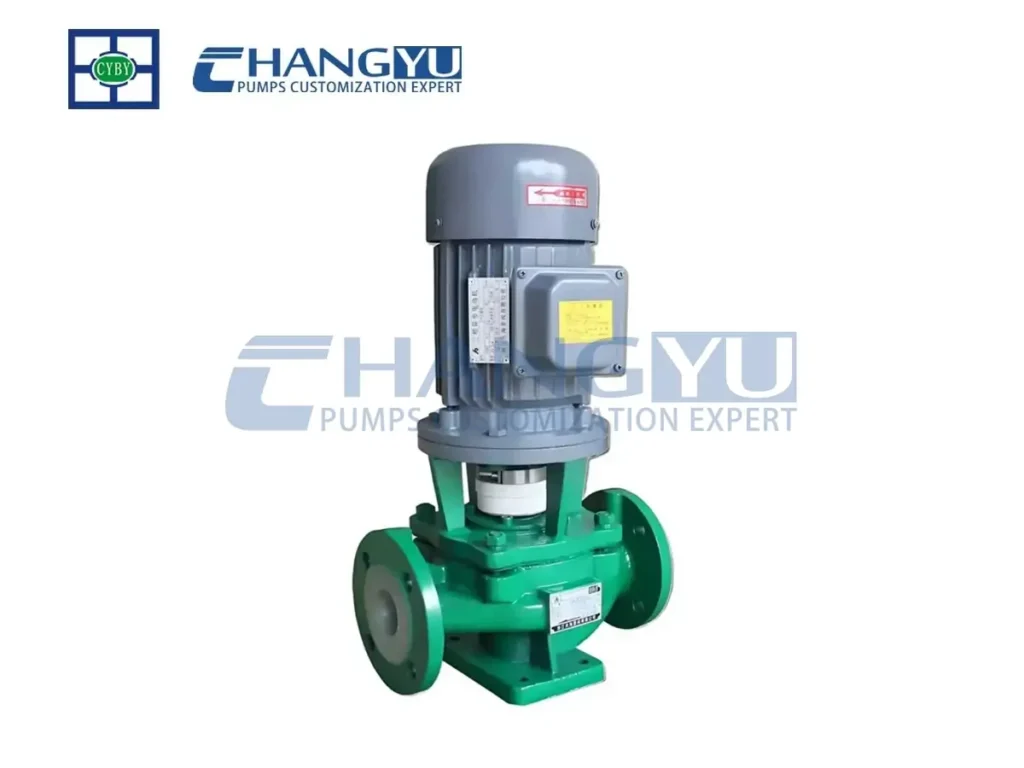
With different pump structures including centrifugal pumps, magnetic drive pumps, slurry pumps, and vertical chemical pumps, Changyu provides customized sulfuric acid transfer solutions for chemical processing, fertilizer production, metallurgy, mining, lithium battery manufacturing, and wastewater treatment industries.


Email: [email protected]
TEL/WA: +86-13651913727
Sulfuric Acid Pump Solutions
Sulfuric acid applications vary significantly from one industry to another. A pump that works well for diluted sulfuric acid may not be suitable for concentrated acid at high temperatures.
Based on different operating conditions, Changyu provides several types of sulfuric acid transfer pumps.
Fluoroplastic Sulfuric Acid Centrifugal Pump
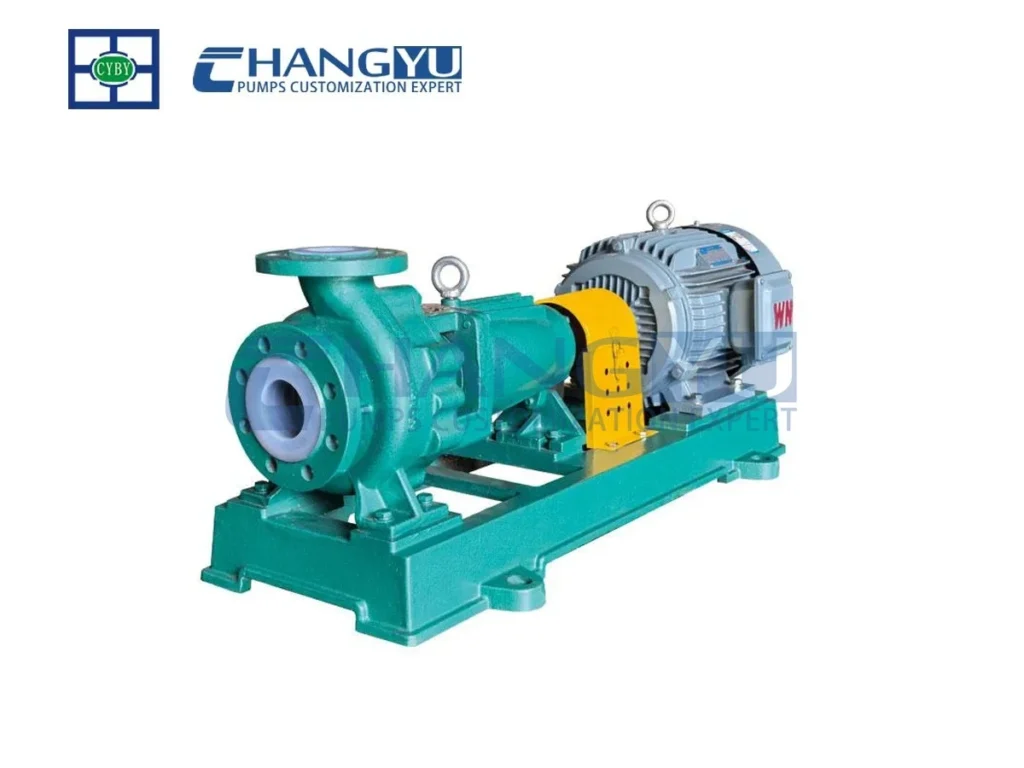
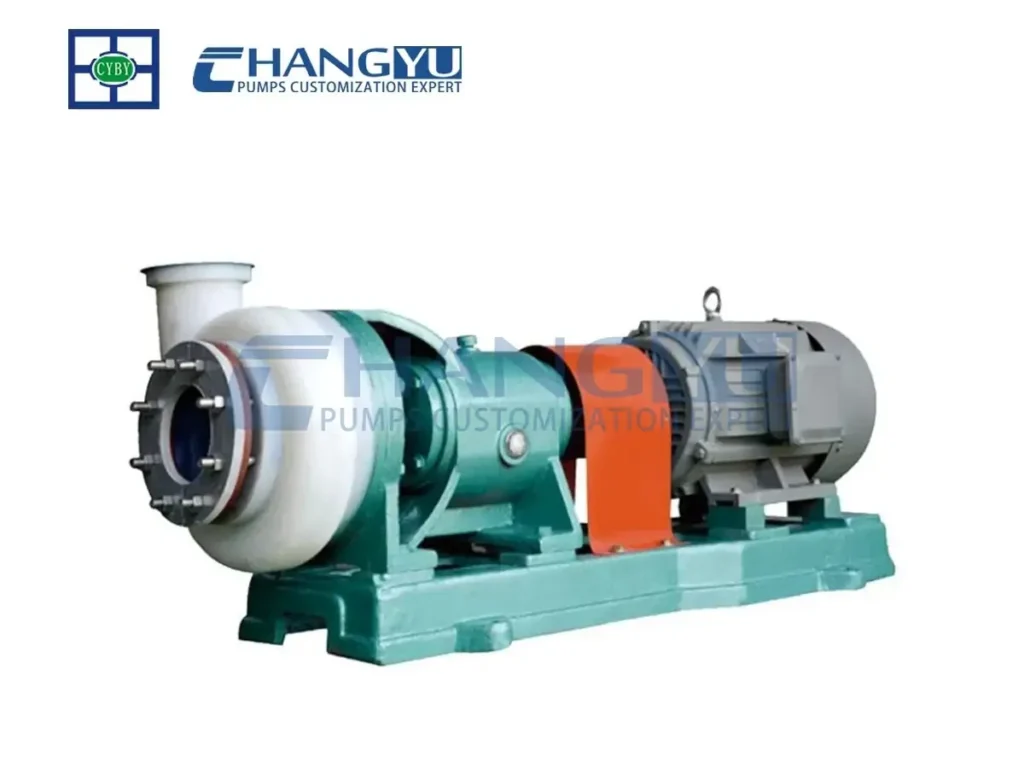
For most industrial sulfuric acid transfer applications, a corrosion-resistant centrifugal pump is a common choice. The CYF series sulfuric acid centrifugal pump uses fluoroplastic materials such as PTFE, FEP, and other corrosion-resistant linings to protect the pump from aggressive chemical attack. Compared with conventional metal pumps, fluoroplastic-lined pumps provide much better resistance when handling strong acids.
They are commonly used for:
- Sulfuric acid circulation systems
- Chemical storage tank transfer
- Acid feeding processes
- Industrial chemical production lines
This type of pump is suitable for many sulfuric acid applications where stable flow, easy maintenance, and long service life are required.
Magnetic Drive Sulfuric Acid Pump
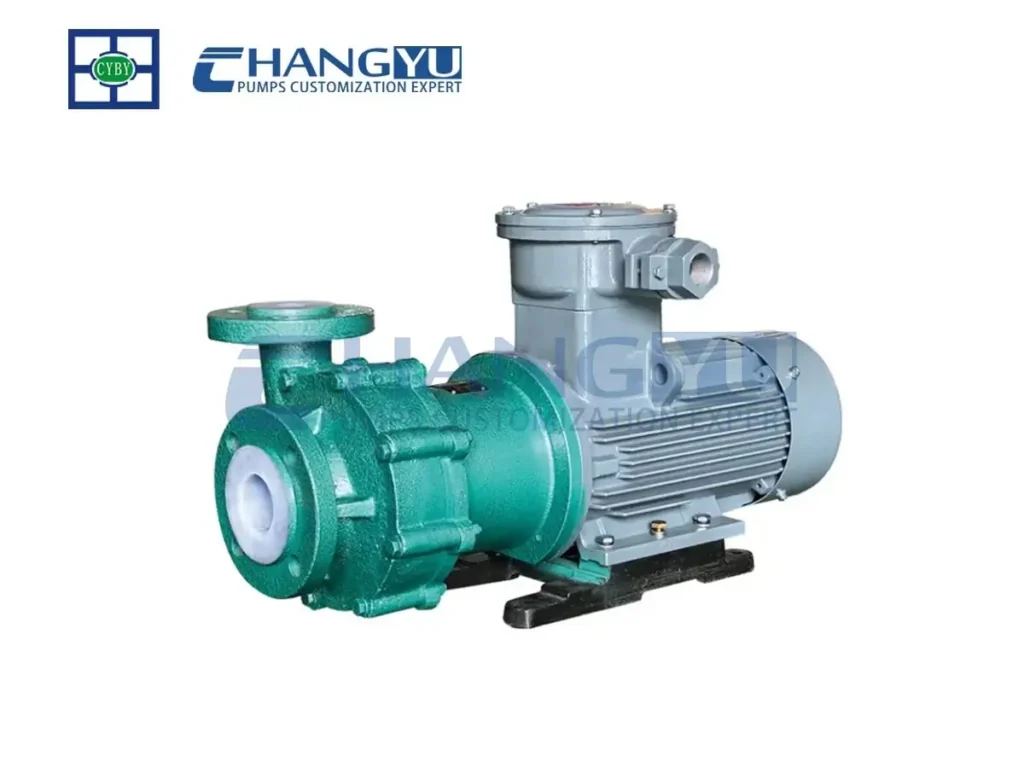
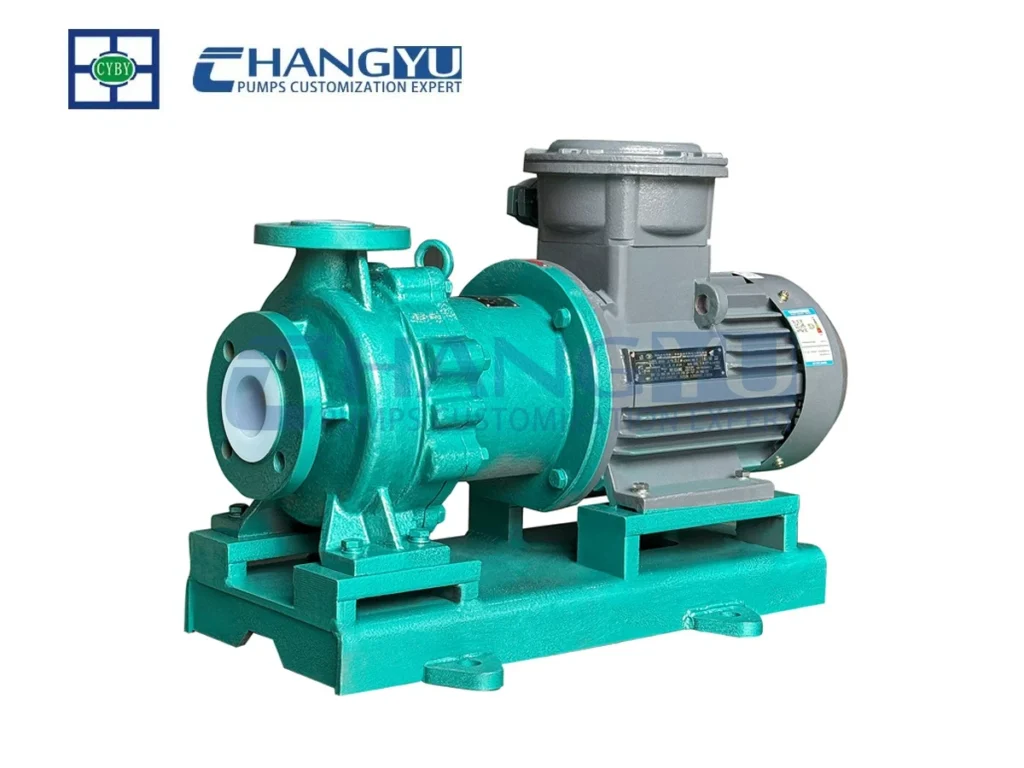
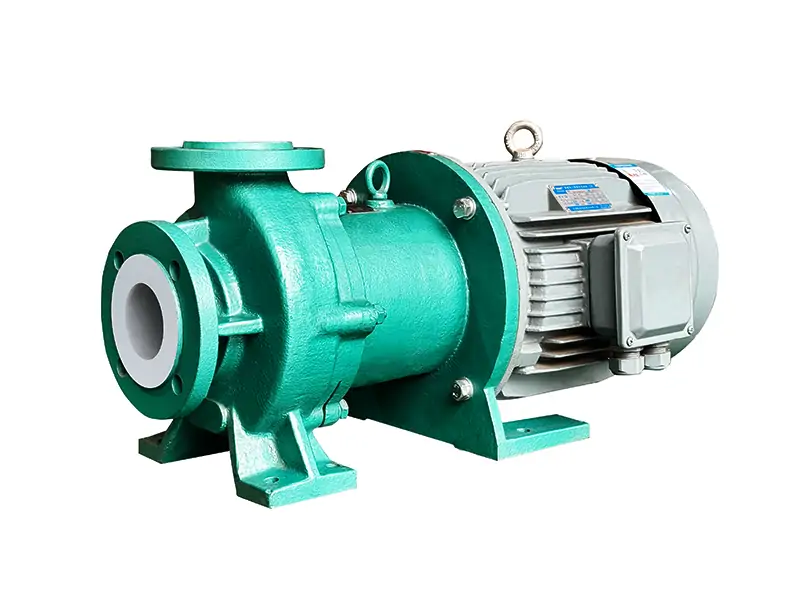
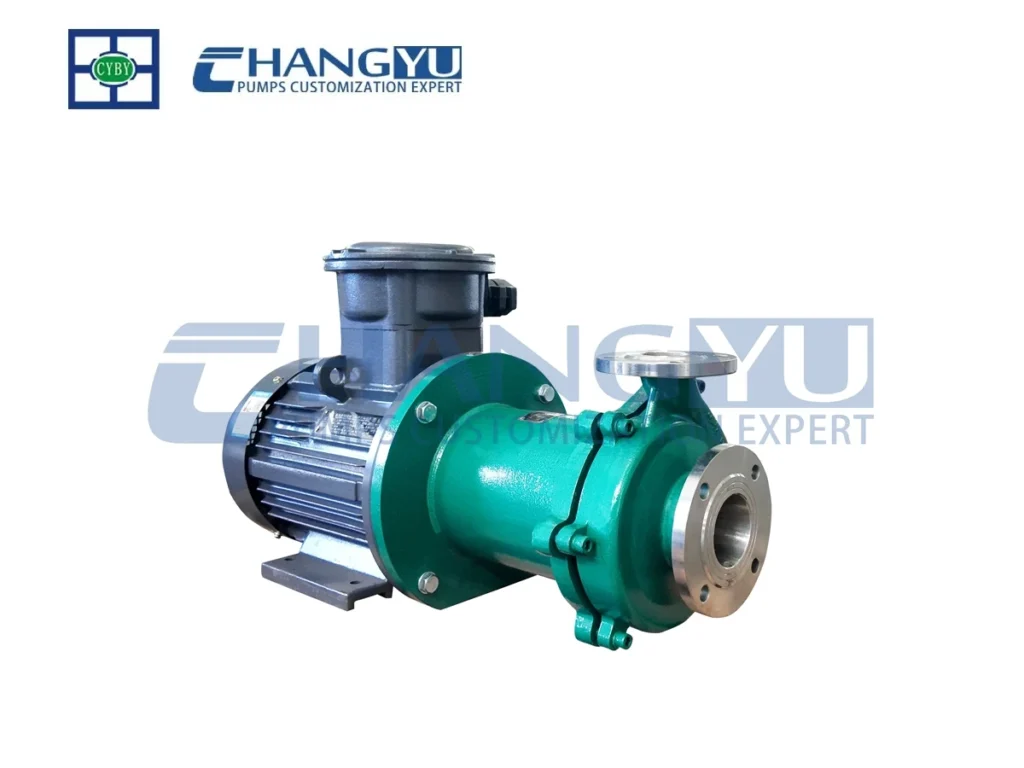
In some sulfuric acid processes, leakage prevention is a critical requirement. Traditional mechanical seals may become a weak point when handling highly corrosive chemicals. A magnetic drive pump eliminates the shaft seal structure by using a magnetic coupling system. The CYQ series magnetic drive pump is designed for applications where safety and zero leakage operation are important.
Typical applications include:
- Concentrated sulfuric acid transfer
- Chemical storage systems
- High-risk acid circulation processes
- Fine chemical production
For operators, reducing leakage risk often means fewer maintenance problems and a safer working environment.
UHMWPE Sulfuric Acid Slurry Pump
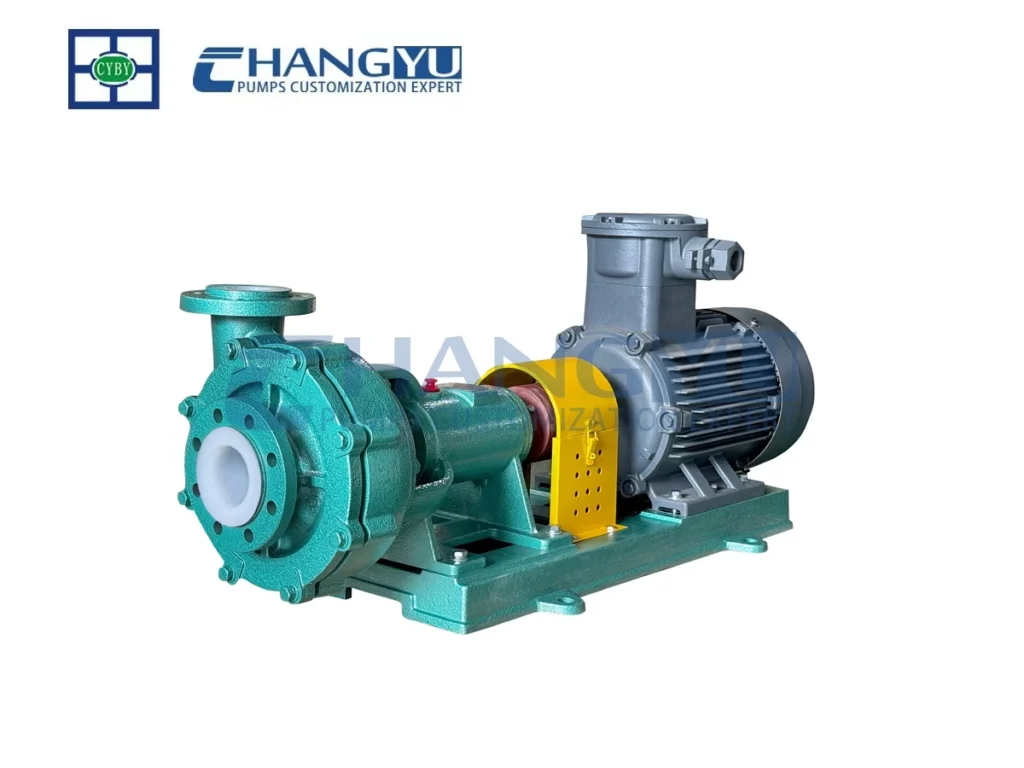
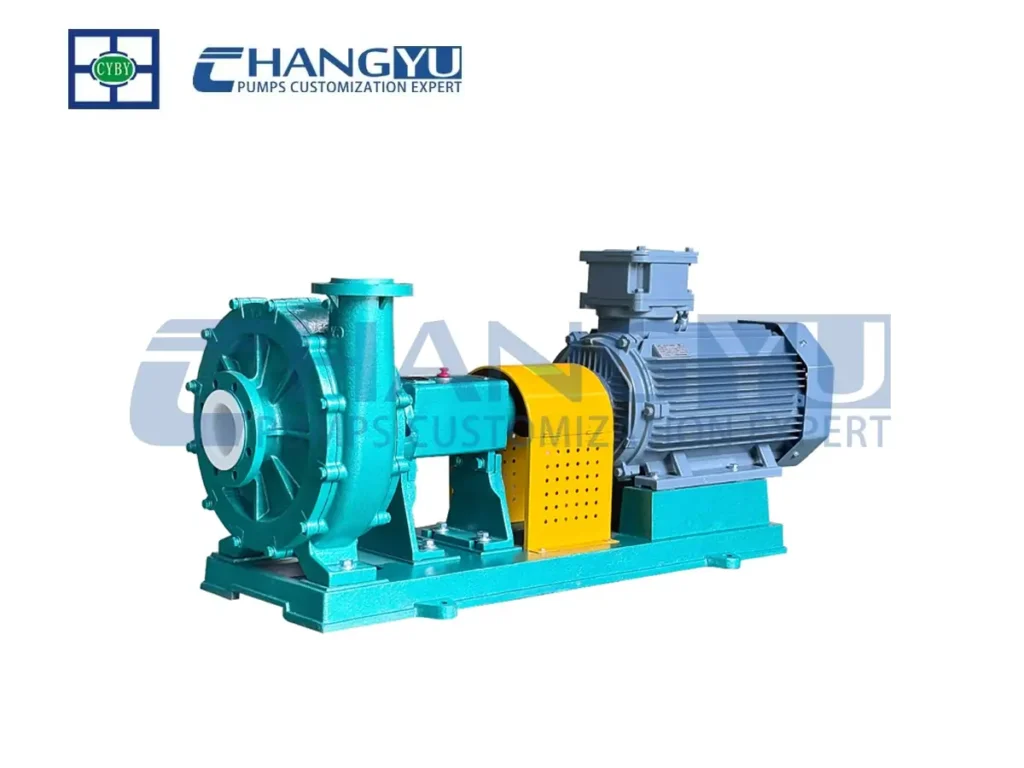
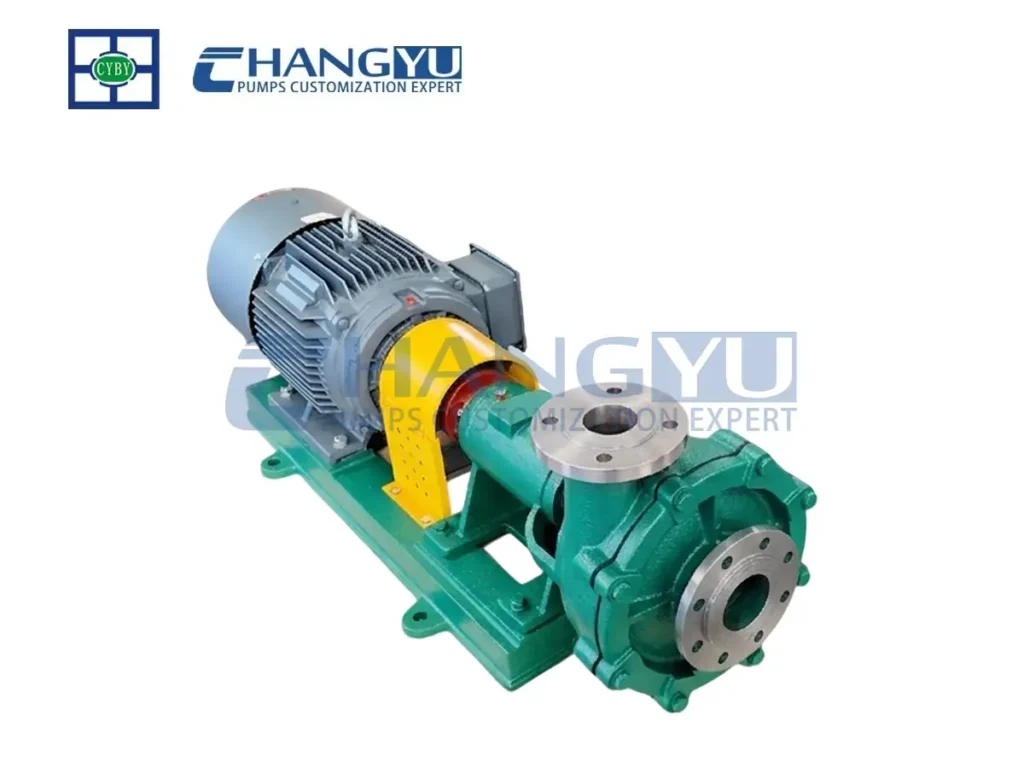
Not all sulfuric acid applications involve clean liquids. Some processes contain crystals, particles, or abrasive solids, especially in mining, metallurgy, and fertilizer industries. For these conditions, a corrosion-resistant slurry pump is usually a better option. The UHB series pump combines corrosion resistance with excellent wear resistance, making it suitable for sulfuric acid slurry transportation.
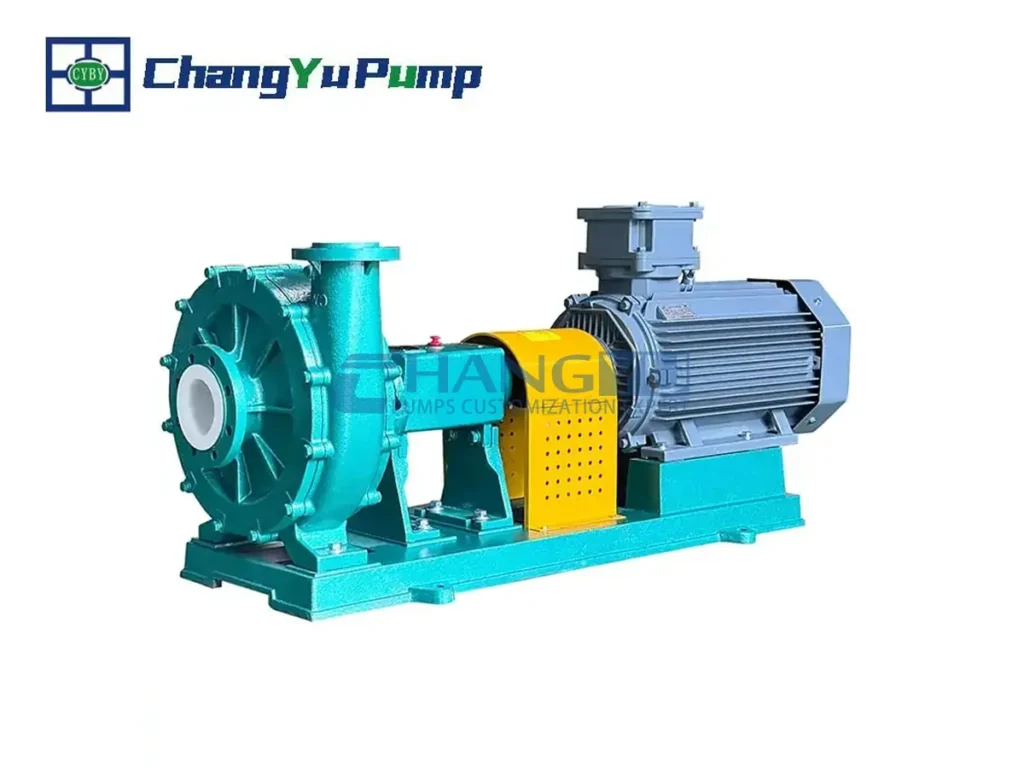
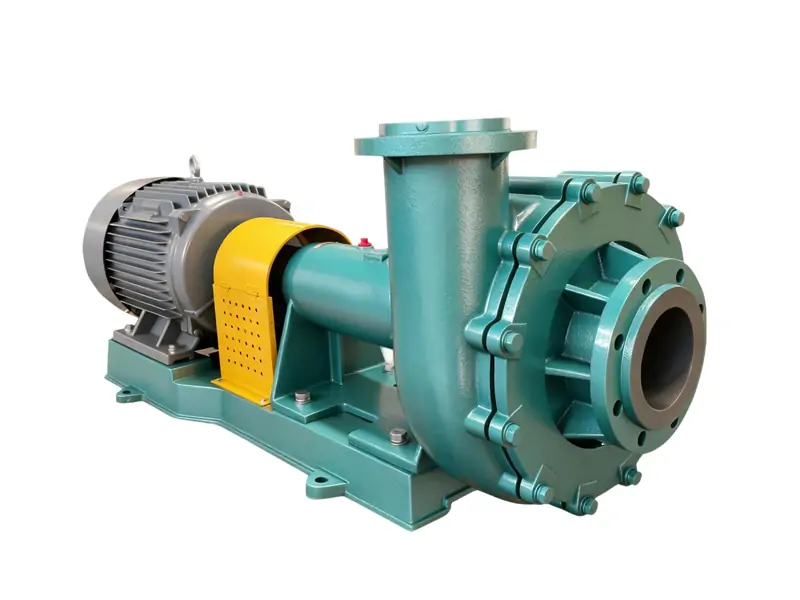
Common applications include:
- Acid slurry transfer
- Phosphoric acid production
- Mining chemical processes
- Metallurgical treatment systems
Stainless Steel Sulfuric Acid Pump
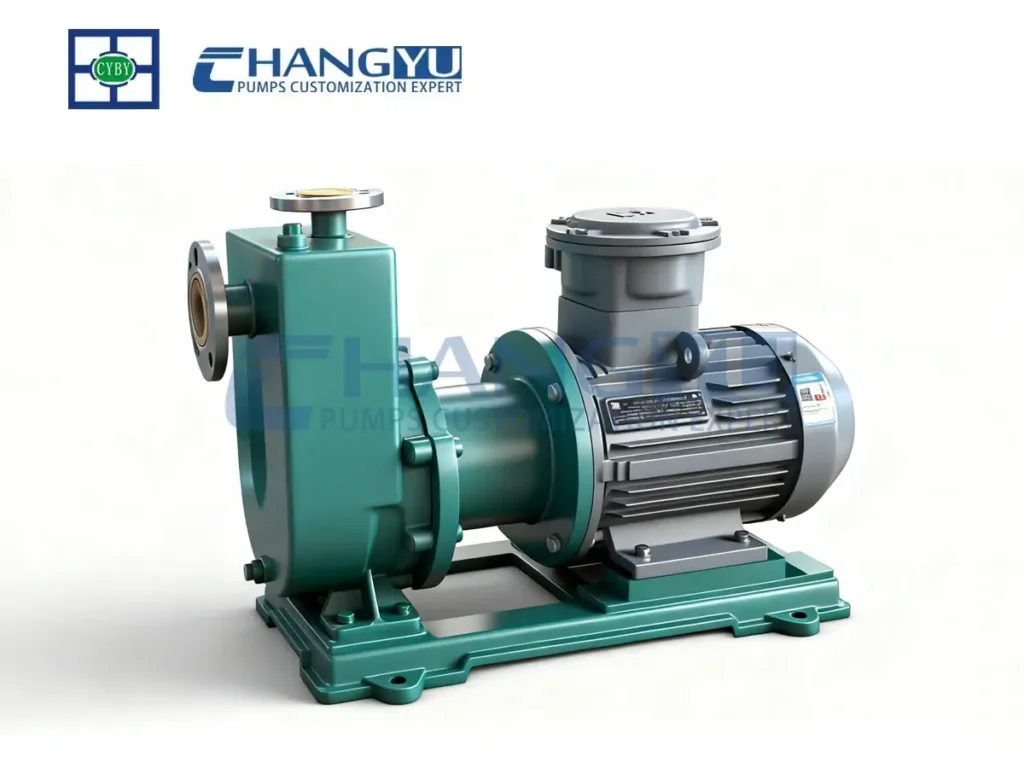
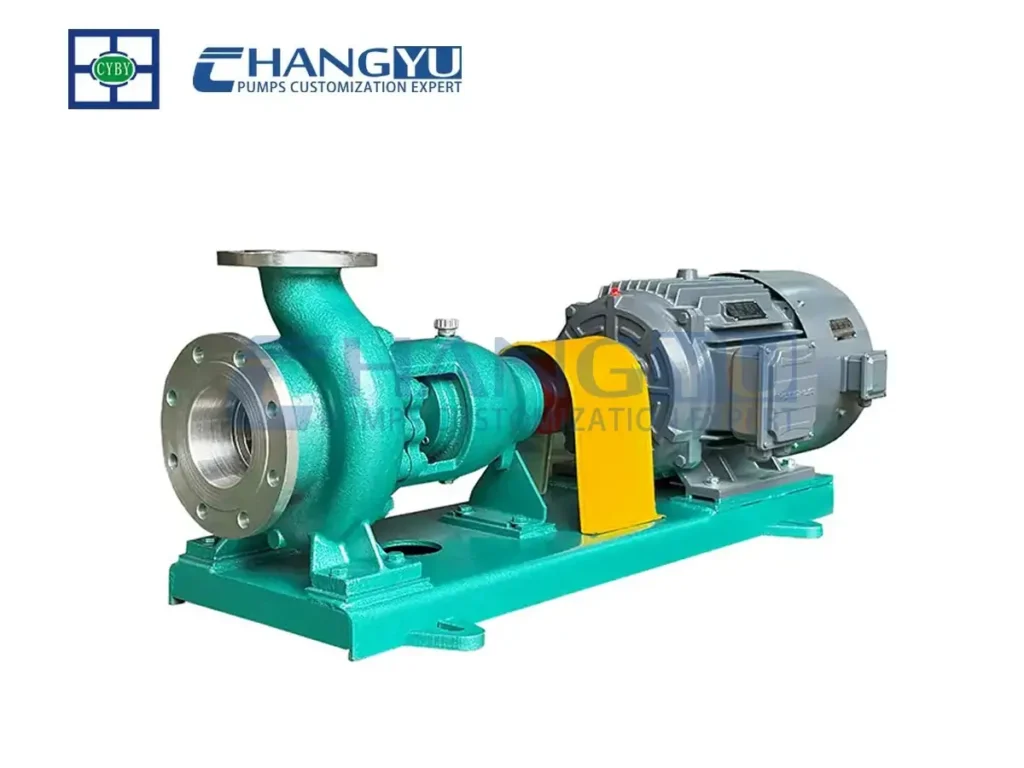
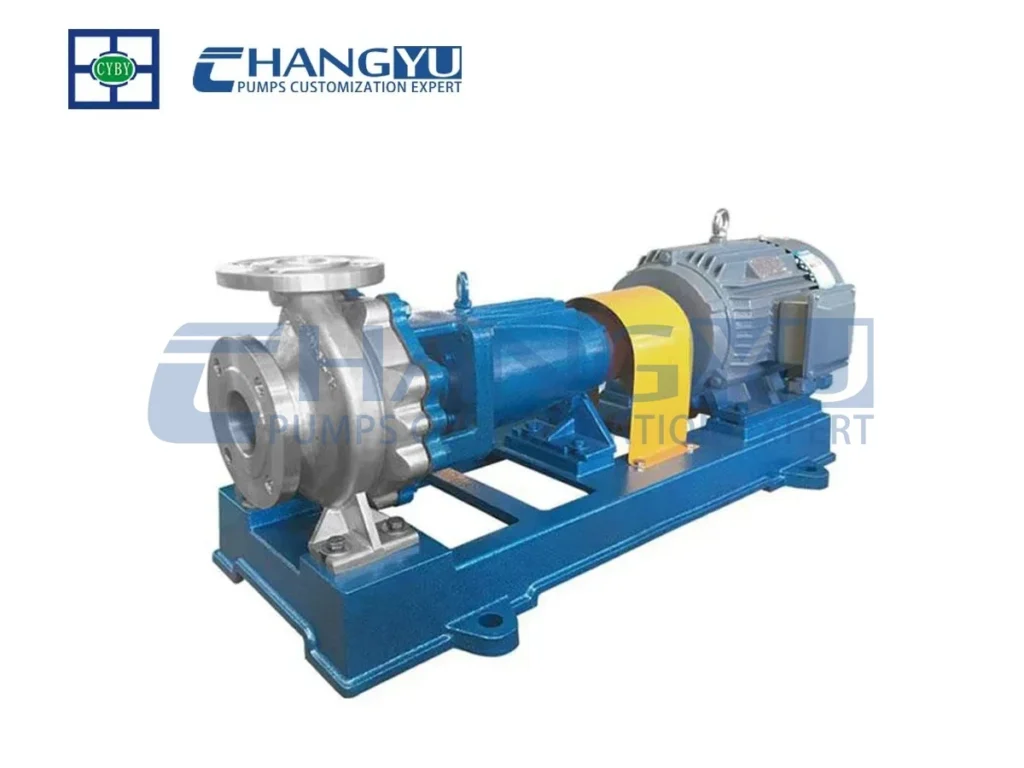
Stainless steel pumps are also used in certain sulfuric acid applications where mechanical strength and operating conditions allow. The selection of stainless steel material depends heavily on sulfuric acid concentration and temperature. In some environments, stainless steel can provide a practical and economical solution. However, for highly corrosive conditions, fluoroplastic-lined pumps are often considered a safer choice.

Customized Sulfuric Acid Pump Solutions for Your Application
Every sulfuric acid application has different operating conditions. The required pump design may change depending on acid concentration, temperature, flow rate, pressure, installation method, and working environment. For special sulfuric acid transfer requirements, Changyu Pump provides customized pump solutions based on actual application conditions. Our engineers can help select suitable pump structures and materials, including fluoroplastic lining, PTFE, FEP, PFA, UHMWPE, and stainless steel, to achieve better corrosion resistance and longer service life.
Customized solutions are available for:
- High concentration sulfuric acid transfer
- High temperature acid applications
- Sulfuric acid containing solid particles
- Special installation requirements
- Continuous industrial operation systems
Whether you need a standard sulfuric acid centrifugal pump or a customized corrosion-resistant pump, Changyu can provide a suitable solution according to your process requirements.
Contact Changyu Pump today and share your application details, including sulfuric acid concentration, temperature, flow rate, and working conditions. Our engineers will recommend the right sulfuric acid pump solution for your project.
Email: [email protected]
TEL/WA: +86-13651913727
How to Choose a Sulfuric Acid Pump?
Selecting the right sulfuric acid pump requires more than simply checking flow rate and pump head.
Sulfuric acid has different corrosion characteristics depending on concentration, temperature, and operating conditions. A pump that works well for one sulfuric acid application may fail in another environment if the material or structure is not correctly selected.
Before choosing a sulfuric acid transfer pump, the following factors should be carefully evaluated.
1. Check Sulfuric Acid Concentration
The concentration of sulfuric acid is one of the most important factors when selecting pump materials.
Different concentrations may require different corrosion-resistant materials.
| Sulfuric Acid Condition | Recommended Pump Material | Recommended Pump Type |
|---|---|---|
| Diluted sulfuric acid | PTFE, FEP, UHMWPE, Stainless Steel (depending on condition) | Centrifugal Chemical Pump |
| Medium concentration sulfuric acid | Fluoroplastic lining, PTFE, FEP | Corrosion Resistant Centrifugal Pump |
| High concentration sulfuric acid | PTFE, PFA, fluoroplastic materials | Magnetic Drive Pump / Fluoroplastic Pump |
| Sulfuric acid with particles | UHMWPE, wear-resistant lining | Slurry Pump |
Engineering suggestion:
Do not select a sulfuric acid pump only based on acid name. The actual concentration and temperature should always be provided before confirming pump materials.
2. Consider Operating Temperature
Temperature has a direct impact on sulfuric acid corrosion.
As temperature increases, material compatibility becomes more critical. Pumps used for high-temperature sulfuric acid applications usually require better chemical resistance.
| Temperature Range | Recommended Solution |
|---|---|
| Normal temperature applications | Fluoroplastic centrifugal pump |
| Medium temperature acid transfer | PTFE/FEP lined pump |
| High temperature sulfuric acid | PFA/PTFE materials or customized chemical pump |
Engineering suggestion:
For high-temperature sulfuric acid systems, it is recommended to confirm material compatibility before production to avoid premature corrosion problems.
3. Select the Right Pump Structure
Different sulfuric acid applications require different pump designs.
| Pump Type | Advantages | Suitable Applications |
|---|---|---|
| Fluoroplastic Centrifugal Pump | Good corrosion resistance, stable flow, easy maintenance | General sulfuric acid transfer |
| Magnetic Drive Pump | Zero leakage, safer operation | Concentrated sulfuric acid, hazardous chemical transfer |
| Slurry Pump | Wear resistance and corrosion resistance | Acid slurry containing particles |
| Vertical Chemical Pump | Suitable for tanks and limited installation space | Sump and tank transfer |
Engineering suggestion:
For applications where leakage may cause safety risks, magnetic drive pumps are often preferred because they eliminate mechanical seal leakage.
4. Confirm Flow Rate and Pump Head Requirements
Pump performance should match the actual process requirements.
The main parameters include:
| Parameter | Why It Matters |
|---|---|
| Flow Rate (m³/h) | Determines the required transfer capacity |
| Pump Head (m) | Determines whether the pump can overcome system resistance |
| Motor Power (kW) | Affects energy consumption and operating stability |
| Operating Pressure | Influences pump structure selection |
Engineering suggestion:
Avoid selecting a pump only based on maximum capacity. Oversized pumps may increase energy consumption and cause unstable operation.
5. Consider Solid Particles and Working Conditions
Some sulfuric acid processes contain crystals, suspended solids, or abrasive particles.
In these cases, standard chemical centrifugal pumps may not provide sufficient service life.
| Working Condition | Recommended Solution |
|---|---|
| Clean sulfuric acid | Fluoroplastic centrifugal pump |
| Acid with small particles | Wear-resistant chemical pump |
| Acid slurry with solids | UHMWPE lined slurry pump |
Engineering suggestion:
When solids are present, both corrosion resistance and wear resistance should be considered. Choosing only corrosion-resistant materials may not solve abrasion problems.
Sulfuric Acid Pump Selection Checklist
Before selecting a sulfuric acid pump, it is recommended to confirm the following information:
| Required Information | Example |
|---|---|
| Medium | Sulfuric Acid |
| Concentration | 30%, 50%, 98%, etc. |
| Temperature | 25°C / 80°C / 120°C |
| Flow Rate | m³/h |
| Pump Head | m |
| Solid Content | Yes / No |
| Installation Method | Horizontal / Vertical |
| Operation Time | Continuous or intermittent |
Providing these details allows engineers to recommend a more suitable sulfuric acid pump solution.
Not Sure Which Sulfuric Acid Pump Is Right for Your Application?
Selecting a sulfuric acid pump can be challenging because different concentrations, temperatures, and working conditions require different materials and pump designs.
If you are not sure which pump type is suitable for your application, our engineers can help you evaluate your working conditions and recommend a suitable solution.
Simply provide the following information:
- Sulfuric acid concentration
- Operating temperature
- Required flow rate
- Pump head or pressure
- Solid particle content (if any)
- Installation requirements
Based on your application details, Changyu Pump can recommend the appropriate pump type, material selection, and configuration to improve reliability and service life.
Get Professional Sulfuric Acid Pump Selection Advice Today
Email: [email protected]
TEL/WA: +86-13651913727
Sulfuric Acid Pump Applications
Sulfuric acid pumps are widely used in industries where corrosion resistance, reliable operation, and safe chemical transfer are required. Different industries have different requirements for sulfuric acid handling. The pump selection usually depends on acid concentration, temperature, solid content, and continuous operating conditions.
Changyu provides sulfuric acid pump solutions for chemical processing, fertilizer production, metallurgy, mining, lithium battery manufacturing, and wastewater treatment industries.
Chemical Processing Industry
Sulfuric Acid Transfer for Chemical Production Systems
In chemical plants, sulfuric acid is commonly used as a raw material, catalyst, or processing medium. Pumps need to provide stable transfer performance while resisting long-term chemical corrosion.
| Application | Recommended Pump Solution | Key Requirements |
|---|---|---|
| Sulfuric acid storage transfer | Fluoroplastic centrifugal pump | Corrosion resistance and stable flow |
| Acid circulation system | Chemical centrifugal pump | Continuous operation capability |
| High-risk acid transfer | Magnetic drive pump | Leakage prevention |
Recommended Pump:
CYF series fluoroplastic sulfuric acid centrifugal pump / CYQ series magnetic drive pump
Fertilizer Production Industry
Sulfuric Acid Pump for Fertilizer Manufacturing
Sulfuric acid plays an important role in fertilizer production, especially in phosphate fertilizer processes.
These applications may involve corrosive liquids, high-concentration acid, and sometimes solid particles.
| Application | Recommended Pump Solution | Key Requirements |
|---|---|---|
| Sulfuric acid transportation | Fluoroplastic pump | Chemical corrosion resistance |
| Acid slurry transfer | UHMWPE lined slurry pump | Wear resistance |
| Process circulation | Chemical centrifugal pump | Stable long-term operation |
Recommended Pump:
UHB series corrosion resistant slurry pump / CYF series chemical centrifugal pump
Mining and Metallurgy Industry
Corrosion and Wear Resistant Pump Solutions
Mining and metallurgy processes often involve sulfuric acid together with minerals, particles, or abrasive materials.
The pump must handle both chemical corrosion and mechanical wear.
| Application | Recommended Pump Solution | Key Requirements |
|---|---|---|
| Acid leaching process | UHMWPE slurry pump | Wear and corrosion resistance |
| Mineral processing | Corrosion resistant pump | Stable operation |
| Chemical extraction | Fluoroplastic pump | Strong acid resistance |
Recommended Pump:
UHB series UHMWPE lined slurry pump
Lithium Battery Industry
Sulfuric Acid Handling in New Energy Manufacturing
With the development of lithium battery manufacturing, chemical handling requirements are becoming increasingly strict.
Sulfuric acid pumps used in these processes require reliable materials, accurate flow control, and long service life.
| Application | Recommended Pump Solution | Key Requirements |
|---|---|---|
| Chemical solution transfer | Fluoroplastic centrifugal pump | Material compatibility |
| Acid circulation | Magnetic drive pump | Safe operation |
| Waste liquid treatment | Chemical pump | Corrosion resistance |
Recommended Pump:
CYF series sulfuric acid centrifugal pump / CYQ series magnetic drive pump
Wastewater Treatment Industry
Sulfuric Acid Pump for Chemical Dosing and Neutralization
In industrial wastewater treatment systems, sulfuric acid is often used for pH adjustment and chemical neutralization. The pump needs to operate reliably in a continuous working environment.
| Application | Recommended Pump Solution | Key Requirements |
|---|---|---|
| Chemical dosing | Fluoroplastic pump | Accurate and stable transfer |
| Neutralization system | Chemical centrifugal pump | Corrosion resistance |
| Storage tank transfer | Magnetic drive pump | Leak-free operation |
Need Help Selecting a Sulfuric Acid Pump for Your Application?
Every sulfuric acid application has different requirements. The correct pump depends on acid concentration, temperature, flow rate, pressure, solid content, and installation conditions.
If you are unsure which sulfuric acid pump is suitable for your process, Changyu engineers can help analyze your working conditions and recommend the right pump type and material solution.
Please provide:
- Sulfuric acid concentration
- Operating temperature
- Required flow rate
- Pump head or pressure
- Solid particle content
- Installation requirements
Our team will provide a suitable sulfuric acid pump selection recommendation based on your actual application.
Get Professional Sulfuric Acid Pump Advice
Email: [email protected]
TEL/WA: +86-13651913727
Why Choose Changyu Sulfuric Acid Pump?
Choosing the correct pump manufacturer is important because sulfuric acid applications usually require long-term stable operation.
Changyu Pump focuses on corrosion-resistant pump manufacturing and provides solutions for demanding chemical transfer applications.
The pump materials include:
- PTFE
- FEP
- PFA
- UHMWPE
- Stainless steel
Different pump structures can be selected according to actual operating conditions rather than using one standard design for all applications.
With experience in chemical, mining, metallurgy, and new energy industries, Changyu helps customers select pumps based on real working environments, including chemical compatibility, temperature, wear conditions, and maintenance requirements.