
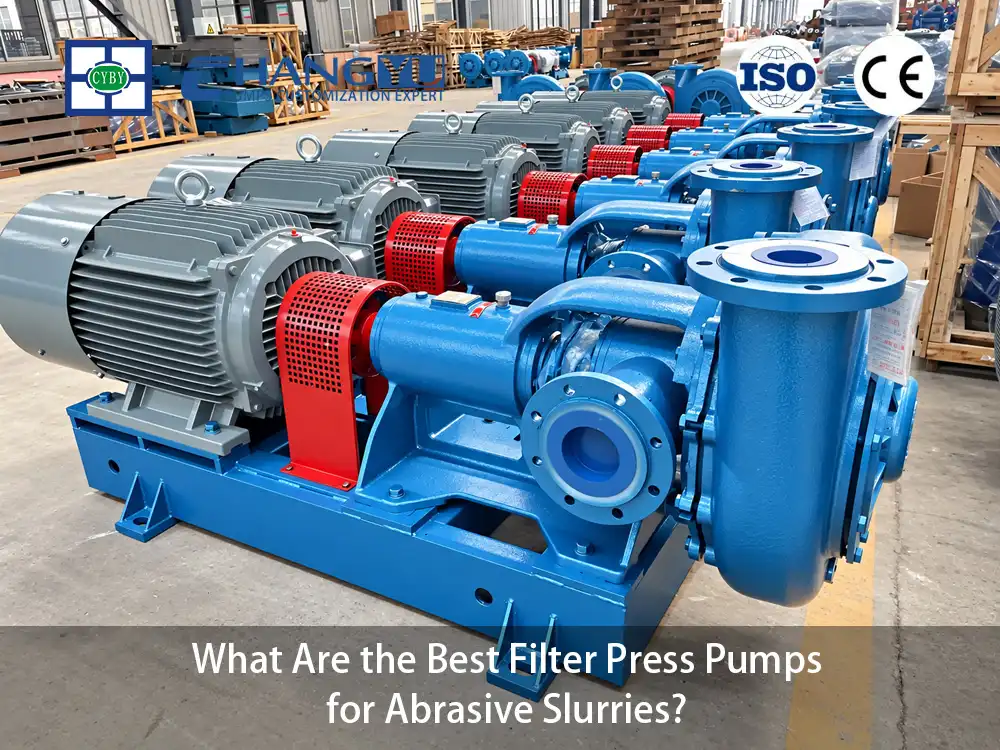
No existe una sola bomba mejor para cada suspensión abrasiva de filtro prensa. Si la prensa necesita un llenado inicial rápido y la presión de alimentación final está dentro del rango de operación de un modelo específico, una bomba centrífuga resistente a la abrasión como nuestra UHB o UHFM-HJ puede ser adecuada. Para alta presión sostenida o suspensiones particularmente difíciles, compare las bombas de pistón o de diafragma de émbolo, las bombas de doble diafragma accionadas por aire y las bombas de manguera contra el mismo servicio.
Cuando una suspensión contiene partículas minerales, residuos de lixiviación de metales o sólidos que cristalizan fácilmente, preguntar solo qué bomba es “más resistente al desgaste” no producirá una respuesta confiable. La alimentación del filtro prensa tiene dos etapas: llenado rápido, seguido de un aumento de presión a medida que se forma la torta. La primera etapa necesita suficiente caudal; en la segunda, el caudal disminuye a medida que aumenta la resistencia. La bomba debe manejar las partículas y cumplir con la presión de alimentación final requerida por la prensa durante todo el ciclo. Comience con las partículas, la presión y el perfil del ciclo, luego compare los tipos de bombas.
Identifique las partículas y dónde ocurre el desgaste
Dos suspensiones con 20% de sólidos pueden comportarse de manera muy diferente. Los lodos blandos y finos y las partículas angulares de cuarzo no desgastan un impulsor, las partes húmedas y los sellos de la misma manera. Antes de solicitar una cotización de bomba para filtro prensa, registre si la concentración de sólidos es en peso o en volumen, la distribución del tamaño de partícula y el tamaño máximo de partícula, la dureza y forma de la partícula, la densidad y viscosidad de la suspensión, el pH, la temperatura y la velocidad de sedimentación. “20% de sólidos” por sí solo no puede predecir el desgaste ni la vida útil de una bomba en particular.
La ubicación del daño también importa. Las partículas en movimiento rápido pueden erosionar el impulsor y la cubierta de la carcasa de una bomba centrífuga. Los sólidos gruesos pueden alojarse en las válvulas de retención de una bomba de diafragma. Los cristales pueden sedimentarse en la cámara de sellado y en las tuberías después del apagado. Para un filtro prensa, identifique el punto de falla antes de elegir un material húmedo y una construcción de bomba. Eso es más útil que preguntar por el “material más resistente al desgaste” en general.
Cómo encajan cuatro tipos de bombas en el servicio abrasivo de filtro prensa
| Tipo de bomba | Dónde puede encajar | Qué verificar |
|---|---|---|
| Bomba centrífuga resistente a la abrasión | Alto caudal de llenado inicial con una suspensión bombeable | Presión final, operación de bajo caudal y condiciones de succión |
| Bomba de doble diafragma accionada por aire | Servicio intermitente y caudal relativamente bajo | Suministro de aire, caudal a contrapresión y sólidos en las válvulas de retención |
| Bomba de pistón o de diafragma de émbolo | Alta presión sostenida cerca del final del ciclo | Desgaste de válvulas, pulsación, mantenimiento y protección de presión |
| ~50 m³/h | Algunas suspensiones altamente abrasivas o viscosas | Tiempo de llenado, vida de la manguera y costo de reemplazo |
Bombas centrífugas resistentes a la abrasión
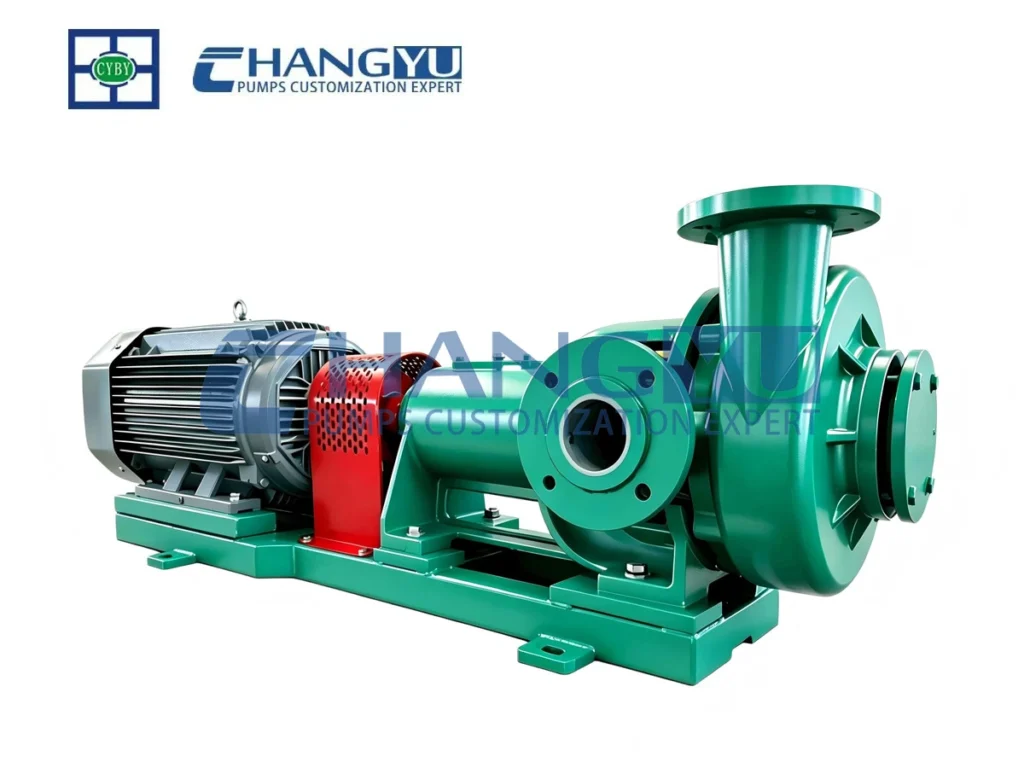
Una bomba centrífuga resistente a la abrasión puede ser adecuada para un filtro prensa que necesita un alto caudal de llenado inicial, siempre que la suspensión permanezca bombeable y la presión final esté dentro del rango permitido del modelo seleccionado. Su caudal disminuye a medida que aumenta la resistencia del sistema. Verifique la curva completa de la bomba, especialmente si la operación permanece estable en el extremo de bajo caudal del ciclo. Nuestra Bomba de alimentación a filtro prensa UHFM-HJ pertenece a esta categoría y está disponible en configuraciones UHFM-I de una etapa y UHFM-II de dos etapas. Una bomba de dos etapas es una opción cuando se necesita mayor presión; no es automáticamente la mejor elección para cada suspensión con alto contenido de sólidos. Seleccione los materiales húmedos y los sellos para el medio real.
Bombas de doble diafragma accionadas por aire
Una bomba de doble diafragma accionada por aire (AODD) puede ser adecuada para operación intermitente, caudal relativamente modesto o ciertos medios viscosos o cargados de partículas. Utiliza diafragmas reciprocantes y válvulas de retención de entrada y salida. A medida que la contrapresión se acerca a la presión de aire disponible, el caudal disminuye y la bomba puede detenerse. Nuestra Bomba AODD BFQ es una opción para comparar. Su presión máxima de trabajo de la serie es 0,84 MPa, por lo que el servicio requerido debe verificarse contra el modelo seleccionado y el suministro de aire disponible.
Bombas de pistón o de diafragma de émbolo
Estas bombas se consideran comúnmente para alta presión sostenida al final de un ciclo de filtración, suspensión concentrada y servicios que requieren control de caudal definido. Pueden encajar en una prensa que excede el rango de presión de una bomba centrífuga candidata. Incluya conjuntos de válvulas, diafragmas, control de pulsación y costo de mantenimiento en la comparación. “Desplazamiento positivo” no significa que la descarga pueda bloquearse sin protección. Las tuberías y la prensa aún necesitan protección adecuada a sus clasificaciones de presión.
Bombas de manguera
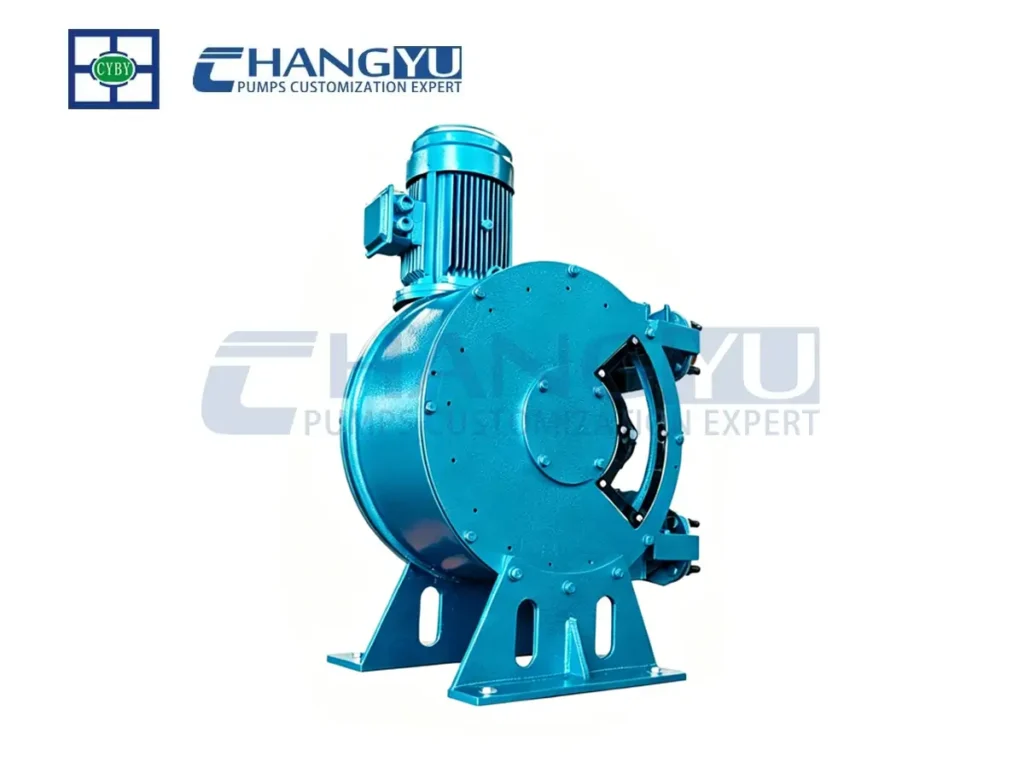
En una bomba de manguera, la suspensión contacta principalmente la manguera. Esto puede ayudar con algunos medios altamente abrasivos o viscosos, o donde el aislamiento de otros componentes húmedos es útil. La manguera es una pieza de desgaste, sin embargo. Verifique el caudal y la presión de la bomba contra el ciclo, y estime la vida de la manguera para la suspensión real. Elegir una bomba de manguera solo porque una suspensión es abrasiva puede resultar en un tiempo de llenado inaceptable.
Verifique cuatro condiciones en el ciclo completo del filtro prensa
Paso 1: Obtenga la presión de alimentación máxima permitida de la prensa. No trate la presión máxima de descarga de la bomba como el objetivo.
Paso 2: Use el volumen de la cámara vacía y el tiempo de llenado objetivo para estimar el caudal inicial requerido.
Paso 3: Registre cómo cambian el caudal y la presión a medida que se forma la torta. Para una instalación existente, registre presión, caudal, corriente del motor y tiempo durante varios ciclos normales.
Paso 4: Agregue tuberías de succión, tuberías de descarga, válvulas y pérdidas por elevación. Confirme que la bomba puede operar tanto en las etapas de llenado como de presión final.
Un caudal inicial demasiado bajo extiende el ciclo del filtro prensa. Seleccionar solo para un llenado rápido puede dejar la bomba incapaz de alcanzar la presión final requerida. También verifique la potencia del eje y el margen del motor a la densidad real de la suspensión. Las cifras de potencia basadas en la densidad del agua no pueden aplicarse simplemente a una suspensión mineral densa.
Cuándo preseleccionar UHFM-HJ o UHB
Nuestra gama UHFM-HJ incluye configuraciones de una y dos etapas para diferentes servicios de presión. Debe incluirse en la lista de candidatos cuando la suspensión pueda ser impulsada por una bomba centrífuga, la prensa necesite un caudal de llenado sustancial, el modelo seleccionado pueda alcanzar el punto de operación final y se puedan proporcionar condiciones de succión adecuadas. Según el medio, las opciones de piezas húmedas incluyen UHMWPE, fluoroplásticos, poliuretano y metales resistentes a la corrosión. Para ácidos, álcalis, cloruros o ácido fluorhídrico, debe verificarse la compatibilidad de materiales frente a la concentración y la temperatura. La etiqueta “resistente a la corrosión” no es suficiente.
Nuestro Serie UHB es otra bomba centrífuga para suspensión resistente a la corrosión y la abrasión que puede considerarse para la alimentación de prensas filtro. Tiene una construcción húmeda de UHMWPE con revestimiento de acero. Una Aplicación de UHB-ZK en servicio de prensa filtro en fundición de plomo-zinc muestra uno de esos usos. Que la UHB sea adecuada para un nuevo proyecto aún depende de su suspensión, ciclo de presión, disposición de succión y modelo exacto de bomba.
Para el servicio estándar de UHFM-HJ, nuestra información de producto indica un contenido de sólidos inferior al 30%. Esa cifra no reemplaza una evaluación del tamaño de partícula, la viscosidad o la sedimentación. Para partículas gruesas, suspensión altamente viscosa o de sedimentación rápida, o una presión final fuera de la capacidad del modelo seleccionado, compare de nuevo las opciones de bomba de diafragma, diafragma de pistón o bomba de manguera. Para nuestras bombas centrífugas de prensa filtro, preferimos una succión inundada desde un tanque elevado. Un tanque de nivel bajo con válvula de pie y succión por elevación no es nuestra disposición recomendada; una succión inadecuada puede causar cavitación o pérdida de alimentación.
Utilice la ubicación de la falla para revisar la selección de la bomba
La erosión localizada en el borde de un impulsor puede indicar la dirección de las partículas, la velocidad o una operación prolongada a bajo caudal. La corrosión generalizada de las superficies húmedas exige una nueva revisión de la química del líquido. Los sólidos o cristales en las caras de sellado exigen una revisión de la disposición del sello y del enjuague de parada. Un material más duro por sí solo puede no resolver estos problemas. Las fotos de desgaste de bombas de prensa filtro antiguas, las horas de operación y el componente exacto que falló nos ayudan a evaluar el servicio con mayor eficacia que una solicitud general de un “grado de desgaste superior”.”
Conclusión
Para un llenado rápido seguido de un aumento gradual de la presión, primero verifique si una bomba centrífuga resistente a la abrasión puede cubrir el ciclo completo. Para alta presión sostenida o suspensión excepcionalmente difícil de manejar, compare cuidadosamente las alternativas de desplazamiento positivo. Ningún tipo de bomba gana en todas las aplicaciones de prensa filtro abrasiva. Las especificaciones de la prensa, los datos de la suspensión y un plano de instalación nos permiten decidir si la UHFM-HJ o la UHB es una bomba de alimentación de ciclo completo adecuada o si se necesita una construcción diferente.

Contáctenos
Si tiene preguntas sobre la selección de bombas, contacte a ChangYu Pump con las especificaciones del filtro prensa, los datos de la suspensión y las condiciones de instalación. Nuestro equipo técnico puede ayudar a verificar los tipos y modelos de bombas adecuados.
Correo electrónico: [email protected]
TEL/WA: +86-13651913727
Preguntas frecuentes
¿Cuál es la mejor bomba para filtro prensa para una suspensión abrasiva?
No existe una bomba universalmente mejor. Comience con el caudal de llenado inicial requerido, la presión de alimentación final, las características de las partículas y la disposición de succión. Una bomba centrífuga resistente a la abrasión puede manejar un ciclo de llenado rápido; una presión alta sostenida o una suspensión inusualmente difícil puede requerir una bomba de pistón o de diafragma de émbolo, AODD o de manguera.
¿Es 20% de sólidos suficiente información para seleccionar una bomba para lodos?
No. Indique si 20% es por peso o por volumen, luego proporcione la distribución del tamaño de partícula, tamaño máximo, dureza, forma, densidad, viscosidad, pH, temperatura y tendencia a la sedimentación. Los sólidos blandos finos y las partículas minerales angulares pueden causar un desgaste muy diferente a la misma concentración.
¿Cuándo debería comparar la Bomba ChangYu UHB con la UHFM-HJ?
Compare ambos cuando la prensa necesita un caudal de llenado sustancial y una bomba centrífuga puede cumplir con el servicio seleccionado durante todo el ciclo. UHFM-HJ ofrece configuraciones de una y dos etapas; UHB es una opción de UHMWPE con revestimiento de acero para resistencia a la corrosión y la abrasión. Ninguna de las series debe seleccionarse sin verificar el modelo exacto, la curva de presión, la química de la suspensión y las condiciones de succión.
¿Cómo verifico una bomba a medida que aumenta la presión del filtro prensa?
Estime el caudal de llenado de cámara vacía, luego verifique el caudal y la presión requeridos a medida que aumenta la resistencia de la torta. La bomba seleccionada debe alcanzar el punto de operación final y mantenerse adecuada a bajo caudal. Confirme el límite de presión de prensado, las pérdidas en tuberías, la potencia del motor a la densidad de la suspensión, y cualquier control o protección necesaria cerca del final del ciclo.
¿Cuándo podría ser preferible una bomba de diafragma o de manguera a una bomba centrífuga?
Considere alternativas si la presión final requerida excede el rango de un modelo centrífugo adecuado, o si la suspensión es gruesa, viscosa, de sedimentación rápida o altamente abrasiva y hace que su funcionamiento no sea fiable. Una bomba de pistón o de diafragma de émbolo puede hacer frente a una presión alta sostenida; una bomba AODD puede ser adecuada para servicio intermitente de menor caudal; una bomba de manguera puede aislar la suspensión en su manguera de desgaste. Compare el tiempo de llenado, el mantenimiento y el desgaste.
¿Una bomba centrífuga resistente a la abrasión necesita succión inundada?
Una succión adecuada es esencial. Para nuestras bombas centrífugas para filtro prensa, preferimos una succión inundada desde un tanque elevado. Un tanque bajo con altura de aspiración y una válvula de pie no es nuestra disposición recomendada porque las condiciones de entrada inadecuadas pueden causar cavitación o pérdida de alimentación. Confirme la disposición de succión instalada antes de realizar el pedido.
¿Qué me indica el daño repetido del impulsor o del sello?
La erosión en el borde del impulsor puede indicar impacto de partículas, velocidad o funcionamiento prolongado con bajo caudal; el daño extenso en las superficies húmedas puede indicar incompatibilidad química. Los sólidos o cristales en las caras de sellado apuntan hacia el arreglo de sellado y la práctica de parada. Comparta fotos de la pieza fallada y el ciclo de operación para que la causa pueda ser revisada antes de cambiar materiales.
Referencias
- Hoja informativa sobre filtros prensa de placas rehundidas de la US EPA — antecedentes sobre el funcionamiento del filtro prensa y los factores que afectan un ciclo de prensado.
- Hydraulic Institute, Preguntas frecuentes sobre bombas — orientación sobre la lectura de curvas de bombas, condiciones de succión y protección del sistema de bombas.