Pompa untuk Industri Chlor Alkali
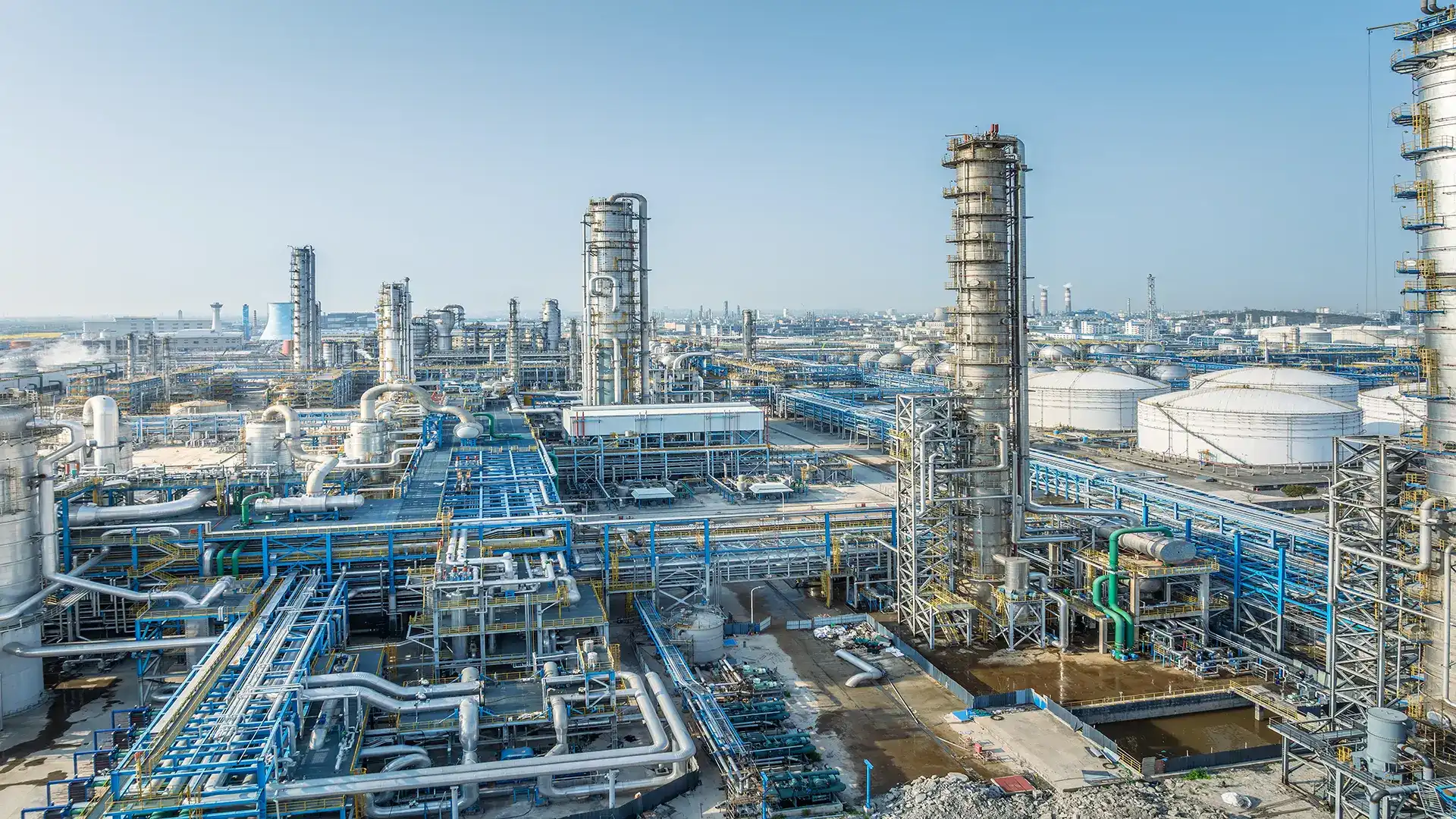
The industri klor alkali menggunakan elektrolisis untuk menghasilkan klorin, soda kaustik, dan hidrogen dari brine yang dimurnikan. Sistem pemompaan terlibat di seluruh persiapan brine, perlakuan kimia, pemrosesan produk, dan penanganan air limbah. Tergantung pada prosesnya, pompa dapat menangani brine kaya klorida, asam klorida, soda kaustik, natrium hipoklorit, cairan terklorinasi, dan air limbah korosif.
Aplikasi ini memerlukan pertimbangan yang cermat terhadap kompatibilitas kimia, suhu, konsentrasi, kandungan padatan, kontrol kebocoran, laju aliran, dan head. Changyu menyediakan solusi pompa tahan korosi untuk berbagai tugas proses klor alkali, dengan konfigurasi pompa dan material basah dipilih sesuai dengan kondisi operasi aktual.
Aplikasi Pemompaan Industri Klor Alkali
Bagian yang berbeda dari pabrik klor alkali menangani fluida yang sangat berbeda. Brine jenuh yang mengandung lumpur garam, elektrolit sirkulasi, soda kaustik bersuhu tinggi dengan kristal garam, natrium hipoklorit, dan asam klorida semuanya menempatkan tuntutan yang berbeda pada pompa.
Untuk alasan ini, Changyu memilih pompa sesuai dengan tugas proses aktual, bukan hanya berdasarkan nama kimia. Kandungan padatan, suhu, konsentrasi klorida, kristalisasi, persyaratan kebocoran, dan posisi pemasangan pompa semuanya mempengaruhi pemilihan akhir.
Solusi pompa klor alkali Changyu mencakup bagian proses utama termasuk:
Pemurnian Brine / Elektrolisis / Evaporasi dan Konsentrasi Soda Kaustik / Penanganan Gas Klorin dan Hipoklorit / Sintesis Asam Klorida
Pemurnian Brine
Penggunaan:
Pemurnian brine adalah salah satu tahap pertama pemompaan dalam produksi klor alkali. Brine jenuh dapat mengandung sejumlah lumpur garam dan pengotor tersuspensi lainnya sebelum dan selama pemurnian. Oleh karena itu pompa perlu mengatasi korosi dan keausan partikel daripada memperlakukan cairan sebagai larutan kimia bersih.
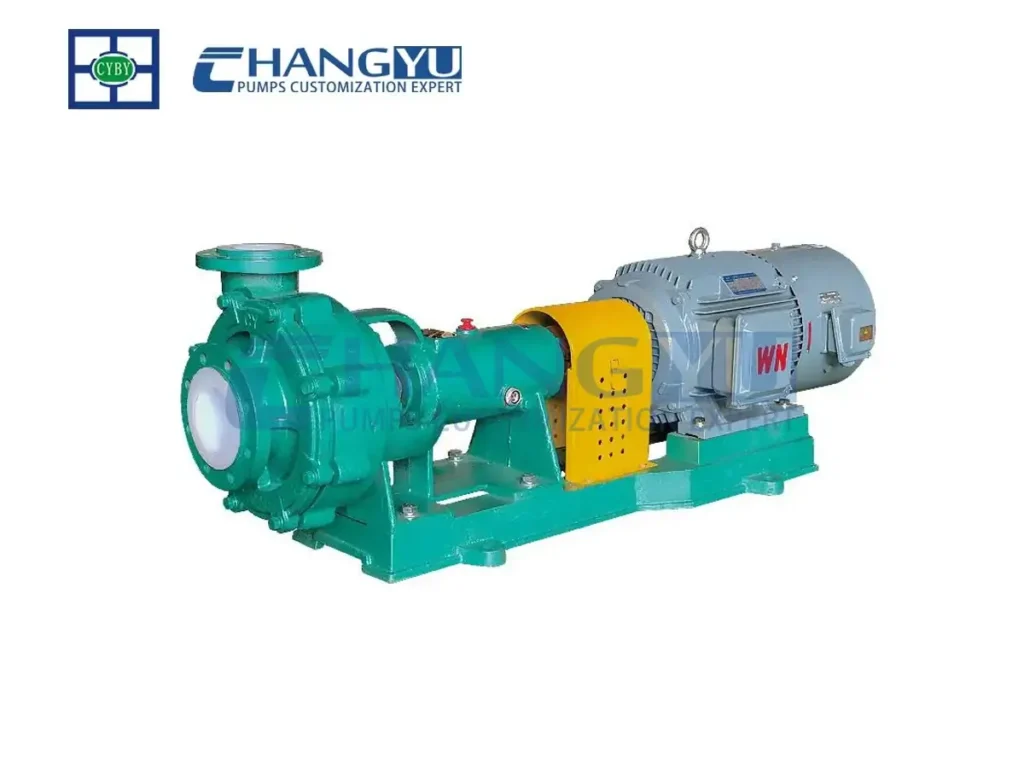
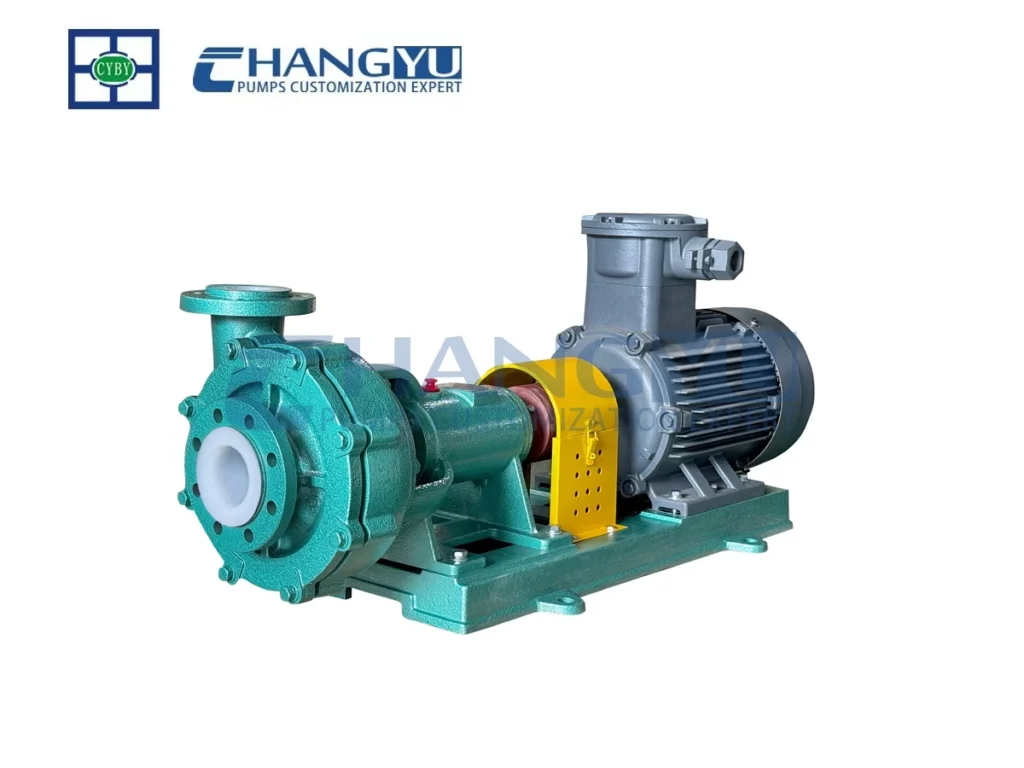
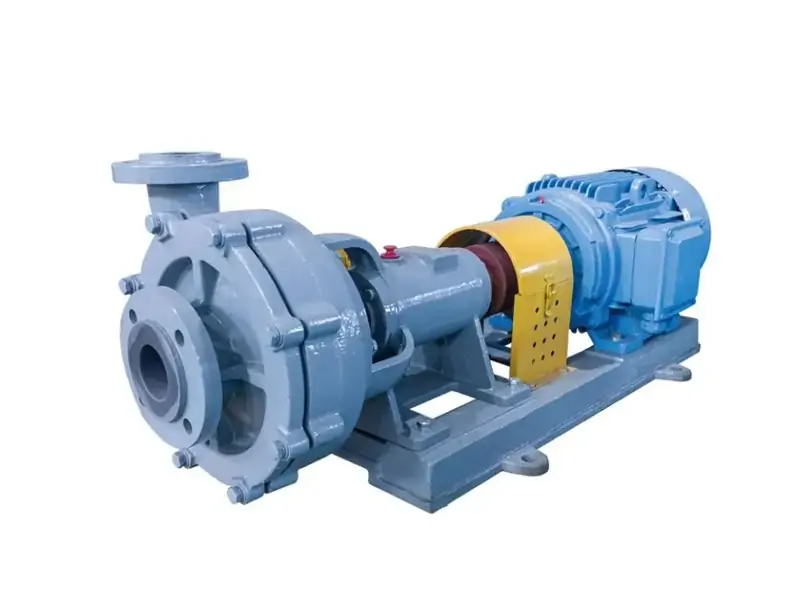
Untuk brine yang mengandung lumpur garam tersuspensi, pompa slurry tahan korosi Seri UHB adalah pilihan yang sesuai. Seri UHB dapat menangani slurry korosif dengan kandungan padatan kurang dari 45%, sehingga lebih tepat untuk jenis layanan campuran cair-padat ini daripada pompa kimia cairan bersih konvensional.
Pompa yang Direkomendasikan
Faktor seleksi utama:
- Ketahanan aus
- Konsentrasi brine jenuh
- Lumpur garam dan padatan tersuspensi
- Kandungan padatan
- Laju aliran dan head
- Korosi klorida
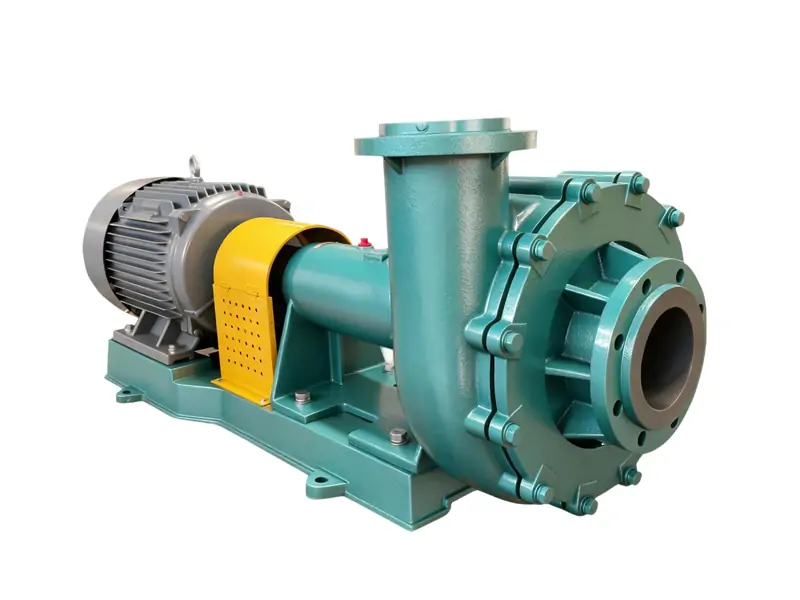
Pompa Lumpur Industri Seri UHB
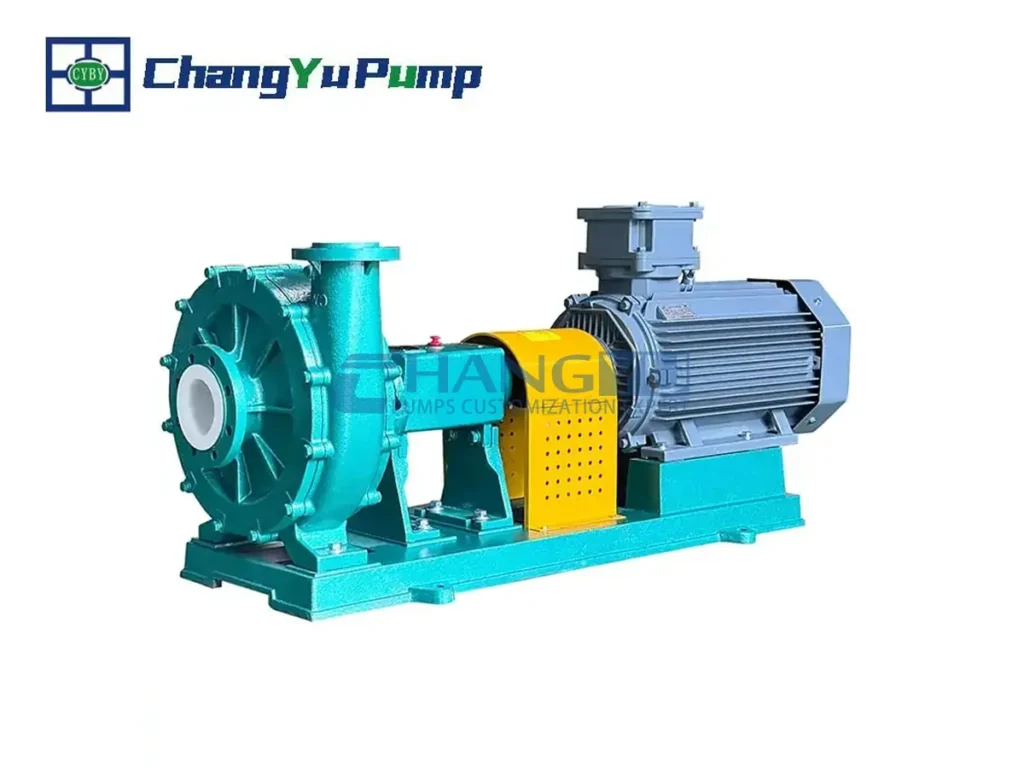
Pompa Tahan Korosi UHMWPE Seri UHB
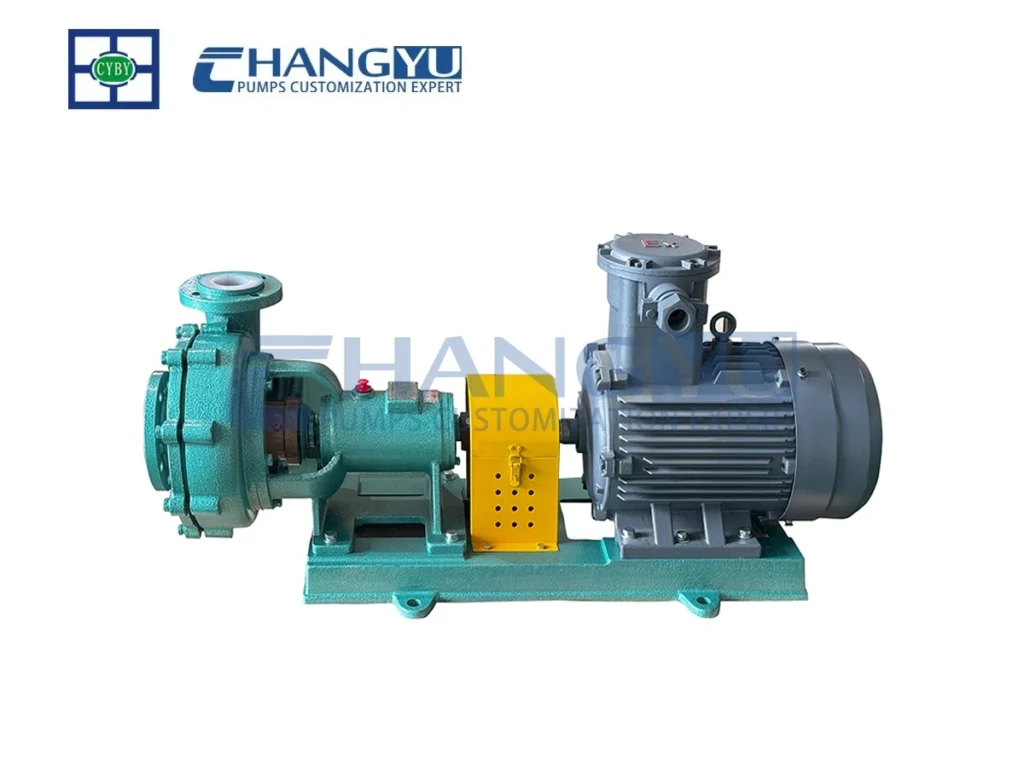
Pompa Lumpur Kasar Seri UHB
Elektrolisis
Penggunaan:
Bagian elektrolisis menangani anolit dan katolit yang mengandung ion klorida dan, tergantung pada lokasi proses, klorin bebas. Kontrol kebocoran menjadi sangat penting saat mentransfer elektrolit agresif.
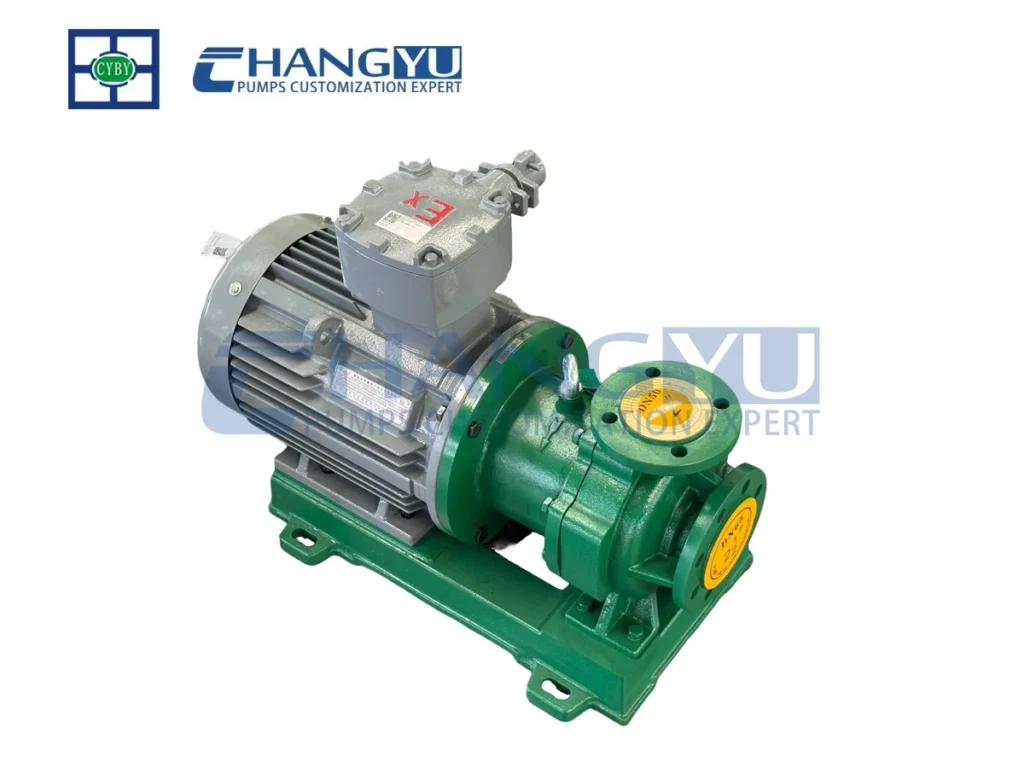
Untuk tugas ini, pompa magnetic-drive dapat dipertimbangkan di mana kebocoran nol atau kebocoran berkurang diperlukan. Pemilihan pompa akhir harus didasarkan pada komposisi elektrolit, suhu, aliran, head, dan kompatibilitas material.
Pompa yang Direkomendasikan:
Faktor seleksi utama:
- Konsentrasi klorida
- Kandungan klorin bebas
- Suhu
- Persyaratan kebocoran
- Laju aliran dan head
- Kompatibilitas material basah
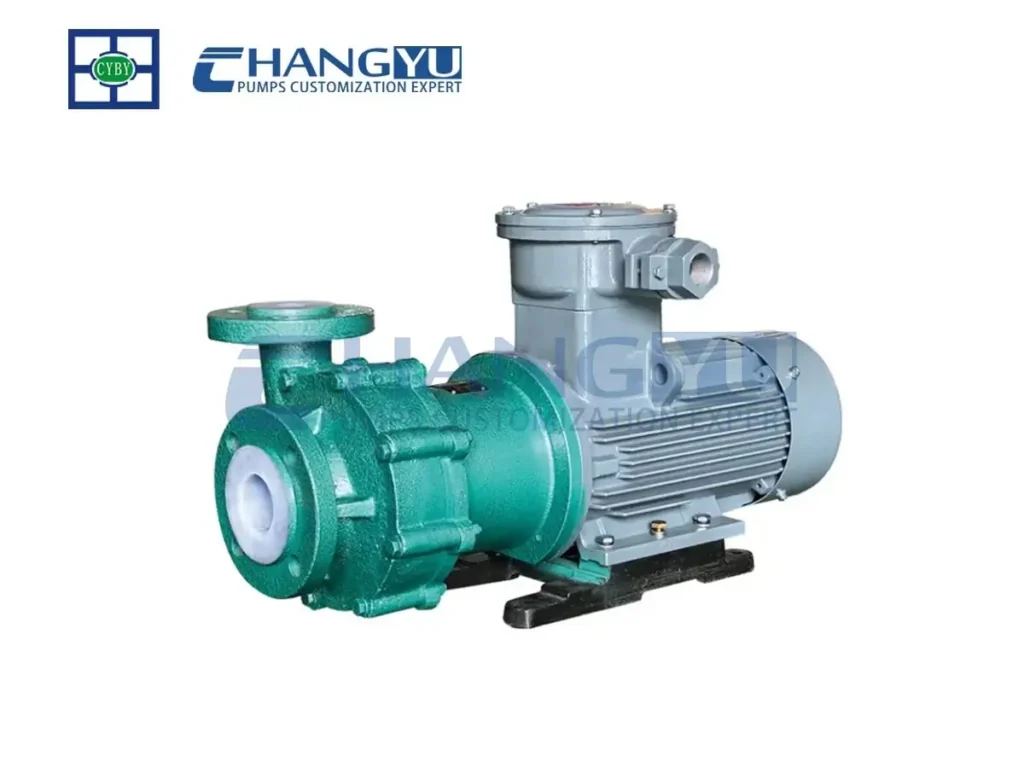
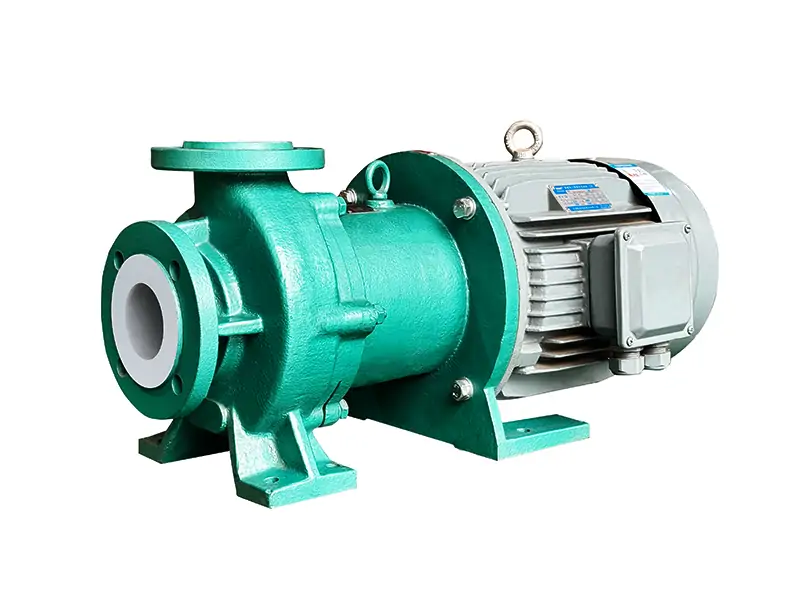
Pompa transfer asam sulfat Seri CYQ
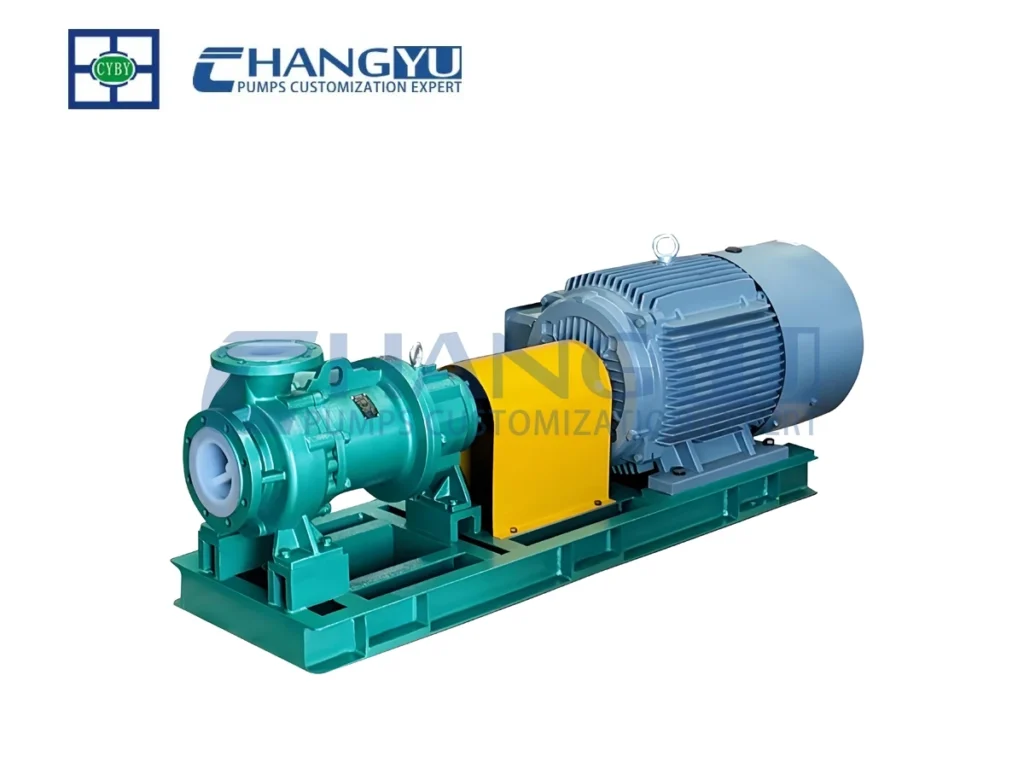
Pompa Kimia Penggerak Magnetik | Pompa Transfer Asam Berjajar CYQ PTFE
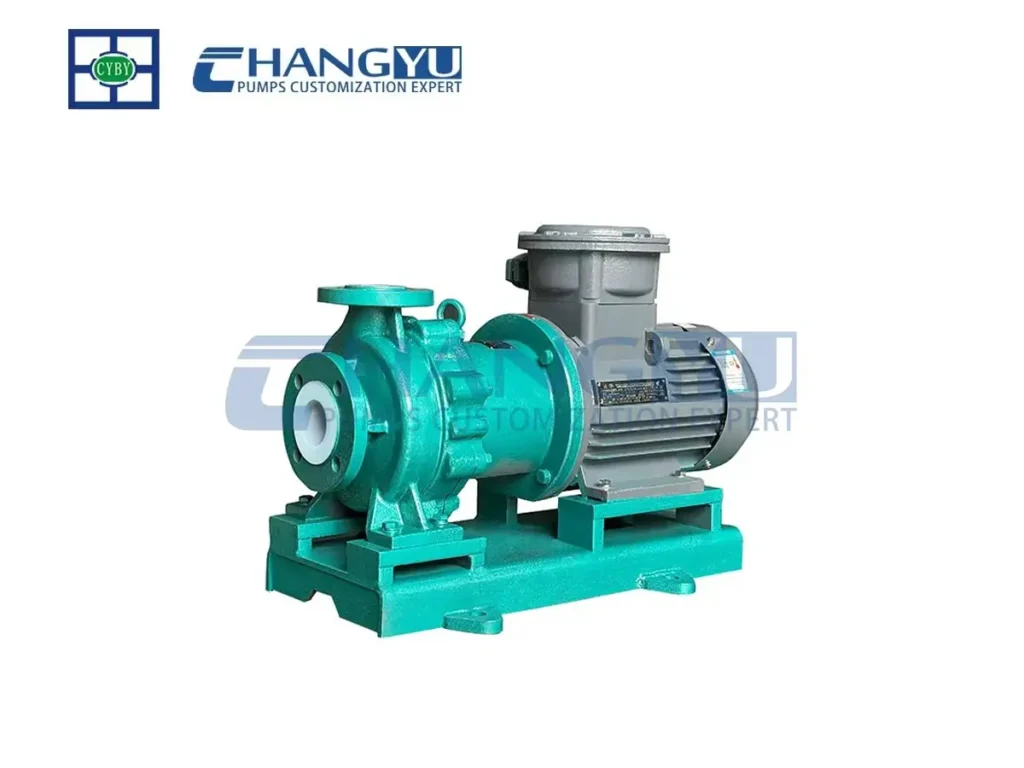
Pompa Sentrifugal Penggerak Magnetik - Seri CYQ
Evaporasi dan Konsentrasi Soda Kaustik
Penggunaan:
Bagian konsentrasi soda kaustik menghadirkan tantangan pemompaan yang berbeda. Cairan dapat menjadi panas dan mungkin mengandung kristal NaCl, sehingga pompa harus menahan suhu tinggi dan potensi kristalisasi atau keausan terkait padatan.
Untuk sirkulasi soda kaustik bersuhu tinggi, Changyu merekomendasikan Pompa Kimia Suhu Tinggi Seri CYG, dengan suhu kerja hingga 150°C sesuai dengan konfigurasi pompa.
Aplikasi ini berbeda dari transfer soda kaustik biasa. Pompa dipilih tidak hanya untuk kompatibilitas NaOH, tetapi juga untuk kondisi suhu dan kristal garam dalam sistem sirkulasi.
Pompa yang Direkomendasikan:
Faktor seleksi utama:
- Konsentrasi NaOH
- Suhu pengoperasian
- Kandungan kristal NaCl
- Aliran sirkulasi
- Head yang dibutuhkan
- Kompatibilitas material
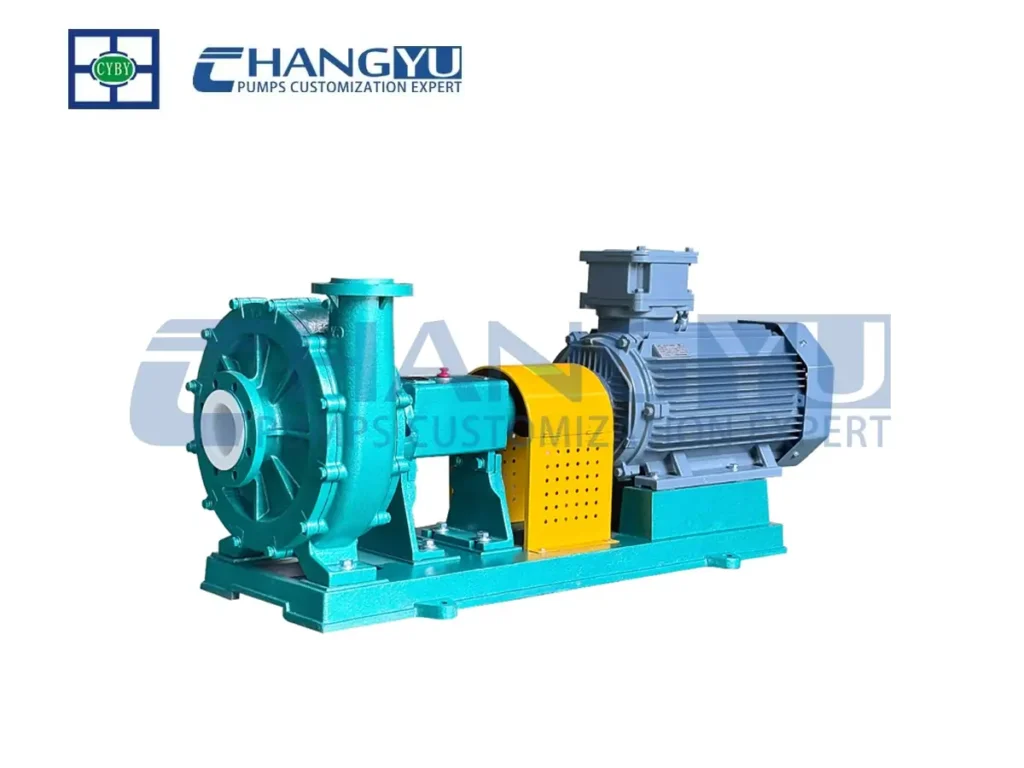
Pompa Kimia Suhu Tinggi Seri CYG
Penanganan Gas Klorin dan Hipoklorit
Penggunaan:
Penanganan klorin melibatkan kondisi yang berbeda dari transfer kimia cair biasa. Klorin basah dan natrium hipoklorit memerlukan material dengan ketahanan yang baik terhadap media yang mengandung klorin dan oksidatif.
Untuk penanganan cairan natrium hipoklorit, pompa submersible fluoroplastik Seri FYH dapat dipertimbangkan.
Pompa yang Direkomendasikan:
Faktor seleksi utama:
- Konsentrasi klorin basah atau hipoklorit
- Kondisi oksidatif
- Suhu
- Kedalaman pemasangan
- Ketahanan korosi
- Kondisi gas-cair
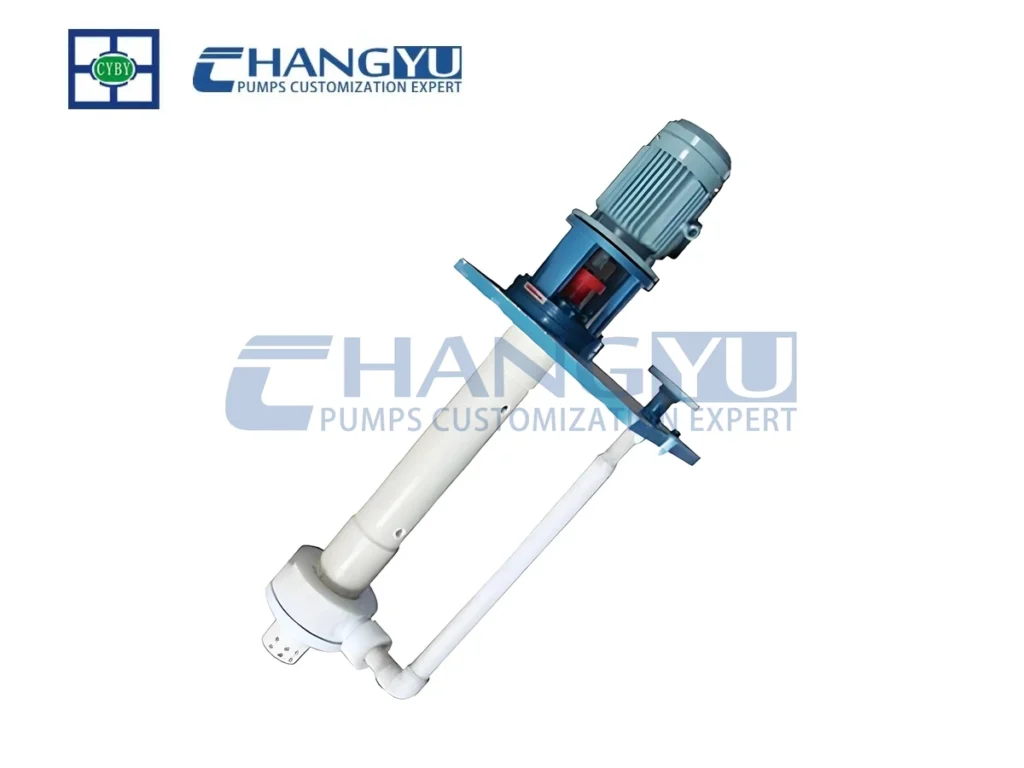
Pompa Semi-submersible Fluoroplastik Seri FYH: Pompa Kimia Tahan Korosi Efisiensi Tinggi
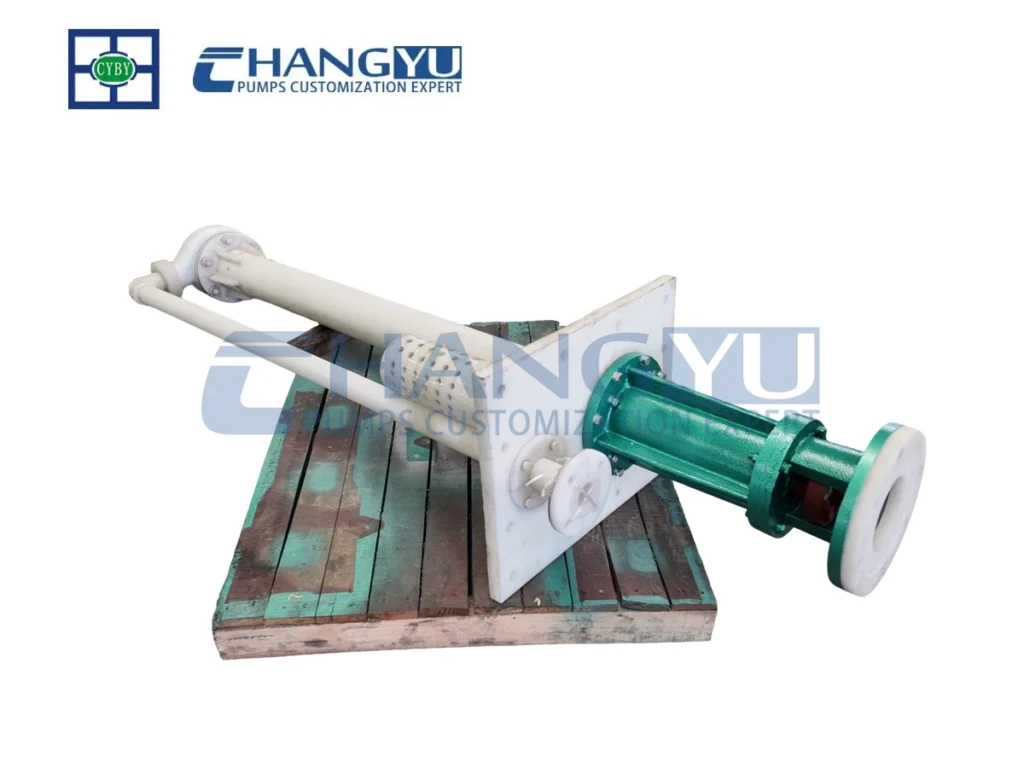
Pompa Celup Tahan Bahan Kimia Seri FYH
Sintesis Asam Klorida
Penggunaan:
Sintesis dan penanganan asam klorida memerlukan pompa yang dapat menahan asam klorida dan kondisi kaya klorida terkait. Material pompa logam konvensional mungkin tidak memberikan ketahanan korosi yang cukup untuk tugas ini.
Untuk transfer asam klorida, pompa sentrifugal berlapis fluoroplastik adalah konfigurasi yang sesuai di mana proses memerlukan ketahanan korosi tinggi.
Pompa yang Direkomendasikan:
Faktor seleksi utama:
- Konsentrasi asam klorida
- Suhu
- Laju aliran
- Kepala
- Ketahanan korosi
- Kompatibilitas lapisan dan seal
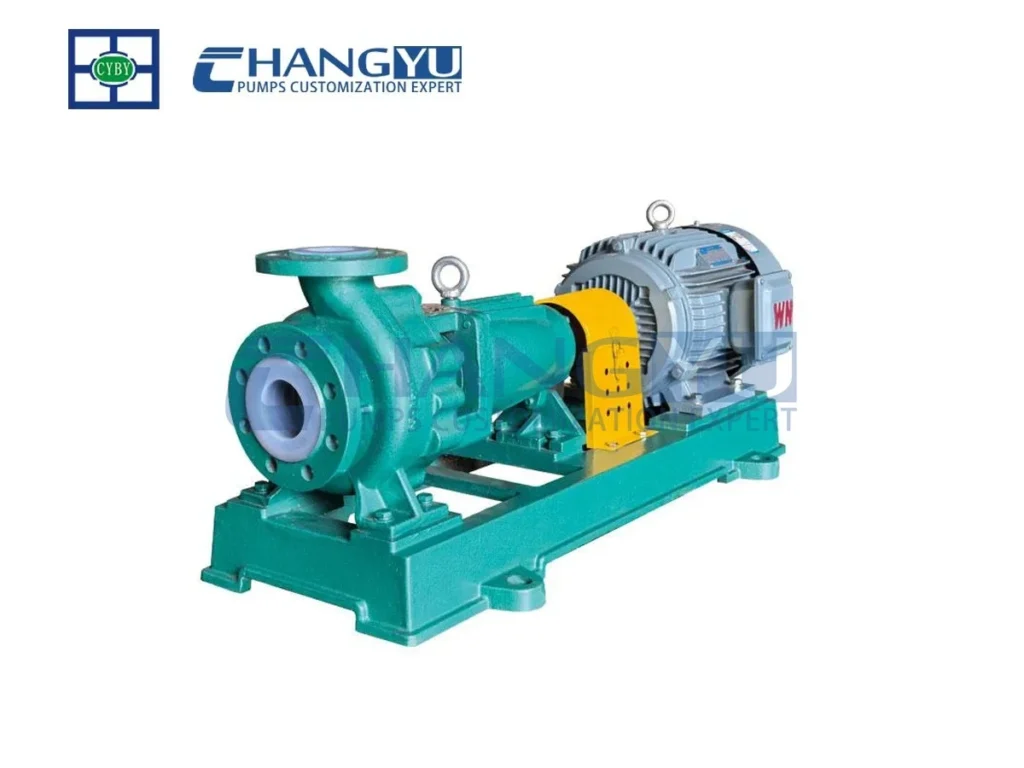
Pompa Sentrifugal Fluoroplastik Seri CYF
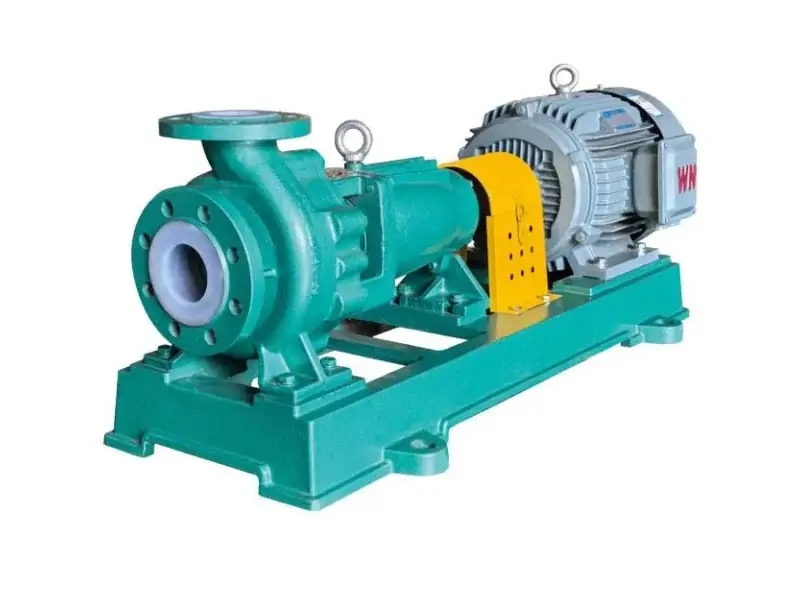
Pompa Transfer Sentrifugal Asam Klorida Seri CYF

Pompa Sentrifugal Kimia Transfer Asam Seri CYF
Cara Memilih Pompa untuk Industri Klor Alkali
Nama kimia saja tidak cukup untuk menentukan pompa yang tepat. Dua pompa yang menangani bahan kimia yang sama dapat memiliki persyaratan yang sangat berbeda ketika konsentrasi, suhu, kandungan padatan, atau kondisi pemasangan berubah.
- Konsentrasi brine, NaOH, HCl, atau natrium hipoklorit mempengaruhi kompatibilitas material dan harus dikonfirmasi sebelum memilih pompa.
- Suhu sangat penting untuk soda kaustik pekat dan proses evaporasi. Suhu operasi yang lebih tinggi dapat mengubah kinerja material dan kondisi operasi pompa.
- Lumpur garam dan kristal NaCl memperkenalkan komponen keausan yang tidak ada dalam transfer cairan kimia bersih. Konstruksi pompa dan desain hidrolik karena itu harus dipertimbangkan bersama dengan ketahanan korosi. Untuk elektrolit agresif dan cairan kimia berbahaya lainnya, kontrol kebocoran dapat mempengaruhi konfigurasi pompa. Pompa magnetic drive dapat dipertimbangkan di mana persyaratan ini signifikan.
- Beberapa aplikasi memerlukan pompa submersible daripada konfigurasi sentrifugal horizontal konvensional. Penanganan natrium hipoklorit adalah salah satu contoh di mana kondisi pemasangan dapat mempengaruhi desain pompa yang sesuai.
- Laju aliran dan head yang diperlukan menentukan kinerja hidrolik yang dibutuhkan dari pompa.
Parameter ini harus dikonfirmasi bersama dengan kondisi kimia dan suhu sebelum pemilihan akhir.
Pemilihan Pompa berdasarkan Proses Klor Alkali
| Proses Klor Alkali | Media yang Dipompa | Tantangan Pemompaan Utama | Pompa yang Direkomendasikan |
|---|---|---|---|
| Pemurnian Brine | Brine jenuh + lumpur garam | Korosi + padatan tersuspensi + keausan | Seri UHB |
| Elektrolisis | Anolit/katolit | Klorida + klorin bebas + pengendalian kebocoran | Pompa Magnetic Drive / Seri CYQ |
| Evaporasi Soda Kaustik | NaOH pekat panas + kristal NaCl | Suhu tinggi + kristalisasi | Seri CYG |
| Penanganan Klorin & Hipoklorit | Klorin basah/natrium hipoklorit | Oksidasi + korosi klorida | Seri FYH |
| Sintesis Asam Klorida | Asam klorida / HCl | Korosi kimia kuat | Pompa Berlapis Fluoroplastik / Seri CYF |
Catatan: Pompa harus dipilih sesuai dengan kondisi proses aktual, bukan menetapkan jenis pompa yang sama untuk setiap aplikasi klor alkali.
Jika Anda tidak yakin bagaimana memilih, silakan hubungi tim kami, dan kami akan menghubungi Anda kembali dalam waktu 24 jam.
PERTANYAAN YANG SERING DIAJUKAN
Hubungi Kami
Solusi Pemompaan yang Fleksibel, Efisien, dan Dapat Disesuaikan Sepenuhnya.
Mencari solusi pemompaan yang sempurna untuk kebutuhan spesifik Anda? Tim ahli kami menyediakan solusi pompa sentrifugal yang disesuaikan dengan cairan, kondisi operasi, dan kebutuhan proyek Anda. Dapatkan konsultasi dan penawaran harga yang dipersonalisasi hari ini!
Kirim Pertanyaan Anda Sekarang
Pompa yang Direkomendasikan untuk Industri Klor Alkali
Berikut adalah model pompa terpilih untuk produksi klor alkali dan tugas transfer kimia terkait. Setiap pompa sesuai untuk kondisi proses yang berbeda, seperti brine korosif yang mengandung padatan, soda kaustik suhu tinggi, natrium hipoklorit, elektrolit, dan asam klorida. Pemilihan pompa akhir bergantung pada media, konsentrasi, suhu, kandungan padatan, laju aliran, head, kondisi instalasi, dan persyaratan kebocoran. Jika Anda tidak yakin pompa mana yang cocok untuk proses Anda, hubungi kami sekarang.