
Введение
Промышленный канализационный насос Выбор определяется единственным главным требованием: насос должен транспортировать жидкости, содержащие твердые частицы, длинные волокна и часто химически агрессивные вещества — без засорения и без утечек. Канализационные насосы представляют собой центробежные насосы, специально разработанные для транспортировки жидкостей, содержащих твердые частицы или длинные волокна. Они обычно доступны в горизонтальном или погружном исполнении и обладают отличной устойчивостью к засорению. Рабочие колеса и проточные части обычных водяных насосов не оптимизированы для работы с твердыми включениями. При использовании стандартных насосов для перекачки сточных вод входное отверстие насоса часто засоряется, а длинные волокна и мусор в сточных водах также часто забивают рабочее колесо. Промышленные канализационные насосы решают эту проблему за счет увеличенных проточных каналов, специальной геометрии рабочих колес и износостойких материалов, которые не предусмотрены в стандартных центробежных насосах.
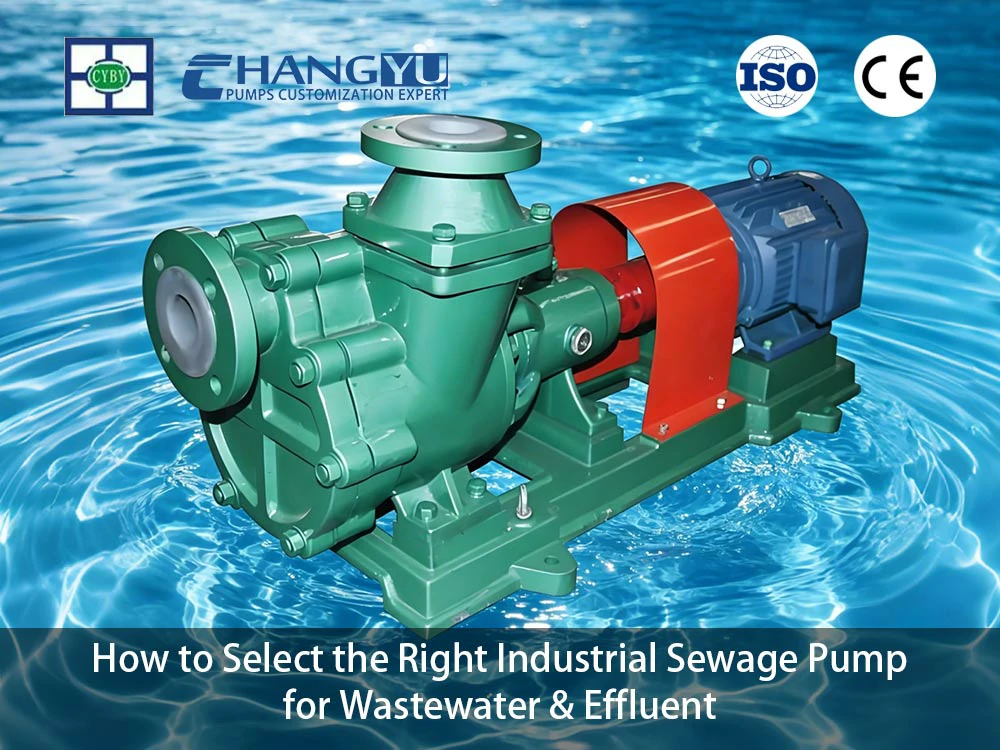
Эти требования объясняют, почему выбор промышленного канализационного насоса принципиально отличается от выбора насоса для чистой воды. Бытовые системы нуждаются в компактных, тихих агрегатах; муниципальные применения отдают приоритет высокой производительности и устойчивости к засорению; промышленные установки часто имеют дело с коррозионными или абразивными жидкостями. Насос, который справляется с очищенными муниципальными сточными водами, может выйти из строя в течение нескольких недель при переназначении на неочищенные промышленные стоки, содержащие абразивный песок, кислую технологическую воду или волокнистые отходы.
Данное руководство представляет собой структурированный справочник, охватывающий типы рабочих колес промышленных канализационных насосов, технологию защиты от засорения, материалы и уплотнения, варианты монтажа, шестиэтапную методику выбора, протоколы технического обслуживания и количественный пример из практики. Опираясь на более чем двадцатилетний опыт в области насосного машиностроения, компания Changyu Pump обладает глубокими знаниями в области выбора коррозионно- и износостойких насосных решений для сложных применений в сфере сточных вод.
Что такое промышленный канализационный насос?
1.1 Определение ядра
An промышленный насос для сточных вод Это центробежный насос, специально разработанный для перекачки неочищенных или частично очищенных сточных вод, технологических стоков и шлама на промышленных объектах. В отличие от стандартных центробежных водяных насосов, в которых используются закрытые рабочие колеса с узкими каналами, оптимизированными для эффективности при работе с чистой водой, промышленные канализационные насосы применяют увеличенные проточные каналы и специальную геометрию рабочих колес для пропуска твердых частиц без засорения. Инженеры оптимизируют рабочее колесо и проточную часть канализационного насоса, увеличивая диаметр рабочего колеса и расширяя проточный канал, достигая отличной способности к предотвращению засорения.
Для удовлетворения потребностей длительной транспортировки абразивных материалов инженеры обычно используют высокоизносостойкие сплавные материалы для изготовления канализационных насосов, тем самым максимально увеличивая срок службы канализационных насосов. Обычно используются тяжелые двигатели для предотвращения засорения при перекачке вязких сточных вод с твердыми включениями. Прочные, износостойкие и коррозионностойкие уплотнения предотвращают отказ уплотнения и утечку жидкости из-за длительного контакта с жидкостью.
2 Чем конструкция промышленного канализационного насоса отличается от стандартных центробежных насосов
| Характеристика | Стандартный центробежный насос | Промышленный канализационный насос |
|---|---|---|
| Тип крыльчатки | Закрытое рабочее колесо с узкими каналами (высокий КПД) | Вихревое, одноканальное, двухканальное, полуоткрытое, измельчающее или режущее (проход твердых частиц) |
| Ширина прохода потока | Узкие; оптимизированы для КПД на чистой воде | Увеличенные; рассчитаны на максимальный ожидаемый диаметр твердых частиц |
| Обработка твердых частиц | Минимальное (только чистые жидкости) | 65–80 мм сферических твердых частиц для вихревых конструкций; до 100 мм для крупноканальных рабочих колес |
| Конструкция корпуса | Стандартная спираль для эффективности | Спираль с увеличенным зазором в языке; износостойкий сплав или нержавеющая сталь |
| Система уплотнений | Одинарное механическое уплотнение; стандартные эластомеры | Двойное механическое уплотнение с масляной камерой; карбидокремниевые торцы; химически стойкие эластомеры; датчик влажности в масляной камере для раннего предупреждения о состоянии уплотнения |
| Защита от износа | Минимум | Сменные защитные кольца, закаленные губы спирали, жертвенные износные пластины |
3 Типичные виды промышленных сточных вод и проблемы перекачки
| Промышленность | Типичные характеристики сточных вод | Задача первичного насоса | Рекомендуемый материал |
|---|---|---|---|
| Гальваническое покрытие и отделка металла | Кислые (pH 1–5), содержат ионы тяжелых металлов | Химическая коррозия; загрязнение ионами металлов | ПП, ПВДФ, фторопластовая подкладка |
| Химическая обработка | Переменный pH (0-14), органические растворители, смешанные кислоты | Широкоспектральная химическая стойкость | С футеровкой из PTFE/PFA или UHMW-PE |
| Травление стали | Горячая HCl или H₂SO₄ (до 90°C) с накипью из оксида железа | Комбинированная высокотемпературная коррозия и абразивное воздействие частиц | Дуплексная нержавеющая сталь CD4MCu или СВМПЭ |
| Крашение текстиля | Щелочные (pH 9–12), высокая цветность, волокнистый пух | Засорение волокнами; щелочное химическое воздействие | Чугун или нержавеющая сталь с вихревым рабочим колесом |
| Продукты питания и напитки | Органические твердые вещества, жиры, масла, переменный pH | Обработка жиров и твердых частиц; коррозия от чистящих химикатов | Нержавеющая сталь 316L |
| Горнодобывающая промышленность и обогащение полезных ископаемых | Кислые или щелочные хвостовые воды, высокая абразивность | Сочетание сильного абразивного износа и умеренной коррозии | Центробежный с футеровкой из UHMW-PE |
Как типы рабочих колес влияют на производительность канализационного насоса?
Тип рабочего колеса определяет, будет ли канализационный насос работать непрерывно или потребует частых вмешательств для устранения засоров. Каждая конструкция представляет собой различный инженерный компромисс между устойчивостью к засорению, гидравлическим КПД и способностью перерабатывать твердые частицы. Тип рабочего колеса (вихревое, канальное, полуоткрытое, измельчающее) определяет способность насоса перерабатывать твердые частицы.
1 Вихревые рабочие колеса
Вихревые рабочие колеса утоплены относительно основного потока, создавая водоворот, который втягивает жидкость и взвешенные твердые частицы через насос, при этом лишь часть твердых частиц контактирует с рабочим колесом. Вихревое рабочее колесо создает вихрь (эффект водоворота), который позволяет шламу, длинным волокнистым материалам и твердым отходам проходить через насос без контакта с рабочим колесом.
Основным преимуществом является максимальная устойчивость к засорению — вихревые рабочие колеса пропускают твердые частицы значительно большего размера, чем канальные колеса аналогичного размера. Компромиссом является гидравлический КПД, обычно 40–55% против 60–75% для сопоставимого канального рабочего колеса. В промышленных канализационных применениях эта потеря эффективности принимается, поскольку стоимость одного случая засорения — вызов оператора, извлечение насоса, ручная очистка — значительно превышает дополнительные затраты на электроэнергию от менее эффективного рабочего колеса.
2 Одноканальные рабочие колеса
Одноканальные рабочие колеса имеют один большой проточный канал от входа рабочего колеса к периферии. Одноканальная конструкция обеспечивает большой свободный проход, который снижает риск засорения, сохраняя при этом более высокий гидравлический КПД, чем вихревые альтернативы (60–75%).
3 Двухканальные рабочие колеса
Двухканальные рабочие колеса обеспечивают баланс между эффективностью (65–78%) и пропускной способностью твердых частиц, но закрытые двухканальные конструкции очень подвержены засорению волокнистыми материалами, которые обматываются вокруг лопастей рабочего колеса. По этой причине двухканальные рабочие колеса лучше всего использовать для очищенных стоков и фильтрованных сточных вод, где содержание твердых частиц предсказуемо, а волокнистые материалы удалены.
4 Насосы-измельчители и режущие насосы
Насосы-измельчители оснащены режущим механизмом перед рабочим колесом, который измельчает твердые частицы в мелкую суспензию до того, как жидкость попадет в насос. Они оборудованы режущими механизмами для измельчения твердых частиц и идеально подходят для напорных канализационных систем, где существует риск засорения. Режущие насосы используют неподвижное режущее кольцо, о которое лопасти рабочего колеса срезают поступающие твердые частицы. Оба типа полностью устраняют ограничение по размеру проходного сечения, но потребляют дополнительную энергию и требуют периодической замены режущих поверхностей.
5 Полуоткрытые рабочие колеса
Полуоткрытые рабочие колеса имеют снятую переднюю крышку, открывая лопасти с одной стороны. Эта конструкция менее подвержена засорению, чем закрытые рабочие колеса, поскольку нет замкнутого канала, в котором твердые частицы могли бы застрять между крышками. Конструкция полуоткрытого рабочего колеса с загнутыми назад лопастями обеспечивает баланс между пропускной способностью твердых частиц и эффективностью для промышленных сточных вод со смешанным содержанием твердых частиц.
6 Сравнение типов рабочих колес
| Тип крыльчатки | Проход твердых частиц | Устойчивость к засорению | Эффективность | Лучшее приложение |
|---|---|---|---|---|
| Vortex | До 80 мм сферических | Превосходно | 40–55% | Нефильтрованные сырые сточные воды, шлам, волокнистые/нитевидные отходы |
| Одноканальное | До 100 мм (S-tube®) | Хорошо | 60–75% | Фильтрованные сточные воды, первичный шлам |
| Двухканальное | До диаметра прохода рабочего колеса | Умеренный (волокнистые твердые частицы могут засорять) | 65–78% | Очищенные сточные воды, очищенные сточные воды |
| Шлифовальная машина/резка | Мацерированные твердые вещества - без ограничения прохода | Превосходно (твердые частицы разрушены) | Ниже (дополнительное потребление энергии) | Напорные канализационные системы, напорные коллекторы малого диаметра |
| Полуоткрытое | Мелкие и средние твердые частицы | Умеренный | 55–70% | Промышленные сточные воды, жидкости с содержанием песка |
Какие материалы и уплотнения лучше всего подходят для промышленных сточных вод?
1 Материалы корпуса и рабочего колеса
Выбор материала для промышленного насоса для сточных вод должен учитывать одновременное воздействие абразивного износа от песка, коррозии от сточных вод с переменным pH и механических нагрузок от ударов твердых частиц.
Чугун является базовым материалом для стандартных муниципальных канализационных применений, обеспечивая хорошую износостойкость при умеренной стоимости. Ковкий чугун обеспечивает повышенную ударную вязкость и используется для больших корпусов насосов. Для коррозионных или агрессивных сточных вод требуются материалы более высокого класса.
316L нержавеющая сталь обеспечивает хорошую стойкость к слабокислым или щелочным стокам, но имеет документально подтвержденные ограничения при работе с хлоридсодержащими потоками.
Дуплексная нержавеющая сталь CD4MCu специально разработана для комбинированного воздействия коррозии и абразивного износа.
UHMW-PE (полиэтилен сверхвысокой молекулярной массы) Футерованные насосы обеспечивают химический барьер, который изолирует корпус насоса от агрессивных сред, одновременно поглощая энергию удара частиц. В стандартизированных условиях испытаний на абразивный износ износостойкость UHMW-PE примерно в 7–10 раз выше, чем у углеродистой и нержавеющей стали. Для наиболее тяжелых условий комбинированной коррозии и абразивного износа — кислых промышленных сточных вод с абразивными твердыми частицами — футерованные насосы из UHMW-PE обеспечивают наилучшую комбинированную защиту.
2 Системы механических уплотнений
Механическое уплотнение является наиболее уязвимым компонентом в насосе для сточных вод. Для промышленных сточных вод стандартной спецификацией являются двойные механические уплотнения с масляной барьерной камерой. Система двойного уплотнения, часто с масляной камерой между ними, добавляет резервирование и защищает от скачков давления или неожиданного перемещения вала. Два набора пар трения из карбида кремния работают против седел из карбида кремния, при этом масляная камера обеспечивает смазку, охлаждение и раннее обнаружение деградации уплотнения с помощью анализа масла.
3 Выбор материалов уплотнений и эластомеров
| Тип эластомера | Лучшее для | Диапазон pH | Максимальная температура | Типовое применение |
|---|---|---|---|---|
| EPDM | Щелочные сточные воды, общие сточные воды | pH 5–14 | ~120°C | Стандартные муниципальные сточные воды, O-кольца, статические уплотнения |
| Витон (FKM) | Кислые сточные воды, растворители | pH 2–10 | ~150°C | Промышленные сточные воды с химическим составом |
| FFKM (Kalrez) | Максимальная химическая стойкость | pH 0-14 | ~200°C | Агрессивные промышленные стоки, смешанные химические отходы |
| Нитрил (NBR) | Сточные воды, содержащие масла | pH 3-10 | ~100°C | Насосные станции с нефтяным загрязнением |
3.4 Краткое руководство по выбору материала
| Материал | Лучшее для | Диапазон pH | Максимальная температура | Типовое применение |
|---|---|---|---|---|
| Чугун | Общие муниципальные сточные воды | pH 5–10 | ~120°C | Стандартные сырые сточные воды, фильтрованный сток |
| 316L SS | Слабокоррозионные сточные воды | pH 3-10 | ~120°C | Промышленные стоки, сточные воды химических заводов |
| Дуплексная нержавеющая сталь CD4MCu | Комбинированная коррозия-абразия | pH 2-12 | ~110°C | Сточные воды с содержанием песка, сточные воды десульфуризации дымовых газов |
| Подкладка из UHMW-PE | Сочетание сильной коррозии и абразивного износа | Широкий (кислота, щелочь, соль) | ~90°C | Кислые промышленные сточные воды с абразивными твердыми частицами |
Какая конфигурация установки подходит для вашего применения?
1 Погружные насосы для сточных вод
Погружные центробежные насосы для сточных вод работают полностью погруженными в собираемые сточные воды, при этом двигатель и насос объединены в единый герметичный блок. Используемые в жилых, муниципальных и промышленных условиях, погружные насосы обеспечивают универсальные и экономически эффективные решения. Их конструкция позволяет им быть полностью погруженными в жидкость, снижая шум, упрощая установку и устраняя необходимость во внешнем заливе. Установка не требует сухого приямка или фундаментной плиты — насос просто опускается в мокрую камеру по направляющим.
2 Горизонтальные насосы для сточных вод сухой установки
Горизонтальные центробежные насосы для сточных вод сухой установки монтируются в сухой камере, примыкающей к мокрой камере. Эта конфигурация обеспечивает полный доступ к насосу для технического обслуживания без необходимости извлечения агрегата из погруженного положения. Насосы сухой установки обычно обеспечивают более высокую эффективность, чем погружные альтернативы, а двигатель работает в чистой, сухой среде.
3 Самовсасывающие насосы для сточных вод
Самовсасывающие центробежные насосы для сточных вод могут удалять воздух из всасывающей линии и поднимать жидкость вверх без ручного залива. Они устанавливаются выше уровня жидкости — обычно на уровне земли — с всасывающей линией, опущенной в мокрую камеру или приямок.
4 Вертикальные консольные насосы для сточных вод
Вертикальные консольные насосы размещают двигатель и подшипники над крышкой приямка, с длинным валом, опускающимся вниз к погруженному рабочему колесу. Никакие подшипники или уплотнения не работают ниже уровня жидкости, что делает эту конструкцию подходящей для глубоких приямков и коррозионных или высокотемпературных сточных вод.
5 Руководство по выбору конфигурации установки
| Конфигурация | Доступ для обслуживания | Требование к площади | Лучшее приложение |
|---|---|---|---|
| Погружной | Требуется извлечение насоса | Минимальный (нет сухого приямка) | Мокрые камеры, насосные станции, глубокие приямки |
| Горизонтальный сухой установки | Полный доступ в сухой камере | Требуется смежный сухой приямок | Стационарные станции, применения с непрерывным режимом работы |
| Самоподпитка | Полный доступ на уровне земли | Надземный след | Насосные станции, перекачка, портативные применения |
| Вертикальная консоль | Двигатель доступен выше приямка | Минимальная площадь пола | Глубокие приямки, коррозионные/высокотемпературные сточные воды |
Как выбрать правильный промышленный канализационный насос: 6-этапная структура
Структурированный процесс выбора обеспечивает соответствие между производительностью насоса и реальными требованиями.
Шаг 1: Охарактеризуйте сточные воды
Задокументируйте полный физический и химический профиль: тип твердых частиц (органические, волокнистые, песок), максимальный размер твердых частиц, pH, температура, содержание песка/песка и наличие любых промышленных химикатов. Это серая вода, черная вода, ливневый сток или промышленные стоки? Содержание твердых частиц, химический состав и температура повлияют на ваш выбор материалов и конструкции. Профиль твердых частиц определяет тип рабочего колеса; химический профиль определяет окно совместимости материалов.
Ключевые данные: Тип твердых частиц, максимальный размер частиц, pH, температура, содержание песка.
Шаг 2: Определите точку дежурства
Рассчитайте требуемый расход и общий динамический напор, учитывая статический подъем из приямка или мокрой камеры, потери на трение в напорном трубопроводе и любое требование по давлению на выходе. Определите рабочую точку вашей системы (расход и давление). Используйте гидравлические расчеты или проконсультируйтесь с инженерами для точной оценки.
Ключевые данные: Расход (GPM или м³/ч), TDH, статический подъем, потери на трение.
Шаг 3: Сопоставьте тип рабочего колеса с профилем твердых частиц
Для неочищенных сырых сточных вод с волокнистыми и нитевидными материалами → вихревое рабочее колесо. Для очищенных сточных вод или первичного осадка → одноканальное рабочее колесо. Для напорных канализационных систем с малым диаметром напорных трубопроводов → насос-измельчитель. Для смешанных промышленных сточных вод → полуоткрытое рабочее колесо. Выбор рабочего колеса определяет долгосрочную надежность насоса.
Логика принятия решений: Волокнистые твердые частицы → вихревое; очищенные сточные воды → одноканальное; напорная канализация → измельчитель; смешанные среды → полуоткрытое.
Шаг 4: Выберите материалы и конфигурацию уплотнения
Сопоставьте материалы корпуса и рабочего колеса с химическим составом сточных вод при максимальной рабочей температуре. Для обычных муниципальных сточных вод достаточно чугуна. Для коррозионных или абразивных промышленных сточных вод укажите дуплексную нержавеющую сталь CD4MCu или компоненты с футеровкой из UHMW-PE. Выберите двойные механические уплотнения с карбидом кремния для всех непрерывных промышленных канализационных применений.
Логика принятия решений: pH 5–10, низкое содержание песка → чугун; pH 2–12, с песком → дуплексная SS CD4MCu; pH 0–14, абразивные твердые частицы → футеровка UHMW-PE.
Шаг 5: Выберите конфигурацию установки
Сопоставьте тип установки с условиями на площадке. Установка в ограниченной мокрой камере? Имеете ли вы дело с коррозионными атмосферами, взрывоопасными зонами или экстремальными температурами? Погружные насосы не требуют сухой камеры; самовсасывающие насосы обеспечивают доступ на уровне земли; вертикальные консольные насосы исключают подшипники, работающие в жидкости.
Логика принятия решений: Ограниченная мокрая камера → погружной; необходим доступ на уровне земли → самовсасывающий; глубокий коррозионный приямок → вертикальный консольный; постоянная станция → горизонтальный с сухой камерой.
Шаг 6: Оцените общую стоимость владения
Не оценивайте только покупную цену. Учитывайте интервалы технического обслуживания, доступность уплотнений, наличие запасных частей и среднее время между отказами (MTBF). Насос с вихревым рабочим колесом с более низким КПД, но без засорений, будет регулярно обеспечивать более низкую совокупную стоимость владения, чем высокоэффективный насос, требующий частых вмешательств для устранения засоров.
Ключевые факторы: Энергия (60–70% стоимости жизненного цикла), изнашиваемые детали, трудозатраты на обслуживание, стоимость простоя.
Техническое обслуживание, устранение неисправностей и управление стоимостью жизненного цикла
6.1 Общие виды отказов
Наиболее частые режимы отказов в промышленных канализационных насосах: засорение рабочего колеса волокнистыми твердыми частицами или крупным мусором; утечка уплотнения из-за проникновения песка между поверхностями уплотнения; отказ подшипника из-за загрязнения водой вследствие деградации уплотнения; кавитационное повреждение из-за недостаточного запаса NPSH; и чрезмерная вибрация из-за дисбаланса рабочего колеса вследствие неравномерного износа или накопления твердых частиц.
6.2 График профилактического обслуживания
| Интервал | Задание |
|---|---|
| Ежедневно | Контролируйте ток двигателя и давление нагнетания; проверьте наличие необычной вибрации или шума. |
| Еженедельник | Проверьте состояние масла в уплотнении (ищите загрязнение водой — мутное масло указывает на внутреннюю утечку уплотнения); проверьте температуру подшипника |
| Ежемесячно | Измерьте зазор между рабочим колесом и корпусом; осмотрите износные кольца на наличие канавок или утонения; проверьте состояние уплотнительных колец и прокладок |
| Ежеквартально | Полный осмотр мокрой части; замена смазки подшипника; проверка целостности уплотнения путем испытания давлением |
| Ежегодно | Полная разборка насоса; измерьте и замените все изнашивающиеся компоненты (рабочее колесо, изнашивающиеся кольца, уплотнения, подшипники); проверьте целостность корпуса и вала. |
6.3 Краткое руководство по поиску и устранению неисправностей
| Симптом | Вероятная причина | Рекомендуемое действие |
|---|---|---|
| Насос засоряется повторно | Тип рабочего колеса не соответствует профилю твердых частиц | Переход на вихревое рабочее колесо; убедитесь, что свободный проходной диаметр превышает максимальный размер твердых частиц |
| Постепенное снижение расхода | Износ крыльчатки или увеличение внутренних зазоров | Отрегулируйте зазор в крыльчатке; замените износостойкие кольца, если зазор превышает установленный производителем предел |
| Негерметичность уплотнения | Проникновение песка между поверхностями уплотнения; деградация эластомера | Осмотрите поверхности уплотнения на наличие царапин; проверьте масляную камеру на загрязнение; замените уплотнения |
| Чрезмерная вибрация | Дисбаланс рабочего колеса; кавитация; ухудшение состояния подшипника | Очистите рабочее колесо; проверьте запас NPSH; осмотрите подшипники на наличие питтинга или выкрашивания |
| Отключение при перегрузке двигателя | Застревание твердых частиц; повышенная вязкость; заклинивание подшипника | Очистите рабочее колесо; убедитесь, что вязкость стоков соответствует номиналу насоса; осмотрите подшипники |
4 Оценка стоимости жизненного цикла
Оценка стоимости жизненного цикла для промышленного канализационного насоса должна учитывать капитальные затраты, потребление энергии (обычно 60–70% стоимости жизненного цикла), частоту замены изнашиваемых деталей, трудозатраты на обслуживание и стоимость незапланированного простоя, вызванного засорением или отказом. Высокоэффективные двигатели и совместимость с VFD могут снизить долгосрочные эксплуатационные расходы. Насос с более высокой начальной ценой, но значительно более длительным сроком службы в конкретном химическом составе сточных вод, регулярно обеспечивает более низкую совокупную стоимость владения, чем бюджетная альтернатива, требующая частых ремонтов.
Решения Changyu Pump для промышленных канализационных насосов
Следующие серии Changyu Pump решают ключевые проблемы перекачки сточных вод, рассмотренные выше — каждая соответствует конкретным характеристикам стоков и эксплуатационным требованиям.
Центробежный насос с футеровкой из сверхвысокомолекулярного полиэтилена серии UHB

Серия UHB представляет собой консольный, одноступенчатый, одно-всасывающий центробежный насос со стальной футеровкой UHMW-PE корпус. Его передовая конструкция “сталь с пластиковой футеровкой” использует исключительную износостойкость UHMW-PE — примерно в 7–10 раз выше, чем у углеродистой и нержавеющей стали в стандартных условиях испытаний на абразивный износ — в сочетании с широкой химической совместимостью во всем диапазоне pH при температурах до 90°C. Для промышленных сточных вод, содержащих как агрессивные химикаты, так и абразивные твердые частицы — таких как вода хвостохранилищ, фосфорнокислые сточные воды и стоки химических заводов — футеровка из UHMW-PE обеспечивает комбинированную защиту от коррозии и износа, которую не может обеспечить ни чисто металлический, ни чисто пластиковый насос по отдельности.
Основные характеристики: Расход 3-2,600 м³/ч | Напор 5-100 м | Мощность 0,75-300 кВт | Температура -20°C - 90°C
FZB Серия самовсасывающих центробежных насосов с фторопластовой футеровкой
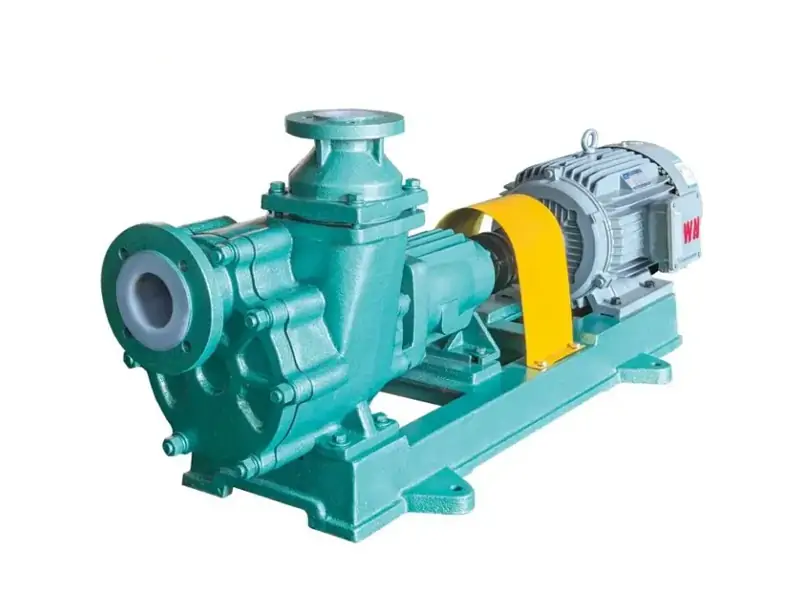
Серия FZB - это самовсасывающий центробежный насос с проточными компонентами, облицованными FEP (F46) или PFA. Он предназначен для перекачки агрессивных жидкостей в условиях сложного всасывания или когда уровень жидкости ниже входного отверстия насоса. После первоначального заполнения насос может автоматически удалять воздух из всасывающей линии и поддерживать непрерывную работу в сложных химических условиях. Для промышленных сточных вод, где насос должен поднимать агрессивные или химически активные сточные воды из приямков или колодцев, расположенных ниже уровня земли, серия FZB обеспечивает сочетание преимуществ самовсасывающей гидравлики, коррозионной стойкости фторопласта и удобства обслуживания на поверхности.
Основные характеристики: Расход 2,5-100 м³/ч | Напор 15-50 м | Мощность 0,75-55 кВт | Температура от -20°C до 150°C
CYQ Серия магнитных герметичных насосов
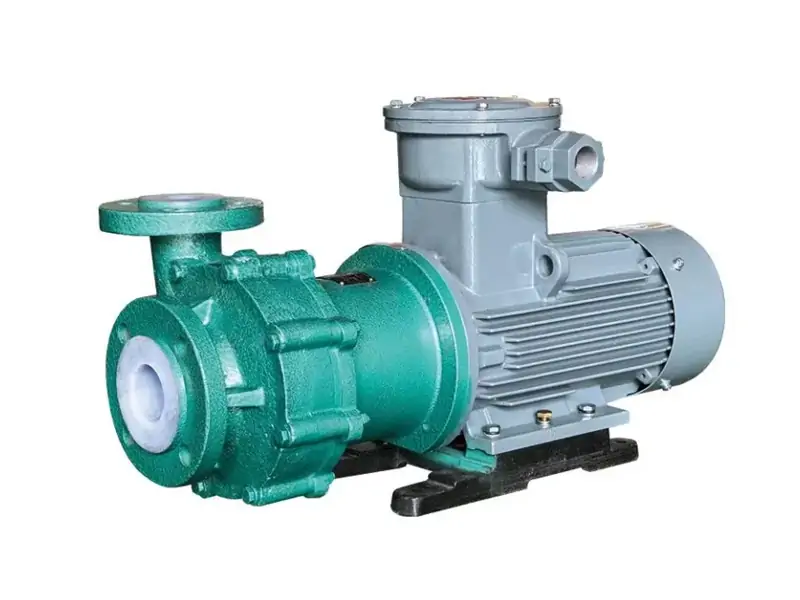
Серия CYQ представляет собой бессальниковый насос с магнитным приводом и смачиваемыми компонентами, футерованными FEP, PFA или PTFE. Крутящий момент передается от стандартного двигателя через неподвижную разделительную гильзу с помощью постоянного магнита ротора, заключая технологическую жидкость в полностью герметичную камеру и обеспечивая нулевую утечку по конструкции. Для промышленных сточных вод, содержащих токсичные, легковоспламеняющиеся или дорогостоящие химикаты — где даже незначительная утечка через механическое уплотнение недопустима — магнитная муфта полностью исключает механическое уплотнение и связанный с ним путь утечки, обеспечивая герметичность, необходимую для безопасной и соответствующей нормам эксплуатации.
Основные характеристики: Расход 3-800 м³/ч | Напор 15-125 м | Мощность 2,2-110 кВт | Скорость 2 950 об/мин | Температура -20°C - 180°C
Центробежный химический насос из нержавеющей стали серии CYH
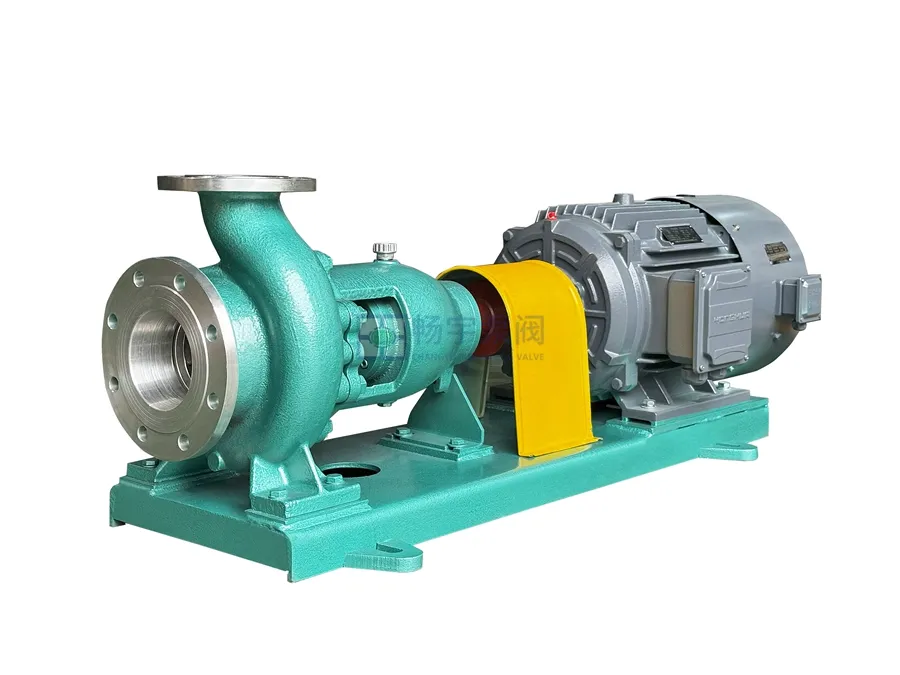
Серия CYH представляет собой одноступенчатый центробежный насос с односторонним всасыванием и консольной конструкцией, разработанный и маркированный в соответствии с ISO 2858-1975(E). Изготовлен из нержавеющей стали—Нержавеющая сталь 304, 316, 316L или дуплексная нержавеющая сталь— он служит идеальной заменой традиционных коррозионно-стойких насосов с фторопластовой футеровкой. Для промышленных сточных вод, где химическая среда умеренно агрессивна и контакт металла с технологическим потоком допустим, серия CYH обеспечивает долговечное и соответствующее стандартам решение.
Основные характеристики: Расход 0,8–750 м³/ч | Напор 3–130 м | Мощность 2,2–110 кВт | Температура от -20°C до 165°C
Краткое руководство по выбору промышленного насоса для сточных вод
| Серия насосов | Тип | Лучшее приложение | Ключевые материалы |
|---|---|---|---|
| UHB | Центробежный с футеровкой из UHMW-PE | Комбинированные коррозионно-абразивные промышленные сточные воды с мелкими твердыми частицами | UHMW-PE |
| FZB | Самовсасывающий центробежный с фторопластовой футеровкой | Агрессивные сточные воды ниже уровня земли; требуется высота всасывания | FEP (F46), PFA |
| CYQ | Магнитный привод бессальниковый | Токсичные, легковоспламеняющиеся, дорогостоящие химические сточные воды | FEP, PFA, PTFE |
| CYH | Центробежный из нержавеющей стали | Промышленные сточные воды с умеренной коррозией | 304, 316, 316L, Дуплекс |
Пример из практики: Решение проблемы засорения на промышленной станции очистки сточных вод
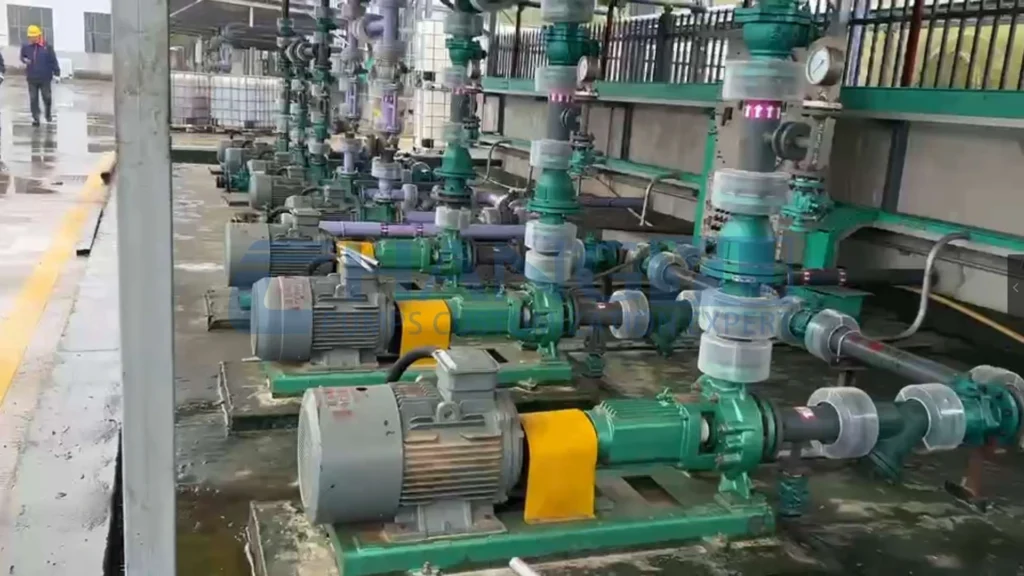
Задача клиента: Химический завод в Юго-Восточной Азии столкнулся с хроническим засорением своих стандартных центробежных насосов, перекачивающих промышленные стоки. Поток сточных вод содержал смесь кислой технологической воды (pH 3–5), волокнистых твердых частиц из фильтрующих материалов и абразивных частиц катализатора. Насосы были оснащены закрытыми двухканальными рабочими колесами, которые постоянно засорялись волокнистыми материалами. Насосы засорялись три-четыре раза в месяц, требуя каждый раз вмешательства оператора. После 14 месяцев эксплуатации износ рабочего колеса из-за комбинированного химико-механического воздействия снизил КПД насоса примерно на 35%, а механические уплотнения выходили из строя трижды из-за воздействия кислоты на эластомеры уплотнений.
Инженерный анализ: Инженеры Changyu Pump проанализировали эксплуатационные данные и полный химический и физический состав сточных вод. Основной причиной засорения было закрытое двухканальное рабочее колесо, которое было подвержено наматыванию волокнистых твердых частиц на лопасти. Кислая несущая жидкость (pH 3–5) также воздействовала на чугунный корпус и стандартные эластомеры уплотнений EPDM, ускоряя потерю материала за счет комбинированного механизма коррозии и абразивного износа.
Развернутое решение: Компания Changyu Pump заменила существующие насосы на Центробежные насосы серии UHB с футеровкой из сверхвысокомолекулярного полиэтилена В конструкцию внесены следующие изменения:
- Корпус с футеровкой из UHMW-PE: Полностью исключил контакт кислоты с корпусом насоса, устранив коррозионную составляющую из уравнения износа, одновременно поглощая энергию удара частиц от абразивных твердых частиц катализатора.
- Вихревое рабочее колесо с проходным сечением 65 мм: Утопленное рабочее колесо позволяло волокнистым твердым частицам проходить через насос без прямого контакта с ним, устраняя засорение, которое преследовало конструкцию с закрытыми каналами.
- Двойное механическое уплотнение из карбида кремния с эластомерами FFKM: Кольца круглого сечения из FFKM (Kalrez) обеспечили подтвержденную химическую совместимость с кислой несущей жидкостью при рабочей температуре, а маслозаполненная барьерная камера обеспечила резервирование на случай отказа уплотнения с возможностью раннего обнаружения влаги.
Количественные результаты (оценка через 18 месяцев):
| Метрика | До модернизации | После модернизации | Улучшение |
|---|---|---|---|
| Случаи засорения в месяц | 3-4 | < 0,2 (один раз в 5–6 месяцев) | Снижение ~94% |
| Срок службы рабочего колеса | 14 месяцев | > 30 месяцев (все еще в эксплуатации) | Увеличение более чем в 2 раза |
| Отказы уплотнений в год | 2.6 | Ноль | Снижение на 100% |
| Годовые затраты на техническое обслуживание | 15 600 долларов США | 5 200 долларов США | Снижение ~67% |
| Доступность станции | 91% | > 99% | Более чем на 8 процентных пунктов |
Часто задаваемые вопросы о промышленных насосах для сточных вод
В1: В чем разница между стандартным центробежным насосом и промышленным насосом для сточных вод?
О: Стандартные центробежные насосы используют закрытые рабочие колеса с узкими проходами, оптимизированные для эффективности при работе с чистой водой. Промышленные насосы для сточных вод используют вихревые, одноканальные или полуоткрытые рабочие колеса с увеличенными проточными каналами и износостойкими материалами для перекачки сточных вод, содержащих твердые частицы, без засорения. Рабочие колеса и проточные части обычных водяных насосов не оптимизированы для работы с твердыми включениями; длинные волокна и мусор часто засоряют стандартные рабочие колеса.
В2: Какой тип рабочего колеса лучше всего подходит для неочищенных сточных вод?
О: Вихревые рабочие колеса обеспечивают наилучшую устойчивость к засорению для неочищенных сточных вод. Рабочее колесо утоплено относительно основного потока, создавая водоворот, который пропускает твердые частицы без прямого контакта с ним. Вихревые рабочие колеса могут пропускать сферические твердые частицы размером до 80 мм и являются стандартным решением для неочищенных сточных вод, шлама с волокнистыми включениями и промышленных сточных вод с непредсказуемым содержанием твердых частиц.
Q3: Какие материалы устойчивы как к коррозии, так и к абразивному износу в промышленных сточных водах?
A: Дуплексная нержавеющая сталь CD4MCu обеспечивает комбинированную коррозионно-абразивную стойкость для сточных вод, содержащих песок и слабокислотные компоненты, при температурах до 110°C. Насосы с футеровкой из UHMW-PE обеспечивают наилучшую комбинированную защиту для сильно кислых или щелочных сточных вод с абразивными твердыми частицами при температурах до 90°C. Износостойкость UHMW-PE примерно в 7–10 раз выше, чем у углеродистой и нержавеющей стали.
Q4: В чем разница между измельчающим насосом и режущим насосом?
A: Измельчающие насосы используют режущий диск и шлифовальное кольцо для измельчения твердых частиц в мелкую суспензию до того, как жидкость попадет в рабочее колесо. Они идеально подходят для напорных канализационных систем. Режущие насосы используют неподвижное режущее кольцо, о которое лопасти рабочего колеса срезают поступающие твердые частицы. Оба типа устраняют засорение, но требуют периодической замены режущих поверхностей.
Q5: Когда следует выбирать погружной насос вместо самовсасывающего насоса?
A: Выбирайте погружной насос для глубоких, ограниченных мокрых колодцев, где насос должен работать полностью погруженным, а место для сухого приямка недоступно. Выбирайте самовсасывающий насос, когда требуется доступ для обслуживания над землей, когда высота всасывания находится в пределах возможностей насоса (обычно до 25 футов) или когда насос должен быть портативным для байпасных применений.
Q6: Какая конфигурация уплотнения рекомендуется для промышленных сточных вод?
A: Двойные механические уплотнения с масляной барьерной камерой и карбидокремниевыми поверхностями являются стандартной спецификацией для непрерывных промышленных применений сточных вод. Масляная камера обеспечивает смазку, охлаждение и раннее обнаружение деградации уплотнения. Для химически агрессивных сточных вод следует указывать уплотнительные кольца из FFKM (Kalrez).
Q7: Как часто следует обслуживать промышленный насос для сточных вод?
A: Ежедневно: контролируйте ток двигателя и давление нагнетания. Еженедельно: проверяйте состояние масла в уплотнении и температуру подшипников. Ежемесячно: измеряйте зазор рабочего колеса и осматривайте износные кольца. Ежеквартально: полный осмотр проточной части. Ежегодно: полная разборка, замена изношенных компонентов и возобновление смазки подшипников.
Q8: Что вызывает отказ уплотнений насоса для сточных вод и как это можно предотвратить?
A: Основными механизмами отказа являются проникновение песка между поверхностями уплотнения и химическое воздействие на эластомеры уплотнения. Двойные механические уплотнения с масляной барьерной камерой обеспечивают резервирование: если внешнее уплотнение выходит из строя, внутреннее уплотнение сохраняет герметичность, а загрязнение масла служит ранним предупреждением. Согласование материалов эластомеров (EPDM, Viton, FFKM) с конкретным химическим составом сточных вод предотвращает химическую деградацию.
Экспертные рекомендации по выбору от инженеров Changyu Pump
- Сопоставляйте тип рабочего колеса с профилем твердых частиц, а не с кривой КПД. Рабочее колесо типа «вихрь» с более низким гидравлическим КПД, которое работает без засорения, обеспечит более низкую совокупную стоимость владения, чем высокоэффективное закрытое рабочее колесо, которое засоряется еженедельно. Стоимость одного события засорения — вызов оператора, извлечение насоса и ручная очистка — значительно превышает дополнительные затраты на электроэнергию.
- Выбирайте материалы для комбинированной коррозионно-абразивной среды. Когда pH ниже 4 или выше 10, стандартный чугун корродирует по границам зерен, и комбинированная скорость потери материала может в 2–5 раз превышать чистый абразивный износ. Насосы с футеровкой из UHMW-PE или дуплексная нержавеющая сталь CD4MCu обеспечивают необходимую комбинированную защиту.
- Указывайте двойные механические уплотнения с масляными камерами для непрерывных применений. Одиночный отказ уплотнения на промышленном насосе для сточных вод создает как риск выброса в окружающую среду, так и риск загрязнения подшипников. Двойные уплотнения с карбидокремниевыми поверхностями и эластомерами FFKM, подобранными под химический состав сточных вод, обеспечивают необходимое резервирование и химическую стойкость.
- Выбирайте конфигурацию установки, исходя из доступа для обслуживания, а не только из ограничений по пространству. Самовсасывающий насос с наземным доступом будет обслуживаться чаще и тщательнее, чем погружной насос, требующий извлечения краном из глубокого мокрого колодца.
- Оценивайте общую стоимость владения в течение 3-5 лет, а не только цену покупки. Учитывайте энергию (60–70% стоимости жизненного цикла), изнашиваемые детали, затраты на техническое обслуживание и производственные потери от простоев, вызванных засорением. Насос с более высокой первоначальной ценой, но значительно более длительным сроком службы в конкретном химическом составе сточных вод, как правило, обеспечивает более низкую совокупную стоимость владения.
11. Заключение
An промышленный насос для сточных вод определяется конструкцией его рабочего колеса и выбором материалов — двумя решениями, которые определяют, будет ли насос работать непрерывно или потребует частых и дорогостоящих вмешательств по устранению засоров. Рабочие колеса типа «вихрь» обеспечивают максимальный проход твердых частиц и устойчивость к засорению для неочищенных сырых сточных вод. Одноканальные рабочие колеса предлагают наилучший баланс эффективности и прохода твердых частиц для процеженных сточных вод. Измельчающие и режущие насосы устраняют засорение в напорных канализационных системах.
Выбор материалов завершает спецификацию. Чугун подходит для обычных муниципальных сточных вод. Дуплексная нержавеющая сталь CD4MCu обеспечивает комбинированную коррозионно-абразивную стойкость для промышленных сточных вод. Насосы с футеровкой из UHMW-PE обеспечивают наилучшую комбинированную защиту для агрессивных химических стоков с абразивными твердыми частицами. Двойные механические уплотнения с карбидокремниевыми поверхностями и масляными барьерными камерами являются стандартом для непрерывной работы.
Количественное тематическое исследование демонстрирует то, что инженеры наблюдают на практике: насос, который засоряется три-четыре раза в месяц, обходится гораздо дороже в общей стоимости владения, чем правильно подобранный незасоряющийся насос. Рабочее колесо типа «вихрь» с футеровкой из UHMW-PE сократило количество событий засорения примерно на 94%, увеличило срок службы рабочего колеса более чем вдвое и снизило ежегодные затраты на техническое обслуживание примерно на 67%.
Связаться с компанией Changyu Pump с вашими параметрами сточных вод и технологическими требованиями. Наша инженерная команда предоставит подробную рекомендацию по насосу и коммерческое предложение, адаптированное для вашего применения промышленного насоса для сточных вод.