

Danh mục sản phẩm
Yêu cầu báo giá
Các Loại Bơm Ly Tâm Bằng Thép Không Gỉ
Changyu sản xuất một dòng sản phẩm hoàn chỉnh gồm các loại bơm ly tâm bằng thép không gỉ cho các ứng dụng vận chuyển chất lỏng công nghiệp khác nhau. Danh mục sản phẩm của chúng tôi bao gồm bơm ly tâm thép không gỉ trục ngang, bơm từ thép không gỉ, bơm tự mồi thép không gỉ, và bơm nửa chìm thép không gỉ. Mỗi loại bơm được thiết kế để giải quyết các điều kiện vận hành cụ thể như vận chuyển chất lỏng ăn mòn, xử lý hóa chất không rò rỉ, hút xa, thoát nước thải và xử lý công nghiệp liên tục.

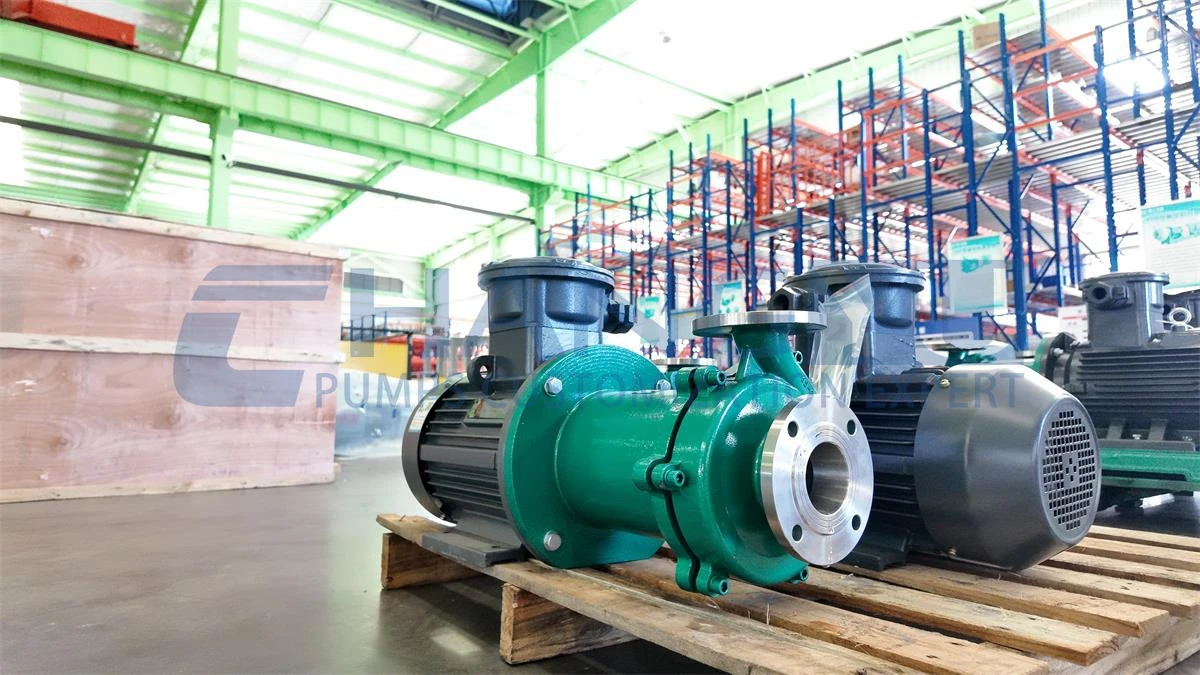
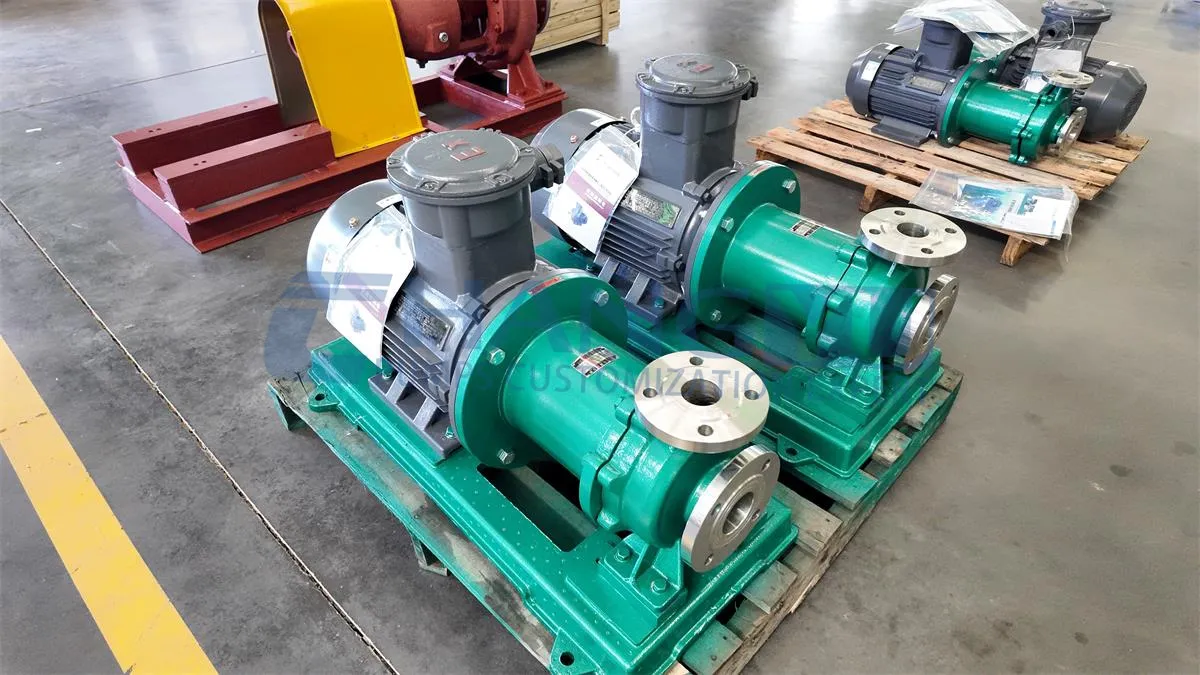
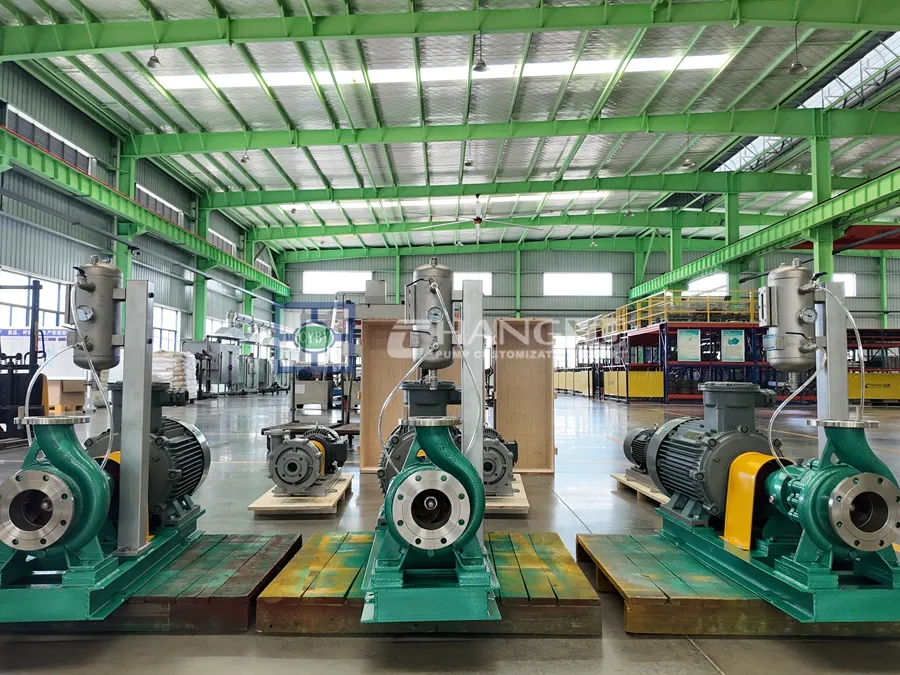
Được chế tạo từ thép không gỉ 304, thép không gỉ 316 và thép không gỉ song tùy theo (Chúng tôi sẽ thảo luận thêm về vật liệu thép không gỉ bên dưới) các yêu cầu về môi trường khác nhau, các loại bơm này được sử dụng rộng rãi trong xử lý hóa chất, xử lý nước, dược phẩm, sản xuất thực phẩm và đồ uống, bảo vệ môi trường, khai thác mỏ và sản xuất công nghiệp nói chung. Việc lựa chọn bơm hóa chất thép không gỉ phù hợp giúp cải thiện khả năng chống ăn mòn, độ tin cậy vận hành, tuổi thọ và hiệu quả bảo trì tổng thể.
Bơm Ly Tâm Thép Không Gỉ Trục Ngang
Bơm ly tâm thép không gỉ trục ngang là loại bơm thép không gỉ được sử dụng rộng rãi nhất để vận chuyển chất lỏng liên tục trong các quy trình công nghiệp. Được thiết kế cho dòng chảy ổn định, hiệu suất cao và dễ bảo trì, loại bơm này phù hợp để vận chuyển nước sạch cũng như axit yếu, kiềm, dung môi, dung dịch muối và các chất lỏng hóa học có độ nhớt thấp khác.

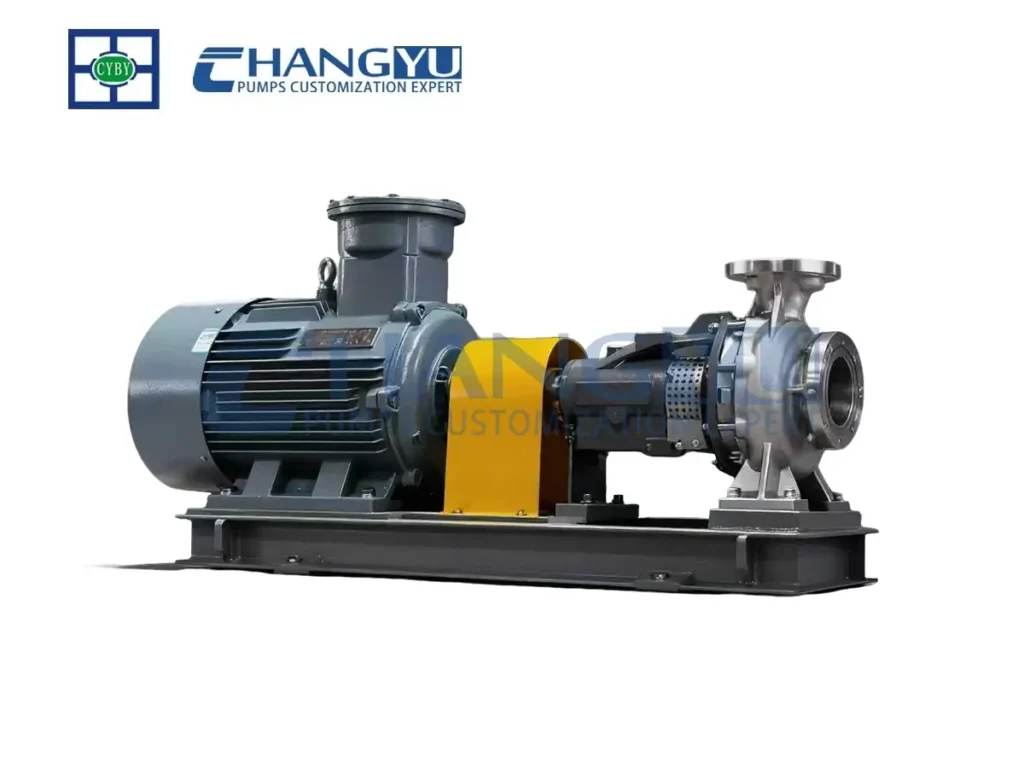
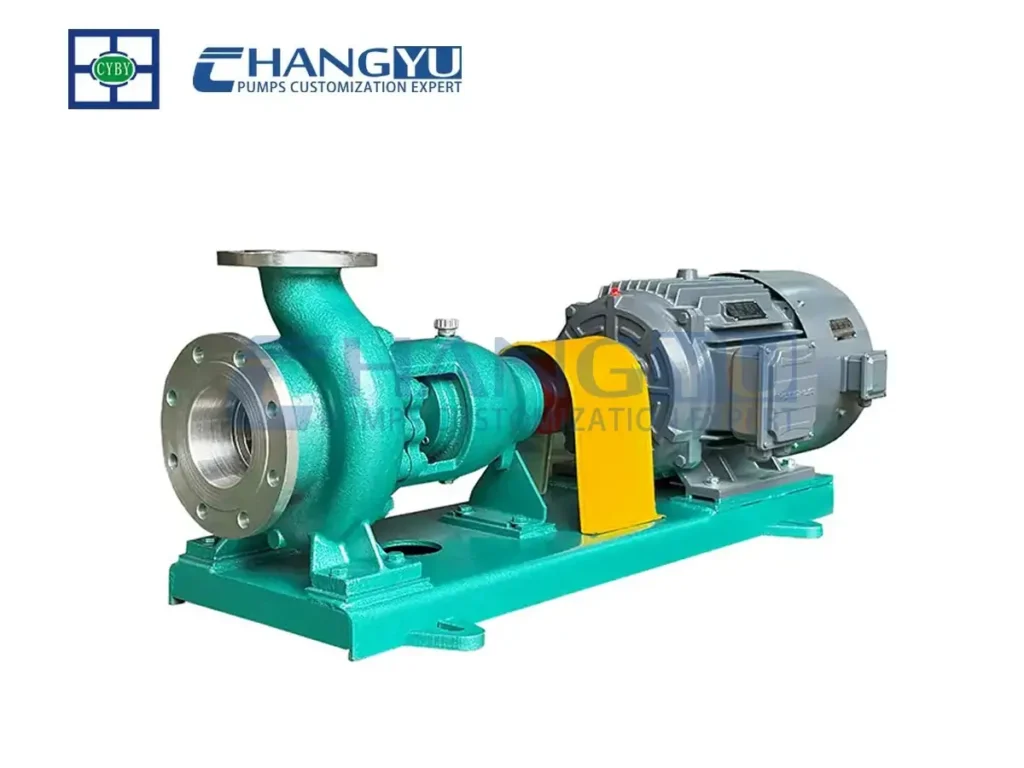
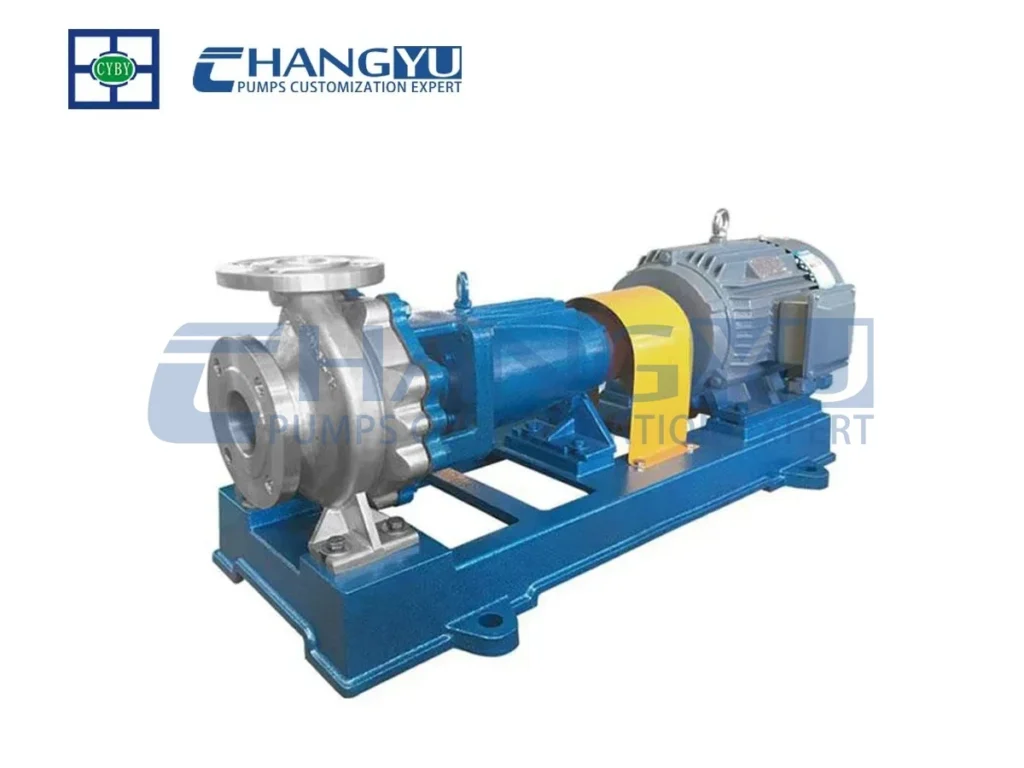
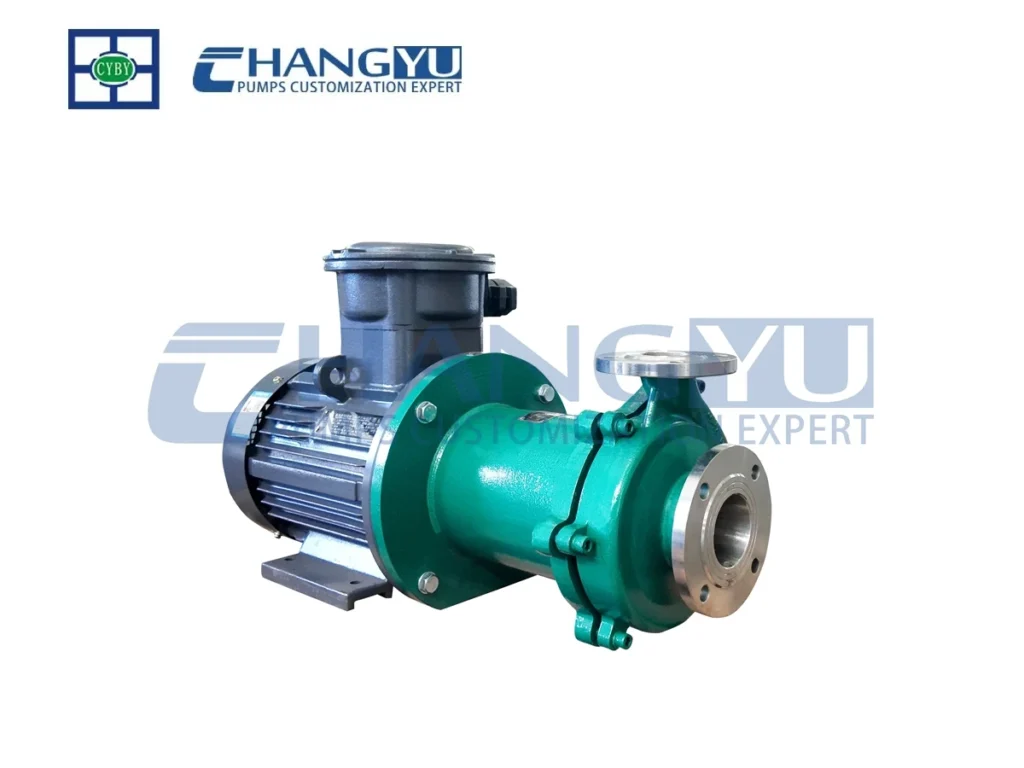
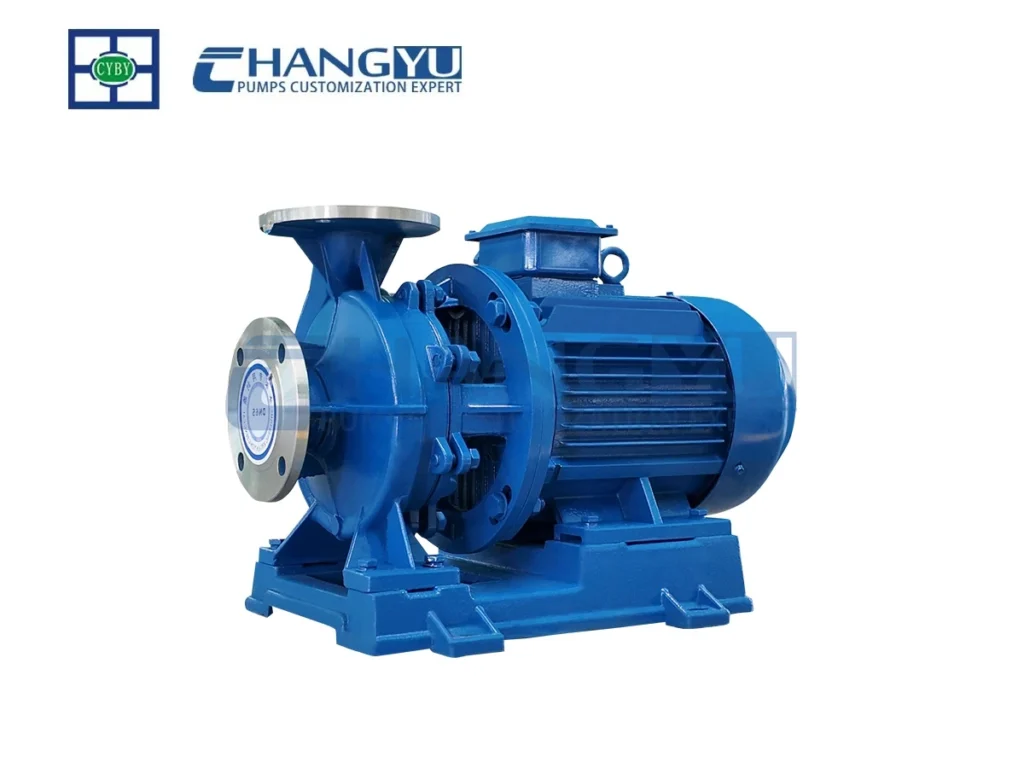
So với bơm gang thông thường, bơm thép không gỉ trục ngang cung cấp khả năng chống ăn mòn vượt trội, hiệu suất vệ sinh tốt hơn và tuổi thọ dài hơn. Chúng thường được sử dụng làm bơm quy trình hóa chất, bơm nước công nghiệp, bơm tuần hoàn nước làm mát, bơm vận chuyển CIP và bơm vận chuyển thép không gỉ trong các nhà máy hóa chất, nhà máy dược phẩm, cơ sở chế biến thực phẩm, hệ thống xử lý nước, sản xuất dệt may và nhà máy giấy. Cấu trúc tiêu chuẩn hóa của chúng cũng đơn giản hóa việc lắp đặt, thay thế phụ tùng và bảo trì lâu dài.
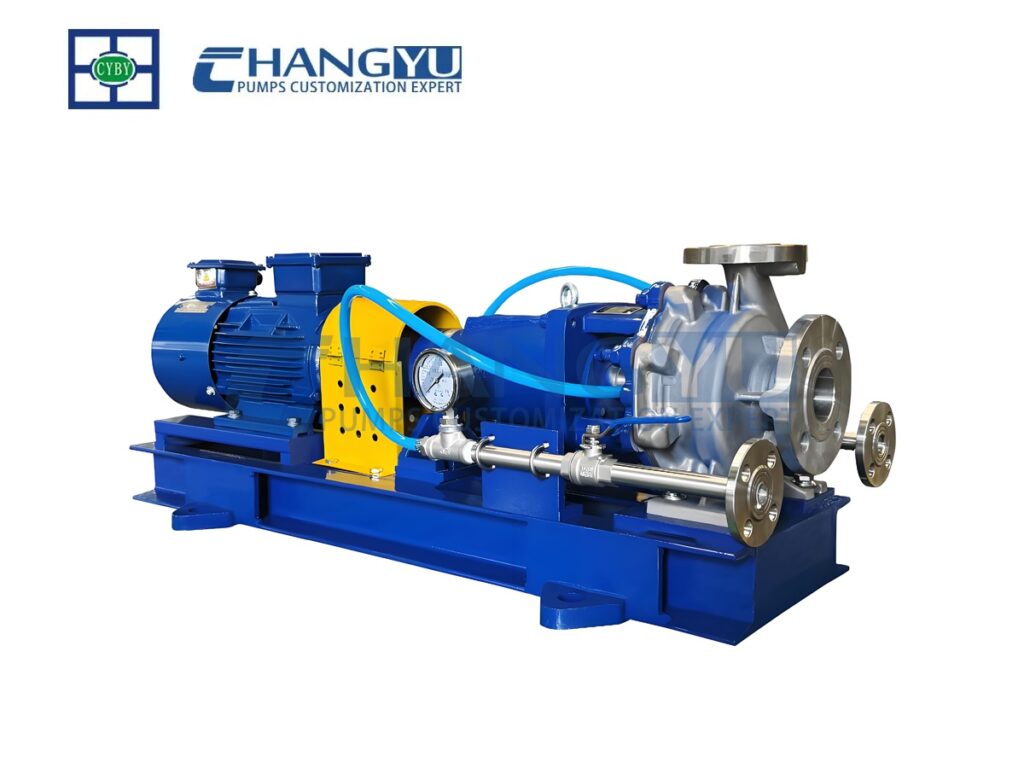
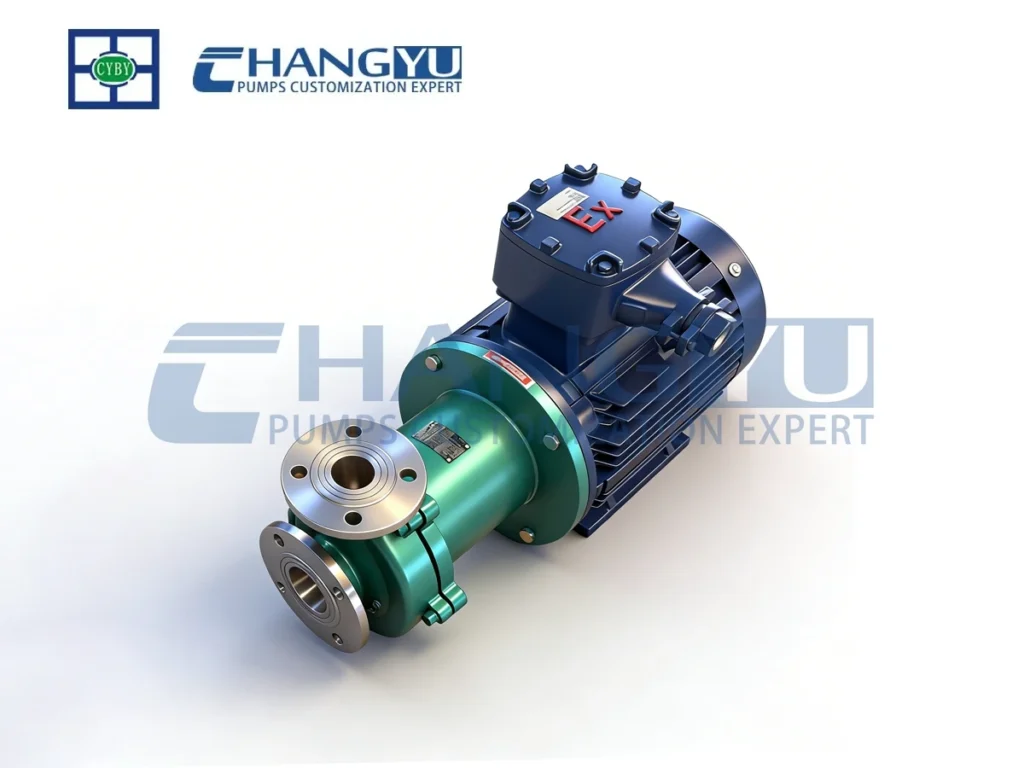
Bơm truyền động từ bằng thép không gỉ
Bơm từ thép không gỉ được thiết kế đặc biệt cho các ứng dụng không thể chấp nhận rò rỉ chất lỏng. Bằng cách loại bỏ phốt cơ khí truyền thống và sử dụng hệ thống truyền động khớp nối từ, nó cung cấp khả năng vận hành hoàn toàn không có phốt, giảm đáng kể nguy cơ rò rỉ hóa chất nguy hiểm và ô nhiễm môi trường.
Các loại bơm này lý tưởng để vận chuyển hóa chất ăn mòn, chất lỏng độc hại, dung môi dễ cháy, hóa chất độ tinh khiết cao và chất lỏng quy trình có giá trị. Chúng được ứng dụng rộng rãi trong sản xuất hóa chất, sản xuất chất bán dẫn, chế biến dược phẩm, mạ điện, hệ thống phòng thí nghiệm, hóa chất tinh khiết và sản xuất pin lithium. Đối với các ngành công nghiệp yêu cầu xử lý chất lỏng sạch, an toàn và đáng tin cậy, bơm ly tâm từ thép không gỉ là một trong những giải pháp bơm không rò rỉ hiệu quả nhất.
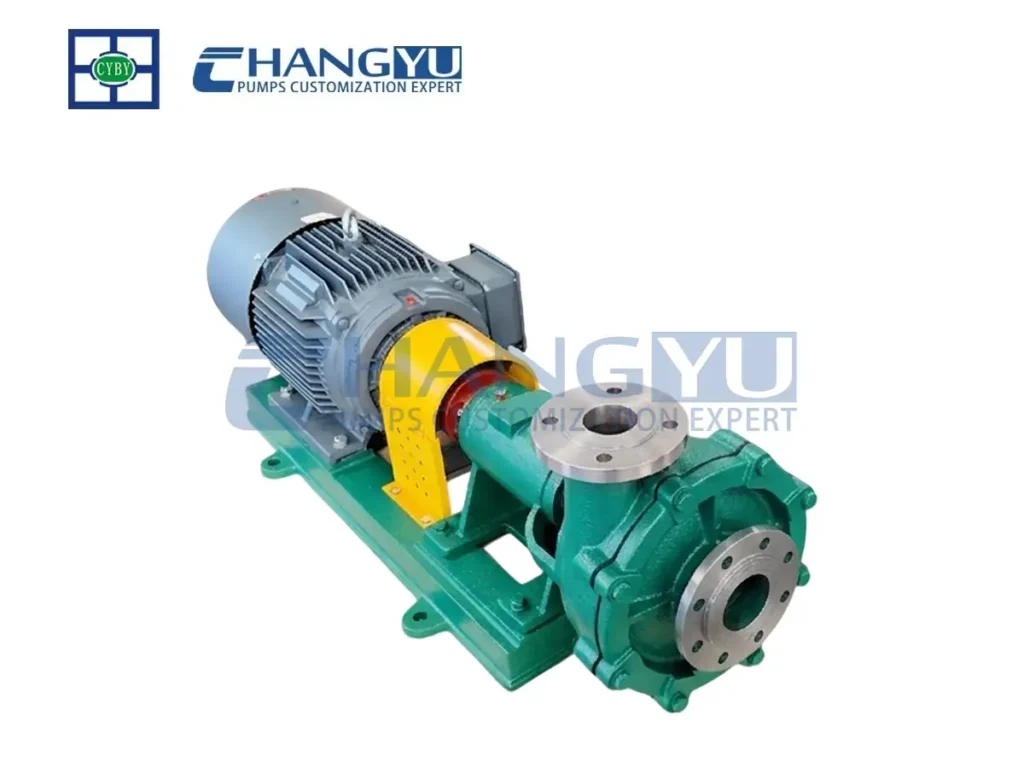
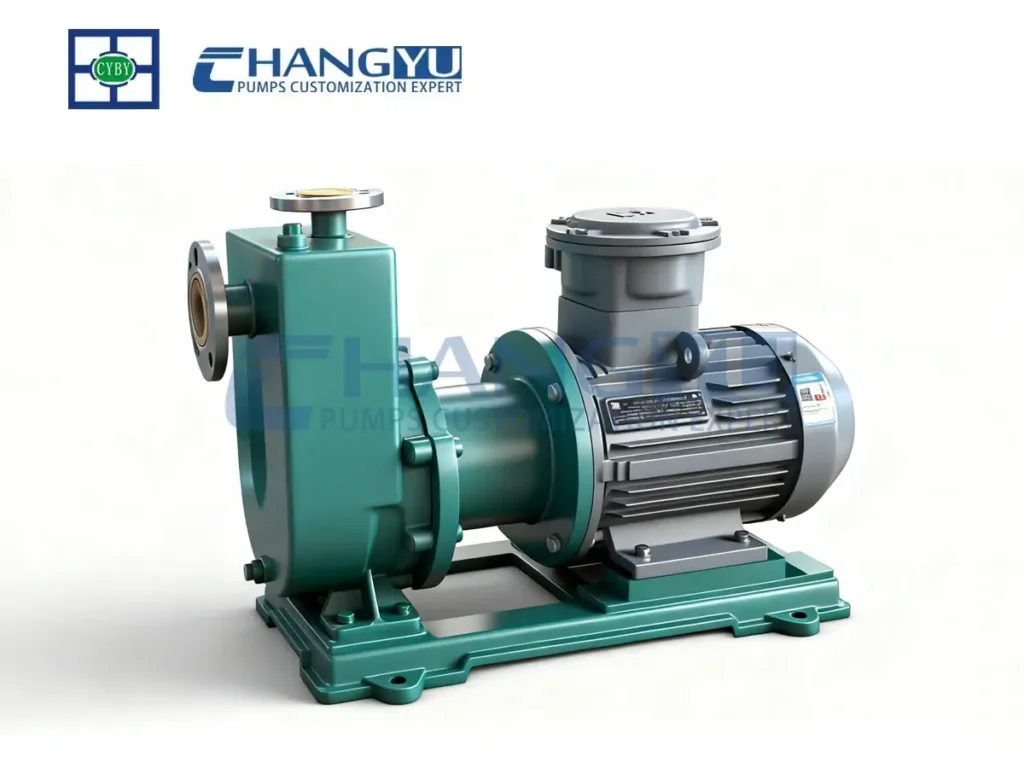
Bơm Tự Mồi Thép Không Gỉ
Bơm tự mồi thép không gỉ được thiết kế cho các ứng dụng mà bơm phải nâng chất lỏng từ dưới mức lắp đặt mà không cần mồi thủ công lặp đi lặp lại. Khả năng tự mồi của nó giảm thời gian chết và cải thiện hiệu quả vận hành, làm cho nó đặc biệt phù hợp cho các hệ thống bơm gián đoạn và vận chuyển di động.
Loại bơm này được sử dụng rộng rãi để vận chuyển chất lỏng hóa chất, xử lý nước thải, dỡ hàng từ bồn chứa, thoát nước khẩn cấp, hệ thống tưới tiêu và tuần hoàn nước công nghiệp. Nó hoạt động đáng tin cậy với chất lỏng sạch và môi trường ăn mòn nhẹ, đồng thời cung cấp khả năng lắp đặt thuận tiện, bố trí đường ống linh hoạt và giảm yêu cầu bảo trì. Cấu trúc thép không gỉ cũng cung cấp khả năng chống ăn mòn tuyệt vời và đảm bảo tuổi thọ dài hơn trong môi trường công nghiệp khắc nghiệt.
Máy Bơm Bán Chìm Inox
Bơm Thép Không Gỉ Nửa Chìm được thiết kế với vỏ bơm chìm trong chất lỏng trong khi động cơ vẫn ở trên mức chất lỏng. Cấu hình thẳng đứng này kết hợp các ưu điểm của bơm chìm với khả năng bảo trì dễ dàng hơn, loại bỏ nhu cầu về phốt trục cơ khí bên dưới bề mặt chất lỏng đồng thời cung cấp khả năng vận chuyển chất lỏng đáng tin cậy và liên tục. Cấu trúc nhỏ gọn của nó làm cho nó lý tưởng để lắp đặt trong các bồn chứa, hố ga và bình chứa quy trình nơi không gian bị hạn chế.
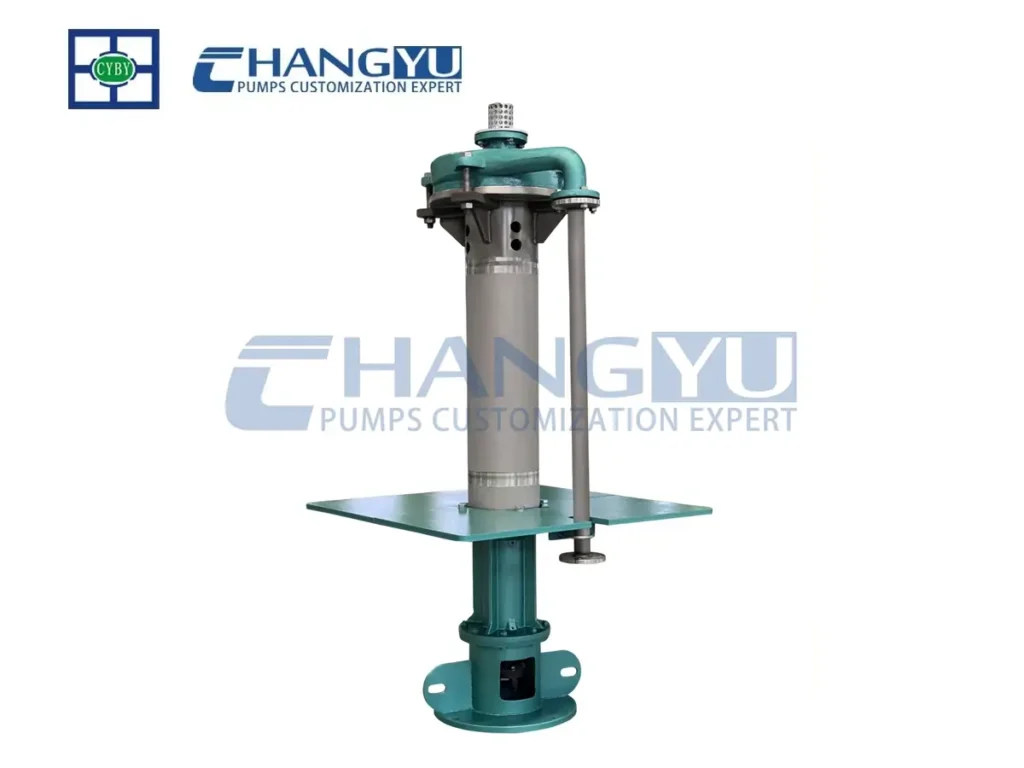
Bơm Thép Không Gỉ Nửa Chìm được sử dụng rộng rãi để vận chuyển chất lỏng ăn mòn từ bồn chứa hóa chất, bể tẩy rửa, dung dịch mạ điện, bể thu gom nước thải, hố ga quy trình và các hệ thống lưu trữ chất lỏng công nghiệp khác. Các bộ phận tiếp xúc với chất lỏng được chế tạo từ thép không gỉ chống ăn mòn, cung cấp khả năng chống gỉ sét, axit yếu, kiềm yếu, dung dịch muối và nhiều loại hóa chất công nghiệp tuyệt vời. Nó phù hợp cho hoạt động liên tục trong xử lý hóa chất, xử lý nước thải, hoàn thiện kim loại, bảo vệ môi trường, sản xuất dược phẩm và các ứng dụng xử lý chất lỏng công nghiệp khác, nơi yêu cầu hiệu suất bơm thẳng đứng đáng tin cậy và tuổi thọ dài.
Để so sánh các cấu hình này dựa trên nhiệm vụ, hãy xem hướng dẫn của chúng tôi về máy bơm ly tâm công nghiệp bằng thép không gỉ, bao gồm sự khác biệt giữa CYA, CYH, CQ, CYC, CQZ, FY và HB.
Bơm Thép Không Gỉ Là Gì?
Bơm thép không gỉ, còn được gọi là bơm hóa chất thép không gỉ, là thiết bị bơm được chế tạo chủ yếu từ thép không gỉ. Chúng được đặc trưng bởi khả năng chống ăn mòn, đặc tính không gỉ và tuổi thọ dài. Tùy thuộc vào môi trường được bơm, bơm thép không gỉ có thể được chia nhỏ thành nhiều loại khác nhau và được sử dụng rộng rãi trong các lĩnh vực hóa chất, thực phẩm, dược phẩm, bảo vệ môi trường và cấp nước sinh hoạt. Các loại bơm thép không gỉ chúng tôi bán tại Changyu Pump thường là bơm ly tâm hóa chất, đó là lý do tại sao chúng còn được gọi trong ngành là bơm ly tâm thép không gỉ.
Vật Liệu và Nguyên Lý Chống Ăn Mòn của Bơm Thép Không Gỉ
Bơm inox thường được chế tạo từ thép không gỉ 304 hoặc 316 (Changyu cung cấp nhiều lựa chọn cấp độ thép không gỉ hơn). Các vật liệu này chứa crom và niken, tạo thành một lớp oxit dày đặc (màng thụ động) trên bề mặt, cách ly kim loại với nước và oxy, từ đó ngăn ngừa rỉ sét. Cụ thể:
- Thép không gỉ 304: Hàm lượng Crom ≥18%, hàm lượng Niken ≥8%; phù hợp với môi trường axit và kiềm thông thường (pH 4–10)
- Thép không gỉ 316: Có bổ sung molypden để tăng cường khả năng chống ăn mòn; phù hợp với nước biển, axit yếu và môi trường muối yếu (pH 0–12)
- Thép không gỉ 316L: Biến thể carbon thấp với khả năng hàn được cải thiện và khả năng chống ăn mòn được tăng cường hơn nữa
Ưu điểm chính của bơm inox
- Khả năng chống ăn mòn cao: So với bơm gang, bơm inox có khả năng chống ăn mòn tốt hơn đáng kể trong môi trường axit yếu, kiềm yếu và nước muối, kéo dài tuổi thọ lên gấp 3 đến 5 lần.
- Vệ sinh và an toàn: Thép không gỉ không giải phóng các chất có hại, phù hợp để bơm nước uống, thực phẩm và dược phẩm.
- Hiệu suất vận hành cao: Thành trong nhẵn giúp giảm thiểu lực cản dòng chảy, dẫn đến tiêu thụ năng lượng thấp hơn.
- Chi phí bảo trì thấp: Với tỷ lệ hỏng hóc thấp và ít phải thay thế các bộ phận mài mòn, chúng mang lại hiệu quả chi phí dài hạn tốt hơn.
- Phạm vi ứng dụng rộng rãi: Có khả năng xử lý môi trường ở nhiệt độ từ -20°C đến 150°C, thích ứng với nhiều điều kiện vận hành khác nhau.
Hạn chế của bơm inox
- Giới hạn nhiệt độ: Bơm inox thông thường phù hợp với nhiệt độ từ -20°C đến 100°C; các ứng dụng nhiệt độ cao yêu cầu inox chịu nhiệt tùy chỉnh, làm tăng đáng kể chi phí
- Giới hạn pH: Cấp độ 304 được khuyến nghị cho dải pH 4–10; ngoài dải này, phải sử dụng 316 hoặc 316L
- Chi phí ban đầu cao hơn: Bơm inox cùng model có giá cao hơn 30%–50% so với bơm gang, nhưng mang lại tổng chi phí sở hữu dài hạn tốt hơn
Hướng dẫn lựa chọn vật liệu bơm inox
Việc lựa chọn đúng vật liệu bơm inox là điều cần thiết để đảm bảo khả năng chống ăn mòn, tuổi thọ và vận hành an toàn. Các hóa chất khác nhau yêu cầu các cấp độ thép không gỉ khác nhau dựa trên nồng độ, nhiệt độ, hàm lượng clorua và áp suất vận hành.
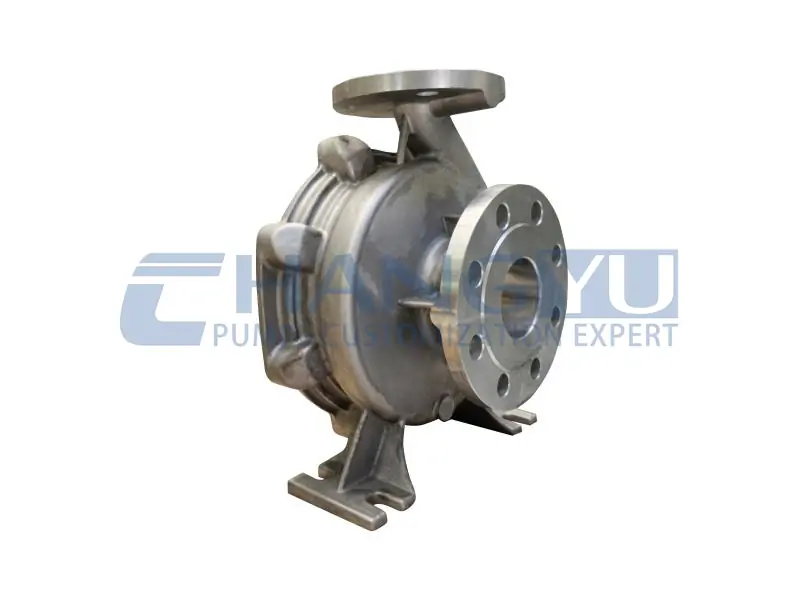
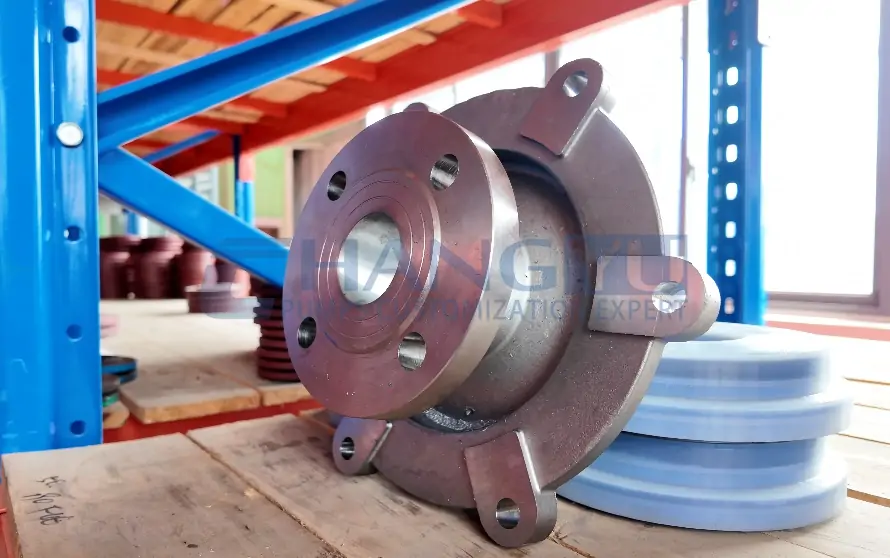
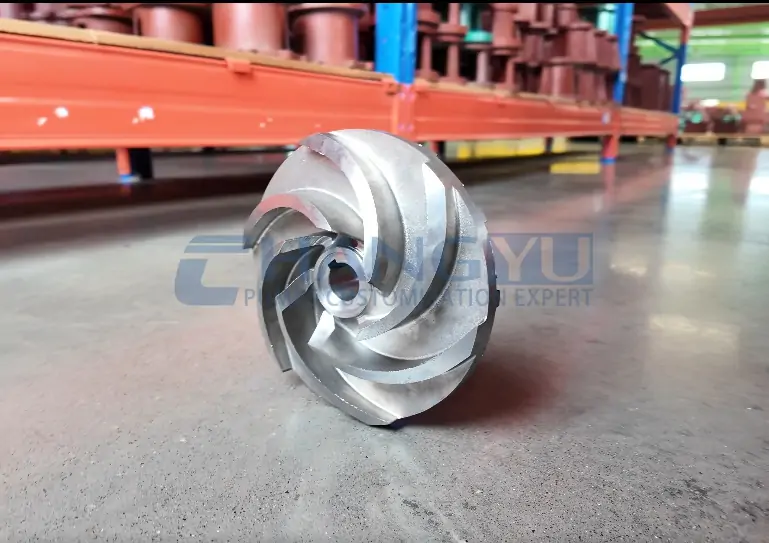
Changyu cung cấp nhiều thép không gỉ vật liệu cho bơm ly tâm công nghiệp, bơm từ, bơm tự mồi và bơm nửa chìm. Đội ngũ kỹ thuật của chúng tôi đề xuất vật liệu phù hợp theo môi trường xử lý và điều kiện vận hành của bạn, giúp giảm chi phí bảo trì đồng thời tối đa hóa độ tin cậy của bơm.
Các lựa chọn vật liệu bơm inox của Changyu
| Chất liệu | Các phương tiện truyền thông phổ biến | Ngành công nghiệp được khuyến nghị | Ưu điểm chính |
|---|---|---|---|
| Thép không gỉ thông thường | Axit nitric loãng, axit hữu cơ, dung dịch kiềm, dầu bôi trơn, nước khoáng, nước tinh khiết, nước thải, chất lỏng thực phẩm, đồ uống có cồn, dầu ăn | Xử lý nước, chế biến thực phẩm, đồ uống, hóa chất tổng hợp, kỹ thuật đô thị | Kinh tế, chống ăn mòn, phù hợp với chất lỏng sạch và ăn mòn nhẹ |
| Thép không gỉ 304 | Rượu, xeton, este, xăng, dầu diesel, dầu hỏa, dung môi, nước tinh khiết, chất lỏng thực phẩm | Thực phẩm & đồ uống, dược phẩm, vận chuyển hóa chất, xử lý nước | Khả năng chống ăn mòn tuyệt vời với độ bền cơ học tốt |
| Thép không gỉ 304L | Chất lỏng hóa học carbon thấp, dung môi hữu cơ, nước tinh khiết, chất lỏng dược phẩm | Dược phẩm, công nghệ sinh học, chế biến vệ sinh | Cải thiện khả năng hàn và khả năng chống ăn mòn giữa các hạt tốt hơn |
| Thép không gỉ 316 | Axit hữu cơ, axit sulfuric loãng, axit photphoric, clorua (nồng độ thấp), môi trường liên quan đến nước biển | Thiết bị hàng hải, hóa chất tinh khiết, dược phẩm, chế biến thực phẩm | Khả năng chống ăn mòn clorua được tăng cường so với 304 |
| Thép không gỉ 317L | Dung dịch clorua cao hơn, axit mạnh hơn, môi trường hóa chất khắc nghiệt | Chế biến hóa chất, phân bón và công nghiệp hóa dầu | Khả năng chống ăn mòn rỗ và khe hở tốt hơn 316L |
| Thép không gỉ song công 2205 | Axit sulfuric, axit photphoric, axit axetic, axit formic, nước khử muối, nước thải, chất lỏng khử lưu huỳnh khí thải | Kỹ thuật ngoài khơi, bảo vệ môi trường, nhà máy hóa chất | Độ bền cao với khả năng chống nứt do ăn mòn ứng suất clorua tuyệt vời |
| Thép không gỉ siêu song công 2507 | Dung dịch clorua cao, nước biển, dung dịch muối đậm đặc, axit khắc nghiệt | Kỹ thuật hàng hải, khử muối, dầu khí ngoài khơi | Khả năng chống ăn mòn vượt trội trong điều kiện clorua cao và áp suất cao |
| Thép không gỉ 904L | Axit sulfuric, axit clohydric, axit nitric, axit photphoric, nước biển, hóa chất chứa florua và clorua | Sản xuất axit, hệ thống FGD, hóa dầu, hóa chất đặc biệt | Khả năng chống chịu đặc biệt với axit mạnh và môi trường ăn mòn cao |
Môi trường hóa chất điển hình chúng tôi xử lý
Bơm inox Changyu được sử dụng rộng rãi để vận chuyển nhiều loại chất lỏng công nghiệp khác nhau, bao gồm:
- Axit: Axit sulfuric, axit clohydric, axit nitric, axit photphoric, axit axetic, axit formic
- Kiềm: Natri hydroxit, kali hydroxit, dung dịch amoniac
- Dung môi hữu cơ: Metanol, etanol, axeton, benzen, toluen, xylen, etyl axetat, butyl axetat, DMF, THF
- Sản phẩm dầu mỏ: Dầu thô, dầu diesel, xăng, dầu hỏa, dầu bôi trơn, dầu dung môi
- Chất lỏng thực phẩm & đồ uống: Sữa, nước trái cây, dầu ăn, nước tương, giấm, đồ uống có cồn
- Nước công nghiệp: Nước tinh khiết, nước khử ion, nước mềm, nước quy trình, nước thải
- Môi trường hóa chất đặc biệt: Bùn khử lưu huỳnh khí thải, nước biển, dung dịch muối, chất lỏng dược phẩm và các chất lỏng quy trình ăn mòn khác.
Khuyến nghị lựa chọn vật liệu
Việc lựa chọn vật liệu bơm không bao giờ chỉ dựa vào tên hóa chất. Cùng một chất lỏng có thể yêu cầu các vật liệu khác nhau tùy thuộc vào điều kiện vận hành.
Các kỹ sư của Changyu khuyến nghị đánh giá các yếu tố sau trước khi chọn bơm inox:
- Thành phần hóa học và nồng độ
- Nhiệt độ hoạt động
- Áp suất làm việc
- Hàm lượng ion clorua
- Sự hiện diện của các hạt rắn hoặc bùn
- Độ nhớt và tỷ trọng
- Tuổi thọ yêu cầu
- Môi trường lắp đặt và tiêu chuẩn áp dụng
Lựa chọn vật liệu chính xác có thể cải thiện đáng kể độ tin cậy của bơm, đồng thời giảm chi phí bảo trì và thời gian ngừng hoạt động ngoài dự kiến.
Sau khi sàng lọc hợp kim, hãy sử dụng hướng dẫn lựa chọn bơm hóa chất bằng thép không gỉ của chúng tôi để kiểm tra phớt, lưu lượng và cột áp yêu cầu, điều kiện hút và thông số kỹ thuật mua hàng.
Có sẵn các giải pháp vật liệu tùy chỉnh
Nhiều ứng dụng công nghiệp liên quan đến hóa chất chuyên dụng cao hoặc điều kiện vận hành phức tạp đòi hỏi các tổ hợp vật liệu tùy chỉnh.
Changyu cung cấp các giải pháp bơm thép không gỉ OEM và tùy chỉnh, bao gồm vật liệu tiếp xúc ướt tùy chỉnh, vòng đệm cơ khí, chất đàn hồi, vật liệu trục, động cơ chống cháy nổ, tiêu chuẩn mặt bích và cấu hình vận hành đặc biệt để phù hợp với yêu cầu quy trình cụ thể của bạn.
Cho dù ứng dụng của bạn liên quan đến axit mạnh, hóa chất nhiệt độ cao, nước biển, môi trường có hàm lượng clorua cao, chất lỏng dược phẩm, chế biến thực phẩm hoặc dung môi công nghiệp mạnh, đội ngũ kỹ thuật của chúng tôi có thể đề xuất vật liệu và cấu hình bơm phù hợp nhất.
Cần hỗ trợ chọn vật liệu bơm thép không gỉ phù hợp? Liên hệ với Changyu ngay hôm nay với các thông số về tính chất chất lỏng, nhiệt độ, nồng độ, lưu lượng và điều kiện vận hành của bạn. Các kỹ sư của chúng tôi sẽ đề xuất giải pháp đáng tin cậy và tiết kiệm chi phí nhất cho ứng dụng của bạn.
Email: [email protected]
TEL/WA: +86-13651913727