
Quick Answer
A battery recycling slurry pump transfers the corrosive, abrasive mixtures generated when spent lithium-ion, lead-acid, and other batteries are broken down to recover valuable metals. This slurry combines sulfuric or hydrochloric acid with hard particles of cobalt, nickel, manganese, lithium compounds, and graphite — a combination that destroys standard stainless steel pumps within weeks. Key selection factors:
- Dual resistance to acid and abrasion is non-negotiable: Standard 316L stainless steel corrodes in the acidic leach solution and wears rapidly from battery particles. Steel-lined UHMW-PE pumps provide the chemical inertness to resist acid attack and the abrasion resistance to handle particle concentrations up to 30% by weight.
- Material selection must account for the full chemistry: Spent batteries contain not only sulfuric acid and metal oxides, but also residual electrolytes (LiPF₆) that can release trace hydrofluoric acid — a chemical that attacks stainless steel, glass, and even some ceramics. Pump materials must be verified against the complete chemical mixture.
- Leak prevention protects valuable metals and the environment: The leach solution contains dissolved cobalt, nickel, and lithium — metals with high recovery value. Any leak represents both an environmental hazard and a direct financial loss. Double mechanical seals or sealless magnetic drive designs prevent fugitive emissions.
Recovering critical minerals from end-of-life batteries is one of the fastest-growing segments of the global metals industry. But the process fluids — hot, acidic, and loaded with abrasive particles — create a pumping environment that destroys conventional equipment. A centrifugal pump with a standard stainless steel impeller may last less than a month in lithium battery black mass slurry. The failure is not a defect; it is a material mismatch.
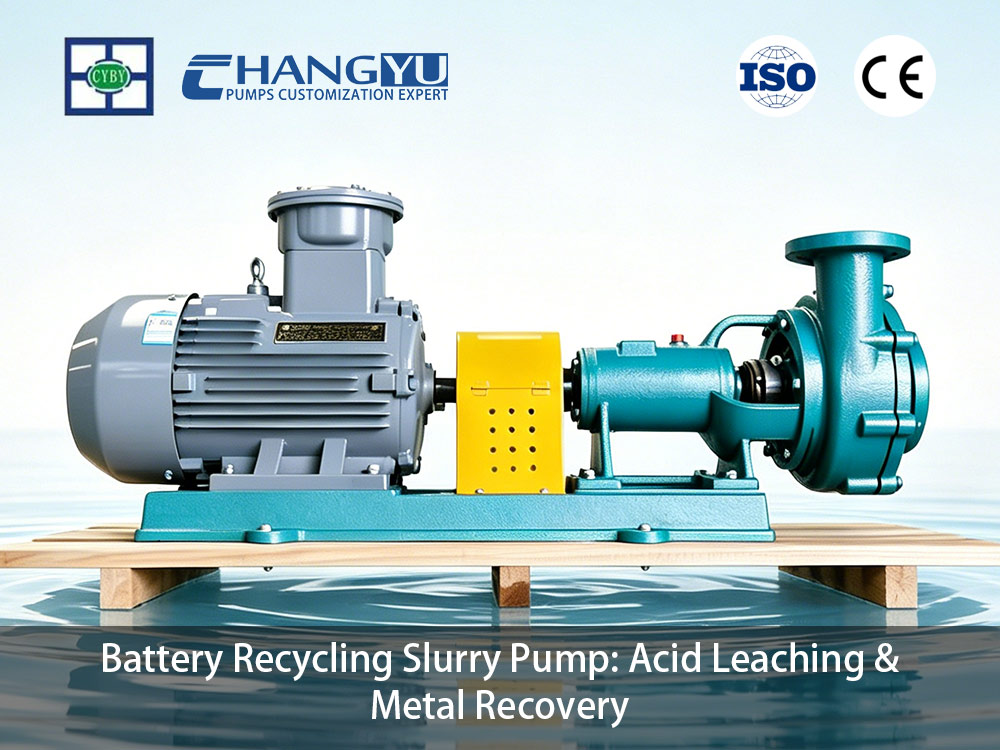
After reading this guide, you will understand the specific pumping challenges at each stage of battery recycling, which materials withstand the combined acid-attack and particle-wear of battery slurries, how to select the right pump configuration for acid leaching and metal recovery, and how to prevent the crystallization and leakage that cause unplanned downtime in recycling operations. With over 20 years of pump manufacturing experience, Changyu Pump presents this focused selection guide for the battery recycling industry.
1. What Are the Pumping Challenges in Battery Recycling?
Battery recycling, particularly hydrometallurgical recovery, subjects pumps to four simultaneous challenges. Standard chemical or slurry pumps are designed for one or two of these — but rarely all four.
Challenge 1: Strong Acid Corrosion
Spent batteries are treated with sulfuric acid, hydrochloric acid, or a combination of acids and reducing agents (such as hydrogen peroxide) to dissolve the metal oxides in the cathode material. The resulting leach solution has a pH below 2 and is highly aggressive to standard metals. 316L stainless steel, commonly used in chemical pumps, experiences pitting and crevice corrosion in this environment.
A hidden risk comes from the electrolyte. Lithium-ion batteries contain LiPF₆ salt dissolved in organic carbonates. When exposed to water or acid during the recycling process, LiPF₆ hydrolyzes, releasing trace amounts of hydrofluoric acid — one of the most aggressive chemicals in existence. HF generation is accelerated at elevated temperatures (>60°C) and in the presence of free water, making it a particular concern during initial battery crushing stages where residual electrolyte contacts wash water. HF attacks stainless steel, glass, and even some ceramics. Pump materials must be verified against HF exposure, even at trace concentrations.
Challenge 2: Severe Abrasive Wear
The “black mass” produced by shredding and separating battery materials contains cathode particles (lithium cobalt oxide, lithium nickel manganese cobalt oxide, lithium iron phosphate) and anode graphite. These particles have hardness values comparable to or exceeding pump materials:
| Battery Particle | Typical Hardness | Effect on Standard Pump Materials |
|---|---|---|
| Lithium cobalt oxide (LiCoO₂) | Mohs 5–6 | Abrades cast iron and standard stainless steel |
| NMC cathode (LiNiMnCoO₂) | Mohs 5–6 | Progressive wear on impeller and volute surfaces |
| Graphite (anode) | Mohs 1–2 | In slurry suspension, contributes to erosive wear by increasing fluid density and particle collision frequency on pump surfaces |
| Aluminum / copper foil fragments | Ductile metal | Can wrap around impeller vanes; causes imbalance |
Challenge 3: Metal Salt Crystallization
In the precipitation and solvent extraction stages, the dissolved metals are selectively recovered by adjusting pH or adding chemical reagents. These processes change the saturation levels of metal salts in the solution. When flow stops — during batch changes, shift breaks, or unplanned shutdowns — the solution cools and dissolved salts crystallize. Crystals form on impeller surfaces, in seal chambers, and around check valves, blocking passages and locking moving parts.
Challenge 4: Leak Prevention for Valuable and Hazardous Fluids
The leach solution contains dissolved cobalt (valued at approximately $30,000–$60,000 per metric ton), nickel, and lithium. Any leak from a pump seal or gasket represents a direct financial loss of these valuable metals. Simultaneously, the acidic, metal-laden solution is an environmental hazard that must be contained. Double mechanical seals with leak detection, or sealless magnetic drive pumps, are specified to prevent fugitive emissions.
2. Where Are Slurry Pumps Used in Battery Recycling?
Battery recycling is a multi-stage hydrometallurgical process. Each stage imposes distinct demands on the pump.
Battery Recycling Process Pump Sheet
| Process Stage | Fluid Being Pumped | pH | Solids Content | Temperature | Key Pump Requirement |
|---|---|---|---|---|---|
| Battery crushing / shredding | Battery fragments in water or inert fluid | Neutral to acidic | 10–30% mixed solids | Ambient to 50°C | Large solids passage; impact resistance |
| Acid leaching | H₂SO₄ + H₂O₂ + black mass slurry | < 2 | 15–25% fine particles | 50–80°C | Combined acid + abrasion resistance |
| Leach slurry transfer | Acidic slurry with dissolved metals and undissolved particles | < 2 | 10–20% | 50–80°C | Continuous duty; reliable seal performance |
| Filter press feed | Concentrated leach residue slurry | < 2 | 20–30% | 50–70°C | High pressure capability; abrasion resistance |
| Solvent extraction / precipitation | Metal salt solutions with chemical reagents | Variable | < 5% | 20–50°C | Chemical compatibility with organic solvents |
| Wastewater treatment | Neutralized effluent with precipitated solids | 6–9 | 5–15% | 20–40°C | General corrosion resistance |
| Acid recovery / recycle | Recovered acid solution | < 2 | < 2% | 20–60°C | High-purity; low contamination risk |
Why UHMW-PE Lined Pumps Excel Across Multiple Stages
UHMW-PE (ultra-high molecular weight polyethylene) is uniquely suited to battery recycling because it combines chemical inertness with exceptional abrasion resistance — two properties that are rarely found together in a single material.
- Chemical resistance: UHMW-PE is inert to sulfuric acid, hydrochloric acid, and most organic solvents used in solvent extraction. It does not corrode, pit, or stress-crack in acidic environments.
- Abrasion resistance: UHMW-PE has an abrasion resistance several times higher than stainless steel. It absorbs particle impact energy rather than being cut or eroded by hard battery particles.
- Non-stick surface: UHMW-PE resists scale adhesion and crystal buildup, reducing the risk of salt crystallization blocking pump passages.
- Temperature capability: With a continuous operating temperature of up to 90°C, UHMW-PE covers the full temperature range of hydrometallurgical battery recycling.
3. What Materials Are Best for Battery Recycling Slurry Pumps?
Material selection for battery recycling must simultaneously address acid corrosion, particle abrasion, and — where electrolytes are present — resistance to trace hydrofluoric acid.
Material Comparison for Battery Leach Slurry
| Material | Acid Resistance (H₂SO₄, HCl) | Abrasion Resistance | HF Resistance (Trace) | Temperature Limit | Relative Cost |
|---|---|---|---|---|---|
| 316L Stainless Steel | Poor — pitting below pH 2 | Poor — wears rapidly from battery particles | Poor — attacked by HF | ~60°C | 1× (baseline) |
| Duplex 2205 | Moderate — better than 316L | Moderate | Poor — HF attack | ~80°C | 2–3× |
| UHMW-PE Lined (UHB Series) | Excellent — inert to acids | Excellent — high abrasion resistance | Good — resistant to trace HF at ambient temperature; verify compatibility above 60°C or for concentrated HF | 90°C | 1.5–2× |
| FEP Lined (CYB-ZKJ Series) | Universal — all acids | Good — lower than UHMW-PE | Excellent — fully resistant to HF | 120°C | 3–4× |
| PFA Lined (CYG Series) | Universal — all acids | Moderate — best for fine particles | Excellent — fully resistant to HF | 160°C | 4–6× |
Material Selection by Battery Type and Process
| Battery Type | Leaching Chemistry | Primary Material Recommendation | Upgrade for Extended Life |
|---|---|---|---|
| Lithium-ion (NMC / LCO) | H₂SO₄ + H₂O₂; trace HF from electrolyte | UHMW-PE lined (UHB Series) — handles acid, abrasion, and trace HF | FEP lined (CYB-ZKJ) for elevated temperature or higher HF concentrations |
| Lithium-ion (LFP) | H₂SO₄ or HCl; lower metal value | UHMW-PE lined (UHB Series) — optimal cost-performance | — |
| Lead-acid | H₂SO₄; lead paste and sulfate crystals | UHMW-PE lined (UHB Series) — resists acid and lead sulfate abrasion | — |
| Nickel-metal hydride (NiMH) | H₂SO₄; nickel and rare earth particles | UHMW-PE lined (UHB Series) — handles acid and metal particles | FEP lined for elevated temperature |
Engineers at Changyu Pump recommend: For the majority of battery recycling applications — acid leaching, slurry transfer, and filter press feed — a UHMW-PE lined pump provides the optimal balance of acid resistance, abrasion resistance, and cost. The UHMW-PE lining is chemically inert to sulfuric and hydrochloric acids at the concentrations and temperatures used in hydrometallurgical battery recycling, and its high abrasion resistance handles the hard cathode and anode particles that destroy stainless steel pumps. For applications where the electrolyte-derived HF concentration is a concern, or where process temperatures exceed 90°C, FEP or PFA-lined pumps provide the necessary upgrade.
4. How to Select the Right Slurry Pump for Battery Recycling?
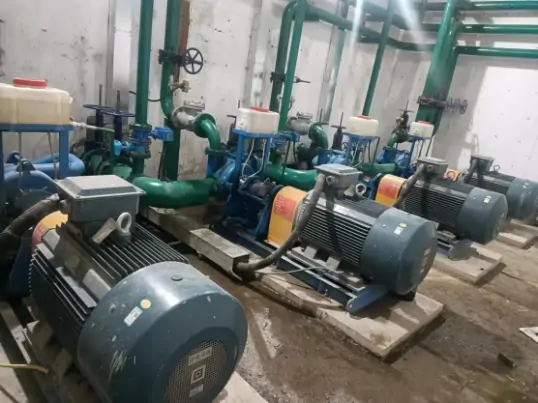
Pump selection for battery recycling follows a structured process from fluid characterization through material selection to seal specification.
Step 1: Characterize the Slurry.
Determine the acid type and concentration, solid particle type and size distribution, solid concentration by weight, operating temperature, and the presence of any organic solvents or fluoride-containing species from the electrolyte.
Step 2: Select Materials.
- Standard acid leach (H₂SO₄, no significant HF): UHMW-PE lined pump (UHB Series) — handles acid and particle abrasion at optimal cost.
- High-temperature leach (> 90°C) or significant HF presence: FEP lined pump (CYB-ZKJ Series) — universal acid resistance and higher temperature capability.
- Extreme temperature or ultra-high purity requirements: PFA lined pump (CYG Series) — maximum chemical resistance and temperature rating.
Step 3: Select Pump Configuration.
| Pump Type | Best For in Battery Recycling | Considerations |
|---|---|---|
| Centrifugal (lined) | High-flow slurry transfer, filter press feed | UHMW-PE or FEP lined; semi-open impeller for solids passage |
| Magnetic Drive (lined) | Hazardous leach solutions; zero-leak requirement | Verify solids content — particles can damage magnetic coupling if not designed for slurry |
| Progressive Cavity | High-viscosity slurries; metered chemical dosing | Lower flow rates; stator replacement is planned maintenance |
Step 4: Specify Seals.
- Standard slurry service: Double mechanical seal with barrier fluid — prevents abrasive particles from reaching seal faces.
- Hazardous or volatile fluids: Sealless magnetic drive — eliminates mechanical seal entirely.
- Crystallization-prone service: Seal flush system with external clean flush to prevent crystal buildup at seal faces.
Step 5: Plan for Crystallization Prevention.
For batch-operated or intermittent-duty pumps, specify an automatic water flush system that displaces acidic slurry from the pump after each shutdown. This prevents metal salt crystallization that can seize the pump before the next start.
5. Case Study of Battery Recycling Slurry Pump: Solving a Wear and Corrosion Failure in Battery Recycling
A lithium battery recycling plant in China used 316L stainless steel centrifugal pumps to transfer sulfuric acid leach slurry containing NMC cathode particles (approximately 20% solids by weight) at 60°C from the leaching reactor to the filter press. The pumps were selected based on their chemical compatibility rating with sulfuric acid.
Within four weeks of commissioning, the impellers showed severe abrasive wear — the vane thickness had reduced by over 50%. By week six, the pump casings developed pinhole leaks from a combination of acid corrosion and flow-accelerated erosion at the volute cutwater. The plant was replacing or rebuilding each pump approximately every two months. Production downtime for pump changeouts was costing an estimated three days of lost output per quarter.
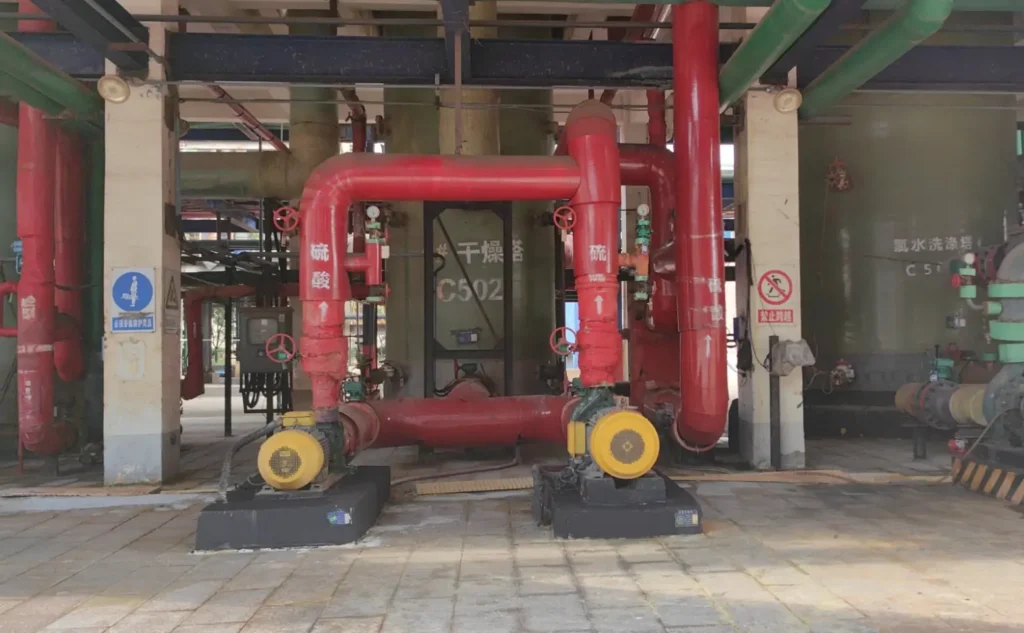
Root cause analysis by Changyu Pump’s engineers revealed that the 316L stainless steel impellers and casings were failing from two simultaneous mechanisms: the sulfuric acid at pH < 1 was causing pitting corrosion that roughened the metal surface, and the hard NMC particles (Mohs 5–6) were then eroding the roughened surface at an accelerated rate. The combined corrosion-erosion mechanism was far more aggressive than either mechanism alone.
The plant replaced all leach slurry transfer pumps with Changyu UHB Series UHMW-PE lined centrifugal pumps. The UHMW-PE lining was chemically inert to the sulfuric acid leach solution and provided significantly higher abrasion resistance than the original stainless steel. Double mechanical seals with a barrier fluid system prevented particle ingress to the seal faces.
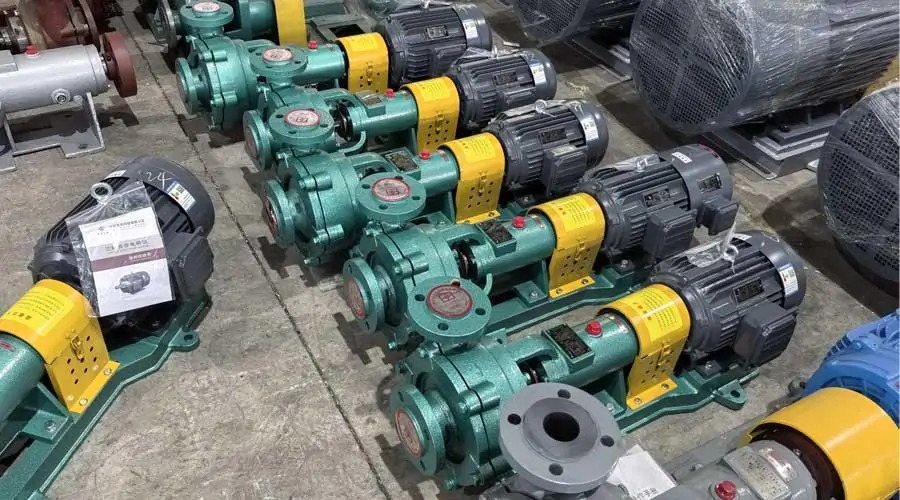
After 12 months of operation: the first scheduled inspection showed uniform, gradual liner wear with no corrosion or pitting. The UHMW-PE liners were projected to achieve a service life of 14–18 months — an 8–10× improvement over the original stainless steel pumps. Zero unplanned downtime related to pump failures was recorded. The plant standardized on Changyu UHMW-PE lined pumps for all acid slurry transfer services.
Key takeaway: Stainless steel cannot withstand the combined acid corrosion and particle abrasion of battery leach slurries. A pump material that is rated for the acid chemistry will fail rapidly if it does not also resist the abrasive wear from battery particles. UHMW-PE lined pumps provide the dual resistance that battery recycling demands — chemical inertness to the acid plus abrasion resistance to the particles — at a cost that makes long-term operation economically viable.
6. Changyu Pump’s Solutions for Battery Recycling
Changyu Pump manufactures pump series specifically suited to the corrosive and abrasive demands of battery recycling.
Battery Recycling Pump Selection Guide
| Application | Primary Challenge | Recommended Series | Key Feature |
|---|---|---|---|
| Acid leach slurry transfer | Acid + abrasion from battery particles | UHB Series | UHMW-PE lined; semi-open impeller; 30% solids capacity |
| High-temperature leach (> 90°C) | Heat + acid + abrasion | CYB-ZKJ Series | FEP lined; temperature to 120°C |
| HF-containing or ultra-corrosive streams | HF acid from electrolyte decomposition | CYG Series | PFA lined; universal chemical resistance; maximum temperature 160°C |
| Solvent extraction raffinate | Organic solvents + residual acid | UHB Series | UHMW-PE resists organic solvents and acid |
| Filter press feed | High pressure + abrasive slurry | UHB Series | High head capability; abrasion-resistant lining |
| Wastewater neutralization | Neutralized slurry with precipitates | UHB Series | Cost-effective; handles mixed solids |
UHB Series — UHMW-PE Lined Corrosive Slurry Pump
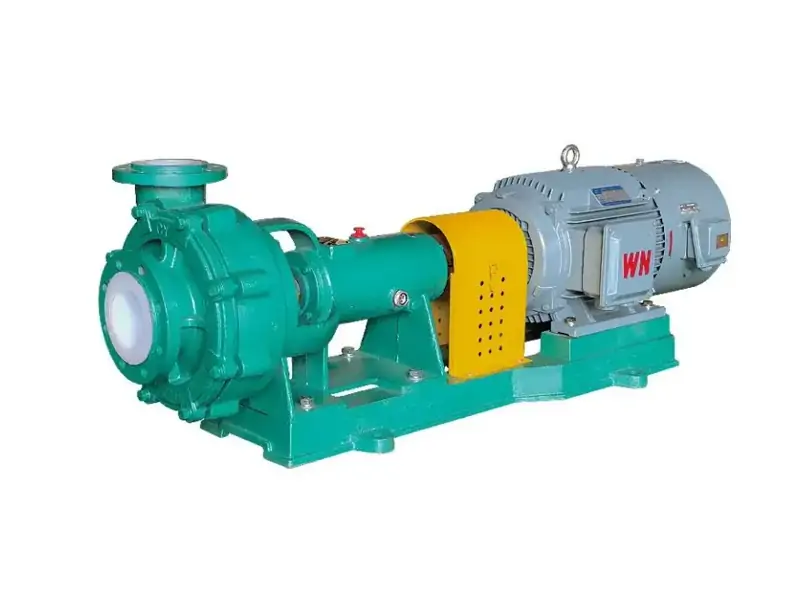
The primary pump series for battery recycling applications. Steel-lined UHMW-PE construction provides chemical inertness to sulfuric and hydrochloric acids combined with high abrasion resistance against battery cathode and anode particles. Semi-open impeller handles solids up to 30% by weight without clogging. Suitable for acid leaching, slurry transfer, and filter press feed at temperatures up to 90°C.
| Parameter | Specification |
|---|---|
| Flow rate | 3–2,600 m³/h |
| Head | 5–100 m |
| Motor power | 0.75–300 kW |
| Speed | 750–2,900 r/min |
| Temperature | -20°C to 90°C |
| Lining material | UHMW-PE |
CYB-ZKJ Series — FEP-Lined Pump for Extreme Corrosion
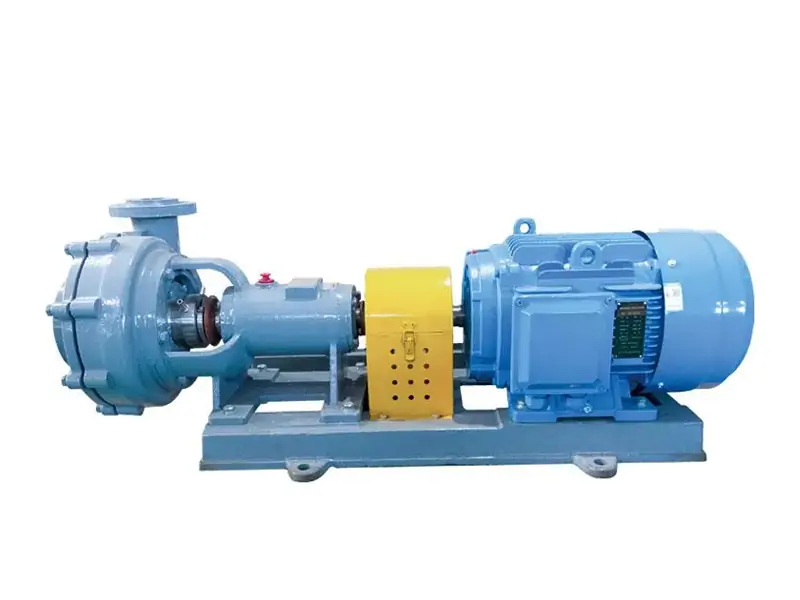
FEP fluoroplastic-lined centrifugal pump for battery recycling applications involving elevated temperatures (> 90°C), the confirmed presence of hydrofluoric acid from electrolyte decomposition, or mixed acid-organic solvent streams. FEP lining provides universal acid resistance and handles temperatures up to 120°C.
| Parameter | Specification |
|---|---|
| Flow rate | 3–2,600 m³/h |
| Head | 5–100 m |
| Motor power | 0.75–300 kW |
| Speed | 968–3,450 r/min |
| Temperature | -80°C to 120°C |
| Lining materials | FEP (standard), PFA (high-temperature option) |
CYG Series — PFA-Lined Pump for Maximum Temperature and Purity
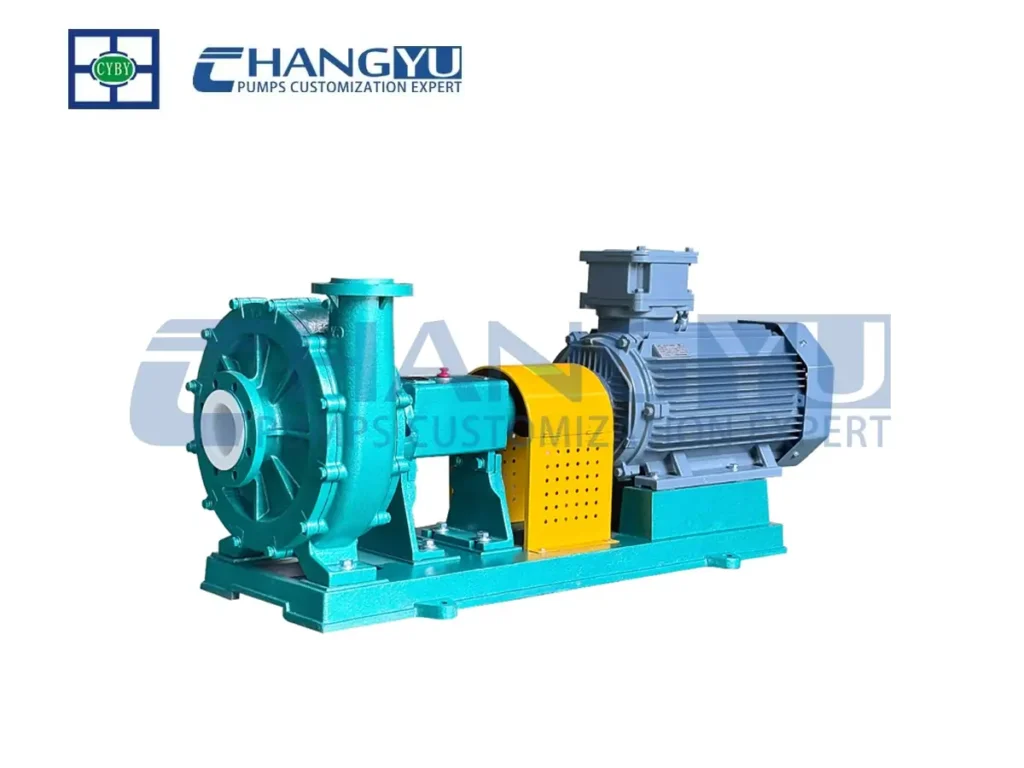
PFA-lined centrifugal pump with 8–20 mm thick molded PFA lining for the most demanding battery recycling applications — high-temperature acid leaching above 120°C, semiconductor-grade metal recovery, and processes requiring zero contamination from the pump materials. The sintered PFA lining provides universal chemical resistance and operates at temperatures up to 160°C.
| Parameter | Specification |
|---|---|
| Flow rate | 3–2,600 m³/h |
| Head | 5–100 m |
| Motor power | 0.75–300 kW |
| Speed | 968–3,450 r/min |
| Temperature | -80°C to 160°C |
| Lining material | PFA (8–20 mm thickness) |
FAQs about Battery Recycling Slurry Pumps
Q: Why does stainless steel fail so quickly in battery recycling slurries?
A: The sulfuric acid leach solution (pH < 2) causes pitting corrosion on 316L stainless steel, and hard battery cathode particles (Mohs 5–6) then erode the roughened metal surface. This corrosion-erosion synergy destroys stainless steel impellers within weeks. UHMW-PE lined pumps are chemically inert to the acid and resist particle abrasion.
Q: What material is best for acid leach slurry pumps?
A: UHMW-PE (ultra-high molecular weight polyethylene) lined pumps provide the optimal balance of acid resistance, abrasion resistance, and cost for most battery recycling leach applications. For processes involving hydrofluoric acid or temperatures above 90°C, FEP or PFA-lined pumps are recommended.
Q: Can battery electrolyte damage pump materials?
A: Yes. Lithium-ion battery electrolyte contains LiPF₆ salt, which hydrolyzes in water or acid to release trace hydrofluoric acid (HF). This process accelerates at elevated temperatures (>60°C). HF attacks stainless steel, glass, and some ceramics. UHMW-PE has good resistance to trace HF at ambient temperature; FEP and PFA are fully resistant.
Q: How do I prevent metal salt crystallization in my leach slurry pump?
A: Install an automatic water flush system that displaces acidic slurry from the pump after each shutdown. For continuously operating pumps, specify a seal flush system with an external clean water supply. UHMW-PE’s non-stick surface also resists crystal adhesion.
Q: What seal type is recommended for battery leach slurry pumps?
A: Double mechanical seals with a barrier fluid system prevent abrasive particles from reaching the seal faces. For hazardous leach solutions or volatile organic solvents, a sealless magnetic drive pump eliminates the mechanical seal entirely.
Changyu Pump Engineer’s Avoidance Checklist
- Never specify stainless steel for acid leach slurry service. The combined corrosion-erosion mechanism will destroy the pump within weeks.
- Verify material compatibility with the complete fluid chemistry — including trace HF from electrolyte decomposition. A material that handles sulfuric acid may fail if HF is present.
- Specify UHMW-PE lined pumps as the standard for battery leach slurry transfer. The dual resistance to acid and abrasion provides the longest service life per dollar.
- Install double mechanical seals with barrier fluid for slurry service. Single seals will fail rapidly from particle ingress.
- Plan for crystallization prevention. Install automatic flush systems on all batch-operated or intermittent-duty pumps.
- Size the pump with adequate margin for solids content. An undersized pump operating at high velocity will experience accelerated wear.
- Keep spare liners, impellers, and mechanical seals in inventory. The abrasive nature of battery slurries means wear parts require periodic replacement.
Conclusion
Battery recycling slurry pumps face a uniquely aggressive combination of strong acid corrosion and hard particle abrasion. Standard stainless steel pumps fail rapidly because they cannot resist both mechanisms simultaneously — the acid roughens the surface, and the particles then erode it at an accelerated rate.
UHMW-PE lined pumps have become the standard solution for battery recycling leach slurry transfer because they provide chemical inertness to sulfuric and hydrochloric acids combined with abrasion resistance that far exceeds stainless steel. For applications involving hydrofluoric acid from electrolyte decomposition, or process temperatures exceeding 90°C, FEP and PFA-lined pumps provide the necessary upgrade.
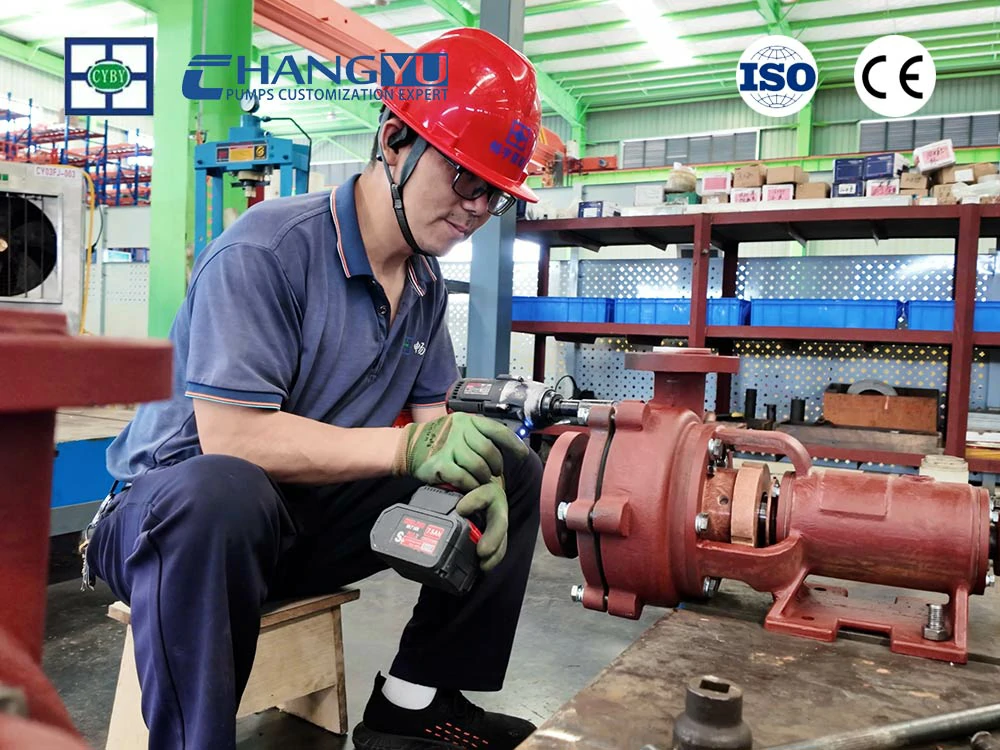
Changyu Pump’s engineering team provides tailored technical assessments for battery recycling pump applications — covering fluid chemistry analysis, material compatibility verification, and pump selection matched to your specific recycling process. Two decades of manufacturing experience across chemical, metallurgical, and environmental applications inform every recommendation.