When designing an industrial fluid transfer system, one common question arises: Horizontal Centrifugal Pumps vs Vertical Centrifugal Pumps — which is the better choice?
Both types belong to the centrifugal pump family and operate under the same hydraulic principle. However, they differ significantly in structure, installation method, maintenance approach, and ideal application scenarios.
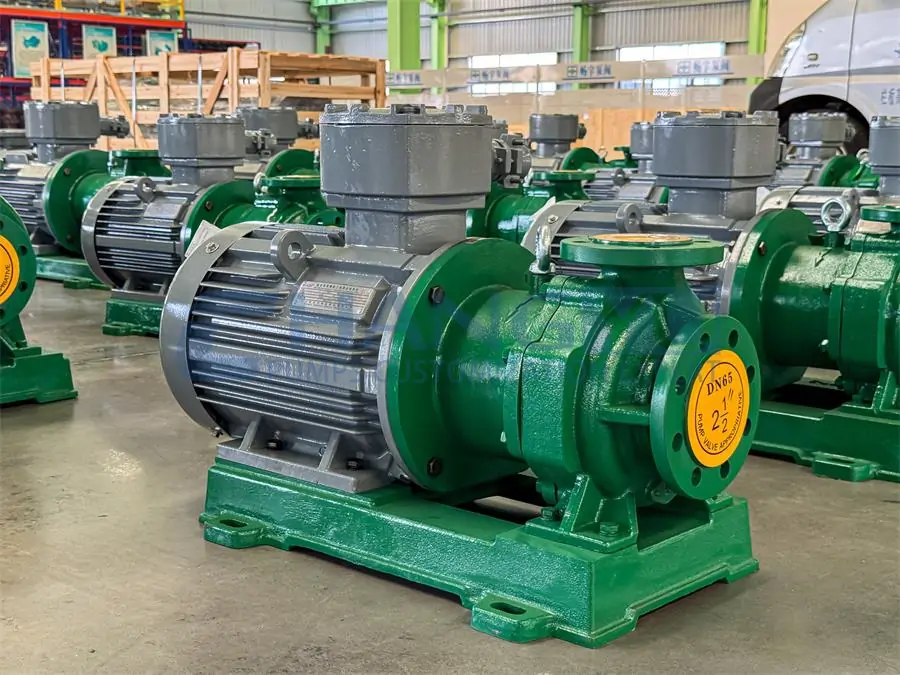
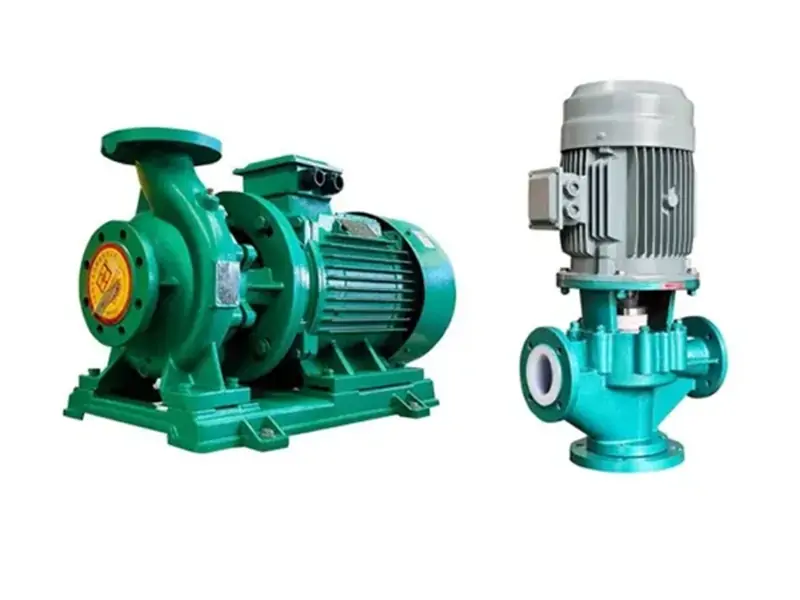
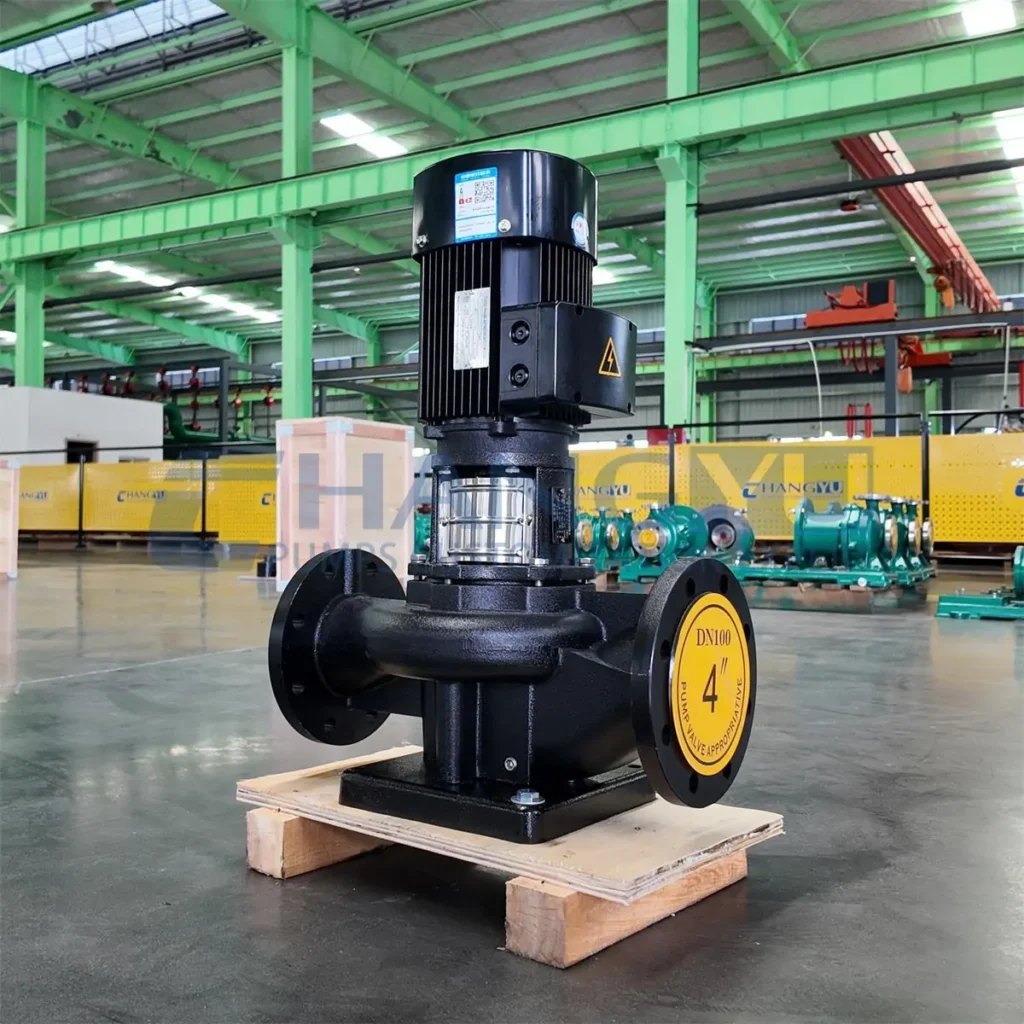
This article will compare and contrast aspects such as concepts, working principles, installation methods, and application scenarios, and provide a purchasing guide.
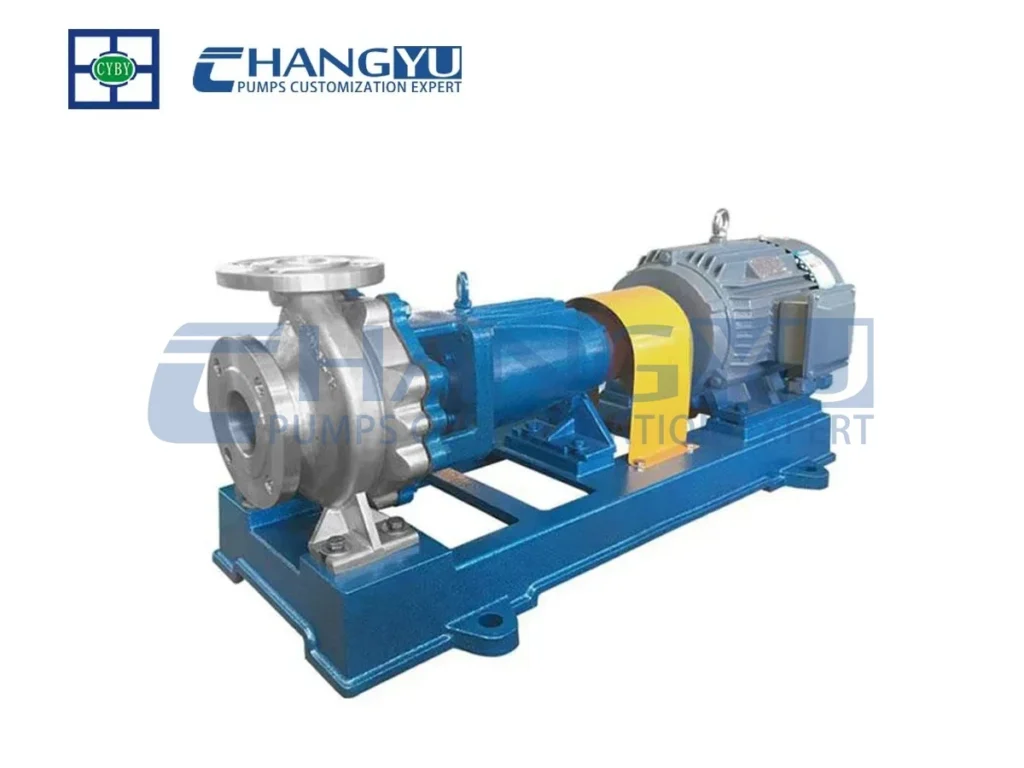
What Is a Horizontal Centrifugal Pump?
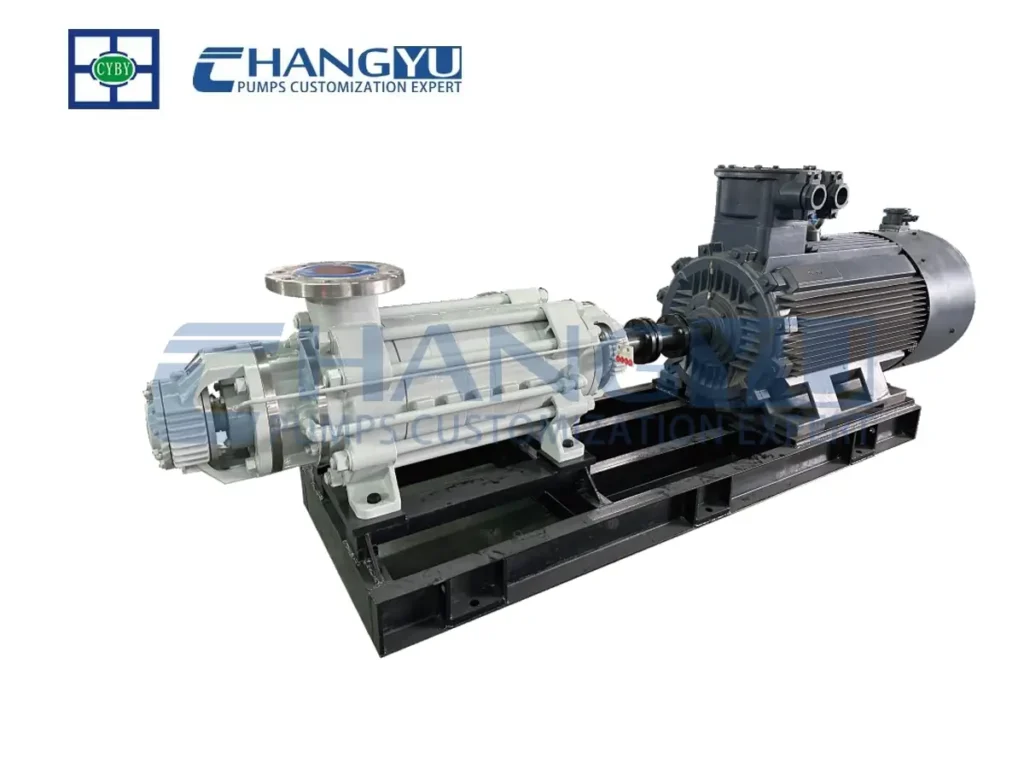
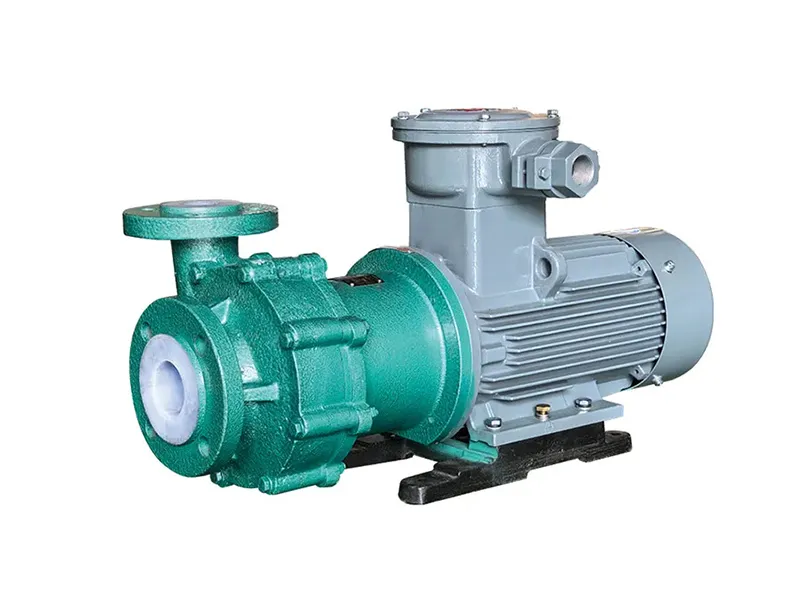
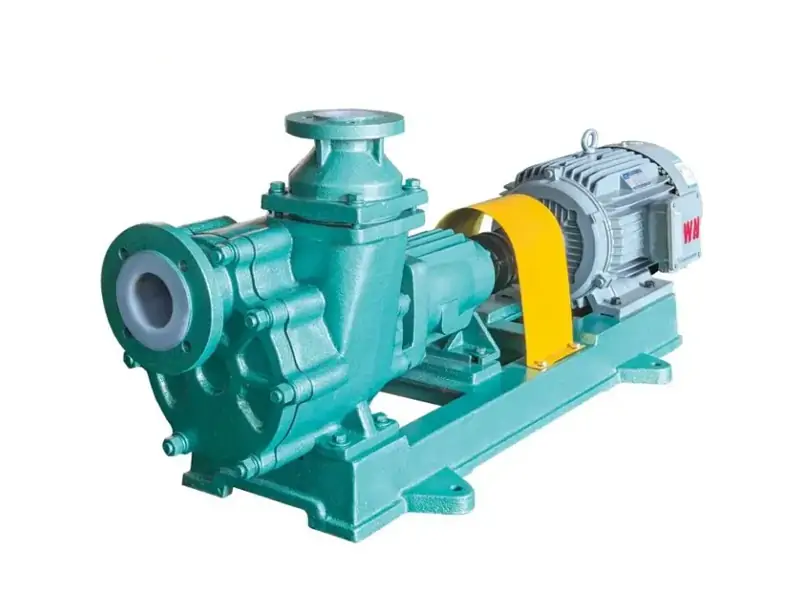
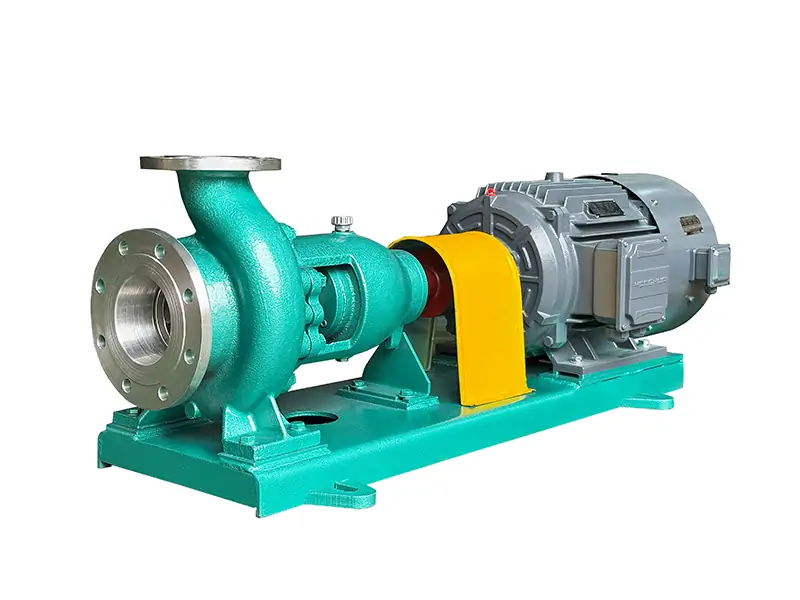
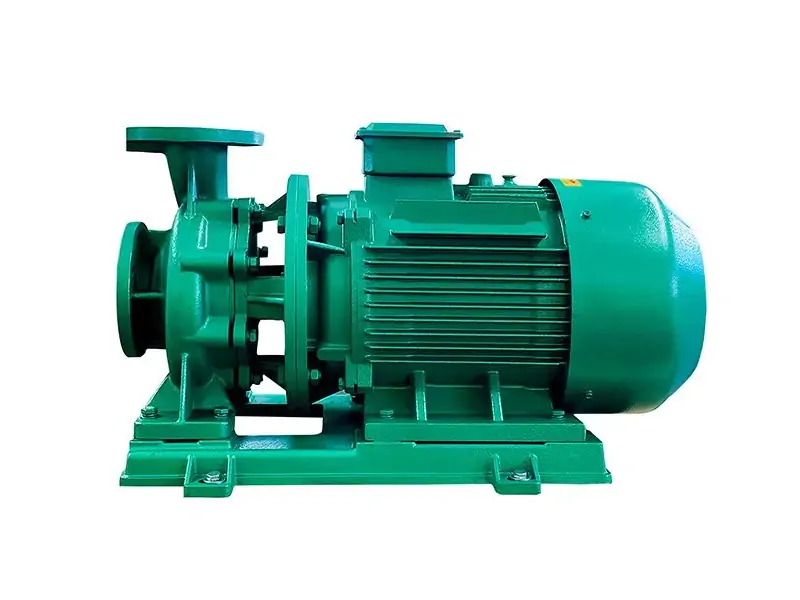
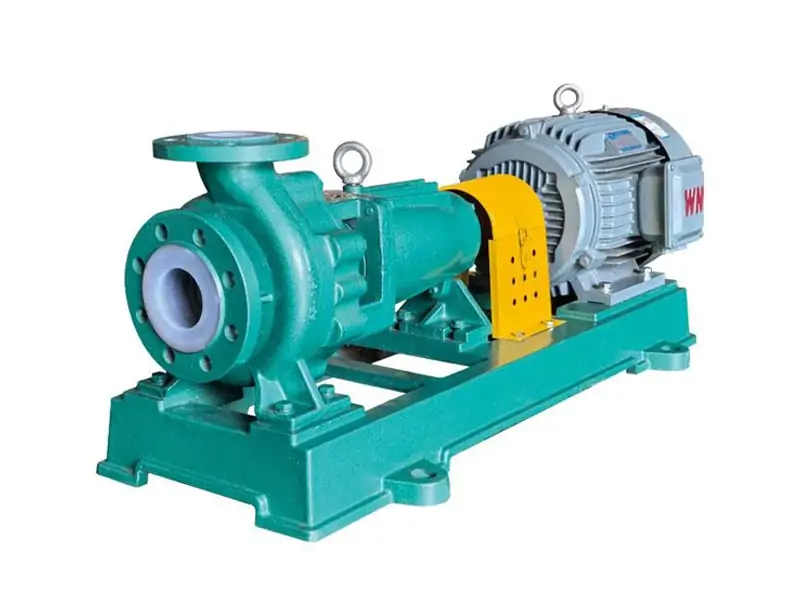
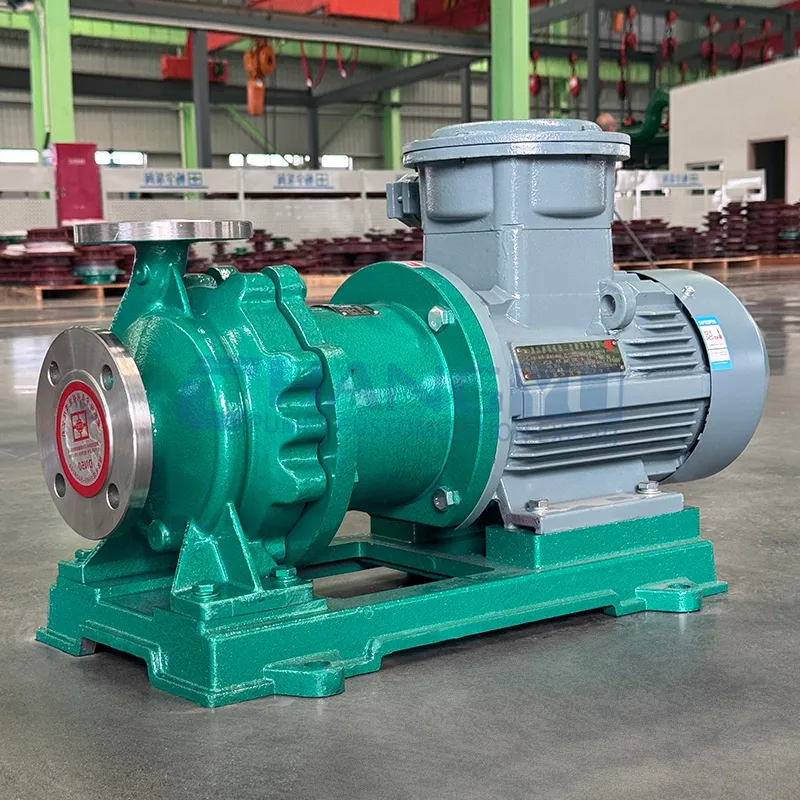
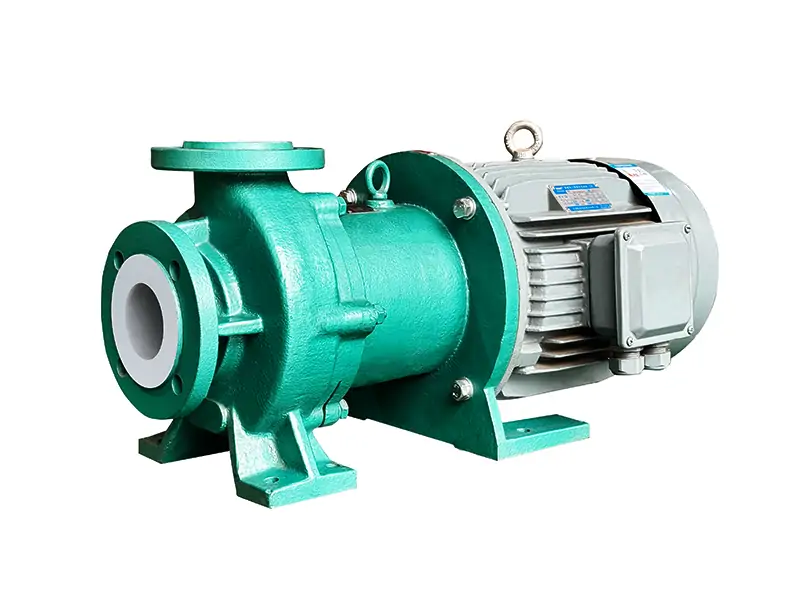
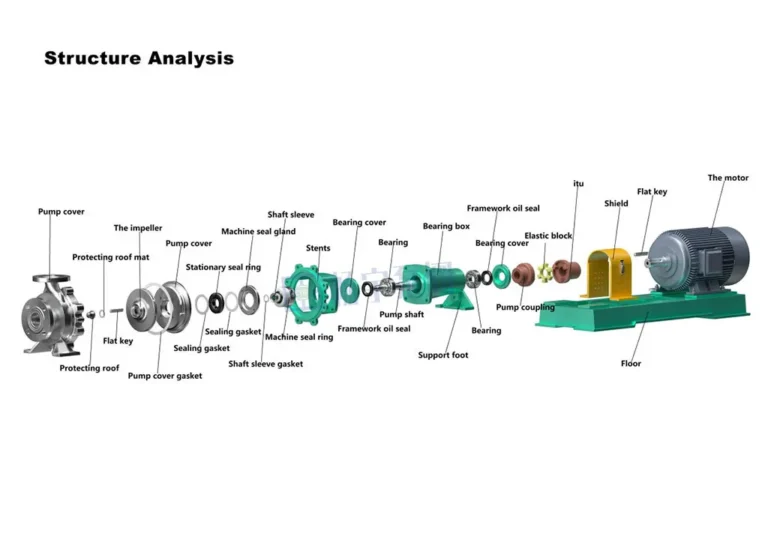
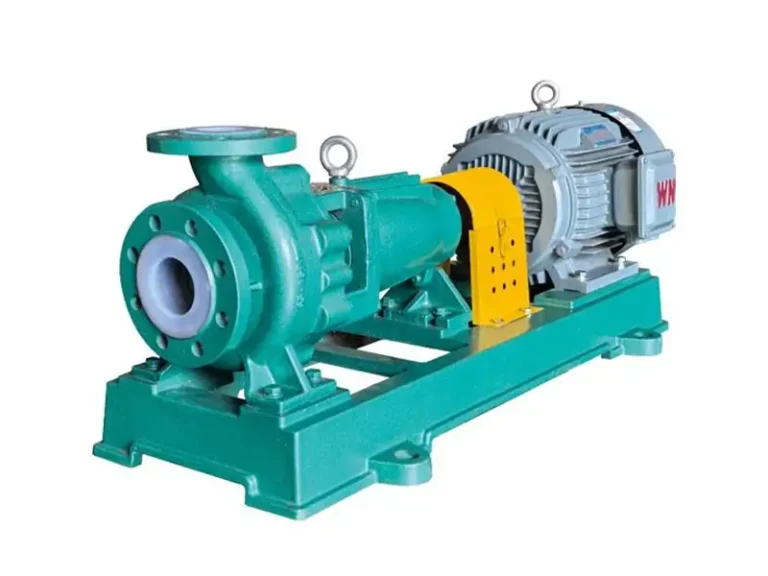
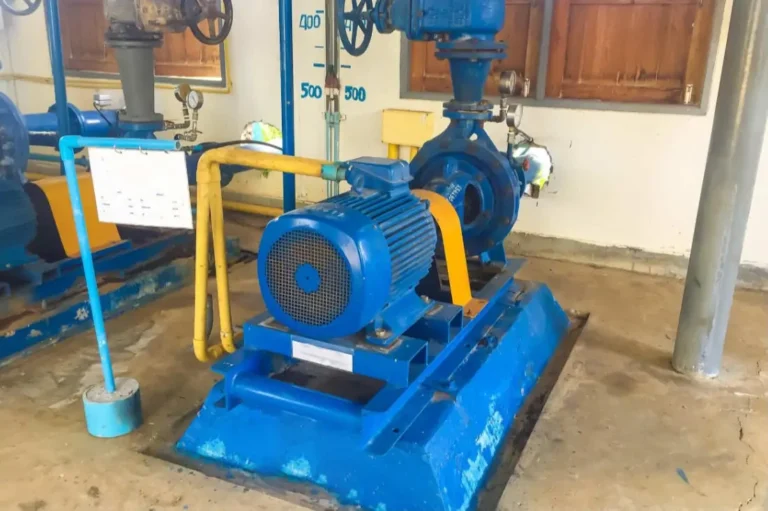
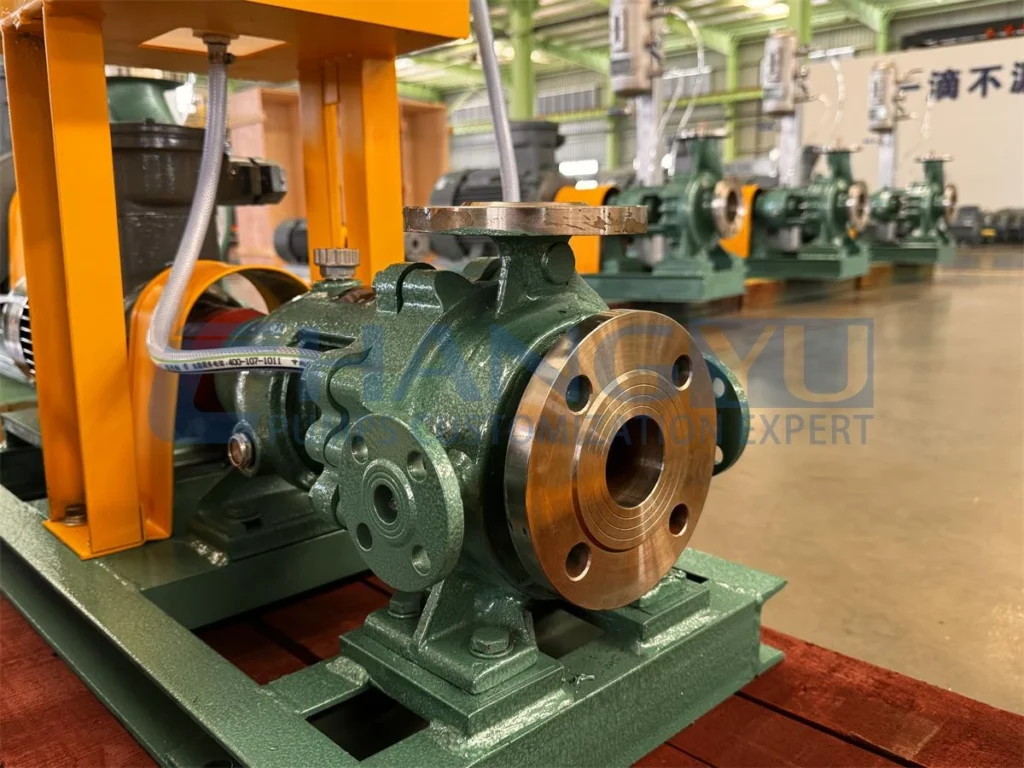
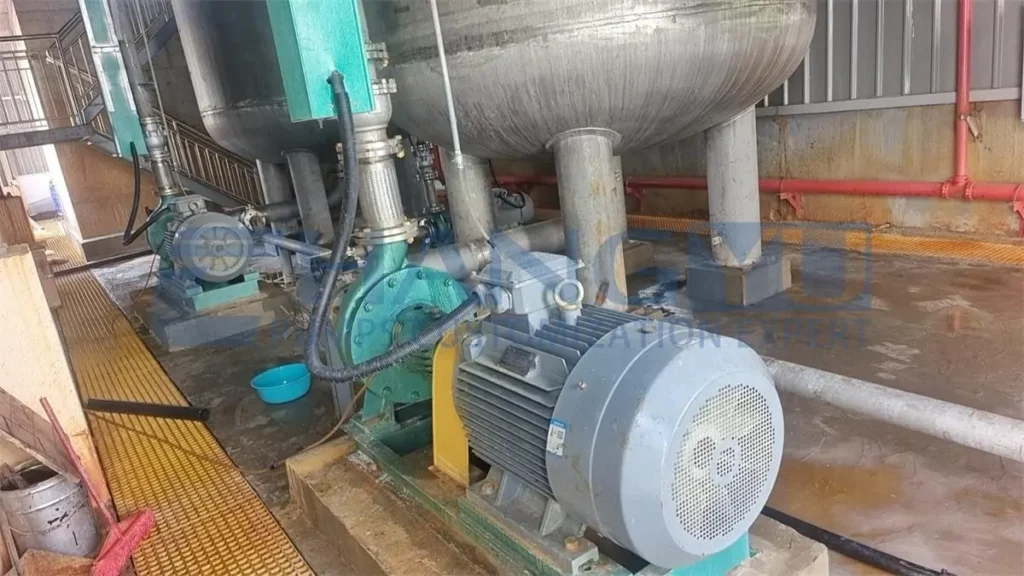
A horizontal centrifugal pump features a horizontally mounted shaft. The motor is typically directly coupled to the pump body via a coupling. The pump base is usually monolithic and must be anchored to a foundation platform.
Key Characteristics
- Horizontal shaft alignment
- Motor and pump arranged on the same horizontal axis
- Requires a concrete or steel foundation
- Widely used in general industrial systems
Typical Applications
- Factory water supply systems
- HVAC circulation systems
- Industrial pressurization
- Cooling water transfer
- Industrial cleaning systems
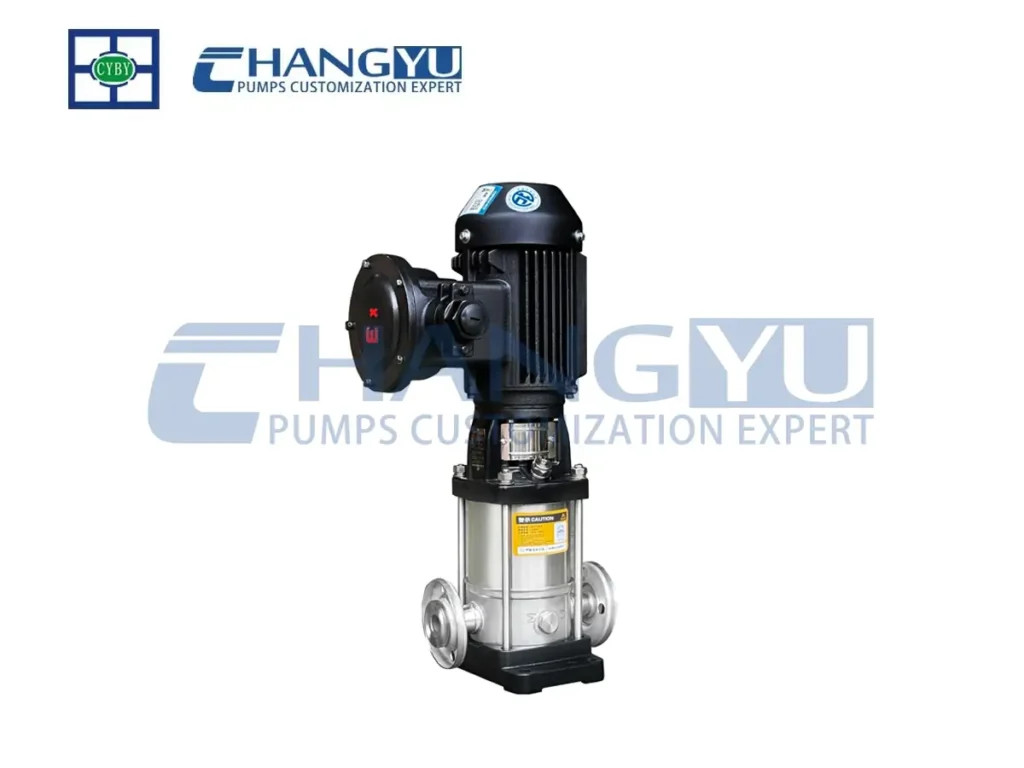
What Is a Vertical Centrifugal Pump?
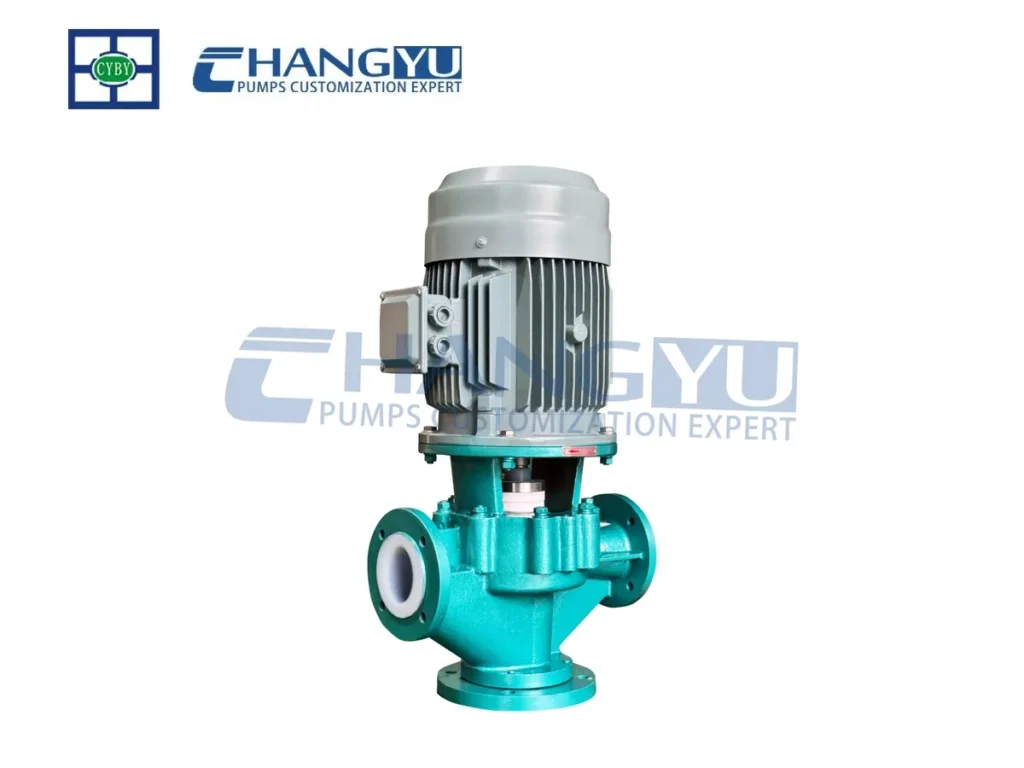
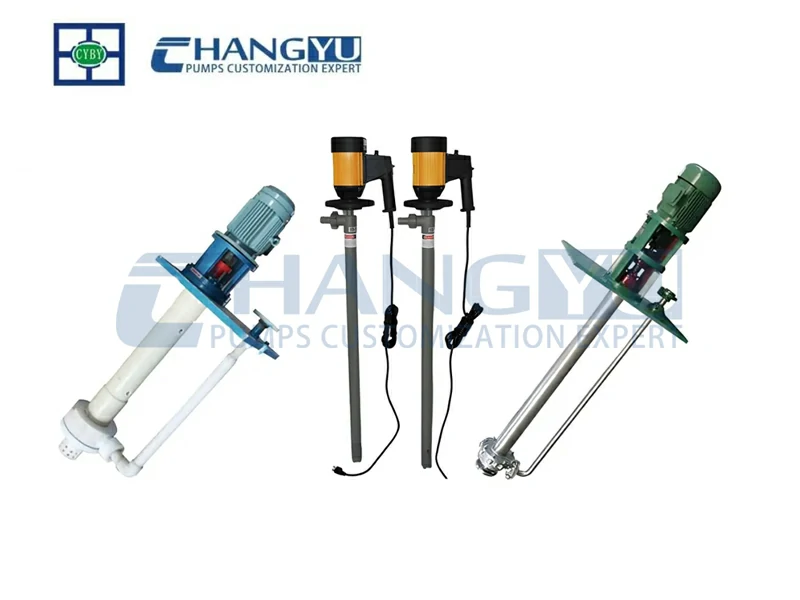
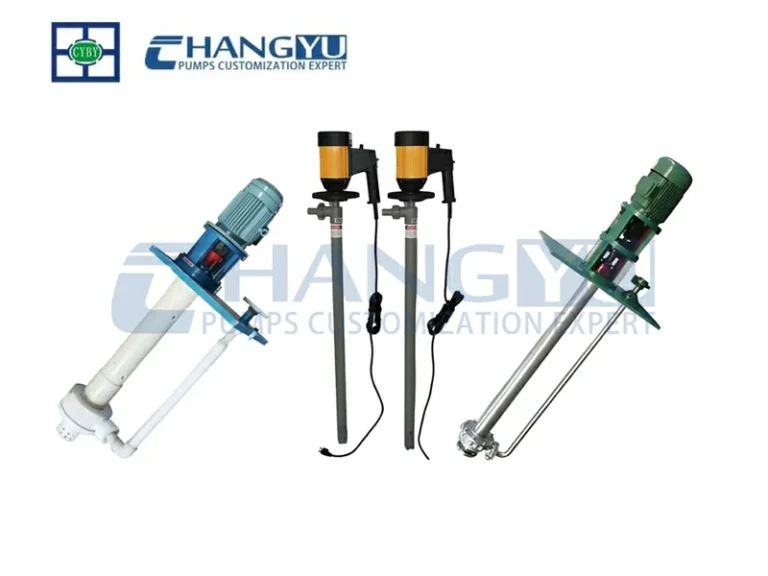
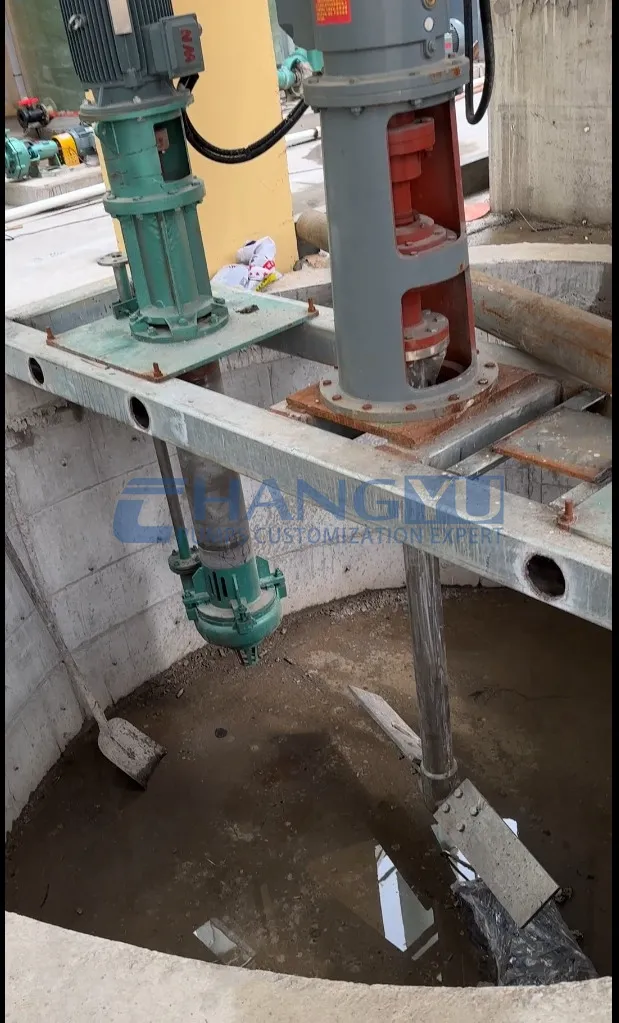
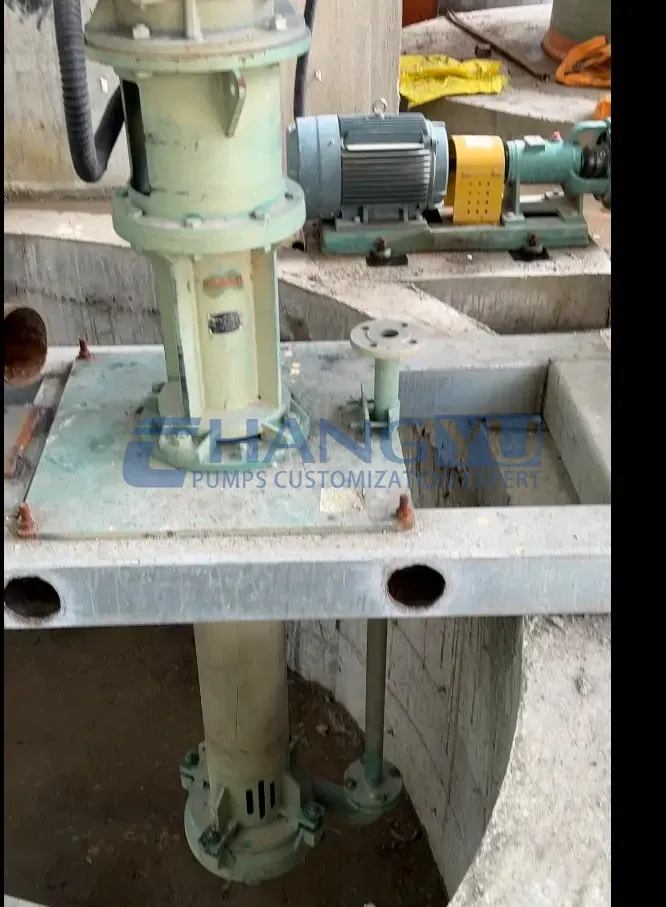
A vertical centrifugal pump uses a vertically oriented shaft. The motor is positioned above the pump body, allowing the hydraulic section to operate submerged in liquid.
Its slender structure minimizes footprint and often eliminates the need for an independent foundation.
Key Characteristics
- Vertical shaft structure
- Pump bowl submerged in liquid
- Motor mounted on top
- Ideal for tank-top installation
Typical Applications
- Underground tank suction
- Deep well water extraction
- Tunnel drainage
- Sewage treatment systems
- Chemical container transfer
Working Principle of Both Pump Types
Despite structural differences, both pump types share the same operating principle:
- A high-speed rotating impeller generates centrifugal force
- Liquid is expelled outward
- A low-pressure zone (vacuum effect) forms at the impeller eye
- Continuous suction and discharge are achieved
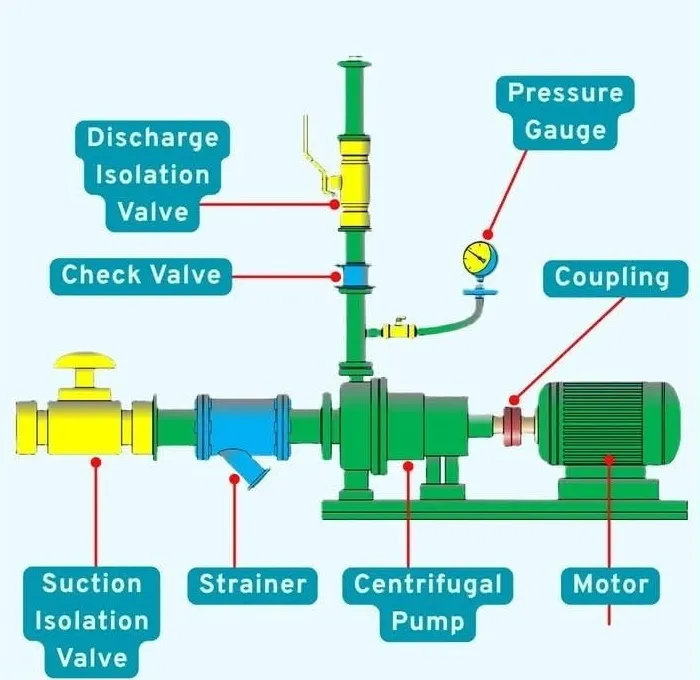
Hydraulically, performance curves (flow rate, head, efficiency) are similar when designed under equivalent conditions.
Horizontal Centrifugal Pumps vs Vertical Centrifugal Pumps: Structural Comparison
| Comparison Factor | Horizontal Centrifugal Pump | Vertical Centrifugal Pump |
|---|---|---|
| Shaft Orientation | Horizontal | Vertical |
| Motor Position | Side-by-side with pump | Above pump |
| Installation | Requires foundation platform | Can be mounted directly on tank |
| Footprint | Larger floor area | Minimal footprint |
| Maintenance Access | Easy access | Requires lifting for service |
| Bearing Structure | Standard rolling bearings | Submerged sliding bearings |
Advantages and Application Scenarios
Horizontal Pump Advantages
1. Easy Maintenance
Simple structure allows inspection and component replacement without dismantling pipelines or lifting the motor.
2. Stable Operation
When properly leveled and anchored, vibration is minimal and long-term reliability is high.
3. Lower Maintenance Costs
Routine servicing is straightforward and economical.
Best For:
Standard industrial circulation systems where suction conditions are stable and installation space is sufficient.
Vertical Pump Advantages
1. Suitable for Low-Level Suction
Particularly effective for underground tanks and low-elevation liquid sources where horizontal pumps may fail due to insufficient suction lift.
2. Space-Saving Design
Vertical installation significantly reduces required floor area.
3. No Self-Priming Issues
Because the pump bowl is submerged, priming problems are minimized.
Best For:
Deep wells, pits, drainage systems, sewage treatment plants, and chemical tanks.
Installation Considerations
1. Space Availability
- If ample foundation space exists → Horizontal pump preferred
- If installation space is limited → Vertical pump recommended
2. Liquid Level Position
- For above-ground reservoirs → Horizontal pump works well
- For underground tanks or deep pits → Vertical pump is the correct solution
3. Foundation Requirements
- Horizontal pumps require rigid foundation anchoring
- Vertical pumps typically do not require heavy civil foundation
Maintenance Cost Comparison
| Factor | Horizontal Pump | Vertical Pump |
|---|---|---|
| Service Complexity | Low | Medium to High |
| Disassembly | Minimal | Requires lifting |
| Bearing Inspection | External | Submerged sliding bearings |
| Alignment Requirement | Standard leveling | Strict vertical alignment |
| Long-Term Cost | Lower | Potentially higher |
Vertical pumps require periodic inspection of submerged sliding bearings. If neglected, shaft runout may increase, potentially leading to mechanical failure.
Performance and Operational Stability
From a hydraulic perspective, both pump types can achieve similar:
- Flow rates
- Head ranges
- Efficiency levels
However, operational stability depends more on installation precision and maintenance practices than on pump orientation itself.
When to Choose Each Pump Type
Choose a Horizontal Centrifugal Pump If:
- Installation space is not restricted
- Maintenance accessibility is a priority
- Operating conditions are steady-state
- Budget control is important
Choose a Vertical Centrifugal Pump If:
- Pumping from underground or deep reservoirs
- Floor space is limited
- Suction lift is a major concern
- Direct tank mounting is required
Conclusion
When comparing Horizontal Centrifugal Pumps vs Vertical Centrifugal Pumps, neither is universally superior. They are complementary solutions engineered for different operating environments.
- Horizontal pumps dominate standard industrial applications due to ease of maintenance and stable operation.
- Vertical centrifugal pumps excel in low-level suction scenarios and installations where space is limited.
Selecting the correct pump type should be based on:
- Installation constraints
- Liquid level conditions
- Maintenance capability
- Long-term operational strategy
If you need technical assistance in selecting the right centrifugal pump for your project, contact us now. Changyu Pump has an experienced engineering team to provide solutions for the pumping industry.
Email: jade@changyupump.com
Phone: +86-13651913727