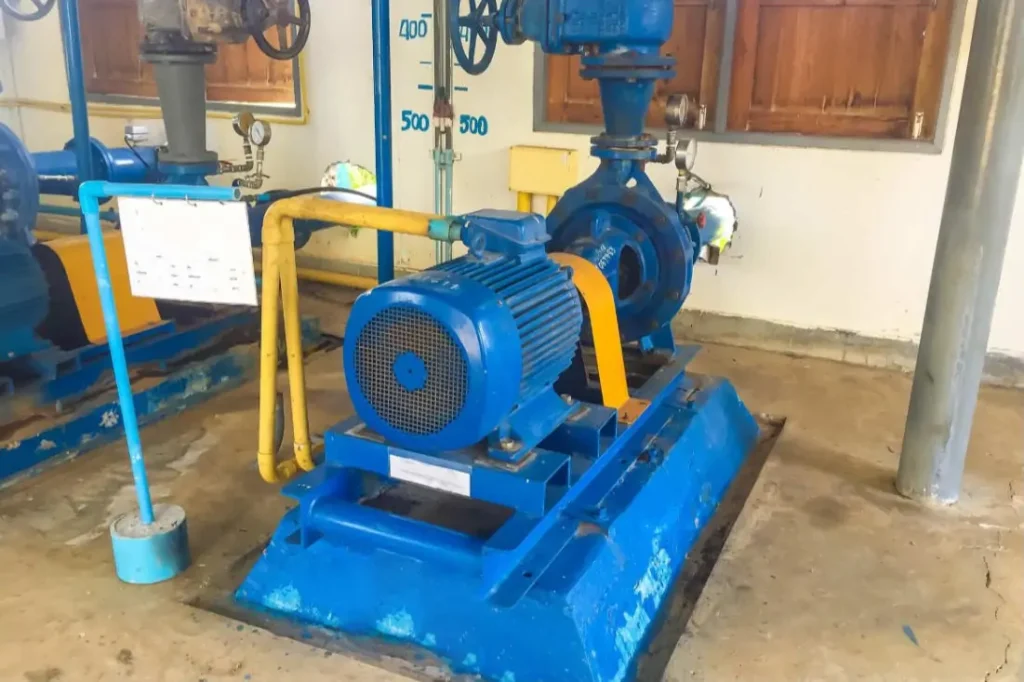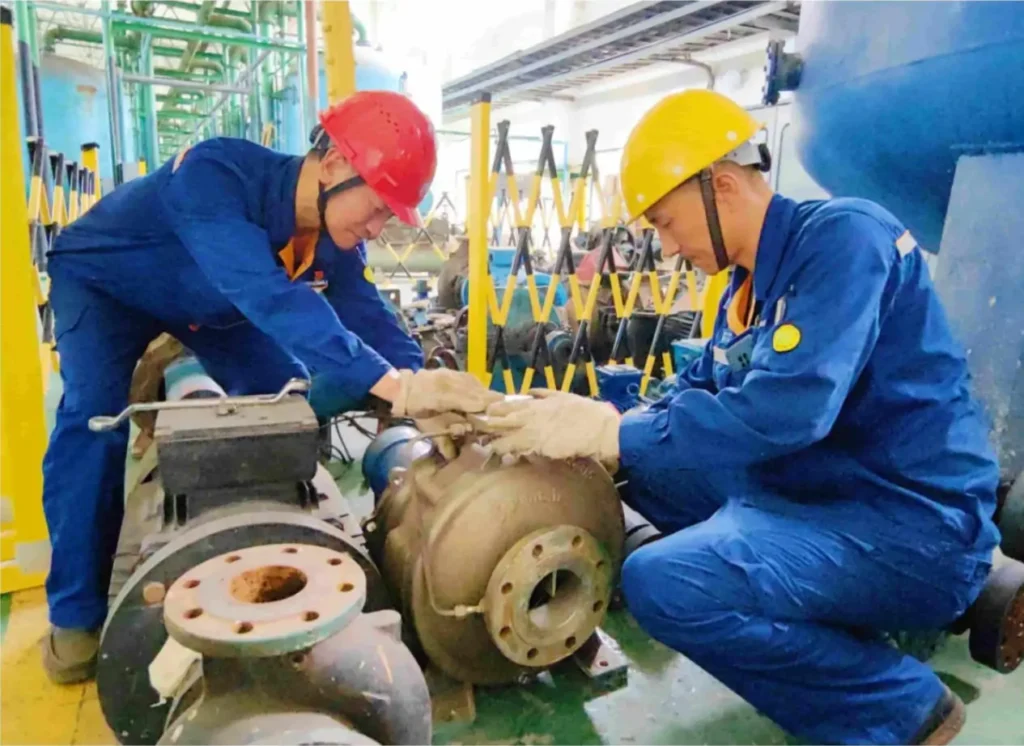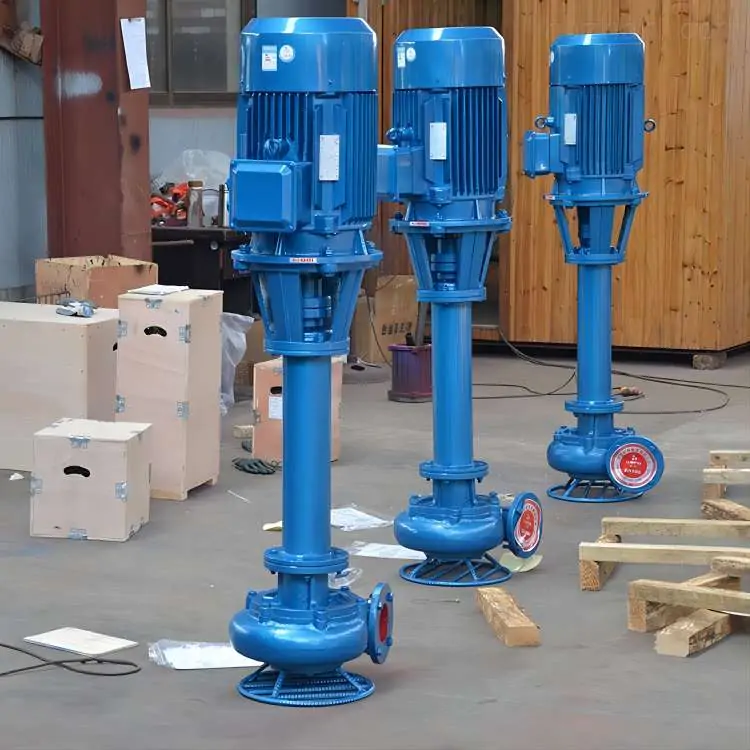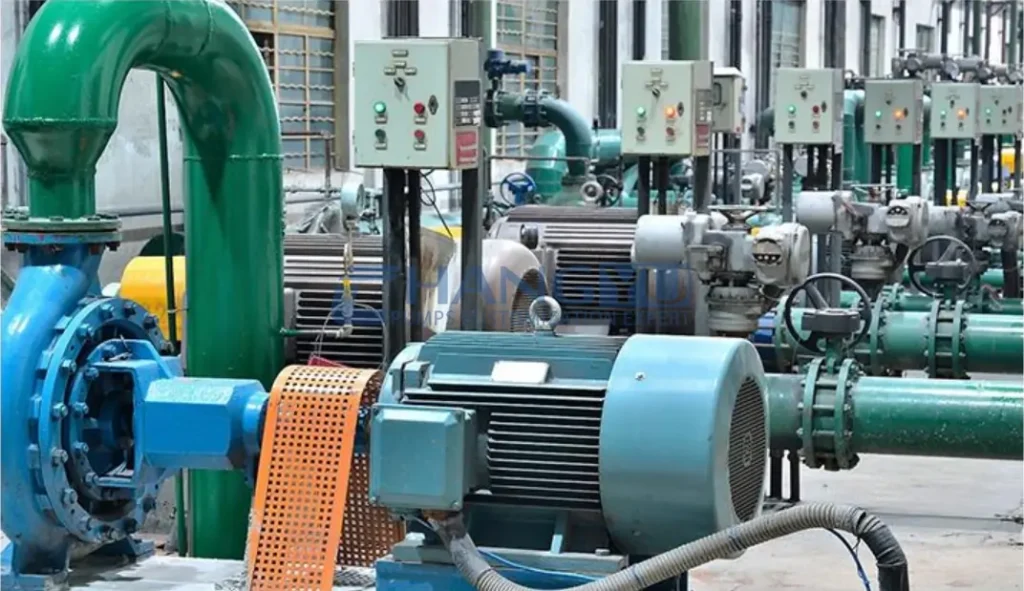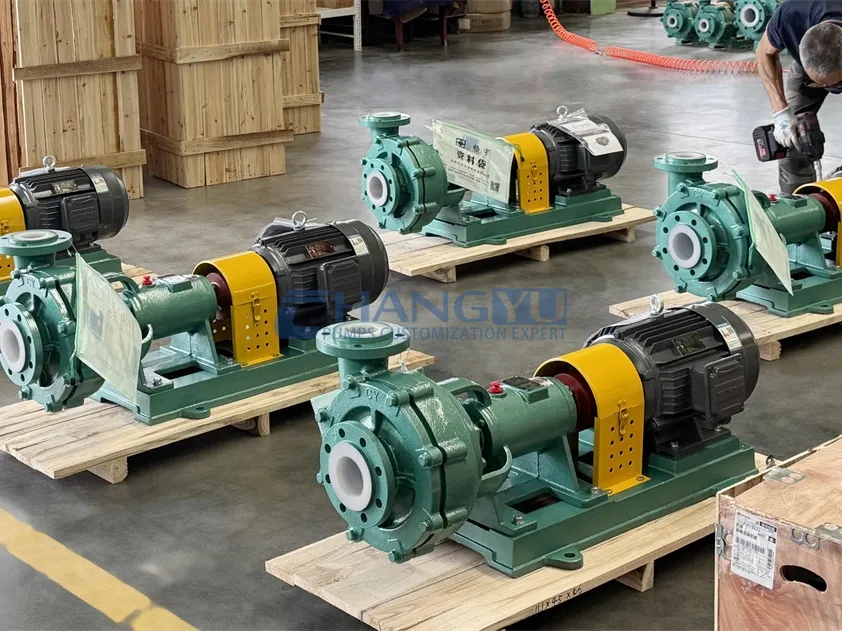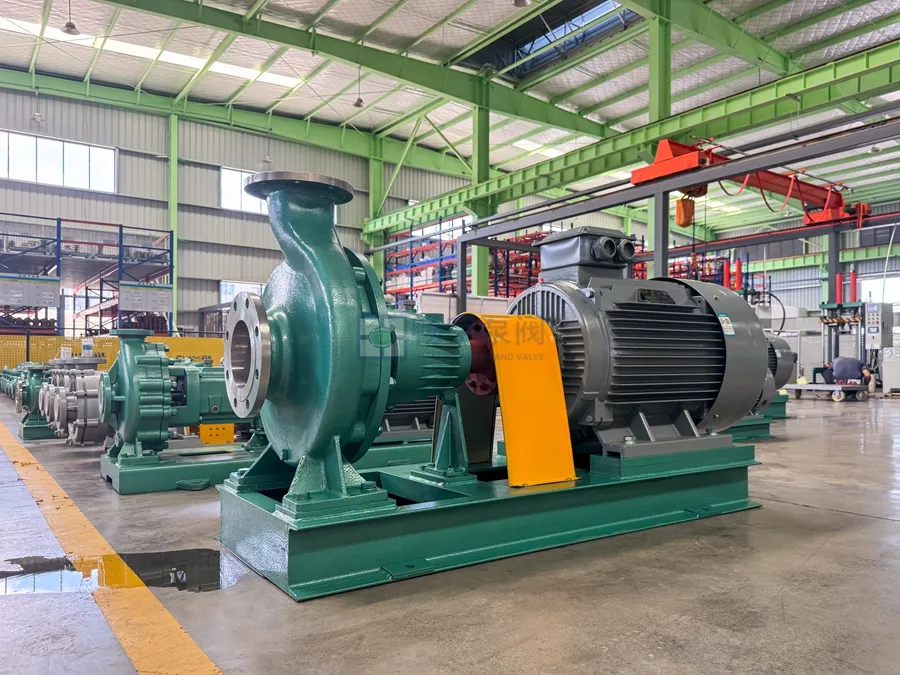
Una bomba para lodos es una bomba centrífuga industrial diseñada para transportar fluidos que contienen partículas sólidas, y que se caracteriza por su resistencia al desgaste y a la corrosión, así como por su alta confiabilidad. Se utiliza con frecuencia en industrias que trabajan con materiales corrosivos y abrasivos, como el procesamiento químico, la metalurgia, la minería y otros sectores de transporte a gran escala. Muchas personas no tienen claro cuál es la finalidad de una bomba para lodos. Hoy analizaremos de manera sistemática sus escenarios de aplicación partiendo de la pregunta habitual: ¿Para qué se utiliza una bomba para lodos?
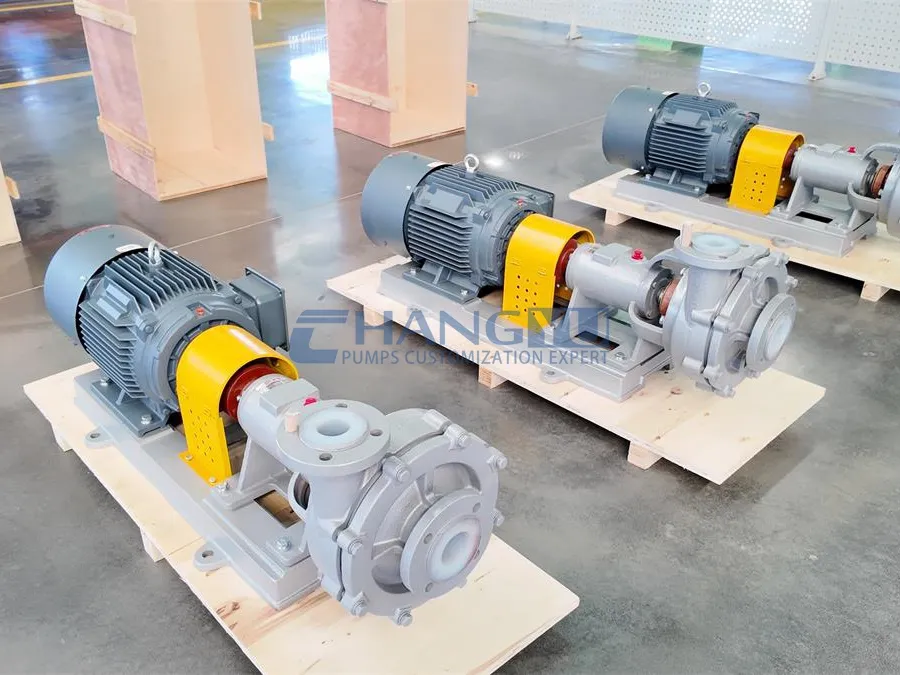
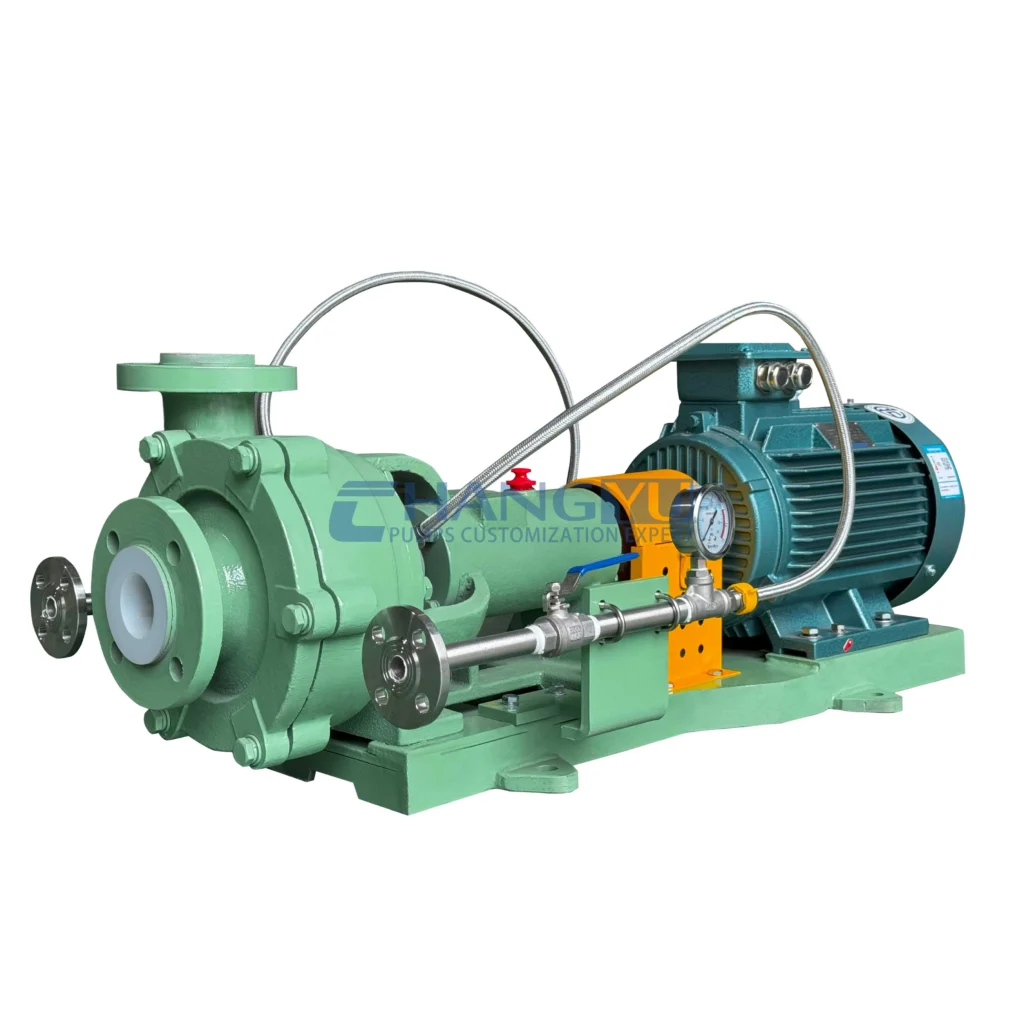 Bomba para lodos con refrigeración del sello mecánico
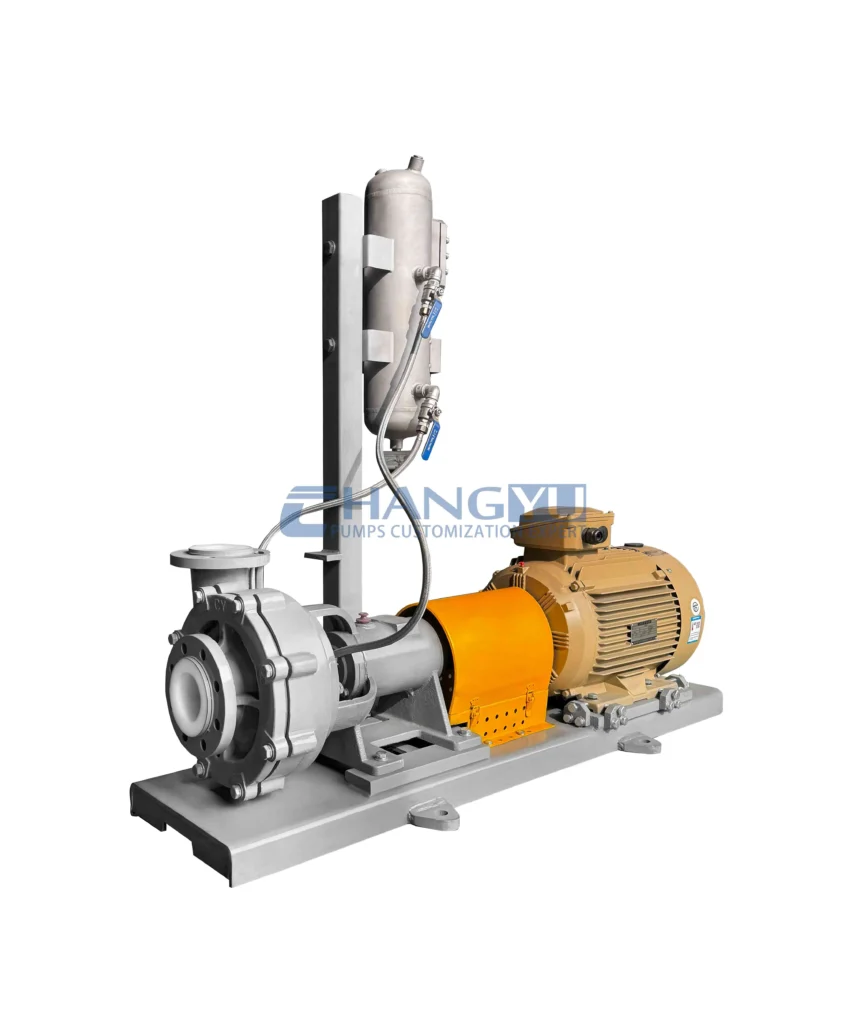 Bomba para lodos con refrigeración del sello mecánico
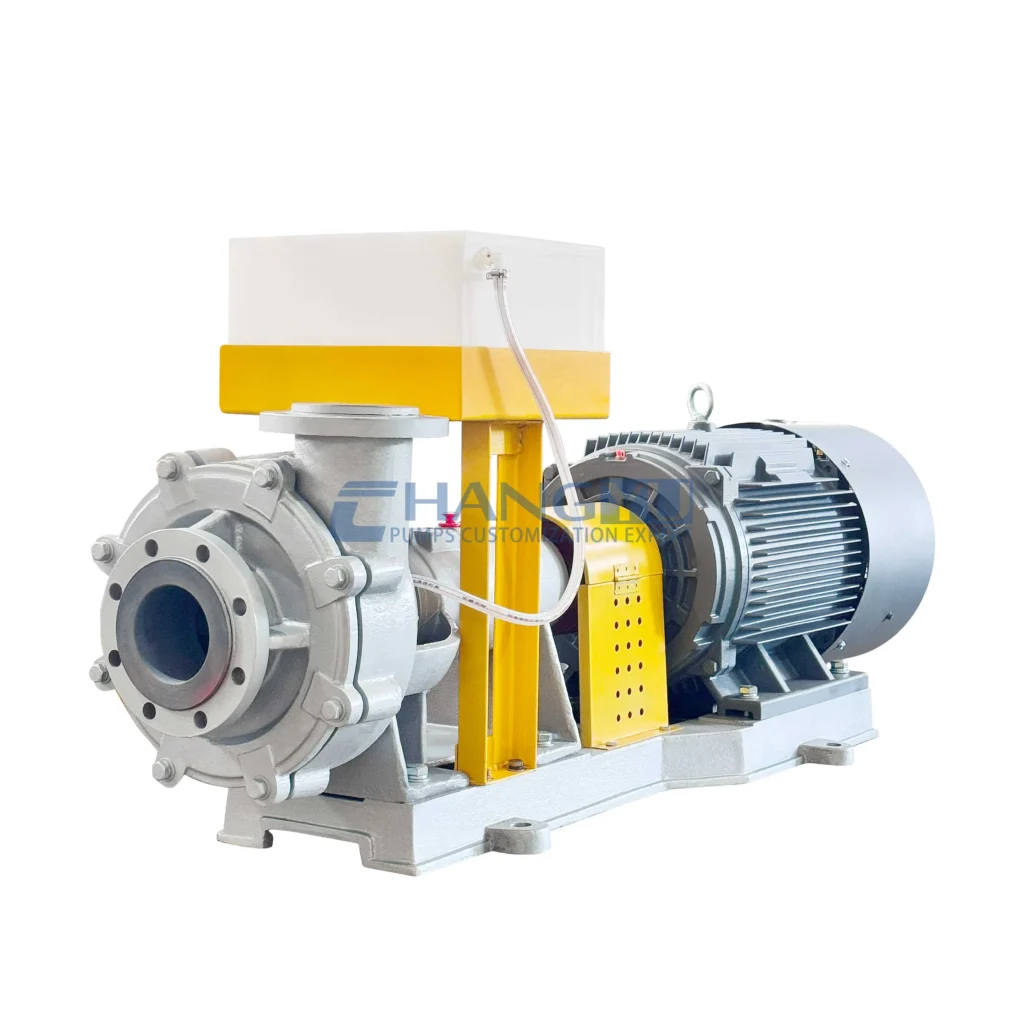 Bomba para lodos con refrigeración del sello mecánico
En este artículo se abordarán las siguientes cuestiones fundamentales para ayudarle a comprender de manera sistemática las aplicaciones de las bombas para lodos y orientarle en su selección:
¿Qué es una bomba para lodos?
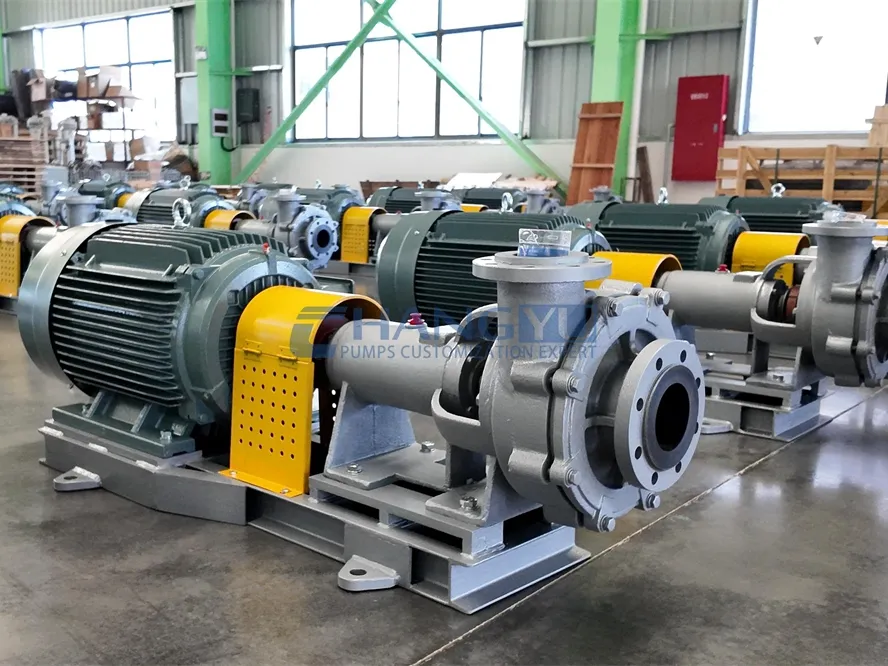
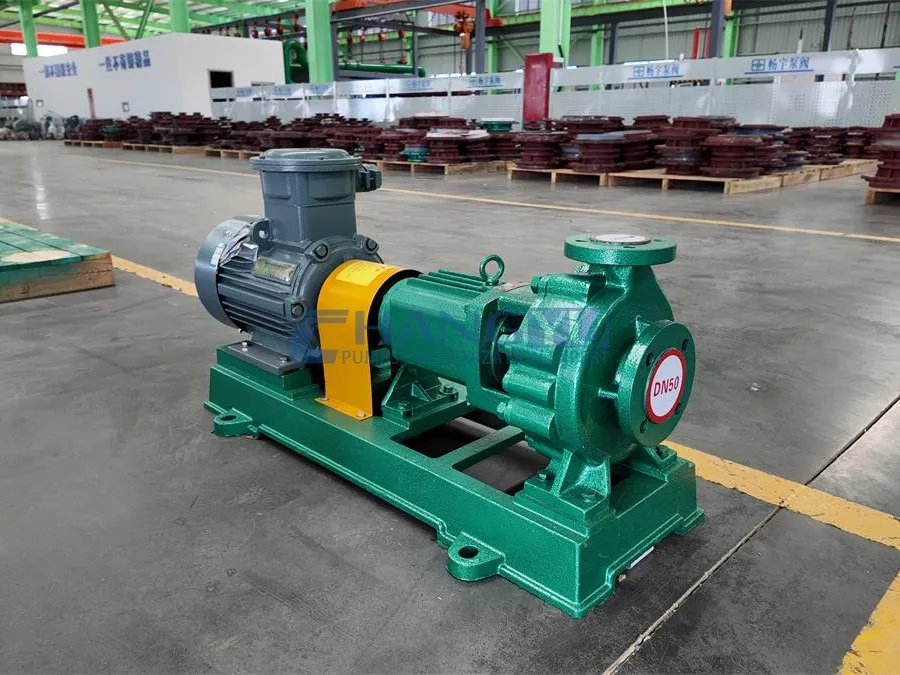
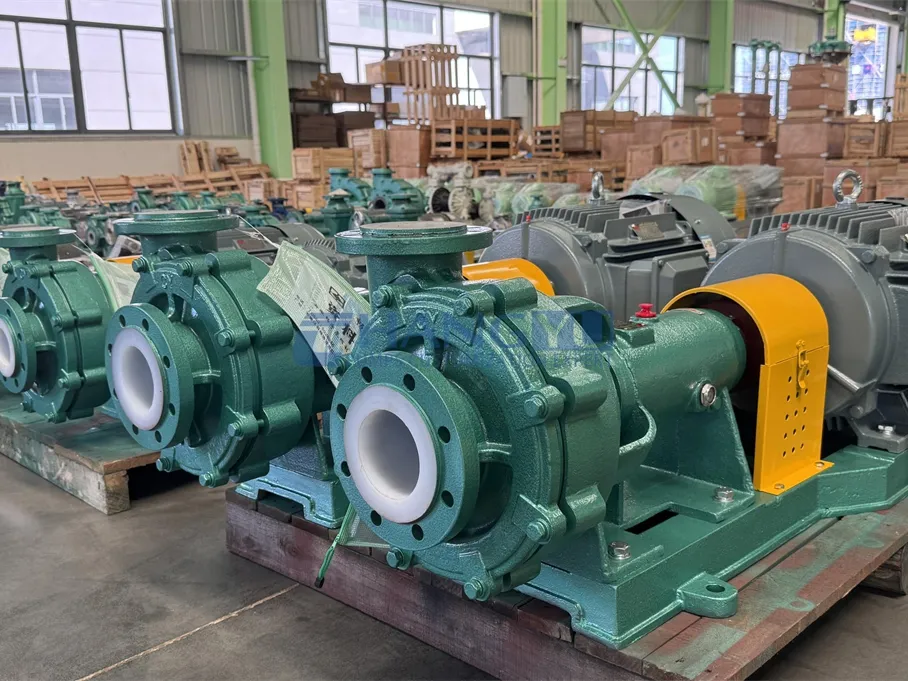
Una bomba para lodos es una bomba industrial especializada diseñada para transportar fluidos que contienen altas concentraciones de partículas sólidas. A diferencia de las bombas de agua o las bombas químicas estándar, las bombas para lodos son capaces de manejar mezclas abrasivas, corrosivas y de alta densidad, comúnmente conocidas como lodos. Estos lodos pueden consistir en mezclas de líquido y sólido, tales como arena, partículas de mineral, relaves, cenizas, escorias o precipitados químicos.
Durante su funcionamiento, las bombas para lodos soportan el impacto continuo de partículas sólidas que golpean componentes internos como el impulsor, la carcasa de la bomba y las juntas. Para resistir este desgaste constante, nuestras bombas para lodos se fabrican normalmente con polietileno de peso molecular ultraalto (UHMW-PE) revestido de acero importado, dependiendo de la aplicación específica. Este material presenta la mayor resistencia al desgaste entre los plásticos, superando al nailon (PA66) y al politetrafluoroetileno (PTFE) hasta cuatro veces, y superando la resistencia al desgaste del acero al carbono y del acero inoxidable entre 7 y 10 veces.
Desde el punto de vista funcional, nuestras bombas para lodos adoptan una estructura de bomba centrífuga con un diseño interno optimizado para el transporte de lodos. Esto incluye conductos de flujo más anchos, impulsores reforzados y sellos para minimizar las obstrucciones y garantizar un funcionamiento estable a largo plazo.
Nuestras bombas para lodos no son simples equipos de transporte de aguas residuales, sino bombas industriales de alto rendimiento diseñadas para sectores que manejan fluidos abrasivos y cargados de sólidos.
¿Cómo funcionan las bombas para lodos?
El principio de funcionamiento de las bombas para lodos se basa en las bombas centrífugas tradicionales, optimizadas con materiales de alta resistencia al desgaste, canales de flujo más anchos y un rendimiento de sellado mejorado para lograr el transporte de mezclas sólido-líquido de alta concentración. El proceso específico es el siguiente:
- Transmisión: El motor transmite la potencia a través del eje, lo que hace que el impulsor gire a alta velocidad.
- Succión por presión negativa: A medida que gira el impulsor, se forma una zona de baja presión en su centro (entrada). Bajo la influencia de la presión atmosférica externa o de la presión del sistema, la suspensión que se encuentra en la tubería es aspirada hacia el cuerpo de la bomba.
- Aceleración centrífuga: El impulsor giratorio ejerce una fuerza sobre la mezcla de sólidos y líquidos aspirada, lo que le imprime energía cinética y la lanza rápidamente hacia el cuerpo de la bomba.
- Conversión y descarga de energía: La estructura en espiral (voluta) de la carcasa de la bomba convierte la elevada energía cinética de la lechada en energía de presión estable. Cuando la presión supera la de la tubería de descarga, la lechada se transporta de forma continua hasta el lugar designado, completando así el proceso de transferencia.
Para obtener más información, lea el siguiente artículo: Análisis en profundidad de Changyu Pump: ¿Cómo funciona una bomba para lodos?
Para qué se utiliza una bomba para lodos: principales ámbitos de aplicación
Ahora llegamos a la pregunta que más preocupa a todos: ¿para qué se utiliza una bomba para lodos? A continuación, lo explicaremos desde dos perspectivas: las aplicaciones industriales más comunes y los lugares específicos de instalación de las bombas para lodos. También te recomendaremos dos modelos de bombas para tu referencia.
Industria metalúrgica y de fundición
La industria metalúrgica y de fundición requiere bombas capaces de manejar fluidos a altas temperaturas, corrosivos y abrasivos, tales como soluciones de decapado ácido, lodos de escoria y aguas residuales con iones metálicos.
Condiciones habituales
- Solución ácida/alcalina a alta temperatura
- Lodo de escoria con alto contenido de sólidos
- Solución de decapado, solución electrolítica
- Aguas residuales metálicas que contienen Fe²⁺, Cu²⁺, Ni²⁺
Solicitud
- Circulación del líquido de decapado ácido
- Trasvase de lodos de escoria
- Sistemas de reciclaje de electrolitos
- Neutralización y vertido de aguas residuales
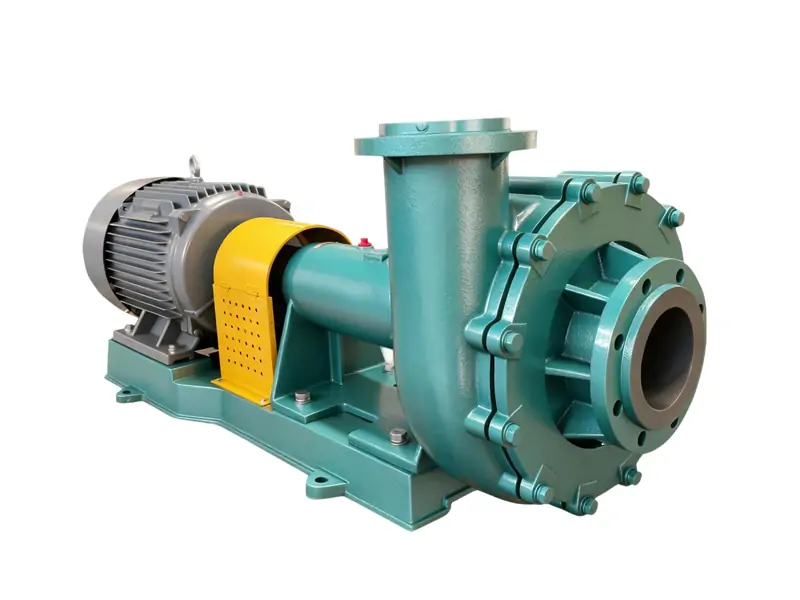
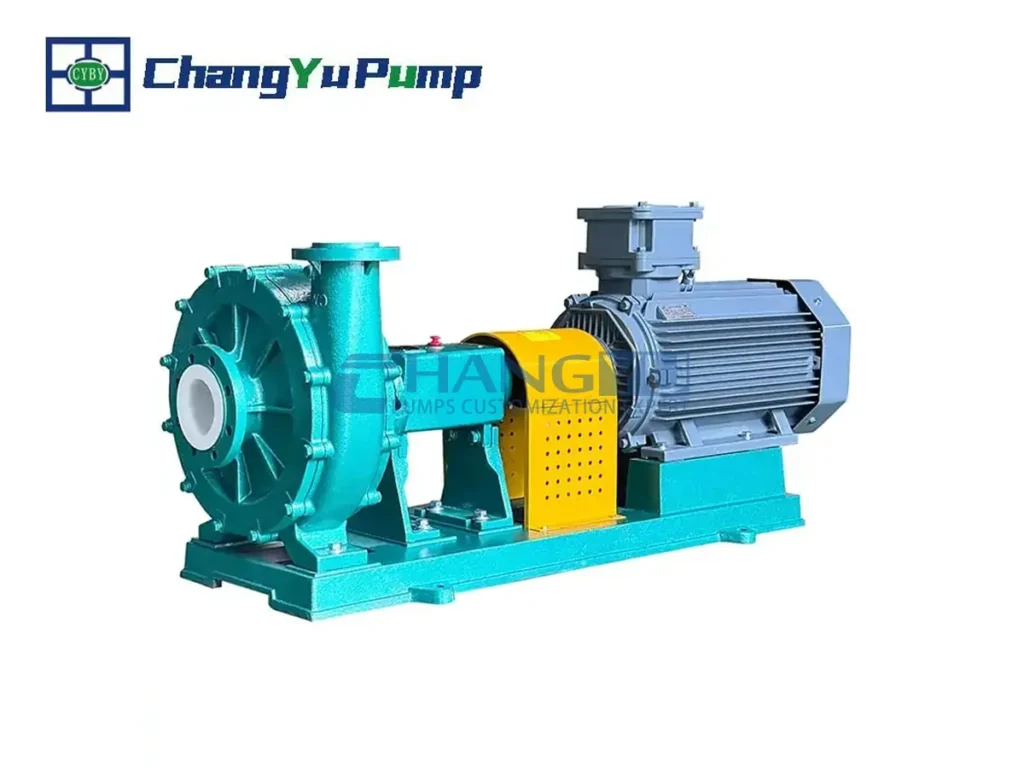
Bomba para lodos recomendada
Industria de procesamiento químico
El procesamiento químico requiere bombas capaces de manejar ácidos, álcalis, solventes, líquidos corrosivos, polímeros y lodos abrasivos.
Condiciones habituales
- Ácido clorhídrico, ácido sulfúrico, ácido nítrico, ácido fosfórico
- Disolventes orgánicos y líquidos corrosivos
- Suspensiones de polímeros y sistemas de cristalización
- Soluciones químicas para altas temperaturas
Solicitud
- Traslado y almacenamiento de ácidos y álcalis
- Alimentación y circulación del reactor
- Transferencia de disolventes
- Vertido de ácidos residuales y líquidos residuales
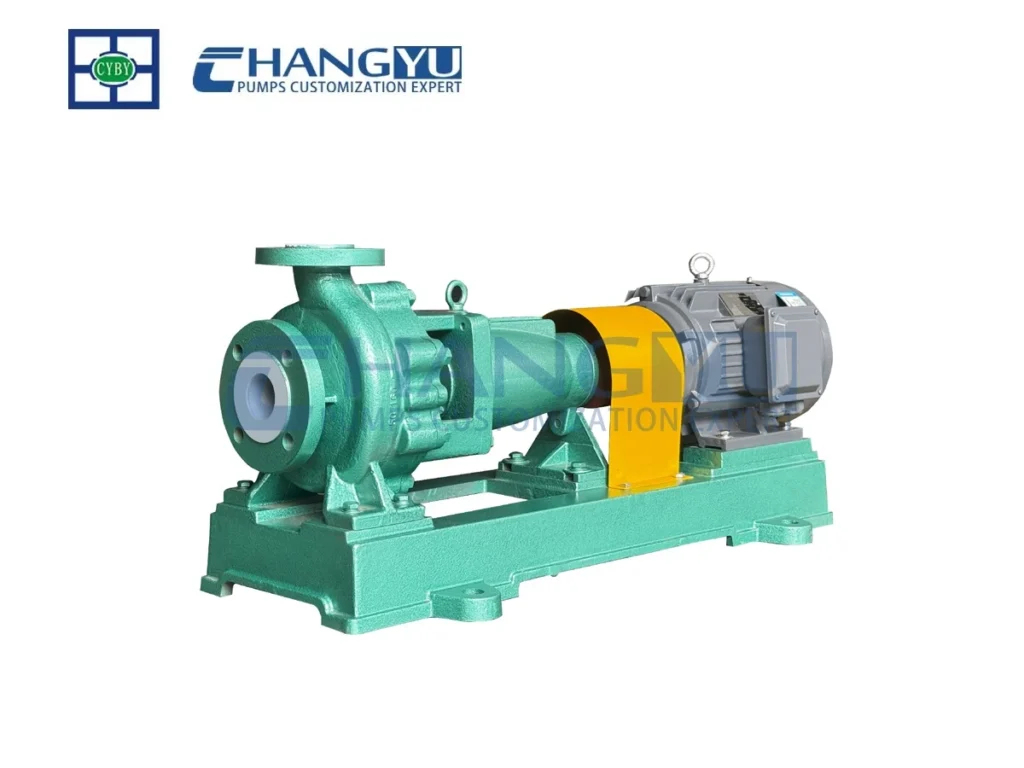
Bomba para lodos recomendada

Industria minera
Los procesos mineros implican el uso de lodos altamente abrasivos con partículas de gran tamaño, lodos de relaves, líquidos de separación de minerales y fluidos de proceso ácidos o alcalinos.
Condiciones habituales
- Drenaje ácido de minas
- Contenido sólido hasta 40%
- Suspensión con un contenido de sólidos de bajo a medio
- Pasta de cal
Solicitud
- Lodos de relaves con alto contenido de sólidos
- Fluidos para el lavado de minerales
- Agua de proceso ácida o alcalina
- Lodo de minerales pesados
Bomba para lodos recomendada
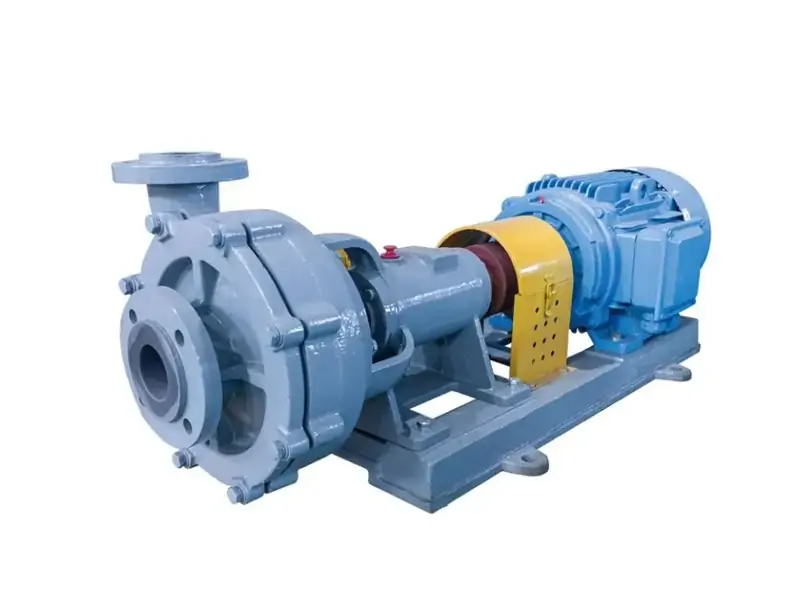
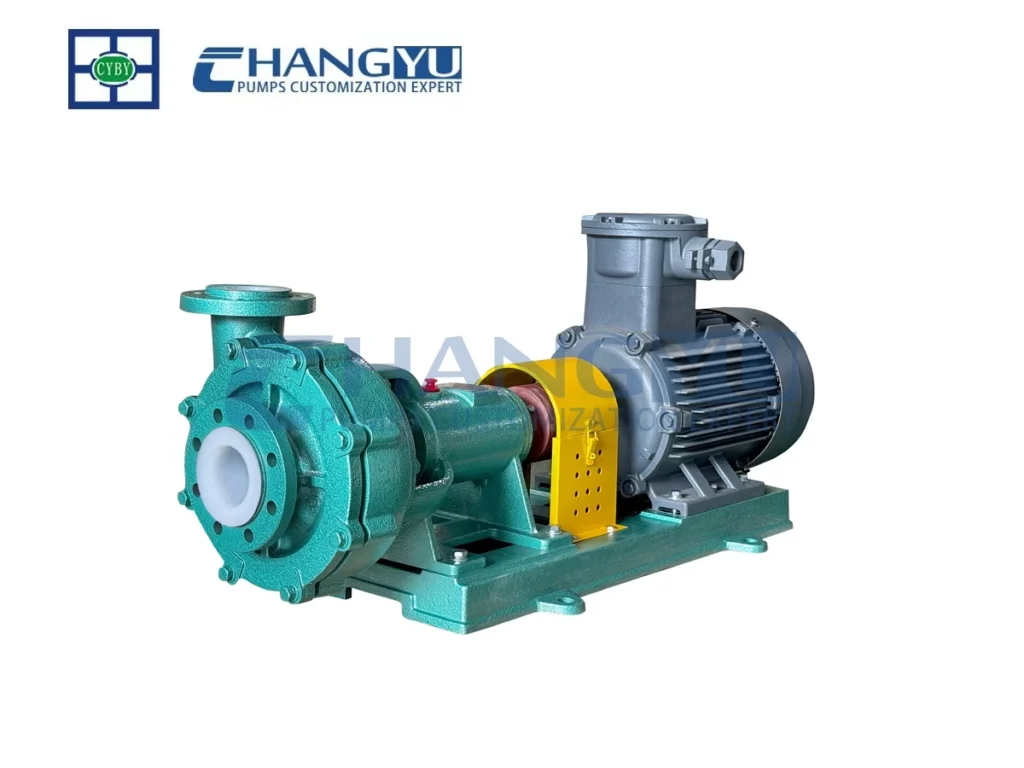
Lo anterior representa nuestros sectores de aplicación clásicos para las bombas de lodos. Nuestras bombas de lodos también se utilizan en diversos sectores, entre los que se incluyen la industria de las nuevas energías, la protección del medio ambiente y el tratamiento de residuos sólidos y aguas residuales, la industria de producción de ácidos de origen biológico, la industria del teñido y acabado textil, la industria de la pulpa y el papel, y la industria del coque.
Contáctenos hoy mismo para analizar las necesidades específicas de su sector. Nuestros ingenieros profesionales le ofrecerán soluciones rentables adaptadas a su sector.
Haga clic aquí para ponerse en contacto con nosotros
Cómo elegir una bomba para lodos
Si ya ha entrado en la fase de adquisición, debe tener en cuenta los siguientes factores:
- Características del medio: Tamaño de las partículas sólidas, concentración, corrosividad
- Distancia de transporte y altura de elevación requeridas
- Temperatura de funcionamiento y ciclo de trabajo
- Selección de materiales:
- Metales: 2205, 2507, 904L, aleación con alto contenido en cromo
- Plásticos: Aleaciones plásticas (PTFE, PFA, UHMWPE)
- Costos de mantenimiento y vida útil de las piezas de desgaste
- Capacidad y servicio de los proveedores
La selección adecuada de una bomba para lodos puede reducir considerablemente el tiempo de inactividad y los costos operativos.
Si no estás seguro de cuál es el modelo adecuado, no dudes en ponerte en contacto con nosotros ahora mismo. Te proporcionaremos una solución precisa adaptada a tus necesidades y te ofreceremos planes personalizados para mejorar tu eficiencia.
Cómo elegir fabricantes de bombas para lodos
Elegir a los fabricantes adecuados de bombas para lodos es fundamental para las empresas. Un fabricante confiable no solo suministra bombas para lodos de alta calidad, sino que también ofrece asistencia a largo plazo en materia de selección, servicio posventa y personalización.
A la hora de seleccionar fabricantes de bombas para lodos, preste atención a los siguientes aspectos:
- Amplia gama de productos
- ¿Ofrece el fabricante varias series, como bombas horizontales para lodos, bombas centrífugas y bombas sumergibles, para adaptarse a diversas condiciones operativas?
- Experiencia en fabricación y capacidades técnicas
- Las empresas con amplia experiencia en fabricación y conocimientos técnicos pueden ofrecer bombas para lodos más avanzadas, respaldadas por una mano de obra de primera calidad y una garantía de calidad de los materiales.
- Asistencia para la personalización OEM/ODM
- Para aplicaciones complejas, los fabricantes especializados deben ofrecer diseños a medida y soluciones optimizadas.
- Certificaciones y normas internacionales
- Las certificaciones ISO, CE, ATEX y otras certificaciones internacionales son prueba de una calidad constante.
¿Por qué elegir Anhui Changyu Pump & Valve?
- 22 años de experiencia en la fabricación de bombas industriales con una sólida capacidad en OEM/ODM
- Más de 25 patentes técnicas y capacidades de I+D líderes en el sector
- Certificaciones internacionales ISO 9001 | CE | ATEX
- Experiencia en servicios de mercado a nivel mundial (EE. UU., Sudáfrica, Europa, el Sudeste Asiático, etc.)
- Disponemos de una gama completa de bombas, incluyendo bombas para lodos, bombas centrífugas, bombas magnéticas y mucho más
Si necesita ayuda para elegir una bomba para lodos, solicitar un presupuesto o encontrar soluciones para su aplicación, póngase en contacto con nosotros en cualquier momento:
- Correo electrónico: [email protected]
- Teléfono: +86-13651913727

Conclusión:
Si busca bombas para lodos de alta calidad, asesoramiento profesional o fabricantes de bombas para lodos de confianza que ofrezcan soluciones personalizadas, no dude en ponerse en contacto con Anhui Changyu Pump En cualquier momento. Le ofreceremos las soluciones más adecuadas para sus condiciones operativas específicas, ayudándole a reducir el desgaste, mejorar la eficiencia y responder a todas sus consultas en un plazo de 24 horas.