
Respuesta Rápida
A bomba horizontal de lodos de una sola etapa utiliza un impulsor montado en un eje horizontal para transportar lodos abrasivos de alta densidad en aplicaciones mineras, de procesamiento de minerales e industriales. Esta configuración es el tipo de bomba de lodos más utilizado porque combina una capacidad de presión suficiente para la mayoría de los procesos con una construcción simple que facilita el mantenimiento. Características clave:
- Un solo impulsor genera toda la altura de descarga en una sola pasada: Los límites prácticos para bombas centrífugas de lodos de una sola etapa oscilan entre aproximadamente 60 y 80 metros de altura, dependiendo del diámetro del impulsor y la velocidad de rotación. Dentro de este rango, una bomba de una sola etapa es más simple, menos costosa y más fácil de mantener que una alternativa de múltiples etapas.
- La orientación horizontal proporciona acceso completo de mantenimiento a nivel del suelo: Los impulsores, revestimientos de desgaste, rodamientos y sellos de eje pueden recibir servicio sin necesidad de grúas ni entrada a sumideros. La construcción de doble carcasa permite reemplazar los revestimientos desgastados sin desconectar las tuberías de succión y descarga.
- El ajuste externo de la holgura del impulsor mantiene la eficiencia a medida que los componentes se desgastan: Un perno o tornillo de elevación mueve axialmente todo el conjunto del soporte de rodamientos y el eje, restaurando la holgura original entre el impulsor y el buje de garganta sin abrir la carcasa de la bomba.
A bomba centrífuga con un solo impulsor montado horizontalmente es el caballo de batalla de las plantas de procesamiento de minerales en todo el mundo. Descarga de molinos, alimentación de ciclones, relaves de flotación, rebose de espesadores — las bombas que manejan estos servicios son casi exclusivamente diseños horizontales de una sola etapa. La razón es práctica. Un solo impulsor en una carcasa horizontal proporciona suficiente altura para la mayoría de los requisitos de transporte de lodos. Cuando el impulsor y los revestimientos se desgastan — como inevitablemente ocurre en servicios abrasivos — la orientación horizontal coloca cada componente de desgaste al nivel del operador, accesible sin las grúas y entradas a espacios confinados que exige el mantenimiento de bombas verticales.
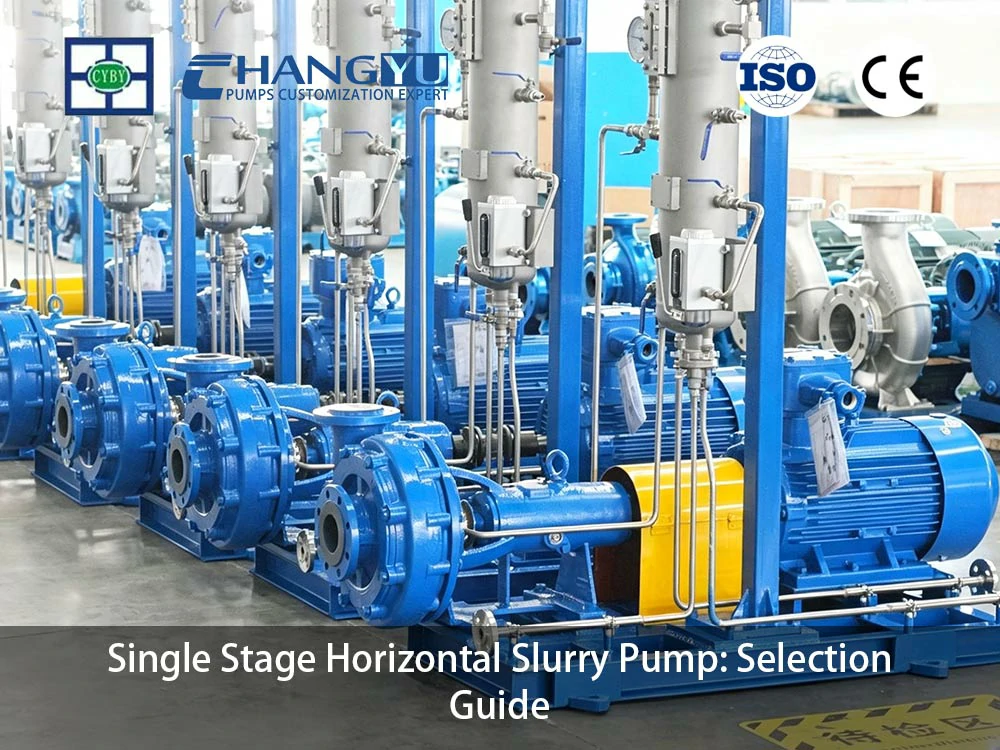
Esta guía cubre las características de diseño que hacen confiables a las bombas horizontales de lodos de una sola etapa, el rango de operación dentro del cual una sola etapa es suficiente, los materiales de desgaste disponibles, y las prácticas de selección y mantenimiento que determinan la vida útil.
¿Cuáles son las características clave de una bomba horizontal de lodos de una sola etapa?
La configuración de bomba horizontal de lodos de una sola etapa se ha convertido en el estándar de la industria porque permite características de diseño específicas que mejoran directamente la confiabilidad y la mantenibilidad.
Construcción de doble carcasa con revestimientos reemplazables
La bomba emplea una carcasa de dos capas. La carcasa exterior — hierro dúctil o acero fundido — proporciona contención de presión y soporte estructural. La carcasa interior consiste en componentes de desgaste reemplazables: un revestimiento de voluta, un buje de garganta en el lado de succión y un revestimiento de placa de bastidor en el lado de accionamiento. Cuando el desgaste abrasivo alcanza el umbral de reemplazo, los revestimientos desgastados se desatornillan y se reemplazan con la bomba permaneciendo en su base y conectada a las tuberías de succión y descarga. El equipo de mantenimiento no necesita romper bridas, realinear la bomba y el motor, ni programar una grúa.
Conjunto de rodamientos de servicio pesado
Un lodo con una gravedad específica de 1.5 impone cargas radiales y axiales 50% más altas que la misma bomba manejando agua. El conjunto de rodamientos absorbe estas cargas continuamente. Los rodamientos de rodillos sobredimensionados lubricados por baño de aceite con vidas nominales L10 calculadas para la densidad específica del lodo son estándar. La carcasa de rodamientos está dividida horizontalmente, permitiendo que la mitad superior se retire para inspección sin perturbar el eje o el impulsor.
Holgura ajustable del impulsor
La holgura entre el disco frontal del impulsor y el buje de garganta del lado de succión afecta directamente el rendimiento de la bomba. Cuando la bomba es nueva, esta holgura se ajusta a la especificación mínima del fabricante — típicamente 0.4 a 0.8 mm. A medida que el impulsor y el buje de garganta se desgastan, la holgura aumenta, permitiendo recirculación interna que reduce la eficiencia. Un mecanismo de ajuste de holgura del impulsor de bomba de lodos de una sola etapa — un perno externo o tornillo de elevación — mueve axialmente el soporte de rodamientos y el conjunto del eje, restaurando la holgura original sin abrir la carcasa. En una bomba que consume varios cientos de kilovatios, este ajuste puede recuperar de 3 a 5 puntos porcentuales de eficiencia perdida.
Sistema de Sellado del Eje
El sello del eje debe evitar que el lodo abrasivo escape a lo largo del eje giratorio. Para bombas de una sola etapa que operan a presiones de descarga moderadas — hasta aproximadamente 80 metros de altura — un expulsor centrífugo combinado con empaquetadura de prensaestopas proporciona el arreglo de sellado de eje de bomba de lodos de una sola etapa más confiable y rentable. El expulsor reduce la presión en la caja de empaquetadura a casi atmosférica durante la operación. La empaquetadura proporciona un sello estático durante el apagado. Esta combinación extiende significativamente la vida del sello en comparación con un sello mecánico que opera contra la presión total de descarga. Para aplicaciones que requieren cero fugas visibles, se especifica un sello mecánico con sistema de fluido de barrera presurizado API Plan 54.
Bombas Horizontales de Lodos de Una Sola Etapa vs. Multietapa: ¿Cuándo es Suficiente una Etapa?
La distinción principal entre una bomba de lodos de una sola etapa y una multietapa es el número de impulsores. Una bomba de una sola etapa contiene un impulsor que debe generar toda la presión de descarga requerida. Una bomba multietapa contiene dos o más impulsores dispuestos en serie, cada uno contribuyendo altura incremental.
Cuándo es Suficiente una Sola Etapa
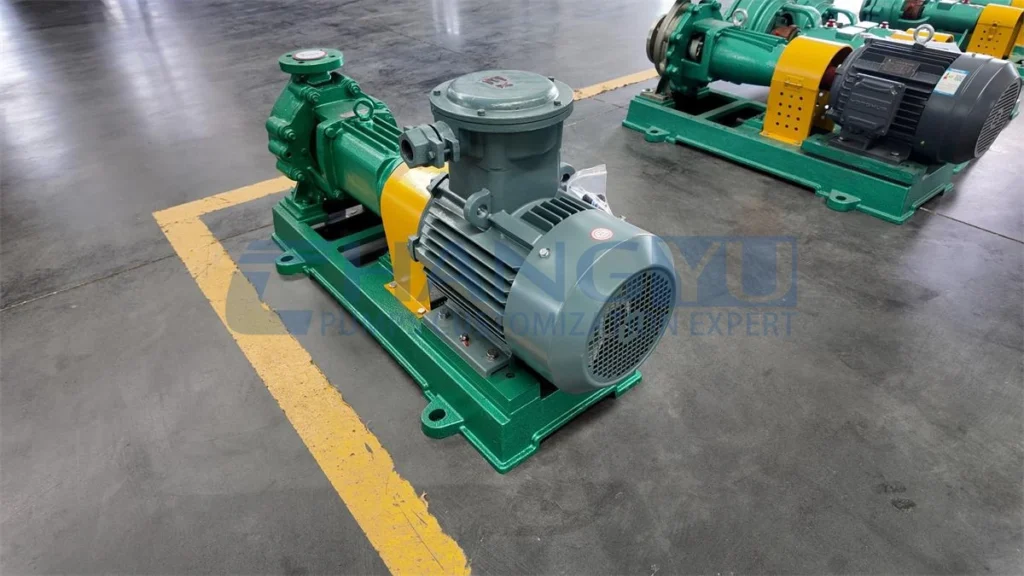
Una bomba centrífuga de lodos de una sola etapa es la especificación apropiada cuando la altura de descarga requerida se encuentra dentro de aproximadamente 60 a 80 metros. Esto abarca la mayoría de las aplicaciones de procesamiento de minerales: alimentación de ciclones (típicamente 15 a 40 metros), alimentación de flotación (10 a 25 metros), rebose de espesadores (20 a 50 metros), y transferencia de relaves de corta a media distancia (20 a 60 metros).
Cuándo se Requiere una Bomba Multietapa
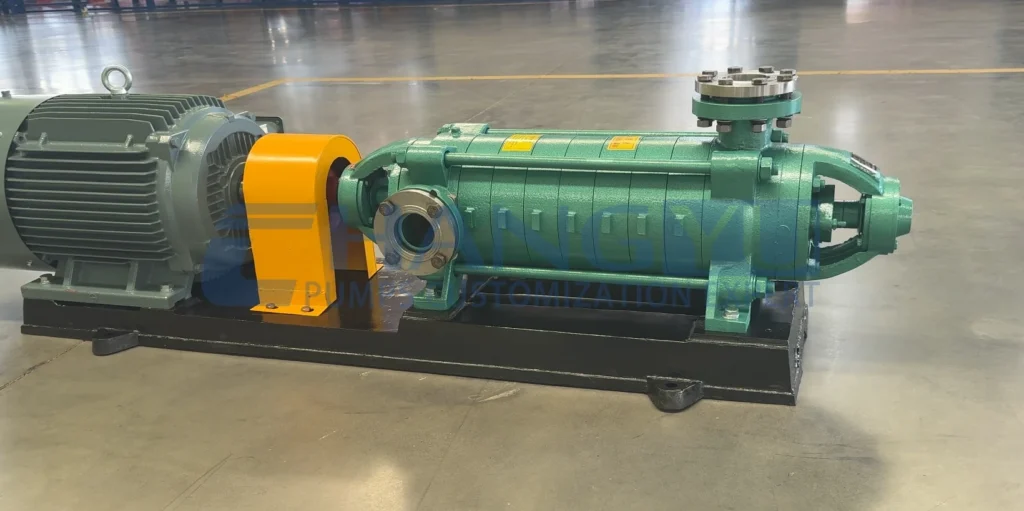
Una bomba multietapa se vuelve necesaria cuando la altura de descarga requerida supera aproximadamente los 80 metros, o cuando la altura se acerca al límite superior de la capacidad de una sola etapa y la aplicación exige un flujo estable en un amplio rango de operación. Las tuberías de relaves de larga distancia — que a menudo se extienden 50 kilómetros o más — son la aplicación principal de las bombas de pulpa multietapa. El desagüe de minas profundas, donde el agua contiene sedimentos abrasivos, es otro ejemplo donde velocidad específica las consideraciones pueden favorecer una configuración multietapa sobre un diseño de una sola etapa que opera cerca de sus límites hidráulicos.
Comparación de Configuraciones
| Factor | Bomba de una etapa | Bomba multi-etapa |
|---|---|---|
| Capacidad de altura | Hasta 60–80 m | 80–300+ m |
| Manejo de sólidos | Buena — pasajes de impulsor amplios | Moderada — pasajes más estrechos en etapas subsiguientes |
| Requisito de NPSH | Menor — succión de un solo impulsor | Mayor — el impulsor de la primera etapa puede requerir altura de succión adicional |
| Complejidad mecánica | Bajo — menos componentes rotativos | Moderado a alto — múltiples impulsores, sellos entre etapas |
| Mantenimiento | Más simple — un impulsor, un juego de revestimientos | Más compleja — múltiples impulsores y anillos de desgaste |
| Costo de capital (relativo) | 1× (referencia) | 2–5× |
| Ideal para | Alimentación de ciclón, alimentación de flotación, descarga de espesador, relaves de corta a media distancia | Tuberías de relaves de larga distancia, aplicaciones de alta presión |
Ingenieros de Changyu Pump señalan: Si la altura de descarga total requerida es inferior a aproximadamente 70 metros, una bomba de una sola etapa es casi siempre más económica que un diseño multietapa — no solo en el costo de capital inicial, sino en el costo total del ciclo de vida. La construcción más simple reduce tanto el número de piezas como las horas de mano de obra de mantenimiento por evento de servicio. Una bomba multietapa solo debe especificarse cuando el requisito hidráulico no puede cumplirse con una sola etapa, o cuando la altura está cerca del límite superior de la capacidad de una sola etapa y el proceso exige una operación estable en un amplio rango de flujo.
Para consideraciones de diseño específicas de bombas de pulpa de gran formato y alta presión, consulte nuestra guía sobre Bombas de Pulpa de Gran Tamaño: Guía Completa de Selección y Materiales.
¿Qué Materiales de Desgaste Son los Mejores para Bombas de Pulpa de Una Sola Etapa?
La selección del material de desgaste para bombas de pulpa horizontales de una sola etapa debe considerar la dureza de las partículas, la forma, el tamaño y el entorno químico de la pulpa. Cinco categorías de materiales cubren la mayoría de las aplicaciones.
Hierro blanco de alto cromo (CrMo)
Hierro blanco de alto cromo (600–700 HB, KIC 25–35 MPa√m) es el material de desgaste estándar para bombas de una sola etapa en minería de roca dura. El grado de 28% Cr proporciona la fracción de volumen de carburo más alta y se especifica para los circuitos más abrasivos — mineral de hierro, mineral de oro con alto contenido de cuarzo y relaves de cobre gruesos. Para bombas de una sola etapa que operan a alturas moderadas (< 80 m) con pH neutro, el CrMo proporciona el mejor equilibrio entre resistencia al desgaste por corte, tolerancia al impacto y costo.
Caucho natural
Los revestimientos de goma protegen contra el desgaste mediante resiliencia: el material se deforma elásticamente bajo el impacto de partículas y se recupera. Este mecanismo funciona con partículas finas y redondeadas en pH neutro a temperaturas inferiores a 70 °C. Las bombas monofásicas con revestimiento de caucho se utilizan en relaves de flotación de cobre, relaves finos de oro, preparación de carbón y procesamiento de arenas minerales.
Acero inoxidable dúplex (2205/2507)
Para lodos corrosivos —soluciones de lixiviación ácida, agua de proceso con alto contenido de cloruros o lodos mezclados con agua de mar— el CrMo estándar se corroe rápidamente independientemente de su resistencia al desgaste. El dúplex 2205 (PREN 33–36, 250–300 HB) y el súper dúplex 2507 (PREN 40–44) proporcionan resistencia combinada a la corrosión y al desgaste. Las bombas monofásicas que manejan soluciones de lixiviación de cobre en pilas o arenas minerales costeras con agua subterránea salina son aplicaciones típicas.
Revestimientos de UHMW-PE
Los revestimientos de polietileno de peso molecular ultraalto proporcionan resistencia combinada a la corrosión y al desgaste para lodos químicamente agresivos a temperaturas moderadas (hasta 90 °C). El UHMW-PE es una alternativa rentable al acero inoxidable dúplex para relaves ácidos, lodos de plantas químicas y lodos de yeso FGD.
Recubrimientos cerámicos (SiC / Al₂O₃)
Para zonas localizadas de alto desgaste —cortes de voluta y bordes de ataque de los álabes del impulsor— los recubrimientos o insertos cerámicos proporcionan la máxima dureza (HV 1500–2800). La cerámica se aplica como protección específica y no como revestimiento completo de la bomba.
Matriz de selección de materiales
| Tipo de lechada | pH | Tamaño de las partículas | Material recomendado |
|---|---|---|---|
| Mineral de hierro, relaves de oro | 6–8 | Angulares, gruesos | CrMo de alto cromo (28% Cr) |
| Relaves de flotación de cobre | 9–11 | Fino, redondeado | Caucho natural o CrMo |
| Lixiviación en pilas de cobre | 5–3 | Fino | Acero inoxidable dúplex o UHMW-PE |
| Carbón, arenas minerales | 5–7 | Finos a medios | Caucho natural o CrMo |
| Lodo de proceso químico | Hierro fundido | Variable | UHMW-PE o PTFE/PFA |
Para una comparación exhaustiva de materiales de desgaste en todas las aplicaciones de bombas de lodos, consulte nuestra guía sobre Bomba de Lodos Resistente al Desgaste: Guía Completa de Materiales y Selección.
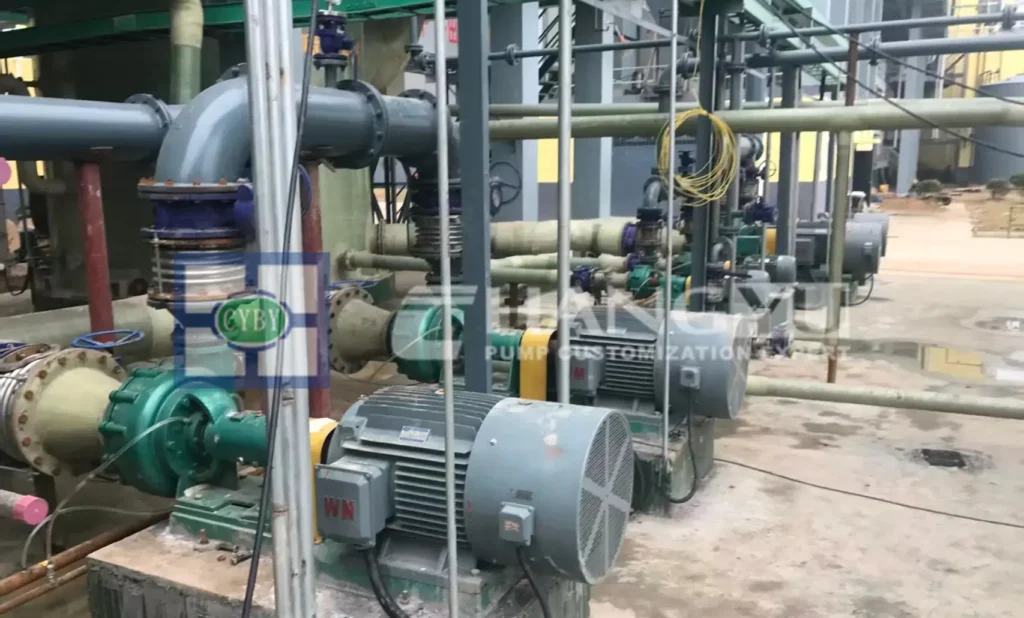
¿Cómo seleccionar una bomba horizontal de lodos de una sola etapa?
La selección de una bomba de lodos de una sola etapa sigue un proceso estructurado. Los errores cometidos al principio —particularmente en la caracterización del lodo— se propagan a lo largo de toda la selección.
Paso 1: Caracterizar la suspensión
Defina la concentración de sólidos, la distribución del tamaño de partícula (d50 y d100), la forma de las partículas, la dureza del mineral (escala de Mohs), el pH del lodo y la temperatura. El d100 determina directamente el tamaño mínimo de paso del impulsor. Para bombas monofásicas que manejan descarga de molino, el sobretamaño errático puede superar los 100 mm.
Paso 2: Calcular los requisitos hidráulicos
Determine el caudal requerido y la altura dinámica total. Si la altura total supera aproximadamente los 70 a 80 metros, verifique que una bomba de una sola etapa pueda cumplir con el requisito o considere una alternativa de múltiples etapas. Aplique factores de corrección por lodos para tener en cuenta los efectos de los sólidos en el rendimiento de la bomba.
Paso 3: Seleccionar materiales de desgaste
Haga coincidir el material de desgaste con las características del mineral utilizando la matriz de la Sección 3. Para la mayoría de las aplicaciones de minería de roca dura, el CrMo de alto cromo es la especificación adecuada.
Paso 4: Especificar la configuración del sellado y los rodamientos
Para presiones de descarga de hasta aproximadamente 80 metros, una combinación de expulsor más empaquetadura proporciona el sellado del eje más rentable. Especifique rodamientos de rodillos con lubricación por baño de aceite y monitoreo de temperatura y vibración para bombas que superen los 100 kW.
Los ingenieros de Changyu Pump recomiendan: Al seleccionar una bomba de lodos de una sola etapa, verifique que la altura requerida se encuentre dentro del rango de capacidad de la bomba con un margen adecuado. Incluya un margen de caudal del 10 al 15 por ciento por encima del requisito de diseño para tener en cuenta las variaciones del proceso y la pérdida de eficiencia a medida que se desgastan los componentes de la parte húmeda. Si la altura requerida supera los 70 metros, realice una comparación del costo del ciclo de vida entre una bomba de una sola etapa y una de múltiples etapas —la construcción más simple del diseño de una sola etapa puede compensar una velocidad de operación o un diámetro de impulsor ligeramente mayores.
Caso práctico de bomba horizontal de lodos de una sola etapa: optimización de una bomba de relaves de una sola etapa
Una concentradora de mineral de hierro en Australia Occidental operaba una bomba horizontal de lodos de una sola etapa en servicio de relaves —clasificada a 800 m³/h a 65 m de altura— con componentes de la parte húmeda de hierro blanco de alto cromo 26% Cr estándar. Los relaves contenían partículas angulares de magnetita y cuarzo (Mohs 5.5–7.0) a una concentración de sólidos del 35%. Se requería reemplazo de la parte húmeda aproximadamente cada 6 meses.
La inspección mostró que la aleación 26% Cr estaba siendo cortada por las partículas de cuarzo más duras (Mohs 7). La pérdida de material se concentraba en el corte de la voluta y en los bordes de ataque de los álabes del impulsor. Además, el huelgo del impulsor había aumentado más allá del máximo recomendado por el fabricante debido al desgaste, lo que provocaba recirculación interna que aceleraba aún más el desgaste localizado.
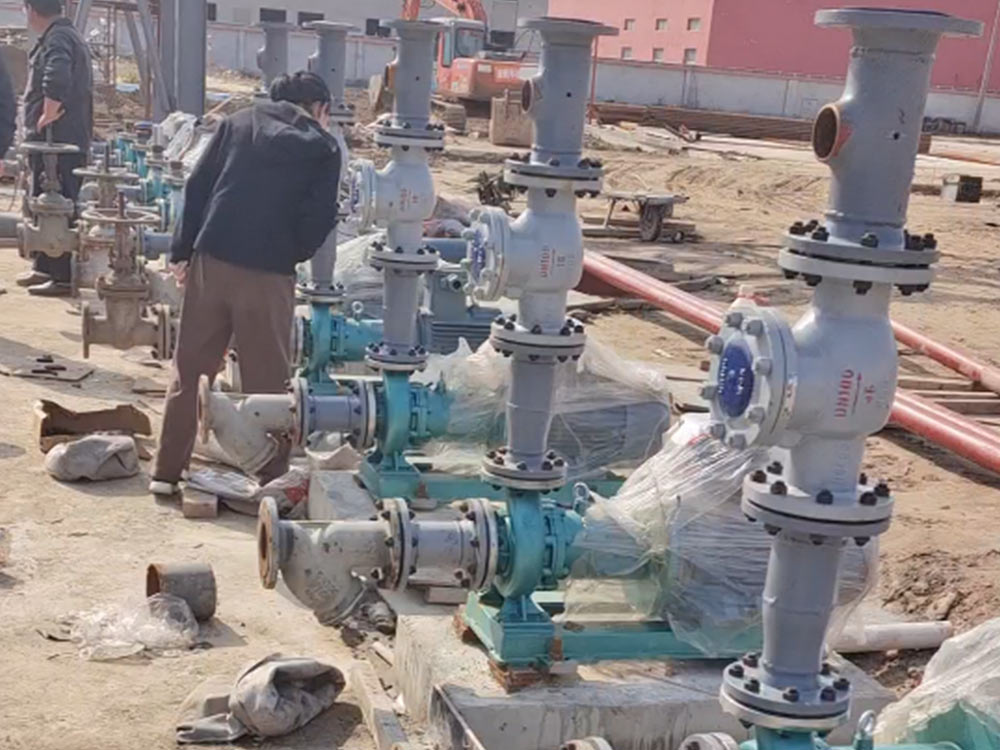
Changyu Pump mejoró la parte húmeda a una aleación 28% Cr con cromado duro en los bordes de ataque de los álabes del impulsor y en el corte de la voluta. El mecanismo externo de ajuste del huelgo del impulsor —una característica estándar de la bomba— se utilizó para restaurar la especificación original del huelgo sin abrir la carcasa de la bomba. Este ajuste tomó aproximadamente 30 minutos y se realizó durante una ventana de mantenimiento programada.
El intervalo de reemplazo de la parte húmeda se extendió de 6 meses a 18 meses. La planta aplicó la misma especificación de material y el mismo procedimiento de ajuste del huelgo a tres bombas adicionales de relaves de una sola etapa.
Conclusión clave: En una bomba horizontal de lodos de una sola etapa, dos factores determinan la vida útil de la parte húmeda: la especificación del material y el huelgo del impulsor. Mejorar el material sin ajustar el huelgo, o ajustar el huelgo sin mejorar el material, proporciona solo una fracción de la extensión de vida alcanzable. El mecanismo externo de ajuste del huelgo —una característica estándar en bombas de una sola etapa bien diseñadas— permite esta optimización combinada durante el mantenimiento de rutina.
Soluciones de bombas horizontales de lodos de una sola etapa de Changyu Pump
Changyu Pump fabrica series de bombas horizontales de lodos de una sola etapa para todo el espectro de aplicaciones abrasivas y corrosivas.
| Solicitud | Desafío principal | Series recomendadas | Material clave |
|---|---|---|---|
| Lodo corrosivo, relaves ácidos | Corrosión + abrasión moderada | Serie UHB | Revestimiento de UHMW-PE |
| Proceso químico, corrosión + desgaste moderados | Desgaste + corrosión combinados | Serie CYB-ZKJ | Revestimiento de FEP/PFA; temperatura hasta 120°C |
| Alta temperatura, corrosión fuerte (condiciones extremas, sólidos finos) | Corrosión + temperatura + abrasión fina | Serie CYG | Revestimiento de PFA (8–20 mm); temperatura hasta 160 °C |
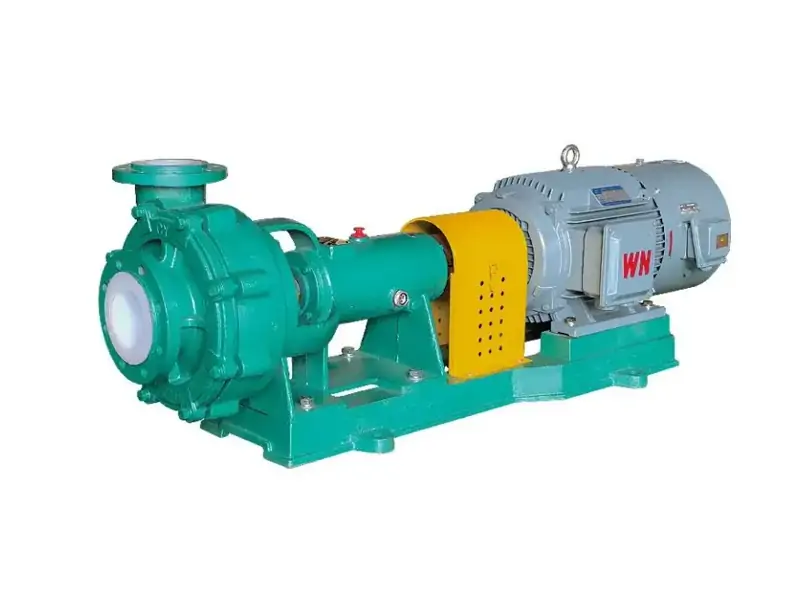
Serie UHB — Bomba de lodos resistente a la corrosión con revestimiento de UHMW-PE
Bomba centrífuga horizontal de una sola etapa con revestimiento de acero y UHMW-PE para lodos corrosivos y abrasivos. Pasos de flujo ensanchados reducen el riesgo de obstrucción. Caudales hasta 2,600 m³/h, alturas hasta 100 m.
| Rango de caudal: | 3 m³/h ~ 2600 m³/h |
|---|---|
| Rango de cabezas: | 5 m ~ 100 m |
| Potencia del motor: | 0,75 kW ~ 300 kW |
| Velocidad: | 750~2900 r/min |
| Rango de temperatura medio: | -20 °C a 90 °C |
| Materiales personalizables: | UHMW-PE |
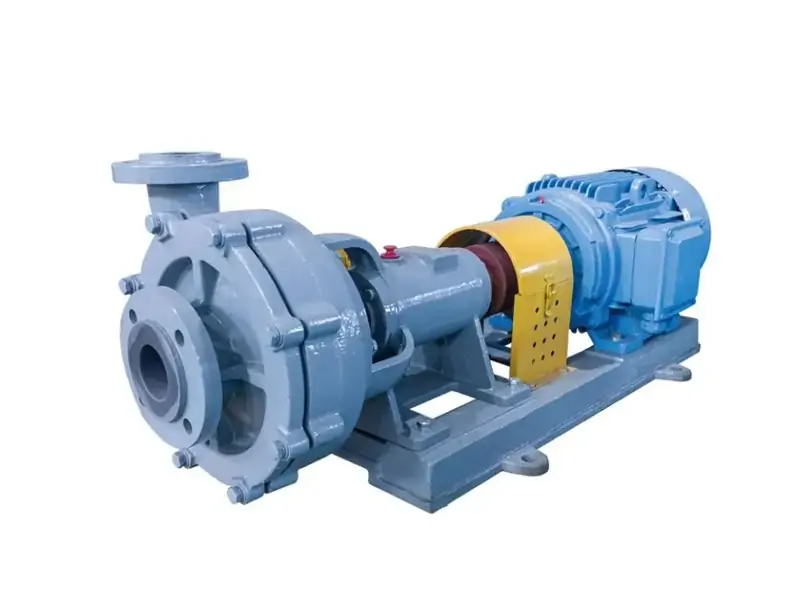
Serie CYB-ZKJ — Bomba Centrífuga Revestida de Fluoropolímero
Bomba de una sola etapa con revestimiento de FEP/PFA para lodos químicamente agresivos. Rango de temperatura de -80°C a 120°C (FEP) o 180°C (PFA).
| Rango de caudal: | 3 m³/h ~ 2600 m³/h |
|---|---|
| Rango de cabezas: | 5 m ~ 100 m |
| Potencia del motor: | 0,75 kW ~ 300 kW |
| Velocidad: | 968-3450 r/min |
| Rango de temperatura medio: | -80 °C a 120 °C |
| Materiales personalizables: | FEP |
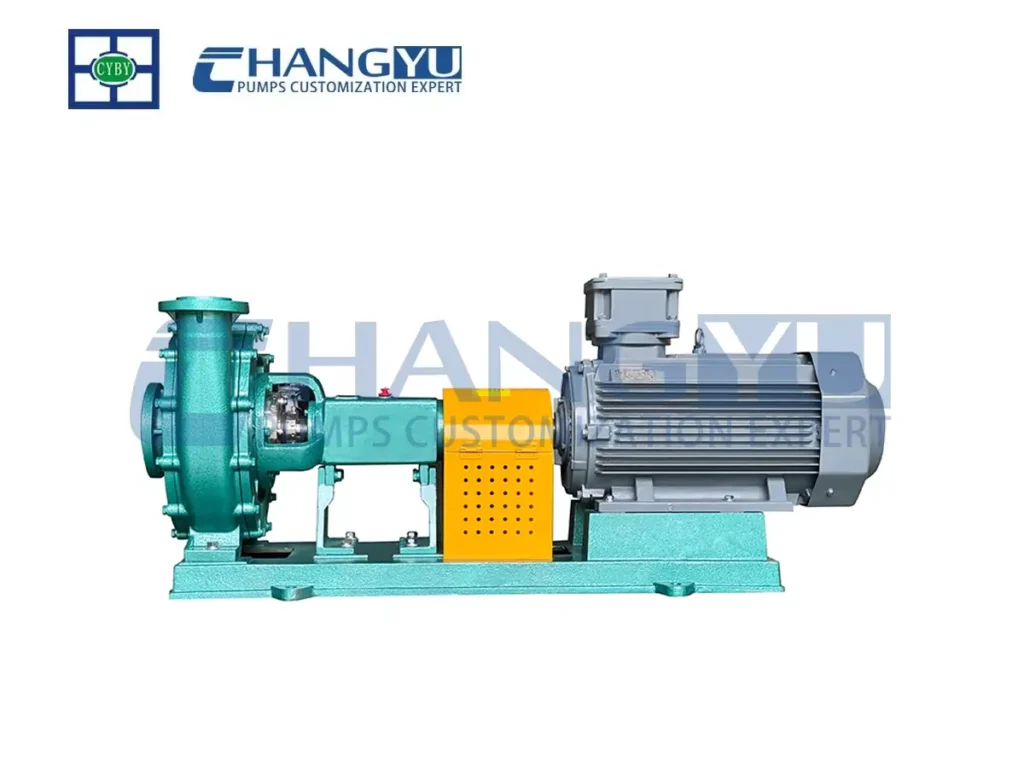
Serie CYG — Bomba química de alta temperatura
Bomba de una sola etapa con revestimiento de PFA para condiciones extremas: altas temperaturas, sustancias corrosivas y sólidos abrasivos finos. Revestimiento de PFA (8–20 mm), temperatura hasta 160°C.
| Rango de caudal: | 3 m³/h ~ 2600 m³/h |
|---|---|
| Rango de cabezas: | 5 m ~ 100 m |
| Potencia del motor: | 0,75 kW~300 kW |
| Velocidad: | 968 ~ 3450 rpm |
| Rango de temperatura medio: | -80 °C a 160 °C |
| Materiales personalizables: | PFA |
Preguntas frecuentes sobre bombas de lodo horizontales de una sola etapa
P: ¿Cuál es la altura máxima que puede producir una bomba de lodo horizontal de una sola etapa?
R: Las bombas centrífugas de lodo de una sola etapa generalmente alcanzan de 60 a 80 metros de altura, dependiendo del diámetro del impulsor y la velocidad de rotación. Más allá de este rango, se requiere una bomba de múltiples etapas. El límite exacto varía según el tamaño de la bomba y las especificaciones del fabricante.
P: ¿Cuáles son las ventajas de una bomba de una sola etapa frente a una de múltiples etapas?
R: Las bombas de una sola etapa tienen una construcción más simple con menos componentes rotativos, pasos de impulsor más amplios para un mejor manejo de sólidos, menores requisitos de NPSH y costos de capital y mantenimiento significativamente más bajos. Son la opción preferida siempre que el requisito hidráulico esté dentro de su capacidad de altura.
P: ¿Con qué frecuencia debo ajustar la holgura del impulsor en una bomba de lodo de una sola etapa?
R: Verifique la holgura al menos trimestralmente en bombas en servicio abrasivo. El mecanismo de ajuste externo permite realizar esta operación en menos de una hora sin abrir la carcasa de la bomba. El ajuste regular mantiene la eficiencia y prolonga la vida útil del extremo húmedo.
P: ¿Qué método de sellado de eje se recomienda para bombas de pulpa de una sola etapa?
R: Un expulsor centrífugo combinado con empaquetadura de prensaestopas proporciona el sellado más confiable y rentable para presiones de descarga moderadas. El expulsor reduce la presión de la caja de empaquetadura durante la operación, prolongando la vida útil del sello.
Lista de verificación de prevención del ingeniero de Changyu Pump
- Verifique que la altura de descarga requerida se encuentre dentro de la capacidad de una sola etapa de la bomba — típicamente de 60 a 80 metros. Si la altura excede este rango, evalúe una bomba de múltiples etapas.
- Especifique el mecanismo externo de ajuste de la holgura del impulsor. Esta característica permite recuperar la eficiencia durante la operación y es una de las actividades de mantenimiento de mayor retorno en una bomba de pulpa.
- Seleccione el material de desgaste según la partícula más dura en la pulpa — no el mineral objetivo. La roca huésped de cuarzo requiere materiales seleccionados para cuarzo, independientemente de si el objetivo es hierro, cobre u oro.
- Para presiones de descarga moderadas, un arreglo de sellado de eje con expulsor más empaquetadura proporciona la solución de sellado más rentable.
- Ajuste la holgura del impulsor en intervalos programados, no solo cuando el rendimiento se degrade. El ajuste regular mantiene la eficiencia y previene el desgaste acelerado por recirculación interna.
- Mantenga un conjunto completo de repuesto de la parte húmeda en inventario para posiciones críticas de la bomba. Los plazos de entrega para piezas fundidas grandes pueden extenderse a meses.
Conclusión
La bomba horizontal de pulpa de una sola etapa es la configuración de bomba más utilizada en el procesamiento de minerales porque ofrece la capacidad de altura requerida para la mayoría de los deberes del proceso — alimentación de ciclones, alimentación de flotación, rebose de espesadores y transferencia de relaves — con la construcción más simple posible. Un impulsor único en una carcasa horizontal, combinado con revestimientos reemplazables de doble carcasa, ajuste externo de la holgura del impulsor y un sistema de sellado de eje basado en expulsor, proporciona un servicio confiable en pulpas abrasivas con procedimientos de mantenimiento que pueden realizarse a nivel del piso durante paradas programadas. Cuando la altura de descarga requerida se encuentra dentro del rango de 60 a 80 metros, la bomba de una sola etapa es casi siempre la opción más económica — no solo en precio de compra, sino en el costo total de propiedad impulsado por mano de obra de mantenimiento, inventario de repuestos y disponibilidad de producción.
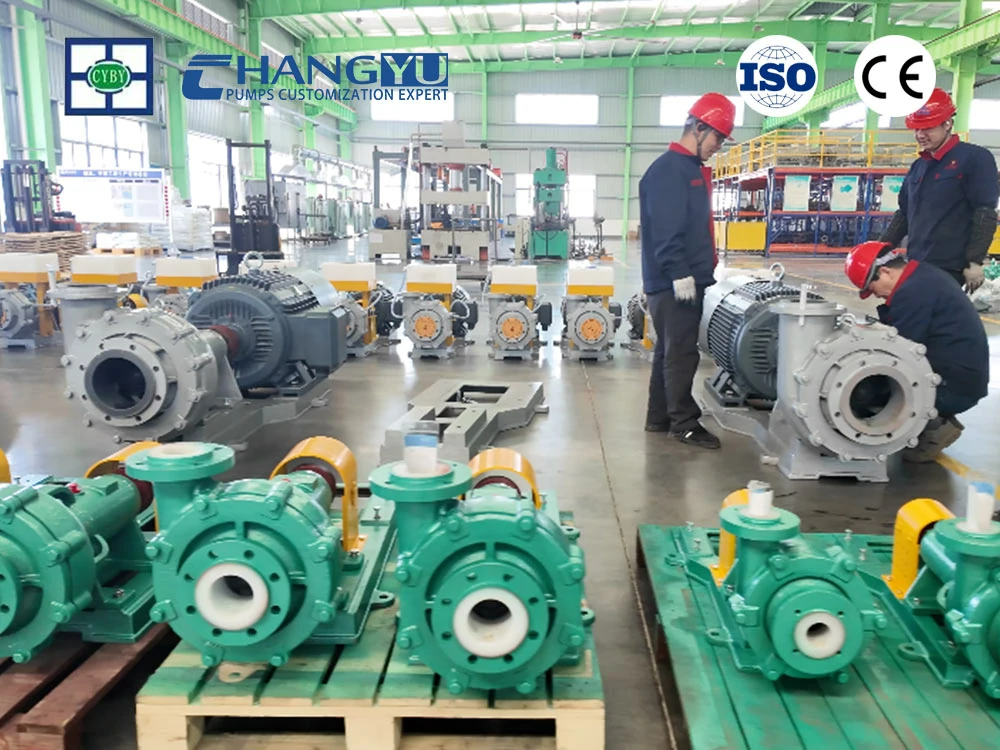
El equipo de ingeniería de Changyu Pump proporciona recomendaciones específicas de bombas de pulpa de una sola etapa respaldadas por más de 20 años de experiencia en fabricación de bombas en minería, procesamiento de minerales y aplicaciones industriales.
Contacte a Changyu Pump para una evaluación técnica gratuita →