
Respuesta Rápida
Elegir el adecuado bomba de lodos de yeso requiere gestionar la cristalización que ocurre cuando el yeso disuelto precipita durante cambios de temperatura o paradas, seleccionando materiales que resistan tanto el desgaste abrasivo de los cristales de yeso como la química del lodo frecuentemente ácida, e implementando procedimientos de lavado de sellos y paradas que prevengan la formación de cristales en las caras de los sellos mecánicos. Factores de selección cuantificados clave:
- Comportamiento de cristalización del yeso: La solubilidad del yeso aumenta con la temperatura — cuando el lodo se enfría de 60°C a 20°C, el yeso disuelto puede precipitar rápidamente, formando cristales abrasivos en las caras de los sellos y las superficies del impulsor. Un lavado con agua limpia de 10 a 15 minutos antes de la parada elimina el lodo residual y previene la cristalización.
- Selección de materiales para servicio con yeso: Aunque el yeso en sí es blando (Mohs 2), el lodo de yeso a menudo contiene piedra caliza residual (Mohs 3–4) y partículas de ceniza volante (sílice, Mohs 7) que contribuyen significativamente al desgaste abrasivo. Los revestimientos de UHMW-PE resisten tanto el entorno químico como los sólidos abrasivos, proporcionando 6 a 8 años de servicio en aplicaciones de yeso FGD.
- Protección del sello contra la cristalización: La cristalización del yeso en las caras de los sellos mecánicos es la causa más común de falla prematura de bombas en servicio con yeso. El lavado externo API Plan 32 con agua limpia evita que el lodo entre en contacto con las caras de los sellos. Un lavado de parada elimina el lodo residual antes de que el enfriamiento provoque la cristalización.
- Diseño del impulsor para lodos de yeso: Los impulsores semiabiertos con pasajes de flujo amplios previenen la acumulación de sólidos que ocurre con diseños cerrados cuando las partículas de yeso se asientan durante la operación intermitente. Los impulsores de vórtice proporcionan protección adicional donde la concentración de sólidos varía ampliamente.
El lodo de yeso presenta un desafío de bombeo engañoso. Las partículas de yeso son relativamente blandas en comparación con los minerales. Pero la amenaza dominante es química más que puramente mecánica: el yeso se disuelve cuando está caliente y cristaliza cuando está frío. Cada vez que una bomba se detiene, el lodo restante en la carcasa comienza a enfriarse. El yeso disuelto precipita de la solución en enfriamiento — recubriendo los pasajes del impulsor, asentándose en la voluta y, lo más crítico, formando cristales abrasivos entre las caras de los sellos mecánicos. Cuando la bomba se reinicia, estos cristales actúan como un compuesto de rectificado que destruye el sello en cuestión de días.
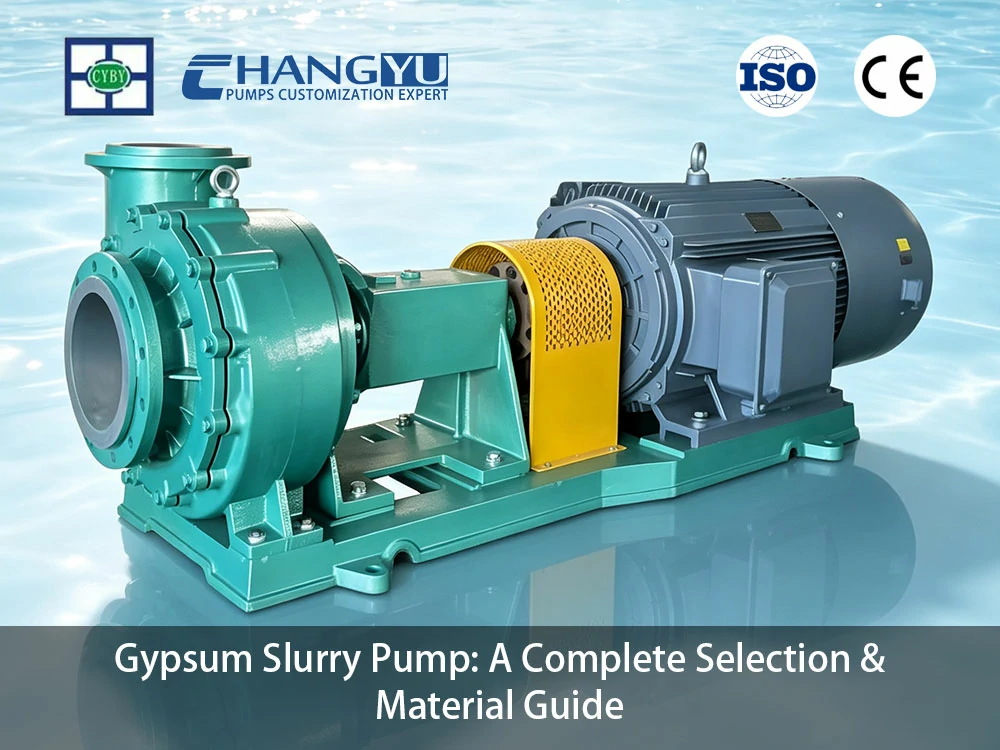
Changyu Pump ha fabricado bombas resistentes al desgaste y la corrosión para aplicaciones de FGD, ácido fosfórico y procesamiento de yeso durante más de dos décadas. Esta guía cubre los mecanismos de cristalización, la selección de materiales, la protección de sellos y los procedimientos operativos que determinan si una bomba de lodos de yeso ofrece un servicio confiable o se convierte en un problema recurrente de mantenimiento.
¿Por Qué Es Tan Engañoso el Bombeo de Lodos de Yeso?
El lodo de yeso combina un abrasivo relativamente blando con un mecanismo agresivo de precipitación química. Comprender ambos es esencial para una especificación correcta de la bomba.
La Realidad Abrasiva
Aunque el yeso puro registra solo Mohs 2 — más blando que una uña — el lodo de yeso en servicio industrial rara vez es puro. En aplicaciones FGD, el lodo contiene partículas de piedra caliza sin reaccionar (Mohs 3–4). En muchas plantas, el arrastre de ceniza volante introduce partículas de sílice (Mohs 7) en el lodo del absorbedor. Estas partículas más duras contribuyen significativamente al desgaste abrasivo que ataca las carcasas de las bombas y los impulsores. La tasa de desgaste se ve agravada por la química ácida del lodo — el lodo de yeso en aplicaciones FGD y de ácido fosfórico tiene un pH que varía de 1 a 6, lo que acelera la corrosión de muchos metales.
El Mecanismo de Cristalización
La solubilidad del yeso en agua depende de la temperatura. A la temperatura operativa típica del lodo del absorbedor FGD (50–70°C), el yeso permanece en gran medida en solución. Pero a medida que el lodo se enfría — ya sea durante una parada planificada, un cambio de bomba, o simplemente en el fluido estancado dentro de una carcasa de bomba inactiva — el yeso disuelto precipita de la solución. Estos cristales recién formados se depositan en cualquier superficie que contactan: álabes del impulsor, paredes de la voluta y caras de los sellos mecánicos.
Este proceso de cristalización tiene dos desencadenantes relevantes para la operación de la bomba:
- Cristalización térmica: A medida que la temperatura del lodo desciende durante la parada, el punto de saturación disminuye y el yeso precipita de la solución en enfriamiento.
- Cristalización evaporativa: Si una bomba permanece inactiva con lodo en la carcasa, el agua se evapora de las superficies expuestas del lodo, concentrando la solución y provocando que el yeso cristalice.
Una vez que se forman cristales en las caras de los sellos mecánicos, actúan como un compuesto abrasivo de rectificado en el momento en que la bomba se reinicia. En cuestión de horas, las caras de los sellos se rayan. En cuestión de días, el sello presenta fugas.
¿Qué Materiales Resisten la Abrasión y la Cristalización en Bombas de Lodos de Yeso?
La selección de materiales para bombas de lodos de yeso debe abordar tres desafíos simultáneos: desgaste abrasivo del yeso y partículas duras asociadas, corrosión por la química ácida del lodo y la tendencia de los cristales de yeso a adherirse y abrasionar las superficies de la bomba.
Opciones de Materiales para Servicio con Lodos de Yeso
Tabla: Selección de Materiales para Bombas de Lodos de Yeso
| Material | Resistencia a la abrasión | Resistencia a la corrosión | Anti-Adherencia de Cristalización | Vida Útil Típica | Ideal para |
|---|---|---|---|---|---|
| Alto-Cromo Cr27/Cr33 (650–750 HB) | Alto | Pobre — se corroe por debajo de pH 4 | Moderado — la superficie lisa resiste la adherencia inicialmente, pero la corrosión por picaduras crea puntos de anclaje para el crecimiento de cristales | No recomendado para yeso ácido | pH neutro, lodos de alta abrasión |
| Caucho natural | Lodo de precipitación alcalina | Bueno (pH neutro) | Bueno — la superficie resiliente resiste la adherencia de cristales | 3–5 años | Yeso fino, no abrasivo; pH neutro |
| Revestido de UHMW-PE | Alto | Excelente (pH 1–14) | Excelente — la superficie antiadherente inhibe la adherencia de cristales | 6–8 años | Yeso FGD; yeso de ácido fosfórico; aplicabilidad más amplia |
| Dúplex 2205 (PREN 33–36) | Moderado | Excelente (ácido, alto contenido de cloruro) | Moderado — la superficie metálica permite cierta adherencia | 8–10 años | FGD de alto cloruro; yeso de alta temperatura |
| Revestido de FEP/PFA | Bajo (blando, no para sólidos gruesos) | Excelente (pH 1–14) | Excelente — superficie de fluoropolímero antiadherente | 8–10 años | Yeso de ácido fuerte (ácido fosfórico); aplicaciones de alta pureza |
| Revestido con Cerámica (SiC) | Excelente | Excelente | Buena — superficie dura y lisa | Más de 10 años | Abrasión extrema con partículas finas; riesgo de impacto por sólidos gruesos |
Selección de Materiales por Aplicación de Yeso
Tabla: Selección de Materiales para Aplicaciones de Bombas de Pulpa de Yeso
| Solicitud | Rango de pH | Características de los Sólidos | Temperatura | Material recomendado | Vida Útil Esperada |
|---|---|---|---|---|---|
| Purga de yeso FGD (interior, agua dulce) | 5–6 | Yeso fino + piedra caliza residual | 50–65°C | Lodo de yeso FGD | UHMW-PE: 6–8 años; 2205: 8–10 años |
| Purga de yeso FGD (costero, agua de mar) | 5–6 | Yeso fino + alto contenido de cloruro | 50–70 °C | Super Duplex 2507 | 10–15 años |
| Yeso de ácido fosfórico (proceso húmedo) | 1–3 | Yeso + roca fosfórica sin reaccionar | 60–80°C | Revestido de FEP/PFA | 8–10 años |
| Panel de yeso / yeso de construcción | 6–8 | Yeso fino, baja abrasión | 30–50 °C | Revestimiento de UHMW-PE o caucho natural | 5–8 años |
| Agua residual de yeso FGD | 5–7 | Yeso fino, cloruro moderado | 20–40 °C | Revestido de UHMW-PE | 6–8 años |
Los ingenieros de Changyu Pump han observado en instalaciones de bombas de pulpa de yeso: Los revestimientos de UHMW-PE proporcionan un equilibrio efectivo entre resistencia a la abrasión, resistencia a la corrosión y propiedades antiadherentes para la mayoría de las aplicaciones de yeso FGD. La superficie antiadherente inhibe la adhesión de cristales de yeso — los cristales que se forman se eliminan más fácilmente durante el lavado que en superficies metálicas. Para yeso de ácido fosfórico con pH inferior a 3, las bombas revestidas con FEP/PFA proporcionan la resistencia química que el UHMW-PE no puede igualar a temperaturas elevadas.
¿Cómo Prevenir la Falla del Sello por Cristalización de Yeso en Bombas de Pulpa?
La cristalización de yeso en las caras sello mecánico es la causa más común de falla prematura de la bomba en servicio con yeso. La solución combina un diseño adecuado de lavado del sello con procedimientos operativos disciplinados.
Cómo el Yeso Destruye los Sellos Mecánicos
Durante la operación normal, las caras del sello mecánico se deslizan sobre una película de fluido microscópica. La pulpa en la cámara del sello está caliente y en movimiento. El yeso permanece en solución. Pero cuando la bomba se detiene, tres cosas ocurren en secuencia. Primero, la pulpa en la cámara del sello se enfría, reduciendo el punto de saturación. Segundo, el yeso comienza a precipitarse de la solución. Tercero, los cristales recién formados se depositan en las caras del sello — las superficies más cercanas disponibles.
Cuando la bomba se reinicia, los cristales atrapados entre las caras del sello rotatorio y estacionario actúan como un compuesto abrasivo. El daño es inmediato y severo. Esto explica por qué los sellos de bombas de yeso que han operado de manera confiable durante meses pueden fallar en días después de un reinicio de planta.
Referencia Rápida para la Prevención de Cristalización
Tabla: Referencia Rápida para la Prevención de Cristalización de Yeso
| Escenario | Condición Desencadenante | Consecuencia | Medida de Prevención |
|---|---|---|---|
| Cristalización por parada | La bomba se detiene; la pulpa se enfría | Se forman cristales en las caras del sello; daño del sello al reiniciar | Lavado con agua limpia durante 10–15 minutos antes de la parada |
| Cristalización en espera | Bomba inactiva; la pulpa se evapora | Se forman cristales en los pasajes del impulsor; obstrucción al reiniciar | Lavar antes de períodos prolongados de inactividad; rotar la bomba semanalmente |
| Cristalización en la cara del sello | La pulpa entra en la cámara del sello; sin lavado | Los cristales abrasan las caras del sello; fugas en días | Lavado externo API Plan 32; verificar la presión de lavado |
| Cristalización por invierno / clima frío | Caída de temperatura ambiente; la pulpa se enfría más rápido | Formación acelerada de cristales durante paradas cortas | Aislamiento de la cámara de sellado o calentamiento de bajo nivel en climas fríos o instalaciones exteriores. Evite el sobrecalentamiento, que acelera la evaporación y la cristalización |
Planes de Lavado de Sello para Bombas de Lodo de Yeso
Plan API 32 — Lavado Externo con Agua Limpia:
Se inyecta un flujo continuo de agua limpia (o condensado) en la cámara de sellado a una presión superior a la de la cámara de sellado. Esto crea una barrera de fluido limpio en las caras del sello, evitando que el lodo de yeso entre en contacto con el sello por completo. Esta es la disposición estándar para bombas de yeso FGD donde se dispone de agua de lavado limpia.
Plan API 53C — Sello Doble con Fluido de Barrera Presurizado:
Un sello mecánico doble con un depósito de fluido de barrera presurizado. La presión del fluido de barrera supera la presión de la cámara de sellado, asegurando que cualquier fuga a través del sello interno sea fluido de barrera limpio hacia la bomba, no lodo de yeso hacia el sello. Esta disposición se especifica para instalaciones remotas o donde se requiere cero fugas del proceso.
El Lavado de Parada: El Procedimiento Operativo Más Crítico
La cristalización del yeso es predecible: ocurre cuando el lodo caliente se enfría en una bomba estacionaria. La solución es igualmente predecible: elimine el lodo antes de que pueda enfriarse y cristalizar.
Los ingenieros de Changyu Pump recomiendan: Lave cada bomba de lodo de yeso con agua limpia o condensado durante 10–15 minutos antes de cualquier parada que supere las 2 horas. Continúe lavando hasta que el agua de descarga salga clara y la carcasa de la bomba se sienta fría al tacto. Esto elimina el lodo residual de la carcasa, la cámara de sellado, los pasajes del impulsor y la tubería de descarga, eliminando la fuente de formación de cristales de yeso. Instale un manómetro y un indicador de flujo en la línea de lavado para verificar el flujo de agua de lavado. Este único procedimiento a menudo duplica o triplica la vida útil del sello mecánico en servicio de yeso.
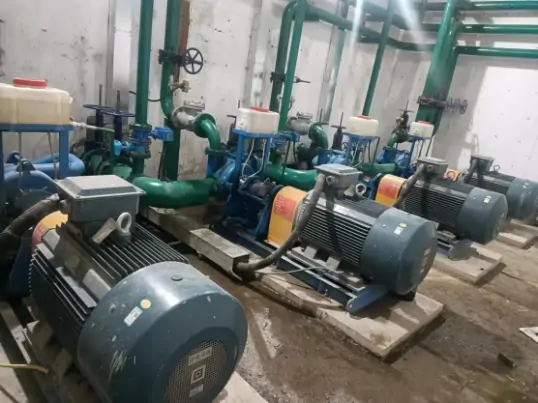
¿Dónde se Utilizan las Bombas de Lodo de Yeso?
Las bombas de lodo de yeso sirven para aplicaciones donde el sulfato de calcio se produce como producto, subproducto o corriente de desecho.
Purga y Deshidratación de Yeso FGD
La aplicación más común de bombas de yeso. En sistemas FGD de piedra caliza húmeda, una corriente de purga elimina el lodo de yeso del absorbedor para mantener el equilibrio de sólidos. Las bombas de purga de yeso alimentan el hidrociclón primario, que espesa el lodo antes de la filtración por banda de vacío. Los caudales típicamente varían de 50–200 m³/h, con concentraciones de sólidos de 15–25%. El lodo contiene piedra caliza residual y cloruros traza del proceso FGD. Las bombas con revestimiento de UHMW-PE son el estándar para esta aplicación.
Yeso de Ácido Fosfórico (Fosfoyeso)
En la producción de proceso húmedo ácido fosfórico , el ácido sulfúrico reacciona con la roca fosfórica para producir ácido fosfórico y yeso (sulfato de calcio). El lodo de fosfoyeso resultante tiene un pH de 1–3 y contiene partículas de roca sin reaccionar junto con cristales de yeso. La combinación de ácido fuerte y sólidos abrasivos exige bombas con revestimiento de FEP/PFA con lavado de sello API Plan 32 o 53C. Las temperaturas de operación de 60–80°C requieren enfriamiento del agua de lavado del sello para proteger los elastómeros del sello.
Producción de Paneles de Yeso y Yeso de Construcción
El yeso se calcina, se rehidrata y se forma en paneles o productos de yeso. Las bombas de lodo manejan el lodo de yeso rehidratado a temperaturas moderadas (30–50°C) y pH casi neutro. La abrasión es moderada, y el desafío principal es prevenir que el yeso se endurezca en la bomba durante la operación intermitente. Las bombas con revestimiento de UHMW-PE con capacidad de lavado con agua limpia proporcionan un servicio confiable.
Yeso de Aguas Residuales FGD
Los sistemas de tratamiento de aguas residuales FGD precipitan yeso y metales pesados de la purga del depurador. El lodo resultante contiene partículas finas de yeso a concentraciones bajas a moderadas. Las bombas manejan este lodo desde el flujo inferior del clarificador hasta el filtro prensa o la centrífuga. Las bombas con revestimiento de UHMW-PE son el estándar por su combinación de resistencia química y a la abrasión.
Comparación de Aplicaciones de Bombas de Lodo de Yeso
Tabla: Comparación de Aplicaciones de Bombas de Lodo de Yeso
| Solicitud | Rango de caudal | Rango de pH | Desafío clave | Material recomendado |
|---|---|---|---|---|
| Purga de yeso FGD | 50–200 m³/h | 5–6 | Cristalización en los sellos | Lodo de yeso FGD |
| Yeso de ácido fosfórico | 50–500 m³/h | 1–3 | Ácido fuerte + sólidos abrasivos | Revestido de FEP/PFA |
| Paneles de yeso | 30–150 m³/h | 6–8 | Endurecimiento durante operación intermitente | Revestimiento de UHMW-PE o caucho natural |
| Agua residual de yeso FGD | 10–50 m³/h | 5–7 | Bajo caudal; manejo de lodos | Revestido de UHMW-PE |
¿Cómo Seleccionar la Bomba de Lodo de Yeso Correcta?
La selección de bombas de lodo de yeso requiere igualar materiales, configuración del sello y procedimientos operativos a la química específica del yeso y las condiciones de operación.
Problemas Comunes y Soluciones en Bombas de Lodo de Yeso
Tabla: Problemas Comunes y Soluciones en Bombas de Lodo de Yeso
| Problema | Causa raíz | Solución |
|---|---|---|
| Falla del sello después de cada reinicio | Cristalización de yeso durante la parada | Instale lavado API Plan 32; implemente lavado con agua de 10–15 minutos antes de la parada |
| Obstrucción del impulsor después de un período de inactividad | Yeso sedimentado y endurecido en la carcasa | Lave antes de la parada; rote la bomba semanalmente durante períodos de inactividad |
| Desgaste de la carcasa en 2–3 años | Abrasión por piedra caliza residual y cenizas volantes | Actualice a revestimiento de UHMW-PE o Duplex 2205 |
| Caudal reducido con el tiempo | Acumulación de incrustaciones de yeso en los pasajes del impulsor | Lavado ácido periódico; lave después de cada uso |
| Falla del sello en clima frío | Cristalización acelerada a temperatura ambiente más baja | Instale aislamiento de la cámara de sellado o calentamiento de bajo nivel; evite el sobrecalentamiento |
Proceso de Selección de Bombas de Lodo de Yeso en Cinco Pasos
Paso 1: Caracterizar la lechada de yeso.
Determinar pH, temperatura, concentración de sólidos, distribución del tamaño de partículas y la presencia de partículas acompañantes más duras (piedra caliza, cenizas volantes, roca sin reaccionar).
Paso 2: Determinar los requisitos hidráulicos.
Calcular el caudal requerido, la altura dinámica total y el NPSH disponible. Para bombas de purga de yeso, dimensionar para la concentración máxima esperada de sólidos, no para el promedio.
Paso 3: Seleccionar materiales.
Adecuar los materiales húmedos al pH, temperatura y severidad de abrasión según la matriz de la Sección 2. Para yeso FGD, el revestimiento de UHMW-PE es la referencia. Para yeso de ácido fosfórico con pH inferior a 3, se requiere revestimiento de FEP/PFA.
Paso 4: Especificar el arreglo del sello y el procedimiento de apagado.
Seleccionar el Plan API 32 de enjuague externo donde haya agua limpia disponible. Implementar un procedimiento obligatorio de enjuague de apagado: 10–15 minutos de enjuague con agua limpia antes de cualquier parada que supere las 2 horas.
Paso 5: Seleccionar el tipo de impulsor.
Para lechadas de yeso con concentración variable de sólidos, los impulsores semiabiertos o de vórtice evitan la obstrucción que experimentan los impulsores cerrados cuando las partículas de yeso se asientan durante la operación intermitente.
Los ingenieros de Changyu Pump recomiendan: Al especificar bombas para lechada de yeso, el procedimiento de enjuague de apagado es tan importante como la propia especificación de la bomba. Una bomba correctamente especificada sin un procedimiento de enjuague de apagado seguirá experimentando fallas por cristalización en el sello. Documentar el procedimiento de enjuague en los procedimientos operativos estándar de la planta y verificar el cumplimiento mediante auditorías de mantenimiento periódicas.
Caso de Estudio de Bomba para Lechada de Yeso: Resolviendo una Crisis de Sellos en una Bomba de Purga de Yeso
Una planta de energía a carbón operaba dos bombas de purga de yeso que transferían lechada del absorbedor al hidrociclón primario. Especificación original: componentes húmedos de cromo alto Cr27 con sellos mecánicos simples. Las bombas operaban de forma intermitente — aproximadamente 16 horas al día y permanecían inactivas durante la noche. No existía un procedimiento de enjuague de apagado.
Los sellos mecánicos de ambas bombas requerían reemplazo cada 8–12 semanas. La inspección de los sellos fallidos mostró depósitos cristalinos blancos y pesados en las caras del sello y marcas circunferenciales profundas consistentes con daño abrasivo por cristales atrapados. Los impulsores de Cr27 mostraron picaduras por corrosión después de 18 meses — la lechada de yeso ácida (pH 5.0–5.5) estaba atacando la aleación de cromo alto, que requiere pH neutro a alcalino para una resistencia adecuada a la corrosión.
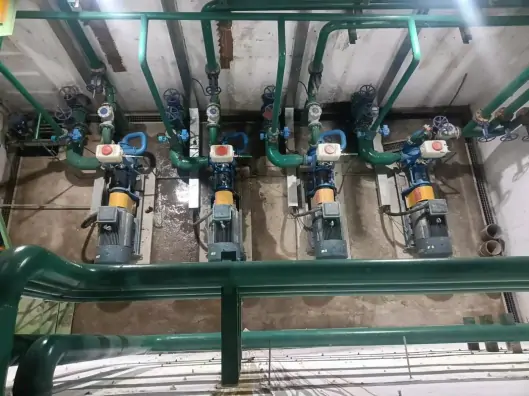
El análisis de causa raíz identificó el mecanismo de cristalización: la lechada de yeso caliente que se enfriaba en la cámara del sello durante los apagados nocturnos precipitaba cristales de yeso directamente sobre las caras del sello. Cuando las bombas se reiniciaban cada mañana, los cristales actuaban como un compuesto abrasivo, destruyendo las caras del sello en cuestión de segundos.
La planta reemplazó ambas bombas con bombas de la Serie UHB de Changyu con revestimientos de UHMW-PE y enjuague de sello Plan API 32 usando condensado limpio. Se implementó un procedimiento de enjuague de apagado: cada bomba se enjuagaba con condensado durante 15 minutos antes del apagado nocturno. El revestimiento de UHMW-PE eliminó el problema de corrosión que había afectado a los impulsores de Cr27, y la superficie antiadherente resistió la adhesión de cristales.
Durante tres años de operación: cero fallas de sellos mecánicos. Los revestimientos de UHMW-PE no mostraron desgaste medible. El procedimiento de enjuague de apagado se convirtió en práctica estándar para todas las bombas de lechada de yeso en la planta.
Conclusión clave: En el servicio de lechada de yeso, el procedimiento de enjuague de apagado no es opcional — es la medida más efectiva para prevenir fallas de sellos. Los revestimientos de UHMW-PE proporcionan tanto la resistencia a la corrosión que las aleaciones de cromo alto carecen en servicio ácido de yeso como una superficie antiadherente que inhibe la adhesión de cristales. La combinación de especificación correcta de materiales y procedimiento operativo disciplinado elimina las fallas por cristalización que afectan a las bombas de lechada de yeso.
Soluciones de Bombas para Lechada de Yeso de Changyu Pump
Changyu Pump ofrece tres series de bombas adecuadas para aplicaciones de lechada de yeso en las industrias de FGD, ácido fosfórico y procesamiento de yeso.
Guía de Selección de Productos para Bombas de Lechada de Yeso
Tabla: Guía de Selección de Productos para Bombas de Lechada de Yeso
| Solicitud | Rango de caudal | Desafío clave | Series recomendadas | Característica clave |
|---|---|---|---|---|
| Purga de yeso FGD | 50–200 m³/h | Cristalización + abrasión moderada | Serie UHB | Caudal 3–2,600 m³/h; revestimiento de UHMW-PE; superficie antiadherente |
| Yeso de ácido fosfórico | 50–500 m³/h | Ácido fuerte + cristalización | Serie CYB-ZKJ | Caudal 3–2,600 m³/h; revestimiento de FEP/PFA; enjuague de sello Plan API 32/53C |
| Panel de yeso / aguas residuales FGD | 10–150 m³/h | Operación intermitente; riesgo de asentamiento | Serie UHB | Caudal 3–2,600 m³/h; revestimiento de UHMW-PE; impulsor semiabierto |
| Yeso FGD de alto cloruro (caudal pequeño) | 10–60 m³/h | Corrosión por cloruro + cristalización | Serie HB | Caudal 10–60 m³/h; Dúplex 2205/2507; PREN 33–44. Para caudales mayores, ver Serie UHB |
Serie UHB — Bomba con Revestimiento de UHMW-PE para Yeso FGD
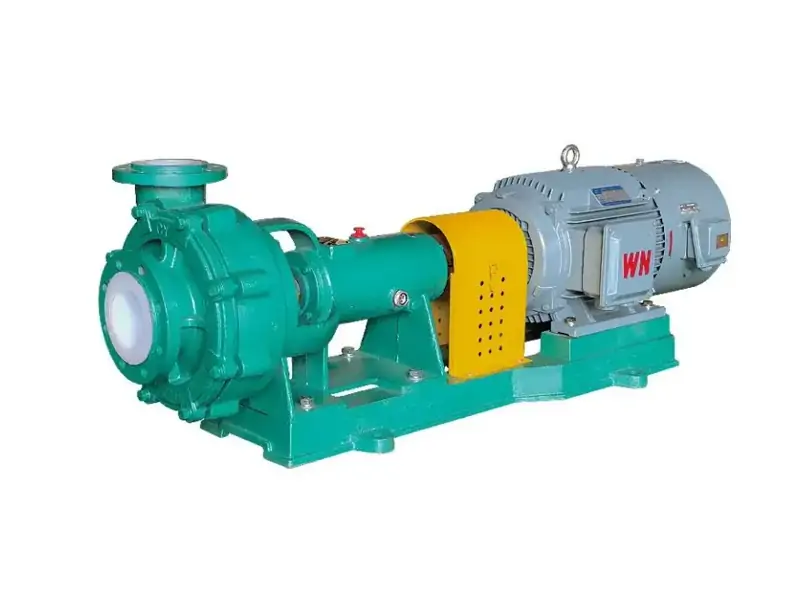
Bomba centrífuga de UHMW-PE revestida en acero para lechada de yeso en aplicaciones de FGD, panel de yeso y aguas residuales. El UHMW-PE proporciona resistencia combinada a la corrosión (pH 1–14) y resistencia superior a la abrasión. La superficie antiadherente inhibe la adhesión de cristales de yeso — reduciendo la acumulación que conduce a la obstrucción del impulsor y al daño de las caras del sello.
| Parámetro | Especificaciones |
|---|---|
| Caudal | 3–2 600 m³/h |
| Cabeza | 5–100 m |
| Potencia del motor | 0,75–300 kW |
| Velocidad | 750–2 900 rpm |
| Temperatura | De -20 °C a 90 °C |
| Material del forro | UHMW-PE |
Serie CYB-ZKJ — Bomba con Revestimiento de Fluoropolímero para Yeso de Ácido Fosfórico
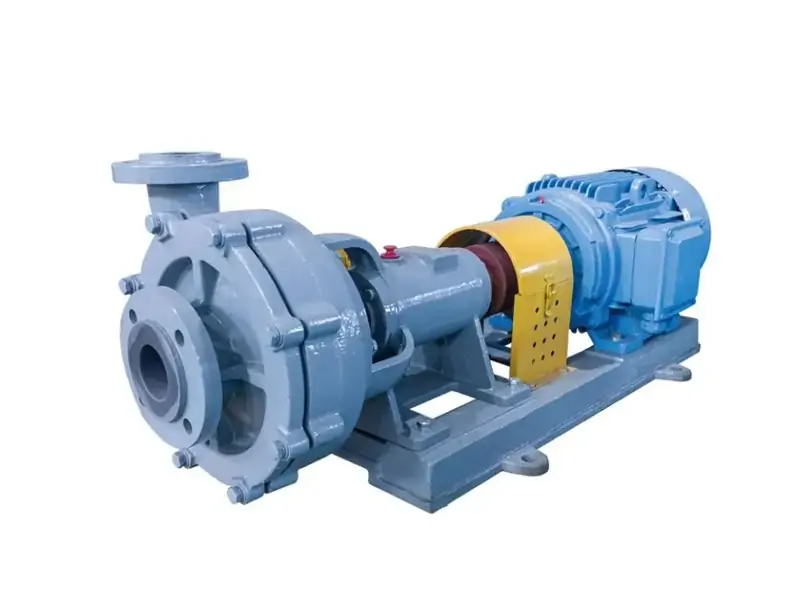
Bomba centrífuga con revestimiento de FEP/PFA diseñada para lechadas de yeso con ácido fuerte. El revestimiento de fluoropolímero proporciona resistencia química en todo el rango de pH a temperaturas de hasta 120°C. El doble sello mecánico con enjuague Plan API 32 o Plan 53C previene la cristalización de yeso en las caras del sello.
| Parámetro | Especificaciones |
|---|---|
| Caudal | 3–2 600 m³/h |
| Cabeza | 5–100 m |
| Potencia del motor | 0,75–300 kW |
| Temperatura | de -80 °C a 120 °C |
| Materiales de revestimiento | FEP (estándar), PFA (opción de alta temperatura) |
Serie HB — Bomba de Acero Inoxidable para Yeso de Alto Cloruro
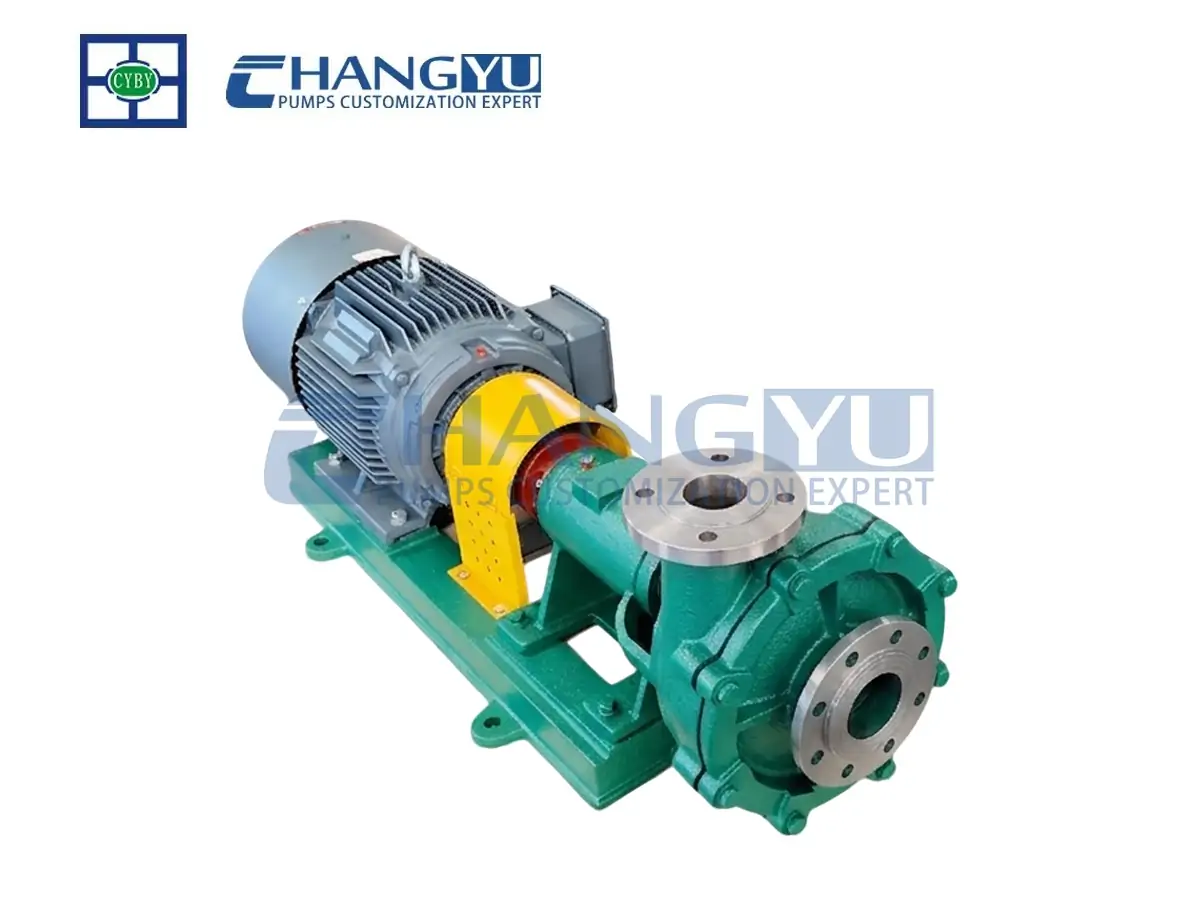
Bomba centrífuga horizontal conforme a ISO 2858 con construcción húmeda totalmente de acero inoxidable. Disponible en dúplex 2205 y súper dúplex 2507. Adecuada para aplicaciones costeras de yeso FGD donde las altas concentraciones de cloruro requieren PREN 33–44 para resistencia a picaduras.
| Parámetro | Especificaciones |
|---|---|
| Caudal | 10–60 m³/h |
| Cabeza | 20–120 m |
| Potencia del motor | 3–45 kW |
| Velocidad | 2 900 rpm |
| Temperatura | De -20 °C a 120 °C |
| Materiales | 316L / 2205 / 2507 |
Preguntas Frecuentes sobre Bombas para Lechada de Yeso
P: ¿Por qué el yeso destruye los sellos de las bombas?
R: El yeso se disuelve en la lechada caliente y precipita como cristales cuando la lechada se enfría durante el apagado. Estos cristales se forman en las caras de los sellos mecánicos y actúan como un compuesto abrasivo de molienda cuando la bomba se reinicia. Un enjuague de 10–15 minutos con agua limpia antes de cada apagado elimina la lechada y previene la cristalización.
P: ¿Qué material es mejor para el servicio de bombas de lechada de yeso?
R: Los revestimientos de UHMW-PE proporcionan un equilibrio efectivo entre resistencia a la abrasión, resistencia a la corrosión (pH 1–14) y propiedades antiadherentes para la mayoría de las aplicaciones de yeso en FGD. Para yeso de ácido fosfórico con pH inferior a 3 y temperaturas superiores a 80°C, se especifican bombas revestidas de FEP/PFA.
P: ¿Se puede utilizar aleación de alto cromo para lodos de yeso?
R: No en aplicaciones de yeso ácido como FGD (pH 5–6) o ácido fosfórico (pH 1–3). Las aleaciones de alto cromo requieren un pH neutro a alcalino para una resistencia adecuada a la corrosión y se corroen rápidamente en entornos ácidos. Los revestimientos de UHMW-PE o el acero inoxidable dúplex son los materiales estándar para servicio con yeso.
P: ¿Cuánto tiempo debo purgar una bomba de yeso antes de apagarla?
R: Purgue con agua limpia o condensado durante 10–15 minutos, continuando hasta que la descarga salga clara y la carcasa de la bomba se sienta fría al tacto. Para apagados prolongados que superen las 24 horas, considere una purga más larga o llenar la bomba con agua limpia.
P: ¿Qué tipo de impulsor es mejor para lodos de yeso?
R: Los impulsores semiabiertos con pasajes de flujo amplios evitan la acumulación de sólidos que ocurre con diseños de impulsores cerrados cuando las partículas de yeso se asientan durante la operación intermitente. Los impulsores de vórtice proporcionan protección adicional donde la concentración de sólidos varía ampliamente.
P: ¿En qué se diferencia el lodo de yeso del lodo de piedra caliza en FGD?
R: El lodo de piedra caliza es principalmente abrasivo (partículas más duras, Mohs 3–4). El lodo de yeso combina la abrasión con una fuerte tendencia a cristalizar durante el enfriamiento. El mecanismo de cristalización — no la abrasión — es la causa principal de falla de la bomba en servicio con yeso.
Lista de verificación de prevención del ingeniero de Changyu Pump
- Nunca apague una bomba de lodo de yeso sin antes enjuagar con agua limpia durante 10–15 minutos. Este único procedimiento evita la cristalización que destruye los sellos mecánicos.
- No utilice aleaciones de alto cromo en servicio de yeso ácido (pH inferior a 7). La tasa de corrosión es inaceptable. Los revestimientos de UHMW-PE o el acero inoxidable dúplex son los materiales estándar.
- Instale el sello externo de lavado API Plan 32 en cada bomba de lodo de yeso. Verifique que la presión del agua de lavado supere la presión de la cámara del sello.
- Para bombas de yeso de servicio intermitente, gire el eje de la bomba semanalmente durante períodos prolongados de inactividad. Esto evita que los cristales cementen las caras del sello entre sí.
- En climas fríos o instalaciones al aire libre, considere el aislamiento de la cámara del sello o calefacción de bajo nivel. Evite el sobrecalentamiento, que acelera la evaporación y la cristalización.
- Para bombas de purga de yeso FGD, dimensione según la concentración máxima esperada de sólidos, no el promedio. La concentración de sólidos varía con la carga de la caldera y la calidad de la piedra caliza.
- Documente el procedimiento de enjuague de apagado en los procedimientos operativos estándar de la planta. La mejor especificación de bomba es inútil si no se sigue el procedimiento de enjuague.
- Mantenga sellos mecánicos de repuesto en inventario. Incluso con procedimientos de enjuague adecuados, los sellos de bombas de yeso tienen una vida útil finita y deben reemplazarse en intervalos programados en lugar de después de una falla.
Conclusión
Una bomba de lodo de yeso enfrenta un desafío más químico que mecánico: la cristalización del yeso disuelto durante el enfriamiento y los apagados. Esta cristalización — no el desgaste abrasivo de las partículas de yeso — es la causa principal de falla prematura de la bomba en servicio de yeso. Tres elementos determinan la confiabilidad de la bomba: la selección de materiales que resista tanto la química ácida del lodo como las partículas abrasivas acompañantes presentes en los lodos industriales de yeso, la protección del sello que evite que el yeso llegue a las caras del sello, y un procedimiento disciplinado de enjuague de apagado que elimine el lodo antes de que comience la cristalización.
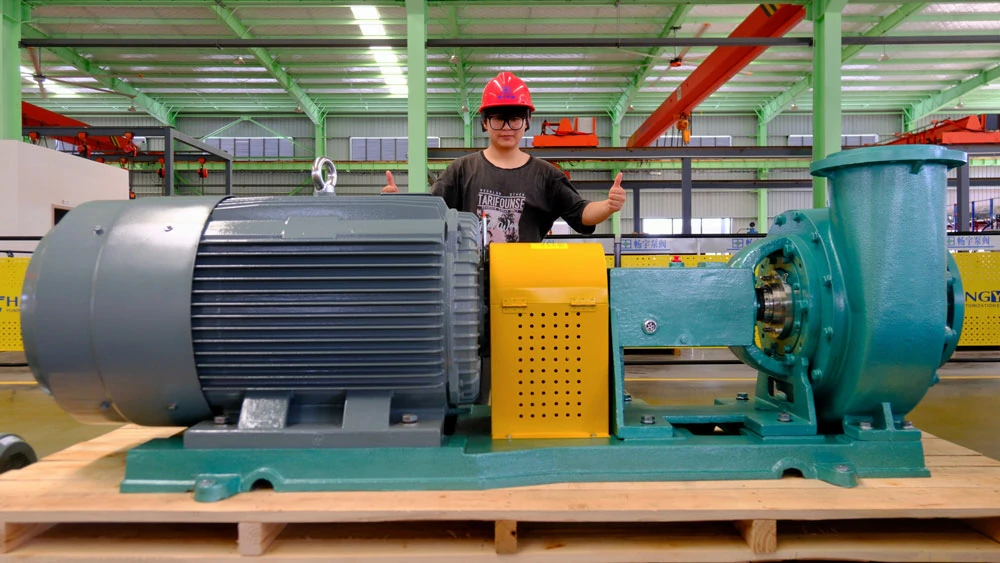
Los revestimientos de UHMW-PE proporcionan una combinación efectiva de resistencia química, resistencia a la abrasión y propiedades antiadherentes para la mayoría de las aplicaciones de yeso FGD. El sello externo de lavado API Plan 32 — combinado con un enjuague obligatorio de 10–15 minutos con agua antes de cada apagado — elimina la cristalización que destruye los sellos mecánicos.
Cuando esté listo para especificar una bomba de lodo de yeso para su aplicación, el equipo de ingeniería de Changyu Pump puede proporcionar una evaluación técnica que cubra el análisis de la química del lodo, la recomendación de materiales y la configuración del sello adaptada a sus condiciones operativas específicas. Dos décadas de fabricación de bombas resistentes a la corrosión en aplicaciones de FGD, ácido fosfórico y procesamiento de yeso respaldan cada recomendación.
Contacte a Changyu Pump para una evaluación técnica gratuita →