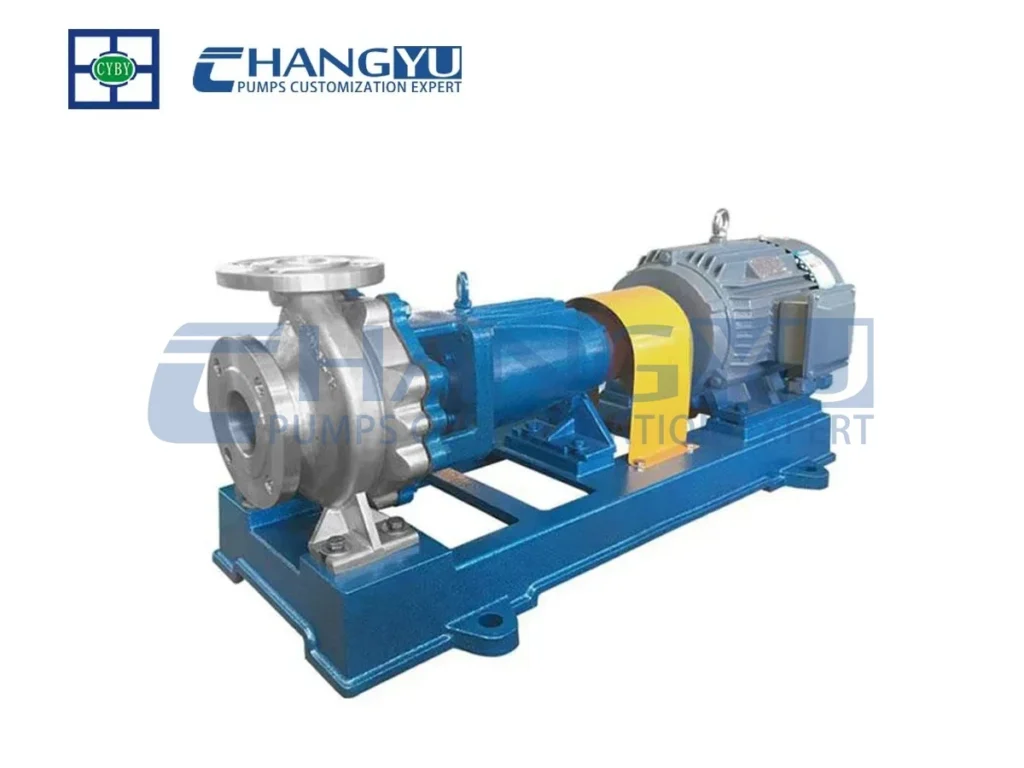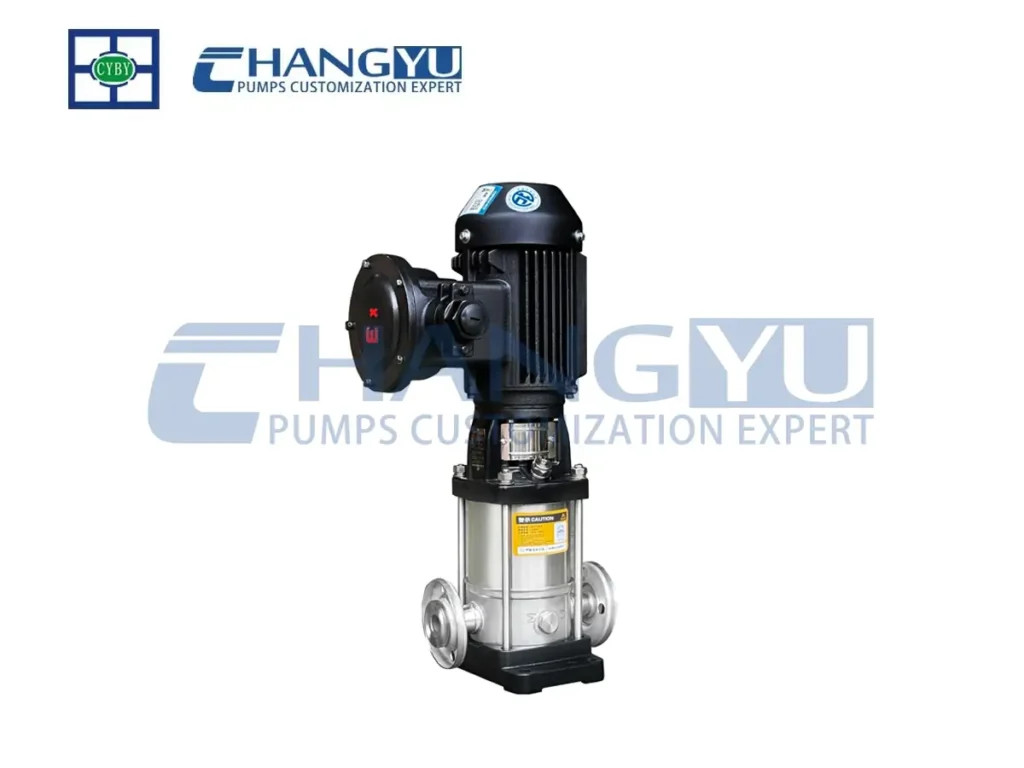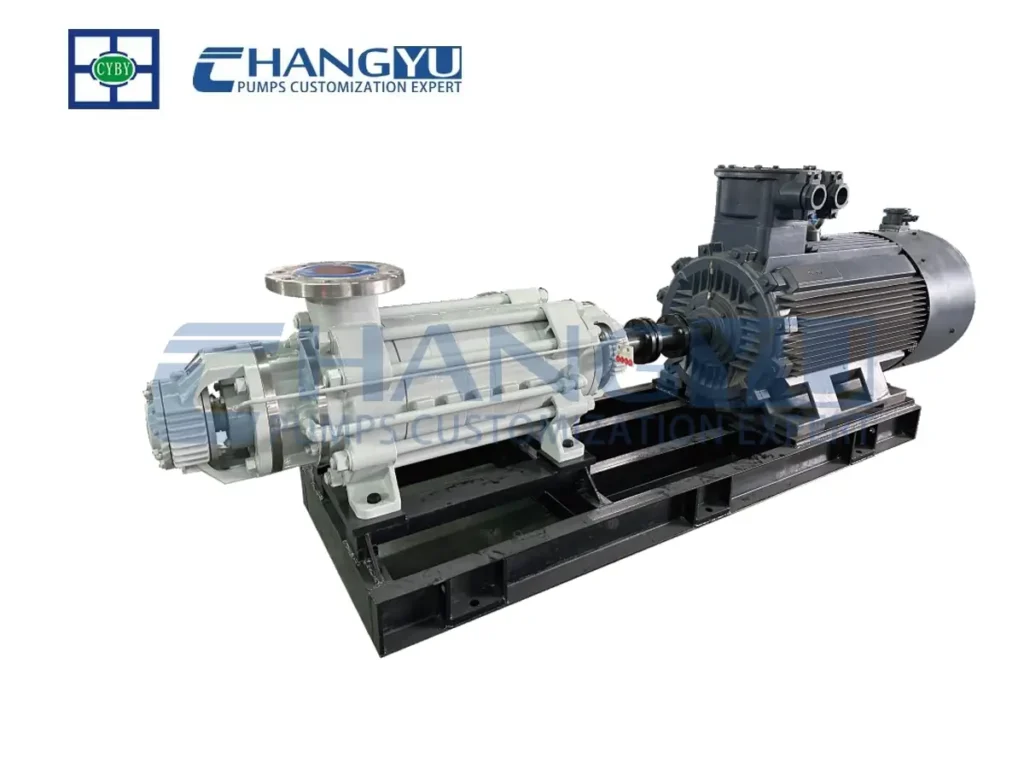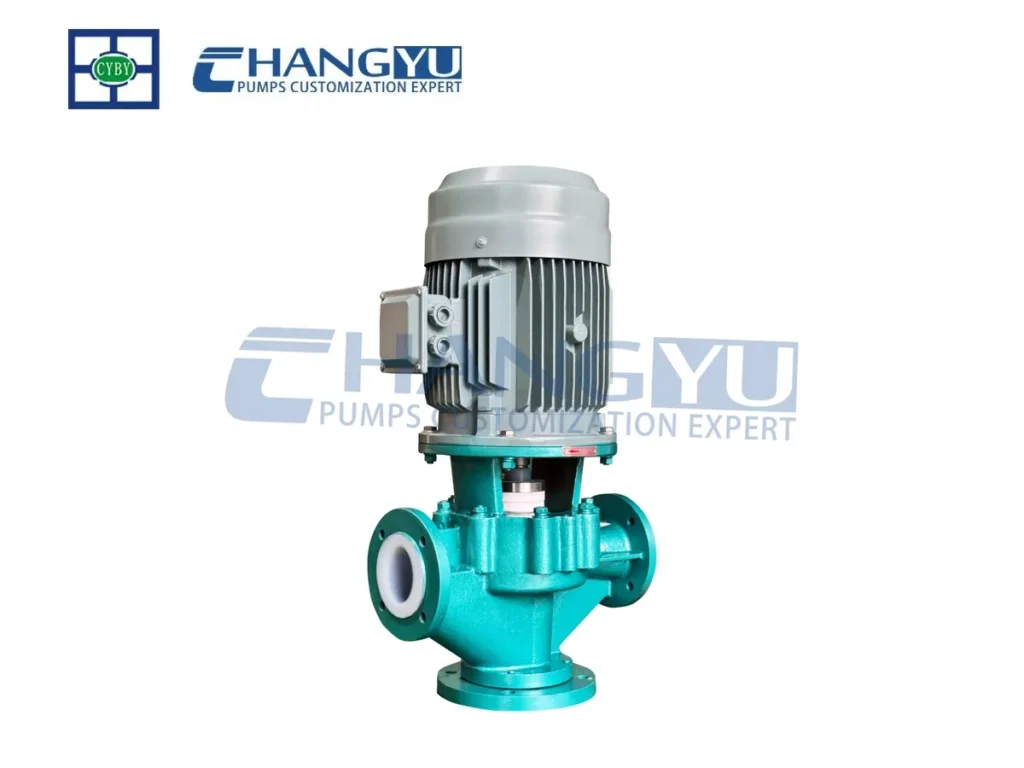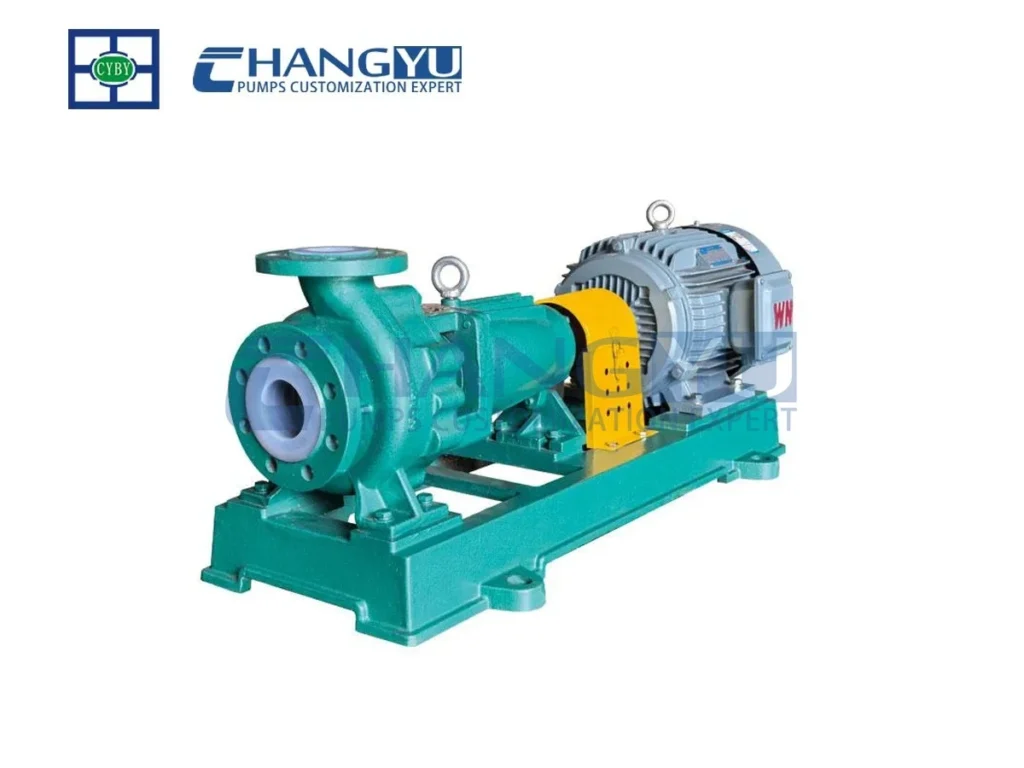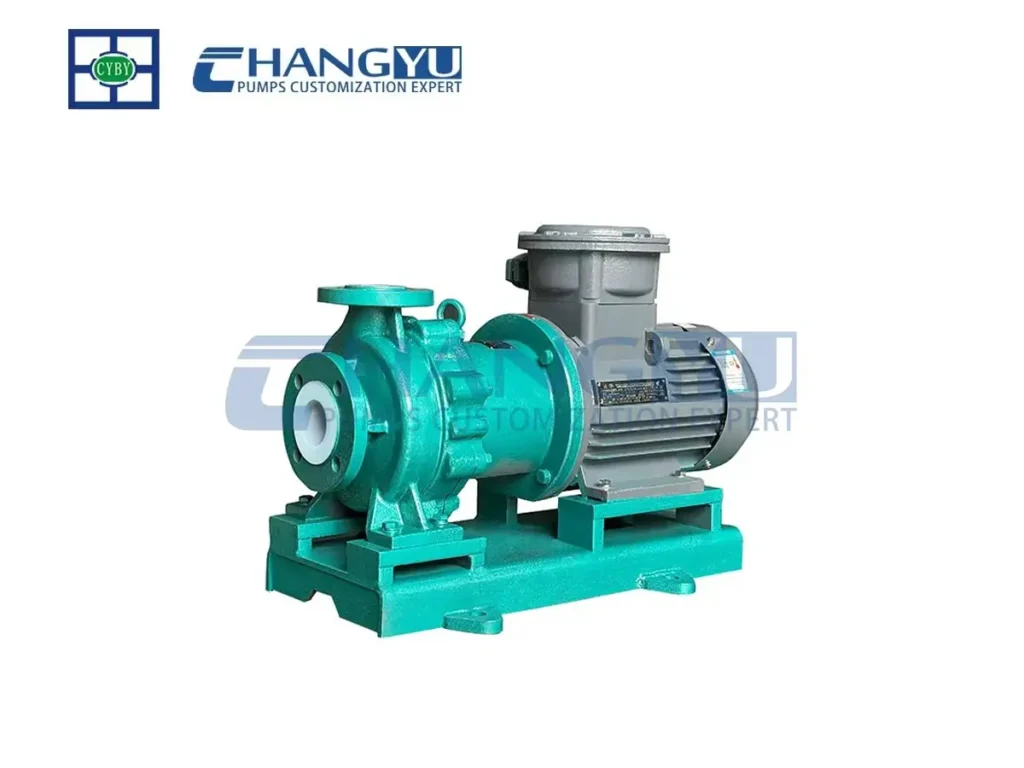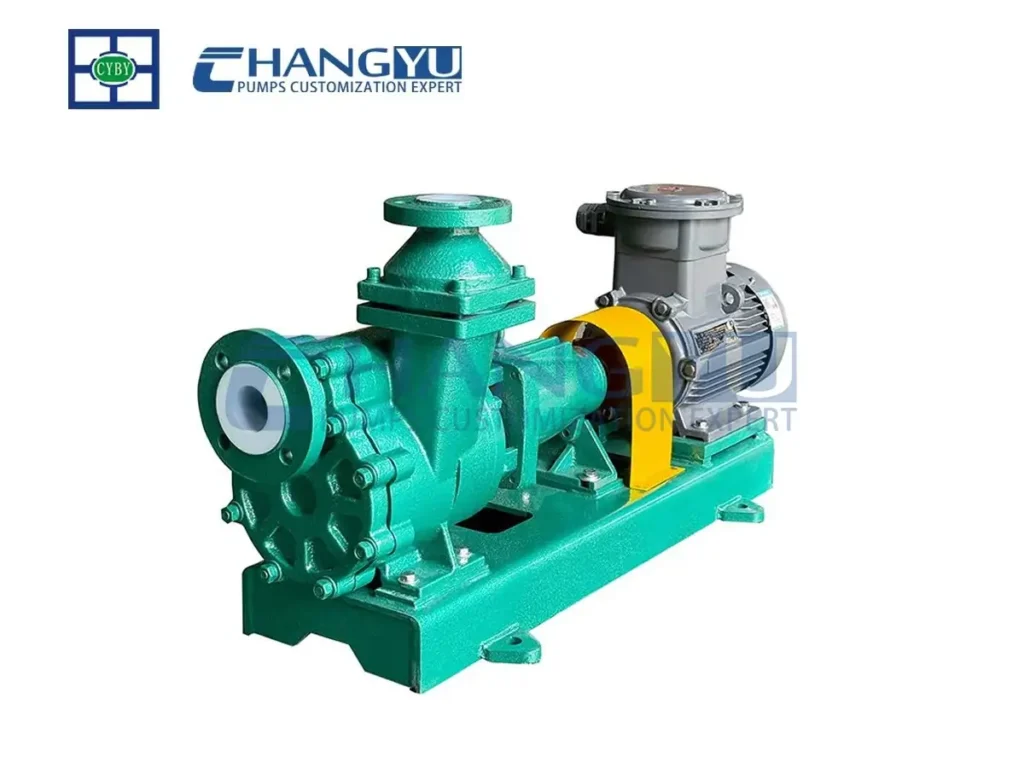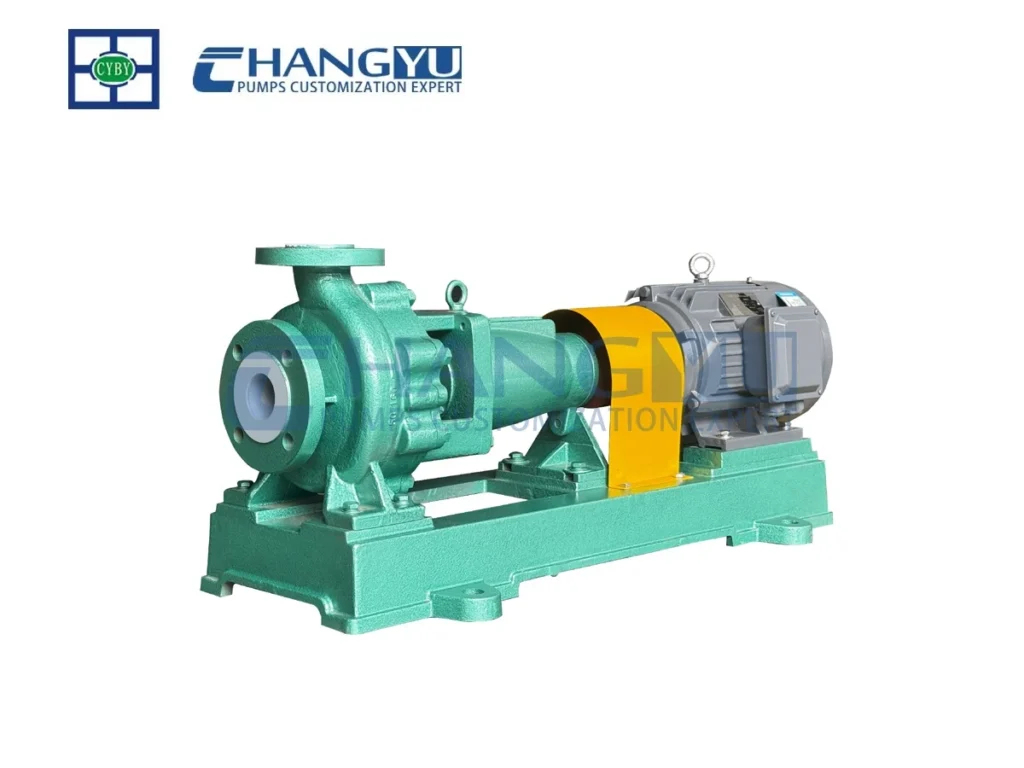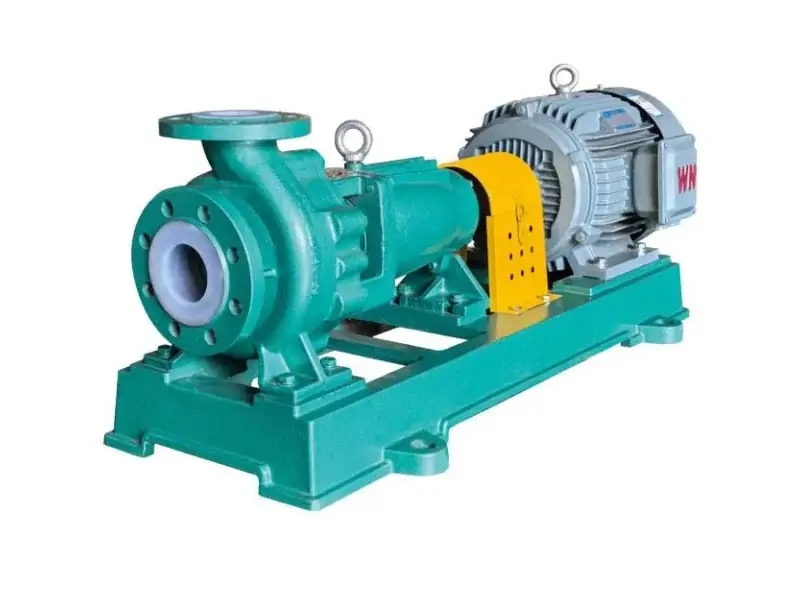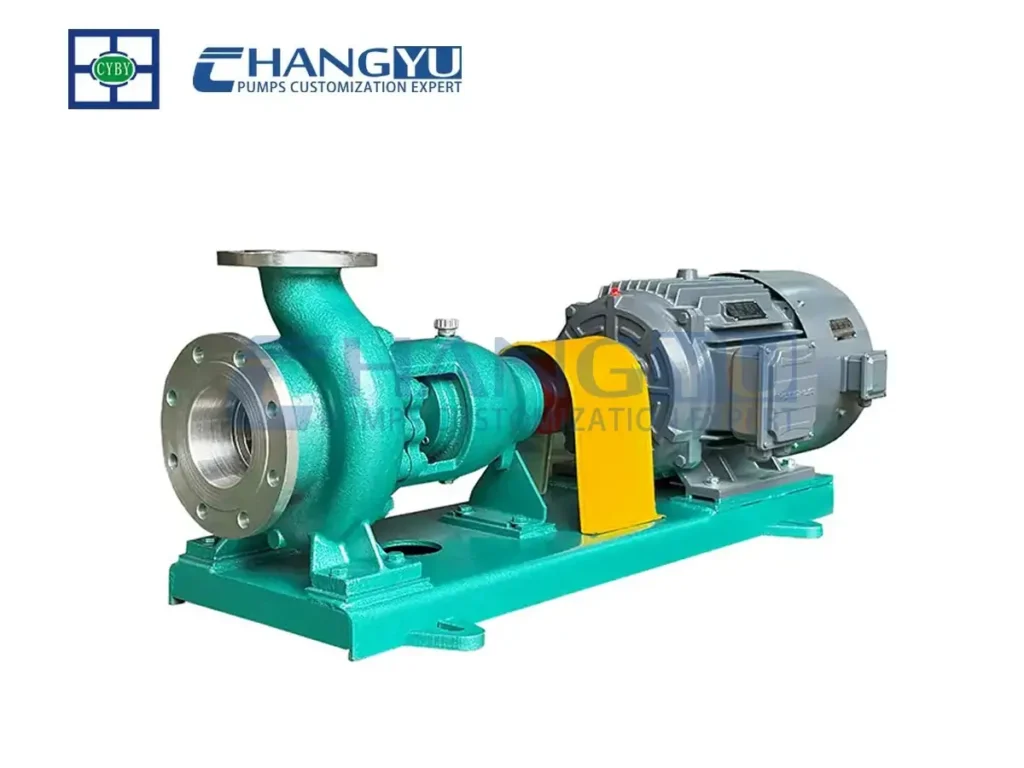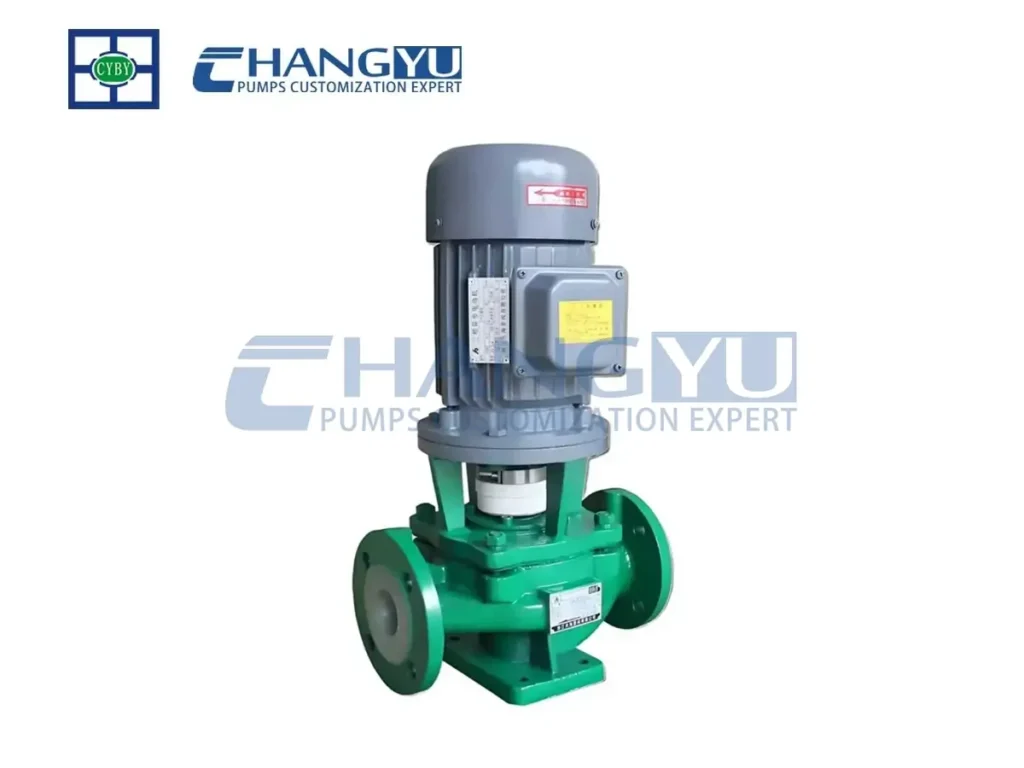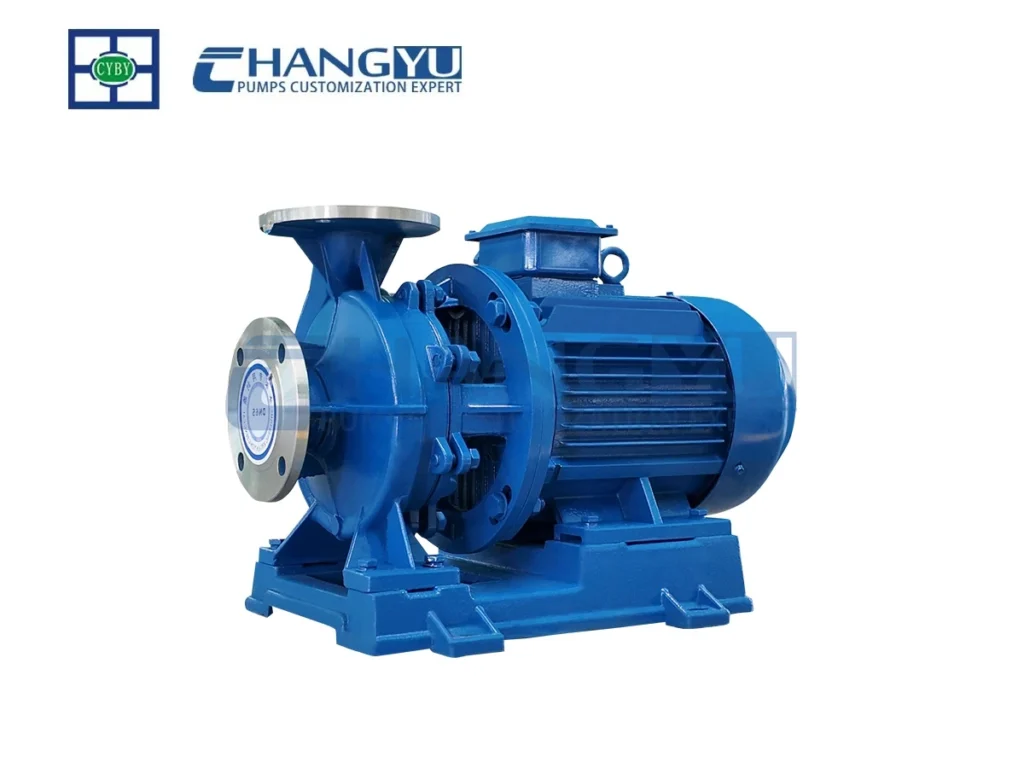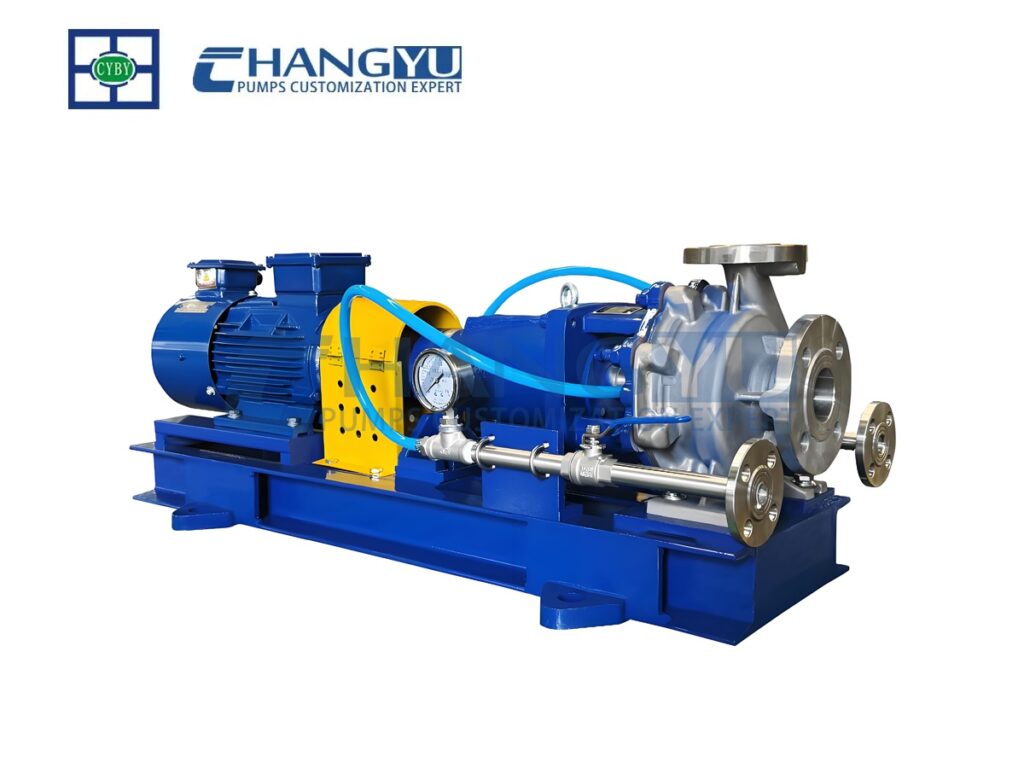
L'amorçage d'une pompe centrifuge consiste à injecter du liquide dans la pompe centrifuge et dans le tuyau d'aspiration avant le démarrage. L'objectif est d'évacuer l'air à l'intérieur de la pompe centrifuge et d'éviter que l'air ne se fixe, ce qui pourrait empêcher la pompe d'absorber le liquide normalement.
Pourquoi est-il nécessaire d'amorcer une pompe centrifuge ?
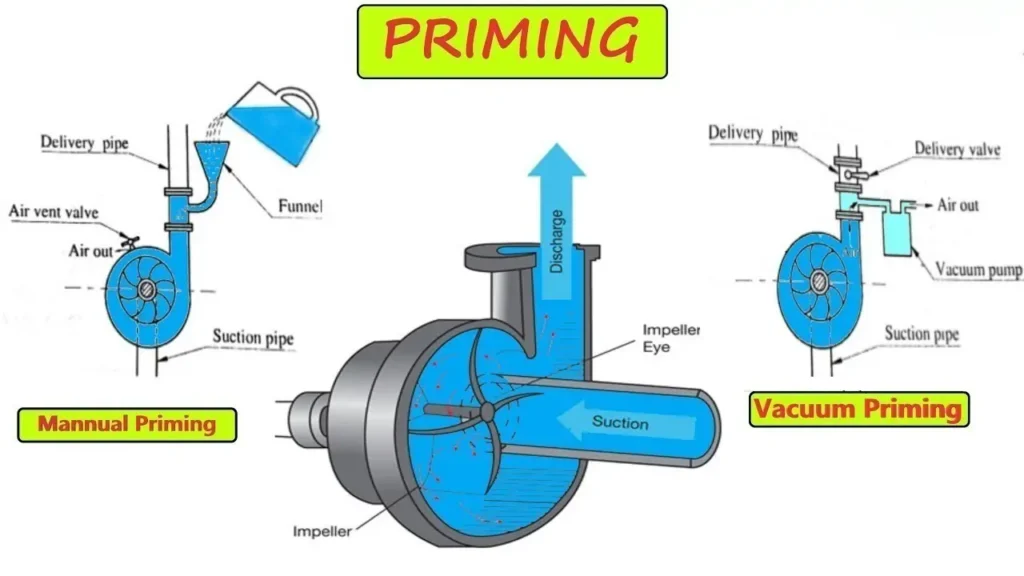
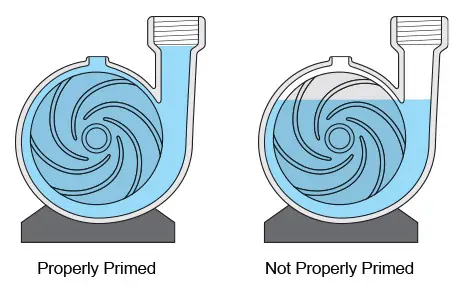
En raison des caractéristiques structurelles d'un pompe centrifuge, Le liquide ne peut s'écouler du centre de la roue vers le bord extérieur que lorsque le corps de la pompe est complètement rempli de liquide. De cette manière, une basse pression peut se former au centre de la roue pour aspirer le liquide.
C'est pourquoi une procédure d'amorçage de la pompe centrifuge est généralement nécessaire avant le démarrage. Le corps de la pompe doit être rempli de liquide d'amorçage et l'air doit être complètement évacué avant que la pompe puisse commencer à fonctionner.
Si la pompe n'est pas amorcée, la densité de l'air à l'intérieur de la pompe est beaucoup plus faible que celle du liquide. La force centrifuge générée par la rotation de la roue est insuffisante pour créer un vide suffisant pour aspirer le liquide (phénomène de fixation de l'air). Par conséquent, la pompe centrifuge ne peut pas fonctionner correctement et peut même provoquer des vibrations de la pompe, un bruit excessif et endommager la garniture mécanique.
Comment amorcer une pompe centrifuge ?
Pompe Changyu propose trois méthodes d'amorçage des pompes centrifuges : l'amorçage manuel, l'amorçage automatique et l'amorçage sans clapet de pied. Toutes ces méthodes permettent de remplir d'eau le corps de la pompe et le tuyau d'entrée avant le démarrage.
Les méthodes spécifiques d'amorçage d'une pompe centrifuge sont décrites ci-dessous :
Amorçage manuel
Étapes de fonctionnement :
Fermer la vanne de décharge :
Empêcher le liquide de s'écouler par la sortie pendant l'amorçage.
Ouvrir le robinet de mise à l'air libre :
Généralement situé au sommet du corps de la pompe ou au point le plus élevé du tuyau d'aspiration.
Injecter de l'eau par l'orifice d'amorçage :
Ouvrir le bouchon d'amorçage ou l'orifice spécial d'injection d'eau sur le dessus du corps de la pompe.
Injecter lentement un liquide compatible avec le fluide transporté (par exemple de l'eau propre) jusqu'à ce que de l'eau s'écoule continuellement de la soupape de mise à l'air libre (pas de bulles).
Fermer le robinet d'aération et l'orifice d'amorçage :
S'assurer que le corps de la pompe est entièrement rempli de liquide.
Vérifier l'étanchéité :
Observer s'il y a des fuites dans le corps de la pompe et dans la tuyauterie.
Remarque :
Si la position d'installation de la pompe est inférieure au niveau du liquide (condition d'aspiration noyée), vous pouvez ouvrir directement la vanne d'aspiration et utiliser la différence de niveau de liquide pour réaliser l'amorçage automatique.
Amorçage automatique
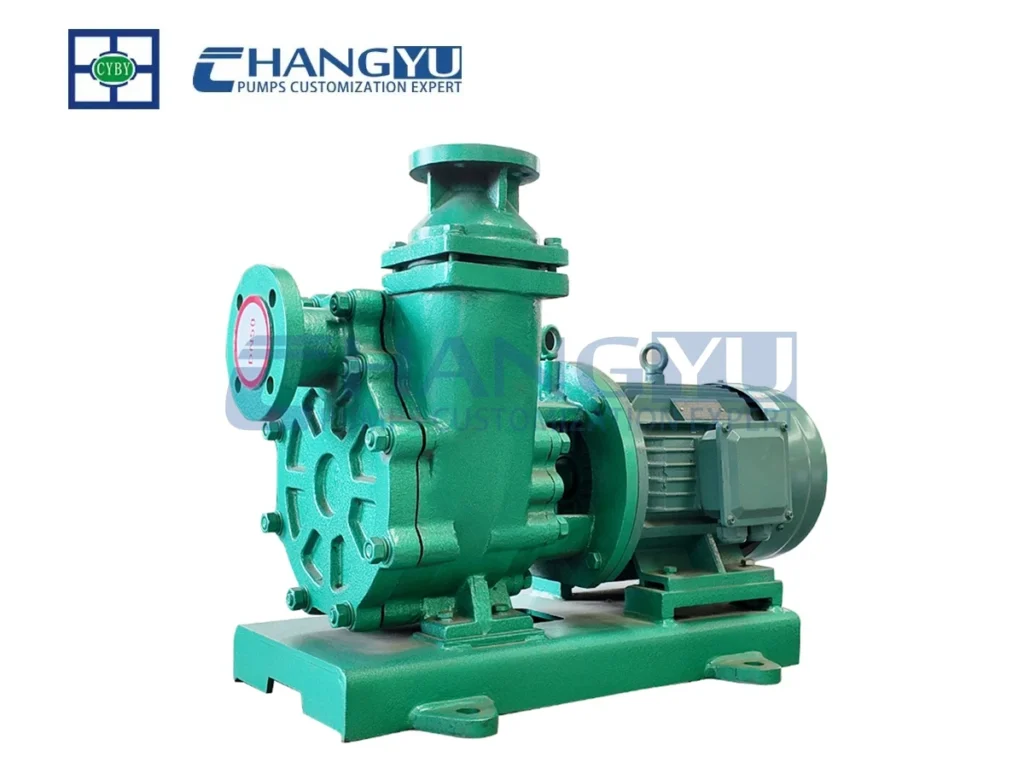
Pompe auto-amorçante:
Une pompe centrifuge auto-amorçante est équipée d'un dispositif d'auto-amorçage. Au démarrage, une pompe à vide ou un éjecteur extrait l'air à l'intérieur de la pompe, de sorte que l'amorçage manuel n'est pas nécessaire.
Méthode de réservoir d'eau à pression négative (haute efficacité et économie d'énergie) :
Principe :
Installer un réservoir de stockage d'eau étanche devant la pompe. Après le premier amorçage, lorsque la pompe s'arrête, le réservoir stocke automatiquement l'eau. Au démarrage suivant, la pression négative dans le réservoir aide à absorber l'eau.
Fonctionnement :
Remplissez le réservoir d'eau pour la première utilisation. Après le démarrage de la pompe, le réservoir forme une pression négative et puise automatiquement l'eau à la source.
Après l'arrêt, l'eau de retour dans la canalisation remplit automatiquement le réservoir, et il n'est pas nécessaire de répéter l'amorçage.
Avantages :
La conception sans clapet de pied réduit la perte de charge et permet d'économiser 10%-15% la consommation d'énergie.
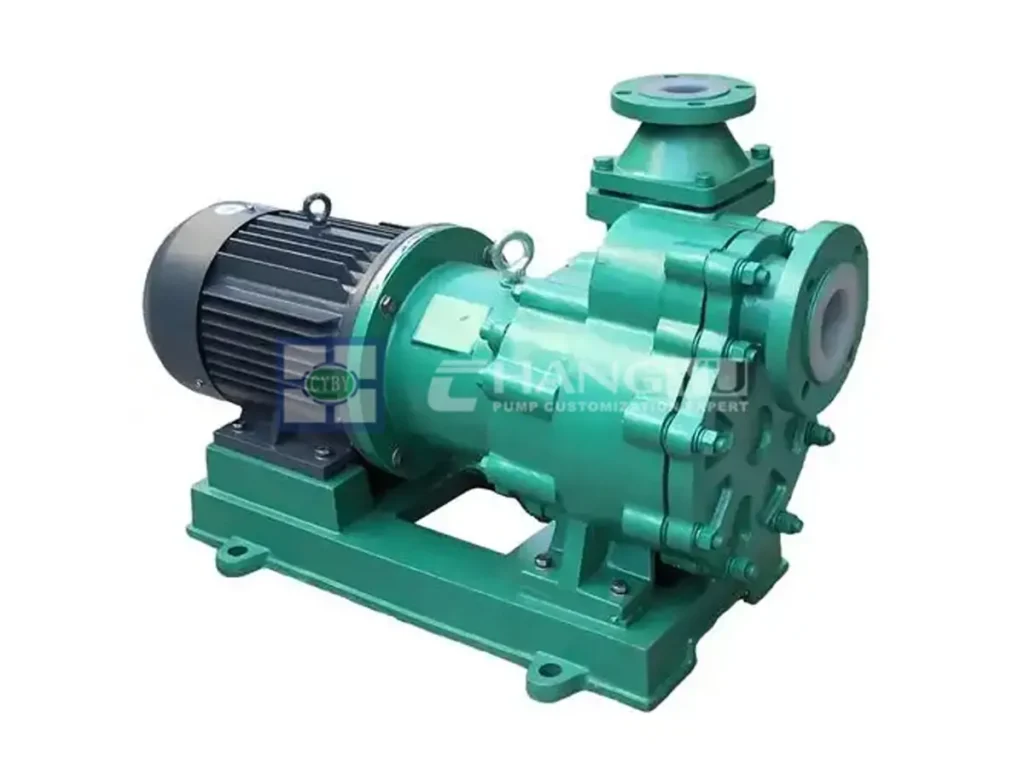
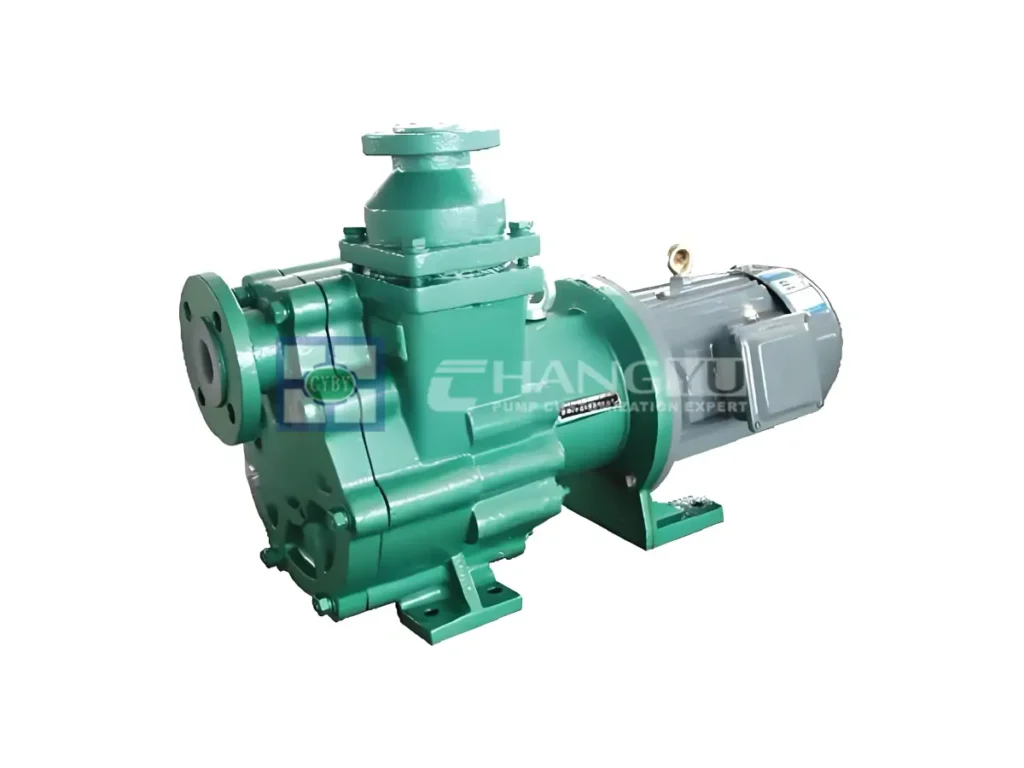
Amorçage sans clapet de pied
Les clapets de pied traditionnels sont susceptibles de se bloquer et présentent une résistance élevée. L'amorçage des pompes centrifuges sans clapet de pied est plus efficace.
Méthode du réservoir sous vide :
Installer un réservoir d'eau sous vide devant la pompe (d'un volume au moins trois fois supérieur à celui du tuyau d'aspiration). Le vide à l'intérieur du réservoir permet d'absorber automatiquement l'eau.
Assistance à la pompe à vide :
Utiliser une pompe à vide pour extraire l'air à l'intérieur de la pompe. Après avoir formé un vide, ouvrez le robinet d'aspiration et le liquide s'écoulera automatiquement dans le corps de la pompe.
Problèmes courants et solutions lors de l'amorçage
La pompe ne peut toujours pas démarrer après l'amorçage :
- Vérifier si le tuyau d'aspiration présente des fuites d'air (joints de bride endommagés, par exemple).
- Confirmer que l'air à l'intérieur de la pompe a été complètement évacué (rouvrir le robinet de mise à l'air libre pour vérifier).
Le liquide continue de fuir pendant l'amorçage :
- Vérifier si les pièces d'étanchéité de la pompe (telles que les joints toriques et les joints d'étanchéité) ont vieilli.
- S'assurer que les vannes des canalisations sont bien fermées.
Besoin fréquent d'amorçage :
Si du liquide est perdu à l'intérieur de la pompe après l'arrêt, le clapet de pied peut être endommagé ou le tuyau d'aspiration peut ne pas être bien étanche. Il est recommandé d'adopter une méthode d'amorçage sans clapet de pied.
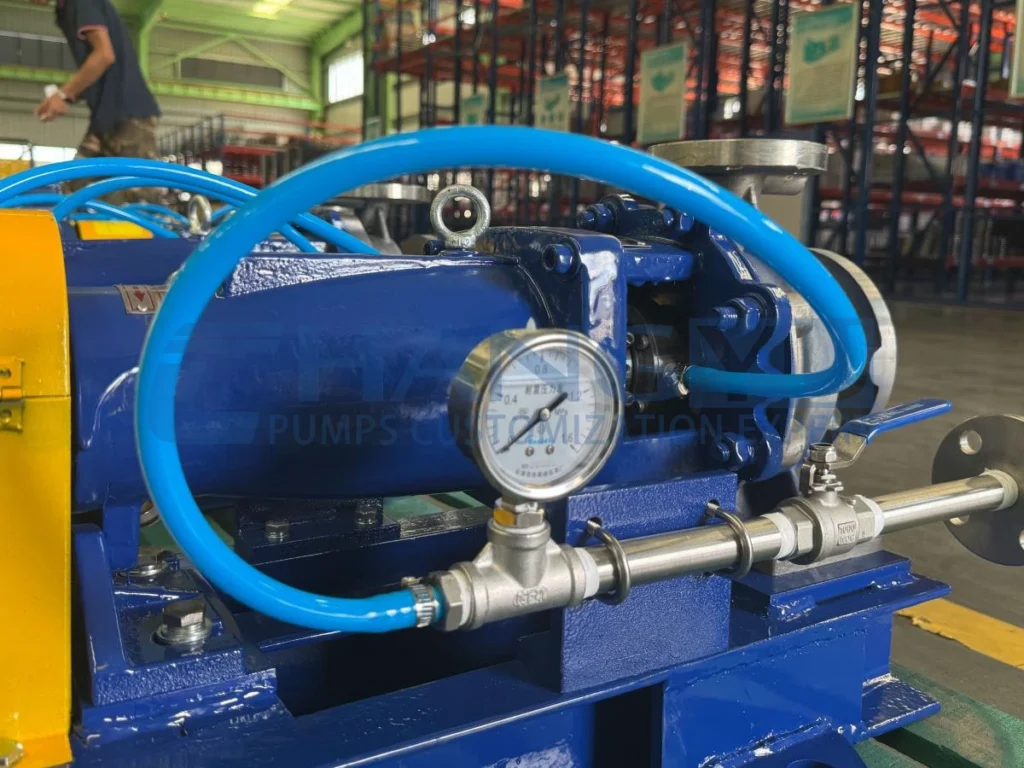
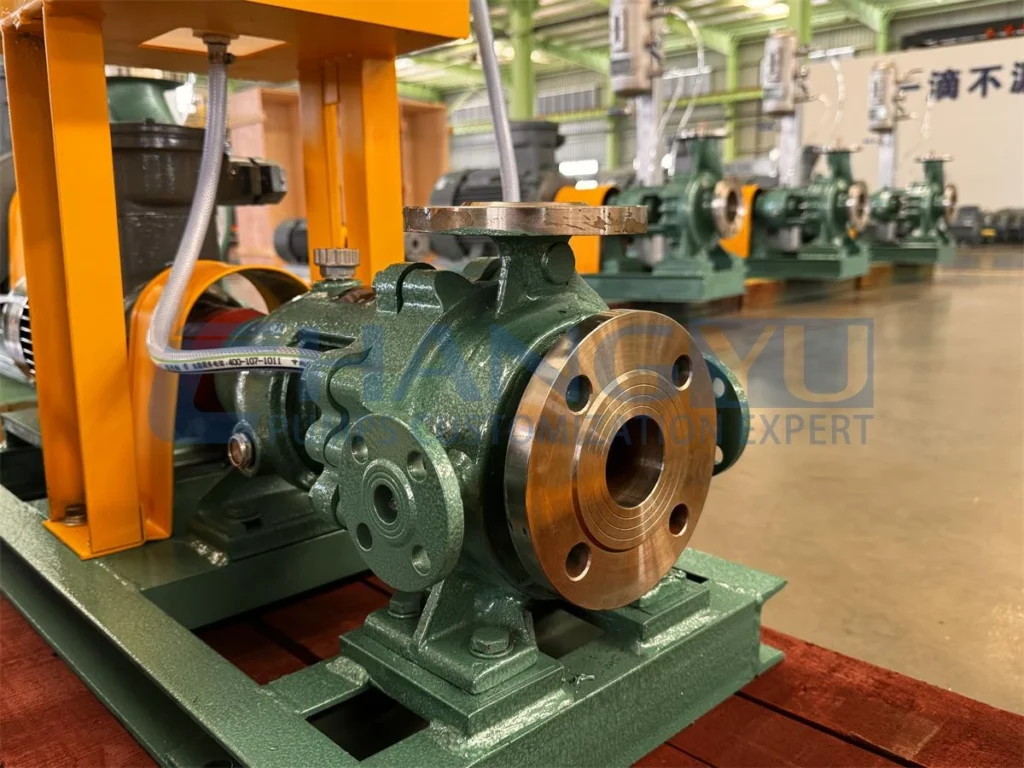
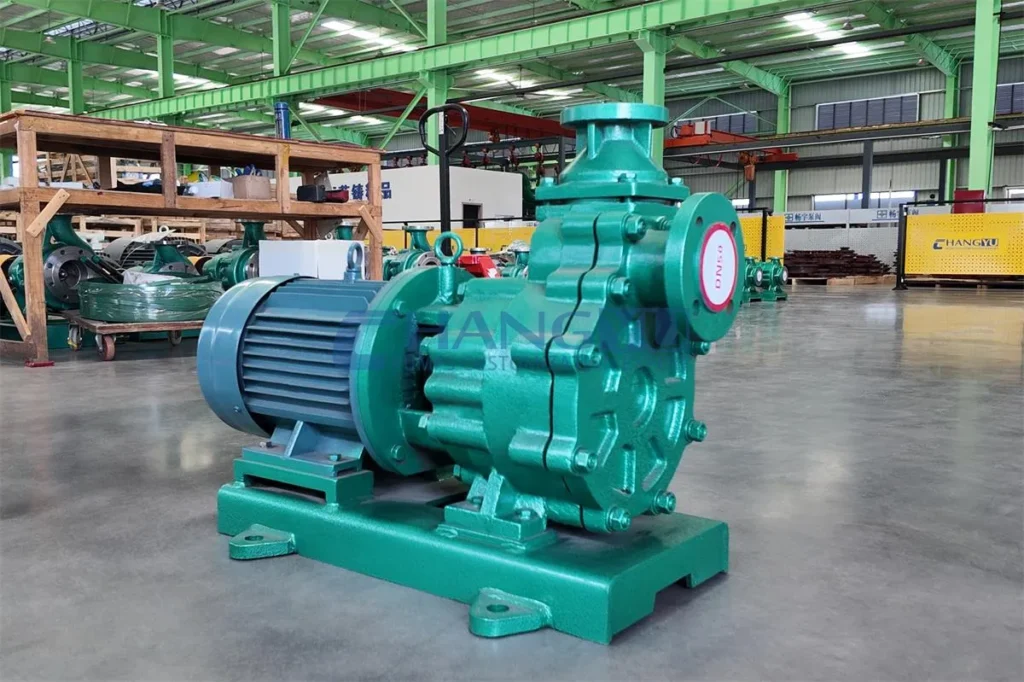
Précautions pour l'amorçage des pompes centrifuges
Compatibilité moyenne :
Le liquide d'amorçage doit être compatible avec le matériau de la pompe et le fluide véhiculé. Par exemple, les pompes chimiques doivent éviter d'utiliser de l'eau propre pour l'amorçage si elle est incompatible.
Décharge complète de l'air :
Après l'amorçage, assurez-vous qu'il ne reste plus de bulles. Dans le cas contraire, un blocage de l'air peut encore se produire après la mise en service.
Fonctionnement sûr :
Lors de l'amorçage d'une pompe à haute température, porter un équipement de protection pour éviter les brûlures.
Conclusion
Comment amorcer une pompe centrifuge ? L'essentiel de l'amorçage des pompes centrifuges fourni par Changyu Pump consiste à éliminer complètement l'air et à remplir la pompe de liquide. La méthode d'amorçage doit être sélectionnée en fonction du type de pompe, des conditions d'installation et des caractéristiques du fluide.
Pour les grosses pompes, il est recommandé d'utiliser l'amorçage automatique ou la méthode du réservoir à pression négative. Les petites pompes peuvent être amorcées manuellement. Un amorçage correct peut considérablement prolonger la durée de vie de la pompe et améliorer son efficacité.

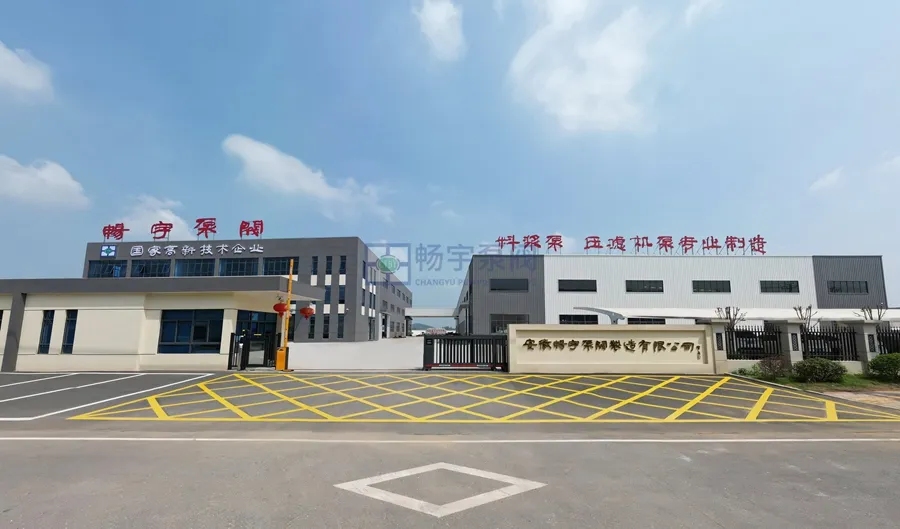


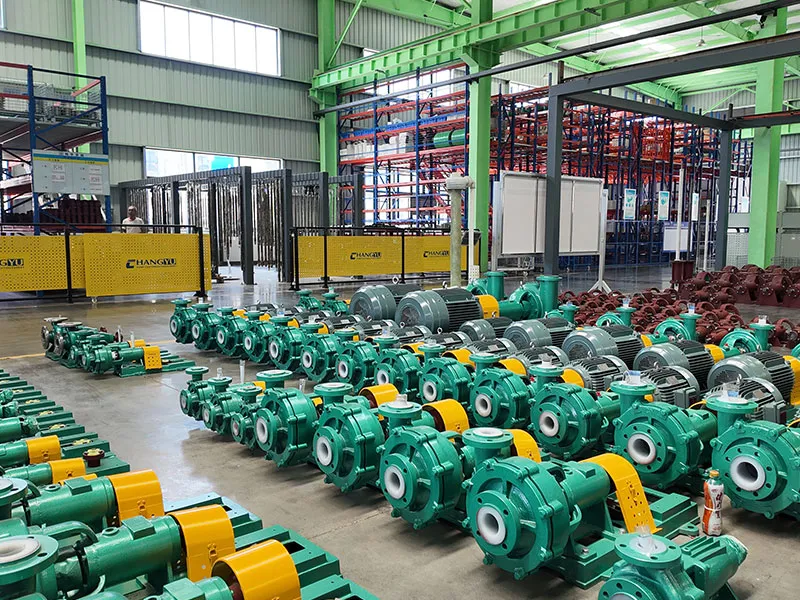


Si vous avez des questions sur la façon d'amorcer une pompe centrifuge, n'hésitez pas à nous contacter. Notre équipe de professionnels peut vous fournir une assistance technique en fonction de vos conditions de travail réelles.
Changyu Pump se concentre sur la fabrication de pompes centrifuges et la recherche et le développement depuis plus de 20 ans. Avec une équipe d'ingénieurs et une capacité de production solides, nous pouvons fournir des solutions professionnelles pour votre système de pompage. Si vous avez des questions sur les pompes centrifuges ou des exigences d'achat, contactez notre équipe maintenant, et nous vous aiderons à résoudre vos problèmes de pompage efficacement.
Courriel : [email protected]
Téléphone : +86- +86-13651913727