
Pour évaluer un fournisseur de pompe d'alimentation de filtre-presse, demandez à chaque entreprise d'utiliser les mêmes données de suspension et de cycle de filtration pour répondre à cinq questions :
Quels débit et pression sont nécessaires au début et à la fin du cycle ?
Pourquoi les matériaux mouillés sont-ils adaptés ?
Quel joint est spécifié ?
L'installation d'aspiration fonctionnera-t-elle ?
Que comprend exactement le devis ?
Nos pompes UHFM-HJ, UHB et BFQ ne doivent être considérées que là où le service réel correspond.
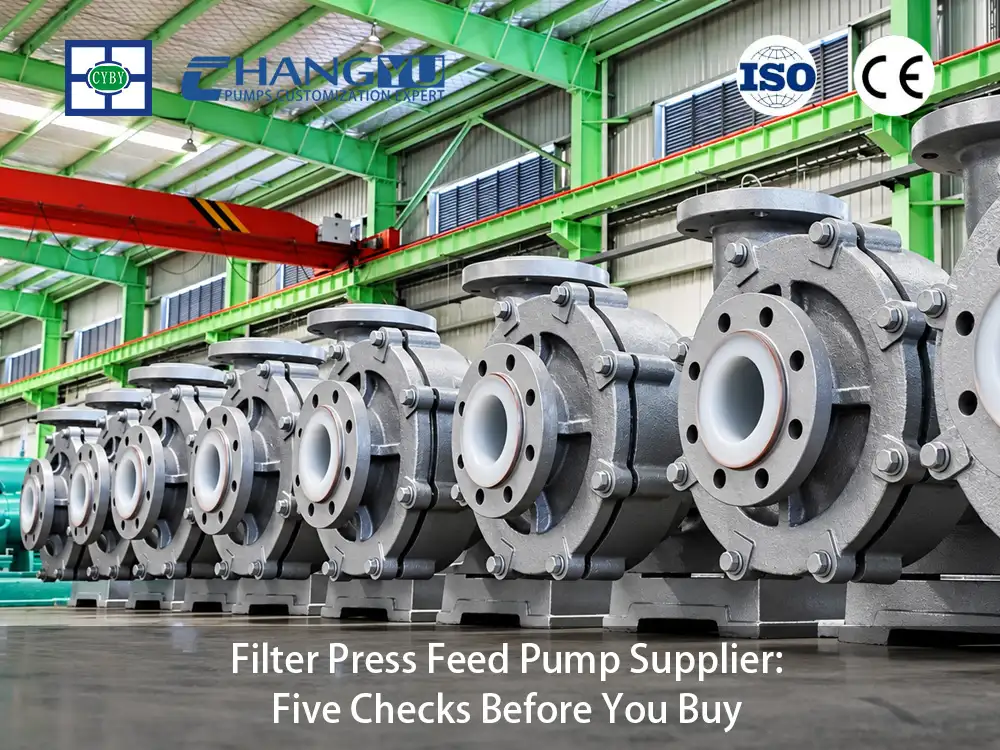
Lorsque vous recherchez “ fournisseurs de pompes d'alimentation pour filtres-presses ”, vous avez généralement déjà déterminé que vous avez besoin d'une pompe d'alimentation et vous comparez différents fournisseurs. Envoyer une demande de devis comprenant uniquement “ débit, hauteur manométrique et prix ” comporte certains risques. Du remplissage de la chambre à la compaction du gâteau de filtration, le débit et la pression fluctuent. La suspension peut également causer corrosion et usure sur les composants de la pompe en contact avec elle. Un fournisseur qualifié doit expliquer comment la pompe répond aux exigences de l'ensemble du cycle et clarifier toute condition spécifique qui ne peut pas encore être confirmée.
Un fournisseur de pompe d'alimentation de filtre-presse peut-il couvrir le cycle complet ?
| Vérification | Réponse à la demande du fournisseur | Pourquoi c'est important |
|---|---|---|
| Pression et débit | Points de fonctionnement pendant le remplissage et à la pression finale | Montre comment la courbe de la pompe s'adapte au cycle |
| Matériaux et joints | Matériaux mouillés, configuration du joint et base de sélection | Traite la chimie de la suspension et les risques de défaillance |
| Installation d'aspiration | Niveau du réservoir, tuyauterie et configuration des vannes | Traite les problèmes d'aspiration et le coup de bélier |
| Portée du devis | Modèle, pièces de rechange, contrôles, essais et délai de livraison | Rend les devis comparables |
| Preuves d'application | Modèle réel, milieu et base de mesure | Vérifie ce que les photos ou études de cas montrent réellement |
Demandez au fournisseur d'indiquer le débit de remplissage initial, la plage de fonctionnement à mesure que le gâteau se forme, et la pression finale requise, avec la base de sélection pour chacun. Un seul point nominal, tel que “ 100 m³/h à 80 m de hauteur manométrique ”, ne permet pas d'établir si le filtre-presse se remplit assez rapidement ou atteint la pression finale requise. Vérifiez également la pression maximale autorisée par le filtre-presse et la tuyauterie, et assurez-vous que le réglage de contrôle ne peut pas dépasser les caractéristiques nominales de l'équipement.
Pour une pompe centrifuge, vérifiez la puissance à l'arbre et la marge du moteur à la densité réelle de la suspension et sur la partie pertinente de sa courbe de pompe. Pour une pompe AODD, demandez le débit et la consommation d'air à la contre-pression spécifiée. Les chiffres maximaux dans deux résumés de produits peuvent utiliser des conditions différentes ; soustraire leurs débits maximaux n'établit pas quelle pompe est meilleure pour votre service.
Pourquoi les matériaux mouillés conviennent-ils à cette suspension ?
Donnez au fournisseur les constituants chimiques et les concentrations, pas seulement “ suspension acide ”. Au même pH, les ions chlorure, l'acide fluorhydrique, les solvants ou les composants oxydants peuvent modifier la sélection des matériaux. Indiquez si la teneur en solides est en poids ou en volume, et fournissez la taille des particules, leur forme, leur dureté et la température. Demandez le matériau de chaque composant concerné : corps, roue, couvercle de corps, garnissage et pièces en contact avec le joint. “ Pompe résistante à la corrosion et à l'abrasion ” n'est pas une spécification de matériau.
Notre Série UHFM-HJ peut être configurée avec du PEHD, des fluoroplastiques, du polyuréthane ou des métaux résistants à la corrosion. Chaque option a ses propres limites chimiques, de température et d'usure par les particules. Confirmez que le modèle final, les matériaux et les noms des pièces de rechange correspondent au dessin et à la nomenclature. Si un fournisseur ne peut pas expliquer son choix de matériau, un prix d'achat bas peut transférer les coûts d'usure et d'arrêt à l'exploitant.
Comment la construction de la pompe et le joint ont-ils été sélectionnés ?
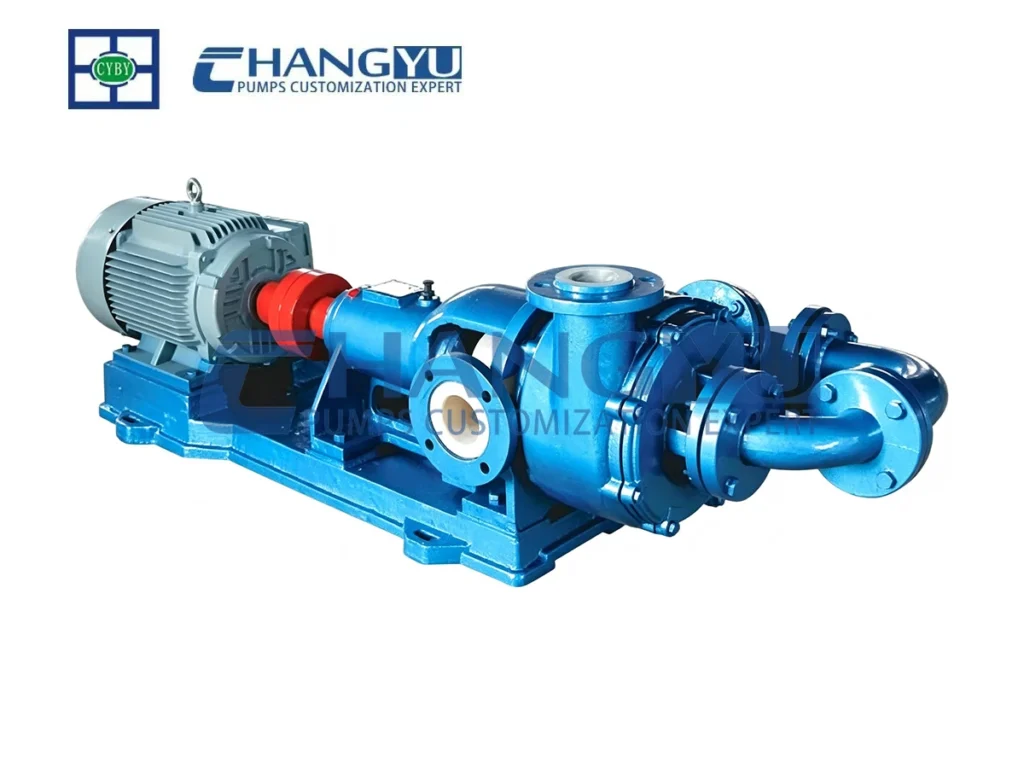
Les configurations UHFM-I à un étage et UHFM-II à deux étages répondent à différents services de pression. Nous proposons plusieurs classes de pression, mais le mot “ haute pression ” seul ne justifie pas une pompe à deux étages, et la caractéristique nominale de la série la plus élevée n'est pas une garantie pour chaque modèle. Demandez le modèle exact, les points de fonctionnement, la condition possible de faible débit près de la fin du cycle, et leur relation avec la pression autorisée du filtre-presse.
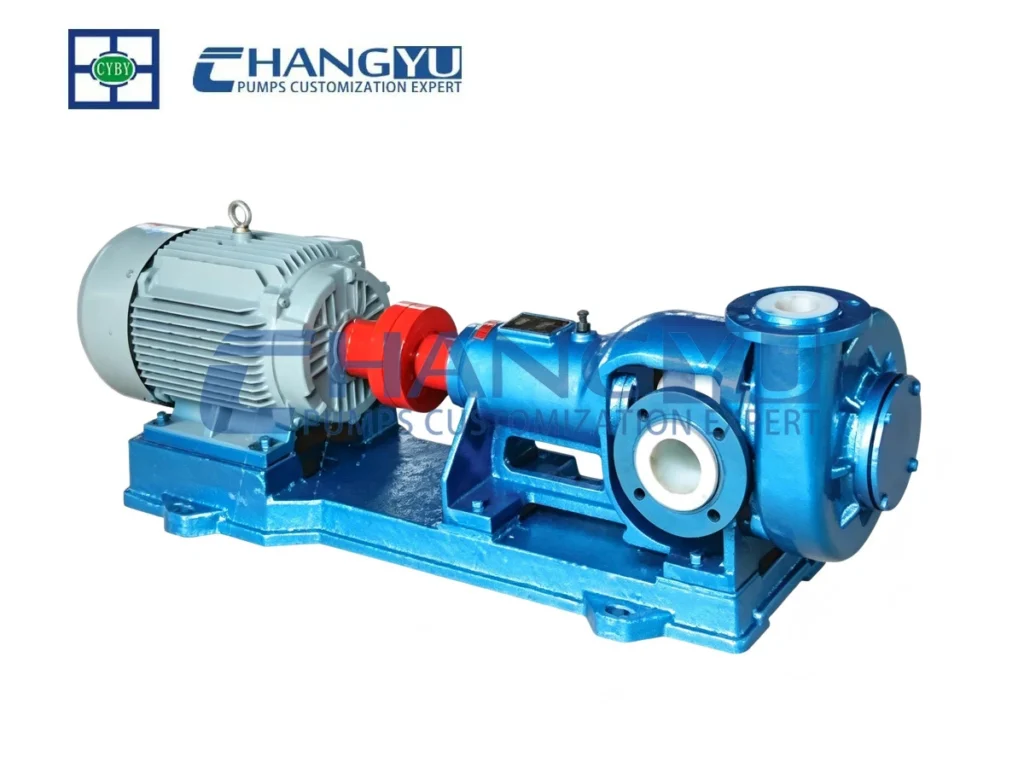 UHFM-I
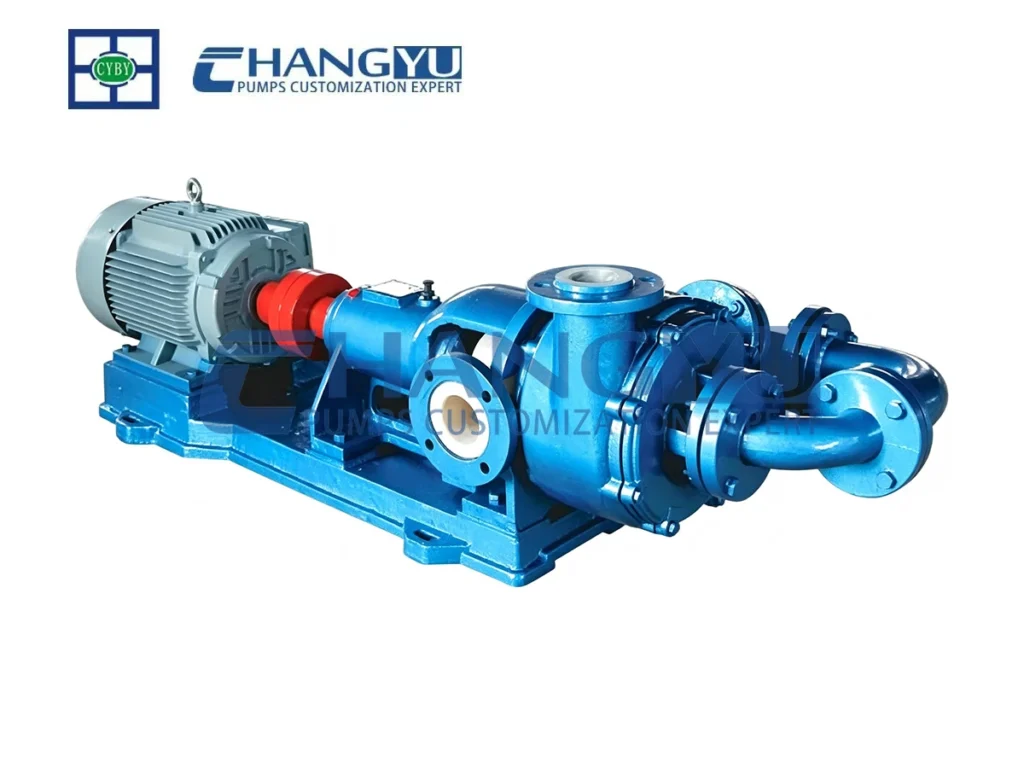 UHFM-II
Le joint nécessite le même niveau de détail. UHFM-HJ dispose de configurations de joint mécanique simple HJ1 et de joint mécanique double à cartouche HJ2. Le choix dépend des solides, de la cristallisation, des fuites acceptables, de l'eau de rinçage disponible et des pratiques d'arrêt. Une spécification d'achat doit indiquer le type de joint, les matériaux mouillés, les exigences de rinçage, les pièces de rechange et les limites de fonctionnement. “ Joint mécanique double ” à lui seul ne prouve pas que tous les problèmes de fuite ont été résolus.
La configuration d'aspiration et d'installation fonctionne-t-elle ?
De nombreux problèmes d'alimentation commencent du côté aspiration. Indiquez au fournisseur le niveau du réservoir par rapport à l'axe de la pompe, si le réservoir est sous vide, le diamètre et la longueur de la tuyauterie d'aspiration, les coudes, les vannes, les crépines, et si la suspension se dépose. Pour notre gamme UHFM, l'aspiration noyée depuis un réservoir surélevé est la configuration préférée. Un réservoir à bas niveau avec clapet de pied et aspiration en charge ne doit pas simplement être supposé adapté. Si le site nécessite une aspiration en charge, demandez une évaluation avant de commander plutôt que de tester la configuration seulement après la livraison.
Demandez également comment la tuyauterie sera supportée indépendamment, si un clapet anti-retour de refoulement est nécessaire, et comment le coup de bélier à l'arrêt sera géré. Le dessin d'installation et la séquence de démarrage doivent faire partie des livrables, et non seulement des points discutés dans une conversation commerciale.
Pouvez-vous vérifier le devis et les preuves d'application ?
Un devis comparable doit identifier le modèle de pompe, les matériaux mouillés, le joint, la puissance du moteur et l'alimentation électrique, les raccordements, les pièces de rechange, les contrôles ou instruments, les conditions d'emballage et d'expédition, le délai de livraison et les documents techniques. Pour un projet personnalisé, distinguez la fourniture standard des articles facturés séparément. Convenez à l'avance des méthodes d'acceptation : un essai en usine à l'eau claire, un examen des documents de matériaux, ou un essai supplémentaire pour un milieu spécial. Un essai à l'eau claire seul ne prouve pas les performances sur site avec une suspension dense.
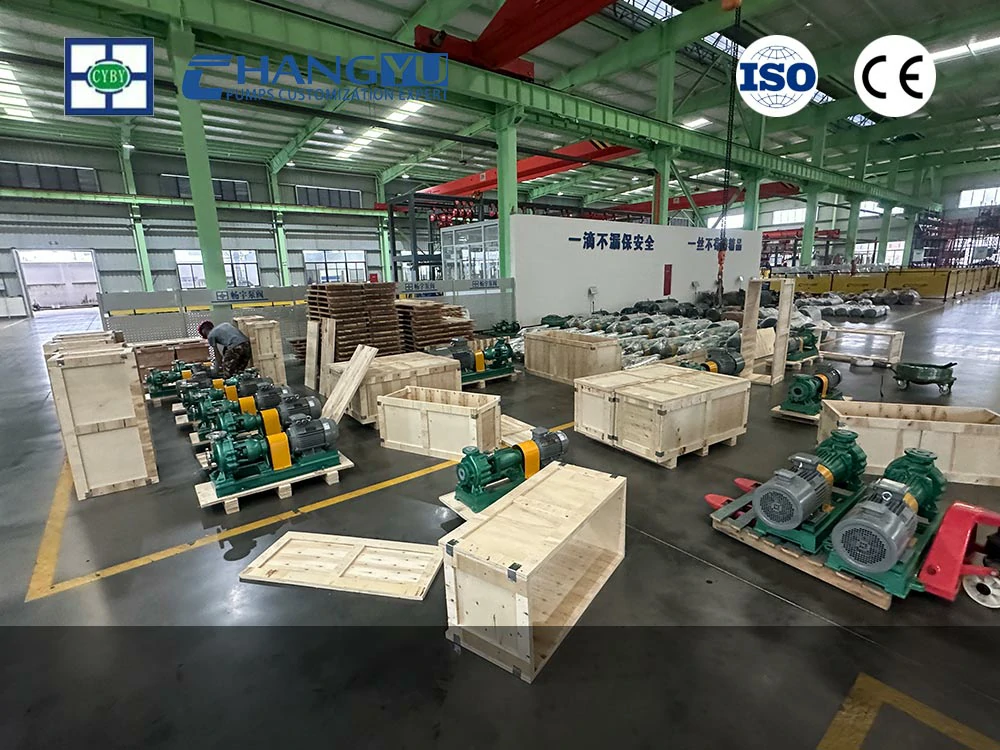
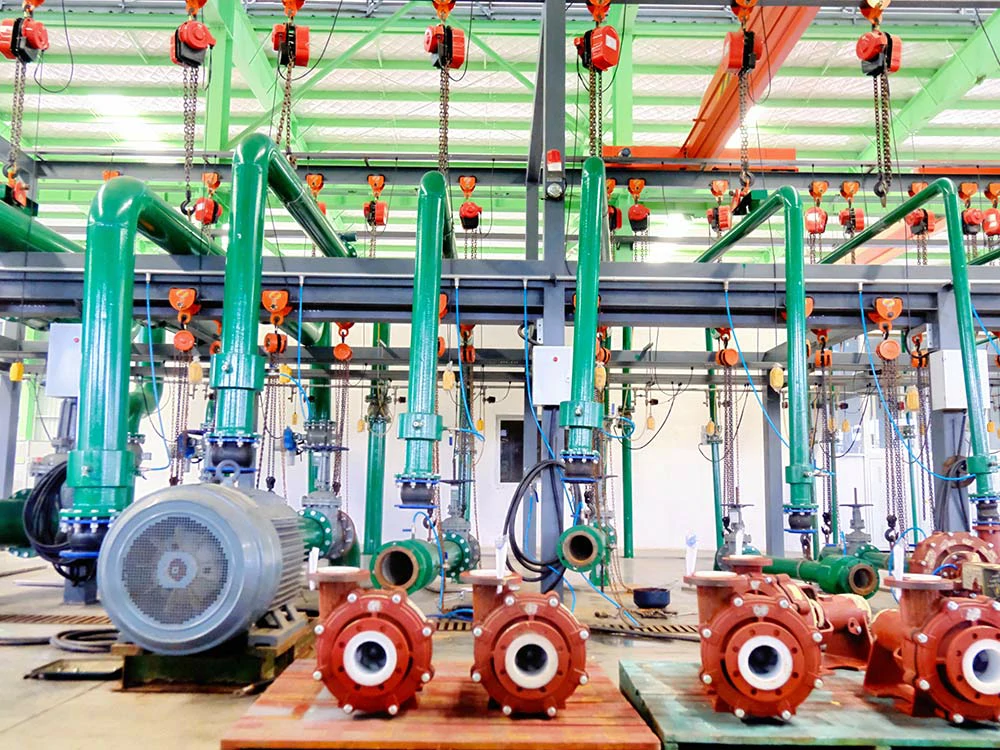
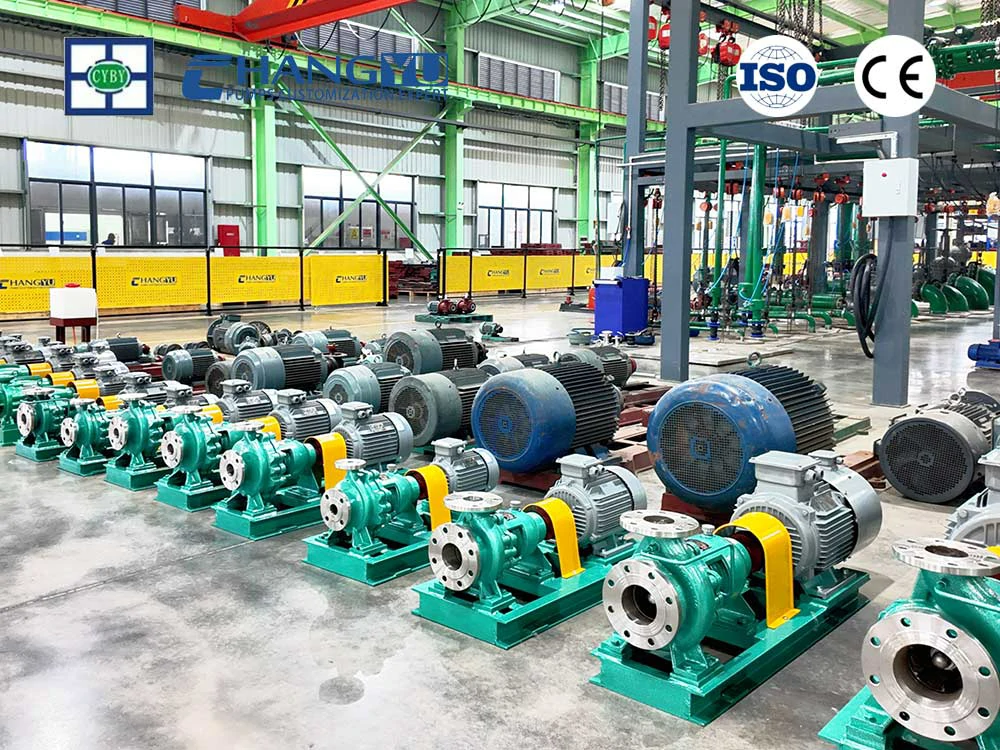
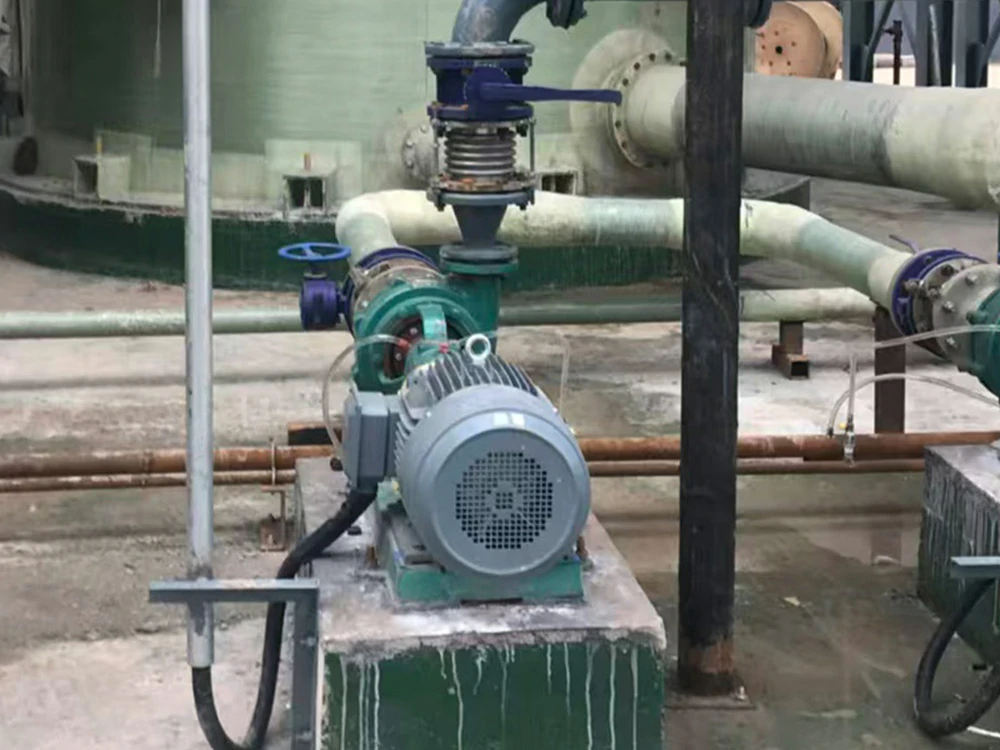
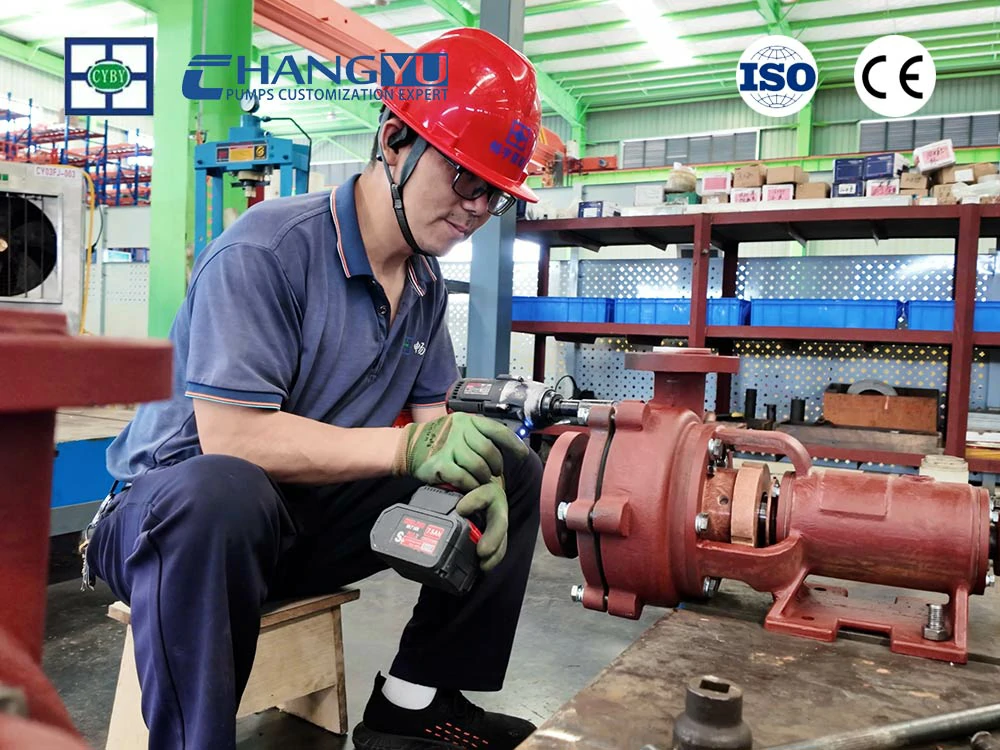
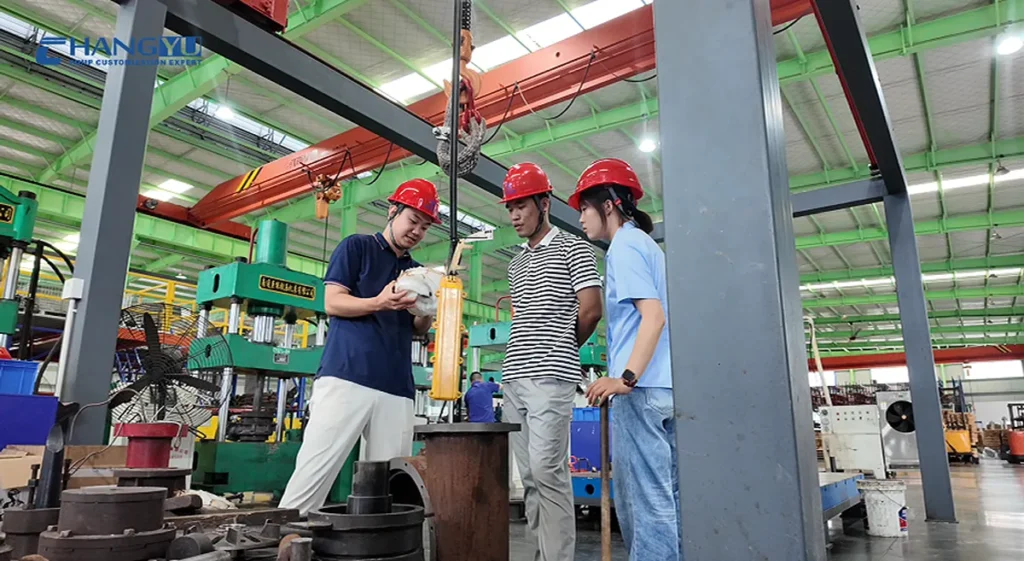
Si un fournisseur fournit des photos d'installation ou un exemple d'application, vérifiez le modèle réel, le fluide et le régime de service. Une photo peut montrer que l'équipement a été installé ou a fonctionné ; elle ne peut pas, à elle seule, établir la durée de vie, les économies d'énergie ou l'humidité du gâteau de filtration. Pour tout chiffre d'amélioration revendiqué, demandez la période de mesure et la base de comparaison.
Informations que vous pouvez envoyer avec une demande de renseignements
Fournissez le modèle de filtre-presse, les détails des plateaux ou des chambres, le volume des chambres, la pression d'alimentation maximale autorisée, le temps de remplissage cible et la pression finale souhaitée. Ajoutez le nom de la suspension, les constituants chimiques et leurs concentrations, la température, la densité, la viscosité, la base de la teneur en solides, la taille maximale des particules et le comportement de décantation. Joignez le niveau du réservoir, les longueurs de tuyauterie d'aspiration et de refoulement, les variations d'altitude, la configuration des vannes et l'alimentation électrique ou en air comprimé disponible. Pour une pompe de remplacement, ajoutez l'ancien modèle, les pressions et débits enregistrés, des photos des pièces défaillantes et l'intervalle de maintenance réel.
Demandez au fournisseur de renvoyer trois conclusions : le type et le modèle de pompe recommandés ; la plage de fonctionnement et les risques en dehors de celle-ci ; et une liste des matériaux, du joint d'étanchéité, des commandes et des pièces d'usure. Une présélection est possible lorsque certaines informations sont manquantes, mais les éléments non confirmés doivent être signalés afin qu'une estimation ne soit pas prise pour une garantie.
Quelles pompes ChangYu peuvent être présélectionnées ?
Nous proposons les pompes de presse-filtre centrifuges monocellulaires UHFM-I et bicellulaires UHFM-II, ainsi que la pompe à double membrane pneumatique BFQ. Pour une boue corrosive et abrasive nécessitant un débit de remplissage initial substantiel, l'UHFM-HJ peut être un candidat. Pour un fonctionnement intermittent, un débit plus faible ou des exigences d'aspiration différentes, la BFQ peut mériter une comparaison. Le modèle exact, le fluide et le cycle de filtration déterminent l'adéquation.
Notre Série UHB est une autre pompe à boue centrifuge résistante à la corrosion et à l'abrasion qui peut être envisagée pour l'alimentation de presse-filtre. A Application de l'UHB-ZK dans un système de presse-filtre de fusion plomb-zinc est un exemple. Demandez-nous d'expliquer la plage de fonctionnement de chaque série en utilisant les mêmes conditions de projet. Les résultats d'un exemple d'application ne doivent pas être considérés comme des résultats garantis pour un nouveau projet.
La valeur d'un fournisseur de pompes d'alimentation de presse-filtre réside dans l'explication claire de la pression, du débit, des matériaux, de l'aspiration et de la maintenance. Apportez une description complète du service à ChangYu ou à un autre fournisseur. Les propositions résultantes seront plus faciles à comparer, et les promesses non étayées seront plus faciles à repérer.
Envoyez votre service pour une revue de modèle
Utilisez la Page de contact ChangYu Pump pour envoyer le cycle de presse-filtre, les propriétés de la boue et les détails d'installation. Demandez-nous d'expliquer séparément si l'UHFM-HJ, l'UHB ou la BFQ correspond au service et où se situent les limites de chaque option.
Courriel : [email protected]
TÉL/WA : +86-13651913727
FAQ
Quelles informations dois-je envoyer à un fournisseur de pompe d'alimentation de filtre-presse ?
Envoyez le volume de la chambre, le temps de remplissage cible, les pressions d'alimentation finale maximale autorisée et souhaitée, ainsi que l'historique de pression et de débit s'il s'agit d'un remplacement. Incluez la chimie de la suspension, la base de concentration, la densité, la viscosité, la taille des particules, la température et le comportement de décantation. Ajoutez le niveau du réservoir, la tuyauterie d'aspiration et de refoulement, les vannes, l'élévation et la puissance disponible ou l'air comprimé.
Comment puis-je déterminer si une pompe proposée couvre l'ensemble du cycle de la presse-filtre ?
Demandez les points de fonctionnement du modèle sélectionné lors du remplissage initial et près de la pression finale, pas seulement un débit et une hauteur manométrique nominaux. Comparez ces points avec la courbe de la pompe, la limite de pression, la marge du moteur à la densité réelle de la boue et le fonctionnement attendu à faible débit. Si des données sont manquantes, le fournisseur doit indiquer ce qui reste non vérifié.
Que doit préciser un fournisseur au sujet des matériaux en contact avec le fluide ?
Demandez le matériau du corps ou de la garniture, de la turbine, du couvercle et des pièces en contact avec le joint, ainsi que les raisons de chaque choix. La réponse doit tenir compte des produits chimiques et de la température du liquide ainsi que de la taille, de la dureté et de la concentration des particules. Une mention générale “ résistant à la corrosion ” ou “ résistant à l'abrasion ” ne suffit pas pour comparer les devis.
Comment choisir entre les garnitures HJ1 et HJ2 sur une pompe UHFM-HJ ?
Demandez une recommandation de garniture liée à la charge en solides, à la cristallisation, aux limites de fuite, à l'eau de rinçage disponible et à la pratique d'arrêt. HJ1 est un montage de garniture mécanique simple ; HJ2 est un montage de garniture mécanique double à cartouche. Spécifiez la garniture choisie, les matériaux, les besoins de rinçage et les pièces de rechange dans le devis plutôt que de considérer l'un ou l'autre montage comme universellement adapté.
Pourquoi un fournisseur devrait-il examiner la tuyauterie d'aspiration et le coup de bélier à l'arrêt ?
Une aspiration insuffisante peut provoquer de la cavitation ou une perte d'alimentation même lorsque le modèle de pompe semble répondre au service requis. Pour notre gamme UHFM, nous préférons une aspiration noyée depuis un réservoir surélevé ; un réservoir bas avec clapet de pied et hauteur d'aspiration nécessite une évaluation explicite. Le fournisseur doit également examiner la séquence du clapet de refoulement, les besoins en clapet anti-retour, le support de tuyauterie et les transitoires de pression à l'arrêt.
Une note maximale de série ou un essai à l'eau claire prouvent-ils la performance en boue ?
Non. Un maximum de série peut s'appliquer à un modèle ou une condition d'essai différent, et un essai en usine à l'eau claire ne reproduit pas une boue dense et abrasive. Demandez la plage de fonctionnement du modèle exact, la portée des essais, les critères d'acceptation et toute hypothèse sur les propriétés de la boue. Séparez les résultats vérifiés des estimations dans la spécification d'achat.
Quelles preuves dois-je demander pour une étude de cas ou une affirmation de durée de vie utile d’un fournisseur ?
Demandez le modèle installé, le fluide, le point de fonctionnement, les heures de service, l'historique de maintenance et la période de mesure. Une photographie de projet peut montrer une installation, mais elle ne peut pas établir à elle seule la durée de vie de la pompe, les économies d'énergie ou l'humidité du gâteau. Pour toute affirmation d'amélioration, exigez la référence de base et la méthode utilisée pour mesurer le résultat.
Références
- Hydraulic Institute, FAQ sur les pompes — informations de base sur les courbes de pompe, les conditions d'aspiration et l'adéquation d'une pompe à son système.
- US EPA, fiche d'information sur la presse-filtre à plaques encastrées — informations de base sur le fonctionnement de la presse-filtre et les informations de processus nécessaires pour évaluer l'équipement ; il ne s'agit pas d'une spécification pour les pompes ChangYu.